Tag: Brand

  • Esprit sales continues to dive

    Esprit sales continues to dive

    Esprit sales slumped further in the first quarter as the embattled fashion brand’s store network continued to shrink. In a stock exchange filing on Friday, Esprit said group revenue for the quarter to September 30 slumped 16.2 per cent year on year in local currency while its own offline store sales area reduced by 10.6 per cent, to HK$3.34 billion (US$425.8 million). The company’s own-managed stores, which account for 37 per cent of the company’s total turnover, fell by 17.8 per cent.

    “The decline was due to a reduction in net sales area of 11.5 per cent year on year, a result of continued rationalisation of our distribution footprint, including the closure of the Australia and New Zealand markets and a decline in comparable retail store sales (excluding e-shop) of 14.1 per cent … mainly due to declining customer traffic to our stores and extended warm summer temperature in Europe which impacted sales of our autumn merchandise,” the company said.

    Offline same-store sales in Asia Pacific grew by 0.3 per cent, mainly due to promotional activities. But online sales, which accounted for 24.9 per cent of the company’s revenue, fell by 14.9 per cent globally.

    Eshop, almost entirely in Europe and representing 24.9 per cent of group revenue, recorded a decrease of 14.9 per cent. Online sales in Asia Pacific, which account for a mere 2.6 per cent of total e-shop sales, plummeted 36.7 per cent, largely blamed on the closure of the Australia-New Zealand business.

    Wholesale revenue, almost entirely from Europe, fell 15.5 per cent.

    The company reiterated comments made after its dire full-year results were released last month, which included a US$325.5 million loss in the year to June 30: “Corrective measures are in place to reignite sales momentum.”

    A strategy plan will be released on November 26 outlining how the company plans to sharpen its brand identity, putting the customer at the centre of everything it does; improve product offering and brand positioning; reduce complexity and improve accountability in the organisation; become a leaner organisation; and eliminate loss-making parts of the business.

  • LimeLife acquisition helped boost L’Occitane sales

    LimeLife acquisition helped boost L’Occitane sales

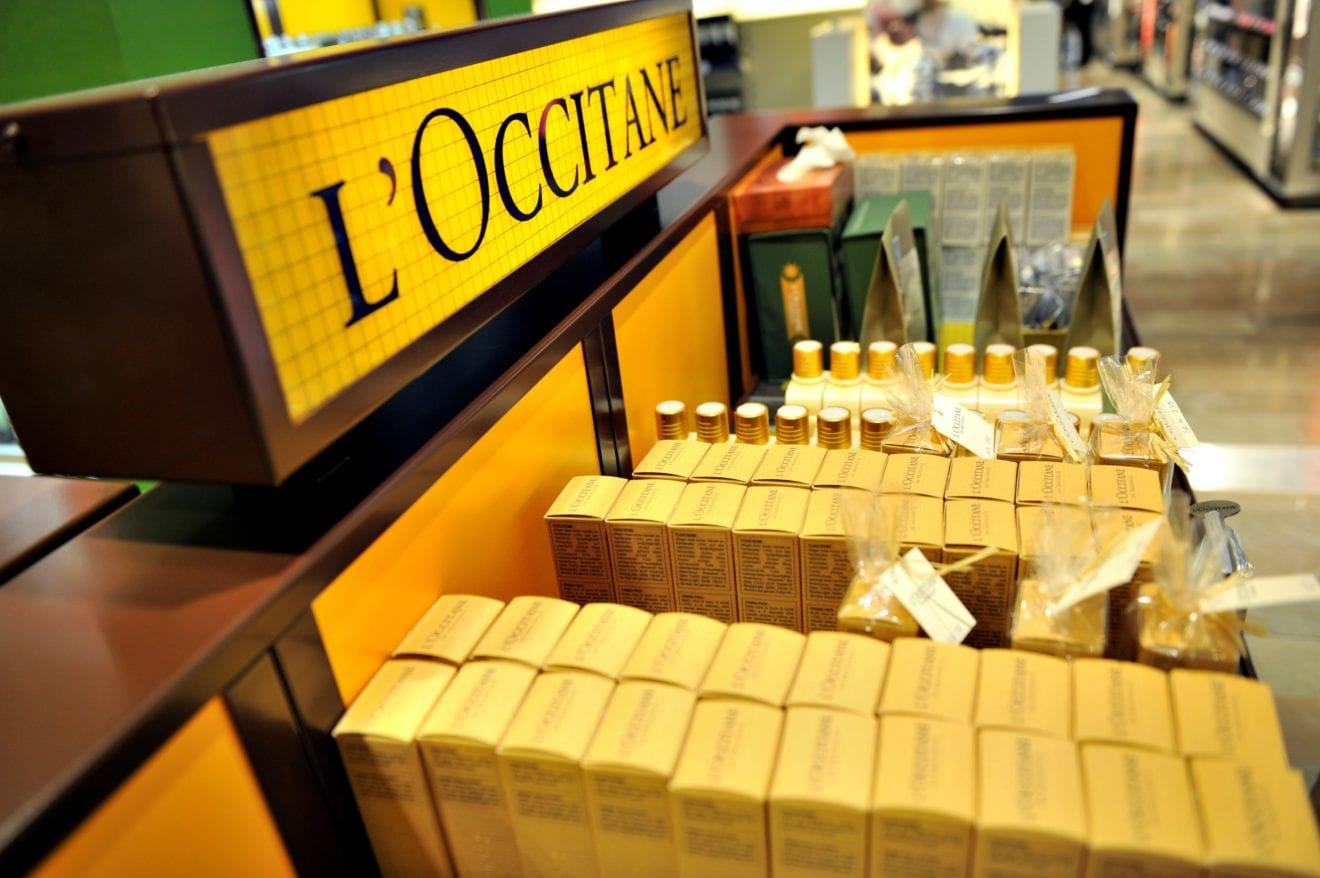
    Hong Kong-listed, Luxembourg-headquartered beauty products retailer L’Occitane has reported healthy sales growth on the back of a key acquisition. Same-store L’Occitane sales in Hong Kong rose 18.6 per cent on a currency-neutral basis in the six months to September 30, and by 14.1 per cent in Mainland China.

    Chairman Reinold Geiger said the Hong Kong growth was primarily driven by “dynamic” travel retail sales.

    But that was far less dramatic than the 65.8 per cent boom in the US, driven by the LimeLife by Alcone business which became part of L’Occitane in January, and the continued recovery of the core L’Occitane en Provence brand.

    Global group sales rose 8.6 per cent at reported rates and 12.4 per cent at constant exchange rates. After excluding the LimeLife business, like-for-like sales growth rose 4.9 per cent, which was higher than the 3.6 per cent of the first quarter.

    Global L’Occitane sales reached €595.4 million for the six months. It finished the period with 1555 of its own stores.

  • Vietnam remains among 50 most valuable national brands

    Vietnam remains among 50 most valuable national brands

    Brand Finance has released its annual report on the world’s 100 leading nation brands, and Vietnam is in 43rd place. Its brand value is estimated at $235 billion, up $32 billion from the previous year. It has risen two places in the list this year.

    The global brand valuation consultancy firm evaluates a country’s national brand on the brands based there and the economy as a whole by weighing up various socio-economic factors.

    A “strong” national brand denotes a highly attractive environment for investment, encouraging inward investment, adding value to exports, and attracting tourists and skilled migrants, it explained.

    Vietnam’s continuing rise in the list is primarily due to “Vietnam Value”, a national program to endorse products and services that meet minimum standards set out by the government, and concentrated efforts to promote economic growth by the government, it said.

    In Southeast Asia, Vietnam is only in sixth place in terms of value, below Indonesia, Singapore, the Philippines, Malaysia, and Thailand.

    The Top 10 in the world did not see much change with the U.S., China and Germany continuing to lead in terms of value.

    The U.S.’ value has shot up by 23 percent to $25.9 trillion this year as a result of falling tax rates and a more business-friendly environment despite the negative public image that President Trump may have cultivated, the report said.

    Founded in 1996, Brand Finance is the world’s leading independent branded business valuation and strategy consultancy. Headquartered in London, the firm is present in over 20 countries.

  • Vietnam remains among 50 most valuable brands

    Vietnam remains among 50 most valuable brands

    Its brand value is estimated at $235 billion, up $32 billion from the previous year. It has risen two places in the list this year. The global brand valuation consultancy firm evaluates a country’s national brand on the brands based there and the economy as a whole by weighing up various socio-economic factors.

    A “strong” national brand denotes a highly attractive environment for investment, encouraging inward investment, adding value to exports, and attracting tourists and skilled migrants, it explained.

    Vietnam’s continuing rise in the list is primarily due to “Vietnam Value”, a national program to endorse products and services that meet minimum standards set out by the government, and concentrated efforts to promote economic growth by the government, it said.

    In Southeast Asia, Vietnam is only in sixth place in terms of value, below Indonesia, Singapore, the Philippines, Malaysia, and Thailand.

    The Top 10 in the world did not see much change with the U.S., China and Germany continuing to lead in terms of value.

    The U.S.’ value has shot up by 23 percent to $25.9 trillion this year as a result of falling tax rates and a more business-friendly environment despite the negative public image that President Trump may have cultivated, the report said.

    Founded in 1996, Brand Finance is the world’s leading independent branded business valuation and strategy consultancy. Headquartered in London, the firm is present in over 20 countries.

  • Top 10 largest apparel companies worldwide in 2018

    Top 10 largest apparel companies worldwide in 2018

    Forbes has released the 16th annual Forbes Global 2000 edition which lists the top 10 largest apparel retail companies in the world. The list includes publicly-traded companies from 60 countries and has been complied using data from FactSet

    Research systems to screen for the biggest public companies in four metric: sales, profits, assets and market value. We bring you Forbes ‘World’s Top 10 Largest Apparel Companies’

    View the top list below :

  • Samsung tops Asia’s top 1000 brands ranking

    Samsung tops Asia’s top 1000 brands ranking

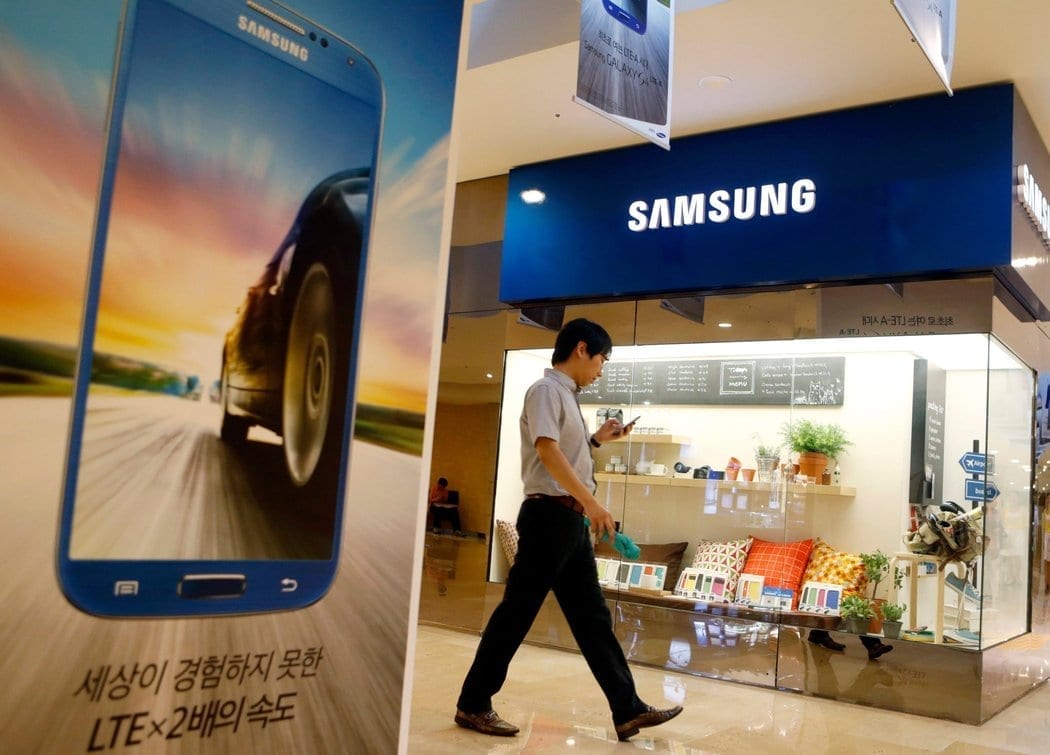
    Samsung again tops Asia’s Top 1000 Brands list, produced by Campaign Asia-Pacific and Nielsen.

    In its 15th year, the list again has Apple at second place.

    Rounding out the top 10 are Panasonic (up two spots), Sony (down one place), Nestle (down one), LG, Google (up six), Chanel, Nike (down two) and Philips (up 10).

    While the past 12 months have seen Samsung riding high on social awareness and release a string of hot new products, it is the brand’s size and “traditional” marketing methods that keep it at the top, say experts.

    It has emerged as the top brand in Asia for the seventh year in a row, despite the disastrous exploding Note 7 phone saga.

    Google jumped five places in the list this year, breaking into the hallowed Top 10 for the first time since 2011 and finishing in position seven. The company emerges as Asia’s favourite search engine in all markets except China and South Korea, and it is also rated top for “digital experience” in all markets except China (where consumers cited Apple) and India (Amazon).

    Still climbing

    Chinese brands are still climbing the chart. Huawei, which jumped 661 spots last year, and Xiaomi (up 577 spots) have been more moderate this time. Huawei has gained another 44 spots to rank 158th overall, while Xiaomi leapt 88 places to land at 128, making it China’s top home-grown brand throughout Asia-Pacific for this year.

    Best dressed among fast-fashion brands were Zara, which reached 52nd place in the Top 1000, and H&M, which climbed to 65th. Both brands improved significantly on their positions last year. Japanese clothing brand Uniqlo also leapt up the charts, landing in 38th position.

    Not all e-commerce brands are capitalising on the steady rise in online shopping. While top players Amazon, Lazada and Taobao saw strong gains, others like Ebay, Rakuten, Zalora and Flipkart still have work to do.

    Amazon jumped 20 spots to become Asia’s 23rd top brand overall. Lazada, powered by Alibaba, surged even more (35 places) to cement its position at 62nd overall. Alibaba’s Taobao, top in China but slower to grow outside of it, moved 31 spots higher but is still a distant third across the region, ranking 210th.

    However, other key players have been losing ground. EBay, ranked 144th two years ago, has steadily dropped to 237th this year. Japan’s Rakuten slipped slightly this year to 331st after a larger drop last year. Fashion-focused Zalora tumbled significantly this year to place 409th, while strong players in specific markets like Flipkart (second in India) and Qoo10 (first in Singapore) both dropped more than 60 places overall to land at 564th and 592nd respectively.

  • VN urged to focus on local branding

    VN urged to focus on local branding

    Speaking at a seminar on connecting businesses in ASEAN member countries organised by the High Quality Vietnamese Goods Business Association on the sidelines of the Thaifex expo in Bangkok last week, Pascal Billaud, CEO of Thailand’s Central Food Retail Group and Asian GI ambassador to the UN, said Thailand has educated people about the impacts and benefits of GI.

    They are regularly updated on GI, ways to protect GI products and preserving and sustaining local eco-systems so that GI products can continue to be produced in that particular area or region, he said.

    He said GI is very important to farmers and they need to register their produce for GI protection with relevant agencies.

    Origin-linked registration also substantially increases the price of the final product, he said.

    A kilogramme of Cambodia’s Kampot black pepper fetches 15 USD against 6 USD for Thai pepper and only $5.04 for Vietnamese pepper, he said.

    This means Vietnam has not done well in exploiting GI and other benefits, he said.

    According to experts, GI provides consumers with information about the origin of a product and its unique characteristics such as taste, colour, texture, and quality, and so they are willing to pay higher prices.

    Thirty leading Vietnamese food and beverage companies, who are members of the High Quality Vietnamese Goods Business Association, showcased organic and other food meeting global standards and GI-protected products at the expo in Bangkok from May 29 to June 2.

    At a business matching event, Huynh Nguyen Khang Duy, import-export director at Pham Nghia Food JSC of Can Tho, said: “This is the first time we showcase our products (clown knife-fish-based products) abroad.”

    Vietnam mainly exports tra and basa and clown-knife fish costs more than them.

    Many customers from Australia, Japan, Thailand and Malaysia were interested in his company’s products, Duy said.

    “We hope to take our boneless clown-knife fish and clown-knife fish paste products to Hong Kong and Japan.

    “We are also working to obtain Halal certification for export to the Middle East.”

    CP (Thailand) wants to distribute his products in the Thai market, he said.

    “I think if we want to take our products to the world or region, we also need to have capable and prestigious partners.”

    Le Thanh Diem, head of Tan Sang Food Powder Company’s sales division, said: “Before the business matching event, I surveyed the prices of products and found that our prices are appropriate.”

    Thai companies sought assurances her company could supply large volumes, she said.

    Norachai Ratanabanchuen, assistant to the deputy general director of CP Foods, said he had held discussions with four Vietnamese firms.

    While Vietnamese goods are of rather good quality, to be able to enter the CP distribution system, products must meet many quality standards, including HACCP and ISO.

    Vietnam and Thailand have many similar products, but Vietnamese suppliers can still compete, he said, citing the example of basa fish, which his company imports from Vietnam.

    If Vietnamese firms continue to maintain good quality, comply with standards, and have reasonable prices, they can compete with their Thai counterparts, he said.

  • Global Brands expects massive loss this year

    Global Brands expects massive loss this year

    A big swing to a loss is expected by apparel group Global Brands Group Holding for its latest 12 months, to the end of March.

    A preliminary assessment of its accounts indicates a net loss attributable to shareholders of between US$70 million and $75 million.

    This compares to a net profit attributable to shareholders of about $90 million for the previous 12 months.

    Global Brands says the expected loss is primarily the result of one-off impairment charges from the write-off of a receivable arising from a loan made by the company, as well as impairment charges on various intangible assets. Also, a major licence expired during the year. Exceeding $100 million, the impairment charges and receivable write-off were non-cash adjustments.

    The company expects to release its annual results late next month.

  • Shopee Philippines assigns a new brand ambassador

    Shopee Philippines assigns a new brand ambassador

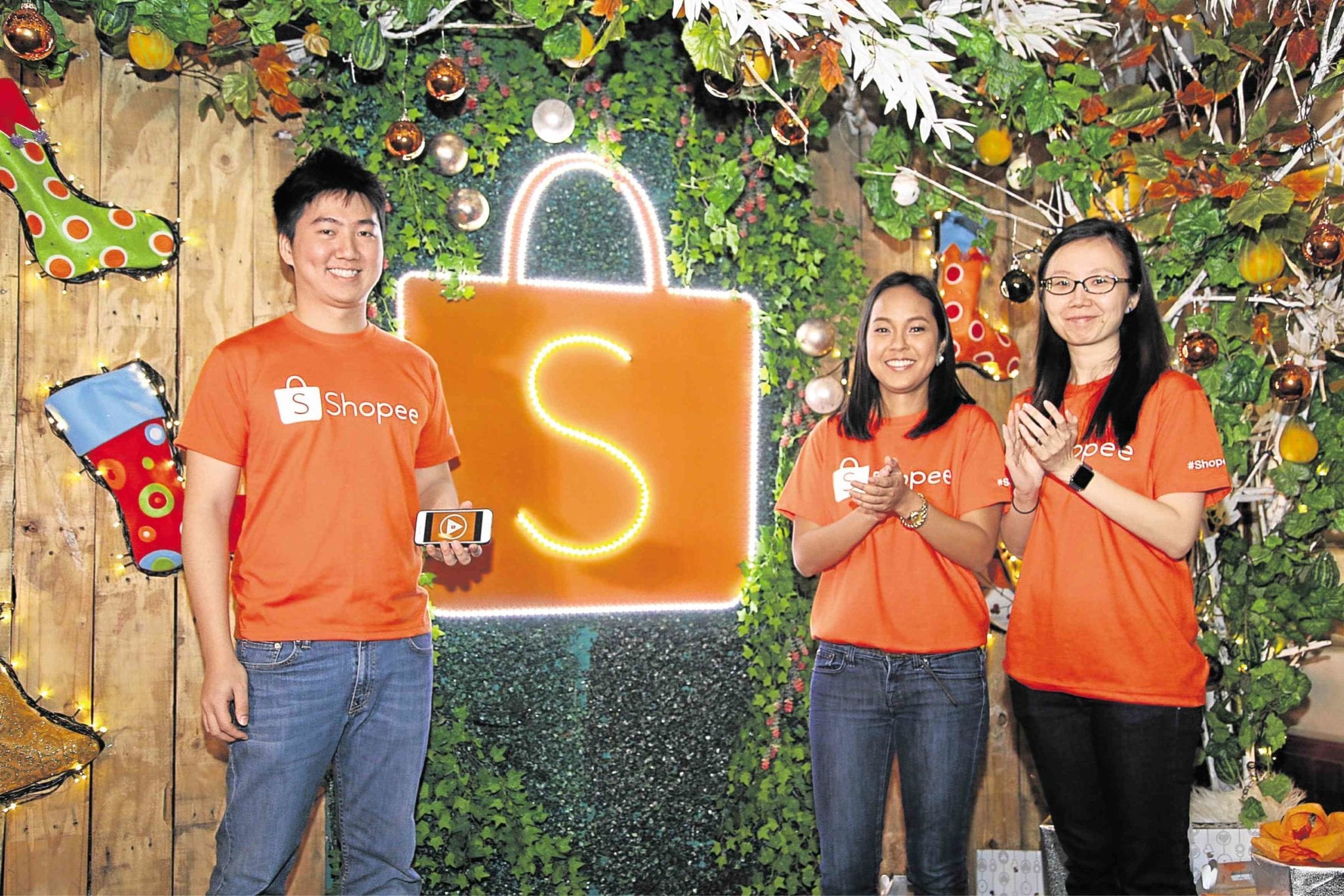
    E-commerce platform Shopee Philippines has appointed Filipina-Australian superstar Anne Curtis as its first brand ambassador, timed to coincide with its 5.5 Shopee Super Sale.

    Running until May 5, the sale offers discounts of up to 90 per cent on thousands of products, as well as daily flash sales.

    Shopee COO Terence Pang says Curtis will star in the platform’s first-ever television commercial.

    The 5.5 Shopee Super Sale is the lead-up to the mega 24-hour shopping fiesta on May 5, which will have special deals, daily in-app vouchers and surprises, as well as discounts of up to 90 per cent. There will also be giveaways of Shopee merchandise autographed by Anne Curtis.

    Exclusive deals will be offered from new Shopee Mall brands including Aveeno, Coca-Cola, Coleman, Colgate-Palmolive, Equal, Faber-Castell, Nescafe, Samsung and Unilever.

    Curtis has also launched her own cosmetics line on Shopee via BLK Cosmetics, and has been giving away limited-edition autographed mirrors to qualifying customers.

  • Volkswagen launches SOL electric brand in China

    Volkswagen launches SOL electric brand in China

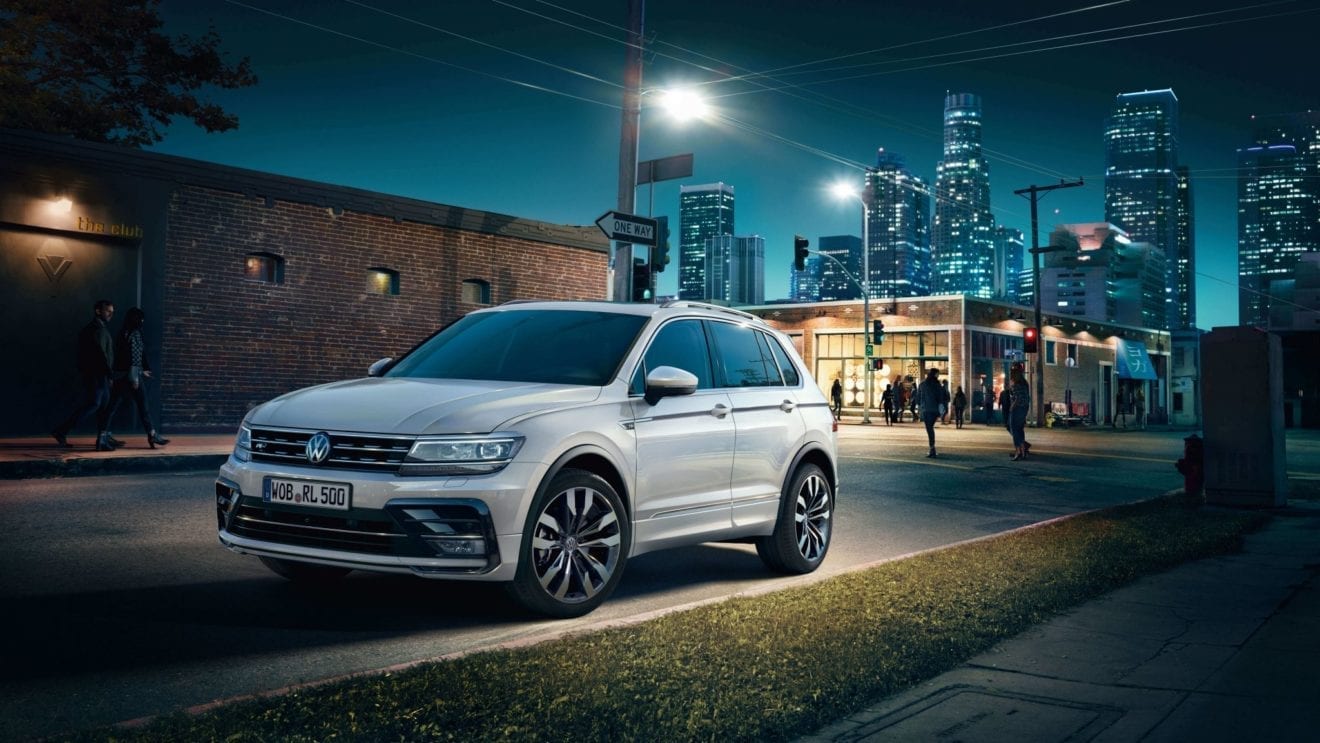
    Volkswagen has just launched the SOL brand for electric vehicles and the first product born out of the collaboration is an SUV called the E20X. VW has collaborated with China’s Anhui Jianghuai Automobile Group Corp (JAC). In fact, the E20X is almost identical to another JAC product.

    Volkswagen has provided any specific details on the car yet but it has been mentioned that the car will travel almost 300km on a single charge. The SOL E20X also will include artificial intelligence and intelligent connectivity, according to VW. In the future, VW, JAC, and Zhejiang Tmall Technology Company will collaborate to create a new retail model as well.

    VW did not provide specific details on the SOL brand’s launch, but Chinese consumers should first see the brand and its E20X later this year.

  • How Muji can resist in a world of brands

    How Muji can resist in a world of brands

    In an era when branding has never seemed so important, the enduring success of Japan’s Muji might seem perplexing to many retailers.

    Almost every day fashion houses reveal new collaborations – often with unlikely bedfellows, like Louis Vuitton and Supreme or Gucci and a hitherto little-known cassette-tape retailer Waltz in Tokyo.

    But Kei Suzuki, director and executive officer of Muji parent Ryohin Keikaku, has no fears that Muji’s anti-brand format is under threat. He told in an interview on the sides of the MarketingPulse conference in Hong Kong that Muji’s approach will survive the current brand era.

    “I think we can continue what we are doing because the reason why other people enter into brand collaborations is because they want exposure to the customer by helping each other – because maybe they can broaden their customer range.”

    Muji, he says, was born from a concept: producing simple, stylish products that make their customers’ lives easier and are not expensive. “So what we want to do is realise the concept and make our customers more happy.”

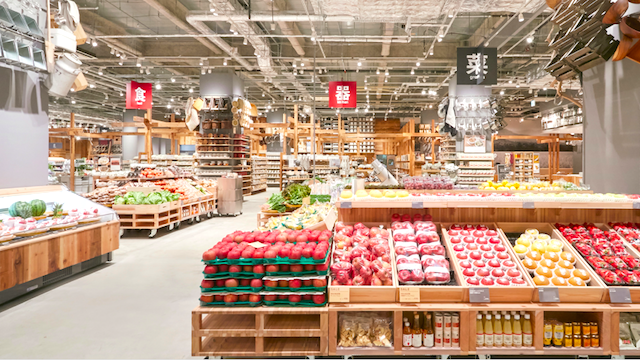
    So while other retail brands and fashion labels are pursuing partnerships, Muji would rather work on expanding its categories. That is why it designed a minimalist house in 2015, a Muji campsite and, this year, its first truly fresh grocery concept store.

    “Always we think: what can we do for the people, and how can we make their lives easier?” This is instead, he explains, of focusing purely on the business side.

    “By applying this concept to many different categories, we believe we can broaden our exposure to our customer or potential customer. Eventually, that will help us increase the size of the business, or sales. We will not collaborate with brands, but we believe in collaborating with somebody else with the expertise who shares the Muji concept. An example of that is the new Muji Hotel in Shenzhen.

    Suzuki says investing in and running hotels is not Muji’s speciality, but if it could find a partner to run a hotel it would want to implement its design and functionality skills into the project. “We provide the concept, they provide the hotel.”

    Despite its anti-brand position, it is no urban myth that Muji engages some of the world’s best-known designers to help develop products – it just never tells anyone about them.

    “We collaborate with designers who have sympathy with the Muji concept so they are happy to be involved, but their names are never to be disclosed.”

    Muji’s rationale is that if customers do not know a product is designed by someone they know by name, they will focus on the product.

    “Some designers are already too famous, so if we sold a product with their name, everybody would buy it. But at Muji, there are no names… They can get very nervous, because people judge only from the product.

    “We do not want the consumer to be misled just for the sake of a name.”

    He says some of the designer products have become best-sellers for Muji, while others have been less successful. This, he concedes, can make the exercise more than a little nerve-wracking for the invisible partners.

    Suzuki is in charge of Muji in China, Hong Kong and Korea, the fastest-growing of the company’s markets internationally. In the mainland, Muji now has more than 230 stores, and is opening new ones at the rate of about 40 a year.

    Hong Kong was one of the first markets outside Japan, along with the UK, where Muji ventured.

    “Opening stores in Hong Kong and the UK helped the company, because both cities are very cosmopolitan and many people visit. So they see Muji and some of them understand the concept. Then awareness increases. That helped us when we started opening stores in France and other new markets.”

    Hong Kong is also proving a great testbed for new concepts, like the Muji Travel store, of which there are two in the territory – one at Hong Kong Station, the other at the airport. Both are trading “very well”, selling travel essentials and convenience products. “I think they provide very good solutions for travellers.”

    Online is another area where Muji is treading positively but cautiously.

    “E-commerce is very important because if somebody wants to buy something from Muji we want to make it easy. But at the same time, we think it is important from the customer’s standpoint to have an actual connection or experience. So our stores are not just for retail, but also for the experience, and for engagement with the customers.”
  • Amway Global launches app for Artistry brand

    Amway Global launches app for Artistry brand

    Multi-level marketing health-and-beauty company Amway has launched a mobile app for its beauty brand Artistry in partnership with technology company Perfect Corporation.

    The global rollout starts in Korea this month, with Japan, Thailand, and the US to follow.

    Using YouCam Makeup’s award-winning AR beauty technology, Artistry Virtual Beauty App users will be able to find products and see how they would look. The virtual experience draws on more than 150 global makeup SKUs that shoppers can test and instantly buy, along with the brand’s top-selling skincare products.

    Personalised product recommendations based on user skin concerns will be available through the integration of YouCam’s AI technology and the Artistry skin assessment tool.

    Amway VP of global beauty for Artistry Kelli Templeton describes the app as a fun and engaging way for Amway business owners and their customers to explore Artistry products.

    “It puts the beauty counter right in their hands for personalised beauty recommendations.”
    The app can be downloaded free in the App Store and Google Play.

    Amway is a US$8.6 billion global direct-selling business based in Michigan, while Artistry was founded in 1958 by an entrepreneurial husband and wife team, its portfolio featuring skincare, make-up and holistic beauty products. The brand has an advisory network of more than 900 scientists and skin doctors from universities.

    Perfect Corporation has had more than 550 million downloads globally of its beauty apps.

  • Lovisa shares tank as CEO exits the brand

    Lovisa shares tank as CEO exits the brand

    Lovisa has lost its second senior executive in just over six months, announcing on Tuesday evening that chief executive Steve Doyle has resigned to pursue other interests, effective 20 April.

    Shares in Lovisa fell 8 per cent in early Wednesday trading to $9.20 as the news set in.

    Doyle’s departure comes after the resignation of former chief financial officer Graeme Fallet last September after just one and a half years with the business.

    The accessories retailer broke the news to the market alongside a trading update, which shows that the business has booked year to date comparable store sales of 7.6 per cent to the end of the third quarter and a 20.3 per cent increase in top line revenue.

    Lovisa booked a 7.4 per cent increase in comparable store sales for the first half of FY18 and top line sales growth of 18.8 per cent compared to the prior corresponding period.

    At the time Doyle said Lovisa had experienced a “pleasing start to the year”.

    “It’s pleasing that the business has been able to maintain the solid start to the year as we continue our global rollout, helping to deliver both sales growth and gross margin expansion,” Doyle said in January.

    No information was provided on whether a search for a new CEO had been completed or begun, but founder and managing director Shane Fallscheer will continue to lead the company.

    “On behalf of the board, I thank Steve for his tireless work and commitment during the past two and a half years in driving the continued success of the business, including playing a key role in its international expansion to date,” Fallscheer said in a statement.

    “Steve has been a great asset to the company and leaves the business in excellent shape.”

    Doyle had been at the helm of Lovisa since October 2016 after joining to oversee the company’s increasingly international ambitions.

    Lovisa also said on Tuesday that it had opened 5 new stores during the half and closed 4 – with 320 stores now trading.

  • Nike arrives at number one in Brand Finance Top 50

    Nike arrives at number one in Brand Finance Top 50

    Despite losing popularity with American teenagers and a drop in brand value of 41 per cent, Nike is still way out in front in the Brand Finance Top 50 list of the most valuable apparel brands in the world.

    In the list, just been release by the independent brand valuation and strategy consultancy, Nike’s main competitor Adidas was fourth behind H&M and Zara with an increase in brand value of 41 per cent.

    In the realm of luxury brands, Hermes overtook Louis Vuitton, jumping two spots from 7th to 5th from last year. Luxury brands including Cartier, Gucci, Hermes and LV had strong growth in value as more consumers in emerging markets buy into the market.

    Japan’s Uniqlo was the only Asian brand in the top 10, with Hong Kong jeweller Chow Tai Fook and China’s Anta Sports taking up the 13th and 33rd spots respectively.

    These are the top 50 most-valuable apparel brands in the world this year:

      1. Nike (brand value, US$2.8 billion)
      2. H&M ($1.8 billion)
      3. Zara ($1.7 billion)
      4. Adidas ($1.4 billion)
      5. Hermes ($11.3 billion)
      6. Louis Vuitton ($10.4 billion)
      7. Cartier ($9.8 billion)
      8. Gucci ($8.5 billion)
      9. Uniqlo ($8 billion)
      10. Rolex ($6.3 billion)
      11. Coach ($6.1 billion); 12. Victoria’s Secret ($6.1 billion); 13. Chow Tai Fook ($5 billion); 14. Tiffany & Co ($4.6 billion); 15. Burberry ($4.5 billion);16. Christian Dior ($4 billion); 17. Polo Ralph Lauren ($4 billion); 18. Prada ($3.8 billion); 19. Under Armour ($3.7 billion); 20. Armani ($3.5 billion)
      12. Puma ($3.3 billion); 22. Ray-Ban ($3.2 billion); 23. Omega ($3.1 billion); 24. The North Face ($3.1 billion); 25. Pandora ($3 billion); 26. Michael Kors ($2.7 billion); 27. Tommy Hilfiger ($2.6 billion); 28. Anta ($2.6 billion); 29. Old Navy ($2.3 billion); 30. Bulgari ($2.2 billion)
      13. Bershka ($2.2 billion); 32. Calvin Klein ($2.2 billion); 33. Levi’s ($2.2 billion); 34. Primark/Penneys ($2.1 billion); 35. Moncler ($2 billion); 36. Boss ($2 billion) 37. Gap ($2 billion); 38. Ferragamo ($1.9 billion); 39. Saint Laurent ($1.8 billion); 40. Bottega Veneta ($1.8 billion)
      14. Valentino ($1.8 billion); 42. Skechers ($1.6 billion); 43. Swatch ($1.6 billion); 44. Tag Heuer ($1.5 billion); 45. Timberland ($1.4 billion); 46. Massimo Dutti ($1.3 billion); 47. Reebok ($1.3 billion); 48. Woolworths ($1.2 billion); 49. Stradivarius ($1.2 billion); 50. Pull and Bear ($1.2 billion).
  • UL-OS to appoint its new brand ambassador

    UL-OS to appoint its new brand ambassador

    TVXQ ‘Yunho (Jeong Yun-ho)’ was selected as the first solo male cosmetics brand model.

    UL-OS, a male total skin care brand in Otsuka Pharmaceutical Korea, announced on  that the brand selected Yunho, the leader of group Dong Bang Shin Ki (TVXQ).

    An UL-OS official said, “We decided to choose Yunho as a new model, judging that Yunho’s healthy skin and sophisticated image fit well with the Ul-os brand image.”

    Yunho finished shooting a new TV advertisement of UL-OS’s representative product of all-in-one moisturizer. In this advertisement, Yunho’s stylish and manly charm will appeal to viewers with his UL-OS brand message and will be aired from January 1, 2018

    Yunho said “I am very interested in skin care products for normal moist and healthy skin.” “I am very pleased to be a model of the UL-OS brand that helps people to understand skin troubles and needs accurately and to provide effective skin care.”

    Yunho, who was selected as the fourth model of UL-OS after Cha Tae Hyun, Jung Woo and Eric, is the 13th year of his debut this year, as a K-POP leader, Korea’s best male idol, and he has been loved by fans home and abroad. He has been still active in the five major dome tours in Japan since November 2017.

    Meanwhile, men’s total skin care brand UL-OS presents three all-in-one moisturizers (skin milk, skin lotion, and skin conditioner) as men’s all-in-one products and has a full skin care line including scalp shampoo, skin wash, sunblock and face sheet.

    In particular, UL-OS Skin Milk has recently been selected as a men’s cosmetics standard at the Olive Young 2017 Health & Beauty Awards, and received continuous support from male consumers, including the Olive Young Health and Beauty Award in the men’s all-in-one category for the second consecutive year.