Tag: Brand

  • Reebonz to use blockchain technology to assure authenticity

    Reebonz to use blockchain technology to assure authenticity

    Southeast Asian online luxury marketplace Reebonz is exploring blockchain technology as part of its strategy to demonstrate the provenance of products. Complementing the firm’s existing in-house team of ateliers who specialise in authenticating leather products, timepieces, gemstones and jewellery, Reebonz intends to incorporate all transactions on a blockchain to ensure the comprehensive traceability of all products sold within its ecosystem. The firm’s goal is to enable buyers to verify the authenticity of products on their own and stamp out losses and distrust generated by the global exchange of counterfeits.

    By establishing end-to-end traceability, customers will also be able sell their items back to Reebonz, which would allow the company to easily identify a customer’s purchase.

    “The Reebonz leadership team is extraordinary and has already developed a cutting-edge technology and platform”, said Tim Draper, senior advisor of Draper Oakwood Technology Acquisition and founding partner of Draper Associates.

    “The authentication of pre-owned luxury items using the blockchain is just one of many high impact innovations Reebonz is pioneering to improve the luxury shopping experience for customers across Asia Pacific.”

    “While we started as an online platform that helps consumers access affordable luxury, we have evolved into an ecosystem that connects buyers and sellers through the widest range of luxury,” added Reebonz CEO and co-founder Samuel Lim.

    “Identifying gaps and opportunities in the luxury e-commerce landscape and spearheading strategies that present innovative ways of redefining luxury consumption has made us a leader in this industry. As we continue to build out a thriving community of buyers, sellers and international boutiques, it will become critical for the industry to evolve, and for us to become a leading innovator of authenticity solutions. We are excited to use the blockchain technology to solve one of the key global issues that impacts our industry.”

  • Calvin Klein seeking a New Creative Lead

    Calvin Klein seeking a New Creative Lead

    Less than a month after announcing the departure of Raf Simons, Calvin Klein is looking for a new creative lead, said a person with knowledge of the business. Chief executive officer Steve Shiffman said in a separate statement on Thursday that the brand will close its 654 Madison Avenue flagship store, which Simons renovated in 2017, relaunch its ready-to-wear line and consolidate some teams in North America.

    Shiffman said the brand will relaunch the 205W39NYC ready-to-wear line under a different name and a new creative direction. He kept the details vague, stating that the business will be “designed to evolve the traditional luxury fashion model by connecting with a diverse range of communities, offering an unexpected mix of influences and moving at an accelerated pace.”

    Some had speculated after Simons’ departure that Calvin Klein would not hire another creative face of the company, but instead take a collaboration approach similar to Moncler‘s recent strategy. But the search for a new design lead indicates otherwise.

    The source with knowledge of the business also said that several of Simons’ longtime collaborators have exited the business, specifically Pieter Mulier, creative director, and Matthieu Blazy, the design director of women’s ready-to-wear. Michelle Kessler-Sanders, president of the 205W39NYC business, will stay on in an executive position.

    Shiffman’s statement also announced the formation of a new consumer marketing division focused on consumer engagement and shopper experience. According to the source, this department is led by chief marketing officer Marie Gulin-Merle.

    Calvin Klein in North America will see further changes: Shiffman said the brand will consolidate the men’s sportswear and the Jeans businesses, and also integrate the retail and e-commerce teams.

    “Our industry is witnessing a historic transformation in consumer behavior which presents a significant growth opportunity as we look to grow the brand to $12 billion in global retail sales over the next few years,” said Shiffman.

  • Rihanna to launch a fashion house with LVMH

    Rihanna to launch a fashion house with LVMH

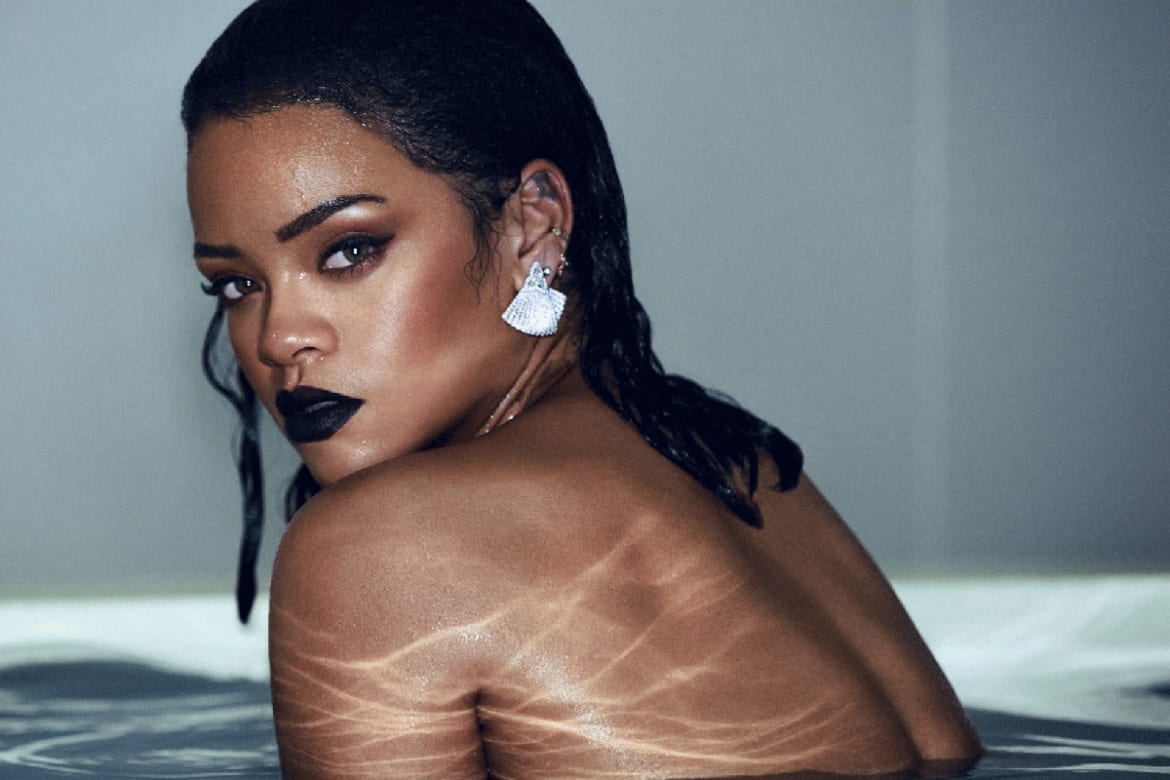
    WWD reported that, according to multiple sources, the Rihanna is working with French luxury conglomerate LVMH to launch a luxury house under her name. It would be the first time LVMH has launched a brand new label since Christian Lacroix in 1987. No word on an official launch date, but perhaps that is why Rihanna is suing her father now over the ‘Fenty’ name as he could be holding up proceedings with LVMH.

    The pairing makes sense. In 2015, Rihanna appeared in Christian Dior’s “Secret Garden IV” ad shot at Versailles, the first Black woman to front a campaign for the French fashion house. She also created a line of Dior sunglasses in 2016.

    What is more, she launched Fenty Beauty by Rihanna under the Kendo, LVMH’s incubator to produce products that ultimately end up in Sephora, or in this case, change the way beauty products are marketed.

    WWD reported that Fenty Beauty made close to $100 in a matter of weeks — a great sign for Rihanna’s impending luxury offering.

    Sources tell WWD Rihanna is a “hands-on type” who is very involved in the range’s product development (she was reportedly said to be the same way while creating for Puma and Savage x Fenty).

    It is believed LVMH started forming a team six months ago, handpicking employees from Louis Vuitton and Celine to work on the fashion house’s ready-to-wear, leather goods and accessories. And hold on to your Fenty x Savage hats here, the line is to be released in tandem with her ninth album expected to drop later this year.

    We already cannot wait to be fresh off of Rihanna’s runway.

  • Vans, The North Face boost parents sales

    Vans, The North Face boost parents sales

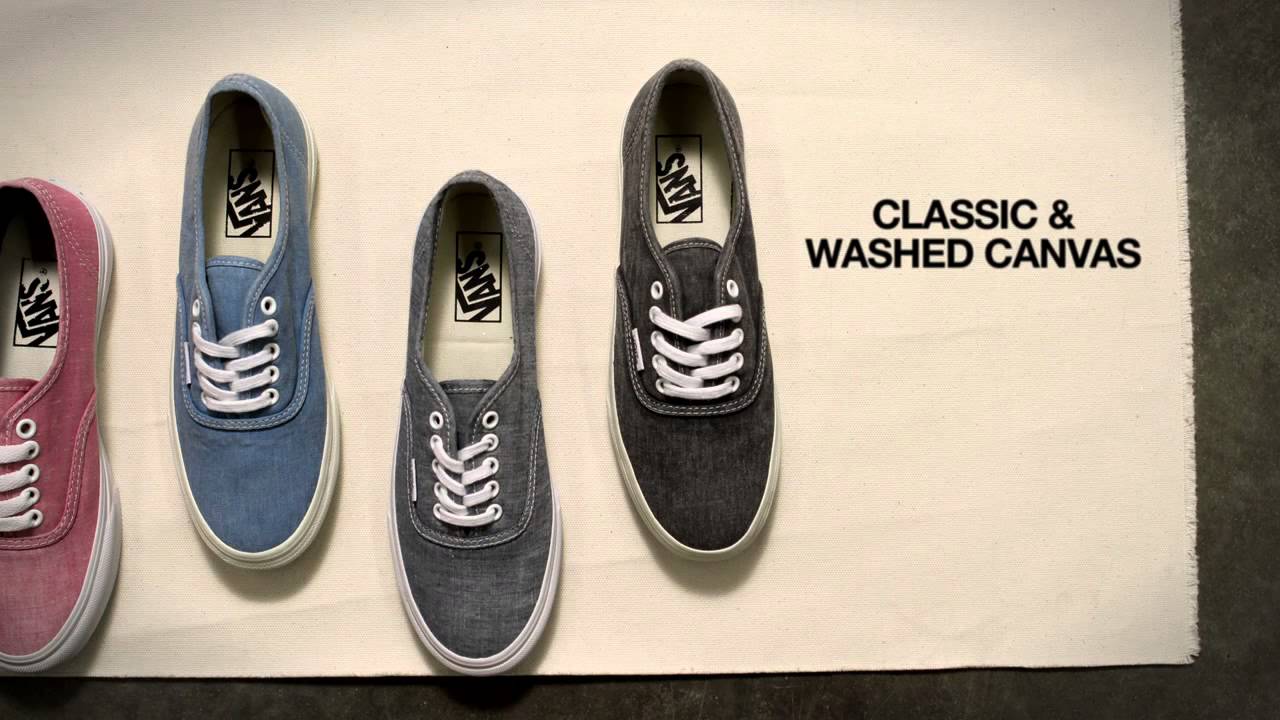
    VF Brands has posted strong third-quarter results, with balanced growth across its entire portfolio. The US-listed apparel company, which owns and operates Vans, The North Face, Timberland, Wrangler and Lee, among others, says sales grew 8 per cent in the third quarter, to US$3.9 billion. Its share price soared 12.39 per cent after the announcement on Friday (US time) to $82.47.

    Vans sales soared 25 per cent and The North Face’s, by 14 per cent.

    “VF’s third-quarter results were fuelled by strong growth in our largest brands and balanced growth across the core dimensions of our portfolio,” said VF Brands president, chairman and CEO Steve Rendle.

    Revenue from VF’s ‘active’ segment, which includes brands such as Vans and JanSport, increased 16 per cent, while revenue from its ‘outdoor’ segment, which includes brands such as The North Face and Timberland, increased 11 per cent.

    VF reported $592 million in operating income, 22 per cent up on the prior year. Net income for the period was $463 million, a 613 per cent increase over the $90 million loss posted in the same period last year.

    “Based on the strength of our third-quarter performance and the growth trajectory we see for the remainder of fiscal 2019, we are again increasing our full year outlook,” Rendle said.

    The business expects revenue from its ‘work’ segment, which includes brands such as Dickies, is expected to increase 39 per cent, while revenue from its ‘active’ segment is expected to increase 16 per cent and revenue from its ‘outdoor’ segment is expected to grow 8 per cent.

    VF expects revenue from its ‘jeans’ segment, which includes brands such as Wrangler and Lee, to decline 3 per cent, while direct-to-consumer revenue is expected to increase 13 per cent, and digital revenue is set to increase by more than 30 per cent.

  • The Seiko Dream Square opens in Tokyo

    The Seiko Dream Square opens in Tokyo

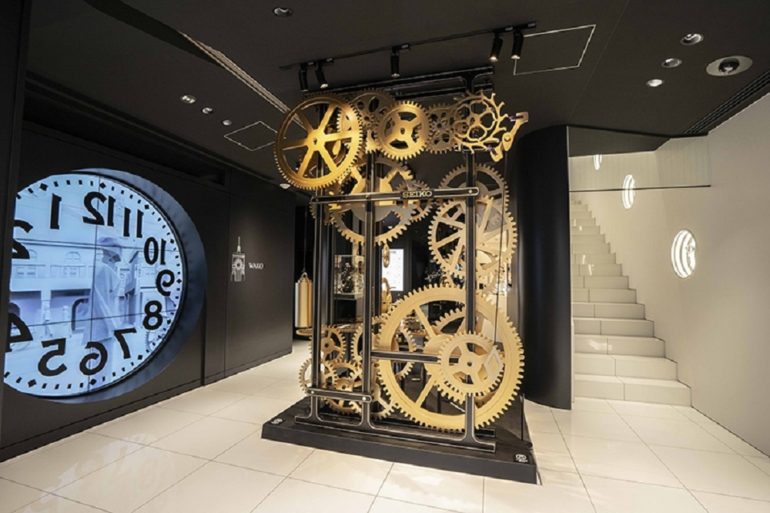
    Seiko Watch Corporation has opened an interactive hub of its watchmaking to allow visitors to “look, feel and experience” the rich history and heritage of the brand. The Seiko Dream Square is a new four-story retail complex in the heart of the watch brand’s birthplace in Tokyo’s Ginza district and showcases its heritage of watchmaking since 1881 with a museum, showrooms and entertainment areas.

    The aim of the new retail complex is to become a “point of destination” for visitors as well a centre for communicating the brand’s story globally said the watchmaker in a statement.

    It features a small museum on the first floor in the image of the symbolic Wako clock tower’s interior, a historic symbol of Seiko and a proud landmark of Ginza in which Seiko founder Kintaro Hattori placed its headquarters.

    On the other levels, visitors can shop Seiko’s leading collections, Prospex, Presage, Lukia, and Astron, with each displayed in a “refined setting” based on the particular brand’s unique identity.

    Commenting on the opening, Seiko Watch Corporation chairman and chief executive, Shinji Hattori said: “A Seiko watch is not merely an industrial product. It can be a partner to one’s life journey and story. It is our dream that Seiko Dream Square be the place where visitors from around the world would want to find this particular partner.”

  • How to be a successful KOL in China?

    How to be a successful KOL in China?

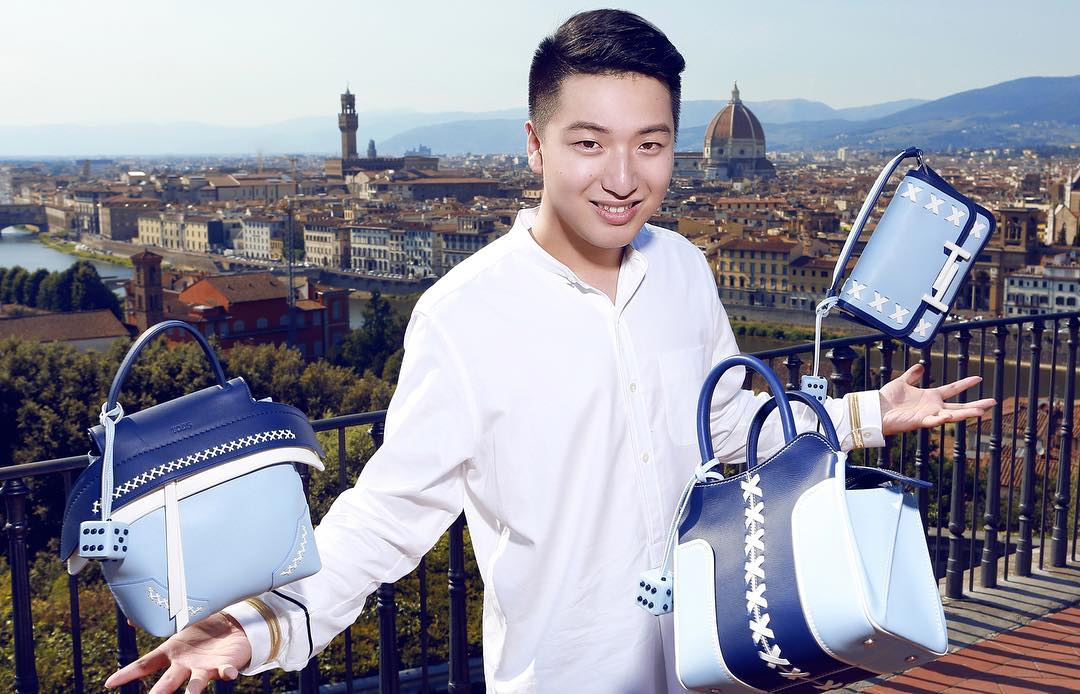
    Why luxury brands willing to expand in China seems to never get enough of  so-called KOLs (key opinion leaders) Tao Liang, nickname “Mr bags”, is a graduate of the University of Southern California and Columbia University. Although he is only 26-year-old, he has already become one of the most successful digital influencers in China, in terms of the ability to drive sales.

    People call him Mr Bags because Liang has an unapologetic love for handbags. So, he has worked on capsule collections with different luxury brands such as Givenchy, Longchamp and Montblanc, boasting a huge following on WeChat and Weibo, which are two of the largest social media networks in China. And he also knows how to sell them to his over 3.5 million readers on China’s biggest social media platform Weibo and more than 850,000 followers on WeChat, a microblogging messaging app.

    In just six minutes, Liang helped Tod’s sell 3.24 million RMB worth of handbags on his new Mini Program shop within WeChat, called “Baoshop.” The second collaboration between the Beijing-based fashion blogger and Tod’s, 500 pieces of the limited-edition “Wave” backpacks were created — double the amount from last year’s capsule collection.

    But how did Liang become a sort of “bag whisperer”? He says that when he was studying in the universities in Los Angeles and New York, he fell in love with luxury bags and loved going on shopping sprees with his friends. It didn’t take long for him to realize that he could turn his passion for handbags into a full-time job but even after he started getting some traction while still in the US, his parents were not entirely happy with his career choice. “Only after I started working with big brands and celebrities like Fan Bingbing they thought that perhaps this was a real business,” he says.

    One issue that often comes up with KOLs is authenticity. When you work with different brands, how do you maintain your integrity without alienating your fans, who trust your opinions to be genuine and unbiased? “This is key for me and I really try our best to maintain that,” says Liang. “One of my advantages is that until not long ago I was based in the US so I wasn’t exposed to all the brand partnerships and advertising that the KOLs were doing in China so my content was 100 per cent pure editorial, but then I started working with brands and get first hand information while also giving my followers the right information and guidance.”

    So how does Mr Bags, a young man with an innate fashion sense and an encyclopedic knowledge of handbags, guide his followers and win their trust? He only works with brands that his fans “naturally love” and turns down offers all the time. Liang’s fan base is mostly female, and he feels that being a man is not a hindrance. On the contrary, by virtue of being a guy, he is able to provide useful and unbiased advice.

    “My name is Mr Bags and lots of people find this name interesting but also confusing because generally bags are for women,” he says. “Normally when girls shop for a bag they don’t think too much and buy it right away, on impulse, so I help them think more rationally. For example, I categorize all the bags and tell them which ones are the classic pieces and the ones that have more staying power and the most iconic ones so I provide some logic behind their purchases. I think that as a guy I’m more objective and I can give them useful tips. I tell them that if you buy a bag that you can use in your life and enjoy it then you feel that your money is well spent and worth it.”

    Liang believes that his editorial work must come first.“Many people think that KOLs just have fancy lives and go everywhere for fun but in China we have so many channels, like WeChat and Weibo, so it’s really a lot,” he says. “I was just updating my channels on the way here. Editorial content is more important for me; 60 per cent of what we do is still editorial.”

    Achieving the right balance between authentic content and remunerative ad-driven projects is the key factor for being a successful KOL, something that is not always as easy as it seems but Liang has already mastered so far.
  • Jack Wills bags cash injection to save the business

    Jack Wills bags cash injection to save the business

    Creditors of fashion label Jack Wills under HSBC have ordered an assessment of the firm’s finances, according to a report. The news comes just weeks after Jack Wills achieved new investment of £10 million (US$12.8 million), followed by speculation that the company may soon need further financial help – prompting the appointment of advisers from auditing firm EY.

    The new investment reportedly comes from an unnamed wealthy Italian family, which has previously invested in Jack Wills’ majority shareholder, BlueGem Capital Partners. BlueGem itself is thought to have provided a similar injection of cash. The identity of the investor is likely to be revealed following reports expected to be filed at Companies House.

    Brand co-founder Peter Williams was ejected from the firm’s board last year, with new executives brought in to effect a turnaround.

    Jack Wills operates more than 90 stores worldwide, including five stores in Hong Kong and two in Singapore.

  • Vietnam’s top five brands increase value by $2.3 billion

    Vietnam’s top five brands increase value by $2.3 billion

    Vietnam’s five most valuable brands were worth a combined $8.1 billion in 2018, up $2.3 billion or 39 percent against 2017, Brand Finance estimated. The most valuable brand was military-owned mobile network Viettel at $2.8 billion last year, up 9 percent from $2.57 billion 2017, said the UK brand valuation company. The 47th most valuable telecom brand in the world has operations in Laos, Cambodia, Haiti, Mozambique and Peru.

    In second place was Vinamilk, the country’s largest dairy company by far, which was worth $1.9 billion, up 39 percent. State-owned Vietnam Posts and Telecommunications Group (VNPT) was in third place after increasing its brand value by 84 percent to $1.34 billion.

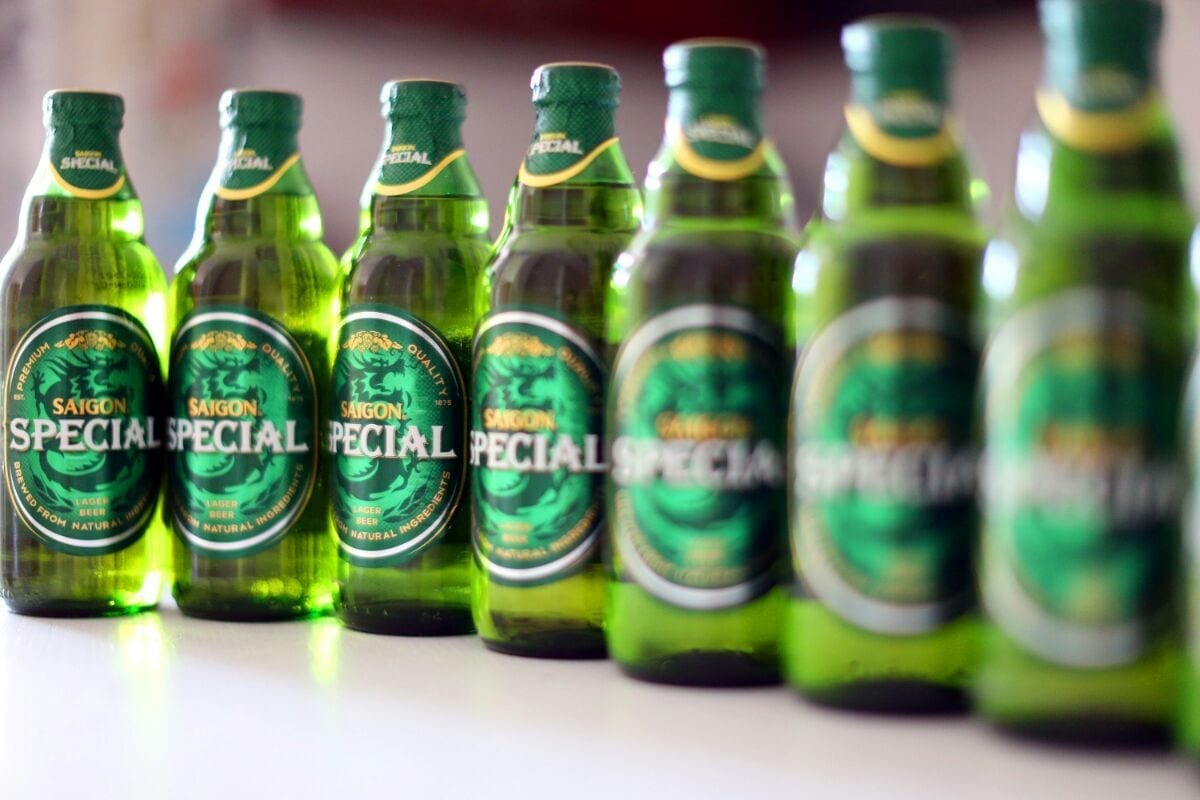
    In fourth and fifth places were Vinhomes, the real estate subsidiary of Vietnam’s largest private conglomerate Vingroup, and Sabeco, Vietnam’s biggest brewer, at $1.18 billion and $950 million respectively.

    Samir Dixit, CEO, Asia-Pacific of Brand Finance, said: “Branding is the most critical asset of every business. It is difficult to predict the performance and behavior of customers, but the only thing that remains a constant is the brand.”

    Brand Finance’s valuation criteria uses several metrics. The value accorded to each brand is a summary of its financial strength. Each brand also gets a brand rating, which indicates its strength, risk and future potential relative to its competitors.

  • China, Japan boost Brunello Cucinelli revenue growth

    China, Japan boost Brunello Cucinelli revenue growth

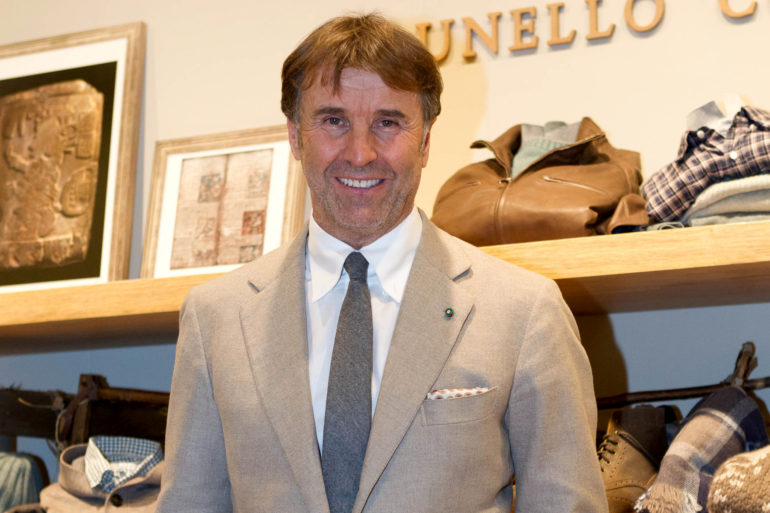
    Italian luxury house Brunello Cucinelli reported a leap in revenues for the 2018 fiscal year, with all geographic regions recording sales growth, particularly Greater China and Japan. For the year ending December 31, 2018, Brunello Cucinelli said total revenues increased 8.1% to €553 million, (+10.7% at constant exchange rates), compared to €511.7 million in 2017.

    The Solomeo-based company saw a significant rise in sales at 8.8% in the international markets and 4.2% in the Italian market, according to a press release published on the Italian stock exchange on Monday.

    By region, Greater China witnessed the biggest increase with an incredible 28.5% sales growth, followed by the Rest of the World region, up 10.7%, which was lead by Japan and the Middle East. Sales in Europe increased 8.5% and the U.S. saw growth of 3.9%.

    By distribution channel, Brunello Cucinelli’s retail sales gained 6.3% globally, with wholesale monobrand and multibrand up 19.4% and 9%, respectively.

    Capital expenditure for the twelve months was approximately €45 million, with “the objective of keeping the brand image extremely high in both the physical and digital channels,” said the company.

    Net debt narrowed €15 million, a slight improvement compared to 2017.

    “Another year has come to an end in a splendid manner, both in terms of numbers and from the standpoint of the general image of the brand at a global level,” said Brunello Cucinelli, Chairman and CEO.

    “We continue to support, believe in and invest in our beloved Italy, perceiving the great value this represents at a world level for the country’s creativity, quality and craftsmanship.”

    Following the stellar results, which included the sell out of the past winter collections, followed by strong spring/summer 2019 orders, the brand said it expects “another year ahead of gracious growth in line with 2018.”

  • Design Orchard mall to open end of the month

    Design Orchard mall to open end of the month

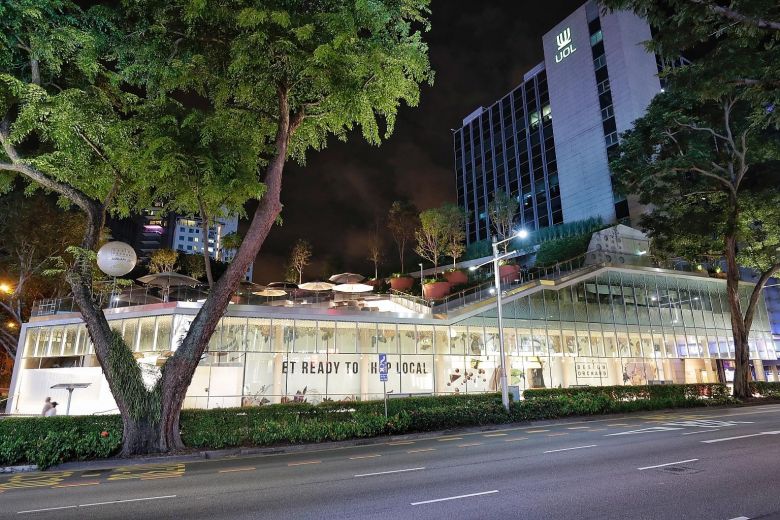
    Design Orchard mall is set to open on January 25 hosting 61 homegrown labels. The new Orchard Road mall, a joint venture between the Singapore Tourism Board (STB), JTC Corporation and Enterprise Singapore, is conceived of as a home and exhibition space for local design work. It features a 9000sqft first-floor retail showcase, second floor incubation spaces, and a rooftop events area. The first level is currently leased to local retailer Naiise.

    Featured supports for local designers include co-working spaces provided by Taff – equipped with professional sewing equipment, a fabric library and collaboration and networking opportunities with industry players – and a mentorship program from Naiise covering marketing and merchandising.

    “Singapore is home to many global brands,” explained STB’s director of retail and dining Ranita Sundra, of the rational behind Design Orchard mall.

    “As these brands become more ubiquitous, we noticed that more people are drawn to local products with a Singapore story. Design Orchard is thus an exciting opportunity for us to profile the best of Singapore talent under one roof.”

    “We hope that it will inspire local talents to join the community, where they can develop and grow their brands with access to mentors, programmes and facilities in a vibrant space along Orchard Road,” added director of products at JTC Wee Pei Yean.

  • L’Oreal Korea seeks Brandstorm 2019 contest participants

    L’Oreal Korea seeks Brandstorm 2019 contest participants

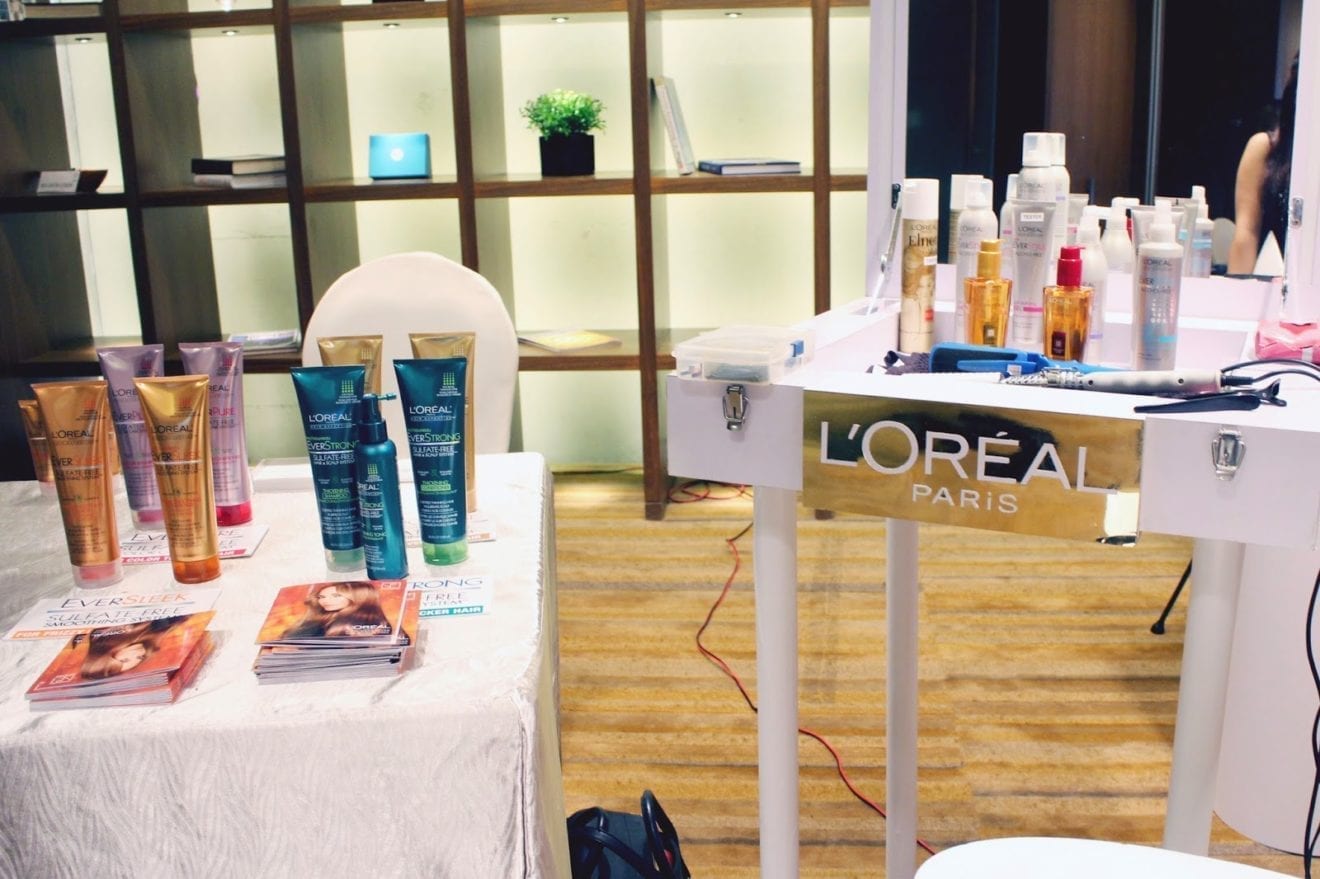
    L’Oreal is now accepting applications from students in Korea for its annual global marketing competition “L’Oreal Brandstorm 2019.” The mission for this year’s competition is to “invent the future skin care experience for health-conscious consumers.” Contestants need to choose one brand from L’Oreal’s Active Cosmetics division, such as Vichy or La Roche-Posay, and propose a new service or technology to enhance the consumer experience.

    Undergraduates in their third or fourth year of study and graduates can apply in teams of three. The application deadline is Feb. 28.

    After a final round in March, the winning Korean team will get a chance to represent the country and pitch its idea during the finals at L’Oreal headquarters in Paris.

    The winning Korea team members will also qualify for a chance to intern at L’Oreal Korea.

    The team that wins the global final round will get to test their idea at French start-up campus Station F for three months.

    The first competition was held in 1992. Since then, over 34,000 students have participated.

  • New Michael Kors to increase focus on Asia

    New Michael Kors to increase focus on Asia

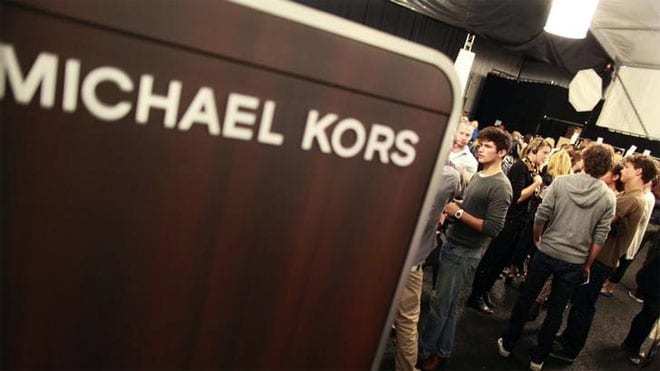
    With the completion of its acquisition of Versace, global fashion group Michael Kors Holding has successfully transitioned into its new identity as Capri Holdings Limited. The group, which now owns Michael Kors, Jimmy Choo and Versace, hopes to leverage its brands to grow group revenue to US$8 billion, while increasing its exposure to the Asia pacific region from 11 per cent to 19 per cent.

    The group also notes an effort to reduce its exposure to the American market, from 66 per cent to 57 per cent, in the long term.

    “We have now created one of the leading global fashion luxury groups in the world,” Capri chairman John D. Idol said.

    However, considering the past performance of these brands, one cannot be certain whether this merged entity can turn them around says IBISWorld senior industry analyst Kim Do, though “Capri Holdings seem confident in their ability to do so.”

    “While many are concerned about the company diffusing its newly acquired brands, similar to that of its own, this is unlikely as, similar to Jimmy Choo’s agreement with Kors Holdings, Donatella Versace will continue to remain the creative director [of] her namesake brand, leading the brand’s creative vision,” Do said.

    “However, while it is likely that Versace will be pushed into new avenues of revenue (such as a stronger focus on Asian markets) it will likely not include mass-retailers – which is how Michael Kors expanded previously.”

    According to Do, IBISWorld expects Capri to hold off on further acquisitions for the time being, and will most likely focus on growing the three brands it now hold in its portfolio.

    In November 2018, the group saw total group revenue decline 32 per cent to $189.76 million (US$137.6 million), from $279.81 million (US$202.9 million) the year prior, which GlobalData Retail managing director Neil Saunders called “disappointing”.

    “Although overall revenue growth looks robust, it continues to be flattered by the acquisition of Jimmy Choo, which has yet to annualise out,” Saunders said.

    “In short, after slowly climbing the steep hill of recovery, Michael Kors now appears to be rolling back down in reverse.”

    Saunders also said the acquisition of Versace could prove to be a distraction that limits the group’s abilities to fix the core problems within it’s main brand.

    In November 2018, the group saw total group revenue decline 32 per cent to US$137.6 million, from US$202.9 million the year prior, which GlobalData Retail MD Neil Saunders called “disappointing”.

    “Given Michael Kors’ relative lack of success with its own label, we do not see the group being able to [easily] undertake the retooling required to generate superior results.”

  • Carlton London launches its first store in Mumbai

    Carlton London launches its first store in Mumbai

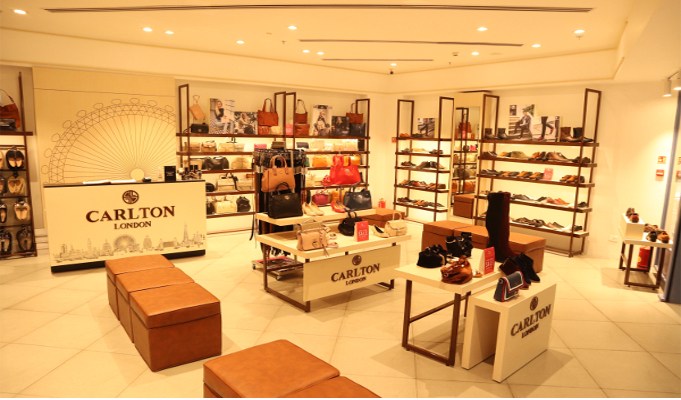
    Carlton London, the leading fashion footwear and accessory brand has launched its first store in Mumbai at Phoenix Marketcity, Kurla. After running nine stores successfully in the Northern region including Delhi NCR and Punjab, the tenth store in Mumbai marks the expansion of the brand in the Western region of the country. Spread across an area of 1,200 sq.ft., the new Carlton London store is extremely spacious and offers a complete range of fashion footwear along with an exclusive collection of accessories.

    The store displays a wide range of footwear from party collection, work-wear and ballerinas to premium collection for men. Being one of the fastest growing fashion and accessory brand, Carlton London aims to target consumers across the country. The brand thrives at its philosophy of providing highest quality designs to the customers, which are at par with the international standards. Their diversified product line offers comfortable fashion which creates a mark of luxury while being affordable. Having established itself as one of the key players in the footwear industry, the brand caters to various age groups and target audience.

    Commenting on the store launch , Director, Carlton London, said, “We are extremely delighted to announce the launch of our first store in Mumbai. Being the fashion capital of India, Mumbai is a key market for us and we aim to expand our retail footprints in various parts of the country. We always work towards providing fresh and innovative designs to our customers and keep our collection in sync with the global runway trends.”

    “Like our other stores, the theme of the new store is inspired by rich British architecture. With a minimalistic approach, the store has soft and subtle lighting with elegant couches and fancy mirrors,” he added.

  • Ermanno Scervino opened store in Chinese Hangzhou

    Ermanno Scervino opened store in Chinese Hangzhou

    Italian fashion house Ermanno Scervino is launching a new boutique in Chinese Hangzhou. The 140sqm store, located inside the Hangzhou Tower shopping centre, houses the brand’s womenswear and menswear pret-a-porter and accessories collections. Its interior design follows the style of the maison’s flagship store inaugurated in Florence last June, with large surfaces featuring industrial concrete flooring and concrete wall finishing punctuated by inlaid and laminated gold frames. The store showcases wooden furnishings with stucco decorations and retro-inspired details.

    “The growth and development of our brand in Far East has been proceeding systematically and consistently since a few years now,” said Ermanno Scervino Group CEO Toni Scervino.

    “After Shanghai and our recent opening in Hong Kong, Hangzhou is now a further step forward. The Chinese clientele is proving more and more its passion for the tailoring and Made in Italy proposal of our Maison. In collaboration with our partner Riqing we are therefore working to be more and more present on the territory”.

  • Retail trends to look forward to in 2019

    Retail trends to look forward to in 2019

    Retail industry in India is undoubtingly one of the fastest growing retail industry in the world. It is the largest among all industries accounting to 10 percent of the country GDP and employs around 8 percent of the workforce. The retail industry is an experiential motley that is currently going through a robust transformation. Be it employing new technologies or exploring new store formats, revamping business strategies or creating personal experiences; retailers are indeed getting ready for the future by looking beyond conventional retail and evolving along with their modern consumers.

    India is also expected to become the world’s fastest growing e-commerce market, driven by robust investment in the sector and rapid increase in the number of Internet users.

    As the opportunities are immense, let’s take a look what retail trends the stalwarts think will rule in 2019:

    – Customization – The need for customized products and services is increasing thereby pushing the demand for personalized goods and services. With a pragmatic approach, the interface between companies, brands and customers will improve. Social media conversation tracing is going to be trending in 2019, which is a ground-breaking path to the future of handling customer behavior for tailor-made solutions. Also, studies reveal customers come down in favor of personalization — up to a point. They enjoy seeing products and deals personally relevant to them.

    – Brand Experience – It’s not just about selling the products to the customers but also providing them with the best experience too. Most retailers recognize this shift, but the majority struggle with strategies to transform their organization to deliver on consumers’ increasingly demanding expectations. Emerging online brands naturally seek to disrupt traditional ways of doing business and developed digital-first models that have created better experiences.

    On the other hand, established retail brands are burdened with legacy systems that are not optimized for today’s environment. The core – people, service, and experience – are strength to maintain and to satisfy today’s consumer they must integrate the flow of information and resources across the networks of employees, stores and partners.

    Hence, experiences will make a compelling occurance that consumers will always remember and be more than happy to share with one another.

    – Customer Retention – Customer retention is often far more effective and profitable than customer acquisition. An individual shopper want personal recognition. While loyalty programs offer rewards to existing customers the challenge is the acquisition of new customers. Innovation in content is the key to retaining and acquiring customers.

    – Retailers that step up their social media strategies will thrive – The rise of Instagram Stories, Facebook Live and messenger apps will fundamentally change how retailers interact with consumers online. Simply posting photos or updates on a brand’s social media handles won’t work anymore. Retailers will need to up their social media game and use social networks and apps to tell stories and engage with fans in real time.

    – Display – Retail displays is a strategic aspect of the business that can help attract customers, retain their interest, and increase sales. Visual merchandising helps to set a brand apart from competition by creating attractive and fascinating windows that can pull the consumer in to the store. Effective retail displays attract potential customers to the store. When designing displays, choose engaging colours, unique décor and stock arrangements to appeal both the head and the heart of customers.
    Once the brand has attracted potential customers, the brand can Improve chances of making a sale by doing research to see what works in other retail spaces, and keeping an eye on how customer traffic flows through the store.