Tag: Business

  • Agoda’s top Chinese New Year 2019 travel rankings

    Agoda’s top Chinese New Year 2019 travel rankings

    Bangkok, Tokyo, and Taipei are the top three most popular destinations for Asia-Pacific travellers over the Lunar New Year period in 2019, according to booking data from Agoda. This year, Osaka, slips from the third spot in 2018 to sixth, while Taiwan scoops three of the top ten destinations, with Taipei in third, and Kaohsiung and Taichung in fifth and seventh respectively. Overall, Japan, Taiwan, and Thailand will benefit the most from travellers celebrating the Lunar New Year.

    Travels during the Spring Festival tend to be reserved for family bonding and indulging in food and leisure activities that the whole family can enjoy. It is thus not surprising that most travellers in the region have chosen gourmet and retail paradise in Bangkok, Tokyo, Taipei, Kuala Lumpur and Singapore among their top ten destinations.

    The Lunar New Year is celebrated in many cities across Asia, but Chinese travellers enjoy the longest holiday. With a week to spare, Chinese tourists are spending the new year in cities such as Hong Kong, Tokyo, and Bangkok.

    This year, HongKongers chose to change things up, travelling to Japan, Thailand, and Taiwan over the previously favoured Korea. In fact, Korea dropped out of the top three destinations altogether to settle at the fifth spot. Staycations have also risen in popularity, and Hong Kong has made its way into the top ten this year as well.

    Singaporeans prefer to travel to neighbouring countries for their relatively short Lunar New Year public holidays. For the first time, staycations have emerged as a popular choice for those who prefer staying behind to celebrate the festival.

    Taiwanese are travelling within the region for Chinese New Year, with Kaohsiung rising up to clinch the top position. For the first time in three years, Kyoto has slipped out of the top ten rankings.

    Malaysians continue to favour travelling within the region to celebrate Lunar New Year. In 2019, domestic destinations take up eight out of the top ten destinations. Thailand remains the only overseas destination in the top ten list for Malaysian travellers over the period.

    Indonesians are venturing further afield this year to celebrate the Lunar New Year, with Kuala Lumpur and Tokyo taking up two out of three of its top travel destinations. Japan is rising in popularity, as the region adds Sapporo – with its winter wonderland – into Indonesia’s top ten destinations.
  • 2018 sales of EV doubled in Korea

    2018 sales of EV doubled in Korea

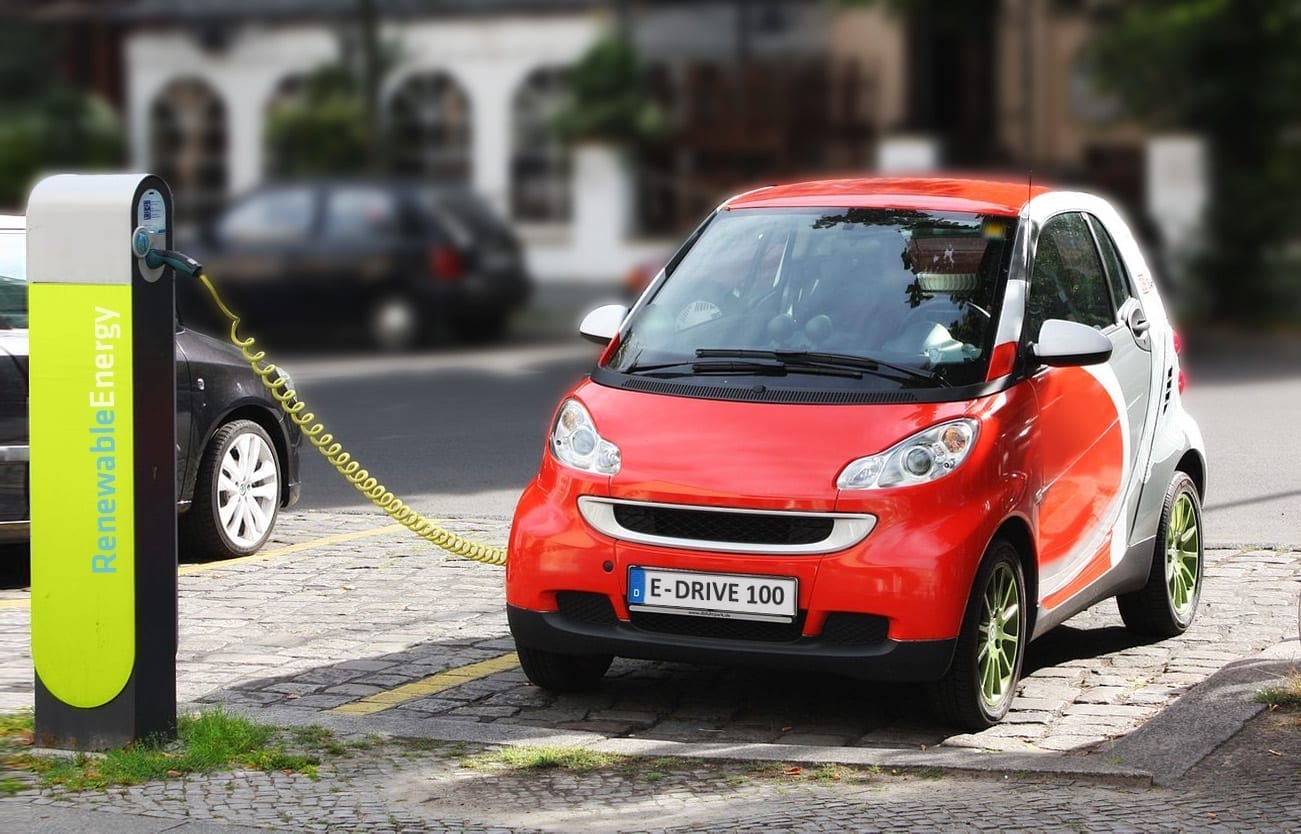
    Hyundai Motor Executive Vice Chairman Chung Eui-sun laid out a plan to develop 44 electric vehicle models (EVs) and sell 1.67 million of the cars by 2025 during his New Year’s message held at the beginning of this year. The goal was a dramatic increase on the 38 models he planned to have by 2025 at the start of 2018. The revised goal is rooted in the fact that EVs are growing at an unprecedented pace in the global auto industry.

    According to U.S. market research firm S&P Global Platts, the number of electric cars sold worldwide exceeded 2 million in 2018 including plug-in hybrids, double the 1 million sold in 2017.

    This achievement came seven years after Tesla rolled out its Model S, opening the era of EVs, and more than two decades since Toyota released the world’s first hybrid, the Prius.

    Among the total number of EV cars sold, battery-electric vehicles sold 1.45 million units last year, followed by plug-in hybrids at 550,000 units.

    The most popular model was Tesla’s Model 3, which started mass production last year. Unlike the Model S and X, which cost over 100 million won ($88,850), the Model 3 was released as a more affordable model with a price tag around 50 to 60 million won. It sold 146,846 units, taking the top spot.

    Four Chinese companies ranked high in the top 10. The EC Series from Beijing Automotive Group ranked second. BYD’s eco-friendly plug-in hybrid, the e5, and JAC Motor’s iEV E/S were also on the list. Among Japanese cars, Nissan’s Leaf placed third while Toyota’s Prius Prime was ninth and Mitsubishi Outlander plug-in hybrid placed 10th.

    Hyundai and Kia both made it to the top 10 list of automakers for the first time. Combined, the two sold 90,860 units last year, taking the eighth spot.

    Tesla sold the most cars, at 245,240, followed by China’s BYD at 229,338. German brands, traditionally strong players in the vehicle market, had BMW at fifth and Volkswagen at ninth.

    Industry analysts project the market for electric cars will expand at an even faster speed. Deloitte, a global consulting firm, expects 4 million EVs to be sold in 2020 and 14 million in 2025. By 2030 it expects EV sales to hit 21 million.

    Considering that 98 million cars are sold worldwide annually, within 20 years one of every five cars purchased will be an EV.

    Experts say that while the United States and China have led the growth of the EV market, that is likely to change in the future.

    Deloitte forecast that cost reductions from technology development will pull down the price of EVs to be on a par with diesel cars by 2022. This means the product sector will gain price competitiveness, no longer relying on government subsidies.

    The market will also get more competitive. Toyota and Volkswagen are both planning to release new electric cars in the near future, with Volkswagen aiming to make 25 percent of the cars it produces EVs by 2025. Its investment in electric cars is already worth 20 billion euros ($2.25 billion).

    According to consulting firm AlixPartners, Volkswagen Group is planning to release 55 EV models by 2022. This accounts for half of all EV models slated for release by then.

    “Government subsidies played a big role in enabling Chinese firms to sell large numbers of EVs, but its finances have hit the limit,” said Kwon Yong-ju, a professor from Kookmin University’s department of automotive & transportation design.

    “With European companies having accumulated technology and capital while waiting for the commercialization of EVs, the future could be quite different from now.”

    “Major countries, like the United States and Europe, have tightened regulations toward environmental pollution more than before,” said Koh Tae-bong, head of research center at Hi Investment & Securities. “For car companies, it is inevitable that they will expand the amount of electric cars they make.”

  • Pandora appoints Alexander Lacik as chief executive officer

    Pandora appoints Alexander Lacik as chief executive officer

    The Board of Directors of Pandora has appointed Alexander Lacik as President and Chief Executive Officer. Mr. Lacik’s strong track-record as a consumer marketer and brand architect will help drive the execution of Programme now and assert Pandora’s position as the world’s largest jewellery brand. He will join Pandora as soon as possible.

    Alexander Lacik (54) brings international experience from growth and brand building in global consumer companies. He joins Pandora from the position as CEO of Britax Ltd., a world leader in child safety products. Prior to this, he was President of North America at RB (Reckitt Benckiser) from 2013-2017 and has held key management positions with the leading global consumer goods company since 2004. Previously, Lacik held positions in sales and marketing with Procter & Gamble from 1992 to 2004.

    At RB, Lacik contributed significantly to the company’s growth turnaround in a competitive global consumer business where brand distinction and brand equity are critical components. He successfully drove strategic brand positioning and above market growth in the group’s largest region with more than USD 3.5 billion in revenue and a full value chain. Lacik has lived and worked in five countries and managed businesses in regions across the world, covering manufacturing, product development, sales, marketing, and retail partnering.

    Peder Tuborgh, Chairman of the Board of Directors says: “I am delighted that we have secured Alexander Lacik as CEO of Pandora. Alexander is a strong match for our recently announced strategic direction and will be instrumental in executing Programme NOW. Alexander is a brilliant marketer and brand architect and has throughout his career shown himself as a great leader and a highly effective executor. His skills and experience will be key to revitalising the Pandora brand.”

    “I am honoured and excited to join Pandora. Pandora is an incredible company that has grown to be the world’s largest jewellery brand at unprecedented speed. I am encouraged by the current direction with a strong focus on brand reignition to restore growth. These are business aspects that I am particularly passionate about, and I look forward to joining and supporting the management team in the execution of Programme NOW”, says Alexander Lacik.

    Following the appointment, The Executive Management team of Pandora will consist of Alexander Lacik (CEO), Anders Boyer (CFO) and Jeremy Schwartz (COO). Until Lacik joins, the joint leadership of Anders Boyer and Jeremy Schwartz will continue unchanged.

  • Ermenegildo Zegna Opens its Global Flagship Store in New York City

    Ermenegildo Zegna Opens its Global Flagship Store in New York City

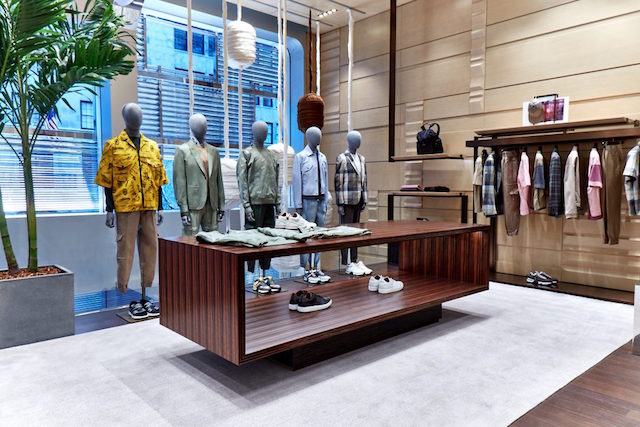
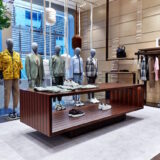
    Italian luxury firm Ermenegildo Zegna has launched a new global store in New York. The new three-level 660sqm boutique, designed by prominent architect Peter Marino, is a luxury retail space with a facade composed of metallic threads. The store features a personalisation room on the third floor, offering high-end bespoke clothing fitted by a master tailor.

    A selection of fine leather footwear and other goods, couture collections and sneakers, and luxury leisurewear are also among product lines on sale in store.

    Exclusive to the New York global store is the newly released Taccuino capsule collection, featuring leatherwear goods inspired by Ermenegildo Zegna’s personal notebook and fine calligraphy.

  • Millionaires are showing off their money in a new way

    Millionaires are showing off their money in a new way

    The definition of luxury is evolving, and the change applies to not only what people are spending money on, but how they’re doing it. “In the last few years, we have seen the crystallization of two luxury worlds: one which focuses on an encyclopedic choice of luxury products available at a click; another which is doubling down on the experience mantra,” the global ultra-high-net-worth intelligence firm Wealth-X said in its 2019 handbook, which examines the spending habits and preferences of people whose net worth is between $1 million and $30 million.

    That shift coincides with an era in which people are choosing to display their wealth differently than previous generations did.

    This is an era where brands like Goyard— a two-century-old Parisian company that eschews any type of advertising but represents the pinnacle of luxury for the world’s elite — and investments like education, security, and privacy are the chosen trappings of the world’s wealthiest people.

    Still, luxury fashion is booming, and it partially has to do with how it is consumed.

    Technology has left nearly no industry unchanged, and luxury is no exception.

    “Mass-market principles have worked their way into luxury and are disrupting the market,” Mike Phillips, Wealth-X’s vice president of marketing and communications said. “Now you can be selling something — and there might be only one made — but it’s on an app.”

    Whereas previously the ultimate luxury shopping experience might have included shutting down an entire store for a top spender, that person now has access to the same goods with the increased convenience of an app.

    Phillips said apps and sites like Net-a-Porter, Farfetch, and Moda Operandi that sell designer clothes, shoes, and accessories had capitalized on this trend as a new generation of wealthy shoppers emerges.

    “When it comes to wealthy millennials or Gen Xers, there are still instances where they are seeking an immersive brand experience at a brick-and-mortar store,” Phillips said, “but at other times they may want to avoid that more traditional pomp and circumstance and opt for the ‘Seamless’ option.”

    “Younger generations are less likely to be staunch loyalists to a single brand when compared to their parents and grandparents,” Phillips said. “They’re more likely to try something new if it speaks to their personal values and passions.”

    In this way, experiences may not be outright replacing the role of brands in wealthy people’s lives, but they are augmenting the significance of and consideration that goes into buying a particular brand.

    “More and more,” Phillips said, “the wealthy are evaluating a brand in terms of: What mission does this brand represent? How does it contribute to the greater good … If I choose to purchase this product, what does that say about me and my values?”

    And entire industries are developing or adjusting services to cater to this customer interest too. Wellness is increasingly regarded as a modern embodiment of luxury, and accordingly, an array of spas and studios offering treatments like cryofacials, weeklong retreats, and vitamin IV drips are delivering those experiences.

    Exclusivity and personalization also play important roles in the way luxury experiences are marketed. Customers do not want just any experience — they want a unique one tailored to them.

    Both of those preferences can clearly be seen in the hospitality industry, where high-end hotels are remembering their guests and tweaking their experiences with personalized touches. Other hotels, meanwhile, are fulfilling guests’ appetites for exclusivity by making their most luxurious or expensive rooms “invisible” and available only to well-connected clients who heard about the room by word of mouth.

  • Alipay is available at Walgreens’stores now

    Alipay is available at Walgreens’stores now

    Chinese consumers visiting the U.S. can now use Alipay at Walgreens, one of the largest drugstore chains in the country. Whether traveling for business or pleasure, Alipay users can shop at 3,000 locations in major cities such as New York, San Francisco and Las Vegas to start, the companies said. The number is expected to reach 7,000 by April. Walgreens operates about 9,560 drugstores in all 50 U.S. states, Washington, D.C., and other U.S. territories.

    About 4 million users of the mobile-payments app are in the U.S. annually, according to Alipay, which is owned by Alibaba Group affiliate Ant Financial. The service offers them a quick and easy way to pay for goods while overseas, one that is already ubiquitous in China and lacks the higher foreign-transaction fees typical of credit cards.

    “Walgreens is focused on making shopping more convenient for our customers,” including Chinese consumers, said Walgreens President of Operations Richard Ashworth, including Chinese consumers. “Not only can they buy our products via our dedicated store on Alibaba’s Tmall Global marketplace, but they will now also be able to shop in the U.S., using Alipay as they would in China.”

    In September, parent company Walgreens Boots Alliance made its first move into China’s consumer market by launching a flagship store on Alibaba Group’s dedicated cross-border e-commerce platform, Tmall Global. The direct-to-consumer channel added to a wholesale and retail pharmacy business that WBA had already been operating in China.

    According to China’s Ministry of Tourism, Chinese travelers took about 140 million trips abroad last year. In an effort to capture that business, Ant Financial has been working with merchants across the globe to make Alipay available overseas to its more than 1 billion users (which includes users of its joint-venture partners’ apps). Alipay currently is available in over 40 countries and regions. Last year, Alipay added Germany’s Oktoberfest, the world’s largest gingerbread city in Norway and San Francisco’s Pier 39 to its list of merchant partners, all of which are popular destinations for Chinese tourists.

    “This is a key strategic partnership for achieving awareness in the U.S.,” Yulei Wang, general manager of Alipay North America, said of the Walgreens partnership. “We are excited to partner with a company that has been trusted across America since 1901, and is constantly evolving to provide more Chinese consumers a seamless and familiar way to pay.”

  • LG Electronics to debut dual display phones

    LG Electronics to debut dual display phones

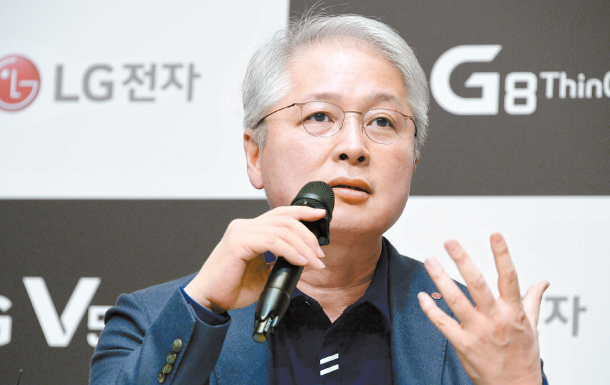
    LG Electronics’ major release of the year will be dual display smartphones, which the company hopes will recover its reputation as consumers flock to next-generation 5G smartphones. “There were internal discussions on releasing foldable phones at the same time but we concluded not to apply the form to early 5G models,” said LG Electronics President Brian Kwon during a press conference at LG Science Park in Magok, western Seoul, Friday.

    The event was the first time since he was appointed to head the smartphone business in November that Kwon shared future strategies for mobile business in front of the local press.

    “Our direction will allow consumers to enjoy 5G network content through dual displays to be showcased at the Mobile World Congress (MWC).”

    “Speaking of displays for early 5G phones, a major question to ask is whether we really need them, is there enough user content that requires such screens? In that perspective, I believe it’s too early to present [foldable phones,]” he added. “In terms of technology, we’re already prepared to make foldable and rollable screens.”

    Changes in form, especially screens, will be a major attraction point at this year’s MWC, the world’s largest trade show for phones. Samsung Electronics and Huawei will be rolling out foldable phones that come with two screens overlapping one another.

    LG’s dual display phone is rumored to come with a separate second screen that can be attached to the back or beside the main screen, although the company did not confirm the details. Its price remains undecided but Kwon said internal discussions were ongoing over whether to set it above or below $1,000.

    The form-factor competition comes in line with the commercialization of 5G networks expected to be realized this year. 5G will transfer data at an extremely high speed, enabling smartphone users to enjoy movies and games at unmatched quality and speed. Phone makers are eyeing the opportunity to win over consumers as they upgrade their phones to models that support 5G.

    LG’s strategy for this generation shift is “two track,” Kwon said Friday. Apart from the dual display phones, the V50 ThinQ 5G and the G8 ThinQ will also be showcased at the MWC. They are the latest models from the company’s high-end V and G lineups. V50 will support 5G networks, while the G8 will remain a premium phone for 4G, or LTE, network users.

    Underlying the two-track strategy is an uncertainty about how fast it will actually take for 5G infrastructure and related services to expand and how many consumers will jump from 4G to 5G.

    “Our plan for the year’s first half is to release the V50 to tackle the 5G market but our direction for the second half will depends on the 5G market,” said Kwon. “If it expands quickly we’ll look into developing a lower priced model that supports the network; if it doesn’t we’ll still have the 4G lineup.”

    LG’s smartphone business has been in the red for 15 consecutive quarters as of last year. Kwon was successfully heading the company’s television business when he was appointed to additionally take charge of the mobile division three months ago.

    “It’s true that industry insiders are hoping the 5G era will push growth of the smartphone market but as there also conservative projections, our goal for the year is not to make a drastic turnaround in the business but to see sales grow and restore our reputation in the smartphone market,” said Kwon.

  • LVMH registers company called “Project Loud” with Rihanna

    LVMH registers company called “Project Loud” with Rihanna

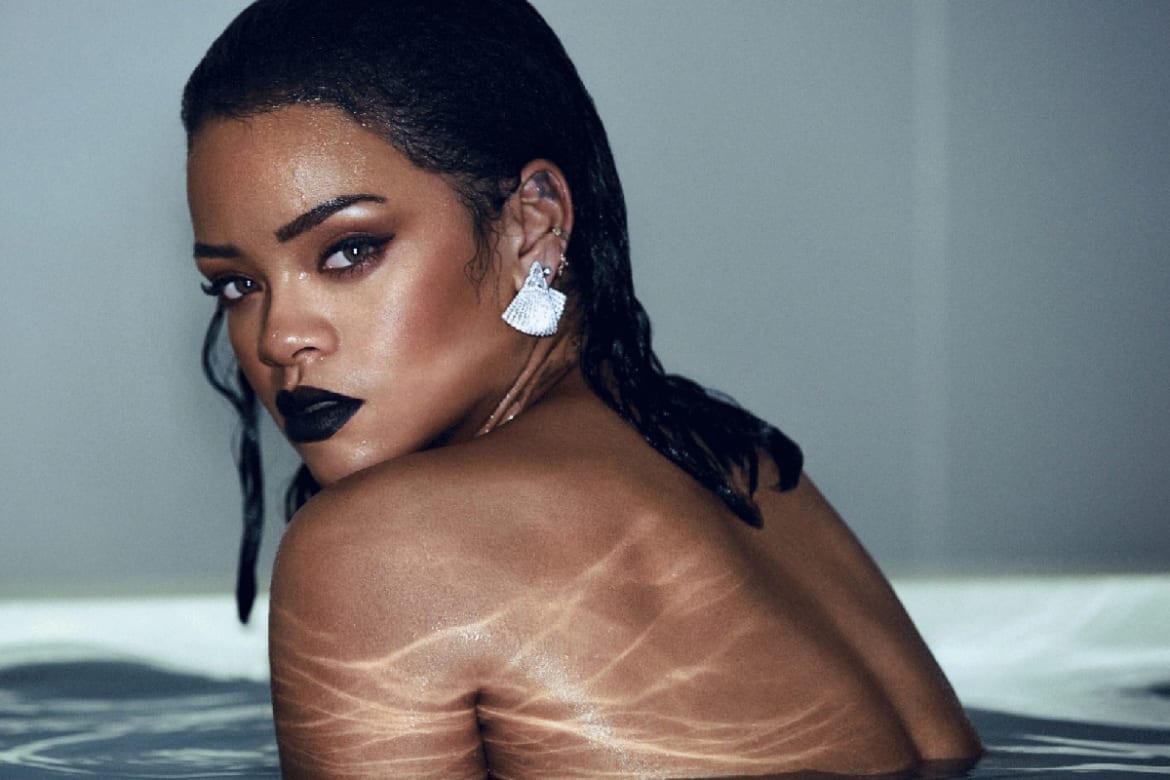
    Plans by luxury fashion house LVMH to quietly collaborate with popular celebrity Rihanna on a new fashion business have been exposed, according to Fashion United. Citing a Fashion Network report on the partnership, the website reveals that the new fashion company Project Loud – originally registered as a shell firm in 2017 – took in a €60 million (US$67.8 million) capital investment from LVMH last year. The firm’s president was shown to be senior LVMH executive Jean-Baptiste Voisin.

    Rihanna’s Fenty line – which, according to LVMH chairman Bernard Arnault achieved €500 million in sales last year – was also launched with the support of LVMH. Its Fenty x Puma collaboration in 2017 resulted in a boost in Puma sales by 23 per cent.

    The success of Fenty indicates high potential sales volumes for Project Loud and bodes well for this latest LVMH investment.

    News of the collaboration first broke in January when online portal WWD and the New York Times cited multiple unnamed sources confirming plans.

    Writer Vanessa Friedman flagged the question “Is Rihanna the Coco Chanel of the 21st century?” in a feature published last month.

    “Robyn Rihanna Fenty, one of the defining musical artists of the millennium and a multi-hyphenate talent, has no formal fashion training. What she does have is a clear vision for her own image, 14 No. 1 singles on the Billboard 100 chart and more than 50 Top 40 hits, 67 million Instagram followers, and an ability to disrupt the status quo,” Friedman wrote.

    “While the details of the agreement remain unclear, it is a turning point in both fashion and fame.

    “The combination of Fenty and LVMH will be the clearest expression yet of how celebrity, social media and influencers have redefined the power balance between culture and consumption, changing the way brands of all kinds relate to their audience,” wrote Friedman.

  • Farfetch announces the first chief fashion officer

    Farfetch announces the first chief fashion officer

    The close relationship between luxury e-tailer Farfetch and Browns, the physical store that it acquired back in 2015, has become even closer with Browns’ CEO Holli Rogers having taken up a new role at the parent company. Rogers will stay on as the senior manager at Browns but has also become chief fashion officer at Farfetch, which will see her working closely with the e-tailer’s marketing, styling and VM teams “to ensure the company’s fashion approach is incorporated into the DNA of the overall customer experience of the brand”.

    Rogers, who was formerly Net-a-Porter fashion director, has had an impressive career at the cutting edge of both luxury physical retail and high-end e-tail. She has also worked at Neiman Marcus and Chanel.

    Farfetch CEO and founder José Neves said she “could bring her unique experience to the broader Farfetch business at an executive level. [Her] reputation, high regard among fashion CEOs, influencers and the wider industry, her relationships and her incredible aesthetic will be a huge benefit to Farfetch.”

    It is clear that she’s highly regarded at the company after having overseen a number of success for Browns from the opening of the Browns East location to the revamped visual image, launching collaborations at home and abroad and continuing to nurture new names.

  • Kerry Logistics expands e-commerce fulfilment through E-Services Group JV

    Kerry Logistics expands e-commerce fulfilment through E-Services Group JV

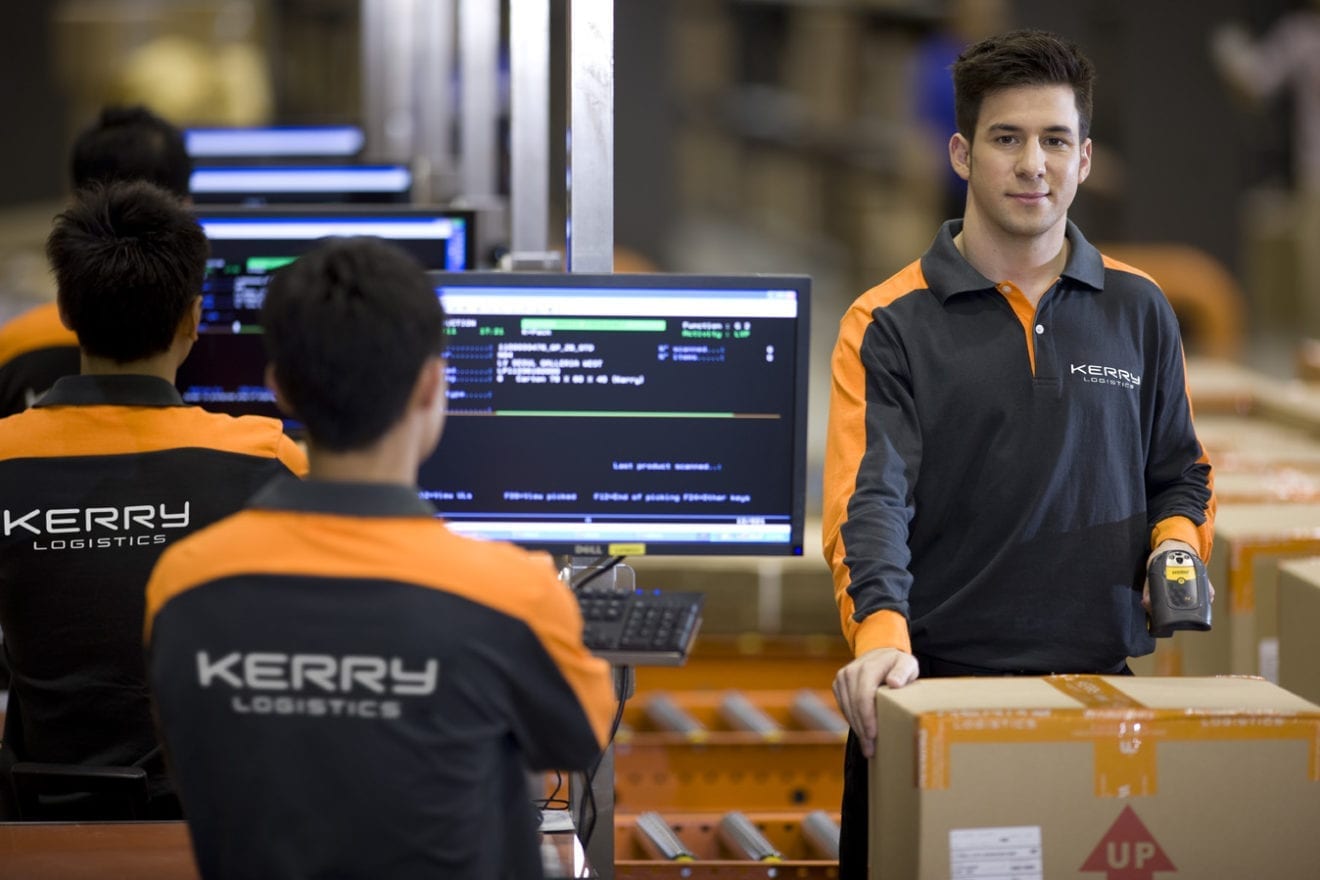
    Hong Kong-based Kerry Logistics is expanding its e-commerce fulfillment capabilities through a joint venture with Asian e-commerce specialist E-Services Group. Their joint venture, Kerry ESG (HK) Company Limited, will combine Kerry Logistics’ global supply chain capabilities with ESG’s technology platform, global marketplace networks, and e-commerce expertise to offer etailers cost-efficient solutions internationally.

    ESG, founded in 2002, claims to be ‘the leading international end-to-end e-commerce company in Asia’, headquartered in Hong Kong, with offices in China, Singapore, and Taiwan. As the strategic partner to over 20+ leading global marketplaces such as Rakuten, JD.id, and Cdiscount, ESG not only enables its 28,000+ etailers to grow their businesses internationally through marketplaces, but also supports them with comprehensive shipping solutions.

    Kerry ESG, set to debut in March 2019, aims to become one of the leaders in global e-commerce fulfillment solutions, enabling etailers to deliver products to customers anywhere in the world quickly and cost-effectively. Through direct integration with leading shopping carts and global marketplaces, etailers using Kerry ESG’s services will be able to seamlessly manage their order fulfillment, inventory, and returns to and from multiple logistics centres through one platform.

    William Ma, Group Managing Director of Kerry Logistics, said: “We are thrilled about the growth opportunities in global e-commerce. With Kerry ESG, we are creating a unique platform with total solutions from upstream marketing to downstream logistics that will capitalise on the booming international marketplace model to facilitate the exports for our international brand customers. Combining forces as industry leaders, Kerry Logistics and ESG are well-positioned to unlock the potential in the market with this new joint venture.”

    Alan Lim, Founder and CEO of ESG, added: “Winning at e-commerce means getting every piece of the puzzle right, and fast, reliable fulfillment is a critical component of success. This partnership gives etailers access to an extensive distribution network to support e-commerce fulfillment in every market and with every online channel. With Kerry Logistics we have found a great partner, whose capabilities complement ours and whose culture and vision matches that of our team. I am excited about how we can grow this business together.”

    Kerry Logistics said it has identified cross-border e-commerce, particularly between Greater China and ASEAN, as a major growth sector which plays to its strengths. The new partnership with ESG, which is the official partner of leading marketplaces including JD.id, Rakuten, and Newegg.com, will play a pivotal role in strengthening the foothold that the two companies have in this area.

    Kerry Logistics has a network covering 53 countries and territories, and is managing 53 million sq ft of land and logistics facilities worldwide.

  • Samsung US stores opens door

    Samsung US stores opens door

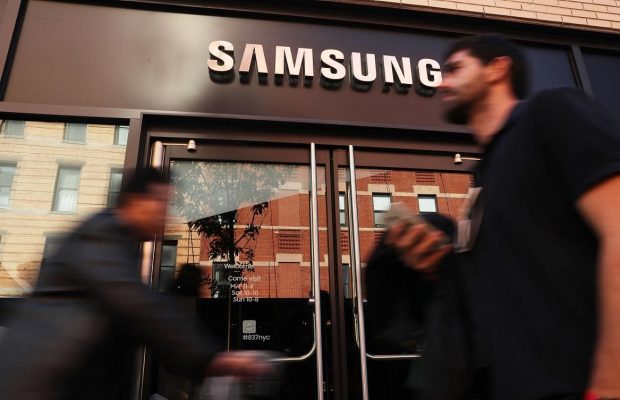
    South Korea’s Samsung will launch the first three of a planned network of North American stores this coming week, timed to coincide with the expected release of its next-generation Galaxy smartphone. The smartphone-focused Samsung US stores will open in the Roosevelt Field mall in Garden City; the Americana at Brand in Los Angeles; and Galleria in Houston. The openings have been interpreted as a branding exercise more than a sales driver by some industry experts, given the predominance of Apple iPhones in America. Samsung currently has 24 per cent of the US market, as opposed to Apple’s 44 per cent, with both manufacturers selling most of their handsets through carrier-operated stores.

    “Our new Samsung Experience Stores are spaces to experience and see Samsung technology brought to life, to empower people to do what they never thought was possible before”, said president and CEO of Samsung Electronics America YH Eom.

    “We want to build a ‘playground’ for Samsung fans – a place to learn about and try out all of the amazing new products we have to offer.”

    The Samsung US stores will encourage visitors to linger in-store while experimenting with the brand’s 4D VR and immersive 4K gaming products.

    Samsung’s Galaxy Unpacked 2019 presentation, scheduled for San Francisco on Wednesday, is widely rumoured to serve as a launchpad for a new foldable phone.

  • eat darling eat opens in Hong Kong

    eat darling eat opens in Hong Kong

    This February, foodies in Hong Kong will salivate over scrumptious treats and desserts at eat darling eat, the new Causeway bay eatery that is bringing a playful twist on iconic Chinese desserts to spread love and evoke warm childhood memories.

    The 1,300 ft design-centric space is bold, surreal and out of the ordinary, sharing an array of lip-smacking treats with an eclectic twist. Situated in Fashion Walk, eat darling eat is the latest addition under Ming Fat House. The dessert spot is further enhanced by the interior design, with large playful stickers on the walls, and creative food photographs that make visitors do a double take. At eat darling eat, all delicious culinary creations are all about stimulating the senses, each of them made with utmost care and loving attention.

    eat darling eat’s extensive menu features iconic Hong Kong desserts such as the homemade fluffy Pineapple Buns (HK$38) that are quintessential to the city, filled with pineapple custard. Chinese “tong sui” desserts get a modern reinterpretation with such intriguing combinations such as double-boiled Papaya (HK$68) with snow fungus, candied papaya and mascarpone cheese. Sweet Potato (HK$68), a sweet potato soup playfully pairs with a luscious chocolate cake and taro ice cream; and Red Bean (HK$68), mixed with tangerine peel soup with a scoop of matcha ice cream.

    Other signature creations are home-made icy treats that have a modern flavour. Set to become a favourite is the Double-strength Milk (HK$48), that features two scoops of the milk flavoured ice cream that are infused with Chinese rice wine. Sichuan Pepper (HK$48), with scoops of the ice cream that bring out the spicy taste of Sichuan peppercorns and complemented with the sweetness from candied bacon.

    The icy treat that is sure to be popular amongst the fans is the Chinese Ginger Vinegar (HK$48), creatively topped with crispy pork skin. Inspired by a traditional Cantonese dish that is typically shared by new mothers to celebrate the arrival of a newborn baby, this trail blazing creation promises a spoonful to remember.

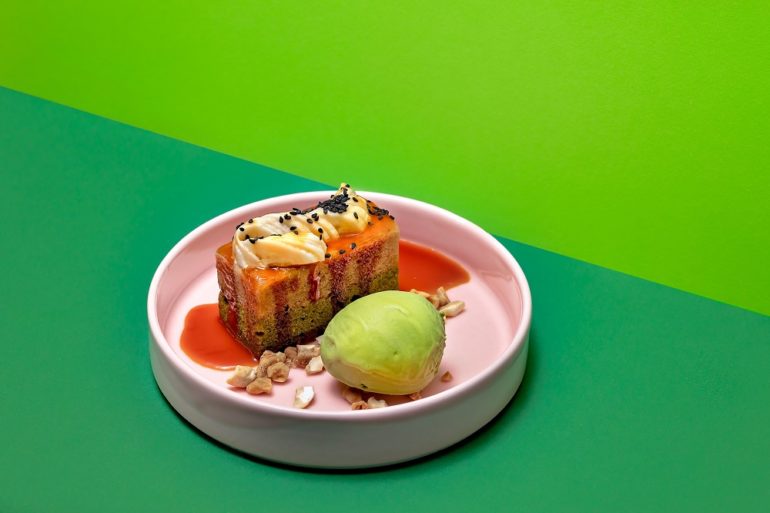
    Other delectable desserts include the Lava Cake (HK$78), featuring a decadent Valrhona dark chocolate filled cake with the earthy taste of walnut soup, and Matcha Cake (HK$58), a sweet caramel sponge cake topped with caramelised banana, and finished with scoops of matcha ice cream.

    “At eat darling eat, we strive to bring the element of traditional Hong Kong desserts that not only touch the heart, but also add a modern twist that will create new memories for our customers,” explained Jonathan Bui, owner of eat darling eat.

    The creative talent behind these quirky and tasty desserts is Executive Chef Jason Luk who tucked international experiences under his sleeve having worked in Bangkok, Shanghai and Miami. In Hong Kong he has honed his skilled at The Drawing Room and Zuma Hong Kong and brings a limitless array of culinary ideas at eat darling eat.

    “While living abroad, I learned a lot about desserts in other places, but at the same time I missed eating food from home. Since coming back to Hong Kong, I want to share the recipes from my experiences and present them to foodies in Causeway Way, which is the perfect place to showcase new and exciting trends and styles,” says Jason.

    eat darling eat offers guests a respite from busy Causeway Bay with its whimsical interiors that mirror the eclectic menu. The design draws inspiration from the experimental Post-modern era, incorporating designs, shapes and colours that challenge convention.

    The interior highlights split-level architecture, where the lower level entrance area is an open concept, while the upper space is framed as a theatre featuring fluorescent colours and reflective surfaces. The overall design is bold, surreal and out of the ordinary, emphasizing the creativity of the desserts.

    While eat darling eat offers mainly fun and playful desserts, it also offers savoury dishes for lunch and dinner that can be chosen from the a la carte menu and signature lunch menu alongside an extensive coffee, tea and cocktail menu. eat darling eat invites diners to take a break, slow down, and savour the moment in the midst of the hustle and bustle of Causeway Bay.

  • FamilyMart Malaysia to open 300 more stores by 2022

    FamilyMart Malaysia to open 300 more stores by 2022

    QL Resources, the Malaysian operator of Japanese convenience store chain FamilyMart, is going ahead with plans to open 300 stores by March 2022, despite a slump in the economy. The firm opened 30 FamilyMart Malaysia outlets within the last financial year and plans to reach 90 new stores for the year ending March 31, 2019.

    “We still stick to our plan to open 300 stores in five years”, said QL chairman Chia Song Kun.

    Market leadership in the territory is currently controlled by 7-Eleven Malaysia, which operates more than 2000 stores in Malaysia. A major shareholder in the firm recently announced plans to open another 200 outlets this year.

    Malaysian spending is increasingly focused on domestic trade as exports continue to be affected by the US-China trade war.

  • 97-year-old style icon Iris Apfel signs with IMG Models

    97-year-old style icon Iris Apfel signs with IMG Models

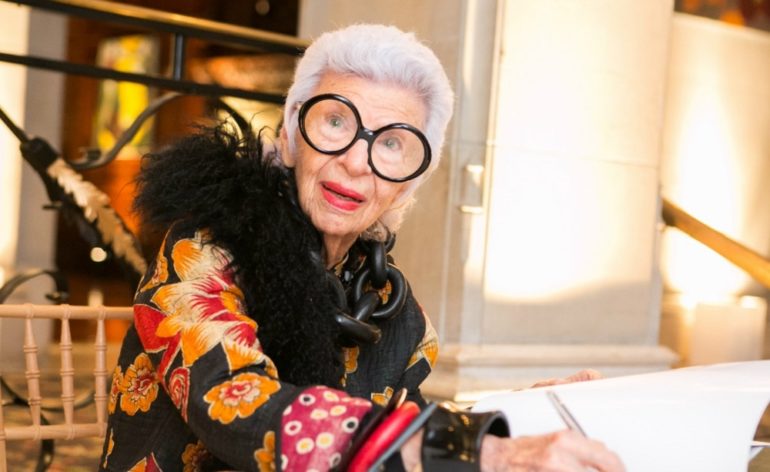
    The nonagenarian fashion icon had been modeling for major fashion and beauty brands for years, but last week it was announced that she is newly represented by IMG Models — the same agency that managed the careers of Gigi Hadid, Karlie Kloss, and Miranda Kerr, among many others. Even as she is pushing 100, Apfel shows no signs of slowing down, and told WWD she is very excited about her new deal.

    IMG will represent her for modeling, appearances, and endorsements — though do not expect to see her strutting her stuff on the catwalk.

    “How can I compete on runway? That’s ridiculous,” she said. “We’ll be doing hopefully collaborations, or maybe I’ll be a spokesperson. I leave it to them. They know better than I.”

    “I’ve had all kinds of interesting commissions in my limited career. Everything from vodka and automobiles to beauty products, and I’ve also had a number of interesting collaborations with big stores like Bon Marché in Paris, the Landmark Mall in Hong Kong, Macy’s and Bergdorf Goodman.”

    Over the past decade, in particular, Apfel has modeled for a seriously impressive roster of big-name fashion and beauty brands.

    Sheis faced campaigns for Kate Spade, MAC Cosmetics, Alexis Bittar, Macy’s INC, Blue Illusion, HSN, Le Bon Marché, and the German brand Aigner.

    In each one, she showed off a facet of her style, including her signature over-sized round glasses.

    For several, she posed right alongside models a quarter of her age, including Karlie, Toni Garnn, Tavi Gevinson, and Jourdan Dunn.

    And no one is as surprised by her late-in-life modeling career than Apfel herself. Though she had a long career in fashion, it was owning her own textile company, Old World Weavers, from 1950 that kept her in the fashion world.

    “I never expected my life would take this turn so I never prepared for it. It all just happened so suddenly, and I thought at my tender age, I am not going to set up offices and get involved with all kinds of things,” she said.

    “I thought it was a flash in the pan, and it is not going to last. Somehow, people found me. People would just call. Tommy Hilfiger said that was no way to do it, and he put us together. I am very excited and very grateful.”

    In addition to modeling, she also designs her own clothing and accessories line for HSN and published a book last year.

    Her new agency is home to an impressive list of stars, inducing Alessandra Ambrosio, Ashley Graham, Amber Valletta, Barbara Palvin, Bella Hadid, Candice Swanepoel, Elsa Hosk, Gisele, Hailey Bieber, Joan Smalls, Kaia Gerber, Kate Moss, Lily Aldridge, Martha Hunt, Rosie Huntington-Whiteley, Stephanie Seymour, and Thylane Blondeau.

    The have also signed another mature model: Elon Musk’s 70-year-old model Maye Musk.

  • Vietnam banks among 500 most valuable brands

    Vietnam banks among 500 most valuable brands

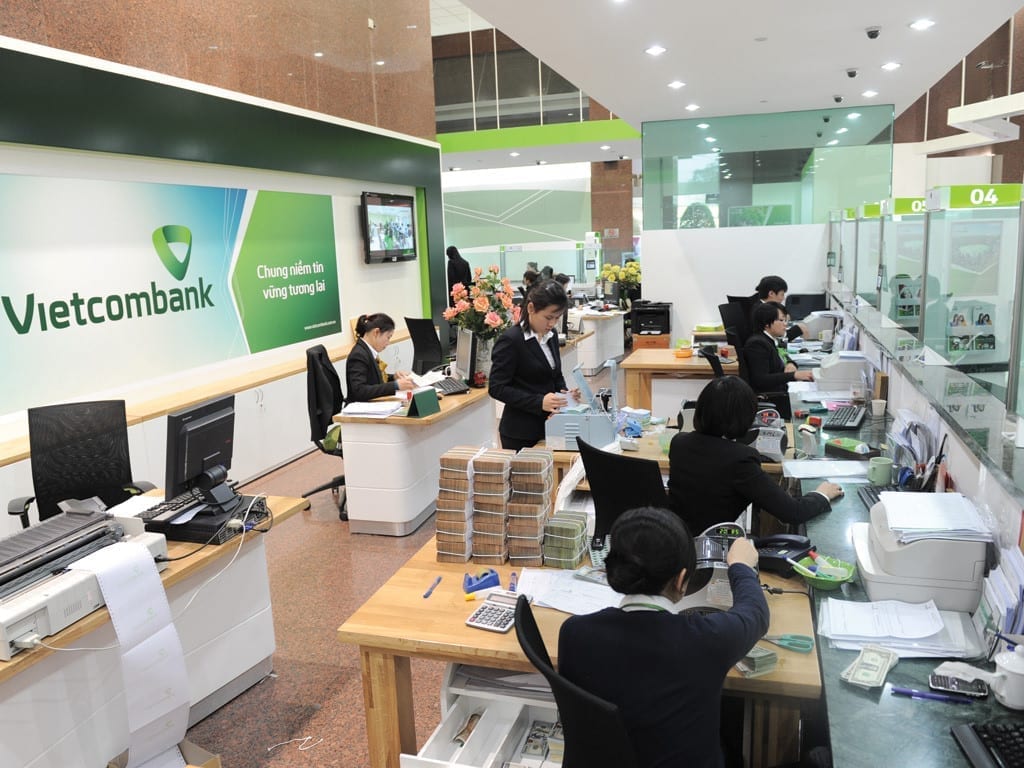
    Four Vietnamese lenders, three state-owned and one private, are among the world’s top 500 most valuable brands this year. In an annual ranking by BrandFinance, VietinBank was ranked 242, BIDV, 307, Vietcombank, 325, and VPBank, 361. Last year, VietinBank, BIDV and Vietcombank, three major Vietnamese banks, made it to this elite list, and this year is the first time that a Vietnamese private bank, VPBank, has made it to the Brand Finance Banking 500.

    In this year’s ranking, BIDV is one of top ten banks in the world in terms of brand strength, with growth of 22 percent; while VietinBank is one of top ten banks with biggest Brand Value Change 2018-2019 with a whopping 66 percent increase.

    Chinese bank Industrial and Commercial Bank of China (ICBC) continues to sit on the throne this year, followed by three others Chinese lenders in the top four.

    According to the UK-based Brand Finance, a leading independent brand valuation and strategy consultancy, Chinese banking brands have grown “at an outstanding rate despite fears of an economic slowdown and the rise of protectionism in international trade.”

    It said Chinese banks grew 28 percent on average, achieving $407 billion in total brand value, over $100 billion more than American banks.

    In August last year, Vietnam’s government approved a master plan for banking sector development until 2025 with a vision to 2030.

    The plan envisages at least 2-3 banks in Asia’s top 100 in terms of total assets and targets to have 3-5 banks listed on foreign stock exchanges by 2025.