Tag: Business

  • Starbucks China unveils new third-place experience concept

    Starbucks China unveils new third-place experience concept

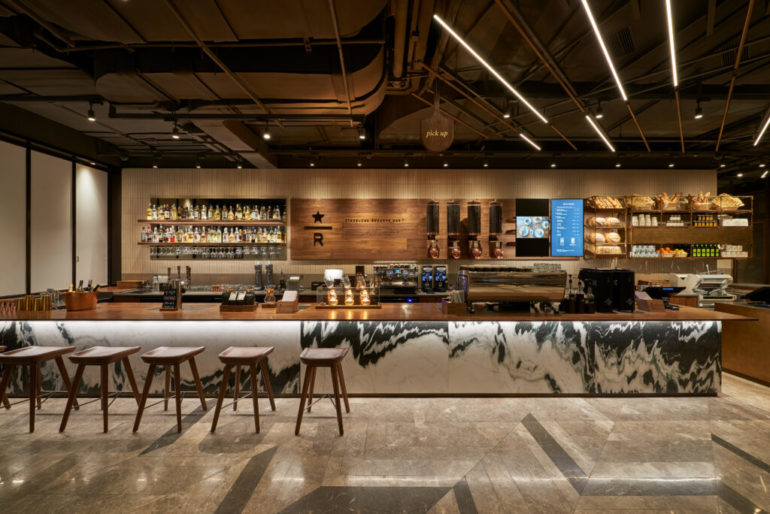
    Starbucks today unveiled its first Starbucks Reserve® Bakery Cafe, featuring fresh Italian Princi food, in China. This brand new third-place (in-store) experience is dedicated to the premium Starbucks Reserve® coffees served alongside artisanal and made-to-order food prepared by Princi bakers onsite every day.

    Each baker has been meticulously trained in the acclaimed Italian baker Rocco Princi’s distinctive method of artisanal craft of baking to perfect the recipes for each food item. The cafe also features an expanded menu of Starbucks signature Mixology, including distinctive coffee and tea-inspired cocktails, Italian classics like Aperol Spritz, fine Italian wines and beers.

    This will be the first-of-its-kind Italian Aperitivo experience (early evening social cocktails paired with small bites) in a Starbucks store location within China.

    “For 20 years, Starbucks has revolutionized, and set new standards, around the third-place for our Chinese customers. Today marks yet another significant milestone as we take everything we have learned around coffee and our relentless pursuit for food innovation, to create a new exciting all-day cafe dining and Italian Aperitivo experience,” said Belinda Wong, ceo, Starbucks China. “Our ability to consistently elevate the customer and brand experience in a meaningful and respectful manner truly reflects Starbucks unmatched energy and operational capabilities to execute against our Purpose-driven Growth Agenda to play the long game in China.”

    As a showcase of Starbucks undisputed coffee leadership in China, the cafe features Starbucks ReserveTM Princi™ Blend as the signature coffee offering for its handcrafted espresso beverages made using the Black-eagle Espresso Machine. This special Reserve blend can also be enjoyed freshly-brewed using the Siphon brewer, Pour-over or Starbucks Draft Nitro.

    Authentic, freshly prepared food is the centerpiece that creates the vibrancy and intimacy within the cafe. Customers can share meals with family and friends at the large community table just feet away from the baking oven and the bountiful display of food creations.

    Inspired by the passion and romance of Rocco Princi’s belief to infuse ‘Spirito di MilanoTM’ into this new retail environment, the coffee theatre transforms into a full mixology bar to offer Starbucks-distinctive coffee or tea-infused craft cocktails, beers, and a fine selection of Italian classics and wines specially curated by Rocco Princi, as the day turns into evening.

    Each day from 5 pm to 7 pm, the store celebrates “Aperitivo Time” where customers can enjoy handcrafted cocktails, wine and beer with free-flow of pizza bites, green olives, and schiacciatine.

    They can choose to enjoy this unique Italian evening social occasion by relaxing at the cafe’s outdoor patio with friends and loved ones, just like Italians would across the streets of Milan.

    “I am excited to work with my Princi partners, and Starbucks, to unlock the infinite possibilities of Princi food elevating every daypart for our Chinese customers, from breakfast, lunch, to the new evening Aperitivo experience. This exceptional opportunity to pair Starbucks Reserve coffees with Princi’s 30-year heritage of serving only the freshest and artisanal food, in a brand new store format, is another dream come true for me,” said Rocco Princi.

    With more than 3700 stores in 158 cities, no other coffee retailer in China has the depth of Starbucks coffee expertise, strength of the most sought-after world-class retail locations, and pipeline of meaningful innovations to elevate the customer experience.

    Building on the overwhelming positive reception of freshly baked Italian PrinciTM food at the Shanghai Roastery, and the continued enthusiasm customers have towards Starbucks portfolio of innovative store concepts, the Starbucks Reserve® Bakery Cafe is yet another reflection of Starbucks holistic approach to build an exceptional third-place experience, further cementing its unparalleled leadership and success in China.
  • Record earnings for Maybank Indonesia

    Record earnings for Maybank Indonesia

    PT Bank Maybank Indonesia Tbk’s (Maybank Indonesia) profit after tax and minority interests (patami) for the financial year ended Dec 31, 2018 surged 21.6% to a new high of Rp2.2 trillion (RM640 million) on the back of higher net interest income (NII) and continued improvement in asset quality.

    The bank’s profit before tax (PBT) jumped 20.5% to a record Rp3 trillion, its highest achievement to date, while NII grew 5.2% to Rp8.1 trillion in December 2018 compared with Rp7.7 trillion in the previous corresponding period, it said in a statement today.

    Additionally, it said continuous implementation of disciplined pricing coupled with improved operational efficiencies enabled the bank to contain pressures on interest margin, resulting in improvement in net interest margin by 7 basis points (bps) to 5.2%.

    The bank’s asset quality also improved significantly as reflected by lower non-performing loan (NPL) levels of 2.6% (gross) and 1.5% (net) as at Dec 31, 2018 compared with 2.8% (gross) and 1.7% (net) respectively in the previous year.

    Following that, Maybank Indonesia was able to reduce its loan loss provisions by 38.6% to Rp1.3 trillion as of December 2018.

    Its loans grew 6.3% to Rp133.3 trillion from Rp125.4 trillion in the previous year.

    It also maintained a strong capital position with total capital reaching Rp26.1 trillion in FY18, while capital adequacy ratio (CAR) improved to 19% from 17.5%.

    Maybank Indonesia president commissioner and Maybank group president and CEO Datuk Abdul Farid Alias said the bank’s outstanding results for FY18 testify to its commitment towards sustainable business growth, as well as its relentless pursuit in ensuring sound asset quality, improved operational efficiency and better overall productivity.

    “Although the operating environment continues to remain challenging, we believe that we are poised for further growth in the coming year,” he added.

  • Furniture maker in Vietnam to meet younger customer taste

    Furniture maker in Vietnam to meet younger customer taste

    Furniture manufacturers are striving to meet the changing tastes of young people, who have begun to value eco-friendliness and aesthetics. Nguyen Chanh Phuong, vice president and general secretary of the Ho Chi Minh City Fine Arts and Wood Processing Association (HAWA), said the furniture segment for small urban houses is abuzz in Vietnam, with its main customers being young adults born between 1980 and 2000.

    Unlike the previous generation, who preferred simple but durable furniture that could last 100 years, young people prefer to buy comprehensive interior packages based on their own aesthetic views, he explained.

    They see furniture as things that serve their needs and not assets to be passed down, and so products only need to last about 10 years, he said, pointing out this was why furniture makers like IKEA have been so successful.

    “There is a lot of opportunity arising from this group of customers alone. I estimate they only account for 15 percent in terms of number of buyers but account for 30-40 percent of spending.”

    Industry insiders said the market is seeing rapid growth in raw materials production, design and manufacture of furniture, and one can now find all types of international “fashionable” wood varieties from Germany, the U.S., France, Japan, Canada, and New Zealand.

    Vietnam’s furniture market was worth $4 billion in 2018, and is expected to grow to $5-7 billion by 2025, according to the Handicraft And Wood Industry Association of HCMC.

    Nguyen Quoc Khanh, HAWA chairman, said not only is the scale growing but also Vietnamese are increasingly demanding higher quality products.

    “I think ‘strong and durable’ is not the Vietnamese style; it was a need at a difficult time. Life is much better now, so people are allowed to express themselves.

    “The only regret is that the market has not yet created the necessary ecosystem for the business of interior design. That is, furniture manufacturers have not been able to work with designers and real estate companies to completely meet users’ needs.”

    Foreign home interior brands and designers are present in force and dominating the increasingly affluent market.

    According to the Vietnam Chamber of Commerce and Industry (VCCI), some 80 percent of luxury woodwork and interior decoration items is imported from Europe, with local players accounting for the rest.

  • Suning develops omnichannel smart retail through Wanda department stores

    Suning develops omnichannel smart retail through Wanda department stores

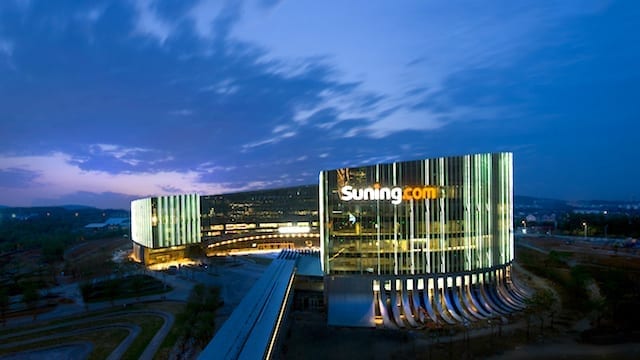
    Suning.com, the Fortune Global 500 retailer owned by Suning Holdings Group, one of the largest commercial enterprises in China, recently announced the establishment of its Department Store Group. It will focus on professional operations of fashion department store business to strengthen its full-scenarios development in online-and-offline smart retail and improve the shoppers’ experience.

    The Company will also acquire nationwide all Wanda Department Stores, belonging to Wanda Group, the large Chinese commercial real estate developer, to expand its bricks-and-mortar retail portfolios and facilitate the all-categories merchandise supply chain to satisfy more local consumers and boost Chinese retail market profits.

    As the leading omni-channel smart retailer in China, Suning.com has always been committed to building a full-scenarios retail ecosystem both online and offline to create diversified shopping experiences visible and ready to serve consumers anytime and anywhere. The establishment of the new group with acquisition of Wanda Department Store is expected to further reinforce Suning.com’s offline advantages, improving its overall retail network resources and increasing the business potential of the Company to develop new business opportunities of all-categories merchandise operation, especially of fashion, lifestyle products and fast-moving consumer goods.

    The 37 Wanda Department Stores are located in first- and second-tier cities in China, with more than 4 million registered customers. Through the deal, Suning.com will also bring its powerful technology capabilities such as data learning, artificial intelligence, IoT to accelerate the digitization of operation management for traditional department stores to increase the overall service experience and profitability of the industry.

    Zhang Jindong, Chairman of Suning Holdings Group said: “The prosperity of the physical retail industry must not only rely on the traditional model and experience. It needs to embrace innovative technology and market concepts to continuously create quality and customized services for consumers.”

    Suning and Wanda has built a strategic cooperation since 2015 and strengthened the partnership in 2018 with the former’s acquisition of a tiny stake in the latter’s commercial management subsidiary.

  • Alibaba’s Ant Financial buys WorldFirst for $700m

    Alibaba’s Ant Financial buys WorldFirst for $700m

    Alibaba subsidiary Ant Financial says it plans to buy UK-headquartered money-transfer company WorldFirst. And in separate news, the Chinese e-commerce behemoth is in discussions over investing in the Metro China wholesale retail business.

    The WorldFirst deal will allow Ant Financial to gain market share in Europe’s fintech and payments industries and will give it an established retail network of currency-exchange stores covering cities including Sydney, Australia; London and Amsterdam, as well as throughout Asia. It has 600 employees in seven international offices and claims to have exchanged more than US$67 billion for 130,000 customers since its launch in 2004.

    The company also had outlets in the US but has reportedly closed these to avoid potential regulatory hurdles with the sale to a Chinese-owned business.

    Ant Financial last year unsuccessfully tried to acquire US-based money-transfer company MoneyGram, largely due to opposition from US lawmakers.

    Metro move

    Meanwhile, Alibaba is in talks to buy a share of German wholesaler Metro AG’s Chinese business.

    Neither company has confirmed or denied the talks are underway and they are at an early stage and may break down.

    Metro China operates 95 stores and struggled to achieve profitability in the market until recently. Metro sales in Asia rose 7 per cent to US$1.17 billion in the December quarter.  Most of the Metro China stores are in tier 1 cities, including Beijing and Shanghai.

    Metro is holding talks with other parties as well ahead of an official sale process.

    Olaf Koch, Metro’s CEO, confirmed this week that the company was considering potential partnerships with Chinese companies. Metro and Alibaba have already cooperated online.

    “We are growing continually and we are profitable [in China],” Koch said at the time Metro released its first-quarter results.

  • Deliveroo celebrates the Chinese New Year with elderly people

    Deliveroo celebrates the Chinese New Year with elderly people

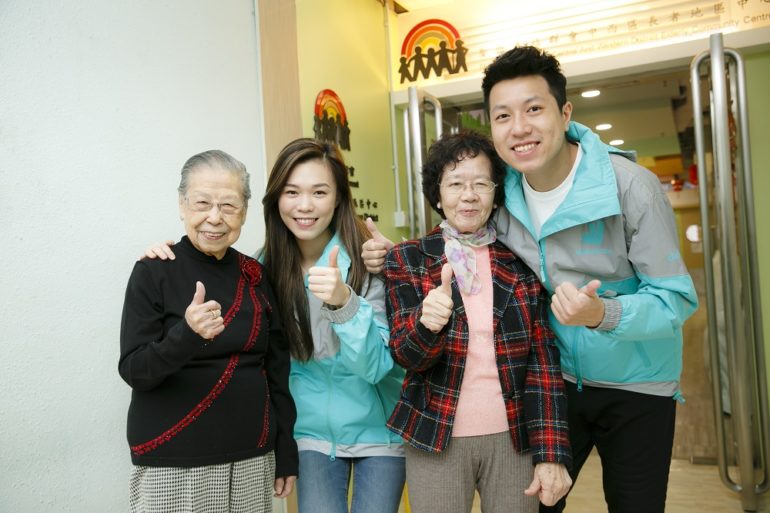
    To give back to the Hong Kong community in celebration of the Lunar New Year, Deliveroo collaborated with St. James’ Settlement and restaurant partner LAO ER by Crystal Jade to host a special afternoon event yesterday for elderly people living alone. There are increasing numbers of stay-alone seniors in Hong Kong, who don’t always have the opportunity to enjoy multi-generational gatherings at the New Year.

    Around 50 elderly people joined yesterday’s event on Monday 11 February, which was held at the Central and Western District Elderly Community Centre in Sheung Wan.

    A hot, delicious, free Chinese meal from LAO ER by Crystal Jade was served for everyone to enjoy together. The meal was prepared at Deliveroo’s first Food Market in Sai Ying Pun and delivered hot and fresh to the Centre by two Deliveroo riders.

    Deliveroo is also making a donation of HK$2,000 to the Central and Western District Elderly Community Centre of St. James’ Settlement, to help fund the gifts of the day and make the elderly delighted.

    Brian Lo, General Manager of Deliveroo Hong Kong, said, “With more and more of Hong Kong’s elderly population living on their own, we are proud to support community initiatives bringing happiness and togetherness to stay-alone seniors. Yesterday’s event was a fantastic chance for the elderly to bond with others over a delicious meal, in celebration of the Lunar New Year. The delectable festive Chinese party foods served in the event like fried noodles, dumplings and garlic-tossed cucumber represents just a small selection of the wide range of cuisine available from Deliveroo. Moving forward, Deliveroo remains dedicated to finding even more new and creative ways to give back to all kinds of people in Hong Kong.”

    The event fell on the seventh day of the first Lunar Month, also known as “Renri”. This is an occasion traditionally celebrated in Chinese culture as the birthday of all humans. On this day, it’s customary for people to gather together, show gratitude and ask for blessings.

    Alison Yung, Senior Manager (Continuing Care) of St. James’ Settlement, added, “Serving Hong Kong for 70 years, St. James’ Settlement has observed the rising number of elderly-only households. Having a reunion lunch on Renri is a beloved Chinese New Year tradition, and we have been delighted to work hand-in-hand with Deliveroo to provide a joyful afternoon meal for everyone to celebrate together. In the future, we look forward to more opportunities for fruitful collaboration with community actors like Deliveroo.”

    An active promoter of social responsibility, Deliveroo is committed to progressive initiatives that benefit employees, customers and the Hong Kong community at large.

    In December, for example, Deliveroo offered 100 free meals to domestic workers staying in Hong Kong over the holidays, in recognition of their valuable role for families.

  • Huawei confident of 5G role in Vietnam

    Huawei confident of 5G role in Vietnam

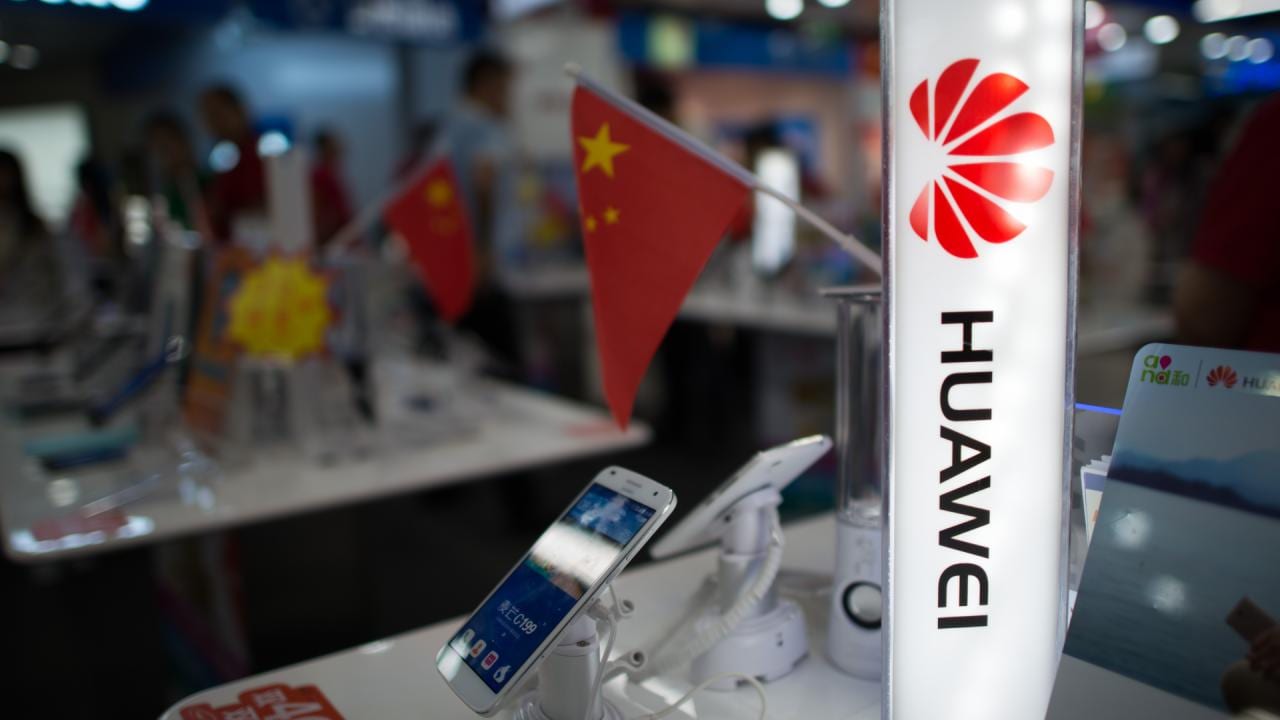
    Huawei Technologies says it has a good chance to be a supplier of 5G equipment to Vietnamese service providers. Fine Fan, CEO of Huawei Vietnam, said that the Chinese company is in talks with Vietnamese partners on conducting 5G trials later this year. “We are confident of expanding in Vietnam,” Fan said, adding that Vietnamese Minister of Information and Communications Nguyen Manh Hung “is open to every provider.”

    Fan said that Huawei cannot be beaten on quality or cost in Vietnam. “Huawei will provide better technology and solutions, along with financial support to local operators to deploy 5G.”

    Huawei’s expression of confidence comes as major mobile carriers in Vietnam have previously announced plans to develop 5G networks using equipment from other suppliers, including Ericsson, Nokia and Samsung Electronics.

    Viettel, the country’s largest telecommunications company, became the first firm to receive permission to trial 5G services last month.

    The company has earmarked $40 million for the development of its own 5G chipset, but was also considering using technology from Ericsson and Nokia, its president and CEO Le Dang Dung said.

    Last November, Minister Hung said at a conference that Vietnam should test 5G in 2019 and ensure nationwide coverage by 2020.

    “Vietnam should be one of the first to launch the network, at least in Hanoi and HCMC,” Hung said. The country had been one of the last in Southeast Asia to roll out 4G services.

    Huawei has been the largest provider of 2G and 3G network equipment in Vietnam, though the company lost its lead when 4G arrived, CEO Fan said.

    Vietnam’s telecom market was estimated at more than $16 billion in 2016, with the three state-owned providers, Viettel, MobiFone, and VNPT, accounting for 95 percent of the market.

    5G is said to offer speeds 100 times faster than 4G, primarily used for smartphones and other similar devices. 5G is also expected to support new applications like remote medical procedures and autonomous driving.

  • Skechers passes store milestone

    Skechers passes store milestone

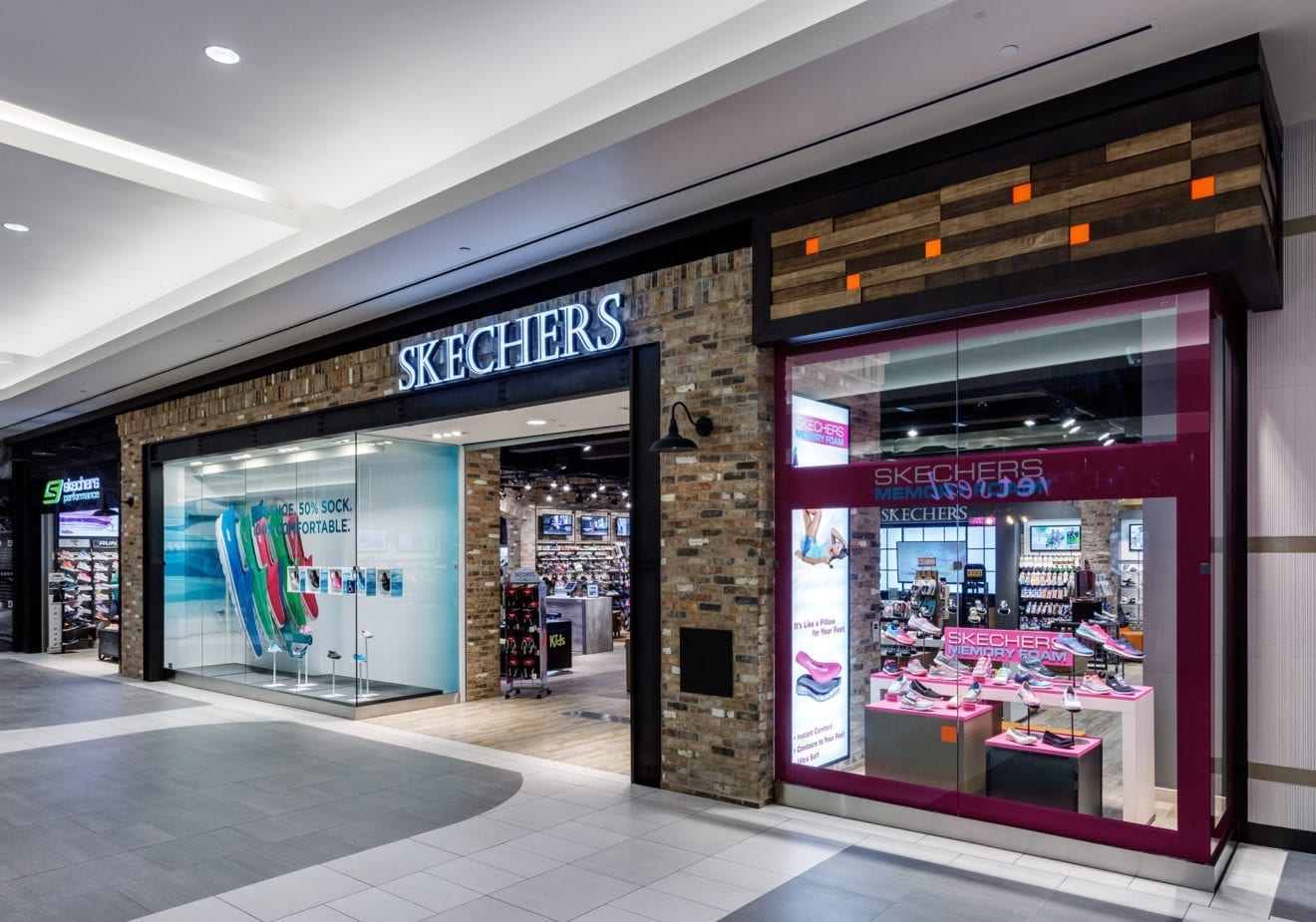
    Skechers China has opened a new superstore in Shenyang, the footwear brand’s 3000th globally. The footwear brand’s largest store yet covers more than 32,000sqft, showcasing a diverse range of footwear, apparel and accessories styles for men, women and children. It features shops-in-shops for different categories and a Skechers Kids entertainment zone.

    US-headquartered Skechers says it is continuing to expand its retail, sales and logistic infrastructure and is improving its customer experience with new-generation point-of-sale technologies.

    “We sell in more than 170 countries through our extensive network of distributors and joint ventures, and we have many more opportunities to build our retail store business even further and expand our global presence for years to come,” said Michael Greenberg, president of Skechers.

    China has the largest number of Skechers retail stores at 941, followed by the US at 472, and India at 222.

    To date, there are 690 company-owned stores worldwide, including two opened in the US in the first quarter. The company plans to open another 70 to 80 company-owned stores and another 500 third-party owned stores this year.

  • Malaysia’s Malindo Air adjusts checked baggage allowance for economy class

    Malaysia’s Malindo Air adjusts checked baggage allowance for economy class

    Malindo Air has adjusted the checked baggage allowance for its economy class passengers under the Value and Flexi fare options effective last friday. The baggage allowance for Value fare option is now 15kg, and 30kg for Flexi fare option, from 25kg previously for both fare options. The baggage allowance for business class and its ATR flights remain as 40kg and 15kg respectively.

    Malindo Air CEO Chandran Rama Muthy said the business rationale to the adjustment is to keep up with the industry changes and passengers’ demand.

    “This option allows passengers who are cost-sensitive to enjoy more competitive airfare with services that fit their needs. We want to keep our products relevant to the market and bring better flying experience to our passengers,” he said in a statement.

    The airline will honour passengers who have made a booking before Feb 15, 2019 and flying on or after Feb 15, 2019 to enjoy the original baggage allowance upon booking, as reflected on their flight itinerary.

    Passengers may top up additional baggage allowance during the booking process, through “Manage My Booking”, Malindo Air ticketing offices, customer care centre and the airline’s preferred travel agents.

  • Lifestyle deploys new retail technologies

    Lifestyle deploys new retail technologies

    A part of Dubai-based retail and hospitality conglomerate Landmark Group, Lifestyle has been enhancing its Omnichannel experience for its customers at a very fast pace in the recent years. With 75 stores at present, Lifestyle is now also available online through www.lifestylestores.com where customers can shop from the convenience of their home.

    Offering men’s, women’s and kids’ apparel, footwear, handbags, fashion accessories, beauty products and much more, all under the same roof, the fashion retailer has added features such as ‘Self-Checkout Kiosk’, ‘Mobile POS’, Fitting Room Assistance’, etc., to augment its in-store experience.

    “Lifestyle has always endeavored to provide its customers the best-in-class shopping experience. With technological advancements, the shopping experience has evolved and we, as a progressive retailer, have embraced many of these technological advancements to further enhance the shopping experience we off er our customers,” says Vasanth Kumar, Managing Director, Lifestyle International.

    New Tech-Advancements

    Lifestyle has introduced ‘Self- Checkout Kiosk’ in a few key stores, a facility that allows customers to bill their merchandise and complete the payment transaction in a few simple steps on their own with no or very little intervention from the staff thereby greatly solving the long queue by enabling quicker checkouts. Another initiative to further ease checkouts is the ‘Mobile POS’, which was introduced for billing products such as watches, fragrances or cosmetics.

    Using insights from customer shopping behavior, the retailer has also launched ‘Fitting Room Assistance’ program that allows for size retrieval with the help of technology where the store assistants are alerted on the size and style required in the fitting room. “This initiative has helped in enhancing our conversions and is now being scaled up across key stores,” Kumar says.

    “Several of our initiatives are technological solutions to real customer problems which we discovered through our interaction with customers as well as staff . Using this feedback, we have created simple yet impactful solutions leveraging technology. These have led to positive impact on our overall customer experience and helped increase engagement with the brand,” he further adds.

    At the same time, with features like ‘Click & Collect’ and ‘In-store Endless Aisle’, Lifestyle is offering a true Omnichannel experience to its customers. An Omnichannel initiative, ‘Click & Collect’ allows customers to order online and collect merchandise from a Lifestyle store of their choice. ‘In-store Endless Aisle’ helps customers find missing in-store sizes on the e-commerce channel. Also, the retailer has introduced visual search and enabled voice-based search for its mobile applications which has helped in creating a more personalised and convenient shopping experience. Lifestyle has also implemented the ‘Put-to-Light’ system for effective storing and distribution at its warehouses. It has enabled single view of inventory for its e-commerce portal, www.lifestylestores.com, making the entire inventory across all warehouses accessible to the online customers thereby enhancing the merchandise availability and online conversion.

    “We are continuously evolving our stores with new technologies. To fully enable our customers to enjoy these new introductions, it is important for our sales personnel to understand, communicate and comfortably operate all new innovations. Before implementing any new technology or introducing product innovation, our entire store team goes through an extensive knowledge session, which enables them to understand the product/technology being introduced,” says Kumar.

    Lifestyle regularly tracks consumer satisfaction through NPS (Net Promoter Score) in store, by the virtue of offering, staff interactions, store ambience and consistently deliver an overall delightful shopping experience thereby winning customer trust and loyalty.

  • Wholesale apparel portal Joor eyes Asia as its gets $16 million

    Wholesale apparel portal Joor eyes Asia as its gets $16 million

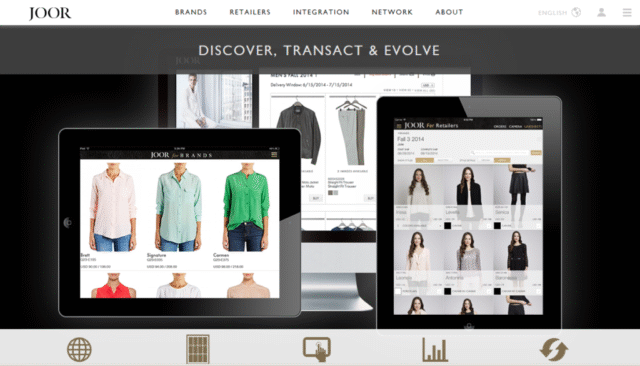
    US wholesale platform and data exchange Joor has raised US$16 million in Series C funding. The financing round was led by Itouchu, one of Japan’s leading conglomerates with participation from existing investors Canaan Partners and Battery Ventures. Joor has now raised $36 million since its launch and the new cash will fund ongoing product innovation for both brands and retailers, as well as expansion into Asia.

    Through the partnership with Itouchu, Joor will be able to access more than 150 US and European brands, and accelerate the entry of new overseas brands into Japan.

    “Joor’s dominance in North America and Europe makes it the natural choice for expansion into the Japanese market. We are excited to continue supporting their strategic growth,” said Yoshihiro Fukushima, executive officer of Itochu.

    “At Joor, our focus from day one has been the simplification of the wholesale process for brands and retailers,” said Kristin Savilia, CEO of Joor. “Our mission is to bring the industry together with one platform. The team at Itouchu supports this mission and we are excited to have its expertise and support to enable Joor to expand into Asia, furthering its global dominance.”

    Joor connects 8600 brands within 53 categories and 200,000 retailers in 144 countries into one wholesale platform.

    Luxury companies including Kering, LVMH, Richemont, Balenciaga, Alexander McQueen, Saint Laurent and Marc Jacobs have moved their wholesale business exclusively to the platform.

  • KITA opens office in Dubai to assist Korean start-ups

    KITA opens office in Dubai to assist Korean start-ups

    The Korea International Trade Association (KITA) said Tuesday it has set up an office in Dubai to help local start-ups advance into the Middle Eastern market. Under an agreement with Dubai Future Foundation, the Korea Office will be set up at Emirates Towers in one of the key cities of the United Arab Emirates (UAE). The office will provide working space for local start-ups and assist entrepreneurs in establishing their businesses in the burgeoning Middle Eastern market, KITA said.

    “It will be a great opportunity for local start-ups as Dubai institutions are pushing forward various projects under the support and attention of the prince of Dubai,” Kim Ki-hyeon, a KITA official, said.

    Dubai Future Foundation was set up with an aim to shape the future of the strategic sectors in cooperation with the government and private sectors.

  • Bigbasket India expands its offerings to include beauty products

    Bigbasket India expands its offerings to include beauty products

    Bigbasket has made its foray into the beauty and cosmetics category. The company is already a leader in FMCG sales, staples, and fruits and vegetables, has about 10 million subscribers, and is clocking over 1 lakh orders per day. With this new category, bigbasket has cemented its place as the one-stop-shop for all customer needs in groceries.

    The vast range of cosmetic products on the beauty store by bigbasket includes eyeliners, kajal, face creams, nail colors, lipsticks, hair colors, perfumes, deodorants, etc. which can be purchased on the website or through the app. Some of the prominent labels featured include Lakme, L’Oreal, Garnier, Elle18, Lotus Herbals, and Maybelline, among others.

    Customers can make choices based on their skin type, preferred brand, benefits, formulation, etc. There are also exciting discounts of about 25 percent to 40 percent on selected brands and products.

    Speaking about this, Seshu Tirumala, National Head, Buying and Merchandising, bigbasket, said, “bigbasket’s customers can now look forward to far larger variety in our offering with our most recent addition of beauty products. The foray into beauty and cosmetics category comes at a time when we are already growing at a frenetic pace in the market. With this category, we aim to transcend our existing customer base and take the venture a notch higher – both in terms of the customer base and revenue. We will be providing the widest range of affordable and regularly used beauty products to our customers.

    With a dominant share in the market space, bigbasket now aims to raise additional investments up to US$ 200 million over the next few months. The FMCG sales overall (food and non-food) contribute to over 50 percent of its business, another 30 percent comes from staples (including 14.5 percent from private labels) and 18 percent is from fruits and vegetables. The Alibaba-backed company expects to break even in the 10 large cities by next June and aims at becoming a billion-dollar company by the next fiscal year. The company has a presence in 25 cities and plans to launch its operations in Kochi soon.

    Recently, bigbasket acquired Pune-based RainCan and Bengaluru-based Morning Cart to deliver milk to 20,000 customers. The service has been launched in 7 cities and is expected to roll out to another three cities among the top 10 metros. The milk delivery business is expected to clock Rs 10 billion by next year.

  • Haute Hijab bags US$2.3 million funding

    Haute Hijab bags US$2.3 million funding

    US-headquartered fashion and lifestyle startup targeting Muslim women, Haute Hijab, has raised US$2.3 million in seed funding. The investor group was led by Cue Ball and also includes Ludlow Ventures, Sinai Ventures, Maveron, Muse Capital, AngelList and The Helm. The funds will be used to help Haute Hijab accelerate growth and extend its reach worldwide.

    “Cue Ball invests in category-defining and culturally-shaping ideas and Haute Hijab fits that description perfectly,” said Tony Tjan, managing partner of Cue Ball. “[Founders] Melanie and Ahmed are building a purposeful company that not only outfits but also supports and empowers Muslim women across all areas of their lives.”

    Haute Hijab has recently introduced the Ultimate Underscarf (a garment worn under the hijab), which uses specially designed tech fabric engineered for breathability and with anti-bacterial properties.

    “We are pleased to welcome a new group of investors as partners in our mission to empower Muslim women,” said co-founder and CEO Melanie Elturk. “Haute Hijab is entering an exciting phase of growth and innovation. We look forward to using this capital infusion to build the first digital-native Muslim cultural lifestyle brand across the globe.”

    The brand had elevated the hijab category and creating an engaged online community of Muslim women, offering a variety of innovative and high-performance fabrics, styles, and designs ranging from every day to luxury via its online store.

    According to The Guardian, the Muslim middle class is expected to triple to 900 million by 2030, with one-third of Muslims under the age of 15 and two-thirds under the age of 30. The average Muslim woman wears up to four hijabs per day and owns more than 100 hijabs.

  • Largest Nike store planned to open in Singapore at Jewel Changi

    Largest Nike store planned to open in Singapore at Jewel Changi

    SUTL Corporation will open its eighth and largest Nike Singapore store at Jewel Changi Airport in the first half of this year. Located on the second floor, the duplex store will span more than 1000sqm, and boasts the latest and most extensive range of Nike footwear, apparel and merchandise in the city. Shoppers who visit the store can look forward to customising their Nike t-shirt and footwear purchases at the Nike By You customisation area.

    SUTL Corporation  says the store will seek to enhance shopper engagement with multiple touch points offering customers “a fully immersive Nike experience” as they walk through the store.

    “Despite the rise of e-commerce as a viable option for shoppers, we believe that brick-and-mortar spaces remain an important part of the retail landscape. Nike at Jewel Changi Airport reaffirms our confidence in this space and we look forward to strengthening our partnership with Nike on its journey to transform the sporting world,” said Arthur Tay, chairman at SUTL Corporation.

    SUTL operates in more than 18 markets across Asia-Pacific, distributing products ranging from tobacco, liquor, spirits, beer, water and wine to fragrances and cosmetics for airports and seaports in Southeast Asia and the Indian Subcontinent.

    Jewel Changi is a 10-storey mega complex that will feature gardens and attractions, retail and dining, a hotel and facilities for airport operations.