Tag: car

  • Porsche to price Taycan electric sports car between Cayenne, Panamera

    Porsche to price Taycan electric sports car between Cayenne, Panamera

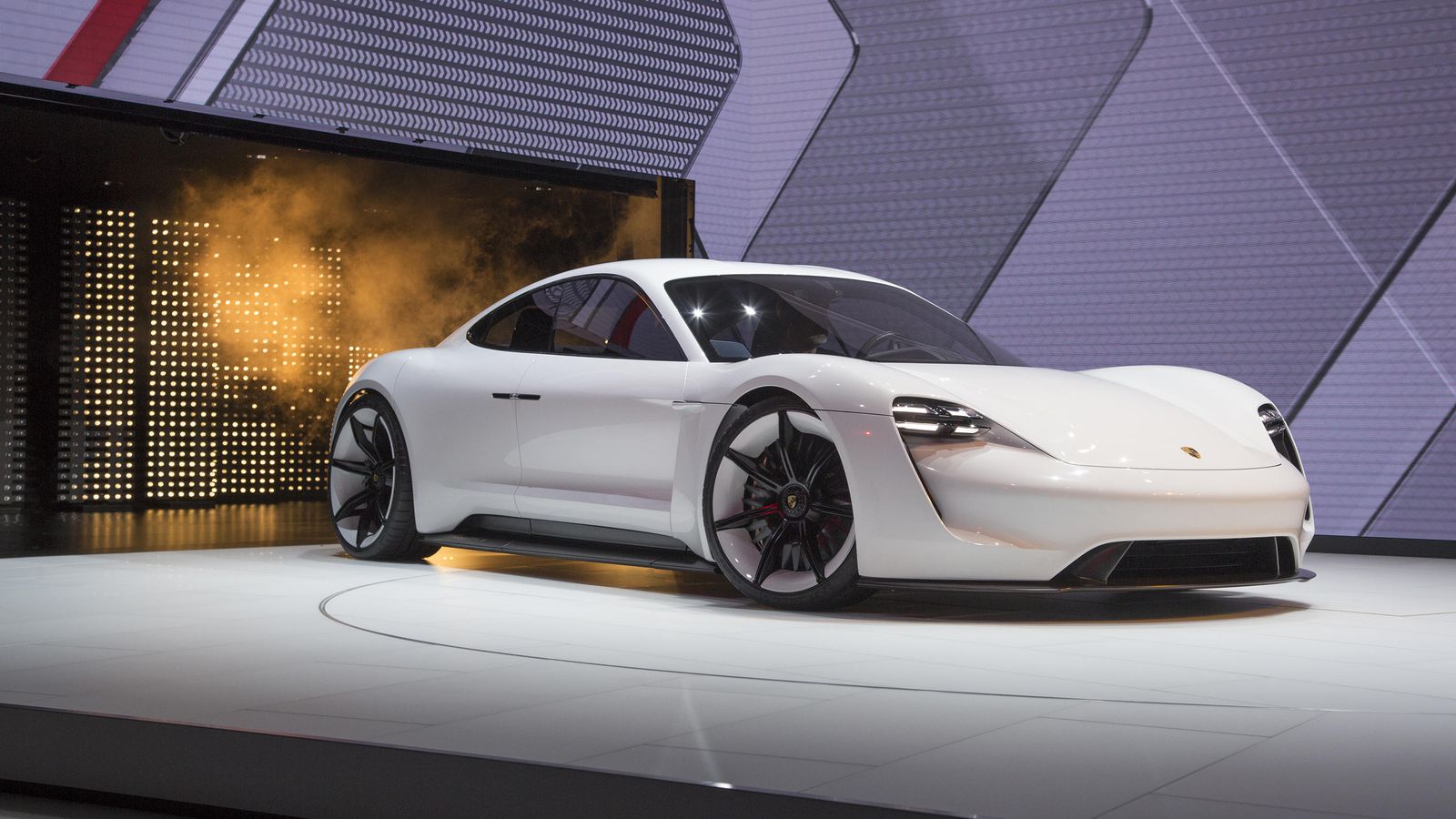
    Porsche will position the Taycan below the brand’s Panamera sedan when the electric four-door sports car reaches markets next year, with a likely starting price above 80,000 euros (about $92,500).

    “We’re expecting a price somewhere between a Cayenne and a Panamera,” said Robert Meier, the complete vehicle model line director for the Taycan.

    Including taxes, that would place the vehicle between 74,828 euros and 90,655 euros for its base version of the car in Germany.

    However, Porsche Chief Financial Officer Lutz Meschke told reporters that he wants to offer higher-performance versions that could be priced as much as 200,000 euros, such as a Taycan Turbo S.

    The Taycan’s two permanently excited synchronous electric motors, supplied by Italy’s Magneti Marelli, will produce more than 600 hp and accelerate the vehicle from 0 to 100 kph (62 mph) in less than 3.5 seconds. The Taycan aims to be the fastest series production electric car around Germany’s Nordschleife racetrack, with a lap time of less than 8 minutes.

    “Asynchronous e-motors are clearly more affordable, but they have one very important disadvantage: You can only overload the motor once when you want high dynamic acceleration before it quickly reaches its limits the second or third time,” Meier said. “That’s fine for most electric cars but not for a high-performance Porsche.”

    The 800-volt lithium-ion battery, built by Draexlmaier Group outside Stuttgart, is composed of “pouch” cells sourced from LG Chem of Korea in a specific power-to-energy ratio that balances the needs of range with those of performance.

    Together, the roughly 400 battery cells have a gravimetric energy density equivalent to 270 watt-hours per kilogram, roughly comparable to the latest technology on the market today.

    The Taycan will be able to drive more than 500 km (310 miles) miles on a single charge under the New European Driving Cycle. Once drained, the battery needs only about 4 minutes to add a further 100 km in range when using a 350-kW fast-charging station. By comparison, Porsche estimates a Tesla requires two and a half times that duration. Porsche expects it will build 20,000 units of the Taycan a year on two shifts, but production boss Albrecht Reimold said a third shift could be added if more capacity is needed.

  • Kodiaq GT SUV to be Skoda’s flagship in China

    Kodiaq GT SUV to be Skoda’s flagship in China

    Skoda has said its new, coupe-styled Kodiaq GT SUV will become its flagship model in China. The midsize SUV, shown in pictures for the first time, will increase Skoda’s SUV range in China to four when it goes on sale later this year. The new model reshapes the design of the Kodiaq seven-seat SUV to give it more of a coupe profile to the rear and make it look more sporty and dynamic, the brand said.

    The new model reshapes the design of the Kodiaq seven-seat SUV to give it more of a coupe profile to the rear of the car. Skoda said the Kodiaq GT will be its flagship model.

    “It will be a key driver of the brand’s image,” Skoda said in a statement.

    China is Skoda’s biggest market, accounting for about a quarter of the brand’s global sales, the Czech automaker says. This year Skoda launched the China-only Kamiq small SUV to sit below the Karoq. The Kamiq sits on the low-cost PQ platform and is priced to rival Chinese offerings outside the country’s biggest cities.

    Skoda has said it wants to double its Chinese sales to 600,000 a year by 2020, largely through its SUV launches. A fifth SUV is to be added in 2019, CEO Bernhard Maier said in March without providing details.

    Skoda’s vehicle sales in China rose 2.5 percent last year to 325,009, according to company data. That puts that country ahead of the automaker’s No. 2 market of Germany at 173,300 and the Czech Republic in third at 95,000.

    Skoda has said the Kodiaq GT would not be sold in Europe. “I would love to do so,” Maier said in March, “but we do not have any production capacity.”

    Technology available in the Kodiaq GT includes the VW Group’s Virtual Cockpit with its customizable digital dials, as well as wifi connection, adaptive cruise control, and blind spot detection.

    The car will be sold with a 2.0-liter turbo gasoline engine with either 186 hp or 220 hp. The higher power model comes with all-wheel drive and a seven-speed dual-clutch transmission as standard.

    The Kodiaq GT will be revealed at the Guangzhou auto show next month.

  • Renault-Brilliance count on e-vans

    Renault-Brilliance count on e-vans

    Renault and Chinese partner Brilliance plan to launch three electric delivery vans in two years, seeking to capitalize on robust growth in China’s commercial vehicle market and city center driving curbs on vehicles with combustion engines. The battery-powered vans will be part of a seven-model product offensive announced on Tuesday for the Renault-Brilliance joint venture that was created last December.

    The first two electric vans are to be introduced as commercial and passenger versions under Brilliance’s Jinbei brand. The first will be a full-electric update of Jinbei’s F50 model. A battery-powered Renault vehicle will follow in 2020.

    “Now with the expertise of Renault in electrified technology we will get it into the zero-emissions (zones) for last-mile deliveries,” Ashwani Gupta, commercial vehicles chief for the Renault-Nissan-Mitsubishi alliance, told reporters on a call.

    The overall Chinese auto market shrank for the third consecutive month in September, recording its biggest year-on-year decline in seven years.

    But Renault’s Gupta expects commercial vehicle sales growth to stay resilient, with an 11 percent expansion to 3.2 million vehicles this year and a further 8 percent to 9 percent in 2019.

  • Tesla’s Supercharger network is the Footprint for the hydrogen era

    Tesla’s Supercharger network is the Footprint for the hydrogen era

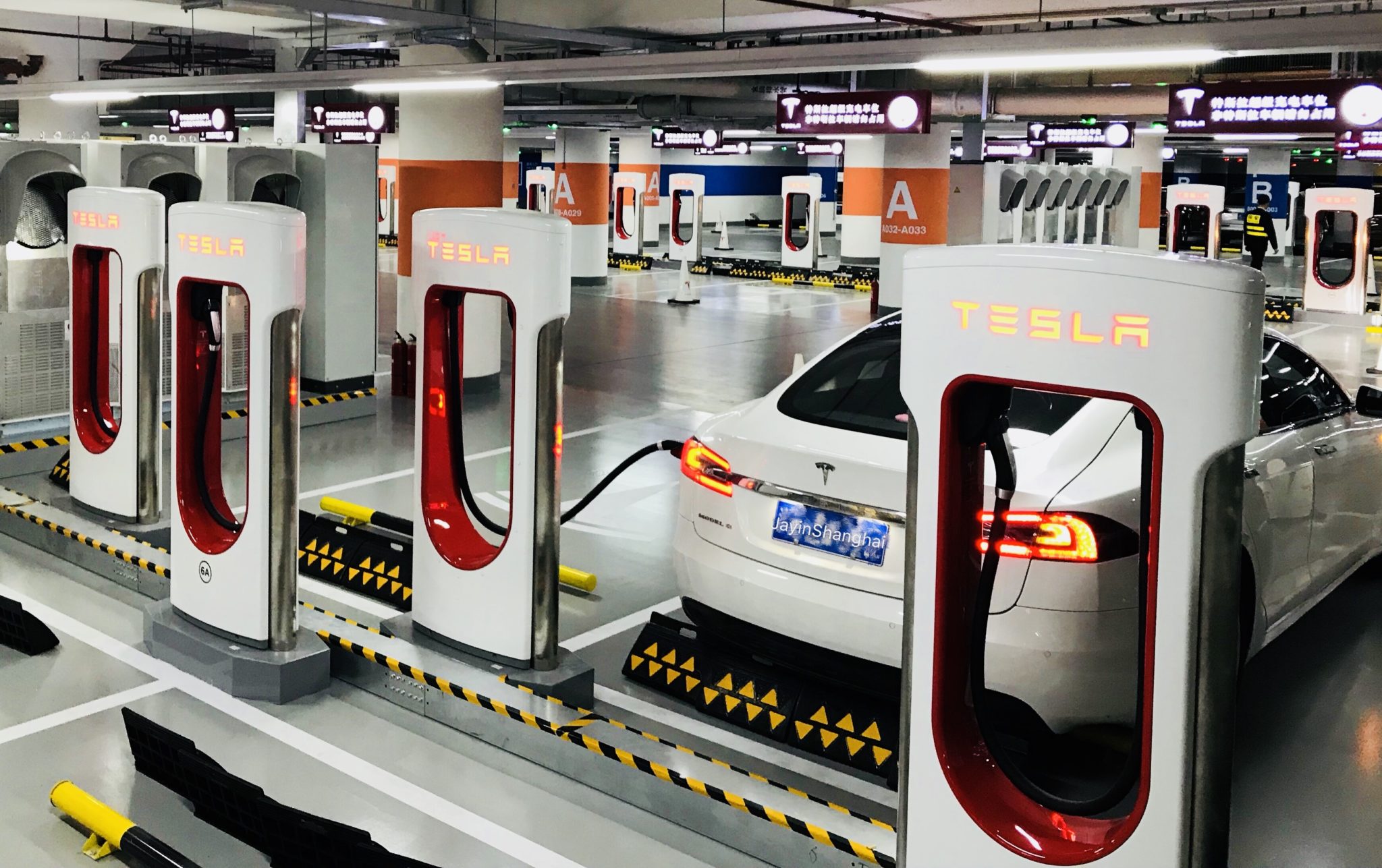
    Elon Musk has taken his share of hits in the media for his Twitter rants and behavior that is just plain weird for a CEO. We don’t know how Tesla Inc. is going to fare now that competition from Jaguar, Audi and Mercedes is here or soon will be. If Tesla doesn’t make it because of mismanagement and misbehavior by Musk, and if the company goes down in flames like DeLorean, Bricklin and Tucker, there is at least one Musk legacy that is undeniably brilliant: Tesla’s nationwide network of Supercharger charging stations. Tesla’s Supercharger network, I think, is the template for automakers gearing up to launch fuel cell vehicles. Toyota, Honda, Hyundai and General Motors are on the cutting edge of fuel cell technology, with some vehicles already available for lease and new, more efficient fuel cell stacks — the component that creates electricity from gaseous hydrogen — on the way.

    Musk answered the chicken-and-egg question with electric vehicles by investing more than $1 billion in a nationwide charging network specifically for Tesla cars. He short-circuited drivers’ biggest fear of owning an EV: range anxiety.

    That same strategy will be necessary for fuel cell vehicles to have wide appeal. Fuel cells, you’ll recall, are EVs. But instead of storing electricity in a battery pack that weighs hundreds of pounds, electricity is produced from gaseous hydrogen stored on the vehicle under high pressure. A hydrogen fuel cell vehicle can be refilled in minutes, just like a gasoline- or diesel-powered vehicle — and the short time to refill the hydrogen tank is one of the key advantages fuel cell vehicles have over battery-powered EVs.

    California leads the nation in the number of fuel cell filling stations, many built by FirstElement Fuel Inc., a company headed by auto industry veteran Joel Ewanick. He agrees a Tesla-like nationwide network of hydrogen fueling stations could help reduce the time it will take for fuel cell vehicles to become economically viable to manufacture.

    “All the car companies are trying to find a path to [production of] 30,000 cars. That’s where you start to see real efficiencies in your production, parts and suppliers. Anything below that, it’s a challenge to make these cars at a reasonable price. We are getting to that tipping point in 2020 and 2021,” Ewanick said.

    Beijing city authority has allotted 11 more roads in Fangshan district for the testing of autonomous vehicles to push the speedy development of self-driving technology.

    But he also recognizes that automakers want to build cars, not the fueling infrastructure. And yet they may have no choice if they want to sell hydrogen fuel cell vehicles nationwide. Toyota and Honda have chipped in more than $20 million so far, helping FirstElement build 19 of 31 planned hydrogen fuel stations in California.

    Ewanick says costs are coming down — from between $2.2 million and $2.5 million per station — while the number of vehicles each station can handle is increasing. He sees the company eventually expanding beyond California, perhaps by building a hydrogen fuel filling station “bridge” across the country.

    “We don’t need the network that we have with gasoline stations,” he said. “We just need to make sure they (hydrogen filling stations) are in convenient locations to serve our customers.”

    The federal government under the Trump administration likely isn’t going to do much to help create a nationwide hydrogen fuel network, so it may be a project for automakers and refiners such as Shell — which is installing hydrogen pumps at some California stations — and GM.

    GM should take the lead here by creating an entity that brings together suppliers of hydrogen fueling equipment, companies such as FirstElement that build the stations, refiners that produce hydrogen and other car companies to fund and quickly roll out hydrogen stations in every major market.

    GM and Honda have reduced the size and cost of the fuel cell stack, and the electronics are proven. Hydrogen fuel cars will be part of the mix. The question now is what will automakers be willing to do to seed the technology and overcome customers’ doubt and fear over range. For that answer, all they need to do is look at Tesla’s Supercharger network. That’s how you introduce alternative fuel vehicles in a market.

    “As I have heard my entire career, automakers make cars and they don’t do infrastructure,” said Ewanick. “They don’t want to be in the business of building gas stations and roads and bridges. Their job is make cars and do a really good job of that.”

    If that doesn’t change, fuel cells might just remain in the tiniest of niches.

  • BMW Wants Its Electric Cars to Look More Boring

    BMW Wants Its Electric Cars to Look More Boring

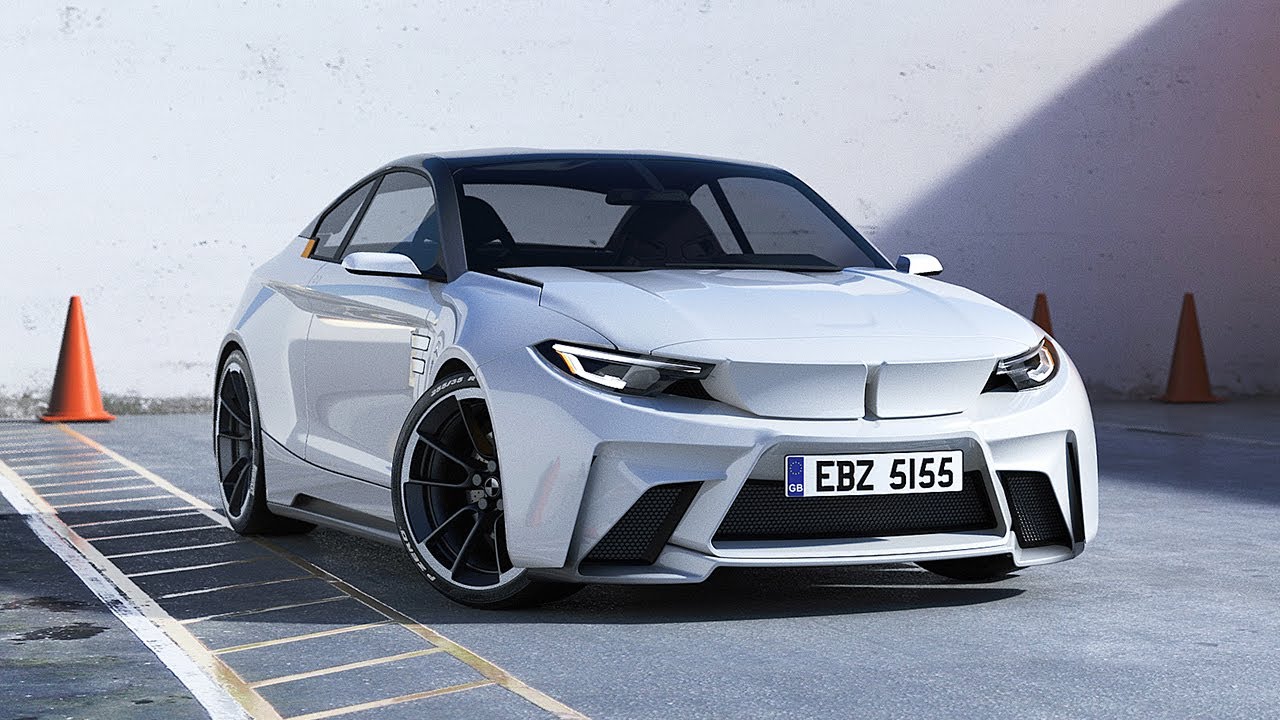
    BMW has decided that despite all the new engineering under the skin of the new 3 Series, the styling of the all-important sedan would only be very mildly updated. At the Paris Motor Show, the Bavarians also displayed a concept of their next i car, the electric iX3 SUV shown above. As far as its exterior goes, the i division’s next move feels like a 180 degree turn from the futuristic i3 city car and i8 plug-in hybrid.

    Indeed, it seems that BMW will dedicate its time to making sure its kidney grilles can keep growing. Indefinitely.

    Now, BMW Design Director Adrian van Hooydonk says that’s all on purpose. Van Hooydonk said that as electrified models get more and more popular, there will be no reason to make i BMWs look unique: Electric mobility will spread through our entire vehicle range in quite a short space of time—to the point that electric or plug-in hybrid is just another option box you tick as you order the car. The fact is that BMW customers want a dynamic car, whether it is a battery-electric vehicle or not, and so there’s is increasingly less reason to make these kinds of cars look different.

    This means BMW will go down a similar route as Audi with its e-tron or Mercedes-Benz with the EQ C—advanced electric vehicles with styling that’s almost exactly the same as their conventional cars. It’s a big shift from BMW’s previous strategy of making its electric cars look decidedly futuristic, and wholly distinct from its other offerings. Notably, Jaguar is committed to making its electric vehicles stand out—look at the I-Pace crossover, with its radical proportions making the most of Jag’s new electric car skateboard platform.

    BMW lost its head of exterior design, Karim Habib, to Infiniti in 2017. Since then, Jozef Kabaň has been responsible for BMW’s core line, while Domagoj Dukec is in charge of the i and M models. Their boss, Adrian van Hooydonk, joined BMW in 1992, becoming head of Designworks USA in 2001, and replacing Chris Bangle as Director of BMW Group Design in 2009. See you at his anniversary party in 2022.

  • BMW plans to take control of China joint ventures

    BMW plans to take control of China joint ventures

    German luxury carmaker BMW announced a plan to take control of its China joint-venture, the first foreign automaker to take advantage of Beijing’s new ownership rules for the sector. BMW will acquire a further 25 per cent stake in the venture with Brilliance China Automotive for €3.6 billion (US$4.2 billion), the company said, bringing its stake to 75 per cent by 2022.

    Foreign automakers have long been restricted to holding no more than a 50 per cent stake in their China operations, but Beijing decided to relax the ownership caps this year.

    The reforms are part of Beijing’s plan to further open its economy to foreign business, after years of facing pressure from the United States and Europe.

    But US and European business groups say the reforms have still not gone far enough, and have pushed for further opening.

    To force the issue, and to hit back at China for alleged theft of American intellectual property, US President Donald Trump has slapped tariffs on roughly half of the imports from China.

    The joint-venture “is the cornerstone of the BMW brand’s sustained success in its largest single market,” said Harald Kruger, BMW’s chairman.

    “BMW Group and Brilliance continue to set a good example of successful cooperation in China,” he said.

    TRADE WAR EFFECT

    The changes in ownership rules are a boon for foreign automakers which will gain a greater share of control and profits from their China operations, but hurt prospects for their Chinese partners.

    Brilliance China’s shares in Hong Kong have plummeted this year, and were suspended from trading on Thursday.

    The two companies had extended their joint venture contract until 2040 and announced a plan to pump €3 billion (US$3.5 billion) into expanding their auto plants in northeast Liaoning province – ramping up production capacity to 650,000 cars early next decade while creating 5,000 new jobs.

    BMW has been hit particularly hard by the US-China trade war with many of its SUVs imported from the US facing new 25 per cent taxes, while cars imported from other countries have benefited from China’s tariff cut for vehicles from 25 per cent to 15 percent.

    With the new production capacity, the China joint-venture will start to produce BMW vehicles like fully-electric BMW iX3 for export globally from 2020, BMW said.

    China’s auto market, the world’s largest, has faced headwinds this year as the economy slows.

    In August, China’s new vehicle sales continued to fall, following a drop in July.

  • Vinfast, set to be Vietnam’s first domestic carmaker, gains credit line

    Vinfast, set to be Vietnam’s first domestic carmaker, gains credit line

    VinFast aims to become Vietnam’s first domestic car manufacturer.

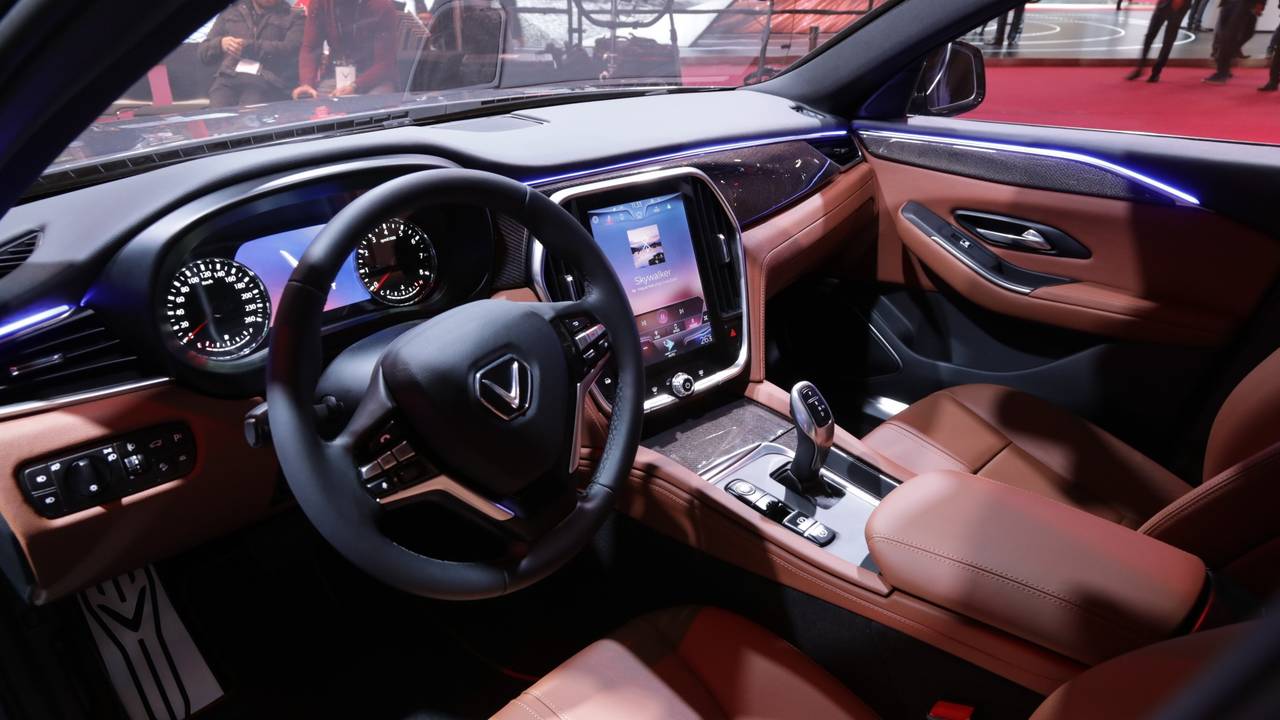
    The company, a unit of Vietnam’s largest conglomerate Vingroup JSC, plans to have its first production models built under its own badge hit the streets next August. Vingroup has earmarked about $3.5 billion for the project.

    Credit Suisse AG and HSBC were the lead arrangers and the financing agreement was guaranteed by German export credit agency Euler Hermes, Vingroup and Vinfast said in a statement.

    The statement also said that in August Vinfast completed syndication of a $400 million term loan facility led by four international banks.

  • Electric vehicles on the fast track in Thailand

    Electric vehicles on the fast track in Thailand

    Experts see bright prospects for electric vehicles (EV) in Thailand with all concerned agencies pursuing the government’s goal of getting 1.2 million units on the road by 2036.

    There are many reasons and data behind the confidence of success, a seminar was told yesterday. The rising number of registered EVs, the development of a locally made EVs, as well as research and development of some EV parts are indications that it could have a major role in Thai society, said Amonrat Kaewpradap, a committee member of the Electric Vehicle Association of Thailand (EVAT), at a panel discussion yesterday titled “The future of Electric Vehicle in Thailand”.

    The discussion was held as part of the Delta Future Industry Summit, organised by Delta Electronics (Thailand), as a venue for exchanging innovative ideas for a sustainable future.

    Amornrat said the number of EVs in use in Thailand was gradually increasing, leading to the continuous growth of infrastructure of charging stations.

    “More stations will boost the confidence for consumers in using EVs and so far, there are 500 charging stations in the country, she said. In 2016, there were 80,194 registrations but the number surged to 102,700 in 2017, or an increase of 20,000 units.She pointed out that the accumulated number of EV registrations in Thailand for Battery Electric Vehicles [BEV] and Plug-in Hybrid Electric Vehicles (PHEV) sharply increased from 2016 to 2017.Incentives will bring down priceAnother indication is the higher imports of EVs, she said, adding that more BEV motorcycles were sold these days, pointing to its popularity.

    Moreover, EV manufacturers are hiking production amid increasing demand from buyers. Also, educational institutions have launched development projects for EV battery, motors and the structure of a light-weight car.She believes the price of EVs could come down in the future as the government will support its usage with incentives.

    Jumpote Himacharoen, director of research and development, Metropolitan Electricity Authority [MEA], said the power agency would provide sufficient electricity to serve the targeted number of EVs. MEA has recently launched an online application on the locations of EV charging stations for the convenience of drivers.

    In a separate panel discussion titled “A Decade into the Future: Predictions for Thai Cities”, participants said smart cities would be the cornerstone of the country’s future urban landscape, with significant investment from the government and private sector.

    Pansak Siriruchatapong, the vice minister of the Ministry of Digital Economy and Society, said the government would expand its smart city project to three more provinces – Chon Buri, Rayong and Chaochengsao – on the Eastern Economic Corridor this year.Currently, Phuket, Chiang Mai, Khon Kaen and Bangkok are the cities earmarked for the pilot program.

    “Within the next five years, Thailand will develop smart cities in all 77 provinces,” he said.He added the two factors driving the development of smart cities are the engagement of community and local government and the connectivity and sharing information with technology solutions.However, Piyapan Tayanithi, Bangkok Bank’s executive vice president, warned that smart or high-technology is a double-edged sword, and back-up measures were needed in the event of malfunctions.

    Piyapan cited an incident late last month when banks’ electronic money transfers, withdrawals and payment services crashed for several hours. The banks attributed the cause to heavy interbank money transfers at the end of the month at large banks.“Simplicity or convenience of a group of people could come along with difficulty or complexity for another group [of people],” he said.

    Hsieh Shen-yen, president of Delta Electronics (Thailand), said: “We are currently witnessing the decline of old technologies such as gasoline cars and the gradual shift to smarter, cleaner technologies to power our lives and manage our cities.“But the shift to the future will only gain real momentum when the public and private sectors work together and get serious about action for climate change and managing urbanization,” he said.

  • High-powered Mustang marks a Thai first for Ford

    High-powered Mustang marks a Thai first for Ford

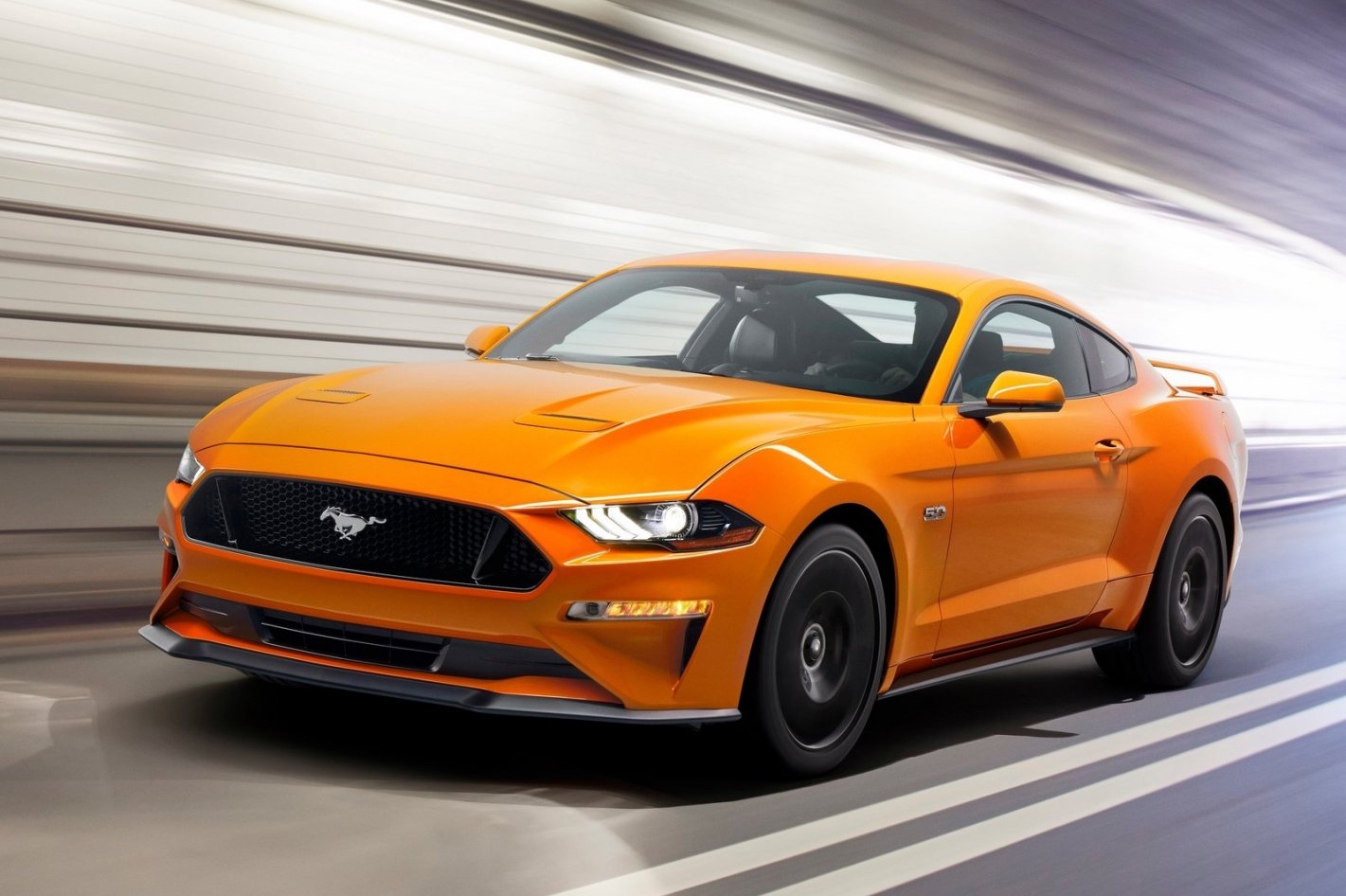
    Ford has officially launched the Mustang sports car in Thailand with prices ranging from Bt3.599 million for the 2.3-litre EcoBoost Coupe to Bt4.799 million for the 5.0-litre V8 GT.

    The iconic Mustang, imported from the US, is the first high-powered model offered by the American automaker in Thailand. Other models offered in the Thai market include the Fiesta, Focus, Ecosport, Ranger pickup and Everest PPV (Pickup Passenger Vehicle).

    The Mustang takes on the form of a fastback and is available in four exterior colour choices along with different wheel options. For the 2018 model, the 5.0-litre V8 engine with Ford’s new dual-fuel, high-pressure direct injection and low-pressure port fuel injection for better low-end torque, has been beefed up to 460hp and 556Nm. Acceleration from 0-100km/h is claimed at 4.3 seconds.

    The turbocharged 2.3-litre motor develops 300hp and 440Nm and features overboost function. Both are equipped with a newly developed 10-speed automatic that Ford claims has been tested over a distance of more than 10 million kilometres. Last month the American automaker was ordered by a Thai court to pay compensation worth Bt23 million to 296 customers of the Ford Fiesta, Focus and Ecosport for its defective Powershift dual-clutch transmission.

    As for the Mustang, Ford engineers highlighted the various settings available for each drive mode, saying that the new gearbox allows the engine to maintain peak power and torque while upshifting, resulting in faster acceleration and seamless shifts. Both models also get the electronic line lock system that brakes the front wheels so drivers can burn the rear tires in order to achieve optimal temperature for quick standing starts.

    The drag strip mode also optimises all systems for each of the many driving modes, while the exhaust volume can also be adjusted (to keep the neighbours happy).

    The 2018 model gets suspension improvements for better grip and handling, including thicker anti-roll bars. Inside there’s a 12-inch digital instrument cluster and a pulsating red engine start button, gearshift paddles behind the multi-function steering wheel, along with aluminium finish and soft touch materials on the door panel. There’s also a full driver assistance package and infotainment system compatible to both Android and iOS.

    The Mustang is available at only 19 selected Ford dealerships in the country. The cars come with Ford Premium Care package that includes five-year/100,000km warranty, five complimentary service checks in 60 months/75,000km, and 24-hour roadside assistance for five years.

  • Hertz appoints former Burger King chief to new role

    Hertz appoints former Burger King chief to new role

    Hertz International has appointed Tracy Gehlan as chief operations officer. Reporting to group president Michel Taride, Gehlan is based at the car rental company’s International headquarters near London.

    In this newly created position Gehlan has assumed overall responsibility for delivering sustained growth, efficiency and customer service across the company’s wholly owned operations in Europe and Asia Pacific.

    Gehlan brings 23 years of operating expertise in a fast-moving retail environment from her leadership roles including Smashburger Master, Burger King Corporation and The Restaurant Group.

    Previously, as managing director/CEO of Smashburger UK, Gehlan led the entry of the US Smashburger fast food hamburger chain into the UK market and developed the company’s plans to expand across Europe.

    In her 11 year career with Burger King, Gehlan most recently served five years as COO, EMEA, where she optimised the business across the region’s franchised and wholly owned restaurants throughout 42 countries.

    Prior to joining Burger King, Gehlan served in operational management positions over a nine year period at The Restaurant Group. Gehlan has also held a non-executive directorship with the British Retail Consortium as Board Member, Scottish Retail Consortium (2008-2011).

  • Tesla plans 6-day stoppage at factory for assembly line fixes

    Tesla plans 6-day stoppage at factory for assembly line fixes

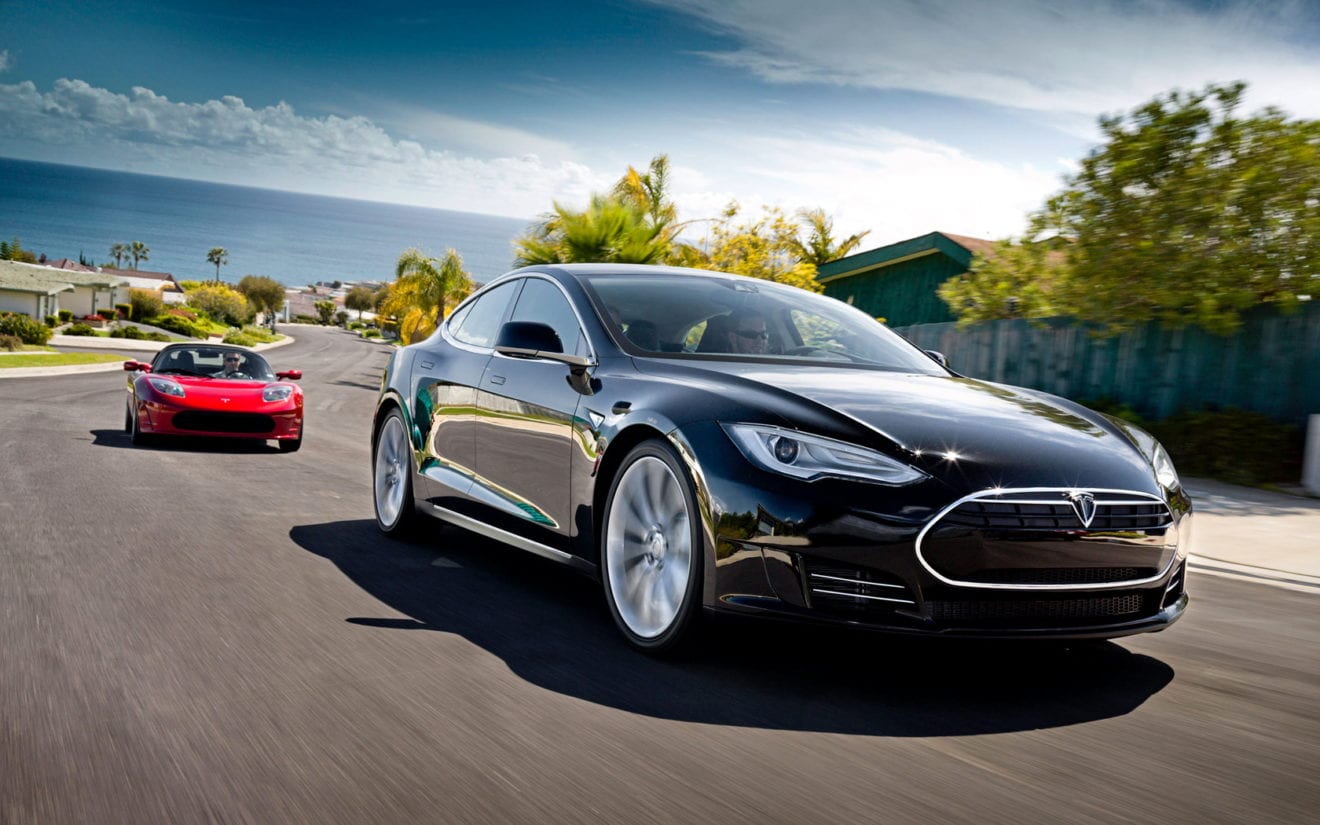
    Tesla will pause production at its California factory for six days at the end of the May to work on fixes to its assembly line for its new Model 3 sedan, sources inside the company told Reuters.

    The Silicon Valley luxury electric car maker previously warned of 10 days of temporary shutdowns this quarter as the company addresses manufacturing problems that have delayed volume production of the Model 3 sedan, which is seen as crucial to Tesla’s long-term profitability.

    Two sources confirmed to Reuters that the next stoppage on the general assembly line at the Fremont, Calif., plant was scheduled for May 26-31.

    A Tesla spokesperson declined to comment.

    Tesla has been struggling to find solutions to manufacturing bottlenecks on the new assembly line that produces the Model 3, a sedan intended for volume production. An over-reliance on robots has complicated that task, CEO Elon Musk has acknowledged.

    Musk, Tesla’s billionaire founder, told employees it was “quite likely” the company would reach a rate of 500 Model 3s per day this week, or 3,500 a week, automotive news website Electrek reported on Tuesday, citing an internal email. Musk also told staff to alert him of “any specific bottlenecks” on the production line.

    The company shut down the Fremont assembly line last month, and also in February, for a few days to rework. The April shutdown, combined with the upcoming one, would add up to the planned 10 days of stoppages.

    Musk has said the planned stoppages are intended to give the company time to perform upgrades that will help it reach a goal of building 6,000 vehicles per week by the end of June. Musk last month said the company was producing 2,000 Model 3 cars a week.

    In order to meet the goal, Musk said last month that all Model 3 production would begin working around the clock. Reuters learned that the teams working on general assembly have already switched to three shifts, a schedule that helps maximize capacity and flexibility.

    Teams working on the body of the vehicle — where the external shell of the car is assembled — are working in two 12-hour shifts.

  • BMW is Recalling some of their cars

    BMW is Recalling some of their cars

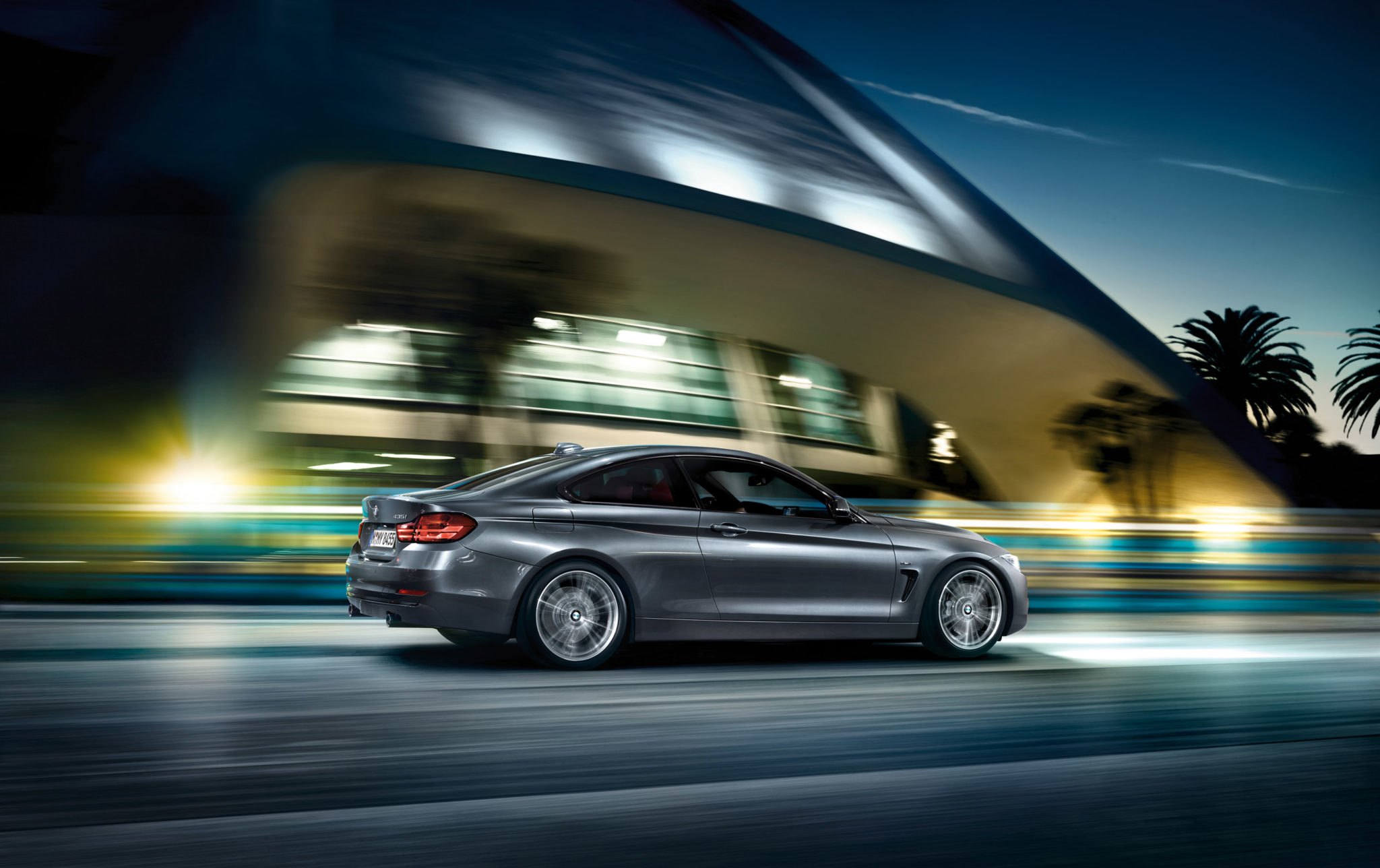
    BMW started the company in the opinion of their own cars. This is the second necessary measure from the German automaker. Last year was recalled about 36,000 of the cars, including the BMW 1 Series, 3 Series, Z4.

    The reason have a problem with the electrical part of the machine during the movement of the car. As a result, there is a risk not only stop the machine but also the fire.

    The case was investigated by the British authorities. It identified 19 cases of failures of electronics.

    BMW say that the current problem cars were not covered by initial opinion. Therefore, to increase the security of the owners made an additional request of car.

    At the moment, BMW is conducting additional testing 417 machines. This level of sampling on statistics helps to understand the essence of the problem and corresponds to the code of business ethics prevailing in the automotive industry.

  • BMW Contract Assembler to Make Engines in Malaysia

    BMW Contract Assembler to Make Engines in Malaysia

    Malaysian conglomerate Sime Darby Motors and BMW Group Malaysia open a 132 million ringgit ($33.5 million) engine plant for locally assembled vehicles and to support exports to regional markets including Vietnam and the Philippines.

    Sime Darby Managing Director Dennis Ho tells reporters the plant will produce 10,000 units a year in a single shift.

    The 91,493-sq.-ft. (8,500-sq.-m) engine plant is the first of its kind for contract manufacturer Sime Darby. Until now, locally assembled BMW and Mini models have used engines imported from Germany or Austria.

    The new facility will assemble 3- and 4-cyl. gasoline engines, 4-cyl. diesel engines and 3- and 4-cyl. gasoline engines for plug-in hybrid vehicles. It is the second BMW engine plant in the region after Rayong, Thailand.

    The new engine operation is alongside the assembly plant and regional parts-distribution center.

    Ho says there is no compromise in the quality of engines being built at the plant in Padang Meha 233 miles (375 km) north of Kuala Lumpur. “The standards of the quality checks are similar to those used in Germany,” he says. “The parts and components are imported from Germany.”

    BMW Group Malaysia CEO Harald Hoelzl says Malaysia plays a major role in BMW’s plans for Southeast Asia.

    “In Malaysia, BMW has already successfully achieved a 15% increase in the deliveries of BMW, Mini and BMW Motorrad vehicles, with 3,000 vehicles in the first quarter,” he says.

    Malaysian motoring analyst Paul Tan says the inclusion of diesel engines is interesting because BMW Malaysia no longer has diesel models in its lineup. “This means that the company is likely looking to introduce new oil-burning models soon,” Tan says on his website.

    Sime Darby Chairman Abdul Aziz Wan Abdullah says the company aims to be the preferred contract-assembly partner for the most dynamic automakers in the region.

    “We aim to produce more than 50,000 vehicles (including Mazda and Hyundai vehicles produced at the company’s Inokom plant), as well as the engine parts and components for the vehicles by the year 2020,” he says in a statement.

  • Vietnam’s April car sales fall 4 pct on-year

    Vietnam’s April car sales fall 4 pct on-year

    Toyota remained the leading brand last month, with sales rising 3 percent from a year earlier to 4,234 units. Vietnam’s car sales fell slightly in April, declining 4 percent from a year earlier to 20,557 units, according to data released by the Vietnam Automotive Manufacturers Association (VAMA).

    Sales in April were 2 percent lower than in March, VAMA said in a statement.

    Toyota remained the leading brand last month, with sales rising 3 percent from a year earlier to 4,234 units.

    Truong Hai (Thaco) group, the local assembler and distributor of brands such as Kia, Mazda, Peugeot and Hyundai and a significant player in the commercial vehicle segment, reported a 0.5 percent rise in group sales to 8,679 units in April.

    Ford’s sales were 47 percent lower at 1,359 units in April while Honda sales rose four-fold to 2,815 units.

    For the first four months of this year, total car sales in the country fell 2 percent from a year earlier to 79,115 units, VAMA said.

  • Vietnamese willing to Spend huge Amounts of Money on Super Cars

    Vietnamese willing to Spend huge Amounts of Money on Super Cars

    As many as  8,670 luxury cars of different kinds were sold in Vietnam in 2017, a decrease of 15 percent from 2016, according to one report. However, the amount of money spent on the cars was VND20 trillion.

    According to Choi Duk June, CEO of Mercedes Benz Vietnam, 150 Maybachs were delivered to Vietnamese buyers in 2017. The sales of Maybach in Vietnam are the highest in Southeast Asia.

    This is a luxury model of Mercedes-Benz with three versions in distribution in Vietnam, including Maybach S 400 priced at VND6.899 billion, Maybach S 500 VND10.999 billion and Maybach S 600 VND14.169 billion.

    When launching Maybach S 600 into the market in January 2015, Mercedes Benz then hoped it could sell 10 products a year. However, to its surprise, over 50 products were sold in the year.

    The figure was over 100 in 2016, and Vietnam remained the biggest buyer of Maybachs in 2017, leaving Indonesia, Thailand, Malaysia and Singapore far behind.

    It is estimated that over 300 Maybachs are rolling on Vietnam’s streets.

    The other luxury models also had very good sales. Over 500 S-Class products, priced at VND4-10 billion, were sold in 2017.

    However, the highest growth rate belonged to mid-end luxury models, priced at VND1.5-3 billion. A record number of 2,500 GLCs priced at VND1.939-2.209 billion was sold in 2017, placing GLC as one of the 15 best sellers in the market.

    The other luxury models which sold very well in 2017 included BMW’s Seri 3 and Seri 5, Audi’s A4 and Q5 and Lexus’ ES 250 and NX 200T.

    Car dealers in Vietnam say there is a switch in consumption from common products to mid-end products. A survey by Mercedes Benz found that car buyers tend to be younger.

    In 2014, the average age of car buyers was 42, while it was 39 in 2016 and 38 in 2017.

    Boston Consulting Group’s (BCG) survey showed that Vietnam is getting wealthy thanks to the strong rise of the middle class which has been growing more quickly than any other place in South East Asia.

    Those who have monthly income of $714 and more are classified as middle class. Vietnam expects to have 33 million middle class people by 2020.

    According to the Vietnam Automobile Manufacturers’ Association (VAMA), a total of 272,750 automobile units were sold in 2017, down 10 percent yearly.