Tag: car

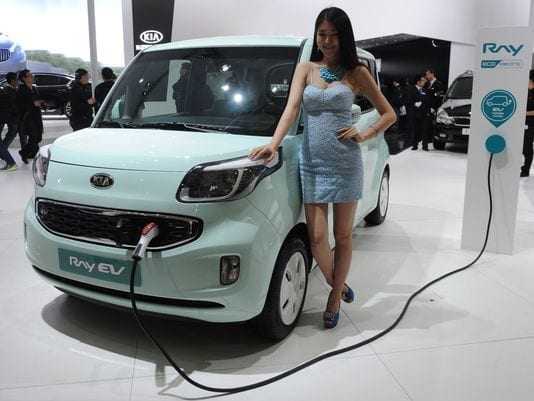
  • Rickshaws to jump start India’s all-electric drive

    Rickshaws to jump start India’s all-electric drive

    India, one of the world’s most polluted nations, has one of the most ambitious plans to kick its fossil fuel addiction. India will roll out nearly 100,000 battery-powered buses and autorickshaws onto its sulphurous city streets in the coming weeks, setting it on the bumpy road to making new vehicle sales all-electric by 2030.

    Analysts say the target is “daunting”.

    Transport is a major source of India’s carbon emissions and the Greenpeace group blames at least 1.2 million deaths a year in the country on pollution.

    Getting off diesel and petrol would improve the nation’s health and bolster India’s bid to meet the bold climate change targets it pledged in Paris in 2015.

    India is not alone in wanting all-electric cars, though it is aiming to go faster than others.

    Britain and France have said they want to end the sale of fossil fuel cars by 2040.

    But electric and hybrid models make up just three percent of all cars on the road worldwide, say London-based consultancy firm PwC.

    That figure is even lower in India, underscoring the enormity of Prime Minister Narendra Modi’s electric challenge.

    On top of gradually bringing in electric rickshaws and buses in New Delhi, the government has issued a tender to auto makers for 10,000 cars to replace pollution producers at four government ministries.

    “To go all electric is a daunting task,” said PwC partner Abdul Majeed.

    “Electric vehicles have a few huge challenges to deal with before they can take off in a big way.”

    Low-cost solutions

    The government does not want to pay for a network of charging stations for millions of future green motorists to power up depleted car batteries.

    Instead it hopes private energy companies will invest in “swapping bays”, where drivers can exchange empty batteries for fresh ones, Ashok Jhunjhunwala, principal advisor to the power minister and the official spearheading the efforts, told AFP.

    It plans to lease batteries separately for public transport and taxi fleets. It also wants more work on smaller, easier to use batteries.

    Amara Raja Batteries, an Indian battery manufacturer, would be part of the “swapping model”, said its chief executive S. Vijayanand.

    “The headache of managing and charging the battery will not be with the driver then,” he said.

    Other ideas include setting tougher efficiency standards so new vehicles use less power.

    “The idea is to keep it as low-cost as possible,” Jhunjhunwala said. “Vehicles and chargers must happen without subsidies and must make business sense.”

    Mahesh Babu, chief executive at Indian conglomerate Mahindra, said it was an exciting project but government efficiency targets are “idealistic and might lead to compromise on consumer needs and safety.”

    Others are more optimistic.

    Reductions in the size and cost of electric vehicles, coupled with rapid technological advances, mean India’s ambitions were “very feasible”, said Bill Hare, chief executive of the Berlin-based Climate Analytics consultancy.

    ‘India’s challenges’

    Foreign car majors are not ready to bring their electric offerings to India.

    Mercedes said it needs a reasonable timeline and improved incentives for motorists — currently a tiny sum that could be withdrawn at any time — to bring in electric cars.

    Tesla boss Elon Musk — who in July launched Model 3, a mass-market version of Tesla’s pricier cars — has postponed entry to the Indian market.

    But at $35,000, even the cheapest Tesla is out of reach for most Indians. Most of the three million new cars added to India’s roads every year are far cheaper, compact vehicles.

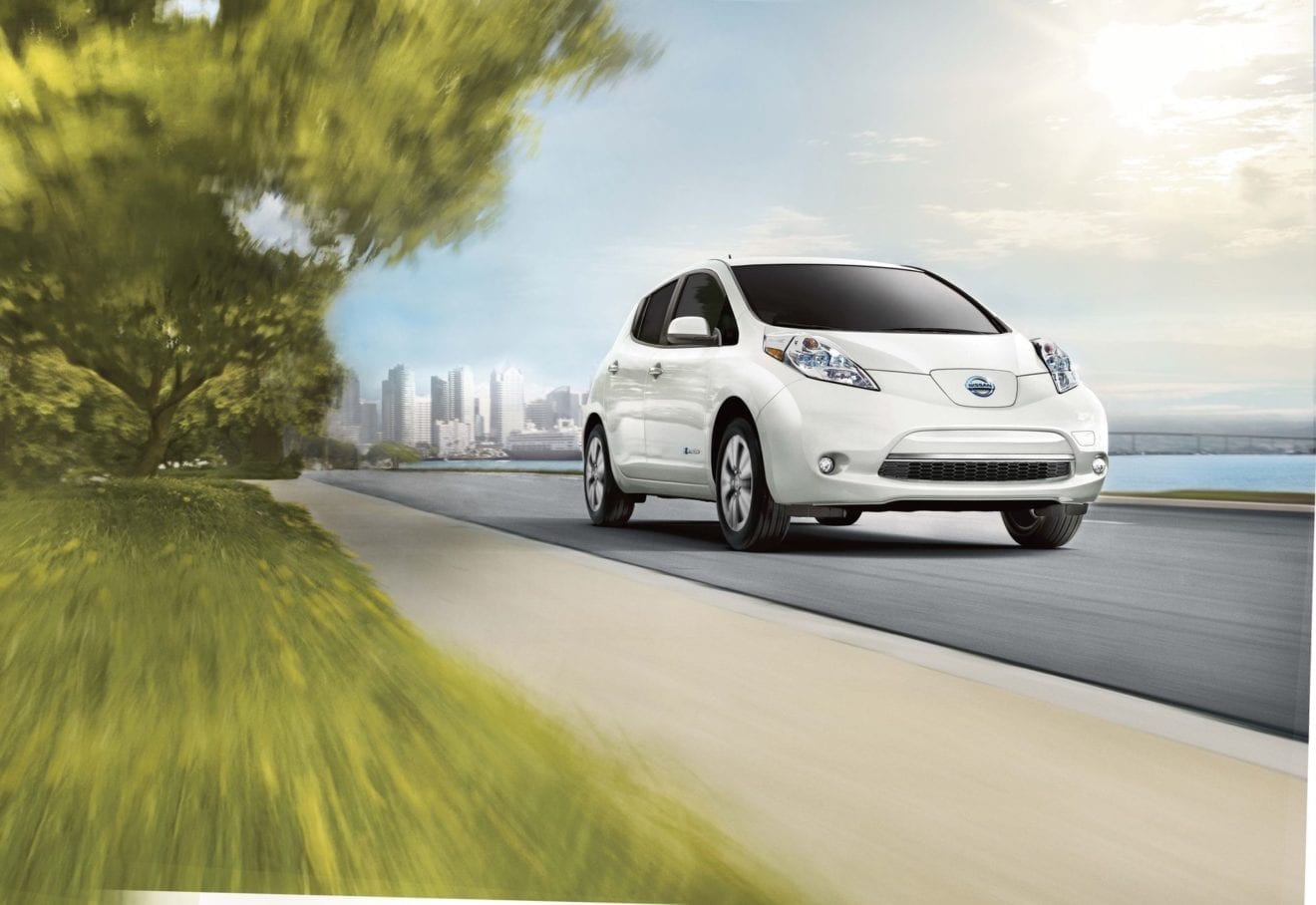
    Nissan Motor is test driving its Leaf model to see how it performs on Indian roads and copes with pollution and extreme weather conditions.

    That leaves the field wide open for Mahindra, currently the only company selling electric cars in India.

    Its hatchback, sedan and van sell in Delhi from $11,000 to $15,000, after a subsidy of $2,300.

    The company hopes to sell up to 5,000 units this year, including autorickshaws.

    So far it has tied up with cab firms in a handful of cities, logistics firms and start-ups that offer a sharing system of self-driving cars.

    “We want to meet India’s challenges,” Babu said.
  • Mazda to make all models hybrid, electric by early 2030s

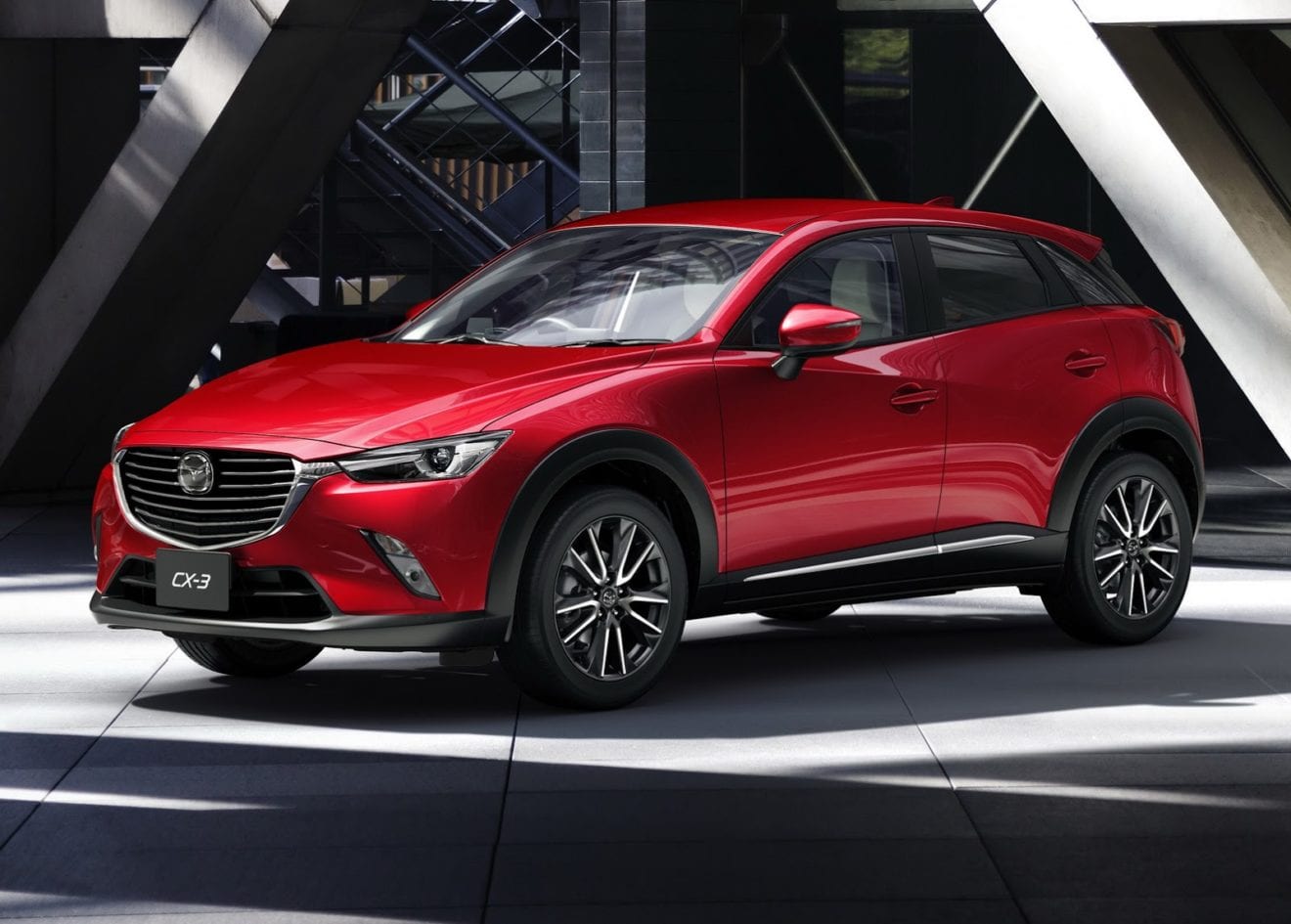
    Mazda to make all models hybrid, electric by early 2030s

    Mazda Motor plans to make all of its vehicles electric-based, including petrol hybrids, by the early 2030s, Japanese media reported on Friday, as more automakers shift strategies to meet tightening global emission regulations.

    The Japanese automaker plans to use electric motors in all of its models by that time, Kyodo News reported, without citing sources. A Mazda spokeswoman declined to comment on the report.

    At the moment, Mazda’s line-up does not include any all-battery electric vehicles, though it sells one hybrid model, a version of its Mazda3.

    The company has said it will introduce electric powertrain technologies including electronic vehicles (EVs) from 2019.

    To catch up with other larger automakers including Nissan Motor, which already market electric cars, Mazda has partnered with Toyota Motor Corp to develop technology.

    Meanwhile, it has also developed an ultra-efficient petrol engine, which can be used in hybrids, and plans to incorporate that into its cars from 2019.

    Unveiling the new technology last month, Mazda CEO Masamichi Kogai said its gasoline, diesel and electric vehicle technologies would “co-exist” in the future.

    The automaker, which also specialises in highly-efficient diesel engines, on Thursday launched a new CX-8 model in Japan, which is only available as a diesel model at the moment.

    Other global automakers are planning to shift away from internal combustion engines towards electrification in the coming years.

    Volvo Car Group in July said that all of its new models from 2019 would use electric motors, while Volkswagen earlier this week said it would launch 80 new electric cars across its brands by 2025.

  • Carmakers face electric reality as combustion engine outlook dims

    Carmakers face electric reality as combustion engine outlook dims

    ‘There’s going to be a huge increase in prices in 2021-22 if effective electrification becomes as widespread as people expect.’

    European car bosses gathering for the Frankfurt auto show are beginning to address the realities of mass vehicle electrification, and its consequences for jobs and profit, their minds focused by government pledges to outlaw the combustion engine.

    As the latest such announcement by China added momentum to a push for zero-emissions motoring, Daimler, Volkswagen and PSA Group made disclosures about their electric programs that could give policymakers some pause.

    Planned electric Mercedes models will initially be just half as profitable as conventional alternatives, Daimler warned – forcing the group to find savings by outsourcing more component manufacturing, which may in turn threaten German jobs.

    “In-house production is almost irrelevant to the consumer,” Daimler boss Dieter Zetsche told reporters and investors on the eve of the Frankfurt show, speaking in the midst of a German election campaign in which automotive jobs have loomed large.

    Volkswagen, for its part, said it was seeking new global supplier contracts to source 50 billion euros ($60 billion) of electric car content including batteries, which are not yet manufactured competitively in Europe.

    “A company like Volkswagen must lead, not follow,” Chief Executive Matthias Mueller told reporters.

    VW diesel emissions-cheating exposed by U.S. regulators triggered global public outrage, dozens more investigations into test-rigging by the wider industry and a push by some lawmakers to ban diesel and eventually all engines.

    Tightening noose

    Tesla Inc shares jumped nearly 6 percent on Monday after a Chinese minister said it was a question of when, not if, Beijing bans fossil-fuel cars, tightening the rhetorical noose around the combustion engine. France and Britain have promised its outright abolition by 2040.

    But PSA, the maker of Peugeots and Citroens, said it was concerned about the risks if consumers are left behind in the rush, and a new generation of battery cars does not sell.

    “If it doesn’t gain acceptance in the market, then everybody – industry, employees and politicians – has a big problem,” PSA Chief Executive Carlos Tavares said in a pre-show interview with German weekly Bild am Sonntag.

    While Tesla has carved itself a successful premium niche, electric vehicles have yet to penetrate volume markets, with the heavily subsidized exception of Norway, and still account for less than 1 percent of global car sales.

    Automakers have sought to adapt to the changing tide – and in some cases distance themselves from “dieselgate” – by announcing multibillion-euro investments in electric cars, underpinned by plans to sell millions within a decade.

    A year into the scandal, VW unveiled plans to develop 30 new electric cars and sell 2 million-3 million annually by 2025. On Monday it upped the goal to 80 models and said it would need four times the capacity of Tesla’s “gigafactory” to supply their batteries.

    Jobs flight

    Since the battery is the single biggest-value item in an electric car, however, experts point out that mass adoption would shift business and jobs from European suppliers to China, which already dominates the automotive power-pack market.

    According to consulting firm AlixPartners, electric drivetrains including batteries require 40 percent less manufacturing labor than mechanical ones. That would hit 112,000 jobs at European suppliers, even before any outsourcing.

    A phase-out of combustion engines by 2030 could cost 600,000 jobs in Germany alone, the country’s Ifo economic institute has warned. Chancellor Angela Merkel, on course for re-election on Sept. 24, said she was “no friend of bans”, in a Berliner Zeitung interview published on Tuesday.

    Any deepening of the doubts surrounding mass electric car uptake could vindicate Fiat Chrysler CEO Sergio Marchionne – one of the few car bosses who has largely resisted the plug-in vogue.

    “My aversion to electrification was based on pure cost issues,” Marchionne told analysts recently, predicting that stubbornly high battery costs would combine with tightening combustion-engine regulation to choke off overall sales.

    “There’s going to be a huge increase in prices in 2021-22 if effective electrification becomes as widespread as people expect,” Marchionne said. “That, based on everything I know in terms of economics, will cause a shrinkage of demand.” ($1 = 0.8358 euro)

  • Nissan unveils new electric car in bid to drive off competition

    Nissan unveils new electric car in bid to drive off competition

    The new vehicle ‘strengthens’ the firm’s ‘leadership’ in the electric car sector.

    Japanese giant Nissan Wednesday unveiled a new electric car with an extended range and semi-autonomous driving functions, as it seeks to battle off competitors in a sector it once pioneered.

    The second-generation Nissan Leaf has a potential range of 400 kilometers (250 miles) between charges, compared with 250 kilometers for its previous version.

    It also boasts semi-autonomous driving capabilities such as keeping the vehicle automatically in one lane on the motorway or parking without human intervention.

    Hiroto Saikawa, president and chief executive officer of Nissan, said in a statement that the new vehicle “strengthens” the firm’s “leadership” in the electric car sector.

    Nissan was an innovator in the sector seven years ago when it unveiled its first Leaf — which has sold 280,000 units — but has since had to contend with fierce competition from General Motors and Tesla among others.

    Faced with tighter global environmental regulations, most carmakers are investing heavily in the electric car sector, sparking a ferocious race to create the next green vehicle.

    The new car will be available next month in Japan, followed by the United States, Canada and Japan in January 2018.

    The price tag in Japan will be 3.15 million yen (around $29,000).

  • Samsung secures self-driving car permit in California

    Samsung secures self-driving car permit in California

    Samsung Electronics Co Ltd said on Thursday it has received a permit to test self-driving vehicles in California, marking the entry of the world’s largest smart phone maker four months after iPhone maker and arch rival Apple Inc (AAPL.O) received a permit.

    Its parent company in May secured permission from South Korean authorities to test a self-driving car fitted with its own sensors and software systems. At that time, South Korean officials said the company planned to use the car to develop a self-driving car algorithm that could drive in adverse weather.

    In a statement to Reuters, Samsung did not say what precisely what it planned to test in the United States but said it secured the permit “in pursuit of a smarter, safer transportation future.”

    The company, part of a massive conglomerate that makes everything from washing machines to heavy machinery, said it has “no plans to enter the car-manufacturing business.”

    With the foray into the U.S. self-driving car landscape, Samsung will jostle with its friends and foes. Besides Apple, it will join Waymo, a division of Alphabet Inc (GOOGL.O), which supplies the Android operating system that runs on Samsung’s phones.

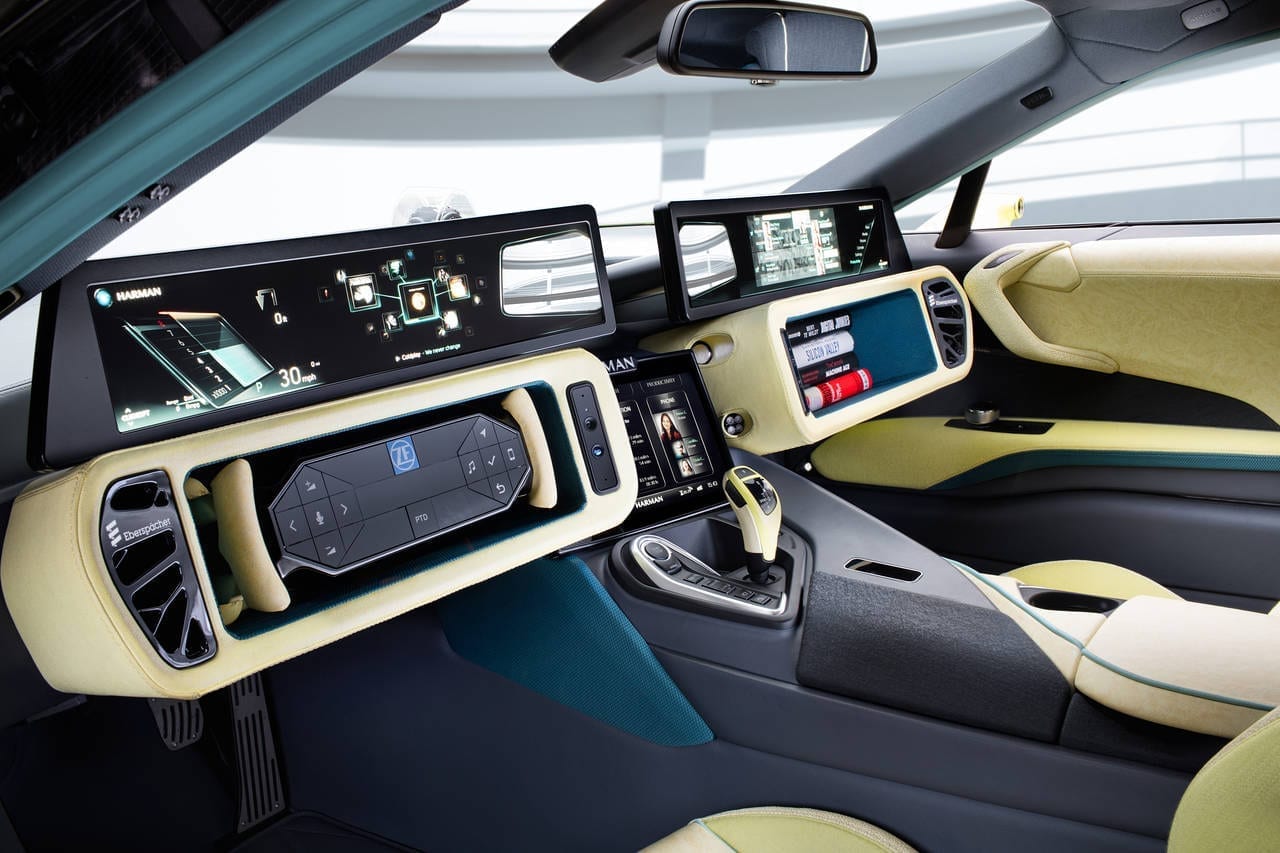
    Samsung has a range of other opportunities for growth in the self-driving car business. Earlier this year, the company closed its $8 billion purchase of car audio maker Harman International Industries, giving it a wide foot print in so-called connected car technologies.

  • Hyundai resumes production in China after supply hiccup

    Hyundai resumes production in China after supply hiccup

    Hyundai Motor said on Wednesday it had resumed production in China after a supply disruption forced the suspension of operations last week, complicating its efforts to lift sagging sales in the world’s biggest auto market.

    The production stoppage, although resolved, adds to investor concerns after the South Korean carmaker posted its smallest quarterly profit in five years amid political headwinds linked to diplomatic tensions between Seoul and Beijing.

    Hyundai had to cut production at its four factories in China earlier this year due to slumping sales. Its fifth China factory was scheduled to start production this month.

    Hyundai Motor’s sales from its Chinese factories plummeted 64 percent to 105,000 vehicles in April-June alone.

    “The effects of the China production halt are yet unclear, but Hyundai’s third-quarter results are likely to be lower than the previous quarter partly due to continued weak performance in China,” said Park Sang-won, analyst at Heungkuk Securities.

    Hyundai shares pared losses after skidding to their lowest level in more than four months on Wednesday, falling as much as 3.8 percent. They were trading down 0.4 percent at 0504 GMT, compared to a flat wider market .KS11.

    Hyundai said earlier on Wednesday its joint venture with China’s BAIC Motor  began shutting down production last week after a fuel-tank components supplier refused to provide parts due to non-payment.

    BAIC declined to comment and Reuters could not immediately reach the joint venture, Beijing Hyundai, for comment.

    South Korean firms are weathering a Chinese backlash over Seoul’s decision to deploy a U.S. missile defense system to counter threats from nuclear-armed North Korea. China says the system poses a threat to its national security.

    Hyundai’s weak brand image has put it at a disadvantage in China versus local and global rivals such as Honda Motor (7267.T), Toyota Motor (7203.T) and General Motors (GM.N), which all saw higher China sales for last month.

  • Autosports Group announecs acquisition of BMW Melbourne

    Autosports Group announecs acquisition of BMW Melbourne

    Autosports Group Ltd acquisition of Bmw Melbourne.

    Expects to pay for the bmw melbourne businesses a consideration of approximately $22 million.

    Unit enters agreement with bmw melbourne to buy businesses such as bmw melbourne ,mini garage melbourne ,south bank motor cycles and bmw body shop.

  • Delphi partners with Innoviz for self-driving technology

    Delphi partners with Innoviz for self-driving technology

    Delphi Automotive said on Friday it has partnered with laser-based sensor maker Innoviz Technologies to improve vehicle safety for self-driving cars, after making a minority investment in the Israel-based company.

    Innoviz’s LiDAR technology allows self-driving cars to identify objects at far distances, allowing them to travel at high speeds safely, Delphi said.

    Many self-driving experts regard LiDAR as a crucial component, along with other sensors such as cameras and radars.

    Automakers have intensified the race to build self-driving cars and are investing in sensors that help these cars navigate on roads with poor or faded lane markings and potholes.

    Delphi, which is focusing on self-driving vehicles and advanced safety systems, has been benefiting from continued automaker interest.

    Founded in January 2016, Innoviz is backed by investors including Vertex Venture Capital and Magma Venture Partners.

  • Mitsubishi, Audi recall cars in Vietnam due to safety concerns

    Mitsubishi, Audi recall cars in Vietnam due to safety concerns

    The automakers said the technical faults could cause serious damage, and they will be fixed free of charge.

    Mitsubishi Motors Vietnam has recalled 4,218 cars due to technical faults, official reports said.

    The majority of the recalled models are Pajero Sports manufactured between 2011 and 2016, but around 20 percent are Outlander Sports produced from 2014-2016.

    Explaining the recall, which may take until July 2019, Mitsubishi Motors Vietnam said the hinges on the rear doors were prone to rust because they were not completely coated in anti-corrosion paint. This meant they could fall off and injure people.

    In a separate move, Audi Vietnam has recalled 33 of its Q3 models manufactured between June 2014 and November 2016 due to a problem with their brake lights.

    Audi said the brake lights could fail if the handbrake was used to make an emergency stop.

    Official data shows Vietnamese customers bought more than 134,200 cars in the first half of this year, down 1 percent against the same period last year.

  • Intel set to roll out 100 self-driving cars

    Intel set to roll out 100 self-driving cars

    Silicon Valley giant Intel on Wednesday (Aug 9) announced plans for a fleet of self-driving cars following its completion of the purchase of Israeli autonomous technology firm Mobileye.

    A day after closing the US$15 billion deal to buy Mobileye, which specialises in driver-assistance systems, Intel said it will begin rolling out fully autonomous vehicles later this year for testing in Europe, Israel, and the US.

    The fleet will eventually have more than 100 vehicles, according to Intel.

    The testing in real-world conditions “provides immediate feedback and will accelerate delivery of technologies and solutions for highly and fully autonomous vehicles,” said Mobileye co-founder Amnon Shashua, who is to run the unit for Intel.

    “Our goal is to develop autonomous vehicle technology that can be deployed anywhere.”

    The Intel test fleet with include various types and makes of vehicles, and capitalize on Mobileye expertise in computer vision, mapping and sensing.

    Intel, which has been expanding beyond its core of computer chipmaking, is keen for its technology to be an engine powering self-driving systems across the spectrum of vehicle manufacturers.

    “We want to enable automakers to deliver driverless cars faster while reducing costs,” Shashua said.

    Intel said the vehicles would offer “level 4” autonomy, which under industry standards represents a “high” level of autonomy just below the fully automated level 5.

    Most major automakers and several other technology firms have been stepping up efforts on autonomous driving in recent years, contending these systems will eliminate the vast majority of road accidents. Apple has a testing permit in California.

    German luxury carmaker Daimler and auto parts supplier Bosch have announced plans to work together to create completely driverless cars in the next few years.

    US-based Tesla boasts that all its models are built with the hardware for self-driving in event regulators five the technology a green light.

    US car rental giant Avis Budget earlier this year announced it will team up with Waymo on the self-driving cars being tested on Arizona roads.

  • BMW’s 5-series launch helps drive forecast-beating second quarter profit

    BMW’s 5-series launch helps drive forecast-beating second quarter profit

    German luxury carmaker BMW posted a forecast-beating 7.5 percent rise in second-quarter profits as sales of its new 5-series helped to offset slowing demand for luxury cars in the United States.

    Earnings before interest and tax (EBIT) rose to 2.92 billion euros ($3.46 billion), compared with an average forecast for 2.82 billion in a Reuters poll of banks and brokerages.

    BMW affirmed its guidance for a slight increase in full-year group pretax profit and an operating margin of 8 to 10 percent at its automotive business, which posted a second-quarter margin of 9.7 percent, up from 9.5 percent a year earlier.

    BMW said it now forecasts a solid increase in automotive segment revenues for the full year.

  • Japan’s Subaru posts higher profit as car sales jump

    Japan’s Subaru posts higher profit as car sales jump

    Subaru on Thursday posted a better-than-expected rise in its quarterly operating profit, buoyed by higher sales in the United States, its biggest market, where other Japanese automakers are struggling with slower demand.

    Operating profit at Japan’s No.6 automaker came in at 119.3 billion yen ($1.08 billion) in the first quarter ended June, up 17.5 percent from a year ago and exceeding the average forecast for 114.8 billion yen from seven analysts polled by Thomson Reuters I/B/E/S.

    Most Japanese automakers have been hit by both an overall slowdown in the U.S. market and a growing preference for bigger car models, versus the sedan.

    Subaru has, however, managed to buck this trend, reporting a 12.3 percent jump in sales in the world’s No.2 auto market after China, with models such a revamped version of its Impreza sedan, along with the Forester SUV and Outback SUV crossover.

    Subaru raised production capacity last year at its plant in Indiana and was able to deliver more units over the quarter in the United States, which accounts for around 60 percent of its global sales volume.

    The automaker’s U.S. marketing strategy has focused mainly on affluent and liberal-minded consumers, with advertisements featuring slogans such as love and inclusion.

    It has won over consumers living largely on the west and east coasts – a concentration that has allowed it to leverage its production capabilities, which are a fraction of those of Toyota Motor and other bigger rivals like Nissan Motor Co.

    Toyota is expected to announce a 16 percent drop in its quarterly operating profit, according to analysts surveyed by Thomson Reuters I/B/E/S, while Nissan last week posted an almost 13 percent slide in profit, dragged by rising incentives to sell its cars in the United States.

  • Tesla begins to deliver model for the masses

    Tesla begins to deliver model for the masses

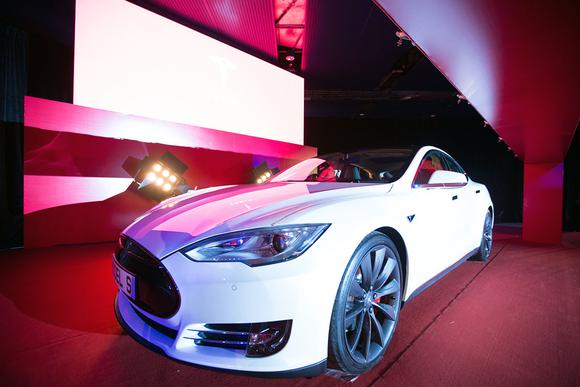
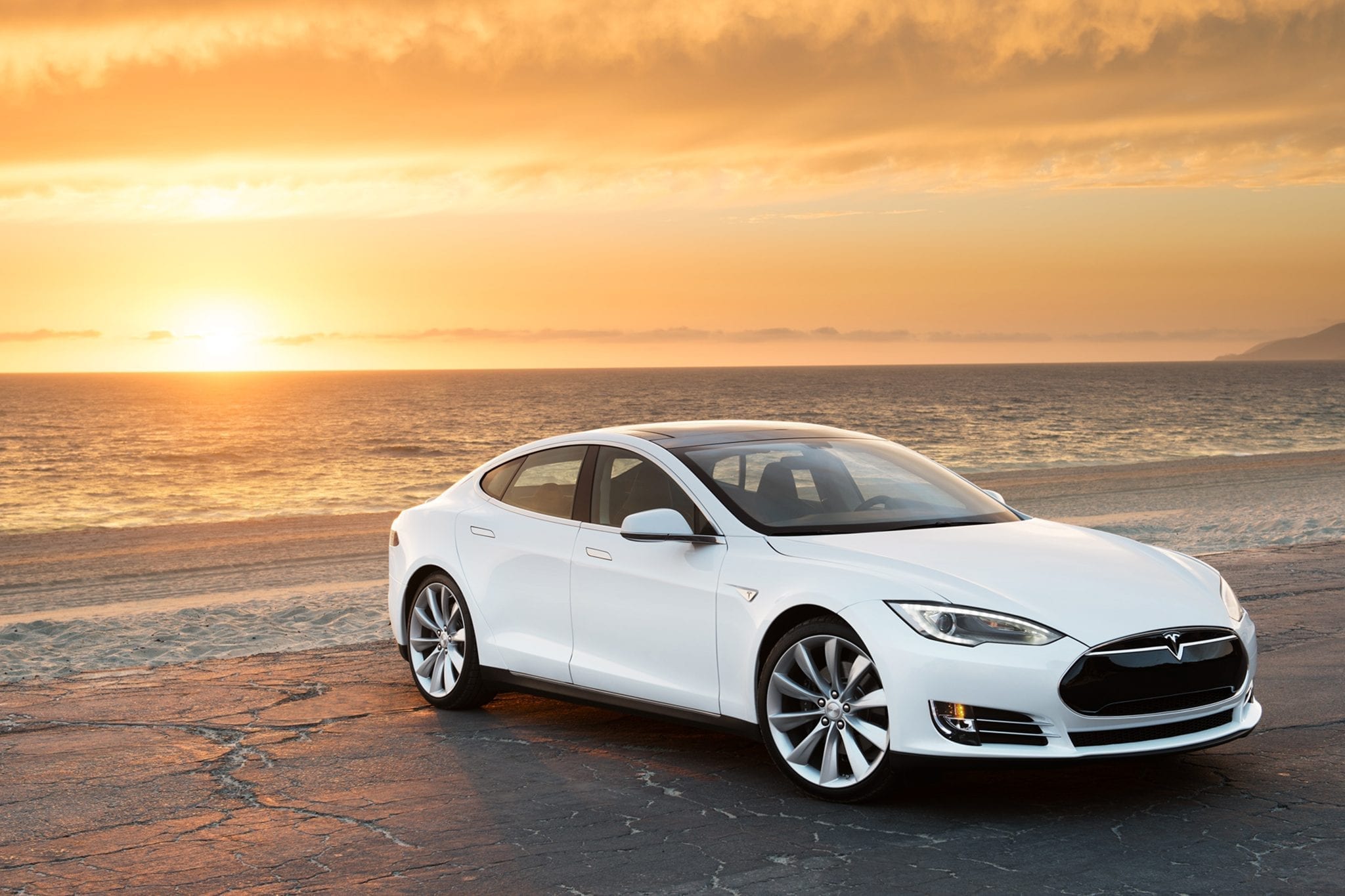
    Analysts have predicted that Tesla may be reshaping the future of the auto industry, like Apple did with the iPhone. Tesla began delivering on a dream to make an electric car for the masses, rolling out the first of its keenly-awaited “Model 3” cars, aiming to disrupt a world accustomed to automobiles powered by pollution-spewing fossil fuel.

    An initial batch of the ‘Model 3’ cars that rolled out of the Tesla plant in Fremont, California late Friday were given to customers, most of whom were employees of the company.

    Tesla founder and chief Elon Musk proclaimed it a great day for the company, saying the goal was to make a terrific electric car “that everyone can buy.” Musk starred in a ceremony at the plant delivering the first batch to their owners.

    “It’s the best car for its cost, either electric or gasoline,” he said.

    Production of the electric car aimed at the broader market — with a starting price of $35,000 — will ramp up quickly, according to Musk, with 100 in August and 1,500 or more in September.

    Tesla aims to produce 5,000 units of the Model 3 a week this year, and 10,000 units a week in 2018.

    Tesla already sells “S” and “X” model electric cars, but with a starting price of $80,000 they have been seen as wheels for the wealthy.

    The Model 3 silhouette resembles that of the Model S, but the new electric ride is smaller with a simpler design.

    The vehicle’s battery was designed to keep it going for “at least 215 miles” (345 kilometers) before needing to be recharged, according to Tesla. A battery with a longer range is available for more money.

    Musk has mentioned in Tesla earnings calls that while early models were packed with innovative engineering, they caused vexation on the assembly line.

    The Model 3, he said, was designed from the outset with mass production in mind to push down cost and crank cars out quickly.

    ‘Crucial step’

    More than a half-million customers have placed deposits to get on the waiting list for the Model 3, and anyone wanting one will have to wait at least until 2018.

    “Demand is not a challenge there,” Musk said, noting that most of the orders have been in the US.

    A big question for Tesla is whether it can ramp up production to meet demand and whether rivals will cut into the electric vehicle market.

    Like its predecessors, the Model 3 is fully electric and on-board computers can handle some driving tasks.

    Tesla referred to the arrival of the Model 3 as a “crucial step” in the company’s mission to speed the transition to renewable energy.

    Not long after Tesla was founded in 2003, Musk said the plan was to use money from high-end electric vehicles to create more affordable offerings to make the technology the new automotive norm.

    Cars powered by green energy are consistent with a concern for the environment seen in Musk’s other enterprises.

    Musk runs solar energy firm SolarCity, and is building rechargeable batteries to power homes as well as cars.

    His Boring Company is part of a vision for near-supersonic rail travel through low-pressure tubes that he laid out in a Hyperloop white paper he made open to other entrepreneurs.

    Combined sales of Model S and Model X vehicles in the first half of this year were estimated to tally from 47,000 to 50,000.

    With the Model 3, Tesla hopes to start cranking out hundreds of thousands of cars annually.

    The iPhone of cars?

    Success of the Model 3 could put in the rear-view mirror concerns about Tesla’s prospects for growth.

    So far, Musk’s strategy has paid off. Even though most major car makers sell electric vehicles, Tesla practically defines the category.

    The rush of pre-orders allowed Tesla to recently become the biggest US car company in terms of market capitalization, despite the fact that General Motors (GM) and Ford produce millions of cars per year and Tesla has yet to make a profit.

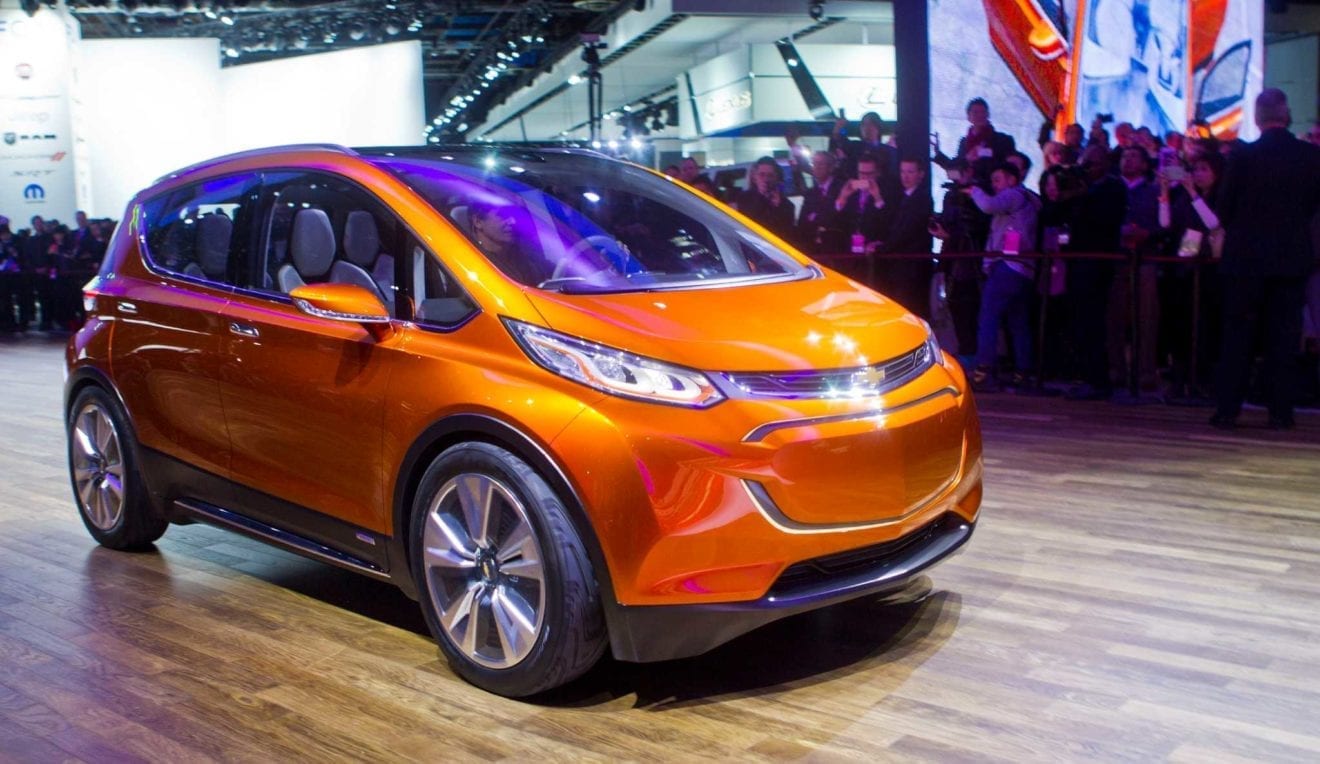
    While Tesla is scrambling to meet Model 3 demand, GM has temporarily halted production of its ‘Bolt’ electric car to eas ease inventories.

    Some analysts say that with the launch, Tesla may be reshaping the future of the auto industry. Gene Munster, analyst with the research firm Loup Ventures, argues that Tesla may do for the auto sector what Apple did for smartphones and electronics.

    “We believe we will eventually look back at the launch of the Model 3 and compare it to the iPhone, which proved to be the catalyst for the shift to mobile computing,” Munster said in a recent research note.

    Munster says Tesla will play a central role in “paradigm shifts” to electric and autonomous vehicles that could transform the sector.

  • Tesla climbs as Musk prepares to hand over first Model 3 cars

    Tesla climbs as Musk prepares to hand over first Model 3 cars

    Shares of Tesla rose nearly 1 percent on Friday ahead of a handover to customers of its first Model 3 sedans, the electric cars that Chief Executive Officer Elon Musk is betting will propel his company into the mass market.

    Tesla is counting on the Model 3 to help turn the cash-losing company into a profitable one, and its event later on Friday at its factory in Fremont, California comes as the car maker’s stock trades down 12 percent from a record high set in June.

    Fueled by expectations that Tesla will become a carbon-free energy and transportation heavyweight, Tesla’s stock remains up 58 percent year to date, but it is also a favorite among short sellers.

    Shorts sellers have about $8.5 billion bet against Tesla, equivalent to about 20 percent of the company’s float, according to Astec Analytics.

    The $35,000 Model 3 is designed for easy production, with output targeted to reach 20,000 per month by December. The Silicon Valley car company aims to quickly ramp up its factory to reach a production target of 500,000 cars per year in 2018.

    Tesla’s last launch was the luxury Model X SUV in 2015, which had a number of production issues.

    Tesla reports its second-quarter results on Wednesday, and investors are keen for an update on how quickly its output is expanding after deliveries for the first half of 2017 came in at the low end of the company’s own forecast.

    “This evening’s event will keep investors focused on the Model 3 ramp, and less on the upcoming quarter,” Barclays analyst Brian Johnson wrote in a note to clients. Johnson has a an “underweight” rating on Tesla.

    Skeptics believe Tesla’s growth targets are unrealistic and that it is at risk of being overtaken by General Motors , BMW and other deep-pocketed manufacturers that are ramping up their own electric-vehicle offerings.

  • Maruti, Hyundai rule passenger vehicle sales in June

    Maruti, Hyundai rule passenger vehicle sales in June

    Country’s top two carmakers Maruti Suzuki India and Hyundai Motor India dominated the Indian passenger vehicle sales segment last month with their models occupying all the slots in the top ten list.

    While car market leader Maruti has seven of its models in the list, rival Hyundai Motor India has three of its models in the top ten selling list of last month.

    Toyota Kirloskar Motor’s Innova and Renault Kwid which were there in the June 2016 list have failed to find place in this year’s top ten list.

    According to the latest data from Society of Indian Automobile Manufacturers (SIAM), Maruti’s Alto retained the top position in June with 14,856 units, as against 15,750 units in June last year.

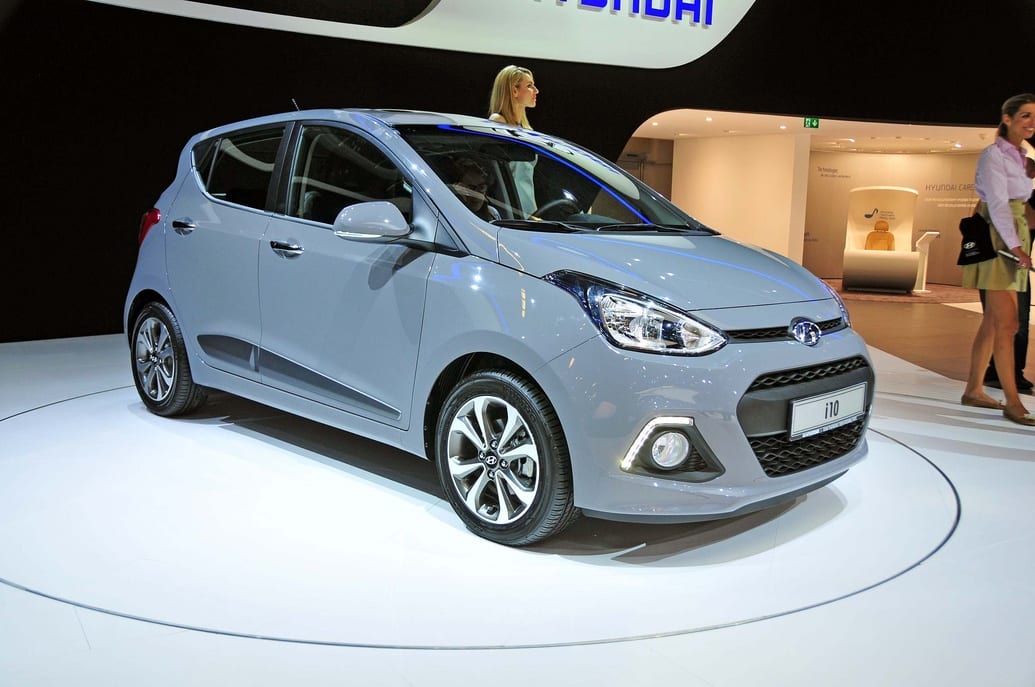
    Hyundai’s compact car Grand i10 stood at second position with 12,317 units. It was at third position in June 2016, with 12,678 unit sales.

    Maruti’s compact sedan Dzire occupied the third position with sale of 12,050 units as compared with 15,560 units in June last year.

    The car market leader’s compact hatchback Wagon R stood at fourth position with sale of 10,668 units during the last month.

    Hyundai’s Elite i20 stood at fifth position last month with 10,609 units. The company had sold 8,990 units of the vehicle in the same period last year.

    Maruti’s Swift retained sixth position with 9,902 units in June. It had sold 9,033 units in the same month of the last year.

    The carmaker’s premium hatchback Baleno stood at seventh position with sale of 9,057 units last month, while compact SUV Vitara Brezza with sale of 8,293 units took eighth position in June.

    Hyundai’s Creta retained ninth position with sale of 6,436 units in June. It sold 7,700 units in the same month last year.

    Maruti’s hatchback Celerio stood at tenth place with sale of 6,375 units.