Tag: car

  • Auto supplier Magna to manufacture BMW 5-series plug-in hybrids

    Auto supplier Magna to manufacture BMW 5-series plug-in hybrids

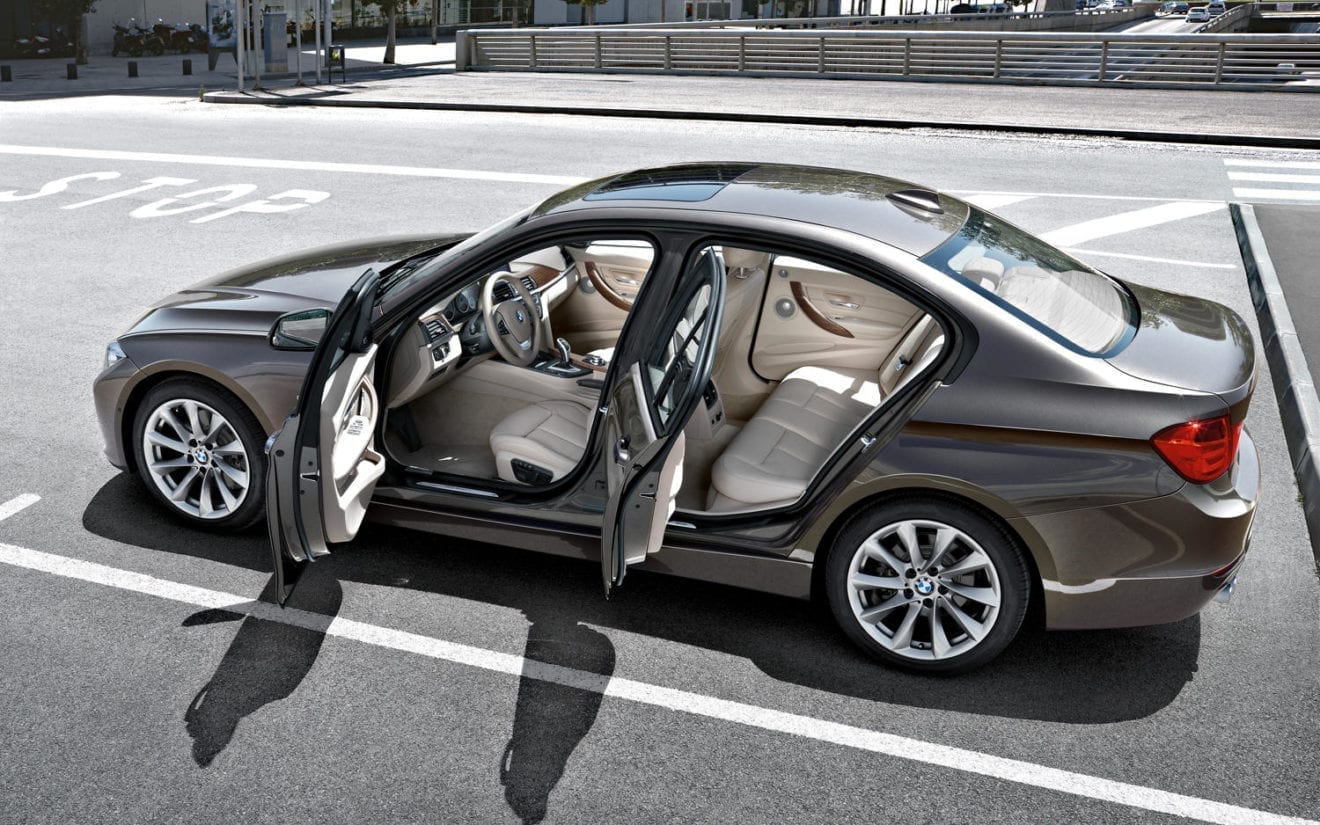
    Canadian auto supplier Magna International Inc will produce BMW’s new 5-series plug-in hybrid at its Austrian factory, the company said on Monday, part of a strategy to produce electric cars on a contract basis for global automakers.

    The BMW 530 plug-in hybrid will be manufactured beginning this summer at Magna’s plant in Graz, Austria, where it already plans to produce Jaguar’s I-PACE SUV beginning in early 2018.

    Global automakers and their suppliers are investing heavily in fully-electric and gasoline-electric hybrid vehicles. Consumer demand is still low versus that for gasoline engine vehicles, but companies are beginning to offer more choices to respond to government mandates for greater sales of vehicles that emit little or no carbon dioxide, and prepare for a future experts believe will be dominated by electric vehicles.

    Rival tier-one auto supplier Continental, for example, said in April it was increasing spending by 300 million euros ($334.68 million) on new products such as charging systems and battery management components related to electric vehicles.

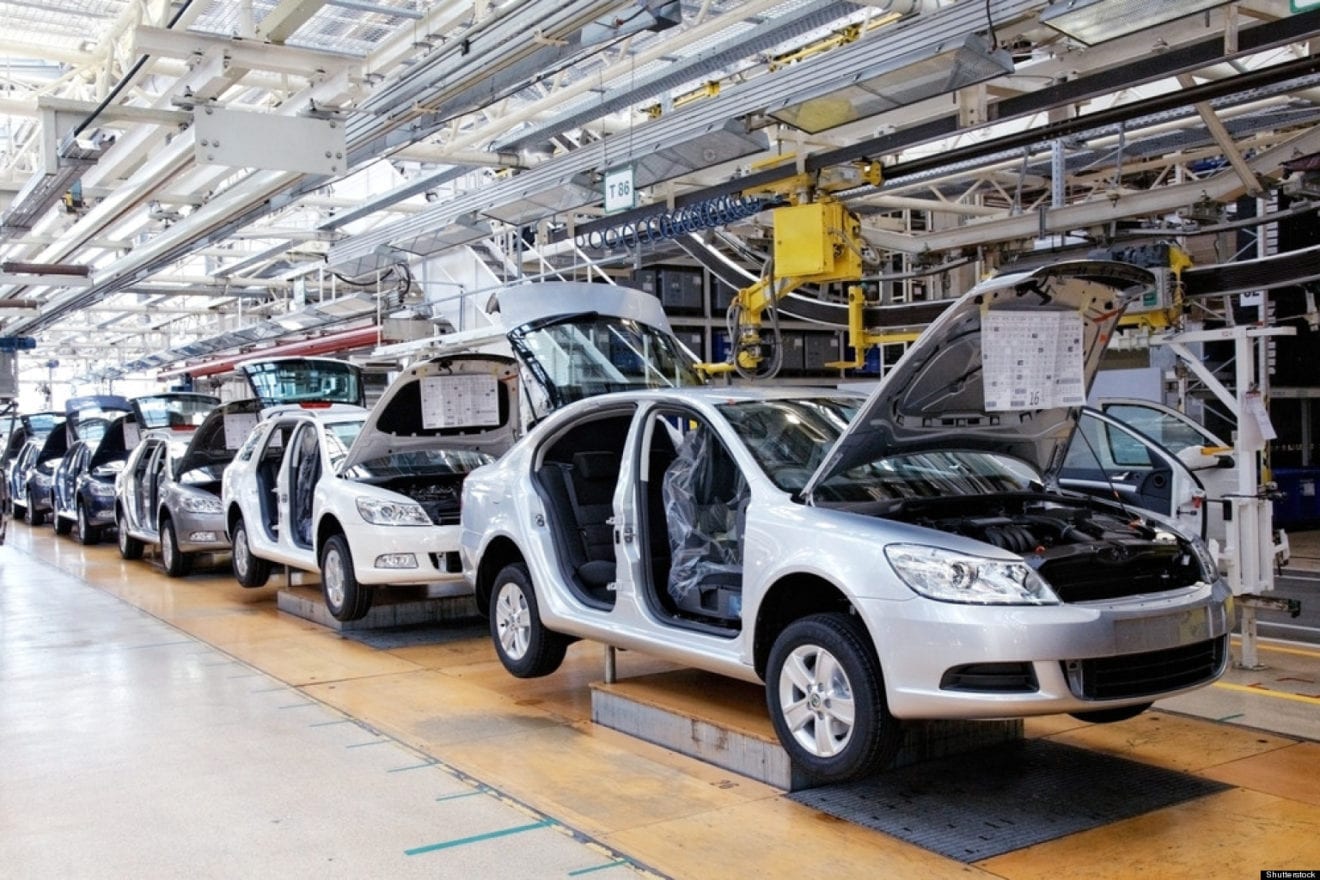
    Magna, North America’s largest automotive supplier and the third globally, is alone among the top auto suppliers to perform contract manufacturing for carmakers. Its Austrian plant can produce about 200,000 cars per year. Magna is currently building a new paint shop in Slovenia due to increased demand.

    A Magna spokeswoman would not comment on a statement by the Slovenian government in March that the auto supplier would potentially invest up to 1.24 billion euros in the country, including a car plant with capacity of 100,000 to 200,000 vehicles per year.

    Having contract manufacturing in its portfolio creates a niche for the company as automakers slowly bring more electrified vehicles to market over the next decade. For automakers, outsourcing the assembly can be an advantage on low-volume models to minimize capital expenditures and avoid tying up their own production lines.

    Swamy Kotagiri, Magna’s chief technology officer, said he sees contract manufacturing of electric vehicles as a “near-term opportunity” for the company, given that by 2025, 40 to 50 percent of all vehicles produced will include some electrification elements.

    “We are setting up knowing the penetration will be higher.”

    Magna has also produced non-electric cars at its Austrian facility, including BMW’s Mini Countryman and Mercedes-Benz’ (DAIGn.DE) luxury G-Wagen SUV.

    Last month, Magna raised its full-year sales forecast on higher demand.

  • Dutch firm aims to deliver first flying car in 2018

    Dutch firm aims to deliver first flying car in 2018

    From ‘The Jetsons’ to ‘Chitty Chitty Bang Bang’, flying cars have long captured the imagination. While several futuristic projects are under way in different countries, a Dutch design may be the first one sold and soaring into the skies.

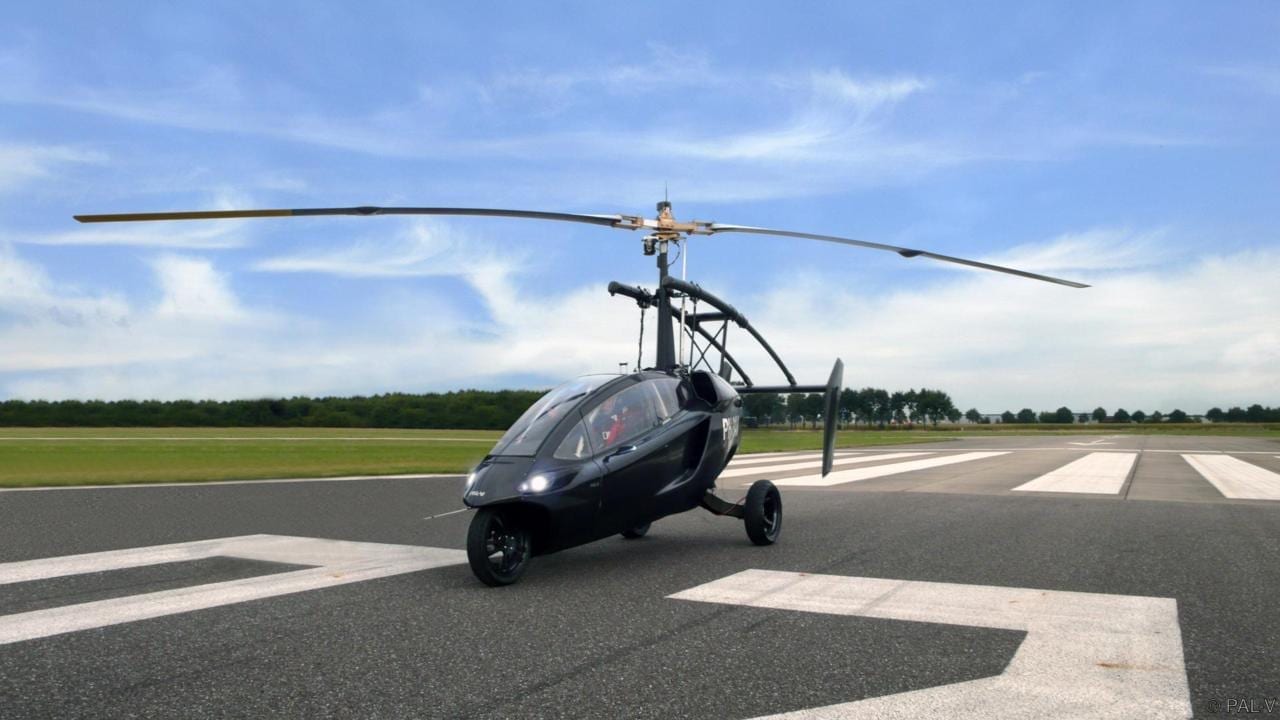
    After years of testing, the PAL-V company aims to pip its competitors to the post. It is poised to start production on what they bill as a world first: a three-wheeled gyrocopter-type vehicle which can carry two people and will be certified for use on the roads and in the skies.

    “This kind of dream has been around for 100 years now. When the first airplane was invented people already thought ‘How can I make that driveable on the road?’,” chief marketing officer Markus Hess told.

    The PAL-V (Personal Air and Land Vehicle) firm, based in Raamsdonksveer in the Netherlands, is aiming to deliver its first flying car to its first customer by the end of 2018.

    The lucky owner will need both a driving license and a pilot’s license. But with the keys in hand, the owner will be able to drive to an airfield for the short take-off, and after landing elsewhere drive to the destination in a “door-to-door” experience.

    Different versions of a flying car are being developed in the Czech Republic, Slovakia, Japan, China and the United States.

    But final assembly on the PAL-V will start in October, with the company seeking to be the first to go into commercial production.

    ‘No falling from sky’

    The PAL-V uses normal unleaded petrol for its two 100-horsepower engines, and can fly 400 to 500 kilometers (248 to 310 miles) at an altitude of up to 3,500 meters (11,500 feet).

    On the road it has a top speed of around 170 kilometers an hour.

    In 2019, the company expects to produce between 50 and 100 vehicles, before ramping up to “quite a few hundred” in 2020.

    It won’t be cheap. The first edition, the PAL-V Liberty, costs 499,000 euros ($599,000), while the slightly cheaper PAL-V Liberty Sport, to be made next, has a price tag of 299,000 euros.

    PAL-V was founded in 2007 by Robert Dingemanse and pilot John Bakker.

    “In the beginning it was, let’s make a gyrocopter drivable,” said Hess.

    But the company, which has some 40 to 50 employees, realized the weight and length of a gyrocopter’s blades gave the vehicle a high center of gravity when driving, especially taking corners.

    They have designed the car so at the flick of a button the blades fold down and gather like a bat’s wings on the top.

    And they have incorporated into the car a 2005 breakthrough — when the Dutch company Carver invented a tilting system for three-wheelers — to counter the high center of gravity and make it roadworthy.

    The company insists the PAL-V is not a helicopter, in which the blades are powered by an engine. It is a gyroplane, in which the blades rotate thanks to airflow.

    Even if both engines cut out, the blades will still turn, so “even if you go at zero speed it still keeps rotating and you are not going to drop out of the sky,” said Hess.

    While he refused to divulge how many orders they have, he said the company “was more than satisfied”.

    ‘Selling a dream’

    Clients put down a non-refundable deposit of 10,000 to 25,000 euros depending on the model. A third option is to put 2,500 euros into an escrow account, which secures them a place in the line.

    “In some senses we are selling a dream,” Hess said, standing next to the sleek, black first model developed in 2012 which has already put in “substantial hours” of flying and driving time.

    Parts are on order, with the first already in stock. Once built, the vehicle will have to complete at least 150 flying hours, and undergo extensive tests to receive its certification from the Cologne-based European Aviation Safety Agency (EASA).

    Hess defended the hefty price tag. It’s not a lot more than “a super-duper sports car with a few extras,” he said.

    “Considering the extra certification standards we have to go through for aviation, and that a super-duper sports car can’t even fly, we think it’s actually a bargain.”

    The PAL-V staff know many inventors in other countries also developing flying cars, but remain unconcerned by the competition.

    And Hess laughs when asked whether the skies will become too crowded.

    People at first “cannot even imagine flying cars. Then suddenly when they start imagining it, they see millions of flying cars in the air.”

    That new reality, for the time being, is still a long way off, he said.

  • Tata Motors global sales decline 1 per cent in May

    Tata Motors global sales decline 1 per cent in May

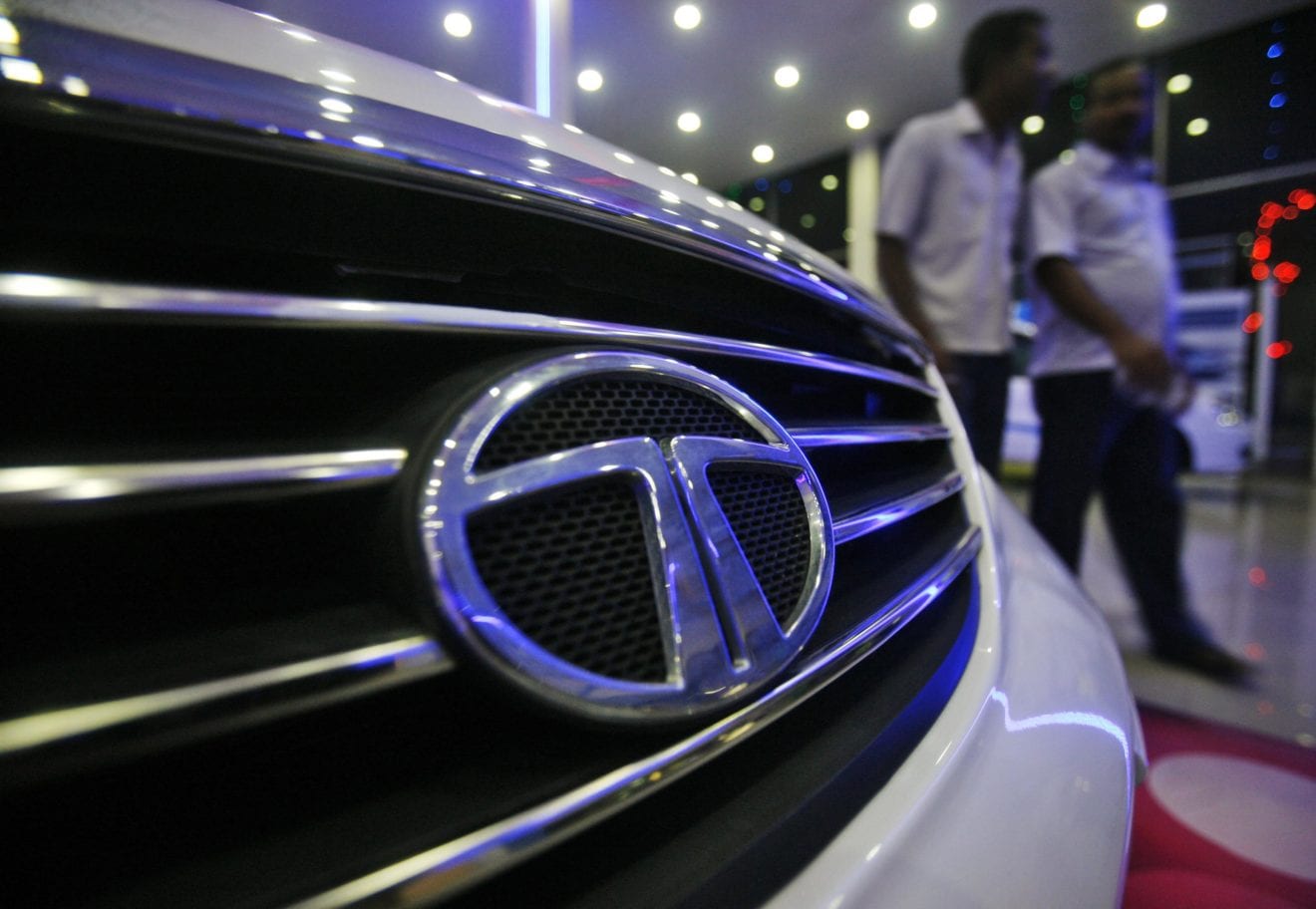
    Tata Motors today reported over 1 per cent decline in global sales in May at 86,385 units, including that of Jaguar Land Rover (JLR) vehicles.

    The company had sold 87,414 units in May 2016, Tata Motors said in a statement.

    In the passenger vehicles category, global sales stood at 58,075 units last month as against 55,039 units during the same period in 2016, up 6 per cent.

    Sales of luxury brand Jaguar Land Rover grew 2 per cent to 47,131 units in May compared to 46,204 units in the same month of 2016.

    However, sales of commercial vehicles declined by 13 per cent to 28,310 units as against 32,375 units in the year-ago month.

  • Auto Expo 2017 opens in Hanoi

    Auto Expo 2017 opens in Hanoi

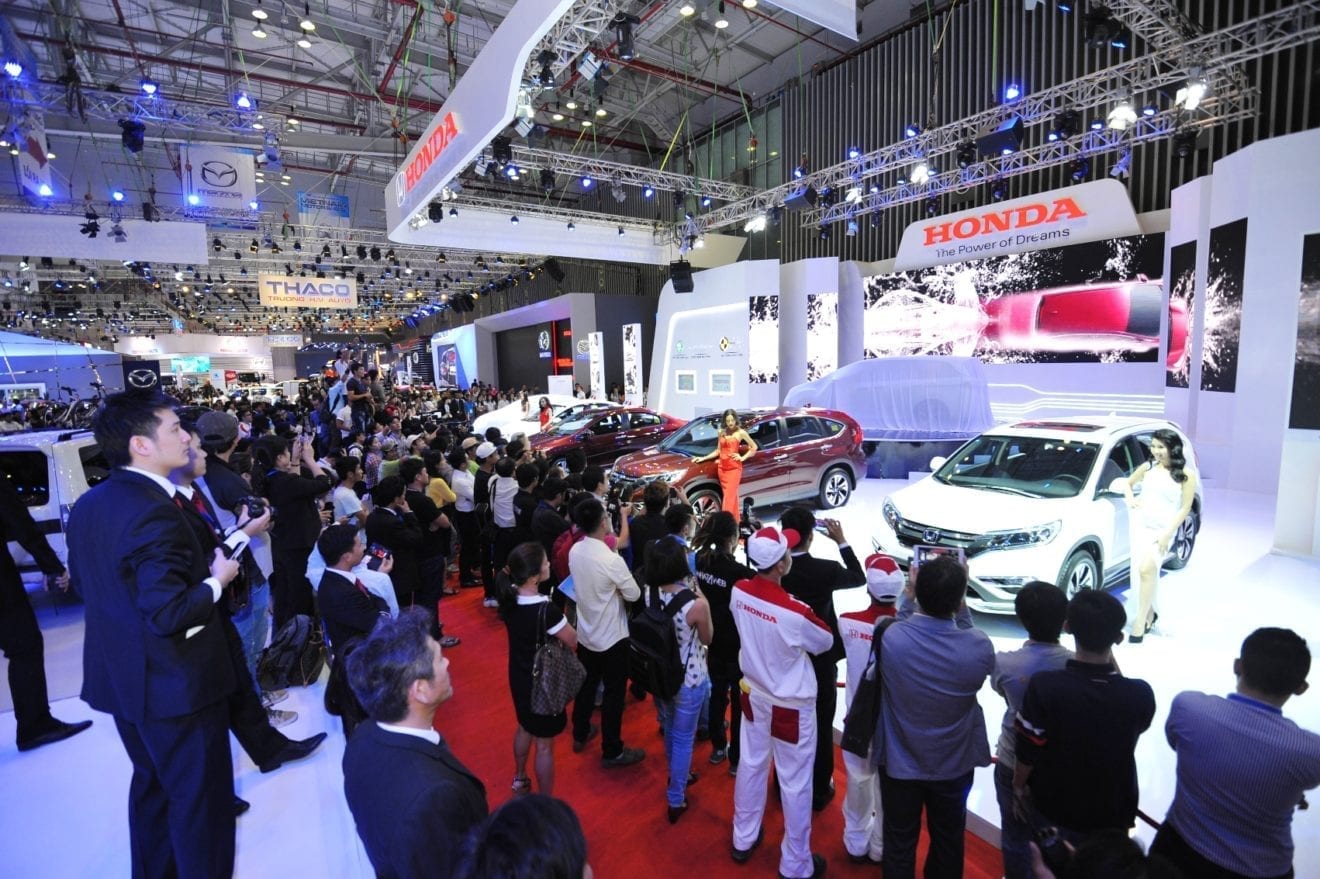
    Domestic auto assemblers and parts suppliers are showcasing their latest products at the 14th International Automobile and Supporting Industries Exhibition (Auto Expo 2017), which opened in Hanoi today.

    The four-day event, sponsored by the Ministry of Industry and Trade (MoIT), is being held at theHanoi International Exhibition Centre by the MoIT’s Industry Policy and Strategy Institute (IPSI) and the Vietnam Society of Automotive Engineers (VSAE).

    The expo has around 450 booths that have on display a wide range of vehicles, including passenger cars, buses, trucks, vans, vehicles for special purposes such as those serving construction, mining, agricultural, military, medical and hygiene activities, as well as two-wheelers such as scooters, motorcycles and electric bikes.

    With an exhibition space spanning 10,000sq.m, the expo also showcases spare parts and components for producing, manufacturing and assembling automobiles, motorbikes and other vehicles. On display are technologies in moulding, welding, plating, painting, automobile interior decor and toys; maintenance and repair equipment; measurement and diagnosis systems; as well as transportation rescue vehicles and devices.

    At the event, exhibitors have introduced services such as garage services, banking and insurance services, and consultative and assistance services for activities related to vehicle manufacturing and trading.

    In addition to the participation of local auto firms such as Vietnam Engine and Agricultural Machinery Corporation (VEAM), CAMC Việt Nam and Vietnam Machine Investment Development JSC (VIMID), the exhibition has also attracted foreign manufacturers and companies from the US, Japan, Thailand, South Korea, mainland China, Taiwan and Malaysia.

    Speaking at the opening ceremony of the exhibition, Deputy Minister of Industry and Trade Đỗ Thắng Hải said the expo would bring more business opportunities for auto firms, help them connect with the auto market and provide a favourable environment for enterprises looking for clients.

    In 2016, the Vietnamese auto market sold around 300,000 cars, up 24 per cent over the previous year, of which the sales of commercial vehicles and special purpose vehicles increased by 25 per cent and 33 per cent, respectively. In the first quarter of 2017, the auto market sold around 65,000 vehicles, a year-on-year increase of 8 per cent.-

  • Daimler, BAIC agree to make electric cars in China

    Daimler, BAIC agree to make electric cars in China

    Daimler and its Chinese joint venture partner BAIC Motor Corporation agreed to upgrade the Mercedes-Benz factory in Beijing to make electric cars, the German carmaker said on Thursday.

    At a signing ceremony in Berlin attended by German Chancellor Angela Merkel and Chinese Premier Li Keqiang, Daimler signed a framework agreement to upgrade production facilities at Beijing Benz Automotive (BBAC), to make New Energy Vehicles, a label for so-called low-emission vehicles which include hybrid and pure battery electric cars.

    “China today is already the world’s largest market for NEVs, and Daimler is committed to contributing to the further development of electric mobility in this country,” Hubertus Troska, Daimler’s board member in charge of China, said.

    Daimler also agreed to acquire a minority stake in Beijing Electric Vehicle (BJEV), a subsidiary of the BAIC Group, to enhance collaboration on developing so-called new energy vehicles. Daimler declined to provide a figure for the scale or value of the stake.

    BJEV was established in 2009 by the BAIC Group and other shareholders as a development platform for New Energy Vehicles.

    It focuses on research and development, production, and sales and services for New Energy Vehicles and core NEV components. To date, the company’s product portfolio covers five major series of electric vehicles.

    The German government’s agenda to the Germany-China summit in Berlin also showed that Volkswagen was due to sign a contract with Anhui Jianghuai Automobile Co about production, research and development of electric cars in China.

  • Japan-Based Gecom Expands Production

    Japan-Based Gecom Expands Production

    GECOM, a manufacturer of automotive door locking components, plans to expand its operations in Greensburg, Indiana. The company plans to create up to 30 new jobs by 2019.

    The company, which is a subsidiary of Japan-based Mitsui Kinzoku ACT, will invest $26.29 million into its only U.S. production facility, launching three new manufacturing lines at its 403,550-square-foot plant at 1025 Barachel Lane in Greensburg.

    “Greensburg, Indiana, was selected as a manufacturing location in 1987 based on the proximity to most of our customers. The point remains true today,” said Jeff Wright, vice president and chief compliance officer at GECOM. “Our customers appreciate seeing GECOM’s commitment to stay in Indiana and the benefits it provides them. Additionally, the local Hoosier workforce is dedicated to GECOM’s success and work hard to maintain our reputation of quality automotive products at a competitive price. We look forward to this new business opportunity as we continue to support our local community.”

    With construction currently underway, the company plans for the first of its new lines to be operational later this year, with the remaining two lines starting production in 2019. With its new capacity, the company will boost production of slide door locks for Honda and Chrysler and hood latches for Nissan, Toyota and Subaru.

    As an incentive, the Indiana Economic Development Corporation offered GECOM Corporation up to $280,000 in conditional tax credits based on the company’s job creation plans. These incentives are performance-based, meaning until Hoosiers are hired, the company is not eligible to claim incentives. The city of Greensburg approved additional incentives at the request of the Greensburg-Decatur County Economic Development Corporation.

    GECOM currently employs 900 associates in Greensburg as part of its global network of more than 6,300 employees. The company is currently hiring, and plans to add 10 new research and development positions and 20 new production positions as part of its growth.

    “With companies like Japan-based GECOM continuing to expand in our state, there’s a reason why Indiana is adding manufacturing jobs at the second-fastest rate in the nation,” said Jim Schellinger, Indiana Secretary of Commerce. “Indiana’s automotive suppliers are operating in the center of a global economy. We have companies choosing to come to Indiana from around the world, locating here because of our state’s business-friendly environment, low taxes and outstanding workforce.”

    “We are excited for GECOM in this expansion,” said Greensburg Mayor Dan Manus. “GECOM has been in Greensburg now for 30 years and to have a company continue to grow and expand after that amount of time is a very positive thing for our community. We truly appreciate our GECOM family and what they do for our community and we will continue to support them in this expansion and any future expansions.”

  • Fiat Automobiles to roll out Jeep Compass on June 1

    Fiat Automobiles to roll out Jeep Compass on June 1

    Fiat India Automobiles has confirmed that it will roll out its first ever, ‘Made-in- India’ Jeep Compass production vehicle from the assembly line in Ranjangaon near Pune on June 1.

    Maharashtra Chief Minister Devendra Fadnavis will roll out the first ever ‘Made in India’ Jeep Compass production vehicle from the assembly line at Ranjangaon on Thursday, a company statement said.

    This development comes 23 months after Fadnavis, along with a high level delegation met senior Fiat Chrysler Automobiles (FCA) officials in June, 2015 at the company’s headquarters in Auburn Hills, Michigan in the Unites States.

    The delegation discussed FCA’s investment strategy in Maharashtra and reaffirmed the state government’s interest in strengthening ties with FCA, besides offering full support to the company’s manufacturing, said the statement.

    FCA has invested USD 280 million towards localisation of the Jeep Compass and has enhanced the facility to world standard. The Ranjangaon facility has become a significant manufacturing and export hub for FCA joining Brazil, Mexico and China on the global production map.

    FIAPL will be FCA’s sole manufacturing facility that will supply Jeep Compass SUVs to all international right-hand drive markets, it said.

  • Finance Ministry updates registration fees for autos, motorbikes

    Finance Ministry updates registration fees for autos, motorbikes

    The Ministry of Finance has recently updated the list of registration fees for automobiles and mortobikes, which has increased the price of many luxury models.

    In Vietnam, the registration fee is between 10 per cent and 12 per cent of the car value in different cities and provinces.

    According to the revised Decision 942/QĐ-BTC issued on May 24, the ministry has added the registration fees for 135 types of imported auto with nine seats and less, 19 types of locally-assembled cars with nine seats and less, two kinds of imported electric cars, 29 types of imported motorbikes and 127 kinds of locally-assembled motorbikes.

    Topping the list are luxury imported cars, which have high engine displacement.

    McLaren 650S Spider, with an engine displacement of 3,800cc, is priced at VNĐ22.02 billion (US$966,637); 6,000cc Bentley Flying Spur is priced at VNĐ19.5 billion; and 3,800cc McLaren 570S is priced at VNĐ12.57 billion. With a registration fee of 12 per cent in Hanoi, customers will have to pay VNĐ2.64 billion, VNĐ2.34 billion and VNĐ1.5 billion more to own these cars, respectively.

    The ministry added in the list imported Audi models and BMW models of X4 and X6, with prices ranging from VNĐ850 million to VNĐ3.4 billion and from VNĐ2.3 billion to VNĐ3.4 billion, respectively.

    The ministry also updated the prices of locally assembled models with nine seats and less into the list, including 2,400cc Toyota Hiace, which is priced at VNĐ802 million, Mercedes-Benz C200K, E250, E200 and E300 with prices ranging from VNĐ1.08 billion to VNĐ2.77 billion, 2,000cc Mazda CX5 AT-2WD at more than VNĐ1 billion and 2,400cc Ford Transit at VNĐ1.25 billion.

    Insiders said that the increase in registration fees was foreseen because it had been adjusted according to the market prices, as proposed by auto businesses.

    The ministry also added several imported motorbike types, including Harley-Davidson Cvo Limited, Harley-Davidson Ultra Limited Low, Harley-Davidson Street Glide Special and Honda CB1100 EX, which is priced between VNĐ455 million and VNĐ1.86 billion.

    The registration fee is being applied at 2 per cent of the motorbike value in cities and provinces nationwide, excluding two major cities of Hanoi and HCM City, where customers have to pay 5 per cent.

  • China will continue to relax foreign investment rules for auto industry

    China will continue to relax foreign investment rules for auto industry

    China will continue to relax foreign investment rules for the country’s auto sector and other high end manufacturing, lifting restrictions in an orderly fashion, the commerce ministry said on Thursday.

    The government is preparing to further open up the new energy vehicle battery market to foreign investment, Ministry spokesman Sun Jiwen told a regular briefing in Beijing.

  • India’s electric vehicles push likely to benefit Chinese car makers

    India’s electric vehicles push likely to benefit Chinese car makers

    India’s ambitious plan to push electric vehicles at the expense of other technologies could benefit Chinese car makers seeking to enter the market, but is worrying established automakers in the country who have so far focused on making hybrid models.

    India’s most influential government think-tank unveiled a policy blueprint this month aimed at electrifying all vehicles in the country by 2032, in a move that is catching the attention of car makers that are already investing in electric technology in China such as BYD and SAIC.

    The May 12 report by Niti Aayog, the planning body headed by Prime Minister Narendra Modi, recommends lower taxes and loan interest rates on electric vehicles while capping sales of petrol and diesel cars, seen as a radical shift in policy.

    India also plans to impose higher taxes on hybrid vehicles compared with electric, under a new unified tax regime set to come into effect from July 1, upsetting car makers like Maruti Suzuki and Toyota Motor.

    The prospect of India aggressively promoting electric vehicles was a “big opportunity”, a source close to SAIC, China’s biggest automaker.

    “For a newcomer, this is a good chance to establish a modern, innovative brand image,” the source said, although they added the company would need more clarity on policy before deciding whether to launch electric vehicles in India.

    Earlier this year SAIC set up a local unit called MG Motor which is finalising plans to buy a car manufacturing plant in western India. A spokesman at SAIC did not comment specifically on the company’s India plans.

    Warren Buffett-backed BYD already builds electric buses in the country, while rival Chongqing Changan has said it may enter India by 2020.

    BYD said in a statement the company would have “a lot more confidence” to engage in the Indian market if the government supported the proposed policy. The company said it would look at increasing its investment in India but did not give details on how it would expand its business and market share.

    High Costs

    While the Niti Aayog report has not yet been formally adopted, government sources have said it was likely to form the basis of a new green cars policy.

    If so, India would be following similar moves by China, which has been aggressively pushing clean vehicle technologies. But emulating China’s success could be tough.

    Electric vehicles are expensive due to high battery costs, and car makers say a lack of charging stations in India could make the whole proposition unviable.

    The proposed policy focuses on electric vehicles, and is likely to also include plug-in hybrids. But it overlooks conventional hybrid models already sold in India, such as Toyota’s Camry sedan, Honda Motor’s Accord sedan and so-called mild hybrids built by Maruti Suzuki.

    Hybrids combine fossil fuel and electric power, with mild hybrids making less use of the latter.

    In doubling down on electric power India would be shifting away from its previous policy, announced in 2015, that supported hybrid and electric technology.

    That could delay investments in India, expected to be the world’s third-largest passenger car market within the next decade, according to industry executives and analysts.

    “All these policy changes will affect future products and investments,” said Puneet Gupta, South Asia manager at consultant IHS Markit, adding that most car makers would need to rethink product launches, especially of hybrids.

    Economic Gap

    Mahindra & Mahindra is the only electric car maker in India but has struggled to ramp up sales, blaming low buyer interest and insufficient infrastructure.

    Pawan Goenka, managing director at Mahindra said the company was working with the government and other private players to set up charging stations in India. Mahindra was also focusing on developing electric fleet cars and taxis, Goenka said.

    The cost of setting up a car charging station in India ranges from $500 to $25,000, depending on the charging speed, according to a 2016 report by online journal IOPscience.

    While the proposed policy suggests setting up battery swapping stations and using tax revenues from sales of petrol and diesel vehicles to set up charging stations, it does not specify the investment needed or whether the government would contribute.

    “For full electric vehicles, the economic gap remains huge and the charging infrastructure needed does not exist,” said a spokesman at Tata Motors. The company makes electric buses and is working on developing electric and hybrid cars.

    Delayed Pans

    Most automakers have focused on bringing in hybrid models that are seen as a stepping stone to electrification. Toyota recently launched its luxury hybrid brand Prius in India, while Hyundai Motor plans to debut its Ioniq hybrid sedan next year.

    Maruti’s parent Suzuki Motor, along with Toshiba and Denso, plans to invest 20 billion yen ($180 million) to set up a lithium ion battery plant in India which would support Maruti’s plan to build more hybrids.

    But the apparent sharp shift in policymakers’ thinking in favor of electrification is forcing automakers like Toyota and Nissan Motor to seek more clarity before finalising future products for India, while Hyundai may delay new launches.

    Toyota, the world’s No. 2 carmaker by sales, had planned to have a hybrid variant for all its vehicles in India, but the company’s future launches would now depend on the new policy, said Shekar Viswanathan, vice chairman of its Indian subsidiary.

    Nissan, which plans to launch a hybrid SUV later this year, said in a statement it was waiting for more clarity before deciding whether to bring electric cars to India.

    A plan by Hyundai to launch at least three hybrid cars in India in 2019-2020 would likely to be delayed, said a source.

    Hyundai did not comment on queries related to delays.

    “If the government will be aggressive on electric vehicles and not support other technologies, companies will need to rethink investments,” said an executive with an Asian carmaker.
  • Chinese regulator approves VW-JAC Motor electric car venture

    Chinese regulator approves VW-JAC Motor electric car venture

    Germany’s Volkswagen AG and Anhui Jianghuai Automobile Group have received approval from Chinese regulators to form a joint venture to make electric vehicles, the two automakers said on Monday.

    The National Development and Reform Commission (NDRC), China’s top state planner, gave a green light to JAC and VW to build 100,000 pure battery electric vehicles annually in a project worth 5.1 billion yuan ($740 million), according to a JAC Motor stock exchange filing.

    A VW spokesman confirmed the approval but said certain administrative procedures still needed to be completed for a joint venture contract to be signed with JAC Motor.

    Volkswagen, China’s largest foreign automaker, has pledged to rapidly develop a range of electric vehicles as the Chinese government aggressively promotes the segment as a way to cut intense smog in much of the country.

    VW already has joint ventures with China FAW Group and SAIC Motor Corp Ltd in the country.

    The has company previously said it aims to sell 400,000 “new energy vehicles,” a category which includes pure electric and plug-in petrol-electric hybrids, in China by 2020 to meet strict Chinese fuel economy and emissions regulations, with electric vehicles made with JAC Motor coming in addition to that figure.

  • BlackBerry working with automakers on anti-hack tool

    BlackBerry working with automakers on anti-hack tool

    BlackBerry is working with at least two automakers to develop a security service that would remotely scan vehicles for computer viruses and tell drivers to pull over if they were in critical danger, according to a financial analyst.

    The service, which would also be able to install security patches to an idle car, is being tested by luxury automakers Aston Martin and Range Rover, Macquarie analyst Gus Papageorgiou said in a note to clients sent late on Monday.

    Auto security is among several areas that BlackBerry is betting will boost its revenue after the Canadian company lost its dominance of the smartphone market to Apple Inc and others over the past decade.

    John Wall, the head of BlackBerry’s QNX division, and company spokeswoman Sarah McKinney both declined to comment.

    Matthew Clarke, a spokesman for Aston Martin, said in an email he was not aware of the company testing such a product. Representatives with Range Rover’s parent company, Jaguar Land Rover, could not be reached for comment.

    The service could be launched as early as next year, generating about $10 a month per vehicle for BlackBerry, according to Papageorgiou, who has followed BlackBerry for more than 15 years.

    Vehicles increasingly rely on dozens of computers that connect to each other as well as the internet, mobile networks and Bluetooth communications systems that make them vulnerable to remote hacks.

    “Although a connected, more software-centric automobile offers tremendous advantages to consumers, it also opens the doors to hackers,” Papageorgiou wrote in his note.

    Automaker interest in cyber security has risen dramatically since 2015, when two hacking experts uncovered vulnerabilities in Fiat Chrysler vehicles that led to a U.S. recall of 1.4 million autos.

    BlackBerry shares rose 5.3 percent to close at C$13.84 after touching C$14.15, the highest since March 2015.

  • Singtel, AXA launch safe driving smart car service

    Singtel, AXA launch safe driving smart car service

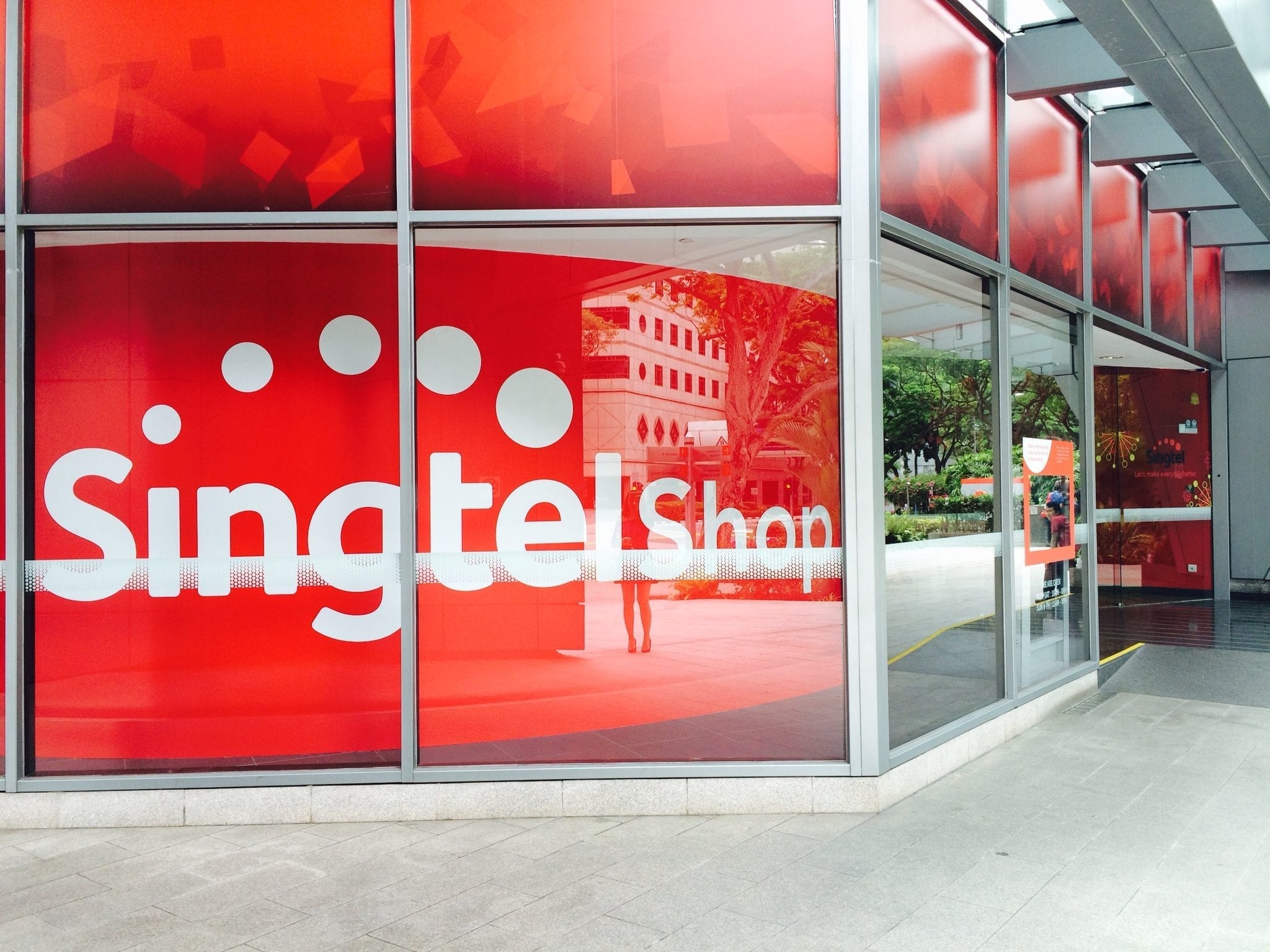
    Singtel has collaborated with AXA Insurance to launch a joint smart car solution aimed at promoting better and safer driving habits.

    The joint solution comprises a Modus smart car device synchronized with a cloud-based smart car application over Singtel’s mobile networks. It analyzes driving patterns through a vehicle’s On-Board Diagnostic (OBD) port.

    Features include driver analysis covering areas such as breaking, acceleration and speed, real-time location monitoring to make it easier for users to find their car and trip history, and provide driving scores based on analysis of this data.

    The solution can also monitor engine health information and provide scheduled maintenance reminders, and provide alerts for speed and mileage limits and geo-fence boundaries.

    To promote the new solution, Singtel and AXA are offering a year worth of free AXA car insurance to the safest driver in Singapore using the solution. Drivers will need to travel at least 3,000km during the contest period.

    “The smart car solution is yet another innovative service that we are bringing to our customers, following the successful launch of Singtel SmartHome,” Singtel CEO consumer Singapore Yuen Kuan Moon said.

    “Now, our customers can enjoy an integrated connected lifestyle both in and out of the home. The solution will allow car lovers to track their driving habits and empower them to have a smarter drive.”

  • Ford Motor to slash workforce by about 10 percent

    Ford Motor to slash workforce by about 10 percent

    Ford Motor is set to cut about 10 percent of its global employee headcount in an effort to boost profit and its sliding stock price.

    The job cuts, expected to be revealed as early as this week, would largely target salaried employees, said on Monday.

    The automaker is targeting $3 billion in cost cuts for 2017 in a bid to improve profitability in 2018, the journal said.

  • Mercedes-Benz ditches E220d in favour of E350e in Thailand

    Mercedes-Benz ditches E220d in favour of E350e in Thailand

    Sales of the diesel-powered executive saloon cease as the German automaker wants plug-in hybrids to account for 30% of total annual sales.

    Mercedes-Benz (Thailand) has launched its fourth plug-in hybrid vehicle: the E350e which follows the C350e, S500e and GLE500e.

    Like the C350e, the E350e uses a 2.0-litre petrol-turbo engine in conjunction with an electric motor, whose power from the lithium-ion battery can also be revitalised from the wall socket. The S500e and GLE500e employ a bigger 3.0-litre V6 petrol motor.

    Combined outputs in the E350e are rated at 286hp and 550Nm, while the maximum all-electric driving range is claimed at 33km. As the E350e spews out 44g/km of CO2 on the combined cycle, it is eligible for the new 5% excise tax imposed on locally made plug-in hybrids producing no more than 50g/km.

    There are three trims for the E350e: Avantgarde 3.49 million baht, Exclusive 3.79 million baht and AMG Dynamic 4.09 million baht.

    The similarly priced E220d has been dropped from the Thai E-class model lineup as Mercedes-Benz wants to promote plug-in hybrids in the country.

    Mercedes-Benz hopes that plug-in hybrids will account for 30% of total annual sales which is why diesel versions and other pure petrol derivatives aren’t available anymore. The same has happened in the C, S and GLE model ranges.

    BMW, meanwhile, is gearing up to launch the 530e in Thailand at the end of this year to rival the E350e. Volvo is also said to be preparing the introduction of the S90 T8.

    Unlike Mercedes-Benz, BMW is still selling diesel versions of the X5, 3 and 7-series as it wants to offer Thai customers with two distinct types of propulsion. BMW hopes that plug-in hybrids will account for 15% of annual sales this year.