Tianjin Faw Xiali Automobile Says it expects Q1 net loss to widen to 240-290 million yuan from 166.9 million yuan ($24.24 million) year ago.
Tag: car
-
Apple receives permit in California to test self-driving cars
Apple Inc has secured a permit to test autonomous vehicles in California, fuelling speculation that it is working on self-driving car technology in a crowded arena of companies hoping to offer those cars to the masses.
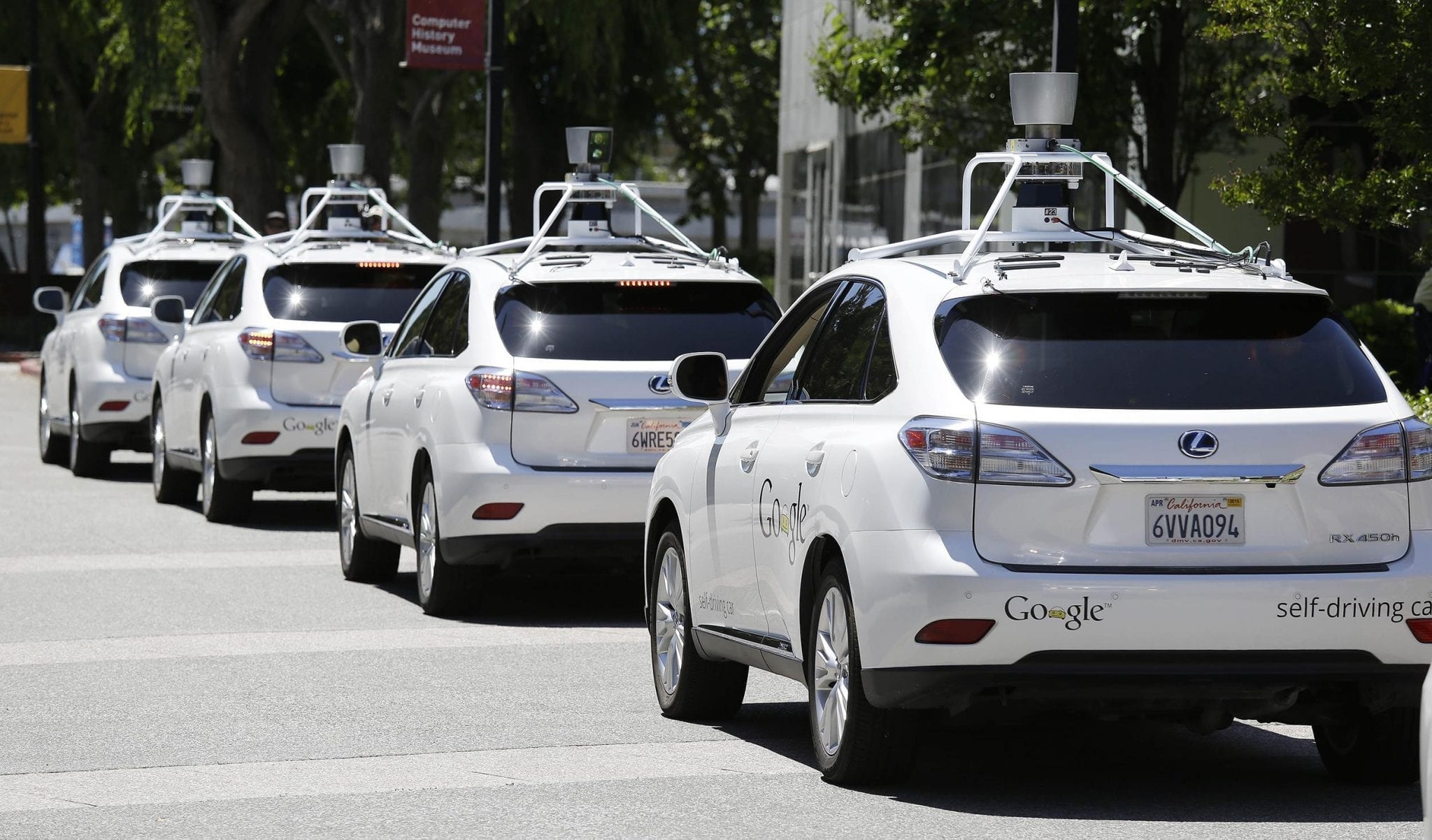
The permit allows it to conduct test drives in three vehicles with six drivers, the state Department of Motor Vehicles said on Friday. The vehicles are all 2015 Lexus RX450h, according to the DMV.
Although it has never openly acknowledged it is looking into building an electric car, Apple has recruited dozens of auto experts in recent years, and the permit pulls the curtain back a bit on any possible plan.
“This does confirm what’s long been rumored: that Apple is at least toying with the idea of getting into the autonomous game in some capacity,” said Chris Theodore, president of consultancy Theodore & Associates, and a former vice president at Ford Motor and Chrysler.
The permit does not mean Apple is definitely building a car. “This is not necessarily automobiles as initially rumored, but software or possibly hardware associated with autonomous technology,” Theodore said.
An Apple spokesman declined to comment directly on the filing, pointing back to a statement the company made in November when it wrote to the U.S. National Highway Traffic Safety Administration (NHTSA) on the subject of regulating self-driving vehicles.
“The company is investing heavily in the study of machine learning and automation, and is excited about the potential of automated systems in many areas, including transportation,” Apple’s director of product integrity, Steve Kenner, wrote in that five-page letter.
Apple executives have been coy about their interest in cars. Chief Executive Tim Cook has suggested that Apple wants to move beyond integration of Apple smartphones into vehicle infotainment systems.
Apple joins a growing list of traditional carmakers, technology companies, and small start ups to test drive cars in California – all vying to be the first to have commercially viable vehicles on the roads.
Companies that have been issued permits also include Alphabet Google unit, Ford Motor, Volkswagen AG, Daimler AG, Tesla Motors and General Motors.
Many companies have said the first cars will launch in 2020 but some experts believe it may take much longer due to regulatory challenges.
-
Volkswagen to build new SUV
Volkswagen AG plans to build another new sport utility vehicle at its Chattanooga, Tennessee, plant as demand surges for larger vehicles, the German company’s top U.S. executive said on Wednesday.
VW Group of America Chief Executive Officer Hinrich Woebcken told reporters at the New York auto show that the automaker planned to build a five-seat SUV in Tennessee, but he declined to say when production would begin. The news follows VW’s 2014 announcement that the company would spent $900 million to build a new SUV in Tennessee.
VW, the largest automaker worldwide by sales, will start selling its new seven-seat VW Atlas SUV next month.
Woebcken said VW was shifting focus in the United States from a mainly car brand to a “family friendly” automaker offering larger, U.S.-built SUVs.
At the show, major automakers said they expected the popularity of SUVs to increase in the United States. SUVs’ share of U.S. vehicle sales rose to nearly 40 percent in 2016 from 32.6 percent in 2014.
Woebcken would not say whether VW would add additional workers in Tennessee to build the new SUV.
VW will sell four separate SUVs in the United States later this year, a figure that does not include the new one.
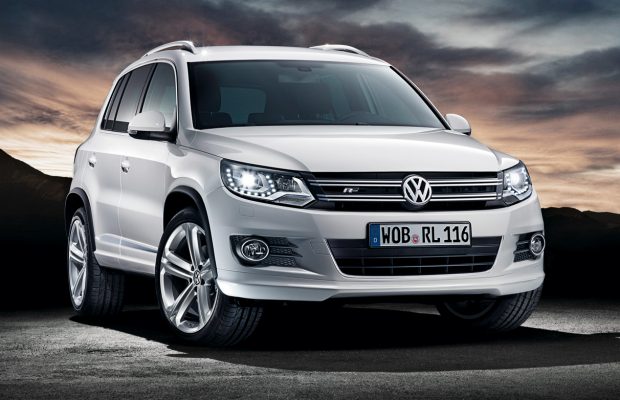
The company said on Tuesday that it would continue selling the current Tiguan as the “Tiguan Limited” for several years even as it plans to offer a completely new, larger version later this year. The company also announced it was offering an industry-leading six-year, 72,000 mile warranty on its new SUVs.
As part of its diesel emissions settlement, Volkswagen has agreed to add at least three additional electric vehicles, including an SUV, in California by 2020 and must sell an average of 5,000 electric vehicles annually there through 2025.
Woebcken said he hopes that decision will help boost the company’s image in the United States. VW has agreed to spend up to $25 billion to buy back vehicles and resolve claims from U.S. regulators, dealers, owners and states.
-
Tesla becomes most valuable US car maker, edges out GM
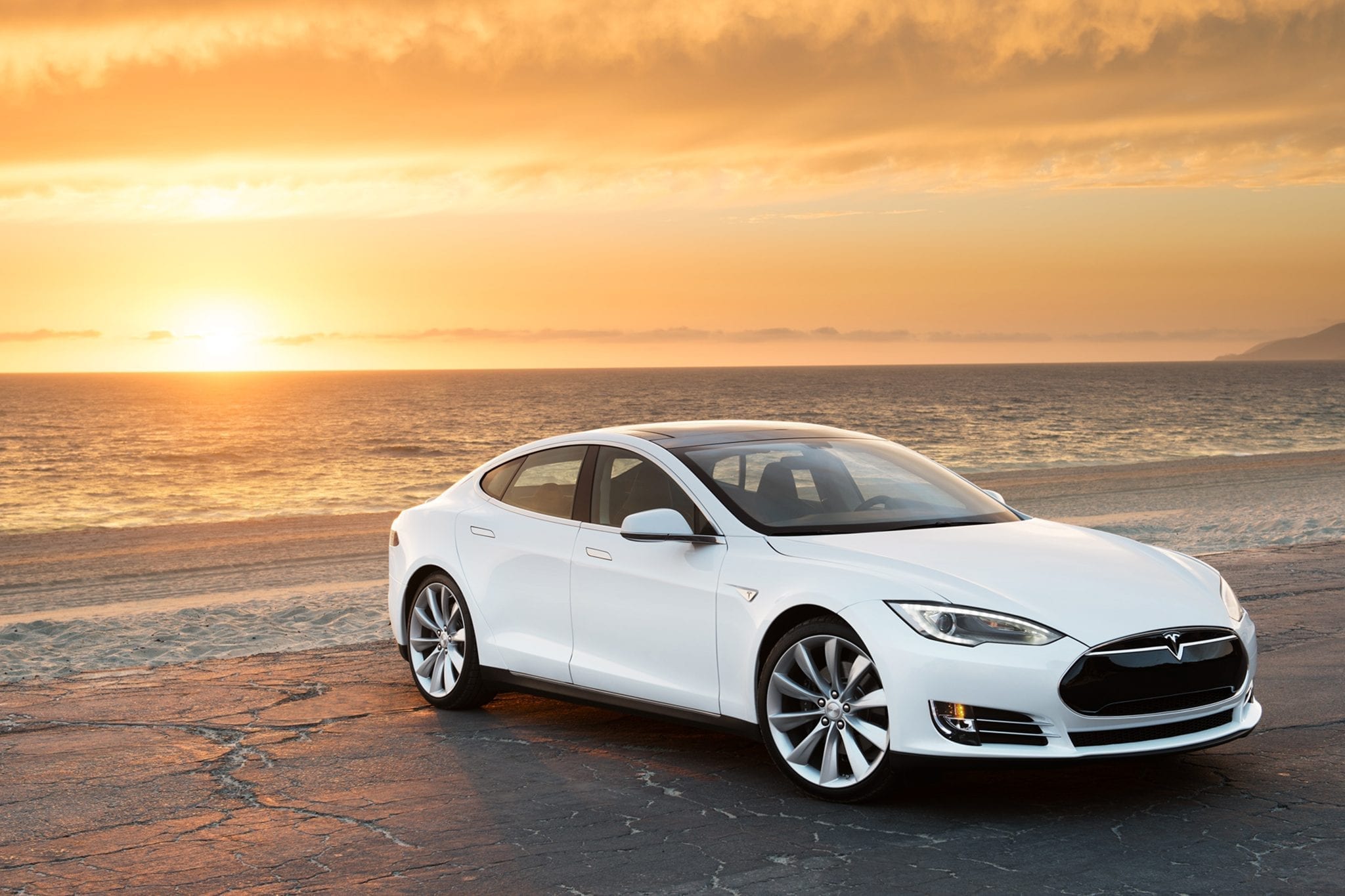
For the first time in the era of the modern automobile, the most valuable U.S. car maker is not based in Detroit. Silicon Valley’s Tesla Inc overtook General Motors on Monday to become the U.S. car maker with the largest market capitalization as the century-old automobile industry increases its reliance on software and cutting-edge energy technology.
That milestone is likely to be on the minds of Tesla Chief Executive Elon Musk and GM Chief Executive Mary Barra as they and other CEOs visit the White House on Tuesday to discuss tax reform and infrastructure with President Donald Trump.
Helped by an analyst’s recommendation, Tesla rose 3.26 percent to a record high of $312.39 on Monday. Its market value of $50.887 billion exceeded GM’s by about $1 million.
Over the past month, the luxury electric car maker has surged 35 percent as investors bet that Musk will revolutionize the automobile and energy industries.
That compares to a declining share performance by GM in recent years that recently led billionaire investor David Einhorn to propose splitting the stock into two classes to help boost its price.
Tesla’s market capitalization is now equivalent to $102,000 for every car it plans to make in 2018, or $667,000 per car sold last year. By comparison, GM’s market capitalization is equivalent to $5,000 per car it sold in 2016.
The Palo Alto, California company is rushing to launch its mass-market Model 3 sedan in the second half of 2017 and quickly ramp up its factory to reach a production target of 500,000 cars per year in 2018. Last year it sold 76,230, missing its target of at least 80,000 vehicles. By comparison, GM sold 10 million cars and Ford sold 6.7 million.
With its stock down nearly 20 percent since 2013, GM has scaled back operations outside the United States while pushing to improve its profitability. It announced in March it would sell its European operations.
Reflecting Wall Street’s worries, GM’s stock trades at 6 times its expected earnings, the lowest multiple among companies in the S&P 500.
Proponents believe Tesla, which is not profitable, argue its stock price is justified based on long-term expectations for Tesla’s growth.
They also point to opportunities from Tesla’s acquisition last year of money-losing solar panel installer SolarCity and Tesla’s Nevada battery cell plant aimed at driving down manufacturing costs.
Analyst enthusiastic
After driving a Tesla for seven months, Piper Jaffray analyst Alexander Potter on Monday upgraded the stock to “overweight” from “neutral”, describing Tesla’s products as “captivating”.
“Tesla isn’t just another company. More so than any stock we’ve covered, Tesla engenders optimism, freedom, defiance, and a host of other emotions that, in our view, other companies cannot replicate,” Potter wrote in a report.
Skeptics believe Tesla’s growth targets are unrealistic and that the company risks being overtaken by GM, Ford and other deep-pocketed manufacturers ramping up their own electric-vehicle offerings.
Its market capitalization remains smaller than Japan’s Toyota Motor Corp, at $173 billion.
Tesla’s rich valuation has made it a target of short sellers, who so far in 2017 have suffered over $2 billion in paper losses as the stock rallied.
Jeffrey Gundlach, who oversees over $105 billion in assets at Los Angeles-based DoubleLine Capital, told Reuters last week: “As a car company alone, Tesla is crazy high valuation. As a battery company – one that expands and innovates substantially – maybe the valuation can work.”
-
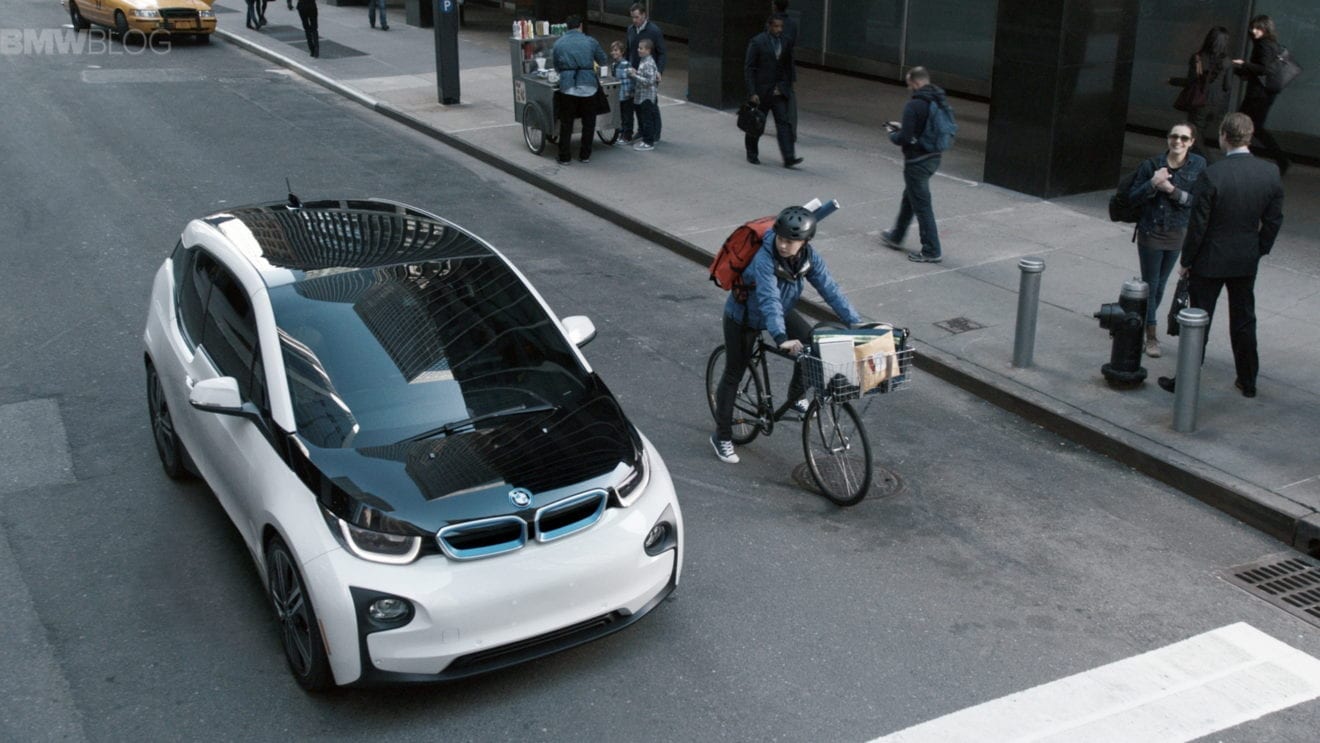
BMW i3 Wins Inaugural World Urban Car
At a press conference hosted by the New York International Auto Show, Bridgestone Corporation, and Autoneum, the BMW i3 (94Ah) was declared the inaugural winner of the 2017 World Urban Car award.
“We are delighted and honored that the BMW i3 has been recognized as the World Urban Car,” said Ludwig Willisch, Head of BMW Group Region Americas. “This award highlights BMW Group’s commitment to sustainable mobility through BMW’s first all-electric vehicle made primarily of carbon fiber. The design brief for the BMW i3 was to create a Mega City Vehicle for the cities of the future. Today, the new 2017 BMW i3 (94 Ah) provides more range paired with a high-level of dynamic performance, making it the perfect urban vehicle for people around the world.”
2017 marks the first year for the World Urban Car award. World Car vice-chairman, Mike Rutherford, commented, “It’s an award whose time has come. Everyday cars in many – perhaps most – parts of the world will have to become smaller if road and parking space is to be found for them in increasingly packed towns and cities whose populations are swelling annually. This year’s winner in our inaugural World Urban Car category proves that these small vehicles don’t have to be cheap, undesirable and unpleasant to drive. Quite the opposite. It is among the best value-for-money products on the market”.
This year’s winner was chosen from an initial entry list of 7 cars from all over the world, then a short list of three finalists as announced in Geneva last month: the BMW i3 (94 Ah), the Citroen C3 and the Suzuki Ignis
Vehicles in all award categories are selected and voted on by an international jury panel comprised of 75 top-level automotive journalists from 23 countries around the world. Each juror was appointed by the World Car Steering Committee on the basis of his or her expertise, experience, credibility, and influence. Each juror typically drives and evaluates new vehicles on a regular basis as part of their professional work. Through their respective outlets they collectively reach an audience of many millions world-wide. The international accounting firm KPMG tabulates the jurors’ ballots.
The Road to World Car began in Paris on September 29, was followed by test-drives in Los Angeles in November, continued in Geneva with the Top Three in the World announcement, and finally ended today with the declaration of the winners in six categories at the New York International Auto Show.
2017 marks the 11th anniversary of the partnership between World Car and the New York show, and the fourth consecutive year that the World Car Awards have retained their ranking as the number one automotive awards program in the world in terms of media reach.
The Global Trends Report, co-presented annually by Prime Research and Autoneum, was also released today.The report is the culmination of research and insights across the past six months. Autoneum CEO Martin Hirzel said, “The auto industry is in the midst of an upheaval that goes far beyond anything it has experienced in the past 100 years. Emerging industry trends such as autonomous driving, electric mobility and connected cars are changing not only vehicles and their technologies but also their concepts and forms. As the market leader in acoustic and thermal management for vehicles, Autoneum today already offers a large variety of multifunctional and lightweight technologies and components to meet the requirements of modern mobility. With our recently established “Competence Center for New Mobility” in Sunnyvale, California, Autoneum is taking a committed and active role in driving vehicle advancement by developing innovative technologies and components for all forms of mobility.”
World Car of the Year is more than just an awards program. The World Car community brings together a large cross section of experts and professionals from every segment of the automotive industry. World Car connects the global industry around the very best of today and inspires, with insights, the ideas and trends of tomorrow. Thus defining The Road Ahead platform shared with our presenting partners Bridgestone Corporation, Prime Research, Autoneum and, most recently, Brembo.
“As the world’s largest tire and rubber company, we are proud to partner with the World Car program for the 9th consecutive year,” said Mike Martini, president, original equipment tire sales, U.S. and Canada, Bridgestone Americas Tire Operations. “This is an important forum for leaders in the automotive industry to celebrate achievements in innovation, performance and sustainability. As new mobility preferences emerge, we must continue to collaborate across our industry to deliver cutting-edge technology and world-class products that meet the needs of a changing global customer base.”
In a rapidly changing automotive world, Brembo is also focused firmly on the future and the vehicles it will bring to market. Brembo is committing significant resources to perfecting ever more sophisticated virtual simulation methodologies that includes the study of forms, materials, technologies and surface treatments able to meet the needs of the new-generation vehicles, with a particular focus on environmental impact aspects, which drives all of Brembo’s development activities.
-
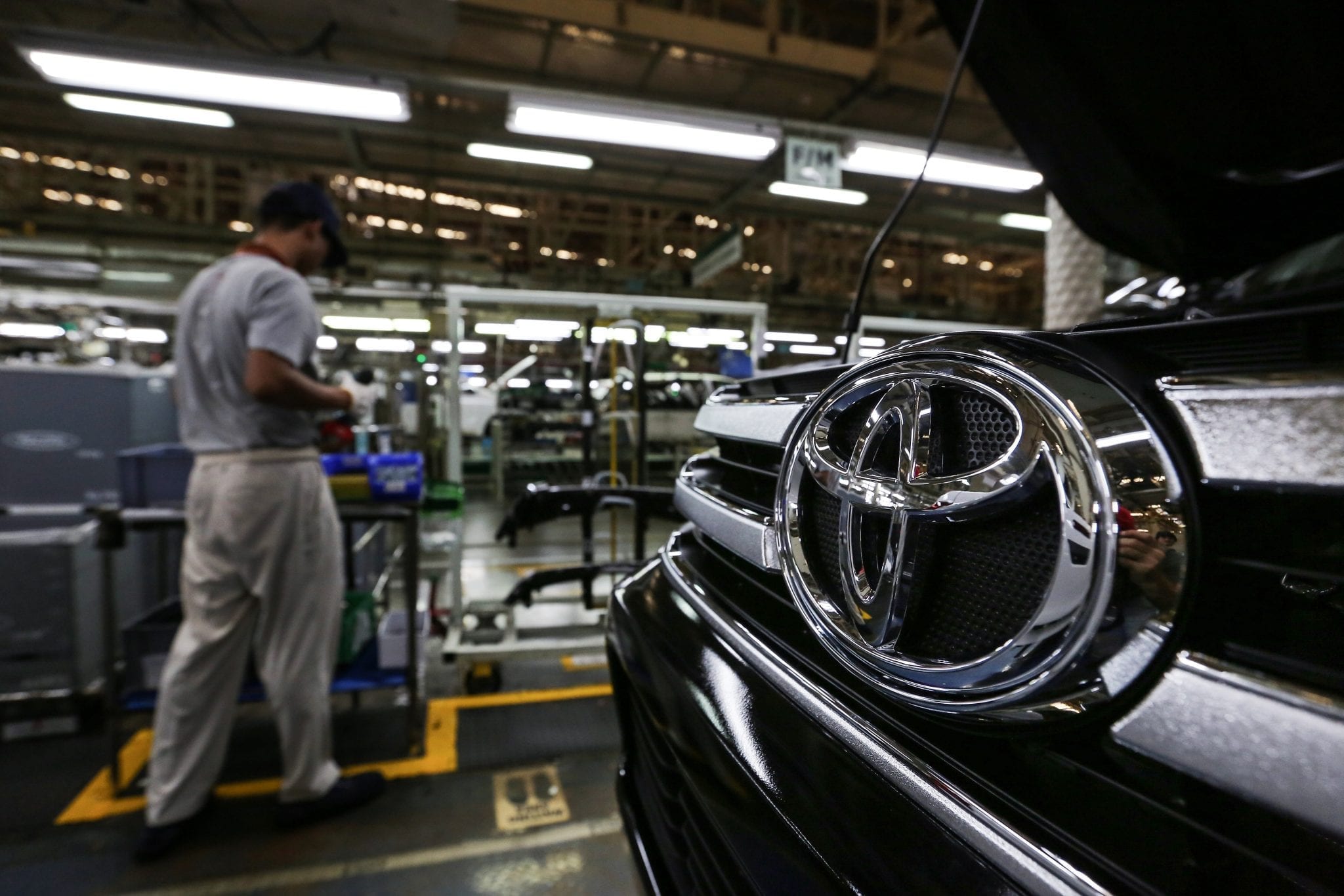
Toyota Invests $1.33 Billion To Upgrade Georgetown, Kentucky Plant
A $1.33 billion investment will make Toyota Motor Manufacturing, Kentucky, Inc. the first plant in North America to begin producing vehicles using Toyota New Global Architecture.
Toyota’s Kentucky assembly plant located in Georgetown, 13 miles north of Lexington and 71 miles east of Louisville, is the automaker’s largest in the world employing 8,200 team members. This represents an all-time high after recently adding over 700 people to support the upcoming launch of the 2018 Camry.
Last year, TMMK produced nearly a quarter of the total number of Toyota vehicles produced in North America, over 500,000. In total, the plant has produced more than one-third, 11 million, of all Toyota vehicles manufactured in North America since 1986.
Today’s announcement adds to the $530 million investment the plant committed to in 2013, in part to support Lexus production, the carmaker said. This brings Toyota Kentucky’s investment in the last four years to approximately $1.86 billion.
“This $1.33 billion investment is part of Toyota’s plan to invest $10 billion dollars in the U.S. over the next five years, on top of the nearly $22 billion Toyota has invested in the U.S. over the past 60 years,” said Jim Lentz, CEO of Toyota Motor North America.
“Toyota New Global Architecture is about exciting, ever-better vehicles for our customers as it will improve performance of all models, including increased fuel efficiency, more responsive handling, and a more stable, comfortable feel while driving,” he added.
“This is the largest investment in our plant’s history and it speaks directly to the quality of our people and our products, as well as the partnerships we’ve forged in the local community and across the state,” said Wil James, president, Toyota Motor Manufacturing, Kentucky, Inc. (TMMK). “This major overhaul will enable the plant to stay flexible and competitive, further cementing our presence in Kentucky.”
“Toyota is a global icon. This $1.33 billion investment is further proof of their commitment to producing American-made cars that are among the finest quality found anywhere in the world,” said Governor Matt Bevin. “It also serves as a testament to the hard work and dedication of the plant’s current employees, and reaffirms Toyota’s confidence in the advantages of manufacturing in Kentucky. We are grateful that this significant investment further validates the fact that Kentucky is the engineering and manufacturing hub of excellence in America.”
“This major investment further solidifies Toyota’s long-term commitment to its Kentucky plant,” said Secretary Terry Gill of the Kentucky Cabinet for Economic Development. “Its ripple effects will add to Toyota’s three decades of transformative impact on our communities and for our residents across the Commonwealth. Additionally, this strengthens Kentucky’s status as a top state for auto manufacturing.”
-
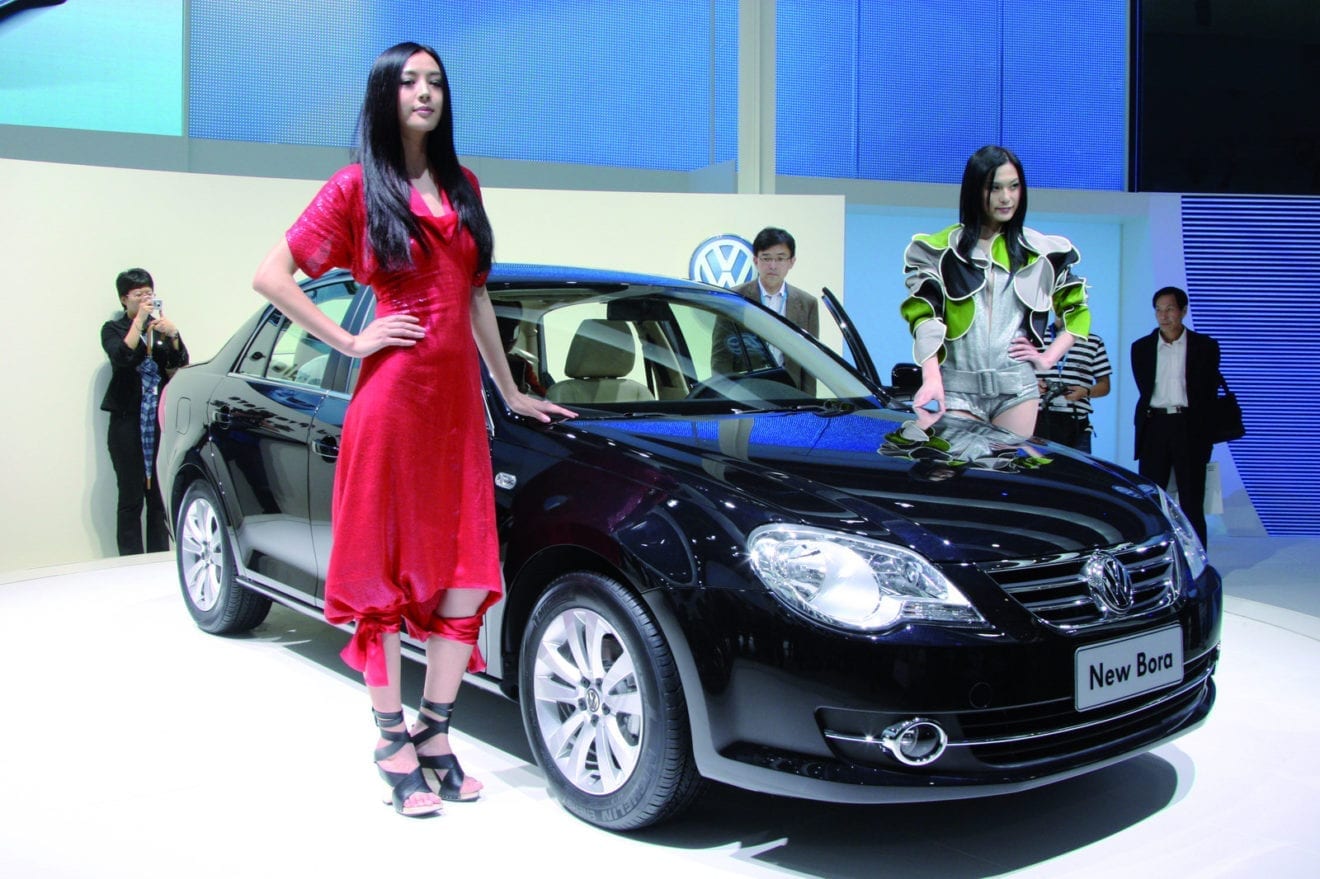
Volkswagen offers six-year warranty to win back customers
Volkswagen AG is trying to win back American customers after its diesel emission scandal with SUV warranties that it said will be the longest in the United States.
Ahead of the New York auto show, the world’s largest automaker said Tuesday it will offer a six-year, 72,000 mile warranty on its new 2018 Atlas and 2018 Tiguan sport utility vehicles that go on sale later this year.
“This warranty further addresses the needs of American buyers head-on,” said Volkswagen Group of American chief executive Hinrich Woebcken.
VW said most other major rivals offer a 36,000 mile, three-year warranty on similar SUVs. The longest warranty is now offered by Hyundai Motor Co (005380.KS) and its Kia Motors Corp (000270.KS) affiliate. That warranty extends 60,000 miles or five years. The powertrain warranty is 100,000 miles, but it only lasts five years or 60,000 miles if transferred.
The German automaker has been struggling to recover since it admitted in 2015 the company installed secret software that allowed vehicles to cheat emissions tests for six years.
The new VW warranty is twice as long as the current three-year 36,000-mile warranty on the Tiguan. The Atlas is a new model.
VW brand U.S. sales this year are up 10 percent this year, but fell 8 percent in 2016 to 323,000 vehicles after falling 5 percent in 2015. The automaker halted all U.S. diesel sales in late 2015.
AutoNation (AN.N) Inc chief executive Mike Jackson said that an extended warranty could help win customers.
“The American people are full of forgiveness. All you have to do is say you are sorry and give them a deal,” said Jackson, who heads the largest U.S. new car dealership chain. VW has “to give a price that reflects that you are asking for forgiveness.”
In March Volkswagen pleaded guilty as part of a settlement over the automaker’s diesel emissions scandal.
In total, VW has agreed to spend up to $25 billion in the United States to address claims from owners, environmental regulators, states and dealers and offered to buy back about 500,000 polluting U.S. vehicles.
-

China’s Changan forms electric car JV with local startup Nio
China’s fourth-largest automaker Chongqing Changan Automobile Co Ltd and Nio, an electric car startup formerly known as NextEV, will form a joint venture to cooperate on researching and selling electric cars, Nio said on Sunday.
China is aggressively promoting electric cars to combat urban smog and push the industry to the forefront of automotive technology, loosening rules in recent years to allow startups like Nio to flood the industry and challenge established Chinese automakers.
The Changan-Nio JV will focus on research, sales and service for green cars, although under a broader partnership the two sides will also share resources related to smart vehicle technology, manufacturing and other areas, according to a statement from Nio.
Financial terms of the partnership were not disclosed.
A Changan spokesman said the company had no further information to release regarding the partnership.
Chinese tech giant Tencent Holdings Ltd was an early backer of Nio, and rival internet company Baidu Inc last month said it was leading a new round of investment into the startup.
Nio has also partnered with Anhui Jianghuai Automobile Group Corp Ltd to produce electric vehicles on a contract basis.
-
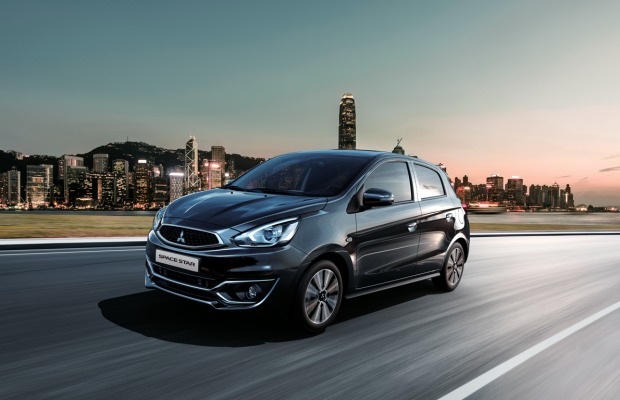
Mitsubishi open to helping Renault in Southeast Asia
Mitsubishi is open to rebadging and selling models from alliance partner Renault in Southeast Asia. It’s one way the newest member of the Renault-Nissan alliance could create synergies with its partners, Mitsubishi Chief Operating Officer Trevor Mann told Automotive News Europe.
“Renault is almost non-existent in Southeast Asia,” Mann said at the auto show here this month. “If it made sense for Mitsubishi to cross badge a Renault product in Southeast Asia that could be an interesting discussion.”
Mitsubishi also has a more dominant presence than Nissan in much of Southeast Asia. Mann said the company’s strength in places such as Thailand, where it has three factories that have produced more than 3 million vehicles, could be used to help boost Nissan’s market share and its bottom line.
For instance, Mann told Reuters the two companies are studying joint production of pickup trucks in Southeast Asia. Mitsubishi, which builds the Triton pickup in Thailand, could supply Nissan with its next-generation Navara pickup. Nissan currently builds the Navara for local sales in Thailand.
“If you look at our cost performance in that region, we are the benchmark within the alliance,” Mann said. “Our cost-base on pickups is better than Nissan’s.”
Mitsubishi’s pickup architectures are likely to become the basis for future alliance models, added Mann, who was formerly Nissan’s chief performance officer but was dispatched by CEO Carlos Ghosn to help turn around Mitsubishi after Nissan paid $2.3 billion for a 34 percent controlling stake in the scandal-hit company last October.
Mitsubishi’s admission that it cheated on fuel-economy ratings for several nameplates sold in Japan opened the door for Nissan to make the move. The two companies expect the deal to lead to combined savings of 49 billion yen ($473.2 million) in the 2017 fiscal year that ends in March 2018.
-

Maruti Suzuki Alto becomes the largest selling car in India, maintains 13 year streak
According to the latest numbers, the Maruti Suzuki Alto is yet again the best selling car in India. Leading the sales in its 13th consecutive year, the car maker registered sales of over 2.41 lakh units of the Alto in 2016-17.
The fiscal year of 2016-17 saw the Alto contributing about 17 percent of total domestic sales of 1,443,641 units for Maruti Suzuki. The Alto also alone sells more than the total volumes sold in a year by several other passenger car makers individually in India. Out of the 2.41 lakh sales last year more than 21,000 units of the car were exported countries like Sri Lanka, Chile, Philippines, and Uruguay.
Maruti brought the Alto to India back in September 2000 and in its existence of nearly 17 years, the car maker has not only improved it but has sold multiple variants. It is said that the the car’s success has been due to two reasons.
Firstly, Alto has the largest number of variants among the entry level hatchbacks with different fuel, transmission and engine options. Secondly, Maruti Suzuki has a vast distribution network.
“Alto is the No. 1 best-selling brand for 13 consecutive years. This unique distinction is a reflection of Alto’s popularity. I am delighted that Alto once again dominates the car industry in 2016-17,” said RS Kalsi, Executive Director (M&S) at Maruti Suzuki.
“Maruti Suzuki’s unmatched nationwide service network, guaranteed performance and lower maintenance cost, Alto is a natural choice of the customers across India. We are thankful to all our customers for their continued support to Brand Alto. Alto K10 with AGS is the most affordable two pedal technology in the entry segment,” he said.
-
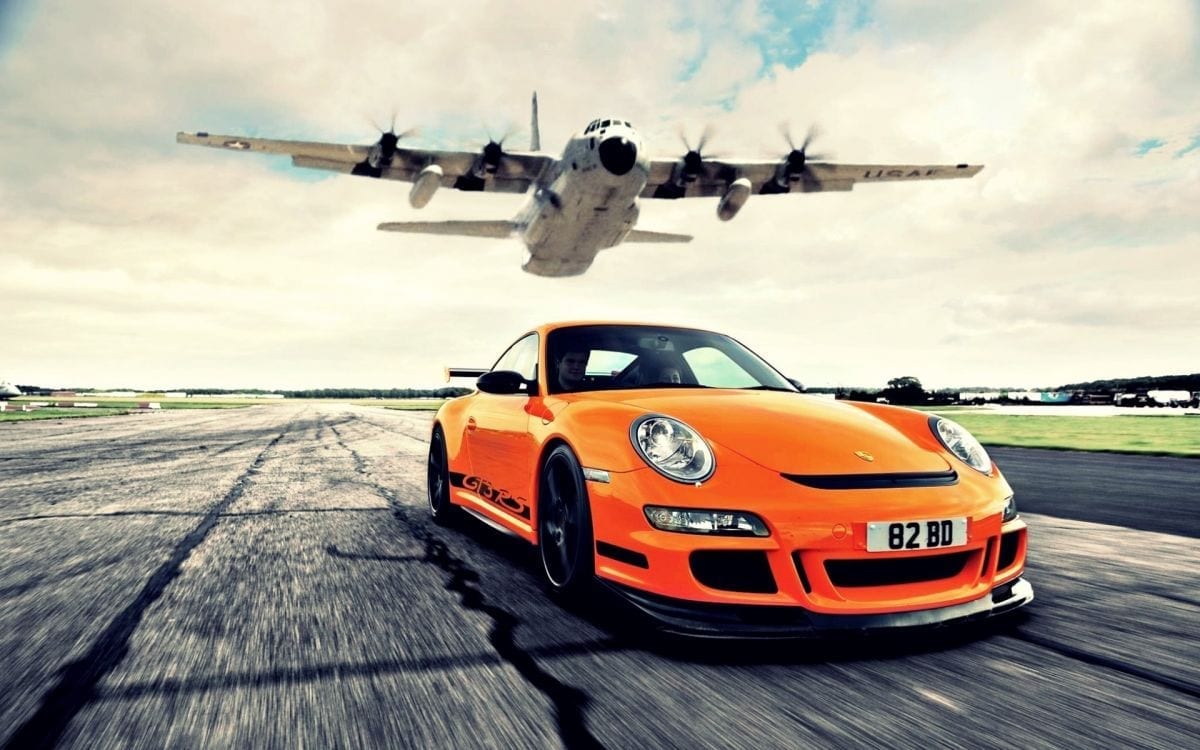
VW’s Audi and Porsche to join forces on vehicle development
Volkswagen Group’s Audi and Porsche brands will join forces on vehicle development, the two upmarket brands said on Wednesday, to help the world’s largest carmaker save money in the wake of its costly emissions test cheating scandal.
The pact comes as Volkswagen (VW) Chief Executive Matthias Mueller, who previously worked as Porsche’s CEO and Audi’s head of product management, finalizes a plan to step up development of autonomous cars, electric vehicles and digital services.
Porsche and Audi said the focus was on jointly developing shared vehicle platforms, modules and components, in a deal that follows a period of intense in-house competition for development resources.
Projects will be jointly headed by representatives from each brand. In the coming months, joint teams will prepare the specific areas of cooperation and define a roadmap to 2025, they said.
Porsche, taken over by VW 2012, has emerged as a strong rival engineering center to Audi. Porsche’s MSB platform, used for its four-seater Panamera model, has been adopted for VW group’s next generation Bentley Continental model even though Audi had developed a similar offering.
Since the group’s emissions test cheating on diesel engines was exposed in September 2015, Audi has lost two research and development chiefs and the head of its automotive electronics division, who did pioneering work in the area of autonomous driving and battery technology.
Audi remains the group’s center of excellence for sport-utility vehicles, a lucrative and growing market, where it supplies platforms to Porsche and other brands such as Bentley.
With self-driving vehicles likely to play a major future role in the industry, Audi also develops autonomous cars for the group.
But a separate internal race has begun to become an engineering hub for electric vehicles, a field which includes research and development of battery cells, battery packs and electric motors.
Porsche has developed the J1 electric cars platform, while Audi has also worked on its own electric car.
Porsche has also taken over production of eight-cylinder gasoline engines for large sportscars for the VW group, even though Audi has its own engine factory in Hungary.
-
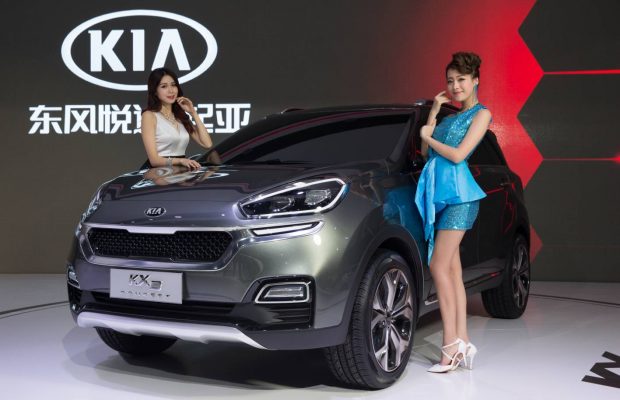
Hyundai, Kia China sales down 52 pct in March
Hyundai Motor, Kia Motors sold 72,032 vehicles in China in March, down 52.2 pct from year earlier. Hyundai Motor China sales 56,026 vehicles in March, down 44.3 percent from year earlier.
Kia Motors China sales 16,006 vehicles in March, down 68 percent from year earlier.
-

GM leads March sales as automakers report record month
Automakers sold a record number of vehicles during March, with General Motors leading in sales volume and posting its best monthly sales performance since 2008.
Overall Canadian sales were driven by an 11.1 percent increase in consumer demand for pickups and sport utility vehicles during the month, which more than offset a 0.3 percent dip in passenger car sales.
Carmakers sold 187,540 vehicles last month, a 7.1 percent increase over the same period last year, which at the time was the best March since 1988, according to industry data from Desrosiers Automotive Consultants.
Sales growth for the first three months of 2017 was 4.6 percent.
GM Canada, which makes Chevrolet and GMC vehicles, reported double-digit sales growth, selling 30,115 total vehicles in March, an increase of 22.9 percent from a year ago when it sold 24,498 cars and trucks.
Fiat Chrysler Automobiles, which makes Dodge and Chrysler brands, posted a marginal sales rise, with 26,531 cars and trucks sold during the month, compared with 26,469 a year ago.
Ford Motor sold a total of 26,487 cars and trucks in Canada last month, up from 26,447, a 0.2 percent rise.
In the United States, monthly figures came in below market expectations, adding to concerns that the boom in U.S. auto sales may be waning. Shares of the three big automakers fell on Monday, with FCA falling nearly 5 percent, GM down 3.4 percent, and Ford closing 1.7 percent lower.
Other automakers also reported a significant increase in Canadian sales, including Nissan Motor, which sold 14,523 vehicles, representing a 26.7 percent jump. Honda Canada reported an 18.7 percent rise, selling 17,392 vehicles.
-
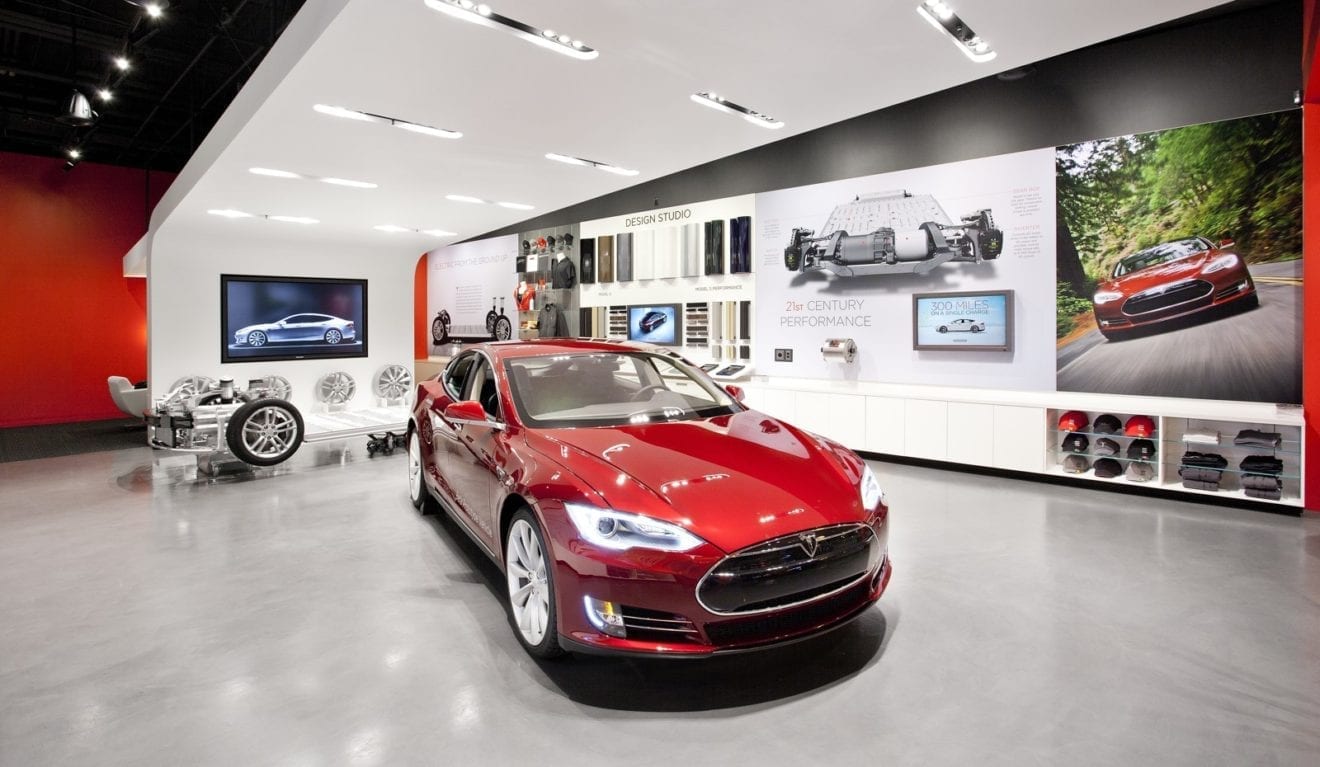
Tesla delivers quarterly record of 25,000 vehicles in first quarter
Tesla, the U.S. luxury electric car maker, said on Sunday first-quarter vehicle deliveries jumped 69 percent from a year ago to a quarterly record of 25,000 vehicles, bouncing back from delays in the previous quarter.
The company said of the total vehicles delivered, about 13,450 were Model S sedan and about 11,550 were Model X sports utility vehicle.
Tesla has said it expects to deliver 47,000 to 50,000 Model S and Model X vehicles combined in the first half of 2017.
In the fourth quarter, deliveries had fallen 9.4 percent due to short-term production hurdles from the transition to a new autopilot hardware.
Tesla had said production challenges, which started at the end of October and lasted through early December, shifted vehicle production towards the end of the fourth quarter, resulting in delayed deliveries.
Ultimately, about 2,750 vehicles were missed being counted as deliveries in the fourth quarter either due to last-minute delays in transport or because the customer was unable to physically take delivery.
In addition to the first quarter deliveries, about 4,650 vehicles were in transit to customers at the end of the quarter and will be counted as deliveries in the cond quarter, Tesla said in a statement on Sunday.
Production in the first quarter also hit a quarterly record at 25,418 vehicles.
Tesla Chief Executive Elon Musk has taken big risks repeatedly since going public in 2010, but investors got spooked after he said in February the electric car company could get “close to the edge” as it burns cash ahead of its crucial Model 3 launch.
China’s Tencent Holdings Ltd (0700.HK) bought a 5 percent stake in Tesla last week for $1.78 billion, providing the company with a deep-pocketed ally as it prepares to launch its mass-market Model 3.
-
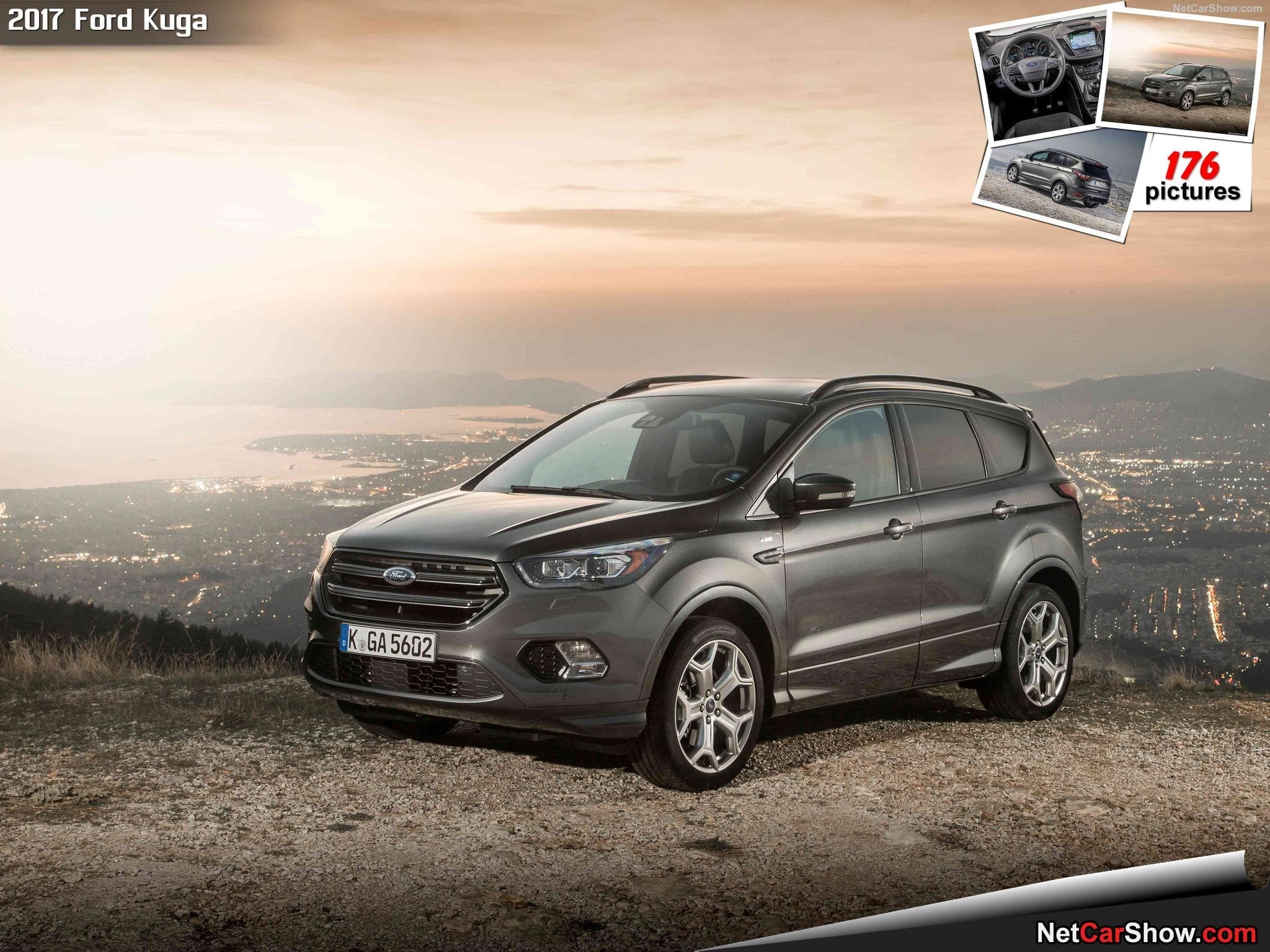
Ford says it will spend $295 million on two new recalls
Ford Motor Co, the second largest U.S. automaker, on Wednesday announced two new recalls affecting 440,000 vehicles and expects to spend about $295 million to fix the issues.
The recalls include 211,000 vehicles in North America to replace potentially faulty side door latches and 230,000 vehicles for under-hood fire risks. Ford said it has reports of 29 fires but no injuries.
Ford said the cost of the recalls were included in its updated earnings guidance issued last week.
Last week, Ford warned it expects lower earnings per share in the first quarter and lower pretax profit in 2017 due to higher spending on commodities, warranties and investments and a drop in sales volumes especially fleet sales.
The Dearborn automaker had previously recalled nearly 4 million vehicles for door latch issues in six separate recalls since 2014, including 2.4 million vehicles recalled in late 2016. In September, Ford said it was taking a $640 million charge for its expanded side-door latch recalls.
The new door latch recall includes 211,000 2014 model year Ford Fiesta, 2013-14 Ford Fusion and 2013-14 Lincoln MKZ vehicles. Ford said it not aware of any crashes or injuries associated with this issue.
The U.S. National Highway Traffic Safety Administration (NHTSA) said in 2015 it had 1,102 reports related to the problem and Ford said it had 10,883 warranty claims related to door latch failures. Some owners told NHTSA they used ropes or tape or seatbelts to restrain doors.
The under-hood fire recall covers 230,000 2013-15 Ford Escape, Ford Fiesta ST, Ford Fusion and Ford Transit Connect vehicles equipped with 1.6-liter GTDI engines in North America.
Ford said a lack of coolant circulation could cause an engine to overheat, resulting in a crack in the cylinder head, which could result in a pressurized oil leak and raise the risk of a fire.
In October, NHTSA opened a preliminary investigation into 440,000 Ford 2011-2013 Edge SUVs over door latch warning light issues. The agency said Wednesday it is closing its investigation without seeking a recall.