Tag: car

  • Ford exploring 3D printing of one-piece auto parts

    Ford exploring 3D printing of one-piece auto parts

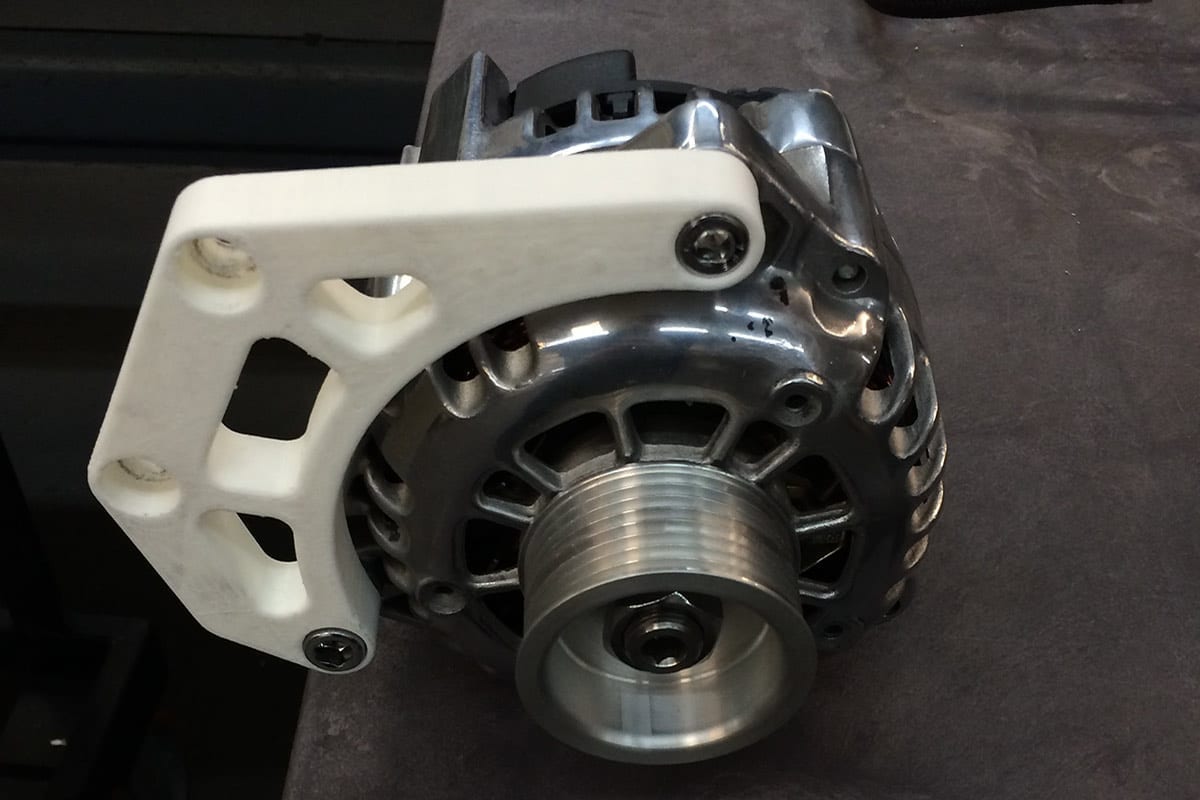
    US based car manufacturer Ford Motor Company is exploring how large-scale one-piece auto parts, like spoilers, could be printed for prototyping and future production vehicles, as the first automaker to pilot the Stratasys Infinite Build 3D printer.

    Capable of printing automotive parts of practically any shape or length, the Stratasys Infinite Build system could be a breakthrough for vehicle manufacturing claims the company. It will provide more efficient and affordable way to create tooling, prototype parts and components for low-volume vehicles such as Ford Performance products, as well as personalized car parts.

    The new 3D printer system is housed at Ford Research and Innovation Center in Dearborn.

    “With Infinite Build technology, we can print large tools, fixtures and components, making us more nimble in design iterations,” said Ellen Lee, Ford technical leader, additive manufacturing research. “We’re excited to have early access to Stratasys’ new technology to help steer development of large-scale printing for automotive applications and requirements.”

    Wider adoption of 3D printing has been driven by recent technology advances, new areas of application and government support, according to Global Industry Analysts.

    By 2020, the global market for this emerging technology is expected to reach $9.6 billion, the organization reports. As 3D printing becomes increasingly efficient and affordable, companies are employing it for manufacturing applications in everything from aerospace to education to medicine.

    3D printing could bring immense benefits for automotive production, including the ability to produce lighter-weight parts that could lead to greater fuel efficiency. A 3D-printed spoiler, for instance, may weigh less than half its cast metal counterpart.

    The technology is more cost efficient for production of low-volume parts for prototypes and specialized race car components. Additionally, Ford could use 3D printing to make larger tooling and fixtures, along with personalized components.

    How it works
    With 3D printing, specifications for a part are transferred from the computer-aided design program to the printer’s computer, which analyzes the design. The device then goes to work, printing one layer of material at a time, then gradually stacking layers into a finished 3D object.

    When the system detects the raw material or supply material canister is empty, a robotic arm automatically replaces it with a full canister. This allows the printer to operate unattended for hours – days, even.

    Using traditional methods to develop, say, a new intake manifold, an engineer would create a computer model of the part, then have to wait months for prototype tooling to be produced. With 3D printing technology, Ford can print the intake manifold in a couple of days, at a significant cost reduction.

    3D printing is not yet fast enough for high-volume manufacturing, but it is more cost efficient for low-volume production. Additionally, minus the constraints of mass-production processes, 3D-printed parts can be designed to function more efficiently.
  • Mazda to recall 460,000 cars globally for diesel engine defects

    Mazda to recall 460,000 cars globally for diesel engine defects

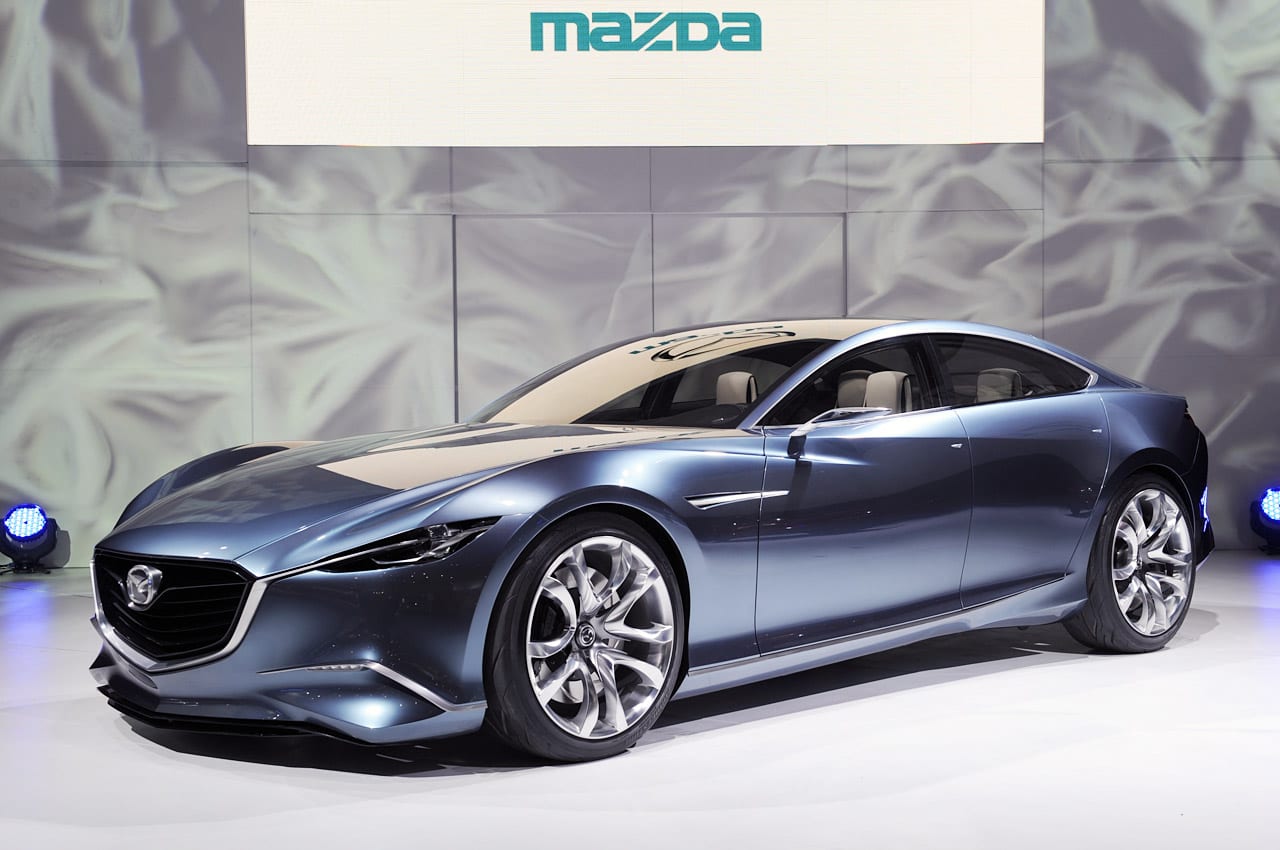
    Japan’s Mazda Motor Corp said on Thursday it was recalling about 460,000 CX-5, Mazda3 and Mazda6 cars globally to fix multiple defects in their diesel engines, including a problem that could lead to engines stalling.

    The cars subject to the recalls were produced between Feb. 13, 2012 and Feb. 2 this year. No injury or fire has been reported from the defect, Mazda said.

    Of the total, 170,000 cars were sold in Japan and the remainder overseas.Japan’s Mazda Motor Corp said on Thursday it was recalling about 460,000 CX-5, Mazda3 and Mazda6 cars globally to fix multiple defects in their diesel engines, including a problem that could lead to engines stalling.

    The cars subject to the recalls were produced between Feb. 13, 2012 and Feb. 2 this year. No injury or fire has been reported from the defect, Mazda said.
    Of the total, 170,000 cars were sold in Japan and the remainder overseas.

  • Tesla says Model 3 on track for volume production by September

    Tesla says Model 3 on track for volume production by September

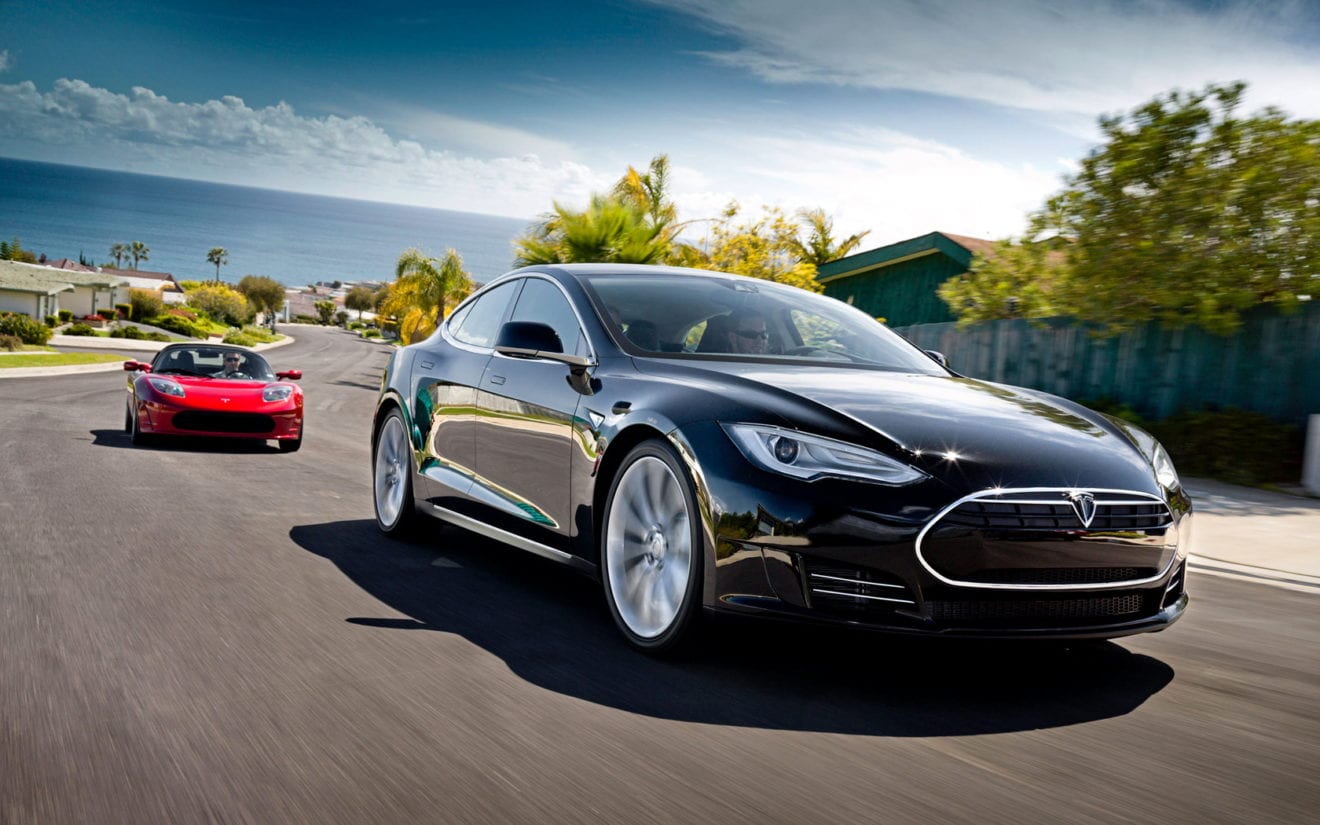
    Tesla Inc said on Wednesday its mass-market Model 3 sedan was on track for volume production by September, encouraging investors who see the electric vehicle as the avenue to profitability for the young company.

    But the carmaker’s operations continued to burn through cash, and Chief Executive Elon Musk told analysts on a conference call that he may ask Wall Street for more.

    “According to our financial plan, no capital needs to be raised for the Model 3 but we get very close to the edge,” Musk told investors on a conference call. Tesla plans an additional $2 billion to $2.5 billion in capital expenses before the Model 3 launch and has $3.4 billion cash on hand.

    “We’re considering a number of options but I think it probably makes sense to raise capital to reduce risk,” Musk said.

    Musk said Chief Financial Officer Jason Wheeler, in his role for just over a year, would leave in April to work in public policy. He will be replaced by former Tesla CFO Deepak Ahuja, who was popular with investors.

    Tesla, whose shares rose as much as 3 percent after the bell before settling up around 1.6 percent to $277.90, beat analysts’ expectations for revenue. Its adjusted loss missed the consensus target calculated by Thomson Reuters I/B/E/S, although there was an unusually large range of estimates due to confusion over accounting for the acquisition of solar installer SolarCity.

    Ivan Feinseth, director of research at Tigress Financial Partners, said Tesla “delivered the results the market has been expecting” that drove the stock from a year low of $167.84 last February to a year high of $287.39 last week.

    By late spring or early summer, Feinseth estimated, Tesla will likely raise more money, noting that today’s highs could make it sooner rather than later.

    “You have to feed the ducks while they’re quacking. If they came to the market now they would be well received,” he said.

    Up to Wednesday’s close, Tesla’s stock had risen 53.9 percent in the last 12 months.

    Many investors and suppliers have predicted Model 3 volume production would be delayed until 2018, but Tesla said it would produce over 5,000 Model 3s per week “at some point in the fourth quarter”, and 10,000 vehicles per week “at some point in 2018”.

    Musk reiterated that Tesla still planned to deliver 500,000 cars in 2018 and 1 million vehicles by 2020.

    Tesla did not give its usual full-year delivery estimate, but said it expected to deliver 47,000 to 50,000 Model S and Model X vehicles combined in the first half of 2017.

    The company did not give a Model 3 target for this year and declined to update a previous disclosure made last April that 373,000 advance reservations had been taken for the car.

    “We’re still in great shape,” said Wheeler, when asked about early demand for the car.

    The public might not see the final version of the Model 3 until as late as July, when limited production begins, Musk said.

    Capital expenditures doubled in the fourth quarter to $521.6 million, as Tesla invests in its Fremont, California factory and its Gigafactory battery plant in Nevada.

    Cash rose by $309 million to $3.39 billion, which includes funds raised from a share sale last year.

    SolarCity installed more than 20 percent less solar in the quarter, as it focuses on profitability and cash over growth. Solar generation deployed fell to 201 MW in the fourth quarter from 253 MW a year earlier.

    Tesla’s net loss attributable to common shareholders narrowed to $121.3 million, or 78 cents per share, for the fourth quarter ended Dec. 31 from $320.4 million, or $2.44 per share, a year earlier.

    The adjusted loss of 69 cents per share compared with the analyst consensus of a 43-cent loss, according to Thomson Reuters I/B/E/S.

    Revenue rose 88 percent to $2.28 billion, topping Wall Street’s target of $2.18 billion.

  • Tariffs are cut, import prices fall, but cars are still pricey

    Tariffs are cut, import prices fall, but cars are still pricey

    According to GDC, in January 2017 alone, Vietnam imported 1,000 cars from India, worth $3.7 million in total. The average import price was $3,700 only, or VND85 million, the price level described as ‘surprisingly low’ and ‘dirt cheap’. The imports from India are mostly Hyundai i10 and i20.

    However, Vietnamese cannot buy imports at VND85 million. The amount of money they have to pay will be four or five times higher.

    As explained by a car dealer, imports from India are taxed 70 percent. Besides, they are also subject to other kinds of tax, including luxury tax (35 percent for 1.0-1.5L cars) and VAT (10 percent).

    Imports also bear many other different kinds of fees, such as ownership registration fee (10-12 percent, or VND233-237 million), the number plate granting fee (VND20 million in Hanoi), registration fees (VND340,000 for the first time), and road maintenance fee (VND130,000 a month).

    At present, a Hyundai i10 is sold at VND350-450 million in the market, or five times higher than the factory price.As such, every import product from India would cost VND260 million on average after taxes and fees. Meanwhile, the selling prices will be defined after adding up distribution expenses, profits for distributors, storage fees, and marketing & advertisement costs.

    The same is occurring with imports from ASEAN. Though the import tariffs have been cut from 40 percent 30 percent since early 2017, the selling prices are still many times higher than the import prices.

    Nguyen Tuan, director of Thien An Phuc, a distributor, said a Toyota Fortuner from Indonesia has the CIF price of $27,500, or VND700 million. However, the selling price could be as high as VND1.3 billion.

    “Because of high taxes, Vietnamese have to pay high to own cars,” he explained, adding that the selling price in Vietnam is 2-3 times higher than in other regional countries.

    By 2018, when the import tariff goes down to zero percent, the price of one Fortuner would fall by VND290 million thanks to the tariff cut. Many people don’t buy cars at this moment, because they don’t want to waste hundreds of millions of dong on car tax.

    Ngo Tri Long, a renowned economist, said people hope the car prices would be decreasing once the tariffs are cut. However, sharp price decreases may not occur, because the car prices not only depend on import tariffs, but also on luxury taxes, fees and pricing strategies followed by car distributors.

    “In Vietnam, you’d better not dream of cheap cars,” he said.

  • Proton Iriz enters Indonesia

    Proton Iriz enters Indonesia

    Proton Holdings, via its Indonesian unit, PT PROTON Edar Indonesia (PEI), has launched its latest hatchback vehicle, the Proton Iriz in several cities in the republic.

    In a statement today, Chief Executive Officer Datuk Ahmad Fuaad Kenali said Indonesia is an important market for the national carmaker.

    “Not only have we maintained strong government-to-government relations being ASEAN founding members, but we also share many similarities in terms of people, language, culture as well as the weather,” he said.

    Ahmad Fuaad said Indonesia is the second country after Brunei to import the vehicle.

    He said two variants have been made available to the Indonesian market, namely the 1.3L MT Standard and 1.3L CVT Standard, priced at IDR 175,250,000 and IDR185,283,000, respectively (RM1=IDR 2996.52).

    The PEI is supported by a total of 25 sales and after sales outlets in Indonesia, and locals can get up close and personal with the Proton Iriz in all the sales outlets from Feb 20.

    Since its debut, the Proton Iriz has received many awards and accolades from the automotive industry in Malaysia. Among them, is a 5-Star rating from the Asean New Car Assessment Programme.

    Interested customers can visit any of the dealers at their showrooms across Indonesia or visit the PEI website at www.proton-edar.co.id.

  • Japanese automakers consider leaving Vietnam due to weak supporting industries

    Japanese automakers consider leaving Vietnam due to weak supporting industries

    The companies are looking for bigger profits in nearby countries such as Thailand. Japanese automakers may be shifting their production away from Vietnam in the near future due to its poor supporting industries.

    Vietnam’s supporting industries have stood still for years and that might cause Japanese companies in the country to change their investment approach, said Takimoto Koji from the Japan External Trade Organization (JETRO), a Japanese government-related organization that works to promote trade and investment by Japanese businesses overseas.

    Several automakers intend to stop assembling cars in Vietnam and import whole cars from nearby countries like Indonesia, Malaysia and Thailand instead, Takimoto said.

    Car import tariffs between Southeast Asian neighbors are falling rapidly and the new approach will secure bigger profits, he said.

    Under a new free trade agreement among the 10 members of ASEAN, car import tariffs were cut from 50 percent to 40 percent last year and will go down to 30 percent next year before being scrapped in 2018.

    Japanese companies Toyota, Mazda, Honda and Suzuki are competing in Vietnam’s auto industry, which produces around 250,000 cars a year, a modest number compared to those in nearby countries such as Thailand’s two million cars.

    According to experts, an automobile production line only becomes profitable when it delivers more than 200,000 cars a year.

    Japan registered $2.58 billion in investments in Vietnam last year, accounting for more than 10 percent of the total FDI pledges made in the country and making it the second biggest foreign investor after South Korea, according to figures from the Ministry of Planning and Investment.

    Vietnam’s FDI inflow hit a record high of $15.8 billion in 2016.

  • China to build more charging points for electric vehicles

    China to build more charging points for electric vehicles

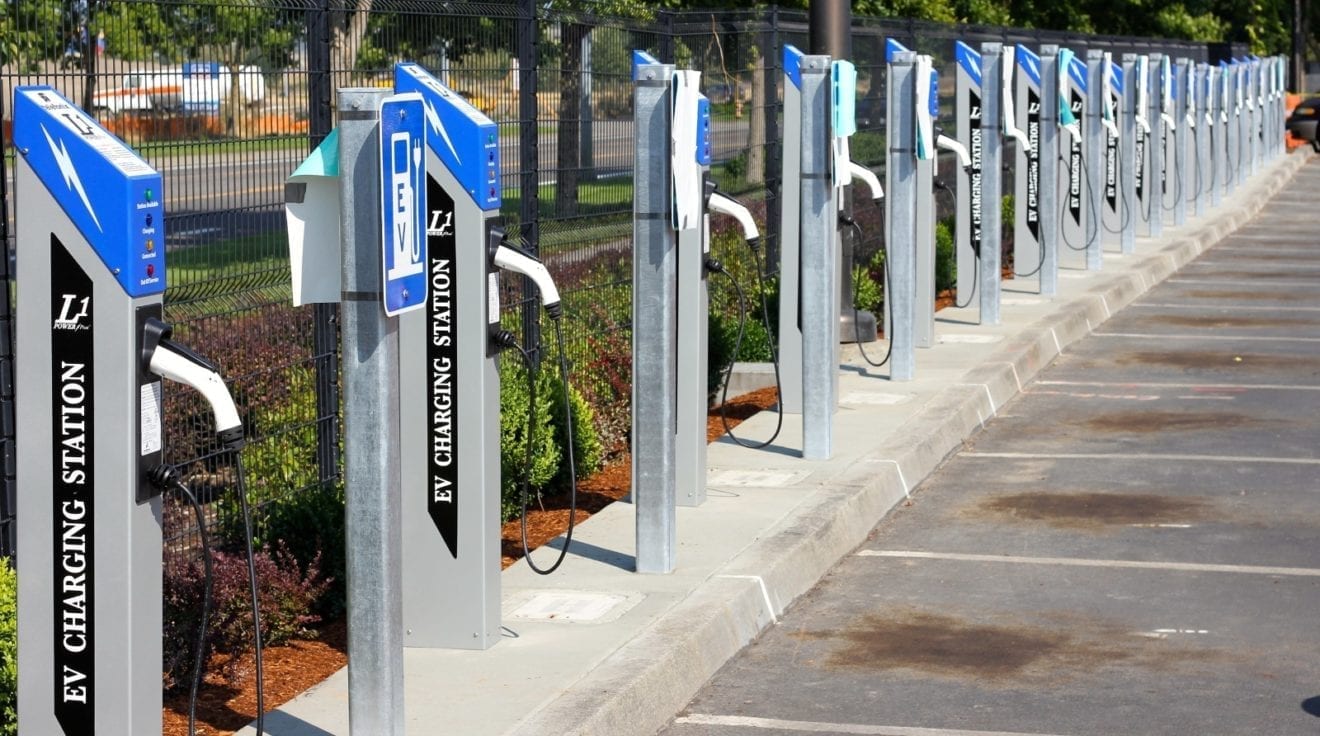
    China plans to build 800,000 charging points, including 100,000 public ones, for electric vehicles this year to meet increasing demand, the National Energy Administration (NEA) said Thursday.

    A total of 100,000 public charging points have been installed nationwide in 2016, bringing the total number of public charging points in China to 150,000, according to the NEA.

    A total of 14,000 kilometers of highway has also been equipped with inter-city fast-charging stations, with an average spacing of 48.6 kilometers.

    Electric vehicles consumed more than 1.2 billion kilowatt-hours of electricity in China last year, saving about 400,000 tons of fuel, according to the NEA.

    In Beijing and Shanghai, a charging facility can now always be found within a radius of less than 5 km, while other major cities such as Guangzhou and Shenzhen are working toward this goal.

    “For the new year, China will work to solve the payment and information-related problems for charging facility operators and implement a unified national standard for charging ports of electric vehicles,” said the NEA.

    According to China’s 13th Five-Year Plan (2016-2020), the country will build a nationwide charging-station network that will fulfill the power demands of 5 million electric vehicles by 2020.

  • Vietnam’s car imports soar in January as tariffs fall

    Vietnam’s car imports soar in January as tariffs fall

    Tariffs on car imports from ASEAN countries will be fully removed by 2018. A growing middle-class population, rising disposable incomes and falling tariffs on cars imported from neighboring countries in Southeast Asia appear to be driving Vietnam’s car market.

    The country’s car imports in the first half of January soared 50 percent from the same period last year to about 5,000 units worth $116 million, customs data shows.

    This surge in imports is mainly due to a switch from motorbikes to cars. Around 75 percent of imported cars were classed as midsize sedans and the number of vehicles with nine seats and below nearly tripled from a year ago to more than 3,000 units.

    Vietnam still relies heavily on imported automobiles to meet domestic demand despite a slight year-on-year decline in 2016 to 113,567 cars after it imported a record-breaking number of 125,534 units in 2015, according to customs statistics, equivalent to a 77 percent jump from 2014.

    Since the Vietnamese government has targeted car manufacturing as a “spearhead industry”- one of the economy’s driving forces – car import taxes have remained high to shield domestic automobile producers from foreign rivals.

    However, following the ASEAN Trade in Goods Agreement, Vietnam will cut tariffs incrementally over the next few years on imported cars from ASEAN countries. With the tariff scheduled to be fully removed by 2018, import turnover from ASEAN neighbors is expected to increase exponentially.

    The tariff on cars from Thailand and Indonesia has been cut to 30 percent from 40 percent, effective at the start of this year, according to tax authorities. As a result, many imported cars will be 7 percent cheaper than previously.

    New cars imported from Thailand dominate the market, with Mazda, Toyota and Ford among the most popular.

    Sales of used cars are slowing, said the association of automobile manufacturers.

    The number of imported new cars from ASEAN countries is on the rise due mainly to relaxed tax policies, including lower import tariffs, value added tax and special consumption tax, which will benefit import companies and authorized dealers, said a car dealer in Hanoi.

  • SKT, Ericsson, BMW achieve 3.6Gbps for 5G connected car trial

    SKT, Ericsson, BMW achieve 3.6Gbps for 5G connected car trial

    SK Telecom achieved what it says is the world’s fastest 5G speed for a connected car during a demonstration conducted with Ericsson and BMW Korea.

    SKT said the trio has successfully tested its pilot 5G network on a connected car running at 170 kilometers per hour, reaching a 3.6Gbps transmission speed over the 28-GHz band.

    The demo was conducted at the German car maker’s driving center in Yeongjong Island, Incheon, where the trio first successfully tested its pilot 5G network for multi-vehicular communications last November.

    SK Telecom said with 5G avoiding obstacles is difficult at high speeds, but the operator achieved this through the application of advanced beamforming and beamtracking technologies.

    “Connected car is regarded as the barometer for 5G as it can only be realized through the combination of all 5G technologies. As ultra-high speed and ultra-low latency are prerequisites for realizing autonomous driving and immersive media services, the 3.6Gpbs transmission speed we successfully demonstrated today not only brings us a step closer to realizing autonomous driving, but will also have a great impact on a broader range of industries,” SK Telecom said in a statement.

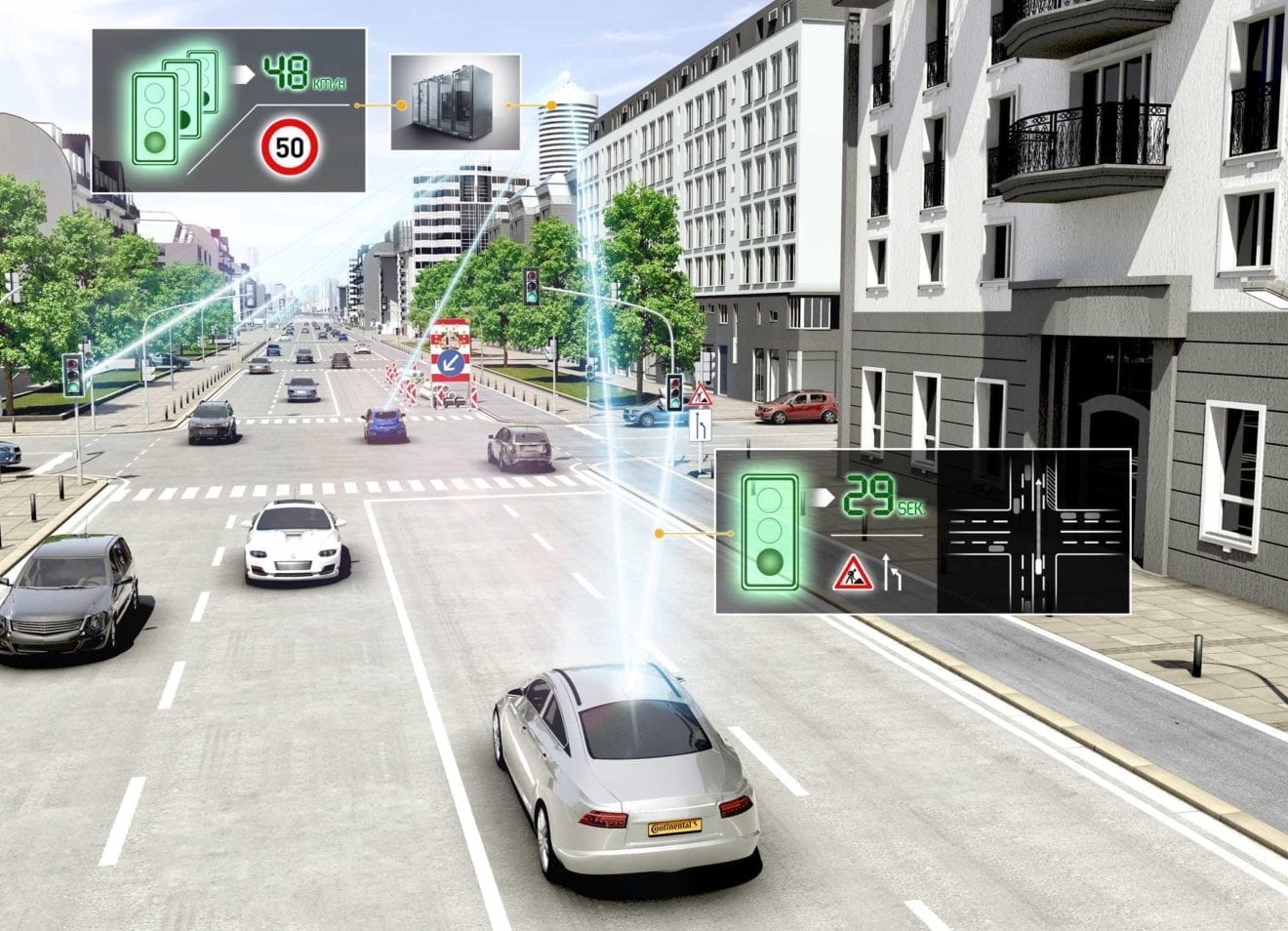
    The demo significantly enhances the stability of connected car services by improving image recognition and V2X (Vehicle to Everything Communication) technologies, the operator added.

    “That is, a vehicle will be able to communicate, in real time, with other vehicles, traffic lights and surveillance cameras to understand and respond to unexpected situations and obstacles… in a much shorter time.”

  • BMW to invest RM126mil to build PHEVs in Thailand

    BMW to invest RM126mil to build PHEVs in Thailand

    It appears that the production of BMW plug-in hybrid models in the region is set to increase, with BMW Group Manufacturing Thailand set to invest 1 billion baht (RM126.2 million) in the production of petrol-electric vehicles at its plant in the Amata City Industrial Estate, Rayong.

    The investment has been earmarked for the improvement of line operations there, in order to facilitate the increase of plug-in hybrid production. Of that amount, 488 million baht (RM61.6 million) has already been spent to kick off production of these vehicles last November. The company has spent 3.7 billion baht (RM467 million) on the plant from 2000 to 2015.

    The rest of the investment will be used to double the production capacity in Thailand this year; the company currently builds 20,000 BMW and MINI cars and 10,000 BMW Motorrad motorcycles a year. President of BMW Group Thailand Stafan Teuchert said that the two-year investment is meant to prepare for future demand both domestically and abroad, with Munich seeking any opportunity to export vehicles from Thailand.

    The company has exported a limited amount of cars to Malaysia since 2006 and around 1,000 motorcycles to Malaysia and China since 2015, but began shipping large amounts of completely built up (CBU) X3s and X5s to China last year. It aims to export 10,000 units of those models in 2017 – mostly to China – and is also eyeing other markets in ASEAN for opportunities.

    Locally, BMW plans to bring in more advanced technology to build plug-in hybrid batteries in Rayong by mid-2018, further reducing retail prices in Thailand. The company currently imports the batteries from Europe.

    Existing Thai-built BMW plug-in hybrids include the 330e Luxury and X5 xDrive40e M Sport, priced at 2.59 million baht (RM326,900) and 4.69 million baht (RM592,000) respectively – around 490,000 baht (RM61,800) and 690,000 baht (RM87,100) lower than if they were imported. Teuchert said that the company plans to produce the 740e this year and the 530e in 2018.

    In order to support the increase in the number of plug-in hybrid vehicles in Thailand, BMW plans to increase the number of charging stations in Bangkok to 12 this year, up from the current five. It expects sales of electric cars, mainly PHEVs, to rise from 5% of total car sales to 15% in 2017.

    Meanwhile, BMW currently assembles the 330e Sport, 330e M Sport and X5 xDrive40e in Malaysia, priced at RM248,800, RM258,800 and RM388,800 respectively, on-the-road without insurance. It also expects to export the 3 Series, 5 Series and 7 Series from Malaysia to Vietnam and the Philippines from next year.

  • Toyota Philippines To Increase Production Despite Looming Excise Tax

    Toyota Philippines To Increase Production Despite Looming Excise Tax

    Toyota Motors Philippines (TMP) has made it clear that it is still looking at increasing its production in 2017. This is despite a looming excise tax that may soon be imposed in the industry and bring vehicle retail prices significantly up.

    Modest production target to begin with

    “We’re projecting a minimum 10 percent growth. So this year we started conservatively. Of course, the looming excise tax is an issue that we have to be aware of,” Business World Online quoted TMP Vice-Chairman Alfred Ty as saying. The company has long been committed to increasing its production as part of its involvement in the Comprehensive Resurgence Strategy (CARS) Program that had been established during the Aquino administration. Aside from TMP, Mitsubishi Motors Philippines Corporation has also agreed to participate in the CARS program.

    The goal had been to produce at least 200,000 vehicles in a span of six years, averaging at 33,333 vehicles each year. In 2016, TMP managed to produce as much as 55,028 units, with its top-selling Vios and Innova vehicles assembled in its facility in Laguna.

    Tax will hurt luxury vehicles the most

    Ty has also said that since the looming excise tax will impact the luxury market more, he believes the impact may be small. “We understand where we’re coming from but we also have to be careful not to kill the market because again the luxury cars from this country do not even comprise 1 percent of the total cars,” he explained. This would readily affect Toyota’s Camry and Fortuner models.

    According to a report from Business Mirror, a vehicle selling from P600,000 to P1.1 million will be subject to an excise tax of P24,000 plus 40 percent of the value in excess of P600,000. Meanwhile, higher priced vehicles will be subject to significantly higher tax. For instance, vehicles with a retail price of P2.1 million may face a tax amounting to P1.22 million. Vehicle buyers would also have to pay 200 percent of the value exceeding P2.1 million in additional tax.


  • Luxury cars flooding Vietnamese market

    Luxury cars flooding Vietnamese market

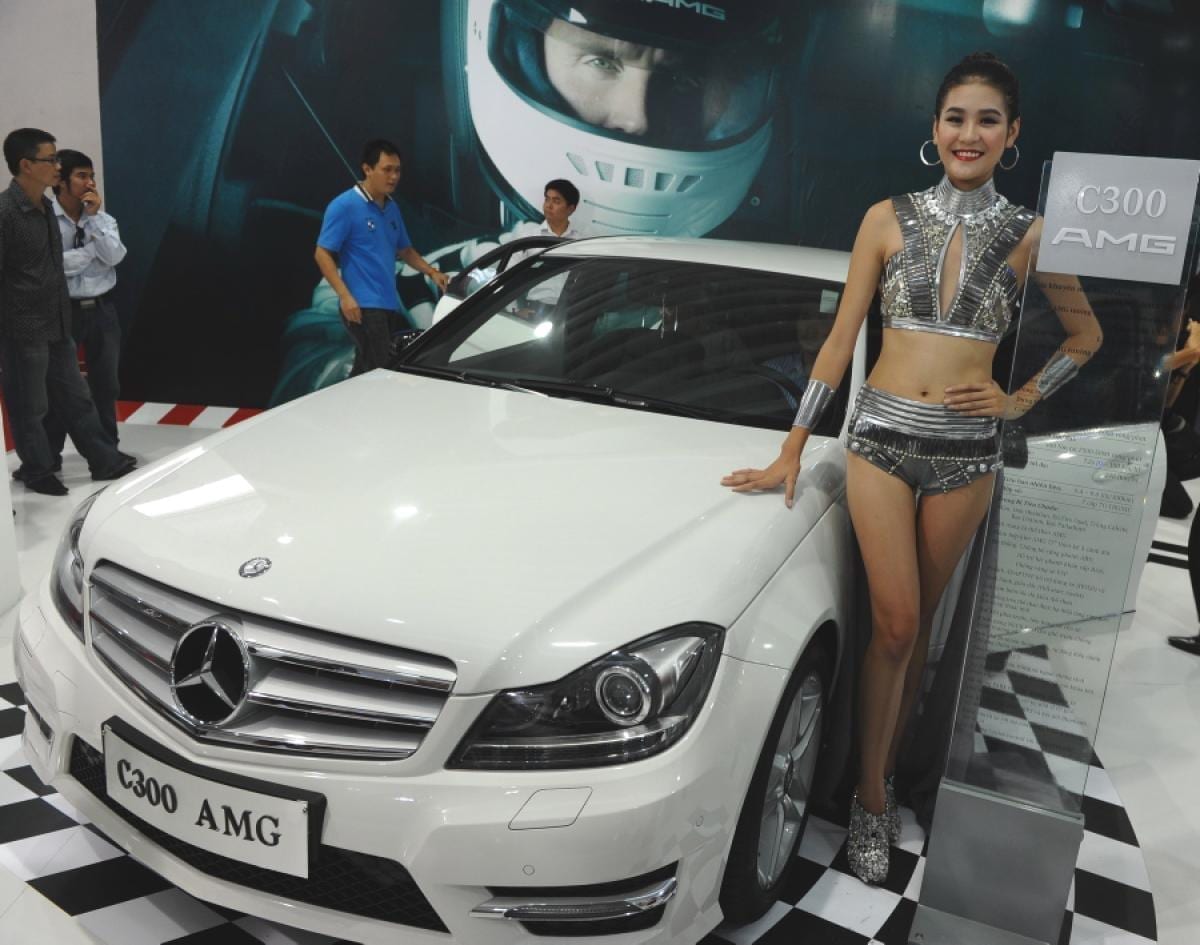
    From now to 2020, Mercedes Benz Vietnam plans to double its sales agent network, an important step for the luxury car manufacturer to cement its position in the Vietnamese market.

    Speaking to local mass media on December 3, Choi Duk Jun, CEO of Mercedes Benz Vietnam, said together with the expansion of product items, the enlargement of sales agents will be a strategic move that helps Mercedes increase its market share in Vietnam.

    Mercedes Benz has the highest number of sales agents in Vietnam with 12 centers throughout the country.

    Sources said Rolls-Royce, a brand of German BMW, which also owns two other strong brands – BMW and Mini — is also preparing to enter the Vietnamese market.

    Toyota Vietnam has opened an authorized agent in the central region, raising the number of total sale agents in Vietnam to 44.

    Ford Vietnam has opened an authorized agent in Binh Duong province, while it has upgraded Pho Quang branch of Sai Gon Ford into a 3S branch. It is preparing to open another showroom, belonging to Sai Gon Ford, in the central business district 1 in HCMC.

    The new centers are reported as having investment capital of VND120 billion. The number of Ford’s sales agents and service centers in Vietnam has increased to 27.

    The Vietnamese market had its highest sale growth rate of 60,000 cars in 2016 compared to 2015.

    The sale of luxury cars and sports cars also increased sharply. Mercedes led the market segment with 4,401 cars sold in 2016, an increase of 22 percent over the year before.

    Meanwhile, Lexus sold 1,665 cars, up by 73 percent. Audi, Porsche and BMW  have not revealed the sales, but reported growth.

    A source said Porsche had fulfilled its yearly sales plan in Vietnam by mid-2016.

    The sales surprised many analysts, because prices had increased sharply.

    Lexus LX570, for example, saw the price increasing from VND5.7 billion to VND8 billion, while Maybach S600 was from VND10 billion to VND14 billion. Rolls Royce Phantom price soared from VND54 billion to VND84 billion.

    Oxfarm, a non-government organization, on January 12 released a report on inequality in Vietnam, pointing out that the income gap between the richest and poorest Vietnamese people is very large. The richest Vietnamese has the daily income higher than the 10 year-income of the poorest.

    In related news, Marquardt from Germany had a working session with Da Nang authorities on its plan to set up an automobile part factory in the city.

  • China’s BYD plans to sell passenger cars in U.S. in 2-3 years

    China’s BYD plans to sell passenger cars in U.S. in 2-3 years

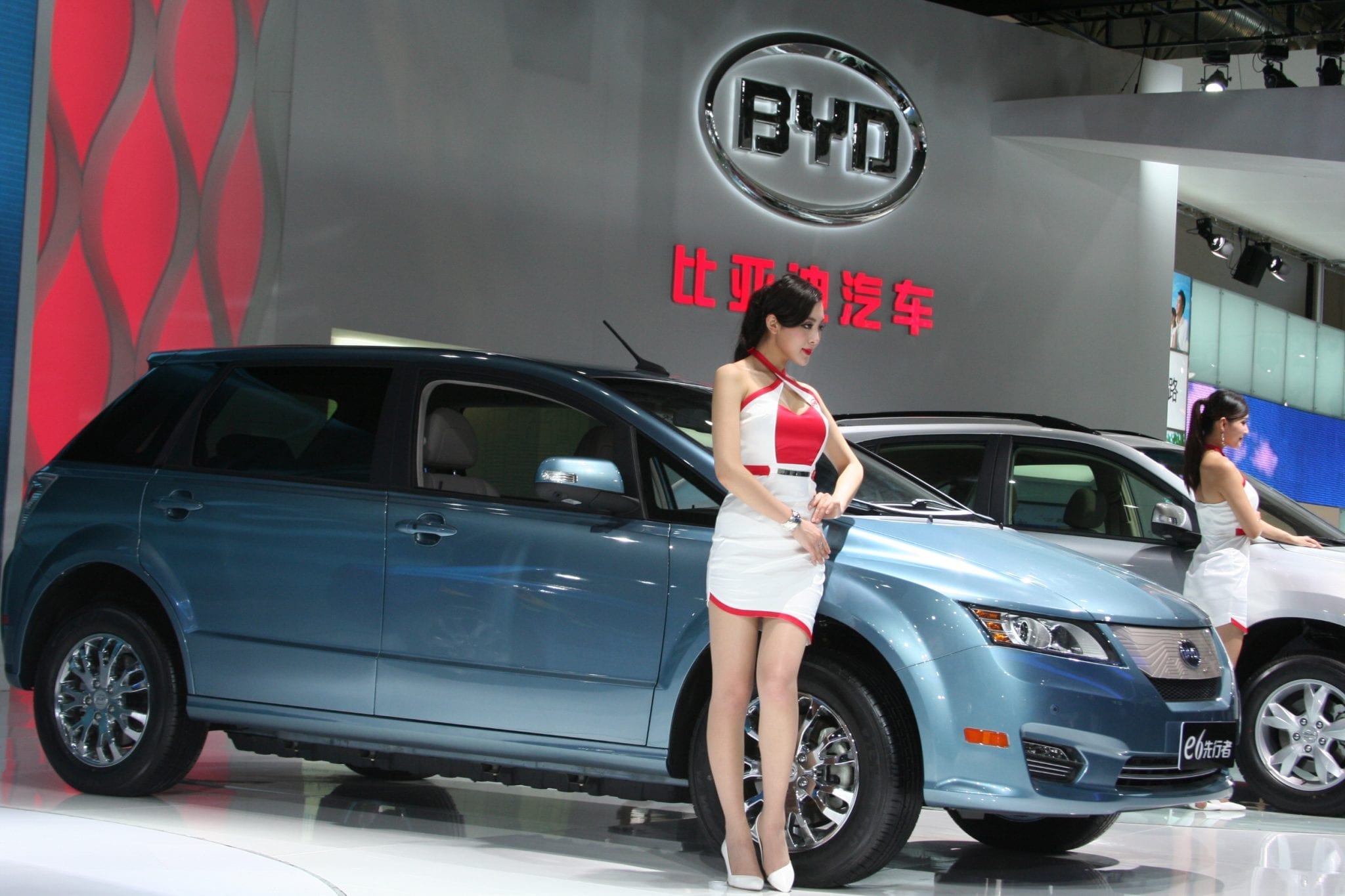
    BYD plans to sell electric passenger cars in the United States in about two to three years, an executive said on Thursday, as it races to be the first Chinese automaker to sell cars to American drivers.

    BYD, backed by Warren Buffett’s Berkshire Hathaway, specializes in electric and plug-in petrol-electric hybrid vehicles. At present, its U.S. presence is limited to producing buses and selling fleet vehicles such as taxis.

    Li Yunfei, BYD’s deputy general manager for branding and public relations, said its passenger car plan was not fixed as entering the U.S. was a complicated process.

    “It could be adjusted,” Li said at an event in Beijing. “Now we can only say roughly 2 to 3 years.”

    China’s government has used a raft of policies, including billions of dollars in subsidies, to spur a boom in electric and plug-in hybrid sales since 2015. The U.S., meanwhile, has lagged.

    BYD has had false starts in the U.S., with Chairman Wang Chuanfu previously saying the automaker would begin selling in the U.S. in 2010. Other Chinese peers have also encountered delays in entering the market.

    GAC Motor, a subsidiary of Guangzhou Automobile Group, displayed three models at the Detroit Auto Show earlier this month, stating it would enter the U.S. by 2019 instead of a previous goal of 2017.

    A GAC Motor spokeswoman declined to elaborate on the delay.

  • Ford posted record sales in Philippines in 2016

    Ford posted record sales in Philippines in 2016

    Ford Philippines said it posted new record sales in 2016, the fourth in a row, with sales rising 33 percent to 33,688 vehicles, driven by continued strong demand for EcoSport, Everest and Ranger.

    The company said it also had the best-ever December performance in the Philippines with sales increasing 13 percent year-on-year to 3,198 vehicles.

    “Our big three nameplates – Ranger, Everest and EcoSport – continued to lead the charge throughout the year and further solidify the Ford brand as a top choice among Filipinos,” said Ford Philippines managing director Lance Mosley.

    The Everest became Ford’s best-seller in the Philippines in 2016 with full-year sales rising 152 percent year-on-year to a record 12,453 vehicles, finishing the year with a 6-percent rise in December sales to 1,066 vehicles.

    The EcoSport compact SUV also turned in its best-ever full-year performance with retail sales rising 15 percent to 10,010 vehicles, capping the year with December sales rising 40 percent to an all-time monthly record of 1,123 vehicles.  The Ranger, on the other hand, finished 2016 as the second best-selling pickup truck in the Philippines with total retail sales of 8,158 vehicles.

  • Samsung Elec to supply Exynos processors for Audi vehicles

    Samsung Elec to supply Exynos processors for Audi vehicles

    Tech giant Samsung Electronics said on Wednesday it will start supplying Volkswagen’s Audi with Exynos processors for the carmaker’s infotainment systems, expanding its chip sales for the auto business.

    Samsung said in a statement its Exynos processors will power up to four in-vehicle displays for Audi’s next-generation infotainment system without elaborating on the contract value or what vehicles Audi will use the chips for.

    Car Infotainment systems for cars are for displaying information such as navigation and playing audio or video. The systems also increasingly allow drivers to connect their phones to their vehicles.

    The world’s top maker of smartphones and memory chips has been trying to boost sales of components for automobiles to boost growth. Samsung already supplies memory chips to Audi.