Tag: car

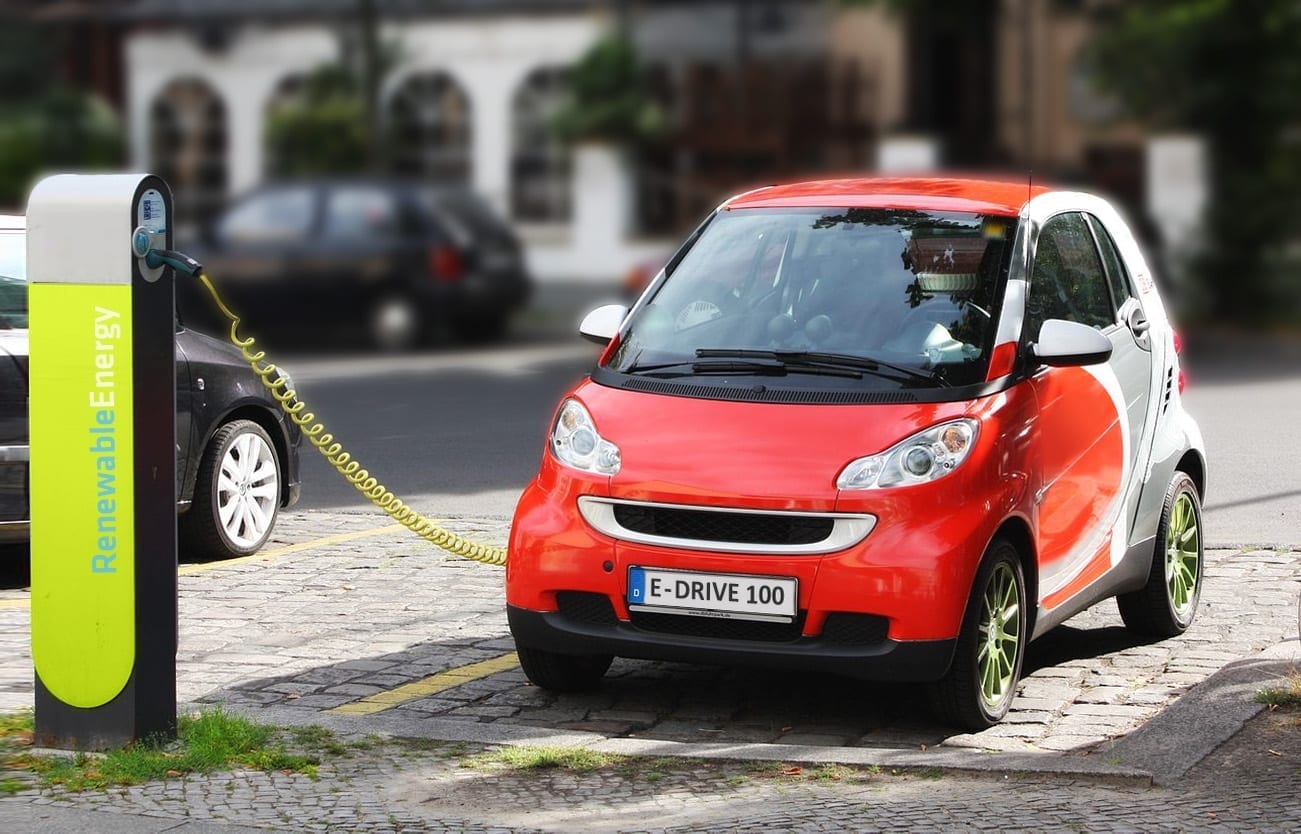
  • China, Europe drive shift to electric cars

    China, Europe drive shift to electric cars

    Electric cars will pick up critical momentum in 2017, many in the auto industry believe – just not in North America.

    Tighter emissions rules in China and Europe leave global carmakers and some consumers with little choice but to embrace plug-in vehicles, fuelling an investment surge, said industry executives gathered in Detroit this past week for the city’s annual auto show.

    “Car electrification is an irreversible trend,” said Jacques Aschenbroich, chief executive of auto supplier Valeo, which has expanded sales by 50 percent in five years with a focus on electric, hybrid, connected and self-driving cars.

    In Europe, green cars benefit increasingly from subsidies, tax breaks and other perks, while combustion engines face mounting penalties including driving and parking restrictions.

    China, struggling with catastrophic pollution levels in major cities, is aggressively pushing plug-in vehicles. Its carrot-and-stick approach combines tens of billions in investment and research funding with subsidies, and regulations designed to discourage driving fossil-fueled cars in big cities.

    The road ahead for electric vehicles (EVs) in the United States, however, could have more hairpin curves.

    Regulators in California and a group of other U.S. states are pushing ahead with state-level rules mandating rising quotas for electric, or “zero emission” vehicles.

    But plug-in registrations in the United States fell in 2015, and the market share of electric-only vehicles declined further to 0.37 percent in 2016, as cheap fuel drove demand for gas-guzzling sport utility vehicles and pickup trucks.

    President-elect Donald Trump has pledged to roll back environmental and climate rules. Groups representing established automakers asked Trump to review Obama administration fuel economy targets out to 2025, even before the outgoing administration formally signed them into effect on Friday.

    Automakers have also asked Trump to work toward a single, national set of rules to govern automotive greenhouse gas emissions, a move that could spark legal challenges to electric car quotas in California and other states on grounds they present a separate standard.

    “THE WORLD IS GOING ELECTRIC”

    Still, industry executives in Detroit said hitting the brakes on electric vehicles in the United States would not relieve the pressure to bring them to market, because China and Europe are forging ahead with policies to expand sales of plug-in cars.

    That is why Ford (F.N) is moving forward with previously announced plans to invest $4.5 billion for plug-in vehicles by 2020, Chief Executive Mark Fields said earlier this month.

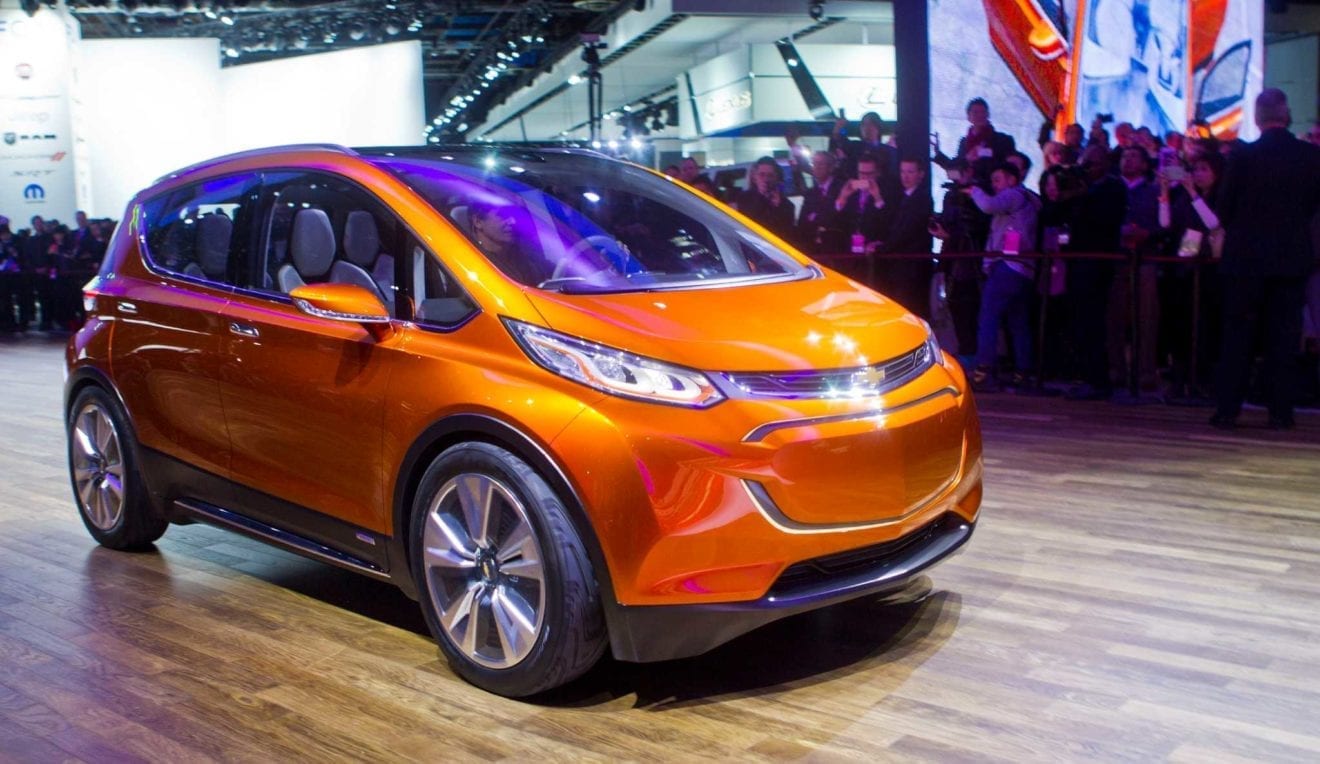
    “The industry is changing, the infrastructure’s starting to build, and that’s why our view is (that) within the next 15 years we’ll see more electrified offerings … than we’ll see gasoline-powered,” Fields said as he unveiled a $700 million plan to build a battery SUV and other plug-in vehicles in Flat Rock, Michigan.

    To drive the shift to electric, industry executives said they needed more help from governments. In China, Europe and the United States, automakers are advocating new infrastructure money go to public electric car charging networks.

    In the United States, EV manufacturers are pushing for the continuation of a $7,500 federal tax subsidy for consumers who buy a fully electric car. Even if Trump were to try to eliminate it, it would take time as Congress would have to act.

    “There is not a disagreement that the world is going electric,” California Air Resources Board Chair Mary Nichols said on the sidelines of the auto show, noting that all vehicle makers were now investing in electric models across their entire product lines. The debate, she said, was “over timing, not the goal.”

    The Chinese electric car market cast its shadow over the Detroit auto show, where manufacturers showed off plug-in hybrid and electric models that will likely do scant business in the United States.

    IHS Automotive predicts Chinese plug-in deliveries will hit 1 million in 2019, four years before the United States. China pulled ahead in 2015 with a fourfold sales surge before adding 55 percent last year to 348,000 vehicles, with the United States at 138,000.

    “Look to China rather than the U.S. for the future of electric cars,” Gerard Detourbet, a Renault-Nissan executive leading low-cost plug-in development, said recently. “China is compelled to act – that’s the main difference.”
  • Ford recalls Kugas after cars burst into flames

    Ford recalls Kugas after cars burst into flames

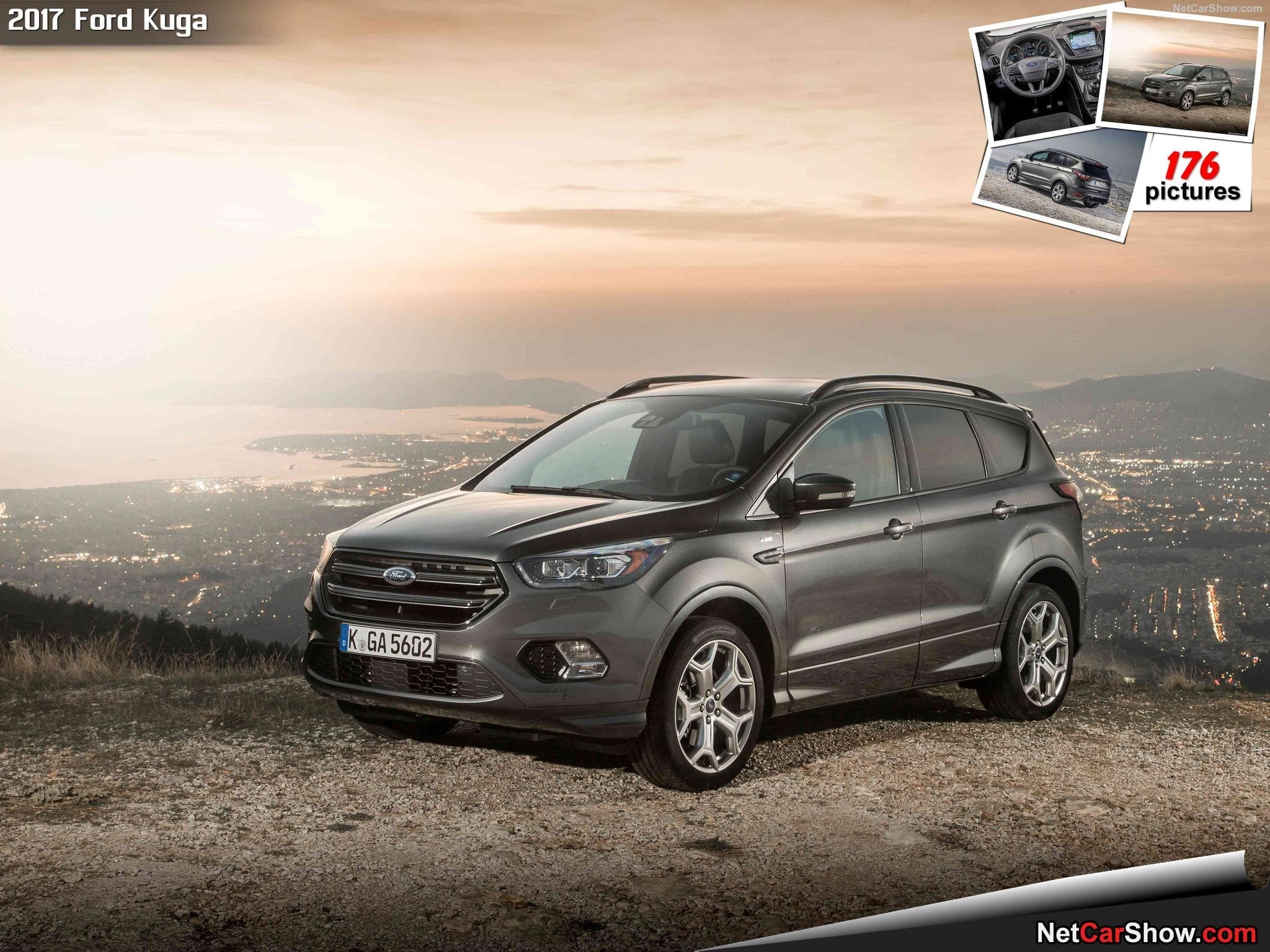
    U.S. auto-maker Ford will recall 4,500 Kuga SUVs sold in South Africa after dozens of reports of the vehicles catching fire spontaneously, the head of the company’s South Africa unit said on Monday.

    In a joint statement with the National Consumer Commission (NCC), Ford’s Southern Africa President and chief executive Jeff Nemeth said the company could confirm 39 incidents of the cars catching fire.

    “We are not aware of any injuries that have resulted from our engine compartment fires,” Nemeth told a media briefing.

    He said early investigations revealed that fires in the Kuga 1.6 liter model, imported from Spain, were likely due to overheating caused by a lack of coolant circulation which could lead to a crack in the cylinder head and oil leaks.

    If oil reached a hot engine component it could catch fire, Nemeth said. Ford officials said at the briefing that hot weather in South Africa could be a contributing factor.

    The voluntary recall of the 4,500 cars is down from a previous estimate of 6,300, and will only affect Kuga models built between December 2012 and February 2014.

    Nemeth refused to reveal the cost of the recall to Ford, which will replace affected components on the cooling system, update software and conduct tests on cylinder heads.

    In October, the company’s North American arm recalled 400,000 units of the Ford Escape – the U.S. version of the Kuga – also due to engine problems.

    “A product that poses any risk to our consumers does not have a place in our market place,” NCC commissioner Ebrahim Mohamed said at the briefing.

  • Thai electric car rolls out

    Thai electric car rolls out

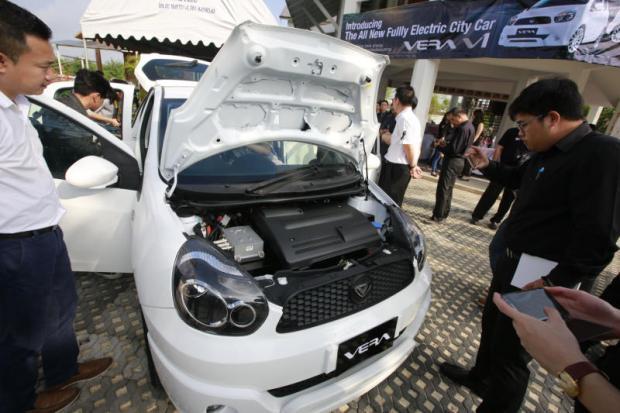
    Thailand’s first electric car brand has made its debut amid scepticism from an industry expert about its commercial viability. Vera Automotive, founded on Oct 7, 2015 by five Thai engineers from King Mongkut’s Institute of Technology Ladkrabang (KMITL), yesterday introduced the Vera V1 battery electric vehicle (BEV), powered with a battery capacity of 22 kilowatts per hour, which can be registered with the Land Transport Department as a passenger car.

    The maximum speed of the Vera V1 is up to 105 kilometres an hour. It can run up to 180km per charge, which takes six hours to complete.

    Co-founder Wanchai Meesiri said all Vera cars are designed by Thai engineers under the Thai brand, but the company has hired the Chinese carmaker Geely Automotive to produce the BEVs. The company imports the cars as completely built-up (CBU) vehicles to Thailand.

    Vera V1 is subject to all related taxes similar to other imported vehicles, including an 80% import duty, a 10% excise tax for all types of electric vehicles, a 10% interior tax and a 7% value-added tax.

    Yossapong Laoonual, chairman of the Electric Vehicle Association of Thailand (Evat), said it’s a good sign for the country to create its own electric vehicles, even if the vehicles are made by foreign firms.

    A retail price below 1 million baht is affordable for Thai customers, he said.

    But Asst Prof Yossapong warned that any startup that is selling electric vehicles has to plan its marketing strategy carefully, as the Thai car market has many dimensions for consumers to consider, including brand, service and trust.

    “Electric vehicles for Thailand remain very new, and they’re unlikely to become popular or proliferate in the short term,” he said. “If you are a new company or brand, the best solution is to sell electric vehicles as a fleet to other agencies, which are easier to provide after-sales services for.”

    Mr Wanchai said the primary purpose for establishing Vera Automotive is to make Thai BEVs for the local market.

    Managing director and co-founder Werachet Khan-ngern said Vera vehicles aim to capture only a niche market.

    He expects to sell about 100 units of Vera this year.

    “We hope in the foreseeable future the government will come up with clearer policies and supporting measures once the number of electric vehicles increases,” Mr Werachet said.

    He said the firm will provide after-sales services at its head office on Ladprakao Road.

  • Bosch’s new electric power steering system offers new level of safety

    Bosch’s new electric power steering system offers new level of safety

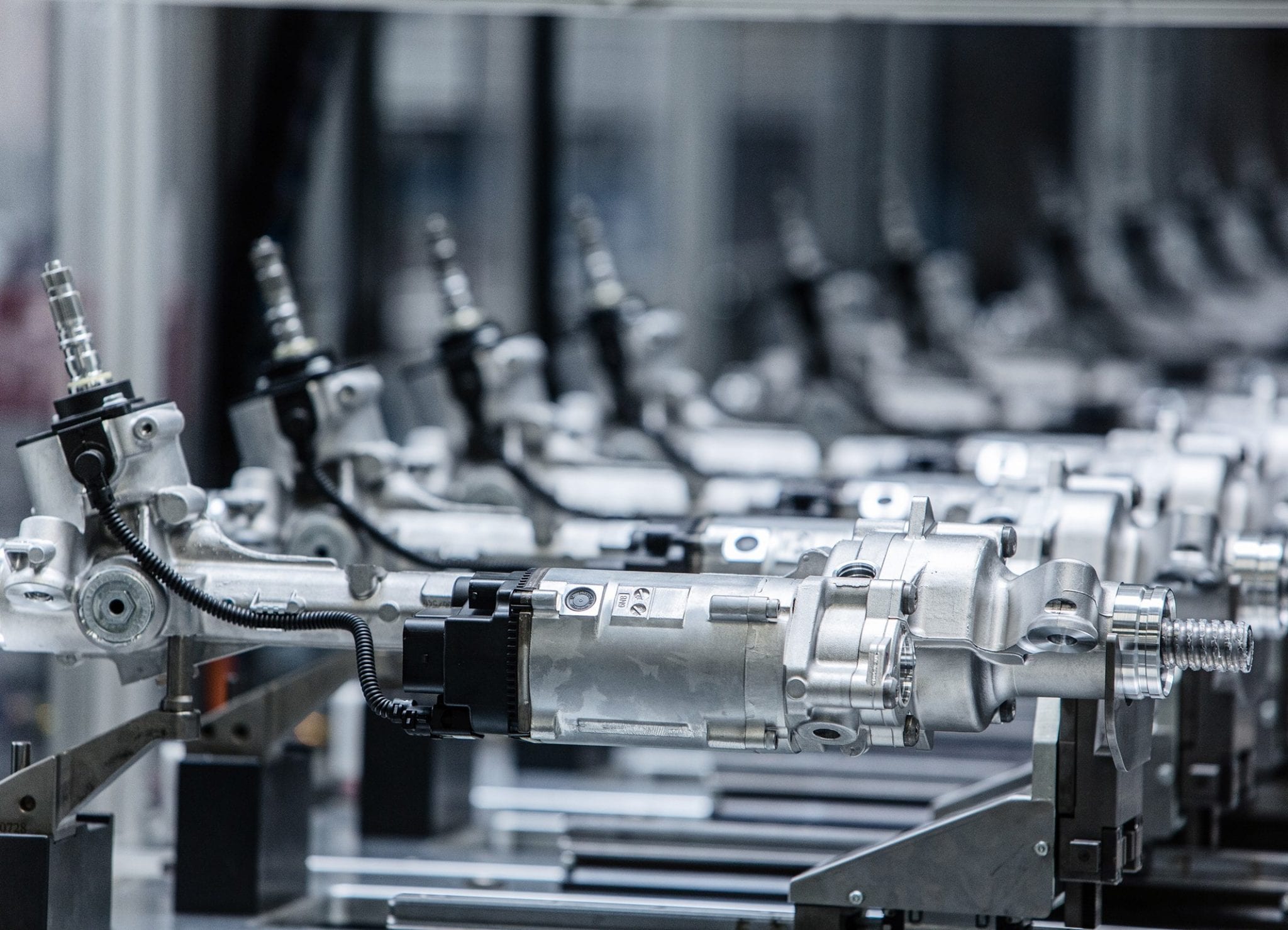
    German automotive components technology supplier Bosch has announced the global debut of its Electric Power Steering (EPS) system with fail-operational function at the North American International Auto Show.

    The system, which enables either a driver or auto pilot system to make a safe stop in the rare case of a single failure, is a key requirement on the path to fully automated driving.

    The fail-operational technology will enable OEMs to comply with the fall back strategies as proposed in the Federal Automated Vehicles Policy documents from the US Department of Transportation (DOT) and National Traffic Highway Safety Association (NHTSA).

    “Highly automated driving can make a significant contribution to improving road safety and we’ve seen great interest from our OEM customers as well as the public in this technology,” said Mike Mansuetti, president of Robert Bosch LLC.

    “The addition of automotive steering after the acquisition of our former joint venture ZF Lenksysteme GmbH allows us to better serve our customers with integrated system solutions on the path to highly automated driving. The new EPS with fail-operational function represents a milestone of the integration of automotive steering into our mobility solutions portfolio and is an essential technology to safely realize automated driving.”

    EPS with fail-operational function from Bosch enables an independent return to a minimal risk condition with about 50 percent electric steering support via an electrical fallback solution, claims the company.

    The system is able to detect a failure in the steering system and move to the electrical fallback solution. If the driver is still in the loop, they can safely steer the vehicle without the sudden increase in steering force.

    For highly automated driving, the EPS with fail-operational function will enable the system to recognize the situation and automatically steer the vehicle to a safe stop without bringing the driver back into the loop.

    Bosch has designed the system in a highly integrated way that leads to a costeffective solution for OEMs. Start of production for the EPS with fail-operational function in a scalable modular kit is planned for 2020.

  • Jaguar Land Rover sells record 583,313 cars in 2016

    Jaguar Land Rover sells record 583,313 cars in 2016

    Britain’s biggest carmaker Jaguar Land Rover sold a record 583,312 cars last year as the Indian-owned firm continues its rapid expansion with the aim of building 1 million vehicles a year at the turn of the decade.

    Sales were up 20 percent from the previous year, although sales growth slowed to 12 percent year-on-year in December, the carmaker said.

    The automaker, which spent years in the doldrums before being bought by India’s Tata in 2008, has since invested heavily in new models and expanded production with plants in China and Brazil and construction of a new site in Slovakia under way.

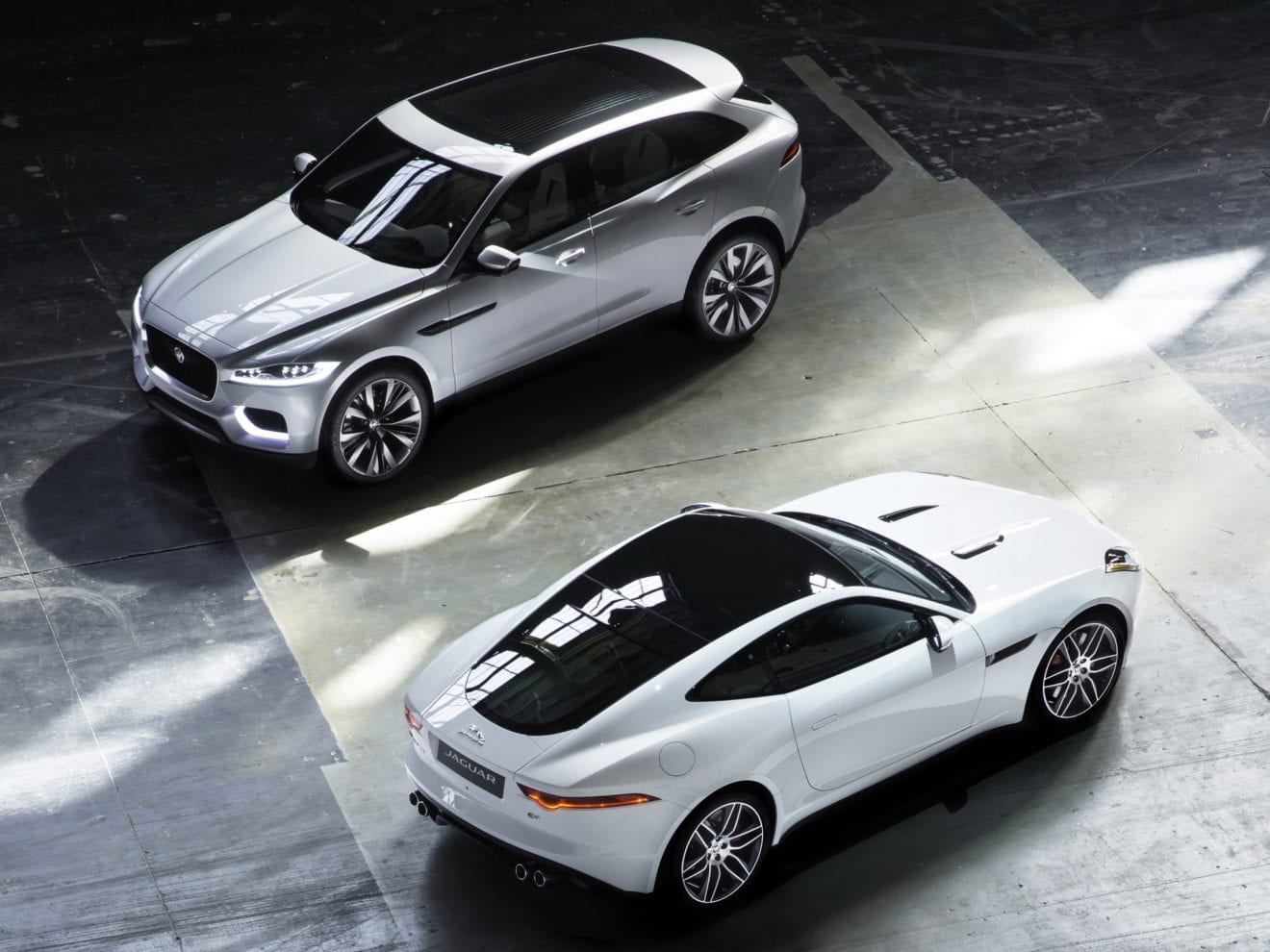
    Sales of luxury Jaguar models rose 77 percent to 148,730 units in 2016 due to strong demand for a range of new high-end products including the F-PACE, the brand’s first off-roader which was launched last year.

    Europe was the carmaker’s biggest overall market, accounting for almost a quarter of total demand.

    The firm said its line-up will continue to expand but it has warned about the negative effect any tariffs on its business imposed as part of a Brexit deal could have if Britain were to lose unfettered access to the single market.

    Its annual profit could be cut by 1 billion pounds ($1.23 billion) by 2020 if Britain returned to World Trade Organization rules for trade with the continent, two sources told Reuters last year.

  • Toyota to invest $10 billion over the next five years

    Toyota to invest $10 billion over the next five years

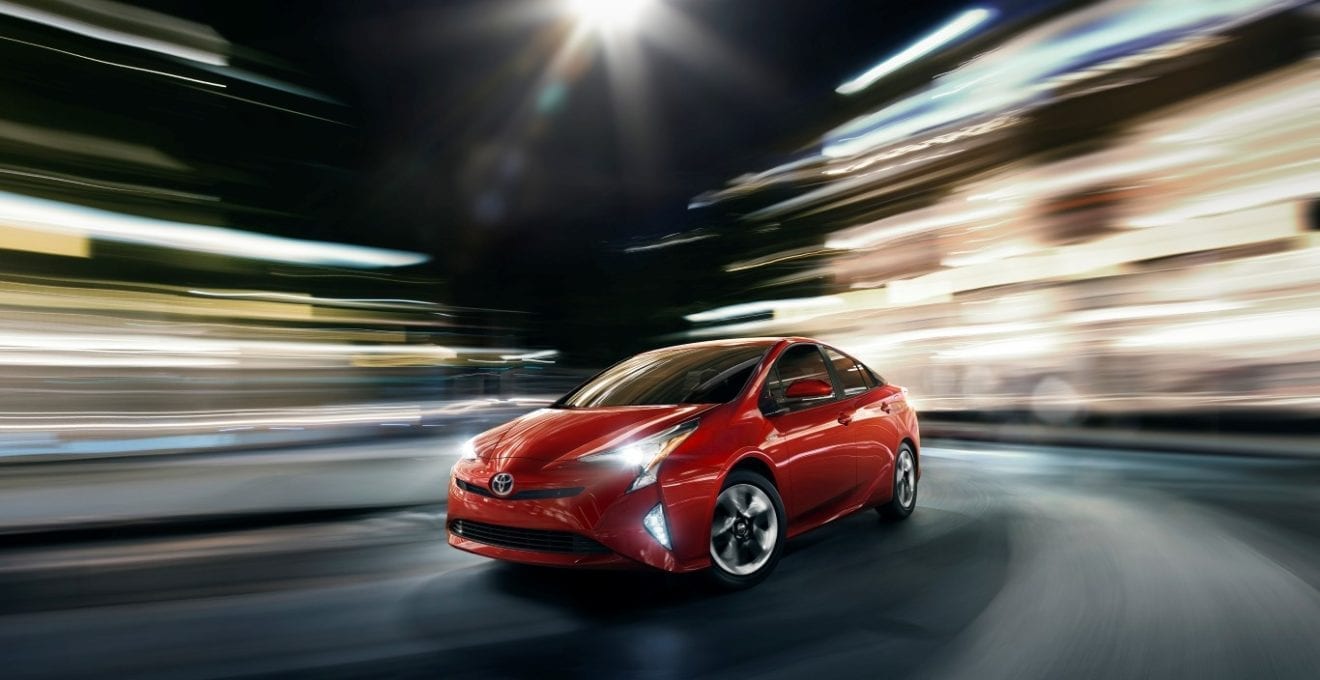
    Toyota Motor will invest $10 billion in the United States over the next five years, the same as in the previous five years, North America Chief Executive Jim Lentz said on Monday, to meet demand and upgrade plants to build more fuel-efficient models.

    The Japanese automaker has come under fire by President-elect Donald Trump for its plans, announced in 2015, to shift production of its Corolla to Mexico from Canada.

    Lentz said in an interview at the Detroit auto show the decision was not in response to Trump’s remarks made in a recent tweet, but was part of Toyota’s business strategy to invest in the United States, where it has 10 plants in eight states.

    Planning for the new Mexico plant began about two years before it was announced in 2015, said Lentz, describing such decisions as long-term ones.

    Lentz said he had not spoken with Trump.

    The $10 billion includes Toyota’s new North American headquarters in Texas that is under construction and major improvements to its plants.

    Toyota plans to expand some of its U.S. plants over the next five years, said Lentz, declining to say if that effort would boost jobs. Toyota, which employs 40,000 in the United States, added more than 5,000 U.S. jobs over the last five years, he said.

    Toyota President Akio Toyoda appeared at the show later on Monday to tout the company’s investment plans and its updated flagship Toyota Camry that is built in Kentucky.

    “We are deeply grateful to the millions of customers who have made Camry the number one selling car in America for the last 15 years,” Toyoda said.

    Lentz said “everyone” agrees with Trump’s goals of boosting manufacturing and U.S. employment, in part because “it helps us sell more cars.”

    “We have to run our business as a global business,” he said. “I have to make sure that we are competitive.”

    The company is focused on reminding policymakers in Washington about its extensive U.S. manufacturing operations, Lentz said.

    Lentz said Vice President-elect Mike Pence, who was Indiana governor, knew Toyota well because of its manufacturing operations in the state.

    He warned that a “border adjustability tax,” like the one proposed by Trump if the carmaker builds the Corolla in Mexico instead of the United States, could hike the price of cars and hurt auto employment.

    Such a tax could add $1,000 to cost of a Kentucky-built Camry because of some foreign-made parts.

    After the critical tweet from Trump, “you have to respectfully state your position and then move on,” he said.

  • Online retailers move to sell new cars on web

    Online retailers move to sell new cars on web

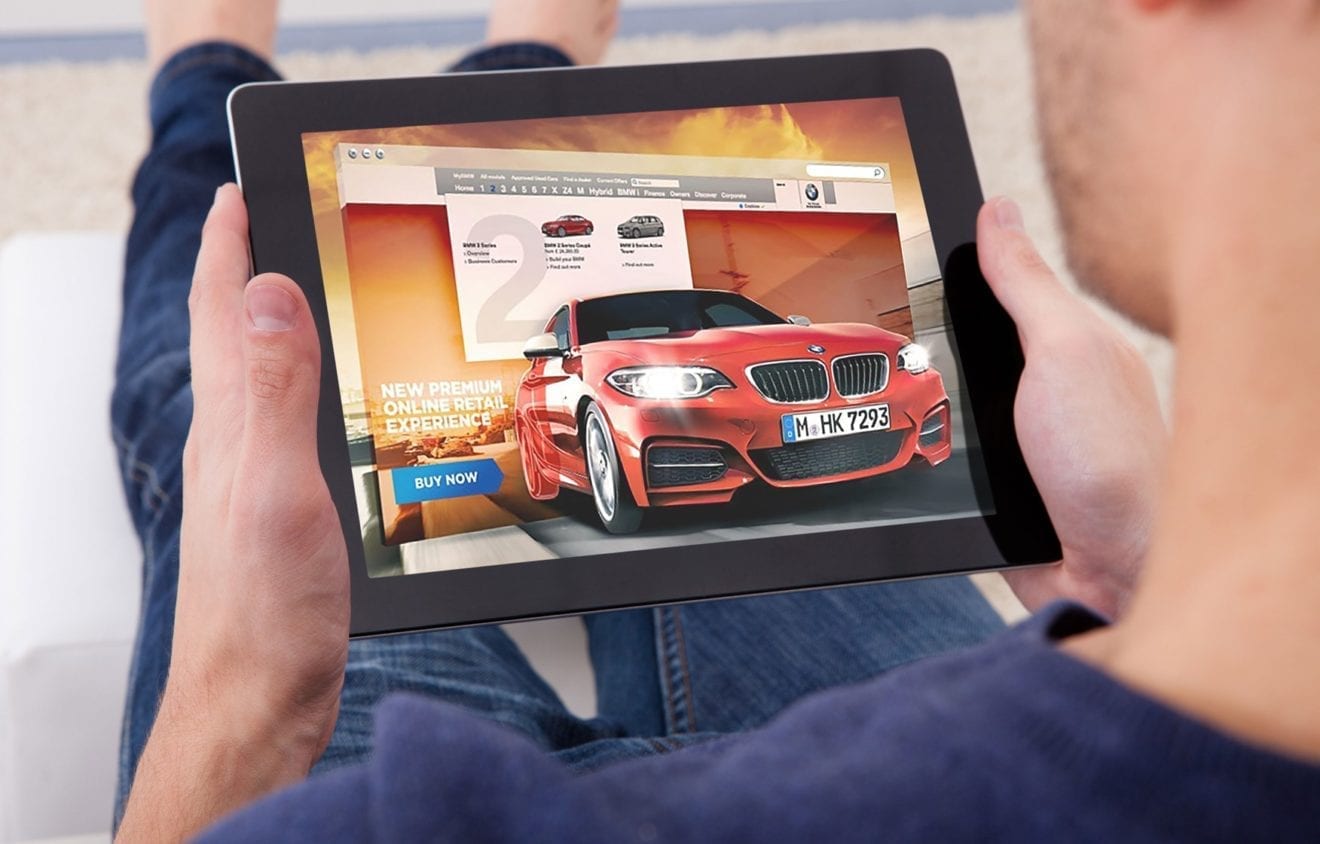
    Brick-and-mortar shops will no longer be the only go-to place for buying new automobiles, as online e-commerce shops are stepping into the industry as well.

    Interpark said Wednesday it would start a retail service for imported vehicles with local company D.parts, which delivers foreign cars to Korean customers and assists with paperwork, tax issues and delivery.

    To avoid conflict with local car dealers, the company will offer models that are not included in the list of products officially imported to Korea.

    “Buying foreign brand cars that are not dealt by official dealers can be a nuisance for general consumers,” said Cho Jin-hyuk, manager for Interpark’s electronics division. “Because our service is based on collaboration with an experienced company, customers can now buy such products with credibility and convenience on the internet.”

    “We’re looking for a way to talk directly with headquarters without going through any intermediate agents,” said a Tmon spokesman.E-commerce site Ticket Monster (Tmon) is also beginning to sell vehicles online, offering inventory from auto manufacturers inside and outside borders. The company’s brief experience in the market may offer clues about demand. The retailer sold Jaguar XE models in August, for which orders were filled in the first three hours. However, only one eventually completed a purchase after Tmon and SK Encar, agent supplier for the project, bumped heads with Jaguar Land Rover’s Korean office and official dealer Aju Networks.

    Online is the main sales channel for the global electric car brand Tesla Motors which has two showrooms in Korea but doesn’t have an official brick-and-mortar store. Tesla’s stores serve only as showrooms and clients must use the website to order. Demand in Korea was evident last year when pre-orders of the automaker’s Model 3 surpassed 325,000 in the first week.

    Although most sales offers are temporary, online retailers are eyeing expansion into domestic car brands. In September, Auction placed 10 models of Chevrolet’s Aveo on its platform, in a deal with GM Korea. The models sold out within one minute, as Auction offered a credit of five million won ($4,195) to buyers on the website.

    “We already saw potential, so the company is open for collaboration suggestions as long as the manufacturer is willing to do so,” said Lee Jin-young, a manager for Auction.

    Starting next year, domestic cars will be sold on television home shopping channels as laws that prohibited the practice were eased in November.

    New sales channels may prove favorable for consumers, as fierce competition will prompt companies to offer discounts or interest-free installment plans, which were common when imported car sales on television were popular in the early 2000s.

    “Online sales of automobiles may be a chance to enhance consumers’ convenience and improve the ambiguous structure of domestic vehicle sales,” said Kim Pil-soo, an automotive engineering professor at Daelim University College.

    Industry insiders, however, say that there are still many obstacles. E-commerce and home shopping networks equally say that although they are interested in launching online auto sales, the final decision is up to manufacturers and official importers.

    Decision makers are not enthusiastic about the idea, as sales online would eventually hurt brick-and-mortar stores and their sales force.

    “Realistically speaking, going online is not an easy option as it is a matter likely to be attacked by our labor union,” said a source from Hyundai Motor. GM Korea employees also criticized the Aveo sale on Auction, calling it a death sentence for sales people.

    Foreign car brands don’t seem too excited about the idea either, even though they may be able to save 15 percent on the commission fees they pay dealers. Most foreign car brands sign contracts with local dealers. One source pointed out that those vehicles require service after the purchase.

    “Dealers have connections to competent car service providers and quality after-service is an essential in this industry, therefore going online may be a risky decision for brand image,” the source added.

  • Nissan’s premium brand Infiniti sells 230,000 vehicles in 2016

    Nissan’s premium brand Infiniti sells 230,000 vehicles in 2016

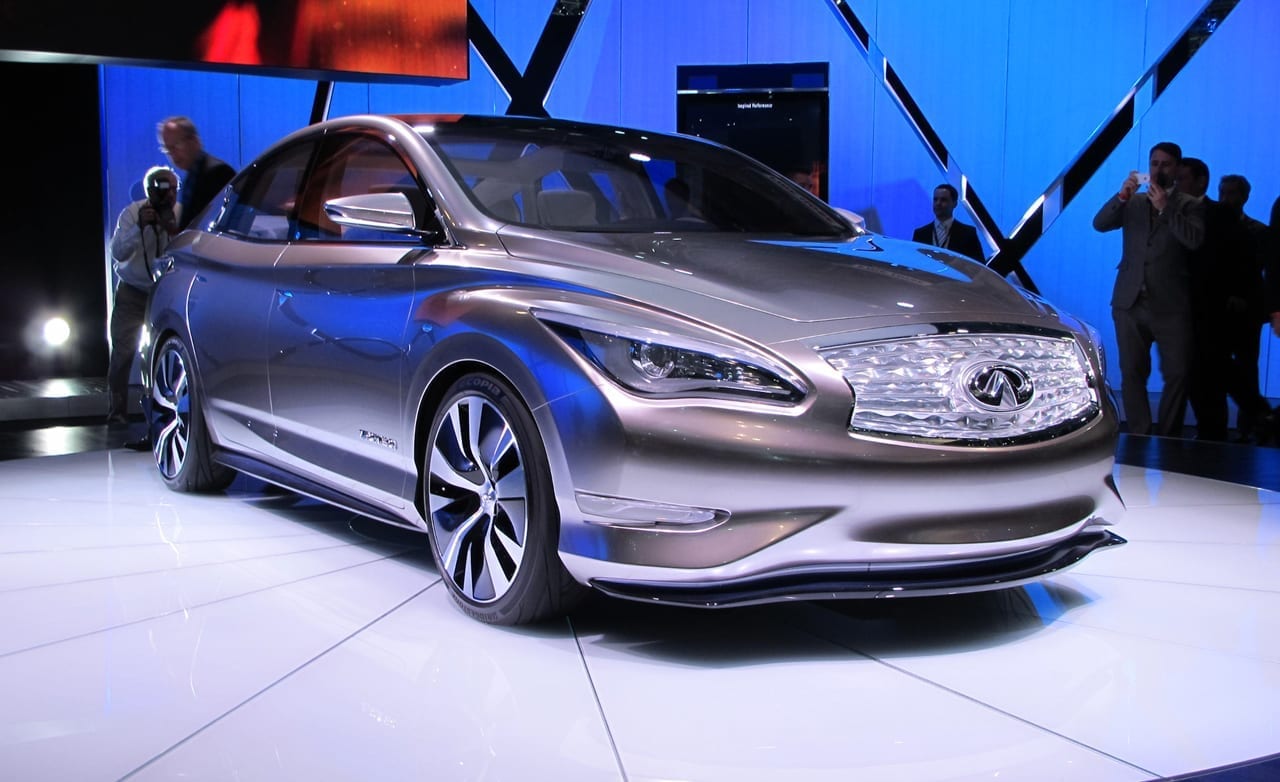
    Nissan Motor’s premium brand Infiniti sold more than 230,000 vehicles globally in 2016, a 7 percent annual rise, Infiniti said on Wednesday, a record year for a marque that trails rivals in the increasingly crowded premium market.

    The brand distantly lags German luxury competitors like BMW, which can sell almost as many vehicles in a single month, and second-tier luxury leaders like Toyota’s Lexus, which sells at least twice as many cars each year.

    Infiniti annual sales grew 4 percent year-on-year in the United States, its largest market, to more than 138,300, while China sales rose 3 percent to 41,590.

    In December, Infiniti sold 27,200 vehicles globally.

  • South Korea bans sales of some Nissan, BMW and Porsche models

    South Korea bans sales of some Nissan, BMW and Porsche models

    South Korea has banned the sale of 10 models of Nissan, BMW and Porsche vehicles after the carmakers were found to have fabricated certification documents, in the latest fallout from the Volkswagen emissions scandal.

    The government announced in August that it would ban all 10 models after conducting an investigation into whether foreign carmakers besides Volkswagen AG falsified documents on emissions and noise-level tests.

    Nine of the models have been banned since last month and Nissan’s Qashqai diesel sport utility vehicle has been banned since June, the environment ministry said on Monday.

    It said it has also fined the carmakers’ local units a combined 7.17 billion won ($5.9 million) for the affected 4,523 vehicles already sold in South Korea.

    Spokespersons at the South Korean units of Nissan Motor Co Ltd and BMW AG acknowledged the findings in the government investigation, saying they would try to achieve certification for those affected models again. A spokesperson at Porsche AG, which is owned by Volkswagen, was not immediately available for comment.

    South Korea has been tough with Volkswagen, filing complaints against local executives, suspending sales of most of its models and imposing fines for alleged forging of documents on emissions or noise-level tests.

    In the latest move, South Korea said last month that it will file criminal complaints against five former and current executives at Volkswagen AG’s South Korean unit and fine the company a record 37.3 billion won for false advertising on vehicle emissions.

    South Korea’s sales of imported cars fell 7 percent in the first 11 months of last year, heading for their first annual sales decline since 2009.

  • Hyundai, Kia aim to grow 2017 sales to 8.25 million vehicles globally

    Hyundai, Kia aim to grow 2017 sales to 8.25 million vehicles globally

    Hyundai Motor and affiliate Kia Motors said on Monday they aim to increase their combined sales to 8.25 million vehicles globally in 2017, despite rising competition.The 2017 target is slightly higher than their 2016 goal of 8.13 million vehicles. The South Korean automakers’ final sales figures for 2016 are due out later on Monday, with analysts expecting a miss due to weak demand in emerging markets.

    “The 2017 goal is slightly higher than my projection,” said Ko Tae-bong, an auto analyst at Hi Investment & Securities, adding that the performance of new models would be the key to success after some disappointments in recent years.

    With emerging markets such as Russia stabilizing, and with Hyundai and Kia Motors gearing up to boost vehicle supply to the United States and China, sales could get a lift this year.

    But Hyundai Motor and Kia Motors – which together rank fifth in global sales – plan to add capacity in China and Mexico this year, just as those markets and the United States are seen slowing, likely pressuring margins.

    “With the global economy continuing its low growth, trade protectionism spreading and competition intensifying in the automobile industry, uncertainty is growing more than ever,” Hyundai Motor Group Chairman Chung Mong-koo said in his New Year message to employees.

    Hyundai Motor likely clocked its fourth straight annual profit decline last year, hurt by its higher exposure to weak emerging markets, and a product line-up that features more sedans than sport utility vehicles, just as SUVs have become more popular across many global markets.

    Hyundai Motor is targeting 2017 global sales of 5.08 million vehicles, while Kia Motors set its goal at 3.17 million vehicles.
    Kia Motors Vice Chairman Hank Lee told employees on Monday that the automaker hoped to revive growth this year, after falling short of its 2016 sales target.

    Hyundai Motor shares were flat in a wider market .KS11 that was down 0.4 percent in early morning trade, while Kia Motors shares were down 0.3 percent

    Hyundai Motor shares fell for a third straight year in 2016, down 2 percent versus the wider market’s 3 percent gain. Kia Motors shares slumped 25 percent last year, making them the worst-performing stock among major car makers in the world.

  • Lamborghini to launch its first plug-in hybrid SUV

    Lamborghini to launch its first plug-in hybrid SUV

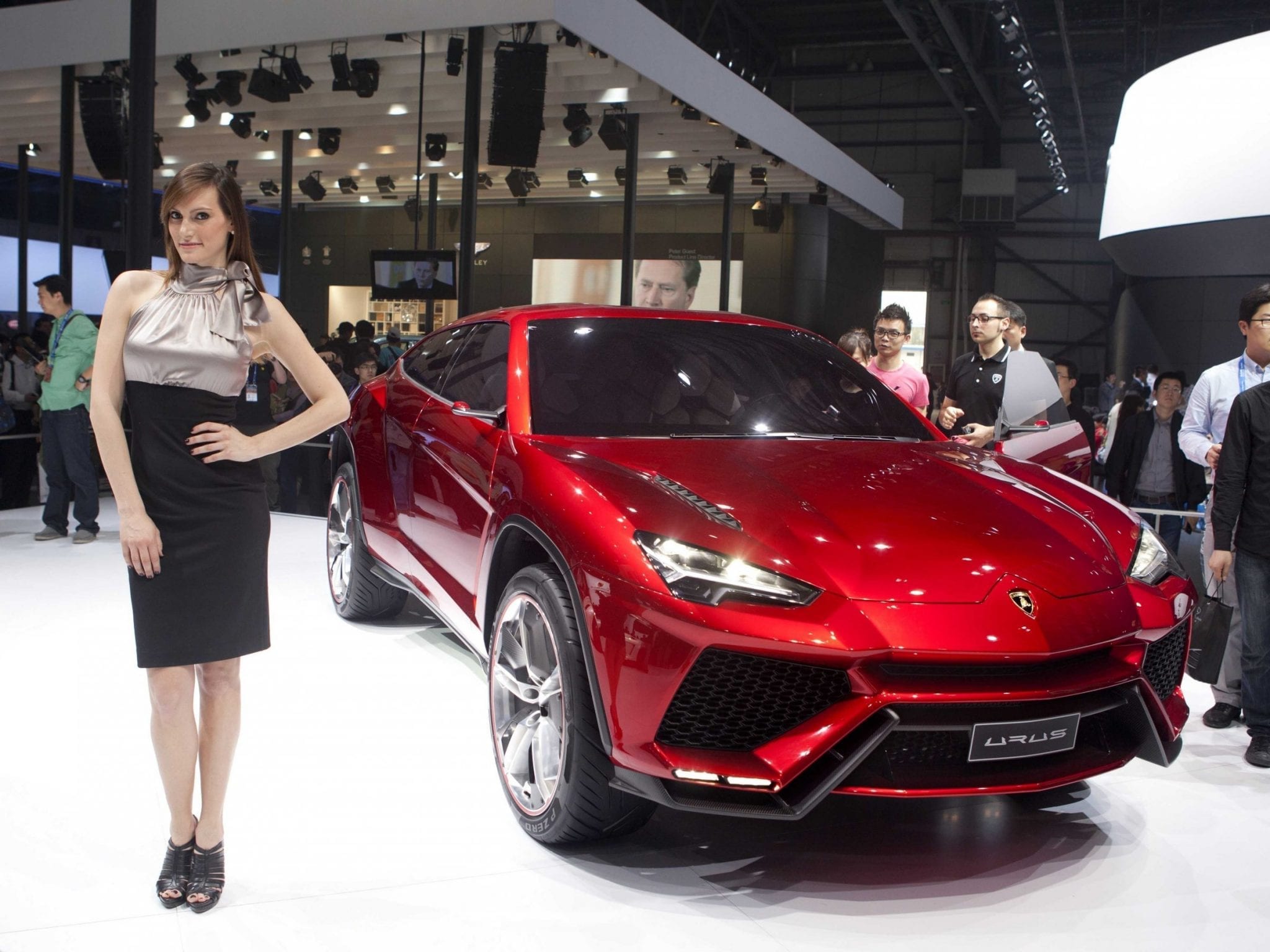
    Italy based luxury sports car manufacturer Lamborghini is all set to launch its Urus SUV range, informed the company in an interview to a popular media publication. The company also confirmed that Urus will also feature the brand’s first plug-in hybrid, and that it will be the brand’s first and only SUV to get a plug-in hybrid system.

    Lamborghini Urus shares its platform with its cousins Audi Q7 and Bentley Bentayga and will also feature 48V-powered active anti-roll suspension. This is also the company’s first SUV since the LM002 which was on sale from 1986 to 1993.

    Lamborghini R&D chief Maurizio Reggiani has assured that there won’t be any compromise when it comes to the power of the car and all other variants of its SUV will get naturally aspirated engines.

    He added “A supersports car is completely different; you need the responsiveness of the engine, to feel the spark of every cylinder. We will keep normally aspirated engines for our other models. They are still the best choice.”

    The company also sees a strong distinction between its front-wheel-drive models and the increasing number of Rear-Wheel-drive variants in its portfolio. Lamborghini will continue to offer both the driveline systems as Reggaini explains that “a modern electronic chassis control system like that of the Huracan LP580-2 is no substitute for the ability of four-wheel drive to transfer power to the road.”

  • Toyota recalls 18,757 Lexus cars

    Toyota recalls 18,757 Lexus cars

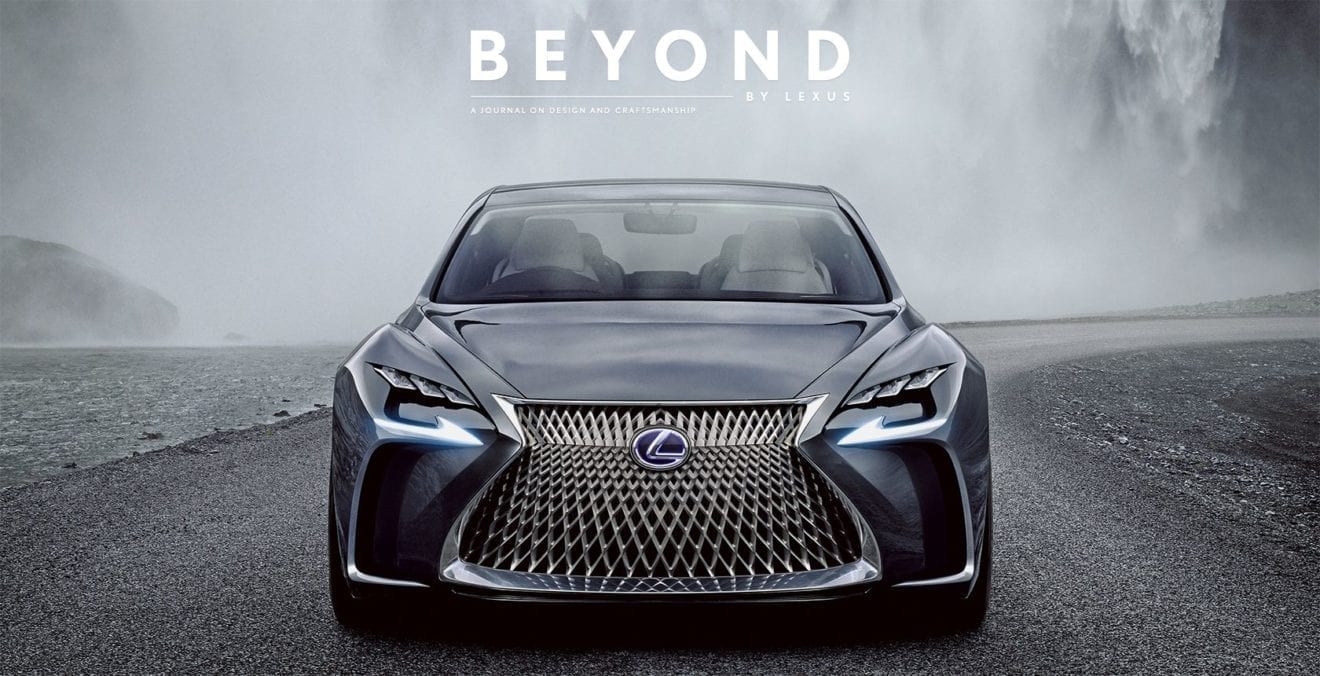
    Russian standards agency Rosstandart said on Monday it had been informed about a voluntary recall by Toyota of 18,757 Lexus NX 200, NX 200t and NX 300h cars which had a fault in their braking systems.

    The recall affected cars sold after Sept. 11 2014, the agency said in a statement.

  • Lifan Industry to set up new energy car unit

    Lifan Industry to set up new energy car unit

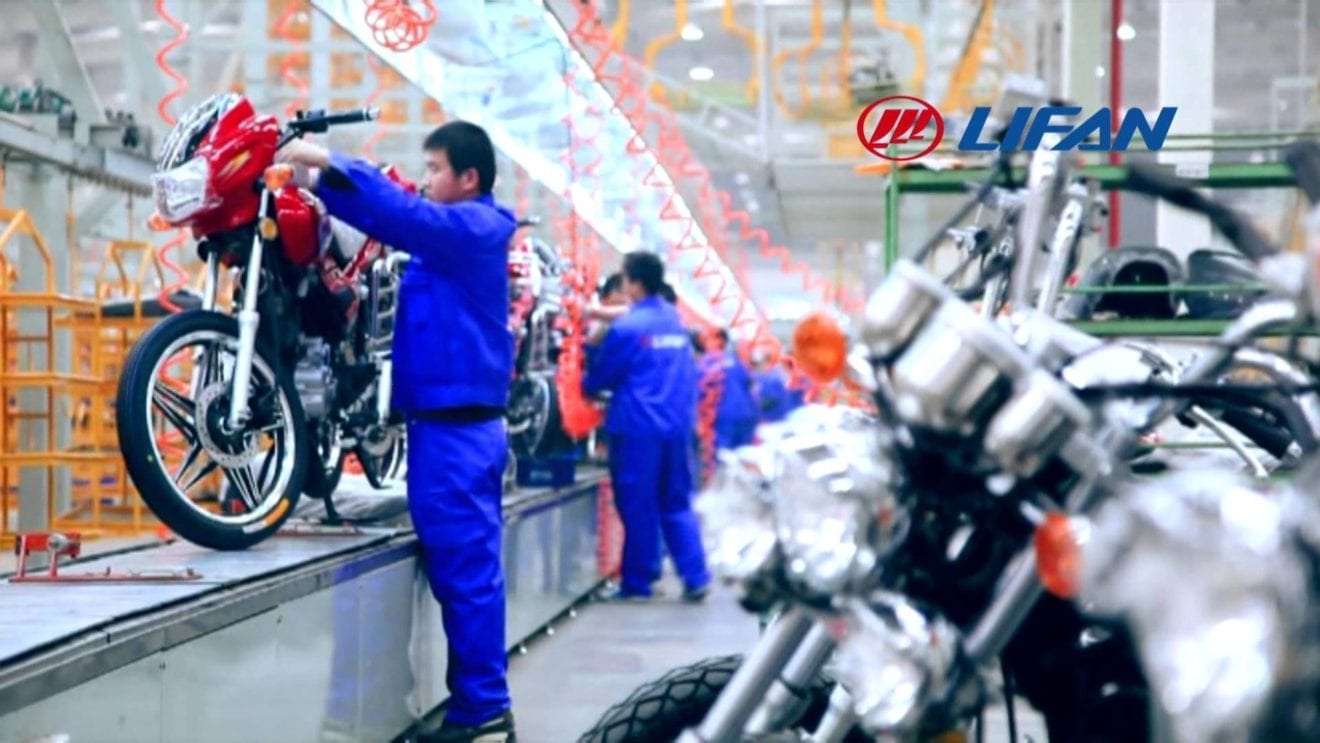
    Lifan Industry Group Co Ltd Says it plans to set up new energy car unit with registered capital at 1.0 billion yuan ($143.93 million).

  • Honda, Alphabet’s Waymo in talks over self-driving technology

    Honda, Alphabet’s Waymo in talks over self-driving technology

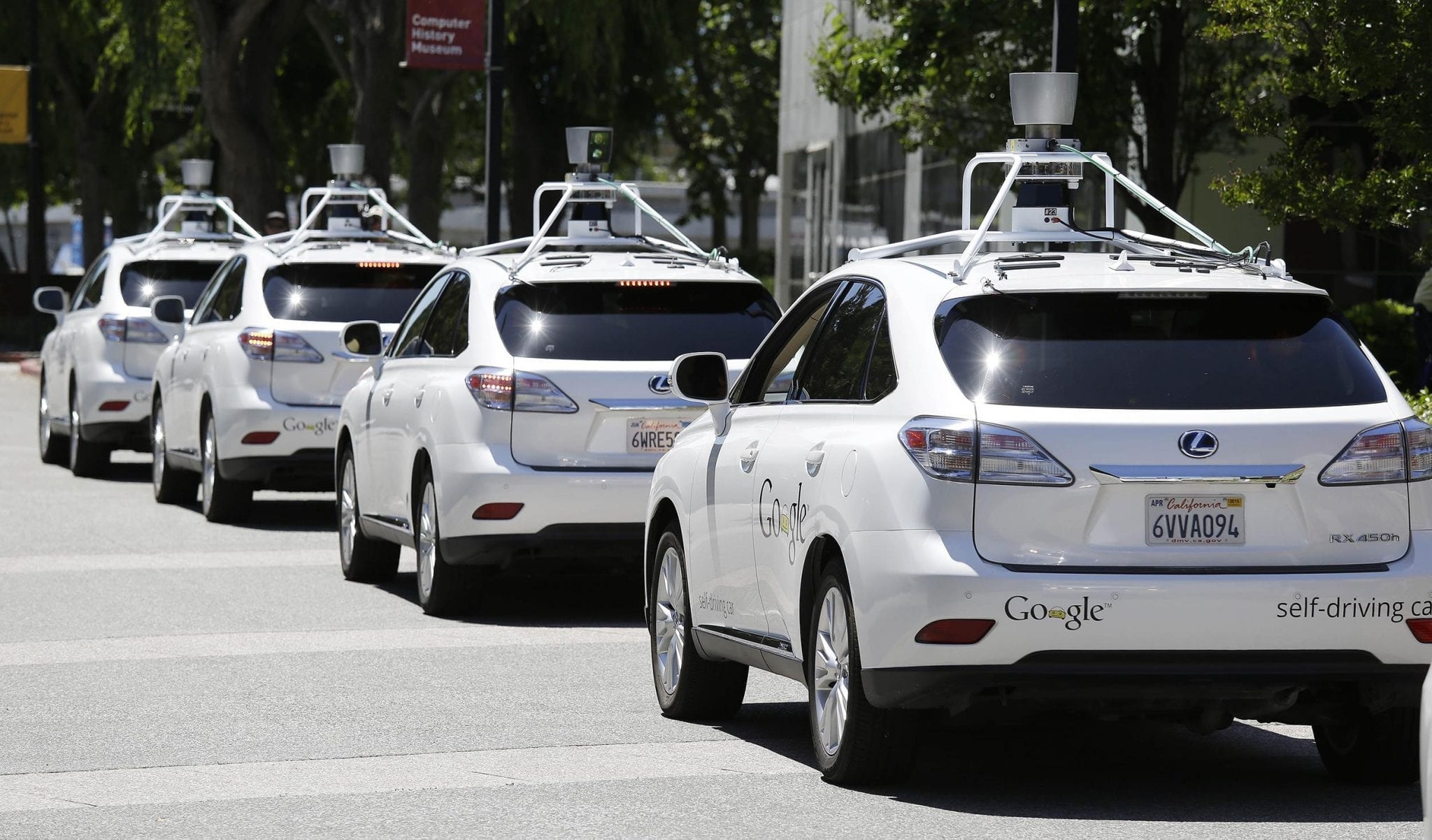
    Honda Motor Co said on Wednesday it had entered into formal talks with Alphabet Inc’s new self-driving division Waymo to add self-driving technology to its vehicles, marking the second potential customer for the automation software.

    The move comes just one week after Google spun off its self-driving unit into its own company named “Waymo” with a mandate to strike partnerships with automakers and others and commercialize the research it has been developing for over seven years.

    The potential deal illustrates how automakers faced with the high costs of developing the new technology in-house are separating into those betting on developing it alone, such as Ford Motor Co and General Motors Co, and those turning to partnerships with suppliers to spread the costs.

    Honda’s announcement marks Google’s second potential tie-up with an automaker over its self-driving technology. The first came in May, when the technology giant signed a deal with Fiat Chrysler Automobiles NV to incorporate the tech into the carmaker’s minivans.

    Unlike cash-strapped Fiat Chrysler, however, Honda has already committed its own resources to autonomous driving, and it said on Tuesday those efforts would continue.

    While Honda has been less vocal about its plans for self-driving cars than larger rivals like Toyota Motor Corp, the Japanese automaker showed off a self-driving prototype in June it has been testing in Northern California. The carmaker foresees full autonomy on highways by 2020.

    “In addition to these on-going (in-house) efforts, this technical collaboration with Waymo could allow Honda R&D to explore a different technological approach to bring fully self-driving technology to market,” Honda said in a statement.

    Honda said, as part of the collaboration talks, it could provide Waymo with vehicles modified to accommodate Waymo software, such as Fiat Chrysler has done with its Chrysler Pacifica minivans.

    Were a deal to be signed, Honda said its engineers in Silicon Valley and Tochigi, Japan would work closely with Waymo engineers.

    A Waymo representative said the company was “looking forward to exploring opportunities to collaborate with Honda to advance fully self-driving technology and make our roads safer.”

  • Toyota recalls 66,830 imported Lexus cars in China

    Toyota recalls 66,830 imported Lexus cars in China

    The Chinese unit of Toyota Motor Corp will recall 66,830 imported Lexus brand vehicles in the country over potential safety issues, China’s quality watchdog said on Friday.

    Some Lexus models, made between June 2014 and December 2016, have problems with their braking software, China’s General Administration of Quality Supervision, Inspection and Quarantine said on its website.

    In October, Toyota issued a recall for about 5.8 million cars in Japan, Europe and China over potentially faulty airbag inflators made by Takata Corp. In June

    The notice urged consumers to immediately contact dealers for inspection and said current stock vehicles will be sold in the absence of defects.