Tag: car

  • Tesla settles Norway lawsuit over car’s performance

    Tesla settles Norway lawsuit over car’s performance

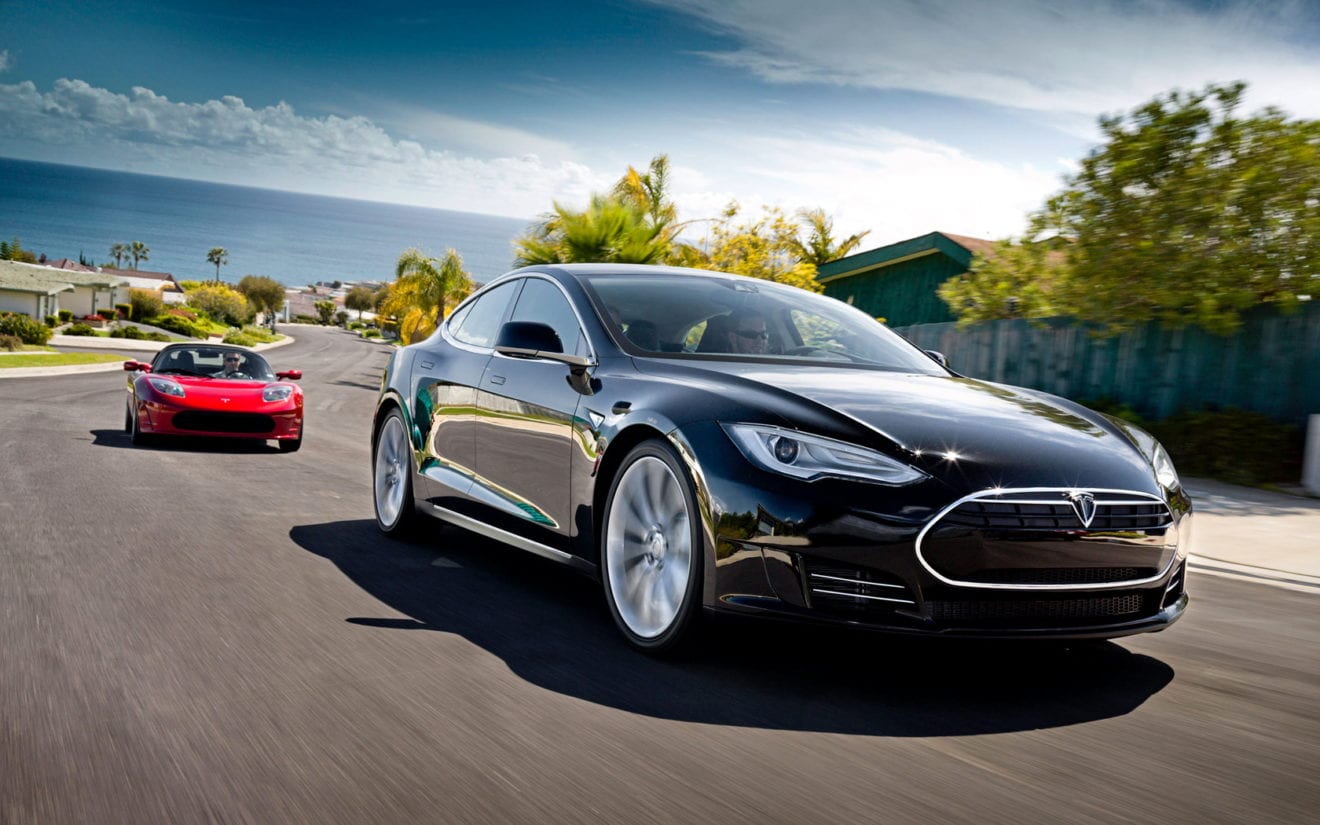
    Electric carmaker Tesla Motors Inc has reached an out-of-court settlement with 126 Norwegian customers who claimed their cars’ performance did not match promises made in the firm’s marketing.

    Lawyers for the owners and the company told the Oslo District Court in a joint letter they wanted to withdraw the case which had been due to start on Monday, a court spokeswoman said.

    Kaspar Nygaard Thommessen of Oslo-based law firm Wikborg Rein, who represented the car owners, told Reuters a settlement had been reached in recent days and the case had been resolved.

    He declined to provide details of the settlement.

    Norwegian business newspaper Dagens Naeringsliv (DN) said on Sunday Tesla had agreed to pay 65,000 Norwegian crowns ($7,700) to each car owner, about half of what they demanded, or allow them to choose from alternative options, including car upgrades.

    The case involved Tesla’s Model S P85D, which the car owners said had a lower horsepower than stated by Tesla. The company has denied misleading the buyers.

    While the Model S PD85 is no longer offered in Norway, similar Tesla Model S cars range from $95,000 for the 90D version to $135,000 for the P100D, according to the company’s Norwegian price website. Most buyers will also pay for add-ons that raise the price further.

    Norway is among the world’s top markets for electric cars thanks to generous government subsidies aimed at increasing the electrification of transport.

    The registration of new Tesla cars in Norway fell by 24 percent in the first 11 months of 2016 compared with 2015, according to data from lobby group Road Traffic Information Council (OFV).

  • Hanon Systems Expands Engineering Capability in China

    Hanon Systems Expands Engineering Capability in China

    Hanon Systems, a leading global provider of automotive thermal solutions, is enhancing its ability to serve vehicle manufacturers in China by opening a new engineering center in Shanghai.

    Located in Shanghai’s Songjiang district, the new 3,612 square meter multi-story facility will serve as the engineering epicenter of technical collaboration for application engineering and system evaluation supporting Chinese automakers and global vehicle manufacturers operating in China.

    “Supporting customers is a top priority and China is an important market to Hanon Systems,” said In-Young Lee, president and chief executive officer of Hanon Systems. “We are pleased to open this new engineering center in Shanghai to provide automakers with local technical expertise and testing capability to better support the growing China market.”

    The engineering center also is equipped with state-of-the-art test equipment to provide in-house design verification, product validation and in-process testing. Specific test capability includes noise, vibration and harshness (NVH) evaluation; air handling performance and durability of heating, ventilation and air conditioning modules; and thermal system component testing for electric vehicles.

    “Hanon Systems is well-positioned to support the demand for new energy vehicles (NEV) in China with a suite of products that are proven with global vehicle manufacturers and designed specifically for NEV architectures,” said Dr. Kwangtaek Hong, chief technology officer of Hanon Systems. “This new engineering center is a testament to our commitment to support the China market and the NEV trend.”

    Hanon Systems is relocating its Shanghai technical staff from an existing site approximately 25 kilometers in distance to the new facility in the Songjiang district, which has the capacity to accommodate additional resources to support growth based on business and customer needs.

    The Shanghai center is one of 14 engineering locations supported by four global technical centers that are responsible for developing advanced technologies, core product development and global standardization of new technologies. Hanon Systems’ global technical centers are located Daejeon, Korea; Kerpen, Germany; Nový Jičín, Czech Republic; and Van Buren Township, Mich.

  • Toyota chief shifts gear, to boost electric vehicle division

    Toyota chief shifts gear, to boost electric vehicle division

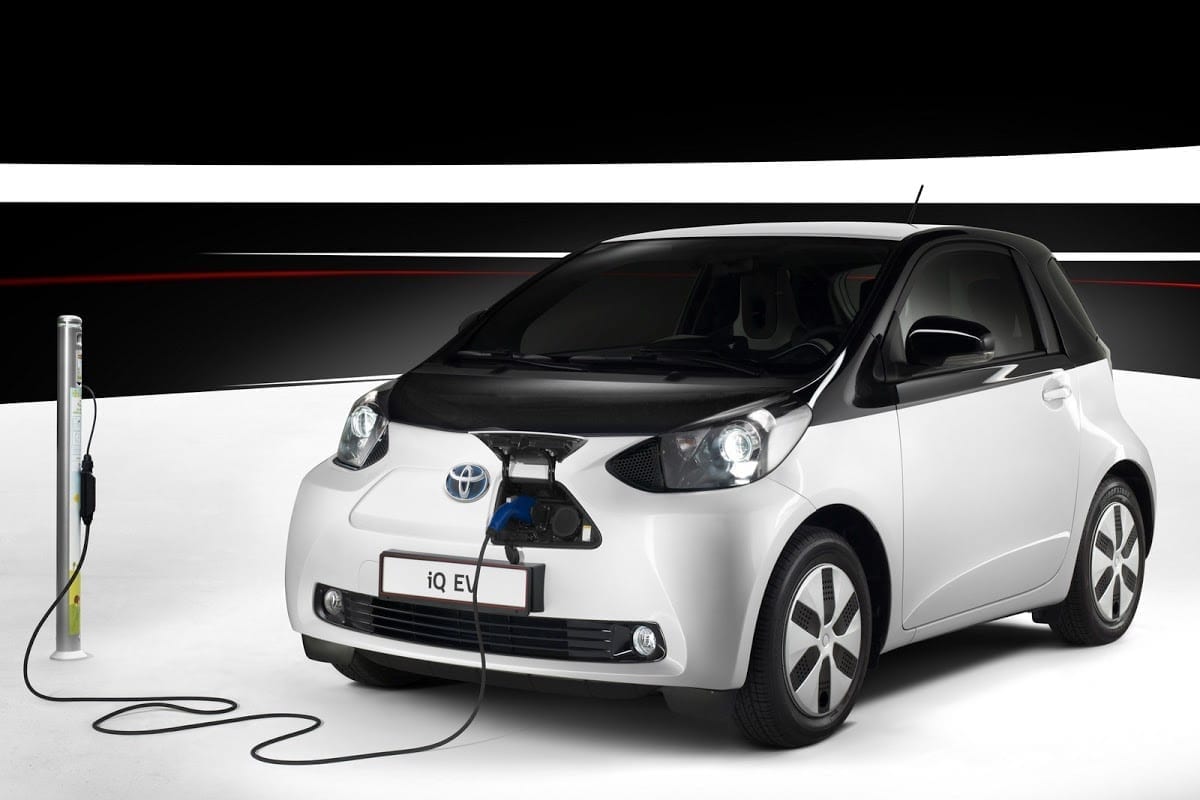
    Toyota Motor Corp on Wednesday appointed its president to lead their newly formed electric car division, flagging its commitment to develop a technology that the automaker has been slow to embrace.

    The change comes as the United States, China and European countries are encouraging automakers to make more all-electric battery cars as they push alternative energy strategies.

    Akio Toyoda, grandson of the company’s founder Kiichiro Toyoda, has been at the helm of the world’s largest automaker since 2009. He will head the company’s electric vehicle (EV) planning department along with Executive Vice Presidents Mitsuhisa Kato and Shigeki Terashi.

    “By putting the president and vice presidents in charge of the department, we plan to speed up development of electric cars,” said Toyota spokeswoman Kayo Doi, following a personnel change announcement by the company.

    “The president will directly oversee the department’s operations to enable decisions to be made quickly and nimbly.”

    The department comprises a new in-house unit to plan Toyota’s strategy to develop and market electric cars as part of the company’s efforts to keep pace with the tightening global emissions regulations.

    Toyota is also shifting the chief engineer of its Prius petrol-hybrid to its EV efforts, appointing Koji Toyoshima to head the division’s engineering team. Toyoshima will also join the four-member EV strategy unit, which will include representatives from group suppliers – Denso Corp, Aisin Seiki Co, and Toyota Industries Corporation.

    Rivals such as Nissan Motor, Volkswagen and Tesla Motors have touted pure electric cars as the most viable zero-emission vehicles.

    However, Toyota until recently said it favored EVs for short-distance commuting given their limited driving range and lengthy charging time. It has been investing heavily in hydrogen fuel-cell vehicles (FCVs), which the company considers as the ultimate “green” car.

    Earlier this month, Toyota said it will develop cars with up to 15 percent greater range and battery life in the next few years.

  • Tesla Motors to get semiconductors from Samsung Electronics

    Tesla Motors to get semiconductors from Samsung Electronics

    Samsung Electronics will supply semiconductors to US electric car maker Tesla Motors, South Korea’s Electronic Times reported on Friday citing unnamed sources.

    Samsung would contract manufacture chips for self-driving features in Tesla vehicles, the paper reported, without putting a value on the order.

    The South Korean firm has been trying to build auto-related sales for components such as semiconductors and displays in a push to develop a new growth engine.

    Samsung in November said it would acquire Harman International Industries for $8 billion in a bid to grow quickly in the automotive market.

    Samsung did not immediately comment on the report, while Tesla could not be immediately reached for comment.

  • China November vehicle sales up 16.6 pct

    China November vehicle sales up 16.6 pct

    China auto sales in November rose 16.6 percent from a year earlier to 2.9 million vehicles, the sixth consecutive month of double-digit growth, the China Association of Automobile Manufacturers said on Monday.

    That compares with an 18.7 percent rise in October and a 26.1 percent rise in September.

    In the first 11 months of 2016, sales grew 14.1 percent compared with the previous year, the association said at a briefing in Beijing.

    In October, the association raised its forecast for full-year 2016 growth to 7 percent, from 6 percent previously.

  • Hyundai joins ITU to help drive connected car standards

    Hyundai joins ITU to help drive connected car standards

    South Korea’s largest automaker Hyundai Motor Company has joined the ITU’s standardization arm (ITU-T) to contribute to creating standards for connected cars.

    As a new member, Hyundai will support the coordinated development of intelligent transport systems that will improve the passenger experience, road safety and reduce traffic congestion and emissions.

    “ITU is well placed to encourage the public-private partnerships required to improve road safety,” said ITU Secretary-General Houlin Zhao. “Joining the ITU membership, Hyundai has entered the company of governments, industry players and academic and research institutes working together to build cohesion in ICT innovation.”

    The ITU has been ramping up efforts in recent years to provide a unique, global platform for automotive-ICT collaboration, which has already sparked the development of a range of ITU standards tailored to the automotive industry.

    “Hyundai Motors is looking forward to participating in ITU and will bring important momentum from the automotive industry to advance the future of connected car technology,” said Eon Youl Shin, Director, Hyundai.

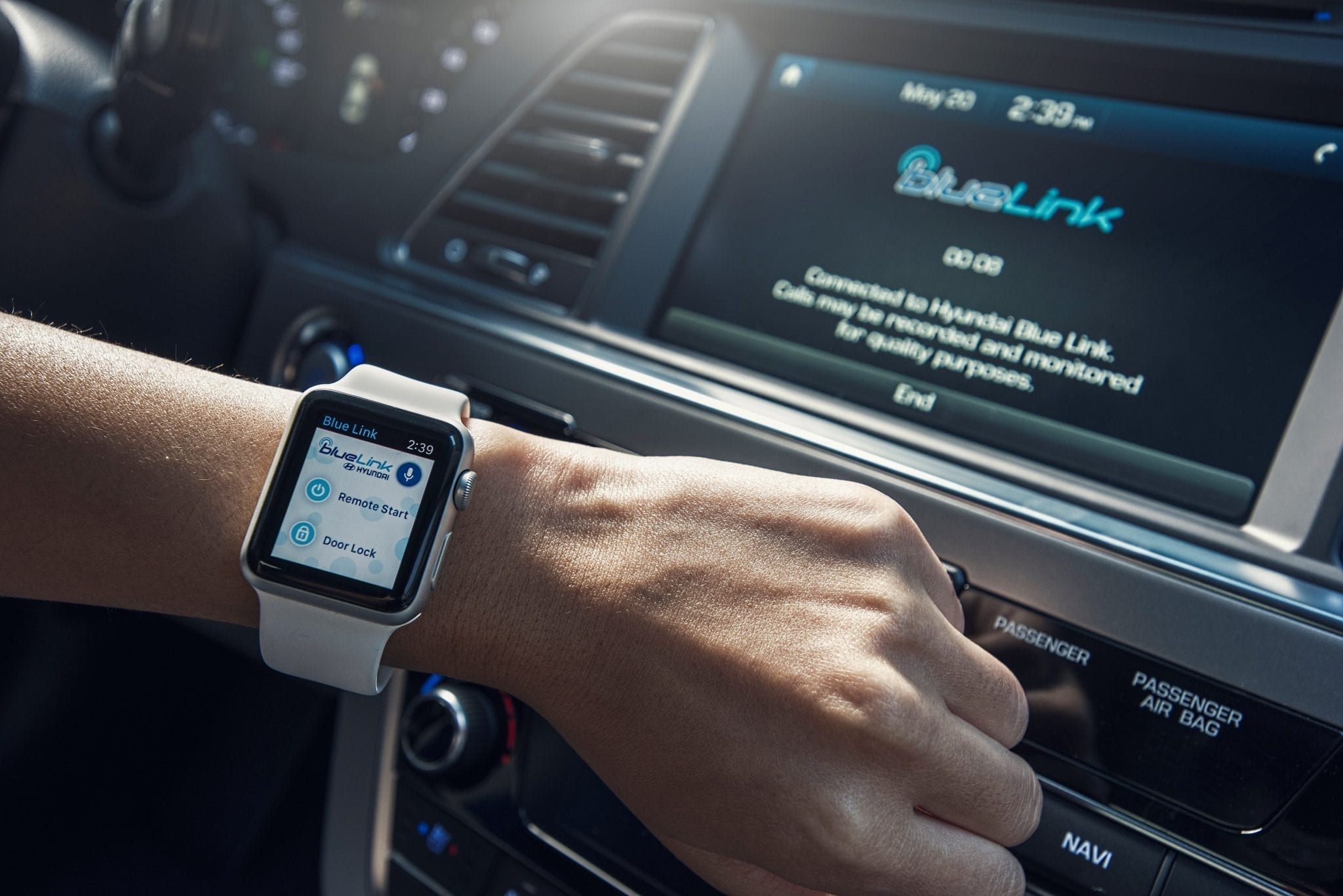
    Hyundai’s participation in ITU will also support the company in building its “hyper-connected intelligent cars” platform, which includes smart remote maintenance services, autonomous driving, smart traffic flow, and a connected “mobility hub” to provide security and data management for connected cars.
    ITU said it will host discussions on the status and future of intelligent transport systems at the Geneva International Motor Show in March 2017 at the Symposium of the Future Networked Car.

    “Standardization will be essential in building a trusted ecosystem of intelligent vehicles,” said Chaesub Lee, Director of the ITU Telecommunication Standardization Bureau. “ITU standardization work is supporting the increasing integration of ICTs in vehicles with road safety and data security as our top priorities.”

    An ITU standard for secure over-the-air software updates for connected cars is expected to be approved in early 2017, and new ITU standards are under development to reduce technology-related driver distraction.

  • Delphi, Mobileye to use Intel chip for self-driving car system

    Delphi, Mobileye to use Intel chip for self-driving car system

    Auto parts maker Delphi Automotive and Israeli technology firm Mobileye NV will put an Intel Corp chip at the heart of their joint effort to produce self-driving vehicles by 2019, the companies said on Tuesday.

    The move is a boost for the world’s largest semiconductor maker, which is also working with German luxury car maker BMW AG and Mobileye on self-driving technology, but has not been able to extend its broader chip dominance into the fast-emerging autonomous vehicle market.

    Companies from Alphabet Inc’s Google to Uber Technologies and Tesla Motors are vying to put autonomous vehicles on U.S. roads, which could radically reshape transportation across the country.

    Intel will provide a “system on chip” for autonomous vehicle systems that Delphi and Mobileye are developing together, Glen De Vos, Delphi’s vice president of engineering, told Reuters.

    UK-based Delphi is talking with established automakers and new or niche vehicle companies, such as manufacturers of commercial vehicles, interested in automating vehicles, De Vos said.

    The system Delphi and Mobileye are developing would likely come to market first in a commercial vehicle operating in a limited area, such as an airport shuttle or a ride-hailing service, DeVos said.

    Delphi is testing autonomous driving technology in vehicles in Singapore. By the end of this year, Delphi hopes to choose a city in the United States to launch a test fleet of self-driving cars during 2017, De Vos said. The company is also looking for test site in a European city.

    “We are looking at Pittsburgh and Boston and a couple of others,” De Vos said. Pittsburgh is where ride services company Uber is testing its own self-driving vehicles.

    Delphi and Mobileye will stage a demonstration of their self-driving vehicle system at the Consumer Electronics Show in Las Vegas in January, De Vos said. That system will use current, electromechanical laser imaging technology, or LIDAR, that is too expensive for use in consumer vehicles, he said.

    Delphi is also working with Quanergy Systems, a maker of solid-state LIDAR systems, De Vos said.

  • German carmaker BMW launches Indonesian-made sedans in luxury push

    German carmaker BMW launches Indonesian-made sedans in luxury push

    German automaker BMW on Wednesday launched its 7 series sedans in Indonesia that will be assembled in the country as it seeks to tap into the long-term demand for luxury vehicles in Southeast Asia’s biggest economy.

    Other luxury car companies such as Daimler AG’s Mercedes-Benz are also increasingly shifting part of their production to the country of 250 million people to reduce costs and distribute their vehicles more quickly to consumers.

    “We are very positive about the future of Indonesia and therefore we also see an increased potential in the luxury market,” Axel Pannes, managing director of BMW Group Asia, told Reuters on the sidelines of a media launch in Jakarta.

    The German company has invested more than 210 billion rupiah ($15.5 million) over the last five years to assemble a greater number of car models in Indonesia, the 7 series being the latest addition to its local line-up.

    The group sold a total of 3,638 vehicles in Indonesia last year, up 5.7 percent from a year earlier. BMW executives declined to give sales projections for this year or for 2017.

    Global carmakers would benefit from lower import tariffs for certain components if they were to set up local assembly plants, said Jongkie Sugiarto, co-chairman of the Association of Indonesia Automotive Industries.

    The move would also be positive for Indonesia as it brings investment into the country and generates employment, he added.

    The Indonesian government is offering incentives for foreign companies to build cars domestically, said I Gusti Putu Suryawirawan, director-general for metal, machines, transport equipments and electronics at the industry ministry.

    “The aim is for them to produce here and therefore involve local suppliers,” Suryawirawan said, adding that the automotive sector was a key sector for Indonesia’s economic growth.

    Gross domestic product is expected to grow 5 percent this year and up to 5.4 percent in 2017, according to the central bank’s latest estimate.

    The premium car market should be supported next year by the government’s economic stimulus and the roll-out of infrastructure projects, said Kariyanto Hardjosoemarto, a sales operation and product management executive at Mercedes-Benz in Indonesia.

    Indonesia’s tax amnesty scheme, launched in July, may also help to boost luxury car sales as those who were previously concerned by being chased by the tax office would now be less hesitant about making such purchases, Hardjosoemarto added.

  • BMW to offer new version of i3 electric car in 2017

    BMW to offer new version of i3 electric car in 2017

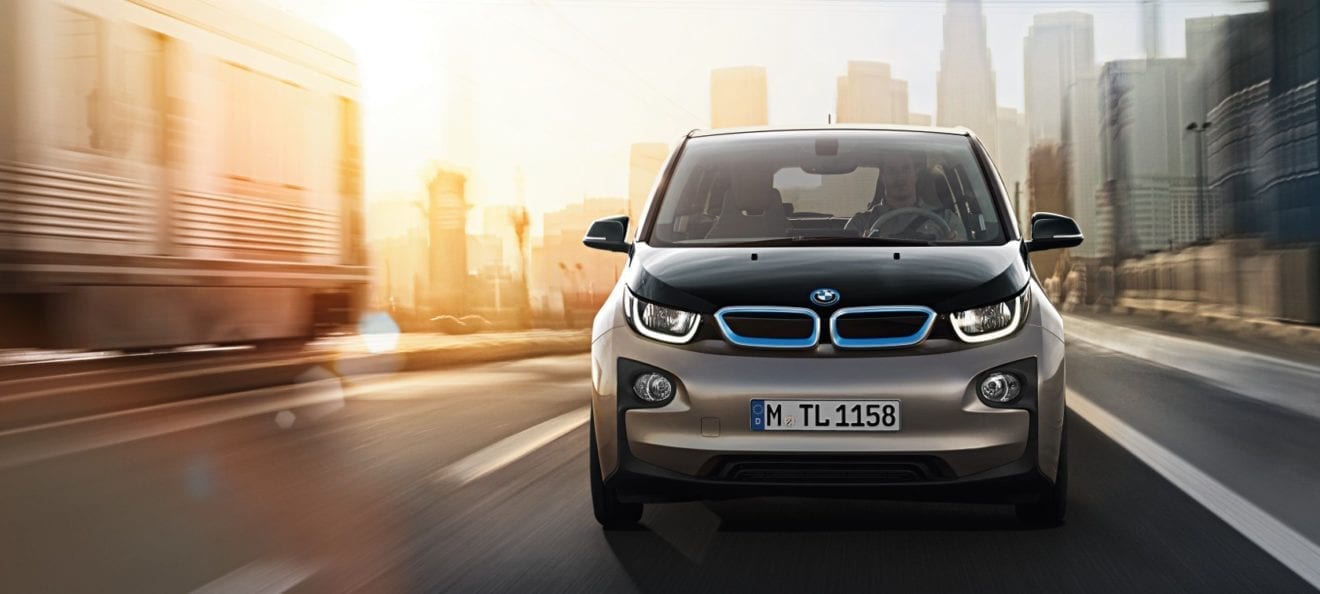
    German luxury carmaker BMW plans to launch a new version of its i3 electric car next year with a longer range and revamped design, German weekly Welt am Sonntag reported, citing company sources.

    BMW will rework the front and rear of the i3 and equip the car with a new battery to increase its range substantially beyond the current 300 km maximum, the paper said, adding that the increase would be below 50 percent.

    BMW has been torn about whether to accelerate development of new electric cars given its expensive early investment has only resulted in lacklustre sales, with 25,000 i3s delivered last year.

    To help improve sales, BMW has already increased the battery range of its i3 city car by 50 percent this year.

    BMW was not immediately available for comment on the newspaper report.

  • Bentley ‘Be Extraordinary’ tour kicks off in Melbourne

    Bentley ‘Be Extraordinary’ tour kicks off in Melbourne

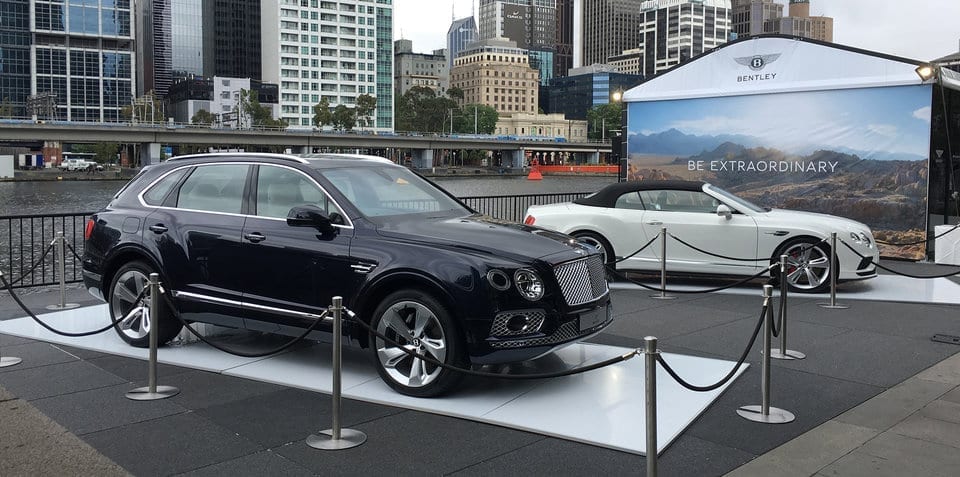
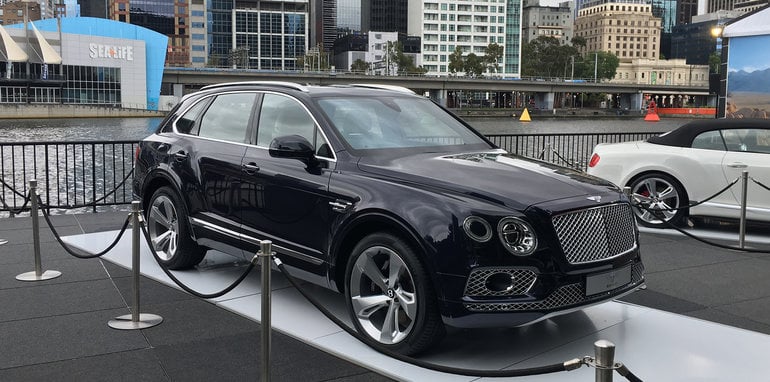
    Bentley has kicked off its Be Extraordinary tour in Melbourne, with the brand showcasing four models and a new, more affordable way of entering the Bentley brand.

    With plans to expand the tour to include Brisbane, Bathurst, Sydney and Perth, the tour kicked off this week on the banks of the Yarra in Melbourne.

    Located just outside Crown Casino, the Bentley marquee includes material samples and showcases iconic parts of Bentley’s history.

    bentley-be-extraordinary-melbourne-7

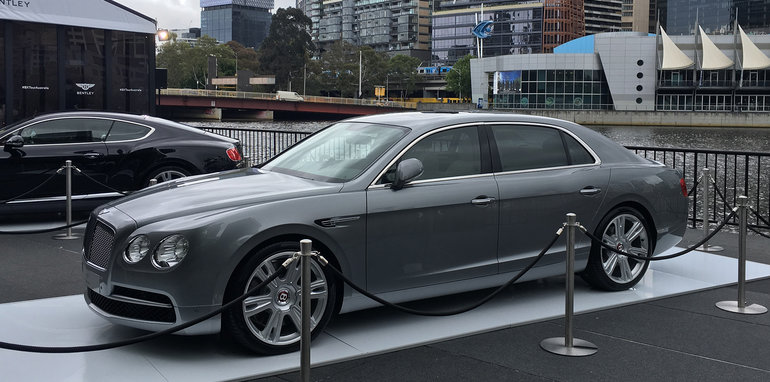
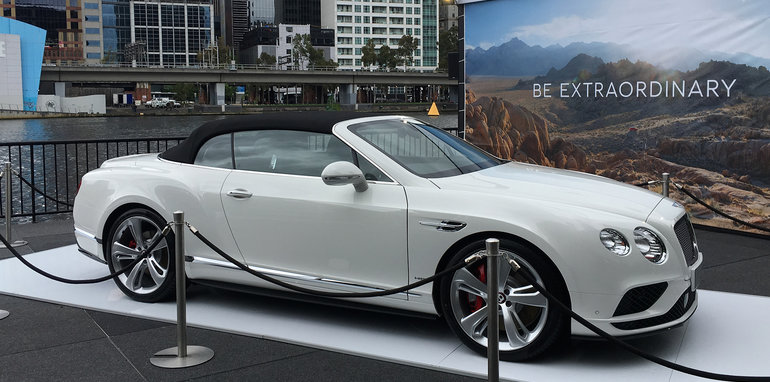
    The Be Extraordinary tour has also been designed to launch Bentley’s new financial services, which make the ContinentalGT V8 and Flying Spur V8 more accessible to prospective buyers.

    Both models now feature an attractive $399,000 drive away price, which can be packaged as part of a financial services product over 60 months, that comes out to $3999 per month.

    “We had a look at the content and options that would be fitted to a standard GT V8 as an entry-level model to the brand. There has always been a misconception that Bentleys have been a million-dollar car and inaccessible to people. That’s a problem we’ve been looking to overcome in Australia,” said David Jackson, Bentley’s regional manager for the Asia Pacific region.

    bentley-be-extraordinary-melbourne-4

    “We’ve introduced the ‘399 GT V8’, which has the options a customer would want — like the 21-inch alloys and sports exhaust – but you still come in with all taxes paid. That’s 399 on road. What we’re looking to do beyond this is expand the financial services to make the whole range accessible.”

    Bentley has four vehicles on display at the Melbourne roadshow, including the Bentayga and Continental GT V8 Convertible, along with two examples of the $399,000 product in the Continental GT V8 and Flying Spur.

    “There are a lot of people in different industries in Australia that are booming right now. Australia is a developing market and something like Bentley Financial Services then becomes an option for them. The point of this roadshow is to bring the Bentley brand to life for people,” Jackson said.

    bentley-be-extraordinary-melbourne-3

    “People often don’t know about the Bentley brand and as part of this roadshow we have 21 extraordinary stories here. The point is to explain 21 things you may have never known about Bentley. Such as…James Bond in the Ian Fleming novels never drove an Aston Martin, he drove a Bentley.”

    The Melbourne marquee and display will be around until Sunday 27 November, and operates from 11AM to 8PM each day. Residents of Sydney, Brisbane, Bathurst and Perth will also get to experience the roadshow later this year and next year.

    “We are going to move this on to Sydney before the end of this year. It will stay there until Bathurst, and after Bathurst we will head to Brisbane, and the Grand Prix next year. Perth will then get it around April next year [2017],” Jackson said.

    bentley-be-extraordinary-melbourne-9

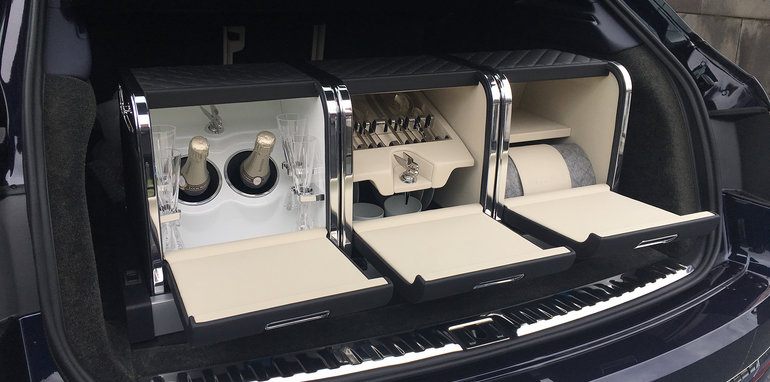
    If you do get down to the display in Melbourne, ask to see the Linley Hamper by Mulliner in the rear of the Bentayga. This incredible picnic package includes a chilled champagne cooler with four crystal flutes.

    There’s also storage room for a rug and a full cutlery set. And, at a reasonable $57,808, it seems like a no brainer option for your new Bentley Bentayga SUV.

  • Ferrari boasts rising sales and profit

    Ferrari boasts rising sales and profit

    Italian luxury sports carmaker Ferrari has reported strong third-quarter results despite a challenging market environment. The company logged its steepest sales rise in China, while the rest of Asia proved difficult.Ferrari on Monday booked a record third-quarter profit of 113 million euros ($126 million), marking a 20-percent rise over the same three-month period a year earlier.

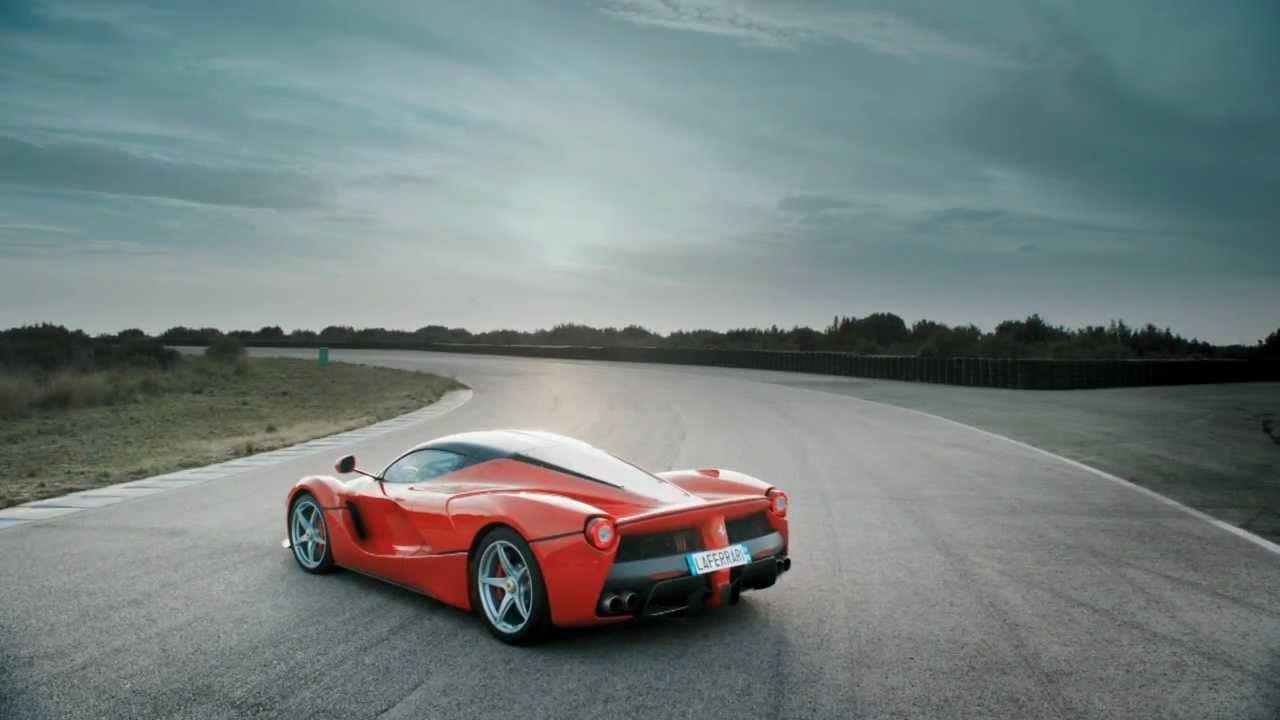
    The Maranello, Italy-based automaker said revenue in the quarter was up 8 percent to 783 million euros. It noted the success was attributable to its sales of 12-cylinder models, notably the F12df, the four-seat GTC4Lusso and the newly launched LaFerrari Aperta.

    The Italian carmaker reported shipments of 1,978 vehicles for the July-to-September period, emphasizing that its sales to China had increased by 15 percent.

    Rosy outlook

    Also picking up were sales to Europe and the Americas, while Asia outside of greater China proved a difficult market with shipments there decreasing due to logistical delays caused by a shipment carrier.

    Ferrari confirmed its forecast of shipments for the whole year at around 8,000 units, with revenues to pick up by 3 percent.

    The group revised its earnings guidance upward on the strong third-quarter results, saying that pre-tax profit would come in at above 850 million euros for 2016.

    In the past quarter, Ferrari also booked higher engine revenues on Maserati sales and rentals to other Formula 1 teams as well an increase in sponsorship and brand earnings.

  • Toyota says aims to develop advanced electric-car battery in a few years

    Toyota says aims to develop advanced electric-car battery in a few years

    Toyota Motor Corp said it aims to develop a new, more advanced electric-car battery “in a few years” that will allow the Japanese automaker to come up with an electrified vehicle with driving range and battery life enhanced by up to 15 percent.

    Such performance-enhanced lithium-ion battery technology will likely enable all its electrified vehicles to be improved, Toyota said.

    “Lithium-ion battery is a key technology for electrifying cars, and there is a clear need, going forward, for improving this technology and its performance even more,” Hisao Yamashige, a battery technology researcher at Toyota, told a media briefing in Tokyo on Thursday.

    Improving the performance of lithium-ion battery technology is a pressing issue for traditional automakers such as Toyota and new entrants such as Tesla Motors Inc because of its limiting characteristics.

    Producers of all-electric battery cars, plug-in electric hybrids, as well as conventional gas-electric hybrids are all striving to source or develop more advanced battery technologies to give their electrified cars a better driving range, battery life, and safety.

    Toyota, Japan’s biggest automaker by volume, has pioneered gasoline-electric hybrids technology and is gearing up to launch a new, near-all-electric plug-in hybrid car called the Prius Prime. It also has recently said it is aiming to come up with an all-electric battery car by 2020.

  • Tesla to open its first Korean showroom on November 29th

    Tesla to open its first Korean showroom on November 29th

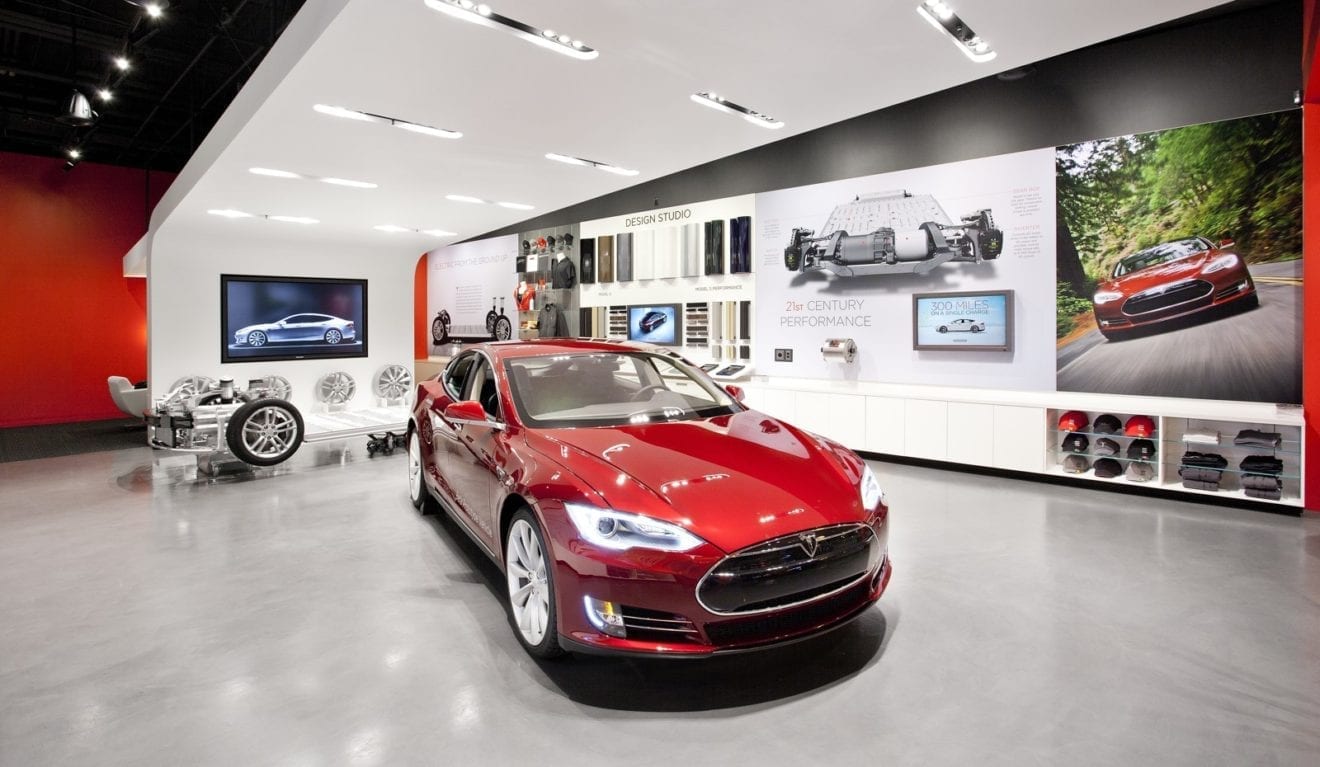
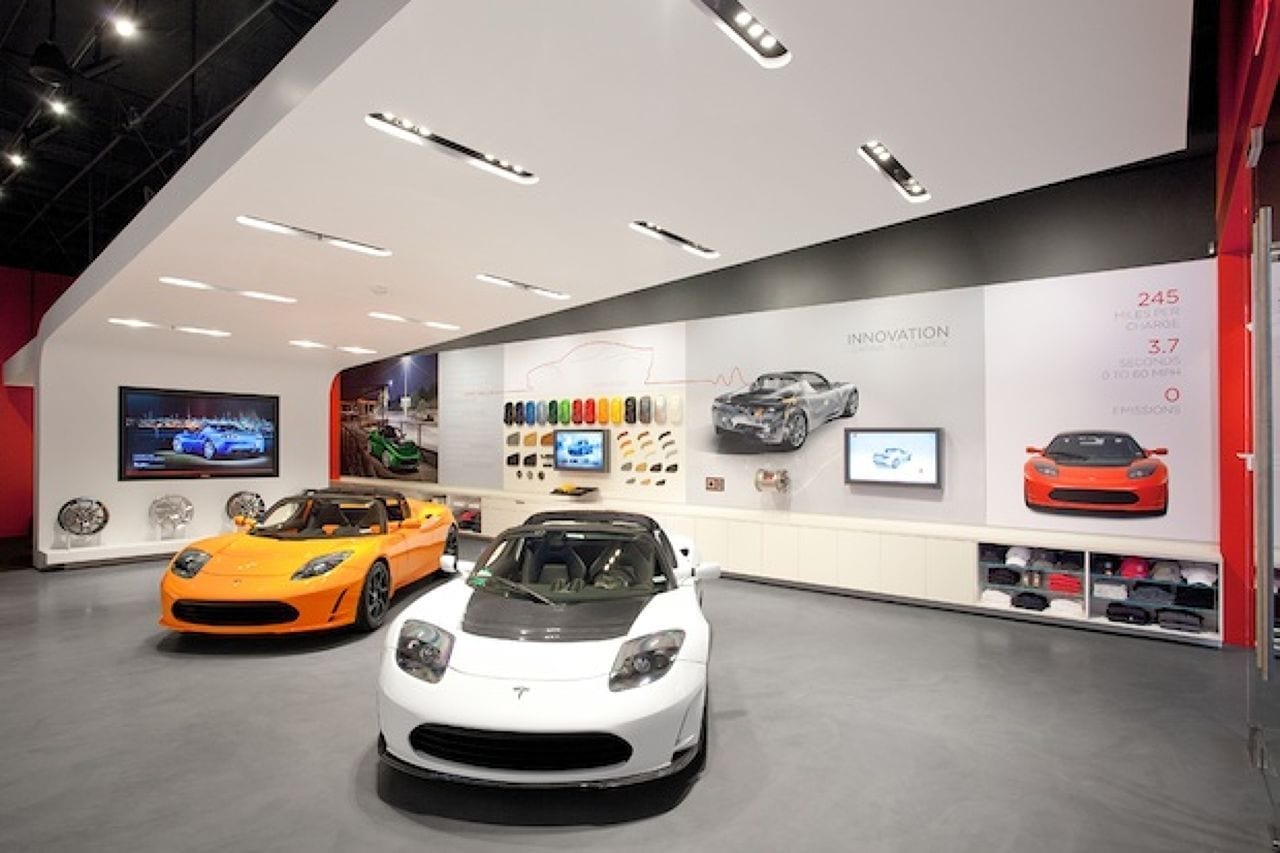
    The U.S.-based electric carmaker Tesla Motors will open its first Korean showroom at the Starfield Hanam shopping mall in Gyeonggi Province, Nov. 29.

    A Starfield Hanam official said he received an in-house notice of the Tesla showroom opening date.

    “However, the opening date may be moved up or delayed depending on Tesla’s preparations,” he added.

    Starfield Hanam, which had its grand opening on Sept. 9, is the largest shopping complex in Korea built as a joint venture between retail giant Shinsegae and U.S.-based shopping mall management company Taubman’s regional affiliate Taubman Asia.

    Before the grand opening, Tesla said Aug. 31 in a press release it would open its first Korean showroom on the second floor of the mall.

    The showroom is currently under construction, covered with a screen to hide the interior. However, Tesla has reportedly completed the ground construction for a charging station on the mall’s second-floor parking lot.

    The showroom will present Tesla’s Model S 90D, a full-size all-electric five-door luxury sedan.

    When the model was introduced in 2012, it received a perfect 5.0 from the U.S. National Highway Traffic Safety Administration (NHTSA) car safety rating. The U.S. Environmental Protection Agency (EPA) official range for the 2012 Model S equipped with an 85kWh battery pack is 426 kilometers.

    Tesla’s official webpage said the current Model S 90D’s range is 512 kilometers.

    Tesla has already received approval for emissions and noise standards from the Ministry of Environment, and is preparing for another approval with the Ministry of Land, Infrastructure and Transport (MOLIT). It is expected to take about two weeks to get MOLIT approval.

    Tesla is also preparing to open its second Korean showroom in Gangnam, southern Seoul.

    It reportedly signed a lease to rent a building in Cheongdam-dong on Sept. 1. It will use the building’s basement, first and second floors until Aug. 31, 2021.

    The Gangnam showroom is also currently under construction and Tesla officials visited the site last week to monitor the construction process.

    Tesla also announced last week via an email interview with ZDNet Korea, an IT-focused online newspaper, its plan to establish charging infrastructure in Korea.

    “Tesla is reviewing its plan to build a few supercharging stations in Seoul,” Atsuko Doi, Tesla’s head of communications for Asia Pacific, was quoted as saying.

    “We are discussing how to rent the sites for the charging stations.”

  • Jaguar Land Rover October sales up 11% at 46,325 units

    Jaguar Land Rover October sales up 11% at 46,325 units

    Tata Motors-owned Jaguar Land Rover (JLR) today reported 11 per cent increase in October retail sales of 46,325 units. The month’s performance has been driven by strong sales of the Land Rover Discovery Sport, Range Rover Evoque, Jaguar XF and the introduction of the Jaguar F-PACE, as well as strong year-on-year sales growth in China and Europe, JLR said in a statement.

    JLR Group Sales Operations Director Andy Goss said: “With our most engaging productline up to date, we are continuing to see positive sales momentum. Impressive performances across Europe and China have boosted our year-to-date sales to over 4,80,000 vehicles.”

    The company said its retail sales grew across majority of key regions in October year-on-year, with China up 39 per cent, Europe up 25 per cent, the UK and North America both up 8 per cent but other overseas markets were down 22 per cent.

    In the first ten months of 2016, JLR sold 4,80,349 vehicles, 23 per cent up on the same period in the prior year.

    The Jaguar brand recorded retail sales of 14,402 units in October, up 93 per cent on the previous year, reflecting the strong launch of the F-PACE and the introduction of the long- wheel base XFL in China, JLR said.

    Sales of the Land Rover brand however were down 6 per cent in October at 31,923 units. The company had ceased production of the Defender and Discovery in January 2016 and August 2016 respectively.

  • No Incentives for Hybrids in Thailand

    No Incentives for Hybrids in Thailand

    The Thai government rejects Toyota’s request to include hybrid vehicles in investment-incentive packages about to be offered for electric vehicles.

    Industry Ministry Permanent Secretary Somchai Harnhirun says the Board of Investment (BOI) will not include hybrids because government policy is to promote international-standard automobiles.

    The cabinet agreed in August to waive import tariffs on battery-electric vehicles (BEVs) and to give BOI incentives to investors who set up assembly plants for BEVs and produce critical parts such as batteries and motors within five years.

    Toyota Motor Thailand Senior Vice President Suparat Sirisuwannagkura argues the government should include hybrid vehicles in its promotion policy to keep them no more than 5% more expensive than pure internal-combustion-engine vehicles.

    Suparat argues hybrid technologies share some core technologies such as batteries and motors that producers could develop further for plug-in hybrid vehicles, BEVs and fuel-cell vehicles (FCVs) in the future. Moreover, EVs still have many limitations, especially in battery technology, and automakers may eventually bypass them and leapfrog to FCVs.

    Suparat says Toyota’s facility in Thailand has the capacity to develop more HEVs in the near future, “But a production volume of more than 100,000 vehicles and batteries a year will be tough to achieve without government support.”

    The Nation English-language newspaper reports Somchai told a seminar held by the Thailand Development Research Institute (TDRI) that the government does not pick winners.

    “We want to see real investment,” Somchai says. “We won’t be giving away our taxes for free, but we want a commitment as to what they will produce in the future.”

    TDRI researchers told the seminar the government must revamp the automobile excise tax structure to accurately reflect emission-release levels and be technology-neutral. They say that would make next-generation vehicles more competitive, increase buyer demand and make Thailand attractive as a manufacturing base for critical EV parts.

    TDRI President Somkiat Tangkitvanich says as global automotive trends tilt toward environmentally friendly vehicles, Thailand’s traditional non-alignment of energy and industrial policies could hinder the future of its local auto industry.

    A report quotes research fellow Wichsinee Wibulpolprasert saying Thailand’s ambition to develop EVs is unlikely to be realized any time soon because the domestic car market is not yet ready and its focus remains largely on conventional vehicles.

    She says while the government wants to generate a fleet of up to 1.2 million EVs and increase the number of charging stations to 690 by 2036, there are no clear policies on renewable energy and the environment.

    “The number of EVs and charging stations is just the final result,” Wichsinee says. “What is desperately needed for Thailand’s future automotive development is a solid background and fundamentals, which are renewable energy and environmentally friendly industry development plans.

    “EVs are an upcoming technology for the world’s automobiles, but the current situation is that excise tax for eco-friendly vehicles and conventional ones still overlap, making EV retail prices unattractive for buyers.”

    More importantly, Wichsinee says, the government has yet to launch any schemes to create a production hub for core components of EVs, such as batteries and motors, which are the building blocks of high-tech vehicles.

    She says that when the government waived customs duty for related components for assembling hybrids during 2011-2013, which cut retail prices by TB20,000 ($574), it boosted sales from 9,256 units in 2010 to 69,911 units in 2015.

    “The government should develop and stimulate demand for HEVs and PHEVs in the short run, with more tax incentives to support massive production,” she says.