Tag: cargo

  • CJ Logistics to launch Asia-Europe overland parcel delivery service

    CJ Logistics to launch Asia-Europe overland parcel delivery service

    South Korea’s top courier CJ Logistics Corp. will start a door-to-door overland parcel delivery service from China to Europe via railways and trucks.

    The company said it will start the Eurasia Bridge Service that uses both Trans China Railway trains and trucks to deliver containers directly from China to clients’ manufacturing plants and logistics centers in Europe.

    The service will use the train route connecting Chengdu, China to Lodz, Poland and Nuremberg, Germany then to Tilburg, the Netherlands. After containers arrive at each station, trucks will deliver cargos to final destinations located within 400 kilometers from the train stations.

    It is the first time for a courier company to offer a door-to-door parcel delivery service via trains and trucks in a route connecting Asia and Europe, according to CJ Logistics.

    For its new courier service, the Korean firm will be working with Rail Transportation Service Broker GmbH (RTSB), which operates railway services across Europe and the Commonwealth of Independent States (CIS) region.

    By using the Trans China Railway, the freight charge between Europe and Asia would drop to one-fifth of air shipping. It also would take only a third of the time needed for ship freight, said CJ Logistics. The company plans to increase its courier service routes from Asia to Europe to 52 and the reverse routes to 74. It also aims to expand its courier service to connect 30 major European cities and 24 Asian countries in the future.

  • DHL expands e-commerce fulfillment internationally

    DHL expands e-commerce fulfillment internationally

    DHL Parcel and DHL eCommerce are now offering online retailers a global solution for their e-commerce fulfillment needs with a global fulfillment platform and new fulfillment centers in the UK, Americas and Southeast Asia,emphasizing once again Deutsche Post DHL Group’s aspiration to become one of the leading global providers in e-commerce logistics. Through DHL’s unique family of divisions Deutsche Post DHL Group is the most international company worldwide, present across 220 countries and territories and online retailers are able to leverage the Group’s strong global footprint for their e-commerce retail strategy.

    Today’s e-commerce market is placing aggressive demands on the retailer to provide fast fulfillment and delivery, and doing so without increasing costs. This is simply not possible for most merchants because they lack capital or the ability to manage the complexity. DHL has built a new IT platform that provides seamless access to a network of fulfillment centers and is closely integrated with DHL’s shipping capabilities to allow our customers to meet their fulfillment and shipping requirements in a much more efficient fashion. DHL is investing in this platform as well as in expanding its fulfillment centers in key international markets, enabling retailers to reach their consumers worldwide.

    “Without seamless and reliable logistics processes, the current e-commerce boom would be inconceivable. The physical storage of ordered goods, their picking and packaging, the global shipping and delivery to the end-user’s front door or desired address — we now offer all of this in even more markets and from one single source,” says Jürgen Gerdes, CEO of the Post – eCommerce – Parcel division at Deutsche Post DHL Group. “By further internationalizing our fulfillment portfolio we will be able to do even more to help online retailers tap into new regions and benefit from the global e-commerce boom.”

    With existing fulfillment centers in the U.S., Mexico, Colombia, Hong Kong, India, Australia, Germany, and now in the United Kingdom and Southeast Asia, DHL already covers major e-commerce markets with its own presence and will expand these further in the future. Situated near London on an area of about 6,500 square meters, the latest addition to the fulfillment network in the English town of Radlett, offers great potential for same-day processing for the Greater London area due to the center’s good transport links. Apart from the center in Radlett, DHL is already working on the expansion of its fulfillment centers across other European markets, like the Netherlands, Poland or Switzerland.

    The new IT platform allows DHL to provide online retailers with access to all of these important e-commerce regions from a single source. This ensures simple and secure data synchronization as well as an easy connection to new business locations or regions since a reintegration is no longer required. “Online retailers don’t have to look for new logistics partners anymore if they want to expand their international reach,” Gerdes says. By directly integrating the new DHL solution into the webshop of the relevant retailer, the business can access different reporting options in real time and view current order data, for example, or the stock of individual products.

    More and more retailers and companies recognize the increasing importance of smooth fulfillment processes because traditional approaches that are aligned with individual sales channels have long since failed to satisfy the purchasing habits and expectations of modern consumers. Today’s consumers not only want to be able to shop at any time and in any place, but also want to have their goods delivered at any time and in any place. Without the behind-the-scenes logistics processes that effectively orchestrate the movement of goods through multiple sales channels, and a highly fragmented fulfillment landscape hassle a free shopping experience would not be possible for the consumer.

  • Shopee teams up with DHL eCommerce in Thailand to offer a seamless delivery experience

    Shopee teams up with DHL eCommerce in Thailand to offer a seamless delivery experience

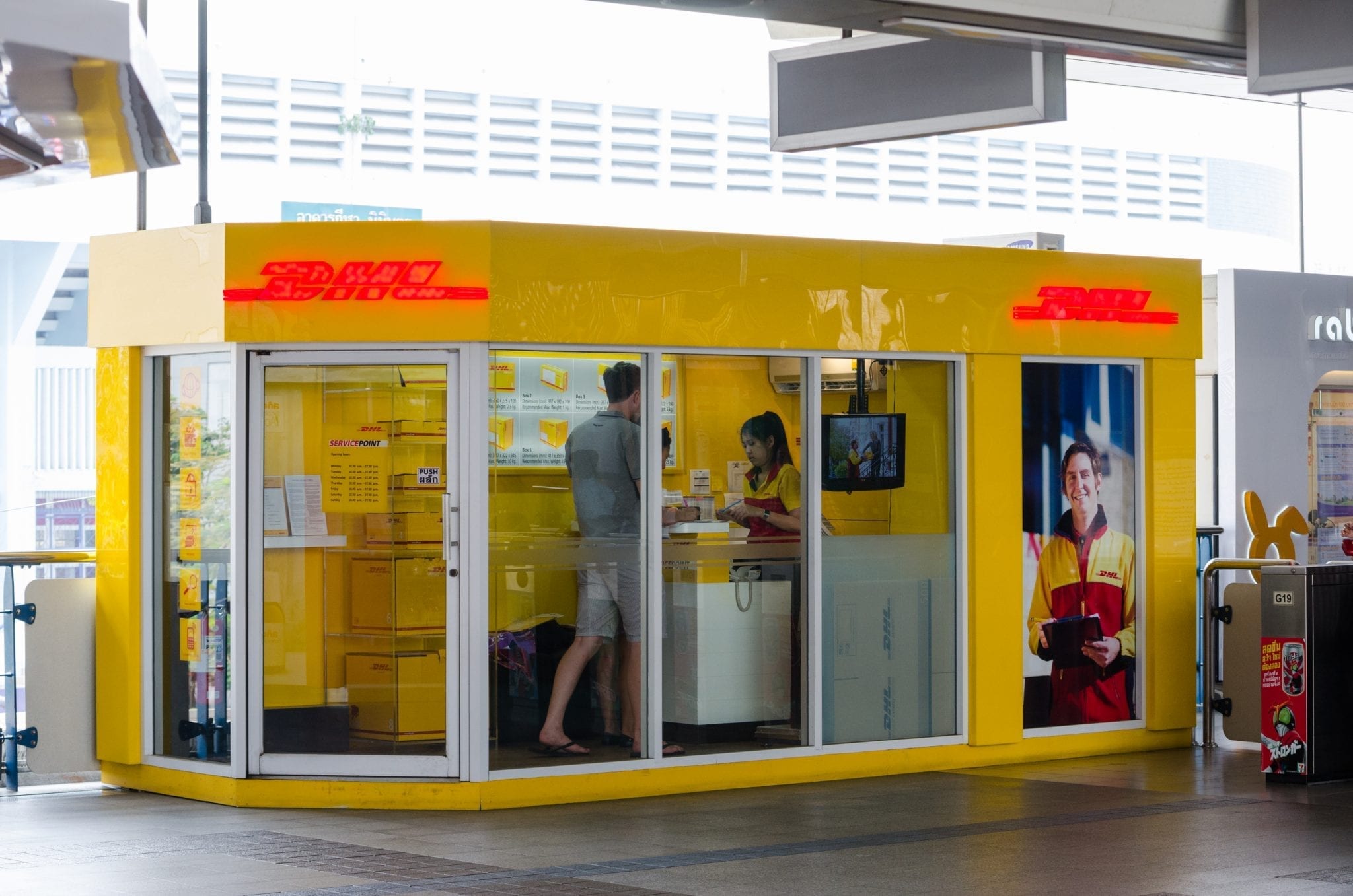
    DHL eCommerce, a division of the world’s leading logistics company, Deutsche Post DHL Group, is partnering with Shopee, the leading e-commerce platform in Southeast Asia and Taiwan, to offer greater convenience and choice to Shopee users in Thailand. Sellers on Shopee can now access over 500 DHL ServicePoints across Thailand to drop off their parcels and have them delivered to their shoppers across Thailand. Alternatively, sellers can also arrange a pickup from DHL for door-to-door delivery service to their buyers.

    “We are thrilled to be partnering Shopee to offer greater ease, choice and control over  the online delivery experience. Shoppers’ expectations are growing with regards to their entire purchasing experience — they expect a great and seamless experience from the time they click to purchase until the goods are received. A recent report states that 60% of consumers purchased from one online merchant over another because delivery options were more convenient for their needs, highlighting the pivotal role of delivery in the overall online shopping experience[1] ,” says Kiattichai Pitpreecha, Managing Director, Southeast Asia, DHL eCommerce. 

    “Shopee is excited to work with DHL eCommerce and we are confident that our users will benefit from the suite of services and features offered by DHL. We aim to become the online shopping destination of choice in all our markets and will continue to explore synergies between the two companies to make both buying and selling on Shopee as easy and seamless as possible,” says Terence Pang, Chief Operating Officer of Shopee.

    DHL’s domestic delivery network in Thailand offers high quality delivery service and a range of other services, such as easy IT and API integration, end-to-end tracking, delivery insurance, cash on delivery and more, tailored for the booming e-commerce industry. This enables sellers and leading brands on Shopee to efficiently reach out to customers across the country. Shoppers on the other hand will benefit from the consistent quality and convenience of delivery options. DHL eCommerce will also be growing its ServicePoint footprint in Thailand to over a thousand in the coming months to offer increased touchpoints with users.

    To mark the start of the partnership, Shopee and DHL will be extending a limited period free shipping promotion. Shopee sellers can enjoy free shipping nationwide (terms and conditions apply) from now until 30 June 2018 when they select DHL as the logistics provide for their shipments.

  • China Present at the 2018 Automotive Logistics China Conference

    China Present at the 2018 Automotive Logistics China Conference

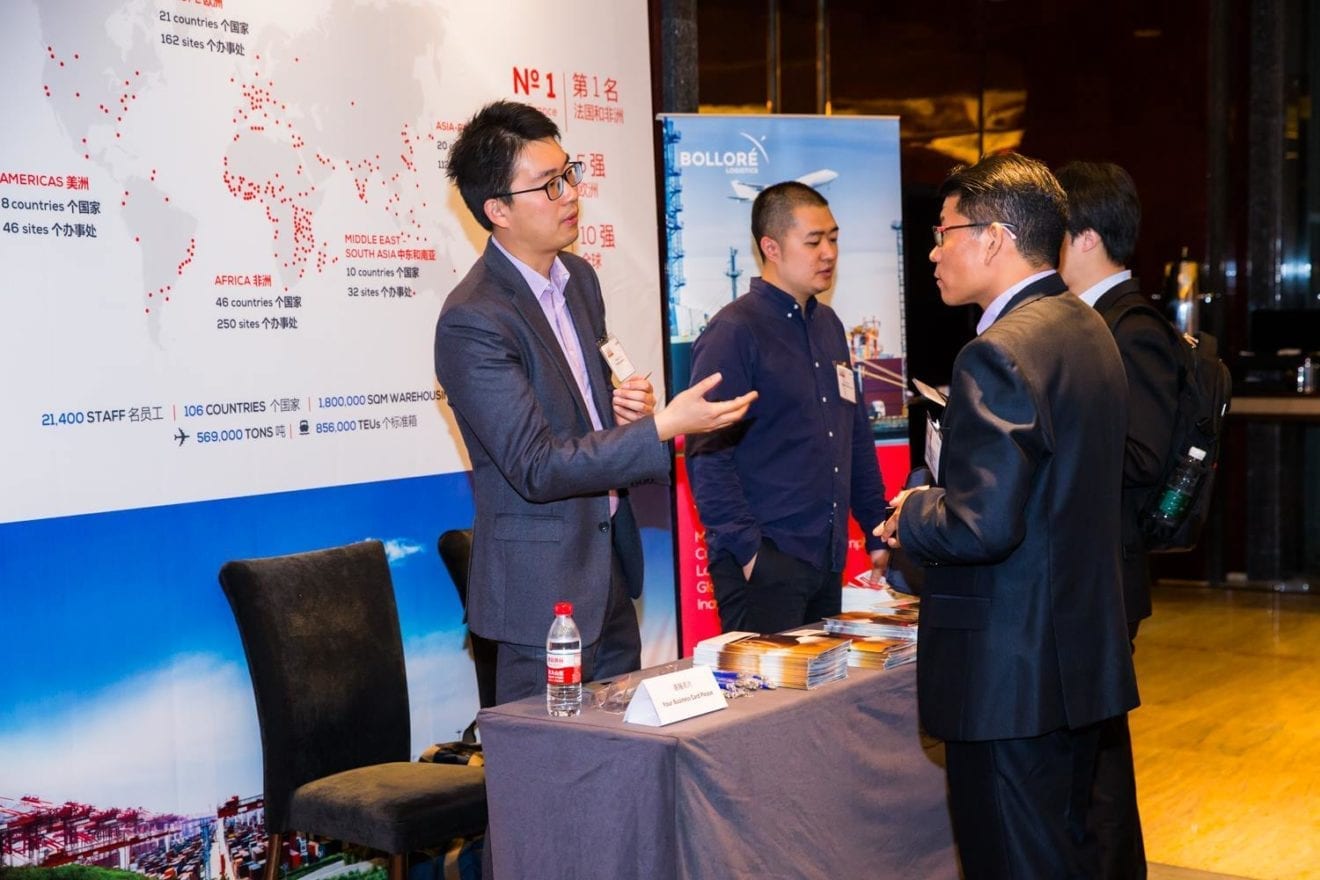
    Bolloré Logistics China successfully presented its automotive competency at the Automotive Logistics China Conference in Chengdu as a Silver Sponsor during April 17-19, 2018.

    More than 500 participants from automotive industry joined the conference including experts from automotive manufacturers, parts suppliers, and representatives from logistics companies as well as government officials. Jointly held by China Federation of Logistics & Purchasing (CFLP) and British magazine Automotive Logistics, the conference shared the latest logistics solutions for production parts, finished vehicles and aftermarket spare parts, covering the upstream and downstream of automotive industry.

    Bolloré Logistics’ automotive logistics solution experts from North China, South China, Central China and Japan gathered at our silver sponsor booth. Our presence reinforced our brand recognition in the automotive industry and our agile and professional solutions were communicated to a wide audience where many commercial opportunities were identified.

    “At the booth, we were happy to see lots of industry players showing their interest towards our solutions and recognizing the Bolloré Logistics brand,” said Steven Sun, Automotive Product Manager at Bolloré Logistics Greater China. “What’s more important is that by organizing this event, our teams are joining forces to strengthen our competitiveness,” Steven added.

    Following the event, a cross-regional automotive team meeting was held at Bolloré Logistics Chengdu office to discuss the optimization strategy for automotive business development in the company. By sharing the local market information and intelligence, our automotive network was further enhanced and leveraged.

    “One of our greatest strengths is having a world-spanning network and industry know-how staff specialized in automotive that are directly plugged into local teams and sector partners”, says Warren Wang, Bolloré Logistics Greater China Vertical Market Director.

    Bolloré Logistics China had a very productive time in Chengdu and would like to thank the team for having worked towards a successful event, as well as our customers and prospects who took the time to visit us at our booth. By mobilizing the automotive team in Greater China and Asia-Pacific region, Bolloré Logistics demonstrated the active determination to play a bigger role in the automotive industry sector.

  • CEVA Logistics opens a new hub in Malaysia

    CEVA Logistics opens a new hub in Malaysia

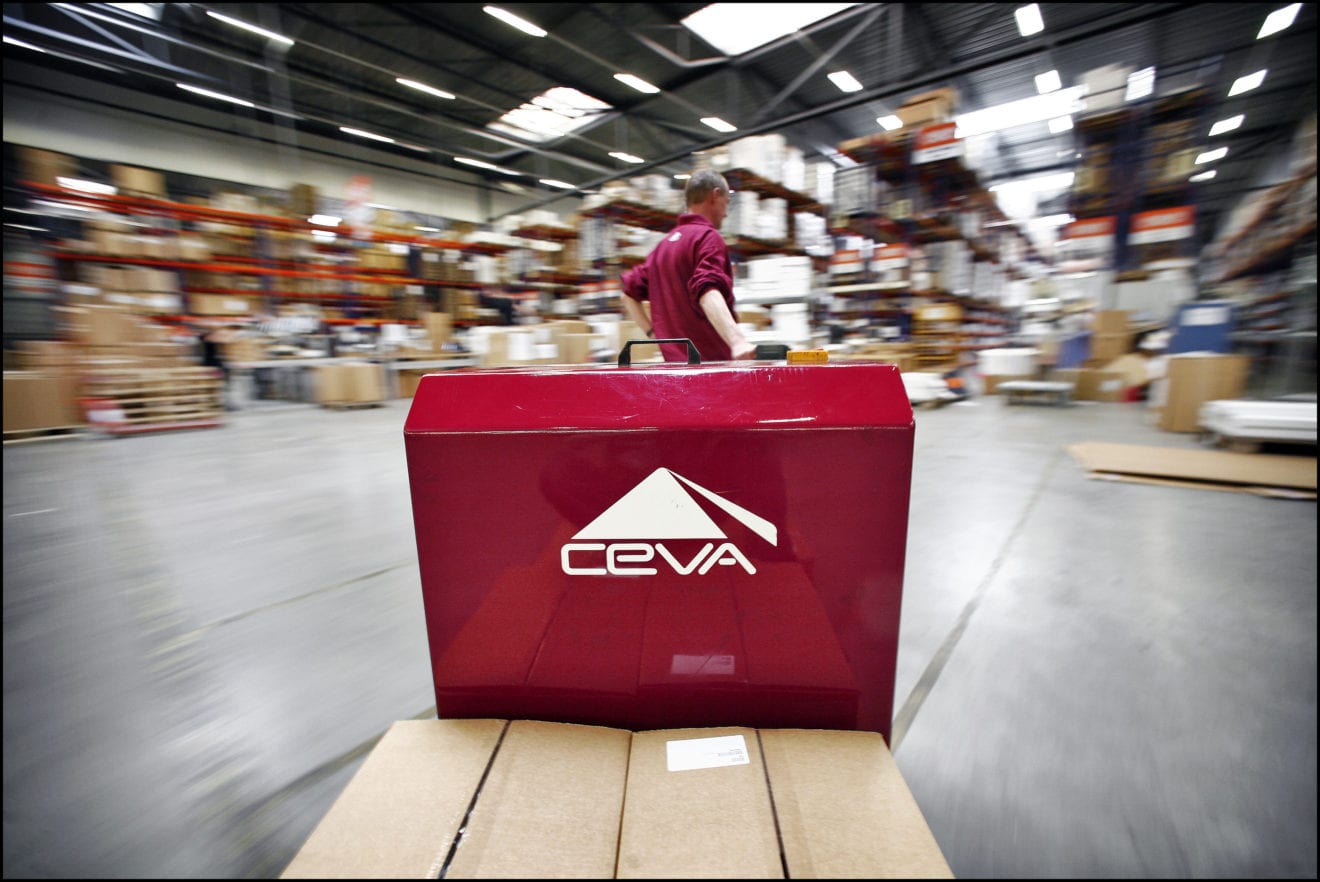
    CEVA Logistics, one of the world’s largest supply chain management companies, has officially opened a new multi-user facility in Penang, Malaysia. Situated within the Bayan Lepas Free Industrial Zone Phase IV, the 70,000 sq ft facility is only 10 minutes away from the Penang International Airport and 10 minutes from the Penang Bridge, connecting the island to mainland Malaysia.

    This new multi-user warehouse delivers cost efficiency and flexibility through an optimized layout design and improved infrastructure to serve our customers. It includes a combination of temperature-controlled and ambient storage space, conducive and modern office space for in-plant customers, advanced materials handling equipment, advanced RF warehouse management system and Customs stationed on-site to facilitate on-time clearance.  This is also an integrated hub that will house under one roof CEVA’s contract logistics and freight management teams for Malaysia as well as its global supply chain solutions control tower teams who support its 24×7 largest customers globally.

    “CEVA continues to invest in its customer needs in Malaysia, this new facility which has doubled our footprint in Penang will continue to support our growth needs and positions us for future expansion in the market. With its strategic location in the northern part of Malaysia, coupled with the air cargo hub at Bayan Lepas airport, it aims to cater to a wide range of logistics and warehousing services and  offer even greater value and benefits to our customers, ” says CEVA’s Elaine Low, Executive Vice President, South East Asia.

  • FedEx Express announces launch of new route

    FedEx Express announces launch of new route

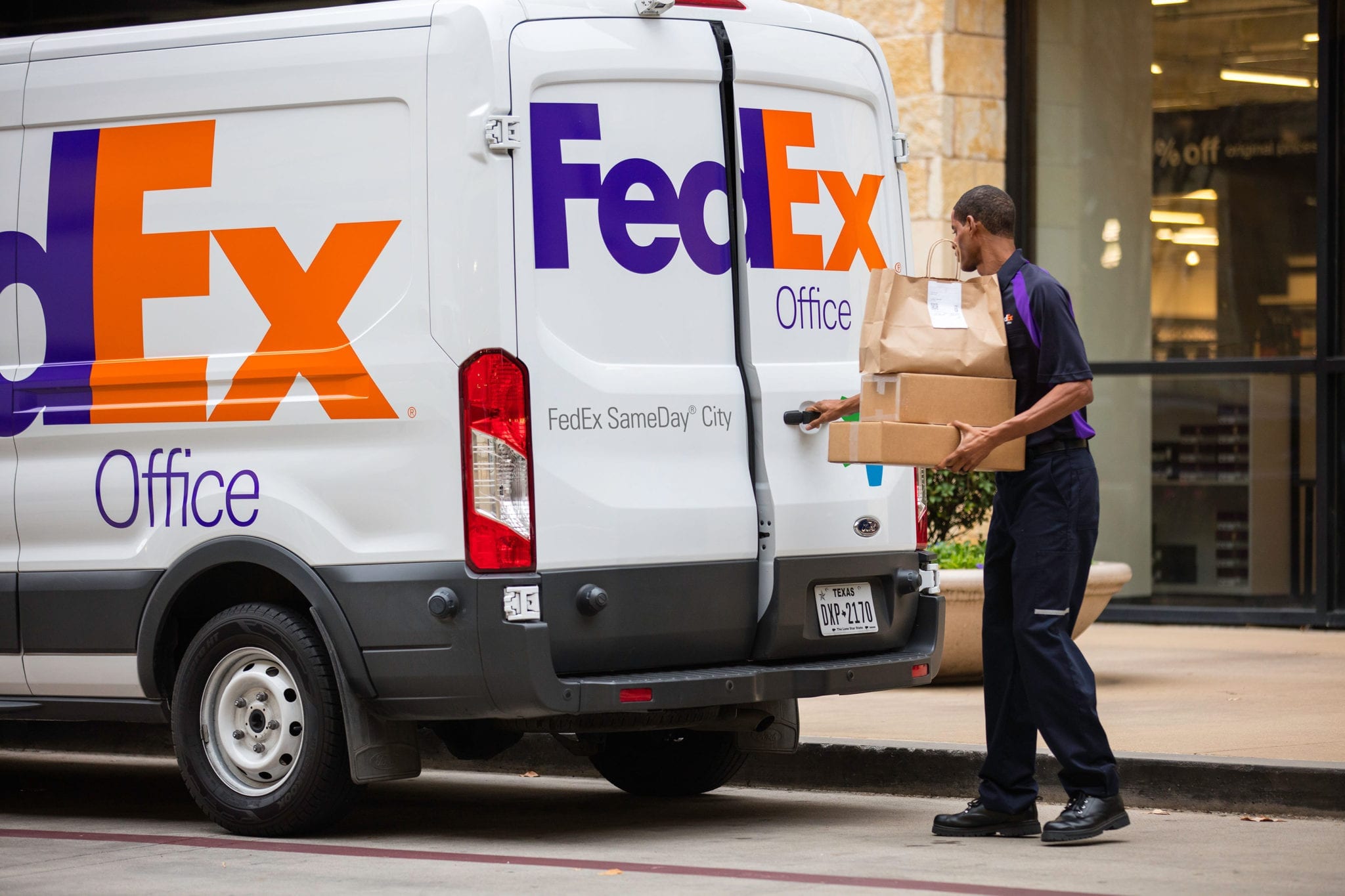
    FedEx Express, a subsidiary of FedEx Corp. (FDX) and the world’s largest express transportation company, announced the launch of a new route which, for the first time, connects the FedEx APAC Hub in Guangzhou, China and the FedEx World Hub in Memphis, Tennessee, U.S.A.

    Currently, a FedEx Express MD-11 freighter is being used for the new route but it will be replaced with a B-777 freighter in May to meet increasing shipping demand. The new route has five flights per week from Tuesday to Saturday.

    In April, the flight departing from Guangzhou stops in Osaka, Japan and Anchorage, Alaska, U.S.A. Beginning in May, the flight from Guangzhou will stop in Osaka before flying directly to Memphis. From Tuesday to Friday, the flight returning from Memphis stops in Indianapolis, Indiana, U.S.A. and Anchorage before flying directly to Guangzhou, while the Saturday flight stops in Honolulu, Hawaii, U.S.A. and Anchorage.

    The Asia Pacific region is predicted to grow at a rate of 6.5% in 2018, 2% faster than the projected global growth rate. Boeing forecasts that air cargo flowing from Asia to North America is expected to increase by 4.7% per year over the next 20 years. In addition, Guangdong province, where the APAC Hub in Guangzhou is located is one of China’s major trade centers. In 2017, Guangdong’s total import and export value of goods grew by 8% year-on-year, while the total import and export value with the United States grew by 10.4% year-on-year.

  • Bolloré Logistics Singapore Launches Pilot Project on Robotic Process Automation

    Bolloré Logistics Singapore Launches Pilot Project on Robotic Process Automation

    Bolloré Logistics has launched a pilot RPA project in Singapore to drive productivity and enhance customer service through the automation of key business processes.

    RPA is an application of advanced software and algorithms to complete routine tasks and repetitive operation processes.

    Implemented with the support of Accenture, this pilot project covers multiple aspects of freight forwarding operations, such as the accurate and timely update of transportation timestamps, creation of transportation files within the Transport Management System (TMS), and invoice dispatching to customers.

    The business processes selected for enhancement under this pilot project were previously manually intensive, repetitive, and prone to human error.

    With the implementation of RPA, the original processes are mimicked by software robots that are programmed by one of the market leaders in RPA tools. “With the removal of repetitive and time-consuming tasks, the business process owners can be upskilled to perform higher value added tasks, focusing on client communication, proactive shipment monitoring, and complex coordination,” says Cyril Dumon, CEO Asia-Pacific for Bolloré Logistics.

    Following the successful pilot rollout in Singapore, Bolloré Logistics is looking to expand rapidly the implementation of RPA in the Asia-Pacific region and to extend it to other processes within the organization.

  • GreyOrange announces 3 sites for deployment of its Butler robotics system across Japan at CeMAT 2018

    GreyOrange announces 3 sites for deployment of its Butler robotics system across Japan at CeMAT 2018

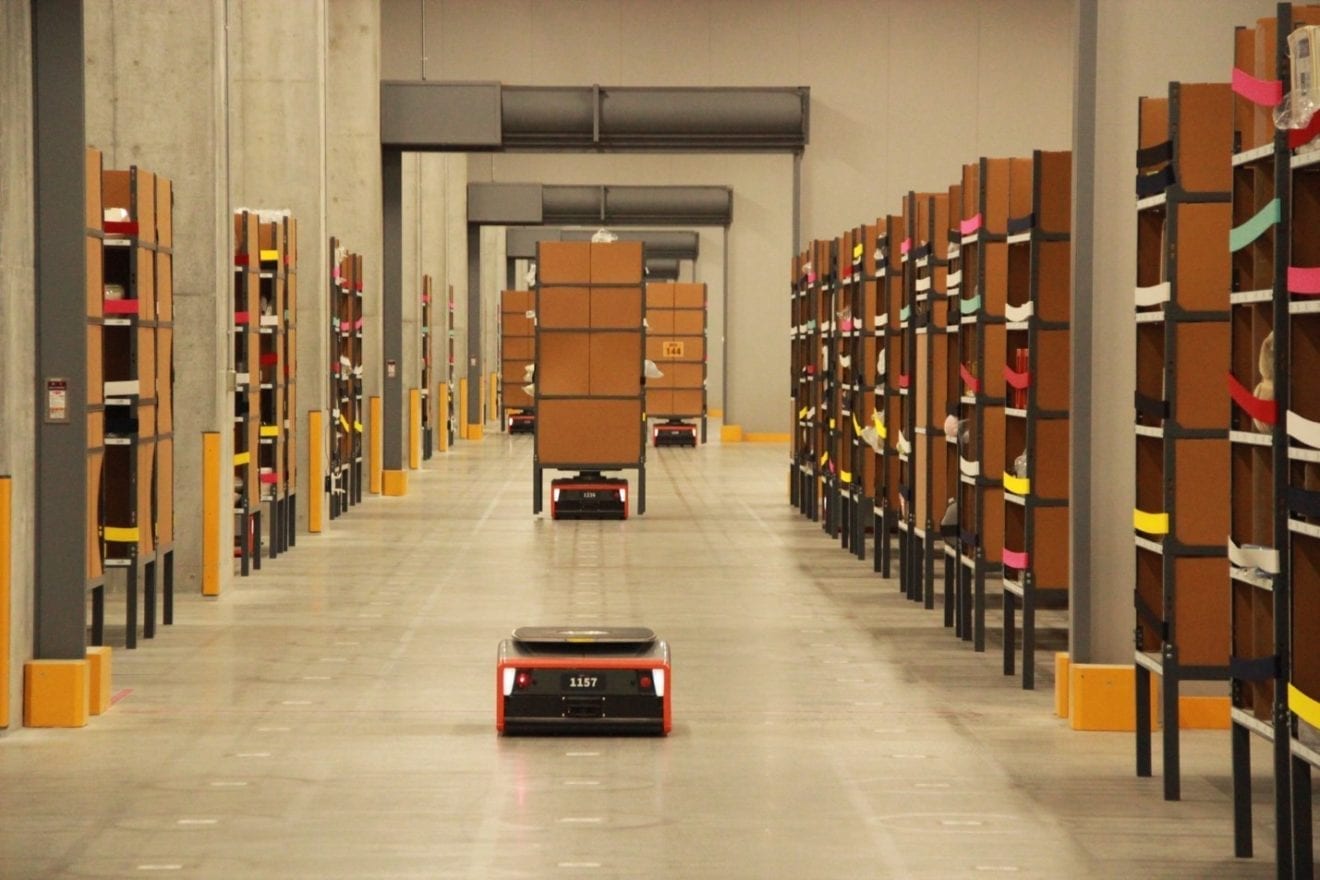
    Robotics and supply chain automation company, GreyOrange, announced installations for the deployment of its ButlerTM robotics system at three new sites, located in Japan and Europe at CeMAT 2018. The upcoming site in Japan is for Trusco Nakayama Corporation (TSE:9830), a leading wholesale trading company specializing in machine tools and equipment for production sites, wholesale distributors and retailers. Its range of over 335,000 products includes over 2,300 brands and manufacturers.

    A multinational technology company, GreyOrange is a market leader in AI-powered robotics systems for automation in warehouses, distribution and fulfilment centres. In recent years GreyOrange has rapidly expanded its presence across Asia-Pacific and the Americas and is now at the forefront of supply chain automation innovation, providing solutions for e-commerce, Retail, FMCG and logistics companies across the globe.

    Nalin Advani, CEO – APAC, GreyOrange commented, “These sites will deploy an advanced combination of robotics and Artificial Intelligence which will increase their efficiencies multifold. GreyMatterTM, our warehouse execution software platform optimises large and complex operations in real-time. The Butler system was selected to improve productivity in distribution centers located where finding labour is a huge challenge.”

    GreyOrange has acquired marquee customers in Europe. These include a Global 3PL using the Butler system for one of its pan-European distribution operations in Benelux and a leading e-commerce platform for their regional Fulfilment Center. Both have selected the Butler goods-to-person solution for its improvements in accuracy, flexibility and productivity. There is continued interest in GreyOrange robotics solutions among companies who seek to optimise their complex order fulfilment operations to achieve cost competitiveness and improved service levels to their customers.

    Dieter Berz-Voege, CEO – EMEA, GreyOrange added, “The Butler robotics solution offers a compelling business case as logistics managers look to improve productivity from end-to-end of their supply chain processes. We are also seeing more interest in using these solutions for larger warehouses and in our upcoming sites, we will deploy hundreds of robots each to handle significantly higher volumes in shorter turnaround times. The boom in e-commerce globally has resulted in many more businesses needing to manage same day order-to-dispatch times instead of next or more days for delivery.”

  • How DHL Aims to Remake Logistics with AI

    How DHL Aims to Remake Logistics with AI

    What do semi-autonomous truck platoons, chat-bots, and fraud detection cameras have in common? They’re all part of a big plan that DHL unveiled yesterday to remake itself with artificial intelligence.

    DHL is investing millions to take advantage of recent advances in machine learning that could help it optimize its sprawling $60-billion delivery service, which touches nearly every country in the world and involves 500,000 workers.

    According to Ben Gesing, a project manager in DHL’s Innovation and Trend Research division, the Germany company is pursuing a multi-pronged strategy to utilize a variety of emergent AI technologies and techniques to help it cut costs, increase efficiency, and improve service levels across the company.

    “In terms of data creation, processing storage and accessibility, the technology conditions for AI are very favorable,” Gesing tells Datanami. “Broadly speaking we think the future of AI and logistics is filled with potential.”

    Here are some of the AI projects that DHL is currently working on:

    Autonomous Vehicles – DHL is working on autonomous vehicles on three fronts, including the development of intelligent robotic workers in its own warehouses and air freight centers; the use of semi-autonomous trucks in the line-haul business; and “follow-me” robots used for last-mile route delivery in urban settings.

    One of the more interesting uses of AI is the development of truck platoons in Europe, where anywhere from one to four autonomous semi-trucks follow a lead truck with a human driver down the road. By synchronizing acceleration, braking, and steering among the trucks, the platoon can boost freight capacity while minimizing costs, all without handing total control over to the AI program. DHL will be involved with testing a truck platooning in the UK next year with the British Transportation Research Laboratory and truck manufacturer DAF Trucks.

    Chat Bots – DHL is looking into using autonomous customer service representatives by using deep learning-based natural language processing (NLP) technology, such as Amazon‘s Alexa, to automate some of the easier interactions between customers and DHL’s customer service representatives.

    “Automating some of the low-level queries with chat bots can really increase the value of each interaction between customer and [human] agents by letting them focus on more high-level queries,” Gesing says. “That basically increases our throughput by a multiplier, not just a marginal increase.”

    Computer Vision – DHL is exploring the use of deep learning-based computer vision algorithms for at least two use cases, including fraud detection and optimizing the loading of planes and trucks.

    Some people try to defraud DHL by re-using shipping labels, which Gesing says could be automatically detected using cameras hooked up to fraud-detection algorithms. Similarly, computer vision could boost DHL’s capability to detect the size of packages so they can be stacked better.

    “It doesn’t seem that interesting if you’re not in the logistics industry, but understanding how to best use your space and really optimizing the volume and capacity inside an aircraft or a truck” is important, Gesing says. “We’re getting better and better tools and technology to do that using AI-based vision technology.”

    Resilience 360 – DHL plans to infuse this cloud-based risk management tool with AI capabilities that will give its customers an early warning that something is amiss in their supply chains. This product uses sentiment analysis to monitor 8 million sources of data on the Internet, including social media, for anything that could signal a disruption, including unhappy customers and even labor unrest.

    “For a lot of our B2B or automotive or manufacturing customers, they have very vast supplier networks,” Gesing says. “We proactive identify risky parts of the supply chain so our customers can plan downstream more effectively.”

    DHL Global Trade Barometer –DHL feeds this this recently introduced tool with import/export data and data about containerized air and ocean freight, giving it a view into 75 percent of the world’s daily trade. It uses AI techniques to provide a three-month forecast on the direction of global trade.

    “We have data scientists all over the world, internally and partners with external companies, to do different kinds of optimization of our network, things like predicting demand and capacity needed, or predicting delays in airfreight either by trade lane, by airline carrier, or by day of the week or day of the month,” Gesign says. “It gives us a directional assessment of where global trade is headed…to really get out ahead of our current daily operations to plan more effectively.”

    Big Data to AI

    Over the past several years, DHL has invested in exploiting recent innovations in areas like big data, augmented reality, and Internet of Things. In 2013, DHL published a Trend Radar report on big data, and yesterday it published another report called Artificial Intelligence in Logistics with support from its partner IBM, which you can download here.

    AI is viewed as a big component of DHL’s digital transformation strategy, says Gesing, who works in DHL’s corporate innovation lab in Troisdorf, Germany, one of three innovation labs the company runs (the other is in Singapore, while the one in the United States is currently under development). “AI and machine learning are the extension of big data analytics,” Gesing says.

    DHL’s board views AI strategically, but the innovation centers aren’t the only places where work on AI is being done. “We have a very broad digitalization strategy that comes from our corporate board,” Gesing says. “AI is inherently part of that. But really the best teams are the ones making productive use of this are really empowered to go learn and test and use this stuff.”

    DHL isn’t doing a lot of core research into AI, because much of that work has already been done. Instead, it’s utilizing technology that has already been placed into the public domain by companies like Google, Amazon, Microsoft, IBM, and Facebook.

    “Pretty much anyone who’s doing AI is benefiting from all these great open source tools and platform from all the tech giants,” Gesing says.
  • Kerry Logistics to focus on Asian cross-border trade

    Kerry Logistics to focus on Asian cross-border trade

    Rising competition and costs in China saw Kerry Logistics’ business on the mainland decline in 2017, with the Hong Kong-listed third-party logistics provider (3PL) planning to increase its focus on cross-border trade to capitalize on Asia’s rapidly growing e-commerce market.

    More than 78 percent of the group profit is derived from its integrated logistics division, which covers e-commerce and the express business where the logistics operator is seeing considerable growth. The Asia segment within integrated logistics in 2017 grew by 56 percent from 2016.

    Kerry Logistics’ year-over-year revenue for 2017 rose 28 percent to $3.9 billion, with operating profit increasing 13 percent to $271 million and net profit up 7 percent to $150 million. William Ma, group managing director of Kerry Logistics, said global economic growth was behind the recovery in investment, manufacturing, and trade activity, especially in Asian markets.

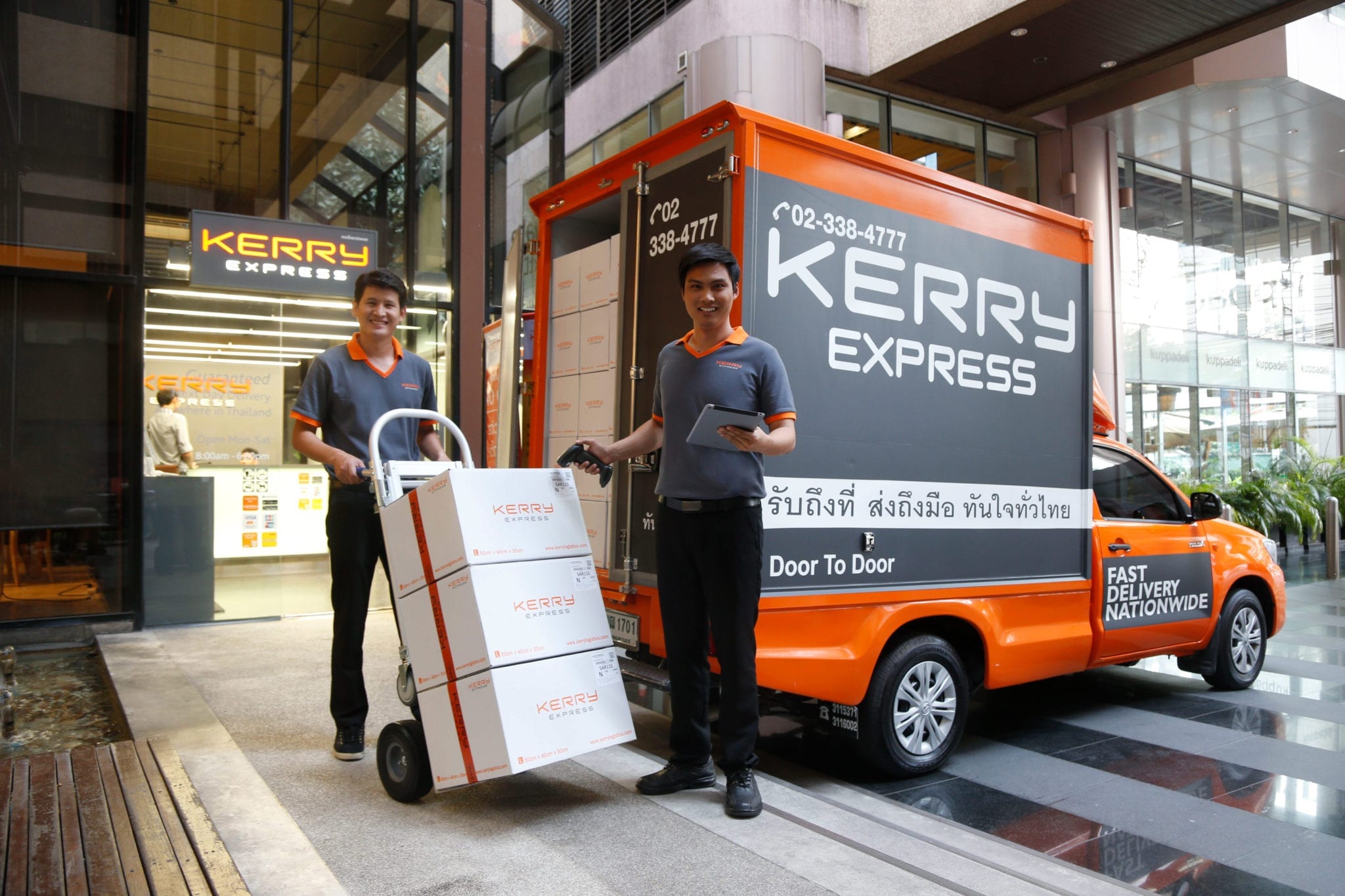
    “The overall performance of Asia remained robust, driven by pronounced external demand and rising domestic consumption,” Ma said. “Kerry Logistics performed better in the second half of 2017 when compared to the first half, buoyed by the continued strength in global e-commerce, the sound performance of Apex in the Americas, and the accelerating growth of our express business in Thailand.”

    The 3PL will be looking to build on the strong momentum that has developed in cross-border e-commerce, particularly between greater China and Association of Southeast Asian Nations (ASEAN). “In light of the outstanding performance of the express business in Thailand, the group plans to extend the success to other ASEAN markets such as Vietnam, Malaysia, and Singapore,” Kerry Logistics noted in its earnings release.

    The international freight forwarding division in 2017 recorded a 41 percent increase in revenue and a 14 percent rise in segment profit, fueled by overall volume growth and a significant contribution from Apex Maritime, a trans-Pacific trade specialist in the United States that Kerry Logistics acquired in mid-2016.

    Yet even with increasing cargo volume, rising freight rates in 2017 — caused by carrier consolidation, reshuffled alliances, and managed capacity — compressed the profit margin of the forwarding division.

    George Yeo, chairman of Kerry Logistics, said the group was widening its network. “With the addition of Globalink Logistics and Lanzhou Pacific Logistics [both acquired in 2017], we now have the strongest road and rail freight network across Eurasia,” he said. Globalink Logistics extends the group’s reach into the Commonwealth of Independent States and Central Asia, while Lanzhou Pacific adds rail logistics to its portfolio.

    “The deepening and widening of our capabilities positions us well for rapidly growing, cross-border e-commerce, which is facilitated by better physical connectivity and greater international cooperation,” Yeo said.

  • Bolloré Logistics USA inaugurated its new Foreign Trade Zone facility

    Bolloré Logistics USA inaugurated its new Foreign Trade Zone facility

    On Thursday, March 29, Bolloré Logistics USA inaugurated its new Foreign Trade Zone facility in Miami, in presence of Clément Leclerc – Consul general of France in Miami, Cyrille Bolloré – Chairman of Bolloré Transport & Logistics and Thierry Ehrenbogen – CEO of Bolloré Logistics.

    The new site of more than 200,000 square feet consolidates freight forwarding and contract logistics activities previously housed at two different locations and will support operational synergies and cargo turnaround time for customers with time-critica! logistics requirements.

    By combining traditional freight forwarding with value added logistics services, coupled with industry vertical expertise, the Miami hub hos become a multimodal platform meeting the needs of its various customers. The new logistics hub is designed to deliver logistics excellence with an end-to-end solution offering and to create value to its customers, especially in the cosmetics, aerospace and travel retail industries.

    The secure facility hos on-site 24/7 guard coverage, biometrie access control, CCTV monitoring and recording, perimeter fencing and fire sprinkler systems engineered to handle specific commodity classifications. The warehouse offers state of the art infrastructure with 52 doek doors, 32′ clear height. 60′ speed boy and a line of material handling equipment that can handle the warehouse challenges with reliability, power, productivity, performance, and efficiency.

    The facility also reflects the environmental dimension required today for any real estate project of Bolloré Logistics and is built to Silver LEED.

    “We are extremely proud of our newest logistics center. Miami is geographically pivotal to regional trade and a strategie location for Bolloré Logistics Americas. With this investment. we aim to play a key role in supporting the supply chain transformation of this industry,” said Tony Rodrigues, CEO Americas.

  • DHL forecasts solid growth

    DHL forecasts solid growth

    Launched in January 2018, the DHL Global Trade Barometer uses large amounts of logistics data to forecast demand for the next three months. In its second report, the barometer increased to 66 points, up from 64 points in January.

    According to DHL, an index value above 50 signals solid positive growth for global trade, while the increase from the initial forecast in January indicates that growth is gaining momentum.

    Compared to the findings in January, the improved global index is mainly driven by an increasingly positive outlook for South Korean and trade in the USA. In contrast, the prospects for German trade eased after the strong peak seen in 2017.

    India continues to show the highest index value of all seven countries for the overall trade predictions, while the UK, after a modest decline since January, scores the same level as China at the lower end of the country ranking.

    The outlook for global airfreight, according to DHL, remains positive despite dropping slightly by one point compared to January. With 70 points, airfreight remains robust as air trade growth in China and the USA is expected to accelerate.

    Meanwhile, the outlook for global ocean trade improved to 63 points in March from 60 points in January. This growth is also driven by the USA and China, together with a strong increase in South Korea, offsetting a slightly reduced growth outlook for UK and German oceanfreight.

    The DHL Global Barometer is published four times a year. The next release date is June 27, 2018.

  • From bikes to drones, how JD Logistics built its delivery network

    From bikes to drones, how JD Logistics built its delivery network

    Amazon has nearly mastered e-commerce deliveries in the U.S. Sure, there are occasional hiccups, particularly due to surges at the holidays, but the company has built a solid network of partners – particularly UPS, FedEx and USPS – that have large logistic networks that have gotten the job done.

    While Amazon was able to lean on established partners in the U.S., JD.com did not have that luxury when building its logistics network in China, a country of some 1.4 billion people covering 3.7 million square miles. Consequently, if JD.com wanted to become a major e-commerce player in Asia, it needed to build its own network.

    “One [factor] is that the 3PLs in China are pretty fractured,” Josh Gartner, vice president of international corporate affairs, explained to FreightWaves. “That is why we decided to build out our own system.”

    JD.com built its logistics operation, JD Logistics, which is now a subsidiary of the e-commerce company. JD Logistics was just infused with $2.5 billion in investment, led by Tencent Holdings and Sequoia Capital China, to help to further develop its logistics operations, which already include everything from warehousing to packaging and last-mile delivery. It is also now offering services to third-party companies as well. There is also rumors that some of that money will be used to develop a U.S. operation to support online sales in this country.

    The funding valued JD Logistics at about $11 billion. JD.com holds 81.4% of that after only starting the logistics business in early 2017.

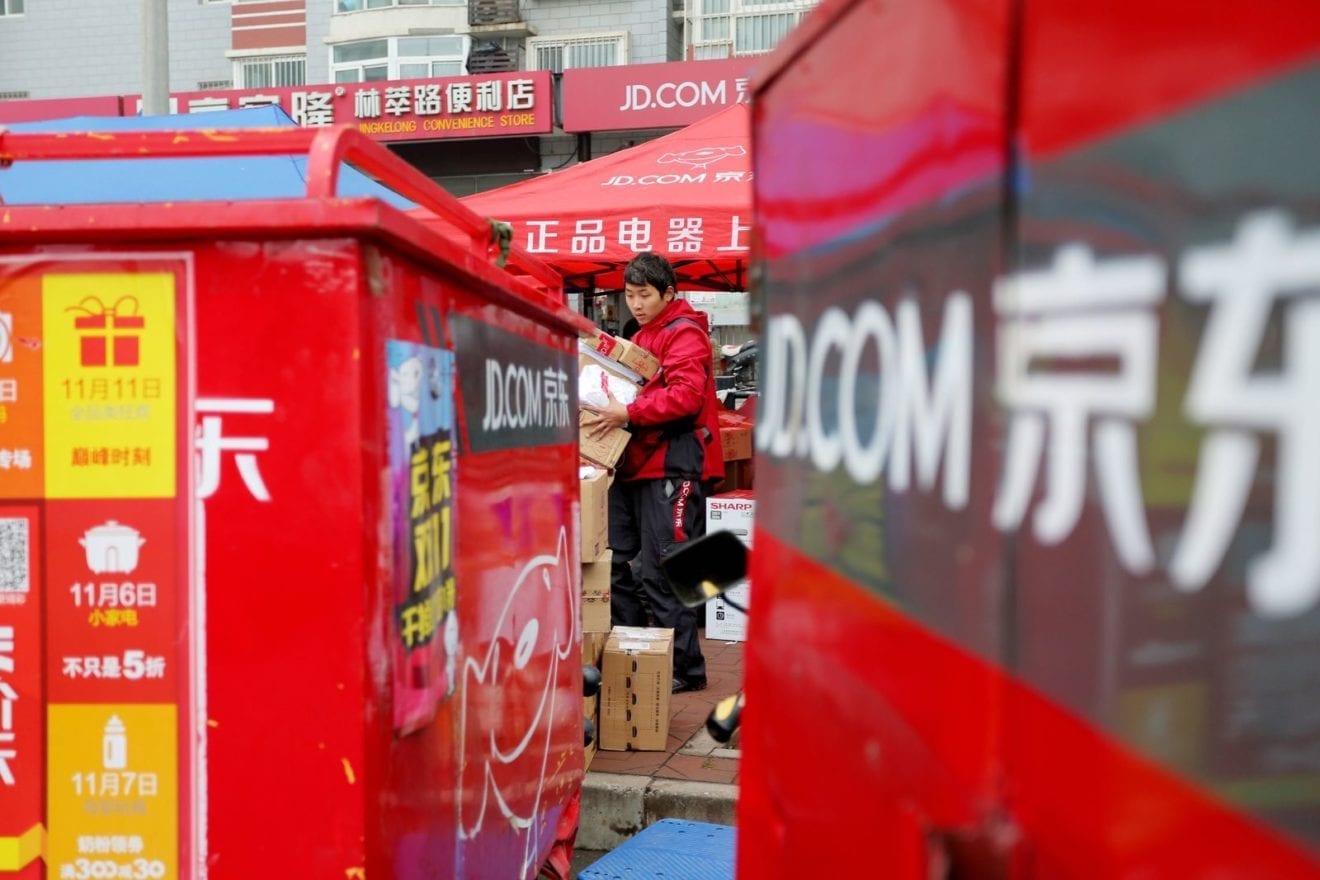
    Gartner walked FreightWaves through the company’s logistics operations, but like Amazon’s, it all starts with providing quality service to the customer, and that means last-mile efficiencies. According to Gartner, the last-mile services cover 99% of China’s population and it is done through a variety of methods, from vehicles, to drones, to electric bikes.

    Gartner says that final mile delivery for much of China is handled by electric, three-wheeled vehicles. These vehicles collect packages from local facilities for home deliveries.

    “We have what we call ‘delivery stations’ and those are in neighborhoods,” Gartner said. “We deliver by truck from warehouses to these smaller stations and they have about 50 to 100 last-mile delivery drivers (based on the size of the city) making the final delivery.”

    To JD Logistics, the value of having its own drivers make those final deliveries is important. “When people look at our logistics, they see our couriers,” Gartner said.

    Like all e-commerce companies, JD.com has learned that to deliver goods quickly requires proper positioning of product. JD Logistics uses technology to help predict where product will be needed.

    “Most of the efficiency and speed is done at the warehouse level and predicting where [product will be needed],” Gartner said. Full truckloads of freight are loaded at the warehouse level and brought to the delivery stations for final delivery. This keeps the larger trucks running set routes back and forth and speeds the delivery process.

    JD Logistics also offers a “white glove” service for shoppers, complete with specially-trained JD employees wearing white gloves. These drivers deliver special luxury brands that qualify for the service in electric vehicles rather than the tricycles and scooters often used.

    Technology plays a big role in JD Logistics’ efficiency, and that includes automation, drones and more, both on vehicles and in warehouses.

    Last year, JD Logistics opened the world’s first fully automated B2C warehouse in Shanghai. The warehouse can reportedly process over 200,000 items a day at full operation. Technology in general helps JD Logistics plan where product should be located and helps ensure that customers are receiving one delivery a day with their complete order, regardless of where any individual product is sourced.

    “A few months ago, we had a logistics expert come through and order a few things and he was really impressed with the operation,” Gartner said, adding that the expert ordered items from several locations and received a single order with all items.

    Gartner credits the network design – larger trucks moving products from warehouse to delivery station – for that delivery success.

    “It’s a much more efficient process, otherwise you would have more vehicles,” he said.

    On the vehicle equipment front, the company has been utilizing electric vehicles and entered into an agreement last year with SAIC Maxus and Dongfeng Motor Corp. to develop autonomous delivery vehicles. JD Logistics has jointly researched two models of autonomous light electric vans with SAIC Maxus and Dongfeng, respectively, for delivery of goods from JD’s distribution centers to delivery stations in the future.

    The company began testing autonomous delivery via robots at Renmin University and Tsinghua University among other schools last June. The autonomous robots deliver goods to a designated location and customers receive a unique passcode to open the robot’s secure locker to retrieve their packages.

    “With technology as the driving force, JD operates the most advanced retail operation in the world,” said Zhenhui Wang, CEO of JD Logistics. “Our extensive in-house logistics network provides the ideal real-world scenario in which to test autonomous vans. Working with our partners, we will continue to enhance our smart logistics and push the bounds of traditional logistics solutions.”

    Like Amazon, JD Logistics is also venturing into drone delivery. Currently, the company is using drones to make deliveries to remote areas of China, bringing online shopping and quick delivery to residents of these areas.

    The program works by dispatching orders from regional delivery stations to JD’s network of dedicated “village promoters” in each village, who then distribute the orders directly to customers, significantly shortening delivery times and reducing logistics costs. JD.com currently has more than 300,000 village promoters across the country.

    “The focus is one rural areas that have lower order densities,” Gartner said.

    On a larger scale, the company has also started testing “heavy-load drones” capable of carrying 1 ton of goods at a time. Gartner noted these drones will move product traditionally carried by truck between warehouses.

    JD signed a strategic cooperation agreement with the municipal government of Hangcheng, in Shaanxi Province, to set up the first urban drone delivery platform in the world. JD will explore the model and plans to test city drone delivery in Hancheng to evaluate its viability. Additionally, the company will also test its automated delivery vehicle and logistics facilities and hopes to build Hancheng City into a model city for smart logistics.

    Having conquered China delivery – more than 92% of products sold by JD.com are delivered within one day, including many that are delivered same day – JD Logistics may be looking abroad, specifically the U.S.

    According to a report in January, the company is planning U.S. operations later this year and will use some of the $2.5 billion in funding to do so. Gartner declined to confirm any U.S. plans, saying only that “we’re still focused on China and Asia.”

    The Bloomberg article quoted founder Richard Liu as saying the company will begin selling online to U.S. customers in the second half of this year.

    “This year, Vietnam, India, Philippines, Malaysia – every Southeast Asian country – we will come by the end of this year,” Liu is quoted as saying. “Our future is we will invest in U.S. and build a warehouse fulfillment center in U.S. so you can get same-day delivery.”

    The story noted that JD.com could leverage its relationship with Walmart Stores, which is an investor in the company, for help in building a U.S. logistics network.

    The approach to last-mile delivery in China is very different than it is in the U.S., so it remains to be seen how JD Logistics would handle that operation in America. If the stories are true, we may find out very soon.

  • DHL takes 2-wheeled ride to Southeast Asian growth

    DHL takes 2-wheeled ride to Southeast Asian growth

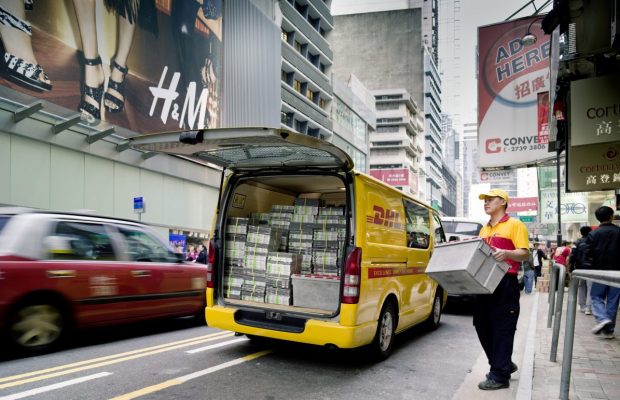
    DHL is making headway in Southeast Asia’s highly competitive ground shipping market largely by adopting a so-called microdelivery model employing motorcycles.

    In the two years since entering Thailand’s door-to-door-delivery sector, DHL has built up a network of 200 service locations and will raise the tally to at least 1,000 this year. It has also amassed a fleet of motorcycle couriers, recognizable by the yellow shipping containers on their bikes.

    “I feel at ease whenever I see the DHL logo,” said a 43-year-old man who frequently purchases clothing and electronics online.

    Retailers have similarly warm sentiment. “Delivery satisfaction is directly linked to an online store’s ratings,” said a representative of a womenswear seller that does business with DHL.

    DHL has already established a strong track record in Thailand through its international air transport and corporate-client logistics businesses. Its regular local staffers number more than 500.

    The package volume DHL handles for e-commerce clients has climbed to 15 million units a year. DHL can pick up and pack an item for a seller when needed, and deliver the item to the recipient in one or two days. Customers can pay with cash upon receiving the item.

    This type of home delivery service has yet to fully take root throughout Southeast Asia. DHL has sought to get a head start by setting up shop in Malaysia and Vietnam last year. It now has 1,000-plus service locations in three countries, with short-term plans to expand the network to thousands of locations.

    Online shopping is on the verge of igniting the home delivery business in Southeast Asia. The home delivery market in six key nations of the region will grow to $7.5 billion in 2020, or more than double 2015 levels, according to Nomura International (Hong Kong). Online retailing’s share is expected to rise to 38% from 15%.

    “There is currently no single global player in e-commerce logistics that is able to offer an end-to-end solution from fulfillment, cross-border to last-mile delivery” besides DHL, said Charles Brewer, CEO of DHL eCommerce.

    The DHL group also has the Chinese market, where it established a footprint before heading to Southeast Asia. “China has massive growth potential for outbound cross-border e-commerce,” Brewer said. Southeast Asia, with its population of 600 million, is key to realizing its promise.

  • DHL Express launches inaugural passenger-to-freighter A330-300

    DHL Express launches inaugural passenger-to-freighter A330-300

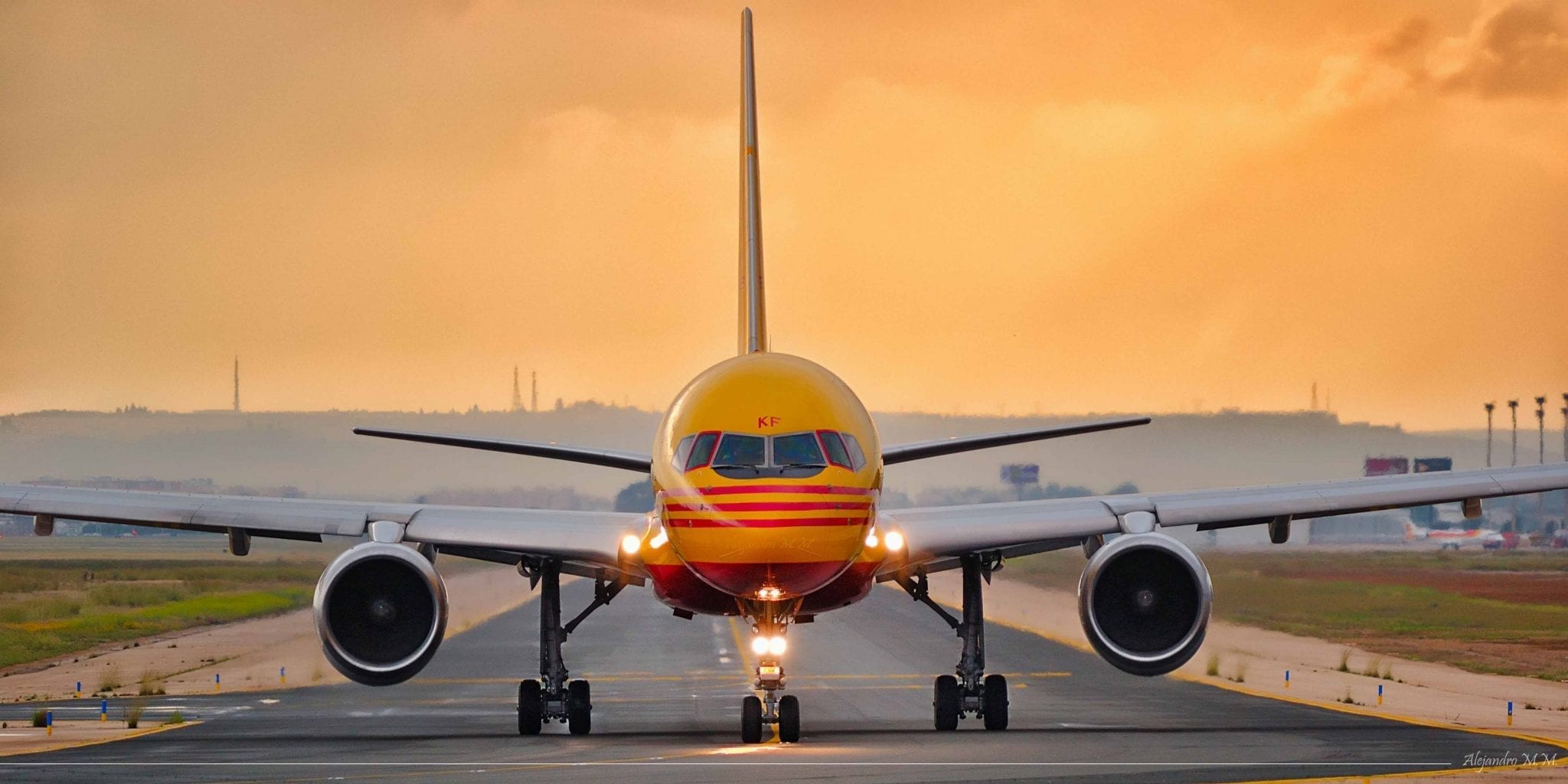
    DHL Express has welcomed its first ever Airbus A330-300 aircraft at its Penang Gateway, making Malaysia the first country in the world to operate the first of its four A330-300s.

    In a statement today, the international express services provider said the A330 will join the DHL Express fleet under a new passenger-to-freighter (P2F) deal with Elbe Flugzeugwerke (EFW), a joint venture between Airbus and Singapore Technologies Aerospace.

    DHL Express Malaysia & Brunei managing director Christopher Ong said Asia Pacific is one of the fastest growing regions driven by e-commerce trade.

    “By welcoming our first A330-300 P2F aircraft, we are ready to service increasing e-commerce volumes from Malaysia, which is expected to show a compound annual growth rate (CAGR) of 17.9% from now to 2022,” he said.

    He added that Malaysia’s trade performance is expected to maintain its growth momentum and hit RM1.8 trillion in 2018.

    “Being the only logistics company in the world to own and operate the A330-300 P2F aircraft, DHL will be able to enhance service standards and match e-commerce merchants’ and buyers’ demands,” he said, adding that the flight will be servicing the Vietnam and Hong Kong markets.

    Ong said the company’s improved capabilities will further support Malaysia’s economy by facilitating its customers’ access to the global markets, while embracing the fourth industrial revolution.

    With 33 per cent more freight capacity per flight, DHL Express said it aims to strengthen their delivery capabilities across its network, while enhancing its capacity to deliver more shipments than ever before.

    The A330-300 P2F will provide additional high-volume, low-density capacity in Malaysia with a gross payload of 61 metric tons.

    It will also import and export goods six times weekly from Penang to Hong Kong. The converted A330-300 P2F features a range of updates including reinforcements to its fuselage, floor structure, door frame shell, newly-installed safety barrier nets and a powered cargo loading system.

    “Our eyes are fully set on investing in the future. We have pioneered passenger-to-freighter conversions since 1997, and our innovation in efficiently expanding our fleet is aimed at further strengthening the DHL Express regional network,” said Ong.

    DHL Express said the Penang Gateway will continue to play a major role in facilitating greater connectivity to the key markets with a total fleet of two aircraft, 30 vans, 25 trucks and nine bikes.