Tag: cargo

  • Phee Group brings logistics solutions to Myanmar’s shores

    Phee Group brings logistics solutions to Myanmar’s shores

    Singapore-based, multinational shipping and logistics pioneer, Phee Group, has established Phee Central, a 60,000 square feet logistics centre in Myanmar to cater to a diverse array of logistics needs from businesses in the growing market. It is breaking into this new business segment after having specialised in freight forwarding for over 24 years in Myanmar. This was done with the support of International Enterprise (IE) Singapore, government agency promoting international trade and partnering Singapore companies to go global.

    An investment of US$5 million, the ISO 9001: 2015 and HACCP and GMP certified Phee Central, a multi-temperature storage facility, is situated a mere 25 kilometres from the BSW, MIP and AWP ports and less than 25 kilometres from Yangon International Airport.

    The facility serves a valuable logistics function with the potential to greatly optimise supply chains. Built on 3.2 acres of elevated ground with an around-the-clock security system, Phee Central is equipped with high capacity backup generators to provide an uninterrupted power supply. It is the first of its kind to support a state-of-the-art column-free design that maximises capacity and improves efficiency.

    Phee Central distinguishes itself through delivering a higher standard of reliability matched by advanced technologies. Its Warehouse Management System (WMS) relays live updates of inventory statuses for each client’s warehouse activities. This data is accessible in real-time via web-enabled storage technology, ensuring both reliability and accuracy. Other value-added services include contract logistics, freight consolidation, carrier management, customs brokerage and trade compliance management.

    Ben Phee, group managing director of OV Logistics and Phee Group, said, “It has always been our aspiration to provide a more extensive array of services that offer a peace-of-mind to our clients. With Phee Central, we are not only able to achieve this, we are also able to reduce the wastage of resources and materials due to inadequate storage. Coupled with our temperature-controlled delivery system, we are confident in delivering highly reliable all-rounded logistics solutions for our clients.

    Above all, Phee Central illustrates our commitment to serve the Singapore and Myanmar community. On this note, we are honoured to be recognised by the respective Myanmar authorities for our professional experience and contribution to this country and supported by IE Singapore to realise our commitment of investing and expanding in Myanmar possible more rapidly.”

    Phee Group has been working with IE Singapore on its expansion strategy in Myanmar. Its entry into specialised logistics solutions is timely as Myanmar’s economic reforms and rising middle class have attracted many foreign investments in various sectors of the economy, including food and beverage, hospitality and pharmaceutical equipment and medicines. This brings demand for specialised supply chain solutions such as temperature controlled logistics facilities. As the local logistics infrastructure is still in nascent stage, demand for such services presents opportunities for Singapore logistics companies. Phee Group has risen to bridge the market gaps with its new warehouse, Phee Central.

    Said Law Chung Ming, group director of Transport & Logistics Group for IE Singapore, “It is important for Singapore companies to constantly transform themselves to capture opportunities in fast-growing regional markets such as Myanmar. Having established in Myanmar for over 20 years, Phee has built a firm understanding of the market needs, putting it in a good position to provide specialised cold chain logistics solutions. To build their business in Myanmar, we worked with the company to develop Singaporean talents with specific, customised skill sets in specialised logistics and market-readiness.”

    IE Singapore supported Phee Group by developing a manpower strategy to improving its recruitment, training and retention processes for its operations at Phee Central warehouse. This included market attachments to help their new employees better understand the environment and the cold chain business landscape in Myanmar. Through IE’s support, Phee Group is able to achieve greater regional growth and expansion.

    Headquartered in Singapore, Phee Group crafts unique integrated logistics solutions and practices that are thorough and reliable. Benchmarked to meet the conditions of the Myanmar marketplace, they also effectively resolve complex operations in a simple manner.

    Phee is also looking to partner Singaporean companies to tap onto its logistics solutions, as well as share its insights and networks in the ASEAN market which it has operated in for over two decades.
  • Lazada’s logistics battle to win Southeast Asia

    Lazada’s logistics battle to win Southeast Asia

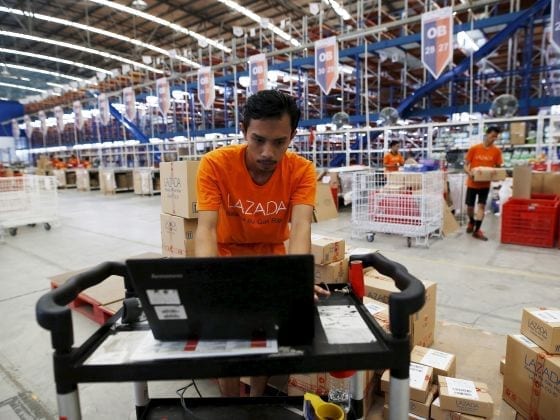
    Southeast Asia is on the verge of a logistics “boom” thanks to e-commerce, but will require huge investment in cities and last-mile networks to cope, says Pierre Poignant, the man behind the systems that keep Alibaba-owned Lazada moving.

    Mr Poignant, chief operating officer, said the Singapore-based marketplace, for its part, would continue to bet on delivery and other partnerships as demand grows. It already works with more than 100 companies in delivery and cross-border logistics, from Ninjavan in Singapore to ride-hailing start-up Go-Jek in Jakarta.

    But it will expand its footprint to cut costs and improve services, with smaller local hubs closer to customers, as well as a major warehouse it can use in Malaysia for goods that move less often. Lazada, with 130,000 merchants on its platform, has 14 warehouses and over 2 million square feet of space — and plans to open another five to six warehouses next year. It also has 130 smaller distribution centres.

    “Logistics in Southeast Asia is going to look very different from the rest of the world. It is hard to believe one player can do everything,” Mr Poignant said in an interview.

    “The distance from Aceh to Papua [in Indonesia] is bigger than the distance from Miami to Seattle. People don’t realise.”

    Already the world’s fourth-largest internet market, Southeast Asia is expanding at a rate of almost 4 million users a month, making it the fastest-growing e-commerce market globally, according to a 2016 report co-authored by Google.

    But while there are key growth engines — a young population of active mobile users and a patchy local retail network — there are also major challenges, as companies like Lazada try to conquer a region made up of thousands of islands, with poor roads and traffic-clogged cities.

    Some regions have no formal system for home addresses, Mr Poignant said, complicating deliveries, returns and even payment — more than half of transactions are still settled in cash.

    That leads to experiments, combining online purchases with offline pick-up in malls, as in Singapore — or in Indonesia, where Lazada handles a bulk of the last-mile delivery itself, using three-wheeled electric vehicles for bigger parcels. Cars and vans are too slow in traffic, Mr Poignant said.

    Taking the lead

    Amazon and others, including local players, have not failed to notice the region’s potential: Amazon is using Singapore as its beachhead, while China’s second largest e-commerce company JD.com is making Thailand its point of departure, partnering with the country’s largest retailer, Central Group.

    But Mr Poignant argues Lazada’s experience is hard to beat.

    “When it comes to logistics we are developing a distinct competitive advantage. We are the only ones to have this open network approach — combining our own infrastructure and partners,” Mr Poignant said.

    “Setting up a logistics network is a complex, long process.”

    Critical to keeping the advantage is also data, and Lazada is linking up with fast-moving goods producers like Unilever, to turn knowledge into target sales.

    Alibaba bought into Lazada last year in an effort to seek growth outside China. The $1-billion deal in April 2016 was Alibaba’s largest overseas deal and it raised its stake to over 80% this year.

    Last November, Lazada bought Singapore online grocer Redmart, a purchase that it hopes will help it crack cold storage and expand groceries into the rest of the region, though there is no concrete plan yet, Mr Poignant said.

    “One of the reasons why we acquired RedMart is that groceries is a very specific set of skills that you need to develop,” Mr Poignant said. “We have the ambition to develop this category across the region.”

  • U-Freight gains further accreditation for e-commerce capabilities

    U-Freight gains further accreditation for e-commerce capabilities

    The U-Freight Group (UFL) has seen its North American E-commerce Fulfillment Centre (EFC) being named as one of the most valuable by the China Cross Border Electronic Commerce Professional Committee. Diana Peng, vice president of the Hong Kong-based freight forwarding and logistics company UFL received the award at the recent Global E-Commerce Conference held during the China International Fair for Investment and Trade in Xiamen.

    CEO, Simon Wong, commented, “U-Freight has been a pioneer in developing logistics services for the e-commerce market, which resulted in us being early-qualified by China Customs and CIQ as a licensed Cross-border E-Commerce Enterprise, as well as a Cross-border E-Commerce Logistics Service Provider. With an extremely strong e-commerce logistics set-up in China, U-Freight has committed to investing in redevelopments at a number of its warehouses around the world to better equip them to handle the logistics associated with the ever-growing global e-commerce business.”

    Wong added, “As part of that we have invested in developing enhanced facilities at our EFC in USA, which has been rewarded by our being named as one of the most valuable North America EFC by the China Cross Border Electronic Commerce Professional Committee. We have a system that can connect e-commerce/e-shop platforms with relevant customs authorities and, which delivers data transparency. This is something that is on offer at all of our facilities around the world that offer e-commerce logistics services.

    “The e-commerce industry, led by China, is a new engine of growth for the global economy, and the value of global e-commerce transactions will only rise with increasing internet penetration and recognition. China is leading the way and e-commerce trading in China reached 26.1 trillion yuan (USD3.8 trillion) in 2016. Cross-border e-commerce surpassed five trillion yuan, up 28.2 per cent, statistics from the 2016-17 Chinese E-commerce Development Report show. The report also said that by June this year, the number of online shopping customers in China reached 514 million, 10.2 per cent higher than in December 2016.”

    According to Wong, in the future, cross-border e-commerce will become a new growth point, thanks to the business environment fostered by China’s Belt and Road Initiative and structural supply side reform in the country. The coming years will also see the integration of online and offline services, as well as more intelligent and innovative online retail sales models.

    “IT technology, including cloud computing, big data, internet of things, artificial intelligence and virtual reality, will play a more important part in the whole e-commerce industry and U-Freight is positioning itself to play its part by developing e-commerce fulfilment centres that deliver cost-effective and efficient logistics services,” said Wong.

  • FedEx to double size of air cargo facilities at Incheon airport

    FedEx to double size of air cargo facilities at Incheon airport

    FedEx Express has revealed it will double the size of its air cargo handling facility at Incheon International Airport as it looks to cater for rising volumes in South Korea.

    Establishing a new cargo facility at Incheon International Airport is a strategic move for FedEx — the airport has seen the volume of international shipments increase by 10.4% in 2016 from 2012 to 2.7m tons.

    When it is completed in 2021, the express giant’s FedEx Cargo Terminal will cover an area of 23,425sq m, more than twice the size of its existing facility.

    The terminal will feature warehouse, office and a canopy space and will offer an automated cargo sorting system to meet the fast-growing demand of express cargo.

    Once completed the new facility will have the capacity to sort up to 18,000 packages per hour.

    ”As one of the largest economies in Asia, Korea continues to build its trade connections internationally. FedEx is investing to support the robust demand in Korean imports and exports to better serve our customers in this important market.” said Eun-Mi Chae, managing director, FedEx Express Korea.

    “With the expansion of our FedEx facility at Korea’s main gateway, we will improve our operational capabilities and create greater access to the global market supported through our integrated network.”

    The express firm signed an agreement with Incheon International Airport Corporation to confirm the construction of the terminal last week.

  • Payload Asia magazine honours excellence in the air cargo supply chain

    Payload Asia magazine honours excellence in the air cargo supply chain

    The Payload Asia Awards 2017 returned for its sixth edition, with more than 90 nominations vying for the 20 awards categories and more than 25,000 online votes received in the Customer Choice Awards. All results – from both Customer Choice and Industry Choice – were audited by an independent auditing firm, Alpes Assurance. The awards seek to honour the very best in the industry and took place over a spectacular gala dinner and awards ceremony, held at Crowne Plaza Changi Airport, Singapore. Gracing the event was the guest of honour, Glyn Hughes, global head of cargo, International Air Transport Association (IATA).

    Confronting and overcoming the manifold challenges in the air cargo sector by creating innovative products and services, and delivering real value to customers is the hallmark of the companies excelling in this industry. The Payload Asia Awards 2017 looked to celebrate these traits and the perseverance, innovative strategies and many other successes of the air cargo community in the face of unprecedented market conditions and ongoing economic uncertainty.

    For the highly coveted title of Overall Carrier of the Year, Qatar Airways Cargo and Turkish Cargo walked away with the Industry Choice Award and Customer Choice Award respectively. This year marked the second consecutive year that Qatar had walked away with the Industry Choice Award title for the Overall Carrier of the Year.

    This year, Ethiopian Airlines snagged both Industry and Customer Choice Award for the Rising Star Carrier of the Year, a testament to its standing in the industry. Other carriers picking up awards included: All Nippon Airways, Singapore Airlines Cargo, Swiss WorldCargo, United Cargo, VietJet Air Cargo, AirAsia Cargo, Atlas Air and Volga-Dnepr Airlines.

    Hong Kong International Airport and Singapore Changi Airport were awarded the Industry Choice and Customer Choice for the Asia Pacific Airport of the Year respectively. Ground handling awards saw the same trend of Singapore and Hong Kong dominating the category, with Hong Kong Air Cargo Terminals Limited (Hactl) and SATS taking home the top prize in this category. Meanwhile, Leipzig/Halle Airport and Liege Airport were the winners in the European Airport of the Year category.

    Chapman Freeborn Airchartering and Air Charter Service again emerged victorious in the Charter Broker of the Year category this year, whereas ECS and Air Logistics Group championed the GSA/GSSA of the Year category this year. Other highlights saw All Nippon Airways (ANA) and flydubai Cargo both winning X-Factor Awards for their unique and highly successful business strategies. Lufthansa Cargo and Thai Airways snagged the Corporate Social Responsibility Award, and DHL Express and Hong Kong Air Cargo Terminals Limited (Hactl) took home the Green Award. IBS Software and Unisys were awarded IT Provider of the Year.

    In the express provider categories, DHL Express and FedEx Express took home the award for Global Express Provider of the Year, and SF Express and Kerry Express took home the award for Regional Express Provider of the Year. Kerry Logistics and Crane Worldwide Logistics were awarded Global Logistics Provider of the Year, and Hong Kong Air Cargo Industry Services (Hacis) made a clean sweep for the Regional Logistics Provider of the Year.

    Among the 23 awards given were three special Editor’s Choice Awards. The Lifetime Achievement Award, which honours an industry veteran who has made an extensive and invaluable contribution to the air cargo industry over many years, went to Tony Tyler. Before he retired in June 2016, he was Director General and Chief Executive Officer at The International Air Transport Association (IATA). Preceding the five-year tenure at IATA, Tony was Chief Executive of Cathay Pacific Airways in Hong Kong.

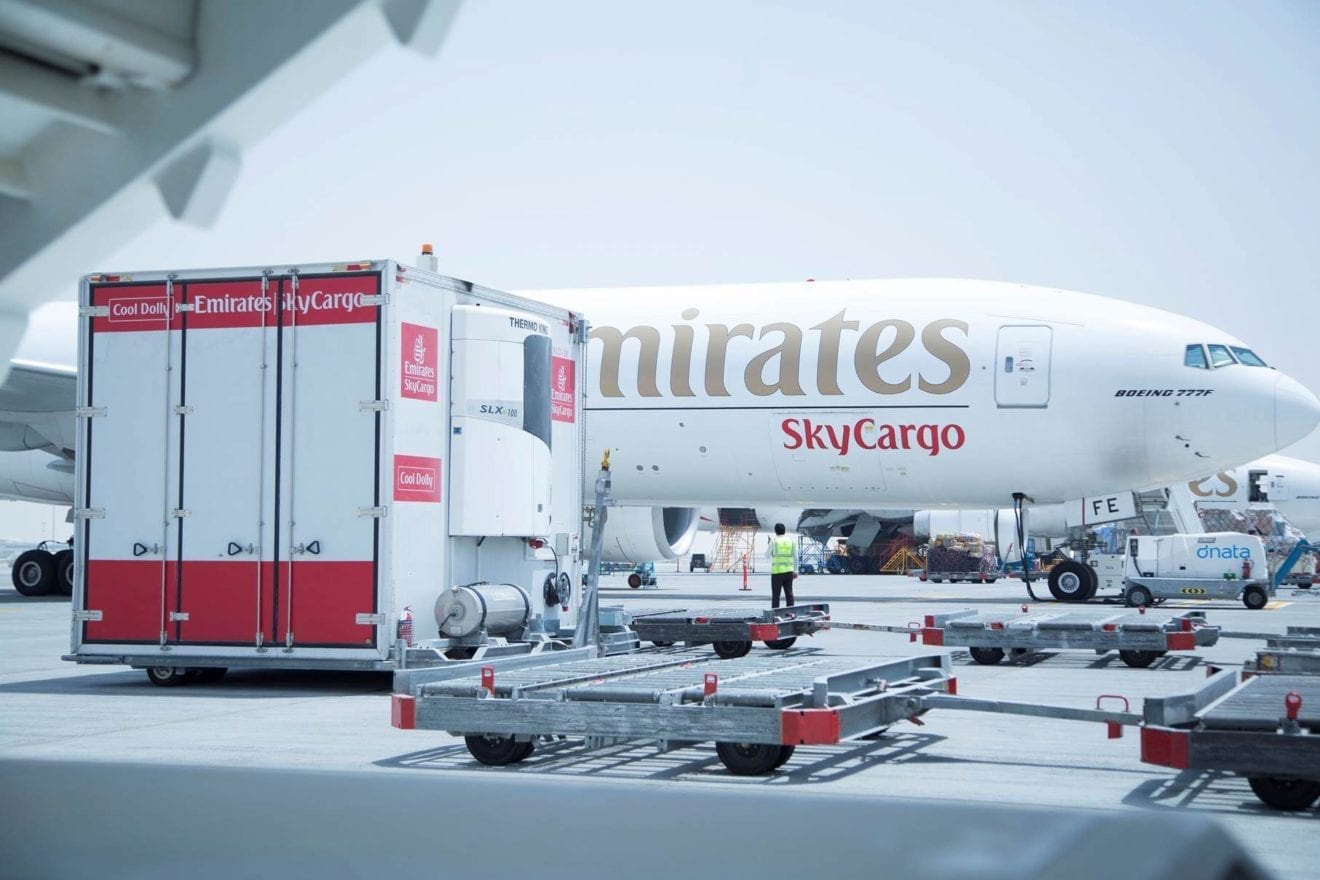
    Also under the Editor’s Choice Award category, Emirates SkyCargo was awarded Marketing Award of the Year, and Lufthansa Cargo took home Media Award of the Year.

    Dual tracks

    Payload Asia, a respected voice of the air cargo industry which has now been publishing for over 30 years, continued its unique awards approach. Kicked off three years ago, the approach features two, parallel sets of awards for each category: The Customer Choice Awards and the Industry Choice Awards – highlighting two equally important but slightly different views of excellence, one based on popular votes and the other on a detailed assessment by senior industry executives.

    The Customer Choice Awards carry on the previous years online voting system by customers and Payload Asia readers, with all results officially audited by an independent auditing firm. The Industry Choice Awards on the other hand, are determined by a senior level industry panel of 16 judges drawn from across the industry and assessed via a points system based on the published criteria, with the process and results also audited. A full list of awards and winners can be found below.

    The awards were presented during a gala dinner attended by more than 200 members of the air cargo fraternity from around the globe, and hosted by Payload Asia, part of the Contineo Media group.

    The Gala Awards Dinner was preceded by a two-day conference programme and both will return again next year. It is anticipated this event will continue to be an important highlight on the air cargo industry’s calendar.

  • DHL gears up for logistics boost from Thailand’s Eastern Economic Corridor

    DHL gears up for logistics boost from Thailand’s Eastern Economic Corridor

    The development of Thailand’s Eastern Economic Corridor (EEC) is set to boost the country’s contract logistics sector.

    On Tuesday, Thailand’s ruling junta approved a plan to accelerate investment for the EEC project, which will see the region developed into a $45bn special economic zone by 2021.

    According to Kevin Burrell, chief executive of DHL Supply Chain’s Thailand Cluster, the EEC will attract a whole range of new investors to the country.

    He told that the next-generation automotive, smart electronics, affluent medical and wellness tourism, agriculture and biotechnology, food innovation, industrial and lifestyle robotics, aerospace, logistics and aviation, biofuel and biochemical, and medical services and healthcare were all industries set to see increased levels of activity.

    “I believe that the automotive, industrial, technology and healthcare and life sciences sectors will further drive contract logistics growth under the EEC program,” he added.

    According to the Thailand Board of Investment, the EEC spans 13,285 sq km across three provinces in eastern Thailand, Chachoengsao, Chonburi and Rayong.

    The plan is to turn the region into a key investment, technology and transportation hub via infrastructure improvements and by designating the area as special economic zone to attract foreign direct investment.

    “With the EEC, the Thai government is prioritising the creation of faster and more comprehensive routes between airports, ports, industrial clusters and urban centres throughout Thailand by developing high-speed and double-track railways,” explained Mr Burrell.

    High-speed rail will link the three main international airports, Don Mueang, Suvarnabhumi and U-Tapao, while double-track railways will connect key industrial zones such as Laem Chabang, Map Ta Phut and Sattahip Commercial Port. A new motorway will connect Bangkok to Rayong.

    Mr Burrell said the project would enhance South-east Asia’s broader logistics connectivity, so long as cross-border trade was allowed to flow smoothly.

    “The new rail network, when connected to neighbouring countries and deployed with efficiency and cost-effectiveness, should provide significant enhancements to logistics efficiency across the region. Coupled with the development of highways across Asia, it will provide a perfect platform for the efficient flow of goods.

    “What is still to be seen is border crossing harmonisation. What really needs to be developed is an efficient manner to allow vehicles to drive across borders with limited delays from customs processes.”

    DHL Supply Chain is to invest more than €70m to grow its regional footprint in Thailand, Vietnam, Cambodia and Myanmar by 2020. It plans new facilities, expanding its fleet of trucks and new technology to create an additional 5,000 jobs in the four countries.

    DHL recently completed a move to new premises in Bangkok’s business area. From there it has a nationwide network of 70 facilities, with combined warehouse space of 650,000sq metres and 10,000 employees.

    However, Mr Burrell added, finding suitable labour was becoming increasingly challenging, and as a result, greater warehouse automation would be deployed to fill the gap.

    “It becomes more and more difficult to find workers. That’s why we have opened our labour force to foreign labour. However, the regulations around foreign labour are understandably detailed and complicated. As a result, we have looked at alternatives to derive greater operational efficiencies and have started to deploy automation systems in some facilities.

    “Looking ahead, we see an ever-widening shortage of drivers for heavy goods vehicles. We feel it is essential to address this issue; one option is to allow foreign drivers to drive in Thailand, and an alternative is a government initiative to encourage development in this important space,” he said.

  • X2 Logistics Network member handles transport for project cargo of oversized equipment

    X2 Logistics Network member handles transport for project cargo of oversized equipment

    X2 Logistics Network member Centauro was nominated to handle Integrated Multimodal Logistics by Sea and Land of an Autoclaved Cellular Concrete Plant (HCA) from Shanghai, China to the province of Santa Fe, Argentina. After participating in a competitive bid along with locals and multinational freight forwarders, Centauro was honoured by client’s nomination due to the proven experience and trajectory of the company in the development of projects in Argentina.

    Centauro arranged the overall negotiation and vessel contract, as well as port operations and road transportation upon arrival at Port of Buenos Aires to client’s plant. A fluid and permanent contact was maintained with all parties involved including a European technologist, the Chinese manufacturer and the Argentine importer with the aim of complying times and logistical restrictions presented in the project.

    The shipment of the three largest pieces, 35 metres long and 74 tonnes each, together with the rest of the components, was shipped on vessel BBC Oregon, taking 55 days transit time from Shanghai to Buenos Aires. The unloading operations in Buenos Aires port were also supervised and controlled by Centauro staff as well as the conditioning and road transportation of the big pieces to the customer’s premises using three multi axle trailers, flat bed carts and support equipment in convoy with special road permits and police custody.

    The multimodal service from Shanghai to Santa Fe was performed in 62 days, delivering the cargo at final destination with full customer satisfaction. This first stage of the project will be completed soon with the shipment of more than 80 containers from Northern Europe ports using Port of Rosario, Argentina as local entrance port.

    X2 founder & CEO Richard Overton commented, “It makes me extremely happy to see the kind of work fellow X2 Members are doing. I have no doubt in my mind that we are going to be seeing a lot more amazing projects before our 5th Anniversary Conference which is coming up in February 2018.”

  • DHL to create, manage European distribution centres for Eaton’s electrical business

    DHL to create, manage European distribution centres for Eaton’s electrical business

    DHL Supply Chain has signed a long-term agreement with the global power management company Eaton to create and manage three distribution centres for their Electrical business in Europe.

    Over the next few years, the contract logistics specialist within Deutsche Post DHL Group will consolidate Eaton’s major standalone distribution centre capabilities throughout Europe into three high-performing and integrated primary distribution centres. These will be located in Germany, UK and Czech Republic, where the current DHL managed distribution centre will be expanded.

    “Eaton has been a valued partner for years and we are delighted to further intensify our collaboration. Based on DHL Supply Chain’s broad expertise in devising integrated supply chain solutions, we developed the Rheinbach concept for a full warehouse consolidation, starting with planning, construction, fit out and full automation to the initial setup and operation,” said Oscar de Bok, CEO, DHL Supply Chain Mainland Europe, Middle East & Africa.

    In Rheinbach, Germany, a new building is being planned which will serve Eaton’s customers in Western Europe. The green field construction is scheduled to start in the fourth quarter 2017, with DHL storing and distributing different electric components such as switch cabinets, fuses and control devices in the new warehouse after its completion in 2018. The goal is to create a more efficient warehousing concept enabled by a fully automated solution and thereby reducing overall run times to meet increased customer demand.

    “Providing tailored contract logistics solutions is one of our globally proven strengths and the newly to-be-constructed warehousing solution will help Eaton to prepare its business for a successful future,” Karsten Schwarz, CEO, DHL Supply Chain Germany and Alps said. “The new facility will not only provide a significant increase in productivity due to its innovative set up but also demonstrates DHL’s commitment to the wider Bonn region.”

    As both DHL and Eaton have a strong commitment for sustainability with corresponding goals, the new warehousing site is to comply with the standards of the German Society for Sustainable Construction (DGNB) and will be built to achieve the silver certificate of the association.

    “DHL is very experienced in warehousing and distribution as well as supply chain solutions and we can help with their environmental focus and drive energy efficiency by applying Eaton’s power management technologies to their facilities. It’s a very interesting partnership where we support each other’s growth while we keep focused on our core businesses,” said Klaus Gaeb, vice president, Supply Chain and Operational Excellence, Eaton EMEA.

    As DHL already has a significant footprint in Europe, this revised distribution approach would also provide strong future prospects to the majority of distribution centre employees from Eaton covered by this agreement, who have been given the opportunity to join DHL following the completion process.

    With these new agreements, Deutsche Post DHL Group and Eaton are taking the next step in extending their strategic partnership. Since 2008, DHL has been supporting Eaton in the review and improvement of its supply chains across the globe, winning the company’s Best Supplier Award in 2016.

  • Bolloré Logistics inaugurates multimodal hub in Le Havre

    Bolloré Logistics inaugurates multimodal hub in Le Havre

    Bolloré Logistics inaugurated its new multimodal hub on September 19, 2017, on the Logistics Park of Pont de Normandie 2 (PLPN2), in the heart of France’s leading foreign trade port. With this new site located near the multimodal terminal, Bolloré Logistics offers all the solutions to manage logistics flows throughout the Seine Valley.

    BLX new multimodal hub in Le Havre.

    Bolloré Logistics plays a key role in the logistical development of the Seine axis, where the company has four branches and runs a network of more than 700 employees. The location of the hub allows Bolloré Logistics to position itself as a leader in the organisation of multimodal transport. The 24,000 square metres warehouse built near the multimodal terminal reinforces Le Havre as a major port logistics hub. Thanks to the opening of this second logistics site in the Logistics Park area of the Pont de Normandie 2, Bolloré Logistics now has in Normandy a total of 110,000 square metres of warehouses, of which 39,000 square metres in Le Havre.

    “As a partner of HAROPA, Bolloré Logistics benefits from exceptional visibility on the three ports on the seine trade – Le Havre Rouen Paris – and an attractive and diversified offer in the treatment of international flows. Our platforms connected to all modes of transport – sea, air, road, rail, barges are designed to support the growth and sustainable development of our clients in the Port of Le Havre and the Normandy region,” said Laurent Foloppe, director of the Normandy Region.

    With a comprehensive range of services, combining its sector expertise, Bolloré Logistics meets the needs of its various customers by offering them multi-country expertise, its services of consolidation and full containers, logistics, road, customs integrating a range of services to added values. Bolloré Logistics’ strategy is to invest in the Hubs by positioning itself on the world’s major trading hubs, Singapore, Dubai, Miami … A position that allows Bolloré Logistics Le Havre to draw more flows and manage global logistics activities and supply chain of its customers.

    “Beyond being a maritime platform where we operate more than 10,000 consolidations per year or a warehouse offering all the services of storage, repackaging and value-added services, this new hub is indeed a multimodal platform intended to supply all the Greater Paris in which we wished to invest,” said Henri Le Gouis, CEO Europe of Bolloré Logistics.

    A Multimodal Green Hub

    Also known as “Green Hub”, the multimodal hub is fully in line with the Group’s CSR approach and is in perfect harmony with the environmental values of Bolloré Transport & Logistics.

    For this operation, Bolloré Logistics is committed to respecting the most demanding environmental standards in terms of responsible construction and to take action on essential points: installations that enable cost and CO2 control solutions, energy management, the preservation of water resources and the natural spaces of fauna and flora, adaptation of means of transport, quality of life at work … A CSR and QHSE approach hailed by the award of several environmental certifications: NF HQE , LEED 4 Silver, Ecocert and BiodiverCity.

  • Decline in traditional ship finance, lack of provision from regional banks threaten ME shipping

    Decline in traditional ship finance, lack of provision from regional banks threaten ME shipping

    Delegates at Seatrade Offshore Marine & Workboats Middle East (SOMWME), opening at Abu Dhabi National Exhibition Centre (ADNEC) on 25-27 September 2017, will hear how shipping faces a capital shortfall of tens of billions of dollars, this year alone, as European banks restructure products and scale back ship financing operations.

    According to reports verified by Reuters, the substantial decline in finance from European banks, compounded by a lack of shipping finance provisions from regional banks, has caused liquidity in the shipping industry to tighten, forcing marine operators to seek alternative finance in order to continue operations.

    The discussion will be tackled during the SOMWME Finance Update, in a session titled “Taking stock – how to make the most of your company assets,” which concludes the first day of the conference programme.

    The session will analyse the viable financial options and trends shaping the offshore marine and workboat industries. The panel features renowned industry experts such as David Manuel, Senior Marine Specialist — Petrodata, IHS Markit; Knut Mathiassen, Managing Partner, NorthCape DMCC; Bora Bariman, Head of Energy & Marine, Corporate & Institutional Banking Group, National Bank of Fujairah and Tien Tai, Partner, HFW.

    Calling for the Middle East shipping industry to urgently reassess how it secures liquidity, Tien Tai commented: “The traditional European banks with ship finance desks are no longer lending the historic amounts they once did and this is compounded by a number of European banks retreating from the ship finance sector altogether.

    “In the Middle East, we see some new lenders coming into the shipping industry but this does not replace the capital shortfall left by the exiting banks. There has been an ascendancy of alternative capital providers in the last 18 months, offering liquidity at a higher pricing, although these are more suited to one or two ship projects and not a substantial refinancing.”

    The industry has weathered many storms since the global credit crunch impacted operations in 2009, however, there is hope on the horizon.

    Islamic finance is widely regarded as a positive means by which to generate equity and maintain health in the sector, although growth is hampered currently by muted enthusiasm from major local banks to operate active shipping desks.

    Recognising that liquidity was tightening, earlier this year Dubai Maritime City Authority was examining the possibility of creating a US$1 billion shipping fund to support the emirate’s maritime sector during this time. According to ship valuation company VesselsValue, the UAE’s shipping fleet is estimated to be worth up to US$10 billion.

    Tai added: “In terms of what it takes to get financing these days, you really have to be a top tier owner with a strong credit rating – but not everyone is a strong owner. The owners in the Middle East dominate the small and mid-tier space and it is these owners feeling the squeeze in the decline of traditional ship finance.

    “The companies we see receiving finance from banks all demonstrate a strong track record of previous borrowing, contributions from owner and shareholder equity, and a transparent structure and a young fleet.”

    Commenting on the importance of the finance session at SOMWME, Emma Howell, Group Marketing Manager, Seatrade Portfolio, UBM EMEA commented: “The finance update is always an essential element of every SOMWME event we organise and the 2017 version will no doubt contribute vital insight to a very timely conversation. The issues that face the global industry are amplified in this region by the fast pace of growth and the economic importance of shipping and trade

    “The ability for the regional banking industry to identify and react to the gap in the market will be vital to the health and agility of the sector in future as countries across the region realise their developmental ambitions.”

    Moving away from the conference – new to the exhibition floor this year will be ‘Drone Zone’ in partnership with ABS and Drone Pro. With three live demonstrations shown daily, this exciting Zone will showcase new tools such as wearable technologies, unmanned aerial vehicles /drones, and remotely operated vehicles.

    “These live demonstrations reflect the growing use of advanced inspection technologies across the shipping and offshore sectors as the increasing complexity of assets and operations shifts how classifi­cation services are delivered,” added Howell.

    ABS, which is bringing the presentations to SOMWME with Drone Pro, is currently conducting field studies to evaluate how the current capabilities of wearable technology, particularly eyewear, are best applied to enhance asset-inspection practices. The pilot programs, which include a range of vessel and offshore asset types, are focused on improving the efficiency of class opera­tions, streamlining the capture and visual display of information and creating a more collaborative environment for remote interaction.

    Seatrade Offshore Marine & Workboats is the largest workboat and offshore marine event outside of the USA, attracting more than 100 offshore marine and workboat companies.

  • Tigers Linking Rail Freight Destinations

    Tigers Linking Rail Freight Destinations

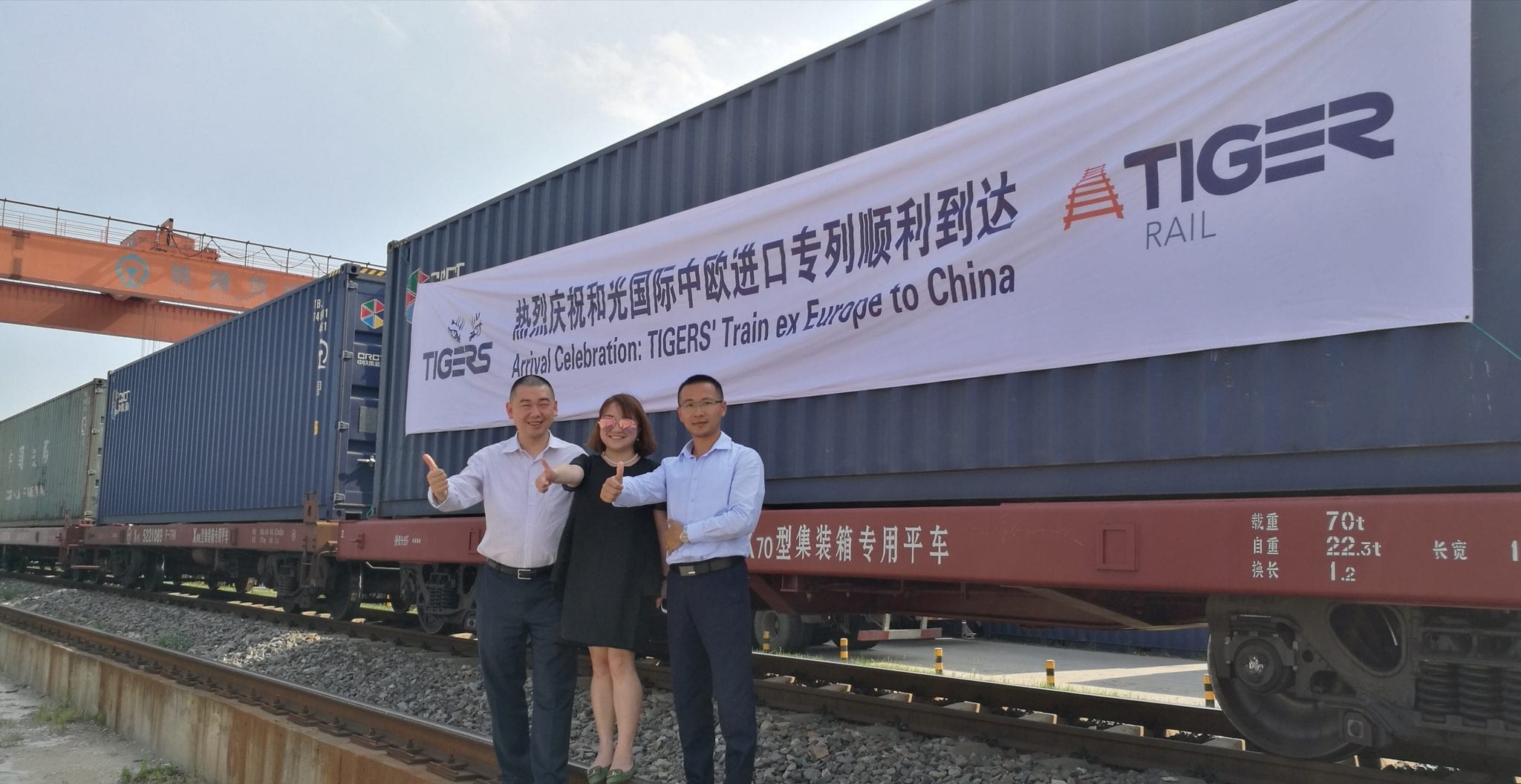
    Tigers has launched a new rail freight service, called Tiger Rail, offering customers a 16-day transit time both east and westbound, between Duisburg, Germany, and Hefei, Chongqing, and Chengdu, China.

    Tiger Rail customers can charter a train, or book Full Container Load (FCL) or Less than Container Load (LCL) shipments on weekly scheduled services to and from over 15 origin stations in China.

    The Hong Kong-headquartered supply chain specialist is also planning to offer

    e-commerce customers shipping parcels from Europe to China a cost-effective service along the new Silk Road.

    “We have seized the opportunity to provide integrated logistics for our customers, who increasingly require shorter transit times than ocean freight, and lower costs than airfreight, making Tiger Rail the perfect solution,” said Paul Huang, Managing Director, Tigers China.

    “Our customers benefit from lower shipping costs by empty container return in Switzerland for westbound services, and Shipper’s Own Container (SOC) for eastbound services, for both FCL and LCL.

    “Tigers has already supported customers to transport over 500 TEUs as FCL, and 1500 cubic meters (CBMs) as LCL along the new Silk Road.”

    Tiger Rail’s inaugural shipment took place over the summer, on behalf of one of one of the largest manufacturers of exhaust and suspension systems, which chartered a train to transport construction materials, auto parts, and electronics.

    “We are currently preparing test shipments for European Union (EU) Business to Consumer (B2C) parcels importing to China with Tiger Rail, and look forward to expanding our rail freight capabilities even further,” said Andrew Jillings, Chief Executive Officer and Group Managing Director, Tigers.

    Tiger Rail customers can track and trace their freight shipments using the Tiger Trax platform.

    The launch of Tiger Rail comes only weeks after Tigers achieved Authorised Economic Operator (AEO) certification in the UK, expanded its footprint with a new office in Leeds, and launched a post-Brexit solution to combat any disruption caused by Brexit.

  • SM’s Logistics 2Go mulling e-commerce expansion in Philippines

    SM’s Logistics 2Go mulling e-commerce expansion in Philippines

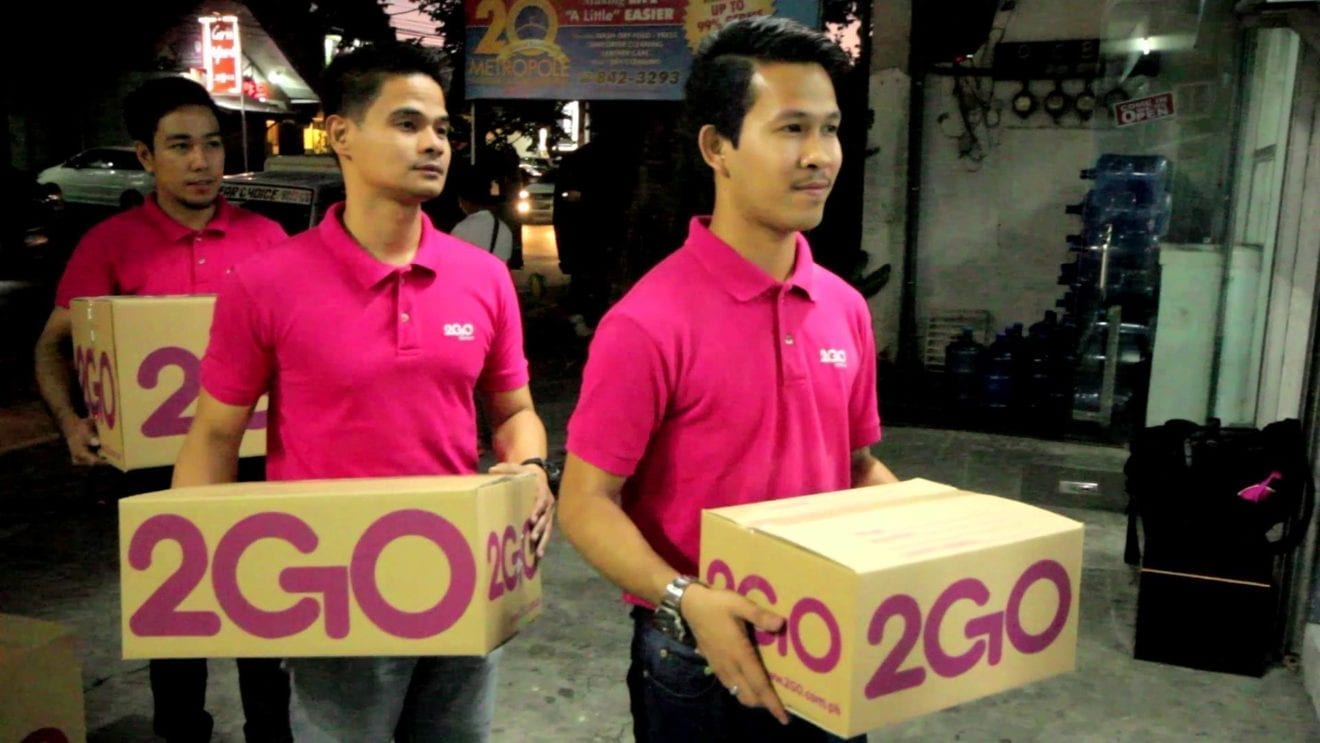
    Logistics 2Go Group, which has just been taken over by Chelsea Logistics Corporation and the SM Group, is studying a possible expansion into e-commerce.

    President Dennis Uy says there is nothing definite yet, especially with the cost being “quite high”.

    He says e-commerce would be the final link to its logistics business chain as 2Go is already fully integrated from warehousing to shipping to courier and door-to-door package-delivery services. It could either venture into the front-end of the e-commerce business in partnership with the SM group or just service companies already engaged in e-commerce.

    However, Uy says it is not easy, and “it is not necessary that we should be there”. But it could happen in the next two years.

    “As the country industrializes, we’ll have more options to shop. We won’t want to go to the mall. We’re very product-specific, and more people will be banked, using debit/credit cards.”

    He says the challenge is to make the expansion profitable.

    “In terms of e-commerce, we plan on partnering with SM because it is really strong in that field. It is already an established brand,” says Uy.

    The SM Group’s non-food retail unit The SM Store launched into e-commerce in 2014.

  • Kerry Logistics Records 10% Growth in 1H Core Operating Profit to HKD1,019 Million

    Kerry Logistics Records 10% Growth in 1H Core Operating Profit to HKD1,019 Million

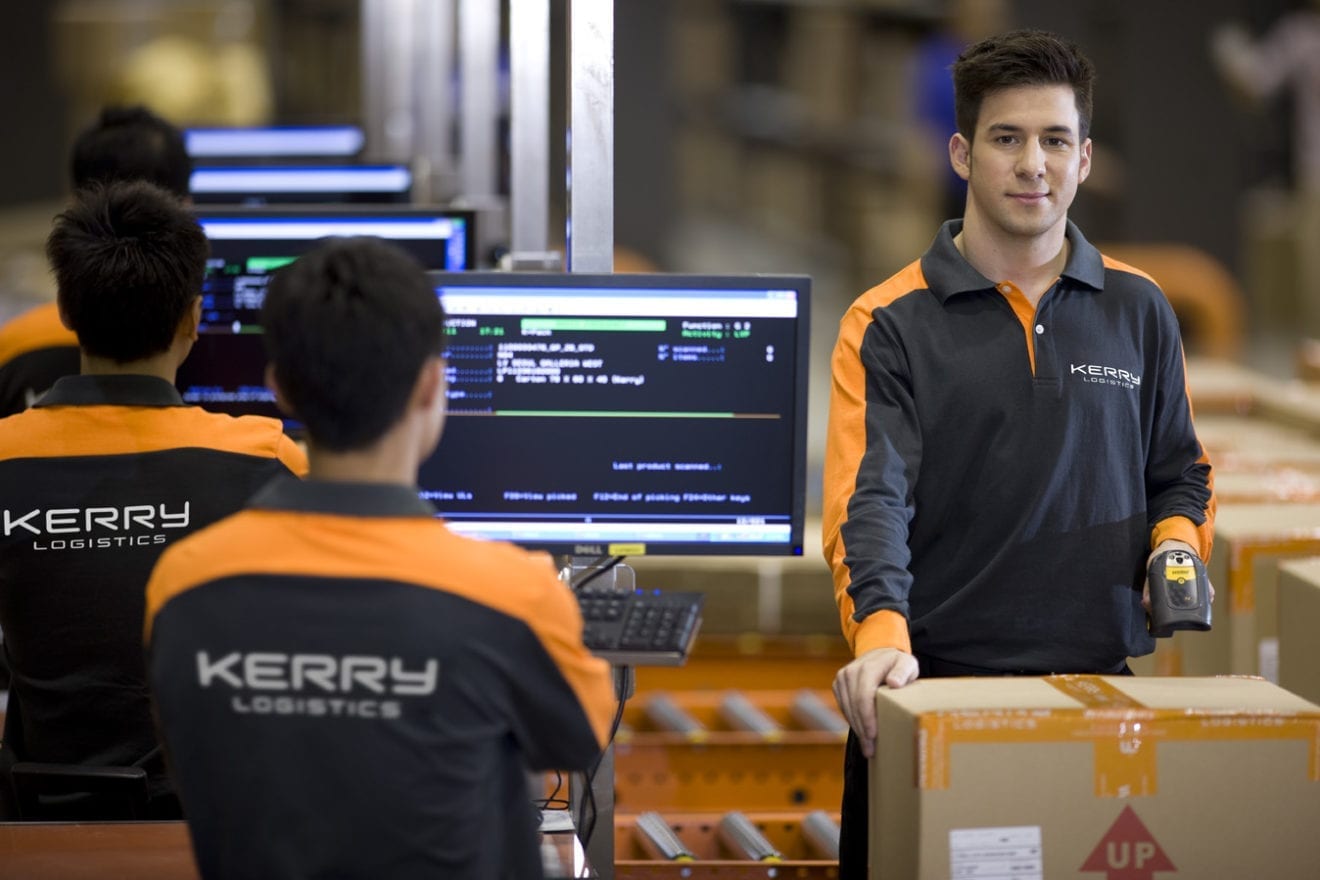
    Kerry Logistics Network Limited (‘Kerry Logistics’ or together with its subsidiaries, the ‘Group’; Stock Code 636) today announced the Group’s interim results for the six months ended 30 June 2017.

    The Group’s Financial Highlights

    • Turnover surged by 31% to HKD13,705 million (2016 1H: HKD10,461 million)
    • Core operating profit increased by 10% to HKD1,019 million (2016 1H: HKD928 million)
    • Core net profit went up by 5% to HKD576 million (2016 1H: HKD548 million)
    • Profit attributable to the Shareholders rose by 11% to HKD788 million (2016 1H: HKD709 million)
    • Integrated Logistics (‘IL’) business recorded a segment profit of HKD884 million (2016 1H: HKD799 million), which represents a lift of 11%
    • International Freight Forwarding (‘IFF’) business achieved a 7% increase in segment profit to HKD222 million (2016 1H: HKD208 million)
    • Interim dividend of 8 HK cents per share recommended

    William Ma, Group Managing Director of Kerry Logistics, said, “2017 1H has been another challenging period. Global demand stalled in Q1 and our cargo volume was at a low level in January and February. Nevertheless, the temporary slowdown in Q1 reversed as the world economy gradually stabilised with cyclical recovery starting from Q2. Supported by strong logistics volume growth in Asia and sound performance in the Americas, the Group’s performance and earnings have shown considerable improvements since Q2. Against this backdrop, for 2017 1H, Kerry Logistics recorded a 31% growth in turnover and a 10% growth in core operating profit. However, core net profit only reported a 5% growth due to the unsatisfactory performance of our investments in associates, which reported a 52% year-on-year decrease in contribution.”

    Strongest Network in Asia

    In 2017 1H, Kerry Logistics continued to adhere to the global development strategy of capturing opportunities brought forth by China’s Belt and Road Initiative. The new subsidiary Globalink Logistics, with operations spanning across Commonwealth of Independent States countries, added nine countries to Kerry Logistics’ global network. They include Kazakhstan, Uzbekistan, Kyrgyzstan, Tajikistan, Turkmenistan, Georgia, Armenia, Azerbaijan and Ukraine. Meanwhile, another new member, Lanzhou Pacific Logistics, allows Kerry Logistics to offer multimodal solutions to customers within its global network.

    The development of an integral overland transportation network with land-bridge connectivity demonstrates Kerry Logistics’ commitment to providing new options and cost-efficient solutions to customers.

    IL Maintains Stable Growth

    The IL division delivered an 11% growth in segment profit in 2017 1H. The overall performance in Greater China remained flat. In Hong Kong, the logistics business delivered continued growth as it benefitted from contribution through new business and customer wins, while the warehousing business maintained growth after a change in client mix despite rental pressure. Weak performance of some of the key accounts in Mainland China adversely affected the Group’s business performance. Although the increased operating cost under the new labour law added pressure on 1H earnings, Taiwan’s performance is expected to improve in 2017.

    The overall IL business in Asia remained strong in 2017 1H, driven by the enhancement of the Group’s service capabilities in ASEAN.

    IFF Sustains Significant Growth

    The IFF division continued to achieve significant growth in 2017 1H, fuelled by the substantial contribution by APEX in the US. As a result of the alliance shuffle, carrier consolidation and reduction in capacity, freight rates increased in 2017 1H, causing the profit margin of the IFF business to narrow, despite an increase in volume. In Europe, the acquisition of Tuvia Italia S.p.A and the launch of the new sales office in Poland further strengthened the Group’s global IFF sales and operations network.


    Asset Portfolio Expansion

    All projects in the pipeline progressed as planned. In Thailand, phase four expansion of Kerry Siam Seaport is expected to complete in 2018. Construction of three logistics facilities in Shanghai and Wuxi, Mainland China, and Phnom Penh, Cambodia were completed in 2017 1H. Inland ports in Yangon and Mandalay, Myanmar, together with three other facilities in Changsha and Wuhan, Mainland China, and Guanyin, Taiwan are under construction.

    Asset Optimisation

    In March 2017, the Group entered into a share purchase agreement to divest its entire 15% interest in Asia Airfreight Terminal Company Limited to Holistic Capital Investment Limited, a subsidiary of Hong Kong Airlines Limited.  The completion of the transaction is subject to certain conditions precedent which, the Directors believe, will be satisfied in 2017 Q3. Going forward, the Group will continue to consider divesting non-core assets and businesses.

    George Yeo, Chairman of Kerry Logistics, concluded, “The Group continues to see China’s Belt and Road initiative as a major opportunity to expand our network and to drive growth in long-term profitability across Asia. The new acquisitions made in 2017 1H added important components to our strategic plan to become the pre-eminent logistics service provider for the new overland and maritime Silk Roads. We are increasing our capabilities in e-commerce and cross-border logistics in Asia.  In 2017 Q2, we formed a joint venture with a local express operator in Indonesia to tap into the booming market there.  Singapore will be our next target for expansion.  With Q2 performance much better than Q1, we expect the momentum of recovery for the rest of 2017 to be positive.”

  • BluJay Solutions raises US$500mn financing to drive growth

    BluJay Solutions raises US$500mn financing to drive growth

    BluJay Solutions, a provider of supply chain software and services powered by the world’s first Global Trade Network, has raised a significant new financing facility from TPG Specialty Lending and BlueBay Asset Management’s Private Debt Group. The capital will bolster BluJay’s continued expansion of its market-leading Global Trade Network and help accelerate growth. In addition, the facility allows for US$200 million of additional capital to finance acquisitions as BluJay continues to expand its market-leading software solutions.

    “Our Global Trade Network has been widely accepted by companies around the globe,” said Doug Braun, BluJay Solutions CEO. “They understand the power and vision of bringing thousands of supply chain participants into a single network and workflow. We are winning more deals because our Global Trade Network is resonating, and this new financing will allow us to accelerate our expansion plans.”

  • Kalmar to deliver fleet of container handling machines to DP World Australia

    Kalmar to deliver fleet of container handling machines to DP World Australia

    Kalmar, part of Cargotec, continues its long-term cooperation with DP World Australia, the country’s largest stevedore, with orders of 38 new machines for its new logistics arm, DP World Logistics Australia. The orders include 7 Kalmar reachstackers, 11 loaded and 20 empty container handlers. 22 units have successfully been delivered to DP World Logistics Australia’s Botany Intermodal terminal with the remaining equipment to be delivered by September 2017. The order was booked into Cargotec’s 2017 first quarter intake.

    The new machines add to DP World Australia’s existing fleet of Kalmar rubber-tyred gantry cranes (RTGs), straddle carriers and terminal tractors and will serve operations in Sydney, Melbourne, Fremantle and DP World Australia’s semi-automated terminal in Brisbane.

    Kalmar reachstackers will be equipped with Kalmar K-Motion transmission technology, which secures uptime and productivity while reducing fuel consumption and emissions. Four units will also include overheight legs. All the Kalmar machines will be powered by Volvo IV Final engines to meet emissions standards and will feature the Kalmar SmartFleet system for performance-boosting remote monitoring and reporting.

    Ron French, national engineering manager at DP World Australia: “Kalmar won a competitive tender to renew, and increase, our fleet of machines in all our facilities around Australia. Our existing relationship gave us leverage to secure the best outcome for DP World Australia with respect to pricing, service and ongoing support. The K-Motion option was very attractive due to lower fuel consumption and environmental impact.”

    Michael Wahab, director mobile equipment at Kalmar: “We are happy to continue to serve DP World Logistics Australia with reliable and efficient equipment tailored to their needs. The units are also equipped with environmentally conscious technology, including innovative K-Motion technology to significantly lessen fuel usage and reduce emissions by up to 40%.”