Tag: China

  • Lenovo opened an unmanned store in Beijing

    Lenovo opened an unmanned store in Beijing

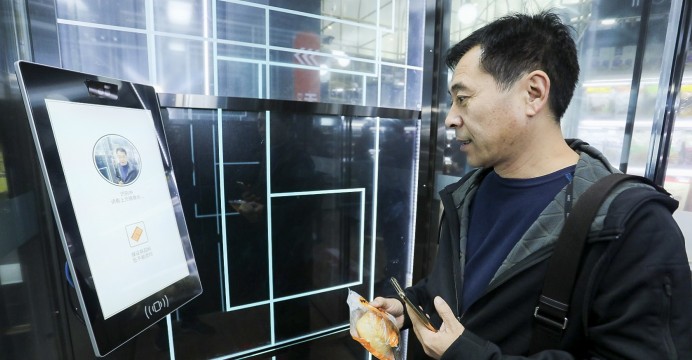
    Lenovo China has launched an automated store in Beijing based on facial recognition technology. The Lenovo Go store also features a mobile payment system. A blog post put out by the Taiwanese tech giant reads: “Shopping at the store is quite simple. You walk up to the door, cameras recognise your face, you browse the aisles, pick out what you want as usual, then – and here’s the magic – you just walk out, and your account is automatically settled via your mobile payment.”

    Lenovo’s head of research and technology Daryl Cromer said: “We can now understand some of the technologies and challenges our customers face, allowing us to make better devices and tailored solutions.

    The store becomes a powerful pilot program for technologies that move beyond the Lenovo campus.”

    Lenovo plans to use data gathered at the store to power future technologies, such as an espresso machine that can brew coffee to individual preferences based on facial recognition.

  • China’s Mosaic Xi’an mall opened door

    China’s Mosaic Xi’an mall opened door

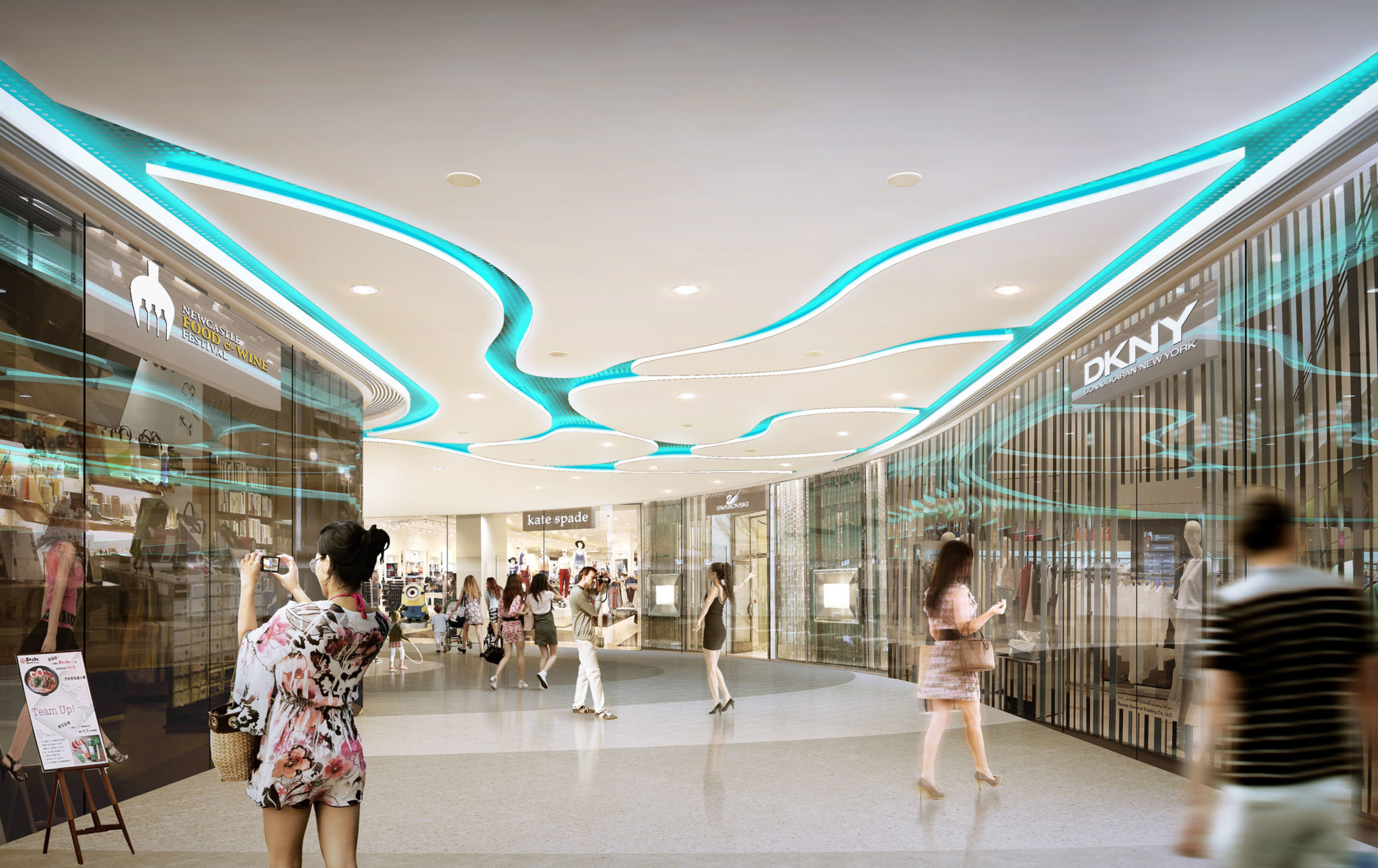
    Pradera Retail Asia has opened Mosaic Xi’an mall in China’s Xi’an city.

    The new 120,000sqm mall is Pradera’s fourth retail asset in China and targets the 20-45 age group with international fashion tenants and entertainment/F&B providers. Already 80 per cent leased, it will hold a one-year promotional program to establish the location in the local market.

    “Mosaic Xi’an creates an innovative shopping experience, so as to satisfy consumers’ booming demand for situating more creative means of entertainment in malls,” said Pradera’s CEO Alison Rehill-Erguven.

    The accents on entertainment are designed to draw customers from the surrounding region who may otherwise shop online.

    “Experiential business is critical for the overall industry,” said Rehill-Erguven. “When more and more shopping centers are transforming into ‘one-stop’ shopping experience centres, we go further to provide the latest advancements in entertainment, F&B and fashion, as well as events, customer service and technology, leading young customer groups on an unforgettable, entertaining journey.

    “Technology has inevitably changed the retail industry; consumers still want to shop in the stores to feel and touch the products … We must not underestimate the power of human interaction and the need for it.”

    Renowned as China’s ancient capital, Xi’an is located in the central Chinese province of Shaanxi. It is surrounded by 14th century city walls, an architectural feature that has been reflected in the design of the new mall.

    Pradera already operates three Mosaic retail properties in Shanghai, Qingdao and Chongqing respectively.


  • Smartphone parts makers struggling

    Smartphone parts makers struggling

    Korea’s smartphone parts industry has been in decline. Squeezed by price-competitive Chinese producers and a saturated market, it is losing sales and workers. The difficulties faced by suppliers just add to Korea’s manufacturing concerns, as profits slump at automobile companies and as the semiconductor supercycle seems to be coming to an end.
    An analysis published on Nov. 4 based on responses from 42 locally-listed smartphone parts producers indicates over 3,700 jobs and 2.6 trillion won ($2.3 billion) in revenue have been lost in the business over the past five years. The analysis compared financial statements issued in the first half of 2013 with those from the first half of 2018 by producers of smartphone covers, cameras, circuit boards and touch screens.

    Combined revenue for the 42 firms in the first half in 2018 stood at 5.69 trillion won, down 31.4 percent over the past five years from 8.29 trillion won. Twenty-six of them, or 61.9 percent, reported a drop in revenue over that time. Combined operating profit at the 42 companies collapsed, falling from 497.8 trillion won five years ago to a loss of 6.3 trillion won in the first half of this year. Net margins for the group was negative 0.11 percent. Nineteen of the companies, or 45.2 percent, are reporting operating losses.

    The trend is in line with the results at major electronics companies. LG Electronics’ mobile communications division has been reporting operating losses for four consecutive years.

    Smartphone components producers have faced significant job losses, with total employment falling from 20,613 to 16,818. Only four companies, or 9.5 percent of those surveyed, reported a rise in revenue, operating profit and jobs over the five-year period.

    SMAC, a Kosdaq-listed supplier for Samsung Electronics of touchscreen modules for smartphones, recorded 26.5 billion won in revenue in the first half. That is about 10 percent of the revenue it posted in the first half of 2013. Operating loss for the first six months of this year was 5.8 trillion won.

    “Our earnings results were challenged as the average period in which people switch smartphones lengthened from two to three years and technological changes came quickly,” said an executive at the company.

    People & Telecommunication, another Kosdaq-listed manufacturer, was the victim of embezzlement by its majority shareholder of as much as 20 billion won last month. Once the country’s leading phone cover producer, it is now suspended from trading on the exchange.

    Experts say that local smartphone producers failed in solidifying their position as the market stagnated.

    According to Strategy Analytics, smartphones shipments will total 1.48 billion units this year globally, retreating for the first time since 2007, the year Apple introduced its first smartphone. Samsung is projected to ship 298.5 million smartphones this year, according to the market researcher, registering a figure below 300 million for the first time since 2013. LG Electronics is facing weakness except in North America.

    Rapidly advancing technologies are weighing on component producers. Smartphone used to have thin-film-transistor liquid-crystal display panels, but now, organic light-emitting diode panels are utilized.

    Even though smartphones are adding more cameras – two or three at least – smaller players in Korea are pressed to keep innovating.

    “Even before we have finished depreciating production facilities, we have to invest again in new facilities,” said an executive at a camera module producer. “Profitability is feared to be damaged.”

    Samsung Electronics is having Chinese manufacturers assemble its medium and low-cost models for the Chinese market, with the goal of maintaining its global smartphone market share of 20.2 percent.

    Samsung is scheduled to release Galaxy A6s this month in China, which has been developed and produced by Wintech, a Chinese company.

    “Even though Samsung said that the Chinese-manufactured models are only for the Chinese market, it means parts made by China will naturally increase,” said an executive at one of the parts producers.

    Smartphone parts makers are trying to find new business or diversify their supply channels. Kim Hak-kwon, CEO of Jaeyoung Solutec, a smartphone camera optical components maker, says he has pinned hopes on the resumption of operations at the Kaesong Industrial Complex. The components require sophisticated manual labor, and using skilled North Koreans is seen to improve the situation.

    Others are looking towards developments on the software side of the business.

    “Smartphone Cinderellas – software-based start-ups – are supposed to be a breath of fresh air for the industry,” said Sohn Dong-won, professor of business administration at Inha University.

  • Fung Retailing, Alibaba to collaborate bringing lifestyle brands into China

    Fung Retailing, Alibaba to collaborate bringing lifestyle brands into China

    Fung Retailing and Alibaba have formed a strategic partnership to launch more international lifestyle brands in Mainland China. The partnership will bring closer Alibaba’s 600-million user base and Fung Retailing’s 3000+ network of stores across Greater China, UK, France, South Korea, Singapore, Malaysia, Thailand and the Philippines. Its partly- or majority-owned businesses include Circle K and Zoff (under Convenience Retail Asia), Trinity, Toys R Us, Suhyang Networks, the UCCAL Fashion Group and Branded Lifestyle Holdings.

    The Fung Retailing and Alibaba collaboration aims to meet the increasing demand of Chinese consumers, building on the strengths of both parties in online and offline retailing, the two companies said in a statement. At the same time, it will better serve global brands by leveraging Fung Retailing’s global portfolio of brands, offline retail channels and marketing know-how, as well as Alibaba’s ecosystem, digital retail leadership, technology, and consumer insights.

    “That will help global brands tailor their product development and marketing strategies to meet the ever-changing needs of Chinese consumers,” the statement said. “The brands can also draw on Alibaba’s new retail channels, including Tmall and Intime, as well as Fung Retailing’s offline stores, thereby reducing costs, risks, and the time traditionally associated with entering the China market.”

    Photo: At the Fung Retailing and Alibaba MOU signing ceremony this week, from left: Sabrina Fung, group MD of Fung Retailing, Dr Victor Fung, group chairman of the Fung Group; Daniel Zhang, CEO of Alibaba Group; and Toby Xu, VP of Alibaba Group.

    Under a memorandum of understanding signed this week, both companies will join forces in global brand recruitment and offer brands merchandising, marketing and omnichannel distribution services. This collaboration will focus on the mainland China market as a first step, and potentially expand to other regions riding on Alibaba’s platforms.

    Speaking during the signing ceremony in Shanghai, Alibaba CEO Daniel Zhang said Alibaba wants to help global brands expand their foothold in China by fully integrating its New Retail capabilities, big data and technology with Fung Retailing’s “unparalleled advantages in brand and supply chain resources”.

    “We believe this partnership represents the beginning of a new chapter for New Retail.”

    Fung Retailing’s group MD Sabrina Fung said retail is changing exponentially, so it’s important to stay ahead of the curve, which this agreement allows the company to do.

    “Through this exciting strategic partnership with Alibaba, we will help customers navigate the full Chinese retail economy and reach China’s 1.4 billion consumers more easily. In this evolving retail landscape, and faced with changing consumer behavior and disruptive retail technologies, we are focused on developing new ways to do business,” she said.


  • HK’s Goxip secures funding for massive expansion plan

    HK’s Goxip secures funding for massive expansion plan

    Hong Kong fashion e-commerce business Goxip has secured US$1.4 million from financial services firm Convoy Global Holdings. The investment will fund Goxip’s planned expansion in Southeast Asia and allow the establishment of new payment services, including installment loans to online shoppers. The initiatives are expected to make the firm’s products more affordable to a broader audience in the region.

    Goxip has already set up in Malaysia and Thailand.

    Goxip raised $5 million early this year from Chinese imaging/video app developer Meitu and Nan Fung Group along with input from three individual investors. Meitu, which is also bringing its 456 million active users into play, also invested in this round of funding.

    Goxip’s CEO Juliette Gimenez said: “With Meitu’s help, we’ve been growing faster than expected, especially with our Thailand launch ahead of schedule. Bringing Convoy on board will allow us to keep our momentum while also adding an important fintech component to our play, especially as we enter emerging markets across Southeast Asia where spending power still lags behind Hong Kong and Singapore.”

  • Why did Under Armour stock rise by 27% ?

    Why did Under Armour stock rise by 27% ?

    The sportswear maker, in the midst of a convincing turnaround this year, blew away Wall Street estimates in third quarter earnings reported this week and injected a dose of optimism into the stock market. Under Armour shares were up an overwhelming 27.82 percent.

    The broader index seesawed for much of the day but a late afternoon rally lifted it to a gain of 1.55 percent.

    While few companies this quarter have been rewarded for good financial results, Under Armour scored the trifecta: It beat estimates on earnings and revenues, and it raised forward guidance on profits by nearly 20 percent.

    Akamai Technologies also soared today on strong earnings.

    The online content delivery company beat earnings estimates by more than 10 percent and revenues by more than 1 percent on the strength of demand from video-gamers and cyber-security customers.

    The stock was up 16.92 percent.

    Tech services provider Cognizant Technology, on the other hand, saw its stock fall 3.9 percent — the biggest decline on the index — after it lowered fourth quarter guidance because of weak demand from bank customers.

    The broader technology sector rallied strongly with Twitter (4.54 percent), Facebook (2.91 percent) and Alphabet Inc. (1.58 percent) posting gains while Amazon.com (-0.55 percent) and Adobe Systems Inc. (-0.56 percent) had small losses.

    Chipmaker NVIDIA Corp. continued to play the tech sector pinball. Down 6.39 percent then up 9.36 percent.

    Telecom giant Comcast continued to draft off its strong earnings report last week and what appears to be a shift in the market to more defensive stocks with dependable outlooks.

    The stock gained 4.78 percent and is up more than 10 percent since it reported earnings last week.

  • Alibaba promises US$200 billion global sourcing plan

    Alibaba promises US$200 billion global sourcing plan

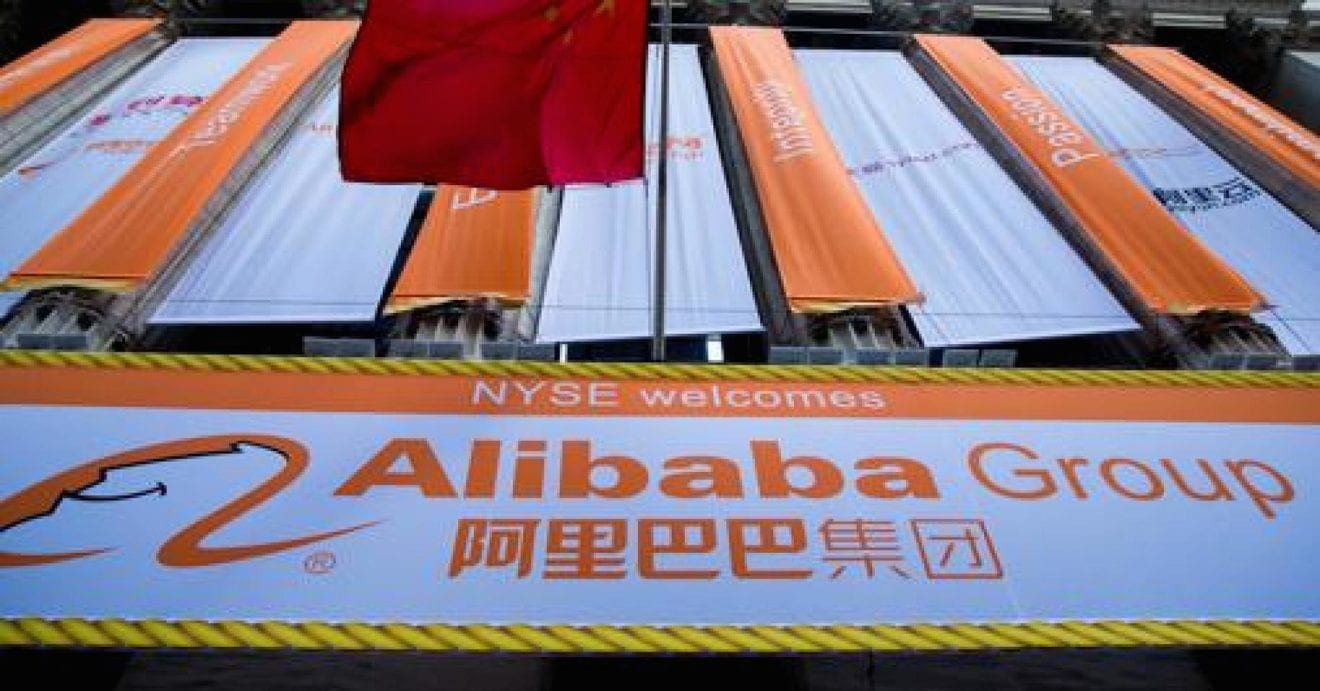
    Alibaba has committed to help import US$200 billion worth of goods from more than 120 countries over the next five years. The company says the move underscores its long-term commitment to globalisation and boosting its efforts to meet the rising demand of Chinese consumers for high-quality international products.

    However, it could also be construed as a move to shore up alternative supply chains in the wake of growing trade tensions between the US Trump administration and China.

    “Globalisation is one of Alibaba’s most critical long-term growth strategies,” said Alibaba CEO Daniel Zhang in a statement. “We are building the future infrastructure of commerce to realize a globalised digital economy where trade is possible for every country around the world.”

    He said using Alibaba’s innovative technology and robust ecosystem, the company is positioned to make global trade more inclusive and fulfil its mission “to make it easy to do business anywhere in the digital era.”

    Zhang outlined Alibaba’s plan at its Global Import Leadership Summit held at the first-ever China International Import Expo in Shanghai. Between 2019 and 2023, Alibaba forecasts it will help import international goods from businesses of all sizes in top countries such as Germany, Japan, Australia, the US, South Korea and Singapore. Several top global brands including P&G, Nestle, JBS, and Refa, have confirmed their holistic partnership with the Alibaba ecosystem.

    By collaborating with various Alibaba businesses units, these brands have been able to effectively engage with China’s massive middle class, a primary engine powering China’s consumption growth.

    Alvin Liu, GM of Tmall import and export, said China’s middle class is booming. “As incomes are rising in China, consumers want faster access to and a wider variety of high-quality products from around the world. Tmall is uniquely positioned to help international brands tap into the growing China market as consumers seek to upgrade their lifestyle.”

    According to a joint report by Deloitte China, the China Chamber of International Commerce, and AliResearch, China’s robust economic growth in recent years has increased the number of middle-to-high income Chinese consumers, who are fuelling the demand for imported, quality goods.

    The report notes that China’s cross-border e-commerce market has grown remarkably, with the proportion of imports to total e-commerce sales growing from 1.6 per cent in 2014 to 10.2 per cent last year. The report also highlights that, between 2014 and 2017, the number of shoppers on Alibaba’s dedicated platform for cross-border shopping, Tmall Global, has grown 10-fold.

  • Tmall, Swire Properties launch New Retail initiative

    Tmall, Swire Properties launch New Retail initiative

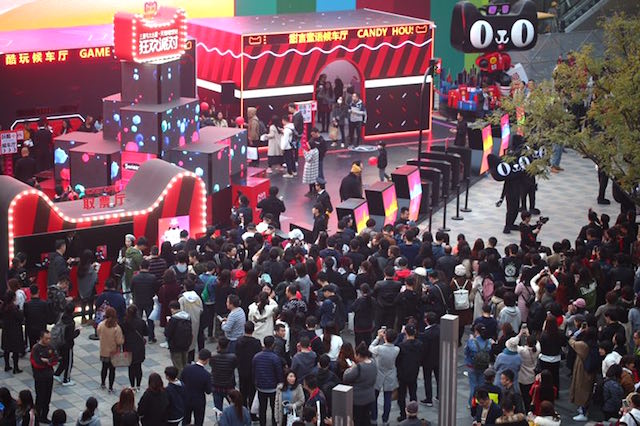
    Alibaba Group’s Tmall and Swire Properties are launching a New Retail initiative creating tailored retail experiences at Swire Properties’ five shopping malls in Mainland China. The partnership will bring benefits to customers in time for Alibaba’s 11.11 Global Shopping Festival on Sunday with Taikoo Li Sanlitun in Beijing the first brick-and-mortar shopping mall in Mainland China to experience this year’s 11.11 “red packet rain” this week.

    Swire Properties will introduce Tmall’s New Retail technologies at five of its developments: Taikoo Li Sanlitun and Indigo in Beijing; HKRI Taikoo Hui in Shanghai; Taikoo Hui in Guangzhou and Sino-Ocean Taikoo Li in Chengdu. The five New Retail initiatives include Tmall Smart Stores, a Tmall Pop-Up Store, Interactive Idol Engagement Photo Booths, Smart Nursery Rooms and a Smart Parking Service.

    Tmall Smart Stores: Shoppers will enjoy a seamless online and offline shopping experience from order to delivery (for participating physical stores). By signing up as members of selected brands, customers can instantly receive details on the latest promotions, and enjoy a return service by simply using their digital devices.

    Tmall Pop-Up Store: Tmall will open an interactive pop-up store featuring cutting-edge technology at Taikoo Li Sanlitun. This nine-day promotion during the Festival will offer shoppers in-depth and enhanced experiences.

    Interactive Idol Engagement Photo Booth: Fans will have a chance to ‘virtually interact with’ and snap a photo with their idol. This is the first-of-its-kind check-in hot spot in Mainland China.

    Smart Nursery Rooms: These offer mothers a relaxing and private space where they can nurse their babies at shopping malls. Vending machines will also offer essential nursing necessities.

    Smart Parking Service: By linking Alipay with their car license plates, drivers can pay parking fees with ease. This service will save drivers 80 per cent of the time usually spent on paying the parking charge and exiting the car park.

    “At Swire Properties, we are always looking for new ways to innovate and integrate the latest technologies into our business, so that we can bring unique experiences to our customers,” said Han Zhi, director, retail at Swire Properties. “Our collaboration with Tmall is a powerful example of digitisation. By harnessing rapidly developing online technologies and big data, our goal is to define the New Retail shopping experience.

    “This year marks the 10th anniversary of Taikoo Li Sanlitun and Alibaba’s 11.11 Global Shopping Festival, both of which have grown in leaps and bounds the past decade. We’re confident that our partnership, which also celebrates this milestone, will set a new benchmark in our respective industries and in the digital space.”

  • Why is Kering buying its shares back?

    Why is Kering buying its shares back?

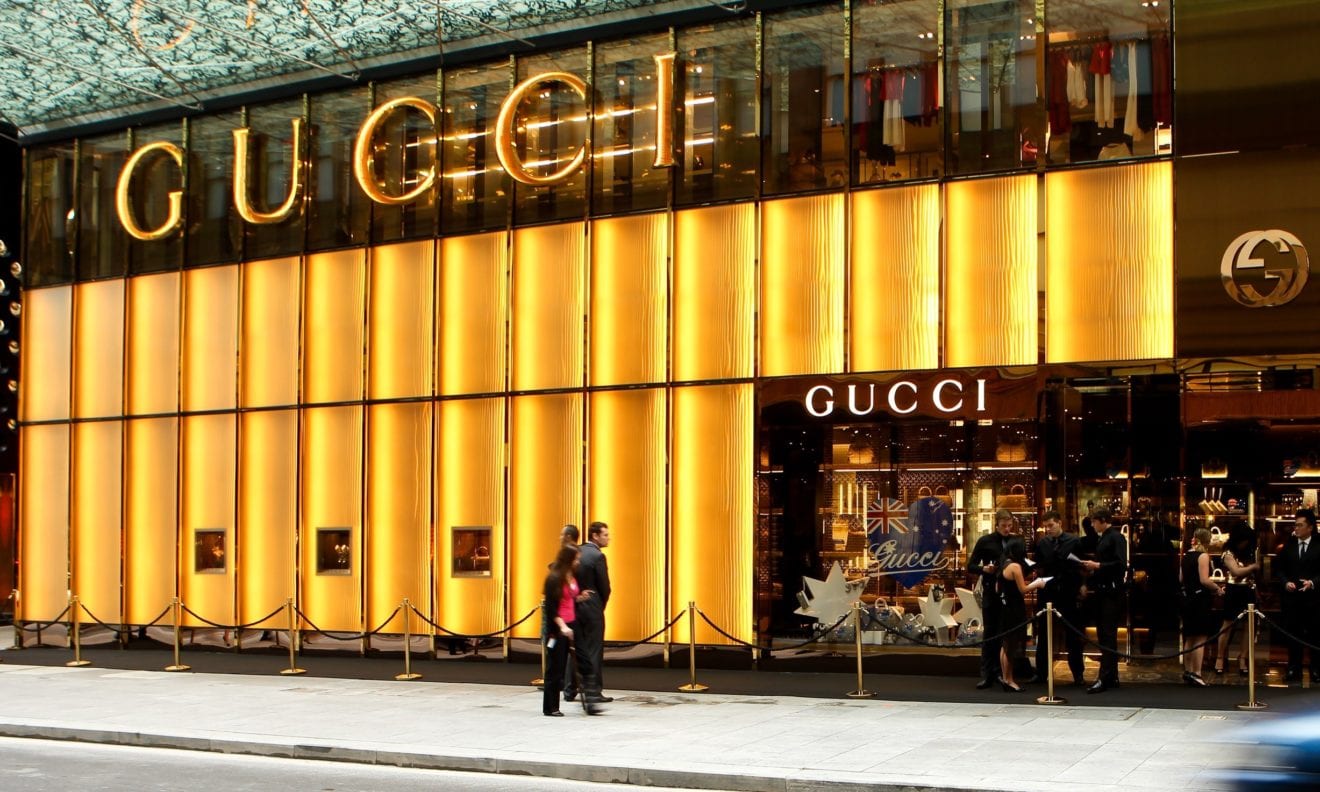
    Kering, which owns Gucci, Saint Laurent and Balenciaga, said it planned to buy back up to 1 percent of its share capital over a 12-month period. According to the luxury-goods group, the total amount of the share buyback agreement would not exceed €300 million (about $342 million) and the price would not exceed €480 per share.

    A stock buyback, also known as a share repurchase, occurs when a company buys back its shares from the marketplace. This means that by paying shareholders the market value per share, a company like Kering can reabsorb a portion of its ownership that was previously distributed among public and private investors.

    But what are the reasons for this?

    Each share represents a small stake in the ownership of the company. There can be several reasons for a share buyback, such as preserving stock price, but in Kering’s case, the move suggests that the company’s senior management is confident about the business and believes its shares are undervalued.

    Undervaluation can occur for multiple reasons. Kering’s management may believe the business is undervalued due to investors’ jittery sentiment around the China market and their ability to see potential in the company’s long term performance.

    Shares in Kering hit a record high of around €522 in June, but dipped in the past three months over worries that white-hot megabrand Gucci was running out of steam.

    The stock rose again in late October after the group reported a better-than-expected rise in third-quarter revenue.

    Sales growth for the conglomerate had been expected to slow from 31.5 percent a quarter earlier to the 22.5 percent rise forecast in a poll of analysts by Inquiry Financial.

    But Gucci sales proved stronger than expected.

    Buying back shares is also a common way for companies sitting on big cash piles to do something about it, and the ideal time is usually after a drop in the stock price.

    It wasn’t Kering’s stocks alone that fell earlier this month.

    Shares in European luxury-goods companies including French rival LVMH sunk, with analysts citing concerns over a consumer slowdown in China, its single biggest market.

    Part of this is due to a crackdown by customs officials, which limits the amount individual Chinese travellers can bring back from abroad.

    “In the most recent weeks, Kering has suffered more than its fair share of pain on the back of the luxury sector downward adjustment following concerns on Chinese consumer confidence,” said Luca Solca, head of luxury goods at BNP Exane Paribas.

    “This has come as investors wanting to reduce exposure to the sector have chosen to lock in gains in stocks that had performed the most, like Kering.”

    Since Chinese consumers account for 32 percent of the worldwide total of luxury sales and about one third of them shop overseas, this is a worry for brands.

    In addition, there is the continued issue of daigou (grey market shopping agents) and the fact that China’s economy is growing at its slowest pace since the financial crisis.

    Gucci president and chief executive Marco Bizzarri acknowledged these challenges.

    “I control what I can control,” he said.

    “Currency fluctuations, traffic flows, daigou duties. It is something we cannot control as a company, so as a CEO I need to control what I can. I hope that Chinese customers are now going to spend more in China, so we’ll do our best to increase their shopping experience here.”

    Jean-Marc Duplaix, Kering’s financial director, said during Kering’s third-quarter earnings call, which came after luxury stocks fell, that the company was seeing an improvement in the retention of Chinese millennial customers and demand had not dipped.

    “In terms of spending power, the situation is still quite sound in China,” he said. “All the events especially in China we had in September or in October, we saw quite good figures. I think that underlying trends are still very, very, very solid.”

    Earlier this year, Bizzarri said that Gucci’s eventual target is to achieve €10 billion ($11.6 billion) in annual revenue.

    “We don’t expect short-term growth issues at Gucci, and anticipate more positive surprises on operating leverage,” said Solca.
  • High Suning profit increase reported

    High Suning profit increase reported

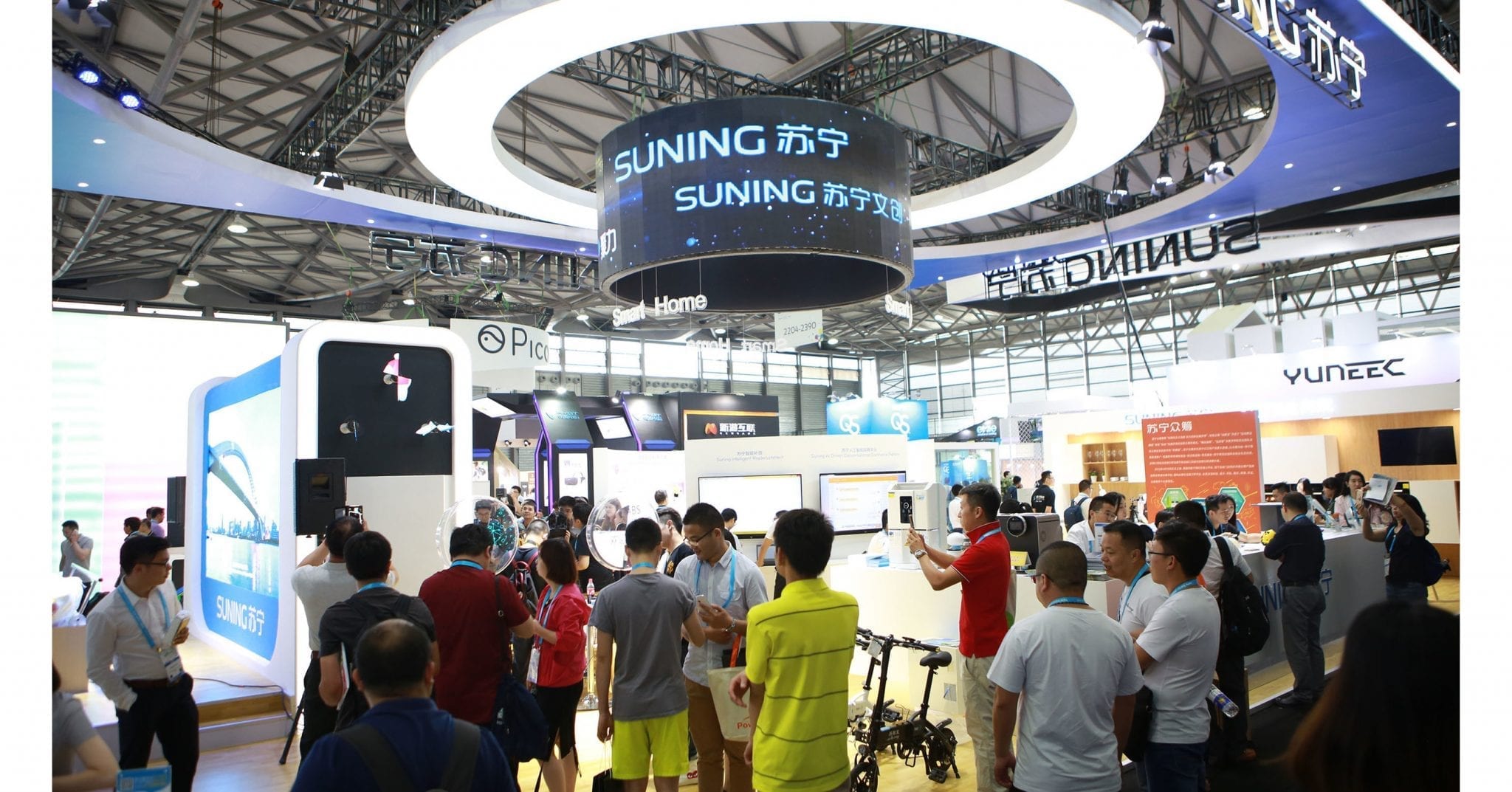
    Chinese O2O retailer Suning has posted RMB172.97 billion (US$24.79 billion) in operating revenue in its third quarter performance report. The result shows a 31.15 per cent year-on-year increase on the reported figure during the first three quarters this year. The company also generated a net profit of RMB6.127 billion ($878 million), an increase of 812.11 per cent over the same period last year.

    The company credits the result to the strength of Suning’s fast-growing online sales comparative to other e-commerce platforms.

    Suning currently has more than 382 million registered users. It operates 6292 direct-sale physical stores and 1453 Suning retail cloud franchise stores.

    Suning says it will provide free delivery in the days approaching the holiday the 11.11 Singles Day shopping spree and will not raise its delivery fees on the day.

  • Richemont to buy Buccellati from Chinese owner

    Richemont to buy Buccellati from Chinese owner

    Richemont group is in talks to buy Italian jewellery brand Buccellati from its new Chinese owner, according to reports from the Italian press this week. The italian press has reported the Milanese brand was being negotiated for sale with Richemont.

    The deal had apparently hit problems due to restrictions from the Chinese government regarding investments from overseas.

    Qatari investment vehicle Mayhoola was also interested.

    Bank of America Merrill Lynch was reportedly working on the sale.

    China’s Gansu Gangtai acquired Buccellati from its previous owners Clessidra in 2017, for a reported 270 million euros ($313 million), including debt.

    The news follows reports earlier in the year that Gansu Gantai planned to invest some 200 million euros to develop Buccellati.

    Richemont, which owns Cartier, among other jewellery and watch brands, was previously in talks with former Buccellati owner Clessidra, in 2016 to purchase the high-end jewellery brand.

    Both Richemont and Gansu Gangtai declined commentary on the matter.

    Founded in 1919 by the Buccellati family, the Italian jeweller was sold in 2013 to Italian investment fund Clessidra.

    In August 2017, Chinese group Gansu Gangtai Holding acquired an 85% stake.

    It has opened six stores in China alone this year, with a Beijing flagship store slated to open this month.

    Buccellati currently operates 49 namesake retail outlets between stores, retail corners and shops-in-shop, and is also distributed via 150 multi-brand retailers.

  • Trade war’s bark turns to bite in Asia

    Trade war’s bark turns to bite in Asia

    The U.S.-China tariff slugfest has for months triggered warnings that it could impact global economic growth, and recent data indicates the tension is beginning to bite. Manufacturing gauges in several export-reliant Asian countries, as well as China, weakened in October as gloom deepens over the trade outlook.

    China’s official Purchasing Managers’ Index (PMI), which measures factory activity, came in at 50.2 in October, down from 50.8 the previous month, the latest sign of weakness in the world’s second-largest economy amid the trade war and a domestic debt problem.

    But China’s troubles are bad for the rest of the region, and the world, analysts said.

    Asian exporting countries from South Korea to Malaysia saw PMI decreases in October, according to indices compiled by Nikkei/IHS Markit.

    Taiwan saw its steepest falls in production and new business in just over three years, purchasing activity by companies fell for the first time since May 2016, and firms anticipate lower factory output in the next 12 months, Nikkei/IHS Markit said.

    “Taiwan is feeling the effects of this trade war because China is the factory for many companies in Taiwan. When the estuary is blocked, you feel the effects,” said Sun Ming-te of the Taiwan Institute of Economic Research.

    Paying the price

    South Korea’s PMI slipped to 51.0 in October from 51.3 in September, while a separate Korean business sentiment index for manufacturing sank to its lowest level in two years.

    China is South Korea’s largest trading partner, absorbing a quarter of Korean exports.

    “The situation may get worse next year due to a prolonged trade war between the US and China, growing default risks at debt-plagued Chinese firms and a slowing global economy that reduces demand for our exports,” said c, an analyst at the Korea Institute of Finance.

    Southeast Asian manufacturers were feeling the effects too, with PMI in Malaysia and Thailand slipping below the 50-point level, which indicates contraction in the sector.

    It was Malaysia’s lowest PMI since July and Thailand’s lowest in two years.

    In an interview last week, Malaysian Prime Minister Mahathir Mohamad complained that U.S. President Donald Trump — who has accused various trading partners of “ripping off” America — “seems to be withdrawing from all commitments overseas”.

    Mahathir, 93, said that hurts everyone, including the U.S.

    “We want to remain friendly with the U.S., and we want to continue trading with the US,” Mahathir said.

    “But the trade war that is going on between the U.S. and China is damaging for us. We have to pay a price for that.”

    Vietnam or bust

    The International Monetary Fund warned at its annual meeting last month that the trade friction and other threats would hobble the world economy, lowering its growth forecasts for 2018 and 2019.

    The Eurozone posted disappointing PMI figures in October, though due largely to factors other than trade tension.

    But not everyone feels the shock yet, with Japan’s manufacturing looking solid last month.

    Trump, meanwhile, faces little pressure to tame his trade rhetoric at home, with a rosy U.S. outlook marked by rising wages and low unemployment.

    And even in Asia, there will be some winners as conflict re-aligns trading patterns, economists noted.

    Vietnam, in particular, looks to gain as foreign manufacturers relocate out of China to escape the trade war crossfire and what many say is an increasingly unfair playing field for foreign companies in China.

    Vietnam PMI climbed from a ten-month low of 51.5 in September to 53.9 last month.

    “The hard data on exports and industrial production in recent months haven’t been that great. The latest survey nonetheless shows how Vietnam is weathering the U.S.-China trade war better than its ASEAN peers,” Miguel Chanco, senior economist at Pantheon Macroeconomics asia.

    “If the trade war escalates, Vietnam will be one of the prime destinations for export-oriented firms looking to move out of China.”

  • JD and Toyota partner to expand auto services business

    JD and Toyota partner to expand auto services business

    FAW Toyota, a joint venture between Toyota Motor Company and First Automobile Works, has launched a flagship store on JD.com, China’s largest retailer, allowing customers in China to purchase and schedule maintenance services online and then bring their vehicles to FAW Toyota’s offline service centers at their convenience.

    In addition to auto services, customers can easily purchase a variety of automobile parts and related products.

    After making their online purchases, customers will receive a verification code on their phones, which they can use at FAW Toyota’s offline ‘4S’ stores to redeem their parts, supplies, installation or repair services.

    Auto parts and supplies can also be delivered directly to customers’ homes.

    The partnership was concluded to improve customers’ level of convenience while FAW Toyota will gain insights from the various data it will collect from the platform such as age, gender, and purchasing behavior of shoppers.

    As one of the latest applications of its “Boundaryless Retail” strategy, last month JD launched a new offline automotive initiative called JD Auto Service, known in Chinese as Jingdong Jingche Hui.

    The initiative already includes nearly 200 third-party offline car repair stores.

    Through JD Auto Service, customers can buy auto parts or maintenance services on JD.com, and then go to a JD Auto Service location for installation.

    To ensure high-quality service, each of the offline stores is screened to meet JD’s strict standards before joining the network.

    JD has been leveraging its advanced e-commerce capabilities and offline resources to expand into China’s booming automotive aftermarket business.

    The company’s omnichannel model now covers the entire purchasing process for car parts and services.

    JD currently has partnerships with over 30,000 authorized offline auto stores for complementary service.

    Chinese car owners have so far responded enthusiastically to JD’s omnichannel network.

  • Alibaba’s second-quarter revenue jumps high

    Alibaba’s second-quarter revenue jumps high

    Alibaba’s second-quarter revenue grew 54 per cent year on year, reaching RMB 85.1 billion ($US12.3 billion). Net income attributable to shareholders was RMB 20 billion ($2.9 billion), a 13 per cent year-on-year increase. “Alibaba had another strong quarter of rapid growth,” said Alibaba Group CEO Daniel Zhang.

    “Annual active customers increased by 25 million to reach 601 million in the year ended September 30.”

    “Annual active customers increased by 25 million to reach 601 million in the year ended September 30.”

    Alibaba’s cloud-computing arm saw 90 per cent year-on-year growth to RMB 5.6 billion, launching more than 600 products and features during the quarter ranging from big data analytics, AI application innovation, security and internet-of-things enhancements.

    The business’s online Tmall operations saw a 30 per cent increase in gross merchandise value, driven by improved conversion rates and increased traffic in the fast-moving consumer goods, home furnishings and apparel categories.

    Alibaba’s New Retail strategy has continued to pay off across its Hema supermarkets network, with stores that have been in operation for at least 1.5 years seeing online sales account for 60 per cent of turnover for the September quarter. By the end of the quarter, 77 Hema stores had been opened in China.

    The group has dropped its forecast revenue guidance for the full year by 4 to 6 per cent to between RMB 375 billion and RMB 383 billion. As it stands, the group expects revenue to grow by 54 to 56 per cent.

  • Parkson Retail Asia continues drowning

    Parkson Retail Asia continues drowning

    Struggling department store operator Parkson Retail Asia has hinted it may close further stores as it posted yet another loss. For the first quarter of the new trading year, the Singapore headquartered company lost S$11.1 million, a slight improvement on the $12.9 million of a year ago.

    Last full trading year, the company lost $40.1 million for the full year.

    In a statement, the company said it would will continue to prioritise on enhancing product offerings “as well as on optimising both our operational efficiency and network of stores,” suggesting further exits, most likely in Vietnam where it has just five stores remaining from a peak of 10 and continues to lose money.

    Parkson credited the reduced loss on an improved performance of the Malaysian and Indonesian store networks, together with the effect of the closure of seven loss-making stores last financial year.

    Group sales rose 1.7 per cent to $92.6 million.

    On Friday the company announced the immediate resignation of its CFO Chia Cang Yang, with immediate effect. CEO Michael Remsen will oversee financial matters until a replacement is recruited.