Tag: China

  • Vietnam urges China to import more agriculture produce

    Vietnam urges China to import more agriculture produce

    China should import more Vietnamese products, especially agriculture produce, so as to balance bilateral trade, PM Nguyen Xuan Phuc said Sunday. “As Vietnam is seeing a great trade deficit with China, you [Chinese businesses] should import more products from Vietnam, starting with agricultural products, to balance bilateral trade,” the prime minister said at a meeting with Chinese businesses in Shanghai before the November 5-10 China International Import Expo (CIIE).

    “This is in line with the policy of China’s top leaders, who have repeatedly told us that they are keen to move towards a trade balance between China and Vietnam,” he noted.

    China is currently the largest market for agricultural products in Vietnam with the export turnover of agriculture, forestry and fishery products this year estimated at over $35 billion, up nearly 9 percent over the same period last year, Phuc said.

    However, most Vietnamese produce are mostly consumed in China’s southern Yunnan Province and the Guangxi region bordering Vietnam, not in the rest of the country, he said.

    As the second largest agricultural produce exporter in ASEAN with over 20 agriculture products that have an annual export value of over $1 billion worth, Vietnam offers many products favored by Chinese consumers, the PM said.

    Many Vietnamese agriculture produce are among the world’s best, like rice, pepper, cashew, pangasius fish and shrimp, he noted, adding that its fruits, like dragonfruit, mango, longan and watermelon, have passed import standards set by Australia, the EU, Japan, South Korea and the U.S.

    These products have great potential to boost bilateral trade cooperation, the PM stressed.

    Representatives of Chinese corporations at the meeting said they value the investment potential in Vietnam and are interested in bringing Vietnamese agriculture produce to China and and the world.

    Pu Jian, executive director of the CITIC International Asset Management company, said that he could bring Vietnamese products more deeply into the Chinese market as his company specializes in importing rice, fruits and other produce.

    His corporation also owns 60 percent of McDonald shares with over 3,500 stores in China, and this could be a potential channel to consume Vietnamese produce, he added.

    Johnson Choi, executive director of China’s conglomerate Sunwah Group and general director of Sunwah Vietnam, said that his company would like to distribute Vietnamese coffee in the Chinese market and invest in Vietnam’s “green” agriculture.

    In a meeting with Chinese President Xi Jinping the same day on the sidelines of the CIIE, China’s major event seeking more import opportunities, PM Phuc stressed that Vietnam always attaches great importance to the development of friendly, stable and healthy relations with China.

    China should adopt policies and practical measures to reduce the current large trade deficit with Vietnam, he added.

    Xi said that his country doesn’t want to pursue a trade surplus with Vietnam, and will increase imports from Vietnam towards more balanced and sustainable bilateral trade.

    Vietnam-China trade reached $93.69 billion last year, up 30.2 percent from 2016. Vietnam earned $35.46 billion from exports to China, up 61.5 percent, while spending $58.22 billion on imports from the country, up 16.4 percent.

    In the first nine months this year, bilateral trade between the two countries reached $76.06 billion, up 18.7 percent over the same period last year.

    China continues to be Vietnam’s largest trading partner and the one with which it has the largest trade deficit. It is also Vietnam’s second largest export market after the U.S, according to Vietnam Customs.

  • Why is the Chinese economy slowing down?

    Why is the Chinese economy slowing down?

    China’s economy appears to be slowing faster than expected at the start of the fourth quarter, a bad omen for growth early next year when the full force of the trade war with the United States comes to bear. This situation is likely to spur Beijing to introduce new measures to support growth, analysts said.

    The government will try to avoid returning to its battle-tested plan of large-scale monetary and fiscal stimulus so as not to exacerbate the country’s already huge stock of debt, but it may have no choice but to move some way in that direction to stabilize growth.

    Business sentiment in both the manufacturing and non-manufacturing sectors was weaker than expected in October, led by sharp declines in export demand, according to the official purchasing managers’ index published on Wednesday by the National Bureau of Statistics and the China Federation of Logistics and Purchasing.

    The figures were the first gauges of the trade war’s impact since the U.S. levied 10 percent tariffs on $200 billion worth of Chinese goods in late September.

    The manufacturing sentiment index dropped to 50.2 in October, from 50.8 a month earlier.

    The reading, which was its lowest in more than two years and barely above the 50 point line that separates expansion from contraction in the sector, suggests the possibility of contraction in November as the U.S. tariffs take effect.

    That situation could worsen in January, when the tariff on the $200 billion of Chinese imports is set to rise to 25 percent.

    It might also be exacerbated by the “front loading” behavior of many Chinese exporters — boosting production and shipments now to fill orders for early next year before the scheduled tariff rate increase.

    Production and unemployment among export manufacturers are at risk of falling sharply from January due to lack of orders to fill.

    New export orders contracted for the fifth month in a row in October, to 46.9 from 48 in September.

    Imports also contracted for a fourth straight month, indicating weakening demand within China, while the decline in manufacturing employment accelerated.

    Non-manufacturing activity, dominated by the service sector, also slowed in October, with the index dropping a full point to 53.9.

    While the index still indicates a healthy level of activity, the size of the drop could be a sign of a sharp slowdown ahead.

    Indeed, the contraction in service sector export orders seen in September accelerated sharply in October, falling a further two points to 47.8.

    The October data also reinforce the picture that small- and medium-sized companies are struggling, with indices for both groups falling further into contraction.

    In contract, the index for large companies fell but remained in positive territory.

    “The economic conditions facing China’s private sector are much worse than the headline figure suggests, in our view,” analysts at ANZ said in a report. “The October PMIs for mid-sized and smaller sized companies fell to 47.7 and 49.8, respectively.”

    “So we expect the Caixin PMI to have already fallen into the contractionary zone,” the report said.

    The Caixin PMI data better reflects sentiment in smaller, usually private sector firms.

    Analysts said that a faster than expected economic slowdown this year could be compounded early next year by a lack of new orders and higher U.S. tariffs, prompting further action by the government to prop up growth.

    “We expect a worse growth slowdown in spring 2019 for several reasons [especially after export front loading],” said Ting Lu, chief China economist at Nomura Global Market Research.

    “Beijing’s policy focus so far has been on containing a credit freeze. If our more cautious views prove to be valid, growth is likely to slow to such a worrying pace in spring 2019 that Beijing may have to greatly ramp-up its easing/stimulus measures.”

    The economic forecasts do not take into account the possibility of a large escalation of the trade war.

    U.S. President Donald Trump said again on Monday that tariffs on an additional $267 billion worth of Chinese imports — which would equate to sanctions on virtually all Chinese goods — were “ready to go” if there was no trade progress.

    He said he expected the trade war to result in a “great deal” for the U.S., but did not say how and when that would happen.

    Analysts warned that while the direct impact of U.S. tariffs on the Chinese economy is limited, the negative impact on business and consumer sentiment, and so on the economic outlook, could be much larger.

    Steven Cochrane, the chief Asia-Pacific economist with Moody’s Analytics, said in an interview that additional tariffs would have an outsize impact.

    “There would be much more uncertainty that would tend to slow the pace of investment and consumption,” he said.

    “Consumers are [already] feeling uncertain about next year, so they are going to pull back.”

    In retaliation, China might implement qualitative measures, such as more aggressive inspections of imports from the U.S., creating stiffer visa requirements for visiting American workers, slowing regulatory approval for U.S. companies operating in China or targeting service imports from the U.S., including restricting the enrollment of Chinese students at American universities.

    In a research note released last week, Cochrane estimated that if a 25 percent tariff were imposed on all China-U.S. trade and Beijing applied qualitative countermeasures, China’s gross domestic product growth would fall by 1.2 percentage points to 5.2 percent in 2019 and the Chinese stock market would fall by 9.4 percent.

    The U.S. is reportedly preparing to impose the next round of tariffs on the $267 billion in Chinese goods in early December if Trump’s scheduled meeting with Chinese President Xi Jinping at the G-20 summit in late November produces no progress.

    If true, and given the 60-day comments period that would start when the tariffs are announced, this would mean that the new tariffs would be implemented in early to mid-February, during or just after Lunar New Year.

    Like Christmas in the West, the celebration is the largest instance of consumer spending during the year, so any fall in sentiment caused by the introduction of the new tariffs could have a very negative effect on China’s economy.

    Business sentiment in both the manufacturing and non-manufacturing sectors was weaker than expected in October, led by sharp declines in export demand, according to the official purchasing managers’ index.

    The figures were the first gauges of the trade war’s impact since the U.S. levied 10 percent tariffs on $200 billion worth of Chinese goods in late September.

  • For Art’s Sake store opens

    For Art’s Sake store opens

    Hot on the heels of For Art’s Sake’s new collection launch is the opening of its first standalone retail store in London’s Covent Garden. Situated in the heart of The Piazza, the store borrows bold design details from the brand’s penchant for eclectic style: think decadent blue velvet furnishingS and brass fixtures that beautifully elevate the statement-making frames.

    The store will incorporate a host of new features, from a selfie station to personal shopping (in five languages: Mandarin, French, Spanish, Italian and English), a concierge option, tax-free shopping, Click and Collect as well as exclusive colourways. To celebrate the launch, For Art’s Sake has collaborated with one of London’s most exciting new design studios – Studio LaPeche – on a window installation that reimagines the most striking features of the London skyline.

    A deliberate avoidance of trend-based silhouettes has led to a rapid pace of growth for For Art’s Sake in a short space of time. On top of Beyoncé and J Lo, For Art’s Sake counts Kristen Bell, Eva Chen, Poppy Delevingne, Olivia Palermo and Aimee Song amongst some of its most devoted fans. The brand can currently be found in over 550 exclusive stockists around the world, including Harvey Nichols, Saks 5th Avenue, Net-A-Porter, Yoox and more, and after the London store opening, they’ll be opening in Shanghai’s XinTianDi Mall. They then plan to open stores in Hong Kong, Miami and New York before 2020.

  • Alibaba Group Puts Spotlight on Indonesian Brands

    Alibaba Group Puts Spotlight on Indonesian Brands

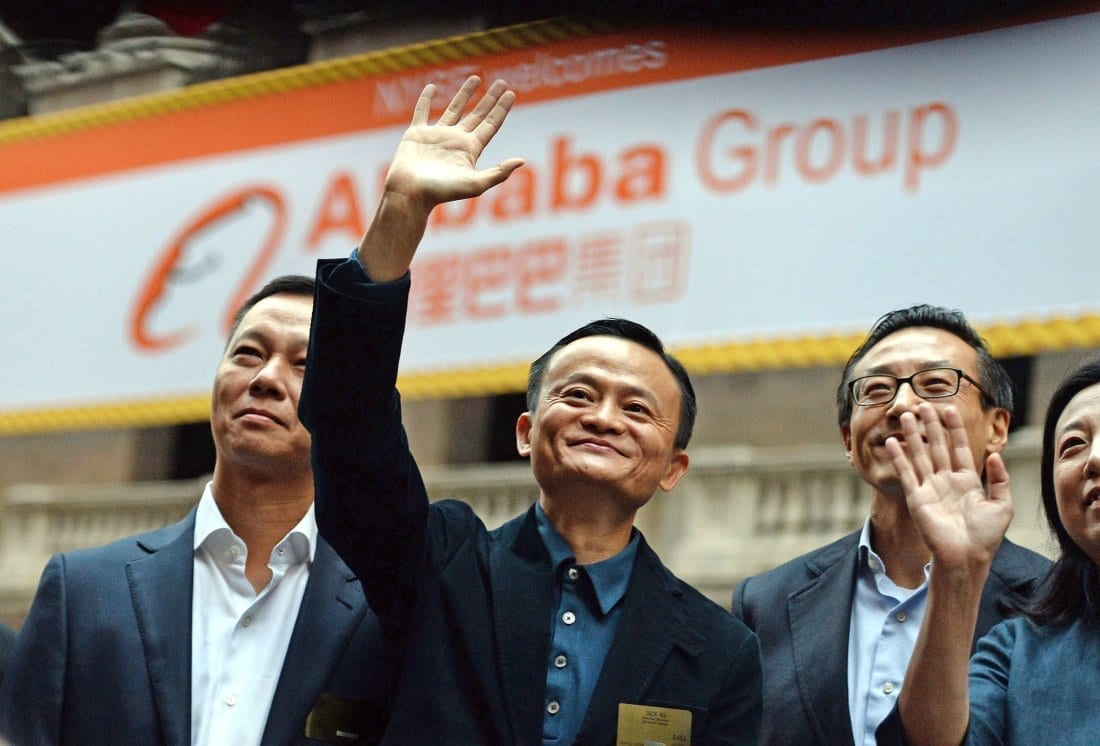
    Chinese e-commerce giant Alibaba launched a special section for Indonesian products on its platform on Friday to promote the country’s best products to more than a billion Chinese consumers. The section, known as the Indonesian Pavilion, debuted on Alibaba’s Tmall Global, a platform dedicated to helping international retail brands and entrepreneurs reach out to the Chinese market despite not having a presence in the country.

    Indonesian Ambassador Djauhari Oratmangun and Ryan Wang, general manager of public affairs at Tmall, inaugurated the special section during an event in Shanghai.

    The Indonesian Pavilion was launched in time for Alibaba’s 2018 11.11 Global Shopping Festival, the world’s largest one-day shopping event, which takes place on Nov. 11 every year.

    The section will initially offer five leading Indonesian food and beverage brands: Indomie instant noodles, Kapal Api packaged coffee, Richeese biscuits, Yan Ty Ty swallow’s nests and Papatonk shrimp crackers.

    Through Tmall’s integrated service center, brands can increase consumer awareness of their products ahead of the upcoming shopping festival.

    Chinese consumers will also have a chance to learn about Indonesia’s cultural richness and exotic tourist destination, which will also be featured on the platform.

    This forms part of Alibaba’s ongoing initiatives over the past few years to support Indonesian startups and small and medium enterprises.

    Jack Ma, Alibaba chairman and co-founder, serves on Indonesia’s digital economy board, advising the government on how to best nurture and implement digital technology to drive development.

    The government and Alibaba are also discussing ways to help Indonesia train local talent in the digital field and increase innovations in financial technology.

  • Auchan products to be sold on Lazada

    Auchan products to be sold on Lazada

    Auchan Vietnam has launched its store on LazMall, a branded shopping mall from Lazada, allowing customers to purchase French products online with rapid delivery. Despite having its own online store, Auchan believes it can expand its reach and boost sales by working with Lazada Vietnam. Customers will be able to choose from Lazada’s same-day delivery, next-day delivery or low-cost delivery options.

    Free delivery applies to customers in Hanoi, Ho Chi Minh City, Hue, Danang, Dong Nai, Ba Ria-Vung Tau, Binh Duong and Long An with orders worth VND99,000 (US$4.24) or more.

    Initially, Auchan products on LazMall will be mainly consumer goods, with the range to expand over time.

    The French retailer will link all of its 21 brick-and-mortar stores with LazMall, so orders will be fulfilled from the nearest Auchan store to customers.

    Lazada was recently ranked the second largest e-commerce platform in Vietnam behind Shopee, which earns a monthly average traffic of 34.5 million visitors.

  • Singles Day 2018 faces delivery challenges

    Singles Day 2018 faces delivery challenges

    Alibaba and its partner retailers will face a massive challenge ensuring flawless delivery of millions of parcels all over China and beyond given the expectations of further growth on Singles Day 2018 next week.

    “As the event grows, the logistics challenge becomes bigger and bigger,” observes retail analyst Pascal Martin, partner at OC&C Strategy Consultants.

    “During last year’s event 812 million parcels were delivered just on Tmall. Observers are betting that this year’s milestone might be more than 1 billion parcels.”

    And, says Martin, although brands don’t like to talk about it, there is also a huge challenge in taking care of large quantities of returned goods.

    “11.11 is a massive test bed for Alibaba’s backbone infrastructure: the network of partners that make it all possible, from payment to delivery to data management, as well as AI and cloud technologies that are put to work to ensure a successful event.”

    Alibaba’s Cainiao Smart Logistics Network says it has upgraded its technology to cope with the expected increased volumes from 11.11 this year. The company boasts more than 30 million sqm of warehousing worldwide and a logistics field force of more than 3 million people.

    Domestically, Cainiao has opened a new robotic warehouse, expanded its Internet of Things (IoT) systems and built out its platform’s last-mile reach. For cross-border deliveries, more than 1000 shipping containers and 51 charter planes are booked, ready to speed orders across the world.

    Cainiao VP Ben Wang says while nobody knows how many orders Singles Day 2018 will generate, the logistics company needs to keep upgrading systems, anticipating growth and seeking higher efficiency, because of customer expectations.

    “It was only five years ago that parcel orders surpassed 100 million for the first time. Back then it took nine days to deliver the first 100 million parcels,” said Wang. “Last year, it took less than three days (2.8 days) to deliver the same number of parcels. Consumers increasingly want faster, better delivery, so that’s what we’re doing. This year, we’re striving to achieve a new high, leveraging the beauty of scale and technology.”

    Delivery “within minutes”

    Cainiao’s preparations this year also reflect the changing demands of logistics in the New Retail era. For the first time, goods ordered during 11.11 will be delivered directly from stores to customers during the Festival – sometimes within minutes. Short-distance delivery services will be available in more than 280 cities.

    “Cainiao is the logistics backbone of Alibaba’s New Retail strategy,” Wang said. “We are providing an online and offline, cross-platform supply-chain solution to merchants and enabling them to cut inventory costs, while increasing operating efficiency, especially around 11.11 ­– the busiest season of the year. Ultimately, consumers will enjoy a brand-new shopping experience, as delivery service will always be on-demand.”

    Martin expects Singles Day 2018 to include more partners, not only online but also offline, leveraging Alibaba’s New Retail ecosystem. For example, Tmall 3000+ convenience stores, Hema and RT Mart supermarkets, Suning and Auchan, will be fully integrated into the event.

    The event will also be expanding beyond China through Lazada, the Southeast Asia online platform owned by Alibaba.

    “We expect to see participation of an increasing number of international brands that are taking advantage of the Tmall Global platform – number one by far among Chinese cross-border platforms – to get introduced to Chinese consumers without any direct presence in China for many of them.”

    And diversification will be another key factor in this year’s event, he says.

    “It’s not just about purchasing products, it’s also increasingly about purchasing a variety of services, from videos on Youku to mobile games on UC, theatre tickets on Taopiaopiao, music on Xiami music, travel on Feizhu, etc… All of this will not happen without challenges.”

    Yet another test, says Martin, is for Alibaba to expand the event beyond its group companies.

    “Right now, most of the non-Tmall companies participating in the 11.11 event are Alibaba Group companies. Getting non-group companies to embark on the 11.11 band wagon will be the next step to sustain continued growth of the event in future years.

    “Finally, to keep the event fresh and exciting, Alibaba will need to continue to surprise increasingly demanding Chinese consumers with entertainment and festivals to delight them around the event. 11.11 has become much more than a commercial fair, it is now a major annual milestone in China’s cultural calendar.”

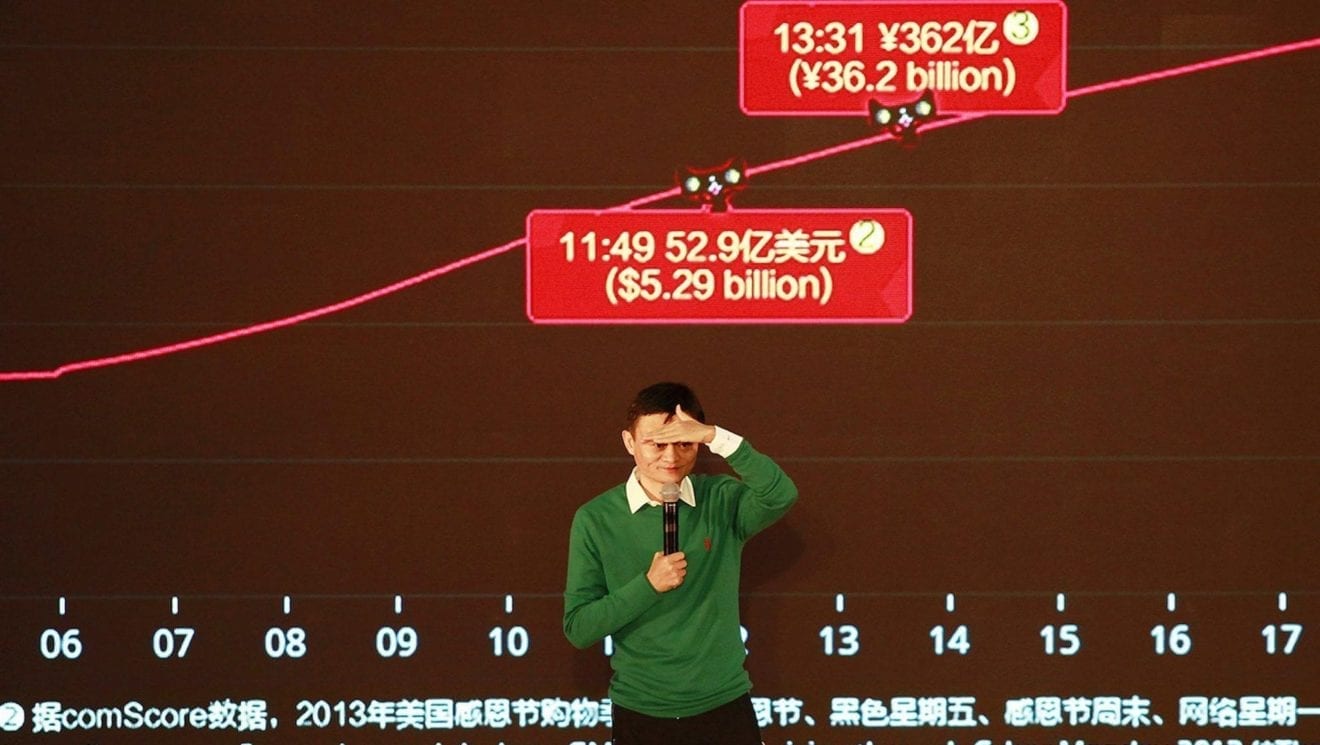
    Last year’s 11.11 event saw GMV reach 254 billion RMB (US$36.6 billion) including 168 billion RMB on Tmall alone. That turnover represented a 43.5 per cent increase over the 2016 GMV.

    Singles Day 2018 will mark the event’s 10th anniversary.

  • Jack Ma’s strategy in final letter to shareholders

    Jack Ma’s strategy in final letter to shareholders

    In his final letter to shareholders, Alibaba founder and executive chairman Jack Ma made a case for globalisation despite recent uncertainties in US-China trade relations, consumer trends, stock markets and the manufacturing industry.

    This is the third time that Alibaba has faced a setback in the global economy over the 19 years, but experience suggests there are opportunities behind the anxiety and friction.

    “The only question is how we should pivot,” he said.

    “Monumental challenges give rise to monumental opportunities, and Alibaba is well-positioned because we are adept at weathering adversity.”

    Ma added that Alibaba’s mission to make it easy to do business anywhere is precisely suited to the current environment, in which doing business is becoming harder.

    “We have spent the past three years to develop a trading system that serves small and medium enterprises and consumers around the world,” he said, referencing the company’s goals of ‘global buy’, ‘global sell’, ‘global delivery’ and ‘global travel’.

    “I am excited that we are able to deploy Alibaba’s technology, experience and resources, thereby establishing and improving a new and inclusive global trade system for the future.”

    Alibaba claims to have helped 200,000 brick-and-mortar retailers to implement online and offline integration in line with its New Retail vision.

    Ma reaffirmed the company’s commitment to sustainable growth for at least 102 years, with the goal of serving two billion global consumers, empowering 10 million profitable businesses and creating 100 million jobs by 2036, even as he prepares to step down from the board in September 2019, when CEO Daniel Zhang will take over his role as executive chairman.

    But Ma said he will “always be happy to engage in any discussion about the company at any time in the future” and will remain a shareholder in the company and partner in the Alibaba partnership.

    He thanked Alibaba’s shareholders for their trust and support and promised that the company would not stop innovating to solve problems and create value, market opportunity and profitability.

  • High occupancy pays off for CapitaLand China malls

    High occupancy pays off for CapitaLand China malls

    High occupancy rates of the CapitaLand China malls portfolio helped deliver a 10.5 per cent increase in distributable income in the three months to September. CapitaLand Retail China Trust Management Limited (CRCTML), the manager of CapitaLand Retail China Trust (CRCT), says income reached S$23.6 million this year, compared with $21.4 million the same quarter last year.

    CRCTML CEO Tan Tze Wooi said China’s retail sales rose 9.3 per cent year on year during the first nine months of this year to RMB 27.4 trillion (US$3.93 trillion), while urban disposable income and expenditure per capita grew 7.9 per cent and 6.5 per cent respectively.

    “China is now growing from a larger base and its long-term fundamentals remain strong,” he said. “With our quality portfolio of malls offering holistic lifestyle experiences, CRCT will stand to benefit from China’s improving household income and rising consumer aspirations.”

    During the latest quarter, CRCT achieved a 2.2 per cent increase in net property income to $36.7 million, driven by broad-based rental growth and effective cost management.

    Wooi said the trust’s portfolio achieved an occupancy rate of 97.7 per cent at the end of September and rental reversion was “a robust 12.1 per cent”.

    “Our active asset management strategy with a tailored approach for each mall is progressing well. Rock Square registered a strong positive rental reversion above 20 per cent for the third consecutive quarter by bringing in 25 prominent international and domestic brands, many of which are new-to-market in Haizhu District.

    “To differentiate CapitaMall Qibao’s offerings, we increased its exposure to the resilient learning and education sector by more than three times over the last five years. We also expanded the rooftop playground to host more interactive activities that are popular with children, further enhancing CapitaMall Qibao’s attractiveness to young families.”

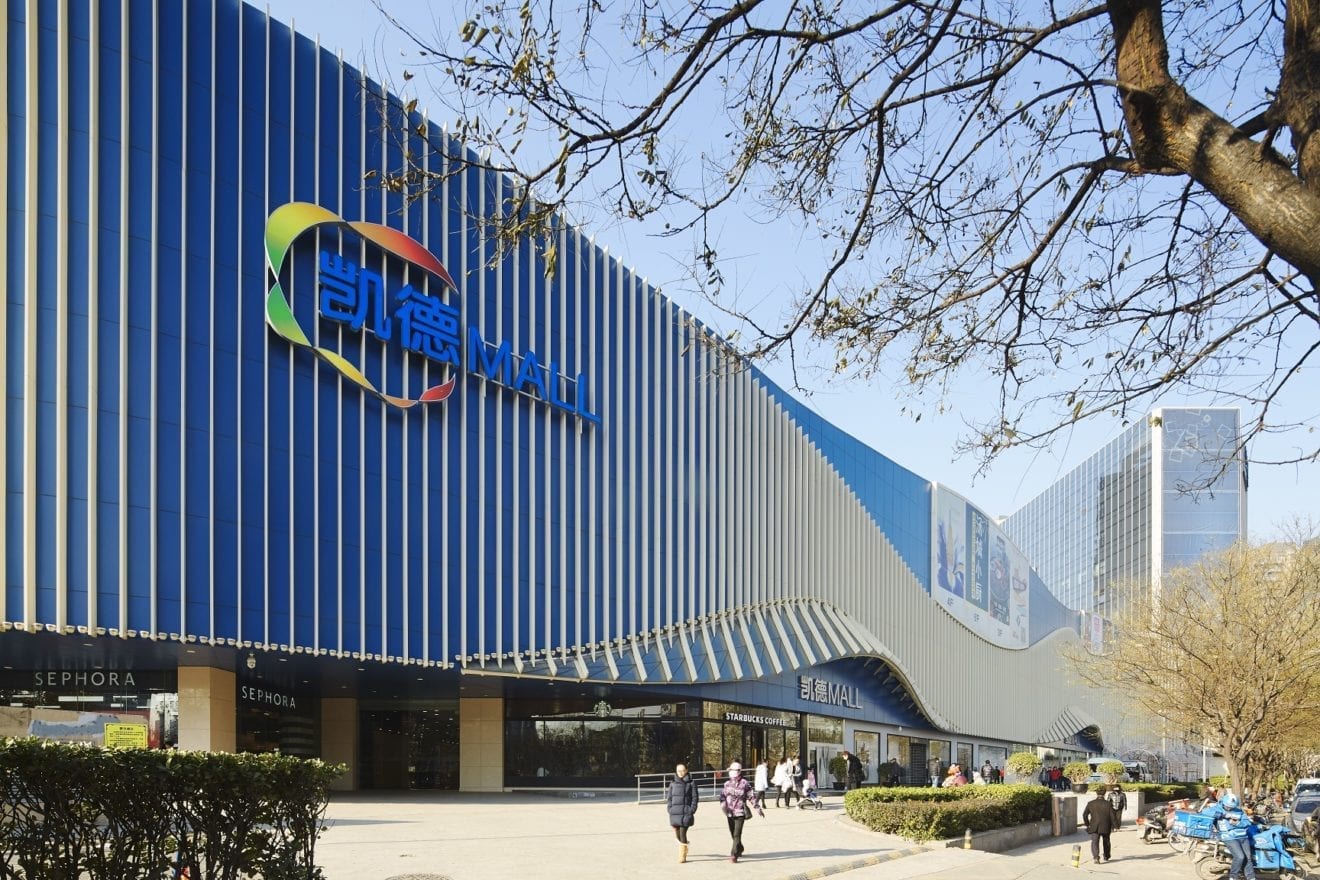
    CRCT is the first China shopping mall Real Estate Investment Trust (Reit) in Singapore, with a portfolio of 11 shopping malls: CapitaMall Xizhimen, CapitaMall Wangjing, CapitaMall Grand Canyon, CapitaMall Shuangjing in Beijing; Rock Square in Guangzhou; CapitaMall Xinnan in Chengdu, Sichuan Province; CapitaMall Qibao in Shanghai; CapitaMall Minzhongleyuan in Wuhan, Hubei Province; CapitaMall Erqi in Zhengzhou, Henan Province; CapitaMall Saihan in Hohhot, Inner Mongolia; and CapitaMall Wuhu in Wuhu, Anhui Province.

  • Xiaomi is coming to UK

    Xiaomi is coming to UK

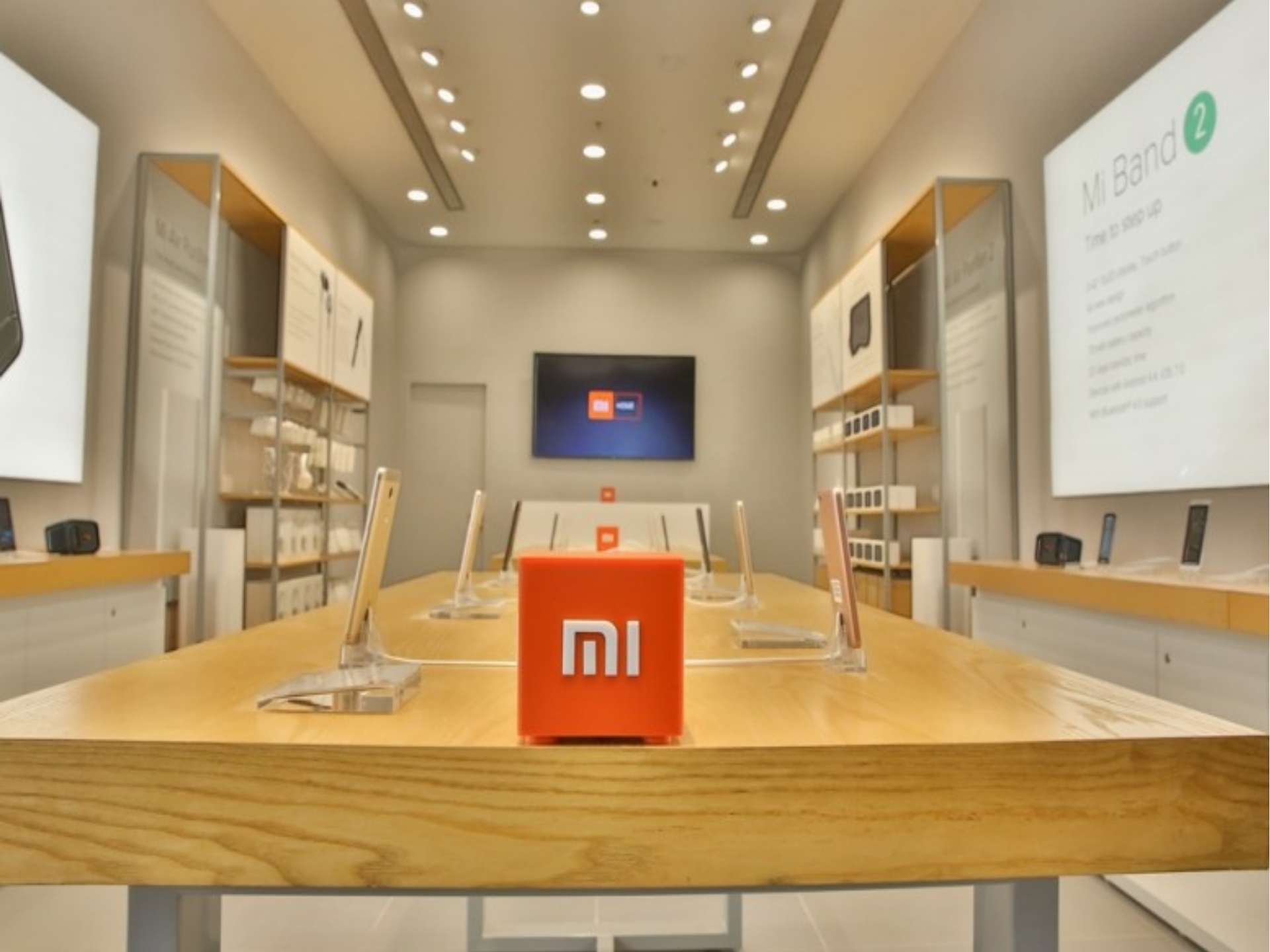
    Xiaomi will open its first store in the UK next week. The fast-growing Chinese electronics company will also sell its smartphones through the Three network, giving the brand exposure in hundreds of stores across the UK and in the Republic of Ireland.

    The Xiaomi UK launch follows openings in Spain and Paris as it joins other major global phone brands fighting for European market share.

    The first store, to be located in Westfield London, will open on November 10 and besides smartphones, will sell consumer electronics and accessories.

    In a Tweet, Xiaomi global spokesperson Donovan Sung wrote: “Excited to announce that Xiaomi will be officially entering the UK. See you all in London!”

    Just eight years after its launch, Xiaomi is now sold in 80 countries and boasts 200 million users. Already the fourth-largest smartphone brand in the world, behind Samsung, Huawei and Apple, Xiaomi sold 28.5 million handsets in the first quarter of this year.

  • Le Saunda closes stores as profit goes red

    Le Saunda closes stores as profit goes red

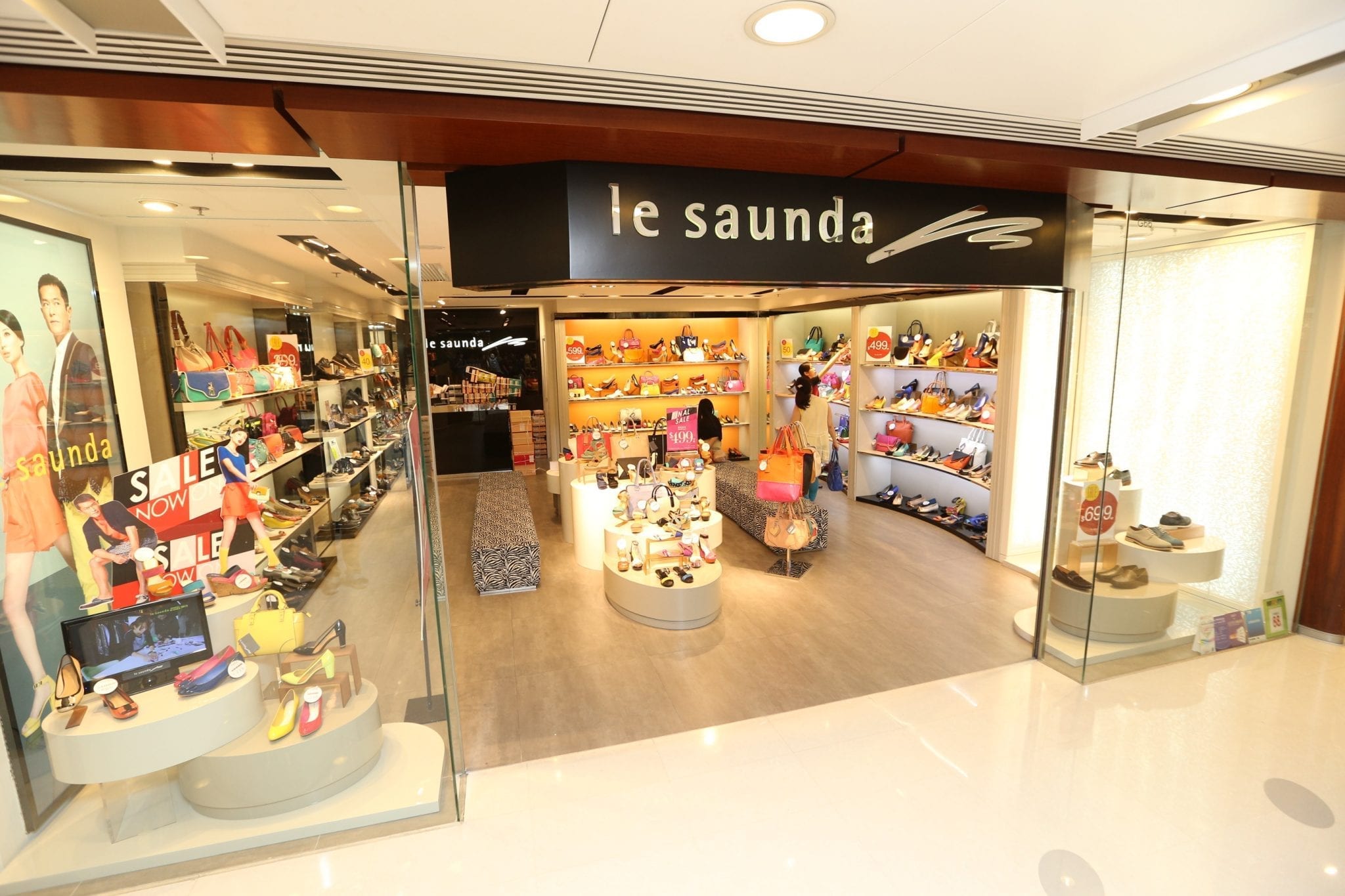
    Struggling shoe and accessories retailer Le Saunda has shuttered more than 100 stores on Mainland China in the last year as it tries to reduce overheads and return to profit. Group sales fell 14.4 per cent in the first half of this year, to RMB 460.4 million, (US$66.1 million), gross profit margin slipped 3 per cent and the company recorded a loss of RMB 9.6 million (US$1.4 million), compared with a profit of RMB22.9 million in the same period last year.

    The company blamed a slowing of retail sales in Mainland China for its poor result, with same-store sales down 10.2 per cent, as well as a decline from the closure of unprofitable stores.

    On the mainland, Le Saunda shuttered 96 of its self-run stores, cutting its network back to 549 and a further eight franchised outlets were closed, leaving a total network of 611.

    In Hong Kong and Macau, where sales rose 4.5 per cent, it closed one store leaving 10.

    Le Saunda chairman James Ngai said the company’s reduced gross profit margin was a result of lowering prices to meet market demand. The growth rate of fashionable ladies’ footwear sector had “slowed down significantly” on the mainland, Le Saunda’s core market, he said.

    “With a change in customers’ buying behaviour, the e-commerce segment experienced rapid expansion, striking a tremendous hit on the sales of traditional retail stores.

    “To cope with the ever-changing market environment, the group is fully committed to enhancing product quality, promoting a new pricing model, enhancing consumers’ shopping

    experience and thereby improving same-store sales,” said Ngai.

    “Facing the challenges posed by the economic environment, the group is determined to [return] to the basic principles of retailing, which include adjusting the pricing strategy, closing down low-profit stores, and actively exploring its franchise and wholesale businesses.”

    With Hong Kong and Macau sales up, totalling RMB 30.7 million, Ngai said the group would pursue growth there “in a proactive yet prudent manner and establish new stores in desirable locations”.

    Le Saunda designs manufactures and retails shoes and accessories under the Le Saunda,

    Linea Rosa, Pitti Donna and CNE brands.

  • EU trade pact can reduce Vietnam’s reliance on China, US

    EU trade pact can reduce Vietnam’s reliance on China, US

    The Vietnam-EU trade pact can diversify export markets and help reduce reliance on China and the U.S., experts say. On October 17, the European Commission submitted the EVFTA for signature and conclusion to the European Council. Once authorized by the Council, the agreement will be signed and presented by the end of this year to the European Parliament for ratification. The European Parliament is set to ratify the EVFTA early next year.

    The trade pact, which has been negotiated since June 2012, is considered a game changer as it would eliminate almost all trade tariffs between the two sides.

    Luu Bich Ho, former head of the Vietnam Institute for Development Strategies under the Ministry of Planning and Investment, said that the deal would play a major role in reducing Vietnam’s reliance on the U.S. and China, the world’s two largest economies.

    “This is obviously an opportunity for Vietnam to increase export [to the EU] to avoid being affected should the U.S. seek to limit imports from Vietnam,” Ho said.

    It’s also a chance for Vietnam to diversify its markets as it is still heavily dependent on China in trade, he added.

    In the first nine months this year, the U.S. was Vietnam’s largest export market, accounting for 19.5 percent of Vietnam’s total exports, a growth of 13.2 percent year-on-year, according to Vietnam Customs.
    Although the EU came second and accounted for 17.4 percent, this market has the smallest growth rate among Vietnam’s top six export markets at 10.5 percent.

    China was the third largest export market, had the highest growth rate of 29.9 percent. It was also Vietnam’s largest import market, accounting for 27.3 percent of Vietnam’s total imports.

  • Beccos plans expansion in India with 50 new stores

    Beccos plans expansion in India with 50 new stores

    Chinese-owned ‘South Korean designer brand’ Beccos says it plans to launch 50 stores in India. Scheduled to be opened by the middle of next year, the stores will require an investment of ₹100 crore (US$13.67 million) and are expected to return a revenue of around ₹200-250 crore ($27.35–34.18 million) in the next financial year based on the potential of the market.

    Like rival chain Mumuso, the store is positioned as Korean and using Korean design influence in its products, but is actually Chinese.

    The Hong Kong-based firm will also be investigating the potential of online sales in the region next year.

    Beccos global CEO Dabin Wang said: “We see tremendous potential in the Indian market… The company would have stores on company-owned-company-operated and franchise patterns. We would have a mix of both franchised and company-operated stores.”

    Beccos has started the expansion by opening its first few stores in Kamala Nagar.

  • Alipay to support China’s micro and small businesses to embrace digitization

    Alipay to support China’s micro and small businesses to embrace digitization

    Alipay has announced that it will launch new initiatives to provide more digital tools, safeguards, loan services and training to further improve efficiencies and support the growth and digitization of small and micro businesses (SMBs) in China.

    SMBs form the cornerstone of Chinese society and create millions of job opportunities. However, shifts in industry models mean that online and offline operations are increasingly merging together and this group has lacked the services and tools needed to improve efficiencies and seize the opportunities from digitization. Aiming to tackle this on-going issue, Alipay, will provide the following support to bolster the development of SMBs in China.

    Ÿ   Provide tools and services to support digital operations, including business analysis, customer engagement, and supply chain services aiming to help 100 million SMBs across China.

    Ÿ   Provide an additional safeguard to SMB owners. SMBs using Alipay services will be offered a maximum of RMB1000 (USD $144) rebate every half year on out-patient services. Alipay expects to extend coverage to 50 million SMBs by the end of 2018 and rebate more than RMB500 million (‪USD $71.8 million) in total.

    Ÿ   Provide MYbank’s loan services to 30 million SMB owners and self-employed people over the next three years.

    Ÿ   In collaboration with 100 start-up entrepreneurs, Ant Financial, the parent company of Alipay, will tailor 100 lessons in corporate development and operations with the aim of training 10 million SMBs and facilitate their digital transformation.

    A great number of SMBs have benefited from Ant Financial’s range of services, including those provided to QR code merchants, who are typically SMBs that use Alipay’s QR code to collect payment from customers. These services include business analysis, financial management, loan and insurance services. Powered by Artificial Intelligence, Ant Financial enables SMB owners to apply for business loans in less than three minutes by smartphone, receive near-instant approval without human intervention. One QR code merchant from Wuhan, for instance, applied for a RMB20,000 (USD $2,874) business loan during Chinese New Year and received approval within one second. In the year ending October 2018, over three million QR code merchants have applied for loans through this service with an average loan size of less than RMB8,000 (USD $1,150).

    AI facilitates the entire process of out-patient benefits offered to QR code merchants, from guiding users to upload their invoices correctly, to identifying key data points on the invoice (such as hospital name and fee amount), to reviewing the information and materials submitted. Ant Financial’s blockchain technology secures the authenticity of the invoices. Tens of millions of QR code merchants have begun to take advantage of this offer with 20,000 merchants on average signing up for the service each day.

  • Alibaba, Richemont ink deal to bring YNAP to China

    Alibaba, Richemont ink deal to bring YNAP to China

    The partnership will use YNAP’s strong relationship with leading luxury brands, some 950 of them being currently distributed through YNAP in China, and launch the brands on Alibaba’s Tmall Luxury Pavilion.

    “Chinese customers at home and abroad are an increasingly important customer base for Richemont and for the broader luxury industry,” said Richemont chairman Johann Rupert.

    “Our digital offering in China is in its infancy and we believe that partnering with Alibaba will enable us to become a significant and sustainable online player in this market. Alibaba has become the preferred online destination in China, with world-class teams in technology, logistics and marketing.”

    Rupert said the company would work with Alibaba to ensure Net-A-Porter and Mr Porter continued to expand “as neutral, open and sophisticated platforms”.

    YNAP group CEO Federico Marchetti said Alibaba provided “a neutral and powerful platform to maximise China’s immense potential” for the group.

    Daniel Zhang, CEO of Alibaba Group, added: “We believe this announcement is just the beginning of a long-term partnership, and together we are committed to exploring many more opportunities to collaborate in the future.”

  • Japan’s % Coffee to open in China

    Japan’s % Coffee to open in China

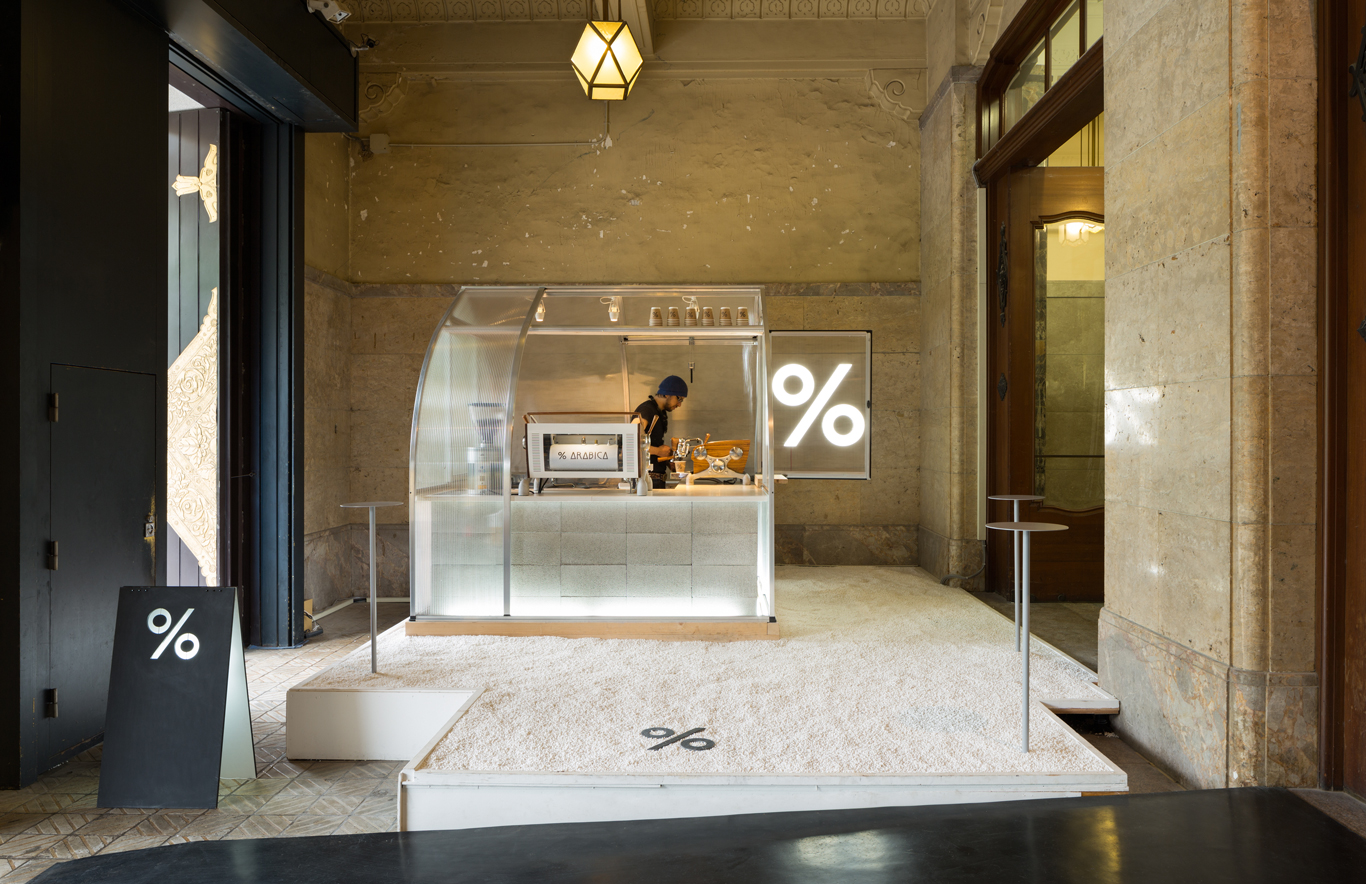
    Japanese cafe chain % Coffee is preparing to launch new locations in China and Hong Kong. The business is planning to open its fourth Hong Kong store at Monster Mansion in the middle of next month, its 27th location worldwide. Meanwhile, the franchise’s head roaster Takahiro Uemisha is stationed in Shenzhen preparing for the opening of three locations in the city, scheduled to open within the coming months.

    Shanghai will see two % Coffee stores emerging in Xintiandi and Fangsuo Bookstore. Both locations are being designed by the brand’s new architect Alexis Dornier.

    The Kyoto-headquartered coffee chain is preparing to open its first store in Singapore as well as plotting expansion into Indonesia, Malaysia and India.

    With its slogan “See the world through coffee”, % Coffee has built a strong following via social media. As well as its Asian foray, the company has outlets in Germany and several Middle East markets, with plans for France, Morocco and Canada.

    The Japanese cafe chain was founded in 2014 by Japan-born Kenneth Shoji who grew a love for the beverage while studying in California.