Tag: China

  • Crumpler plans expansion into Mainland China, Taiwan

    Crumpler plans expansion into Mainland China, Taiwan

    Australian bag brand Crumpler has added distributors in Taiwan and Mainland China as it looks to expand sales in greater Asia and open new stores there. Crumpler CEO Adam Wilkinson says the region is the brand’s fastest-growing market outside Australia, so increasing its distributor network and retailer presence in Mainland China and Taiwan is “vital for us to meet the demands of current and new customers”.

    Sea to Summit has been appointed in Mainland China and HWA Yao Trading in Taiwan.

    Crumpler Asia now has five distributors in six Asian countries and at least six stores.

    “A lot of Chinese consumers are already fans of the Crumpler brand and with our middle-class rapidly growing, now is the time to re-introduce Crumpler’s premium travel, lifestyle and work bags and accessories to a wider market, with a particular focus on department stores and shopping malls,” said Barry Lin, sales director at Sea to Summit China.

    “Quality is our primary focus when aligning with a new brand which makes Crumpler a natural fit for HWA Yao. The retail market is evolving in Taiwan hence we’re excited to bring

    the reputable bagware brand into the market. We forecast it will be a successful ongoing partnership”, said Vincent Kao, CEO.

    Founded in Melbourne in 1995, Crumpler was created to address the needs of bicycle couriers looking for good-looking and cleverly designed messenger bags. The company has since expanded its range to include backpacks and a broad range of carrier solutions.

    Crumpler has a retail and online presence in Australia, the US and Asia, with more than 27 storefronts and distribution across 35 key department store and online retailers worldwide.

  • JD.com to provide more imported product to China

    JD.com to provide more imported product to China

    JD.com, China’s largest retailer, will purchase nearly RMB 100 billion worth of products from overseas brands. As disposable incomes in China rise, consumers increasingly demand high-quality products, especially imported products.

    E-commerce has rapidly emerged as one of China’s most preferred channels for buying overseas brands. Last year, the number of users purchasing products from overseas brands grew by 37.1% compared to 2016.

    The volume of imported goods in 2018 to date has already skyrocketed 150% as compared with two years ago.

    JD’ “Retail as a Service” strategy has proved enormously appealing to household
    names from all over the world.

    Indeed, the growing family of leading international brands partnering with JD to facilitate their e-commerce strategy now includes the likes of Saint Laurent, Alexander McQueen, Dell, Nestle, Avène and many more.

    As China’s e-commerce transformation continues to unfold, consumers have gravitated especially towards premium, smart, and green products.

    According to JD’s data, the highest performing categories among its customers this year have been mobile phones, computer and office suppliers, home appliances, maternal and childcare, and digital products.

    Advanced economies such as the U.S., Japan, South Korea, Germany, and the Netherlands remain the most popular sources of imported goods.

    Chinese consumers buying online are mostly younger (26-45 years old), white-collar workers with middle-to-high incomes.

    China’s most developed regions, particularly the coastal cities, account for the largest uptake of imported goods.

    The growth rate for purchases of overseas brands, however, is now highest in fourth- and third-tier cities, where these brands are often not available in brick and mortar stores.

  • Will Bangladesh’s garment industry survive?

    Will Bangladesh’s garment industry survive?

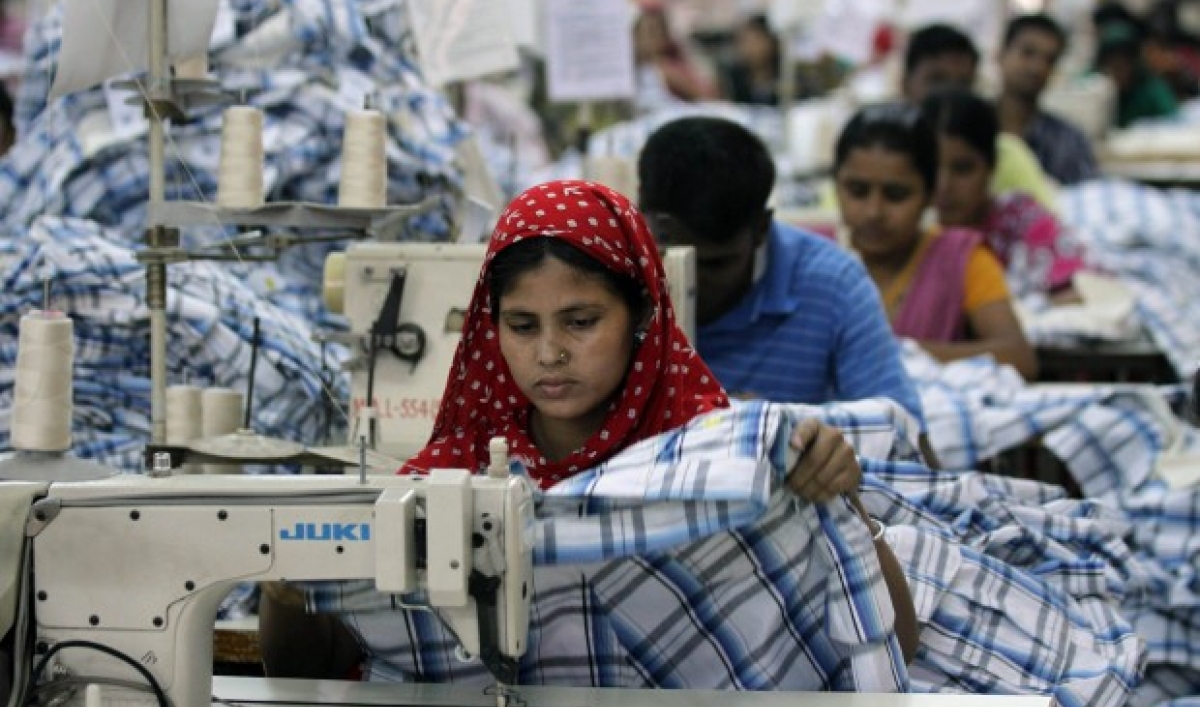
    Bangladesh is battling to keep its position as the world’s second-largest exporter of clothing after China, as it faces intensifying competition from Cambodia, Vietnam, Myanmar and now African countries like Ethiopia as global brands search for cheap labor.

    H&M, for instance, imports from an Ethiopian clothing factory it set up with Bangladeshi garment maker DBL.

    Japan’s Fast Retailing, operator of the Uniqlo casual clothing chain, is also eyeing a production base in the African country. Fast Retailing declined to comment for this story.

    The competitive pressure has sparked consolidation of what was once a mom-and-pop industry, reducing the number of factories 22% in the last five years to 4,560, according to the Bangladesh Garment Manufacturers & Exporters Association.

    Those who have survived gain market share, expand overseas and aim to go public.

    The industry is an engine behind the country’s more than 6% annual growth over the past decade.

    In the year ending in June, garment exports totaled $30.6 billion, up 8.8% and accounting for 83.5% of the country’s total exports, according to BGMEA.

    The country also increased its share of global clothes exports to 6.3% in 2016 from 4.0% in 2010, according to World Trade Organization data.

    But compared with China, which has a share of 34.5%, it is still a distant second along with countries like Vietnam, Italy and India.

    Labor in Bangladesh is still cheap.

    The average monthly wage is just $101, compared with $135 for Myanmar, $170 for Cambodia, $234 for Vietnam and $518 for China, according to surveys on select cities conducted by the Japan External Trade Organization between December 2017 and March 2018.

    But there are countries with even lower wages, such as Ethiopia with a monthly average wage of $50.

    Labor costs are rising across Asia, and Bangladesh is no exception.

    With general elections looming in December, the ruling Awami League has approved a 51% wage hike for garment workers, a decision that is weighing on the country’s garment industry.

    Companies operating in special economic zones, such as Universal Menswear, typically offer a 10% wage increase every year.

    But in election years, which come every five years, the government tends to promise more generous pay hikes.

    This has put the industry in a bind, as their Western customers, faced with online competition from Amazon and others, are demanding that prices be kept under control.

    Cost increases are not limited to labor.

    Garment makers in Bangladesh have been forced to make major investments in building safety, following a factory fire that killed 117 in November 2012 and the collapse of another known as Rana Plaza in April 2013, which left more than 1,100 dead. Since then, Western brands will not buy from Bangladeshi suppliers unless they are certified to be in compliance with stringent fire and building safety regulations.

    Factories in Bangladesh have grown in a haphazard fashion, some even operating on the upper floors of office or residential buildings.

    Western apparel makers feel more secure buying from countries like China and Vietnam, where manufacturing is better planned and organized.

    Today, most of the first-tier export-producing factories have been assessed for risk and have been improved or are in the process of being brought to a comfortable standard.

    A survey by McKinsey & Co. in 2013 found Bangladesh the No. 1 alternative to China as a manufacturing location.

    ILO’s Putiainen also says that Bangladesh could benefit as production leaves China due to cost and the U.S. trade dispute.

    But he added that global apparel brands will remain vigilant about the factory conditions in Bangladesh.

    Following the Rana Plaza accident, Ananta faced more price pressure from its customers, who demanded discounts in exchange for continuing to do business.

    That is one reason why Ananta, originally a jeans maker, is so keen to diversify into higher value-added items, such as men’s suits and lingerie.

    The strategy seems to be working. Annual sales have grown 20% to 30%. Sales in the current business year are projected at $300 million, up from $250 million in the previous year. Ananta aims for $1 billion dollars in sales within the next seven years.

    DBL, another Bangladeshi garment maker with an annual turnover of $450 million, is also branching out into sports wear and lingerie, according to company head M.A. Jabbar.

    DBL currently handles only cotton fabric, but “in the coming days, we are looking at man-made fiber,” Jabbar said.

    DBL is also adding upstream processes, such as spinning, dying, printing, fabric washing and embroidery production.

    Most garment makers in Bangladesh specialize in knitting operations, with fabrics and accessories imported mostly from China. With materials costs accounting for 65% to 70% of an item’s selling price, profit margin is razor-thin.

    “If Bangladesh focuses on the knitting business, it will eventually lose to even lower-cost producers like Ethiopia,” predicts Yoshiaki Kamiyama, senior researcher at the Japan Textiles Importers Association.

    “It has to innovate. It has to develop expertise other than just knitting.”
  • Alibaba breaks record Singles Day sales

    Alibaba breaks record Singles Day sales

    E-commerce giant Alibaba has reported a 27 per cent increase in the gross merchandise value of goods sold during yesterday’s 11.11 shopping festival. Total GMV of Singles Day sales settled through Alipay reached RMB213.5 billion (US$30.7 billion), setting a much-anticipated record – with more than 40 per cent of consumers buying through international brands. Last year’s event brought in $25.3 billion in GMV.

    According to Alibaba, RMB6.9 billion ($992 million) of GMV was settled in the first one minute and 25 seconds, and RMB69.3 billion ($9.967 billion) in one hour and 48 seconds.

    Comparatively, Amazon’s recent Prime Day sales were estimated to have reached approximately US$4.2 billion by Wedbush Securities analyst Michael Pachter.

    Australia, Japan, the US, South Korea and Germany were among the top countries selling in the event, with 230 markets having participated.

    Australian supplement retailer Swisse ranked as the top brand imported into China through the promotion.

    “Today we witnessed the strength and rise of China’s consumption economy, and consumers’ continued pursuit to upgrade their everyday lifestyles,” Alibaba Group CEO Daniel Zhang said.

    “Participation from the entire Alibaba ecosystem enabled our brand and merchant partners to engage with consumers like never before.”

    According to Texas A&M University’s Professor Venkatesh Shankar, customers globally want to buy both online and in-store, from any device and through any payment method, while getting a high level of customisation and service.

    Singles Day’s popularity across the world suggests a new chapter of computer-enhanced shopping experiences has begun..

    As the Chinese middle-class grows, retailers around the world are offering their own Singles Day offering in order to service a burgeoning market.

    “The global retail market is adjusting to China’s rising economic power, and Chinese customer’s desire for AI-enhanced mobile shopping experiences,” Shankar wrote.

  • Singles’ Day boosts Korean brands

    Singles’ Day boosts Korean brands

    China’s massive Singles’ Day shopping spree provided a huge boost to Korean retailers, with some companies posting their highest sales figures ever. Since 2009, Chinese retail giant Alibaba Group has transformed Singles’ Day, which falls on Nov. 11, into an online shopping festival with large discounts offered for 24 hours.

    Other ecommerce giants like JD.com soon followed suit, making Singles’ Day into a Chinese version of Black Friday, although much bigger.

    At Alibaba, the number of transactions on Nov. 11 has steadily increased since the event began in 2009.

    Despite concerns that the ongoing trade war between the United States and China may have put a break on the income growth of middle-class Chinese consumers this year, Singles’ Day once again broke records.

    Chinese shoppers purchased a total of 213.5 billion yuan ($30.6 billion), worth of goods on Sunday, a 27 percent surge from last year’s record. The year-on-year growth rate was slower than last year’s 39.3 percent.

    Over 40 percent of shoppers made purchases from international brands, said Alibaba.

    Among the countries that sold products to Chinese customers on Sunday, Korea ranked third after Japan and the United States.

    Korea placed at No. 3 on the list in 2016, but fell two ranks last year after the deployment of the U.S.-led terminal high altitude area defense (Thaad) antimissile system. The incident soured relations between the two countries and provoked a boycott movement against domestic brands in China.

    The exact volume of Korean goods purchased on Sunday was not disclosed, but it was evident that the shopping spree had an impact on local companies, as some of them reported record-breaking figures on Monday.

    Food company Nongshim, famous for Shin Ramyun instant noodles, set a new record for Singles’ Day revenue since it launched online sales in China in 2013.

    The company sold 5 million yuan worth of instant noodles at ecommerce website Taobao on Sunday. This was a 25-percent increase compared to last year’s Singles’ Day and 10 times the average sales made at the Chinese ecommerce website per day.

    The No. 1 best seller for Nongshim was a multipack of its eight most famous noodle brands, including Shin Ramyun, Neoguri and Kimchi Ramyun.

    “We organized huge promotional events ahead of Singles’ Day, as well as collaborating with [social media influencers in China] to air live videos of cooking Shin Ramyun,” the company said.

    Eland Group’s Chinese office sold 444 million yuan worth of fashion goods through ecommerce website Tmall.

    Based on sales records, the fashion group focused on presenting a wide array of outerwear like coats and jackets. A padded jacket from its kid’s brand, Paw in Paw, sold over 20,000 units during Singles’ Day.

    Beauty companies also did well. At LG Household & Health Care, cosmetics sales increased 50 percent compared to last year’s Singles’ Day. Daily necessities jumped even higher by 73 percent year on year. Its brand, The History of Whoo, LG’s biggest success in China, sold 23 billion won ($20.2 million) worth of products, a 72 percent increase year on year.

    Although LG did not disclose the entire sales volume, the company spokesman said that “this year has set a record for Singles’ Day.”

    Rival Amorepacific unexpectedly set positive records as well. The company has been struggling after it lost Chinese consumers in the Thaad row. On Sunday, it generated 37 percent more sales compared to Nov. 11 last year. Several products from brands like Sulwhasoo and Laneige that were prepared for the Singles’ Day promotion sold out.

  • China’s LightInTheBox to acquire Singapore ecommerce Ezbuy

    China’s LightInTheBox to acquire Singapore ecommerce Ezbuy

    Chinese online retailer LightInTheBox will acquire Singaporean e-commerce platform Ezbuy for approximately US$86 million, subject to some closing conditions. Ezbuy, which has more than 3 million customers in Southeast Asia and Pakistan, has grown from a middleman service linking international consumers and Chinese e-retailers to become a more traditional online retailer in its own right. It secured US$17.6 million earlier this year, predominantly from Chinese investors.

    LightInTheBox CEO Zhiping Qi said: “This transaction is part of our larger plan to build our business-to-consumer cross-border ecommerce out to scale globally,” citing Ezbuy’s supply chain management as potentially supporting the firm’s emerging markets strategy.

  • Hermes sales growth boosted by Asia

    Hermes sales growth boosted by Asia

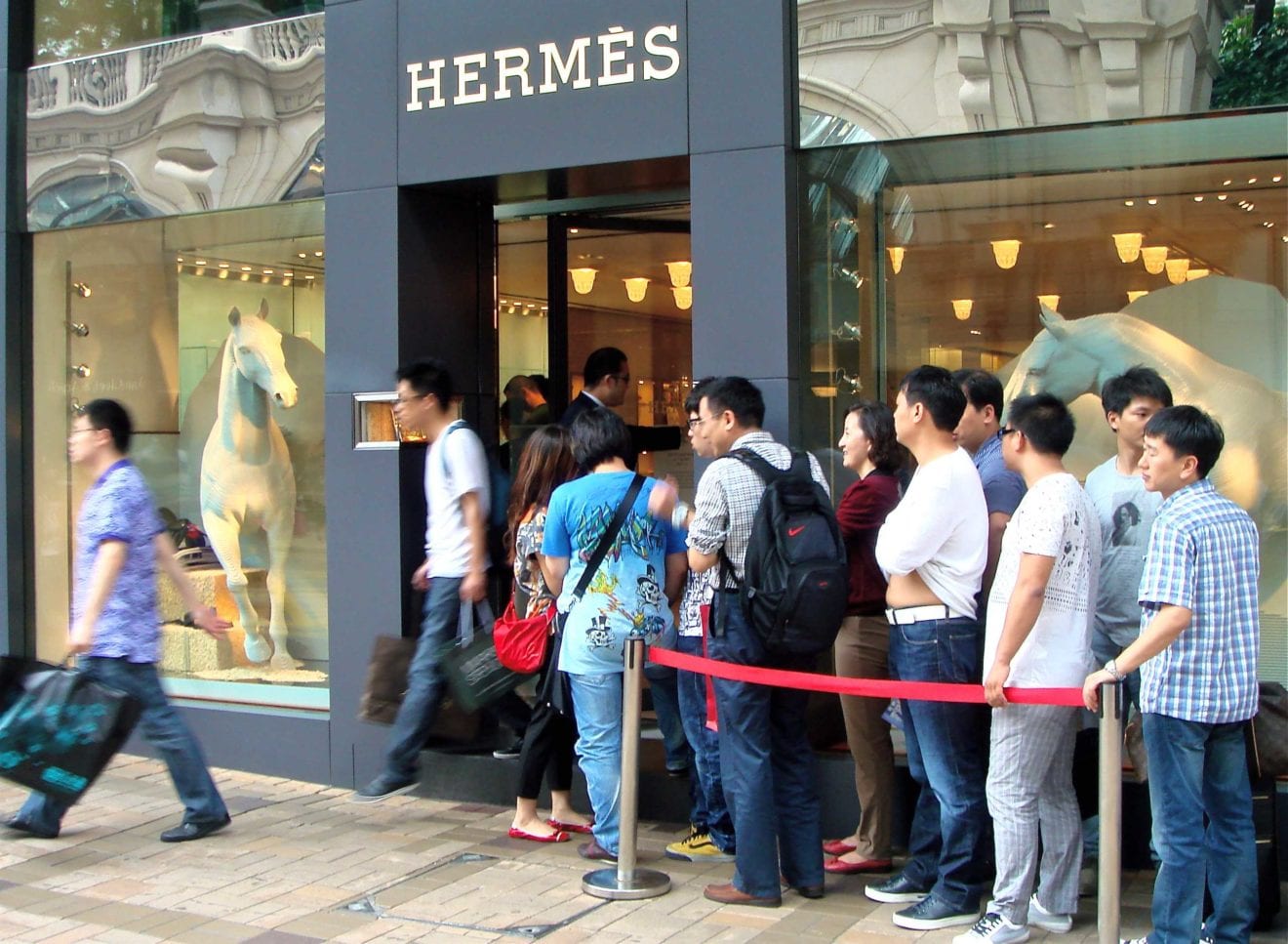
    Hermes sales surged 11 per cent in the quarter to September, with all geographical regions performing well. Asia – excluding Japan – led the way, with sales up 14 per cent. The company reported a “significant increase” in Mainland China with new stores in Xi’an (which opened in September) and Changsha (in May) along with the Landmark Prince’s store in Hong Kong in January helping underpin growth.

    A new commercial website hermes.cn, launched on October 17 and a massive duplex flagship opens tomorrow at Bangkok’s new IconSiam development. In Japan, sales rose 7 per cent.

    Group-wide revenue reached  €4.316 billion at the end of September, with sales through company-owned stores up 11 per cent as well, confirming the trend evident during the first half of the year.

    “Hermes realised a very strong growth over the first nine months of the year, in all regions,” said executive chairman Axel Dumas. “We keep our optimism for the future, but we are also thankful for the past.”

    By product category, Hermes’ ready-to-wear division achieved growth of 15 per cent, aided by the successful launch of the women’s Spring-Summer 2019 collection, presented at the Hippodrome Paris Longchamp. Demand was also high for fashion accessories and shoes.

    Growth in leather goods and saddlery reached 9 per cent, while the silk and textiles business grew by 4 per cent. Perfume sales rose by 9 per cent, watches by 8 per cent and other business lines, encompassing jewellery, Art of Living and Hermes Table Arts, by 23 per cent.

  • China’s Luckin Coffee worth $2 billion after just less than a year

    China’s Luckin Coffee worth $2 billion after just less than a year

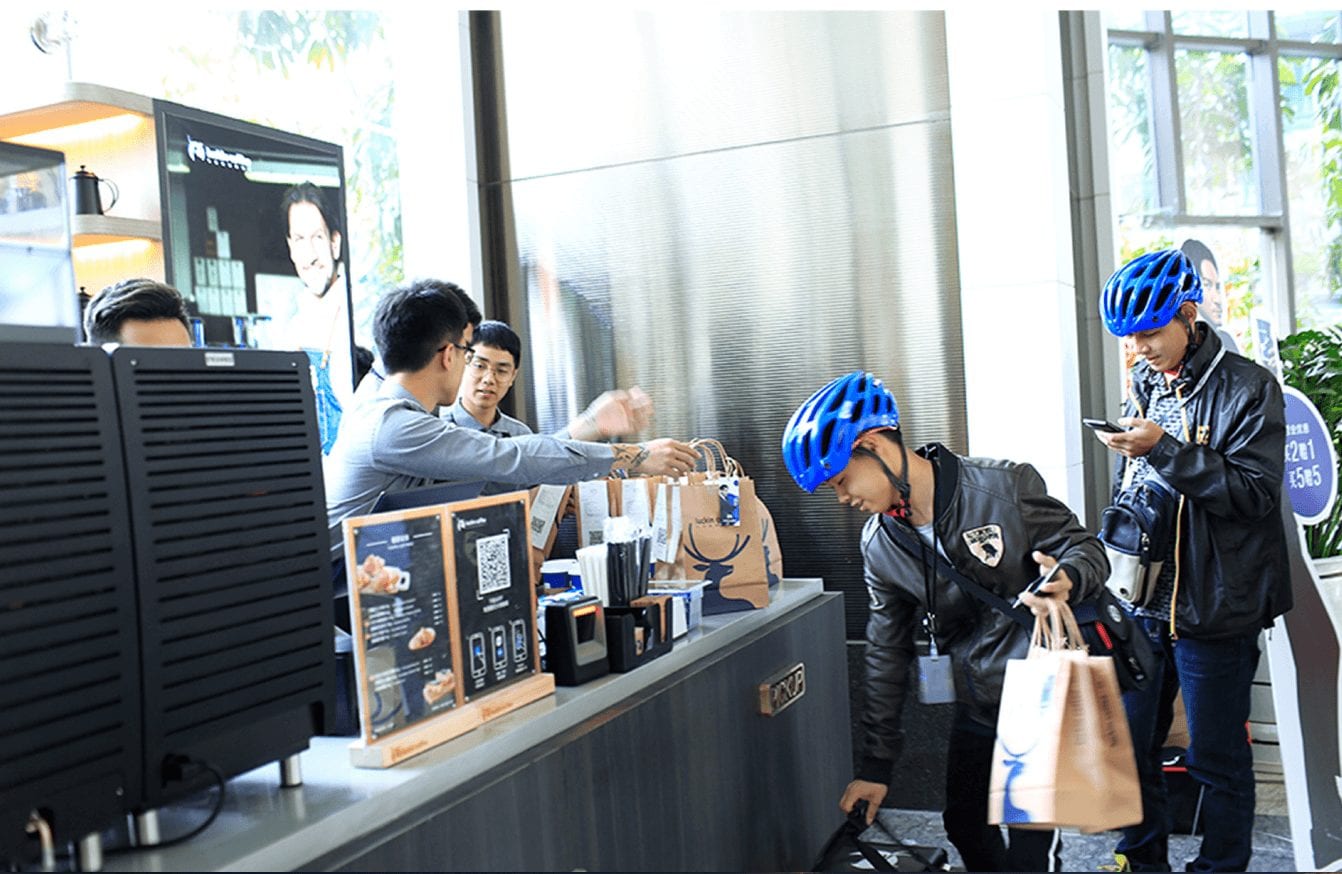
    Fast-growing Chinese coffee chain Luckin Coffee is seeking a new round of funding which would value it at US$1.5–2 billion. Launched only this year, the company has already opened more than 1400 outlets in 21 mainland locations, its rapid growth based on its inexpensive delivery service concept and online ordering system. Luckin’s aggressive competitive strategy involves an IT-focused approach whereby all customers must purchase coffee via an app, with which they can then monitor brewing progress via livestream.

    Its expansion has been backed by multiple investors, including Singapore’s GIC. It is currently seeking up to US$300 million in additional funding to continue its momentum.

    Starbuck currently operates 3400 stores in China, which is its second-largest market worldwide. It intends to increase that number to 6000 stores within three years. The brand recently partnered with Alibaba to establish a coffee delivery service, foreshadowing Luckin’s own recently-signed partnership with Alibaba rival Tencent.

    Some reports have suggested that Luckin may be in discussion with investment banks to launch an IPO overseas, most likely in either New York or Hong Kong.

  • Korea’s KT skips Huawei for 5G

    Korea’s KT skips Huawei for 5G

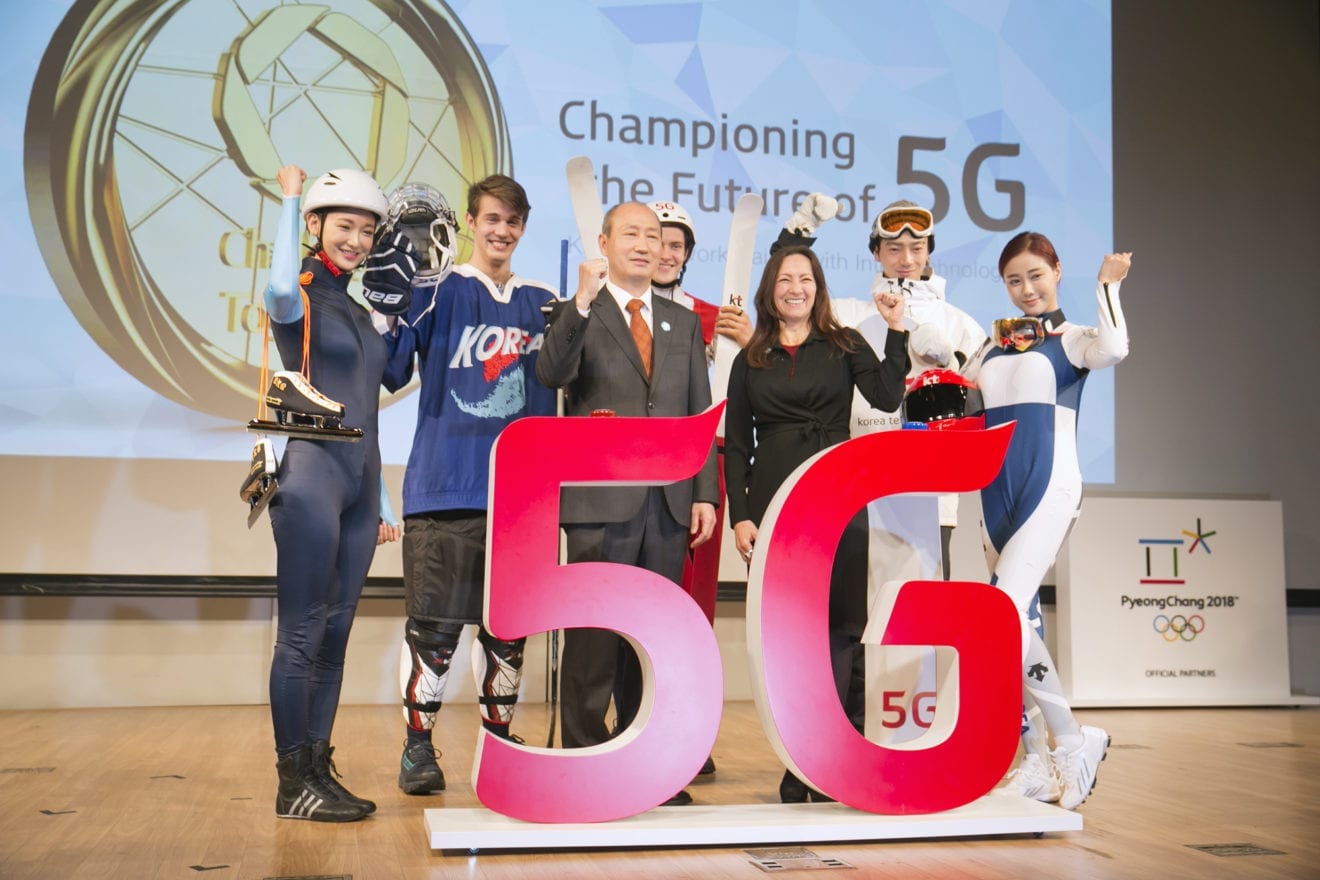
    KT has chosen Samsung Electronics, Ericsson and Nokia as suppliers of 5G network equipment. As expected, Huawei was excluded from the list.  “In choosing 5G equipment providers, the company considered a wide range of factors: the level of technology, investment costs and management stability based on the compatibility with the existing LTE network,” KT said in a statement.

    The bid results, announced by the company Thursday, come a month after SK Telecom named Samsung Electronics, Ericsson and Nokia as its 5G equipment providers.

    This is the second time Huawei was left out despite having participated in internal tests along with the three selected.

    SKT and KT’s choices were anticipated because both had used equipment from Samsung, Ericsson and Nokia for their 4G LTE networks.

    Compatibility of equipment is an advantage for mobile carriers in terms of cost and maintenance, especially in the early stages when 5G equipment is not fully installed nationwide.

    LG U+ is the only one among Korea’s three mobile carriers that has not yet announced 5G equipment suppliers. The smallest mobile carrier is likely to include Huawei on its list. It partnered with the Chinese company for its 4G LTE network, along with Samsung, Ericsson and Nokia.

    An LG spokesman said Thursday that the company “does not have plans to openly disclose selected bidders for 5G network equipment at the moment,” as it is not mandatory.

    However, LG U+ Vice Chairman Ha Hyun-hwoi gave a strong hint at the parliamentary audit late last month when he gave a positive answer to a lawmaker’s question on whether it was “unavoidable” to use Huawei’s 5G equipment as its 4G equipment was from the same company.

    The biggest advantage of Huawei’s 5G equipment is cost efficiency. The Chinese company is known to charge prices that are 20 to 30 percent lower than other global competitors for high-quality 5G equipment. A factor that argues against Huawei is security concerns.

    Due to its ties to the Chinese government, there have been worries that the company’s equipment is being used for spying. In August, the U.S. and Australian governments banned Huawei from supplying equipment for their 5G wireless infrastructure citing security reasons. Britain said in July it “is less confident” about the integrity of Huawei products.

    The concern is shared by some local customers as well. Online petitions at the Blue House’s official website have been posted since June requesting a stop to LG’s adoption of Huawei’s 5G equipment. Huawei has been denying such allegations.

    In a press release last month, the Chinese tech company highlighted that, despite ongoing security concerns, there has been zero cases of actual information leakage in the past.

    “We have supplied LTE equipment for LG U+ since 2013, and until now, there were no cases of security accidents,” said the statement. “After multiple verifications by the government, it has been proved that there have been no problems.”

  • Pandora sales declining, relies on China

    Pandora sales declining, relies on China

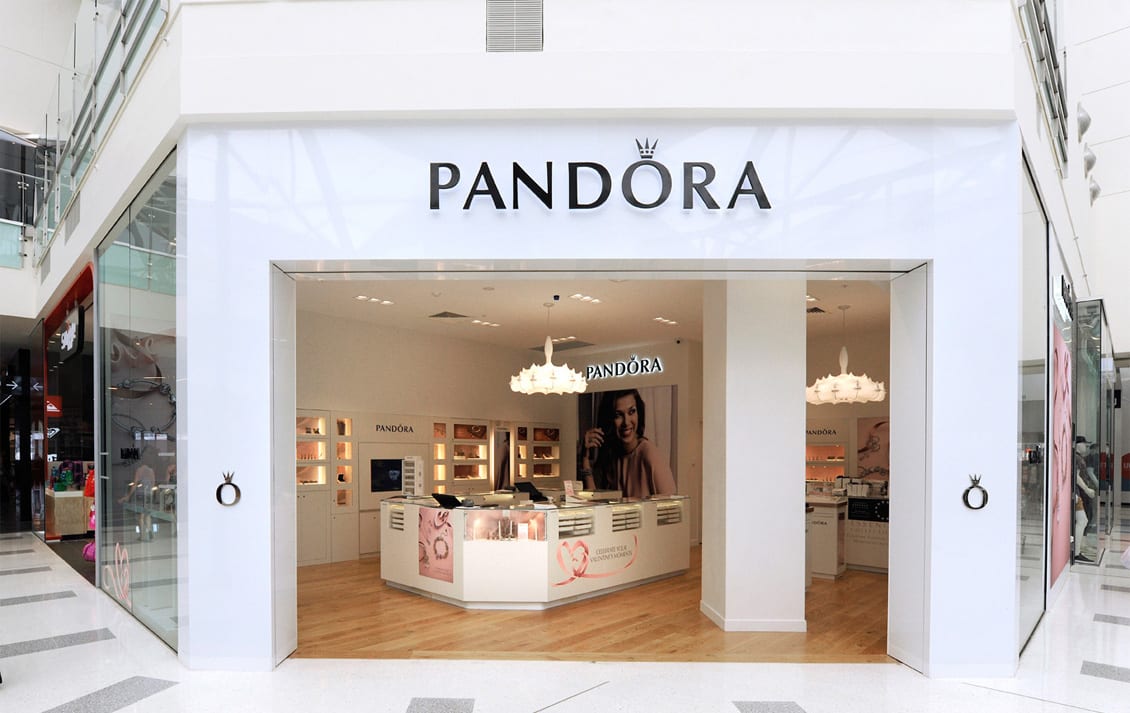
    Jewellery retailer Pandora is looking to China, India and Latin America to arrest a decline in global sales. The Danish company has unveiled an initiative that it hopes will reignite sustainable revenue growth, Programme Now, after group revenue dropped 3 per cent in the third quarter of this year.

    Under the program, Pandora will significantly reduce its franchise acquisitions and scale back new store openings. For the stores it does open, it will concentrate on growth markets, such as China, India and Latin America. It hopes the move will grow like-for-like sales, if not total sales.

    To achieve this, the business plans to enhance its marketing, personalisation, digital and e-commerce capabilities, as well as the in-store customer experience.

    Pandora also noted that part of its success moving forward lies in execution in all parts of the value chain, as well as more closely coordinating parts of the business to work in tandem, to reduce costs.

    The implementation of the program, as well as the weak third-quarter results, however, have led the company to revise its full-year earnings guidance. It has cut its annual revenue forecast from between 4 and 7 per cent to between 2 and 4 per cent, or DKK 1.2 billion to DKK 1.4 billion (US$184 million to $214 million).

    “The third quarter results were unsatisfactory and we adjust our full year guidance,” Pandora CFO Anders Boyer said.

    “We have taken the first major step in the programme today by changing our network expansion plan. We have confidence in a strong future for Pandora and will use this year and next to reset the business.”

    Pandora expects revenue and total like-for-like growth to be impacted through to 2020 by the planned reduction of mark-downs, though this is likely to cause a margin neutral result on the group level.

  • Jins store opened a spectacular store in Shanghai World

    Jins store opened a spectacular store in Shanghai World

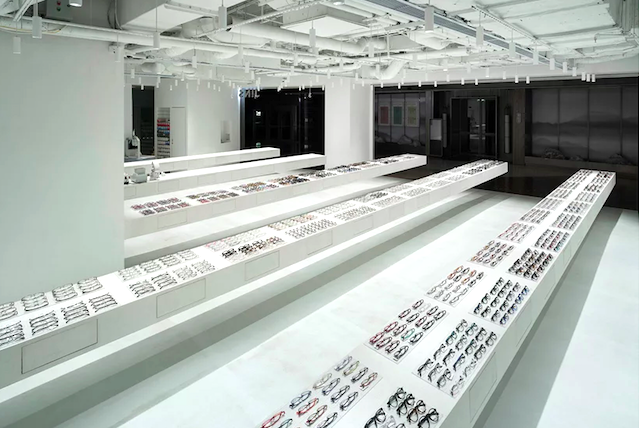
    Japanese eyewear brand Jins has opened a striking new store in the Shanghai World Financial Center. The Jins store was designed by Tokyo-based architect Junya Ishigami without any external entrance and features concrete counters that appear to float in the air, set against a stark, industrial setting, sporting hundreds of fashionable glasses frames. The counters are supported by heavy H-beams attached to a bowed steel sheet that covers the shop floor.

    The store is lit by strong 4000-Kelvin suspended luminaires that bring the bare walls into stark contrast. Ishigami commented, “I wanted to make a void space within a shopping mall.”

    Jins traditionally hires independent designers to fit out its retail areas.

    Jins founder and CEO Hitoshi Tanaka said: “I prefer working with architects on a space because they make more of an impact.”

  • Chinese white goods company Midea announces Rs 1,350 crore new plant in India

    Chinese white goods company Midea announces Rs 1,350 crore new plant in India

    Chinese consumer durables firm Midea aims to manufacture its products locally in the country by next year and is setting up a new facility in Pune at an investment of Rs 1,350 crore. “India is a strategic growth market and we expect our investments in this market to yield good growth. Considering the potential of the market we have committed over Rs 1,350 crore investment for a new facility,” Krishan Sachdev, Managing Director of Carrier Midea India and also Midea Group India region, told PTI.

    “We have a manufacturing facility at Bawal in Haryana and we are strengthening our base here with a second plant in Pune. By next year, 100 percent of our products shall be manufactured locally,” he further told PTI.

    According to a report: He further said that the company is evaluating prospects of exports from India.

    The new facility near Pune, with a technology park, will have three manufacturing units for home appliances, HVAC products and compressors and will also include a manufacturing facility for Carrier Midea India, a 60:40 joint venture between Midea and Carrier.

    The complex is likely to begin commercial operations at the beginning of 2020 and the technology park is expected to generate employment opportunities for over 2,000 people, both directly and indirectly.

    Over a period of five years, the facility will produce refrigerators, room ACs, washing machines, water purifiers, water heaters, commercial ACs and compressors.

    The company, which has been growing at a CAGR of 25 per cent over the last five years, said plans for manufacturing other home appliances categories in a phased manner have been completed.

    Sachdev further said the rupee depreciation has had an impact on their business.

    “Even though we manufacture 70-80 per cent locally, production cost has gone up because some of the components are imported,” he said.

    The company is expecting a good festive season this year with 25 per cent growth and by next year it plans to have IoT enabled product solutions for this market.

    South and East are the leading markets for the company, contributing significantly to the business, while non-metros contribute 30-40 per cent of the overall revenue.

    Midea India plans to double its footprint across the country.

    “For the RAC, which is the refrigeration and air conditioning category, and which contributes 80 per cent of revenues), we are targeting to be in around 5,000 retail outlets before next summer apart from 800 plus sales and service dealers.

    We are constantly looking to expand our reach to consumers. We are already present in more than 400 cities and towns of India,” he further said.

  • Unmanned medical clinic opened in China

    Unmanned medical clinic opened in China

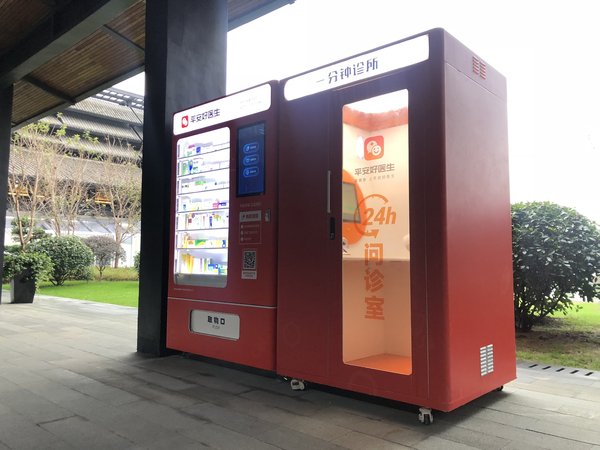
    Chinese one-stop healthcare platform Ping An Good Doctor has announced the world’s first commercially operational unmanned medical clinic. The firm’s “One-minute Clinic” has been formally unveiled in a scenic area in Wuzhen. It will provide a high-speed, convenient, one-stop-shop for medical and healthcare services for nearby residents, visitors to the scenic area and guests of the 2018 World Internet Conference.

    The clinic includes two major functional modules, an “Independent Advisory Room” and a “Smart Medicine Cabinet.” Patients consult with a cloud computing doctor in the advisory room to receive a preliminary diagnostic suggestion, and may purchase prescribed medicine from the medicine cabinet afterwards. The clinic stocks more than 100 common drugs. Unavailable medicines may be purchased online using the Ping An Good Doctor smartphone application, receiving the drug from nearby pharmacies with a one hour delivery service.

    During a one week trial, the daily average advisory volume approached 100 visitors.

    The firm plans to popularise the clinics in public areas such as pharmacies, communities, enterprises, schools, scenic areas, markets, highway service stations, and so on. Combined with Ping An Good Doctor’s offline network of 3100 new hospitals and more than 60,000 neighbourhood clinics, the clinic is expected to quickly meet real-time medical and healthcare needs of city residents.

    Ping An plans to expand to 1000 units across China by the end of the year.

    A spokesperson for Ping An Good Doctor revealed that the clinic’s AI doctor was researched and developed by a team formed from over 200 world-class artificial intelligence experts, trained using data from over 300 million visits and consultations. More than 2000 common diseases are covered by the AI’s data set.

    A back office staffed by expert physicians are engaged to verify the diagnosis and advice of the AI doctor.

    Overcrowded hospitals are part of the cause behind the present difficulty in obtaining quality healthcare in China.

    Information from a third-party research institute shows that, in 2016, including transport and waiting-in-line times, Chinese patients consume an average of three hours per medical visit, although the actual time for diagnoses averages only eight minutes per visit.

  • When robot take over Hotel management

    When robot take over Hotel management

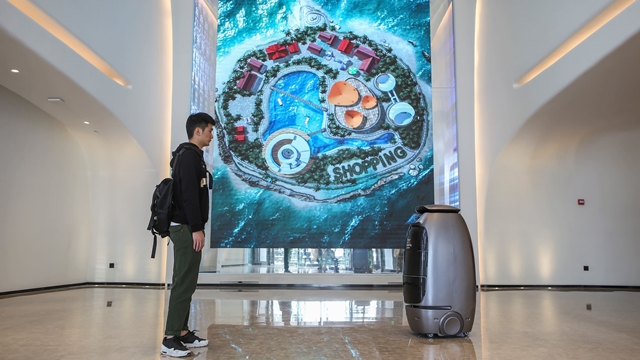
    An automated Alibaba hotel is set to open in Hangzhou. The move showcases the e-commerce giant’s technological capacity and serves to diversify its scope of business – with a view to demonstrating and selling its data-driven innovations. The company has claimed the hotel will be more efficient than manned properties within a comparable price range.

    The Alibaba hotel, which has already accepted bookings, features robotics, facial recognition, smart speakers, voice-activated lighting and room service, and automated alerts for cleaning. Hotel guests will be able to purchase any item featured in the rooms on Alibaba’s website.

    The hotel’s features are well in advance of similar voice-command technologies recently offered to the hospitality industry by Chinese search engine Baidu, although a similar hotel was launched by Shenzhen firm Smart LYZ in Chengdu earlier this year.

    A statement from the company read: “The solutions deployed at Alibaba’s Future Hotel can be used to streamline the operation of [China’s] hospitality sector while improving the experience of guests.”

  • ShopBack: More people aware of 11.11 this year

    ShopBack: More people aware of 11.11 this year

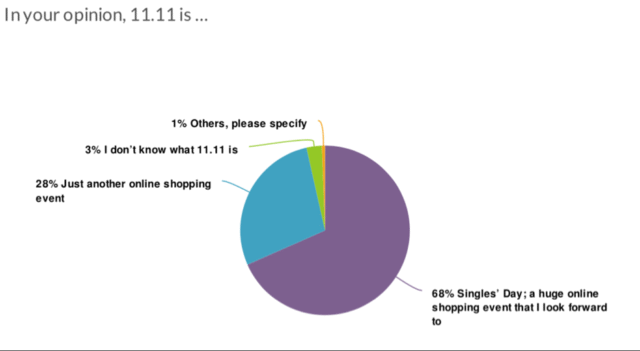
    Leading Cashback platform ShopBack conducted a survey recently and found the awareness level towards 11.11 Singles’ Day among Malaysian online shoppers has grown to 96% this year, from 69% in 2016. “In a 2016 survey to 2,000 Malaysian online shoppers, 69% answered they know what Singles’ Day is and 31% said they don’t. This year, 96% answered it is a huge online event (68%) or just another online shopping event (28%); only 3% from 2,000 respondents said they don’t know what 11.11 is, and 1% indicated that day has other meanings to them. This is an approximately 40% increase compared to 2016,” Alvin Gill, Country General Manager of ShopBack Malaysia says.

    According to Alvin, Alibaba’s investment in Lazada and massive promotions rolled out via multiple online and offline channels, as well as education efforts done by reward partners throughout the years likely contributed to the awareness growth. “Alibaba’s Taobao and Tmall have been collaborating with ShopBack on a regional level to boost market performance via cash rewards and multimedia educational efforts since 2014, of which include multi-lingual contents, digital and on-ground marketing exposures, as well as customer service support to encourage purchases through either Taobao, Tmall or Lazada’s Taobao collection, whichever suits their needs,” he adds.

    “While it is encouraging that a majority of them are looking forward to 11.11, online sellers should also target those who feel 11.11 is ‘just another shopping event’ via better product and promotional strategy. 98% of respondents said they are willing to make more purchases if the products they need are available with greater offers online. The top three offers that would encourage them to spend are high product discounts, free shipping/delivery, and promo codes/coupon,” Alvin points out.

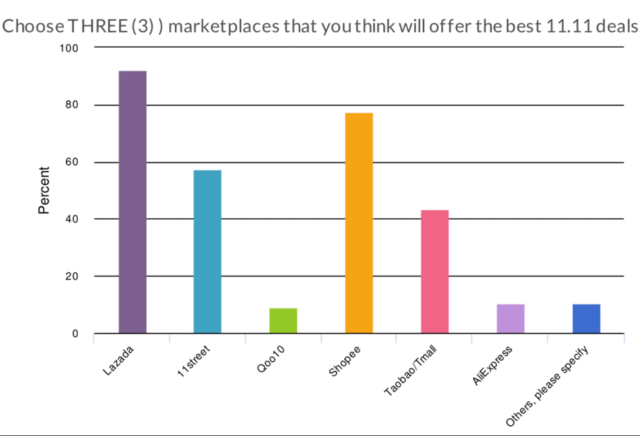
    When asked to choose three online marketplaces that they feel would provide the best 11.11 deals this year, Lazada emerged as the top choice, followed by Shopee and 11street.

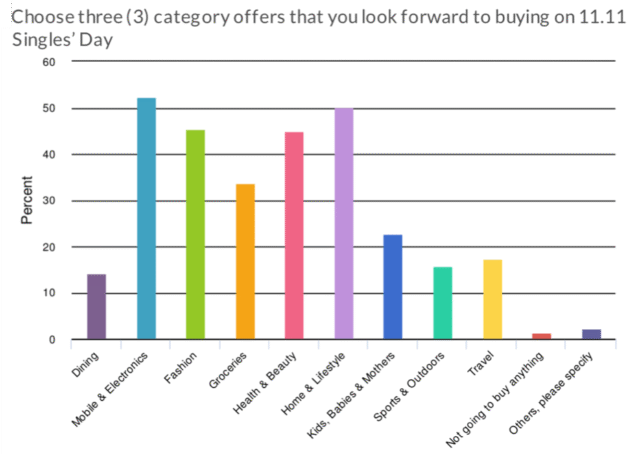
    The survey also reveals that online shoppers prefer their shopping to be affordable, fast and safe. “Mobile & Electronics emerges as the most popular category for 11.11 without surprise; the second is Home & Lifestyle which suggests shoppers could be looking for items to make over their living spaces before the New Year, followed by Fashion as well as Health & Beauty.”

    The 2018 ShopBack 11.11 online shopping survey covered views from 2,000 of ShopBack’s active online shoppers, of which 98.7% are aged 21 years old and above and around 85% have RM2,000 monthly income and above. 68.1% of the survey respondents use credit/debit card to make online payments while 25.4% select online banking as the preferred method, followed by cash on delivery 3.3%, Paypal 2.8%, and others 1.3%.

    “We witnessed 10 times more than usual web traffic directed to our partner’s sites on 11.11 in 2017, more than RM6 million worth of transactions were made through our platform and over RM200,000 cashback saved by using ShopBack. Together with our partner merchants, ShopBack Malaysia has tailor-made the 2018’s 11.11 campaign according to shopper’s needs and we aim to break the record by doubling our performance as well as cashback number this year,” Alvin says.

    Currently, more than 1 million Malaysians are using ShopBack for their daily purchases. The company works with online sites like Lazada, 11street, Taobao, Tmall, Booking.com, Expedia, Traveloka, ZALORA, Hermo, etc to give up to 30% cashback as a loyalty reward to online shoppers. Besides Malaysia, ShopBack also operates in Singapore, Indonesia, Philippines, Thailand, Taiwan and Australia. Over RM25 million worth of cashback has been given to its Malaysian users thus far. The cashback savings can be transferred out to a user’s bank account upon validation.