Tag: China

  • Dolce & Gabbana dropped by Lane Crawford, Alibaba, JD.com and Yoox after racism scandal

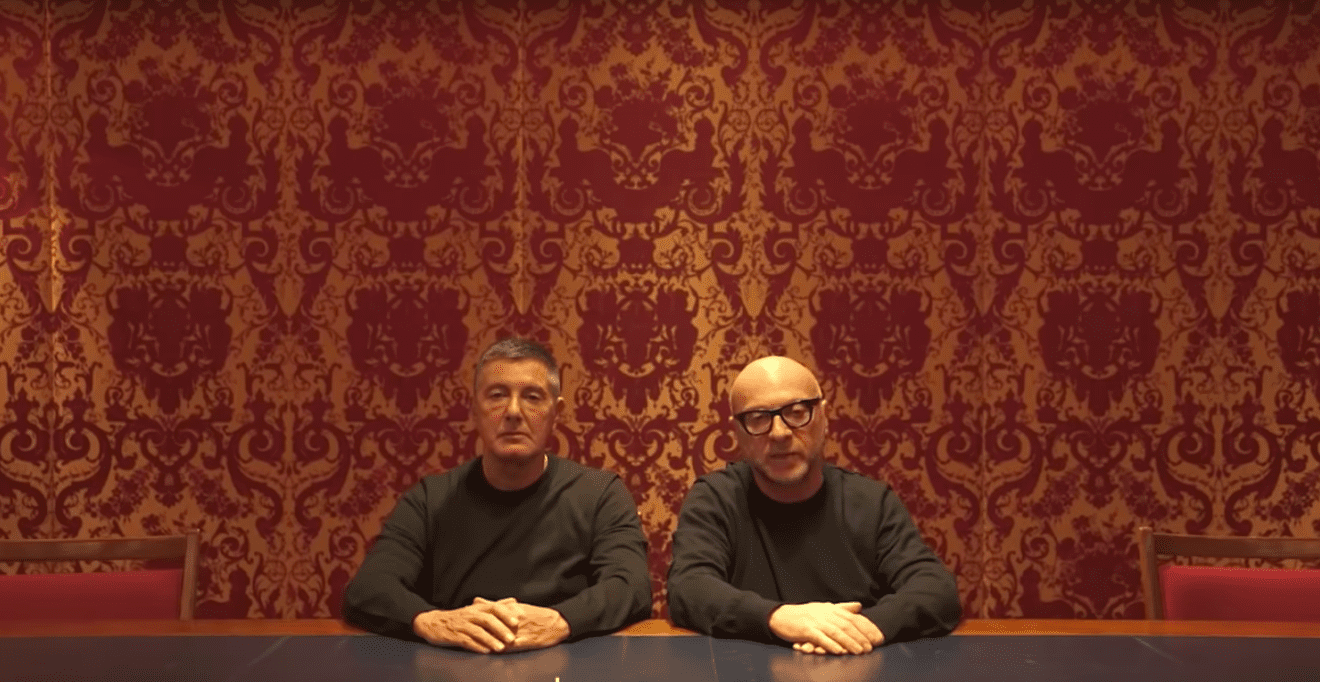
    Dolce & Gabbana has cancelled a high-profile catwalk show in Shanghai following an outcry over what many in China perceived to be a racist marketing campaign.

    The Italian brand products have now been dropped by e-commerce giants Alibaba, JD and Yoox Net-A-Porter.

    Leading Chinese e-commerce platforms Alibaba and JD.com were joined by Suning, VIPshop, Secoo and Netease in dropping the Italian fashion house’s products from sale.

    Hong Kong-based luxury department store operator Lane Crawford has also joined Chinese retailers in dropping Dolce & Gabbana products after it offended Chinese partners and internet users this week.

    Andrew Keith, president of Lane Crawford, told the Post: “With respect to our customers, we have taken the decision to remove Dolce & Gabbana from all stores in China, online and in Hong Kong.”

    The decision would take effect at 1pm on Friday, Lane Crawford said.

    Amazon China and Yoox Net-A-Porter have also removed products, with the latter dropping the brand from its Net-A-Porter, Mr Porter and Yoox.com platforms.

    Meanwhile, high-profile Chinese celebrities and KOLs including actors Li Bingbing, Chen Kun, Diliraba, Zhang Ziyi and actor-singer Huang Xiaoming were among a host of stars distancing themselves from the brand and vowing not to buy D&G products.

    A video posted on Weibo Monday of a Chinese model attempting to eat Italian food with chopsticks was taken down after less than 24 hours, but widely shared on both Chinese social media platforms and Instagram.

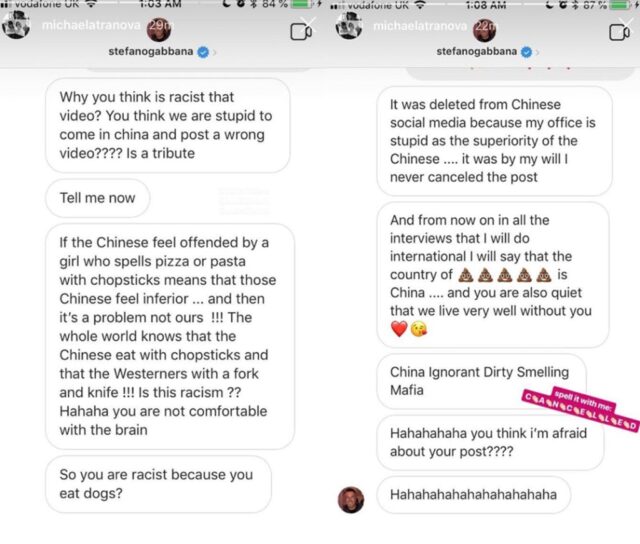
    The social media storm was made worse by comments attributed to Stefano Gabbana and Dolce & Gabbana’s official Instagram accounts on Wednesday, the day the brand’s #DGTheGreatShow catwalk presentation was scheduled to take place in Shanghai.

    In what Dolce & Gabbana claims was the result of a hack, the brand’s social media accounts featured derogatory comments about China and Chinese internet users.

    Though quickly removed, screenshots of the comments were widely shared on Chinese social media, along with the trending hashtag #BoycottDolce. The Weibo hashtag #DGTheGreatShowCancelled has been read 540 million times, and mentioned in 74,000 discussions.
    Show invitees have been informed that the 500-look runway event will no longer go ahead.

    China Bentley Modelling agency released an official statement saying 24 of their models who were booked to walk in D&G’s first Shanghai fashion show were boycotting the event.

    The Chinese government also stepped in with the Cultural and Tourism Department ordering Dolce & Gabbana to cancel the event just a few hours before it was scheduled to take place.

    Chinese consumers have flooded social media platforms Weibo and WeChat criticising the brand and posting videos and images of D&G products being destroyed, burned and used to clean floors and line animal litter trays. Security guards and police officers have been stationed outside Dolce & Gabbana stores in Beijing and Shanghai.

    This marks the second high-profile outcry over racist messaging from Dolce & Gabbana in only 18 months. A previous #DGLovesChina campaign depicted Beijing in a way that Chinese internet users felt looked backwards and underdeveloped.

    Both Gabbana and co-founder Domenico Dolce have been accused of making politically insensitive statements, from referring to babies conceived by in vitro fertilisation as “synthetic”, to refusing to support the right of gay parents to adopt.

    The duo has also described gladiator sandals as “slave sandals” and were quick to endorse First Lady Melania Trump.

    Gabbana in particular has a history of posting insensitive comments on social media, and came under fire for calling Selena Gomez “ugly” on Instagram in June, and the Kardashian family “the most cheap people in the world” in July.

    Though the designer duo have been known for using social media to voice their controversial opinions, upsetting Chinese consumers could have far-reaching commercial consequences.

    According to Bain & Company’s latest report on the luxury market, Chinese consumers account for an estimated 33 percent of global luxury goods spend, a share that is likely to hit 46 percent by 2025.

    SEE ALSO : How is China revolutionizing retail?

    Seeing as Chinese support can make or break a brand’s performance, how the label manages the controversy will be critical for its future success in the market.

    Dolce & Gabbana could not yet be reached in China or Milan for comment.

    According to a post published on Dolce & Gabbana’s Weibo account on November 21, the event has been rescheduled, and the brand has apologised for the inconvenience caused.

    Dolce & Gabbana reposted Gabbana’s ‘Not Me’ screenshot on its Weibo account, accompanied by the following statement, which mirrors the brand’s post on Instagram: “Our Instagram account has been hacked. So has the account of Stefano Gabbana. Our legal office is urgently investigating. We are very sorry for any distress caused by these unauthorised posts, comments and direct messages. We have nothing but respect for China and the people of China.”
  • Jumbo Seafood sales boosted by Thailand, China

    Jumbo Seafood sales boosted by Thailand, China

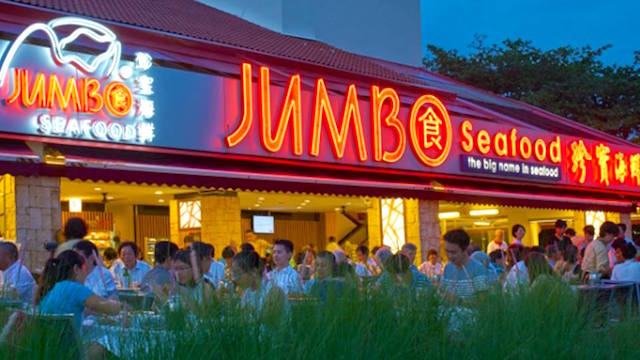
    Singapore-headquartered multi-dining concept food and beverage operator Jumbo Seafood has opened its first franchised seafood restaurant in Bangkok. The 9500sqft venue is the group’s fifth franchised location worldwide, with other outlets established in Fuzhou, Ho Chi Minh City, Taipei and Taichung. There are now 16 Jumbo seafood restaurants across Asia. The new Bangkok restaurant is operated by C J Seafood Co under a 10 year term at the IconSiam mega-development complex.

    Jumbo’s CEO and executive director Ang Kiam Meng said: “Having a presence in Bangkok allows us to bring our signature Singapore heritage cuisine to yet another Asian destination.”

    Jumbo released its unaudited end-of-year financial report at the end of September, showing an increase in revenue by 5.5 per cent compared to last year’s results. Revenue from operations in Singapore increased by SG$2.1 million (US$1.53 million) over the period, a figure dwarfed by the group’s $5.8 million ($4.2 million) increase out of Mainland China.

    Jumbo’s reported gross profit hit $96 million ($69.9 million) this financial year, up 4.4 per cent from $91.9 million ($66.9 million) in last year. Profit attributable to owners of the company, however, decreased by 23.8 per cent ($3.5 million/$2.55 million) to $11 million ($8 million) this year.

  • Xiaomi takes over Meitu’s phone business, manufacture co-branded products

    Xiaomi takes over Meitu’s phone business, manufacture co-branded products

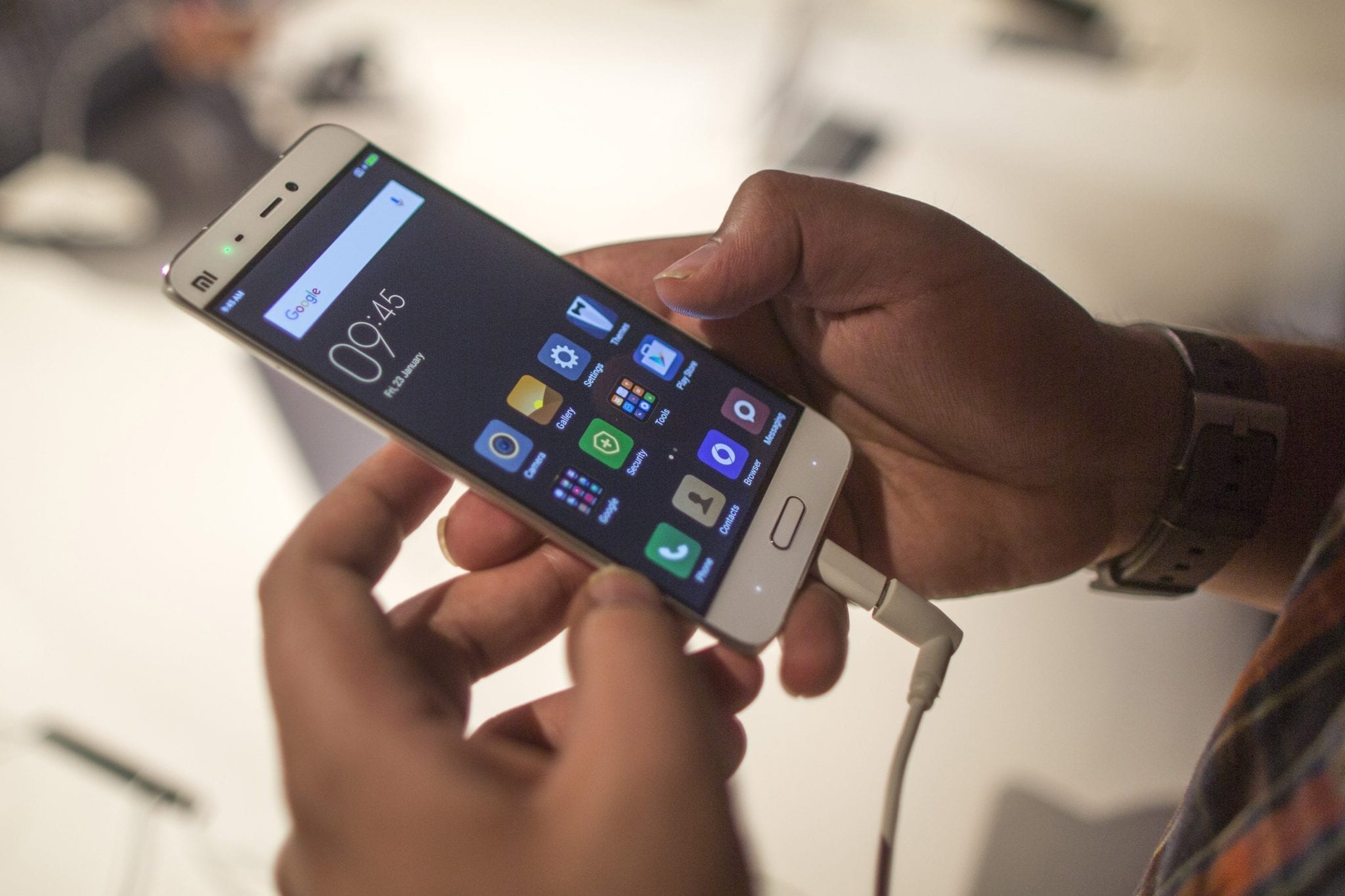
    Meitu and Xiaomi have formed a strategic partnership to jointly launch Meitu-branded phones and other smart devices. The partnership between Meitu – best known for its selfie app – and Xiaomi, a fast-growing technology company with smartphones at its core – will have a far-reaching impact on the brand development of Meitu and Xiaomi as well as the smartphone market as a whole, according to research house IDC. It will allow both companies to expand their customer base and signals a further consolidation in the highly competitive Chinese smartphone market.

    A spokesperson for IDC said that during the last year, Xiaomi has stepped up its efforts to improve the camera capabilities of its products and has done a lot in AI-powered photography research and development. “Leveraging Meitu’s image processing technologies and selfie algorithms will help Xiaomi further boost its AI-powered photography and photo quality and reduce its gap with leading vendors such as Huawei.”

    IDC says Meitu is popular with females which will help draw more women to Xiaomi products which are currently “overrepresented by male users”.

    “Introducing the Meitu brand also enables Xiaomi to offer greater diversity of smartphone products under multiple brands and series, including Redmi, Xiaomi, Black Shark, Pocophone, and Meitu. Xiaomi is gradually forming a multi-brand portfolio targeting different user groups, thereby laying the foundation for it to compete in the market in the long term.”

    The spokesperson said that through Xiaomi’s sales network, Meitu’s software products will reach a larger group of customers via smartphones. “Moreover, licensing its hardware business to Xiaomi allows Meitu to focus on software development and the upgrade of its image processing technologies.”

    And finally, with the top five vendors in China’s smartphone market taking up nearly 83 per cent market share, the growth potential will increasingly diminish for small vendors in areas such as marketing and supply chain resource integration.

    “Going forward, more small vendors are expected to seek strategic cooperation with large vendors and drive consolidation in the China’s smartphone market.”

    Meitu was founded in Xiamen in 2008 as a developer of selfie apps such as MeituPic and BeautyCam, and has been focussed on selfie algorithm development. In 2013, the company ventured into the smartphone market and launched smartphones targeting female users and the selfie market. Despite a higher profit per phone sold and a higher brand premium, the company has become increasingly marginalised in China’s brutally competitive smartphone market due to its meagre shipments.

    According to IDC’s Worldwide Quarterly Mobile Phone Tracker, Meitu only had a mere 0.5 per cent market share in China with shipments of approximately 1.5 million units as of the third quarter of this year.

  • Dolce & Gabbana Sparks Racism Backlash With Chinese Ad

    Dolce & Gabbana Sparks Racism Backlash With Chinese Ad

    Italian luxury retailer Dolce & Gabbana is facing a growing backlash in China after an ad campaign that was meant to promote the brand in arguably its most valuable market has been decried as racist.

    Amidst growing calls to boycott the brand on Chinese social media, popular e-commerce sites, including Alibaba’s Tmall and JD.com, have seemingly removed listings for Dolce & Gabbana products. Searches for the brand on those sites at the time of this writing returned no results. NetEase’s Kaola said that it had taken down the brand’s listings.

    The growing backlash forced the brand to postpone a fashion show in Shanghai just hours before it was set to take place on Wednesday, after models and celebrities reportedly said they would not attend the event. Dolce & Gabbana’s ambassadors in the region, Karry Wang and Dilraba Dilmurat, who is of Uigher ethnicity, have ended their contracts with the company.

    The uproar follows the publication of a series of ads on Chinese social media platform Weibo earlier this week, featuring a young Chinese woman attempting and failing to eat traditional Italian food, such as pasta, pizza and a cannoli, with chopsticks. The ads were released as part of the brand’s #DGLovesChina campaign ahead of the scheduled fashion show in Shanghai, but critics decried the videos as playing on racist stereotypes. The ads are still visible on Dolce & Gabbana’s Instagram page.

    The controversy was made worse after screenshots of direct messages purportedly from founder Stefano Gabbana’s Instagram account were leaked, showing offensive comments about China and Chinese people. Both Gabbana and the brand have denied that the messages were sent by the Italian designer, saying the accounts were hacked, but many have expressed scepticism, given Gabbana’s track record of getting into verbal spats on social media.

    “I love China and the Chinese culture. I’m so sorry for what happened,” Gabbana wrote in an Instagram post that asserted his account was hacked.

    The boycott is especially troubling, since China is such a crucial market for luxury retailers. A 2017 McKinsey report found that Chinese consumers account for nearly a third of the global luxury market, spending RMB 500 billion (approximately $99 billion) annually. The consulting firm expects Chinese consumers to account for the majority of the growth in the global luxury goods market in the coming years, and by 2025, the country is forecast to make up 44 per cent of the total global market.

    At the same time, McKinsey said that Chinese luxury consumers increasingly rely on word of mouth from friends and family to make purchase decisions, even more than the in-store experience. This creates treacherous terrain for global luxury brands, and Dolce & Gabbana is not the only one to have made a culturally insensitive or simply out-of-touch decision, causing offense in its most valuable market.

    Ikea, among many other brands, has faced criticism for listing Taiwan as a separate country on its packaging or website, while Mercedes-Benz ran into problems for quoting the Dalai Lama in an ad campaign. China considers the spiritual leader to be a dangerous voice for separatism in Tibet.

  • Urban Outfitters China plans to expand

    Urban Outfitters China plans to expand

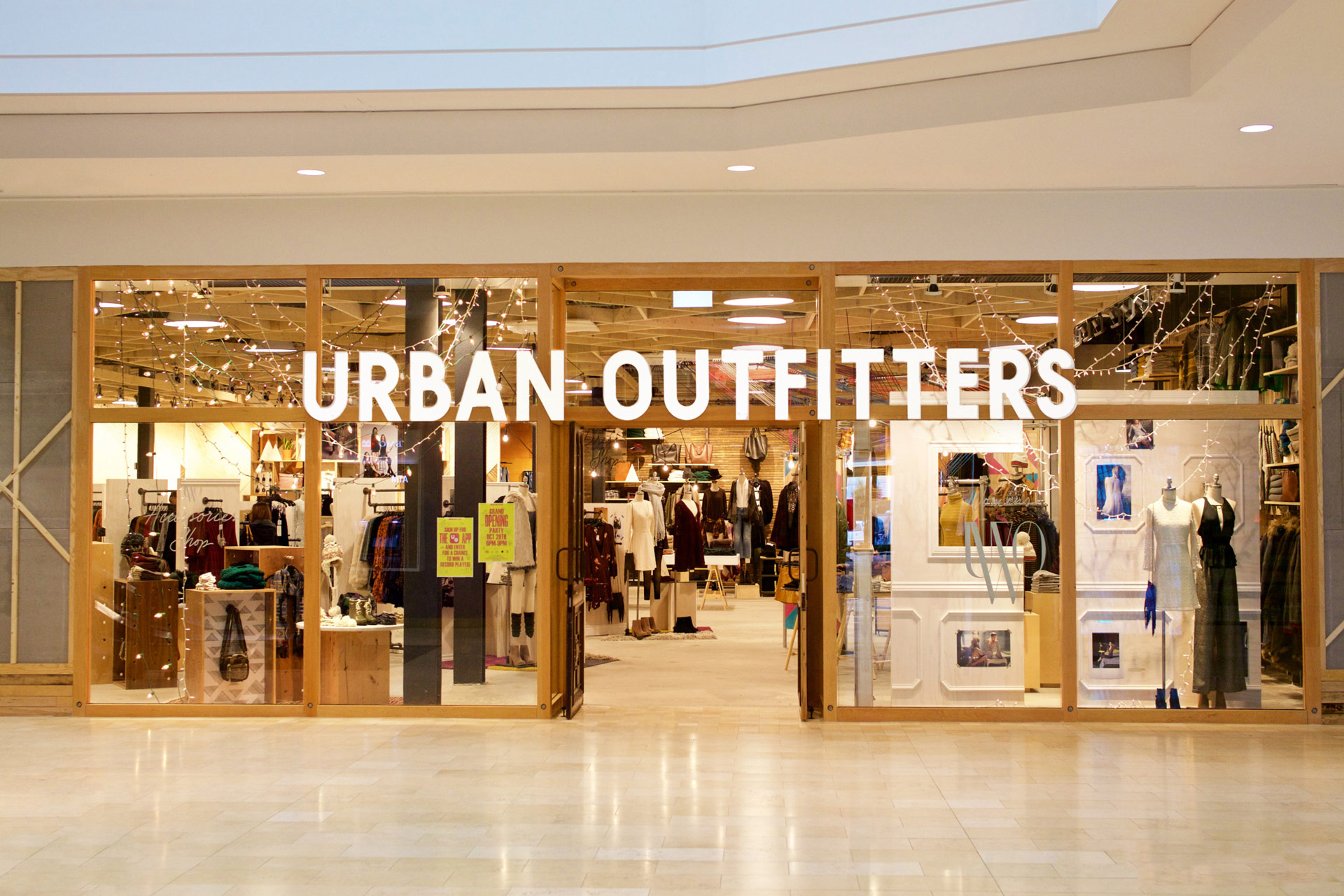
    US retailer Urban Outfitters has announced global expansion plans which involve a broadened commitment to China. According to a statement from the brand’s CEO Richard Hayne, Urban Outfitters China will be housing inventory while the company opens new locations in Europe and the Middle East, as well as taking on new distribution partners.

    The brand’s parent firm Urbn recently posted third quarter net sales of US$973.5 million, a 9 per cent increase over the same period last year.

    Urban Outfitters enjoyed strong sales while participating in the singles day shopping spree on e-tail platform Tmall.

    “We plan to establish a larger presence [in China] by mid-next year. To do this we will switch to the much larger Tmall Classic platform, hold inventory in-country and fulfill orders through a third-party service provider in China. In addition, we plan to sign leases for several stores to open in calendar year 2020,” said Hayne.

    Urbn will be expanding its network of 61 stores in Europe to 100 within three years, and will operate more than 10 stores in the Middle East by 2020.

  • One new store a week for Ralph Lauren China

    One new store a week for Ralph Lauren China

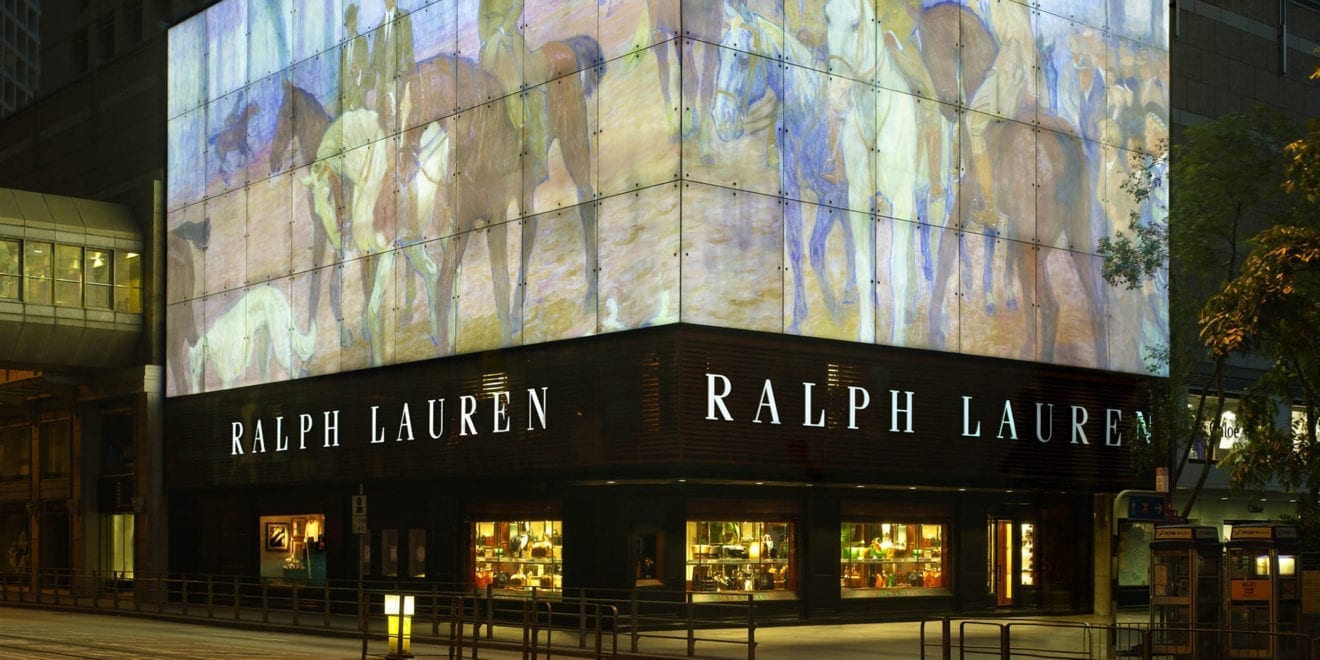
    Ralph Lauren CEO Patrice Louvet has promised to open a store a week in China. Speaking at The New York Times Luxury Conference in Hong Kong last week, Louvet said stores “are crucial for projecting the company as aspirational” which is why Ralph Lauren China is committed to expanding its network despite widespread concerns over an economic slowdown.

    “We concluded that we are in the dream business,” Louvet told the conference. “So to some extent, we think we are closer to a company like Disney than we are to other apparel brands … we don’t believe we are just selling stuff, we are selling a dream, a lifestyle, we are offering worlds that customers can be a part of.

    “[So] for us to provide those experiences, we need both the digital world and the brick-and-mortar world.”

    That is part of the philosophy behind the launch of the Ralph cafe, the brand’s first coffee shop, which opened recently in Hong Kong.

    In the latest quarter, Ralph Lauren’s sales in Greater China rose more than 20 per cent, with the mainland growth rate double that.

    Ralph Lauren is targeting $500 million in revenue from Greater China within five years.

  • 7Fresh to open store in Shanghai

    7Fresh to open store in Shanghai

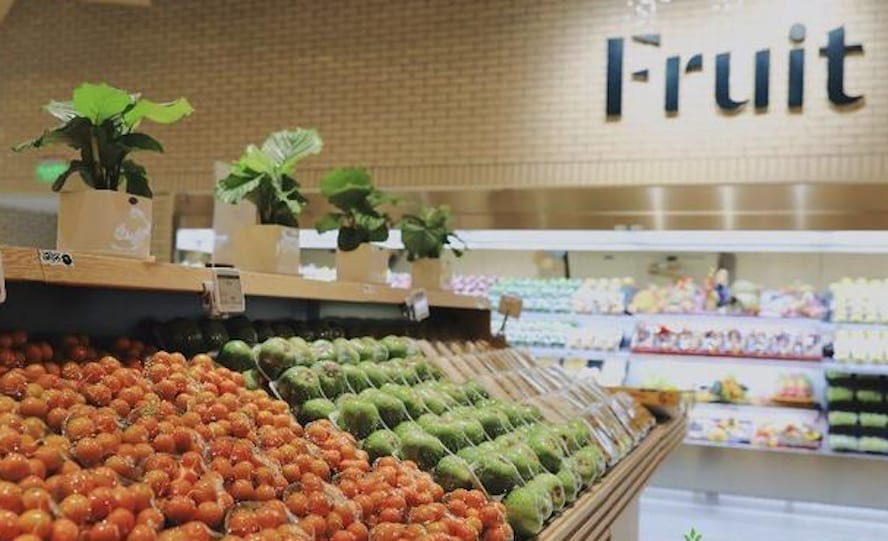
    E-commerce giant JD’s offline retail store 7Fresh is set to launch at Shangbin Plaza in Shanghai’s Hongkou District. The move is regarded as a step towards expansion nationwide beyond the firm’s home base in Beijing, as well as an attempt to follow recent trends to diversify from online-only business models. The high spending power of Shanghai residents was key in determining the store’s location.

    JD expects to be operating 1000 outlets with three to five years, using insights learnt from trading online to tailor product ranges popular locally. It will be taking on rival Alibaba’s Hema Market, which has already grown to more than 100 outlets.

    JD’s senior VP Wang Xiaosong said: “JD’s online fresh food business provides an advantage in terms of merchandise selection when we’re expanding into offline retail.”

    Shangbin Plaza is due to open early next year.

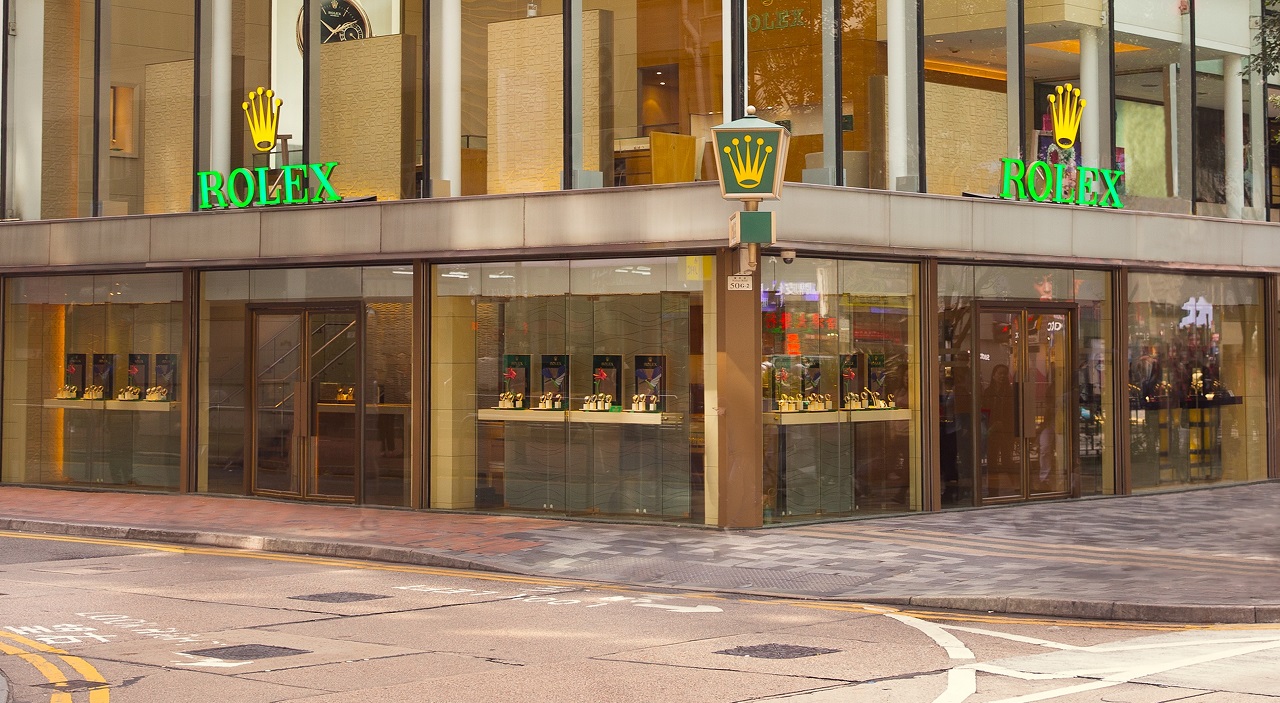
  • Oriental Watch sales slide, but profit rises

    Oriental Watch sales slide, but profit rises

    Oriental Watch Holdings sold fewer watches in the six months to September, but at a higher margin, boosting profit by 39 per cent. Group turnover decreased by 21.7 per cent to HK$1.181 billion compared with $1.508 billion during the same period last year.

    Gross profit increased by 13.4 per cent to $288 million while gross profit margin increased to 24.4 per cent. Oriental Watch says rent negotiations contributed to lower overheads, helping profit attributable to shareholders rise 39.1 per cent to $64 million.

    As at September 30, the group operated 62 retail stores in Greater China: 11 in Hong Kong, one in Macau, three in Taiwan and 47 in Mainland China.

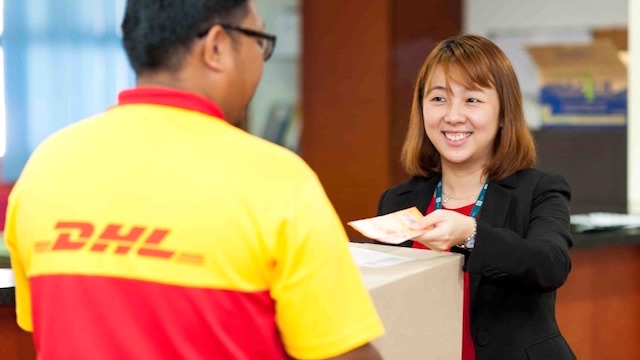
  • DHL plugs in to Shopify Singapore to enable simpler worldwide shipping

    DHL plugs in to Shopify Singapore to enable simpler worldwide shipping

    DHL eCommerce, a division of the world’s leading logistics company, Deutsche Post DHL Group, is working with Shopify, a leading e-commerce platform, to enable Singapore-based merchants to easily ship to their customers worldwide through a seamless plugin on a single platform. All new Singapore-based businesses built with Shopify will also enjoy special promotions for cross border shipping with DHL. Currently over 60% of Singapore-based merchants sell and ship their products internationally through the Shopify platform, and with the cross-border e-commerce opportunity continuing to grow, the DHL eCommerce plugin will make it even easier for merchants to ship their goods internationally.

    “Cross border e-commerce continues to grow exponentially and this is apparent from the borderless buying behavior of online shoppers. 70% of online buyers made a purchase from a foreign site in 2017, up 6% from the year before and this trend is expected to continue.  To deliver to buyers across borders, sellers need simple and seamless shipping solutions to manage their orders and deliver to their customers worldwide. By building tools for global shippers on Shopify, we’re making it easy to satisfy this exact requirement,” said Senthil Kumar, Managing Director, DHL eCommerce Singapore.

    Integrating different online systems can be complex, especially for sellers who sell online across multiple sales channels. By hosting their e-commerce stores on platforms such as Shopify, sellers have access to a wide array of plugins to connect the dots from click to delivery.

    Improved visibility in delivery helps to greatly enhance the entire customer experience. With DHL eCommerce shipping plugin available on Shopify, shippers can easily ship internationally by processing shipments on a single platform, from printing labels to generating tracking reference codes to enable shipment visibility for their customers — virtually automating the shipping process.

    “Shopify understands the dynamics of e-commerce, where requirements of sellers and buyers are evolving faster than ever. To ensure our merchants are keeping pace, we are working with DHL, a key driver of the global e-commerce ecosystem. The DHL eCommerce plugin, combined with the special rates for new Shopify merchants, will help retailers and brands on our platform ship with ease so they can devote more time to selling,” said Arun Verma, Country Manager, Shopify Singapore.

    DHL eCommerce is part of Deutsche Post DHL Group and, along with its sister divisions DHL Express, DHL Supply Chain and DHL Global Forwarding, DHL has been operating in Singapore since 1970, offering end-to-end solutions for the e-commerce sector.

  • Bob’s Select Space combines bar and retail store together

    Bob’s Select Space combines bar and retail store together

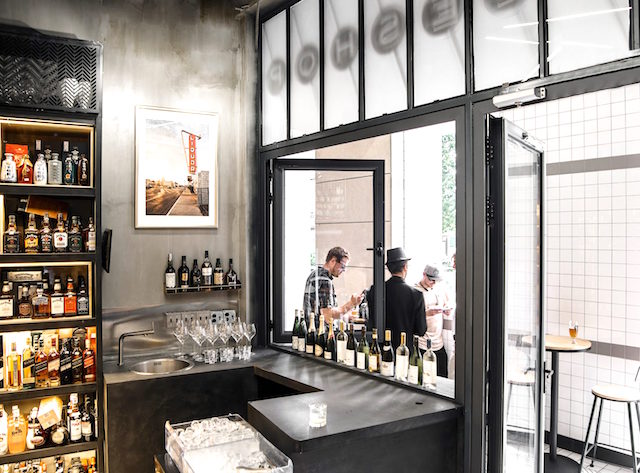
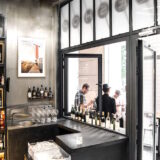
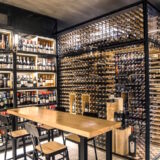
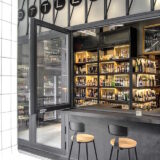
    Architectural studio Designreserve has created a new store in Beijing’s Sanlitun integrating a bar into the retail experience, according to a report. Bob’s Select Space is the flagship store for liquor retailer Bob’s Wine, aimed at creating a community space in a busy shopping area. The design explores the traditions of communication in liquor culture and merchandise.

    Designreserve co-founder Feng Yue said: “We wanted to create a strong visual identity. So we invited a graphic artist to design special fonts for each major alcohol type displayed on the facade. For us it is a kind of public art

    “Previous shops of Bob’s Wine are popular for their wide range of bottle selection as well as for their relaxing atmospheres, but the spaces were geared towards retail rather than bar.”

    The 60sqm space is divided into three rooms that transition visitors from the public domain to a more intimate “hideout”.

    “Experience is the key determining factor for the success of retail spaces,” said Yue. “Therefore, our job as designers is to create spaces where people feel inspired and hopeful that city life can still be fun.”

    View the gallery below (4 images) :

  • Tse Sui Luen Jewellery sales rise boosted by tourist

    Tse Sui Luen Jewellery sales rise boosted by tourist

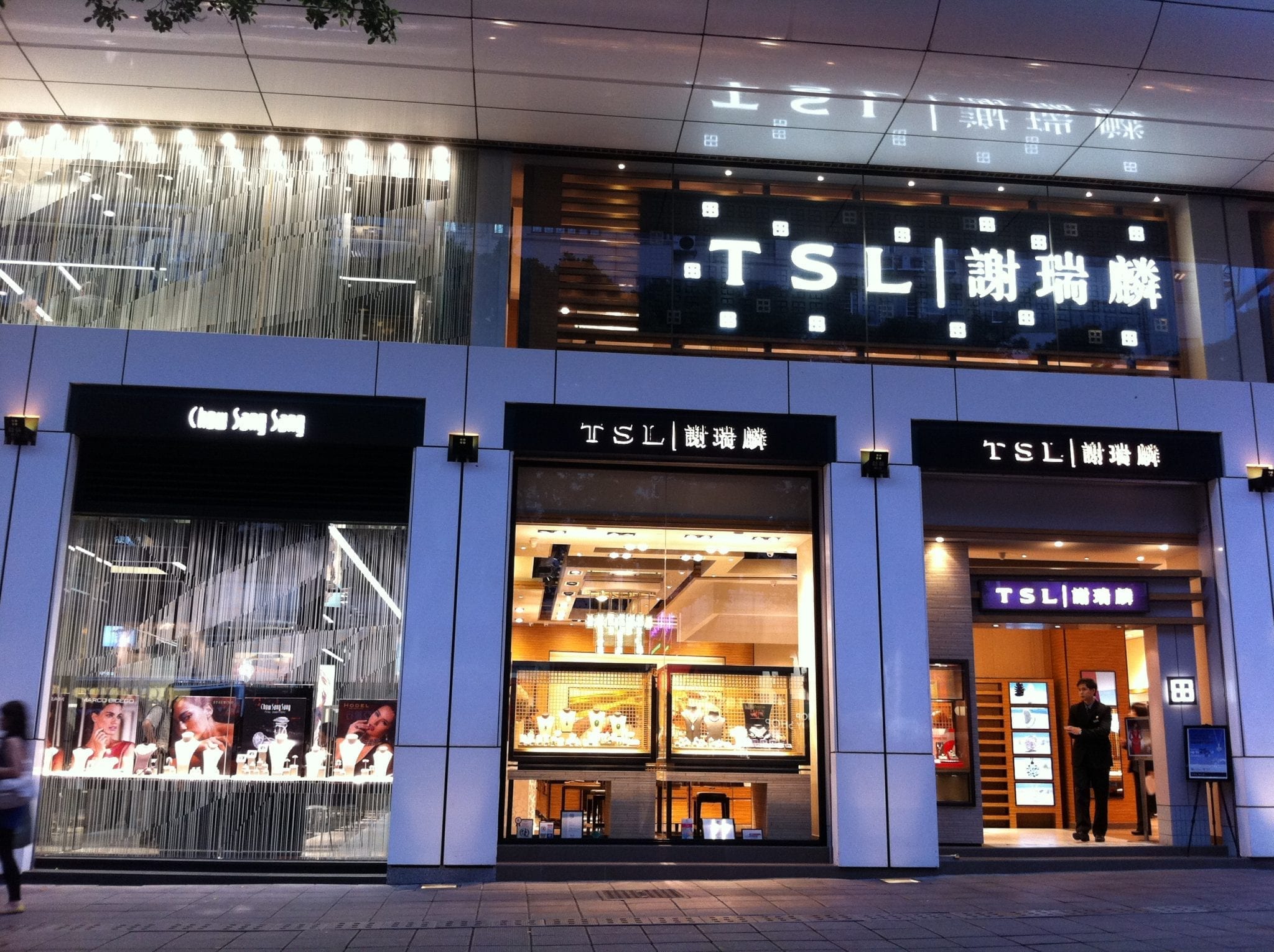
    Tse Sui Luen Jewellery sales and profit both rose in the first half year – but the company has tempered the good news by expressing concerns about the impact of the US-Sino trade war. Chairwoman Annie Yau said in a stock exchange filing that the improved retail sentiment in Hong Kong since September last year due to increased numbers of mainland tourists and growing consumption appetite of local customers, the city’s retail market has continued to progress “in an L-shape”.

    “However, the recent outbreak and escalation of trade dispute between China and the US has cast some doubts on the economic outlook for both the global and local economies going forward. One consequence has been the devaluation of Renminbi during the period, which could bring certain influence to our business in Hong Kong and Mainland China during the remainder of this financial year.

    “While it is still too early to conclude the actual impact on the group’s performance, we will continue to take a cautiously optimistic approach in our major operating regions, namely Hong Kong and Mainland China,” said Lau.

    Tse Sui Luen Jewellery sales increased by 10.2 per cent to HK$1.91 billion in the six months to July (the company has changed its financial year to September, so comparative figures are based on the six months to August 31 last year).

    Profit attributable to owners of the company increased by 38.9 per cent to $24.3 million.

    Sales in Hong Kong and Macau rose by 15.3 per cent during the half year, while same-store sales growth for all businesses in the territories rose 14.8 per cent. Retail rentals in Hong Kong remained static and “at a more reasonable level than that experienced in past years”, allowing the company expand its retail business in the city and enlarge the shop area of some of its existing stores, including those in Times Square in Causeway Bay and Plaza Hollywood in Diamond Hill.

    “We will continue to identify other suitable high-traffic shopping arcades and on-street stores in order to further penetrate tourist and residential precincts as applicable,” said Lau. “Nevertheless, the ongoing manpower shortage situation in Hong Kong remains a concern in setting the pace of expansion. In respect to Macau, due to a steady increase in tourists from Mainland China and their spending powers, our business in Macau achieved an increase of 8.7 per cent in turnover during the period.”

    In Mainland China, where its self-owned stores account for 37.3 per cent of Tse Sui Luen Jewellery sales, sales rose 4.2 per cent, but fell 3.5 per cent on a same-store basis. The company is expanding its network of franchised stores, adding 25 during the period taking the number to 207. After adding 197 self-run stores, Tse Sui Luen now has 404 outlets on the mainland.

    In Malaysia, Tse Sui Luen has five stores, including the latest to open in Genting. Sales rose 13.9 per cent.

  • Willy Bogner opens in China ski resort

    Willy Bogner opens in China ski resort

    Munich fashion firm Willy Bogner is pushing towards internationalisation with the opening of a new Bogner store at the Thaiwoo Resort near Chongli, China. The resort is located in Hebei Province directly on the Great Wall of China, and extends over 40sqkm, three hours by car from Beijing. Once completed, it will feature 200 ski slopes and 45 lifts and gondolas, fitting snugly with Bogner’s traditional ski and winter sports business.

    The store has a sales floor area of 164sqm and has been designed according to the brand’s “Modern Natural” store concept.

    As the Chongli Area is considered to be the largest ski resort in China, the Thaiwoo Resort will play an important role at the Beijing Winter Olympic Games in 2022. The Chinese government has declared its intention to attract 300 million winter sports enthusiasts to China for the event.

    Bogner CEO Andreas Baumgartner said: “The Thaiwoo Resort is currently completely focused on skiing, the skiing season here lasts over 150 days thanks to the perfect altitude and climate – ideal for a store and the corresponding clothing that Bogner offers.”

    Global representation of Bogner currently consists of 19 of its own stores, 33 partner stores and more than 6500 trading partners in more than 50 countries. Together with its partners, Bogner operates more than 100 sites in the Asia Pacific region. The Bogner store at Thaiwoo will be the first partner store there.

  • Tiens Group reveals global expansion plan

    Tiens Group reveals global expansion plan

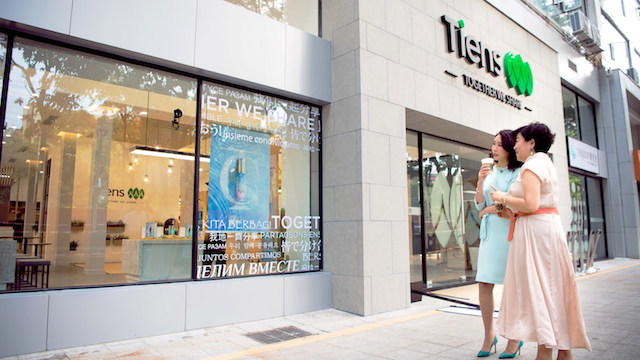
    Chinese healthcare company Tiens Group is eyeing global expansion following the success of its high-tech Shenzhen flagship store which opened in August. According to the firm, the launch was made as a step towards global expansion, featuring a combination of technology-enhanced online and offline consumer experiences such as touch-screen computers and live product demonstrations.

    The brand now plans to establish 110 branches worldwide as part of its broader strategy to create a healthcare system integrating physical retail, e-commerce, Traditional Chinese Medicine and medical facilities, as well as educational, tourism, accommodation and lifestyle experiences.

    Board member and e-commerce GM Chelsea Li said experience marketing is at the cutting edge of business development trends. “We aim to bring our customers an intuitive experience of meticulous care, attentiveness, and beauty.”

    Tiens’ new e-wallet app PointsWin is positioned to play a core role in the firm’s strategy, connecting the business’s blockchain-based customer network. Consumers can currently use the app to make purchases and earn rewards at any business bearing the Tiens banner.

    Tiens Group chairman Li Jinyuan said: “We have always approached development by considering the world from a global perspective. These [target locations] are especially the regions involved in China’s One Belt One Road initiative.”

    The flagship is located in the Tiens International Health Industrial Park in Luohu, Shenzhen.

  • Star at Xiaomi’s store opening in NZ

    Star at Xiaomi’s store opening in NZ

    The electric scooter craze has well and truly hit New Zealand. Within just hours of Chinese electronics giant Xiaomi, or “Mi” as many know it as, opening the doors to its first New Zealand store, the retailer sold more than $250,000 worth of electric scooters.

    In just seven hours it had clocked $257,750 in sales from the e-scooters, which are similar to the popular rentable Lime-branded ones sweeping Auckland and Christchurch.

    About 200 of the scooters priced at $599 were sold online in 30 minutes yesterday, causing the retailer’s website to crash.

    Meanwhile, at Sylvia Park in Mount Wellington, where Mi opened its store, about 1500 people queued – from one side of the mall to the other – waiting in line for a glimpse of the scooter.

    More than 400 Mi electric scooters were sold in-store.

    The scooters are said to now be sold out.

    The Mi e-scooter is popular overseas.

    Mi New Zealand spokesman Eric Chang said he believed the popularity of rentable electric scooters had driven significant demand and interest in consumers wanting their own.

    The scooters have a range of 29km and can travel up to 25km/h.

    Lime scooters were introduced to Auckland and Christchurch streets last month and have proven popular and been in the headlines since.

    Some riders have left a trail of mayhem, and injury claims from electric scooter-induced injuries have soared.

    Between October 14 and 31 there were 69 electric scooter claims lodged with ACC.

    Overseas there have been bans of the scooters and one recorded death. As of today, there has been a global recall of models made by Chinese manufacturer Okai.

    A spokeswoman for Lime said the company was working with the US Consumer Product Safety Commission and other international agencies following reports the scooters made by Okai could break apart while in use.

    Lime said it did not anticipate any disruptions to its service after the recall.

    Lime currently operates in a string of cities across the world, offering e-scooters and bikes for hire, including in Switzerland, Germany, France, Poland, Czech Republic, Spain, Portugal, Mexico, Canada, Austria and United States.

  • JD sales jumps as shoppers reached 300 million

    JD sales jumps as shoppers reached 300 million

    JD sales lept 25.1 per cent in the third quarter, to RMB104.8 billion (US$215.3 billion). “We are pleased to report solid results for the third quarter, with our core JD Mall business driving consistent growth under its highly experienced management team,” said CEO and chairman Richard Liu.

    “JD’s commitment to convenient, reliable service and high-quality, authentic products continues to translate into an increasingly loyal user base. Our ‘Retail as a Service’ strategy is also gaining traction as we provide a wide range of partners with innovative retail infrastructure solutions,” he said.

    Annual active customer accounts increased to 305.2 million in the year to September 30, from 266.3 million at the same time a year earlier.

    Net income from continuing operations attributable to ordinary shareholders for the third quarter was RMB3.0 billion (US$400,000), three times more than for the same period last year.

    “JD’s strategic focus on improving customer experience helped drive strong performance across the business,” said Sidney Huang, JD’s CFO. “We will continue our disciplined strategy of investing in key technologies as we focus on optimising operations and driving economies of scale over the coming quarters.”

    Among highlights of the quarter was the signing of a raft of major international brands to the JD platforms, including L’Occitane de Provence, House 99, Hera, Salvatore Ferragamo,  Furla, Gieves & Hawkes, Kent & Curwen, Cerruti 1881 and D’Urban. JD’s dedicated luxury platform Toplife welcomed John Galliano, Buccellati and Shang Xia among others.

    As at September 30, JD had some 200,000 merchants on its online marketplace, and 175,366 full-time employees.