Tag: China

  • Alan Liis the new president of CBRE China

    Alan Liis the new president of CBRE China

    CBRE, the worldwide commercial real estate services and investment firm, recently announced the appointment of Alan Li as President, CBRE China, effective immediately. Alan will be responsible for CBRE’s advisory services across business lines in China, including Advisory and Transaction Services, Capital Markets, Asset Services, and Valuation and Advisory Services.

    Based in Shanghai, Alan will report to Ben Duncan, President of North Asia.

    To the newly created role, Alan brings approximately 18 years of professional experience in the China commercial real estate industry.

    He joined CBRE in 2015 and since this time has served as Managing Director of Capital Markets for Greater China.

    “The future of our brand in China will increasingly rely on our ability to further localize our business and solution offering to clients.” said Duncan.

    Alan is a member of Royal Institution of Chartered Surveyors (RICS) and a registered real estate broker. He is also a member of All-China Youth Federation and the standing committee of Shanghai Youth Federation, and Vice President of Shanghai Foreign-Invested Enterprises Youth Talent Association. He holds an MBA from Fudan University.

  • Macy’s, Tmall contract completely over

    Macy’s, Tmall contract completely over

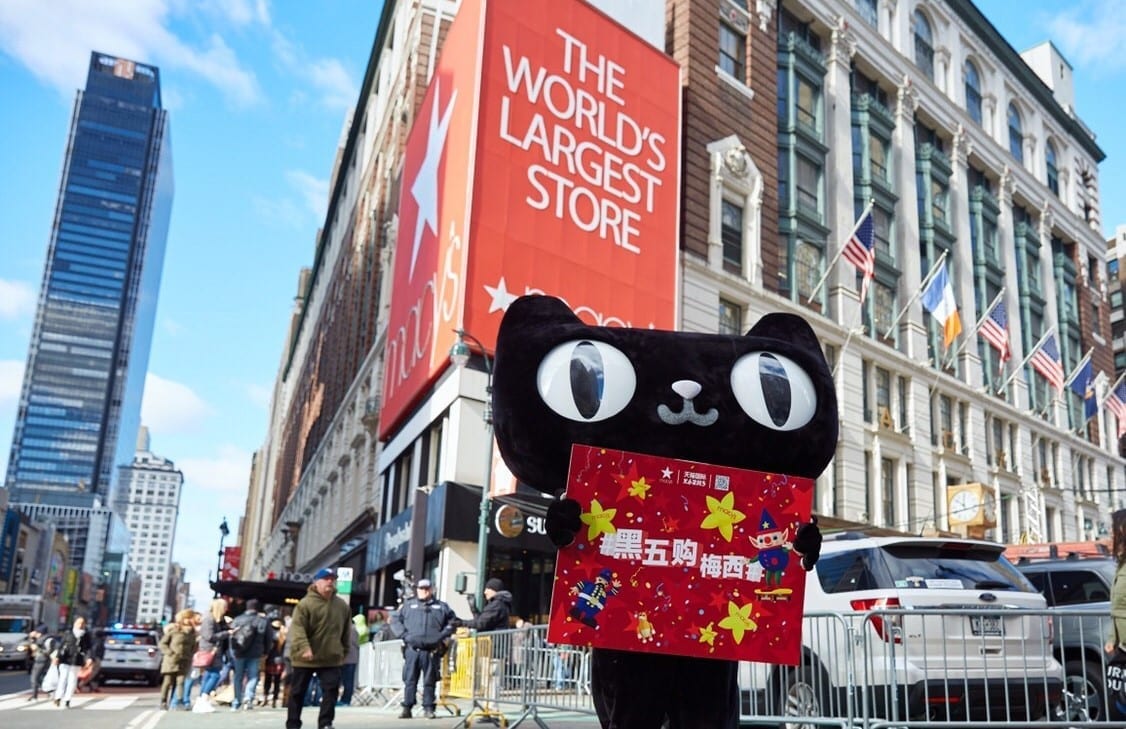
    Macy’s China stopped taking orders on Tmall this week and will close its operations by the end of the month. The US department store business said it chose not to renew the contract with Alibaba’s Tmall which ends on December 31. “We sincerely thank you for your support and love of Macy’s, and we will continue to provide services to you through the American website Macys.com,” the US retailer said in a statement.

    Just two years ago, in an interview, Macy’s China president Dustin Jones assured customers that the company would not leave China. “We will become [a] Chinese Macy’s,” he said.

    That comment followed the closure of the company’s brick-and-mortar stores in Mainland China. Macy’s subsequently closed its own China website last June.

    Since 2015, the Macy’s China business has been operated in partnership with Hong Kong-based Fung Retailing.

    Beijing-based retail analyst Liu Dingding said that Macy’s China failed because it could not keep up with the fast-changing and diversified demands of Chinese consumers.

    “The market in China is changing much faster than those in the US and Europe. These Western giants seem to react a bit slower than their Chinese counterparts,” said Liu.

    Securing a local partner was one way of ensuring success in the market – as WalMart and Carrefour’s partnerships with Tencent have shown, said Liu. That way they can localise their offer and learn from Chinese experience.

    “[Western retailers] have built up operating experience with years of success back home. But before applying this experience in their Chinese operations [they should] respect Chinese culture, hire more Chinese executives and try to adjust the way that they have operated for years back home.

    “That’s the first step to gaining a foothold in the Chinese market,” Liu said.

  • JD to grow its own vegetables for sale on and offline

    JD to grow its own vegetables for sale on and offline

    JD has partnered with Japanese chemical manufacturing giant Mitsubishi Chemical to open the largest hydroponic “plant factory” in China. The omnichannel retailer says the premium-quality, fresh produce produced at the new facility will provide its customers with new options for safe, nutritious and environmentally friendly food, online as well as offline at its 7Fresh supermarkets.

    The factory spans 11,040sqm and incorporates a hydroponic culturing system with solar light and a closed seedling production environment using artificial light. Currently it can produce spinach, cabbage, red and green lettuce, coriander, among others.

    All crops produced at the site are tracked from the time they are planted to when they are delivered, a step toward the future of food production and retail as consumers worldwide increasingly demand transparency. In China, in particular, consumers place high importance on food safety while the overuse of fertiliser, environmental deterioration, and rapid population increase have caused soil problems.

    In the new facility, temperature, humidity, light, and liquid fertiliser are automatically controlled by the factory’s management system, enabling more standardised production of high-quality vegetables without the challenge of seasonal changes. For example, spinach produced in the facility contains 80 per cent more folate, 32 per cent more vitamin C, 25 per cent more potassium and 37 per cent more phosphorus than if grown in the field. Meanwhile, the technology makes pesticides and agrochemicals unnecessary, reducing the need for washing.

    The factory can produce a higher output of vegetables than traditional agriculture systems; it can grow 19 batches of spinach in a year, compared to just four batches per year in a field or six per year in a greenhouse. It only requires half a litre of water to grow any of the factory’s vegetables. The factory is integrated with JD’s cold-chain logistics network, so vegetables can be delivered to consumers’ tables as soon as the same day they are harvested.

    “The JD Plant Factory in Tongzhou marks JD’s entry into the very beginning of the fresh-food production chain, allowing us to guarantee that the fresh goods we sell have been treated with the care JD applies to everything we do,” said Xiaosong Wang, president of JD FMCG and food businesses.

    “JD’s supply chain technology, logistics network and e-commerce expertise combined with Mitsubishi Chemical’s sophisticated growing technology puts us in an ideal position to create an entirely new model for agriculture, and cultivates a fresh and healthy lifestyle in China.”

    Fresh vegetables from the plant factory will be available on JD.com and at 7Fresh stores from this month. JD and Mitsubishi Chemical will cooperate to introduce more fruits and vegetables in the future.

  • Remodeled M&M’S World Shanghai reopened

    Remodeled M&M’S World Shanghai reopened

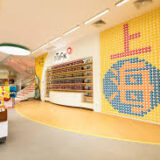
    M&Ms World Shanghai reopened yesterday in Shanghai Shimao International Plaza. The newly remodeled 1600sqm interactive store, which offers an immersive, personalised experience with the M&M brand to residents and tourists, remains the only one based in Asia.

    The store is part of the global M&Ms retail business, which includes My M&Ms’ e-commerce sites and a B2B channel in the US and Europe.

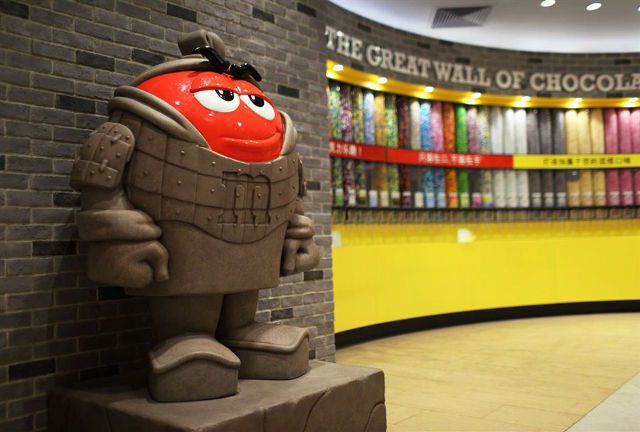
    The M&Ms World Shanghai experience store features a “Great Wall of Chocolate” made out of more than 1 million M&Ms, a personalised printer, and a device that scans customers to create a personalised M&Ms avatar. It also features an improved checkout experience that allows mobile payment options from Alipay, WeChat and Apple Pay.

  • Poltrona Frau has opened a new retail space in China

    Poltrona Frau has opened a new retail space in China

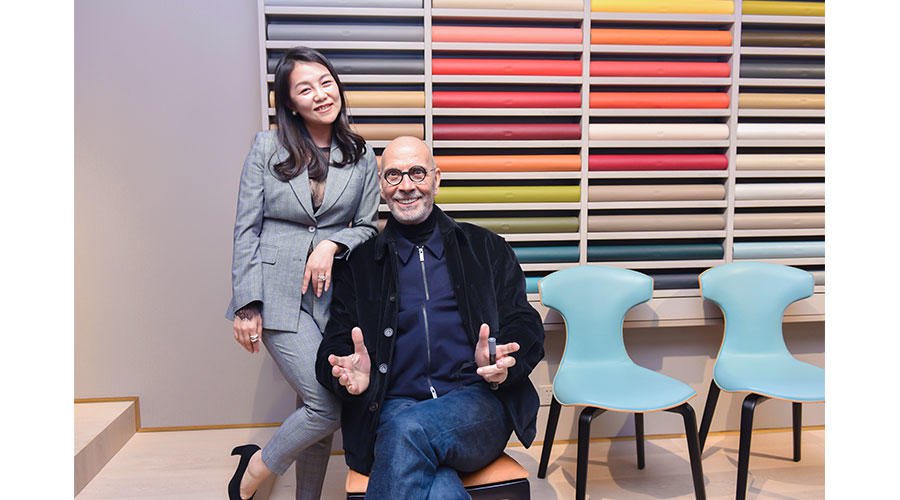
    Italian furniture maker Poltrona Frau has opened a new retail space in Ningbo, China. The new 340sqm, single-floor shop presents a range of living spaces that alternate between living area and bedroom, dining room and home office according to the Poltrona Frau philosophy.

    The retail concept is designed to convey the atmosphere of a real home.

    Pieces on display include classic and contemporary designs, from early 20th century armchairs to recent Chinese lighting collections. The store features an area dedicated to showcasing the brand’s leather bookcase.

  • Valentino and Dior Men to run show in Japan?

    Valentino and Dior Men to run show in Japan?

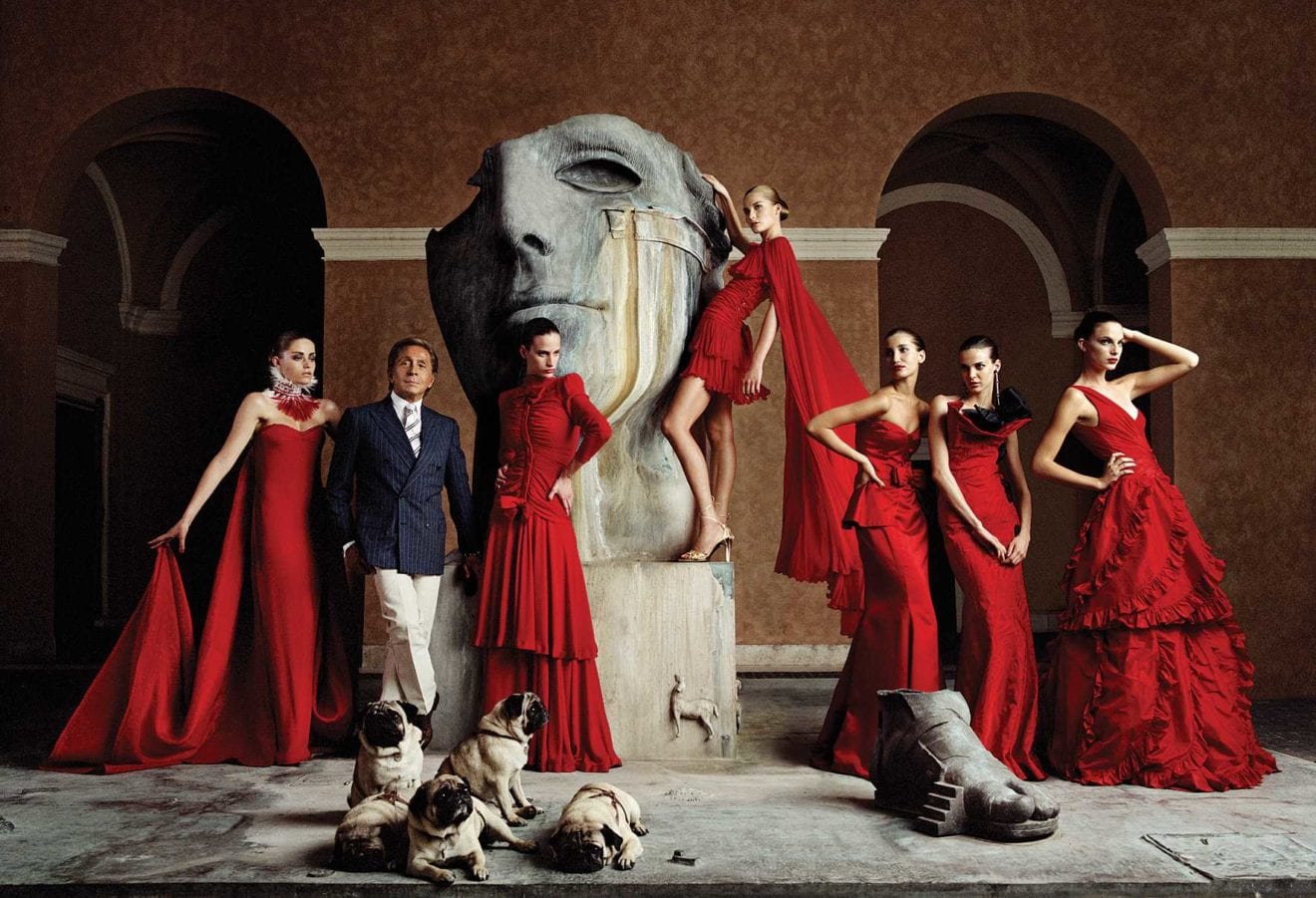
    Pierpaolo Piccioli, creative director of Valentino, was in Tokyo last week to celebrate the brand’s Ginza Six store opening and its Pre-Fall 2019 runway show, titled “Valentino TKY,” of which Japan’s wabi-sabi aesthetic was credited as one inspiration.

    Kim Jones was also in town to present Dior Men’s Pre-Fall 2019 collection and a pop-up store Thursday evening, although his nod to Japan was a fraction subtler, having mined the Dior womenswear archives for Japanese influences to reinterpret as men’s garments.

    It’s not the first time that luxury brands have turned to Japan: Last October, Tokyo was also the site of Valentino’s Resort 2018 pop-up, while Dior’s haute couture Spring/Summer 2017 show bowed in April. In May 2017, Louis Vuitton took their cruise collection a few hours away to Kyoto.

    It’s also not unexpected that most designers who stage their collections in Japan find a way to reference the country on the catwalk, however fleetingly.

    The nation is home to inspiration galore: eclectic street style subcultures, unparalleled artisanship, a thriving beauty industry and icons of design and architecture all makes the country a mecca for creatives of all persuasions.

    But beneath the surface of very real enthusiasm that fashion creatives harbour for Japan, there is of course a carefully calculated business rationale for their choice of locale.

    As Asian markets now account for a disproportionately large share of luxury sales, it is clear that brands need to find ways to launch meaningful marketing activations in the region on a regular basis. Such shows have become a tried-and-tested formula.

    Unlike Korea, whose popularity as a location for pre-collection shows appears to have peaked, Japan is emerging as a perennial favourite. And although China continues to attract many brands looking for a place to present their catwalk shows in the world’s largest luxury market, recent examples tend to be repeats of shows that already had a debut elsewhere like last week’s re-staging of Miu Miu Resort 2019 in Shanghai or Chanel’s Cruise 2018 collection reappearing in Chengdu after also debuting in the French capital.

    Japan, by contrast, is not in the habit of staging re-runs.

    The value that luxury brands gain by using Japan as a staging post between their shows in Europe comes from several sources.

    Logistical efficiency is one not-so-romantic reason for its popularity as a transseasonal show location. By bringing their pre-collection activation to Japan, brands embellish a requisite part of their global marketing strategy while creating an opportunity to meet local partners and management in Asia’s most mature luxury market — and the world’s third largest.

    Piggybacking off the show in this way sends an important message at the consumer level too.

    Having been eclipsed by the Chinese, Japanese consumers are no longer the object of affection and attention to the degree that they once were. Luxury brands are increasingly stretched, unable to devote as much time to Japanese activations as they once were. With so many emerging markets in Asia and around the world to tend to, they are less able to provide Japanese kokyaku (VIP consumers) with intimate access to designers or face time with the press.

    With China consuming a third of the global luxury market, brands have been investing in strategic WeChat campaigns, optimising retail channels and desperately finding new ways of understanding the proverbial Chinese luxury consumer.

    Yet unlike China, where brands are rapidly opening retail and digital storefronts, online luxury sales are less developed in Japan, with only 7 percent penetration, according to McKinsey & Co. With consumers preferring to shop offline, Japan’s department stores remain dominant luxury distributors.

    The icing on the cake is that Japan remains one of the most attractive destinations for other Asians — and Asian fashion industry leaders are no different.

    Whether they be the brands’ joint-venture partners from Vietnam, distributors from Singapore, fashion editors from Indonesia or influencers from Thailand, Japan has the magnetism needed to draw in brand stakeholders in a way that other markets can’t emulate across the continent.

    Omotenashi — the philosophy of Japanese hospitality — usually tips the scales for potential show-goers in the region who may be wavering over an invitation.

    According to the latest report by Bain & Company, luxury purchases in Japan softened slightly this year, pushing brands to find new solutions to bring consumers back to stores. Retail sales in Japan grew at 3 percent at current exchange rates to €22 billion ($25 billion).

    Bringing an olive branch in the form of a pop-up or capsule collection to Japan is a way of balancing out the China-heavy luxury narrative, and assuring local consumers that they are still a priority for foreign brands and retailers. It’s also worth noting that Japan is a favourite holiday destination for Chinese luxury consumers.

    In light of the 2020 Tokyo Olympics, tourists are expected to further boost the luxury market — especially if the Japanese government takes key measures to improve the nation’s attractiveness.

    However, following Beijing’s latest efforts to boost domestic consumption of imports, Chinese shoppers’ holiday purchases may see a drop. How this affects travel hotspots such as Japan remains to be seen.

  • Shanghai, Singapore is now Asia’s most expensive city

    Shanghai, Singapore is now Asia’s most expensive city

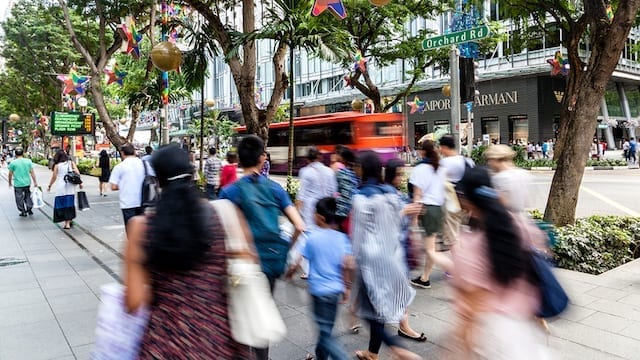
    Asia’s most expensive city for high net worth individuals is no longer Hong Kong. Both Shanghai and Singapore have overtaken it, with property costs alone pushing it beyond capital cities across the region. Wealth Report Asia, published annually by financial services company Julius Baer, measures the price of a basket of items including property prices, a degustation dinner, cars, a piano, wine, jewellery and even botox.


    Shanghai is now Asia’s most expensive city to buy six of the 22 items Julius Baer surveys (a hospital room, watch, handbag, wine, jewellery and skin cream). In addition, it has grown more pricey on a relative basis to buy property (from fifth to fourth most expensive), and legal fees have lept from 10th to second.

    Singapore is the most expensive city to buy a car or a degustation dinner, and ranks in the middle of the list on every other item, its best result eighth for a piano.

    Property prices and business class air fares have skewed Hong Kong’s position on the list – they are more expensive there than elsewhere. But in contrast, Hong Kong is cheapest city to buy skin cream, the second cheapest for wine and jewellery and the fourth cheapest for men’s suits, womens shoes and watches.

    The region’s least expensive city is Kuala Lumpur, Malaysia’s capital. According to Julius Baer, it is the most competitive city to buy property, wine, jewellery, a piano and cigars or to rent a hotel suite.

    Price deflation of items onshore such as legal fees (down four spots) and jewellery (down three spots) offset a recovery in the value of the ringgit against the US dollar.

    The data was calculated on a price-weighted basis.

    Chinese luxury consumption slowing

    Meanwhile, the report says the “China express” driving the world’s luxury retail market is slowing.

    Chinese nationals accounted for just 2 per cent of luxury spending in 2003 yet by last year that share had soared to 32 per cent – and they account for more than 70 per cent of global growth.

    But Julius Baer says recent signs “are pointing to an outlook that will be less spectacular”.

    “Amid the ongoing trade conflict with the US and a softening growth dynamic, the Chinese stock market has come under significant selling pressure this year. Chinese consumer confidence, which has been a good leading indicator for luxury goods performance trends, appears to have rolled over.

    The weakness in Chinese consumer confidence has weighed on the sector of late, and is likely to remain a drag going forward if Chinese consumption trends continue to slow.”

    The report also noted that Chinese retail sales growth has also been moderating in recent months.

    “We believe China is going through a self-induced slowdown as the economy transforms from investment-led to consumption-led growth. Reforms are currently taking a back seat in favour of selective and measured easing but [we] still expect 6.5 per cent growth this year, before a slowdown to 6.2 per cent next year.

    “Following a strong recovery since 2015, it is reasonable to expect global luxury consumption to slow in the near-term from a high base and moderating Chinese demand. Yet we remain upbeat in the longer term premised on structural growing demand from Chinese millennials and a more prominent female presence in the luxury market.”

  • KKR to acquire significant stake in V3, TWG Tea

    KKR to acquire significant stake in V3, TWG Tea

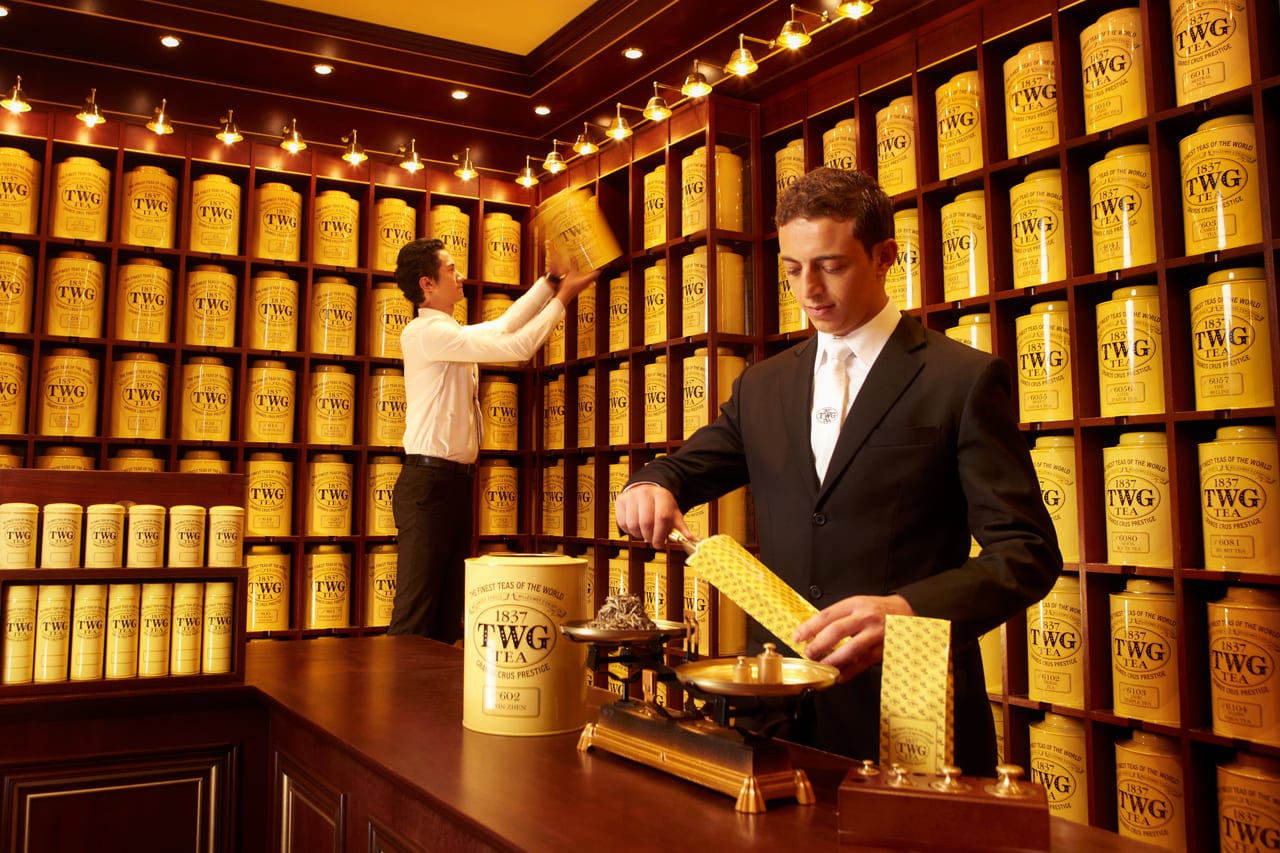
    Private equity company KKR is to invest as much as S$500 million (US$366 million) into V3, the parent of cafe chain TWG Tea and massage chair retailer Osim, to fund regional expansion. In a deal which mixes equity and financing, KKR will take an unspecified “significant stake” in V3, which is effectively valued at S$1.7 billion. V3 is the company which resulted from last year’s restructuring of once-listed Osim International after plans for an IPO were shelved.

    Keith Magnus, chairman of Evercore Asia, which advised V3 on the deal said that the investment by KKR represents a more than 50 per cent increase in enterprise value compared to when the group was taken private.

    “This is a phenomenal premium for [Ron] Sim,” said Magnus.

    Sim remains the chairman, chief executive and controlling shareholder of V3. Sim, who remains chairman, CEO and controlling shareholder of the business added in a statement: “I am extremely pleased to welcome KKR as a significant shareholder in V3. I am confident this investment will position the company for our next phase of growth, starting with the immediate expansion of TWG Tea in Japan and the US and of Osim in China.

    “We would also be looking into M&A opportunities that are earnings accretive.”

    V3 also owns the rights to retail GNC nutritional supplements in Singapore, Malaysia, the Philippines and Taiwan.

    Sim says V3’s revenue cleared S$600 million last year and profit was also up.

  • Thai’s The Lobster Lab expands to China

    Thai’s The Lobster Lab expands to China

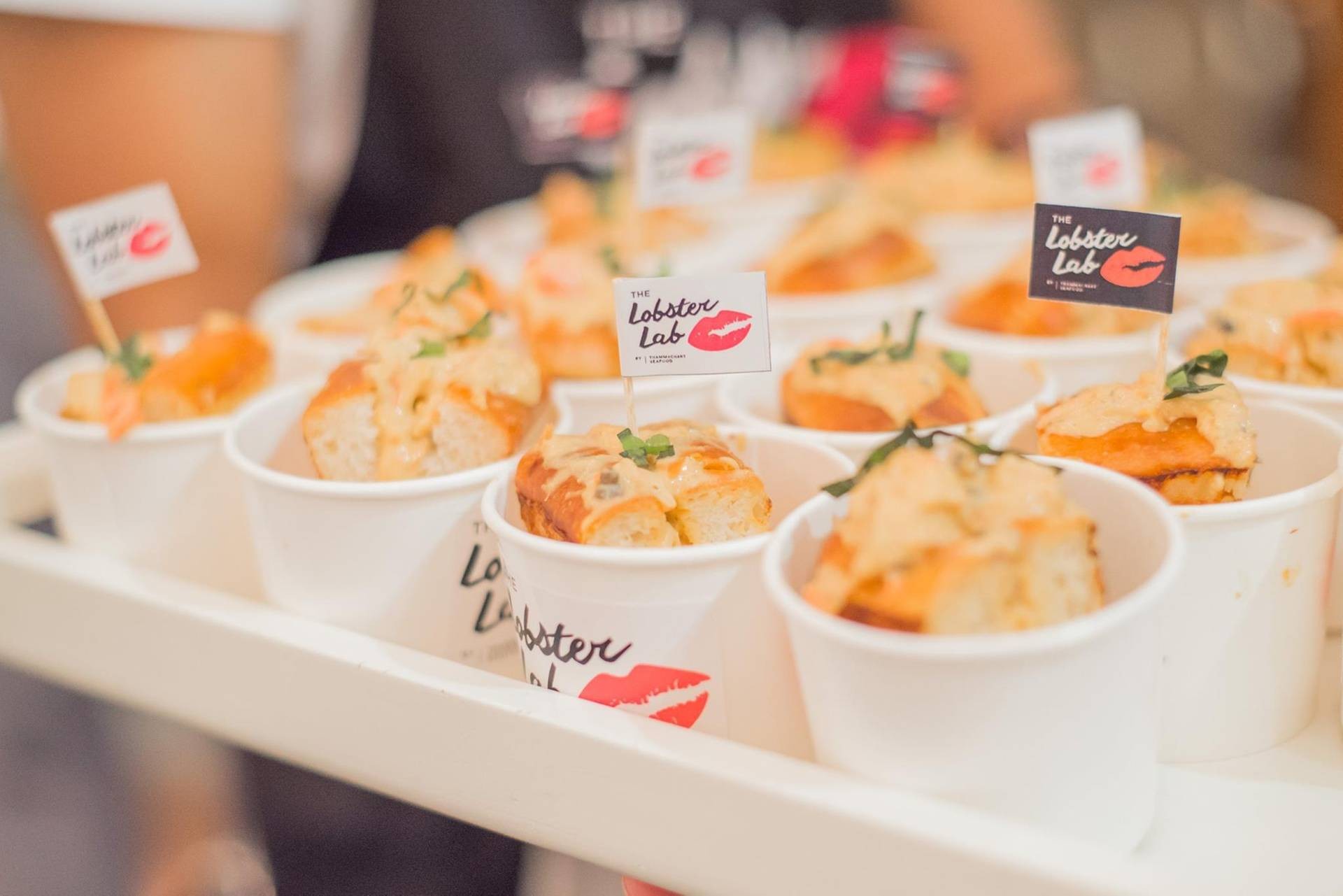
    Thai restaurant concept The Lobster Lab has opened its first outlet in Shanghai.

    The restaurant, operated by Bangkok-based Thai Union Group opened inside one of Alibaba’s Hema supermarkets last month. It serves lobster rolls, seafood chowder and some western dishes.

    The concept is based on Thai Union’s King Oscar brand, a dine-in and takeout restaurant which serves fresh lobsters imported from the US and Canada to meet “the growing Chinese consumer’s demand for tasty and nutritious seafood”.

    Thai Union also owns the American-style seafood restaurant chain Red Lobster and plans to open one of those stores inside IFC mall in Shanghai soon.

    The Lobster Lab is part of Thammachart Seafood Retail, of which Thai Union owns 25 per cent.

  • Iconic Toy Store FAO Schwarz to Open in Beijing

    Iconic Toy Store FAO Schwarz to Open in Beijing

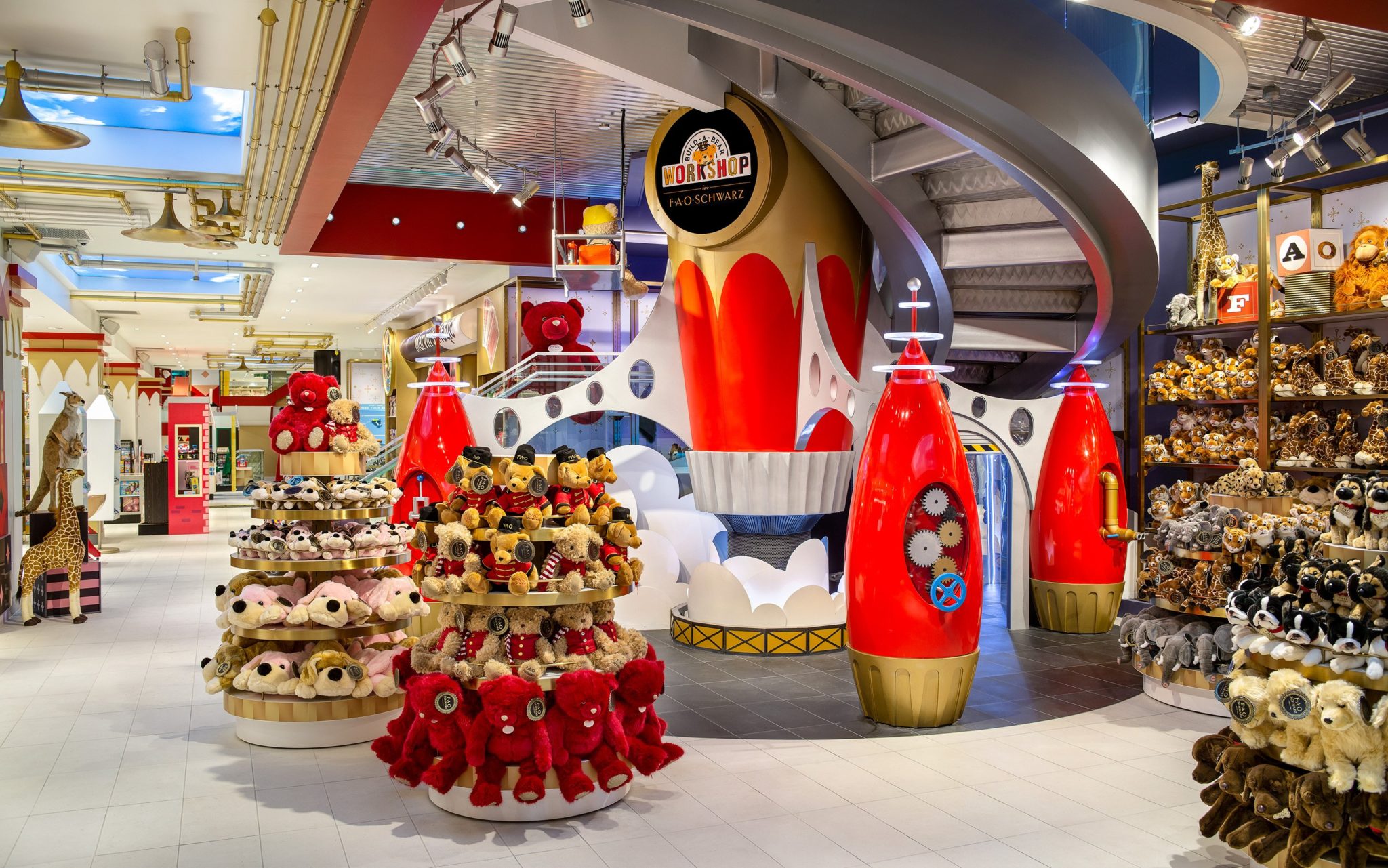
    Heritage toy store brand FAO Schwarz is headed for Beijing after relaunching in New York City. The original store, which featured in Hollywood movies such as Tom Hanks hit “Big”, closed its flagship near Central Park, unable to meet rising rental costs. Its current smaller location under new owners ThreeSixty stands to benefit from significant nostalgia for the old store amongst New Yorkers.

    Beyond plans for China, ThreeSixty intends to open pop-ups in department stores both in the US and abroad.

    It faces the same competition from e-commerce and discount chains like Walmart and Target that toppled toy empire Toys R Us earlier this year.

    Chief merchandising officer David Niggli said the key to the new stores is experience.

    Attractions include magic tricks, certificates to “adopt” a doll and a Build-a-Bear Workshop.

  • Samsung is still top smartphone producer

    Samsung is still top smartphone producer

    Samsung Electronics managed to retain its position as the No. 1 smartphone maker in the world in the third quarter, but it may have a fight on its hands in the fourth quarter as Apple is expected to lower prices and increase production, according to a recent report from TrendForce.

    The report said Samsung was the top smartphone vendor in the third quarter with quarterly shipments of 74.5 million units, or almost 20 percent of the market.

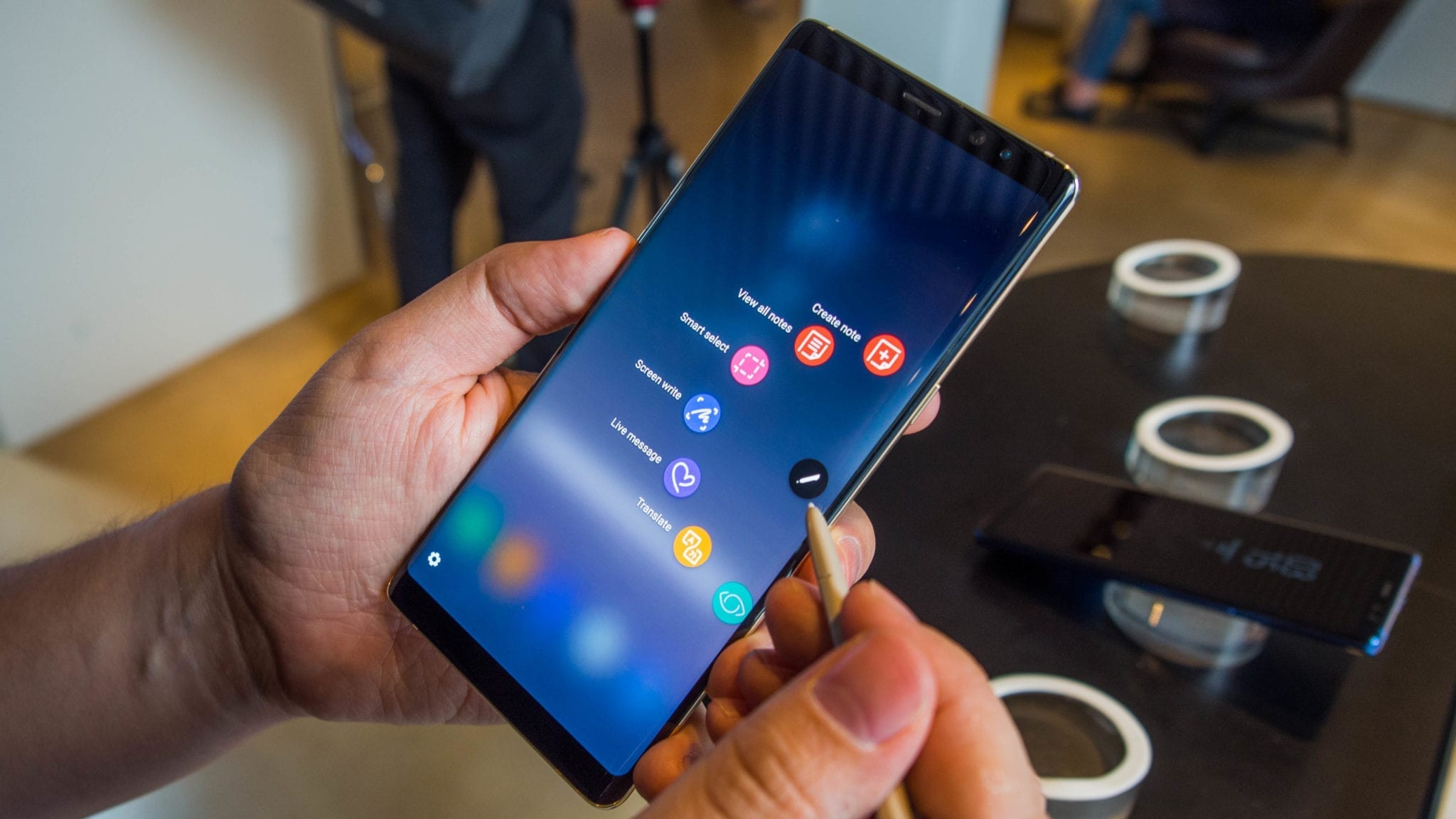
    “While Samsung grew its sales by releasing its flagship Galaxy Note 9 ahead of schedule, the device was not a significant upgrade from last year’s Note 8 and made limited contribution to the brand’s total volume in Q3,” said the report.

    The Galaxy J series, on the other hand, was still instrumental in sustaining the brand’s overall production, the report noted. Samsung has also been promoting the Galaxy A devices, emphasizing their improved cost-to-performance ratios and cameras since the beginning of the fourth quarter.

    In the fourth quarter, however, iPhone production is estimated to reach around 76 million units, which would see it surpass Huawei and compete with Samsung for the top position, the report noted. Samsung’s volume in the last quarter is estimated to reach around 75 million units, in line with the company’s target for the period.

    Huawei was the world’s second largest smartphone producer in the third quarter, beating Apple for the second consecutive quarter. The firm’s production volume stood at a new high of 55.5 million units. iPhone production for the third quarter totaled 47.1 million units.

    “Huawei’s in-house research and development capabilities and extensive product lines across all market segments have benefitted its expansions in overseas markets during the recent years,” the report said.

  • Chow Tai Fook reveals massive China expansion plan

    Chow Tai Fook reveals massive China expansion plan

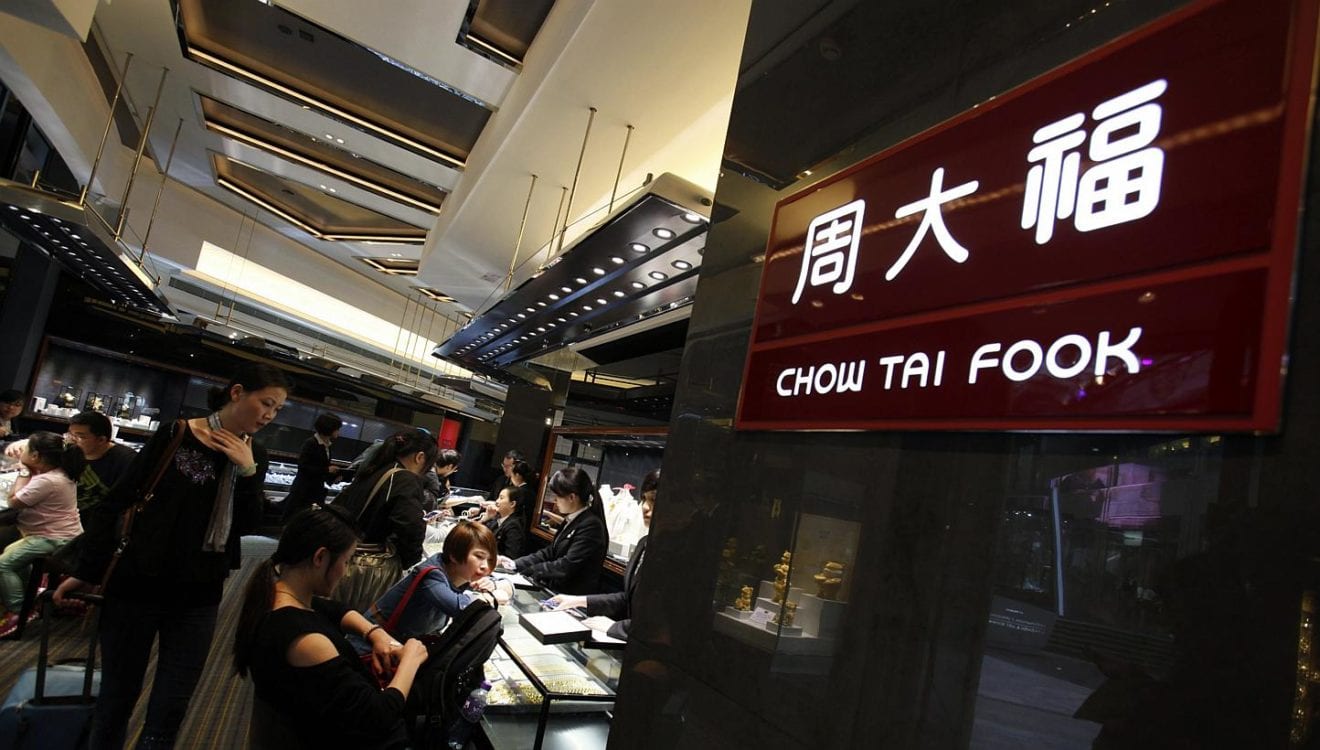
    Chow Tai Fook opened 233 stores in Mainland China in the first half – and is planning another 400 next financial year. The Hong Kong-listed jeweller is targeting shopping malls for its new stores, and second-tier cities. The latest additions took the company’s global network to 2822, with 2682 of those located on the mainland. By the end of the 2020 financial year, the company will have more than 3000 stores on the mainland alone.

    In Hong Kong and Macau, the network remained stable during the first half, the company closing one store in Hong Kong’s tourist district and opening another in a residential neighbourhood targeting locals.

    The jeweller has reported robust growth of 20 per cent year-on-year backed by the buoyant consumer demand. Same-store sales in Hong Kong and Macau soared 24.4 per cent in what the company described as “stellar” growth, driven by gold products, gem-set jewellery and platinum/karat gold products.

    On the mainland, same-store sales were up 4.9 per cent. Core operating profit rose 24.7 per cent to HK$2.989 billion.

    However the company has warned of a slowdown in sales growth in the second half of the year “as the escalating comparison base, rising US-China trade tensions and foreign exchange fluctuations could cloud the performance”.

    Meanwhile, the company says its new jewellery retail brand Monologue, targeting younger customers, is going well and the T Mark diamond brand achieved a 134 per cent increase in sales in Mainland China and 156 per cent increase in Hong Kong and Macau.

  • US, China trade war finally (temporary) stops

    US, China trade war finally (temporary) stops

    China and the United States agreed to a ceasefire in their bitter trade war on Saturday after high-stakes talks in Argentina between US President Donald Trump and Chinese President Xi Jinping, including no escalated tariffs on Jan 1. Trump will leave tariffs on US$200 billion (RM835.8 billion) worth of Chinese imports at 10% at the beginning of the new year, agreeing to not raise them to 25% “at this time”, the White House said in a statement.

    “China will agree to purchase a not yet agreed upon, but very substantial, amount of agricultural, energy, industrial, and other product from the United States to reduce the trade imbalance between our two countries,“ it said.

    “China has agreed to start purchasing agricultural product from our farmers immediately.”

    The two leaders also agreed to immediately start talks on structural changes with respect to forced technology transfers, intellectual property protection, non-tariff barriers, cyber intrusions and cyber theft, services and agriculture, the White House said.

    Both countries agreed they will try to have this “transaction” completed within the next 90 days, but if this does not happen then the 10% tariffs will be raised to 25%, it added.

    The Chinese government’s top diplomat, state councillor Wang Yi, said the negotiations were conducted in a “friendly and candid atmosphere”.

    “The two presidents agreed that the two sides can and must get bilateral relations right,“ Wang said adding they agreed to further exchanges at appropriate times.

    “Discussion on economic and trade issues was very positive and constructive. The two heads of state reached consensus to halt the mutual increase of new tariffs,“ Wang said.

    “China is willing to increase imports in accordance with the needs of its domestic market and the people’s needs, including marketable products from the United States, to gradually ease the imbalance in two-way trade.”

    “The two sides agreed to mutually open their markets, and as China advances a new round of reforms, the United States’ legitimate concerns can be progressively resolved.”

    The two sides would “step up negotiations” toward full elimination of all additional tariffs, Wang said.

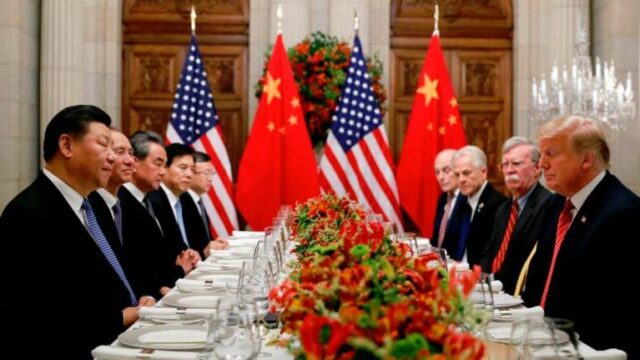
    The announcements came after Trump and Xi sat down with their aides for a working dinner at the end of a two-day gathering of world leaders in Buenos Aires, their dispute having unnerved global financial markets and weighed on the world economy.

    After the 2½ hour meeting, White House chief economist Larry Kudlow said the talks went “very well,“ but offered no specifics as he boarded Air Force One headed home to Washington with Trump.

    China’s goal was to persuade Trump to abandon plans to raise tariffs on US$200 billion of Chinese goods to 25% in January, from 10% at present. Trump had threatened to do that, and possibly add tariffs on US$267 billion of imports, if there was no progress in the talks.

    With the United States and China clashing over commerce, financial markets will take their lead from the results of the talks, widely seen as the most important meeting of US and Chinese leaders in years.

    The encounter came shortly after the Group of 20 industrialised nations backed an overhaul of the World Trade Organisation, which regulates international trade disputes, marking a victory for Trump, a sharp critic of the organisation.

    Trump told Xi at the start of their meeting he hoped they would achieve “something great” on trade for both countries. He struck a positive note as he sat across from Xi, despite the US president’s earlier threats to impose new tariffs on Chinese imports as early as the next year.

    He suggested that the “incredible relationship” he and Xi had established would be “the very primary reason” they could make progress on trade.

  • Gome Retail sales free falling

    Gome Retail sales free falling

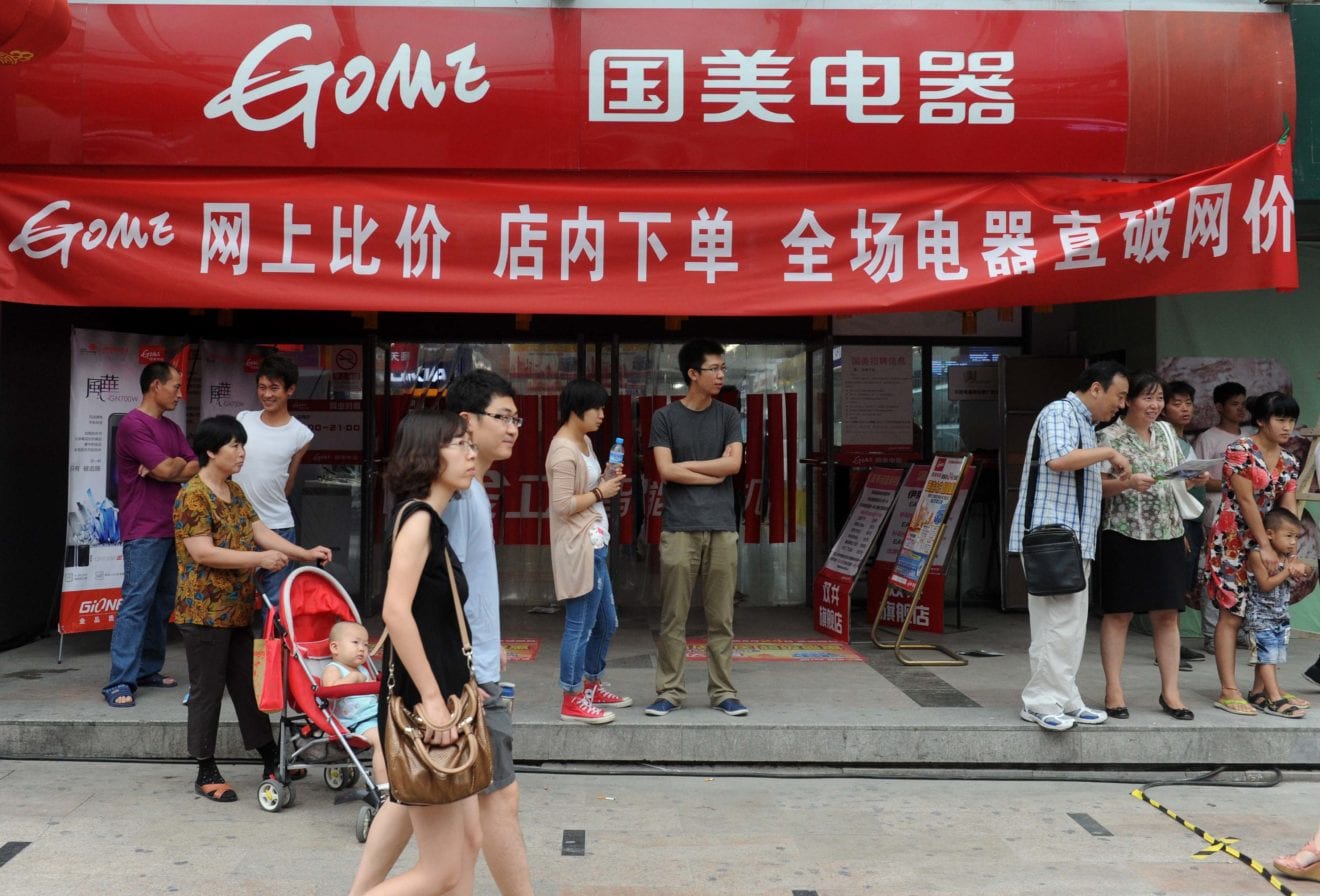
    Gome Retail has plunged US$64million into the red as its restructuring program takes its toll. The company took the unusual step of releasing third-quarter financial data, which shows group sales were down 11.2 per cent in the first nine months of the year, to $7.3 billion.

    Total gross merchandise volume (GMV) of the group for both online and offline grew by 4.83 per cent year on year, with its e-commerce business growing by 26.04 per cent.

    Gome’s consolidated gross profit margin was 18.06 per cent, up by one percentage point compared with the same time last year.

    But the loss for the period contrasted with a $31.7 million profit last year.

    Gome issued a profit warning early this month, with the actual figure turning out to be at the top end of its projected range. While yesterday’s statement did not include any commentary, the company has made considerable effort to keep shareholders aware of the scale of the task it faces and the short-term pain required to effect the restructuring plan.

    Gome Retail is integrating its online and offline business and promoting a new ‘Social + Business + Sharing’ shared retail model. As part of that strategy, the company is combining its electrical appliances, home decoration, household systems and supermarkets to create sizable “experiential stores” in tier 1 and 2 cities. The group is also optimising its platform to include the Xiaomei Net Cafe, VR Cinemas and Gome esports.

  • Fung Group launches Explorium in Hong Kong

    Fung Group launches Explorium in Hong Kong

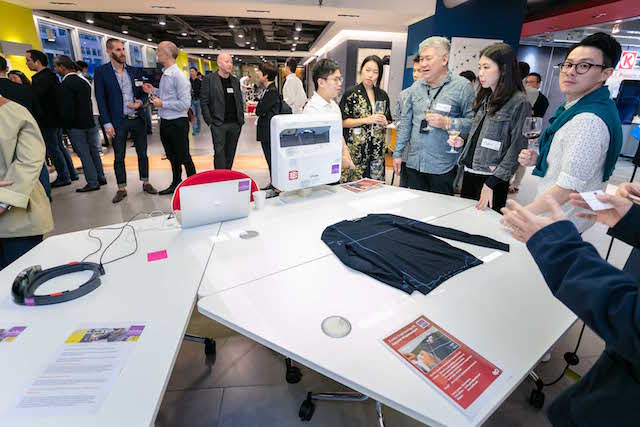
    Fung group has opened an innovation hub in Hong Kong for co-creating, learning, experimenting and scaling the ideas, opportunities and business models that will shape the future of supply chains. Explorium Hong Kong – taking its name from an earlier project in Shanghai which tested retail technologies – was opened this week with Dr Victor Fung hosting a housewarming party.  Product recognition system using AI technology and developed by Circle K and JD, one of the first prototypes from the partnership between JD’s AI lab and the Fung Retailing Group, was on show along with other technology innovations.

    Among the highlights of the AI tech showcase were:

    ZhuiYi Technology, one of the top AI companies in China has integrated deep learning and NLP to help enterprises improve customer experience and business efficiency.

    WhatsSquare has produced chatbots and digital workspace tailored for SMEs with advanced Software as a Service (SaaS) technology.

    Zhulke Engineering Hong Kong specialises in the design and development of technology in collaboration with corporate partners.

    Virtual Control is an SaaS company that has developed a digital solution to analog processes in modern global supply chains. Its software will pull together a range of digital tools to maximise the impact on efficiency and automation, such as augmented reality, machine learning, photo recognition, and data analytics.

    Beijing MeShow Digital Technology has taken the lead in 3D virtual-human modelling technology. Using MeShow’s mobile app, users can create their 3D model simulating their own face and body, try out types of makeup looks, enjoy virtual fitting services and realise apparel purchase needs concurrently in a single app.

    WildFaces Technology offers a vision-based AI software system that can recognise and track faces anonymously from moving cameras, including on drones, walking robots, PTZ cameras, mobile phones and wearables such as glasses and body-worn cameras. This world-first “on-the-move” recognition technology requires only one low-resolution camera to be able to recognise hundreds of faces in real-time in large uncontrolled crowds and at far distances, replacing at least 50 more high-resolution but fixed cameras from other traditional facial recognition systems.

    Hampen Technology provides deep learning-based biometric authentication and video analytics solutions for fintech, security and retail applications.

    Find Innovation Lab’s Find Retail Suite uses AI and machine learning to offer retailers products that change the way purchasing departments buy merchandise and how the marketing department sells it.