Tag: China

  • Google plans a representative office in Vietnam

    Google plans a representative office in Vietnam

    A senior Google official says the tech behemoth is studying the process of opening a representative office in Vietnam. Google senior vice president Kent Walker told Deputy Prime Minister Vuong Dinh Hue at a meeting Tuesday that the opening of a rep office in the country would follow the principle of ensuring that host country regulations do not contradict the firm’s international commitments.

    A report on the government website chinhphu.vn also quoted Walker as saying that he agreed with the Vietnamese government on the need for cyber-security to ensure a stable society. Google will cooperate with authorities in achieving this goal, he said.

    The rep office announcement came as Vietnam’s cybersecurity law is set to take effect next month. The law requires digital businesses like Facebook and Google to open a representative office in Vietnam.

    Deputy PM Hue said that he appreciated Google’s contribution to a draft decree on guidelines to implement the law and ensure cyber-safety and security.

    “Vietnam’s market advantages and the adaptability of its young workforce will be attractive factors for Google to open a representative office in Vietnam,” he said.

    Meanwhile, a Google spokesperson said on Wednesday: “We remain very excited to see how technology is being used by businesses and people in Vietnam. There are a number of different factors we look at before opening an office, but we have nothing to announce at this time.”

    Vietnam’s Cybersecurity Law, which was passed in June, requires tech businesses to store the data of Vietnamese users in Vietnam, and to provide this data to the Ministry of Public Security upon receipt of requests in writing, in cases where any infringement of the cybersecurity law is being investigated.

    Seventeen U.S. lawmakers in July urged the CEOs of tech giants Facebook and Google to resist changes stipulated by the law.

    However, Vietnam’s Ministry of Foreign Affairs reasserted that the cybersecurity law is designed to protect rights of organizations and individuals.

  • JD.com and Intel launch new research lab for smart retail

    JD.com and Intel launch new research lab for smart retail

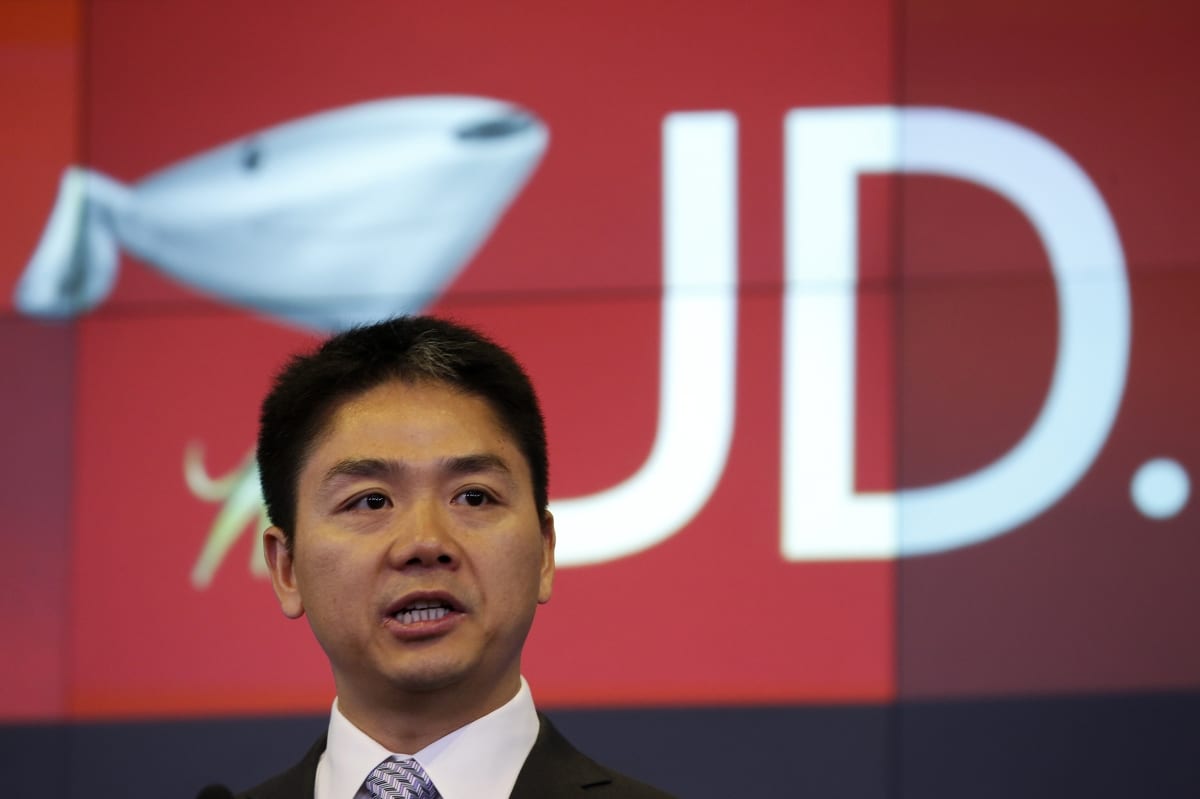
    Chinese online retail platform JD has launched a joint lab with Intel that will explore the use of IoT in smart retail solutions. The Digitised Retail Joint Lab will develop next-generation vending machines, media and advertising solutions, and technologies to be used in the stores of the future, based on Intel architecture.

    Scientists at the new lab have so far integrated Intel’s technologies with JD’s computer vision algorithms to analyse customer traffic and in-store purchasing habits, working on solutions designed to help store owners provide a more personalised and convenient experience to their customers.

    Zhi Weng, VP of JD and head of JD Big Data Platform said: “This lab will combine our collective strengths to develop cutting-edge solutions to bring the precision of online shopping to offline players. We look forward to expanding our cooperation with Intel to deliver a best-in-class, personalised shopping experience wherever consumers shop.”

    Wei Chen, VP of Intel & GM of Intel IOTG China added: “As China’s most influential retailer and a leader in data-driven offline retail innovation, JD is an important partner for us to continue to develop a wide range of use cases for our latest technology developments. We are happy to take our partnership to the next level.”

    The new lab adds to JD’s “Retail as a Service” conceptual framework in a bid to share its technology and infrastructure with other retailers and industries. Other efforts include a suite of technology upgrades for brick-and-mortar store owners, including smart shelving, smart price tags, checkout solutions, and more.

  • Huawei’s woes in U.S. give pause to Korea, too

    Huawei’s woes in U.S. give pause to Korea, too

    The arrest of Huawei’s Chief Financial Officer Meng Wanzhou in Canada has triggered alarms in the Korean telecommunications industry, especially after LG U+ moved onto a fifth-generation (5G) network this month that uses Huawei network devices.

    The Chinese telecommunications giant has maintained a sizeable influence since it first entered the Korean market in 2002. While it was originally focused on the cable infrastructure business, Huawei moved on to offering wireless telecommunications devices in 2007 as local telecommunications companies introduced third-generation wide-band code-division multiple access services.

    In 2013, Huawei received orders for fourth-generation 4G long-term evolution (LTE) wireless base stations from LG U+ for services in Seoul, Incheon, and areas in Gyeonggi and Gangwon.

    The 5G equipment market in Korea is estimated to be worth 10 trillion won ($8.89 billion).

    While Huawei is a leading supplier to the telecommunication industry, concerns about the security of its devices has held the company back. Only LG U+ decided to use Huawei equipment for 5G. Huawei has claimed that it had no such security problems in the 170 countries that it operates in and would follow inspection requests by the Korean government.

    LG U+ signed a deal with Huawei to introduce around 30,000 base stations in the Seoul, Incheon, and the Gyeonggi and Gangwon regions by next March. The deal is reportedly worth around 300 billion won, not including maintenance fees.

    The decision by Korea’s smallest telecommunications company made business sense as it used Huawei equipment for its 4G network.

    Huawei’s equipment, however, will not be installed in areas occupied by United States Forces Korea (USFK) such as in Pyeongtaek, Dongducheon, Yongin in Gyeonggi. The U.S. government has requested that Huawei equipment not be used out of concerns about a Chinese cyberattack. USFK has been suspicious about Huawei equipment. When LG U+ chose Huawei equipment for its 4G network, around 10,000 USFK soldiers switched carriers.

    The current situation has left LG U+ in a difficult position. Its deal with Huawei is already inked, and the 5G service works in sync with the existing 4G system, so it is impossible for the company to simply not use Huawei equipment.

    The recent banning of Huawei equipment by Britain, Australia, Canada, New Zealand and Japan, along with growing worries in Korea, places more pressure on the telecommunications unit.

    A senior LG U+ official expressed frustration at the current situation and the Korean government’s inaction.

    “Our government is just trying to not upset either China or the United States,” said the official. “Shouldn’t the government come forward and clear things up?”

    Meanwhile, the government maintains its stance that the selection of telecommunications equipment is an issue for companies to decide.

    “Inspecting security is the responsibility of the business operator. It is not appropriate for the government to take part in an area that a company should make a decision on,” said Park Jun-guk, an official at the Cyber Security Industry Bureau in the Ministry of Science and ICT.

    “[We] will, however, strengthen security inspections in the form of a technology advisory conference.”

    While 5G has stirred controversy, Huawei has an even stronger presence in the country with its cable and optical transmission equipment businesses. In the cable business, all three telecommunications companies, SK Telecom, KT and LG U+, are customers of Huawei.

    Huawei has also won orders from Koscom, a state-run financial IT solution company, and from electric utility Kepco.

    Last month, the Chinese company won an order with KT to connect the sales network of the National Agricultural Cooperative Federation and the National Livestock Cooperatives Federation worth around 120 billion won.

    According to market researcher IHS Markit, Huawei is the biggest global telecommunications equipment maker, with a market share of 22 percent. While Samsung Electronics holds a strong position in the Korean market, a 45 percent market share, it commands a paltry 4 percent share of the global market.


  • Li-Ning X EDG Joint Apparel Anounced

    Li-Ning X EDG Joint Apparel Anounced

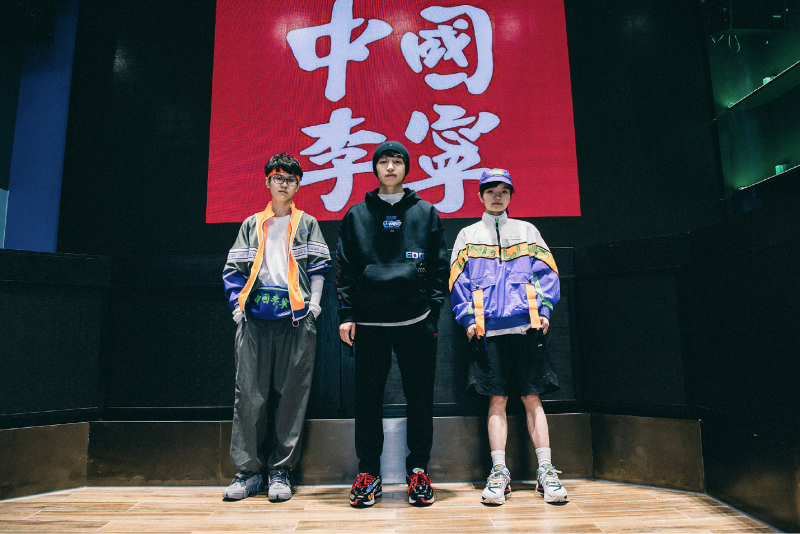
    Chinese sports apparel brand Li-Ning has released a collaboration with esports organisation Edward Gaming (EDG). The Li-Ning X EDG apparel line, which includes hoodies, jackets, tracksuits, and shoes, is now selling at its retail location in Shanghai’s Daning shopping complex.

    Li-Ning has become one of China’s largest sportswear brands, having signed multiple sponsorship deals with international-league athletes. EDG is best known for its League of Legends team, which competed in the world gaming championship earlier this year. It closed a funding round of close to RMB100 million (US$15.7 million) last May.

  • Tourists from China are back to Korea, but not like before

    Tourists from China are back to Korea, but not like before

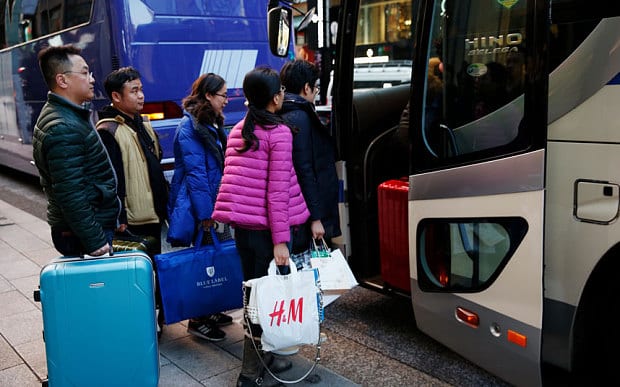
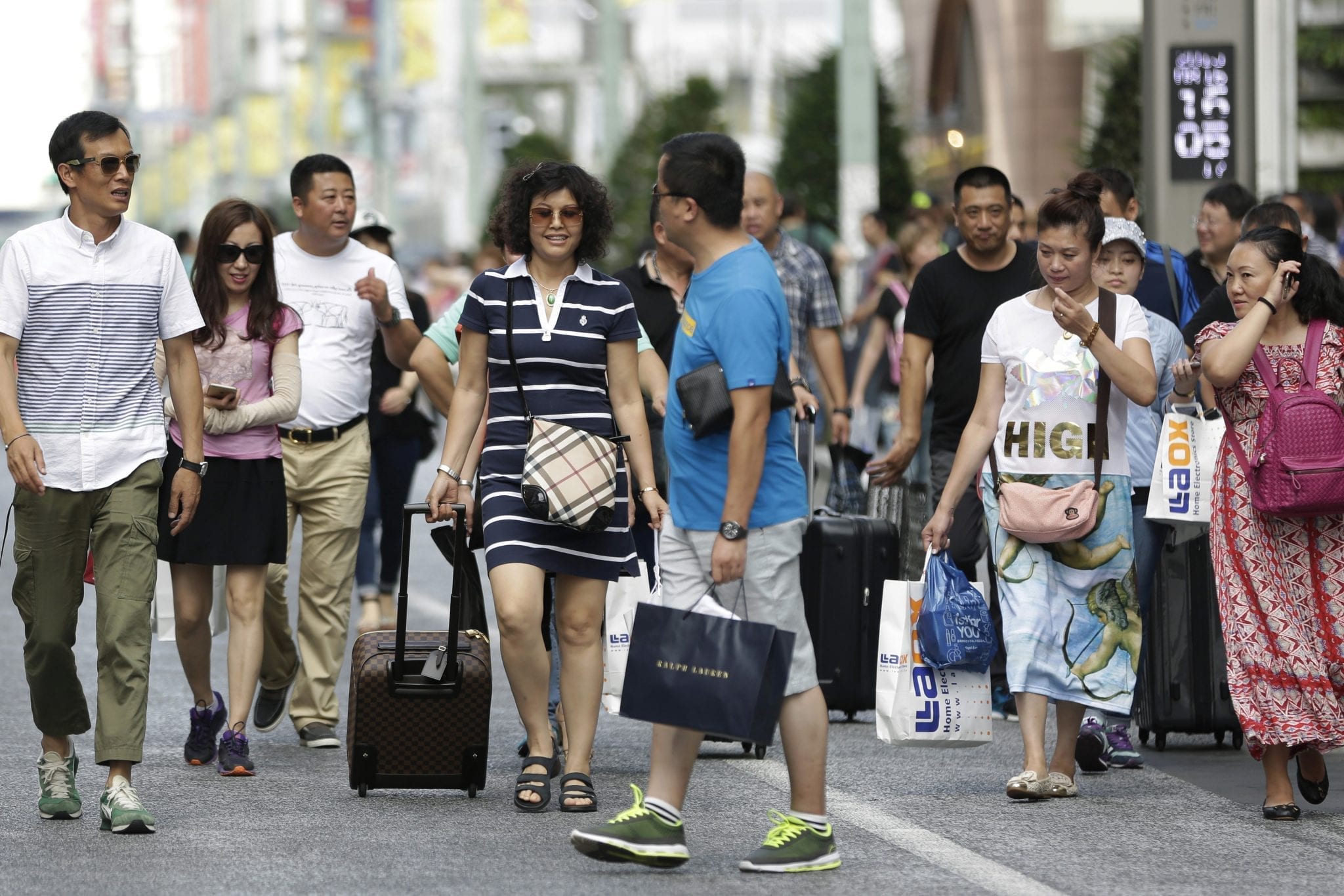
    Chinese group tours, which helped fuel local retail sector growth in recent years, have yet to make a full comeback despite the easing of restrictions by Beijing, Korean duty-free store operators said on Sunday. The assessment came as official data from the Bank of Korea showed that 475,000 Chinese nationals visited the country in October, up 37.6 percent from a year earlier.

    Local tax-exempted outlet operators like Lotte Duty Free and Shilla Duty Free, as well as the umbrella Korea Duty Free Shops Association (KDFA), said that most Chinese customers were individual travelers and so-called “daigongs,” rather than “youkers,” or group travelers.

    Daigongs are small-scale merchants who buy products here on behalf of customers back home.

    Chinese authorities clamped down on group tours to Korea in March 2017 after Seoul allowed the deployment of a U.S. anti-missile defense system on its soil, despite objections from Beijing. China has since partially lifted restrictions, but the number of group tours has not returned to past levels.

    Lotte said that it had almost no youkers, who enter the country on a group visa, and that most shoppers were individual travelers or small merchants.

    It said that before the frictions caused by the U.S. Terminal High Altitude Area Defense’s deployment, there were 7,000 to 8,000 youkers daily at its main duty free store in downtown Seoul. This dropped to around 2,000 after the uproar and then to zero.

    Shilla said it did receive 820 youkers in October.

  • AuMake enters into agreement with JD Worldwide

    AuMake enters into agreement with JD Worldwide

    AuMake International Limited has joined forces with JD Worldwide, a division of Chinese e-commerce giant JD.com, to create a new omnichannel platform for Australian and New Zealand brands to reach Chinese customers. The strategic agreement, which was signed in Sydney on Tuesday, will see JD combine its online and logistics capability in China with AuMake’s retail store and brand building capabilities in Australia.

    The partnership mirrors a similar agreement between Alibaba’s Tmall and Chemist Warehouse, the companies noted in a statement.

    The agreement builds on the booming daigou industry in Australia and New Zealand, where personal shoppers, often Chinese students or tourists, buy and ship products on behalf of family, friends and other clients in China.

    AuMake over the past two years has expanded its chain of retail stores catering to daigou shoppers with relevant products and services.

    Under the agreement, AuMake will become JD’s exclusive retail store partner in Australia and New Zealand and connect existing and future store customers to its online flagship on JD’s cross-border platform, JD Worldwide.

    JD, under the agreement, will fully support AuMake’s online flagship, with an initial sales target of 10 million RMB ($2 million) per month, and provide access to its warehouse and dispatch logistics network in China.

    The companies will also work together to incubate and develop new brands to be exclusively sold on the JD Worldwide platform and in AuMake retail stores.

    AuMake executive chairman Keong Chan called the agreement a “company-changing event”.

    “This is a company changing event for AuMake and confirms the value that we have created so far via our retail store distribution network in Sydney,” he said.

    “Under this collaboration with JD Worldwide, AuMake will now be able to reach hundreds of millions of customers in China with new brands and products, including brands and products owned by AuMake.”

    Keong added that he believes AuMake and JD together can fundamentally change the way in which Australian and New Zealand products reach the Chinese market.

  • South Koreans spending more on Chinese online stores

    South Koreans spending more on Chinese online stores

    South Koreans are spending more at Chinese online stores, according to credit-card spending data. Purchase records from November 1-26, compiled by the big data centre at Shinhan Card, showed a 9.8 per cent increase from last year in the value of goods bought from overseas internet sites. The number of transactions was up 16.6 per cent year on year.

    Chinese online stores outperformed rivals from other countries. AliExpress took 9.5 per cent of the purchases, up from 6 per cent in 2016 and 6.1 per cent last year. It ranked second after Amazon’s 16.3 per cent.

    Taobao, another Chinese Internet shopping site, grew from 2.3 per cent in 2016 to 3.3 per cent last year and to 4.4 per cent this year, raising it to the third most-used overseas online marketplace. Alibaba made it to the top 10 for the first time this year with 1 per cent.

    The shift is stark when comparing the purchases during Black Friday in the US and Singles Day in China. This year, overseas shopping during Singles Day rose 35 per cent. Black Friday purchases stopped at a 9 per cent gain.

    Data showed 70.8 per cent of purchases during Singles’ Day were for goods priced up to 50,000 won (US$44.32). Shoppers in their 30s and 40s remained the biggest clients, but the number of those in their 20s increased 1.9 percentage points from last year.

  • BreadTalk to open 1st Din Tai Fung restaurant in London by end-2018

    BreadTalk to open 1st Din Tai Fung restaurant in London by end-2018

    Taiwanese dumpling chain Din Tai Fung has opened in Covent Garden, London. The new 8000sqft Din Tai Fung London eatery is the franchise’s 153rd globally, and is the first of at least two outlets planned for the city. A second store is planned for Centre Point next year.

    The Din Tai Fung London store has been launched by Taster Food UK in partnership with Singapore-based BreadTalk Group.

    BreadTalk Group CEO Henry Chu said: “The group will leverage on our experience of operating Din Tai Fung in Singapore and Thailand, and the strength of our overseas partners to continue the tradition of delivering an authentic Taiwanese dining experience to Londoners.”

    Brand founder and chairman George Quek commented that there is potential to open 20 Din Tai Fung outlets in Britain, serving as a starting point for further expansion into Europe.

    Din Tai Fung has already opened in Australia, China, Hong Kong, Indonesia, Japan, Malaysia, Philippines, South Korea, the US and the UAE. It was recognised by the New York Times in 1993 as one of the world’s top 10 restaurants.

  • Alibaba to open e-commerce hub in Belgium

    Alibaba to open e-commerce hub in Belgium

    Alibaba Group Holding Ltd has signed an agreement with the Belgium government to launch an e-commerce trade hub, which will include investments in logistics infrastructure. The project is part of Alibaba’s Electronic World Trade Platform (eWTP), and Belgium is the first European country to join the project following similar agreements in Malaysia and Rwanda.

    Alibaba’s logistics arm, Cainiao, will lease a 220,000 square meter logistics port at Belgium’s Liege airport as part of the deal and invest an initial 75 million euros ($85 million) in the project set to begin operations in 2021, it said.

    “We strongly believe that under the eWTP, we will open up the huge potential for European businesses to reap the benefits of global cross-border trade, especially into the China market,” Alibaba CEO Daniel Zhang said in a statement.

    Alibaba’s eWTP is designed to help countries reduce trade barriers for e-commerce trade, including lowering or eliminating tariffs and speeding up customs clearance.

    The company has previously said the project is designed to “compliment” the World Trade Organization (WTO).

    Alibaba is expanding the project to Europe amid wider trade tensions, which have forced the firm to back down from efforts to tap U.S. sellers.

    Recently, Alibaba Chairman Jack Ma said previous plans to create a million jobs in the United States had been put on ice due to trade tensions, according to Chinese state media.

  • Ikea China biggest project revealed

    Ikea China biggest project revealed

    Swedish furniture group Ikea will build a US$1.2 billion, 430,000sqm shopping complex in Shanghai, to be completed by 2022. The new Ikea China centre will house an Ikea store and an additional 120,000sqm in retail area, hosting more than 300 businesses. It will also include 60,000sqm of office space.

    The move represents the largest single investment the firm has made in one location, and is its sixth complex to be announced or built in China. It will be constructed near the Hongqiao airport as the Shanghai Linkong Project.

    Ikea has completed three Livat-branded shopping centres in China, and has 26 stores across the country. Two other shopping center projects have been announced within the territory.

  • Which tourists spend the most overseas?

    Which tourists spend the most overseas?

    Overseas spending by South Korean tourists ranks among the top of advanced economies, research data showed on December 5. Figures provided by the Korea Economic Research Institute, affiliated with the Federation of Korean Industries, put the proportion for South Korea at minus 1.9 percent in 2016, ranking it the fifth highest among 32 member states of the Organization for Economic Cooperation and Development (OECD).

    The institute derived the proportion by subtracting overseas expenditures by South Koreans from foreigners’ spending in South Korea and measured the sum’s ratio against household spending.

    Higher numbers in the negative means that local citizens spent more abroad that what inbound foreigners spent.

    Results showed Norway topped the list with minus 4.3 percent, followed by Lithuania (minus 2.7 percent), Belgium (minus 2.5 percent) and Germany (2.3 percent).

    In the case of Japan, the number turned positive in 2014 and came to 0.6 percent in 2016.

    “The outflow of spending is the result of choices by local and foreign consumers of tourism services,” the institute said. “It indicates weaknesses in the competitiveness of the domestic tourism industry.”

    The institute cited a report last year from the World Economic Forum that said South Korea’s competitiveness in prices fell from 84th in 2007 to 88th in 2017.

    “(This) was one of the important elements that undermined South Korea’s competitiveness in the tourism business,” it said.

  • Cheese tea bakery cafe Nayuki launches debut store in Singapore

    Cheese tea bakery cafe Nayuki launches debut store in Singapore

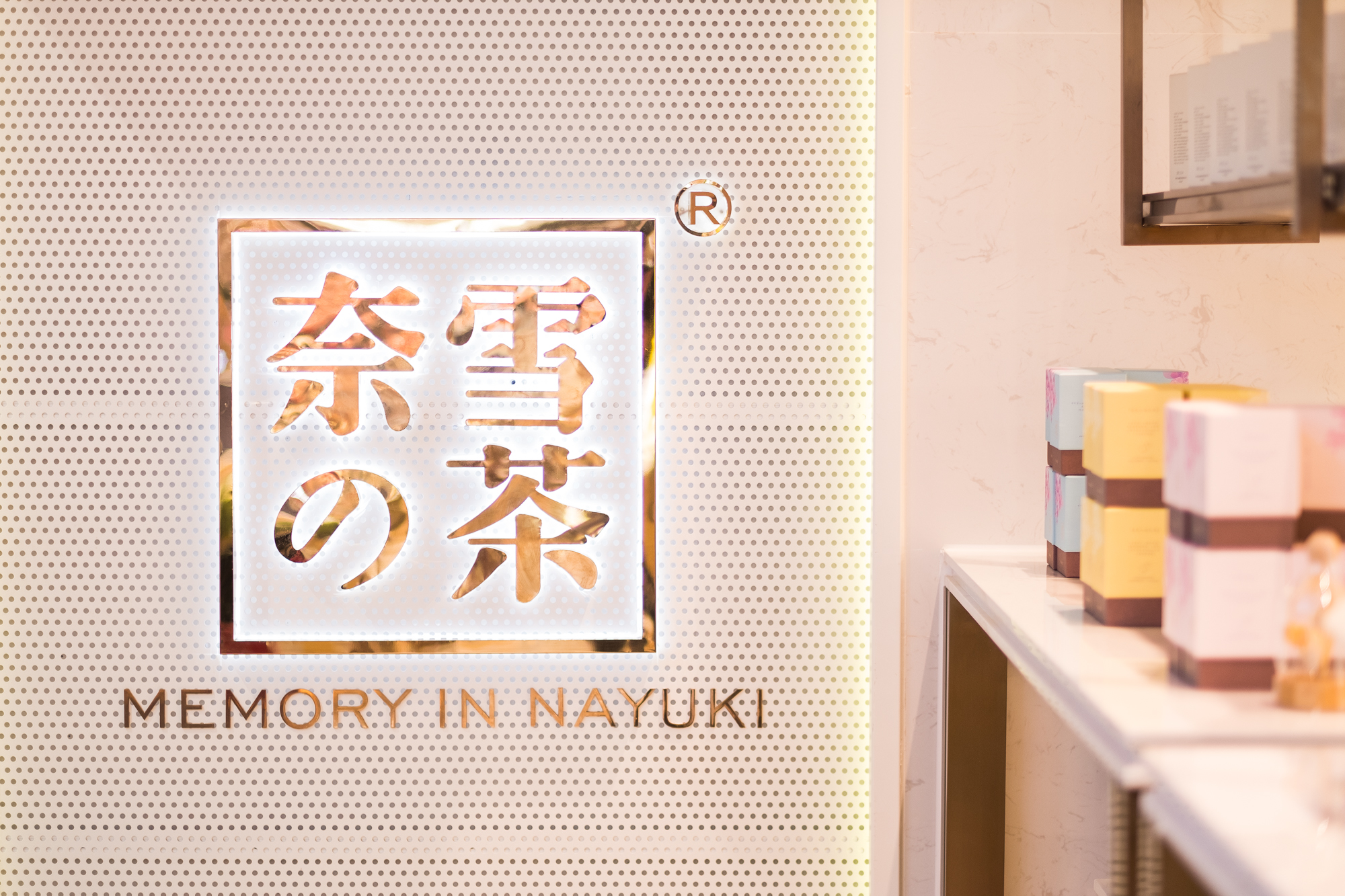
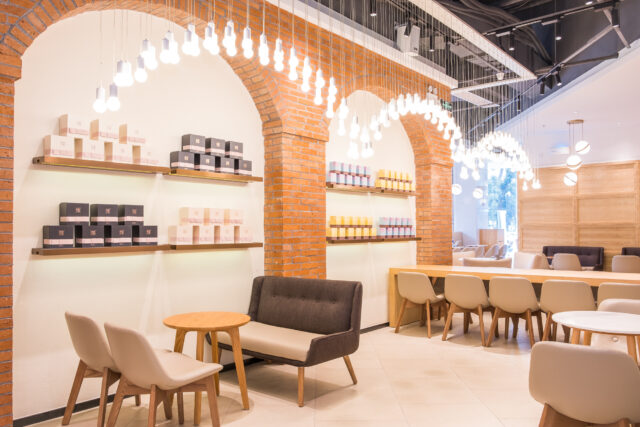
    Chinese tea bakery Cheese Tea Bakery Nayuki has launched its first overseas store at VivoCity. The popular brand, credited as a forerunner in pairing fruit teas with soft European-style bread items, is offering a one-for-one promotion to celebrate the opening. A wave of similar businesses has emerged within China and throughout the region following the brand’s business model.

    Cheese Tea Bakery Nayuki is entering the Singaporean market under a joint venture agreement with local bakery franchise BreadTalk Group.

  • Apple assembler Foxconn considering iPhone factory in Vietnam

    Apple assembler Foxconn considering iPhone factory in Vietnam

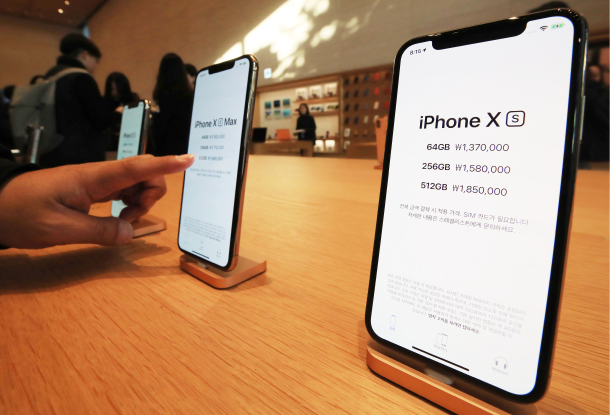
    Apple’s biggest iPhone assembler Foxconn is considering setting up a factory in Vietnam to mitigate any impact of the ongoing trade war. The report from Vietnamese state media comes after several executives interviewed last week singled out Vietnam and neighboring Thailand as preferred destinations should they need to shelter operations from the trade war, braving hurdles such a lack of skilled labor and inadequate infrastructure.

    Foxconn Group and the Hanoi People’s Committee are working together to open an iPhone manufacturing facility in Vietnam to negate the impacts of the U.S.-China trade war.

    Vu Tien Loc, head of the Vietnam Chamber of Commerce and Industry, raised the matter with Prime Minister Nguyen Xuan Phuc at a meeting on Nov. 22.

    “We are discussing the possibility of this with Foxconn,” Loc said, without elaborating. Hanoi People’s Committee Chairman Nguyen Duc Chung declined to comment.

    Taiwan’s Foxconn, formally Hon Hai Precision Industry Co Ltd said it “follows a strict company policy of not commenting on any matters related to current or potential customers, or any of their products”.

    In trade talks on Saturday, U.S. President Donald Trump and Chinese President Xi Jinping agreed not to introduce any tariffs for 90 days as negotiations continue.

  • Shanghai Tang sold to Chinese Lunar Capital fund

    Shanghai Tang sold to Chinese Lunar Capital fund

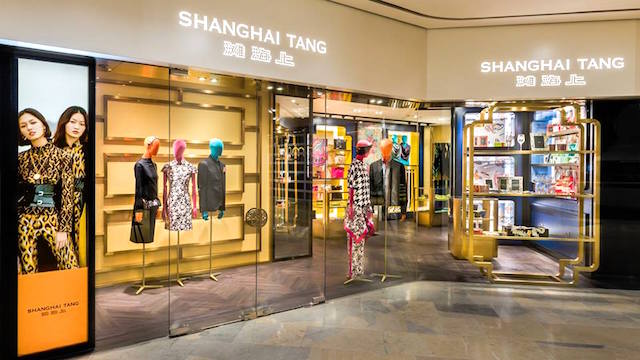
    Chinese luxury fashion label Shanghai Tang has been acquired by Chinese investment fund Lunar Capital. The new owner specialises in growing mid-sized Chinese firms, already holding a range of clothing brands. Their acquisition signals a new direction for the brand, which has just opened a flagship store on JD’s luxury platform TopLife, the brand’s first domestic online retail space. Shanghai Tang’s creative director Massimiliano Giornetti will be resigning following the handover.

    The rapid turnover just one year after its acquisition by Italian clothing firm A. Moda, Alessandro Bastagli, and Hong Kong private equity firm Cassia Investments follows disagreements between the buyers. The brand was purchased last year from Swiss luxury goods firm Richemont Group, one of the brand’s original investors and owners since 2008.

    Shanghai Tang is thought to be China’s first contemporary luxury brand, and pulled in estimated sales of US$45.57 million this year.

  • Cavalli appoints new General Manager Asia Pacific & China

    Cavalli appoints new General Manager Asia Pacific & China

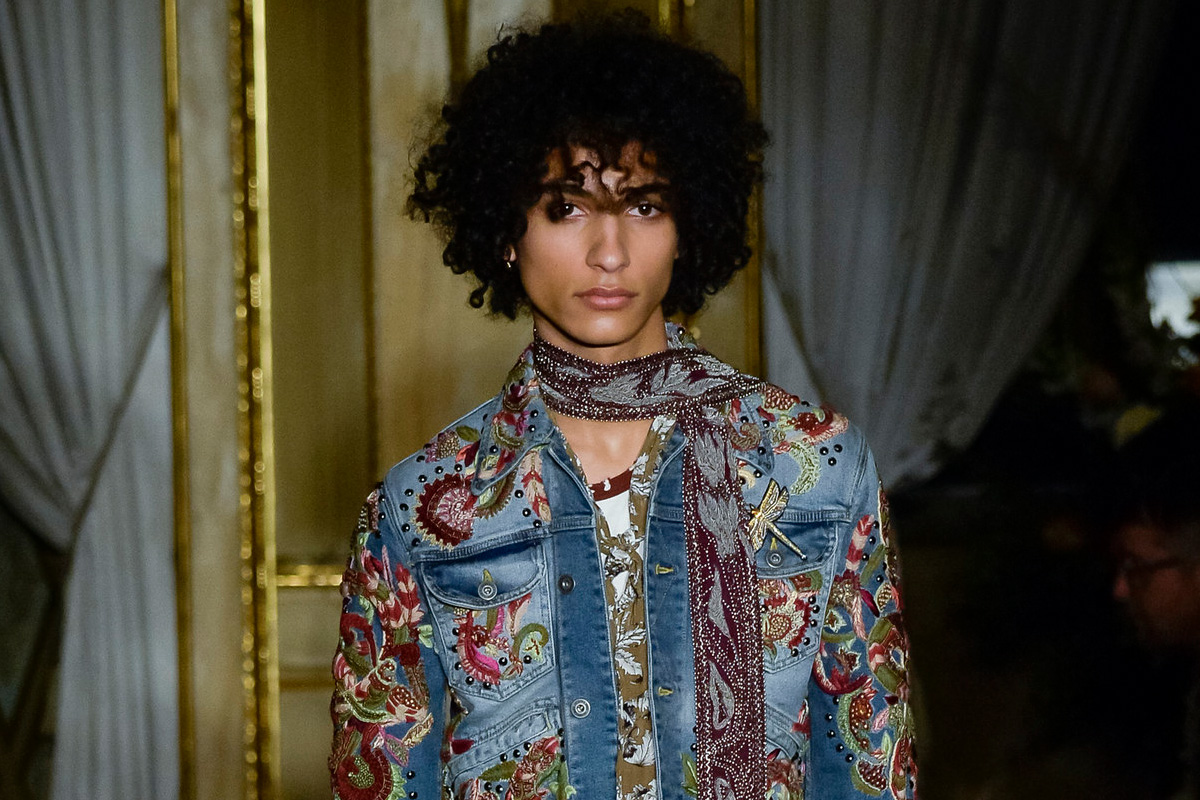
    Founded in the Seventies, when fashion designer and entrepreneur Roberto Cavalli launched the brand, the label has recently seen a rapid growth in the region. Effective from 1st December Ivan Perra reports directly to the CEO regarding the region. Prior to this new role, Ivan Perra was Business Development Director APAC leading both wholesale and retail expansion in the region.

    Ivan has spent 12 years in the region.  He started his career in Retail for Kartell opening and managing the first 2 stores in HK in 2006; to later move to Lanificio F.lli Cerruti dal 1881 as Regional Sales Manager (APAC and North Asia) with focus on B2B and MtM markets.

    After 6 years in Cerruti Ivan took over a new challenge as Area Manager of Cote&Ciel (Parisian premium accessory brand) starting retail and wholesale development for the brand in Asia that now counts more than 10 mono-brand boutiques among Hong Kong, Macau, Thailand, Japan and China.

    Before joining Roberto Cavalli Ivan spent 3 years in charge of Business Development for the French Maison Kenzo (LVMH group) opening over 70 mono-brand stores in the region and in charge of over 120 POS.

    Ivan takes up this new role with a series of brand activations in the pipeline to strengthen the brand positioning in the region.