Tag: China

  • Morgan Tan to lead Shiseido China region

    Morgan Tan to lead Shiseido China region

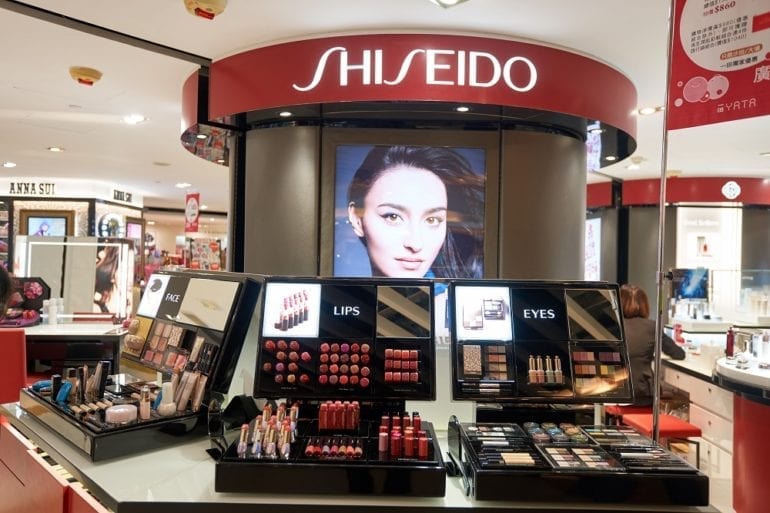
    Shiseido is boosting management of its Greater China business as part of a new strategy to boost is presence and sales in the region. Hong Kong-based Morgan Tan has been named as the senior VP of the Prestige Brands Division for the China region and will take up the new role on January 1. In her new role, Morgan will drive the growth of the prestige brands business in the China region under the new regional headquarters system.

    Morgan Tan has been with retail industry for more than 20 years, with experience in fashion, luxury and cosmetics. She started with Polo Ralph Lauren in Taipei before moving to Hong Kong in 2003 as the sales and operations director at Lane Crawford Hong Kong, gaining experience in leasing, merchandising and e-commerce. She was appointed president of Shiseido Hong Kong in 2015 and will retain that role along with her new one.

    The appointment is a key part of Shiseido’s medium-to-long-term strategy, Vision 2020, in which the company aspires to “be a global winner with our heritage” by ensuring sustainable growth in the Chinese market.

    Shiseido said in a statement that it will reinforce both the brand and corporate business structures in the China region “to enhance brand appeal to Chinese consumers and strengthen market execution”.

    Kentaro Fujiwara, as president and CEO of China region, will oversee the strategic alliances with emerging e-commerce platform companies across the region

    Newly hired Julie Chiang has been appointed chief marketing officer, overseeing Shiseido’s cosmetics brands and personal care brands.

    Other new China region appointments are Anson Yu as CFO, Julia Li as chief people officer, and Zaheer Nooruddin as senior VP, digital experience division.

  • El Corte Ingles inked global distribution deal with Alibaba

    El Corte Ingles inked global distribution deal with Alibaba

    Spanish department store operator El Corte Ingles is to open a flagship store on Alibaba’s Tmall as part of a broad collaborative approach to reaching Chinese consumers. In a wide-ranging agreement, El Corte Ingles and Alibaba will enable a raft of Spanish and international brands commonly sold in El Corte Ingles department stores, to be sold worldwide via both AliExpress and Tmall.

    AliExpress will consider opening a number of physical stores at El Corte Ingles shopping centres in Spain to create a unique and engaging shopping experience while promoting some of its latest products available to Spanish shoppers. This follows a trial pop-up store in the El Corte Ingles Sanchinarro shopping centre in Madrid earlier this month during Alibaba’s 11.11 Global Shopping Festival.

    El Corte Ingles and Alibaba say they will also explore closer cooperation in delivery and supply-chain infrastructure and channels, allowing Alibaba to benefit from the Spanish company’s logistics knowledge and capabilities in the country, and explore the use of its distribution centres as collection points for online purchases made through AliExpress.

    Smart payments

    El Corte Ingles signed an agreement with Alibaba’s Alipay in March to bring seamless payment experience to Chinese tourists visiting Spain. This may now be expanded, as El Corte Ingles and Alibaba will work on creating new shopping experiences for Chinese visitors.

    El Corte Ingles CEO Victor del Pozo said the agreement will allow the two companies to combine both the physical and online worlds to offer the best shopping experience to its customers.

    “Together, we are writing the future and placing ourselves at the forefront of trade and technology. El Corte Ingles owns department stores in the best locations of the main cities of Spain and Portugal, and is granted with the confidence and trust of national and international customers. All of this, joined to Alibaba’s technology, will allow us to offer a proposal of unbeatable value.”

    Alibaba Group MD for Italy, Spain, Portugal and Greece, and BDM for Tmall in Europe, Rodrigo Cipriani Foresio, said digital transformation and innovation in all fields are fundamental drivers of Alibaba’s mission of making it easy to do business anywhere, with the ultimate goal of better serving consumers and stakeholders worldwide.

    “Hence, we are confident that the expertise and skills brought by both companies will generate incredible value and opportunities as the cooperation takes shape.”

    El Corte Ingles, which opened in 1940, is Europe’s largest chain of department stores.

  • Halt to Hong Kong and Macau one-day trips

    Halt to Hong Kong and Macau one-day trips

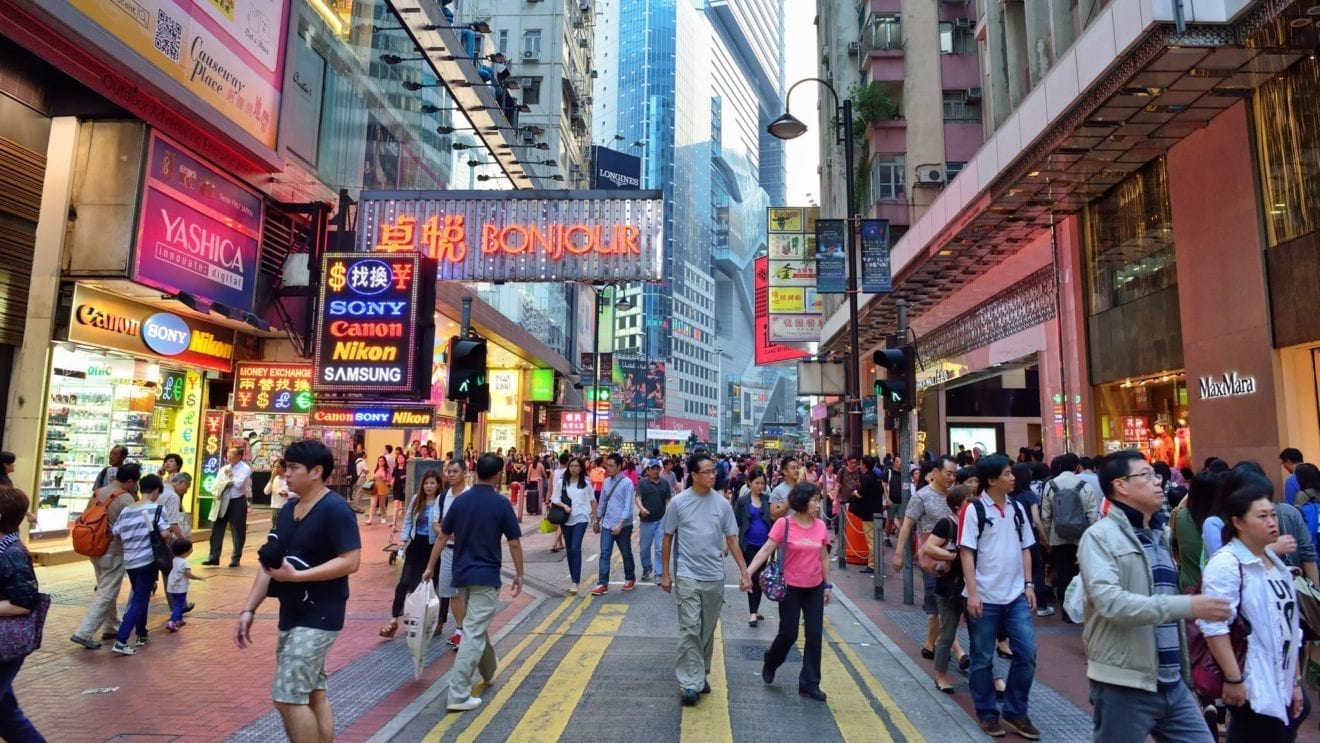
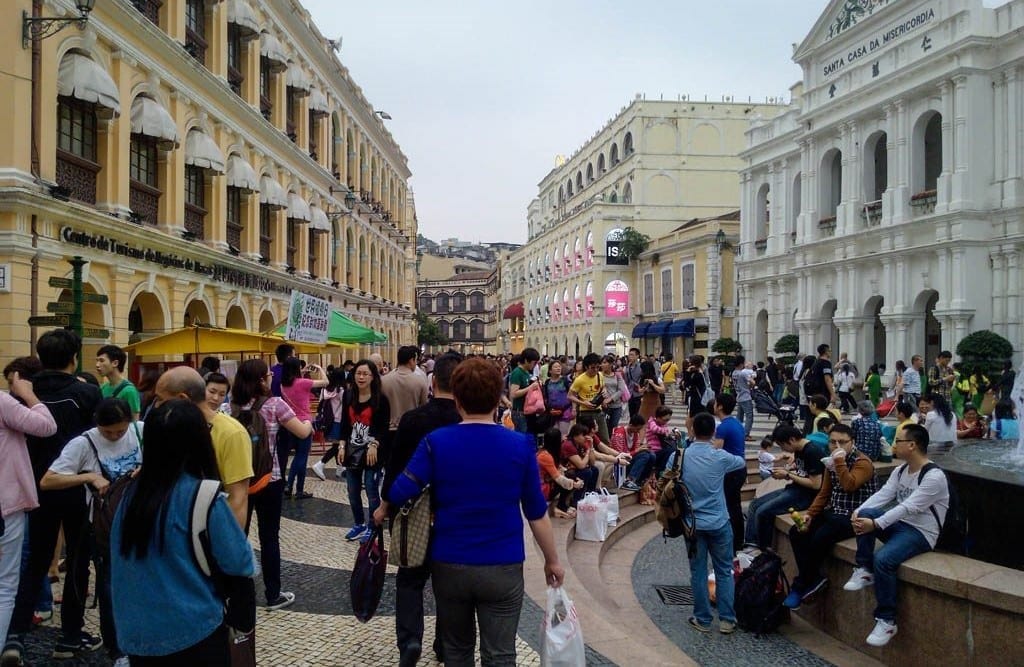
    Travel agencies across Guangdong have been ordered to halt all one-day trips to Hong Kong and Macau on weekends via the cross-border bridge to reduce the nuisance suffered by the cities’ residents. The move comes about a week after Guangzhou tourism authorities issued an urgent notice asking travel agencies in the provincial capital to avoid taking groups of visitors across the Hong Kong-Zhuhai-Macau Bridge at weekends.

    Since the crossing opened to traffic on October 24, large numbers of mainland visitors have descended on the usually quiet neighbourhood of Tung Chung, on Lantau Island, crowding bus stops and emptying shop shelves.

    Between October 17 and November 1, more than 1.78 million visas to Hong Kong and Macau were issued to applicants across Guangdong – mostly retirees – making for a year-on-year increase of 26.6 per cent, according to the province’s public security department.

    Aside from Tung Chung residents and activists being upset by the large crowds, there have also been allegations that illegal tour operators were flouting employment laws that prevent mainlanders from working in Hong Kong.

    The Guangdong Provincial Culture and Tourism Department said that it had taken three measures to “further reduce the pressure on the ports and the surrounding areas”.

    In halting short weekend trips to Hong Kong and Macau via the bridge, it had encouraged travel agencies to arrange “quality trips that last two days or more”.

    The other two measures were to get tourism authorities at municipal and lower levels to monitor the agencies closely, and control passenger flow through an online ticketing system for cross-border buses.

    “After our department and other related authorities carried out the control measures, traffic on roads to the bridge’s port in Zhuhai has become smooth, and the number of passengers heading to Hong Kong from Zhuhai has been effectively contained,” the department said.

    According to the Travel Industry Council in Hong Kong, the number of registered tour groups coming over the bridge fell to 340 last weekend from 430 the weekend before.

    Hong Kong’s Immigration Department reported that last weekend, 76,473 passengers entered Hong Kong via the bridge, down from 102,749 the weekend before, a 26 per cent drop.

    The marketing representatives of two major travel agencies in Guangzhou, Guangzhilv and Nanhu, claimed they were not aware of the latest orders.

    On Nanhu’s website, 13 one-day trips to Hong Kong and Macau via the bridge were still available as of Wednesday evening, including weekend trips.

    Guangzhilv’s four one-day trips to Hong Kong all depart on weekdays.

    Alice Chan Cheung Lok-yee, executive director of Hong Kong’s Travel Industry Council, welcomed the new measures by Guangdong, and said it would make further cuts to the number of one-day tours.

    Chan said there was no need to ban all one-day trips if the mainland visitors arrived in properly managed groups led by local tour agents.

    She said the council would monitor the situation and stay in touch with the Guangdong authorities.

    Tourism sector lawmaker Yiu Si-wing expected Guangdong travel agencies to comply with the orders of their provincial authorities and organise more two-day tours.

    This would help relieve pressure on the port-to-port shuttle bus services at the bridge, the border clearance facilities and the local districts that visitors go to, he added.

  • Luk Fook sales soar despite challenges ahead

    Luk Fook sales soar despite challenges ahead

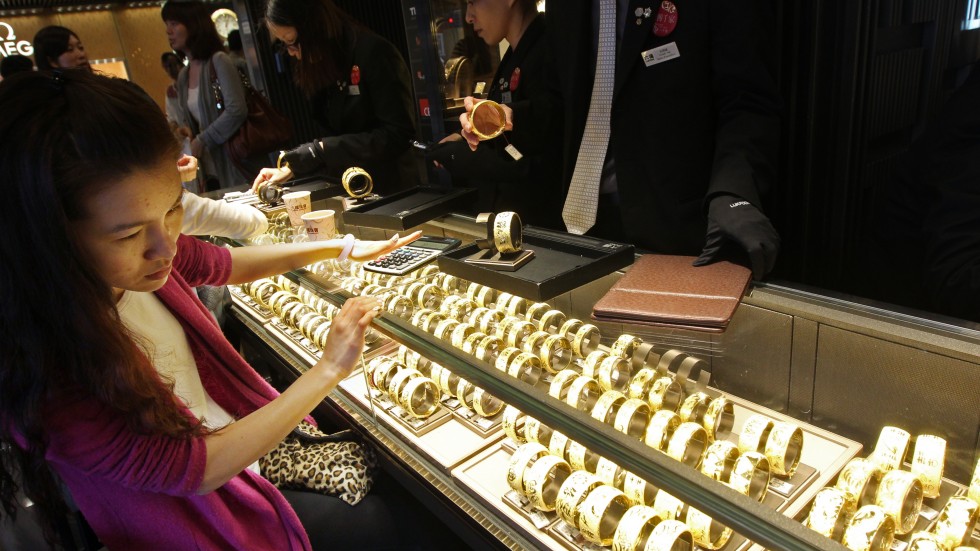
    Thanks to positive Hong Kong market sentiment and lower gold prices, Luk Fook Holdings has reported a 25.1 per cent boost in sales in the September half year. The company says sales totalled HK$7.859 billion (US$1 billion) compared with $6.283 billion in the same period last year. Profit attributable to shareholders soared 27.9 per cent to $665.4 million.

    Sales in the Hong Kong market, the company’s key source of revenue, rose 31.2 per cent as mainland Chinese visitor numbers continued to grow and retail sentiment improved.

    Sales in Macau rose 19.9 per cent.

    However the company has warned that the US-China trade war and the depreciation of the Renminbi are starting to impact on sales in the second half.

    “Same-store sales growth in the Hong Kong and Macau markets … started to see a decline since the second half of October and recorded a single-digit drop for the period from October to [the] first three weeks of November,” the company said. “In Mainland China there was a double-digit drop.

    “Therefore, the group remains prudent about its business development in the second half of the financial year. Nevertheless, with the anticipated considerable growth of the middle-class population in Mainland China, the group remains optimistic about the mid- to long-term business prospects.”

    Luk Fook said that during the coming year, it will focus on enriching its product offer, expanding its footprint in Mainland China and adopting market-oriented strategies to penetrate into the mass market, covering the middle-class, wedding couples as well as kids.

    “The group’s target for net shop addition in Mainland China for this financial year will maintain at not less than 120 shops. The group is also committed to further developing its e-commerce business and strengthening cooperation with e-commerce platforms in Mainland China.”

    Targeting younger shoppers

    In light of the enormous spending potential of young consumers on online sales platforms, the company plans to step up its efforts to promote the sales of affordable-luxury jewellery products to expand its footprint in the young consumer market.

    “By understanding customers’ spending habits, the group will adopt holistic approach to penetrate into the markets for the middle-class, wedding couples and kids. It will also continue to attract customers and encourage local consumption by visual merchandising enhancement, cross-selling boosting and VIP promotional activities, so as to improve sales and profits. Given the importance of social media in product promotion, the group will continue to showcase and promote its products on mobile applications and social media platforms such as Facebook and WeChat.”

    During the first half of the financial year, Luk Fook added a net 94 stores to its ever-growing network, including 90 in Mainland China, where is closed six self-operated stores and opened 96 licensed stores. Two company-owned stores opened in Hong Kong, one in Macau, and one in Malaysia, with a new licensed shop opening in the Philippines, However, one licensed store closed in South Korea.

    The group now boasts a global network of 1725 Lukfook shops spanning Hong Kong, Macau, Mainland China, Singapore, Malaysia, Cambodia, the Philippines and the US.

  • Huawei India revealed massive expansion plan by 2020

    Huawei India revealed massive expansion plan by 2020

    Huawei India plans to open 1000 experience stores across the country by 2020. The first 100 such stores are already in planning or construction in partnership with the brand’s retail partners, offering consumers the chance to try out its flagship handsets. They will also display Huawei’s growing range of smart devices including laptops, speakers and watches.

    “We are initiating the offline expansion with our new flagship device… we are aggressive globally with our offline strategy and we are replicating the same in India,” said Wally Yang, senior marketing director at Huawei Consumer Business Group.

    He said Huawei was experiencing strong growth in the premium smartphone market globally and believes India will give similar results.

    “Our positioning is different, and so is the target audience. We are targeting consumers that are looking for high-end tech,” he said.

    Huawei is investing US$100 million in tackling the Indian market. Its low-cost brand Honor is already selling there both offline and online and the two brands already account for 3 per cent of Indian smartphone sales. From next year it is targeting market share growth of between 5 per cent and 10 per cent, said Yang.

    “India is important for the company’s global product strategy.”

  • Trade war refugees race to relocate to Vietnam, Thailand

    Trade war refugees race to relocate to Vietnam, Thailand

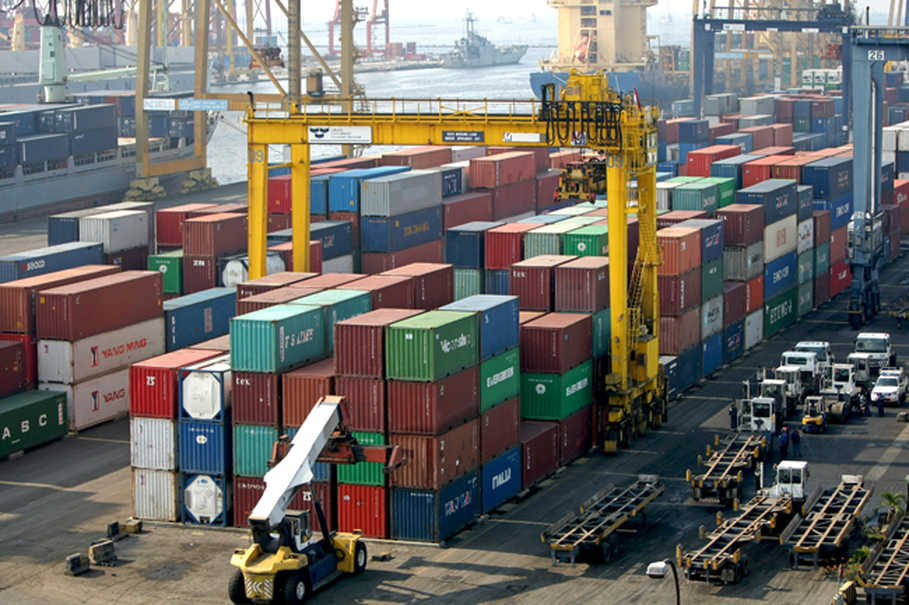
    Experts say this is the biggest shift in cross-border supply chains since China joined the World Trade Organisation in 2001. Fred Perrotta spent four years building a network of Chinese suppliers for his line of trendy backpacks, but as soon as the United States announced tariffs on almost half of its Chinese imports, he started looking for suppliers in other countries.

    That process is now so far advanced it would be too late to reverse it even if U.S. President Donald Trump and his Chinese counterpart Xi Jinping call a truce in their growing trade war at this week’s G20 summit, the 33-year-old said.

    Perrotta’s company, Tortuga, is joining what industry experts say is the biggest shift in cross-border supply chains since China joined the World Trade Organisation in 2001.

    The shift is creating stiff competition to secure new facilities in neighboring countries and rebuild supply chains outside of China, home to a fifth of global manufacturing.

    “Everyone is nervous and scrambling around,” Perrotta said by phone from Oakland, California, where he recently took delivery of the first samples from a potential new supplier in Vietnam.

    “Long-term, we will probably shift everything.”

    The scramble is driven by the risk of more, and higher, U.S. tariffs on China, and fears that nearby emerging economies can only accommodate new businesses on a “first come, first served” basis.

    Vietnam and Thailand are emerging as preferred destinations, but they still face capacity constraints ranging from red-tape to skilled labor and limited infrastructure.

    Frenzied activity 

    In an interview with more than a dozen company executives, trade lawyers and lobby groups in various industries revealed a frenzy of activity across Asia in recent months: executives are requesting product samples, touring industrial parks, hiring lawyers and meeting with officials.

    In June, Hong Kong-listed furniture maker Man Wah Holdings bought a factory in Vietnam for $68 million and said earlier this month it plans to almost triple its capacity to 373,000 square meters by the end of 2019.

    “The acquisition is to mitigate the risks posed by tariffs,” Man Wah said in a statement.

    Vietnam-based industrial real estate developer BW Industrial says inquiries have surged since October, and all its factories are now leased out.

    “The manufacturers are from all over the world but they all have production plants in China and need to start production ASAP,” Chris Truong, a sales manager at BW Industrial said.

    In Thailand, SVI Pcl, which provides electronics and manufacturing solutions, said it has just selected four new deals worth about $100 million with existing customers who have operations in China.

    “The trade war is good for us,” CEO Pongsak Lothongkam said. “We have been approached by so many companies that we have to prioritize.”

    KCE Electronics, Southeast Asia’s biggest maker of printed circuit boards (PCBs), has been contacted by U.S. companies who want to seek a new supplier to replace one in China, CEO Pitharn Ongkosit said.

    “It’s a good opportunity. Many customers have contacted us to ask about our products and prices. But there are no sales yet as it will take time,” he said.

    Stars Microelectronics Pcl, another Thai electronics manufacturing services provider, is also getting new business.

    “Two (or) three companies will start moving their production base (out of China) to us soon,” CEO Peerapol Wilaiwongstien said.

    Cambodia is also attracting interest, with Parsippany, NJ-based bicycle maker Kent International Inc shifting Chinese production to the Southeast Asian country.

    “We have a big business in the United States,” Arnold Kamler, the company’s majority owner and chief executive said. “There is no choice but to as rapidly as possible look to move production away from China.”

    Disruption 

    The re-sourcing and relocation efforts mark an acceleration of an already established trend as China’s economy shifts towards services, consumption and high-tech production.

    “We are on the cusp of the biggest sourcing disruption that we have seen in a generation,” said Stephen Lamar, executive vice-president of the American Apparel&Footwear Association, whose more than 1,000 members contribute over $400 billion annually to U.S. retail sales.

    “The No. 1 thing I hear from companies is along the lines of: ‘For years we have been talking about diversifying from China and now we have to actually do it’.”

    Shifting production can take years to complete: firms need to secure funding, find the right suppliers, sort out new logistics – all while dealing with new legal and accounting issues in a country they may not know well.

    “Any relocation away from China is going to be very slow and very uncertain,” said Aidan Yao, senior Asia EM economist at AXA Investment Managers.

    Low tech goods and low value manufacturing would be the quickest to migrate while higher value-added exports in the machinery, transport and IT category would likely take decades to relocate due to high R&D costs and competitive Chinese labor costs, UBS said in a note earlier this month.

    Yet a regional client poll by Citi conducted in the last month showed more than half of them already adjusting their supply chain to limit upheaval to their business.

    China’s sophistication in areas such as automation means no one country can replace China, said trade lawyer Sally Peng of Sandler, Travis&Rosenberg.

    “So everyone is looking for that China Plus One, Plus Two, Plus Three country strategy, all the way to Africa,” she said.

    Companies hold out little hope for a truce in the trade dispute when Trump and Xi are due to meet on the sidelines of the G20 summit in Buenos Aires this week.

    Indeed, Trump said on Monday he expected to move ahead with raising tariffs on $200 billion in Chinese imports to 25 percent from the current 10 percent.

    While Chinese export data shows little sign yet of an impact from the trade war, some economists say that is because companies are rushing to get shipments out ahead of more tariffs.

    Collateral victims 

    To be sure, smaller emerging Asian economies are not necessarily licking their lips about the prospect of the trade war between the world’s top two economies worsening.

    Growth has slowed in the third quarter across Southeast Asia, as well as in Taiwan, Japan and South Korea, with officials partly blaming the trade war for it.

    Thailand’s exports of electronic integrated circuits, for instance, rose 4 percent to the United States in October but fell 38 percent to China. Vietnam’s manufacturing sentiment indicator is the highest in Asia but is well off its peak.

    A lack of infrastructure is also a problem for countries seeking to pick up business.

    Thailand is 41st in World Bank infrastructure quality rankings, Vietnam is 47th, compared to China’s 20th ranking.

    Bangkok is seeking to address that with its Eastern Economic Corridor, an ambitious $45 billion development project which plans improvements to deep water ports, airports and railways.

    Beyond infrastructure bottlenecks, red tape – particularly in Vietnam – remains hard to navigate and skilled labor is not easily available.

    Vietnam’s unemployment rate is 2.2 percent. Thailand’s is even lower.

    “The proportion of unskilled labor in Vietnam remains large and there hasn’t been any effective plan to improve this issue, and I don’t see any significant change in five or even 10 years,” said the vice chairman of the Vietnam Electronic Industries Association, Nguyen Phuoc Hai.

    “Whether cheap labor will remain one of Vietnam’s advantages in the face of the fourth industrial revolution is questionable.”
  • Taiwan’s boutique Invincible coming to Shanghai

    Taiwan’s boutique Invincible coming to Shanghai

    Taiwanese streetwear boutique Invincible has opened a new store in Shanghai. The opening was marked by a brand collaboration with Japanese label Wacko Maria in the form of a capsule collection, which is on display within an in-store pop-up installation.

    The pop up’s striking-pink print wall and industrial rack set off the store’s otherwise understated design with untreated wood displays.

    The store is located at Soho Fuxing Plaza on Madang Road.

  • Q3 Macau retail sales rise

    Q3 Macau retail sales rise

    Third-quarter Macau retail sales surged 12.8 per cent year on year to 18.19 billion patacas (US$2.26 billion), according to data from the SAR’s Statistic Department. However, possibly reflecting the timing of typhoons last year and this year, sales rose only 1 per cent quarter on quarter. Watches and jewellery accounted for 21 per cent of total spending during the quarter. Department stores accounted for 16.3 per cent of the market and apparel 13 per cent.

    The increase in third-quarter Macau retail sales was driven by department stores, up 23.1 per cent, communications equipment (up 19.8 per cent) and pharmacy goods, up 19.4 per cent.

    For the first nine months of this year, Macau retail sales rose by 20.8 per cent.

    However the Statistics Department’s data suggests retailers have modest expectations for the rest of the year. Just 16 per cent of retailers questioned expect an increase in sales for the three months to December, compared with 38.2 per cent who expect a decline and 45.8 per cent who expect sales to remain steady.

  • Chinese e-commerce policy to benefit foreign sellers

    Chinese e-commerce policy to benefit foreign sellers

    The Chinese government last week announced that it will improve its e-commerce retail import policy to boost consumption. “We need to take a holistic approach, exercise prudent yet accommodating regulation to fully unleash the growth potential of cross-border e-commerce,” Li Keqiang, Premier of the State Council of the People’s Republic of China, said at a cabinet meeting on November 21, when the policy was laid out.

    The policy has been cheered by Australian exporters to the market, such as AuMake, the ASX-listed retail company that connects local suppliers with Chinese personal shoppers, daigous, who buy and ship products on behalf of friends, family and customers in China.

    The retailer released a statement on Friday saying the new policy is expected to stimulate daigou activity through 2019.

    The new policy ensures that China’s existing approach to cross-border e-commerce continues, and no new requirements around licensing, registration or record-filing for first-time imports will apply to sales through cross-border e-commerce platforms, as was expected to apply from January 1, 2019. Instead, these goods will continue to receive the more relaxed regulation for personal use imports.Adtech Ad

    The Chinese government is also expanding its preferential import duties to another 63 tax categories of high-demand goods and increasing the quota of goods eligible from 2000 yuan to 5000 yuan per transaction, and from 20,000 yuan to 26,000 yuan per head per year. This quota will be further adjusted in light of an individual’s personal income.

    “AuMake welcomes the latest development to further stimulate the CBEC [cross-border e-commerce] with the continuation of current licensing requirements, extension of tariff/VAT/consumer tax concessions and value per transaction/head limit also being increased,” the retailer said in a statement.

    “These measures are anticipated to increase the total size of the CBEC and it is anticipated that legitimate cross border e-commerce participants, including AuMake and professional daigou, will increase their market share as illegitimate operators are phased out with increased regulation.”

  • China could use Vietnam to avoid US tariffs: experts

    China could use Vietnam to avoid US tariffs: experts

    Experts said the U.S.-China trade war puts Vietnam at risk of fraud as capital moves into the country to avoid U.S. sanctions. Vietnamese products would face tough competition from China in both the domestic and overseas markets, Nguyen Thi Thu Trang, director of the Vietnam Chamber of Commerce and Industry’s (VCCI) WTO Center, said at a recent conference on the impact of the Sino-American trade spat.

    In the domestic market, China might seek to dump its goods on Vietnam to avoid Donald Trump’s tariffs. Cheaper Chinese goods competing with Vietnamese goods will not benefit Vietnam’s economy.

    In overseas market, China might borrow the “made in Vietnam” label to dodge U.S. tariffs.

    If this cannot be controlled, there could be grave consequences for Vietnamese firms since the U.S. might apply the same tariffs as they have done on China, according to industry insiders.

    Ho Duc Lam, chairman of the Vietnam Plastics Association, said his industry has been impacted by having to compete directly with Chinese companies as China might borrow the “made in Vietnam” label to dodge U.S. tariffs.

    Tran Dinh Thien, an economist and member of the Prime Minister’s Economic Advisory Group, noted that the trade war brings both opportunities and challenges for Vietnam, but it is up to local companies to identify the opportunities.

    He said the trade war has hit investors’ confidence causing them to pull out of emerging markets including Vietnam. The global supply chain is badly disrupted as a result, and the investment environment has become uncertain, he said.

    Lam argued that to protect domestic companies the government should consider import taxes if there are signs of a safeguard action.

    It should not issue licenses if there is no guarantee that more than two thirds of the production chain would be in Vietnam, and should promote free trade agreements with Europe and others to reduce Vietnam’s dependence on the U.S. and China, he added.

    Trang of the VCCI said since the trade war shows no signs of ending soon production enterprises should monitor the situation to respond nimbly to changes and should know where and how to take advantage of potential opportunities.

    It is known which goods face sanctions, so businesses should research about customers for those goods and offer them a better deal, she said.

    The U.S.-China trade war escalated in September with the U.S. levying an additional 10 percent tariff on about $200 billion worth of Chinese products. Washington is set to raise the tariffs to 25 percent in January if there is no agreement between the both sides.

    China retaliated with 5 and 10 percent tariffs on $60 billion worth of U.S. products.

  • Link REIT Buys Beijing Mall for RMB 2.56B

    Link REIT Buys Beijing Mall for RMB 2.56B

    Link REIT has reached a conditional agreement to acquire a RMB2.560 billion (US$368.8 million) shopping centre in Beijing. The property, Beijing Jingtong Roosevelt Plaza, is a seven-storey mall housing 268 retail tenants, with 576 car parks on two additional underground levels. Link said in a stock exchange filing that the property is located in Tongzhou, the eastern gateway to China’s capital, a rapidly developing district about 20km from central Beijing. It is in an established residential area with 30 per cent of the district’s population living within a 3km radius.

    The property has good connectivity, located on Beiyuan South Road, the district’s main artery, is a high-quality community mall with an occupancy rate of 96.2 per cent and a dynamic mix of retailers including food and beverage, fashion/accessories, kids/education and lifestyle, health and beauty, along with a cinema.

    Leases for about 20 per cent of the four year old centre’s tenancies (by space) expire in 2020, providing Link with an opportunity to enhance rental reversion and performance of the property by upgrading the trade mix.

    Link expects the net property income of the mall will increase, in turn bosting the capital value of the property, benefiting unitholders.

  • Casa Perú Opens Its Doors In Beijing Mall

    Casa Perú Opens Its Doors In Beijing Mall

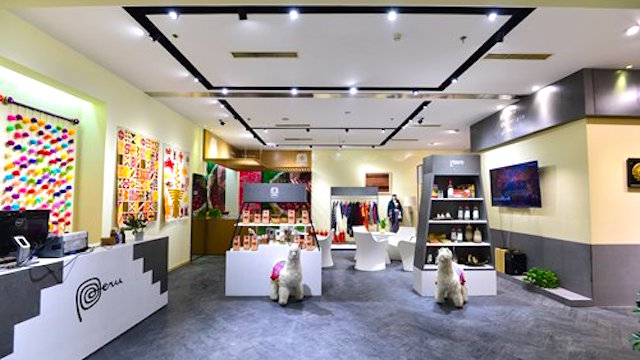
    The Peruvian Ministry of Foreign Commerce venture House of Peru has opened a store in Beijing. The outlet, which opened in Shimao Gongsan Plaza, Sanlitun, serves as a promotional platform for products from the South American nation as well as to popularise tourism in the region among consumers in China.

    Local store representative Huang Zhaohui commented that Peru is well-known for its alpaca wool clothing. The warm, light material has been promoted globally by Peru since establishing the Alpaca label in 2014.

    At the opening ceremony, Huang Zhaohui was awarded the title of “Peru-china Friendship Envoy” by the foreign trade and tourism minister of Peru to honour her contribution to the trade and exchanges between both countries.

    The store also retails food, coffee and Pisco wine.

  • Xiaomi aims at 5,000 stores in India by the end of 2019

    Xiaomi aims at 5,000 stores in India by the end of 2019

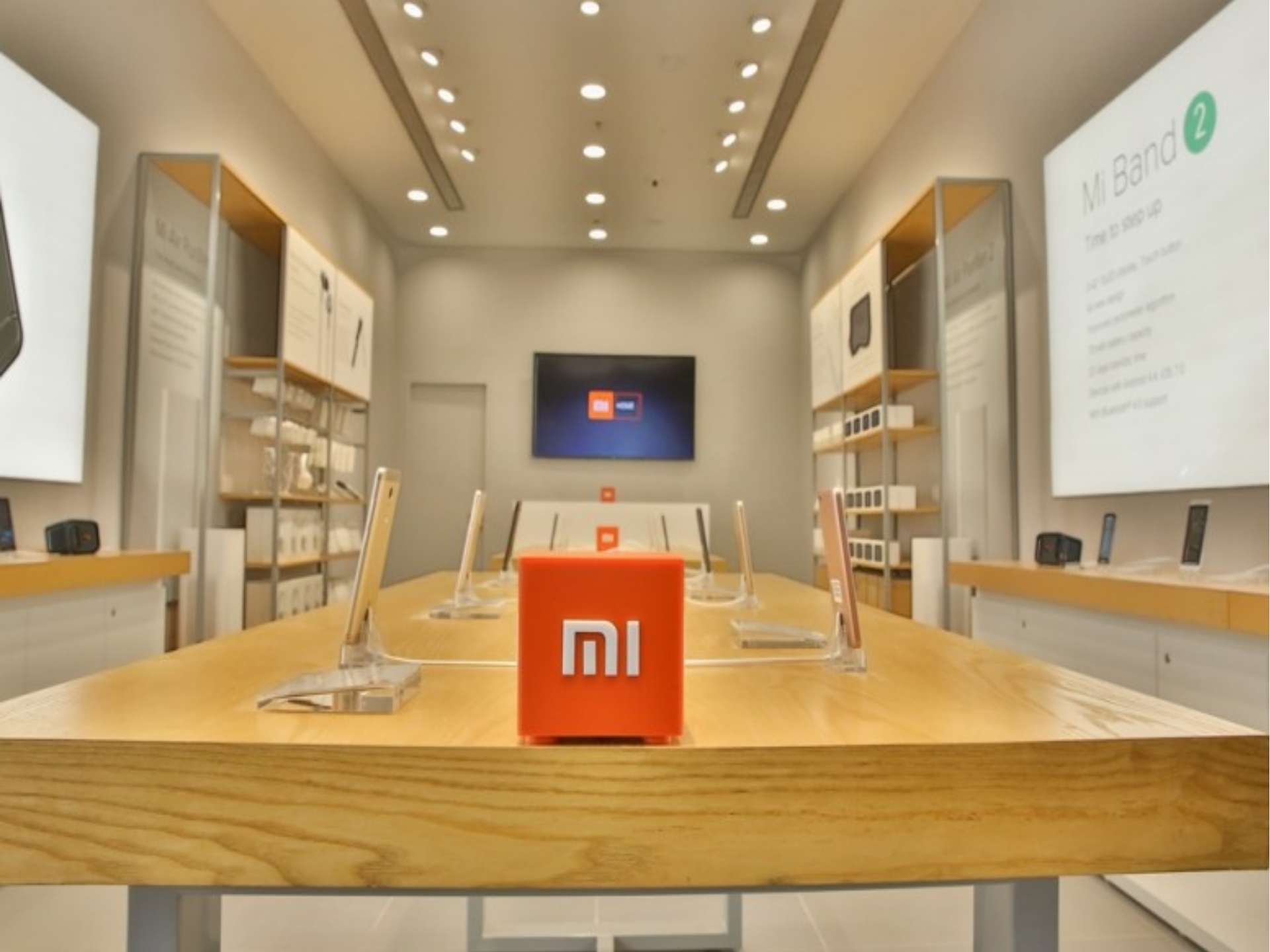
    Chinese tech giant Xiaomi is looking to cement its status as India’s leading smartphone provider by opening thousands of stores before the end of 2019. The company announced it would increase its presence in India from 500 retail stores to 5,000 by 2020. “It’s been over a year since we started offering our products through offline retail and we have seen strong growth there,” said Manu Jain, Xiaomi vice president and managing director for India.

    “Offline retail is a huge segment in our country with nearly 40 percent of the offline market focused in rural regions, and all of this should increase our offline sales and account for 50 percent of the company’s revenue by the end of next year.”

    In a Twitter post, the smartphone maker invited people to apply to run one of the franchised stores, which will be based on its Mi retail model.

    “It’s been over a year since we started offering our products through offline retail and we have seen strong growth there,” – Manu Jain

    “Mi store is the ‘new retail’ model for rural India that gives flagship store experience to our rural customers,” Xiaomi said on Twitter, adding that the new stores would generate more than 15,000 jobs.

    India is one of Xiaomi’s fastest-growing markets, according to Reuters, where it has had success with its budget Redmi phone series.

    The firm is the country’s leading smartphone provider, with 30 percent of market share. It entered the market in 2014 as an online-only retailer, before opening physical stores across India. Samsung and Vivo are its closest competitors there.

    Xiaomi was awarded a Guinness World Record on Tuesday for opening the largest number of retail stores in India simultaneously. The company also operates in Asia, Europe, the Middle East, Africa, and Mexico.

  • Tealive makes debut with opening first store in China

    Tealive makes debut with opening first store in China

    Malaysian bubble-tea brand Tealive has launched the first of 500 stores planned for China. Located inside SML Center in Shanghai’s Huangpu district, the store attracted long queues on the opening day. “With China being the world’s largest tea market and the fourth overseas market for Tealive, we decided to create a specific menu for China to showcase Southeast Asian ingredients including durian, cempedak, gula melaka, Bentong ginger and Sabah-origin tea,” said Tealive’s parent company Loob CEO Bryan Loo.

    “More outlets will be opened in Shanghai and we plan to have 20 outlets in China by June next year,” he added.

    Loob had entered into a joint venture with two Chinese companies, Zhejiang Boduo International Trade and Shanghai Panfei International Trade to open 500 stores in China within three years.

    After the dispute with Chatime, Tealive has expanded to overseas markets. It entered Vietnam last October, and now has six stores in the country, with two more planned by the end of this year.

    The brand also expanded into Australia in July, with its first store opening in Melbourne.

    In India, Loob has appointed a master franchisee with the target of opening 200 outlets within five years.

  • Catwalk to be presented in Dear So Cute China store

    Catwalk to be presented in Dear So Cute China store

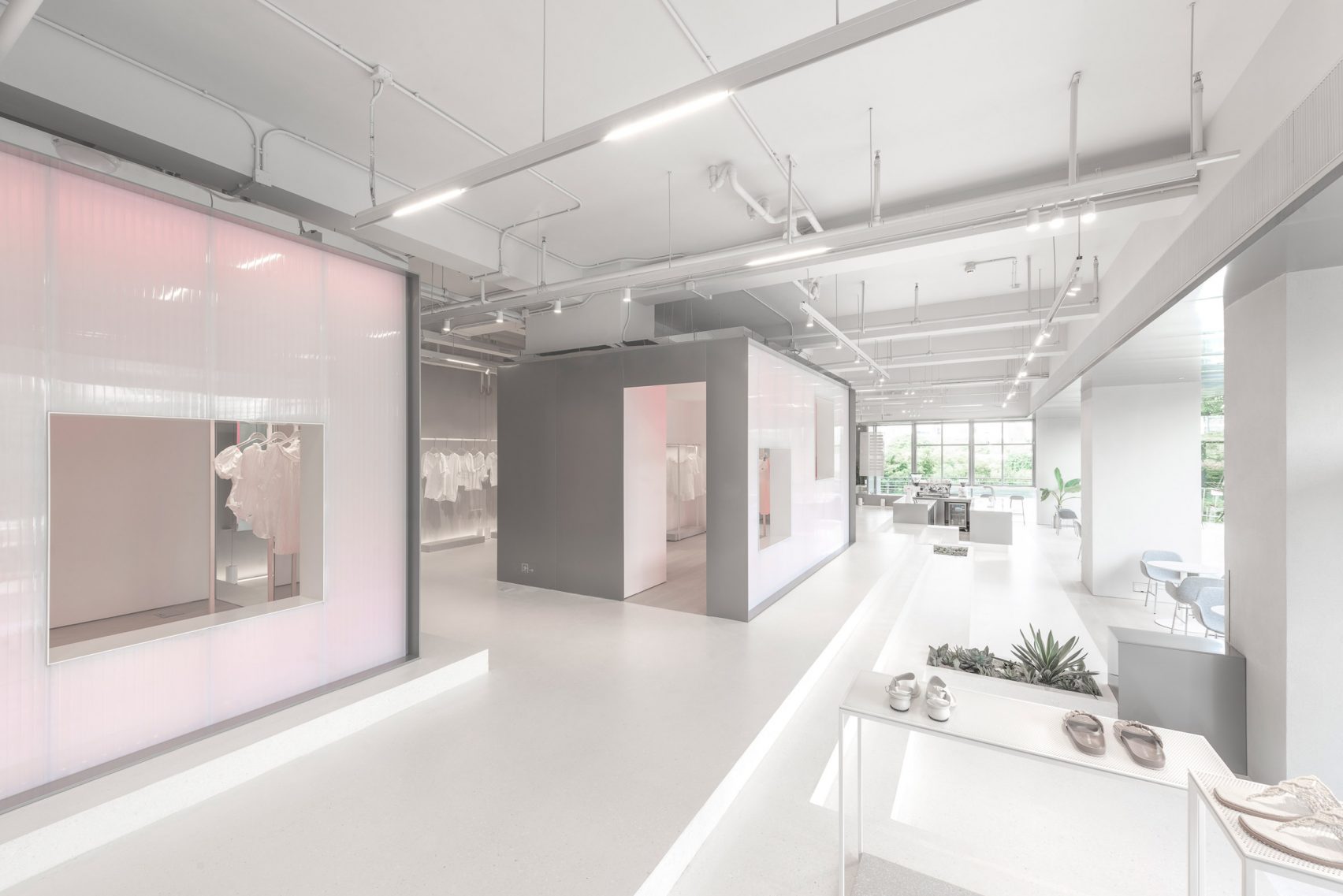
    Design firm Lukstudio has created a theatrical-style shop and cafe as a promotional and retail space for fashion platform Dear So Cute in Chinese Haining. Inspired by South Korean cafe/fashion trends, the design is intended to communicate the brand’s values and showcase products to younger consumers. The store layout features a backstage rigging system to adjust display features as with a theatre stage, and incorporates elements of the Hainingese shadow puppet tradition in its design.

    According to a report, the retail space emphasises the brand’s “forever young energy” with a minimal, contemporary look and pink highlights, serving as a neutral backdrop for the activities going on in the space. One standout feature is a stage in the fitting room area for customers to “catwalk” before friends while deciding on purchases.

    “In today’s retail environment, most people shop online for the convenience and the reassurance of the review system,” Lukstudio’s founder Christina Luk said. “However, I believe when it comes to delivering a brand’s identity and values, the physical store is much more effective.”

    View the store design in the gallery below (7 images) :