Tag: China

  • LG U+ CEO says Huawei gear is not a risk

    LG U+ CEO says Huawei gear is not a risk

    LG U+ CEO and Vice Chairman Ha Hyun-hwoi has made it clear that the carrier does not think there are any security threats related to its use of Huawei equipment in its 5G infrastructure. Ha made the statement during a year-end press briefing on Wednesday in Yongsan District, central Seoul, rebuffing claims by some lawmakers that there is a risk of security leaks through the use of the Chinese tech giant’s equipment in the network. LG U+ currently partners with Huawei as well as Samsung Electronics, Ericsson and Nokia for its 5G infrastructure.

    According to Ha, the Chinese IT company has already applied for security certification of its 5G network equipment from an international certifying body in Spain. The CEO added the public will be able to see how secure the equipment is once the evaluations are complete next year.

    “Security concerns apply to every equipment vendor we partner with, not only Huawei, and we need to thoroughly verify all the equipment [we use] is secure,” Ha said. “There are roughly 170 countries that are already using Huawei’s network equipment, and there hasn’t been any security problems reported so far.”

    Locally, Huawei has set up equipment that abides by over 70 security guidelines set by the Korea Internet & Security Agency, according to LG U+.

    The main reason for the carrier taking the risk of using the controversial equipment is because 5G infrastructure needs to be built in conjunction with the existing network equipment for 4G long term evolution (LTE), some of which LG U+ also bought from Huawei. Ha said price, technological competitiveness and the ability to deliver the equipment in a timely manner were also considered when choosing the vendor.

    LG U+ has built 5,500 base stations to service the next-generation 5G network as of Wednesday, while its local competitors have reportedly established less than 1,000 5G base stations.

    On why the mobile carrier is rushing to establish its 5G infrastructure, Ha said, “It is important to have a head start to have a competitive edge in [5G] services considering the quality tests we need to go through before March [when the high-speed network is commercialized for smartphones].”

    Ha said the company invested roughly 4 trillion won ($3.6 billion) to set up its 5G infrastructure, including at 5G spectrum auctions.

    The company said it hopes to take up a larger share of the market, which is dominated by SK Telecom, with 50 percent, and KT, with 30 percent.

    “In July 2011, when we first began the LTE service, our local market share was 17.7 percent, but the share increased to 21.2 percent over time as of the end of October,” LG U+ said in statement. “We think next year could be the best time to shake up the competing structure.”

    The carrier is preparing a 5G-based smart factory service with its affiliates LG Electronics and IT service company LG CNS, targeting enterprise customers. For individual customers, LG U+ is focusing on augmented reality and virtual reality content that can offer an immersive experience of watching sports games and K-pop concerts at home.

    The CEO also commented on speculations that the carrier will acquire paid TV service operator CJ Hello. Ha said it has opened up its options to cable TV operators other than CJ Hello and plans to finalize the deal within the first half of next year. Industry sources, however, still say negotiations between the two parties have nearly come to a close and final results are likely to come out around March.
  • Haidilao hot pot debuts in Vietnam

    Haidilao hot pot debuts in Vietnam

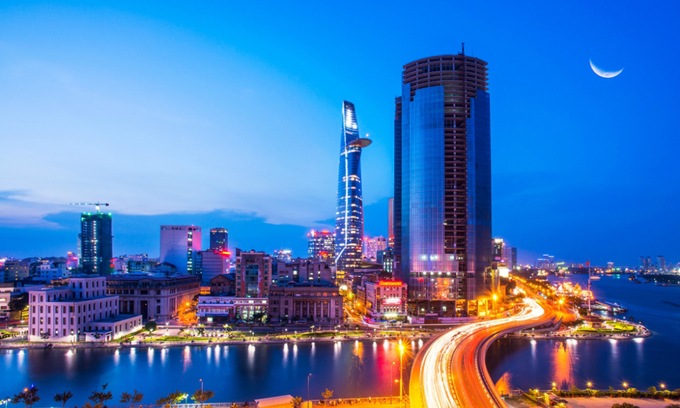
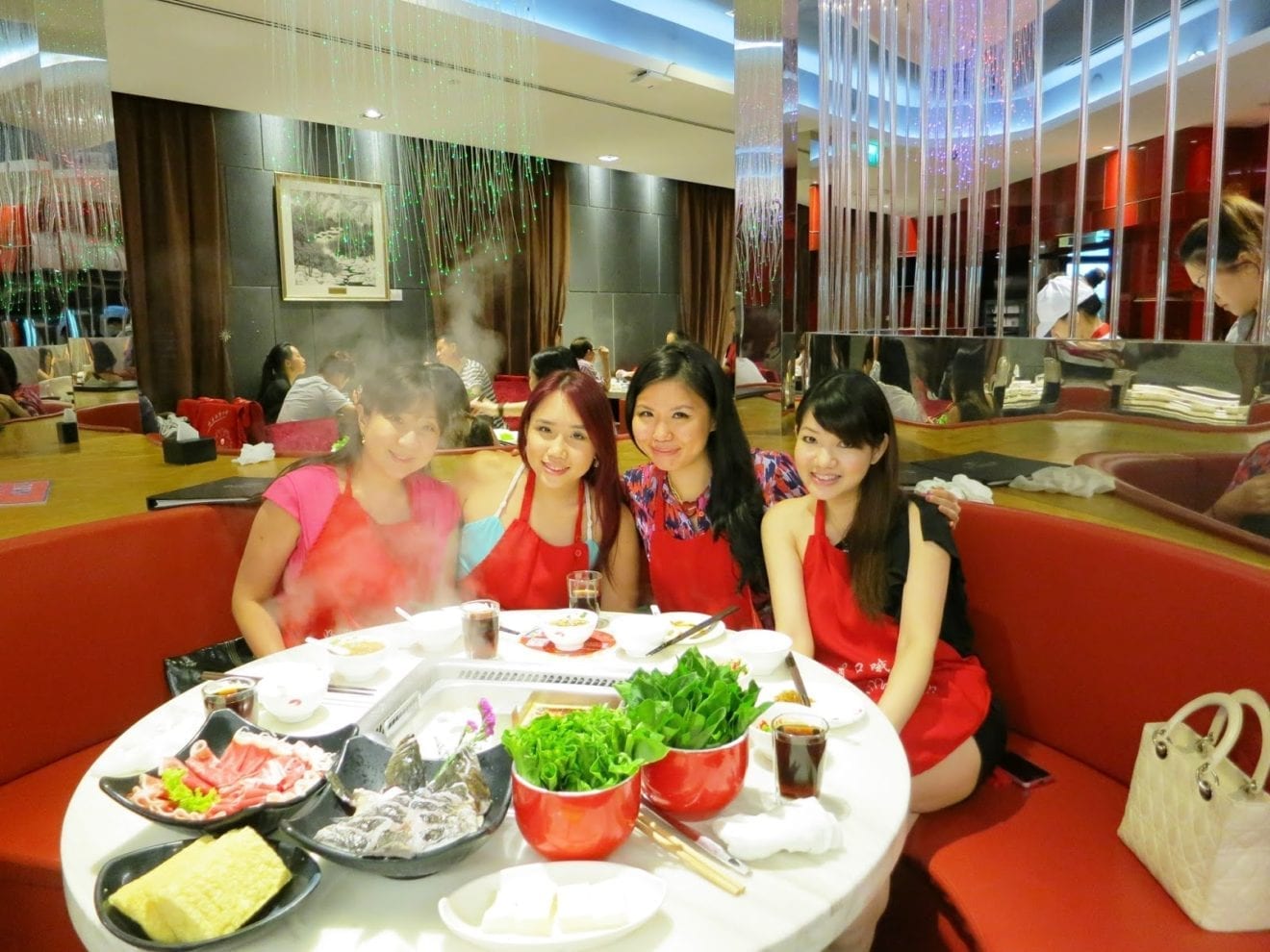
    Chinese hot-pot chain Haidilao is to open its first outlet in Vietnam. The outlet is located on the second floor of the 68-story Bitexco building in Ho Chi Minh City. Without revealing the opening date, the company has been recruiting office staff and restaurant crews for its Vietnam debut. Hai Di Lao Viet Nam Holdings Company was established in August, headquartered in Hanoi.

    Founded in 1994, Haidilao serves Sichuan-style hot pot integrating features from all over China. Until now, the chain has opened 29 restaurants overseas, including in Japan, Singapore, South Korea, and the US.

  • H&M sales surges, with notes

    H&M sales surges, with notes

    H&M sales grew by the fastest rate in three years during the latest quarter – but analysts suspect it is due to discounting of inventory and favourable currency swings. According to a stock exchange filing, H&M revenue rose 12 per cent to 56.4 billion krona (S$6.23 billion) in the November quarter.

    But the fast-fashion retailer has been battling to move a huge inventory, estimated in March as worth a staggering $4.3 billion.

    This week’s filing covered only sales, with full details of H&M’s trading performance set to be revealed on January 31.

    Some analysts have described it as “possible” the sales growth was not profitable given sweaters have been selling for as little as $10 in recent months.

  • China Canada Goose flagship opening delayed after Meng arrest

    China Canada Goose flagship opening delayed after Meng arrest

    The arrest of Huawei CFO Sabrina Meng Wanzhou in Canada has prompted down jacket retailer Canada Goose to delay launching its Chinese flagship store. Diplomatic tensions between the two countries have already contributed to a 20.6 per cent drop in the brand’s share price this month amidst calls for a boycott in China and the Meng arrest only worsened the situation.

    The brand had been poised to open the 600sqm flagship in fashionable Taikoo Li Sanlitun this Saturday, following a pop-up event last month and a promotional campaign on Alibaba’s Taobao online mall. It opened a branch in Hong Kong last month, and is planning a regional office in Shanghai.

    “Our Beijing store has been delayed slightly due to ongoing construction. We look forward to opening our newest store in the near future.”

    A statement published : “Our Beijing store has been delayed slightly due to ongoing construction. We look forward to opening our newest store in the near future.”

    The Meng arrest took place at the request of the US on fraud charges related to alleged breaches of Iran sanctions.

  • Prada ‘racist’ incident ended up with apology

    Prada ‘racist’ incident ended up with apology

    Prada has apologised for selling a US$550 monkey figurine after a social media backlash from US consumers alleging the character is racist. The monkeys, with oversized red lips and dark skin have been likened to “racist caricatures historically used to dehumanise black people” according to a commentary in The Business of Fashion.  Some social media users pointed out a resemblance to golliwogs, the fictional children’s book character created by Kate Upton in the late 19th Century, which brands worldwide have avoided using in marketing for reasons Prada executives could have easily found with a quick Google search.

    The ‘racist’ monkey character was part of the Pradamalia range of small accessories like keychains and toys featuring cartoon characters.

    Prada said in a statement that the creatures were “not intended to have any reference to the real world and certainly not blackface”.

    “Prada Group never had the intention of offending anyone and we abhor all forms of racism and racist imagery. In this interest, we will withdraw all of the characters in question from display and circulation.”

    The Business of Fashion described the company’s design as “at best tone-deaf, at worst racist and exploitative”.

    Some people in the retail industry may well ask how Prada released such a product after the high-profile case of H&M having to apologise after releasing marketing images of a black child wearing a hoodie with the text “Coolest monkey in the jungle” in January, which prompted a similar chorus of disapproval. H&M immediately withdrew the hoodies from sale globally and recycled them, but not before some stores in South Africa had to be closed temporarily after protests and vandalism.

    And just last month, Dolce & Gabbana was forced to apologise to Asians customers around the world for a video campaign mocking a Chinese model trying to eat pasta with chopsticks, followed by an extraordinarily racist rant on Twitter by one of the label’s founders (which he later claimed – to widespread skepticism – was the result of his account being hacked).

    Facebook user Chinyere Ezie (who took the photo of the Prada monkey used with this story) was one black American woman outraged by the product. Her post had been shared more than 10,000 times by Monday morning and received some 4300 comments.

    “Today after returning to NYC after a very emotional visit to the Smithsonian National Museum of African American History and Culture, including an exhibit on blackface, I walked past Prada’s Soho storefront only to be confronted with the very same racist and denigrating #blackface imagery,” she wrote.

    “I entered the store with a coworker, only to be assaulted with more and more bewildering examples of their Sambo-like imagery. When I asked a Prada employee whether they knew they had plastered blackface imagery throughout their store, in a moment of surprising candor I was told that *a black employee had previously complained about blackface at Prada, but he didn’t work there anymore.*

    “History cannot continue to repeat itself. Black America deserves better. And we demand better.”

    The products were withdrawn from window displays – and sales – within hours of Ezie’s post on Friday.

  • New Lego land in China

    New Lego land in China

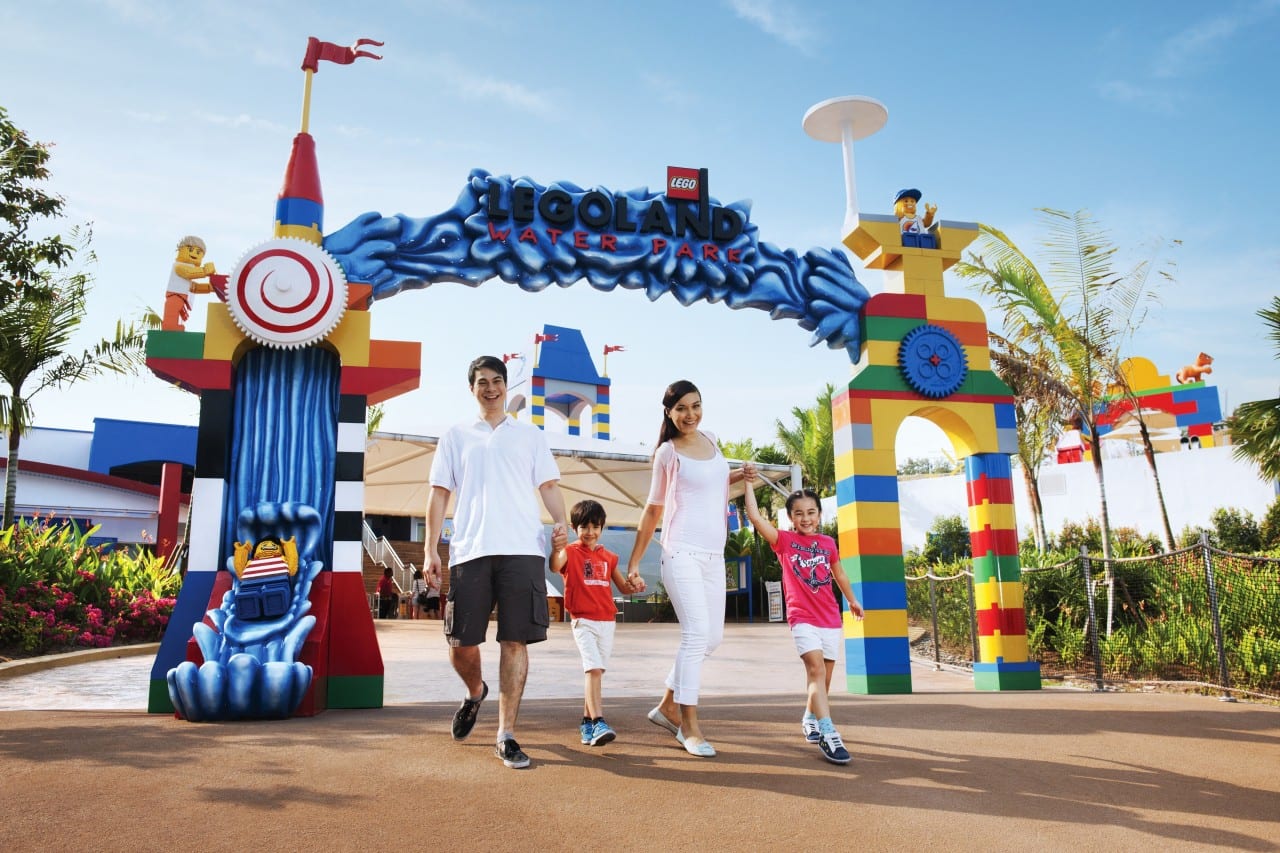
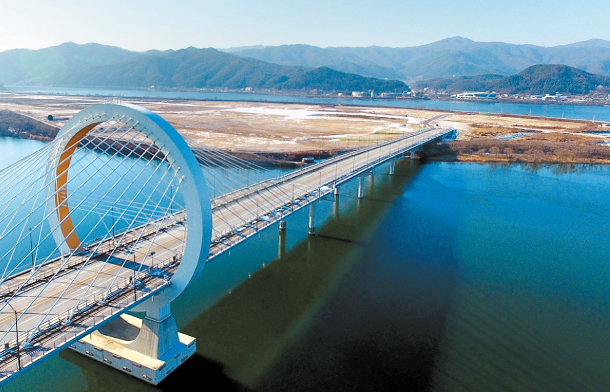
    The site where a Legoland will be built in Chuncheon, Gangwon, on Friday. The development of the Legoland, about the same size as the Legoland in Johor Bahru, Malaysia, has been approved by the Gangwon government. British amusement park developer Merlin is in charge.

  • Nome Sweden revealed massive expansion plan in China

    Nome Sweden revealed massive expansion plan in China

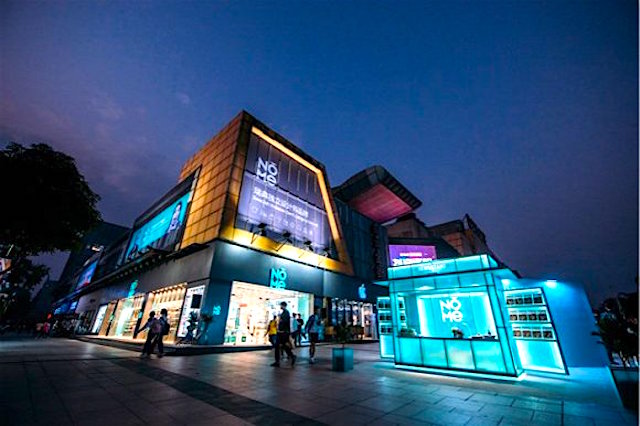
    Swedish designer brand Nome has launched a new store at Guangzhou Baiyun Wanda. The brand plans to open more than 300 stores in China’s most central shopping centres within a year, with a projected total turnover of more than RMB2 billion (US$290.6 million).

    In the next three to five years, Nome plans more than 2000 stores in China and in excess of 1000 stores overseas. The global business scale is planned to reach RMB50 billion ($7.265 billion), creating a global brand of home furnishing.

    To mark the Guangzhou launch, the brand installed a modernised version of a traditional Guangzhou postal kiosk outside the store. The reimagined newsstand featured a translucent shell emanating blue and white lights to evoke a Nordic style, perceived by the brand as having become more popular amongst Chinese consumers in recent years.

    Swedish designer brand Nome covers 10 categories and more than 3000 SKUs in store, including lifestyle, home, furniture, clothing, digital, beauty, food, shoes, luggage and travel items.

  • China’s Proya opens 1000 smart stores

    China’s Proya opens 1000 smart stores

    Chinese cosmetics company Proya has ramped up its expansion on the heels of strong growth this year. In the first half of the year, Proya achieved revenue growth of 28 per cent, representing 89 per cent of the company’s total revenue for the period. At the same time, the firm’s e-commerce platform achieved sales growth of 58 per cent, while its Uzero brand accelerated its opening of single-brand retail outlets modelled as smart stores, signing agreements with more than 1000 locations.

    Since the beginning of the year, Proya has been driving sales growth across its cosmetics store-focused network by improving its incentive programs, providing more resources to employees, and encouraging employees to embrace change and continuously enhance skill sets.

    Based on shifts in market demand, the company has been focussing its product upgrades on the addition of new functionalities, higher levels of efficiency, as well as new and improved, higher-priced high-value items and a better appearance. It currently retails more than 1000 products under seven brands.

    Next year, the company plans to launch additional high-end products with functional and technological advantages that will serve as a cornerstone of a comprehensive product and brand upgrade.

    China’s beauty and makeup market was valued RMB361.6 billion (US$52.3 billion) in 2017, with a compound annual growth rate averaging 9.5 per cent over the last 10 years.

  • Luckin Coffee worth $2.2 billion in quite short time

    Luckin Coffee worth $2.2 billion in quite short time

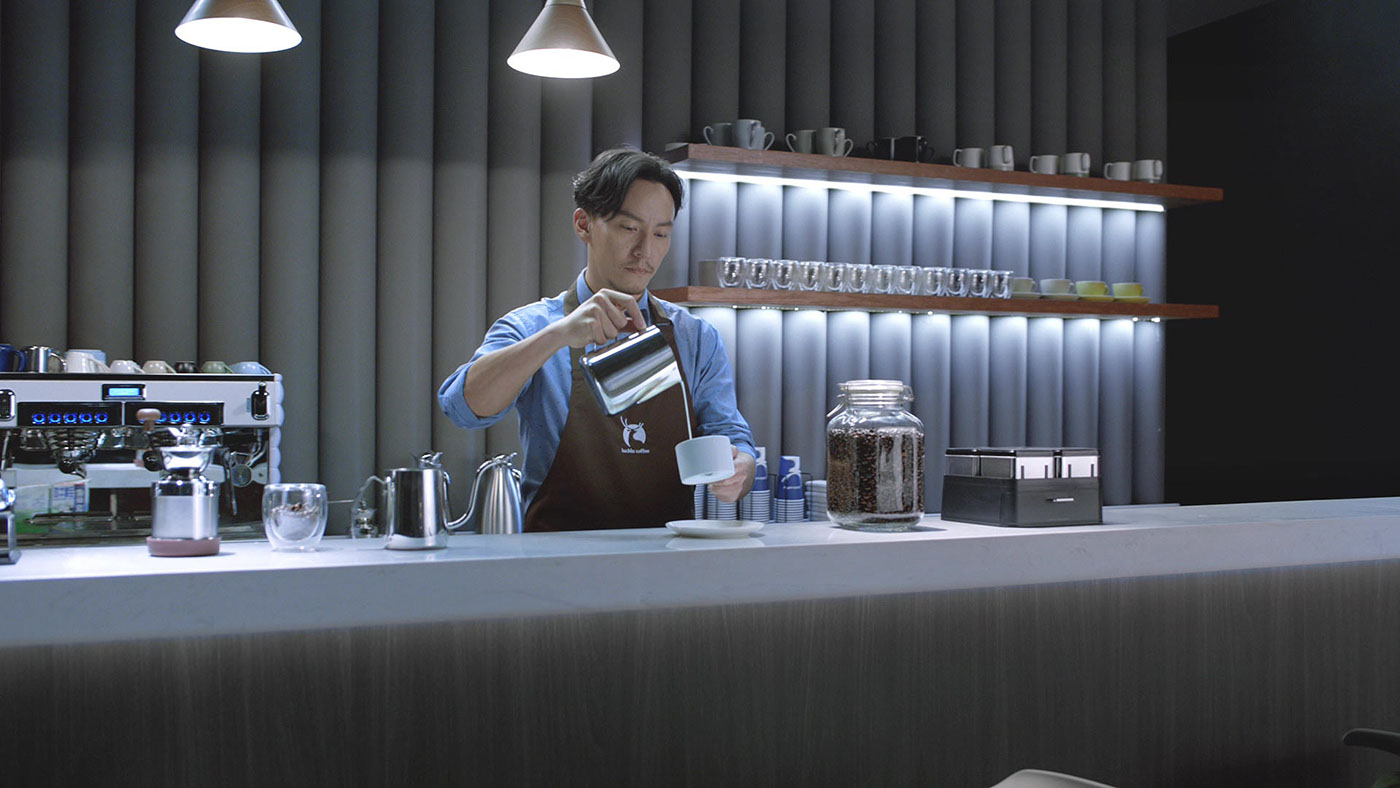
    Fast-growing Chinese cafe chain Luckin Coffee has raised US$200 million in its latest funding round, effectively valuing the company at a stunning $2.2 billion. That’s up to $700 million more than its value was estimated just one month ago when the quest for funding was announced.

    Launched only in January, the company had already opened more than 1700 outlets in 21 Mainland China cities by last month. Its rapid growth is based on an inexpensive delivery service concept and online ordering system.

    An aggressive competitive strategy involves an IT-focused approach whereby all customers must purchase coffee via an app, with which they can then monitor brewing progress via livestream. Its pricing is considerably less than Starbucks.

    Luckin said the latest funding round was led by Singapore Government sovereign wealth fund GIC and China International Capital Corp. They were likely attracted by a mid-term plan for an IPO of the Luckin business in either Hong Kong or New York. GIC was a participant in a similar capital raising in July.

  • DB Schenker signs a MoU for logistics centre in China

    DB Schenker signs a MoU for logistics centre in China

    DB Schenker, one of the world’s largest logistics service providers, and the Eastern China city of Changshu signed a Memorandum of understanding for the establishment of a state-of-the-art logistics center in the Changshu Economic and Technology Development Zone.

    Due to its convenient location near the metropolitan areas of Shanghai, Suzhou and Wuxi, and its proximity to the deep-water port of Yangshan as well as to a new port currently developed on the Yangtze River near Changshu, the city is a strategic location for a logistics center. Moreover, DB Schenker will be the first international third-party logistics provider (3PL) with a fully owned logistics site in Changshu.

    The new facility will provide state-of-the-art logistics and supply chain management services with a high level of automation to customers from the automotive and healthcare industry as main target group as well as to companies from other industry sectors situated around the Yangtze River Delta and Greater East China Region. The construction start of the center is scheduled for the end of 2019 with duration of two years.

    “After our strategic investment in a logistics center in Pinghu in July, the logistics facility in Changshu will be our second 100% owned distribution center in China. Both facilities complement our local growing warehouse portfolio with existing presence and partnerships with warehouses in Beijing and Shenyang”, says Christopher Pollard, CEO Greater China, Schenker China Ltd.

    With over 50 years of experience in China, DB Schenker is one of the biggest 3PL companies in the local market offering extensive air, ocean, road and rail freight services, as well as integrated contract logistics service and supply chain management.


  • Alibaba powers Starbucks virtual store launch in China

    Alibaba powers Starbucks virtual store launch in China

    Starbucks launched its first virtual store in China powered by technology from Alibaba Group, providing a unified, one-stop digital experience across the Starbucks app and mobile apps within the Alibaba ecosystem, including Taobao, Tmall, and Alipay.

    The first-of-its-kind virtual store leverages an online management hub developed specifically for Starbucks by Alibaba. It provides consumers integrated access to Starbucks’ digital offerings, including “Starbucks Delivers,” “Say it with Starbucks” social gifting and merchandise available from Starbucks’ Tmall flagship store.

    Alibaba’s technology streamlines the shopping process, pulling offers that were available in multiple digital apps into a single access point. Adopting a centralized approach to its mobile presence enabled by the Alibaba ecosystem, Starbucks now has a complete overview of its consumers’ actions online. Moreover, the integration of membership between Starbucks and the range of Alibaba apps is expected to fuel strong growth in Starbucks Rewards membership in China.

    The new virtual store steps up the collaboration announced by Alibaba and Starbucks in August 2018, when the companies agreed a deep, strategic “New Retail” partnership. Ele.me, China’s leading on-demand food delivery platform, owned by Alibaba, provides Starbucks delivery service for 2,000 stores across 30 Chinese cities.

    In October 2018, Starbucks also piloted its first “Star Kitchens” within two FRESHIPPO (previously known as Hema) supermarkets in Shanghai and Hangzhou. As the first retail brand to establish a dedicated back-of-house presence in FRESHIPPO locations, each Star Kitchen utilizes the distinct fulfilment and delivery capabilities on-site to complement the handcrafted beverages offered through existing Starbucks stores.

    The launch of Starbucks’ virtual store is also the latest example of how the so-called “Alibaba Operating System” empowering traditional retailers. After years of development in this digital age, Alibaba has created a unique system to support enterprises in the process of digital transformation that covers critical areas such as retail, marketing, finance and logistics.

  • Number of Chinese buying high-end Saigon apartments skyrockets

    Number of Chinese buying high-end Saigon apartments skyrockets

    Attractive prices and returns have seen the number of Chinese customers buying high-end apartments in HCMC soar this year. Duong Thuy Dung, senior director of real estate market research firm CBRE Vietnam, said at a recent forum that 31 percent of high-end apartment buyers in HCMC in the first nine months were Chinese. This figure increased from only 2 percent in 2016 and 4 percent last year.

    In the last two years, Chinese were sixth among all buyers, but this year, they have surpassed Vietnamese to rank first.

    Only 24 percent of high-end home buyers are Vietnamese, CBRE data shows.

    Stephen Wyatt, country head of property service firm JLL Vietnam, said the number of Chinese buyers has been increasing because Vietnam has an attractive price compared to other markets like Hong Kong, Japan, Singapore, South Korea and Taiwan.

    Chinese people often compare prices in Vietnam with Shanghai when they buy properties, he said, adding that they hope to gain profit from higher property prices in Vietnam in the future.

    A high-end apartment in the city costs around $5,000 per square meter, but the same one in Hong Kong could cost four times, said Nguyen Khanh Duy, director of residential sales at real estate service provider Savills HCMC.

    Nguyen Hoang, director of research and development at real estate firm DKRA, said that the number of Chinese and South Korean buyers in HCMC started to increase last year.

    Chinese from Shanghai and Hong Kong are buying properties as investments (not to stay in). “Most projects that foreigners bought in the last two years are under construction,” he said.

    Other industry insiders said that the high returns that HCMC high-end apartments offer is attracting many foreign buyers.

    The rate of return is 5-6.5 percent in Thao Dien ward and Thu Thiem Peninsula in District 2, while in other Asian countries, this rate is only 3.7-5.2 percent, Duy said.

    CBRE senior director Dung added that it was not just Chinese, but foreign buyers in general who are showing an increasing interest in HCMC real estate.

    Dung said that each foreigner group has a different preference for high-end apartments. Customers from mainland China, Hong Kong and Taiwan prefer large-scale projects near the downtown HCMC.

    South Koreans like to buy apartments in the southern District 7 that hosts a large community of South Koreans, while Western buyers often look for a quieter lifestyle in eastern District 2.

    Dung said HCMC is estimated to receive 40,000 new apartments in the 2018-2020 period, 60-70 percent of these in the high-end segment.

    In the last three years 35,000 luxury apartments have come into the market, CBRE said.

    This is a major increase from 2012-2014 when fewer than 10,000 units were on offer, CBRE said.

  • Asia is leading the global digital retail market

    Asia is leading the global digital retail market

    Retail executives looking to understand the future of retail should take a close look at Asia, where retail is booming as Asia is leading in terms of retail growth. The growth rates are twice the rate of the rest of the world, and e-retail growing at three times the rate.

    Asia is followed by Europe and the US, with China, Korea, and India at the forefront.

    In 2017, China’s online retail penetration was 20 per cent and its CAGR (13-17) was 33 per cent. In comparison, the US achieved an online retail penetration rate of 12 per cent in 2017 and a CAGR (13-17) of only 11 percent. Most dramatic is India, which had a CAGR (13-17) of 53 percent, highlighting the rapid growth seen in the market.

    Market conditions have allowed for swifter digital penetration than any other region worldwide and have led to the creation of ecosystems for retailer and consumer ease, revealed Bain & Company’s latest Asia retail report.

    According to the report, retail ecosystems comprise vast communities of consumers, retailers and partners that are rapidly reshaping the retail landscape. Alibaba and Tencentlead the best-known Asian ecosystems; however this phenomenon is not limited to China.

    Ecosystems deliver a very sticky consumer proposition by combining services like e-commerce, chat, streaming, gaming or payments in a single platform or app, which is becoming almost universally adopted by shoppers, according to the report.

    A large customer base is incredibly attractive to retailers as a channel to a critical mass of customers. But more importantly, the ecosystem also provides retailers with access to hard-to-replicate capabilities, such as last mile fulfillment, data analytics and cloud services, through their platforms. Increasingly, these ecosystems are deploying their capabilities into bricks and mortar retailers as well as online, meaning they can exert significant influence over the retail sector.

    “What we are seeing is the emergence of scale open retail ecosystem platforms across the Asia Pacific region, that offer retailers a compelling alternative to building and scaling their own capabilities,” said report author Melanie Sanders, Bain & Company partner. “The scale of these ecosystems means that we are seeing a battle emerge between ecosystem platforms in key markets, with the potential for a winner-takes-all situation.

    However, the extent and pace of ecosystem development will not be uniform across geographic markets. The report has outlined ten market factors, which has explained why ecosystems have developed so rapidly for some Asian countries, including social factors such as urban density and age structure through to retail market conditions such as the scale/maturity of physical retailers in the country.

    “The emergence of retail ecosystems is raising a new set of choices for retailers about how to participate in this new retail landscape. The emergence of these ecosystems presents huge opportunities for those playing to win in these markets, but at the same time has the potential to completely change the rules of the game and may mean a loss of control,” the report said.

    “Retailers face a confronting set of choices around how to respond the rise of retail ecosystems. At the heart of the decision will be whether the retailer has the capabilities, capital and customer franchise to compete against an ecosystem,” said Jonathan Cheng, report author and principal at Bain & Company.

    As digitisation of the retail sector continues to expand in Asian and global markets, ecosystems will continue to evolve based on the needs of both the consumers and retailers, the report added.

  • Le Eco Auctioning Beijing Mall on Taobao for RMB2.3B

    Le Eco Auctioning Beijing Mall on Taobao for RMB2.3B

    Chinese tech firm LeEco has put a Beijing shopping centre up for auction on Chinese e-commerce platform Taobao. Experiencing financial difficulties, yet determined to uphold its online trading practices, the firm has listed the 50,000sqm Beijing Shimao Gongsan Plaza at a reserve of RMB2.3 billion (US$334 million). The move follows legal action by mortgagor China Citic Bank against LeEco for failing to meet repayment obligations.

    The auction opens on Taobao’s distressed asset channel, which saw an 88 per cent rise in listings in October against the backdrop of China’s enormous bad debt market. Under supervision of the courts, the auction will start on January 7 at 10 am and run for 24 hours.

    The property was expected to sell last year to leading Chinese developer China Vanke, but was not traded due to unmatched expectations in price.

  • What to learn from China’s Singles’ Day?

    What to learn from China’s Singles’ Day?

    Ever since the first Singles’ Day or 11.11 sale began in China in 2009, every year, there would be plenty of commentary explaining the phenomenon to an international audience. This doesn’t appear to be necessary any more.

    In its tenth edition, the event has grown into the world’s largest shopping festival where 180,000 brands participate and consumers take less than two hours to spend a phenomenal 100 billion yuan ($14.5 billion).

    It is an event in its own right. Not an imitation, but something that that consistently pushes the boundaries in terms of content, tie-ins and consumption. In 2012, sales for Singles’ Day first surpassed Cyber Monday and Black Friday in the US.

    And so effectively targeting buying power has been a focus for many international marketers. Given the volume of purchases and the willingness of Chinese consumers to embrace new technologies, it is also a true testing ground for brand owners.

    Three major changes are to take our from this year’s 11.11.

    Mini-programs take centre stage

    For brands and retailers, mini-programs have become a core marketing channel.

    Considering WeChat’s active user traffic of one billion, this comes as no surprise.

    Within WeChat’s ecosystem, mini-programs provide connectivity between social, content and payment. For example, retailers in a shopping mall can distribute free parking vouchers using mini-programs and they will be able to generate information on the arrival time and spending habits, as well as which customers own a car.

    According to official figures from WeChat, as of July 2018, it had over one million mini-programs with users opening them four times per day on average.

    A survey by China’s big data service provider QuestMobile has identified the most important functions of a mini-program: effectively combining online and offline activities; sharing customer information; serving as a standalone e-commerce platform; and the ability to combine the physical aspects of a promotional campaign with social marketing.

    Growth in short videos

    Data reveals companies using short video sharing platforms, such as TikTok and Kuaishou, received the majority of the 11.11 targeted advertising traffic.

    Community is king

    In China there are Social+ platforms that present a lucrative opportunity for both content and word-of-mouth marketing. Xiaohongshu, which is backed by Alibaba, has 150 million users consisting of the social media generation born in the 90s. They use the platform like Facebook and are highly influenced by shopping tips and insight from celebrities.

    A completely different interest group is Babytree, an online parenting platform that uses a similar vertical marketing model and presents another attractive opportunity for advertisers.

    These platforms provide an engaging forum for like-minded people and are realising the tangible benefits of teaming up with major e-commerce operators.

    All the above changes highlight how brands and consumers are moving away from purely a transactional shopping experience. Instead, it’s more collaborative and relationship-based, changing the dynamics of e-commerce. There is ample evidence of this phenomenon developing in other markets.

    Lessons from the East

    At $30.8 billion, the online sales of 11.11 surpassed this year’s figures for Black Friday ($6.22 billion) and Cyber Monday ($7.9 billion) in the US. But both these figures for the US represent a 24% and 20% respective increase on last year.

    While the results illustrate a gap in retail ecosystems between the two largest economies, there is clearly a growing preference by US consumers for digital channels rather than elbowing through crowded stores the day after their Thanksgiving dinner.

    In a poll by Periscope By McKinsey in October 2018, roughly a month before the sales, nearly half of the respondents (48%) said that they plan to shop more online while fewer (28%) said they plan to do so in-store.

    China’s highly sophisticated online shopping behaviour has leapfrogged the development of retail that has been commonplace in most Western countries. In doing so, it now sets the world standard in e-commerce.

    Any marketers who want to successfully compete in this huge and attractive market need to be digital and mobile led in their strategies. But 11.11 does not just represent an opportunity for sales in China. The trends and habits should be understood as they will provide the inspiration for other markets where online spending is also growing.

    Brands that can adapt these successful models may well be able to transfer success.