Tag: China

  • Vietnamese Lobster Exports to China Skyrocket to $506M in 5 Months, Up 44.3% YoY

    Vietnamese Lobster Exports to China Skyrocket to $506M in 5 Months, Up 44.3% YoY

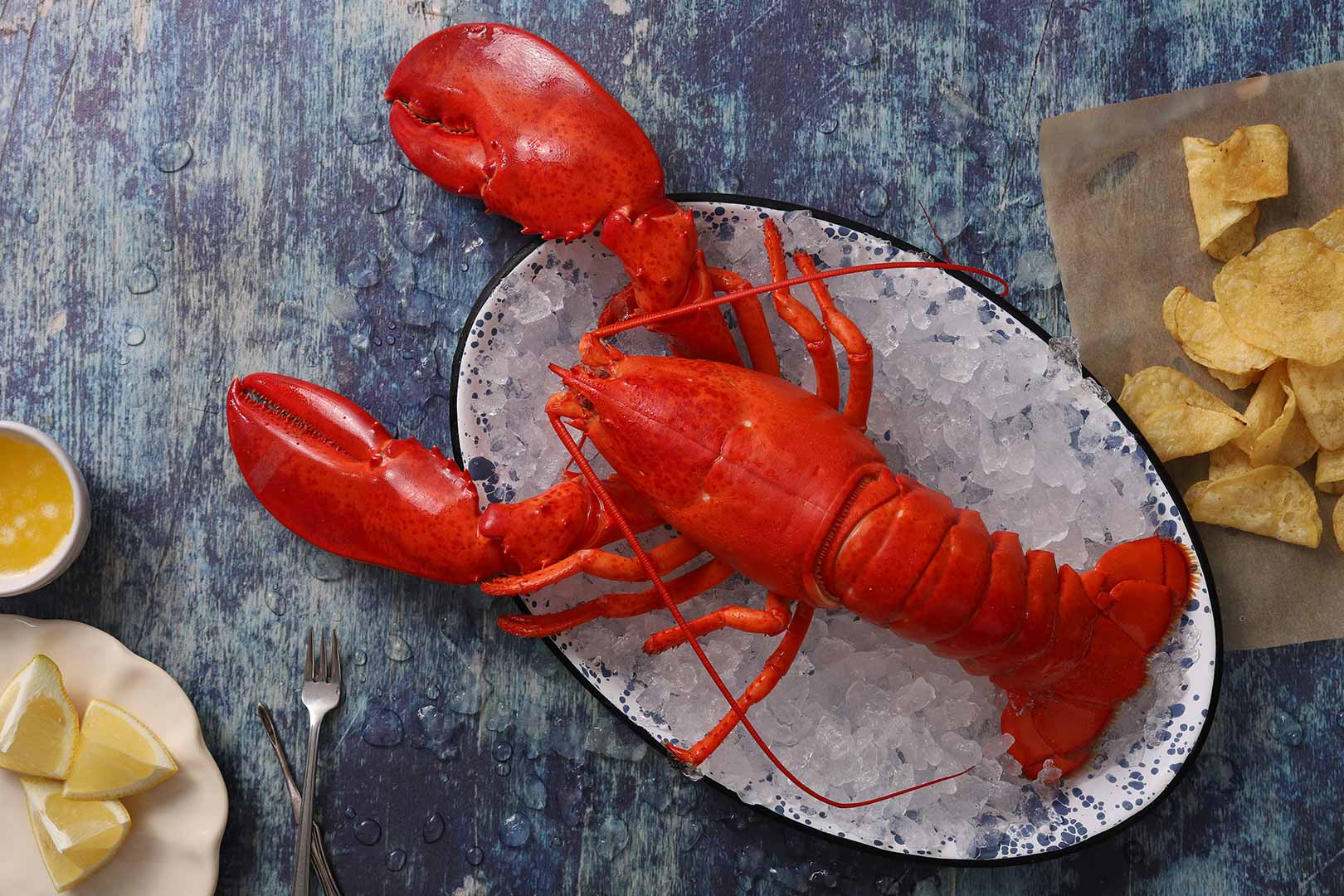
    China has solidified its position as the leading consumer of Vietnamese lobster for the first five months of this year, purchasing over $506 million worth of the seafood delicacy. This figure represents an impressive increase of 44.3% compared to the same period last year. The surge in imports reached its zenith in February, when China imported $154 million worth of Vietnamese lobster, a staggering 150% increase year-on-year. In the subsequent months, the importation figures have remained consistently strong, ranging between $78 million and $87 million.

    Unwavering Demand and Favorable Conditions

    The steady consumption of Vietnamese lobster in China is largely attributable to the incessant demand for live seafood, particularly within the more opulent spectrum of the market such as restaurants, banquets, and gift-giving. Vietnamese lobster boasts several competitive advantages in the Chinese market, such as its geographical proximity which guarantees shorter transportation times, thereby maintaining the quality of live shipments.

    Additionally, transportation methods are diverse, with exporters having the capacity to supply the market via both land and air transport. Notably, small to medium-sized blue lobsters have proven to be competitively priced and well aligned with the taste preferences of Chinese consumers.

    The Changing Dynamics of Seafood Supply

    Apart from these natural advantages, shifts in the global supply chain have opened doors for Vietnamese exporters. In recent times, several traditional suppliers, such as Canada, the U.S., and Australia, have been impacted by tariffs, trade disruptions, or slow recovery in production. This has created a niche for Vietnamese lobster to broaden its market share.

    As a result, Vietnam has evolved into one of China’s critical suppliers of lobster. This progression has laid a strong foundation for continued export growth within this year.

    Industry specialists project that if the consumer demand in China remains steady and exporters persist in supplying high-quality products, there will be additional room for growth in Vietnamese lobster exports in the second half of the year. However, it will be crucial for the industry to keep a close eye on any changes in China’s import policies, quarantine requirements, and quality standards to retain its competitive advantage and sustain its growth.

    Questions & Answers

    What has contributed to the increase in Chinese imports of Vietnamese lobster?

    The surge in Chinese imports of Vietnamese lobster can be attributed to the steady demand for live seafood, particularly in upscale settings, as well as the competitive advantages Vietnamese lobster offers, including close geographical proximity and diversity in transport methods.

    How have global supply chain shifts benefited Vietnamese lobster exporters?

    Changes in the global supply chain, including tariffs, trade disruptions, and slow production recovery affecting traditional suppliers, have created opportunities for Vietnamese lobster to expand its market share.

    What factors will be crucial for the future growth of Vietnamese lobster exports?

    The future growth of Vietnamese lobster exports will depend on the stability of consumer demand in China, the ability of exporters to maintain a reliable supply of high-quality products, and careful monitoring of changes in China’s import policies, quarantine requirements, and quality standards.


  • Beijing Liyuan Shakes Up Beauty Industry: Eyes Exit from Shiseido China Venture

    Beijing Liyuan Shakes Up Beauty Industry: Eyes Exit from Shiseido China Venture

    Beijing Liyuan is said to be planning a sale of its 35% stake in its longstanding cosmetics joint venture with Japanese beauty firm Shiseido. This decision would conclude a partnership that has spanned more than thirty years.

    According to information available on the China Beijing Equity Exchange, Beijing Liyuan is looking for a minimum of RMB199.5 million (US$29.3 million) for its stake in Shiseido Liyuan Cosmetics.

    Details of the Proposed Sale

    Shiseido China Investment, which owns the remaining 65% of the joint venture, has confirmed the planned sale. However, they haven’t specified if they plan on acquiring the stake.

    Shiseido Liyuan Cosmetics was established in 1991 with a focus on developing products specifically for Chinese customers.

    Their leading brand, Aupres, was exclusively designed for the Chinese market. Over the years, this brand became a significant part of Shiseido’s local strategy as the company expanded its operations throughout the country.

    The proposed sale is still in progress and remains subject to completion. Both Beijing Liyuan and Shiseido have refrained from disclosing any additional details about the transaction.

    Questions & Answers

    What is the proposed sale price for Beijing Liyuan’s 35% stake in Shiseido Liyuan Cosmetics?
    Beijing Liyuan is seeking at least RMB199.5 million (US$29.3 million) for its stake in Shiseido Liyuan Cosmetics.

    Who owns the majority stake in Shiseido Liyuan Cosmetics?
    Shiseido China Investment owns the majority stake, holding 65% of the joint venture.

    What is the significance of the Aupres brand in Shiseido’s strategy?
    The Aupres brand, which was exclusively created for the Chinese market, became a cornerstone of Shiseido’s local business strategy as the company expanded its presence across China.

  • Lululemon Issues Apology in China for Cultural Misstep at Great Wall Event

    Lululemon Issues Apology in China for Cultural Misstep at Great Wall Event

    Lululemon, the popular athleisure brand, has publicly apologized in China following controversy surrounding a performance during a company-sponsored event at the Great Wall. The incident incited negative reactions on social media due to the apparent use of a Japanese drum, viewed as culturally insensitive by some.

    Controversy and Apology

    The company expressed remorse on Weibo, the Chinese social media platform, acknowledging that they had failed to anticipate the potential cultural sensitivities associated with the drum performance. They attributed this oversight to “limitations in professional knowledge”. Lululemon went on to apologize both to their customers and brand ambassador Zhu Yilong, a well-known Chinese actor. The company also announced that they had taken down all promotional materials related to the event.

    The controversy was triggered by a grand yoga festival organized near Beijing in the previous month to commemorate Lululemon’s decade-long presence in mainland China. The event attracted over 2,000 participants and was part of the brand’s broader initiative to further engage with Chinese consumers through community-centered experiences.

    A drum performance featuring Zhu Yilong and the HiiKo Drum Group became a hot topic of debate when some social media users noted the drum used resembled a Japanese taiko drum, not a traditional Chinese one. The criticism rapidly proliferated across Chinese social media platforms.

    In their public apology, Lululemon stated that the event was designed to honor Chinese culture, but conceded that they had underestimated the cultural implications. They expressed that they have “learned profound lessons” from the experience and will improve their review processes for upcoming events.

    Challenges for International Brands

    This incident underscores the difficulties global brands can encounter when attempting to understand and respect cultural nuances in foreign markets. Earlier in the year, French fashion brand, Lemaire, also found itself apologizing after a fragrance campaign was criticized by Chinese consumers who felt the brand had used culturally insensitive imagery and messaging.

    Questions & Answers

    What was the cause of the controversy involving Lululemon in China?
    The controversy was sparked when Lululemon used a drum in a performance that was alleged to be a Japanese taiko drum instead of a traditional Chinese drum. This was viewed as culturally insensitive by some.

    What was Lululemon’s response to the backlash?
    Lululemon issued a public apology on Weibo, acknowledging their failure to anticipate potential cultural sensitivities. They also removed all promotional materials connected to the event and apologized to their customers and brand ambassador, actor Zhu Yilong.

    What lessons has Lululemon learned from this experience?
    According to their public apology, the company “learned profound lessons” and intends to strengthen its review processes for future events to better recognize and respect cultural nuances.

  • Domestic Demand Dwindles in China Despite Soaring Industrial Output

    Domestic Demand Dwindles in China Despite Soaring Industrial Output

    The second-largest economy in the world is currently experiencing a dual-speed growth pattern. While factories are flourishing due to robust exports, domestic demand is on a downward trajectory due to an ongoing slump in the property market.

    In May, retail sales, which serve as a critical measure of consumption, decreased by 0.6%, a significant drop from April’s 0.2% rise, and below the predicted 0.0%. This decline in retail sales marks the first reduction since December 2022. Even the extended Labour Day holiday was unable to boost consumer morale, and the government’s consumer goods trade-in initiative is gradually losing its effectiveness. An inflated base from the previous year’s May further added to this downturn.

    According to Zhiwei Zhang, chief economist at Pinpoint Asset Management, the disappointing retail sales data puts increased pressure on the government to contemplate policy measures aimed at stabilizing consumption. “Policy ‘fine tuning’ is anticipated around July, following the release of the second quarter GDP data,” Zhang added.

    On the other hand, data from the National Bureau of Statistics (NBS) revealed that industrial output in May grew by 4.5% compared to the previous year, an increase from the 4.1% growth recorded in April. This rise surpassed the projected 4.3% increase.

    Divides in the Economy

    A boom in global AI investment and related tech demand has allowed the world’s largest manufacturer to counterbalance the anticipated export blow from the Iran war. However, a 19.4% increase in exports has yet to positively impact domestic consumption.

    The economic weakness was particularly noticeable in the automotive sector, as domestic car sales suffered a decline for the eighth consecutive month in May. This trend hints at a diminishing demand in the world’s biggest car market, a pressure that is expected to linger throughout the year.

    Senior economist at the Economist Intelligence Unit, Xu Tianchen, identified several divisions in the May economy. “The divide between domestic and external demand, the divide between AI and traditional industries, and the divide between goods retail and services consumption,” he mentioned.

    He expects the second quarter’s economic growth to slow down to 4.5% from the first quarter’s 5%.

    Growing investment weakness and ongoing property drag

    Investment figures were also significantly weaker than expected. Fixed-asset investment dropped by 4.1% in the first five months of 2025, a fall from the 1.6% decrease recorded from January to April. Economists had anticipated a 2% decline.

    According to NBS spokesperson Fu Linghui, this fall is partially due to extreme weather conditions in several regions, as well as the shift from old to new growth drivers. Fu added that China still has substantial room for future investment, with urbanisation, rural revitalisation, the development of new quality productive forces, and public service improvements all requiring support.

    Questions & Answers

    What contributed to the decline in retail sales in May?
    Several factors contributed to the decline in retail sales in May, including a lack of consumer confidence, the waning effectiveness of the government’s trade-in scheme, and a high base from the same period last year.

    How are the car sales in China currently?
    Car sales within China have been on the decline, with May marking the eighth consecutive month of decreasing sales. This is indicative of a softened demand in the world’s largest auto market.

    What are the expectations for China’s economic growth?
    It’s anticipated that China’s economic growth may slow in the second quarter, dropping to 4.5% from 5% in the first quarter. While it might not be difficult to achieve a full-year growth target of 4.5-5%, the sluggish domestic demand may necessitate policy intervention in the second half of the year.

  • Billion-Dollar Bite: Yum China Gobbles up Pizza Hut in Transformative $1.2B Deal

    Billion-Dollar Bite: Yum China Gobbles up Pizza Hut in Transformative $1.2B Deal

    Yum Brands, the global owner and franchiser of popular restaurant chains such as KFC, Pizza Hut, and Taco Bell, operates Yum China as a master franchisee. The franchisee oversees the operation of these three brands within Mainland China and has been accountable for a 3% royalty fee on its overall sales to the US-based conglomerate. However, with the conclusion of a recent deal, Pizza Hut China will be exempted from these licensing fees.

    Pizza Hut, as disclosed by Yum China, holds the title of the largest casual dining restaurant brand in China. Last year, the brand generated a segmental revenue of $2.3 billion and an operating profit of $183 million. Yum China has set ambitious growth objectives for the Pizza Hut network. Its goal is to increase the number of Pizza Hut restaurants from 4375 in over 1100 cities to over 6000 stores by the year 2028. Furthermore, the company intends to double the chain’s operating profit by 2029.

    From Franchisee to Brand Owner

    Joey Wat, CEO of Yum China, stated that transitioning from an exclusive licensee to the brand owner of Pizza Hut in Mainland China is a significant turning point for the company. This move solidifies their belief in and long-term commitment to the Chinese market.

    Being the brand owner will enable the company to have more strategic freedom to encourage innovation across the menu, store formats, new modules, and operations. Wat foresees that the cessation of licensing fees will bolster store economics and lower the threshold for opening new stores, thus aiding in margin expansion and growth.

    The transaction is slated to finalize in the third quarter, subject to standard closing conditions. Yum China asserts that their financial guidance for FY26 will remain unaffected by this transaction.

    Global Divestment

    This deal forms part of Yum Brands’ strategy to divest from the Pizza Hut segment internationally. Outside of Mainland China, the company has agreed to offload the Pizza Hut brand to private equity firm LongRange Capital for approximately $1.5 billion.

    This sale comes in the wake of Pizza Hut’s underperformance compared to KFC and Taco Bell, as evidenced in Yum Brands’ recent financial outcomes.

    Questions & Answers

    What effect will the elimination of license fees have on Pizza Hut in China?
    The elimination of license fees is expected to improve store economics and lower the requirements for opening new stores, ultimately supporting margin expansion and growth.

    What are Yum China’s growth goals for Pizza Hut?
    Yum China intends to expand the Pizza Hut network in Mainland China from 4375 restaurants across more than 1100 cities to more than 6000 stores by 2028. The company also aims to double the chain’s operating profit by 2029.

    Why is Yum Brands divesting from the Pizza Hut segment worldwide?
    This move follows a period of underperformance by Pizza Hut compared to KFC and Taco Bell, as reflected in Yum Brands’ latest financial results.

  • China Cracks Down on Walmart’s Sams Club Over Food Safety Concerns

    China Cracks Down on Walmart’s Sams Club Over Food Safety Concerns

    In a recent development, China’s market regulator has enforced stringent measures on the supermarket chain, Sam’s Club, which is owned by Walmart. The regulator has initiated these steps as part of a bid to eradicate food safety risks from the company’s supply chain and ensure public dietary safety.

    The directive comes as Sam’s Club is actively pursuing expansion activities in China. As a result of new store openings, the company achieved double-digit growth in its transactions last year. This has increased the number of its membership-only stores to 63 across the nation, as per the data available on the company’s website.

    The decision was made following a meeting with a top-level executive from the U.S. retail giant to address recently identified food safety concerns. The State Administration for Market Regulation shared this information in an announcement on Monday, without specifying the date on which the meeting took place.

    As of now, Walmart’s China office has not responded to any requests for comments on this matter.

    In response to the regulator’s directive, Sam’s Club has issued an apology stating, “We will consistently report the progress of our rectification measures to the regulatory authorities and willingly accept their supervision.”

    In an effort to rectify the situation, the grocery chain has established an exclusive task force, headed by its management. This team is responsible for conducting supply chain inspections to ensure compliance with regulations and maintain the highest standards of product quality control.

    Questions & Answers

    What actions has China’s market regulator taken against Sam’s Club?
    The regulator has ordered Sam’s Club to enforce strict measures to eliminate food safety risks in its supply chain and ensure public dietary safety.

    What was the reason behind the regulator’s directive?
    The decision was made following a meeting with a top-level executive from Sam’s Club to address recently identified food safety concerns.

    What steps is Sam’s Club taking in response to the regulator’s orders?
    Sam’s Club has established a specialized task force, led by its management, to ensure strict compliance with regulations and maintain the highest standards of product quality control. The company will also regularly update the regulatory authorities about the progress of these rectification measures.

  • Thriving Puppy Preschools: Chinas New Trend in Pet Pampering

    Thriving Puppy Preschools: Chinas New Trend in Pet Pampering

    In the bustling city of Shanghai, a unique business model is quickly gaining popularity. Paw, a self-proclaimed preschool for dogs, is leveraging a new trend among Chinese millennials who are increasingly viewing their pets as family members and investing more in their care and wellbeing.

    A Day at Paw

    Pets start arriving at Paw by 9 a.m. daily. Unlike traditional dog daycares where focus is put primarily on training or age-specific activities, Paw provides a varied schedule of activities suited to each dog’s needs and interests. The daily routine includes interactive games, challenges on obstacle courses, and even leisurely strolls on specially designed dog treadmills. The pups are also treated to freshly made snacks and calming nap times accompanied by soothing classical music played by a pianist. Pet owners can rest assured knowing their beloved companions are well taken care of and can pick them up at around 7 p.m.

    Qian Yi, a regular patron of Paw, explained how she treats her one-year-old Border Collie, Harry, like a child. “We raise our dog like a child,” she said, adding that she spends approximately 4000 yuan (US $560) each month on Harry’s daycare, meals, grooming, swimming, and visits to dog parks.

    Emerging Trend in China’s Pet Industry

    The launch and growth of Paw reflects larger shifts in China’s consumer economy. Young, urban consumers are increasingly prioritizing spending on experiences and emotional fulfillment. This is particularly true in the pet care sector, where services like daycare, grooming, and training are seeing significant growth.

    Pet Data, a local industry research firm, estimates the urban pet consumption market reached 312.6 billion yuan (US $46 billion) in 2025, with projections to exceed 405 billion yuan by 2028.

    Paw’s founder, Jann Zhang, explains that the idea for this doggie preschool came about after he struggled to find help for his anxiety-ridden Golden Retriever, Fuzai. He felt that lack of socialization was the primary issue and wanted to provide a space where dogs could interact and play. He started Paw with less than 20 pups and has since grown his clientele to 200. He charges a daily fee ranging from 98 yuan to 138 yuan, depending on the size of the dog.

    Questions & Answers

    What is Paw?
    Paw is a unique dog daycare business in Shanghai, China, that treats dogs as pupils, providing them with a variety of activities, socialization opportunities, and care services.

    What services does Paw offer?
    Paw offers a range of services including interactive games, obstacle courses, freshly made snacks, nap times with soothing music, and walks on specially designed dog treadmills.

    How does Paw reflect larger trends in China’s consumer economy?
    The rise and success of Paw mirrors a larger shift in China’s economy, where young, urban consumers are spending more on experiences and emotional fulfilment. In the pet care sector, this translates to growth in services like daycare, grooming, and training.

  • Muji’s Expansion in China: Winning Over Consumers with Localization Strategy

    Muji’s Expansion in China: Winning Over Consumers with Localization Strategy

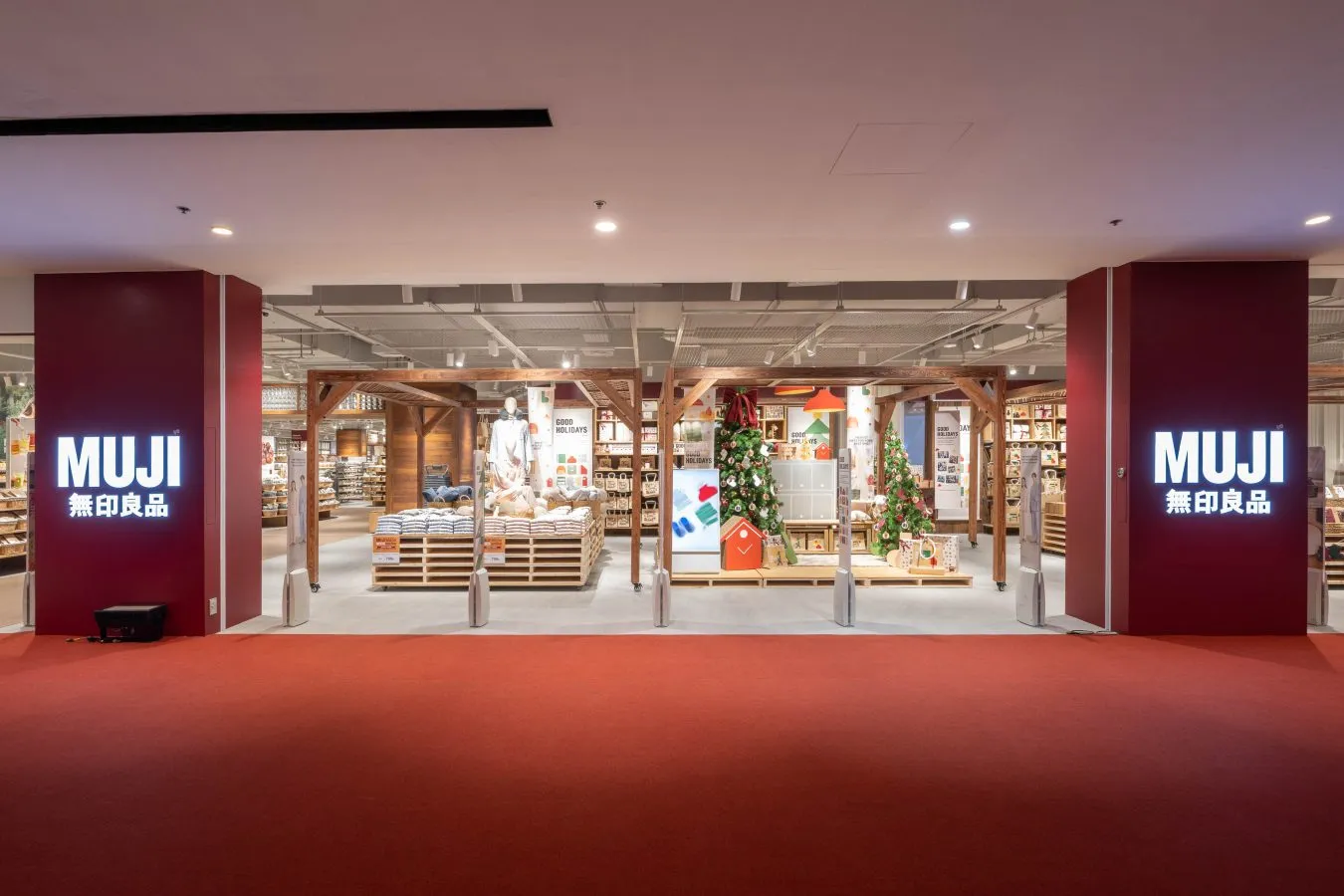
    In 2005, Muji, the Japanese lifestyle retailer, established its first store in Mainland China at one of Shanghai’s prime retail destinations, Nanjing West Road. Today, 20 years later, the company has adopted a subtler growth approach in China. Despite making adjustments to its store network, including closing some retail locations as part of its standard optimization, Muji’s focus remains on expansion, localisation, and fostering a deeper engagement with customers.

    China is currently Muji’s largest foreign market with over 400 stores. The brand’s growth strategy in the region is increasingly focusing on local product development, flagship store experiences, and the integration of online and offline retail.

    Muji’s Strategic Approach

    According to Shu Wu, a board member and CMO, China, the focus is not only on launching more stores but also ensuring that the brand remains relevant as Chinese consumer behaviour transforms.

    “Muji strives to be a fundamental brand for a superior lifestyle,” Wu stated. She highlighted that the brand’s intention is to support a lifestyle that is both materially and spiritually rich while using as few resources as possible. The brand’s philosophy is centred around the ‘Power of Nature’ concept, which manifests in the production of goods from natural materials and minimal disturbance of nature, resulting in a sustainable and truthful lifestyle for everyone.

    Moreover, Wu emphasized that expressing this philosophy in China requires a stronger local connection. She stated, “In the local market, while staying true to this positioning and approach, Muji places even greater emphasis on local connections. With respect for Chinese nature, culture, and society, we continue to deepen our roots here.”

    Competitive Stance and Digital Growth

    In an increasingly competitive market with brands such as Miniso and other lower-cost alternatives, Muji’s approach is not to compete solely on price. Instead, the company focuses on reinforcing product quality, purpose, and relevance.

    Furthermore, as the brand continues to invest in physical stores, China’s digital ecosystem has become a significant part of its overall retail strategy. Wu revealed that e-commerce now accounts for more than 20% of Muji’s total sales in the local market. The company views online and offline channels as complementary, enhancing the consumer experience instead of competing with each other.

    Muji sees its next stage of growth in China as less about defending its existing position and more about adjusting its global brand philosophy to a changing local market.

    Questions & Answers

    What is Muji’s growth strategy in China?
    Muji’s growth strategy in China focuses on expansion, localisation, and fostering deeper engagement with customers. The company aims to stay relevant as Chinese consumer behaviour transforms.

    How is Muji competing in an increasingly competitive market?
    Muji’s approach to competition is not to compete solely on price. Instead, the company focuses on reinforcing product quality, purpose, and relevance.

    What role does digital growth play in Muji’s strategy?
    Digital growth plays a significant role in Muji’s strategy. With e-commerce accounting for over 20% of Muji’s total sales in the local market, the company views online and offline channels as complementary, not competitive. The brand aims to enhance the customer experience across all platforms.

  • Tim Hortons China Welcomes New CEO Kwok Wah Cheung to Harness Growth and Innovation

    Tim Hortons China Welcomes New CEO Kwok Wah Cheung to Harness Growth and Innovation

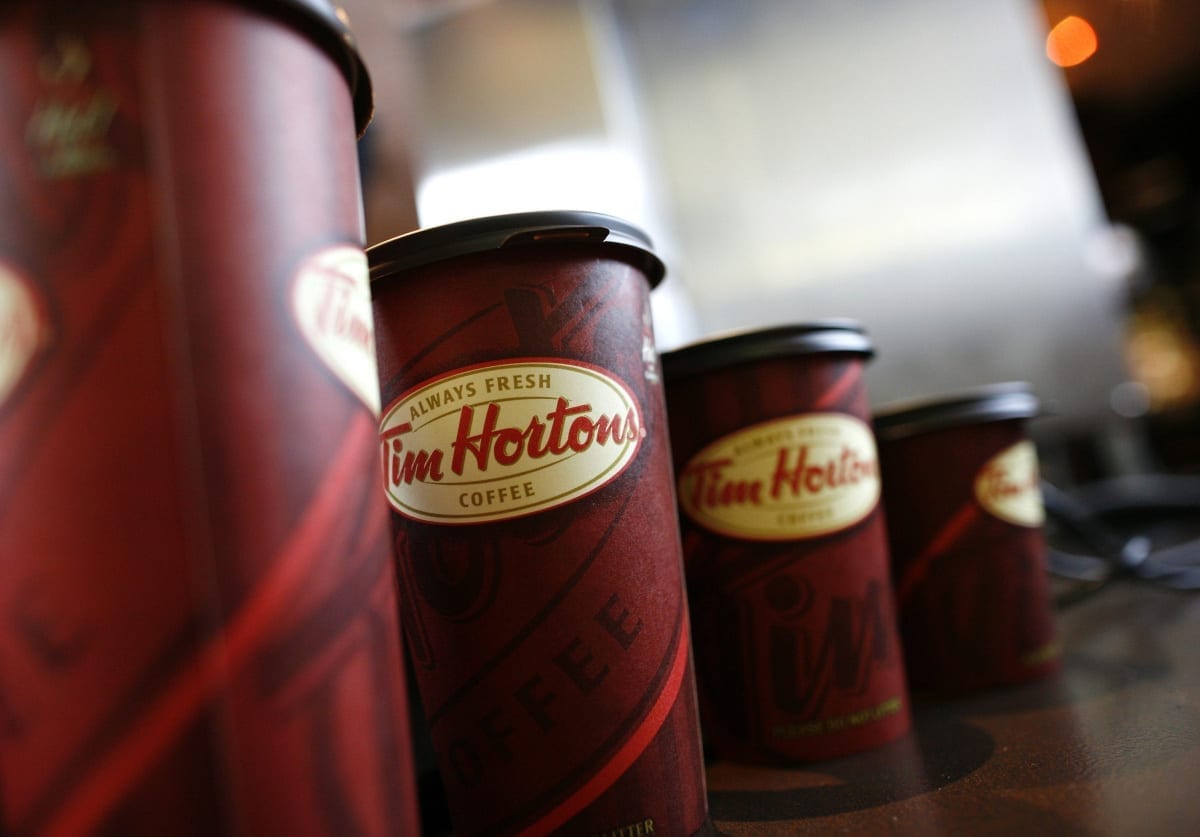
    TH International, the parent company of Tims China, master franchisee of Tim Hortons coffee shops, has announced the appointment of Kwok Wah Cheung as its new CEO, effective June 15.

    Experience and Expertise

    Cheung brings his wealth of experience to this new role, having held leadership positions at various major consumer businesses in China for over two decades. His past roles include CEO of Supor, an appliance and cookware manufacturer; executive director of dairy company China Feihe; chairman and CEO of Nestlé’s Greater China Region; and global president of Wyeth Nutrition.

    In his new capacity, Cheung will oversee the company’s overall operations and the execution of the board’s strategic directives. His focus areas include intensifying localization efforts, fostering continuous innovation, expanding the loyalty club, and enhancing customer convenience through optimized store layouts and the integration of digital and delivery services.

    Leadership Transition

    As part of this management transition, the incumbent CEO, Yongchen Lu, will relinquish his position and take on the role of company chairman. Simultaneously, the current chairman, Peter Yu, will step down from his position and remain as a director.

    In his new role as chairman, Lu will work closely with Cheung to facilitate a seamless transition and continue delivering value to all stakeholders.

    Tims China launched its inaugural store in 2019 and has since expanded rapidly, boasting 1,026 system-wide stores in 93 cities across mainland China by the end of March this year. The company’s loyalty club community currently exceeds 35 million members.

    Questions & Answers

    Who is the new CEO of TH International?
    Kwok Wah Cheung has been appointed as the new CEO of TH International.

    What will be the primary focus of the new CEO?
    Cheung will focus on localisation, innovation, loyalty club expansion, and enhancing convenience via optimized store formats and digital integration.

    What role will former CEO Yongchen Lu assume?
    Yongchen Lu will step down as CEO and assume the role of company chairman.

  • Musinsa: Powering Korean Fashion Invasion in China with Dual Tmall Presence

    Musinsa: Powering Korean Fashion Invasion in China with Dual Tmall Presence

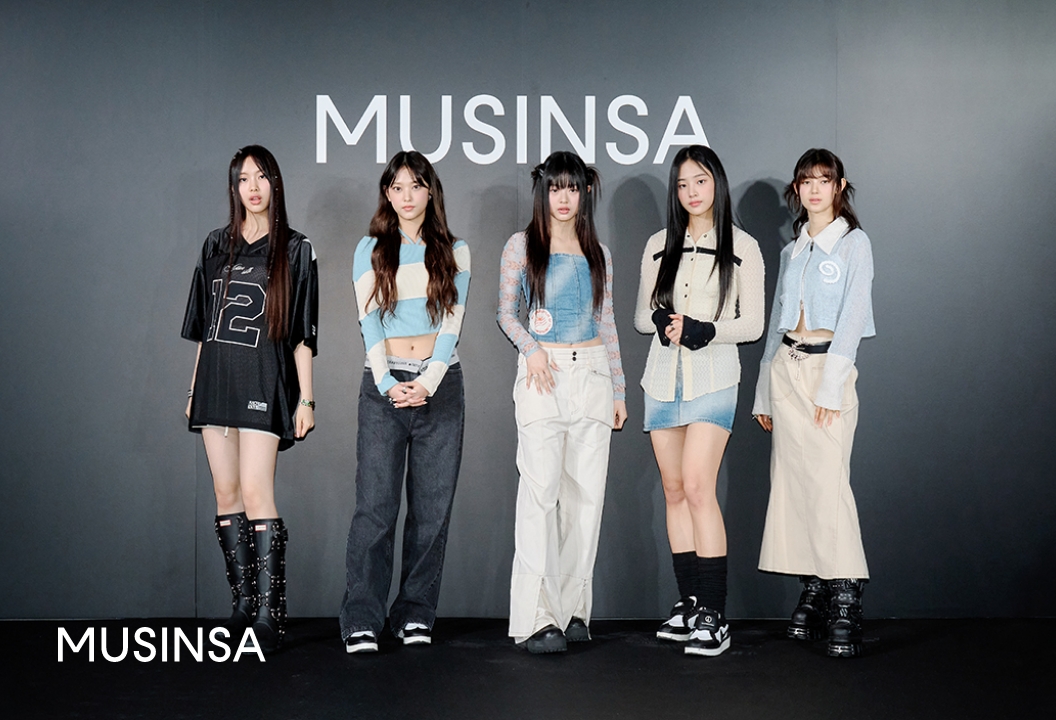
    South Korean fashion marketplace, Musinsa, is advancing its business strategy in China by launching on Tmall Global, the cross-border e-commerce platform owned by Alibaba Group. This step builds upon Musinsa’s initial foray into the Chinese market last year through the domestic Tmall marketplace. This dual-platform presence gives Musinsa the advantage of permeating both the local Chinese e-commerce ecosystem and the cross-border shopping channel.

    Musinsa’s aim is to assist small and mid-sized Korean fashion brands who have traditionally encountered high barriers to China’s market entry, such as regulatory complexity, logistical hurdles, and the high costs associated with establishing local operations. By leveraging the platform model, these brands can sell their products directly to Chinese consumers without the need to establish a local entity. Musinsa is also in a position to extend comprehensive services to participating brands. These services include platform integration, logistics coordination, marketing, and customer service.

    Content-Led Curation Strategy and Promotional Initiatives

    Musinsa is adopting a content-led curation strategy to introduce Korean fashion trends to Chinese consumers. Alongside this, the company is outlining various marketing initiatives. These include co-branded campaigns with Tmall Global, promotional events, and livestream shopping activations.

    Musinsa had already made headway into the Chinese market through a joint venture with Anta Sports, establishing Musinsa China to expand through both online and offline channels. The company launched its flagship store on Tmall last year, introducing its modern basic casual wear brand, Musinsa Standard, as well as Musinsa Store.

    A representative from Musinsa China stated that the opening of the online flagship store was the first step towards introducing competitive emerging Korean brands to China’s younger generation. The representative also indicated that Musinsa would utilize its vast experience in the fashion industry and localization strategies to quicken the global expansion of K-fashion.

    Questions & Answers

    What is Musinsa’s plan for the Chinese market?
    Musinsa plans to aid small and medium-sized Korean fashion brands in accessing the Chinese market by providing a platform for them to sell directly to Chinese customers.

    What services is Musinsa offering to participating brands?
    Musinsa is providing comprehensive services including platform integration, logistics coordination, marketing, and customer service.

    What is Musinsa’s strategy to promote Korean fashion trends in China?
    Musinsa is adopting a content-led curation strategy to introduce Korean fashion trends to Chinese consumers and is planning various marketing initiatives such as co-branded campaigns with Tmall Global, promotional events, and livestream shopping activations.

  • UOB Strengthens Asia Operations with New CEOs for China, Hong Kong

    UOB Strengthens Asia Operations with New CEOs for China, Hong Kong

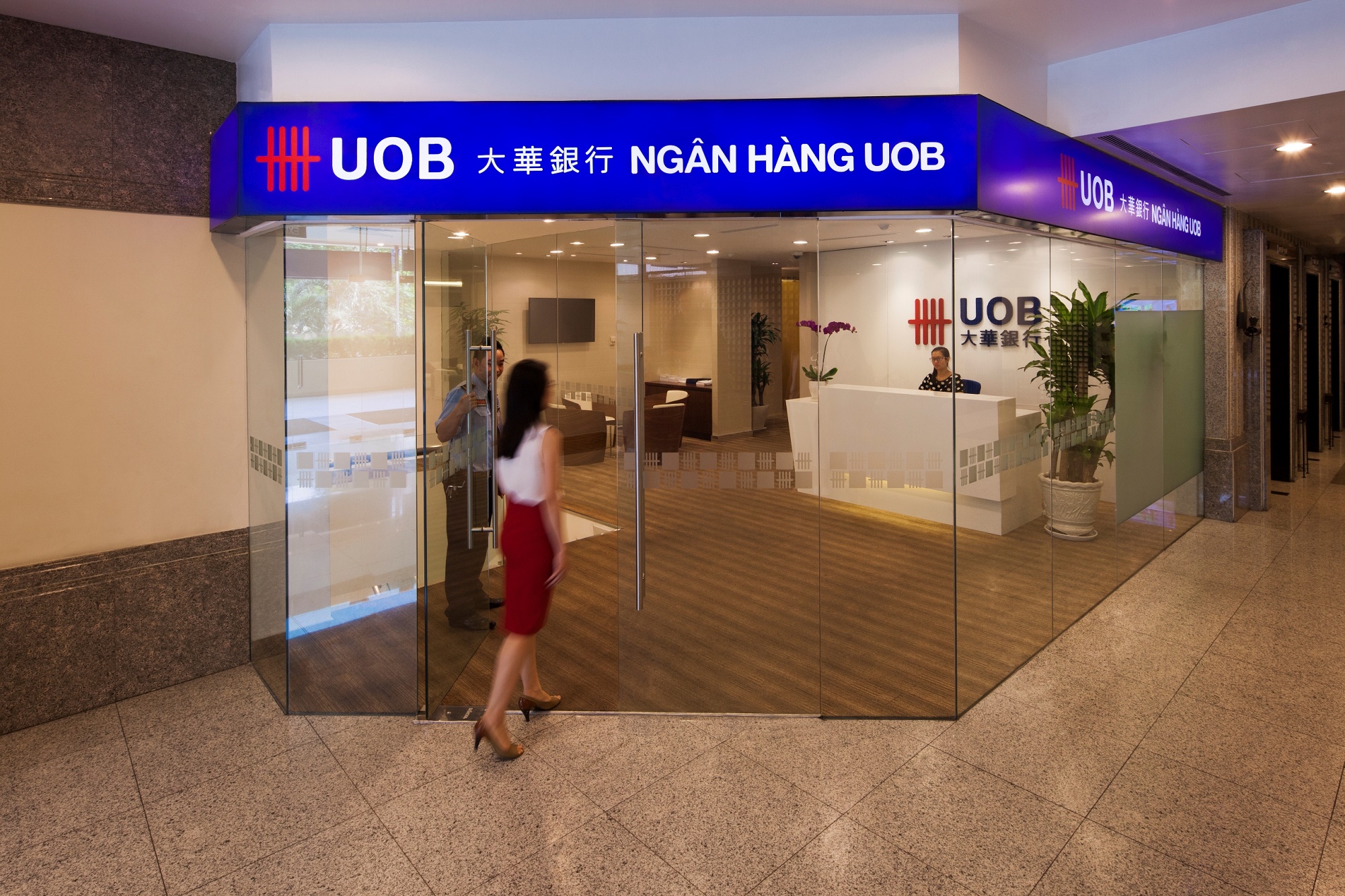
    United Overseas Bank (UOB) recently unveiled a series of significant leadership shifts within its operations in China and Hong Kong. This announcement is a testament to the bank’s dedication to fortifying its cross-border business operations between China and Southeast Asia.

    Adaline Zheng, currently presiding as the Chief Executive Officer of UOB’s Hong Kong Branch, is poised to step into the role of CEO for UOB China as of July 1. She will be taking over from Peter Foo, who draws his 15-year tenure with the bank to a close with his impending retirement. Concurrently, George Tung, currently UOB’s Country Manager for South Korea, is slated to assume the position of CEO for the Hong Kong Branch.

    UOB is making these strategic moves as part of its effort to amplify its role in fostering trade, investment, and financial connectivity between China and the ASEAN markets.

    Leadership at the Helm of UOB’s Expansion

    Deputy Chairman and Chief Executive Officer of UOB, Wee Ee Cheong, stated that China plays a pivotal role in trade, investment, and cross-border dealings with ASEAN. As the most interconnected bank in ASEAN, the deep-rooted local knowledge and leading cross-border capabilities of UOB put the bank in a strong position to usher in the next stage of business growth and momentum.

    Wee confirmed that the bank plans to continue improving its capabilities to cater to the escalating cross-border needs of its customers. This comes as economic ties strengthen between China and ASEAN. In Hong Kong, UOB aims to enhance its role as a conduit between mainland China and Southeast Asia, while augmenting its private banking and wealth management services.

    Meet the New Leaders

    Zheng brings to the table over twenty years of banking experience, with a heavy focus on mainland China and Hong Kong. She first joined UOB China in 2018 as Head of Wholesale Banking before her appointment as CEO of the Hong Kong Branch in March 2024. In her new capacity, she will be in charge of UOB’s mainland China endeavors and will spearhead efforts to broaden the bank’s cross-border abilities and aid clients in seeking regional growth opportunities.

    In the meantime, Tung will be returning to Hong Kong after a stint as Country Manager of UOB South Korea since 2021. During his tenure in South Korea, he concentrated on establishing strategic alliances and boosting business connections between Korean institutions and ASEAN markets. With a history at UOB dating back to 2010, Tung had spent a decade helming the Hong Kong Branch’s Wholesale Banking business.

    As the incoming CEO of UOB Hong Kong Branch, Tung will focus on advancing business growth, fortifying client relationships, and broadening the bank’s wholesale and private banking ventures. He will also spearhead engagement with regulators and bolster Hong Kong’s role as a strategic hub connecting mainland China and ASEAN.

    Questions & Answers

    Who will succeed Peter Foo as CEO of UOB China?
    Adaline Zheng, currently the Chief Executive Officer of UOB’s Hong Kong Branch, will succeed Peter Foo as the CEO of UOB China effective July 1.

    Who will take over as CEO of the Hong Kong Branch?
    George Tung, currently UOB’s Country Manager for South Korea, will take over as CEO of the Hong Kong Branch on the same date.

    What will be the primary responsibilities of the new CEOs?
    Adaline Zheng will oversee UOB’s mainland China business and lead efforts to expand the bank’s cross-border capabilities. George Tung will focus on driving business growth, strengthening client relationships, and expanding the bank’s wholesale and private banking businesses in Hong Kong.

  • Babor Breaks Ground in China: Opens First Flagship Store in Shanghai, Revolutionizing Skincare Retail

    Babor Breaks Ground in China: Opens First Flagship Store in Shanghai, Revolutionizing Skincare Retail

    Germany’s renowned skincare brand, Babor, recently launched its first flagship store in mainland China, specifically in Shanghai, as part of its bid to augment its foothold in one of the world’s major beauty markets.

    An Experiential Retail Concept

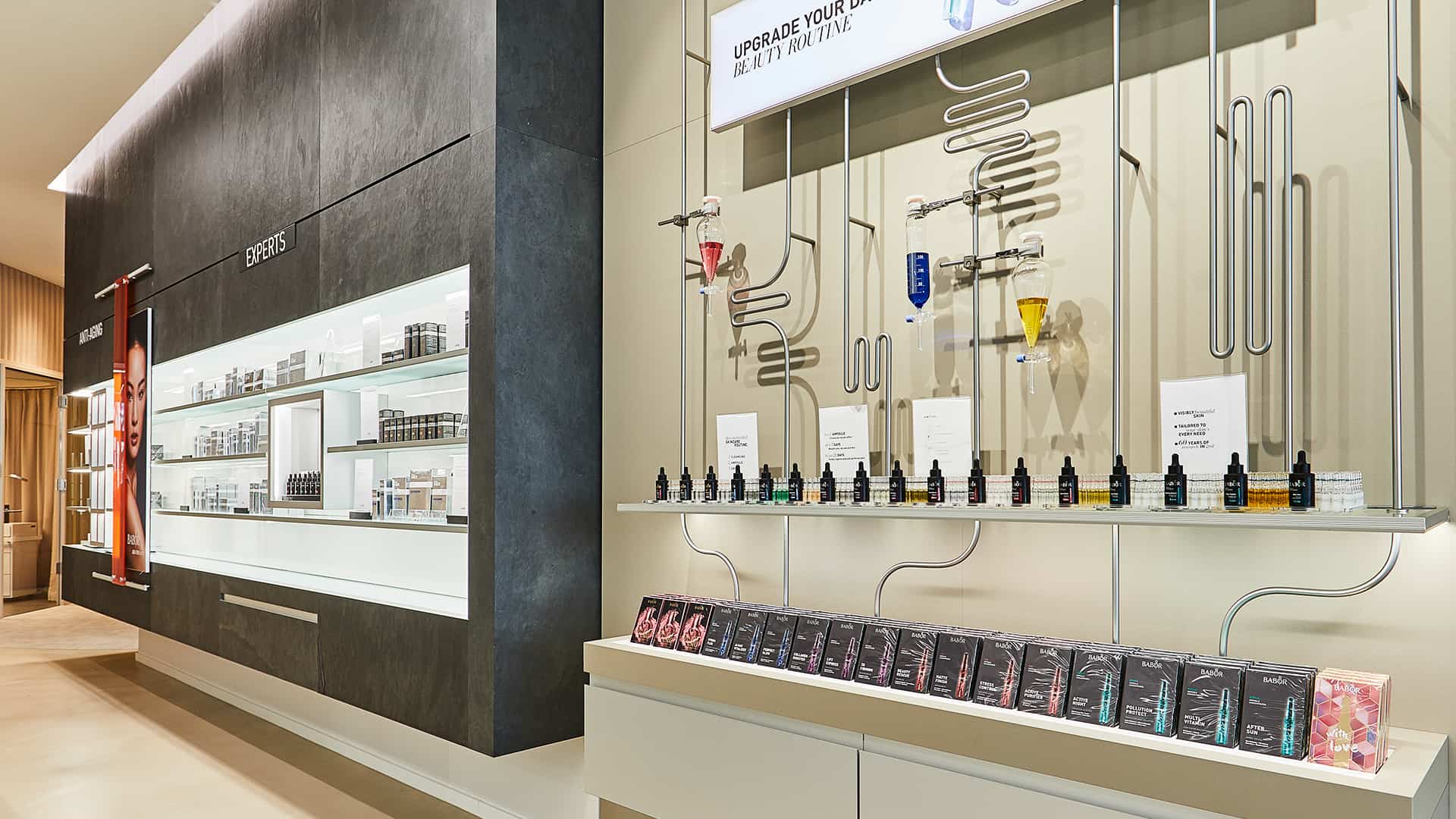
    Situated in Shanghai’s Xintiandi Dongtaili district, the flagship store is fashioned as a “specialist skincare atelier.” This unique concept effortlessly fuses Babor’s German roots and professional know-how with an innovative, experience-driven retail framework.

    The store is partitioned into two main sections. The Retail Gallery proudly features Babor’s signature Ampoule Bar, as well as its primary skincare assortments. Conversely, a separate Treatment Atelier is available for customers seeking facial treatments and bespoke skincare services.

    The brand explains that this novel approach aims to foster “deeper connections with consumers” by harmonizing product exploration with tailored skincare treatments and services.

    Milestone in China Expansion Strategy

    Established in 1956, Babor has earned a reputation for its expert skincare products and treatments. The inauguration of this new store signifies a notable achievement in the brand’s China expansion strategy, mirroring the growing demand for high-end skincare experiences among local shoppers.

    Eternal Group, Babor’s regional partner, voiced their confidence in the sustainable future of China’s professional skincare sector, emphasizing the increasing relevance of experiential retail in forging robust consumer relationships.

    This event follows a larger retail expansion by Eternal. The beauty distributor, listed in Hong Kong, announced the opening of four new stores in Beijing, Shanghai, and Shenzhen recently. This is part of their plan to reinforce their directly managed retail network across China’s premier cities.

    Questions & Answers

    What is the concept behind Babor’s flagship store in Shanghai?
    The concept is designed as a “specialist skincare atelier”. It combines Babor’s German heritage and expertise with an experiential retail format to create deeper connections with consumers.

    What does the new store mean for Babor’s expansion strategy?
    The opening of the new store marks a significant milestone in Babor’s expansion strategy in China. It demonstrates the growing demand for premium skincare experiences among local consumers.

    How does Babor’s partner, Eternal Group, view the future of China’s professional skincare sector?
    Eternal Group expresses confidence in the long-term prospects of China’s professional skincare sector. They believe in the increasing importance of experiential retail in building stronger consumer relationships.

  • EU Slaps Chinese Retailer Temu with $232M Fine for Failing to Halt Sale of Illegal Products

    EU Slaps Chinese Retailer Temu with $232M Fine for Failing to Halt Sale of Illegal Products

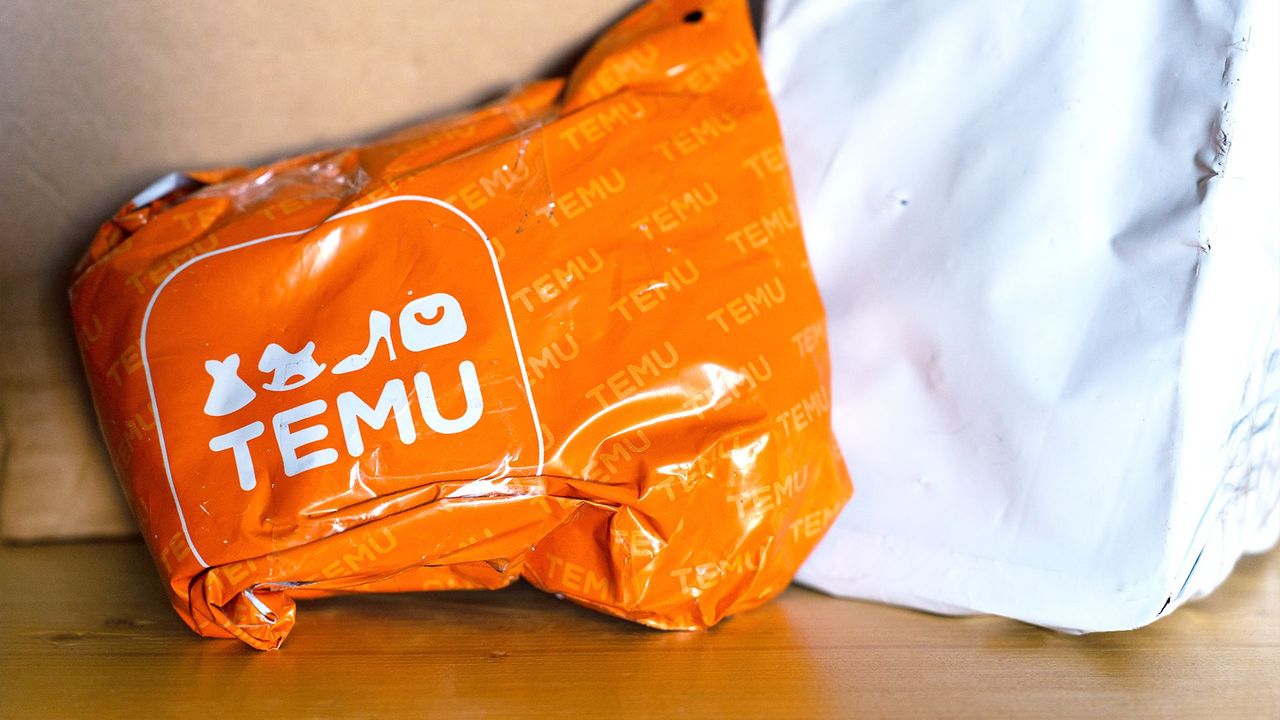
    Temu, a prominent Chinese online retailer, has been penalized with a €200 million (US$232 million) fine by European Union (EU) tech regulators for their apparent laxity in addressing the sale of prohibited products on its platform. The judgement came as part of an extensive investigation’s initial phase, conducted under the guidelines of the Digital Services Act. This legal standard necessitates major online companies to exert more effort to suppress unlawful and harmful content on their platforms.

    The ongoing probe began almost two years ago and could result in additional sanctions in the coming months. Temu came under the regulators’ lens after BEUC, a pan-European consumers’ organization, and 17 of its national members lodged complaints against them.

    EU Commission’s Allegations Against Temu

    The EU executive, the European Commission, criticized Temu for its perceived failure to systematically identify, scrutinize, and gauge the ramifications of illegal products marketed on its site, which consequently posed a threat to consumers within the EU. The commission also reproached Temu for its apparent lack of assessment in how its recommendation systems and product marketing strategies, led by affiliated influencers, could escalate the risk of illegal product sales.

    Despite the regulatory judgement, Temu maintained its disagreement with the European Commission’s decision, deeming the imposed fine to be excessive. In their official statement, Temu acknowledged the objectives of the Digital Services Act and the necessity for solid, uniform regulations throughout the digital industry. However, the company argued that the decision was based on their initial DSA evaluation in 2024 and does not exhibit the current state of their systems.

    Temu confirmed that they have been actively engaged with the Commission throughout the process and have since amplified their efforts to bolster risk assessment, platform governance, and user protection initiatives. They also expressed their intent to maintain engagement with regulators and are contemplating all potential responses to the matter.

    Commission Awaits Temu’s Action Plan

    The Commission has given Temu until August 28 to submit a comprehensive action plan for regulator appraisal, and a decision regarding the company’s compliance with the DSA is anticipated in two months. EU tech chief Henna Virkkunen emphasized the importance of risk management under the DSA and noted that the decision sends a powerful message to Temu.

    She also confirmed that regulators will persist in investigating whether Temu’s service design is excessively addictive and if it continues to sell prohibited products. The access of Temu’s recommenders and researchers to data is also under scrutiny. Non-compliance with DSA rules may result in penalties amounting to as high as 6% of the company’s global annual turnover.

    Temu’s penalty is the second instance of DSA violation, following a €120 million fine imposed on Elon Musk’s social media network, X, last December.

    Questions & Answers

    What is the reason behind Temu’s €200 million fine?
    The European Union tech regulators have fined Temu for their perceived failure in preventing the sale of illegal products on their platform, as per the guidelines of the Digital Services Act.

    What are the potential implications for Temu if they do not comply with the DSA?
    If Temu fails to comply with the DSA, they could face further penalties, including fines amounting to as much as 6% of their global annual turnover.

    What further steps has the Commission required of Temu?
    The Commission has given Temu until August 28 to deliver an action plan for regulator assessment, which will determine whether the company has adequately complied with the Digital Services Act.

  • Skims Embarks on Global Expansion, Set to Unveil First Greater China Flagship Store in Hong Kong

    Skims Embarks on Global Expansion, Set to Unveil First Greater China Flagship Store in Hong Kong

    As part of its ongoing global growth strategy, Skims, the shapewear and apparel brand, has announced plans to launch its first flagship store in Greater China. This major milestone will be located in Hong Kong’s bustling Times Square in Causeway Bay, with the opening scheduled for November later this year. The venture will be a collaboration with renowned retailer Lane Crawford.

    Skims, renowned for its signature neutral-toned interiors and minimalist store design, is looking forward to making a significant mark on the retail landscape in Hong Kong. The brand’s co-founder and CEO, Jens Grede, has pinpointed the city as a prime spot for the brand’s physical retail growth. Skims’ commitment to this strategic expansion underscores the importance of Hong Kong as a key player in the global market.

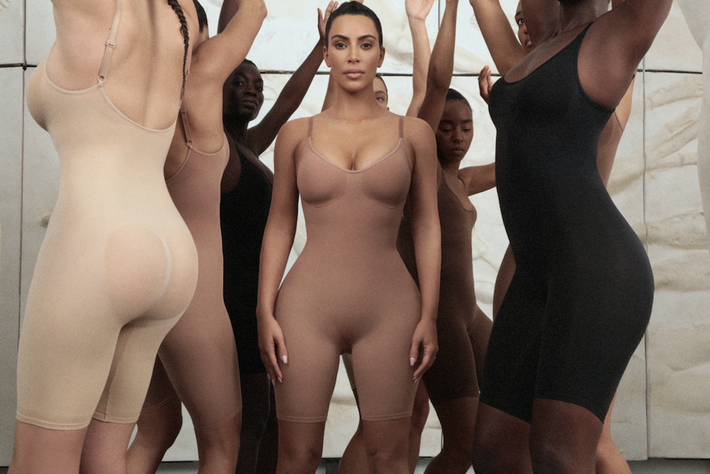
    Launched in 2019 by Kim Kardashian, Emma Grede, and Jens Grede, Skims initially focused on providing direct-to-consumer shapewear. However, the brand has since diversified its offerings to include underwear, loungewear, and general apparel. Skims prides itself on producing items that cater to a wide selection of body types, placing a particular emphasis on technical fabric development and product innovation.

    The upcoming opening in Hong Kong builds upon the strong partnership between Skims and Lane Crawford, which has been pivotal in expanding the brand’s reach. In 2024, Skims made its debut in Mainland China, thanks to a pop-up activation at the Chengdu International Finance Square, facilitated by this partnership.

    Lane Crawford, headquartered in Hong Kong, operates six department stores – four in Hong Kong and two in Mainland China. The retailer, with a robust online presence, specializes in fashion, accessories, jewelry, beauty, and homewares.

    This development coincides with a resurgence of international fashion and lifestyle brands seeking prime retail locations in Hong Kong’s main shopping districts. This trend has been buoyed by a recovery in both tourism and consumer spending in the region.

    Questions & Answers

    When and where will Skims open its first Greater China flagship store?
    The store is scheduled to open in November at Times Square in Causeway Bay, Hong Kong.

    Who are the founders of Skims?
    Skims was founded in 2019 by Kim Kardashian, Emma Grede and Jens Grede.

    What is the focus of Skims products?
    Skims focuses on products designed for a broad range of body types, with an emphasis on technical fabric development and product innovation.

  • Standard Chartered Pioneers in Chinas Market with First Bond Futures Trade

    Standard Chartered Pioneers in Chinas Market with First Bond Futures Trade

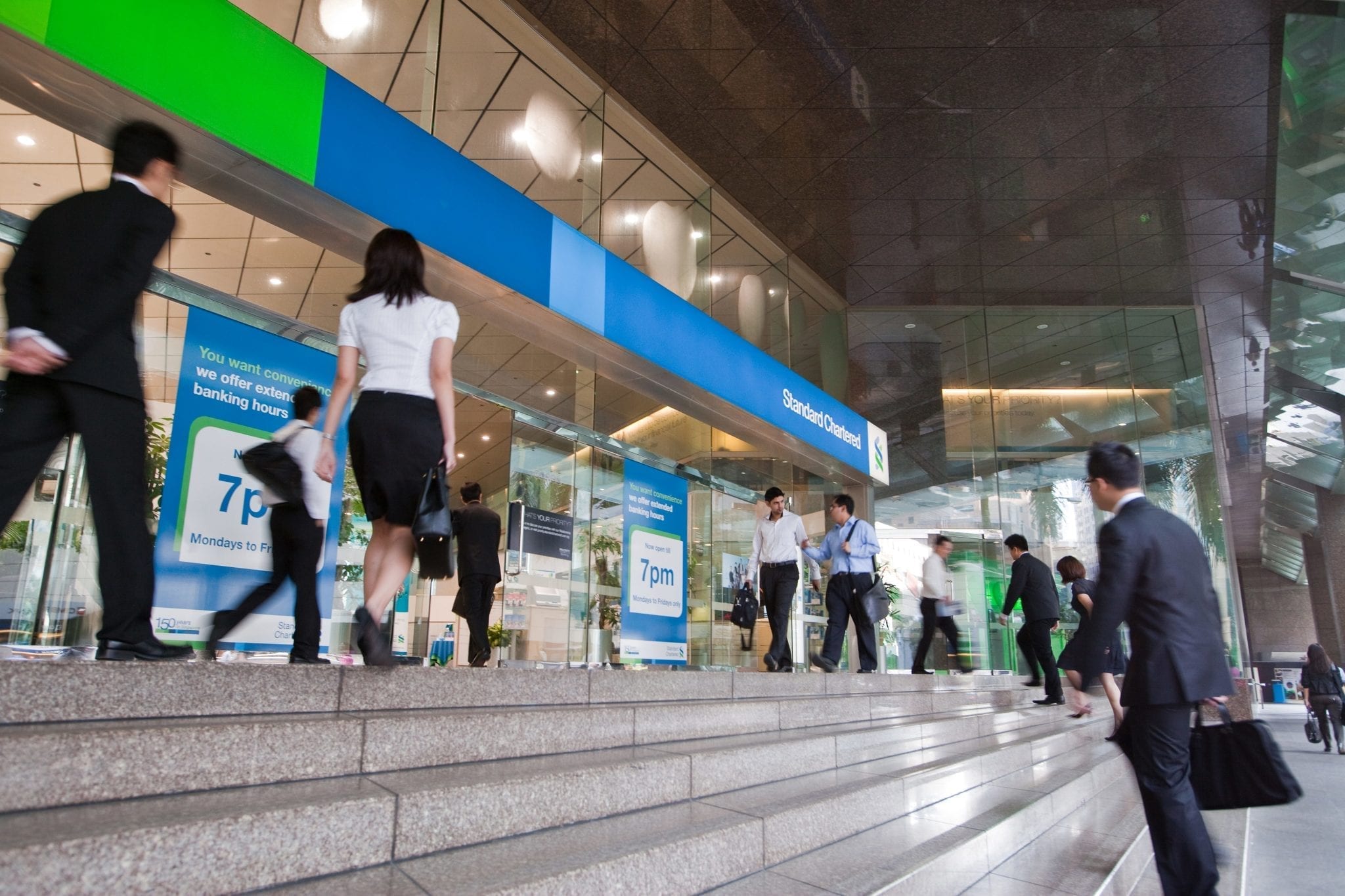
    Standard Chartered Bank China (SCB China) recently completed its first-ever Qualified Foreign Investor (QFI) investment in China Government Bond (CGB) Futures following the market’s recent opening. The bank served in dual roles, both as the QFI’s custodian and futures margin depository bank. This service facilitated the comprehensive execution of the trade.

    Opening Up of China’s Capital Markets

    On April 24, 2026, the China Securities Regulatory Commission, the People’s Bank of China, and the State Administration of Foreign Exchange sanctioned QFIs to trade in CGB futures for hedging purposes. This move opened up broader access to onshore risk management tools. Jerry Zhang, the Global Head of Banks and Broker Dealers & Head of Coverage for Greater China & North Asia, noted that Standard Chartered was among the first six banks authorized to participate in CGB futures. He explained that this development is a significant step towards the continued opening of China’s capital markets. It also satisfies the high demand from global institutional investors for improved risk management and portfolio diversification tools. Zhang asserted that, with its robust cross-border connectivity, Standard Chartered is ideally positioned to assist clients in efficiently and effectively executing their investment strategies in China.

    Pierre Mengal, the Regional Head of Financing & Securities Services for Greater China & North Asia, expressed that this initial transaction’s completion just over a month after the market opening highlights their strong collaboration with local regulators and partners, as well as their expertise in China market access schemes. He echoed that this also showcases the strength and consistency of their services and operations developed over decades of on-the-ground presence. Mengal concluded by saying that they are eager to enable more global investors to access China’s capital markets with speed and assurance.

    Standard Chartered’s Long-standing Presence in China

    Standard Chartered initiated its custodial business in China’s capital markets as early as 1992 and has since been a leading custodian in both inbound and outbound schemes. In 2018, Standard Chartered China became the first international bank to receive a domestic fund custody license. Since then, it has been custodizing products from local brokers, fund managers, and wholly foreign-owned enterprises, developing a unique proposition to facilitate collaboration between local and overseas investors.

    Questions & Answers

    What was the significance of the recent QFI investment completed by SCB China?
    The completion of this investment signifies the opening of China’s capital markets, promoting broader access to onshore risk management tools and catering to the strong demand from global investors.

    What roles did Standard Chartered play in this transaction?
    Standard Chartered acted as both the custodian and futures margin depository bank for the QFI, facilitating the comprehensive execution of the trade.

    How is Standard Chartered China positioned in the Chinese market?
    Standard Chartered has been a leading custodian in China’s capital markets since 1992 and was the first international bank to receive a domestic fund custody license in 2018. It has built a unique proposition of facilitating collaboration between local and overseas investors.