Tag: China

  • Yum China’s Monumental Growth: Q1 Results Skyrocket with Record 636 New Stores

    Yum China’s Monumental Growth: Q1 Results Skyrocket with Record 636 New Stores

    Yum China, a leading retail company, has announced the launch of an ambitious expansion plan, following a highly successful first quarter for FY26. The company reported 636 net new store openings, setting a record-high figure.

    Impressive Financial Performance

    The retail behemoth recorded an impressive 10% increase in total revenue, reaching a staggering US$3.3 billion. Operating profit also followed this upward trajectory, registering a 12% growth to a record-breaking $447 million. Consumer behavior in China is undergoing significant changes, with delivery services now accounting for an impressive 55% of total sales. This is a substantial increase from the 43% reported in the same quarter of the previous year.

    CEO of Yum China, Joey Wat, applauded the company’s growth efforts, saying, “In Q1, our accelerated store openings reached a record level, capitalizing on considerable market opportunities.”

    She continued, elaborating on the company’s consistent growth, “Concurrently, we have maintained our system sales growth, operating profit growth, and operating profit margin expansion for the eighth quarter in a row, a testament to the hard work and dedication of our teams.”

    Adaption of ‘Side-by-side’ Store Strategy

    Yum China’s ‘side-by-side’ store strategy is gaining momentum, especially for the KPRO brand. With 280 outlets now in operation, this health-conscious concept is quickly scaling up, with ambitious goals to reach 600 locations by the end of the year.

    In a parallel development, Pizza Hut is also undergoing a strategic change. The ‘Pizza Hut Wow’ format concentrates on simplified menus and affordable prices and is currently being introduced in 100 additional cities. This strategic move is designed to attract value-conscious consumers in Tier 2 and Tier 3 markets.

    Future Expansion Plans

    Looking forward, Yum China is aiming to build a total store network exceeding 20,000, facilitated by more than 1900 net new store openings this year. Additionally, the company is considering a 40-50% franchise mix for net new stores across both the KFC and Pizza Hut portfolios.
    CEO Joey Wat expressed confidence in the company’s future, stating, “Considering our robust foundation, dual focus on innovation and operational efficiency, and a more judicious delivery platform competition, we are optimistic about meeting our full-year targets and generating sustainable long-term value for our shareholders.”

    These promising results follow a strong fourth quarter for the company in the previous year.

    Questions & Answers

    What is Yum China’s expansion strategy?
    Yum China’s expansion strategy includes accelerated store openings and the introduction of the ‘side-by-side’ store strategy, especially for the KPRO brand.

    How is Pizza Hut adapting to market changes?
    Pizza Hut is implementing the ‘Pizza Hut Wow’ format, focusing on streamlined menus and affordable prices to attract value-conscious consumers in Tier 2 and 3 markets.

    What are Yum China’s future plans?
    Yum China plans to build a total store network exceeding 20,000, facilitated by more than 1,900 net new store openings this year. The company is also considering a 40-50% franchise mix for net new stores across both the KFC and Pizza Hut portfolios.
  • Satorisan Marches into China: Spanish Footwear Brand Expands Asian Presence

    Satorisan Marches into China: Spanish Footwear Brand Expands Asian Presence

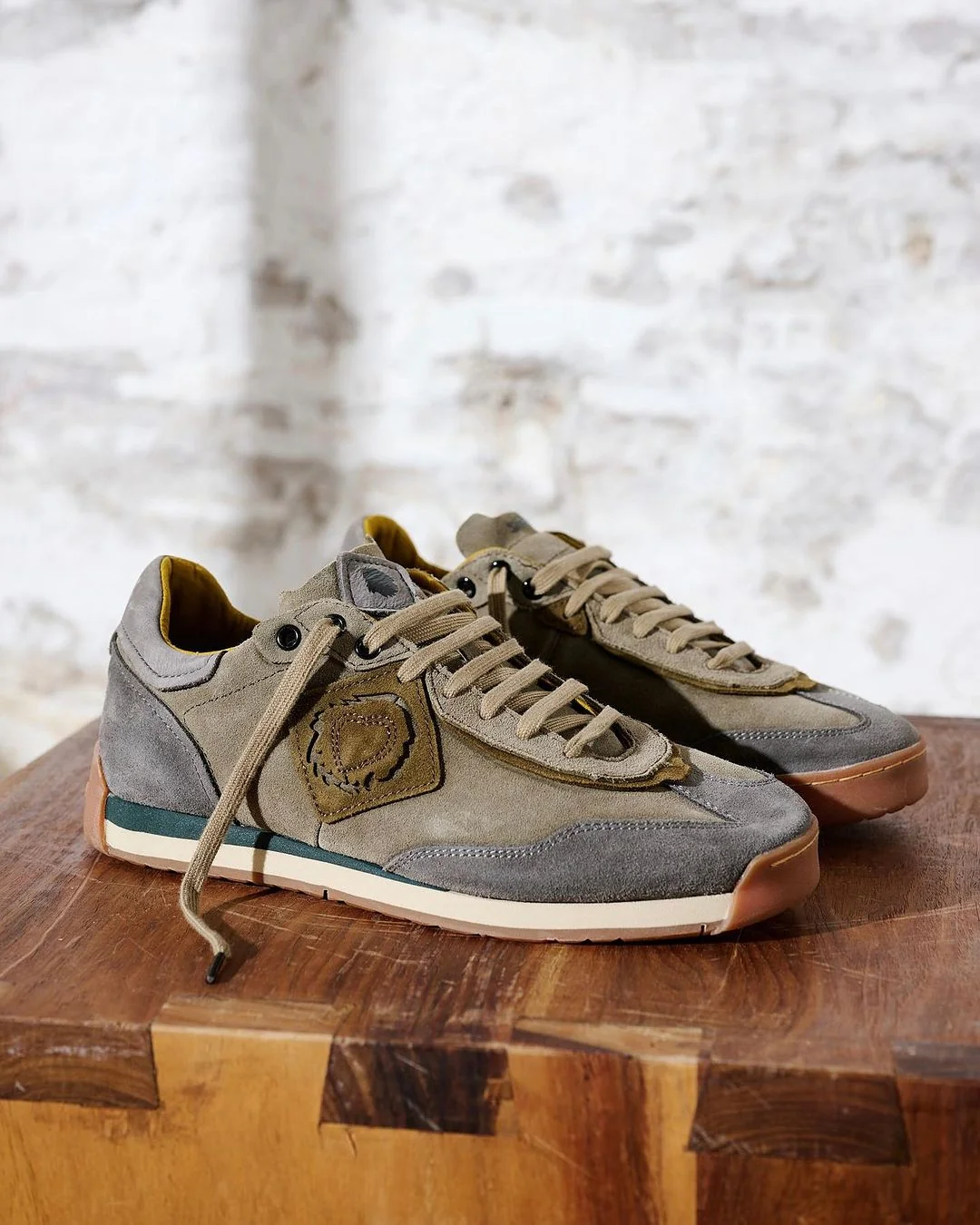
    Recognized as an influential player in the footwear industry, Spain’s Satorisan has successfully broken into the Chinese market. This strategic move is part of their ongoing venture to expand their reach across Asia, following a solid foundation laid in Europe and South Korea.

    Satorisan was established in 2010 by Alejandro Monzó Tadeo, who has over two decades of experience in the active footwear industry. Since its inception, the brand has witnessed steady growth, with sales surpassing 1.6 million pairs in over 100 countries worldwide.

    Satorisan’s Debut in China

    Satorisan unveiled its presence in China through a showroom presentation of their Fall/Winter 2026 collection at Shanghai Fashion Week. The brand also launched its official account on Xiaohongshu, a popular social media and e-commerce platform in China, marking its initial entry into this vast market.

    International Growth Strategy

    Satorisan has been working consistently on their international growth strategy. In Spain, the brand operates flagship stores under the ‘Satori Home’ concept. Their Valencia store, located at Calle Sorní 25, exemplifies this concept. Established in 2016 within a renovated modernist building, it serves as both a retail store and a showroom, hosting events and community-led initiatives.

    Entering the Competitive Chinese Market

    China’s footwear market is highly competitive, with both local and global brands vying for consumers’ attention. By entering this market, Satorisan positions itself among these contenders, aiming to meet the growing demand for comfortable, lifestyle-oriented footwear.

    Questions & Answers

    What is Satorisan’s background?
    Satorisan was founded in 2010 by Alejandro Monzó Tadeo, a veteran in the active footwear industry. It has witnessed steady growth, with sales surpassing 1.6 million pairs in over 100 countries.

    How has Satorisan entered the Chinese market?
    Satorisan made its debut in China through a showroom presentation at Shanghai Fashion Week and by launching an official account on Xiaohongshu, a popular social media and e-commerce platform in China.

    What kind of competition does Satorisan face in the Chinese market?
    The Chinese footwear market is highly competitive, with both local and international brands targeting consumers. Satorisan, with its focus on comfortable, lifestyle-oriented footwear, is positioning itself to meet this robust demand.

  • Standard Chartered Welcomes Doris Wong as New Head of Coverage for Greater China and North Asia

    Standard Chartered Welcomes Doris Wong as New Head of Coverage for Greater China and North Asia

    Standard Chartered has welcomed Doris Wong to the company in the role of Head of Coverage for Greater China and North Asia (GCNA). Wong’s employment will be effective beginning on June 1.

    Working from Hong Kong, Wong will be a member of the Client Coverage Management Team. She will be answering directly to Roberto Hoornweg, the CEO of Corporate & Investment Bank, in his temporary position as Global Head of Client Coverage. From July, Wong will report to Jan Metzger, the incoming Global Head of Coverage Banking. Furthermore, Wong will also have a dual reporting line to Mary Huen, the CEO of Hong Kong and GCNA.

    Wong is a seasoned banker who brings a plethora of experience alongside profound client relationships. She joins Standard Chartered after a tenure of almost 18 years with HSBC. In her most recent position with HSBC, Wong was the Head of Corporate Coverage, Global Banking, Hong Kong, where she served as the senior coverage banker for recognised Hong Kong-listed companies from a variety of key sectors. These sectors included real estate, energy, infrastructure, telecommunications and consumer.

    Wong also excelled in leading a variety of critical financing mandates which covered capital markets transactions, project financing, structured financing, and syndicated loans. Among her earlier roles with HSBC, Wong was the Regional Head of Wholesale Portfolio Management for Asia Pacific, where she was entrusted with monitoring risk-weighted assets across the Credit, Lending and Trade books.

    Questions & Answers

    What is Doris Wong’s new role at Standard Chartered?
    Doris Wong has been appointed as the Head of Coverage for Greater China and North Asia (GCNA) at Standard Chartered, effective June 1.

    What experience does Wong bring to her new position at Standard Chartered?
    Wong brings with her almost 18 years of experience with HSBC, where she was recently the Head of Corporate Coverage, Global Banking, Hong Kong. She has worked with well-established Hong Kong-listed companies across key sectors and has led a variety of core financing mandates.

    To whom will Wong report in her new role at Standard Chartered?
    Wong will initially report to Roberto Hoornweg, the CEO of Corporate & Investment Bank, in his interim role as Global Head of Client Coverage. From July, she will report to Jan Metzger, the incoming Global Head of Coverage Banking. She will also have a dual reporting line to Mary Huen, the CEO of Hong Kong and GCNA.

  • Moncler Group Soars in Asia: China and Korea Power Double-Digit Growth

    Moncler Group Soars in Asia: China and Korea Power Double-Digit Growth

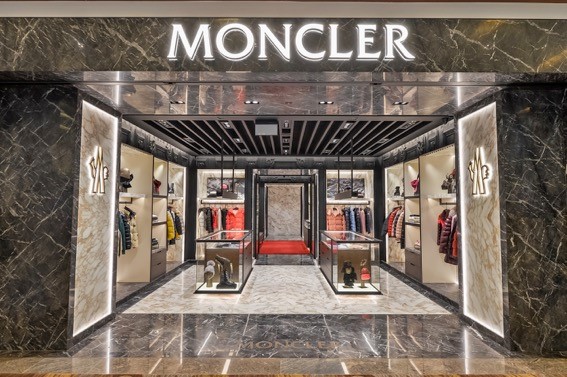
    Moncler Group, the parent company of Moncler and Stone Island, has announced a robust first quarter. The company’s earnings were primarily driven by sales in Asia.

    First Quarter Sales Surge

    The group registered a substantial $1.03 billion in sales during the first quarter. It reported double-digit growth for both of its brands, leading to an overall year-on-year increase of 12 per cent.

    The Asian Market Triumphs

    In Asia, Moncler’s sales grew by an impressive 22 per cent. Moncler attributes this significant increase to strong performances in China and South Korea. However, the sales in Europe, the Middle East, and Africa experienced a minor dip of one per cent year-on-year.

    Brand Performance

    The Moncler brand was the group’s star performer with $900 million in sales. This was propelled by a 14 per cent rise in direct-to-consumer traffic. Stone Island, on the other hand, contributed a solid $134 million to the total sales.

    The Asian market continues to escalate its share of Moncler’s brand revenue. It now represents 56.5 per cent of total sales, marking a 3.7 per cent annual increase.

    Moncler Group’s Future Outlook

    Remo Ruffini, executive chairman of Moncler Group, expressed the company’s anticipation for the future. He stated that the first quarter not only demonstrated strong revenue performance but also the depth of relationships that their brands continue to build with their global community.

    Despite a global context shaped by conflicts and instability, both Moncler and Stone Island have exhibited considerable energy and cultural relevance.

    Ruffini also touched on the appointment of Bartolomeo Rongone as the group’s CEO that was announced earlier this year. He highlighted this as part of the group’s “next phase.” He further reiterated the group’s commitment to remain adaptable and responsive, guided by a clear strategic vision, in the face of an increasingly complex external environment.

    Questions & Answers

    What were the first quarter sales for Moncler Group?
    Moncler Group reported $1.03 billion in sales during the first quarter.

    Which market led the sales for Moncler Group?
    The Asian market led the sales for Moncler Group, with a 22 per cent growth.

    How does the Moncler brand perform in comparison to Stone Island?
    The Moncler brand outperformed Stone Island, with a contribution of $900 million in sales, as compared to Stone Island’s $134 million.

  • Unlocking New Markets: Vietnam Secures Green Light for Pomelo and Lemon Exports to China

    Unlocking New Markets: Vietnam Secures Green Light for Pomelo and Lemon Exports to China

    A recent agreement has paved the way for Vietnamese pomelos and lemons to be exported to China. This phytosanitary requirements protocol was formalized between Vietnam’s Ministry of Agriculture and Environment and the General Administration of Customs of China. The agreement unfolded during a state visit to China by To Lam, who is the Party General Secretary and State President of Vietnam.

    Phytosanitary Requirements and Protocols

    The newly agreed protocol stipulates that all areas cultivating and facilities packaging pomelos and lemons for export to China have to be registered with the Ministry of Agriculture. Furthermore, they must gain approval from both the Ministry and China’s customs. These facilities are mandated to enforce stringent pest control measures to ensure the quality of the produce.

    The cultivation areas are required to adhere to Good Agricultural Practices (GAP) and Integrated Pest Management (IPM) requirements. These requirements demand fruit to be bagged at least 60 days prior to harvest and the use of traps to combat fruit flies.

    The packaging facilities must maintain sanitary conditions and appropriate functional zoning. Fruits are required to be sorted, classified, and cleaned to remove any diseased or pest-infected fruits, as well as any plant debris and soil residues.

    The Impact of the Agreement

    The Ministry has cited this agreement as the result of structured technical negotiations between plant protection and quarantine agencies of both nations. These discussions have been ongoing since 2019.

    The agreement signifies an important shift towards transparent, standards-compliant official export channels and a more sophisticated bilateral cooperation framework, amidst growing Vietnam–China agricultural trade.

    China continues to be a crucial market with strong demand and potential for Vietnamese fruit exports. Building on the success of other exports, pomelos and lemons are expected to increase their market share, consolidate their position, and boost overall export growth.

    The ministry has expressed its commitment to working closely with localities, associations, businesses, and producers to effectively put the protocol into practice. This will include guidelines on regulations, standardizing cultivation areas and packaging facilities, and strengthening inspections to guarantee full compliance with Chinese requirements.

    Vietnam’s Agricultural Advantage

    Pomelos and lemons are among Vietnam’s most successful agricultural products. Vietnam currently cultivates pomelos on approximately 106,000 hectares, positioning itself as a major global producer of the fruit.

    Questions & Answers

    What does the new protocol between Vietnam and China involve?
    The protocol involves the export of Vietnamese pomelos and lemons to China. It stipulates that all cultivation areas and packaging facilities for these fruits must be registered with the Ministry of Agriculture and approved by both the Ministry and China’s customs.

    What requirements must the Vietnamese farms and packaging facilities meet under the new protocol?
    The farms must adhere to Good Agricultural Practices (GAP) and Integrated Pest Management (IPM) requirements, which includes bagging fruit 60 days before harvest and using traps for fruit flies. The packaging facilities must maintain cleanliness and appropriate functional zoning.

    How will this protocol impact the Vietnam-China agricultural trade?
    The protocol signifies a shift towards transparent, standards-compliant official export channels and provides a more sophisticated bilateral cooperation framework. It is expected to boost the market share of Vietnamese pomelos and lemons in China and strengthen the overall growth of fruit exports from Vietnam to China.

  • Texas Chicken Set to Conquer Chinese Market with 600+ Stores: The Biggest International Expansion to Date

    Texas Chicken Set to Conquer Chinese Market with 600+ Stores: The Biggest International Expansion to Date

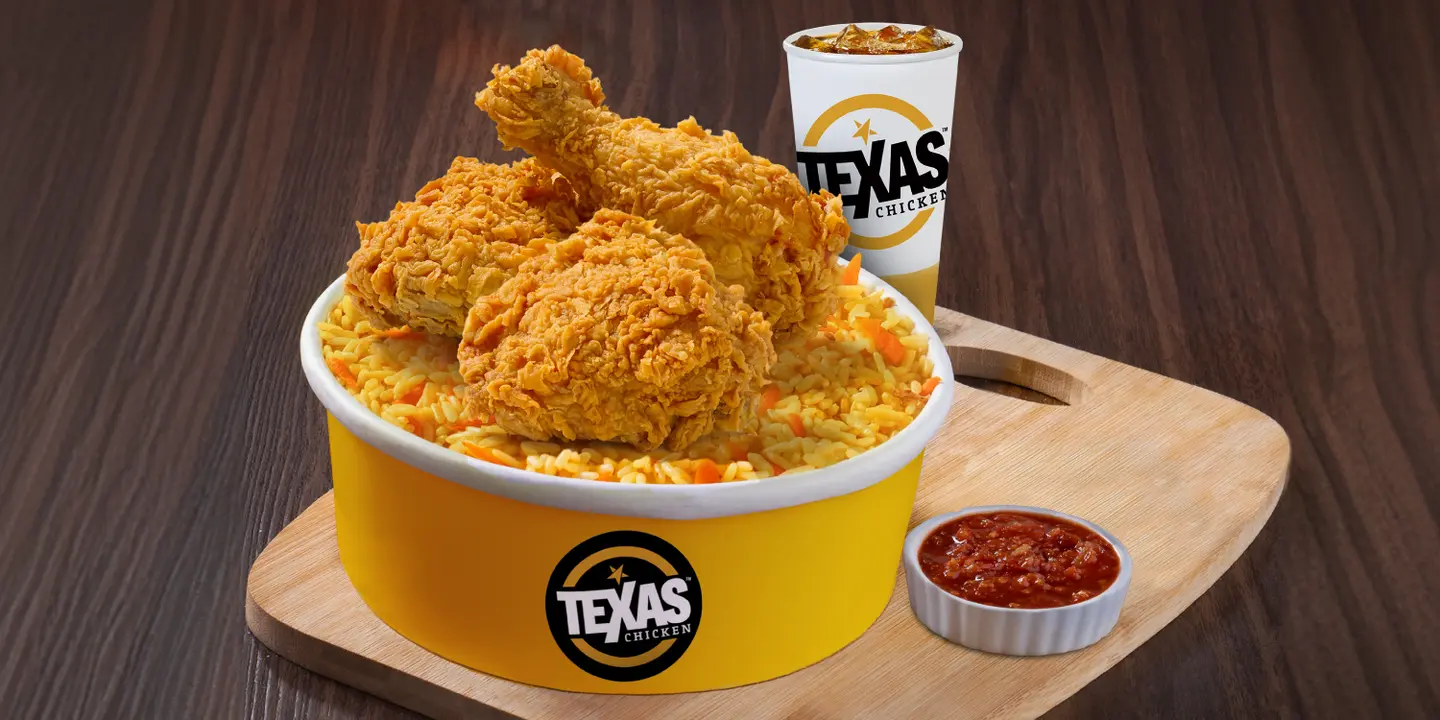
    Texas Chicken, a prominent quick-service restaurant chain, is set to expand its footprint to China. The company plans to inaugurate its first restaurant in the country later in the year, following a significant deal to open over 600 establishments nationwide.

    China: The 27th International Market

    The upcoming debut of Texas Chicken in China signifies its entry into its 27th international market. The first restaurant under this brand will be launched in Shanghai this summer, followed by additional outlets in various locations. The company aims to create a robust presence in the Chinese market by opening more than 600 restaurants throughout the country.

    Strategic Partnership with Deke Shengtang

    To facilitate its successful entry into the Chinese market, Texas Chicken has formed a strategic alliance with Deke Shengtang, a renowned local operator for several quick-service restaurant brands. The partnership entails a franchise agreement that will see the development of 600 or more restaurants across China in the coming years.

    According to Texas Chicken, this franchising agreement marks the company’s most significant international development deal to date, reflecting its long-term confidence in the Chinese market.

    Executives’ Insights

    Roland Gonzalez, the CEO of Texas Chicken, stated, “China is one of the most dynamic and influential consumer markets globally, and we are entering it with a brand primed for connection – boasting big flavour, real value, and a spirit that unifies people.”

    Tim Wadell, EVP of International Business at Texas Chicken, further stated, “The team at Deke Shengtang brings the local expertise and ambition we seek in a partner.”

    The company will release more details about the restaurant design, locations, and future openings in China as the launch date approaches.

    Company Background

    George W Church Sr established Church’s Texas Chicken in San Antonio, Texas, in 1952. Texas Chicken, the sister brand, oversees operations outside the US. The quick-service restaurant chain currently operates over 1400 locations worldwide.

    Questions & Answers

    What is the significance of Texas Chicken’s entry into China?
    Texas Chicken’s entry into China marks its expansion into its 27th international market, representing a significant milestone in the company’s global growth strategy.

    Who has Texas Chicken partnered with for its market entry into China?
    Texas Chicken has formed an alliance with Deke Shengtang, a leading local operator of multiple quick-service restaurant brands, to facilitate its market entry into China.

    What is the expected number of Texas Chicken restaurants in China?
    Following a franchise agreement with Deke Shengtang, Texas Chicken plans to develop 600 or more restaurants across China in the next few years.

  • Vietnam’s Seafood Exports Surge by 8% in Q1 2026, Powered by Strong Chinese Demand

    Vietnam’s Seafood Exports Surge by 8% in Q1 2026, Powered by Strong Chinese Demand

    In the first quarter of 2026, Vietnam saw a nearly 8% increase in seafood exports, amounting to a substantial US$2.64 billion. A primary factor fueling this growth was robust demand from China.

    China’s Role in Vietnam’s Seafood Industry

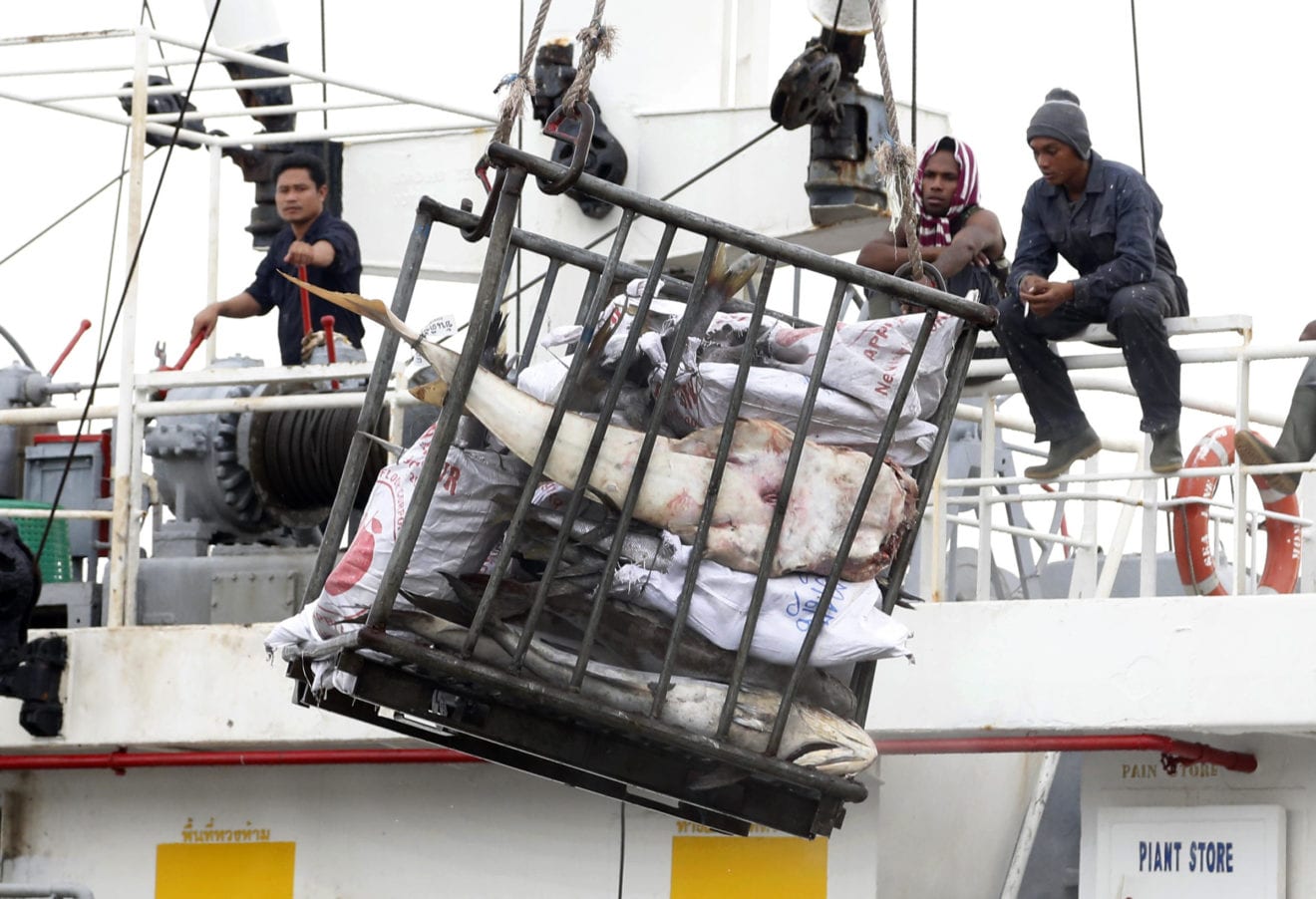
    During this period, China remained the central seafood importer from Vietnam, with purchases amounting to approximately $764 million. This figure represents an almost 45% year-on-year increase. In March alone, the country’s seafood imports exceeded $250 million, a growth of over 50%. Not only is China the largest seafood importer, but it is also the biggest consumer of Vietnamese pangasius.

    The shrimp category witnessed significant growth, largely attributed to lobster exports. Despite this, exports of whiteleg shrimp, a key product in the U.S. and EU markets, remained consistent.

    Other seafood types, including crab, swimming crab, and molluscs, experienced increased demand across Asian markets. Moreover, tilapia exports skyrocketed by 190% year-on-year, reaching an estimated $35 million in the first quarter.

    The Impact of Other Markets

    China’s robust performance was instrumental in maintaining overall sectoral growth despite a drop in exports to several other markets. Seafood exports to the U.S. decreased by over 10% in the same quarter. This decline can be attributed to weak demand and technical barriers, including the Marine Mammal Protection Act’s Certificates of Analysis requirements and anti-dumping duties on shrimp. There was also a similar decline in exports to Japan and South Korea.

    While exports to the EU remained largely stable, those destined for ASEAN, Australia, and several emerging markets maintained their growth momentum.

    Driving Factors and Predictions

    According to Le Hang, the deputy secretary general of the association, several factors contributed to China’s emergence as the primary growth driver. These include seasonal consumption, steady demand, and advantageous logistics conditions.

    Increased consumption during the Lunar New Year boosted imports of whole shrimp, live seafood, and premium products. This seasonal surge contributed to a sharp increase in high-value items like lobster.

    Despite this growth, Hang warned that these figures may primarily reflect seasonal trends rather than a long-term structural recovery. This is because the increased exports were partly driven by stockpiling and festive demand, which could lead to a moderation of growth in the upcoming months.

    The seafood industry in Vietnam also faces intensifying competitive pressure, particularly from major suppliers like Ecuador. This competition underscores the need for diversification in Vietnam’s seafood industry.

    However, the association remains optimistic. They project that seafood exports will continue to grow in the second quarter, with shrimp and pangasius expected to be the primary growth drivers.

    Questions & Answers

    What was the value of Vietnam’s seafood exports in the first quarter of 2026?
    The value of Vietnam’s seafood exports in the first quarter of 2026 was US$2.64 billion.

    Who is the largest importer of Vietnamese seafood?
    China is the largest importer of Vietnamese seafood.

    What has been the impact of seasonal consumption on Vietnam’s seafood exports?
    Seasonal consumption, particularly during the Lunar New Year, has led to a surge in imports of various seafood items, contributing to the overall growth in Vietnam’s seafood exports.

  • Domino’s Pizza China Gains Momentum: Soars High with Expanding Network, Innovative Menu, and Soaring Customer Loyalty

    Domino’s Pizza China Gains Momentum: Soars High with Expanding Network, Innovative Menu, and Soaring Customer Loyalty

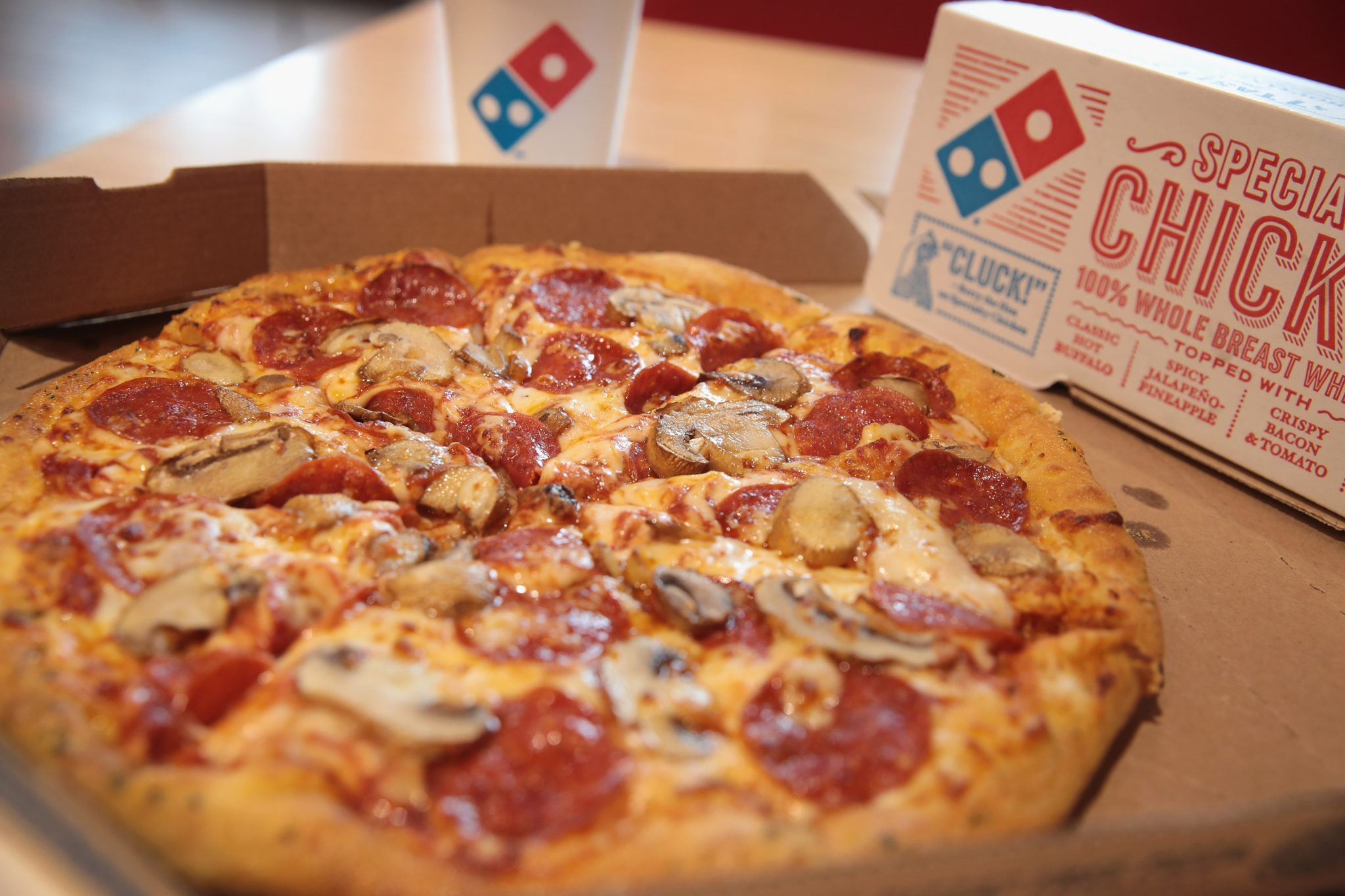
    Domino’s Pizza China (DPC Dash) has reported a robust performance for the first quarter as it continues to grow its customer base and expand its operations. DPC Dash holds the master franchise rights for Domino’s in Mainland China, Hong Kong, and Macau.

    By the end of March, DPC Dash had increased its total number of stores to 1,462 in 72 cities, marking a net increase of 147 stores and an extension into 12 new cities compared to the end of the previous year. The number of new stores, stores under construction, and stores signed account for 65% of the company’s annual target of 350 new stores. The company’s primary growth engine has become non-tier 1 cities, while tier 1 cities continue to contribute to a high-quality revenue base.

    The company’s loyalty program saw considerable growth, with membership numbers rising to 38.8 million by the end of the quarter, up from 27.2 million during the same period the previous year.

    DPC Dash now holds all of the top 50 positions for first 30-day sales among Domino’s more than 22,100 globally located stores. In terms of the number of stores, the Chinese mainland market remains the third largest international market for the chain.

    DPC Dash continues to follow a “go broader, go deeper” expansion strategy to increase its market share. This involves penetrating further into existing cities and expanding into new areas.

    Product innovation remains a key focus for the company, with the introduction of globally inspired flavors such as the limited-edition Yak Beef Matsutake Ham Fortune Pizza released for the Year of the Horse New Year celebration. The company also revived the “Mega Week” promotion and extended the “Crazy Tuesday & Wednesday” offer to boost customer footfall.

    The company’s strong execution, appealing store economics, and operational efficiency continue to drive robust performance in a highly competitive landscape, creating sustainable, long-term value for shareholders, according to the management.

    Questions & Answers

    What is the expansion strategy of DPC Dash in China?
    The company follows a ‘go broader, go deeper’ strategy, which involves penetrating further into existing cities and expanding into new markets.

    How many new stores did DPC Dash open in the first quarter?
    In the first quarter, DPC Dash opened 147 new stores, extending its reach to 72 cities in total.

    What product innovations has DPC Dash introduced recently?
    The company introduced globally inspired flavors such as the limited-edition Yak Beef Matsutake Ham Fortune Pizza for the Year of the Horse New Year. It also brought back the “Mega Week” promotion and extended the “Crazy Tuesday & Wednesday” offer to increase customer footfall.

  • Chinese Milk Tea Titans Embark on Global Conquest: Expanding Across US and South Korea Amid Southeast Asia Saturation

    Chinese Milk Tea Titans Embark on Global Conquest: Expanding Across US and South Korea Amid Southeast Asia Saturation

    Chinese milk tea brands are broadening their horizons and expanding into new markets in Asia and the West. These brands have traditionally focused on Southeast Asia as their primary area for foreign expansion. However, with the market becoming overcrowded, they are now setting their sights on other regions. This comes as the tea market grows increasingly saturated, prompting a shift in emphasis from rapid expansion to improving store performance and streamlining operations.

    Over 60 Chinese milk tea brands had established more than 6,100 outlets throughout Asia by the end of 2024, most notably led by major chains such as Mixue and Chagee. Mixue, the largest food and beverage chain globally in terms of store count, has begun adjusting its operations in Indonesia and Vietnam. Despite a decrease in store numbers in these markets, the company maintains its focus on the region while pushing into emerging markets, including its first location in Kazakhstan.

    Expansion and Competition

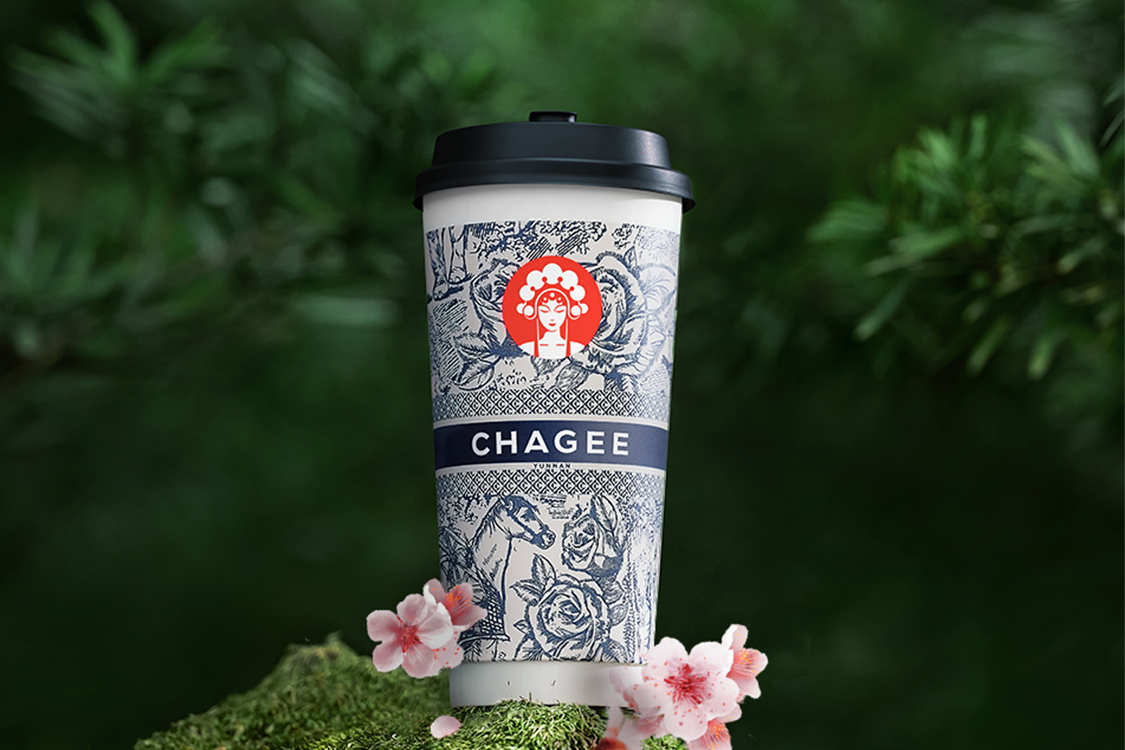
    Chagee, another renowned milk tea brand, has plans to venture into the South Korean market with three upcoming outlets in Seoul. It joins a growing number of its peers already established in the market, including Heytea, Mixue, ChaPanda, and Auntea Jenny. Chagee has further signaled its intent to spread its reach into Japan.

    Understandably, the homefront competition for these Chinese brands is fierce, with the milk tea boom of the last decade leading to around 420,000 outlets. To attract customers, some brands resort to pricing their products at less than a dollar or offering free online orders.

    Moving Westward

    Besides nearby Asian markets, several brands are also extending their presence to the United States. The country has become a significant focus for the sector, with the number of fresh tea retailers rising by 18.2% annually to 7,845 in 2025. It is projected that the U.S. market for freshly made tea drinks will be worth $2.9 billion by 2029.

    However, penetrating the U.S. market brings its challenges. Amanda Wang, co-founder of beverage chain Ningji Lemon Tea, highlights the need to adapt to local tastes, noting American consumers’ preference for sweeter drinks. She also cites differences in the business landscape.

    Despite these hurdles, various Chinese brands, including Mixue, Chagee, Chahalo, Molly Tea, and Auntea Jenny, have successfully launched U.S. stores or announced expansions in recent years. For instance, Mixue’s recently opened New York store, twice as large as its typical outlet in China, has managed to maintain the brand’s familiar look and affordable prices.

    Competitive Edge and Consumer Response

    Nevertheless, competitive pricing is not the only strength of Chinese tea brands. HeyTea, with its drinks averaging around $10, has enjoyed robust demand. Its Times Square store sold over 3,500 cups on its opening day and has since averaged over 2,000 cups daily. Other brands, such as Chagee and Auntea Jenny, have also experienced strong debuts in the U.S. market.

    Consumers appreciate the diverse flavors offered by Chinese brands, distinguishing them from established chains like Starbucks. Consumers’ preference for different flavors and affordable prices are significant factors driving their patronage of Chinese tea brands.

    Questions & Answers

    Why are Chinese milk tea brands expanding into new markets?
    Chinese milk tea brands are expanding into new markets as their traditional focus area, Southeast Asia, becomes overcrowded, and the tea market becomes increasingly saturated. This has led to a shift from rapid expansion to improving store performance and operations.

    How are Chinese brands faring in the U.S. market?
    Despite facing challenges such as adapting to local tastes and a different business environment, several Chinese brands have successfully launched stores or announced expansions in the U.S. They have garnered a positive response from consumers who appreciate the diverse flavors and competitive prices they offer.

    What distinguishes Chinese tea brands from established chains like Starbucks?
    Chinese tea brands stand out from established chains like Starbucks due to their unique flavors and affordability. They offer a variety of flavors not typically found in Western chains, boosting their appeal among consumers.

  • Chinese New Year Sparks Stellar 11.2% Surge in Singapore’s Retail Sales

    Chinese New Year Sparks Stellar 11.2% Surge in Singapore’s Retail Sales

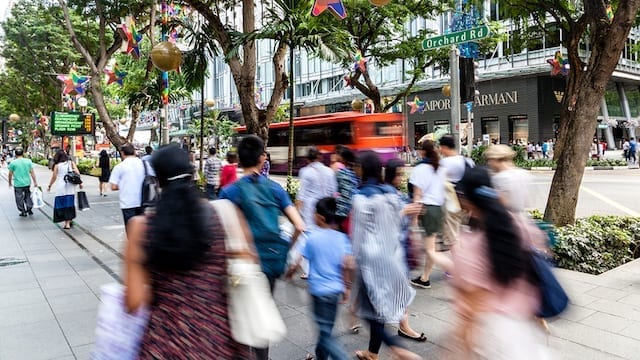
    In February, retail sales in Singapore experienced a significant surge, partially attributed to the shifting timing of the Chinese New Year. According to data released by Singapore’s Department of Statistics, retail sales, excluding automobiles and related parts and accessories, skyrocketed by 11.2% in February. This marked a turnaround from a decrease of 2.9% in January.

    Details of Retail Growth

    The estimated total retail sales for February amounted to SG$3.6 billion (US$2.8 billion), with online sales accounting for 16.2% of the total. The significant growth seen in February was partially due to the Chinese New Year falling in February this year, compared to January the previous year.

    For the combined period of January and February, retail sales increased by 3.5% year-on-year.

    Sectoral Growth Patterns

    Most sectors reported year-on-year growth in February’s sales. Supermarkets and hypermarkets led the surge with a growth of 29.3%, followed by recreational goods which saw an increase of 26%. Department stores reported a rise of 16.8% in sales, while the food and alcohol, cosmetics, and watches and jewelry sectors each saw an approximate increase of 13%.

    However, not all sectors experienced growth. The petrol service stations and mini-marts and convenience stores sectors faced declines of 9.8% and 6.1% respectively.

    The food and beverage services sector saw a rise in sales of 5.5% in February, marking a recovery from the 3.2% decline recorded in January.

    Questions & Answers

    What were the estimated total retail sales for Singapore in February?
    The estimated total retail sales for Singapore in February were SG$3.6 billion (US$2.8 billion).

    What percentage of February’s retail sales were from online?
    Online sales made up 16.2% of the total retail sales in February.

    Which sectors saw the most significant growth in February?
    Supermarkets and hypermarkets experienced the most significant growth with a rise of 29.3%, closely followed by recreational goods with a 26% increase.

  • Starbucks Seals Deal with Boyu Capital, Sets Sight on 20,000 Stores in China’s Coffee Market Rivalry

    Starbucks Seals Deal with Boyu Capital, Sets Sight on 20,000 Stores in China’s Coffee Market Rivalry

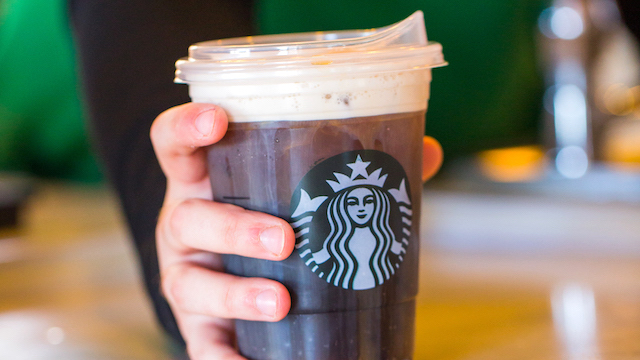
    Starbucks recently finalised a significant strategic transaction with Boyu Capital, effectively transferring majority control of its China-based operations to the investment firm. Initiated back in November, this strategic move is designed to stimulate the coffee chain’s expansion in the world’s second-largest economy. Starbucks faces fierce competition in this market from regional contenders such as Luckin and Cotti, who have managed to gain substantial market share through their affordable pricing strategies.

    Boyu Capital, whose founders include a descendant of previous Chinese President Jiang Zemin, will now oversee a significant 60% stake in Starbucks’ Chinese outlets. Despite this shift in ownership, Starbucks will maintain a 40% interest in these stores and will persist in licensing its distinguished brand and intellectual property rights to the joint venture.

    Molly Liu, the Chief Executive Officer of Starbucks China, expressed her affirmation of the deal, stating that it would foster a “hyper-localisation” of the Starbucks brand within the Chinese market. This essentially means that the brand will be more effectively tailored and marketed towards local consumers, creating a more resonant and culturally appropriate experience for them.

    Currently, China is home to approximately 8,000 Starbucks outlets. With this new agreement, the company plans to dramatically increase the number of stores with Boyu Capital’s assistance. The intended target is an ambitious 20,000 outlets across the country.

    Questions & Answers

    What is the purpose of Starbucks’ deal with Boyu Capital?
    The deal is designed as a strategic move to stimulate Starbucks’ growth in China, the world’s second-largest economy. It is a response to the fierce competition Starbucks faces in China, particularly from local brands offering lower prices.

    What will be the role of Starbucks in the new joint venture?
    Starbucks will retain 40% ownership in its Chinese stores and will continue to license its brand and intellectual property rights to the joint venture.

    What is the future plan of Starbucks in terms of its store count in China?
    Starbucks, in collaboration with Boyu Capital, plans to increase its current store count in China from approximately 8,000 to a target of 20,000 outlets.

  • Chinese Hotpot Giant Haidilao Sees Sizzling $93.9M Revenues in Vietnam, Solidifying Asian Market Dominance

    Chinese Hotpot Giant Haidilao Sees Sizzling $93.9M Revenues in Vietnam, Solidifying Asian Market Dominance

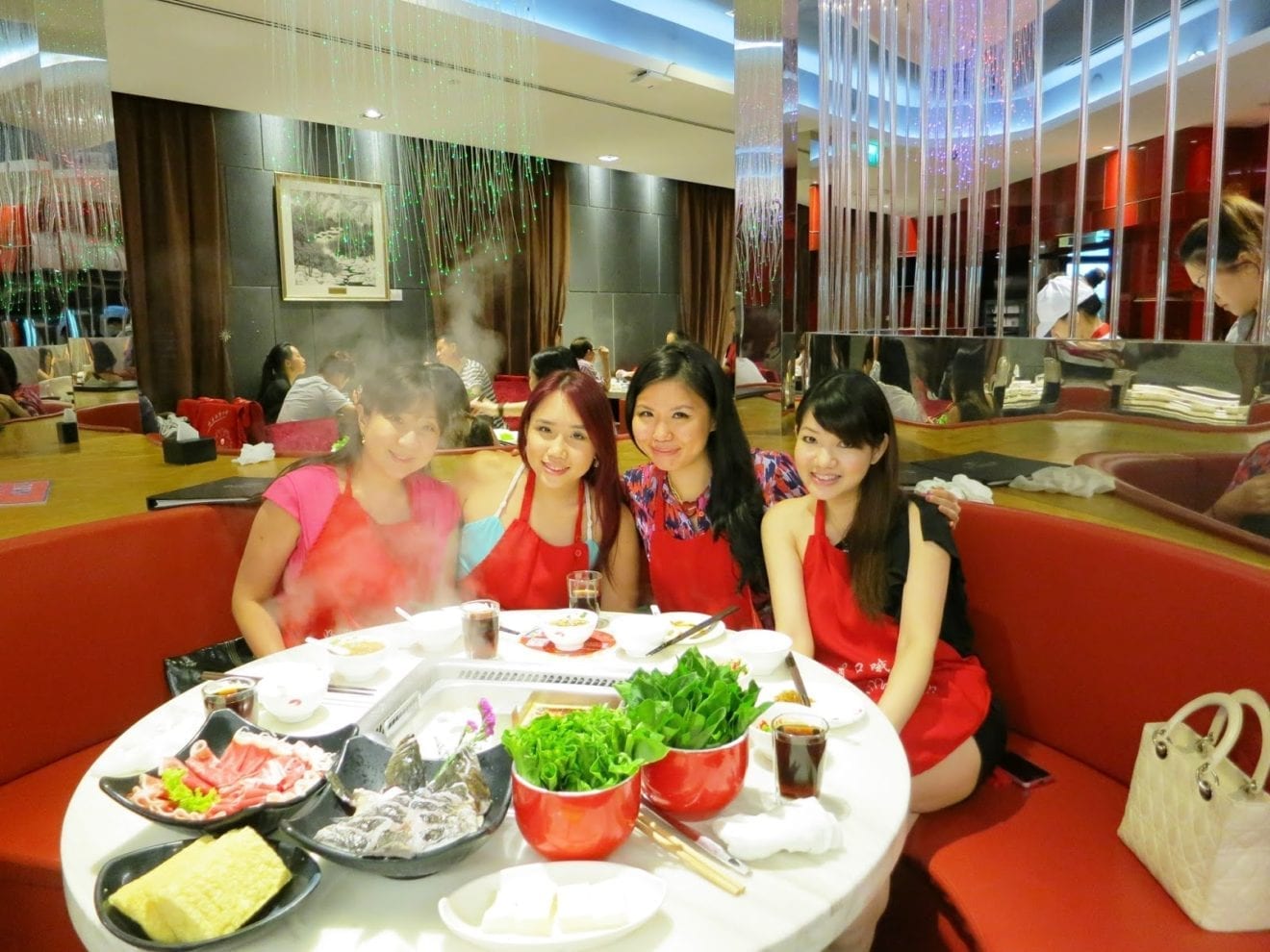
    The renowned Chinese hotpot restaurant chain, Haidilao, announced that it generated over US$93.9 million in revenue from its operations in Vietnam in 2025, marking a 7% increase from the previous year. This solid performance propelled Vietnam to become Haidilao’s fourth-largest international market in terms of sales, following Singapore, the U.S., and Malaysia.

    Global Performance

    In 2025, Haidilao’s total revenue from all its overseas markets was reported at $840 million, representing an 8% boost compared to the year before. Additionally, the restaurant chain’s pre-tax profits experienced a significant surge, nearly 50%, amounting to $49.5 million.

    Presence in Vietnam

    Haidilao made its debut in Vietnam in 2019, with its inaugural restaurant located in the Bitexco Tower in Ho Chi Minh City (HCMC). To date, Haidilao’s presence in Vietnam has grown to 17 outlets scattered across the country. Ten of these can be found in HCMC, six in Hanoi, and one in the central coastal city of Nha Trang.

    Company Background

    The story of Haidilao began in 1994 when Zhang Yong and his partners established the brand. Emerging from humble beginnings with only a four-table restaurant in a small town in China’s Sichuan province, the chain has transformed into a globally recognized brand within the Chinese restaurant industry. This success has also catapulted the co-founders into the league of billionaires.

    Questions & Answers

    What are Haidilao’s top overseas markets?
    Vietnam is Haidilao’s fourth-largest overseas market in terms of sales, following Singapore, the U.S., and Malaysia.

    How many outlets does Haidilao have in Vietnam?
    As of 2025, Haidilao has 17 outlets in Vietnam, with 10 in Ho Chi Minh City, six in Hanoi, and one in the central coastal city of Nha Trang.

    When did Haidilao first establish a presence in Vietnam?
    Haidilao entered the Vietnamese market in 2019 with its first restaurant located in the Bitexco Tower in Ho Chi Minh City.

  • Chinese Dining Chains Spice Up South Korea’s Restaurant Scene with Explosive Growth

    Chinese Dining Chains Spice Up South Korea’s Restaurant Scene with Explosive Growth

    Chinese restaurant chains are accelerating their growth in South Korea, capturing customers in the major tourist regions of Seoul with genuine Chinese food. This development is fueled by a boost in sales.

    Emerging Leaders in the Industry

    Among the most rapidly developing contenders is the hot pot franchise Tanghuo Kungfu Malatang. Since the inauguration of its initial franchised store in Suwon in 2012, the chain has expanded exponentially, boasting over 560 locations in South Korea as of the end of March. These locations encompass both franchised and company-managed stores.

    Tanghuo Kungfu Korea reported an impressive KRW22.2 billion (US$14.7 million) in revenue in 2024, an increase of 21% from the previous year. The company’s operating profit skyrocketed elevenfold to KRW10.5 billion during the same timeframe.

    Now, the company’s establishments are primarily located in the main tourist hotspots of Seoul, such as Gangnam Station, Myeong-dong, Hongdae, Seongsu, and Daehangno.

    The company is also offering incentives for new partners by exempting franchise, training, and royalty fees and providing free serving bowls.

    A spokesperson for Tanghuo Kungfu Korea stated, “As the malatang market in Korea continues to grow, we aim to appeal to potential entrepreneurs and share with them our brand’s operational expertise and practical support benefits. We look forward to active involvement by local restaurant owners so we can jointly spearhead malatang’s market growth here.”

    Other Key Players

    Other Chinese brands are also on the rise. The hot pot chain Haidilao reported sales of over KRW100 billion last year, a significant increase compared to KRW78.1 billion in 2024. The brand, recognized for offering customers complimentary nail art services and entertainment shows, has grown to ten locations since its introduction into South Korea in 2024.

    Bantianyao Grilled Fish has established six outlets since it entered the market in 2020, while Haihai Kaochuan, a skewer barbecue chain managed by Haidilao, inaugurated its first Seoul outlet in Myeong-dong this past January.

    These restaurant chains are emulating the expansion strategy of major Chinese tea brands, which have demonstrated their success in China with thousands of stores. Their push into South Korea is a strategic move, given that China’s domestic market is nearing saturation.

    Milk tea brand Chagee announced plans to launch three outlets in Seoul by the end of June, marking its first expansion into East Asia outside China. Other brands, such as Chabaido, HeyTea, and Mixue, are also extending their reach in the country.

    Market Outlook

    Market analysts regard South Korea as a desirable entry point for global expansion, attributing its appeal to the country’s significant cultural influence through trends like K-pop, K-food, and K-beauty. This positions the country as an ideal testing ground for new brands prior to broader international deployment.

    Questions & Answers

    What are some Chinese restaurant chains expanding in South Korea?
    Some Chinese restaurant chains expanding in South Korea include Tanghuo Kungfu Malatang, Haidilao, Bantianyao Grilled Fish, and Haihai Kaochuan.

    What strategies are these chains employing for their expansion?
    These chains are waiving franchise, training, and royalty fees for new partners, providing complimentary offerings, and focusing on locations in major tourist areas. They are also following the successful expansion strategies of Chinese tea brands.

    Why is South Korea considered an attractive market for these expansions?
    South Korea is considered an attractive market due to its strong cultural influence and trends such as K-pop, K-food, and K-beauty. These aspects position the country as a potential testing ground for brands before broader international rollout.

  • Levi Strauss & Co Welcomes Anita Fung as New MD to Boost Greater China Operations

    Levi Strauss & Co Welcomes Anita Fung as New MD to Boost Greater China Operations

    Levi Strauss & Co. has announced that Anita Fung will take on the role of Managing Director for the Levi’s brand in Greater China. The region is a key strategic market for the company, and this appointment is an important step in their long-term growth plans.

    Leading Commercial Operations in Greater China

    In her new role, Fung will oversee commercial operations across all channels in the region. She will be directly reporting to Gianluca Flore, the Chief Commercial Officer at Levi Strauss & Co. This move is part of the company’s ongoing efforts to enhance its direct-to-consumer strategy.

    Expertise in the Fashion Industry

    Fung brings to the table an impressive 20 years of experience in the Asia-Pacific region. Her previous roles include notable senior positions at global luxury fashion brands Burberry and Alexander McQueen, both part of Kering. As a part of these roles, Fung was responsible for managing regional operations and played a crucial part in increasing the brands’ presence and performance.

    Confidence in the New Appointment

    “Anita’s role is crucial to our long-term growth ambitions in Greater China,” said Gianluca Flore. “I am confident in her ability to enhance our status as a leading lifestyle brand. She possesses a wealth of expertise in engaging with customers in this dynamic and fashion-forward market.”

    This appointment is a strategic move by Levi’s to strengthen its execution in Greater China, a market that is not only highly competitive but also integral to the global fashion industry’s growth.

    Earlier this year, the company also appointed Hiren Gor as Managing Director for the South Asia, Middle East, and Africa (SAMEA) region.

    Questions & Answers

    Why was Anita Fung appointed as the new Managing Director for Levi’s in Greater China?
    Anita Fung was appointed due to her extensive experience in the Asia-Pacific region and proven track record in senior roles at global luxury fashion brands.

    What are the responsibilities of Anita Fung in her new role at Levi’s?
    As the Managing Director for Levi’s in Greater China, Fung will oversee commercial operations across all channels in the region and report to the Chief Commercial Officer, Gianluca Flore.

    What is the significance of the Greater China market for Levi Strauss & Co.?
    Greater China holds strategic importance for Levi Strauss & Co. as it is central to global fashion growth. The company is working to strengthen its position in this highly competitive market as part of its long-term growth plans.

  • Green Milestone: FedEx Pioneers Solar Energy at Shanghai Hub, Amplifying Renewable Commitment in Asia Pacific

    Green Milestone: FedEx Pioneers Solar Energy at Shanghai Hub, Amplifying Renewable Commitment in Asia Pacific

    FedEx, a global leader in express transportation, is bolstering its commitment to sustainability across the Asia Pacific through the inauguration of a new solar installation at the FedEx Shanghai International Express and Cargo Hub. This marks a significant landmark in the company’s drive towards sustainable logistics infrastructure, cementing FedEx’s position as the first and, currently, the only logistics and freight company at the Shanghai Pudong International Airport cargo area to generate on-site solar energy.

    Harnessing Solar Power in Shanghai

    The new solar installation at the Shanghai Hub takes advantage of existing parking facilities, with over 4,000 square meters of solar panels installed. This system is anticipated to produce around 743,000 kilowatt-hours of electricity each year. When compared to coal-fired power generation of the same capacity, this renewable energy source is expected to prevent roughly 417 metric tons of carbon dioxide emissions annually. The system will also reduce about 2.1 tons of particulate matter and 4.21 tons of sulfur dioxide. The electricity generated will primarily support office operations at the hub, substantially increasing the proportion of clean energy used in the company’s day-to-day activities.

    Fostering Renewable Energy in the Asia Pacific

    The newly installed solar panels in Shanghai represent the latest addition to a growing catalogue of renewable energy initiatives supporting FedEx facilities across Asia Pacific. Since November 2022, the FedEx Incheon Gateway in South Korea has been harnessing power from 2,400 rooftop solar panels, supplying about 19% of the facility’s monthly energy requirements. The building also exclusively uses LED lighting, resulting in annual energy savings of more than 22,000 kW hours.

    Moreover, since January 2025, over 50 percent of the electricity consumed at the FedEx South Pacific Regional Hub in Singapore has been generated by on-site solar energy, which also powers the company’s local electric vehicle fleet.

    Advancing towards Low-Carbon Operations

    FedEx has produced over 31 GWh of solar energy at more than 30 locations worldwide to date. The company continues to promote energy conservation, emissions reduction, and low-carbon operations via a mix of emerging technologies, digital innovation, and community sustainability initiatives, including an expanded global electric vehicle fleet, innovative digital tools and the use of emerging technologies such as AI and IoT.

    FedEx also prioritizes sustainability-focused community programs through FedEx Cares, the company’s global community engagement program. Through collaborations with NGOs and local organizations across Asia Pacific, FedEx supports environmental restoration initiatives.

    Questions & Answers

    What is the estimated annual energy production of the new solar installation at the FedEx Shanghai Hub?
    The solar installation at the FedEx Shanghai Hub is projected to generate around 743,000 kilowatt-hours of electricity annually.

    What are some of the renewable energy initiatives across FedEx’s Asia Pacific facilities?
    Some initiatives include using electricity from 2,400 rooftop solar panels at the FedEx Incheon Gateway in South Korea, and supplying over 50% of the electricity at the FedEx South Pacific Regional Hub in Singapore via on-site solar energy.

    What are some of the sustainable initiatives that FedEx has implemented?
    FedEx has implemented a range of sustainable initiatives, including vehicle electrification, innovative digital tools for efficient shipping, deployment of emerging technologies like AI and IoT for operational efficiency, and engaging in sustainability-focused community programs.