Tag: China

  • HSBC Bolsters China Wealth Management with Strategic Duo Appointment: Max Xu and Samuel Chen

    HSBC Bolsters China Wealth Management with Strategic Duo Appointment: Max Xu and Samuel Chen

    HSBC, the London-based financial institution, recently announced two significant additions to its Chinese wealth management and private banking sector.

    New Leaders at the Helm

    Max Xu has been appointed the head of international wealth and premier banking (IWPB) at HSBC China, with the appointment effective from April 1. In this pivotal role, he will answer to Mark Wang, the CEO of HSBC China and, on a functional level, to Kai Zhang, the head of IWPB in Asia.

    Xu, who holds the current position of head of premier banking at IWPB China, has been a part of HSBC since 2025. His expansive career spanning more than 20 years is marked by his experiences in institutional and consumer banking, making him an ideal fit for this role.

    Strengthening HSBC’s Private Banking Sector

    Simultaneously, Samuel Chen has been entrusted with the role of head of the private bank at HSBC China, effective from April 1. He will report to Xu and will work closely with Lok Yim, the regional head of HSBC Private Bank in the Asia Pacific region.

    Chen has a rich banking career extending nearly 20 years, including nine years with HSBC Private Bank in crucial client-facing roles. His expertise will be invaluable in expanding the private banking sector of HSBC in China.

    Advancing HSBC’s Agenda in China

    These noteworthy appointments of Xu and Chen are a strategic move by HSBC to enhance its leadership team as it furthers its wealth and private banking operations in mainland China.

    Kai Zhang stated that these appointments solidify their dedication to achieving sustainable growth and delivering a superior client experience across the Premier, Premier Elite, and Private Bank continuum in China.

    Questions & Answers

    Who has been appointed the head of international wealth and premier banking at HSBC China?
    Max Xu, a veteran with over 20 years of banking experience, has been appointed to this role.

    Who will serve as the head of the private bank at HSBC China?
    Samuel Chen, who has almost 20 years of banking experience, including nine years in senior client-facing roles at HSBC Private Bank, will assume this role.

    What do these appointments signify for HSBC’s operations in China?
    These appointments reflect HSBC’s commitment to expanding its wealth and private banking services in mainland China, with a focus on sustainable growth and superior client service.
  • Air China Soars Back to North Korea After Six-Year Hiatus: A Positive Shift Towards Open Borders

    Air China Soars Back to North Korea After Six-Year Hiatus: A Positive Shift Towards Open Borders

    After a six-year break, Air China has reinstated direct flights from Beijing to Pyongyang. This comes as another indication that North Korea is gradually becoming more accessible, following the reestablishment of train services between the two capitals.

    Resumption of Flight Services

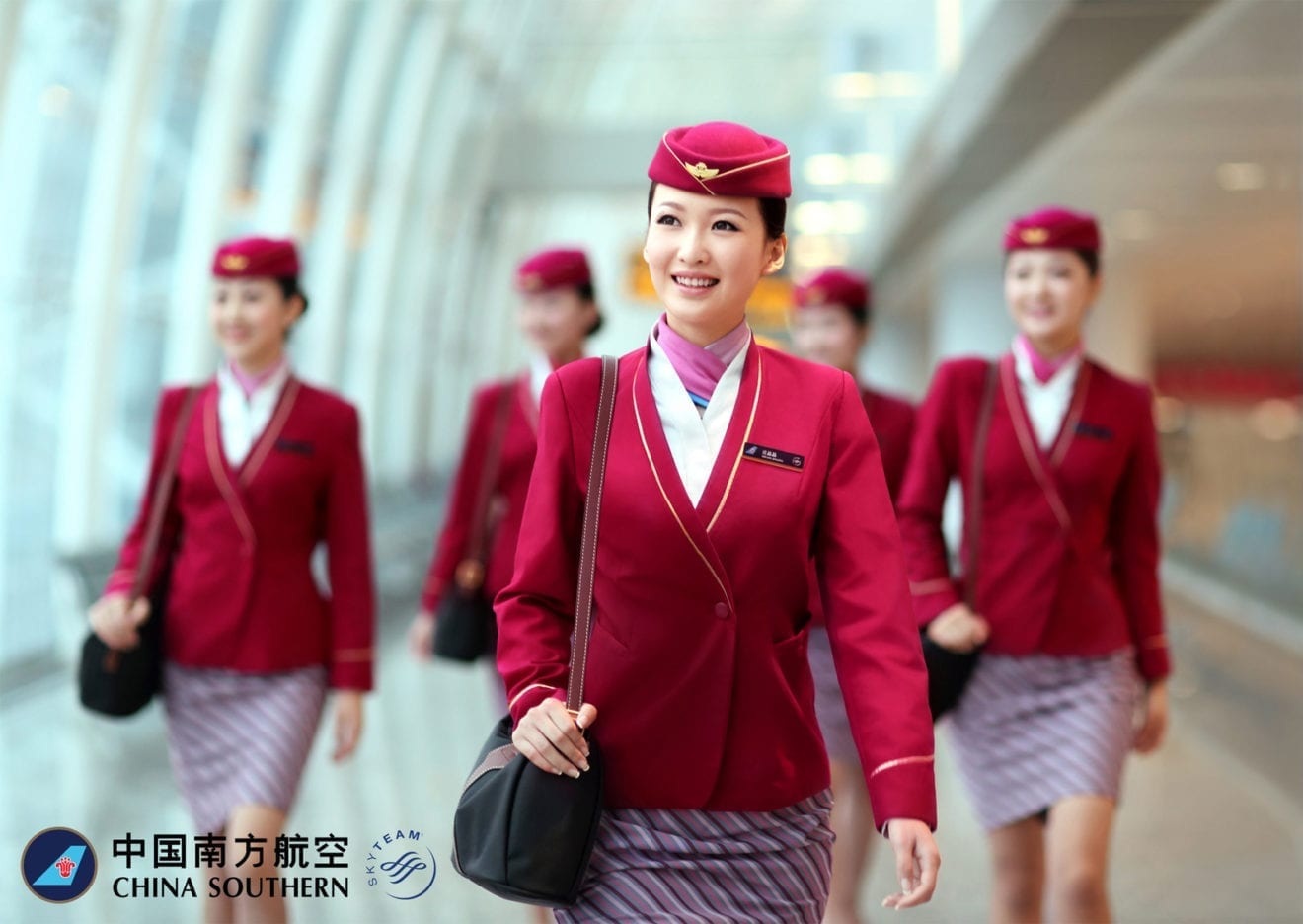
    Air China’s Flight CA121 took off from Beijing Capital Airport at 7:58 a.m. and touched down at Pyongyang’s Sunan International Airport at 10:37 a.m. The aircraft used for the journey was a Boeing 737-700, which has a passenger capacity of up to 128. However, only individuals with business or study purposes or those with special reasons are currently allowed to undertake the cross-border trip.

    Chinese ambassador to North Korea, Wang Yajun, along with other Chinese diplomats, welcomed the passengers upon their arrival at the airport.

    Passenger Perspectives

    Among the passengers ready to embark on the flight was business traveler Zhao Bin, who conveyed positive sentiments about the resumption of services. He anticipates that the increased availability of transportation options will enhance travel and communication between the two countries. Zhao, a frequent visitor to North Korea, said that the renewed flight service will significantly benefit those who regularly journey between Beijing and Pyongyang.

    In addition, Zhao expressed his eagerness to explore North Korea’s diverse culinary scene and looked forward to the potential strengthening of relations between the two nations due to increased exchange.

    Implications for Tourism

    The cost of economy class tickets for the flight was around $200. A return flight from Pyongyang is planned for midday.

    While this is a promising step, there is still no clear information regarding the resumption of tourism for Western visitors. Before the pandemic, Chinese tourists made up the majority of foreign visitors in North Korea, with approximately 350,000 in 2019, making it a significant source of revenue for Pyongyang.

    By contrast, around 5,000 Western tourists visited North Korea annually from 2009, with U.S. citizens making up 20% of these numbers.

    Slow Reopening

    North Korea has been slower in reopening its borders fully compared to China. The country resumed direct flights and train services with Russia last year, and state carrier Air Koryo reinstated flights from Beijing to Pyongyang in 2023.

    Questions & Answers

    What is the capacity of the Boeing 737-700 used for the flight between Beijing and Pyongyang?
    The Boeing 737-700 used for the flight can accommodate up to 128 passengers.

    Who are currently allowed to travel between Beijing and Pyongyang?
    Only individuals traveling for business or study purposes or those with special reasons are currently allowed to undertake the cross-border trip.

    How many Chinese tourists visited North Korea before the pandemic?
    Before the pandemic, Chinese tourists made up the majority of foreign visitors in North Korea, with approximately 350,000 in 2019.

  • Domino’s China Soars High: Record Revenue and Aggressive Expansion Mark FY25 Success

    Domino’s China Soars High: Record Revenue and Aggressive Expansion Mark FY25 Success

    DPC Dash, the firm in charge of Domino’s operations in China, has noted a substantial revenue increase as well as an ambitious expansion of stores across the country for the fiscal year 2025. The firm’s recorded revenue growth constituted a 24.8% increase year-over-year, amounting to RMB 5.38 billion (approximately US$778 million).

    Consolidating and Expanding Market Presence

    The company has persistently followed a strategic ‘Go Deeper, Go Broader’ approach, emphasizing its expansion into new markets and simultaneously fortifying its foothold in already established markets. Aileen Wang, CEO of DPC Dash, reiterated the firm’s strategic approach during an earnings call, where she noted the company’s disciplined expansion strategy of broadening its reach into new markets and deepening penetration in already existing ones.

    According to Wang, DPC Dash has noticed impressive performance in newly established stores in emerging markets. The daily sales of these stores have surpassed historical averages, clearly reflecting the attractive economic aspects of each unit and the capital efficiency of their developmental model.

    Record Breaking Expansion

    Last year, DPC Dash launched an impressive 307 new stores, extending its reach to 21 fresh cities and bringing the total count of its network to 1315 stores across 60 cities. Notably, the company recorded positive same-store sales growth throughout the year in Tier 1 cities. Furthermore, as of January 31, the company held all top positions in global Domino’s records for the first 30-day sales of new stores.

    DPC Dash’s CFO, Helen Wu, stated that the company has managed to leverage its scale and efficiency gains to strengthen profitability and establish a solid foundation for sustainable, long-term success.

    Loyalty Program Success and Future Goals

    DPC Dash also reported a strong engagement with its loyalty program, noting that the program’s membership increased by 45.3%, from 24.5 million in 2024 to 35.6 million last year.

    Looking forward, DPC Dash anticipates the opening of approximately 350 new stores in the fiscal year 2026. As of March 20, the company had already opened 140 new stores, with 14 under construction and 65 under contract for future development.

    Questions & Answers

    What was the percentage increase in DPC Dash’s revenue year-over-year?
    DPC Dash recorded a 24.8% increase in its revenue year-over-year.

    How many new stores did DPC Dash open in 2025 and in how many new cities?
    DPC Dash opened 307 new stores in 2025, expanding into 21 new cities.

    What is the projected number of new stores DPC Dash plans to open in 2026?
    DPC Dash plans to open approximately 350 new stores in 2026.

  • Domino’s China Ignites Growth with Aggressive Store Expansion: A Story of Record Revenues and National Penetration

    Domino’s China Ignites Growth with Aggressive Store Expansion: A Story of Record Revenues and National Penetration

    DPC Dash, the franchisee responsible for operating Domino’s outlets across China, has announced significant revenue growth and an ambitious store expansion campaign throughout the country in 2025.

    Impressive Revenue Growth

    DPC Dash declared a 24.8% rise in revenue on a year-over-year basis, amounting to RMB 5.38 billion, equivalent to approximately US$778 million. This robust growth is a testament to the company’s thriving operations and successful market strategies.

    ‘Go Deeper, Go Broader’

    In terms of expansion, the company has continued to adopt a disciplined strategy titled ‘Go Deeper, Go Broader’. This strategy involves penetrating deeper into existing cities while also stretching out to new locations. Aileen Wang, CEO of DPC Dash, confirmed this during the earnings call, stating that the company had effectively extended its infiltration in existing cities and extended its footprint to new areas.

    Strong performance was observed in the newly opened stores within these growth markets. These outlets have recorded average daily sales that surpass the historical averages, thereby illustrating the appealing unit economics and capital efficiency of the franchise’s development model.

    Aggressive Expansion and Store Performance

    DPC Dash launched 307 additional stores in 2025, thereby entering 21 new cities and expanding its network to a total of 1315 stores across 60 cities. The franchise’s Tier 1 city markets witnessed positive same-store sales growth throughout the year. Furthermore, the first 30-day sales records of new stores held all top spots globally within Domino’s records as of the end of January.

    Helen Wu, CFO of DPC Dash, highlighted the company’s gains in efficiency and the benefits of scale, stating that these elements have enhanced profitability and laid a robust foundation for long-lasting, sustainable success.

    Loyalty Program and Future Plans

    DPC Dash also reported a surge in engagement in its loyalty program, which grew by 45.3% in 2025, up from 24.5 million members in 2024 to 35.6 million members.

    Looking forward, DPC Dash plans to inaugurate approximately 350 new stores in the fiscal year 2026. As of March 20, the company has already opened 140 new stores, with 14 under construction and 65 signed for future development.

    Questions & Answers

    What is DPC Dash’s ‘Go Deeper, Go Broader’ strategy?
    This is a disciplined expansion plan that focuses on deepening the penetration into existing cities and extending reach into new markets.

    What is the overall growth of DPC Dash’s loyalty program?
    The company’s loyalty program grew by 45.3% in 2025, reaching a total of 35.6 million members.

    What are the future expansion plans of DPC Dash?
    DPC Dash plans to open approximately 350 new stores in the fiscal year 2026, with a significant number already opened, under construction or assigned for future development.

  • Gap Eyes China Expansion: Plans 50 New Stores, Hong Kong Comeback and Australia Re-Entry

    Gap Eyes China Expansion: Plans 50 New Stores, Hong Kong Comeback and Australia Re-Entry

    Gap, the prominent American clothing retailer, is said to be significantly expanding its footprint in Greater China. The company’s plans include opening 50 fresh storefronts throughout mainland China during the current year, as well as reestablishing its presence in Hong Kong.

    This expansion initiative follows in the wake of Gap’s first-ever quarterly break-even performance in China. This success has been credited to Baozun, the local operator who assumed control of the business in 2022. Under Baozun’s leadership, the company completed a comprehensive overhaul of its supply chains, merchandising, and digital channels.

    The forthcoming new stores are not confined to the established business hubs of Shanghai and Beijing. Indeed, locations span from tier-one cities to tier-three cities, broadening the brand’s geographical reach.

    Baozun has set a target of approximately 30% annual growth over the coming two years. The strategy for achieving this ambitious goal blends physical retail development with a fortified online presence.

    Vincent Qiu, the chairman and CEO of Baozun, has publically expressed the brand’s readiness to “accelerate the business and scale it to a bigger size” within the next three-year period.

    In addition to its expansion in Greater China, Gap is also gearing up to make a return to the Australian market. The company will do so through a collaborative partnership with Myer. Despite forming part of its wider international strategy, this Australian venture remains secondary to Gap’s primary focus on Greater China.

    Questions & Answers

    What plans does Gap have for expansion in Greater China?
    Gap plans to open 50 new stores across mainland China this year and re-enter the Hong Kong market.

    What is Baozun’s growth target for the next two years?
    Baozun aims to achieve around 30% annual growth over the next two years by combining physical retail expansion with a stronger online presence.

    Is Gap planning to re-enter any other markets?
    Yes, Gap is preparing to re-enter the Australian market through a partnership with Myer as part of its broader international strategy. However, this remains secondary to the company’s focus on Greater China.

  • Meituan Faces Second Quarter Loss Amid Intense Food Delivery Competition in China

    Meituan Faces Second Quarter Loss Amid Intense Food Delivery Competition in China

    In a fiercely competitive market, Chinese food delivery titan Meituan has reported a second consecutive quarterly loss, slightly missing projected revenue growth. Over the past year, the company has weathered intense competition sparked by aggressive subsidy tactics in China’s burgeoning one-hour delivery sector.

    The Rivals and the Battle

    The company’s profit margins and revenue growth have faced significant challenges following the emergence of ‘instant retail’ platforms introduced by e-commerce behemoths Taobao and JD, both subsidiaries of Alibaba, in early 2025. Instant retail, also known as quick commerce, is characterized by online orders—typically food, bubble tea, or daily essentials—delivered to customers within an hour.

    A Glimmer of Hope in 2026

    Despite the tough conditions, the early months of 2026 have shown promising signs that the cutthroat price competition in the instant retail sector may be easing. This phenomenon, which has been disparaged by Chinese regulators as a destructive ‘race to the bottom’, has begun to show signs of abating.

    Meituan’s Financial Status

    Meituan’s revenue for the quarter ending December 31 amounted to 92.1 billion yuan (US$13.3 billion), marking a 4.1% increase over the previous year. This figure fell slightly short of the 92.2 billion yuan forecasted by industry analysts. Meanwhile, the company’s adjusted net loss narrowed to 15.1 billion yuan from 16 billion yuan in the previous quarter. A year earlier, Meituan had reported a profit of 9.8 billion yuan.

    Regulatory Guidance and Market Health

    During a post-earnings call with analysts, Meituan’s CEO, Wang Xing, stated that the regulatory guidance regarding the price war in the instant retail sector is “already quite clear.” He also noted that regulators strongly oppose the relentless ‘neijuan’, or involution, competition and are focused on fostering a healthy, orderly market. The term ‘neijuan’ represents a form of competition where entities are forced to engage in increasingly intense rivalry that yields minimal benefits.

    In the wake of a state media editorial calling for an end to China’s food delivery price wars being republished by Chinese regulators, Meituan’s shares experienced a significant 14% surge. Industry observers viewed this as a sign of official approval.

    Questions & Answers

    What is the instant retail or quick commerce model?
    This refers to online purchases, often consisting of food, bubble tea, and daily necessities, which are delivered to customers within 60 minutes.

    What is meant by ‘neijuan’ competition?
    ‘Neijuan’, or involution, indicates a situation where individuals or companies are compelled into increasingly intense competition that offers little benefits.

    How did the market respond to regulatory intervention in the price war?
    Following a state media editorial urging an end to the food delivery price wars being republished by Chinese regulators, Meituan’s shares saw a significant 14% increase, signaling market approval of regulatory intervention.

  • PDD Holdings Misses Revenue Target Amid China’s Competitive Market and Global Uncertainty

    PDD Holdings Misses Revenue Target Amid China’s Competitive Market and Global Uncertainty

    PDD Holdings, the parent company of Temu, failed to meet its quarterly revenue and profit forecasts this Wednesday. The company highlighted the increasing domestic competition coupled with worldwide uncertainty as factors that will continue to impact operations.

    Despite Temu’s robust international growth, its business model, which centers around delivering inexpensive goods such as clothing, electronics, and homewares directly from China, is grappling with rising regulatory pressures in major markets.

    Regulatory Changes and Challenges

    PDD’s co-CEO, Chen Lei, during a post-earnings call with analysts, acknowledged the ongoing changes in the regulatory landscape. “Trade policies, taxation, data regulations, product compliance requirements, and other regulatory frameworks are undergoing significant shifts across different countries and regions, inevitably leading to more challenges and uncertainty,” stated Lei.

    Commenting on the situation, Liu Jun, PDD Holdings’ VP of Finance, stressed the need for continuous exploration and investment to meet evolving consumer needs.

    The company’s shares listed in the U.S. witnessed a rise of more than 7% after Chinese regulators and state media indicated an end to the price war. Bo Pei, an analyst at Tiger Securities, said this scenario strengthens PDD’s perception as a company undergoing a structural shift rather than merely steering through a cyclical slowdown.

    Pei added that successful execution could bolster long-term monetization and worldwide scalability. However, it would reduce short-term earnings visibility due to uncertainties and the extended timeline associated with reaping returns from these investments.

    Financial Performance and Future Prospects

    PDD’s quarterly net income decreased by approximately 11% to 24.5 billion yuan compared to the previous year. Its adjusted profit of 17.69 yuan per American Depositary Share fell short of the projected 20.76 yuan, influenced by rising operating expenses.

    The company posted a revenue of 123.9 billion yuan (US$17.96 billion) for the fourth quarter, slightly below analysts’ average estimate of 124.4 billion yuan.

    Impacts of Economic Uncertainty

    Growth on the Chinese Pinduoduo platform, which Temu is a part of, has cooled as consumers curbed discretionary spending due to broader economic instability. China’s wavering recovery and fragile household confidence have caused a decline in spending, even on discount-focused platforms.

    Temu’s business model, based on duty waivers on low-value parcels in numerous jurisdictions, has provoked criticism from retailers in countries like Germany and Argentina. They argue that companies like Temu, Shein, and Alibaba’s AliExpress maintain an unfair price benefit.

    Raids and Investigations

    Temu has been subjected to raids and investigations in several countries, encompassing Ireland, Turkey, and Nigeria, in recent months. Despite this, the company has consistently maintained its adherence to the laws and regulations in the markets it operates.

    Significant regulatory changes were introduced last year when the U.S. abolished the duty-free exemption on parcels valued under $800. Similarly, the EU has agreed to end its duty-free allowance on parcels under 150 euros ($176) from July this year.

    Questions & Answers

    What challenges are impacting PDD Holdings’ performance?
    Increasing domestic competition, global uncertainty, and changing regulatory environments pose significant challenges for PDD Holdings.

    What strategic steps is PDD Holdings taking to meet evolving consumer needs?
    PDD Holdings is focusing on continuous exploration and investment to cater to changing consumer demands, aiming to bolster its future monetization and worldwide scalability.

    What changes in international trade policies are affecting PDD Holdings’ business model?
    The abolishment of the duty-free exemption on low-value parcels by the U.S. and the EU’s upcoming termination of its duty-free allowance significantly impact PDD Holdings’ business model, which relies heavily on such waivers.

  • Aigner Teams Up with Melchers to Conquer China’s Luxury Market: Unveiling Flagship Store on Tmall

    Aigner Teams Up with Melchers to Conquer China’s Luxury Market: Unveiling Flagship Store on Tmall

    German luxury leather goods brand, Aigner, has entered into a collaboration with Melchers China to bolster its presence in mainland China.

    Partnership Details

    As per the arrangement, Melchers China will handle all facets of Aigner’s local retail and e-commerce ventures. The partnership will officially kick-off with the unveiling of Aigner’s flagship store on the Luxury Pavilion of Tmall, which is a part of the Alibaba Group’s luxury segment. This platform has evolved into a significant entry-point for international brands seeking to make inroads into the Chinese marketplace.

    In addition to this, the cooperation will concentrate on enhancing Aigner’s presence on notable platforms such as Xiaohongshu (also known as Little Red Book) and WeChat.

    Claus Toxvig, the CEO of Melchers China, expressed his enthusiasm about the partnership. He stated that the shared values of both organizations, such as Aigner’s heritage, artisanship, and timeless style, align seamlessly with Melchers’ brand building approach in China. Their collective goal is to lay a robust foundation for sustained success and foster meaningful relationships with the Chinese consumer base.

    About Aigner

    Established in Munich in 1965 by Etienne Aigner, the brand has scaled globally, showcasing its collections at Milan Fashion Week and establishing its presence across Europe, Asia, and the Middle East. Aigner places emphasis on durability and contemporary design.

    Questions & Answers

    What is the purpose of Aigner’s partnership with Melchers China?
    The partnership aims to boost Aigner’s local retail and e-commerce presence in mainland China.

    Where will the launch of this partnership take place?
    The partnership will be inaugurated with the launch of Aigner’s flagship store on Alibaba Group’s Tmall Luxury Pavilion.

    What values do Aigner and Melchers China share?
    Both companies value heritage, craftsmanship, timeless style, and a focused approach to brand-building in China.

  • Durian and Lobster Exports to China Skyrocket: A Boost for Vietnam’s Agro-Forestry and Fisheries Sector

    Durian and Lobster Exports to China Skyrocket: A Boost for Vietnam’s Agro-Forestry and Fisheries Sector

    In the initial two months of 2026, durian exports to China have seen a significant upsurge, increasing by 469% compared to the previous year. Lobster exports have also witnessed a substantial rise, growing by 65% during the same period. The sale of durian fruit alone contributed $300 million to the economy, aiding the steady progress of fruit and vegetable exports while other goods experienced a downturn.

    High-Quality Durian and Lobster Exports

    High-quality Monthong durian is being purchased at orchards for VND140,000–150,000 ($5.7) per kilogram, while Ri6 durian is priced at VND80,000–84,000, indicating a 30–50% increase from the previous year’s rate.

    Lobster exports, particularly of the green variety, have brought $259 million to the economy, growing by 32%.

    China continues to be an important market for fresh produce, particularly in the period surrounding the Lunar New Year, which typically falls between mid-January and mid-February.

    Increasing Competitiveness and Demand

    The competitiveness of lobsters has been enhanced due to improvements in quality, increased transparency concerning their origin, and better traceability.

    The Vietnam Fruit and Vegetable Association’s Secretary General, Dang Phuc Nguyen, attributes the surge in durian exports to the resolution of quarantine-related issues and seasonal advantages.

    While several countries have concluded their fruit harvest period, Vietnam’s off-season supply coincides with China’s peak demand during the Lunar New Year, triggering a significant increase in orders.

    The Ministry of Agriculture and Environment credits the growth to sustained demand for Vietnam’s agricultural, forestry, and fishery products, indicating promising opportunities for market expansion.

    Challenges and Constraints

    Despite these positive figures, there are challenges to overcome. The supply of fisheries, for instance, is limited. A number of shrimp farmers in the south-central region have reported that storms towards the end of the last year affected their farms.

    Additionally, this year’s off-season durian production has decreased by 30–40% owing to adverse weather conditions.

    Questions & Answers

    What has caused the increase in lobster competitiveness?
    Improvements in quality, greater transparency about origin, and higher traceability have all contributed to the increased competitiveness of lobsters.

    Why is there a surge in durian exports to China?
    The rise in durian exports is attributed to the resolution of quarantine-related bottlenecks and seasonal advantages, combined with Vietnam’s off-season supply coinciding with China’s peak demand during the Lunar New Year.

    What challenges are currently faced by the fishery and fruit sectors in Vietnam?
    The fishery sector is struggling with limited supply due to storms that affected shrimp farms in the south-central region last year. The fruit sector, particularly the durian industry, has seen a decrease in off-season production by 30-40% due to unfavorable weather conditions.

  • Guess Joins Fashion Exodus: All Mainland China Stores Shutting Down

    Guess Joins Fashion Exodus: All Mainland China Stores Shutting Down

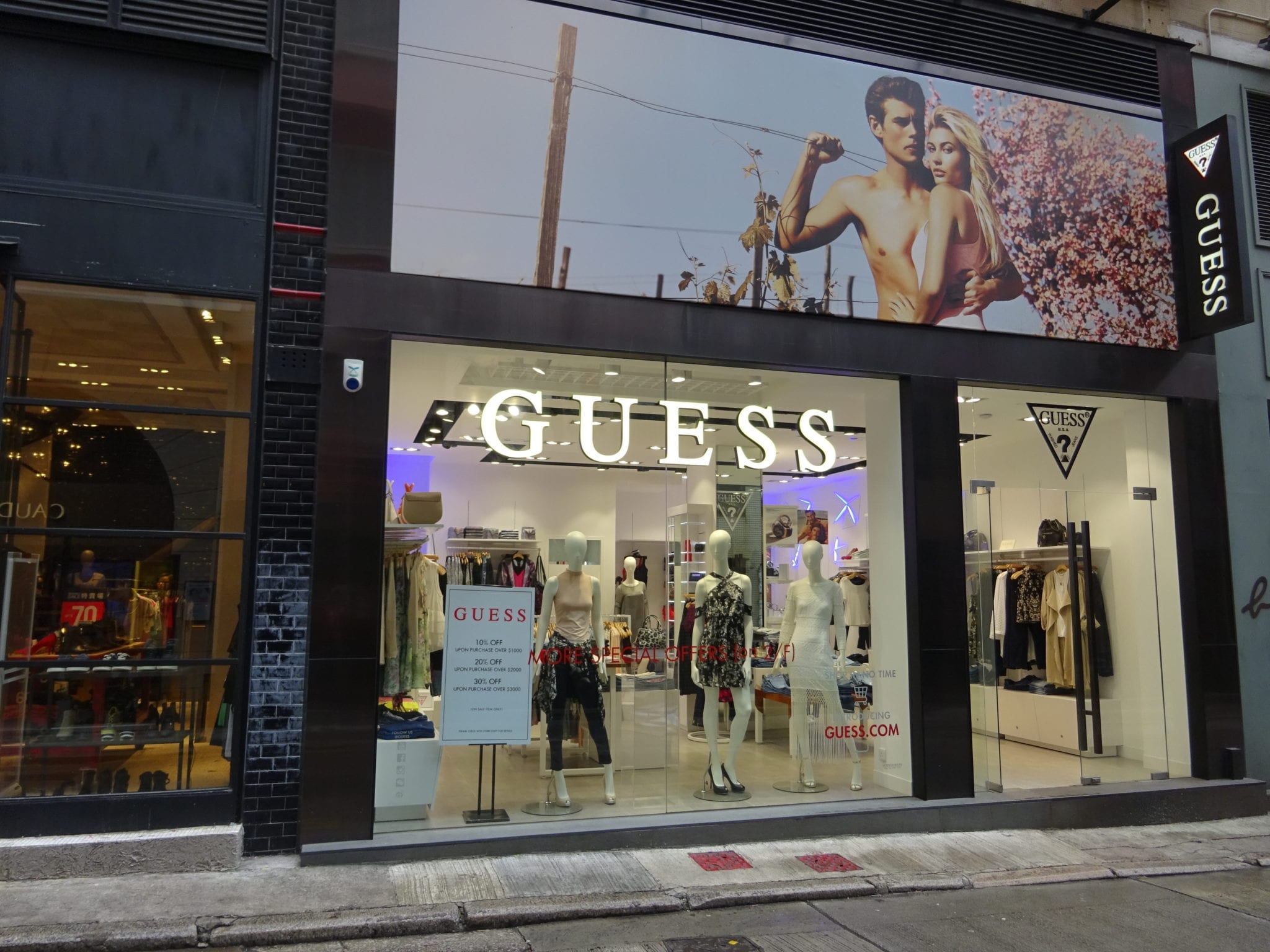
    US-based fashion behemoth, Guess, has announced plans to shutter all its outlets in Mainland China by the end of this month. This move is seen as a continuation of the trend witnessed in recent years where multiple foreign labels have ceased operations in the region.

    Guess has let its customers know of this impending closure through text messages, stating that both its brick-and-mortar and online stores will be affected. Consequently, the company has already ceased the sale of its products on its Tmall online flagship stores.

    The fashion giant has hinted towards a strategic repositioning within the Chinese market, utilizing an innovative model. However, specifics of this new strategy have not been divulged yet.

    Guess first set foot in Mainland China back in 2007, launching its inaugural store in Shanghai. The brand witnessed impressive growth, boasting around 250 stores in the region at its peak in 2019.

    Guess’s withdrawal from China echoes the actions of various international brands over the past few years. Prominent labels including Old Navy, Topshop, Bershka, Pull&Bear, Stradivarius, and Oysho have all left the Chinese market.

    Questions & Answers

    Why is Guess closing its stores in Mainland China?
    Guess is following the trend of many foreign brands that have exited the Chinese market in recent years. Specific reasons for Guess’s decision have not been provided.

    What is the company’s future plan in the Chinese market?
    Guess plans to reposition itself in the Chinese market with a new business model, although the company has not released any details regarding this plan.

    Which other foreign brands have exited the Chinese market recently?
    Several foreign brands have closed their operations in China in the past few years, including Old Navy, Topshop, Bershka, Pull&Bear, Stradivarius, and Oysho.

  • Dingdong Appoints Song Wang as New CEO: A Fresh Leadership in Chinese E-Grocery Space

    Dingdong Appoints Song Wang as New CEO: A Fresh Leadership in Chinese E-Grocery Space

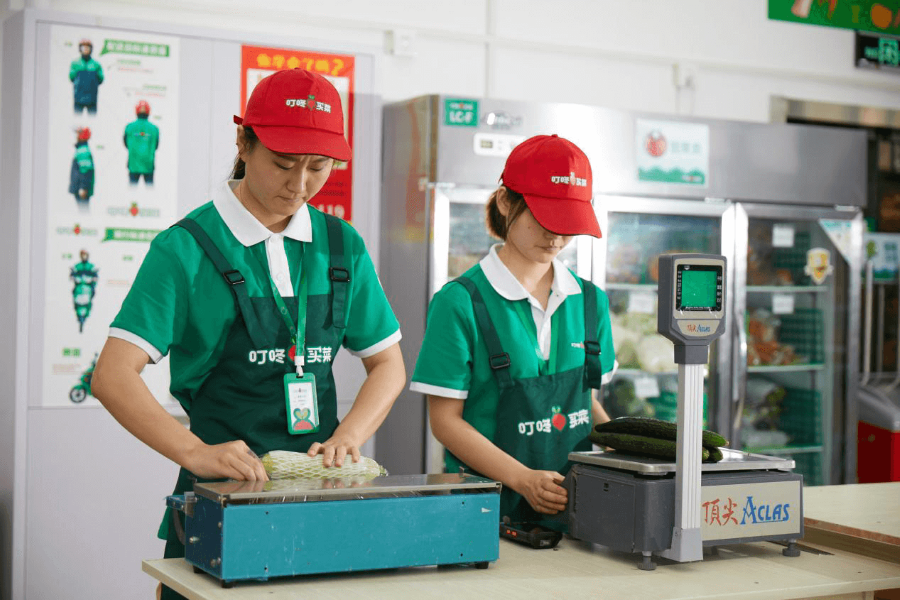
    Dingdong, a fresh grocery e-commerce organization, recently announced the appointment of Song Wang as its new CEO. This change in leadership comes after Changlin Liang, the company’s founder, stepped down from his role as CEO, though he will maintain his position as chairman of the board.

    Experience in Leadership

    Before stepping into his new role, Wang has been a part of Dingdong since 2023 and held several significant leadership positions within the company. He has served as SVP, CFO, and director. Additionally, last year, Wang was named the chairman of the Dingdong Guyu Business Group, a division of the company focusing on private-label products.

    According to Dingdong, Wang’s involvement in crucial sectors of the company such as product development, supply chain construction, and financial strategy has been invaluable. The e-commerce firm lauds his strong leadership skills within finance and operations.

    Future Plans for Dingdong

    Upon his appointment, Wang expressed his intentions to continually prioritize enhancement of the product and supply chain abilities of the business. He emphasized his commitment to work with his team to build on the company’s differentiated product strengths and enhance supply chain capabilities. He also pledged to uphold Dingdong’s user-centric service philosophy.

    Questions & Answers

    Who has been appointed as the new CEO of Dingdong?
    Song Wang has been appointed as the new CEO of Dingdong.

    Who did Song Wang replace as CEO?
    Song Wang replaced Changlin Liang as CEO, who remained as the chairman of the board after his resignation.

    What are Song Wang’s plans for the future of Dingdong?
    Wang plans to focus on enhancing the company’s product strengths and supply chain capabilities. He has pledged to uphold the company’s user-centric service philosophy.

  • Apple Slashes App Store Commission Fees in China: A Big Win for Developers and Consumers

    Apple Slashes App Store Commission Fees in China: A Big Win for Developers and Consumers

    Apple will decrease the commission fees it collects from App Store transactions in mainland China, marking a substantial victory for Chinese developers. This decision comes in response to the perceived pressure from regulators in the U.S. technology behemoth’s second-largest market.

    Lowered Commission Fees

    Beginning Sunday, the California-based company will reduce fees for in-app purchases and paid transactions to 25%, down from the present 30%, according to a statement on the company’s website. For developers in Apple’s small business and mini apps partner programmes, in-app purchase transaction fees will be decreased to 12% from the current rate of 15%.

    The term ‘mini apps’ denotes smaller applications that function within a larger parent application, such as Tencent’s WeChat.

    Significant Impact for Chinese Developers

    This change is a significant advancement for Chinese app developers, including operators of ‘super apps’ such as Tencent and ByteDance, the owner of TikTok. These platforms offer numerous smaller apps developed by third-party creators.

    The reduction could potentially save Chinese developers more than 6 billion yuan (US$873 million) in annual operating costs. The measure has been presented as a win for Chinese digital consumers.

    Improved Consumer Choices

    The adjustment will enhance consumer choices and information transparency. The premium for digital goods and services within iOS will gradually decrease, and prices for membership subscriptions, game charges, live broadcast tips, mini programs, and other scenarios are predicted to drop, potentially saving consumers up to nearly 1 billion yuan per year.

    Global Scrutiny of Apple Tax

    The 30% ‘Apple Tax’ continues to be a significant target of regulatory scrutiny worldwide. In the U.S., Apple permits users to pay in-app fees using alternative payment methods, while the EU implemented new legislation in 2024 that mandated Apple to reduce commission fees to a range of 10% to 17% for developers.

    In China, Apple has been in discussion with the IT ministry and other departments about reducing their fees.

    World Consumer Rights Day

    The reduced commission fees will take effect on World Consumer Rights Day, a day often marked by Chinese state media spotlighting domestic and foreign companies accused of consumer rights violations. Apple was targeted by this campaign in 2013, when its after-sales service was criticized, compelling the company to issue a public apology.

    Going forward, the Chinese government may require Apple to collect App Store revenues within China, rather than overseas, and increase regulatory oversight of foreign apps published in China.

    Previously, Apple has removed apps such as virtual private networks (VPNs) from its China App Store at the Chinese internet regulators’ request.

    International Developers Also Benefit

    Apple’s fee reduction also extends to international developers whose apps are available on the China App Store. As an example, Duolingo, the highest-grossing education app in China, stands to save a substantial amount of money given its annual revenue from the Chinese market is around US$50 million.

    Questions & Answers

    What is the new commission fee rate for in-app purchases and paid transactions in mainland China?
    The new commission fee rate in mainland China is being reduced to 25% from the previous 30%.

    Who stands to benefit from these reduced commission fees?
    Chinese developers and operators of ‘super apps’ such as Tencent and ByteDance, along with international developers with apps available in the China App Store, will benefit from these reduced commission fees.

    When will the fee reduction take effect?
    The fee reduction will take effect on World Consumer Rights Day, which falls on Sunday.

  • UBS Asset Management Bolsters China Equities Team with Former Invesco Pro, Raymond Ma

    UBS Asset Management Bolsters China Equities Team with Former Invesco Pro, Raymond Ma

    UBS Asset Management has recently augmented its China equities team with the addition of Raymond Ma, a veteran portfolio manager formerly linked to Invesco. Ma will be serving as deputy to Bin Shi, the head of China equities, and will be stationed in Hong Kong.

    Ma most recently held the position of Chief Investment Officer for mainland China and Hong Kong at Invesco. He was responsible for the management of several of the company’s China and Greater China funds during his tenure. Even before his stint at Invesco, Ma had a significant 15-year run at Fidelity in Hong Kong, where he made a substantial impact as a principal China portfolio manager.

    A Long-standing Professional Bond

    Bin Shi and Raymond Ma have shared more than just their professional pursuits. They have known each other for over two decades, serving as important figures in the industry. Additionally, they share a fundamental approach towards investing, which will likely foster a strong partnership in their roles at UBS.

    Questions & Answers

    Who has recently joined UBS Asset Management’s China equities team?
    Raymond Ma, a former portfolio manager from Invesco has recently joined UBS Asset Management’s China equities team.

    Who will Raymond Ma serve as deputy to at UBS?
    Raymond Ma will serve as deputy to Bin Shi, the head of China equities at UBS.

    What was Raymond Ma’s role at Invesco?
    At Invesco, Raymond Ma held the position of Chief Investment Officer for Mainland China and Hong Kong and managed several of the firm’s China and Greater China funds.

  • Riding the Yuan Wave: Global Companies Amplify Chinese Currency Adoption, Says StanChart Report

    Riding the Yuan Wave: Global Companies Amplify Chinese Currency Adoption, Says StanChart Report

    Companies across the globe are progressively employing the Chinese yuan in an array of contexts, as noted in a recent study by Standard Chartered. These contexts range from settling trade transactions to financing supply chains.

    A growing number of international corporations are adopting the use of the Chinese renminbi (RMB). Statistics from a Standard Chartered study reveal that 23% of revenues and 25% of costs are subject to the influence of this currency. However, the report also points out that only 14% of debt is in RMB, indicating a discrepancy between operating exposure and the currency employed for financing.

    The study suggests that the uptake of RMB is increasingly motivated by operational necessities of corporations rather than currency positioning. The main factors encouraging its adoption are trade settlement, supply chain financing, alignment of balance sheets, and management of foreign exchange and interest rate exposure.

    Diverse Regions, Diverse Adoption Trends

    The adoption patterns of the RMB vary across different regions. For instance, corporations in Greater China and North Asia are extending their use of RMB beyond settlement to include funding and liquidity management. The uptake in Southeast Asia is primarily driven by supply chain needs, whereas in the Middle East and parts of Africa, the usage is concentrated in the energy and infrastructure trade sectors. In Europe and the Americas, the capital market issuances and selective funding diversification are emerging as significant starting points.

    Karen Ng, the head of China opening and RMB internationalization at Standard Chartered, stated, “Many corporations already have significant RMB exposure through trade, procurement, and supply chains. As the market infrastructure deepens and liquidity expands, the adoption is increasingly being driven by operational needs, including trade settlement and balance sheet alignment.”

    The report titled “Renminbi in Motion for Corporates” is based on a survey involving nearly 300 global corporations across 19 sectors.

    Questions & Answers

    Why are corporations worldwide increasingly using the Chinese yuan?
    The use of the Chinese yuan is growing due to operational needs including trade settlement, supply chain financing, balance sheet alignment, and managing foreign exchange and interest rate exposure.

    How does the adoption of the Chinese yuan vary across different regions?
    Adoption patterns differ by region. Corporations in Greater China and North Asia are expanding its use beyond settlements to include funding and liquidity management, while in Southeast Asia, adoption is largely driven by supply chain needs.

    What is the percentage of revenues and costs carrying exposure to the Chinese yuan, according to the report?
    The report indicates that 23% of revenues and 25% of costs are subject to the influence of the Chinese yuan.

  • Chagee Brews Up Asia-Pacific Expansion: Chinese Milk Tea Giant to Debut in Seoul

    Chagee Brews Up Asia-Pacific Expansion: Chinese Milk Tea Giant to Debut in Seoul

    The popular Chinese milk tea franchise, Chagee, will be making its first appearance in South Korea during this quarter. Three branches of the chain will be opened concurrently in the districts of Gangnam, Yongsan, and Sinchon in Seoul. This move is part of Chagee’s overarching strategy to increase its presence in the Asia-Pacific market.

    Chagee has reported a surge in interest from South Korean consumers ahead of the opening. The company is confident that it will introduce a unique, premium tea experience that is fresh and exciting.

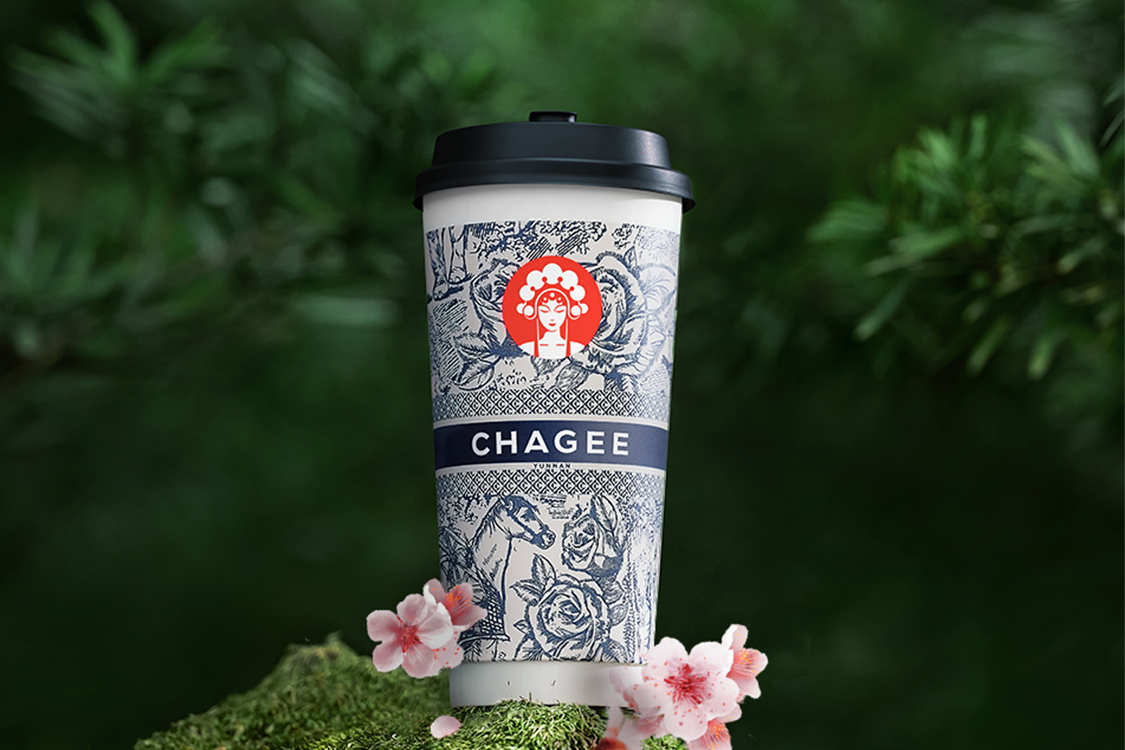
    The Gangnam location will serve as the flagship store for Chagee. The store’s exterior is planned to feature arched greenery against a semi-transparent glass façade. In the center of this design, there will be an oversized, signature cup. Chagee’s design aims to create an illusion of walking into an urban forest, embodying its ‘Modern Tea House’ concept.

    The Yongsan and Sinchon branches will also leave their mark with graphic displays that are customized to their specific locations.

    As a way to engage customers before the official opening, Chagee is launching a QR code-based campaign. Customers who visit the store, scan the QR code displayed on the exterior, and successfully complete a short quiz will be rewarded with a 50% discount coupon.

    Questions & Answers

    What is the overall expansion strategy of Chagee?
    Chagee is looking to increase its presence in the Asia-Pacific market, starting with the opening of three stores in Seoul, South Korea.

    What unique feature will the Gangnam store have?
    The Gangnam store, serving as the flagship location, will have an exterior design featuring arch-shaped greenery against a semi-transparent glass façade, with a giant signature cup in the center. This design is meant to represent the company’s ‘Modern Tea House’ concept.

    How is Chagee engaging customers ahead of its store openings in South Korea?
    Chagee is encouraging customer engagement through a QR code-based campaign. Visitors who scan the QR code on the store’s exterior display and complete a short quiz will receive a 50% discount coupon.