Tag: China

  • Yum China Ends FY25 Strong: Delivery Boom and Store Expansion Fuel 9% Q4 Revenue Surge

    Yum China Ends FY25 Strong: Delivery Boom and Store Expansion Fuel 9% Q4 Revenue Surge

    Yum China Holdings ended the 2025 fiscal year on a strong note, with an increase in delivery orders and expedited store openings fueling a rise in sales and profits, even amidst muted consumer spending in China.

    Performance Overview

    During the quarter that concluded on December 31, Yum China, the operator of KFC, Pizza Hut, and other dining brands throughout mainland China, recorded a revenue of US$2.8 billion, a 9% increase compared to the previous year.

    The company saw a 3% growth in same-store sales, the third consecutive quarter of positive growth, while system sales experienced a 7% increase.

    Delivery service played a crucial role in driving growth, with delivery sales surging by 34% and contributing to around 53% of the total revenue. Yum China’s emphasis on digital ordering and convenience due to fluctuating dine-in customer counts across regions remains an integral part of its strategy.

    Store Expansion & Sales

    Store expansion significantly contributed to the company’s performance. Yum China inaugurated an astonishing 587 new stores in the fourth quarter, with franchise partners opening nearly 36% of these stores. Over the year, the group opened 1706 additional stores, raising its total to more than 18,100 restaurants across the nation.

    For the 2025 fiscal year, Yum China reported a revenue of US$11.8 billion, a 4% increase from the previous year, while the operating profit climbed 11% to approximately US$1.3 billion.

    Words from the CEO

    Joey Wat, CEO of Yum China, praised the hardworking team for ending 2025 on a high note by delivering growth in same-store sales for three consecutive quarters and same-store transaction growth for twelve quarters in a row.

    Wat noted that KFC had discovered new consumption opportunities via its KCoffee cafe format and Kpro side-by-side modules. Meanwhile, Pizza Hut enhanced its value proposition and launched its Wow model to extend its presence to previously untapped locations, particularly in lower-tier cities.

    Future Plans

    In terms of future plans, the company aims to operate more than 20,000 restaurants by the end of the current year, supported by the opening of over 1900 new stores. Yum China predicts that franchised outlets will represent 40-50% of all new openings across KFC and Pizza Hut, as it continues to extend its hybrid ownership model.

    Questions & Answers

    What was the revenue of Yum China for the 2025 fiscal year?
    The revenue was reported to be US$11.8 billion, a 4% year on year increase.

    What role did delivery service play in Yum China’s growth?
    Delivery service was a major growth driver, with delivery sales rising by 34% and making up around 53% of the total revenue.

    What are the company’s future expansion plans?
    Yum China aims to operate over 20,000 restaurants by the end of the year, supported by the opening of more than 1900 new stores.
  • Starbucks Eyes Major Global Expansion: China in Spotlight Despite Market Challenges

    Starbucks Eyes Major Global Expansion: China in Spotlight Despite Market Challenges

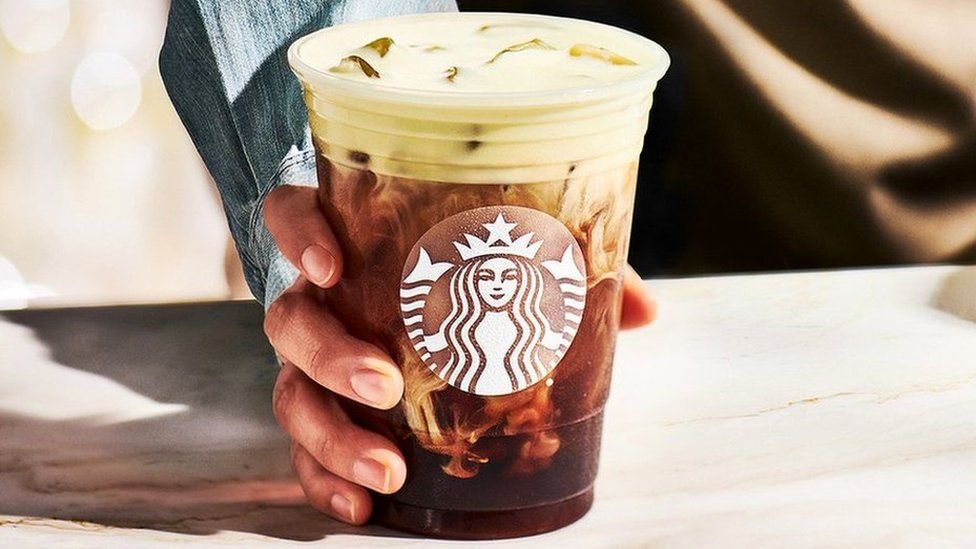
    Starbucks, the renowned coffee chain, is fast-tracking global expansion plans that extend beyond fiscal year 2028. The company considers China as the bedrock of its long-term development strategy, notwithstanding the increasingly competitive landscape and looming economic challenges.

    During the 2026 Investor Day, the coffee behemoth announced plans for significant expansion in both domestic and international markets.

    International Growth

    Starbucks intends to double its international cafe presence over time, aiming for nearly 40,000 non-US stores. China is anticipated to play a major role in this planned growth. Starbucks plans to open between 15,000 and 20,000 additional stores in the Chinese market over the long term.

    Brady Brewer, CEO at Starbucks International, provided insights on the company’s international strategy. He stated, “Our international business fills a very clear role. We are an asset-light growth driver for Starbucks that bolsters the company’s margins.”

    Challenges and Opportunities in China

    China, while being a strategic priority, continues to be one of the most challenging markets for Starbucks. Local competitors such as Luckin Coffee and Cotti Coffee are gaining traction via aggressive pricing strategies, swift expansion, and localized innovation. Simultaneously, economic slowdown is causing increased price sensitivity, challenging Starbucks’ premium positioning.

    In response to these challenges, Starbucks has reorganized its operations in China. The company has established a joint venture with Boyu Capital, transitioning to a licensed business model while maintaining a 40% stake.

    First Quarter Financials

    For the first quarter of fiscal 2026, Starbucks reported a revenue of US$9.9 billion. This shows an upward sales trajectory and continuous growth across the coffee giant’s global network of stores.

    Questions & Answers

    What is Starbucks’ plan for international growth?
    Starbucks intends to double its international store presence, targeting nearly 40,000 non-US locations.

    What role does China play in Starbucks’ expansion strategy?
    China is expected to account for a major portion of Starbucks’ international expansion. The company plans to open between 15,000 and 20,000 additional stores in the Chinese market.

    What changes has Starbucks made in its China operations?
    In response to increasing competition and economic challenges, Starbucks has restructured its China operations through a joint venture with Boyu Capital, transitioning to a licensed business model and retaining a 40% stake.

  • Kuaishou’s E-commerce Branch Slapped with $3.8M Fine for Illegal Acts: Is Consumer Protection at Stake?

    Kuaishou’s E-commerce Branch Slapped with $3.8M Fine for Illegal Acts: Is Consumer Protection at Stake?

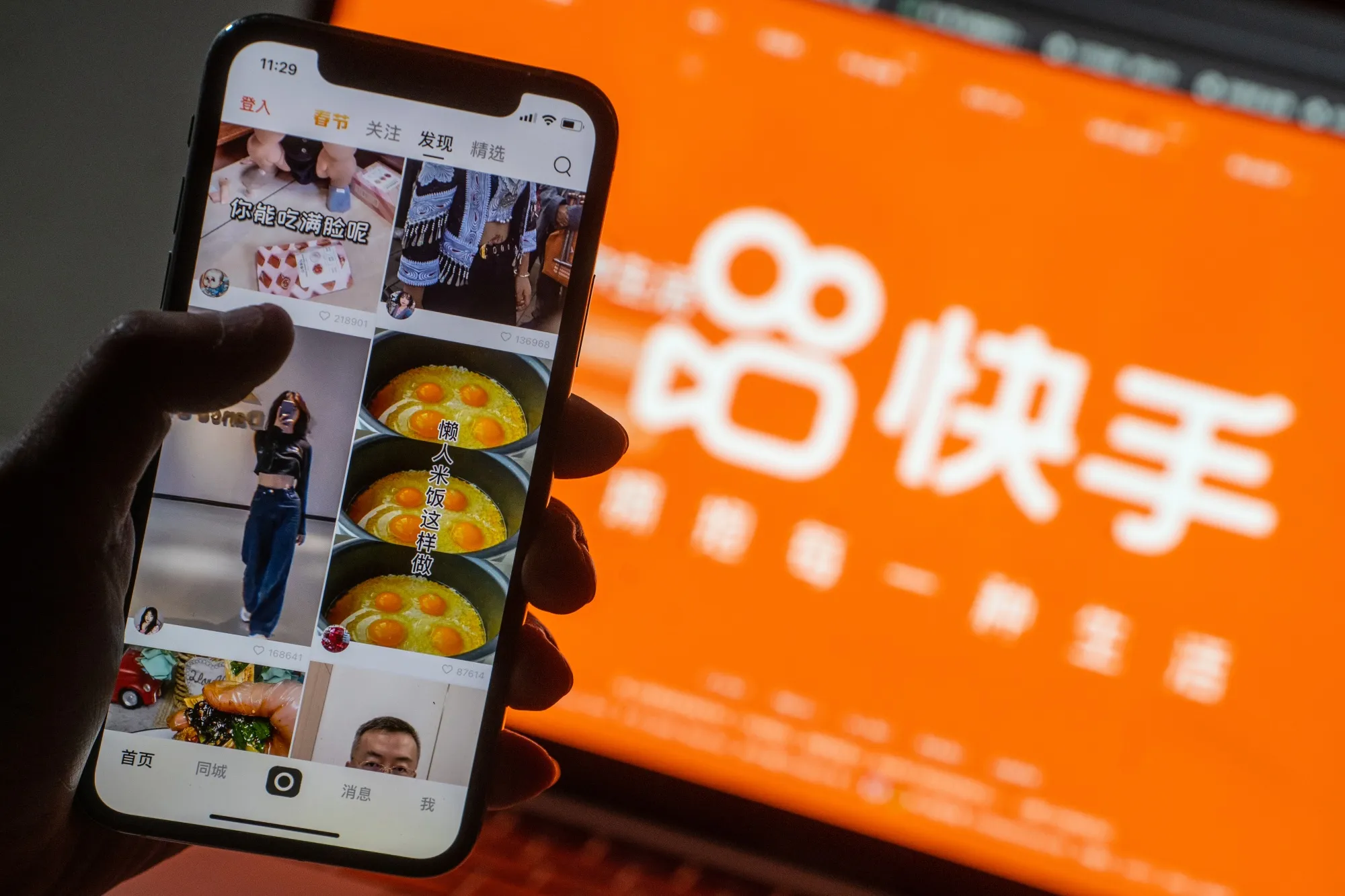
    Chinese e-commerce entity Kuaigou, a branch of live-streaming tech corporation Kuaishou Technology, has been fined 26.7 million yuan (approximately US$3.84 million) by the Chinese regulatory authority. The regulator cited a series of “illegal actions” as the reasoning behind the substantial penalty.

    Kuaigou’s Alleged Malpractices

    The market regulator in China accused Kuaigou of levying “unreasonable” charges and failing to provide proper consumer protection. Additionally, the company was accused of not taking appropriate measures against the sale of counterfeit goods on its platform. The regulator also faulted Kuaigou for allowing misleading or false marketing practices to occur on its platform.

    Investigation by State Administration for Market Regulation

    The hefty fine was the result of an investigation initiated by the State Administration for Market Regulation in September. The investigation was sparked due to supposed “illegal and irregular activities,” including false marketing and the distribution of counterfeit goods, particularly prevalent in the live-streaming e-commerce industry.

    The regulator also accused the company of publishing “illegal advertisements” and failing to disclose mandatory information. The company was further implicated in facilitating services for the “illegal sales or purchase of wild animals, their products, or prohibited hunting tools,” according to the regulator.

    Kuaigou Accepts Penalties

    In response to the fine and allegations, Kuaigou released a statement indicating its acceptance of and compliance with the regulator’s decision and penalty. The company stated, “We sincerely accept and will resolutely obey the regulator’s decision and penalty.”

    The company further pledged to improve its operations in accordance with the law and enhance its compliance level. It also committed to working in collaboration with the businesses on its platform to provide improved services to consumers.

    Questions & Answers

    Why was Kuaigou fined by the Chinese regulator?
    Kuaigou was fined 26.7 million yuan for several “illegal activities,” including charging unreasonable fees, failing to protect consumers, not taking action against counterfeit products on its platform, and allowing false or misleading marketing practices.

    What other accusations were leveled against Kuaigou?
    The company was also accused of publishing “illegal advertisements,” failing to disclose required information, and facilitating services for the illegal sale or purchase of wild animals and their products or prohibited hunting tools.

    How has Kuaigou reacted to the regulator’s decision and penalty?
    Kuaigou released a statement expressing its acceptance of the regulator’s decision and penalty, pledging to improve its operations according to the law, enhance its level of compliance, and work with businesses on its platform to provide improved services to consumers.

  • China’s Luxury Market Primed for Modest Rebound in 2026: A Bain & Company Insight

    China’s Luxury Market Primed for Modest Rebound in 2026: A Bain & Company Insight

    China’s personal luxury goods market is anticipated to experience moderate growth in 2026, according to global management consulting firm, Bain & Company. However, they also caution that this recovery may be unstable and variegated across various brands and product categories.

    A Fragile Recovery

    In 2025, China’s luxury market contracted by 3-5%, showing some recuperation after a decline of 17-19% in 2024. Bain & Company forecasts that China, as the world’s second-largest economy, will persist as a crucial contributor to the growth of the luxury market.

    Brands that cater to the affordable luxury and ultra-premium segments have thrived, providing what the consultancy perceives as ‘true value’.

    China’s consumer confidence, which comprises approximately 25% of luxury expenditure, has been impacted by an extended property crisis and employment concerns. These factors have compelled luxury brands to reassess their strategies within the world’s second-largest economy.

    Despite consumer sentiment appearing cautious for much of 2025, the luxury sector indicated signs of stability from the third quarter onwards. Bain & Company cites a stronger stock market and improved consumer confidence, recovering from the weak economic base of 2024, as catalysts for this stabilisation.

    Future Outlook

    The firm anticipates a ‘modest’ expansion in 2026, facilitated by a burgeoning middle class, escalating consumer confidence, and policy measures intended to boost domestic consumption. However, Bruno Lannes, a senior partner, stated that this growth will remain ‘segment-specific’.

    2025 was viewed as a year of ‘recalibration’ for the world’s second-largest luxury market, with consumers becoming more discerning and gravitating towards items offering ‘true value’.

    Emerging Local Brands

    The study also reveals a preference for travel and wellness experiences over material purchases. The consultancy further highlighted the rise of local players as a significant trend in 2025. Emerging Chinese brands are attracting the attention of consumers with innovative and culturally relevant offerings, positioning them as robust competitors.

    Performance varied across different categories, with beauty being the most resilient, rebounding to growth of 4-7%. Conversely, demand for fashion declined by 5-8%, while the demand for leather goods dropped by 8-11%, partly due to price increases.

    Demand for watches plummeted by an estimated 14-17% as consumers shifted towards investments or second-hand alternatives. The jewellery sector’s decline narrowed to up to 5%.

    The Resilience of Desirable Brands

    Brands that preserve strong desirability and provide clear value through innovation and targeted pricing strategies have proven to be more resilient, according to the report.

    Domestic spending made up 65% of Chinese luxury consumption in 2025, which signifies a reversal of the recovery in overseas demand observed over the previous two years.

    A weaker currency and narrowing global price differences have driven more purchases back to the domestic market, despite a recovery in outbound travel.

    The secondhand luxury sector witnessed growth of 15-20%. Meanwhile, ‘daigou’ sales, a term referring to purchases made on behalf of others and a long-standing pillar of Chinese luxury spending abroad, showed signs of slowing as brands tightened control over unofficial channels.

    Questions & Answers

    How did China’s luxury market perform in 2025?
    In 2025, China’s luxury market experienced a contraction of 3-5%, showing signs of recovery from a more significant decline of 17-19% in 2024.

    What factors are expected to support the growth of China’s luxury market in 2026?
    The expected growth in 2026 is predicted to be supported by an expanding middle class, increasing consumer confidence, and policy measures aimed at stimulating domestic consumption.

    What trends were observed in China’s luxury market in 2025?
    In 2025, a significant trend was the rise of local players, with emerging Chinese brands capturing consumer attention through innovative and culturally relevant offerings. Additionally, consumers showed a preference for travel and wellness experiences over material purchases.

  • “LVMH Shatters Q4 Sales Predictions: Luxury Sector Sees Hope with China’s Uptick”

    “LVMH Shatters Q4 Sales Predictions: Luxury Sector Sees Hope with China’s Uptick”

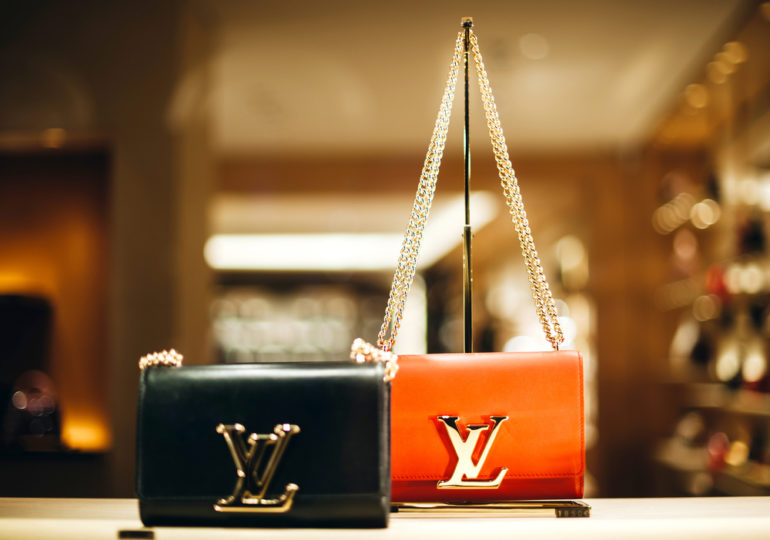
    LVMH, the conglomerate which owns luxury brands Louis Vuitton and Tiffany, outperformed fourth-quarter sales projections on Tuesday. This development has raised expectations of a revival within the luxury sector, despite challenges including trade conflicts, a depreciating dollar, and elevated gold prices impacting profit margins.

    In the final quarter, the leading luxury firm posted overall sales of 22.7 billion euros (US$27.1 billion). This represents a 1 per cent increase on a comparable basis, outperforming predictions of a 0.3 per cent decrease as per Visible Alpha’s consensus forecast.

    Signs of Recovery in Asia

    The France-based conglomerate revealed indications of resuming growth in Asia, with domestic Chinese sales seeing an uptick in the quarter. This supports the trend of recovery that the retail giant has been witnessing over the last few months.

    The watches and jewellery division of LVMH experienced a sales growth of 8 per cent in the quarter, surpassing expectations. However, revenue from its main fashion and leather division, which contributes most to the overall profits, saw a 3 per cent decline when adjusted for currency fluctuations – a figure that was in line with projections.

    The luxury sector is slowly recovering from a prolonged slump, and recent positive results from industry peers Richemont and Burberry, bolstered by a rebound in China, have been encouraging.

    Caution Moving Forward

    However, despite the promising results, LVMH’s CEO and billionaire owner, Bernard Arnault, signaled caution for the future, stating plans to restrict costs and expenses. Arnault cited ongoing geopolitical crises, economic uncertainty and certain state policies, including those in France, aimed at maximizing taxation, as reasons for adopting a cautious approach.

    The conglomerate’s operating profit for 2025 dropped by 9 per cent, with margins affected by a range of factors including currency movements, US tariffs impacting alcohol exports, and record gold prices escalating import costs for jewellery.

    Strategies Amid Challenges

    Amid a real estate crisis and stiff local competition in China, LVMH has been strategically leveraging its financial strength to gain an edge. This approach has seen the opening of a large, ship-shaped Vuitton store in Shanghai and a new Dior flagship store in Beijing, among other initiatives.

    The ship-shaped store has proven to be a “great success” for the prominent Louis Vuitton brand, according to Arnault. Chinese customers, including international tourists, comprise nearly one-third of LVMH’s fashion and leather sales, as per UBS estimates.

    During its last trading update, LVMH’s positive remarks about slightly improved Chinese demand led to a rally in the luxury stock market, adding nearly $80 billion to combined company valuations.

    The company stated that the weaker dollar had resulted in US tourists spending less in Europe, with regional sales dropping 2 per cent last quarter. Conversely, US sales rose by 1 per cent in the same period. Sales in Asia, including China, increased by 1 per cent.

    Questions & Answers

    What was the overall sales of LVMH in the fourth quarter?
    The company recorded overall sales of 22.7 billion euros (US$27.1 billion).

    How did the sales of LVMH’s watches and jewellery division perform?
    The watches and jewellery division experienced an 8 per cent growth in sales in the quarter.

    What factors are affecting LVMH’s operating profit?
    The operating profit was impacted by a range of factors including currency movements, US tariffs impacting alcohol exports, and record gold prices escalating import costs for jewellery.

  • Domino’s Pizza China Celebrates Expansion Success with 1400th Store Milestone

    Domino’s Pizza China Celebrates Expansion Success with 1400th Store Milestone

    Domino’s Pizza China (DPC Dash) has successfully surpassed its 1400th store landmark as it steadily propels the progression of its network.

    DPC Dash is identified as the sole master franchisee for Domino’s Pizza in Mainland China, Hong Kong, and Macau. The company recently inaugurated its 1405th store in Sanya, located in the Hainan Province. This establishment not only denotes its entrance into the 72nd city within the Chinese Mainland but also aligns with its marker on the Hong Kong Stock Exchange (1405.HK).

    According to DPC Dash, this milestone symbolizes the triumph of its ‘go broader, go deeper’ expansion strategy for its store network and the robust customer demand for the pizza brand. This accomplishment comes after the company’s impressive performance the previous year, during which it added 307 new stores net and broadened its reach into 21 new cities.

    The company has stated that it will persist with further developing its 4D strategy, which includes ‘Development, Delicious Pizza at Value, Delivery, and Digital’. This approach aims to tap into China’s market consumption potential while ensuring continuous innovation and sustainable operations.

    Questions & Answers

    What is Domino’s Pizza China’s (DPC Dash) expansion strategy?
    – Domino’s Pizza China or DPC Dash follows a ‘go broader, go deeper’ expansion strategy. This method focuses on increasing the number of stores and expanding into new cities.

    What is the 4D strategy that Domino’s Pizza China (DPC Dash) is focusing on?
    – The company’s 4D strategy consists of ‘Development, Delicious Pizza at Value, Delivery, and Digital’. This approach aims to capitalize on the potential of China’s market consumption while maintaining continuous innovation and sustainable operations.

    What recent milestone has Domino’s Pizza China (DPC Dash) achieved?
    – The company recently surpassed its 1400-store milestone, with the opening of its 1405th store in Sanya, located in the Hainan Province. This accomplishment also marked its entrance into the 72nd city in the Chinese Mainland.

  • Explore More: China Boosts Tax-Free Shopping with 41 New Duty-Free Stores for Global Travellers

    Explore More: China Boosts Tax-Free Shopping with 41 New Duty-Free Stores for Global Travellers

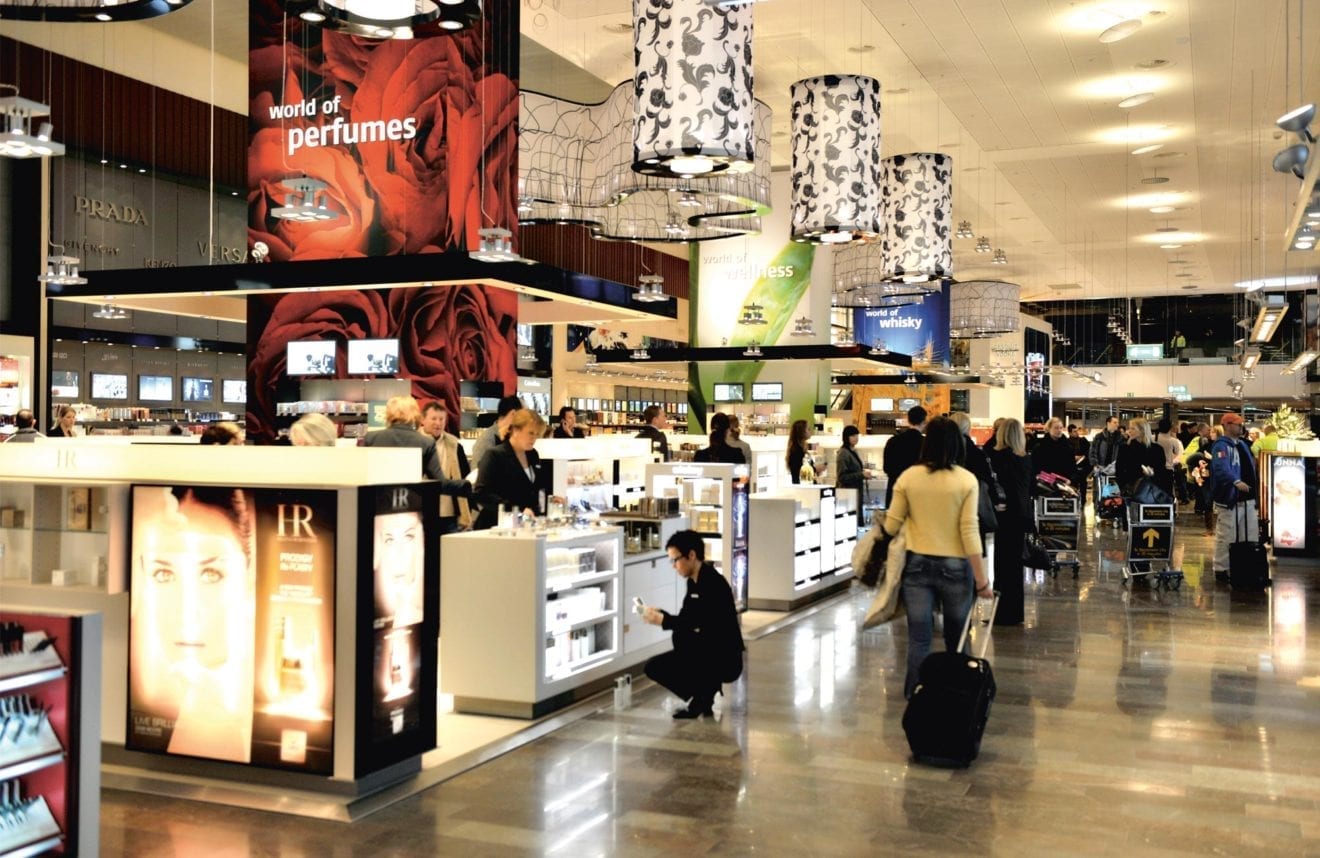
    China is set to increase its appeal to international tourists by opening 41 new duty-free stores, as part of a broader initiative to stimulate tax-free shopping upon arrival. This new development was unveiled in a joint statement by five Chinese government departments, including the Ministry of Finance.

    This enhancement comes in the wake of China Tourism Group Duty Free purchasing the travel retail business of DFS Greater China from luxury goods conglomerate LVMH for a sum of US$400 million.

    The statement outlined that the primary goal of establishing and refining these duty-free stores at entry ports is to provide a more straightforward and seamless duty-free shopping experience for arriving passengers. Furthermore, the intention is to fully utilize the potential of duty-free stores to reinforce and stimulate consumption, thereby fostering the growth and systematic progression of the duty-free retail sector.

    The announcement also highlighted that provisions are being made for the creation of duty-free stores in an additional 11 locations. However, the establishment of such outlets at Qingdao Liuting International Airport, Guangzhou East Railway Station, and Jiangmen Port will be discontinued.

    The authorities also pointed out the increasing significance of shopping for tourists in China, stating that it has become an “increasingly integral” aspect of travel itineraries.

    Questions & Answers

    Why is China planning to increase the number of its duty-free stores?
    China aims to stimulate tax-free shopping for international tourists upon arrival and sees this as a way to boost consumption and foster systematic progression of the duty-free retail sector.

    What recent significant purchase might have influenced this decision?
    China Tourism Group Duty Free recently purchased the travel retail business of DFS Greater China from LVMH for US$400 million, which may have triggered this decision.

    What changes will occur at current duty-free locations?
    Although the creation of duty-free stores in an additional 11 locations is planned, the establishment of such outlets at Qingdao Liuting International Airport, Guangzhou East Railway Station, and Jiangmen Port will be discontinued.

  • Jollibee Group’s Remarkable Global Surge: Coffee Leads the Way and Chinese Cuisine Gains Momentum

    Jollibee Group’s Remarkable Global Surge: Coffee Leads the Way and Chinese Cuisine Gains Momentum

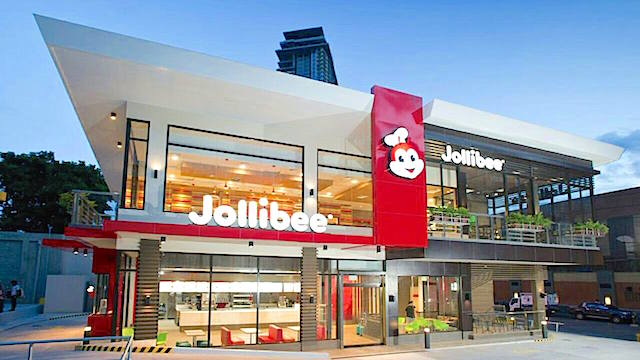
    The Jollibee Group has recorded impressive progress in its coffee, tea, and Chinese cuisine sectors, bolstered by an aggressive international expansion strategy, enhanced store operations, and unwavering commitment to the performance of its flagship brands.

    The Boom in Coffee and Tea

    The group’s coffee and tea division is at the forefront of this growth trajectory, with Compose Coffee and Highlands Coffee stepping up their store establishment rates and solidifying their market dominance.

    Compose Coffee, in South Korea, has grown beyond the 3000-store mark, setting up an additional 1000 outlets in less than a year and a half. The platform’s mobile application has garnered a cumulative user base of nearly 18 million, following a widely successful celebrity-led promotional campaign.

    Richard CW Shin, CEO of Jollibee Group International and Global Chief Financial and Risk Officer of Jollibee Group, lauded Compose Coffee’s exponential growth. He affirmed the brand’s ability to scale while retaining quality, value, and consumer affinity.

    Shin shared the group’s intent to extend the brand’s momentum to other global markets. He expressed optimism in Compose Coffee’s potential to generate long-term shareholder value, emphasizing the brand’s strategic role in driving Jollibee Group’s international growth.

    Highlands Coffee, based in Vietnam, has secured its position as the nation’s leading coffee brand by market share. With a burgeoning network of nearly 1000 outlets, Highlands Coffee serves in excess of 100 million customers each year.

    Chinese Cuisine on the Rise

    The group’s Chinese cuisine department also noted significant strides. Yonghe King, in particular, augmented its presence in China with the introduction of 35 new franchised stores recently. This move is part of a more efficient operational blueprint that supports the group’s drive for stable and sustainable market operations.

    Tim Ho Wan, post its acquisition, has shown promising indicators, with all its stores in Hong Kong reportedly regaining profitability within six months. The brand’s early performance in the US is also promising. The inauguration of Tim Ho Wan Irvine marked the brand’s debut as a company-operated store in the US under the Jollibee Group, with plans to reach 20 locations across North America by 2028.

    Questions & Answers

    What is behind the success of Compose Coffee in South Korea?
    Compose Coffee has successfully established over 3000 stores in South Korea, with an additional 1000 outlets set up in under 18 months. This growth is attributed to a strategic expansion plan and a celebrity-led promotional campaign that increased the user base of its app.

    How is Highlands Coffee performing in Vietnam?
    Highlands Coffee retains the top spot in Vietnam’s coffee market by share, with a network of nearly 1000 outlets and over 100 million customers served annually.

    What is the performance of the Chinese cuisine segment of the Jollibee Group?
    Significant progress has been recorded in the Chinese cuisine segment, with Yonghe King expanding its footprint in China through the addition of 35 new franchised stores. Tim Ho Wan has also seen positive traction post-acquisition, with all Hong Kong stores returning to profitability within six months.

  • Burberry Sees Remarkable Christmas Sales Boost, Thanks to Chinese Market Surge

    Burberry Sees Remarkable Christmas Sales Boost, Thanks to Chinese Market Surge

    Burberry, the iconic British luxury brand, surpassed its holiday season sales forecasts, with the most significant surge being noted in its Chinese market.

    4th Quarter Financial Overview

    According to the latest fiscal report of the quarter ending December 27, Burberry witnessed a 3% annual increase in comparable store sales, leading to a revenue of £665 million. Of particular note was the growth in Greater China, which saw a 6% rise in store sales. The Asia Pacific (APAC) region also reported a sales increment of 5%. Unfortunately, no sales growth was observed in Europe and the Middle East during this period.

    Joshua Schulman, the CEO of Burberry, attributed these promising figures to the brand’s successful implementation of their Burberry Forward strategy. He cited an improved sales growth rate and enhanced revenue quality across different retail channels and geographical locations.

    Key to Success

    Burberry’s win in Greater China and APAC was primarily fuelled by a considerable uptick in Gen Z customers, who contributed to double-digit growth.

    Schulman commented on the positive customer response to Burberry’s immersive Timeless British Luxury campaigns and experiences. The brand’s core outerwear category continued to demonstrate resilience, with rising customer interests now also observed in accessories and ready-to-wear collections.

    “As we step into the 170th year of Burberry, these results substantiate the enduring strength of our iconic brand and instill confidence in the journey ahead,” Schulman added.

    Questions & Answers

    What was Burberry’s sales performance during the recent Christmas quarter?
    Burberry experienced a 3% year-on-year increase in comparable store sales during the Christmas quarter, achieving a revenue of £665 million.

    Which markets showed the strongest growth for Burberry?
    Greater China and the Asia Pacific (APAC) region were the strongest growth markets for Burberry, with sales rising by 6% and 5% respectively.

    What factors attributed to Burberry’s strong sales performance?
    The successful implementation of the Burberry Forward strategy, compelling Timeless British Luxury campaigns and experiences, and the consistent popularity of their core outerwear category are some factors that contributed to Burberry’s strong sales performance.

  • Cathy Sparks Ascends to Nike’s VP and GM Role in Greater China: A New Era of Athletic Partnerships

    Cathy Sparks Ascends to Nike’s VP and GM Role in Greater China: A New Era of Athletic Partnerships

    Nike has recently made several key changes to its top-tier executives across various geographical territories. Cathy Spark has been promoted to the position of Vice President (VP) and General Manager (GM) of Greater China.

    Replacing Angela Dong, a seasoned Nike executive since 2005 who served in a variety of senior-level positions throughout the region, Spark plans to solidify collaborations and reaffirm Nike’s long-standing dominance in the Chinese market.

    Spark’s journey with Nike spans a quarter-century, initially starting as a store athlete at Niketown in Portland. Over the years, she assumed leadership roles across all geographical areas. Prior to her current position, she served as VP and GM of APLA, where she spearheaded the company’s strategy for marketplace transformation and consumer growth.

    Elliot Hill, Nike’s President and CEO, praised Spark for her ability to connect athletics, consumers, and Nike’s role at the crossroads between sports and culture. He highlighted her ability to build high-performing teams, act decisively, and effectively harness the unique appeal of the Nike brand.

    Cristin “Crissy” Campbell, a Nike employee with 15 years of experience, is slated to fill Spark’s former position as VP and GM of APLA.

    In the EMEA region, Carl Grebert will relinquish his duties as VP and GM. César Garcia will take over the role, with his tenure starting on February 2nd.

    Questions & Answers

    Who is the new VP and GM of Greater China for Nike?
    Cathy Spark has been appointed as the new Vice President and General Manager of Greater China for Nike.

    What role did Cathy Spark previously hold at Nike?
    Before her promotion, Cathy Spark was the Vice President and General Manager of APLA, leading the company’s strategy in marketplace transformation and consumer growth.

    Who will succeed Cathy Spark as VP and GM of APLA?
    Cristin “Crissy” Campbell, a 15-year veteran at Nike, will take over as the Vice President and General Manager of APLA.

  • CTG Duty Free Acquires DFS: LVMH’s Strategic Luxury Retail Sale Boosts China’s Travel Market

    CTG Duty Free Acquires DFS: LVMH’s Strategic Luxury Retail Sale Boosts China’s Travel Market

    Global luxury travel retailer DFS, which is owned by LVMH and Robert Miller, DFS’ co-founder and shareholder, has revealed they are set to sell their retail business across Greater China to the China Tourism Group (CTG) Duty Free. According to the agreement, CTG Duty Free is set to acquire businesses in Hong Kong, Macau, and Greater China.

    Acquisition of DFS Brands

    Aside from acquiring businesses, CTG Duty Free will also obtain a variety of DFS brands and intellectual properties exclusively for usage across Greater China. The proceeds from this transaction will be received in cash. Post-transaction, DFS will maintain operations of its other luxury travel retail businesses worldwide.

    Luke Chang, executive director and president of CTG Duty Free, shared that this move is expected to broaden the service network of CTG Duty Free across the Greater Bay Area. The goal is to establish a platform for promoting China-influenced brands globally while setting up an international business mid-platform.

    Chang also emphasized CTG Duty Free’s commitment to provide superior travel retail experiences to both domestic and international tourists. This aligns with their responsibility as a central state-owned enterprise-controlled listed company to facilitate the high-quality development of the retail economy in Hong Kong and Macau.

    A Significant Step for DFS

    DFS has described the sale as a significant step for the company. Ed Brennan, chairman and CEO of DFS, stated that the company is proud of its well-established presence and operational excellence in Hong Kong and Macau. The DFS shopping experience is expected to improve and progress with the fresh skills and perspectives that CTG Duty Free will introduce.

    Michael Schriver, president of LVMH for North Asia, expressed that the move highlights LVMH’s confidence in the long-term potential of the Chinese market. The transaction is anticipated to be finalized in approximately two months.

    Questions & Answers

    What is the agreement between DFS and CTG Duty Free about?
    The agreement is about the sale of DFS’ retail business across Greater China to CTG Duty Free.

    What will CTG Duty Free acquire from DFS?
    CTG Duty Free will acquire businesses in Hong Kong, Macau, and Greater China as well as a series of DFS brands and intellectual properties for exclusive use in Greater China.

    What will be the impact of this transaction on DFS?
    After the transaction, DFS will continue to operate its other luxury travel retail operations worldwide. The sale is seen as an important step for DFS and is expected to enhance the shopping experience they offer with new skills and perspectives from CTG Duty Free.

  • A2 Milk Shares Suffer as China’s Plummeting Birth Rate Impacts Infant Formula Sales

    A2 Milk Shares Suffer as China’s Plummeting Birth Rate Impacts Infant Formula Sales

    New Zealand-based A2 Milk Company has reported a drop in its share price due to the decline in Chinese birth rates, which has reached a record low.

    On the Australian Securities Exchange (ASX), A2 shares plunged by 11.2 percent upon closing on Monday, January 19, shortly after the distressing news was announced in China. In response to a price query on the ASX, the company stated that it wasn’t privy to any information related to its current situation that hasn’t been disclosed to the market. This information, if known by certain market participants, might potentially explain the recent trading dynamics of its securities.

    A2’s Trading Performance Explanation

    When asked to provide an additional reason for its recent trading performance, A2 pointed to an announcement made by the China National Bureau of Statistics on January 19. The announcement revealed that the number of newborns in China last year had decreased by 17 percent to 7.92 million.

    The infant milk formula, one of A2’s greatest sources of income, is exported to China. In the fiscal year 2025, it recorded a revenue of NZ$1.2 billion (A$1.04 billion) from infant formula sales in China and Asia.

    Questions & Answers

    What caused the drop in A2 Milk Company’s share price?
    The decline in Chinese birth rates, which have reached a record low, was reported as the cause for the fall in A2’s share price.

    What was the percentage decrease in A2’s share price?
    A2’s share price dropped by 11.2 percent on the Australian Securities Exchange.

    What is one of A2’s largest sources of income?
    One of A2’s largest revenue streams is its infant milk formula, which is exported to China.

  • Singapore Clinches Second Place as World’s Richest Nation in 2025, Drops in Work-Life Balance Rankings

    Singapore Clinches Second Place as World’s Richest Nation in 2025, Drops in Work-Life Balance Rankings

    In 2025, Singapore achieved the status of the second-wealthiest nation globally according to per capita gross domestic product (GDP), with a figure standing at US$90,700. This impressive economic performance placed the Asian island state just behind Switzerland, the front-runner with a GDP per capita of $100,000. The third position was held by Norway, with a per capita GDP of $86,800.

    Work Hours Influence Wealth Rankings

    However, the economic landscape changed significantly when factoring in working hours. By considering the average hours worked, Norway ascended to the top of the national wealth rankings. Singapore fell to the eighth place behind countries like Qatar, Denmark, and the Netherlands.

    According to data released by Singapore’s Ministry of Manpower, the average employee in the city-state worked 43.3 hours per week in 2024. This figure starkly contrasts with the average workweek in Norway, where employees logged an average of 33.2 hours per week in the same year, as per statistics from the International Labour Organisation.

    Singapore’s Position in Global Work-Life Balance

    Further highlighting the impact of work hours on quality of life, Singapore was ranked 25th out of 60 nations in a 2025 Global Life-Work Balance Index. Singapore’s score in this index was 57.85 out of a total 100 points. Despite the middling position, it’s worth noting that Singapore was the highest-scoring Asian nation in terms of balancing work and personal life.

    The Index was topped by New Zealand, Ireland, and Belgium, with respective scores of 86.87, 81.17, and 75.91. These figures reiterated the importance of a healthy balance between work and personal life in assessing a nation’s overall prosperity and well-being.

    Questions & Answers

    What was Singapore’s ranking in terms of GDP per capita in 2025?
    Singapore was ranked as the second-richest country in the world in 2025 based on GDP per capita.

    How did the ranking change when work hours were taken into account?
    When average work hours were factored in, Singapore dropped to the eighth place in the global wealth ranking.

    Where did Singapore stand in the 2025 Global Life-Work Balance Index?
    In the 2025 Global Life-Work Balance Index, Singapore secured the 25th place out of 60 countries, making it the highest-ranked Asian country in terms of work-life balance.

  • HSBC Private Bank Revamps Asian Leadership: Key Appointments in India, China, and Thailand

    HSBC Private Bank Revamps Asian Leadership: Key Appointments in India, China, and Thailand

    HSBC Private Bank, the private banking division of HSBC, has recently announced several significant leadership appointments across its Asian operations, with a particular focus on the India and China markets.

    Focus on India

    The global India team has welcomed Phaneendar Bhavaraju and Rangan Krishnan as senior relationship managers. Both report to Manoj Ramarao, who is the Senior Desk Head for global India, Singapore, and Hong Kong.

    Bhavaraju brings to the table more than 28 years of experience across several financial sectors, including foreign exchange, rates, derivatives, precious metals, private banking, and structured finance. He previously held the role of Chief Investment Officer at various asset management companies in the Dubai International Financial Centre. Bhavaraju’s past experience also includes nine years of serving in private banking roles at both RBS and Credit Suisse.

    Krishnan, on the other hand, has over 31 years of wealth management experience. He was previously at the Bank of Singapore where he spent nine years leading a team that managed ultra-high net worth clients, family offices, and institutional portfolios. His resume also includes roles at ANZ, Credit Suisse, ABN AMRO Bank, and DSP BlackRock Mutual Fund.

    China & Other Markets

    In China, Alex Liu has been appointed as the Market Head of Offshore China. His coverage now extends from Hong Kong to Singapore. Liu reports to Kanas Chan, the head of North Asia and Hong Kong.

    In addition to the appointments in India and China, Dawn Fung has assumed the role of Head of Wealth Planning for Southeast Asia. With over 25 years of experience in banking and trust, Fung reports to Ann Ling, the Regional Head of Wealth Planning and Advisory for Asia Pacific, and Tommy Leung, the Head of Private Bank for South Asia.

    Onshore Thailand

    In Thailand, William Fok has been named the Country Head of Private Bank. Fok, who is based in Bangkok, reports to Benjamin Wang, the Desk Head for Thailand and Vietnam. Fok has more than 20 years of experience in structured products and investment advisory. Before taking on this role, he was a Senior Investment Counsellor at LGT. Fok is returning to HSBC Private Bank after having worked there for almost five years earlier in his career. His past employers also include Julius Baer and Morgan Stanley.

    Questions & Answers

    Who are the new senior relationship managers for HSBC Private Bank’s global India team?
    Phaneendar Bhavaraju and Rangan Krishnan have been appointed as the senior relationship managers for the global India team at HSBC Private Bank.

    Who has been appointed as the Market Head of Offshore China for HSBC Private Bank?
    Alex Liu has been appointed as the Market Head of Offshore China, expanding his coverage from Hong Kong to Singapore.

    Who is the new Country Head of Private Bank for HSBC in Thailand?
    William Fok has been named the Country Head of Private Bank for HSBC in Thailand.

  • Amazon Re-negotiates Supplier Costs Amid Eased Chinese Tariffs: The Repercussions on E-Commerce

    Amazon Re-negotiates Supplier Costs Amid Eased Chinese Tariffs: The Repercussions on E-Commerce

    Amazon, the technology behemoth, has announced that it has been in discussions with various vendors regarding modulation of costs to mirror the decreased tariff rates on Chinese imports.

    Previously, the company aimed to reduce the amount it compensates suppliers for products sold via its e-commerce platform. This adjustment is a step towards reversing concessions that were originally designed to alleviate the effects of tariffs imposed by former US President Donald Trump.

    In a statement, an Amazon spokesperson stated, “We are perpetually collaborating with our diverse and valued selling partners in our store to assist them in adapting to the evolving environment while preserving a wide selection and maintaining low prices for customers.”

    In late October of the previous year, an agreement was struck between Trump and Chinese President Xi Jinping to reduce tariffs on imports from China. This was in return for Beijing’s commitment to address the illegal fentanyl trade, resume purchases of US soybeans, and ensure the continued export of rare earths.

    As a result, the average US tariffs on Chinese imports were reduced from 57% to approximately 47%.

    Recently, the US Supreme Court announced that it would release its subsequent rulings on January 14, with several significant cases still under consideration. These include the legality of Trump’s extensive global tariffs.

    If the court determines that the extensive duties imposed by Trump under the International Emergency Economic Powers Act are illegal, the administration could potentially be required to refund nearly US$150 billion in tariffs to importers.

    Questions & Answers

    What is Amazon’s current strategy towards its suppliers?
    Amazon has been in talks with its vendors to adjust costs in accordance with the decreased tariff rates on Chinese imports. The intent is to reduce what it pays suppliers for goods sold on its e-commerce platform.

    How did the average US tariffs on Chinese imports change recently?
    In late October of the previous year, an agreement was reached between former US President Donald Trump and Chinese President Xi Jinping to reduce tariffs on imports from China. As a result, the average US tariffs on Chinese imports were reduced from 57% to approximately 47%.

    What could potentially happen if the court determines that the extensive duties imposed by Trump are illegal?
    If the court declares that the sweeping duties imposed by Trump under the International Emergency Economic Powers Act are illegal, the administration might be required to refund nearly US$150 billion in tariffs to importers.