Tag: China

  • Fashion Giant Lemaire Marks Retail Expansion in Greater China with Majestic Shanghai Flagship Store Opening

    Fashion Giant Lemaire Marks Retail Expansion in Greater China with Majestic Shanghai Flagship Store Opening

    The renowned French fashion brand, Lemaire, continues to expand its retail footprint in Greater China with the inauguration of its flagship store in Shanghai, located in the historic Wukang Road area. This latest retail venture signifies the brand’s ongoing commitment to expand and solidify its presence in the Chinese market.

    Architectural Brilliance

    The impressive 4000 square feet flagship store spans three levels and is nestled within a residence dating back to the 1930s. The design of the retail space is a fine work of the Chinese architect Dong Dayou. Departing from the norm of traditional retail designs, the interiors of the store have been thoughtfully laid out to emulate a homely ambiance.

    A Spanish influence is evident on the façade of the building, while the interiors are an aesthetic blend of Chinese vernacular architectural elements and European Modernist design. The result is an intriguing fusion of styles that provides an immersive retail experience.

    Lemaire’s Expansion in Asia

    The Shanghai store is the third ‘house project’ by Lemaire, following the successful launch of similar concept stores in Seoul’s Hannam district and Tokyo’s Ebisu area.

    The brand first made its physical presence felt in China in 2024, by opening a store at Chengdu Taikoo Li. Christophe Lemaire founded the brand in 1991 and since then, it has been steadily increasing its visibility in China, via both brick-and-mortar stores and online platforms. Notably, in 2022, Lemaire launched a flagship store on the popular e-commerce platform, Tmall.

    Questions & Answers

    What is unique about Lemaire’s new Shanghai store?
    The store, located in a 1930s residence, is architecturally unique. The design combines Spanish influence, Chinese vernacular architecture, and European Modernist elements to provide a distinctive retail environment.

    Where else has Lemaire launched its ‘house project’ stores?
    Lemaire has previously launched ‘house project’ stores in Seoul’s Hannam district and Tokyo’s Ebisu area.

    When did Lemaire first establish its physical presence in China?
    Lemaire first entered the Chinese market physically in 2024, with a store opening at Chengdu Taikoo Li.

  • Domino’s Pizza China Hits 1,300 Store Milestone Amid Rapid Expansion Across the Mainland

    Domino’s Pizza China Hits 1,300 Store Milestone Amid Rapid Expansion Across the Mainland

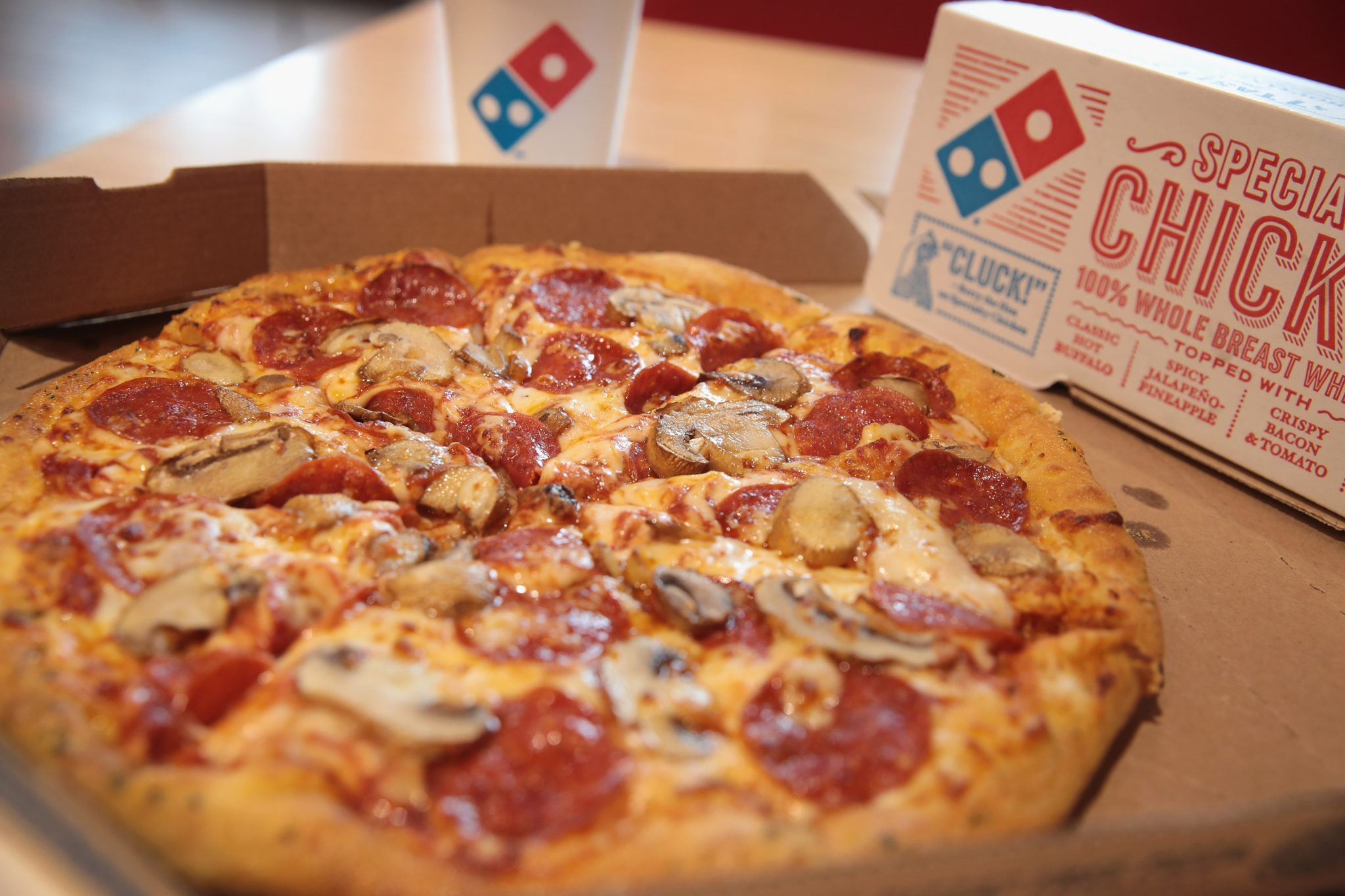
    Dominos Pizza China, also known as DPC Dash, continued to expand its reach in the previous year, opening hundreds of new locations and strengthening its presence across mainland China.

    Franchise Expansion in Greater China

    DPC Dash holds the exclusive rights to operate Domino’s Pizza in the Chinese mainland, Hong Kong, and Macau. The company closed the previous year with 1,315 outlets, marking an increase of 307 new stores. In addition, the company expanded its geographical presence into 21 new cities, bringing its total coverage to 60 cities nationwide.

    The growth momentum has continued into the current year, with 62 new outlets already opened in 46 cities within the first month.

    Strategy for Growth

    According to DPC Dash, the successful results can be attributed to their “go broader, go deeper” strategy. This strategy blends geographical expansion with initiatives to build customer loyalty. The methods employed to increase customer loyalty include enhancing store density, innovating product offerings, and making operational improvements.

    The company expressed its intent to continue exploring local market consumption potential and optimise operational efficiency in the future.

    Questions & Answers

    What is DPC Dash’s strategy for expansion?
    DPC Dash employs a “go broader, go deeper” strategy for expansion. This involves geographical expansion coupled with initiatives to build customer loyalty through increased store density, product innovation, and operational improvements.

    What was DPC Dash’s expansion rate in the previous year?
    In the previous year, DPC Dash opened 307 new stores, increasing its total outlets in the Chinese mainland, Hong Kong, and Macau to 1,315.

    How many new cities did DPC Dash extend its footprint to in the previous year?
    DPC Dash entered 21 new cities in the previous year, bringing its overall presence to 60 cities across the nation.

  • Chinese New Year Sparks Sixfold Airfare Surge Between Singapore and Malaysia

    Chinese New Year Sparks Sixfold Airfare Surge Between Singapore and Malaysia

    In anticipation of the 2026 Chinese New Year, there has been a significant increase in air travel between Singapore and Malaysia. Ticket prices for some flights have risen as much as six times the normal rate due to the surge in holiday demand and sold-out train tickets.

    The Impact of High Demand

    Tan Yik Xuan, a 26-year-old logistics worker residing in Singapore, had to plan four months in advance to secure a flight back to his hometown, Ipoh. He purchased return tickets in October 2025 for $630, a cost nearly double the off-peak rate.

    Tan described the fare as notably more costly compared to the usual off-peak rates of below $320. However, he was willing to pay the higher price for the flight rather than take a bus to avoid traffic jams and minimize travel time.

    As of January 5, economy class tickets to Ipoh for the week of February 14 to 19 ranged from $822 to $1,222, a significant increase from the previous week’s prices of $124 to $191.

    Other routes, such as those to Kuala Lumpur and Penang, are also experiencing similar surges in price. To accommodate the increasing demand, AirAsia has announced that it will add 7,500 seats. The airline’s pricing model reflects the supply and demand where fares are typically higher when purchased closer to the travel date during peak seasons.

    Alternatives to Air Travel

    For those traveling from Singapore to Kuala Lumpur, a two-way trip by air could cost anywhere between $420 to $1,245 in the days leading up to Chinese New Year, compared to fares between $99 and $345 from February 7 to 12. Round-trip air tickets from Singapore to Penang could cost between $628 to $1,049 from February 14 to 19, which is higher than the price range of $107 to $469 during the preceding week.

    Singapore Airlines and Scoot have reported a “healthy passenger demand” for the Chinese New Year, though they did not reveal booking figures.

    Bus fares have also increased due to the high demand. Round-trip tickets to Kuala Lumpur are ranging from $89 to $276 for February 14 to 19, while tickets to Penang can go up to $370, a substantial increase from the off-peak price of $83.

    Malaysian bus operator Causeway Link anticipates a large crowd and a high volume of ticket sales during the upcoming peak travel season and plans to have backup buses on standby to support passenger demand.

    Creative Travel Solutions

    To circumvent these escalating costs, some travelers are adopting innovative routes. Insurance agent Lim Cin Min, 27, plans to take a local bus to Johor Bahru Immigration and Customs, then transfer to another bus from Larkin Sentral bus terminal to her hometown Batu Pahat. This creative solution will cost her only $8 and will allow her to avoid being stuck in traffic jams.

    The recently launched electric train service (ETS) from Johor Bahru to Kuala Lumpur offered another alternative to holiday travelers. However, tickets for peak dates are already sold out.

    Data analyst Justin K, 29, was able to secure a return ETS ticket by extending his stay beyond the peak travel period. He paid $230 for a one-way ticket, more than twice the usual price, but found the slight increase in cost “much more palatable” compared to airfares. He plans to use the ETS for future trips due to its punctuality, fixed travel duration, and comfort.

    Questions & Answers

    What has caused the significant increase in air travel between Singapore and Malaysia?
    The increase is primarily due to the surge in holiday demand ahead of the 2026 Chinese New Year, coupled with sold-out train tickets.

    How are airlines dealing with the surge in demand?
    Airlines like AirAsia are adding more seats to accommodate demand. However, due to the supply-and-demand model, fares are typically higher when purchased closer to the travel date during peak seasons.

    Are there any alternative travel options available to those who find the increased airfare too expensive?
    Yes, some travelers are adopting innovative routes using local buses. The recently launched electric train service (ETS) from Johor Bahru to Kuala Lumpur has also offered another alternative, although tickets for peak travel dates are already sold out.

  • Domino’s Pizza China Hits Milestone with Over 1300 Stores, Continues Aggressive Expansion Strategy

    Domino’s Pizza China Hits Milestone with Over 1300 Stores, Continues Aggressive Expansion Strategy

    In 2025, Domino’s Pizza China, also known as DPC Dash, boosted its expansion efforts by opening hundreds of new stores, increasing its presence throughout Mainland China. DPC Dash holds the exclusive master franchise rights for Domino’s Pizza in mainland China, Hong Kong, and Macau.

    By the end of 2020, DPC Dash had a total of 1,315 stores, owing to the successful launch of 307 new locations. The company also ventured into 21 new cities, expanding its reach to 60 cities nationwide.

    This upward trend continues into the new year, with the company inaugurating 62 additional stores in 46 cities in just the first month.

    The impressive results achieved by DPC Dash are a testament to its strategic approach, labeled “go broader, go deeper.” This strategy merges geographic growth with initiatives aimed at enhancing customer loyalty. These initiatives include increasing store density, introducing new products, and improving operational procedures.

    Looking forward, DPC Dash plans to further delve into the local market to analyze consumption potential and enhance operational efficiency.

    Questions & Answers

    What is DPC Dash’s strategy for expansion in China?

    DPC Dash uses a “go broader, go deeper” strategy which emphasises both geographical expansion and building customer loyalty.

    How many new stores did DPC Dash open in 2020?

    DPC Dash opened 307 new stores in 2025.

    How many cities does DPC Dash currently have a presence in?

    As of the beginning of the new year, DPC Dash has expanded to a total of 60 cities across China.

  • Yum China Breaks into Burger Business with V Burger: A Fresh Spin on Fast Food Amidst Rising Market Competition

    Yum China Breaks into Burger Business with V Burger: A Fresh Spin on Fast Food Amidst Rising Market Competition

    Yum China, recognized as the chief operator of Pizza Hut on the Chinese mainland, has recently launched two independent V Burger locations in Futian and Longhua districts in Shenzhen. This move establishes the brand’s inaugural foray into the dedicated burger restaurant sector within the nation.

    The V Burger approach leans towards a Western-style concept and mainly caters to individual eaters and small groups of diners. The newly implemented menu features a variety of around ten different freshly made chicken and beef burgers. Prices for these items range from 23 to 42 yuan (equivalent to US$3.29 to US$6.01), resulting in an average expenditure of 32.5 yuan per diner.

    This new venture aligns with Yum China’s wider strategy of multi-brand expansion. This strategy has been evidenced by recent introductions of brands like KCoffee, Kpro, and the KFC Fried Chicken Brothers concept.

    Industry insiders have revealed that the company’s entry into the burger market has been in the planning stages for a considerable duration. Since December 2023, Pizza Hut has initiated a testing phase for a “pizza burger” series in selected cities. This series has comprised of four different types of burgers which were priced between 20 and 30 yuan each.

    The introduction of V Burger is timely as both international and domestic fast-food chains are currently vying intensely for a greater share of the Chinese consumer market. A report by Daxue Consulting suggests that China’s fast-food market was worth RMB1.28 trillion in 2023 and forecasts further growth, powered by increased demand from smaller, lower-tier cities.

    Competition within the sector is becoming increasingly fierce. As an indication of this, Burger King divested its controlling stake in China in November, opting to establish a joint venture instead. The company also announced its strategy to double its outlet numbers within half a decade, with the goal of having more than 4000 outlets by 2035.

    Questions & Answers

    What is Yum China’s latest venture in the Chinese market?
    Yum China has recently opened two standalone V Burger outlets in Shenzhen’s Futian and Longhua districts. This is the brand’s first dedicated foray into the burger restaurant sector within the country.

    Who is the target market for V Burger?
    The V Burger concept primarily caters to solo diners and small groups, offering a variety of freshly prepared chicken and beef burgers.

    What is the significance of the V Burger launch?
    The rollout of V Burger comes at a time when international and domestic fast-food chains are fiercely competing for Chinese consumers. It is a part of Yum China’s broader multi-brand expansion strategy which includes brands like KCoffee, Kpro, and the KFC Fried Chicken Brothers concept.

  • Mixue: China’s Beloved Tea and Ice Cream Chain Brews Up Its First US Store in Hollywood

    Mixue: China’s Beloved Tea and Ice Cream Chain Brews Up Its First US Store in Hollywood

    The popular Chinese ice cream and tea chain, Mixue, has successfully established its first US location in Los Angeles, California, marking the brand’s debut in the American market.

    Offerings and Customisation

    Situated on the famous Hollywood Boulevard, the new Mixue store provides customers with the chain’s traditional menu. The offered choices encompass a variety of beverages including ice cream, pure tea, fruit drinks, milk tea, and coffee. One of the unique aspects of Mixue’s service is the ability for customers to personalize their drinks. They can adjust the sugar content to their liking and select from a range of toppings for certain beverages.

    Global Expansion

    Since its establishment in 1997, Mixue has been diligently working on its international growth. The brand expanded outside of China for the first time in 2018, with the opening of a store in Vietnam. Following this, Mixue entered several other markets, including Australia, South Korea, Thailand, Malaysia, Singapore, and the Philippines.

    Growth Plans in the US

    The US is the next frontier for Mixue’s ongoing international expansion. The company has expressed its intention to enhance its presence in the American market further. A store in New York is anticipated to open soon as a part of this expansion plan.

    Zhang Hongfu, the Global CEO of Mixue, stated that the company is committed to its worldwide strategic growth. He added, “Our aim is to consistently broaden our store network, thereby enabling more local consumers to savour our high-quality, affordable drinks.”

    Presently, Mixue Group runs over 53,000 stores globally.

    Questions & Answers

    What does the Mixue menu offer in their new US store?
    The menu in the new Mixue US store consists of a range of beverages such as ice cream, pure tea, fruit drinks, milk tea, and coffee.

    Where did Mixue first expand to outside of China?
    The first overseas expansion of Mixue was in Vietnam, which took place in 2018.

    What are the future expansion plans of Mixue in the US?
    Mixue plans to strengthen its presence in the US with the opening of a new store in New York, which is expected to happen in the near future.

  • Ikea to Close Seven Stores in China Amid Retail Struggles, Focuses on Online Growth and Precise Market Cultivation

    Ikea to Close Seven Stores in China Amid Retail Struggles, Focuses on Online Growth and Precise Market Cultivation

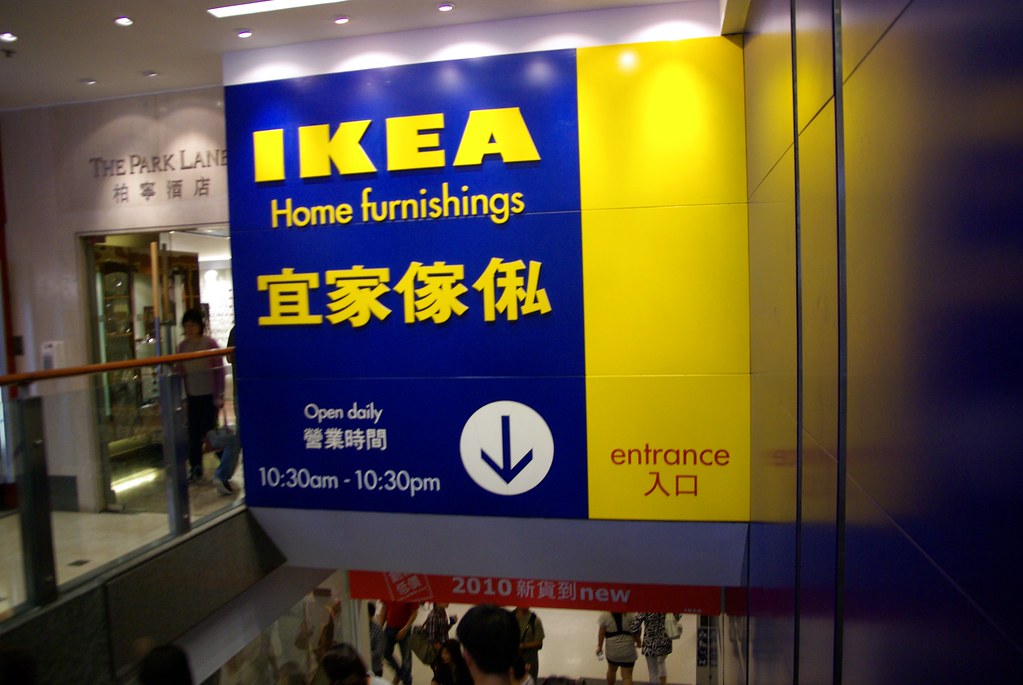
    Swedish furniture giant, Ikea, has announced that it will be shutting down seven of its outlets in China, effective from February 2. The decision was revealed in a statement issued by the company on Wednesday.

    The targeted locations for the shutdown include a branch in Shanghai’s suburbs, another in Guangzhou, as well as several others scattered across secondary cities such as Nantong, Xuzhou, and Harbin.

    Retail businesses, in general, have been grappling with sales growth in China, as consumer confidence continues to wane, stemming from a long-standing property crisis, job security worries, and stagnant wages.

    Presently, Ikea has approximately 40 stores operating on the Chinese mainland. The company disclosed in its statement that five new stores of varying sizes have commenced operations recently.

    China, being the world’s second-largest economy, contributes approximately 3.5% to Ikea’s global sales. However, an increasing proportion of these sales originates from online flagship stores. To further nurture this online sales growth, Ikea inaugurated a new store on JD in August of the previous year.

    The company stated that it will be shifting its strategy from large-scale expansion to precise cultivation, focusing on major markets such as Beijing and Shenzhen. This strategy includes the launch of over ten smaller stores within the next two years. The company also stated that it anticipates new store openings in the cities of Dongguan and Beijing during the first half of 2026.

    Questions & Answers

    Which Ikea stores in China are slated for closure?
    Ikea plans to close stores in suburban Shanghai, Guangzhou, and several other locations in secondary cities such as Nantong, Xuzhou, and Harbin.

    What proportion of Ikea’s global sales does China account for?
    China accounts for about 3.5% of Ikea’s global sales.

    What is Ikea’s strategy going forward in China?
    Ikea plans to shift from large-scale expansion to precise cultivation, focusing on major markets like Beijing and Shenzhen, and opening more than ten small stores over the next two years. There are also plans for new store openings in Dongguan and Beijing in the first half of 2026.

  • UBS to Ignite Investment Conversations at 26th Greater China Conference in Shanghai

    UBS to Ignite Investment Conversations at 26th Greater China Conference in Shanghai

    UBS, a leading financial firm based in Zurich, is preparing to host its 26th Greater China Conference in Shanghai. The event, which will occur on the 13th and 14th of January, will delve into a broad spectrum of subjects, such as economics, investments, and technology.

    Attendee Profiles and Conference Topics

    The conference is expected to welcome over 3,600 participants. Among these are more than 2,300 domestic and international institutional investors, sovereign wealth funds, family offices, and private clients. Additionally, over 300 top Chinese firms, boasting a combined market capitalization of about $4.3 trillion, will also be part of the gathering.

    This year’s conference topics are set to span a wide array of areas. These include the economic outlook for China and its implications for investment, breakthroughs in artificial intelligence, and changes in several sectors. Among the sectors in focus will be manufacturing, new energy, mobility ecosystems, and consumer markets.

    UBS and the Chinese Market

    The Greater China Conference is of strategic importance to UBS. The firm recognises the resilience of China’s markets, its expanding innovation capabilities – ranging from advanced manufacturing to advancements in artificial intelligence – and the growing global significance of its capital markets.

    UBS Group CEO Sergio P. Ermotti, who is scheduled to address the attendees, expressed that these factors are paving the way for new investment opportunities worldwide.

    Questions & Answers

    What is the Greater China Conference?
    The Greater China Conference is an annual event hosted by UBS. This is the 26th year it will be held, and the topics covered will include economics, investments, and technology.

    Who is expected to attend the conference?
    The conference will host over 3,600 participants, including more than 2,300 domestic and global institutional investors, sovereign wealth funds, family offices, and private clients. Over 300 leading Chinese companies will also be in attendance.

    What does this conference mean for UBS?
    UBS CEO Sergio P. Ermotti mentioned that China is a strategic market for UBS. The resilience of China’s markets, its expanding innovation capabilities, and the growing global importance of its capital markets provide new investment opportunities for investors worldwide.

  • Chinese Firms Reign Supreme in APAC Investment Banking: Rapid IPO Rise and Offshore Bonds Fuel 2025 Success

    Chinese Firms Reign Supreme in APAC Investment Banking: Rapid IPO Rise and Offshore Bonds Fuel 2025 Success

    In 2025, prominent positions in Asian investment banking fee generation were predominantly filled by Chinese corporations, spearheaded by a surge in offshore bond issues and a remarkable initial public offering (IPO) boom in Hong Kong.

    Leading Positions Dominated By Chinese Companies

    Citic Securities, based in Beijing, took the lead in investment banking fees generated in the Asia Pacific region (excluding Japan) for 2025, raking in $1.45 billion. This figure represented a 5.8 percent share of the total fees generated across the region. Citic Securities was trailed in the ranking by fellow Chinese counterparts, including China Securities, Bank of China, China International Capital, and Guotai Haitong Securities. Notably, Morgan Stanley, headquartered in New York, filled the sixth slot.

    Chinese investment banks asserted their dominance throughout the industry’s regional positions. This success was largely credited to their robust performance in issuing yuan-denominated dim sum bonds and in orchestrating mainland listings in Hong Kong.

    The Global Market Share

    In a broader perspective, investment banking fees across the Asia Pacific region witnessed a 19 percent year-on-year increase in 2025, amassing a total of $24.9 billion. This accounts for 18 percent of the global total fees earned, in contrast to 55 percent from the Americas and 21 percent from Europe.

    The investment banking fees referenced in this report encompass a range of activities including equity capital markets, debt capital markets, mergers and acquisitions (M&A) advisory, and syndicated lending services.

    Questions & Answers

    Who was the leading generator of investment banking fees in the Asia Pacific region in 2025?
    Beijing-based Citic Securities led the pack in 2025, generating $1.45 billion in investment banking fees.

    What factors contributed to the success of Chinese investment banks in 2025?
    Chinese investment banks benefitted significantly from strong performances in the issuance of yuan-denominated dim sum bonds and mainland listings in Hong Kong.

    How much of the global total of investment banking fees did the Asia Pacific region account for in 2025?
    In 2025, the Asia Pacific region accounted for 18 percent of the total global investment banking fees.

  • Former Bank of Singapore Executive Joins Standard Chartered to Helm New Greater China Team

    Former Bank of Singapore Executive Joins Standard Chartered to Helm New Greater China Team

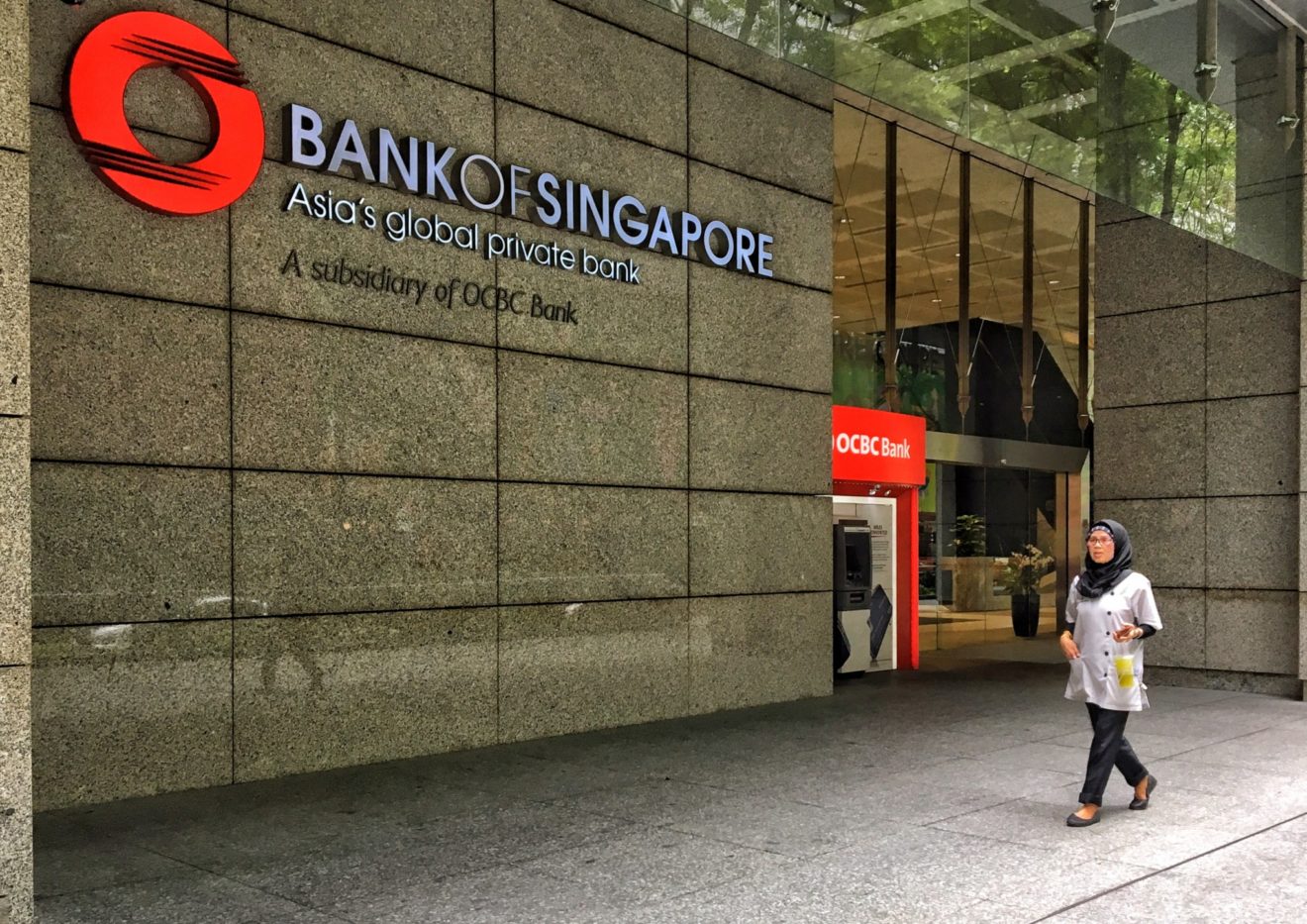
    In the latest series of industry movements, Hu Hong, previously an executive at the Bank of Singapore, has migrated to Standard Chartered. At Standard Chartered, his new role involves the development and expansion of a team dedicated to the Greater China market.

    A New Role at Standard Chartered

    Standard Chartered’s Global Private Bank has welcomed Hu Hong to their team as a group market head. His primary responsibility will be to build and expand a new team dedicated to the Greater China region, based in Singapore. According to an official statement, Hu will report directly to Foo Tian Ong, who is the regional head for Southeast Asia and also the Singapore location head for Standard Chartered’s Global Private Bank.

    A Wealth of Experience

    Hu brings a wealth of experience to his new role at Standard Chartered. He is an established figure in private banking, with a significant track record in covering the Greater China markets. During his stint at the Bank of Singapore, Hu demonstrated impressive leadership skills as he managed three market heads as well as a team of 100 frontline staff members.

    Questions & Answers

    Who has recently joined Standard Chartered’s Global Private Bank?
    Hu Hong, a former executive at the Bank of Singapore, has joined Standard Chartered’s Global Private Bank as a group market head.

    What will be Hu Hong’s primary responsibility at Standard Chartered?
    Hu Hong will be primarily responsible for the development and expansion of a team that focuses on the Greater China region.

    Who will Hu Hong report to in his new role at Standard Chartered?
    In his new role at Standard Chartered, Hu Hong will report directly to Foo Tian Ong, the regional head for Southeast Asia and the Singapore location head for the Global Private Bank.

  • China Strikes Gold: Largest Undersea Gold Deposit in Asia Discovered

    China Strikes Gold: Largest Undersea Gold Deposit in Asia Discovered

    China recently announced the discovery of an undersea gold deposit, touted as the largest in Asia. This remarkable find further augments the existing troves of the precious metal, following other significant discoveries earlier this year.

    New Gold Reserves Discovered

    The newly discovered gold deposit is situated off the coast of Laizhou in Yantai, Shandong Province. This addition has notably increased Laizhou’s confirmed gold reserves to over 3,900 tonnes (137.57 million ounces), making up approximately 26% of China’s total reserves. However, the exact size of this undersea deposit has not been disclosed by officials.

    Recent Discoveries

    In the past month, the nation revealed the discovery of its first super-large, low-grade gold deposit in Liaoning province. The confirmed reserves of this find amount to 1,444.49 tonnes (50.95 million ounces). The Ministry of Natural Resources has stated that this is the largest single gold deposit found since the establishment of the People’s Republic of China in 1949.

    Adding to this, officials also announced the discovery of a gold deposit in the Kunlun Mountains, near the western border of the Xinjiang Uygur autonomous region in November. This deposit is estimated to have reserves of more than 1,000 tonnes (35.27 million ounces).

    In 2023, Shandong Province reported identifying approximately a quarter of the nation’s gold reserves, including over 3,500 tonnes (123.46 million ounces) on the Jiaodong Peninsula, which is recognized as the world’s third-largest gold mining belt.

    China’s Gold Production Status

    Despite being the world’s largest producer of gold ore, producing 377 tonnes (13.3 million ounces) last year according to the China Gold Association, China trails behind South Africa, Australia, and Russia in terms of proven reserves.

    China invested CNY115.99 billion (US$16.47 billion) in geological exploration last year. Since the initiation of its current five-year plan in 2021, the total investment in mineral exploration is nearing CNY450 billion. This has led to the discovery of 150 mineral deposits, as reported by the Ministry of Natural Resources.

    Impact on Gold Prices

    These discoveries are expected to influence global gold prices which continue to rise, driven by currency fluctuations, geopolitical tensions, and hefty purchases by central banks, particularly in emerging markets looking to diversify their reserves.

    Spot gold was trading at US$4,407 per ounce at the time of reporting, marking a 68% increase since the start of the year.

    Questions & Answers

    Where is the newly discovered undersea gold deposit located?
    The undersea gold deposit has been discovered off the coast of Laizhou in Yantai, Shandong Province, China.

    What is the significance of the recent gold discoveries in China?
    These discoveries have considerably increased China’s total gold reserves and position it as one of the leading global producers of the precious metal.

    How are these gold discoveries expected to influence global gold prices?
    The recent discoveries are likely to impact global gold prices, which are already rising due to factors like currency volatility, geopolitical tensions, and heavy purchases by central banks.

  • Chinese Equity Firm HSG Acquires Majority Ownership of Luxury Sneaker Giant Golden Goose

    Chinese Equity Firm HSG Acquires Majority Ownership of Luxury Sneaker Giant Golden Goose

    Golden Goose, an Italian luxury sneaker manufacturer, announced on Friday that HSG, previously known as Sequoia Capital China, has become its main shareholder. The Chinese private equity firm acquired its stake from the current owner, Permira.

    Additional Investments

    Simultaneously, Temasek, Singapore’s investment firm, along with its subsidiary True Light, has purchased a minor stake in the Venice-based sneaker company. Golden Goose’s sneakers begin retailing at 500 euros a pair.

    This agreement values Golden Goose at approximately 2.5 billion euros (US$3 billion), including debt. The announcement did not disclose further financial specifics.

    Previous Ownership

    Permira, which bought Golden Goose in 2020 for 1.28 billion euros, will maintain a minor stake along with other existing shareholders, including Carlyle.

    Silvio Campara will remain the brand’s chief executive, while former Gucci CEO and current board member, Marco Bizzarri, will assume the role of non-executive chairman.

    Finalization of The Sale

    This sale concludes a process initiated by Permira in 2024. The British-owned private equity firm had attempted to publicly list Golden Goose on the Milan stock market but was compelled to withdraw the initial public offering due to market conditions.

    The transaction is anticipated to be finalized in the third quarter of next year. Earlier this year, HSG purchased a majority stake in the Stockholm-based audio equipment group, Marshall.

    In 2024, Golden Goose reported a revenue increase of 13% to 655 million euros, along with adjusted earnings before interest, tax, depreciation, and amortisation of 227 million euros.

    Questions & Answers

    Who is the new majority shareholder of Golden Goose?
    Chinese private equity firm HSG, formerly known as Sequoia Capital China, has become the majority shareholder of Golden Goose.

    Who are the minor stakeholders in Golden Goose?
    Permira, Carlyle, Singapore’s investment firm Temasek, and its subsidiary True Light hold minor stakes in Golden Goose.

    Who will lead Golden Goose after the change in ownership?
    Silvio Campara will continue as the brand’s chief executive, and Marco Bizzarri will become the non-executive chairman.

  • Mannings Bids Farewell to Mainland China: Shuts Down All Retail Stores and Online Operations

    Mannings Bids Farewell to Mainland China: Shuts Down All Retail Stores and Online Operations

    The health and beauty retail giant, Mannings, has declared that it will shutter all its physical stores in Mainland China and cease its online activities. The company frames this move as a strategic repositioning, representing a culmination of nearly 22 years of operation within the market where it previously maintained approximately 200 outlets.

    Future Focus

    Mannings stated that it plans to continue addressing the needs of its consumer base by capitalizing on resources in Hong Kong and Southeast Asia. The strategy aims to bolster its cross-border e-commerce operations and refine both its online and offline customer experience. Mannings holds the position of being the largest health and beauty chain in Hong Kong.

    The brick-and-mortar stores in Mainland China will remain operational until 15 January.

    Adapting to Changing Trends

    The company mentioned its intent to adapt to the evolving consumer trends proactively, with the goal of reshaping the health and beauty retail landscape.

    The company’s operations on the WeChat platform will conclude on 28 December, followed by the closure of its stores on Tmall and JD.com, as well as its Tmall health supplements store, on 26 December.

    Questions & Answers

    What is the reason for Mannings closing its stores in Mainland China and ceasing its online operations?
    The company has described the move as a strategic repositioning to adapt to changing consumer trends and focus on strengthening its cross-border e-commerce capabilities.

    When will the Mannings stores in Mainland China shut down?
    All physical stores of Mannings in Mainland China will remain operational until 15 January.

    Will the company continue operations in other regions?
    Yes, Mannings intends to leverage resources in Hong Kong and Southeast Asia to continue meeting consumer needs and optimize their online and offline experience.

  • Indonesia Breaks Ice with First Direct Durian Shipment to China: A Frosty Triumph for the Tropical Fruit Market

    Indonesia Breaks Ice with First Direct Durian Shipment to China: A Frosty Triumph for the Tropical Fruit Market

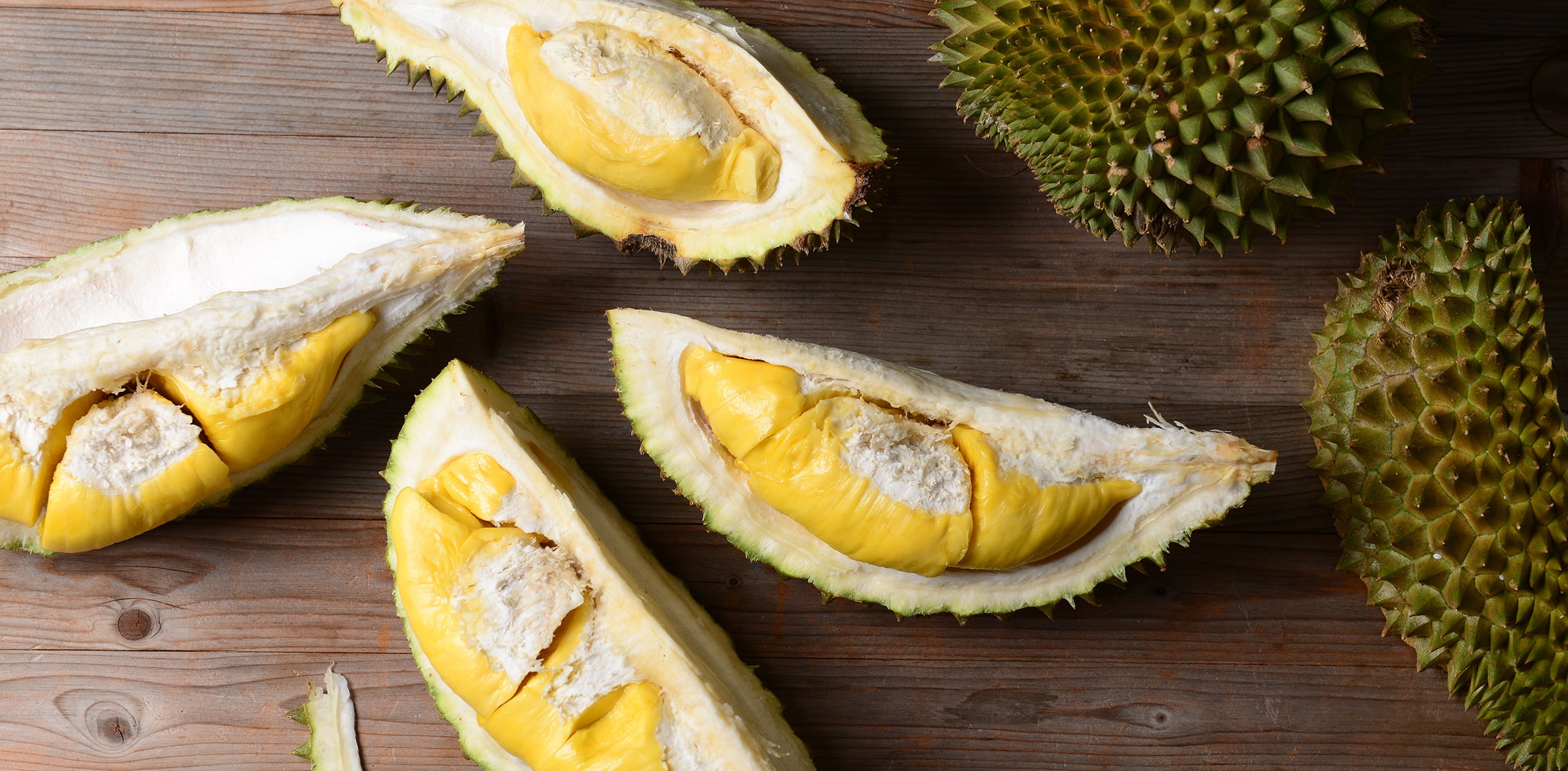
    Indonesia has recently achieved a significant milestone in its agricultural export sector with the first direct shipment of frozen durians to China. This 48-tonne shipment, valued at Rp5.1 billion (US$305,000), was processed in West Java and shipped from Tanjung Priok Port in North Jakarta to Qingdao Port, China.

    Long Road to Export Success

    The successful export marks the conclusion of an extensive process that spanned nearly two years, according to Sahat M. Panggabean, the head of the Agricultural Quarantine Agency. Before this breakthrough, Indonesia’s frozen durians used to reach China via intermediaries like Thailand and Malaysia. The fruit was processed in these countries and then re-exported to China.

    This practice underwent a change after an export protocol, which would allow for direct shipments, was finalized and signed by China and Indonesia in May. As a result, eight frozen durian packing facilities in Indonesia have met the standards required to serve as export hubs for China. Industry experts also highlight how direct shipments have drastically cut logistics costs, from approximately $18,000 down to $10,000-11,000.

    China’s Durian Market

    China is deemed the world’s largest durian market. In the previous year, China imported a staggering 15.6 million tonnes of durian valued at US$6.99 billion. The majority of these imports came from Thailand and Vietnam, which made up 57% and 41.5% of the shipments, respectively. The remaining shipments came from the Philippines and Malaysia.

    Despite a slight decrease in demand in the first half of this year, which saw a 15% drop in imports to 708,190 tonnes, the market remains robust. Aditya Pradewo, the secretary general of the Indonesian Durian Plantation Association, mentions that durian prices in China are still five to seven times higher than those in Indonesia.

    Pradewo believes that, with premium varieties such as Bawor, Super Tembaga, and Namlung, Indonesia could secure 5-10% of the Chinese market. This percentage equates to potential annual foreign exchange earnings of Rp6.4-12.8 trillion.

    Indonesia’s Durian Production

    Quarantine agency data shows that in the first 11 months of this year, Indonesia exported 10,162 tonnes of durians, primarily to Thailand, China, and Malaysia. The country’s durian production reached 2 million tonnes in 2024, marking a four-year high. Java, Sumatra, Kalimantan, and Sulawesi emerged as the top durian-growing regions.

    According to Zulkifli Hasan, Indonesia’s Coordinating Minister for Food Affairs, “Durian Nusantara is Indonesia’s strength in Asia”, boasting 21 of the 27 durian species recognized globally. As of 2024, Indonesia has registered 114 new superior varieties.

    Questions & Answers

    What was the significance of the recent durian shipment from Indonesia to China?
    This marked the first instance of a direct export of frozen durians from Indonesia to China, a process that took nearly two years to accomplish.

    How has the new export protocol impacted the logistics cost of durian exports to China?
    Direct shipments have significantly reduced logistics costs from around $18,000 to $10,000-$11,000.

    What potential does Indonesia have in China’s durian market?
    With premium durian varieties, Indonesia could potentially capture 5-10% of the Chinese market, yielding annual foreign exchange earnings of Rp6.4-12.8 trillion.

  • China Mobile Hong Kong Set to Phase Out 2G Services in 2026 to Drive Advanced Network Growth

    China Mobile Hong Kong Set to Phase Out 2G Services in 2026 to Drive Advanced Network Growth

    China Mobile Hong Kong Company Limited (CMHK) has publicized its plans to phase out its 2G services by midnight on June 23, 2026. The aim behind this decision is to sharpen its focus on the development of more sophisticated network technologies.

    Decline in 2G Service Demand

    Following a comprehensive analysis of its services, CMHK has chosen to discontinue its 2G services in response to a slump in demand. By November 2025, less than 2.27% of CMHK’s overall mobile customer base was using 2G. This percentage includes those with service plans, prepaid card products, and mobile virtual network operator (MVNO) products.

    Transitioning to Advanced Mobile Services

    In order to facilitate an effortless transition to next-generation mobile services, CMHK has been proactive in reaching out to impacted customers. Since the fourth quarter of 2023, the company has been advising these customers to upgrade their SIM cards and, where necessary, their mobile phones or devices.

    Commitment to High-Quality Communication Services

    CMHK remains committed to delivering superior quality communication services to both domestic residents and business customers in Hong Kong. The company’s focus is on developing future-ready network technologies.

    Questions & Answers

    Why is CMHK discontinuing its 2G services?
    CMHK is discontinuing its 2G services due to a significant decrease in demand. The company aims to concentrate more on developing advanced network technologies.

    Who will be affected by this discontinuation?
    Less than 2.27% of CMHK’s total mobile customer base, which comprises service plan holders, prepaid card users, and mobile virtual network operator product users, will be impacted.

    What is CMHK doing to ensure a smooth transition for customers?
    CMHK has been in contact with affected customers since the fourth quarter of 2023, advising them to upgrade their SIM cards and, if required, their mobile phones or devices.