Tag: China

  • Vietnam’s Rice Exports Surge 5% in Early 2026: Philippines, China Lead Demand

    Vietnam’s Rice Exports Surge 5% in Early 2026: Philippines, China Lead Demand

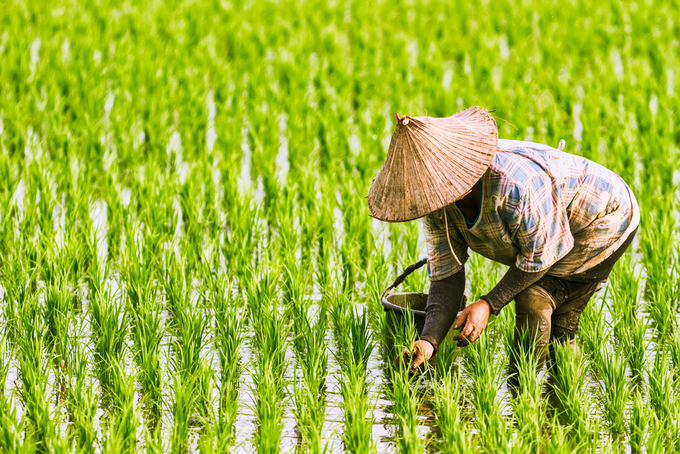
    In the first two months of 2026, Vietnam saw a 5% increase in rice exports from the previous year, amounting to about 1.3 million tonnes. Despite the increase in quantity, the total value of these shipments experienced a year-on-year decrease of 11.2%, bringing the total value to $599.3 million. This data was reported by the Ministry of Agriculture and Environment.

    Average Export Price

    The average export price for the period was measured at an estimated $464.1 per tonne, which represents a 15.4% decrease from the previous year.

    Major Markets

    The primary market for Vietnam’s rice exports was the Philippines, which accounted for almost half of the total exports (47.6%). China and Ghana were the subsequent importers, contributing 18.3% and 8.9% respectively to the total rice exports.

    In the first two months, exports to the Philippines grew by 17.6% and shipments to China witnessed a surge of 5.8 times. However, exports to Ghana declined by 31%.

    Export Growth and Decline

    Out of the 15 largest export markets, the most substantial export growth was recorded in China, where shipments increased by 5.8 times. On the other hand, exports to Côte d’Ivoire experienced the most significant drop, with a decrease of 90.9%.

    Current Rice Prices and Trading Activity

    Vietnam’s 5% broken rice is reportedly priced at up to $365 per tonne, which is consistent with the price last week. Trading activity has seen a slowdown as buyers anticipate a further decline in prices. Concurrently, domestic supply has been increasing due to the peak harvest of the winter-spring crop.

    Southern Ports and Global Factors

    Preliminary data indicates that southern ports managed over 382,000 tonnes of rice in February, with the majority being shipped to the Philippines and African markets.

    Although the conflict in the Middle East has not directly impacted Vietnam’s rice shipments to Africa, traders have reported a surge in freight costs due to elevated insurance premiums and fuel prices.

    Questions & Answers

    What was the percentage increase in Vietnam’s rice exports in the first two months of 2026?
    There was a 5% increase in rice exports from Vietnam in the first two months of 2026.

    Which country remained the top market for Vietnam’s rice exports?
    The Philippines remained the top market for Vietnam’s rice exports, accounting for 47.6% of total exports.

    How has the conflict in the Middle East affected Vietnam’s rice exports?
    While the conflict in the Middle East has not directly influenced Vietnam’s rice shipments to Africa, it has led to a surge in freight costs because of higher insurance premiums and fuel prices.

  • NewRee Sports Tapped to Boost Reebok’s Expansion in Greater China: A New Era for Athletic Footwear

    NewRee Sports Tapped to Boost Reebok’s Expansion in Greater China: A New Era for Athletic Footwear

    Authentic Brands Group has teamed up with NewRee Sports, designating them as the primary operating collaborator for Reebok in Mainland China, Hong Kong, and Macau.

    Details of the Partnership

    As per the agreement, NewRee Sports is charged with the supervision of the production, importation, distribution, and sales of Reebok products across the three markets. This encompasses a broad range of products, including footwear and attire for both adults and children.

    The initiation of this partnership comes subsequent to the early dissolution of Reebok’s former licensing accord with Tristate Holdings. As per the details disclosed, the agreement with Tristate Holdings came to an end on December 31st.

    A New Chapter for Reebok

    Authentic Brands Group took the reins of Reebok from Adidas in 2021 and since then, it has adopted a strategy of collaborating with regional partners to boost the brand’s presence in pivotal markets.

    Established in 1895, Reebok has built a reputation for its longstanding heritage in athletic footwear and sports culture. In the present era, it aligns itself at the crossroads of sport, activewear, and lifestyle.

    The collaboration with NewRee Sports signifies a new chapter in Reebok’s evolution in Greater China. Authentic Brands Group is perpetuating the expansion of the brand’s presence via local operating partners.

    Questions & Answers

    What is the role of NewRee Sports in this partnership?
    NewRee Sports will supervise the production, importation, distribution, and sales of Reebok products in Mainland China, Hong Kong, and Macau.

    When did the previous agreement with Tristate Holdings end?
    The agreement with Tristate Holdings ended on December 31st.

    What is the current position of Reebok in the market?
    Reebok, having a strong legacy in athletic footwear and sports culture, currently places itself at the intersection of sport, activewear, and lifestyle.

  • DBS Broadens China Market Dominance: Secures Principal Bond Underwriting License

    DBS, a Singaporean financial institution, is expanding its operations in mainland China by acquiring a bond underwriting license. With this license, the bank’s China division is now permitted to function as a principal underwriter for non-financial corporate bonds in the mainland’s interbank bond market. This authorization has been granted by China’s National Association of Financial Market Institutional Investors (NAFMII). Consequently, DBS can now manage all onshore corporate bond deals, which involves coordinating syndicates.

    The Role of DBS in China’s Bond Market

    DBS is a substantial foreign participant in the issuance of panda bonds. These are yuan-denominated bonds that are sold onshore by issuers who are not Chinese. As of the close of the previous year, DBS held a 38 percent market share in panda bonds.

    In 2025, the issuance of panda bonds in China’s interbank market amounted to 173.3 billion yuan, or $25.1 billion. This represents a compound annual growth rate of 26 percent over the past five years, a clear sign of the bond market’s rapid expansion.

    Questions & Answers

    What is the recent development for DBS in mainland China?
    DBS’ China unit has received a principal underwriting license for non-financial corporate bonds in mainland China’s interbank bond market from the National Association of Financial Market Institutional Investors (NAFMII).

    What does this license allow DBS to do?
    This license allows DBS to handle all onshore corporate bond deals, including the coordination of syndicates.

    What is DBS’ current standing in the issuance of panda bonds?
    DBS is a significant foreign participant in the issuance of panda bonds with a market share of 38 percent as of the end of last year.

  • JD Revenue Underwhelms Amid Subsidy Shrinkage and E-Commerce Rivalry in China

    JD Revenue Underwhelms Amid Subsidy Shrinkage and E-Commerce Rivalry in China

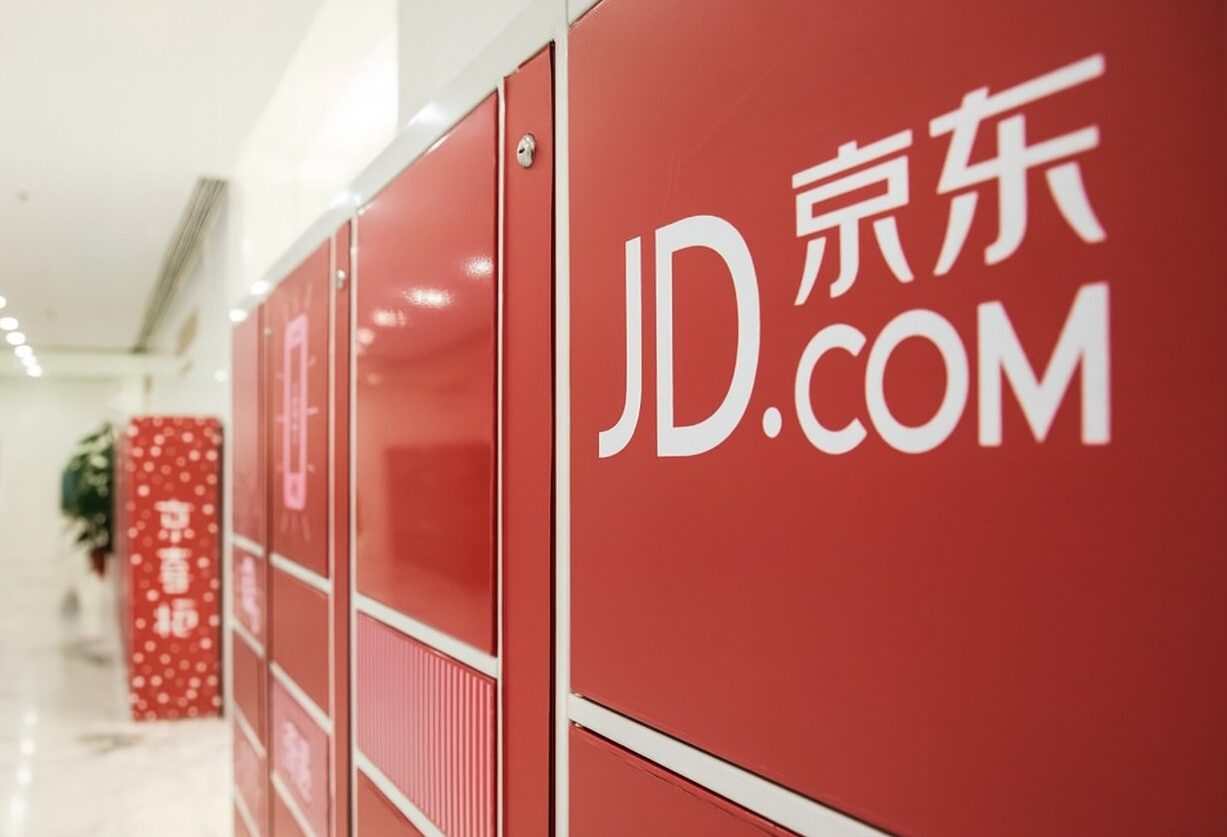
    Chinese e-commerce giant JD has recently reported quarterly revenues that fell short of the market’s expectations. This underperformance has been attributed to tough competition and dwindling advantages from government subsidies, which have impacted the company’s demand.

    China’s Consumer Demand Weakness

    In recent years, consumer demand in China has seen a significant decrease. This downturn can be traced back to a range of contributing factors such as the ongoing crisis in the property sector, concerns over employment, and geopolitical tensions. All of these have placed a strain on the growth of China’s economy, which is the second-largest globally.

    These challenges have made a significant impact on retailers like JD, currently the country’s largest home appliances seller. As consumers have been forced to reduce their discretionary purchases, this has directly affected the company’s revenues.

    The Impact of Government Subsidies

    In past quarters, JD was able to leverage government subsidies to boost its performance. However, the benefits from these subsidies are fading, particularly as year-on-year comparisons are becoming increasingly challenging.

    In an effort to drive sales, the company has been capitalizing on other product categories and exploring new revenue streams. This includes its instant retail business and advertising division.

    JD’s CEO, Sandy Xu, commented during a recent conference call with analysts that “Our growth drivers are becoming more diversified. The general merchandise category maintains a healthy growth trend, while service revenue, including advertising, will sustain rapid growth momentum.”

    E-commerce Competition and Future Outlook

    Despite these efforts, JD still faces stiff competition, particularly from e-commerce rivals such as Alibaba and PDD Holdings that have been increasing their discounts on China-based platforms. These aggressive promotions and price cuts have greatly affected profit margins.

    JD’s fourth quarter revenue rose by 1.5%, reaching 352.3 billion yuan (US$51.12 billion). However, this figure was below the average analyst estimate of 353.86 billion yuan, according to data from LSEG.

    As for JD’s future plans, Xu indicated that investment in the food delivery business is expected to decrease in 2026 compared to 2025. Furthermore, she predicted that the electronics and home appliances category might experience pressure in the upcoming first quarter due to a high base. However, growth could potentially accelerate in the second half of the year and exceed the first.

    Questions & Answers

    What factors have contributed to the decreased consumer demand in China?

    A prolonged crisis in the property sector, employment concerns, and geopolitical tensions have all significantly weighed on China’s economic growth, thereby decreasing consumer demand.

    How is JD addressing the challenges it’s facing in the current economic climate?

    JD has been seeking to diversify its growth drivers and explore new revenue streams, such as its instant retail business and advertising unit, to sustain its growth momentum.

    What are the company’s expectations for the future?

    JD’s CEO anticipates that the electronics and home appliances category will face pressure in the first quarter due to a high base. However, she expects growth to potentially accelerate in the second half of the year and exceed the first.

  • IKEA Revolutionizes Green Logistics with Autonomous Electric Trucks in China

    IKEA Revolutionizes Green Logistics with Autonomous Electric Trucks in China

    Ikea China has recently introduced electric autonomous trucks into its Shanghai logistics network, following the successful completion of a preliminary 35,000-kilometer trial program. The trial program, initiated in April of 2024, has since evolved into daily utilization for customer deliveries, creating a connection between the Ikea Xuhui store and the Shanghai distribution center.

    Autonomous Trucks in Action

    The electric autonomous trucks are tasked with the transportation of goods along a 40-kilometer course. The pilot phase of this initiative spanned a ten-month period, throughout which the vehicles were responsible for the successful delivery of over a thousand shipments. Now, having transitioned to full-scale operations, the primary objectives are to enhance logistics efficiency and minimize carbon emissions within the supply chain.

    Impact of Autonomous Software

    The implementation of autonomous software has had a profound impact on the optimization of routing and timing, thereby reducing the strain on Shanghai’s congested road networks caused by retail logistics. The transition to a fully electric, autonomous fleet aligns directly with Ikea’s ongoing global objective to become a climate-positive entity by the year 2030. This is achieved by curtailing energy consumption and reducing tailpipe emissions.

    Logistics Network Integration

    Fredrik Axén, a representative from Ikea China, stated the successful trial affirms the feasibility of integrating autonomous technology into their pre-existing logistics network. He emphasized that this progress enables Ikea to enhance its delivery capacity while simultaneously aligning their transport operations with their broader objectives to lower emissions.

    Questions & Answers

    What was the purpose of integrating electric autonomous trucks into Ikea China’s logistics network?
    The primary aim was to increase logistics efficiency and decrease carbon emissions within the supply chain.

    What was the outcome of the 35,000-kilometer trial program?
    The pilot program was successful, leading to the daily use of these electric autonomous trucks for customer deliveries between the Ikea Xuhui store and the Shanghai distribution center.

    How does this integration align with Ikea’s global goals?
    The successful integration of autonomous technology into their logistics network supports Ikea’s global goal to become climate-positive by 2030, by reducing energy consumption and tailpipe emissions.

  • Molly Tea Brews up a Storm in Singapore with its Largest Southeast Asian Outlet

    Molly Tea Brews up a Storm in Singapore with its Largest Southeast Asian Outlet

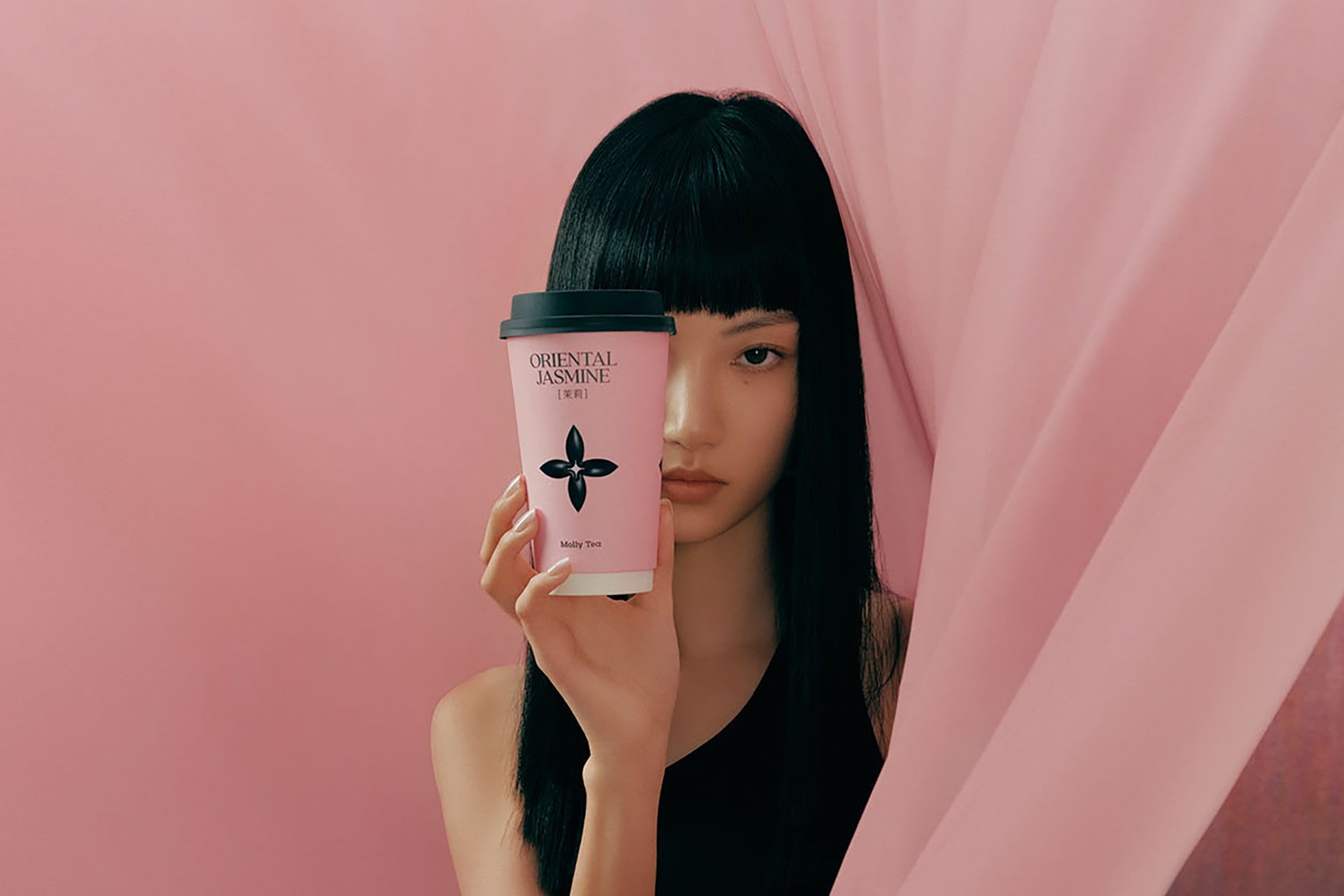
    Molly Tea, a renowned Chinese tea chain, has marked its entrance into the intensely competitive food and beverage markets of Southeast Asia with the opening of its debut store in Singapore, situated at Orchard Central.

    The new establishment, which is the largest of its kind in Southeast Asia, has been designed to accommodate up to 40 customers at a time and spans across an impressive area of 1,400 square feet.

    Despite the recent unveiling of its Singaporean branch, the rapidly expanding brand is already laying plans for the inauguration of a second store in the country in the near future. The specifics of this forthcoming project have not yet been publicly disclosed.

    Molly Tea, with its origins in Shenzhen, was founded in 2020 and has since experienced an accelerated growth trajectory. This has not only allowed it to firmly establish its presence across China but also propelled it into international markets. The brand is largely recognised for its array of jasmine-based tea beverages.

    Currently, Molly Tea operates an extensive network of over 2,000 stores worldwide. Their reach extends to several major markets including, but not limited to, China, Thailand, Japan, and the United States.

    In the previous year, Molly Tea broadened its geographical footprint by foraying into the Indonesian market, establishing two stores in the capital city, Jakarta.

    Questions & Answers

    When and where was Molly Tea founded?
    Molly Tea was founded in Shenzhen, China in the year 2020.

    How many stores does Molly Tea operate globally?
    Currently, Molly Tea operates more than 2,000 stores across the globe.

    What type of beverages is Molly Tea known for?
    Molly Tea is particularly recognized for its diverse range of jasmine-based tea beverages.

  • Nike Unveils First ACG Flagship Store in Beijing: Breathing New Life into Outdoor Sports Culture

    Nike Unveils First ACG Flagship Store in Beijing: Breathing New Life into Outdoor Sports Culture

    Nike has broadened its scope in the outdoor performance sector with the inauguration of its maiden All Conditions Gear (ACG) flagship store in Beijing, thereby officially rebranding ACG as an independent entity.

    The Store at Taikoo Li Sanlitun

    The ACG Base Camp, situated at Taikoo Li Sanlitun, is the first worldwide retail concept devoted solely to ACG. The store’s launch underscores the instrumental role of the Chinese market in Nike’s overarching expansion strategies.

    Nike has positioned the Beijing store as more than just a conventional retail outlet. Instead, it aims for the store to serve as both a community center and a stage for brand narration, intending to connect urban customers with outdoor sports culture.

    The Legacy of ACG

    ACG, first unveiled over four decades ago, has carved out a reputation for catering to athletes involved in trail running, hiking, and various other outdoor activities. Nike’s decision to rebrand ACG preserves the brand’s longstanding commitment to producing performance-oriented products tailored for a range of challenging conditions.

    The rebranding serves as an indication of Nike’s renewed focus on the outdoor division within its product lineup.

    A New Chapter for ACG

    Scott LeClair, the Vice President and General Manager of ACG, stated that this constitutes a pivotal point in the history of ACG. It represents a renewed commitment to all conditions and serves as a call to athletes to disconnect from their routine, venture outdoors, and explore.

    “ACG has the potential to shape the future of outdoor performance and venture into exciting, novel territories. It is going to be an exhilarating journey,” said LeClair.

    Questions & Answers

    What is the strategic implication of launching the maiden ACG flagship store in Beijing?
    Opening the first ACG store in Beijing highlights the integral role of the Chinese market in Nike’s broader expansion plans.

    What sets the new ACG store apart from traditional retail outlets?
    The Beijing ACG store is intended to function as a community hub and a platform for brand storytelling, aiming to connect urban customers with outdoor sports culture.

    What does the rebranding of ACG indicate about Nike’s future plans?
    The rebranding of ACG indicates Nike’s renewed emphasis on the outdoor segment within its product portfolio.

  • UBS China Joint Venture Faces Backlash Over Unexpected Benchmark Switch in Silver Fund

    UBS China Joint Venture Faces Backlash Over Unexpected Benchmark Switch in Silver Fund

    A silver fund run by UBS’s Chinese partner has drawn a wave of complaints from investors. The grievances have been sparked by a decision to change benchmarks, a move that has reportedly resulted in greater losses than investors had anticipated.

    Over 200,000 individuals have raised concerns against UBS’s domestic Chinese partnership with the state-controlled SDIC Group. The objections are primarily focused on UBS SDIC Fund Management’s decision to alter the valuation mark for the UBS SDIC Silver Futures Fund LOF. The company shifted from Shanghai Futures Exchange settlement prices to international market prices without giving investors prior notice. It is thought that this change transformed losses from an expected cap of 17 percent, due to a daily price limit, to over 31 percent.

    This alteration took place during a significant collapse in silver prices on January 30, which saw the value of the precious metal plummet by over 30 percent. In response to this situation, the company formed a task force and subsequently announced a compensation plan for investors who redeemed their investments on February 2.

    Questions & Answers

    What caused the wave of complaints against UBS’s Chinese partner?
    Investors were unhappy with UBS SDIC Fund Management’s decision to switch the valuation mark for the UBS SDIC Silver Futures Fund LOF from Shanghai Futures Exchange settlement prices to international market prices without any prior notice.

    What was the impact of the benchmark switch on investors?
    The change is believed to have amplified losses from an anticipated cap of 17 percent due to a daily price limit, to an actual loss of over 31 percent.

    What measures did the company take in response to the silver price crash?
    In response to the silver price crash and the resulting investor complaints, the company formed a task force and announced a compensation plan for investors who redeemed their investments on February 2.

  • A2 Milk Company Rides High on Double-digit Growth in China, US Markets: A Peek Inside the Success Story

    A2 Milk Company Rides High on Double-digit Growth in China, US Markets: A Peek Inside the Success Story

    The A2 Milk Company has announced robust sales growth in the double digits for the first half of the fiscal year. This growth has been driven largely by the company’s strong performance in both the China and US markets.

    Revenue for the six-month period ending December 31 grew by 18.8% to reach NZ$993.5 million ($845 million). This growth spanned all segments and product categories.

    Strong Market Performance in Asia and the US

    In the “China & other Asia” segment, sales saw an increase of 20.3%, spurred primarily by the growth of English label Infant Milk Formula (IMF) and other nutritional products. Meanwhile, the US segment experienced a considerable surge, with growth registering at 29.1%, thanks largely to the success of its core and Grassfed liquid milk products.

    The ANZ region also experienced an increase, albeit a more modest one, with a growth rate of 8.8%. This was mainly driven by the growth of Australian liquid milk. Daigou channel sales within this region appear to have stabilized.

    Growth across Various Product Categories

    When considering sales by category, total IMF sales experienced a growth of 13.6%. This has been attributed to the strong health of the brand and effective sales execution. English label revenue saw a sizeable growth of 20.9%, driven by the company’s performance within the CBEC and O2O channels.

    Sales of China-label products also saw a rise, with a growth rate of 6.5%. In addition, liquid milk sales grew by 18.5%. Other nutritional products saw a significant surge of 42.9%. This increase was largely due to growing contributions from children’s and seniors’ fortified milk powder products.

    In terms of earnings, EBITDA increased by 18.4% to reach NZ$155.0 million, while the EBITDA margin remained steady at 15.6%. NPAT from continuing operations saw an increase of 9.4% to reach NZ$112.1 million.

    Recent Transactions and Partnerships

    In August, the company made the announcement that it had acquired a fully integrated nutritional manufacturing facility in Pokeno. Additionally, it disclosed the divestment of MVM in an effort to optimize its asset footprint and financial performance. Both transactions were carried out during the half.

    The company also signed a long-term agreement with Fonterra for the supply of A1 protein-free milk from the North Island in New Zealand.

    A2 Milk has revised its outlook for the full year, anticipating revenue growth in the mid double digits and an EBITDA margin of approximately 15.5-16%.

    Questions & Answers

    What drove the growth of A2 Milk Company in the first half of the fiscal year?
    The growth was driven by a strong performance in the China and US markets across all segments and product categories.

    Which product categories experienced the most significant growth?
    Other nutritional products saw the most significant surge of 42.9%, with growing contributions from children’s and seniors’ fortified milk powder products.

    What does A2 Milk anticipate for its full-year outlook?
    The company expects mid double-digit revenue growth and an EBITDA margin of approximately 15.5-16%.

  • Playboy Leaps into Massive China Market: Sells Half-Stake for $122 Million to Local Operator UTG

    Playboy Leaps into Massive China Market: Sells Half-Stake for $122 Million to Local Operator UTG

    U.S. entertainment giant, Playboy, is set to sell half of its Chinese operations to UTG Brands Management Group, a local operator of consumer brands. The deal, worth $122 million, will see UTG take responsibility for managing all operational aspects of Playboy’s enterprise in China, Hong Kong, and Macau.

    Details of the Deal

    The agreed sale price is broken down into various segments. UTG will pay $45 million over the course of two years for a 50% stake in a joint venture for Playboy’s Chinese business. An additional $67 million will be paid as guaranteed minimum distribution payments over eight years. Finally, UTG is set to provide $10 million in brand support payments over the coming three years.

    Playboy, the U.S based company, will retain the remaining stake in the joint venture.

    Investing in the Future

    Playboy has detailed plans to use at least $50 million of the income from the deal to further minimize its financial liabilities. It anticipates an immediate increase in earnings following the completion of the transaction.

    Ben Kohn, CEO of Playboy, stated the collaboration with UTG provides an important opportunity to invest in the brand’s future in China. This strategic move will position Playboy for prolonged, steady growth in one of the world’s most significant consumer markets.

    Wenming Zhang, CEO of UTG Brands Management, explained that the company will utilize a global perspective, coupled with strong local insight, to revitalize and enhance Playboy’s brand appeal. While staying true to Playboy’s roots of gentlemanly leisure, UTG will incorporate the spirit of diversity and innovation that characterizes the modern era.

    The deal is forecasted to be finalized by March 31st.

    Background Information

    Playboy was established in 1953 as a men’s lifestyle magazine before expanding into clothing in 1960. The company entered the Asian retail market in the 2000s. Despite reporting a slight decrease in sales to $29 million in the third fiscal quarter, this new venture promises to bring a fresh approach to its operations in Asia.

    UTG Brands Management is part of the Hong Kong-based United Trademark Group, which manages a portfolio of over 10 brands, such as Jeep, Dickies, and Pierre Cardin, across a dozen countries.

    Questions & Answers

    What does the deal encompass?
    UTG Brands Management Group is acquiring a 50% stake in Playboy’s Chinese operations. The deal, valued at $122 million, involves payments for the acquisition, brand support, and guaranteed minimum distributions over a span of years.

    How will Playboy use the proceeds from this transaction?
    Playboy plans to use at least $50 million of the transaction proceeds to further de-leverage its balance sheet, reducing financial liabilities.

    When is the deal expected to close?
    The transaction between Playboy and UTG Brands Management Group is expected to close by March 31st.

  • Italian Hatmaker Borsalino Taps into China Market with Shanghai Essence Group: A New Era of Luxury Retail Expansion

    Italian Hatmaker Borsalino Taps into China Market with Shanghai Essence Group: A New Era of Luxury Retail Expansion

    Italian luxury hatmaker Borsalino is gearing up for a significant foray into the Chinese market. This move will be facilitated through a partnership with Shanghai’s Essence Group.

    A Five-Year Plan for Expansion

    A comprehensive five-year plan for development has been constructed, targeting both retail and e-commerce sectors. Instead of an aggressive, large-scale rollout, the partnership intends to gradually establish Borsalino’s brand presence in China.

    The first Borsalino retail location in China is set to open in Shanghai in the first half of this year. This store will be run directly by Borsalino, marking the brand’s debut retail venture in mainland China. The Shanghai store will also act as a reference point for future store openings.

    Details regarding the timeline and number of stores to be opened in key luxury hubs across Greater China are yet to be released.

    Digital Strategy

    In addition to expanding Borsalino’s physical retail presence, Essence Group will also oversee Borsalino’s online strategy in China. A flagship e-commerce store is expected to launch later this year. This digital presence will be further supported by campaigns across various Chinese social media and content platforms, such as Red, Douyin, and WeChat.

    Essence Group’s CEO Alec Hou appreciates the unique appeal of Borsalino, noting how its authority is immediately recognized by discerning consumers across various cultures. He highlights that the partnership aims to respect and safeguard Borsalino’s rich heritage while introducing its relevance to a new generation of Chinese consumers.

    Brand Heritage

    Borsalino, set up in Alessandria in 1857, has built its reputation around its heritage felt hats and is regarded as one of Italy’s oldest operating accessories brands.

    On the other hand, the Essence Group, established in 2000, will add yet another European luxury brand to its portfolio, which already includes globally renowned labels such as Chanel, Prada, Loewe, and La Mer.

    Questions & Answers

    What is the plan for Borsalino’s expansion in China?
    A five-year development plan has been outlined to gradually establish Borsalino’s presence in China, focusing on both retail and e-commerce sectors.

    When and where will Borsalino’s first store in China open?
    Borsalino’s first official store in China is set to open in Shanghai in the first half of this year.

    Which company is partnering with Borsalino for its Chinese expansion?
    Borsalino is partnering with Shanghai-based Essence Group for its expansion into the Chinese market.

  • Bian Ximing: From Gold Tycoon to Silver Bear in $300M Shift Amid Market Fluctuations

    Bian Ximing: From Gold Tycoon to Silver Bear in $300M Shift Amid Market Fluctuations

    Billionaire Chinese trader, Bian Ximing, formerly famous for leveraging the gold rally, has now focused his attention on the dramatic ascent of silver. He has placed a significant bet on a price plunge, an investment currently worth almost $300 million.

    A Pivot from Gold to Silver

    Bian Ximing, a typically discreet individual who spends much of his time in Gibraltar, amassed nearly $3 billion from his bullish ventures in Shanghai Futures Exchange gold contracts, dating back to the start of 2022. He has since shifted his focus to silver, holding the exchange’s largest net short position, according to available data.

    However, this substantial short position is not without its risks, and Bian has been compelled to exit some trades at a loss due to the unstable silver price movements. His current short position is equivalent to approximately 450 tons of silver, or around 30,000 contracts.

    The notable drop in the value of the metal from the previous week has resulted in a potential gain of around CNY2 billion ($288 million). After factoring in previous losses, Bian is poised to make a net profit of about CNY1 billion.

    Fluctuating Silver Prices

    On February 5, silver reached a six-week low but has since rebounded to approximately $81.52 per ounce. This is around 43% lower than the historic high of $116.85 recorded at the end of January.

    Data from the exchange reveals that Bian, via his brokerage, Zhongcai Futures Co., began to significantly increase his silver short positions in the last week of January. Although the Shanghai Futures Exchange does not disclose the individuals behind brokerage accounts, sources suggest that Bian’s trades, in addition to the products he directly manages for a select group of clients, comprise the majority of Zhongcai’s precious metals exposure.

    Market Reaction and Bian’s History

    This shift in strategy from Bian takes place as recent severe price fluctuations force market players to reconsider their approach to precious metals. The rally of silver is increasingly seen as industry-led and primarily fueled by speculative positioning rather than fundamental economic factors.

    Bian first achieved prominence in China’s futures markets through aggressive bullish gold trades that began about four years ago. He is part of a small, elite group of high-profile commodities traders who have influenced the market. Compared to many of his peers, he is recognized for his privacy and the devoted online following attracted by his investment philosophy.

    Bian began amassing a long silver position in August of last year, a move that generated profits of over CNY1.3 billion, based on estimates from exchange data. However, by November, he started changing course, aiming to predict the peak of the rally with gradual position adjustments, which at times led to trading losses.

    Questions & Answers

    What is Bian Ximing’s current position in silver?
    Bian Ximing currently holds a short position equivalent to roughly 450 tons of silver, or approximately 30,000 contracts.

    How has the silver market fluctuated recently?
    Silver dipped to a six-week low on February 5 but has since recovered to around $81.52 per ounce, about 43% lower than its historic high of $116.85 at the end of January.

    What is Bian Ximing’s investment history with precious metals?
    Bian Ximing first rose to prominence through aggressive bullish trades in gold about four years ago. In August of the previous year, he started to accumulate a long position in silver, yielding profits of over CNY1.3 billion.

  • Vietnam’s Agricultural Exports to China Skyrocket by 66%: Exploring the $1.5 Billion Surge in January

    Vietnam’s Agricultural Exports to China Skyrocket by 66%: Exploring the $1.5 Billion Surge in January

    In January, the exports of agricultural, forestry, and fishery products from Vietnam to China saw a significant increase of 66% compared to the previous year, reaching a total value of US$1.5 billion. China established itself as the largest market for these sectors, contributing to 23% of the total $6.5 billion worth of shipments – a 29.5% rise.

    Key Exports to China

    The primary exports to China included durian, banana, dragon fruit, and jackfruit, with a combined export value of $480 million. China was the leading buyer of Vietnam’s cassava, accounting for 92.6% of purchases. It also purchased 75% of Vietnam’s rubber and 50% of its cashew exports. The country was the third-largest market for Vietnam’s fishery products, following the U.S. and Japan.

    Growth in Fruit and Vegetable Exports

    According to the Ministry of Agriculture and Environment, the highest export growth was seen in the fruits and vegetables sector. The export value of these products doubled to $750 million, with marked increases in shipments going to the U.S. and Malaysia.

    Rise in Cashew and Pepper Exports

    Cashew exports were the second-highest growth category, with an increase of 70% that brought the total export value to $434 million. Pepper exports also saw a significant boost, rising by 53% to reach $133 million.

    Questions & Answers

    What was the percentage increase in Vietnam’s exports to China year-on-year in January?
    The exports of agricultural, forestry, and fishery products from Vietnam to China rose by 66% year-on-year in January.

    Which were the main products exported by Vietnam to China?
    The main exports to China were durian, banana, dragon fruit, and jackfruit, along with cashew, rubber, and cassava.

    Which products saw the highest growth in exports?
    Fruits and vegetables saw the highest export growth, doubling to $750 million. The second-highest growth was seen in cashew exports, which rose by 70% to $434 million.

  • KFC Loyalty Program Captivates China: 590 Million Members and Counting

    KFC Loyalty Program Captivates China: 590 Million Members and Counting

    Yum China, the parent company of KFC in China, reported a significant expansion in its digital loyalty programs which now boast over 590 million members, accounting for over 40% of the country’s population.

    Growth in Loyalty Programs

    According to Yum China’s 2025 earnings report, unique membership in loyalty programs across KFC and Pizza Hut experienced a growth of 13% from the previous year. The report also revealed that 55% of the company’s sales were made through these programs.

    David Slavick, the founder of Ascendant Loyalty Marketing, a US-based consulting firm, referred to the achievement as “the largest loyalty program in the world”.

    Yum China’s Rapid Expansion

    Yum China Holdings, an offshoot of Yum Brands based in Shanghai, owns and franchises more than 18,000 stores across the country. This includes approximately 13,000 KFC locations, which the company claims is the largest restaurant chain in the country.

    The company has pursued a strategy of quick expansion in a market where consumers utilize digital payment apps more extensively than in other consumer markets such as the United States, a trend which has sped up in recent times.

    Impact on Yum China’s Business

    On Wednesday, Yum China’s CEO, Joey Wat, informed investors that the KFC loyalty program was “really helping our long-term and short-term business”. He attributed this to the growth in the popularity of the KPRO brand, a healthier and more upscale version of KFC, which was launched in 2017. Wat revealed that 80 to 90% of KPRO’s sales come from KFC loyalty members.

    Wat also mentioned that the company’s new AI ordering assistant for KFC app users, which was rolled out across the country in January, has been used by two million members so far, mainly by diners ordering breakfast and coffee.

    Increasing Trend of Digital Ordering

    Industry experts indicate that consumers in China use digital ordering apps more frequently than their counterparts in the United States. The market for loyalty programs in China was worth nearly $20 billion in 2025 and is projected to reach almost $33 billion by 2029.

    Yum China reported that 265 million users are active, meaning they have used the program in the past year. The company’s brand-specific loyalty apps, similar to the ones in the US, allow users to order meals and deliveries digitally, and also offer discounts and personalized recommendations. Unlike most restaurant brands in the US, Yum China’s KFC app also has paid and invitation-only tiers in its membership program that provide free deliveries and prioritization in delivery queues.

    Questions & Answers

    What is the scale of Yum China’s digital loyalty programs?
    Yum China’s digital loyalty programs have over 590 million members, which represents over 40% of the population of China.

    How much of Yum China’s sales are made through their loyalty programs?
    According to the company’s report, 55% of their sales are made through their digital loyalty programs.

    What is special about Yum China’s KFC app?
    Unlike most US restaurant brands, Yum China’s KFC app has paid and invitation-only tiers in its membership program. These tiers provide benefits such as free deliveries and prioritization in delivery queues.

  • Cotti Coffee Takes on the UK: China’s Rapidly Growing Chain Brews Up European Expansion

    Cotti Coffee Takes on the UK: China’s Rapidly Growing Chain Brews Up European Expansion

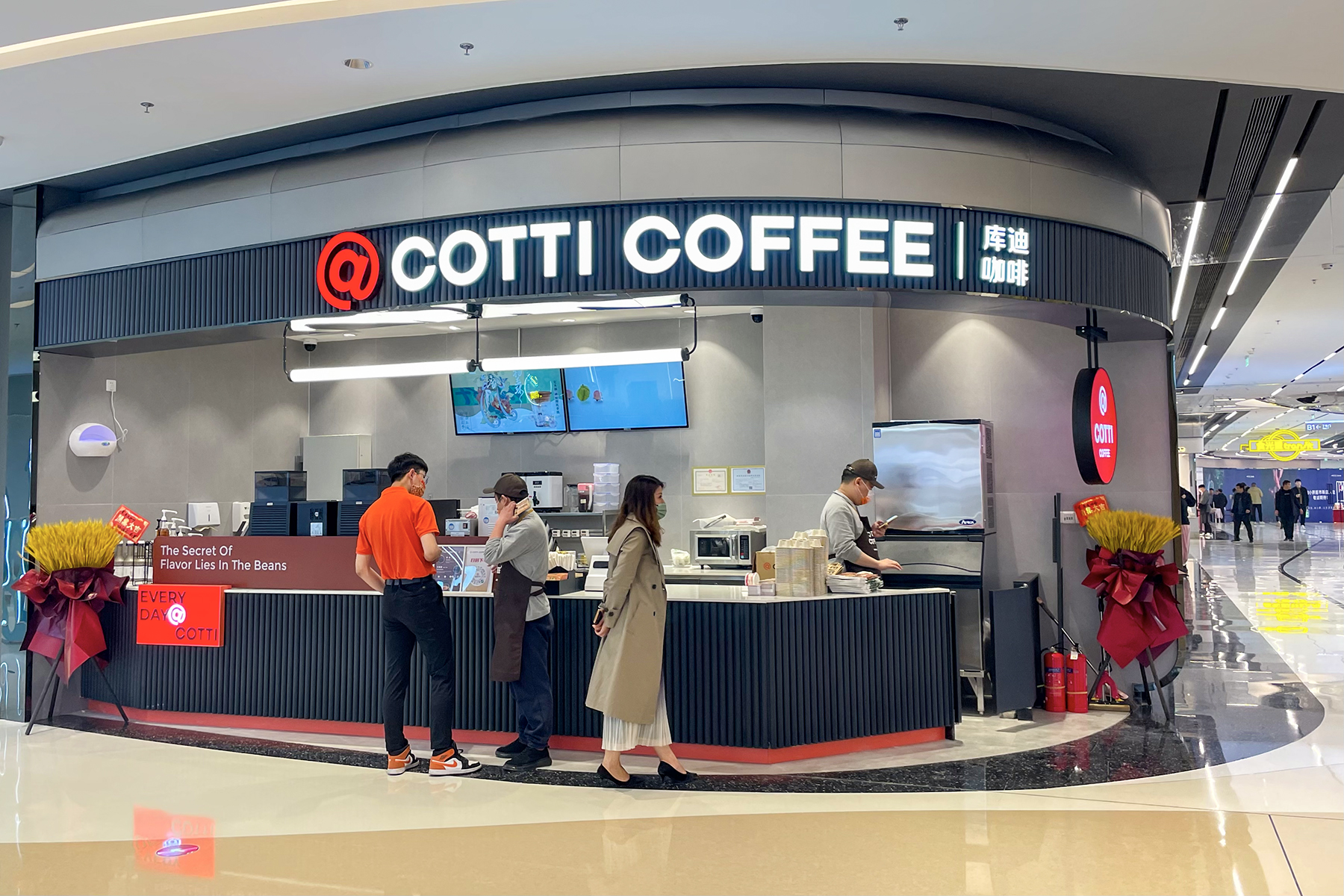
    Cotti Coffee, a rapidly expanding Chinese coffee chain, has announced plans to venture into the UK market. This move is part of a wider strategy to accelerate the brand’s growth across Europe.

    Unveiling in London

    The budget-friendly coffee chain will make its UK debut with two stores in London, set to open on Middlesex Street and Camden High Street. This comes after Cotti Coffee’s recent successful launches in European cities such as Paris, Cologne, Düsseldorf, Hamburg, Barcelona, and Madrid. These continental outlets mark the brand’s first steps into the European market.

    Digital-First Strategy

    Cotti Coffee operates with a digital-first, small-format store model and is noted for offering aggressive discounts. This approach has earned the brand recognition in its home country of China, where it is seen as a key competitor to Luckin Coffee.

    Future Expansion Plans

    Beyond the UK, Cotti Coffee has plans for further expansion into several other European countries, including Italy, Belgium, Portugal, and the Netherlands.

    Cotti Coffee was established in 2022 by a pair of former Luckin Coffee executives. Today, the brand is operational in 28 countries worldwide, including locations in Vietnam, South Korea, Australia, and Malaysia.

    Questions & Answers

    Question 1: What is Cotti Coffee’s store model?
    Answer: Cotti Coffee operates a digital-first, small-format store model, which means they prioritize their online presence and compact store locations.

    Question 2: Where is Cotti Coffee planning to expand in Europe?
    Answer: The company has plans to expand into Italy, Belgium, Portugal, and the Netherlands as part of its broader European growth strategy.

    Question 3: Who founded Cotti Coffee and when was it established?
    Answer: Cotti Coffee was founded in 2022 by two former executives from Luckin Coffee, another major coffee chain in China.