Tag: China

  • Air China Cargo Leaps Ahead with First-ever A350F Freighter Purchase in Mainland China

    Air China Cargo Leaps Ahead with First-ever A350F Freighter Purchase in Mainland China

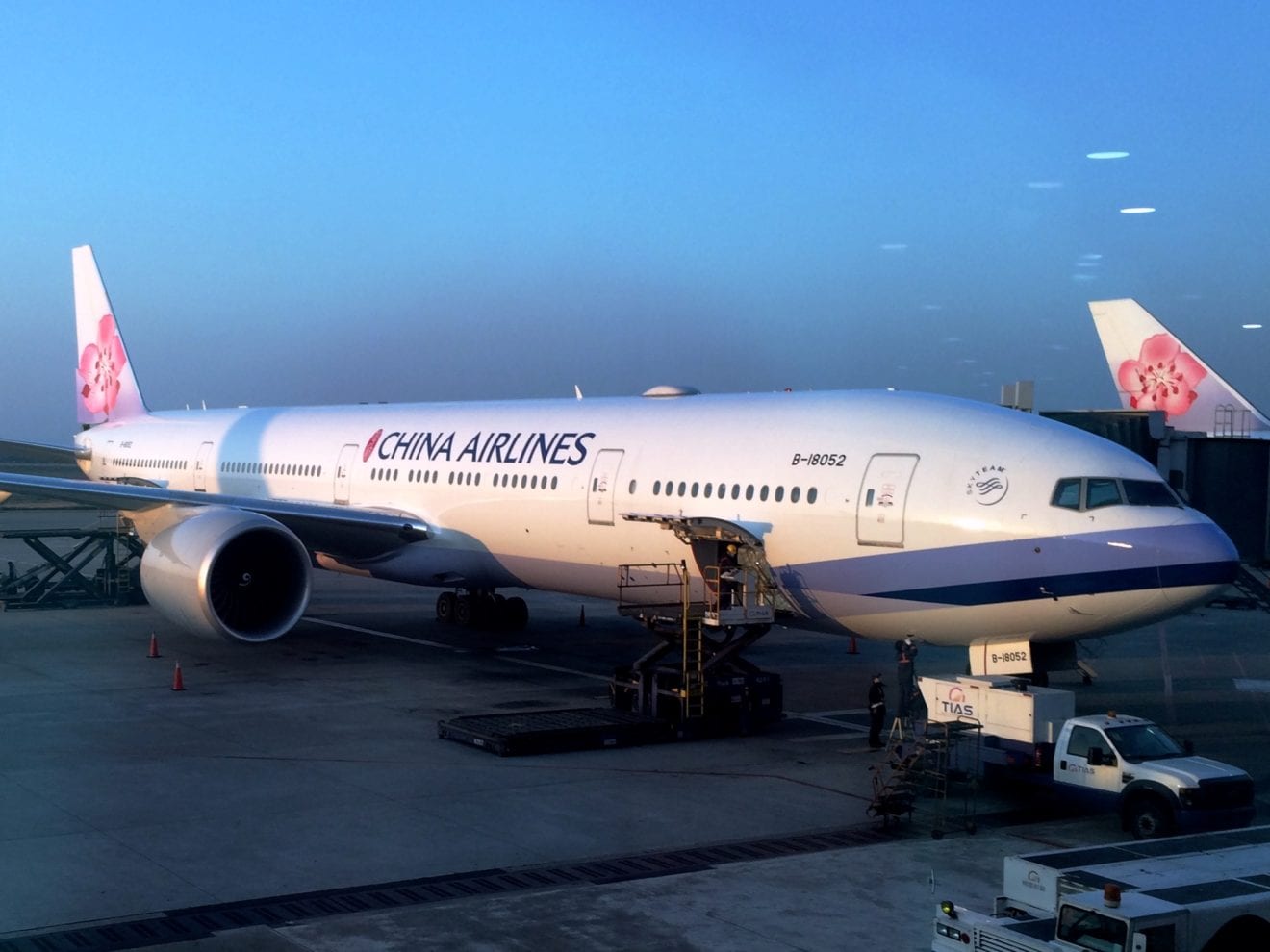
    Air China Cargo has made history by becoming the first purchaser of the highly-anticipated A350F on the Chinese mainland, following the signing of a purchase agreement for six units of the cutting-edge aircraft.

    Boosting Efficiency with the A350F

    According to Wang Hongyan, the Vice President of Air China Cargo, the inclusion of the A350F in the company’s diverse cargo fleet will bolster operational and maintenance efficiency. He believes that the A350F will enhance the airline’s resilience and ensure its long-term stability.

    Airbus EVP Sales of the Commercial Aircraft business, Benoît de Saint-Exupéry, expressed his delight in welcoming Air China Cargo as the newest customer for the A350F. The advanced aircraft is expected to bring unprecedented capacity, loading flexibility, and next-generation efficiency and performance to the company. Airbus is committed to ensuring a smooth transition for Air China Cargo with the integration of the A350F.

    Air China Cargo’s Expanding Operations

    Air China Cargo, which is based in Beijing, proudly carries the Chinese national flag and stands as the country’s sole cargo airline to do so. Since June 2025, the airline has been managing all cargo aircraft operations across North, East, South, and Southwest China. The organization has established 25 exclusive cargo routes connecting major regions and cities across the globe, including destinations in the Asia-Pacific, Europe, the Americas, and the Middle East. This extensive network is further complemented by over 1,500 ground trucking routes worldwide.

    The Advanced A350F Aircraft

    The A350F, known as the most technologically advanced freighter aircraft in the world, is designed to cater to the changing demands of the global air cargo market. It boasts a maximum capacity of 111 tonnes and a range of 8,700 km. Equipped with Rolls-Royce Trent XWB-97 engines, the A350F promises a reduction in fuel consumption and CO₂ emissions by up to 40% compared to its predecessors.

    Constructed with over 70% advanced materials, the A350F is significantly lighter than its rivals, weighing in at 46 tonnes less. Its main deck cargo door is also the largest in the industry. The aircraft fully complies with the ICAO’s 2027 CO₂ standards, and by the time it is commissioned, it is expected to be 50% SAF capable, with an ambition of reaching 100% by 2030. The assembly of test aircraft is currently in progress in Toulouse.

    By the conclusion of October 2025, the newest widebody A350 Family had received a total of 1,445 orders from 63 different global customers. This includes 74 orders for the all-new A350F from 12 different customers.

    Questions & Answers

    What is the A350F’s cargo capacity and range?
    The A350F can carry up to 111 tonnes and cover a range of 8,700 km.

    What is the expected reduction in fuel consumption and CO2 emissions with the A350F?
    The A350F, powered by Rolls-Royce Trent XWB-97 engines, is expected to offer up to a 40% reduction in fuel consumption and CO₂ emissions.

    How does the A350F stand in comparison to its competitors in terms of weight?
    The A350F is made of over 70% advanced materials, making it lighter than its competitors by 46 tonnes. It also features the industry’s largest main deck cargo door.

  • China’s Economy Under Pressure: Factory Output And Retail Sales Hit Yearly Lows

    China’s Economy Under Pressure: Factory Output And Retail Sales Hit Yearly Lows

    October witnessed the slowest growth in China’s factory output and retail sales in more than a year, applying added pressure on policymakers to overhaul the nation’s $19 trillion export-driven economy. Increasing supply and demand strains are poised to further hinder growth.

    For many years, those accountable for maintaining the momentum of the world’s second-largest economy had the choice of stimulating its massive industrial complex to enhance exports if domestic consumer spending dwindled. Alternatively, they could delve into public funds to finance GDP-boosting infrastructure projects.

    However, the tariff war initiated by former US President Donald Trump underscores the manufacturing behemoth’s dependency on the world’s most extensive consumer market. There are limits to how much growth the Chinese economy can derive from constructing more industrial parks, power substations, and dams.

    The Current State of Affairs

    The indicators released last Friday provide little optimism for a rapid recovery. As each month’s data worsens, the call for reform becomes more critical.

    According to data from the National Bureau of Statistics (NBS), industrial output experienced a yearly growth of 4.9% in October. This marks the weakest annual growth since August 2024, compared to a 6.5% increase in September, falling short of the anticipated 5.5% surge.

    Meanwhile, retail sales, a measure of consumption, saw a 2.9% expansion last month, which is also their slowest pace since last August. This decelerated from a 3.0% growth in September, albeit exceeding the projected gain of 2.8%.

    Fred Neumann, Chief Asia Economist at HSBC, remarked, “China’s economy is facing pressures from all sides.” He believes that the robust support from exports in the recent quarters will be challenging to maintain into the next year, even if US import tariffs are now lower than earlier feared.

    Policy Implications and Economic Outlook

    Policymakers are aware of the need for change to rectify historical supply-demand imbalances, spur household consumption, and confront the enormous local government debt that complicates provinces’ self-sufficiency.

    However, they also understand that structural reform will be challenging and politically risky, particularly at a time when the trade war has heightened economic pressure.

    Last week, separate data revealed that China’s exports unexpectedly collapsed in October. This is as manufacturers grapple to secure profits in other markets after months of front-loading intended to outpace Trump’s tariff threats.

    Contrary to expectations, China’s car sales also broke an eight-month growth streak. This is concerning, given that the fourth quarter is typically the strongest for auto sales, and the slump occurred despite an extra day due to a national holiday in October compared to 2024.

    Questions & Answers

    What are the main challenges faced by the Chinese economy?
    The Chinese economy is currently grappling with a slower growth pace in factory output and retail sales, increased supply and demand strains, manufacturers’ struggle to stay profitable because of the tariff war, and an unexpected decline in car sales.

    What measures are needed to boost China’s economy?
    Policymakers must address historical supply-demand imbalances, promote household consumption, and tackle the enormous local government debt. Structural reform, while challenging and politically risky, is crucial to enhance the nation’s economic outlook.

    How has the trade war affected China’s economy?
    The trade war has underscored China’s dependency on the global consumer market and increased economic pressure, leading to an unexpected collapse in exports in October. Manufacturers have been struggling to secure profits in other markets as they try to outpace tariff threats.

  • Golden Milestone: China Strikes Largest Gold Deposit Since 1949 Worth Nearly $193 Billion

    Golden Milestone: China Strikes Largest Gold Deposit Since 1949 Worth Nearly $193 Billion

    A significant gold deposit estimated to hold approximately 1,444 tonnes of reserves, valued at nearly US$193 billion, has been identified in China. This monumental find is the largest for the nation since 1949.

    The Discovery

    The find, termed as the Dadonggou deposit, is situated in China’s northeastern Liaoning Province. According to the country’s Ministry of Natural Resources, it is estimated to contain around 1,444.49 tonnes of gold within 2.586 billion tonnes of ore. Despite the ore being of a low grade, with an average grade of 0.56 grams per tonne, the sheer size of the deposit has earned it the title of the largest single gold discovery in China since 1949.

    With current market rates, the estimated value of the gold deposit is over 166 billion euro (US$192.9 billion).

    Collaborative Development

    The development of the Dadonggou mine is set to be a collaborative effort, with the China National Gold Group, Liaoning Mineral Geology Group, and the Yingkou Municipal Government partnering up. Investment plans from 2024 to 2027 indicate an estimated expenditure of over 20 billion yuan (US$2.82 billion). This investment will be directed towards establishing a comprehensive industry chain which includes exploration, mining, processing, smelting, and gold jewelry production.

    Previous Discoveries

    In the past year, China has reported several similar gold deposit discoveries, such as a substantial find in Hunan province. Prior to these discoveries, the world’s largest known gold deposits typically held only a few hundred tonnes.

    Industry estimates previously suggested that around 3,000 tonnes of gold remained undiscovered in China. This figure was considered to be a quarter of the untapped reserves in Russia and Australia. However, the frequency of new discoveries implies that China’s gold reserves could be considerably larger than previously believed.

    Recent Trends

    China has been increasing its mineral exploration activities in recent years. In 2024, the country produced 377.24 tonnes of gold, marking a 0.56% increase from the previous year. Domestic consumption of gold reached 985.31 tonnes, with the demand for gold bars and coins rising by over 24%.

    This latest discovery coincides with an increase in the global demand and price for gold. The value of the precious metal has soared by over 50% this year, reaching a peak of $4,381.21 per ounce on October 20. Factors contributing to this surge include a weaker dollar, geopolitical tensions, and aggressive central bank buying in emerging economies aiming to diversify their reserves.

    Questions & Answers

    Where was the largest gold deposit found in China?
    The largest gold deposit in China, named the Dadonggou deposit, was discovered in the northeastern Liaoning Province.

    What is the estimated value of the Dadonggou deposit?
    The estimated value of the Dadonggou deposit, at current prices, is approximately 166 billion euro or US$192.9 billion.

    Who will be responsible for the development of the Dadonggou mine?
    The development of the Dadonggou mine will be a joint project between the China National Gold Group, Liaoning Mineral Geology Group, and the Yingkou Municipal Government.

  • China Mobile Boosts Global Connectivity with Pioneering 2Africa and SEA-H2X Submarine Cable Initiatives

    China Mobile Boosts Global Connectivity with Pioneering 2Africa and SEA-H2X Submarine Cable Initiatives

    In the first half of November 2025, China Mobile achieved substantial growth in its underwater cable investments, strengthening its influence in promoting worldwide digital connectivity.

    China Mobile Activates 2Africa Submarine Cable

    In Nairobi, Kenya, China Mobile spearheaded a significant event to mark the activation of the 2Africa submarine cable’s eastern sections, connecting South Africa, Kenya, Djibouti, Marseille, and Egypt. The event aimed to showcase next-generation infrastructure and intelligent connectivity platforms, designed to speed up digital transformation for African service providers and businesses.

    Guo Haiyan, the Ambassador of the People’s Republic of China to Kenya, emphasized that digital cooperation is becoming a crucial component of collaboration between China and Africa. The activation of the 2Africa submarine cable’s eastern section and the introduction of China Mobile’s AI+ Cloud-Network Convergence Industry Solutions are a testament to the robustness of China-Africa digital collaboration.

    Furthermore, she noted that Kenya is a crucial ally for China in pursuing digital transformation and pledged to continue sharing expertise to bolster Africa’s digital economy. Guo expressed hope that both nations would intensify collaboration to create an open and inclusive digital governance ecosystem that encourages mutual growth and prosperity.

    Simultaneously, Hon. William Kabogo Gitau, Kenya’s Cabinet Secretary for Information, Communications, and the Digital Economy, hailed the 2Africa project as a significant achievement in China-Africa collaboration. He believed the activation of the eastern section would greatly improve East Africa’s international communications capacity and strengthen digital connections between China and Africa.

    Li Huidi, Executive Vice President of China Mobile, stressed that AI and 5G technologies are powering Africa’s economic transformation and expressed readiness to cooperate closely with Kenya and other African countries to establish an intelligent foundation by integrating 2Africa cable resources and enhancing AI computing capabilities.

    SEA-H2X Cable Reaches Hong Kong

    In another notable achievement, China Mobile successfully completed the landing of the Hong Kong segment of the Southeast Asia-Hainan-Hong Kong (SEA-H2X) international submarine cable, marking an important milestone in the construction of the high-capacity network system.

    As the principal initiator and primary investor of the SEA-H2X project, China Mobile oversaw the Hong Kong landing, ensuring its smooth and timely execution.

    China Mobile’s investment in the SEA-H2X project strengthens its core capabilities in digital communication in the Asia-Pacific region and improves its overall competitiveness in global telecommunications. This venture laid a robust network foundation for the long-term growth of the regional digital economy and injected sustained impetus into worldwide digital interconnectivity.

    Questions & Answers

    What is the significance of the 2Africa submarine cable’s activation?
    The activation of the 2Africa submarine cable’s eastern sections presents a crucial step in enhancing digital collaboration between China and Africa. It will significantly improve East Africa’s international communications capacity and strengthen digital connections between the two regions.

    What is the SEA-H2X international submarine cable?
    The SEA-H2X is a high-capacity network system connecting several strategic locations across Asia. China Mobile successfully completed the landing of the Hong Kong segment of the SEA-H2X cable, marking a key milestone in its construction.

    How does China Mobile’s investment in SEA-H2X impact the company and the region?
    China Mobile’s investment in the SEA-H2X project solidifies its core strengths in digital communication in the Asia-Pacific region, enhancing its competitiveness in global telecommunications. It provides a robust network foundation for the growth of the regional digital economy and boosts worldwide digital interconnectivity.

  • China’s Economic Troubles Deepen: Factory Output, Retail Sales Experience Record Lows

    China’s Economic Troubles Deepen: Factory Output, Retail Sales Experience Record Lows

    In October, China’s factory output and retail sales experienced their slowest growth in over a year, which is placing increasing pressure on policy makers to overhaul the $19 trillion export-driven economy. This comes as the country faces growing supply and demand challenges that threaten to further hamper growth.

    China’s Economy Dilemma

    For several decades, the officials responsible for maintaining China’s bustling economy, the world’s second largest, have had the option to stimulate its extensive industrial sector to increase exports if domestic consumer spending slackens. Alternatively, they could dip into public funds to finance infrastructure projects to boost the country’s GDP.

    However, the ongoing tariff war initiated by former U.S President Donald Trump has underscored China’s dependence on the world’s largest consumer market. It emphasizes that even an economy as large as China’s can only derive limited growth from developing more industrial parks, power substations, and dams.

    Recent economic indicators offer little promise of a swift recovery. The more the economic data deteriorates month by month, the more urgent the need for reform becomes.

    Slowing Industrial Output and Retail Sales

    According to data from the National Bureau of Statistics (NBS), industrial output in October grew by only 4.9% year-on-year, marking the slowest annual pace since August 2024. This is lower than the 6.5% growth seen in September and falls short of the 5.5% increase forecasted by economists.

    Retail sales, an indicator of consumption, rose by a mere 2.9% last month, also marking their slowest pace since August of the previous year. This is a decrease from the 3.0% growth in September, although it surpassed the forecasted growth of 2.8%.

    Challenges and Potential Reforms

    Policy makers are acknowledging the need for changes to rectify historical supply-demand imbalances, enhance household consumption and address the massive local government debt. This debt is preventing provinces, many of which have economies as large as those of nations, from becoming self-sufficient.

    However, they also understand that structural reform will be painful and politically risky, particularly at a time when trade tensions have increased pressure on the economy.

    Another surprise was China’s auto sales, which despite expectations of a surge ahead of the phase-out of various tax breaks and government incentives, ended an eight-month growth streak.

    Economy Undermined by Structural Issues

    Fixed asset investment contracted by 1.7% in the first 10 months of the year compared to the same period in the previous year. This decrease was far more significant than the anticipated 0.8% drop.

    Furthermore, a prolonged downturn in the country’s vital property sector, a significant repository of household wealth, showed no signs of letting up, with new home prices falling at their most rapid monthly rate in a year.

    Despite these challenges, the ruling Communist Party of China has pledged to considerably increase household consumption’s share of GDP, while also emphasizing the need to strengthen its vast industrial base.

    Questions & Answers

    What is the status of China’s factory output and retail sales?
    In October, China experienced the slowest growth in factory output and retail sales in more than a year, which is placing increased pressure on the economy.

    Has China’s dependence on the world’s largest consumer market been highlighted recently?
    Yes, the ongoing tariff war initiated by former U.S. President Donald Trump has underscored China’s dependence on the world’s largest consumer market.

    What challenges is China’s economy currently facing?
    China’s economy is facing numerous challenges, including a slowdown in industrial output and retail sales, a prolonged downturn in the property sector, and the need for structural reform to rectify historical supply-demand imbalances.

  • A2 Milk Amplifies China Connection: Targets Growth in English-Label Infant Formula Sales

    A2 Milk Amplifies China Connection: Targets Growth in English-Label Infant Formula Sales

    A2 Milk, a renowned dairy company, has expanded its enduring alliance with China State Farm Agribusiness Holding Shanghai Co (CSFA), with the inclusion of English-label (EL) infant formula within the cross-border e-commerce realm.

    Introducing A2 Genesis Product

    The initial focus of the rollout will be on the A2 Genesis product, a premium item in their line-up. Subsequently, other EL formulas, like A2 Platinum, will also be introduced to the market.

    New Agreement Enhances Distribution and Confidence

    In the newly ratified agreement, CSFA will now function as the sole import agent and principal distributor for EL products. This strategic move will allow A2 Milk to improve logistics, strengthen its retail footprint, and utilize the reputation of the state-owned enterprise to reinforce consumer confidence.

    Targeting the HMO Segment

    A2 Genesis was launched in the latter half of this year. This new product targets the rapidly expanding human-milk-oligosaccharide (HMO) sector, with a specific focus on gut health and immunity.

    David Bortolussi, CEO of A2 Milk, described this development as a pivotal component in the company’s China strategy. Meanwhile, Zhang Lei, Chairman of CSFA, portrayed this arrangement as a benchmark of successful collaboration in the dairy nutrition field.

    Expanded Agreement and Recent Acquisition

    The augmented agreement was officially established at the China International Import Expo in Shanghai, after a year of diligent preparation.

    Additionally, in September, A2 Milk successfully concluded its purchase of Yashili New Zealand’s Pokeno nutritional manufacturing facility for $282 million from China’s Mengniu Dairy Group.

    Questions & Answers

    What is the primary focus of A2 Milk’s initial rollout with CSFA?
    The primary focus of the initial rollout will be the premium A2 Genesis product, which targets the rapidly growing HMO sector, with an emphasis on gut health and immunity.

    What is the role of CSFA under the new agreement with A2 Milk?
    Under the new agreement, CSFA will function as the exclusive import agent and principal distributor for EL products, which will help A2 Milk streamline logistics, expand its retail presence, and build consumer confidence.

    What significant acquisition did A2 Milk make recently?
    In September, A2 Milk completed the acquisition of Yashili New Zealand’s Pokeno nutritional manufacturing facility for $282 million from China’s Mengniu Dairy Group.

  • China’s Singles’ Day Sales Fall Flat Amid Consumer Apathy and Economic Concerns

    China’s Singles’ Day Sales Fall Flat Amid Consumer Apathy and Economic Concerns

    With the conclusion of China’s Singles’ Day sales festival, the largest shopping event worldwide, it’s clear that the country’s most significant e-commerce platforms were unable to stimulate widespread consumer enthusiasm. This comes in light of the lingering property crisis in China and rising concerns over income security, making it increasingly challenging to convince consumers to part with their money.

    Retailers’ Response

    Retailers, in response to the economic climate, have amplified their efforts in providing year-round discounts, introducing billions in consumer subsidies and coupons, and extending the duration of sales events. For this year’s Singles’ Day, many platforms commenced their sales in early October, making it the longest festival yet.

    However, the response has been mixed, according to Josh Gardner, CEO of Kung Fu Data, a company that manages online stores in China for various global fashion and lifestyle brands. He described the sales sentiment during the Singles’ Day period as “muted,” noting that some brands had performed exceptionally well while others observed flat or minor changes compared to the previous year.

    Last year’s sales event, also known as “Double 11” in China, reached an impressive total of 1.44 trillion yuan (US$202 billion). However, the figures for this year remain undisclosed, as companies such as Alibaba and JD have stopped revealing their total Singles’ Day sales in recent years.

    Platform Sales Performance

    JD reported on Wednesday that its turnover reached a “new high,” with a 40% increase in the number of users placing orders and a nearly 60% increase in the number of orders. Several brands on JD.com, including Bellamy Organic baby products from Australia, the American pet brand Instinct, and French skincare brand Avène, saw a surge in sales by over 150% compared to the previous year.

    Meanwhile, Alibaba’s Tmall and Taobao platforms have continued their Double 11 deals until November 14, yet they have not released any information regarding their sales performance for the entire period.

    Gardner reported that the Singles’ Day sales surge is not as robust as it was in the past, but October and November still account for approximately 30% to 40% of annual revenue for the brands he manages.

    Strategies for Attracting High-Spenders and International Growth

    In an attempt to lure high-spenders, Alibaba pledged 50 billion yuan in subsidies specifically for its 53 million 88VIP members in October. The company reported a 39% increase in daily active buyers from the previous year during the festival among those members.

    Moreover, Alibaba’s Taobao introduced Singles’ Day-related sales in over 20 countries this year, signalling a widespread push from Chinese e-commerce firms for international growth. According to a report released by Bain in late October, it is crucial for Chinese e-commerce companies to pursue global growth, considering the lukewarm consumer outlook domestically.

    Questions & Answers

    What is Singles’ Day in China?
    Singles’ Day is a Chinese sales festival held annually on November 11. It’s considered the world’s largest shopping event, with massive discounts offered by e-commerce platforms to stimulate consumer spending.

    How did Singles’ Day perform this year?
    This year’s Singles’ Day results were mixed. Some brands reported exceeding sales expectations, while others experienced flat or minor changes compared to the previous year.

    What are some strategies adopted by retailers during Singles’ Day?
    Retailers have introduced year-round discounts, billions in consumer subsidies and coupons, and extended sales events. Some are also attempting to attract high-spenders with exclusive offers and expanding their sales to international markets.

  • 5G Power Play: How China, South Korea, and Singapore Race to Champion Smart, Ultra-Fast Networks

    5G Power Play: How China, South Korea, and Singapore Race to Champion Smart, Ultra-Fast Networks

    Asia’s broadband and mobile landscapes are quickly transforming, spurred on by economic goals, digital sovereignty, and leadership in industries powered by artificial intelligence (AI). Significant investments are being poured into denser radio networks, more rapid fixed connections, and smart AI automation, particularly in China, South Korea, and Singapore. But what advantages do these leaders hope to reap from such extensive efforts?

    The Economic Imperative

    In the Asia-Pacific region, mobile technologies have already become a major economic cornerstone. The sector was responsible for approximately $950 billion and 5.6% of the regional GDP in 2024, and these numbers are expected to rise with the expansion of 5G.

    Rapid strides are being made in China to roll out both 5G and 5G-Advanced (5G-A) networks. The country now hosts over 4.486 million 5G cell sites, accounting for 35.3% of all mobile base stations, as of May 2025. In just the first five months of that year, 235,000 new 5G base stations were installed, highlighting the government’s ongoing dedication to expanding connectivity. Furthermore, China’s move toward 5G-A signifies a shift from basic connectivity to intelligent networking.

    South Korea’s 5G rollout is similarly comprehensive and widespread. By the third quarter of 2024, the country had approximately 36.1 million 5G connections, and operators had achieved nationwide 5G coverage that same year. Additionally, South Korea ranks highest in terms of 5G infrastructure density.

    Singapore, too, is making substantial strides in the 5G domain. By early 2024, key operators such as StarHub reported over 99% outdoor 5G coverage. The city-state has also dedicated SGD 25 billion (~USD 18 billion) in R&D funding to back enterprise testbeds for 5G in sectors like smart estates, Industry 4.0, and urban mobility.

    The Consumer Imperative

    Both consumers and businesses in Asia are pressing for lower latency, higher capacity, and full coverage. Emerging technologies such as cloud gaming, immersive video, and factory automation depend on low-latency, robust connections and are transitioning to actual deployment.

    In the race for speed, South Korea and Singapore often rank among the fastest worldwide. High speeds are essential to support business workloads, AR/VR services, and AI tasks.

    In China, where average 5G download speeds exceed 400 Mbps, operators like China Mobile and China Unicom report an increase in customer satisfaction and a reduction in churn rates as users upgrade to premium 5G plans.

    Networks are not only becoming faster but also more adaptive. Vendors and carriers are incorporating AI into the radio access network, core, and operations stacks, supporting functions like energy optimization, traffic prediction, and self-healing.

    The Geopolitical Imperative

    Networks play a critical role as key geopolitical assets. As such, governments are diversifying their suppliers and promoting investments in backup cables, localized cloud and edge computing, and corporate cloud services. Security and economic objectives further propel the demand for faster, more reliable networks.

    The advent of software as the primary differentiator in a market where hardware has become largely standardized, along with subsidies and targeted policies, is accelerating deployment. The large-scale rollouts in China underscore how favorable policy can rapidly reduce costs and expand coverage.

    A Pragmatic Race with High Stakes

    Rapid progress, however, comes with its own set of challenges. Densely packed networks are expensive, and some countries still grapple with spectrum and backhaul limitations. AI networks are complex to manage, and privacy, localization, and cybersecurity rules introduce additional regulatory hurdles.

    Yet, the pursuit by China, South Korea, and Singapore of the fastest, smartest networks revolves around maintaining economic competitiveness, enabling AI and cloud services, achieving digital resilience and independence, and unlocking future business verticals.

    Network investment has now become a central pillar for economic growth and national strategy. AI and smart infrastructure drive continuous upgrades; resilience and digital sovereignty guide policy-making; and vendor competition hastens rollout. The real victors in this race won’t simply have the highest speeds, but the ability to balance speed, intelligence, regulatory clarity, and expenditure effectively.

    By pushing forward with 5G and 5.5G leadership, China, South Korea, and Singapore are poised to benefit economically through new digital industries and productivity growth, satisfy consumer demands for faster, smarter connectivity, and solidify their geopolitical influence as global frontrunners in next-generation technology.

    Questions & Answers

    What is driving the rapid evolution of Asia’s broadband and mobile landscape?
    Economic ambitions, digital sovereignty, and leadership in AI-powered industries are the key drivers behind the swift transformation of Asia’s broadband and mobile landscape.

    How is 5G contributing to the economies of China, South Korea, and Singapore?
    5G is expected to boost the economies of these countries through the creation of new digital industries, productivity growth, and by meeting consumer and business demands for faster, smarter connectivity.

    What challenges are being faced in the deployment of 5G and AI networks?
    The key challenges include the high costs of dense network deployments, limitations related to spectrum and backhaul, complexity of managing AI networks, and regulatory hurdles related to privacy, localization, and cybersecurity.

  • Burger King China’s Explosive Expansion: $350M Investment Fuels Rise to 4000 Outlets by 2035

    Burger King China’s Explosive Expansion: $350M Investment Fuels Rise to 4000 Outlets by 2035

    Restaurant Brands International (RBI) has recently confirmed a $350 million investment deal toward their Burger King China operation via a newly formed partnership with Chinese alternative asset manager, CPE. With a well-established reputation for scaling consumer brands within the Chinese markets, CPE’s primary investment will facilitate expansion, marketing, menu innovation, and operations for Burger King’s restaurants across China.

    Joint Venture Objectives

    This joint venture is targeting to more than triple the current Burger King presence in China, from approximately 1250 restaurants to a projected 4000 by the year 2035. Joshua Kobza, CEO of RBI, highlighted the significance of this partnership, recognizing China as “one of the most exciting long-term opportunities for Burger King globally.” The recent investments and newly formed joint venture underscore their confidence in the Chinese market.

    Additionally, Kobza emphasized the potential benefits of this partnership, noting how combining the iconic Burger King brand and RBI’s global scaling abilities with CPE’s local market knowledge and operational expertise can unlock the business’s full potential in China.

    Ownership and Development Agreement

    The completion of this transaction, which is anticipated for the first quarter of next year, will result in CPE owning approximately 83% of Burger King China, leaving RBI with an ownership stake of approximately 17%.

    Further to the partnership, a wholly-owned affiliate of Burger King China will sign a 20-year master development agreement. This will grant the affiliate exclusive rights to develop the Burger King brand within the Chinese market.

    Strategic Alignment and Previous Investments

    This joint venture aligns with RBI’s broader strategy of pairing with experienced local operators and investors to drive profitable growth. This approach, while maintaining a primarily franchised business model globally, is aiming for a net restaurant growth of 5% or more by the end of the 2024-2028 outlook period.

    This recent partnership follows an earlier transaction in February, where RBI purchased stakes in Burger King China from its local franchisee for an estimated $158 million.

    Questions & Answers

    What is the purpose of the joint venture between RBI and CPE?
    The joint venture aims at expanding Burger King’s presence in China from about 1250 to over 4000 restaurants by 2035.

    What will be the ownership split of Burger King China after the transaction?
    Once the transaction is completed, CPE will own approximately 83% of Burger King China, while RBI will hold an estimated 17%.

    What are the terms of the development agreement?
    A wholly-owned affiliate of Burger King China will sign a 20-year master development agreement, which grants the affiliate exclusive rights to develop the Burger King brand in China.

  • Vietnam’s Fruit Exports Skyrocket to $4.06B in China: Durian and Banana Leading the Charge

    Vietnam’s Fruit Exports Skyrocket to $4.06B in China: Durian and Banana Leading the Charge

    In the first three quarters of 2025, Vietnam set a new export record, shipping out fruits and vegetables worth US$4.06 billion to China, marking a 19% increase in comparison to the previous year. This growth was largely driven by the export of durian and banana.

    Vietnam’s Market Share in China

    According to the data from Chinese customs, these exports accounted for 20% of China’s total fruit and vegetable imports, marking an increase from 17.9% a year earlier. Durian was the leading export product, with shipments valued at $2.3 billion. The average export price per ton was $3,696, which is 14-15% less than that of Thai durian. This fact has positioned Vietnam as the second-largest exporter of this fruit to China, preceded only by Thailand.

    The Popularity of Vietnamese Bananas

    Bananas were another significant export product, with shipments totaling $232 million, a 16% annual increase. With an average price of $409 per ton, Vietnamese bananas were considerably less expensive than those from the Philippines and Ecuador, which cost $589 and $757 respectively. This has made Vietnamese bananas a favorite among Chinese importers, particularly in border provinces such as Guangxi and Guangdong, where consumers value fresh, affordable, and high-quality products.

    China’s Fruit and Vegetable Imports

    Chinese imports of fruits and vegetables amounted to nearly $20.3 billion in the first nine months of 2025. Thailand was the leading supplier, with its exports to China accounting for $6.7 billion, representing a yearly increase of 10% and a 33% share of the market.

    Vietnam’s Export Strategy

    Dang Phuc Nguyen, the general secretary of the Vietnam Fruits & Vegetables Association, noted that Vietnamese exporters benefit from the close geographical proximity to China, resulting in lower transportation durations and costs. A representative from an exporter in Can Tho, a major durian producer, confirmed this, stating that this advantage enables them to maintain the freshness and quality of the fruit while cutting shipping costs by half compared to their Thai competitors.

    Free trade agreements, like ASEAN-China and RCEP, as well as bilateral quarantine protocols, have also facilitated exports. In response to China’s stricter import requirements, many Vietnamese businesses have improved their orchards and packaging lines and invested in cold storage facilities this year.

    Despite durians accounting for over half of Vietnam’s fruit and vegetable exports to China, export specialists have advised against over-reliance on a single product. To enhance its market share in China, they recommend that Vietnam diversify its products, improve storage technology, and adhere to quality standards.

    Questions & Answers

    What is the main fruit exported from Vietnam to China?
    Durian is the main fruit that Vietnam exports to China.

    How have Vietnamese businesses upgraded in response to China’s stricter import requirements?
    Vietnamese businesses have upgraded their orchards and packaging lines and invested in cold storage to meet China’s stricter import requirements.

    What are the recommendations for Vietnam to increase its market share in China?
    To increase its market share in China, Vietnam should diversify its products, improve its storage technology, and adhere to quality standards.

  • Burger King Gears Up for Expansion in China with $350M Investment, Targeting 4,000 Outlets by 2035

    Burger King Gears Up for Expansion in China with $350M Investment, Targeting 4,000 Outlets by 2035

    Restaurant Brands International (RBI) recently secured a $350 million investment for its Burger King China division, as part of a new joint venture with China-based alternative asset manager, CPE. This significant investment will support Burger King’s restaurant expansion, marketing initiatives, menu innovation, and operational processes within China.

    Unleashing Business Potential in China

    The main objective of this joint venture is to extend Burger King’s presence in China from its current standing of 1,250 restaurants to a staggering figure of more than 4,000 by 2035. Joshua Kobza, the CEO of RBI, expressed his excitement about the opportunity, stating that China remains one of the most exhilarating long-term prospects for Burger King on a global scale. He further added that the new joint venture and recent investments highlight their confidence in the Chinese market.

    Kobza also mentioned that this partnership with CPE would help unlock the full potential of the business. This is achievable by amalgamating Burger King’s globally recognized brand and large scale with CPE’s local market insights and operational expertise.

    Transaction Details and Future Growth Plan

    Upon the completion of this transaction, which is anticipated to occur in the first quarter of the upcoming year, CPE will hold an estimated 83% of Burger King China, while RBI will retain about 17%. An essential part of this deal entails that a wholly owned affiliate of Burger King China will sign a 20-year master development agreement. This agreement will provide the affiliate exclusive rights to develop the Burger King brand within the Chinese market.

    This strategic move aligns perfectly with RBI’s approach of teaming up with seasoned local operators and investors. Their shared goal is to drive profitable growth while maintaining a predominantly franchised business model globally. In line with this, the company aims to hit a target of 5% or more net restaurant growth by the end of its 2024–2028 outlook period.

    RBI’s transaction follows another recent investment, where it acquired stakes in Burger King China from its local franchisee for approximately $158 million in February.

    Questions & Answers

    What is the main objective of the joint venture between RBI and CPE?
    The goal is to extend Burger King’s presence in China from its current standing of 1,250 restaurants to more than 4,000 by 2035.

    Who will hold the majority stake in Burger King China after the transaction is completed?
    CPE will own approximately 83% of Burger King China, with RBI holding the remaining approximately 17%.

    What is the net restaurant growth target that RBI aims to achieve by the end of its 2024–2028 outlook period?
    RBI targets a 5% or more net restaurant growth by the end of this period.

  • Jim Wang Takes Helm as CEO of Standard Chartered’s China Securities Unit: A Leap Forward in Asia’s Financial Landscape

    Jim Wang Takes Helm as CEO of Standard Chartered’s China Securities Unit: A Leap Forward in Asia’s Financial Landscape

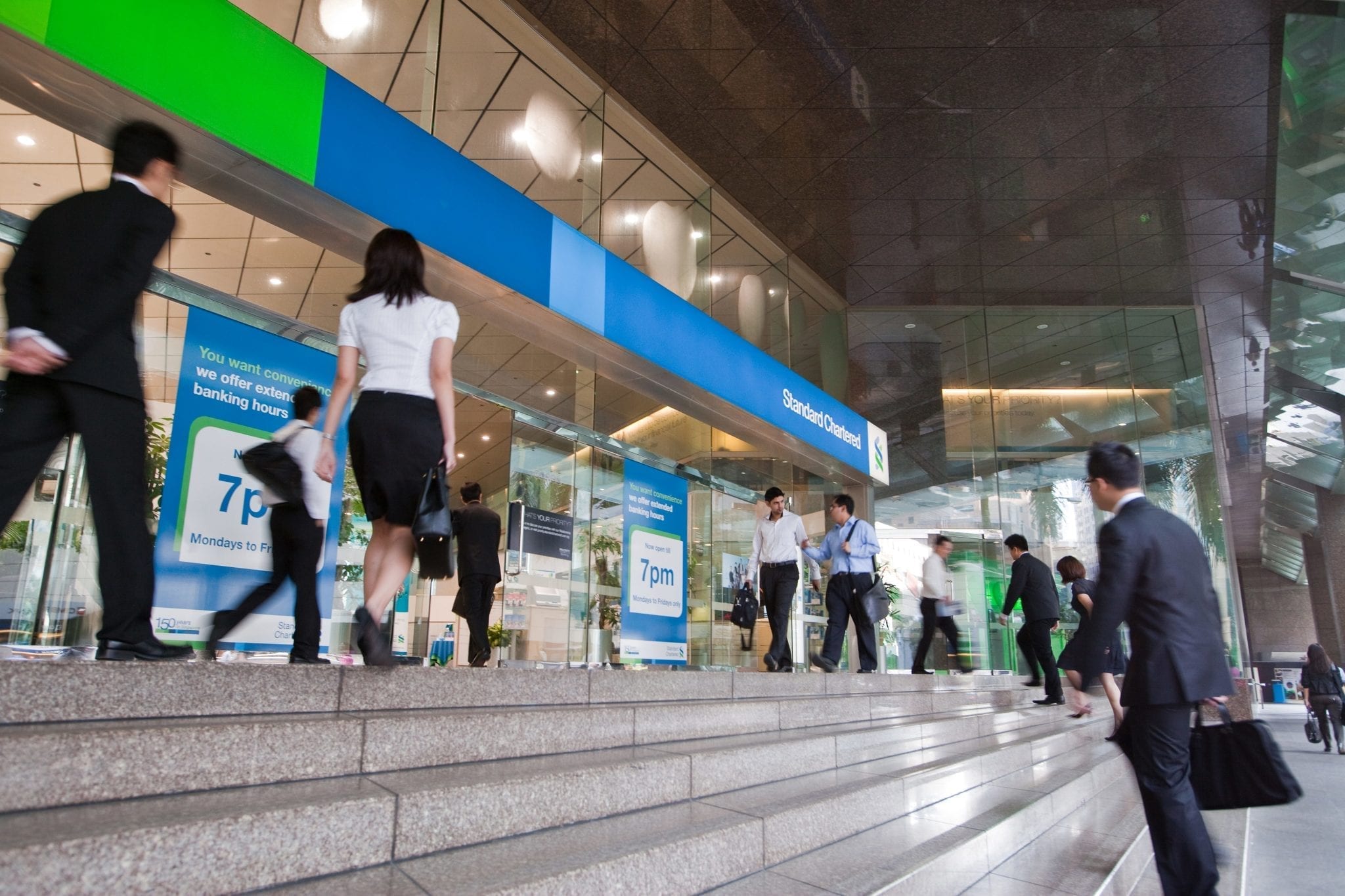
    Standard Chartered recently revealed that it has chosen a new leader for its securities division in mainland China.

    Appointment of New CEO for Standard Chartered Securities (China) Limited

    Standard Chartered Securities (China) Limited (SCSCL), the Chinese securities branch of Standard Chartered’s Hong Kong banking unit, has welcomed Jim Wang into the role of CEO. Wang will be responsible for supervising the company’s comprehensive operations and will report directly to its board of directors.

    About Jim Wang

    Wang boasts an impressive career that spans two decades, during which he accumulated experience in various fields including securities, asset management, and banking. He has held high-ranking positions at multiple leading financial institutions, both domestically and internationally.

    Comments on Wang’s Appointment

    John Thang, Head of Markets and Strategic Client Management & Solutions for Hong Kong, Greater China & North Asia, made laudatory comments about Wang’s appointment. He noted, “Jim’s extensive international and domestic experience makes him an invaluable addition to our team. His deep understanding of China’s fixed income capital markets coupled with his proven leadership and management skills, underscored by a consistent record of delivering excellent business performance, makes him the perfect fit for this role.”

    Questions & Answers

    Who is the newly appointed CEO of Standard Chartered Securities (China) Limited (SCSCL)?
    Jim Wang was recently selected as the CEO of Standard Chartered Securities (China) Limited (SCSCL).

    What is Jim Wang’s primary responsibility in his new role?
    Wang will be in charge of overseeing the company’s overall operations and will be directly reporting to its board of directors.

    What can be said about Jim Wang’s professional experience?
    Jim Wang’s professional journey spans over 20 years, and includes experience in securities, asset management, and banking. He has served in senior managerial roles at several leading financial institutions both domestically and internationally.

  • Citi’s 20th Annual China Conference: Connect, Engage, and Explore Strategic Opportunities in Shanghai and Shenzhen

    Citi’s 20th Annual China Conference: Connect, Engage, and Explore Strategic Opportunities in Shanghai and Shenzhen

    Citi, the global banking giant, is all set to host its 20th China Conference in the cities of Shanghai and Shenzhen. The event promises engaging discussions from esteemed guest speakers such as Jane Fraser, Citi’s CEO, and Janet Yellen, the former US Secretary of the Treasury and former Federal Reserve Chair.

    The 20th Citi China Conference

    The conference, scheduled to be held in Shenzhen from November 11-12 and in Shanghai from November 13-14, has sparked interest from around the globe. Over 2,300 business leaders, investors, and thought leaders are expected to participate, making the event a significant international gathering.

    The four-day conference will include more than 40 sessions, with a speaker list featuring many notable figures. Among the key speakers are Jane Fraser, CEO of Citi, Janet Yellen, former US Secretary of the Treasury and ex-Federal Reserve Chair, and Nicholas Burns, former US Ambassador to China.

    Citi’s Commitment to China

    This conference marks Citi’s continuing commitment to promoting business opportunities in China. “The Citi China Conference underscores our vision of bridging global investors with strategic opportunities in China,” stated Marc Luet, Citi’s head of Japan, Asia North, and Australia Banking. “With a history of over 120 years in fostering growth for companies in China, we look forward to continuing this role by aligning our clients’ aspirations with possibilities within and beyond China.”

    In a first, the conference will be presented in a comprehensive format in China, symbolizing the significance of the Chinese market. Wenjie Zhang, Citi’s Country Officer and Head of Banking in China, added, “This represents our dedication to our clients in this region.”

    Questions & Answers

    When and where will the 20th Citi China Conference be held?
    The conference will take place in Shenzhen from November 11-12, and in Shanghai from November 13-14.

    Who are some of the key speakers at the conference?
    The key speakers include Citi CEO Jane Fraser, former US Secretary of the Treasury and ex-Federal Reserve chair Janet Yellen, and former US Ambassador to China Nicholas Burns.

    What is the significance of this conference for Citi?
    This conference marks Citi’s commitment to connecting global investors to strategic opportunities in China. It also represents the importance of the Chinese market to Citi.

  • Shein Yanks Controversial Child-like Dolls Off Shelves Following French Regulatory Intervention

    Shein Yanks Controversial Child-like Dolls Off Shelves Following French Regulatory Intervention

    Chinese e-commerce giant Shein recently removed a questionable product line, featuring childlike sex dolls, from its online platform. This action was prompted by the discovery and notification from France’s Directorate-General for Competition, Consumer Affairs, and Fraud Control (DGCCRF). The French authority voiced concerns over the products, which were suggestive of child pornography.

    Initiative from French Consumer Watchdog

    The DGCCRF found, apart from the childlike sex dolls, several other inappropriate items, including adult-looking sex dolls. They promptly reported their findings to the legal authorities. The DGCCRF stated that the product descriptions and the doll’s categorization on the website clearly indicated the pornographic nature of the content.

    The agency further noted that the website did not have any effective filtering measures in place to restrict minors and sensitive audiences from accessing such adult content.

    Shein’s Response

    In response, Shein immediately took action to remove the implicated products from its platform. A spokesperson for the company communicated via email that they had acted promptly upon becoming aware of these significant issues.

    The company stressed its strict policy against content or products violating its internal standards or legal requirements, emphasizing its commitment to a zero-tolerance policy in such matters.

    Physical Expansion in France

    Shein, a fast-fashion enterprise based in China, is planning to establish its first physical store in France. The store is scheduled to open on Wednesday at the Bazar de l’Hôtel de Ville (BVH) in Paris. The company’s aggressive pricing strategy has caused some disquiet among traditional French apparel retailers, who feel that Shein is undermining their business model.

    Additionally, Shein has announced plans to open five more stores within France.

    Questions & Answers

    What was the response of Shein to the discovery of inappropriate products on their platform?
    Shein immediately removed the products upon being notified by the DGCCRF.

    What is Shein’s policy regarding content or products that breach its principles or laws?
    Shein has a strict no-tolerance policy towards any content or products that infringe upon its internal policies or applicable laws.

    What are Shein’s expansion plans in France?
    Shein is planning to open its first physical store in Paris and has plans to open five more stores within France.

  • Boyu Capital Poised to Secure $4 Billion Stake in Starbucks China, Boosting Brand’s Asian Market Footprint

    Boyu Capital Poised to Secure $4 Billion Stake in Starbucks China, Boosting Brand’s Asian Market Footprint

    Boyu Capital, a private equity firm from China, is leading the race to acquire a majority stake in Starbucks’ China operations, a deal that could potentially value the unit at over US$4 billion.

    Boyu Capital remains in the bid after the final contender, Carlyle Group, chose to withdraw. Key partners from both companies travelled to the U.S. to engage in final discussions with the Seattle-based coffee chain.

    Starbucks’ Stake in China

    After the sale is finalized, it’s expected that Starbucks will retain a substantial minority stake in its China operations. The company expressed that it has received strong interest from numerous high-quality partners, all of whom have faith in the long-term growth potential for Starbucks in China.

    The company is currently assessing bids from five contenders, though it declined to comment further. Starbucks China was valued at roughly $4 billion by the bidders who submitted binding offers, which is approximately ten times its core earnings.

    Starbucks’ Future Plans

    Starbucks CEO, Brian Niccol, previously indicated that the anticipated valuation of the China business would exceed $10 billion, factoring in the upfront investment from a potential partner, Starbucks’ retained stake in the China business, and future royalty payments.

    There is also the possibility of other parties, such as internet companies, joining the discussions as limited partners to assist in funding the deal.

    Competition and Sales

    Starbucks’ decision to divest in China comes amidst fierce competition from local coffee chains that have gained market share by offering less expensive products during an economic slowdown that has altered consumer behavior.

    In response to these challenges, Starbucks has implemented strategies such as lowering prices for selected non-coffee beverages in China and increasing the introduction of new, localized products.

    Sales in comparable stores in China increased by 2% in the quarter that ended on June 29, following a quarter with no growth. Starbucks’ earnings for the fourth quarter and the 2025 fiscal year will be reported on October 29.

    Questions & Answers

    Who is the frontrunner to buy a controlling stake in Starbucks’ China business?
    Boyu Capital, a private equity firm from China, is leading the race to acquire a controlling stake in Starbucks’ China operations.

    What is the potential value of Starbucks’ China unit?
    The deal to acquire the majority stake in Starbucks’ China operations could potentially value the unit at over US$4 billion.

    What strategies has Starbucks implemented in response to increasing competition in China?
    Starbucks has lowered prices for selected non-coffee beverages in China and increased the introduction of new, localized products to counter the competition.