Retail News CRM

Tag: China

  • Taiwanese bubble tea chain Gong Cha hits US$600m in global sales

    Taiwanese bubble tea chain Gong Cha hits US$600m in global sales

    Taiwanese bubble tea chain Gong Cha has reached US$600 million in global system sales for the 12 months ended December, driven by its rapid global expansion.

    Group revenue also rose 12 percent year-on-year to US$190 million as the brand expanded operations in Japan, South Korea, and the US.

    The company opened 240 new stores and entered five new markets: Saudi Arabia, Morocco, Mauritius, Honduras and Puerto Rico. Gong Cha now operates 2162 stores across 28 countries.

    “It’s been a fantastic year for Gong Cha,” said Paul Reynish, global CEO. “We’ve invested heavily in our supply chain and operations, expanded our footprint through new stores and geographies, and focused on making our existing stores more efficient and profitable for our franchisees.”

    The company recently introduced a new store format, Gong Cha 2.0, alongside a digital kitchen system that features ordering kiosks and automated drink machines.

    The brand also launched several marketing campaigns, including a high-profile collaboration with Final Fantasy XIV and limited-time drink offerings, resulting in more than 1.3 billion media impressions last year.

    “Looking ahead, we see huge potential for Gong Cha to become a global brand,” Reynish added.

    Founded in Taiwan in 2006, Gong Cha relocated its global headquarters to London in 2019. The company plans to enter at least six new markets this year and reach 10,000 stores globally by 2032.

  • DHL Group and Temu sign Memorandum of Understanding to support local businesses

    DHL Group and Temu sign Memorandum of Understanding to support local businesses

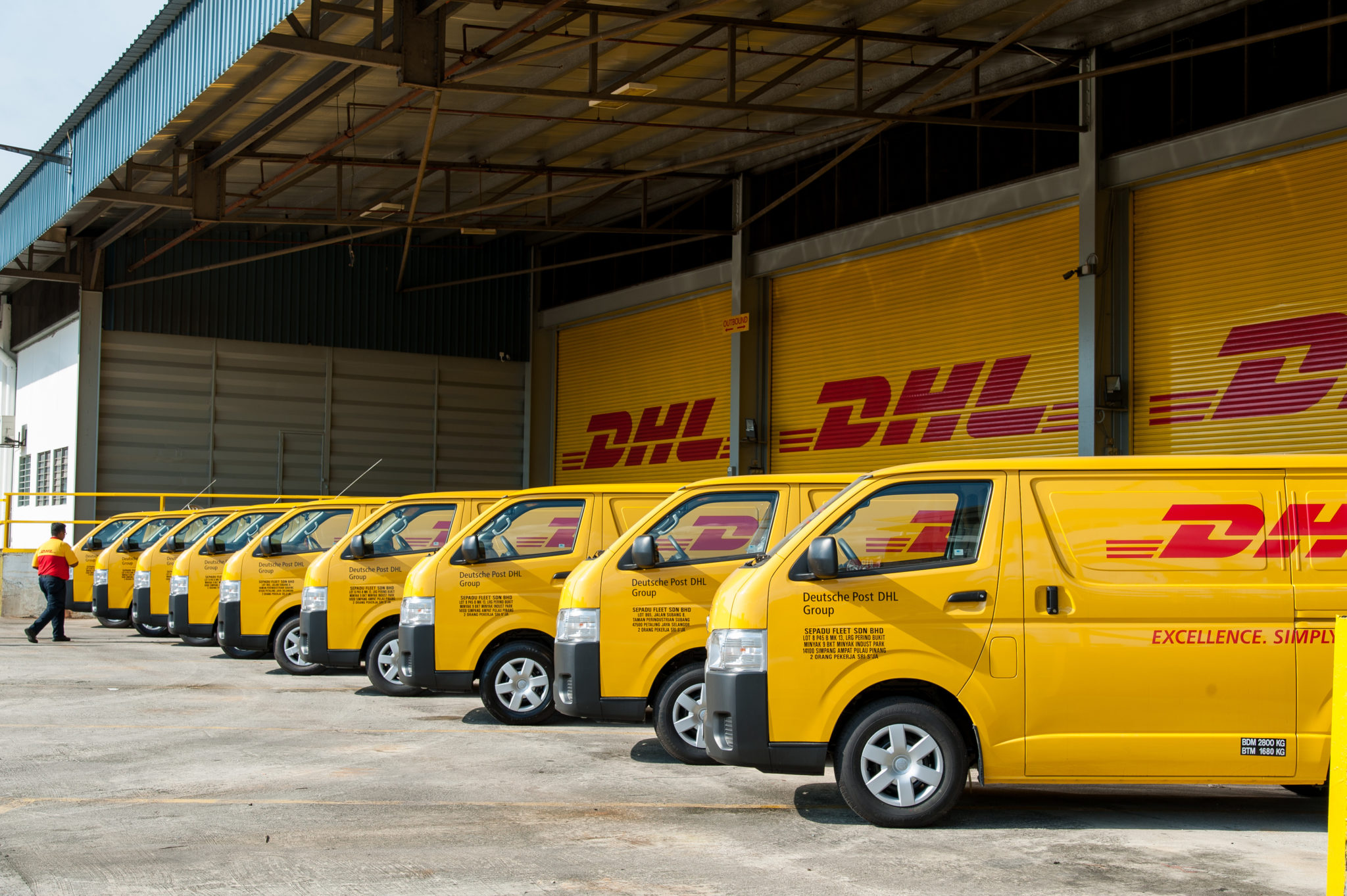
    DHL Group, the world’s leading logistics company, has signed a Memorandum of Understanding (MoU) with the e-commerce marketplace Temu to deepen their cooperation and to further expand their successful partnership. The agreement aims to enhance collaboration to better support local small and medium-sized enterprises (SMEs) in established markets as well as in growth markets, such as Eastern Europe and the Middle East. Both parties are committed to fostering compliant trade and sustainable practices.

    DHL Group will support Temu through its logistics expertise, including multimodal transportation solutions, to provide more efficient and sustainable supply chain services. With its dense network and global presence, DHL Group is the ideal partner to support Temu’s growth in both established and new markets.

    “Through our various DHL divisions, we are already providing a wide range of logistics services and solutions, including air freight and last-mile delivery. We are excited to elevate our partnership with Temu to the next level. By combining our logistics capabilities with Temu’s innovative platform, we can create more efficient, compliant and convenient solutions that benefit both consumers and local businesses in the markets we serve,” states Katja Busch, CCO and Head of DHL Customer Solutions & Innovation.

    As part of the Memorandum of Understanding, DHL Group will utilize its logistics expertise to support Temu’s operations in Europe, including its local-to-local model, which enables local merchandise partners to sell on its platform and supports local fulfillment. Temu expects up to 80% of its total sales in Europe to come from this local-to-local model. Additionally, the e-commerce platform will enable European-based sellers to reach global markets in the future. This allows, in particular, SMEs to scale and expand their businesses. DHL will also assist Temu in growing its presence in e-commerce markets, including the Europe, Middle East, and Africa (EMEA) regions.

    “This letter of intent marks a significant step in our partnership with DHL Group. Its extensive network and logistics capabilities will help support our mission to increase consumer access to affordable products and help increase growth opportunities for sellers,” states Qin Sun, co-founder of Temu.

  • Thailand proposes China facilitate durian export

    Thailand proposes China facilitate durian export

    The Commerce Ministry of Thailand has recently requested the China Customs to extend the working hours at the Mohan checkpoint on the border with Laos to facilitate durian inspections.

    Specifically, the closing time will be changed from 5.30pm to 8.30pm, according to Deputy Minister Napintorn Srisunpang.

    Chinese authorities will also increase the number of inspection laboratories from three to five, adding more officials to streamline the process at this checkpoint, Napintorn said.

    He revealed that discussions with customs officials at multiple checkpoints indicated that Thai durian is free from contamination by Basic Yellow 2 (BY2) dye or cadmium.

    Previously, only 30% of durian imports underwent testing, but since January all containers must be checked for BY2 and cadmium contamination by certified laboratories in Thailand, plus face complete inspection upon arrival at Chinese borders.

    Napintorn said this heightened scrutiny has resulted in delays, with transport times stretching up to eight days. Concerns have been raised that during peak seasons, the inspection process could extend to as long as 10 days, potentially resulting in delivery times of up to 20 days, which may compromise quality and negatively impact sales of Thai durian.

    Due to expanded cultivation and improved yields, durian production is anticipated to rise by 37% year-on-year in 2025, reaching over 1.7 million tonnes, up from 1.2 million tonnes in 2024.

    Last year, domestic consumption was at 280,000 tonnes with 800,000 tonnes exported, 97% of which went to China. This year, exports are projected to increase to 1.3 million tonnes, while domestic consumption is expected to grow to 400,000 tonnes.

  • Guess to transfer Chinese operations to local partner

    Guess to transfer Chinese operations to local partner

    Guess plans to transfer its operations in Greater China to a local partner this year as part of its restructuring strategy.

    “After many years of running our own direct operations in Greater China, we believe there is an opportunity for this market to be directly developed and managed by a local, highly experienced partner,” said CEO Carlos Alberini.

    “We have already met several potential candidates for consideration and we expect for this transition to be completed before the end of this fiscal year.”

    In addition, the retailer plans to streamline its Guess full-price store portfolio in North America by exiting non-strategic, unprofitable locations.

    Alberini explained that the company is focusing on increasing direct-to-consumer sales productivity globally and improving profitability through business and portfolio optimisation.

    For the fourth quarter ended February 1, Guess reported a 5 per cent increase in revenues to $932.3 million, driven by the Rag & Bone acquisition, positive momentum in the wholesale business, and increased licensing revenues.

    In the Americas, retail sales were up 4 per cent while wholesale revenues soared 63 per cent. Europe revenues increased 2 per cent and Asia revenues fell 15 per cent. Licensing revenues were up 18 per cent.

    GAAP net earnings for the period dropped 29 per cent to $81.4 million, including a net $18.9 million unrealised loss due to the change in fair value of the derivatives related to the company’s convertible senior notes due 2028.

    For the full year, sales grew 8 per cent to $3 billion and adjusted net earnings decreased 40 per cent to $104.5 million.

    “During the year, we delivered solid results with our licensing segment and our wholesale businesses in Europe and the Americas, but missed our plans for our direct-to-consumer business due to slower customer traffic in North America and Asia,” commented Alberini.

    For FY26, the retailer expects net revenues to increase 3.9-6.2 per cent. It forecast a loss of $30-35 million in the first quarter and earnings of $133-165 million for the full year.

    In a separate announcement, Guess said its board has established a special committee to review the non-binding takeover offer from WHP Global.

    “The special committee is carefully evaluating and considering WHP Global’s proposal with the assistance of its financial and legal advisors and has not yet determined whether it is appropriate to pursue the proposed transaction or any other transaction,” the company stated.

  • China Airlines partners with Chunghwa Telecom Laboratories on new roadmap to develop airline AI applications

    China Airlines partners with Chunghwa Telecom Laboratories on new roadmap to develop airline AI applications

    China Airlines (CAL), a Taiwan-based carrier, has strategically positioned itself for the future by signing a memorandum of understanding (MOU) this month with Chunghwa Telecom Laboratories (CHTTL) to expand the use of Artificial Intelligence (AI) technology resources. The two companies will share their respective industry applications and R&D technology to co-develop an integrated AI development and management platform. This strategic move will not only make services more accessible to travelers but also define a new roadmap for AI development in the airline industry.

    As the first airline to form such a partnership with CHTTL, CAL will focus on enhancing the AI service experience and strengthening corporate management of on-premises AI applications. The incorporation of “AI interactive voice response” functionality with customer service chatbots into the CAL website will provide travelers with additional answers to their inquiries, enhancing their overall experience. “Customer conservation analytics” performed by generative AI will analyze and categorize questions in audio files in real time to help customer service staff track common traveler questions with great precision. The data can also be used to improve internal education and training as well as enhance the productivity and quality of customer service.$

    For internal enterprise management, CAL will combine AI “forecasting and early warning applications” with big data to accurately predict the number and weight of luggage on each flight. The information can be used to maximize the utilization of belly cargo space on passenger flights and cargo hold space on freighter flights, which promises savings for the workforce. At the same time, the two companies will co-develop a “Smart Generative AI Platform” that uses machine learning model management and the construction of large language models (LLM) to accelerate the scaling and deployment of AI operations. The platform will also assist businesses with more effective management of on-premises AI applications and shorten model development time.

    Research and development of telecommunications and information-communications technologies have always been the focus of CHTTL. The Labs have played a key role in defining international standards and industrial innovation as well. Current fields of research include the core technologies for broadband networking, mobile networking, AI, and information security. CHTTL has already developed numerous AI applications for enterprise use, including AI customer service chatbots, AI voice assistances, and the customer sentiment analysis platform (DeepVoice). These solutions have been recognized by the Taiwan Excellence Awards, National Brand Yushan Awards, and other top awards, demonstrating the quality and innovation of CHTTL’s work. The latest partnership will lead to new milestones in the use of smart AI technology in the Taiwanese airline industry.

    CAL continues to promote innovative services by incorporating the latest AI applications into its traveler experience and into internal management to boost team productivity. In 2024, CAL became the first Taiwanese carrier to receive the award for Best AI System Application Team at the Customer Service Excellence Awards (CSEA). CAL will continue to track the latest developments in the AI industry and collaborate with leading external organizations to build strategic partnerships that will accelerate AI development and boost international competitiveness through smart airline AI services.

  • UBS Secures Key Regulatory Win in China

    UBS Secures Key Regulatory Win in China

    Swiss bank UBS is strengthening its presence in China after receiving regulatory approval to acquire a local securities firm fully.

    UBS will acquire an additional 33 percent stake in UBS Securities from Beijing State-owned Assets Management Co., Ltd (BSAM), thereby taking full control of UBS Securities in China. The big bank announced this on Friday, having received the corresponding approval from the China Securities Regulatory Commission.

    UBS Securities was the first foreign-invested, fully licensed securities joint venture in China in 2007. In 2018, UBS became the first foreign bank to take majority control of a Chinese securities firm – initially with a 51 percent stake, which was increased to 67 percent in 2022.

    UBS Securities is active in global banking, global markets, research and wealth management.

    UBS is proud of its long history in China and of serving clients in one of the most important and fastest-growing markets in the world. We will continue to invest in China as a central pillar of our growth ambition, further strengthening our leadership position in the region, said Group CEO Sergio Ermotti.

    The move to full ownership of UBS Securities is an important milestone for our integrated strategy in the region. It enables us to further expand our investment banking and wealth management offering in China. Not only will we be able to capitalize on the tremendous business opportunities as China’s financial sector opens up, but we will also gain better access to the unique wealth creation that we can support with our products, services and advice,» Iqbal Khan, President Asia Pacific and Co-President Global Wealth Management at UBS, said.

  • Costco is pressuring Mainland China suppliers to cut prices as tariffs loom

    Costco is pressuring Mainland China suppliers to cut prices as tariffs loom

    The Financial Times reported on Tuesday, citing two suppliers, that Costco Wholesale is pressuring mainland China suppliers to cut prices in response to US tariffs.

    This follows Beijing officials meeting with Walmart earlier this month to discuss media reports that the US retailer asked Chinese suppliers to slash prices to offset tariff impacts.

    Costco’s chief executive officer, Ron Vachris, said during their quarterly earnings call earlier this month that the company would consider modifying its international supply chain if tariffs result in significant price increases.

    According to Vachris, about one-third of Costco’s US sales come from products imported from other countries, with less than half of that originating from China, Mexico, and Canada.

    Costco did not immediately respond to a Reuters request for comment.

  • China retail sales improve as Beijing looks to consumers to ease trade pressure

    China retail sales improve as Beijing looks to consumers to ease trade pressure

    China’s retail sales growth quickened in January-February in a welcome sign for policymakers’ efforts to boost domestic consumption even as joblessness rose and factory output eased, underscoring the strains on an economy facing fresh US tariff pressure.

    Policymakers have put expanding domestic demand as the top priority this year as they try to cushion the impact of the Trump administration’s tariffs on its crucial export engine.

    China’s top leaders have maintained an economic growth target of “around 5 per cent” for 2025, but analysts say that may be a tall order given pressure on exports, tepid household demand and a protracted property crisis.

    The data followed weaker-than-expected exports and inflation indicators earlier this month, highlighting the need for more policy support to foster a sustainable economic recovery.

    “The risk to the economy is the damage from higher US tariffs on China’s exports which will likely show up in the trade data over the next few months,” said Zhiwei Zhang, chief economist at Pinpoint Asset Management.

    “I think Beijing will continue its current policy stance. There is no urgency to loosen monetary policy by cutting RRR or interest rate at this stage,” he said, adding that policymakers may choose to wait for a few months before cutting rates given the trade uncertainties.

    Data released by the National Bureau of Statistics (NBS) on Monday showed retail sales, a gauge of consumption, rose 4 per cent in the January-February period, better than a 3.7 per cent rise in December and marking the quickest rate since November 2024. Analysts had expected retail sales to grow 4 per cent.

    Household consumption in the first two months was buoyed by holiday spending during the 8-day Lunar New Year holidays, when China’s box office raked in record takings with animated hit “Nezha 2”.

    In the annual parliament meeting earlier this month, China’s leaders pledged stronger fiscal and monetary support for the economy, with a particular emphasis on spurring domestic consumption.

    Among other measures, they have lined up 300 billion yuan (US$41.5 billion) for a recently-expanded consumer goods trade-in scheme for electric vehicles, appliances and other goods.

    “Retail sales growth was decent, reflecting the vital role of subsidies in supporting home appliance and mobile phone sales,” said Tianchen Xu, senior economist at the Economist Intelligence Unit.

    However, the effect of the scheme may “fade over time”, with auto sales already down in the first two months, he added.

    The NBS data showed home appliance and audio-visual device sales grew 10.9 per cent, compared with December’s 39.3 per cent jump. Catering revenue, however, rose 4.3 per cent underpinned by the festival boost, faster than the 2.7 per cent rise in December.

    On Sunday, China unveiled a “special action plan” to boost domestic consumption, featuring measures including increasing residents’ income and establishing a childcare subsidy scheme.

    Officials from the country’s top economic ministries will brief media on consumption-boosting measures later on Monday.

    Chinese stocks were roughly flat as investors assessed the mixed set of economic data.

    Unemployment, Trump woes

    Highlighting the stress facing households, the urban survey-based jobless rate in February climbed to 5.4 per cent, the highest in two years.

    US president Donald Trump has piled an additional 20 per cent of tariffs on all Chinese goods and is threatening more action. Exports were one of the lone bright spots for China’s economy last year.

    With factories shutting down temporarily during the Lunar New Year holidays, China’s industrial output grew 5.9 per cent year-on-year in the first two months, slowing from the 6.2 per cent expansion in December. However, it was ahead of expectations for a 5.3 per cent rise.

    China publishes data for the two months in a combined release to smooth out the impact of the LNY holidays, which fall in either of the two months.

    Fixed asset investment, which includes property and infrastructure investment, expanded 4.1 per cent in the January-February period year-on-year, versus expectations for a 3.6 per cent rise. It grew 3.2 per cent in 2024.

    The real estate sector, while showing some improvement, remained frail and underlined the low investor confidence.

    Property investment fell 9.8 per cent in the first two months of 2025 year-on-year, after tumbling 10.6 per cent in 2024. An NBS spokesperson said the country’s housing market faces some pressure despite signs of stabilising.

    That suggests policymakers will have their work cut out in their efforts to keep the economy on an even keel amid the threat of more US tariffs.

    In a note to clients, Goldman Sachs analysts said the boost from exporters’ frontloading late last year may have subsided and the adverse effect from higher US tariffs may have started to kick in.

    “January-February activity data and our high-frequency tracker for early March pointed to a modest slowdown in sequential GDP growth momentum in the first quarter vs the fourth quarter in 2024.”

    For 2025 as a whole, some analysts say the growth impulse could be uneven.

    “China’s economy had a decent start to the year, likely driven by fiscal stimulus,” said Zichun Huang, China economist at Capital Economics.

    “We expect the recovery to continue over the coming months, but given the wider headwinds weighing on China’s economy, we don’t expect any near-term improvement to be sustained for long.”

  • China’s Strategic 5G Pricing Stimulates Economic Expansion

    China’s Strategic 5G Pricing Stimulates Economic Expansion

    China’s rapid deployment and adoption of 5G technology have positioned it as a global leader in the telecommunications sector. Central to this success is the country’s strategic approach to 5G pricing, which has facilitated widespread consumer uptake and stimulated economic growth.

    In 2019, China’s major telecommunications operators—China Mobile, China Telecom, and China Unicom—officially launched 5G services to the public. These operators introduced competitively priced data packages to encourage early adoption.

    At launch, China Mobile had already attracted 3.8 million 5G users, accounting for 69% of China’s 5G market. The company set an ambitious target of reaching 100 million 5G users by the end of 2020, a bold move considering that it had only recorded 21.5 million net additions in the first 11 months of 2019 and 37.9 million for the whole of 2018.

    To achieve this goal, China Mobile introduced a nationwide strategy focused on affordability, rapid network expansion, and device availability. It also planned to transition to 5G Standalone (5G SA) by the fourth quarter of 2020, ensuring a fully optimized and independent 5G network.

    China Mobile’s initial 5G plans ranged from RMB 128 (USD 18) to RMB 598 (USD 86) per month, offering a tiered structure based on data and voice usage. These prices were designed to make 5G accessible to both casual and heavy users. By maintaining relatively low entry-level pricing compared to Western markets, China Mobile accelerated 5G adoption among consumers.

    The Ministry of Industry and Information Technology’s (MIIT) research arm, the China Academy of Information and Communications Technology (CAICT), reported that 13.77 million 5G phones were sold in the last two months of 2019, with 35 different models available. While the majority of China’s mobile shipments in 2019 were 4G devices (389 million units), the rapid price decline and increased availability of 5G phones helped accelerate consumer adoption.

    At the end of the year, the company had deployed 50,000 base stations across 50 cities, laying the foundation for nationwide 5G coverage.

    While China Mobile pursued aggressive pricing to attract mass adoption, China Telecom strategically positioned itself with a pricing model that balanced affordability with premium offerings tailored to high-speed connectivity applications, such as its groundbreaking 5G-powered Shanghai Maglev train network.

    China Telecom introduced its 5G plans with a tiered pricing strategy, ensuring a variety of options for consumers. The operator’s base plan started at an affordable rate, making it accessible to a wide range of users, while premium packages offered higher data limits and additional features. This approach was designed to cater to both budget-conscious customers and high-data users who required uninterrupted connectivity, such as business professionals and gamers.

    In comparison to China Mobile, which offered 5G plans starting at RMB 128 (USD 18) for 30 GB, China Telecom’s pricing focused on flexible packages and bundled services. While China Mobile aimed to rapidly increase its subscriber base through low-cost plans, China Telecom leveraged its 5G infrastructure investments, such as its high-speed rail network coverage, to justify competitive yet value-driven pricing.

    In partnership with ZTE, China Telecom successfully deployed the world’s first commercial 5G maglev train network in Shanghai, enabling seamless connectivity at speeds of up to 500 km/h. This innovation highlighted the carrier’s ability to offer premium 5G services beyond conventional mobile plans, targeting industries and high-end users willing to pay for cutting-edge connectivity solutions; thus, contributing to China’s broader gross domestic product (GDP).

    China Unicom officially introduced its 5G services in 2019, setting a minimum price of RMB 190 (USD 26) per month for its 5G data packages. As one of China’s three major telecom operators, China Unicom came up with a strategic pricing model that balanced affordability with profitability, ensuring a smooth transition from 4G to 5G.

    Unlike China Mobile, which was expected to introduce lower-cost 5G plans, China Unicom initially set higher price points for its 5G services. This pricing strategy aimed to offset the high costs of early 5G infrastructure deployment, encourage gradual adoption rather than overwhelming the network with an immediate surge of users, and maintain quality service for early adopters by preventing excessive congestion.

    The company justified its pricing by highlighting that its 5G plans were still the cheapest in the world. Compared to South Korea’s minimum 5G package of RMB 325 (USD 44) per month and AT&T’s USD 70 per month for 15 GB of data in the US, China Unicom’s offering was over 40% cheaper than South Korea’s and 60% lower than the US’s lowest 5G plan.

    Despite China Unicom’s competitive global pricing, the RMB 190 (USD 26) starting price sparked controversy online, as many consumers found the cost too high. However, telecom industry analysts pointed out that premium pricing during the early phase of 5G adoption was a standard strategy. To address affordability concerns, China Unicom announced plans to introduce lower-cost 5G packages over time, adjusting its pricing based on user demand and network expansion. The company emphasized its long-term goal of making 5G accessible to a wider audience while maintaining service quality.

    While its initial pricing catered to high-end users and businesses, the company made it clear that more flexible and affordable packages would be introduced as 5G adoption increased.

    This strategy allowed China Unicom to remain financially sustainable while gradually transitioning users from 4G to 5G, ensuring a stable and high-quality network experience for China’s first wave of 5G subscribers, while simultaneously supporting the enterprises contributing to China’s GDP.

    According to data released by the Ministry of Industry and Information Technology (MIIT), by the end of November 2024, China’s 5G mobile phone subscriptions surpassed 1 billion, marking a significant milestone in the country’s rapid adoption of next-generation connectivity. This figure represents 56% of all mobile lines in China, reflecting a 9.4 percentage point (PP) increase compared to the previous year.

    According to the GSMA’s Mobile Economy China 2024 report, China is expected to reach a 5G adoption rate of 90% by 2030, positioning it as a global leader in mobile connectivity. The report projects that 5G connections will rise to 1.6 billion by 2030, contributing USD 260 billion to the country’s GDP.

    Within three years of 5G development, the average monthly data usage per mobile user in China nearly doubled from 7.8 GB to 14.9 GB. This surge has supported applications such as remote work, online education, digital life, scientific research, and epidemic prevention and control, highlighting 5G’s role in enhancing digital services.

    Beyond this, the widespread adoption of 5G has revolutionized consumer services, particularly in e-commerce and mobile internet usage. With over 1.1 billion internet users as of 2024, accounting for approximately 78.6% of the population, China leads the global e-commerce market. The rapid growth of 5G networks has further accelerated online retail and digital services, contributing to economic growth.

    Since the issuance of 5G commercial licenses, China’s 5G commercialization has directly generated approximately CNY 5.6 trillion (around USD 787.53 billion) in economic output over the past five years. Additionally, it has indirectly contributed to CNY 14 trillion in economic output, underscoring 5G’s substantial role in the country’s development.

    According to Zhang Yunming, Vice-Minister of Industry and Information Technology, China has entered a crucial period of 5G commercialization, with wireless technology being applied to 40 of the 97 major economic categories. He emphasized that large-scale applications have already expanded into mines and ports.

    A Framework for the Future

    An extensive infrastructure network has supported China’s progress in 5G deployment. As of November 2024, the country had installed approximately 4.2 million 5G base stations, which account for over 60% of the global total, according to industry estimates. Yunming highlighted that China has already met the 14th Five-Year Plan (2021-2025) target for 5G deployment ahead of schedule, with 29 5G base stations per 10,000 residents. These networks provide extensive coverage across government service hubs, cultural landmarks, tourist destinations, and key transportation corridors.

    The Chinese government is continuing its push for broader 5G accessibility, particularly in rural and remote regions, as part of a national strategy to bridge the digital divide. In collaboration with 11 other government bodies, the MIIT recently launched an updated plan known as the second “Set Sail” action plan, which aims to further enhance 5G applications by 2027. The initiative sets ambitious goals, including increasing 5G base stations to 38 per 10,000 people, achieving a personal 5G user penetration rate exceeding 85%, and ensuring that over 75% of network traffic runs on 5G networks.

    Shanghai, one of China’s key economic centers, has also taken an aggressive stance in advancing 5G. The city unveiled a three-year strategy to expand 5G applications by 2026, focusing on developing 5G-Advanced technology and integrating it with artificial intelligence. The plan aims to achieve a 5G personal user penetration rate of over 90% while ensuring continuous 5G and 5G-A coverage for low-altitude aviation routes. Additionally, Shanghai is fostering the development of high-standard, 5G-enabled manufacturing facilities and exploring applications in humanoid robotics and innovative energy systems.

  • DeepSeek removed from South Korea app stores pending privacy review

    DeepSeek removed from South Korea app stores pending privacy review

    Chinese AI app DeepSeek will not be available to download in South Korea pending a review of its handling of user data, Seoul authorities said Monday.

    DeepSeek’s R1 chatbot stunned investors and industry insiders with its ability to match the functions of its Western competitors at a fraction of the cost.

    But a number of countries have questioned DeepSeek’s storage of user data, which the firm says is collected in “secure servers located in the People’s Republic of China”.

    On Monday, Seoul’s Personal Information Protection Commission said DeepSeek would no longer be available for download until a review of its personal data collection practices was carried out.

    The Chinese AI firm has “acknowledged that considerations for domestic privacy laws were somewhat lacking”, the data protection agency said.

    It assessed that bringing the app into line with local privacy laws “would inevitably take a significant amount of time”, the agency added.

    “To prevent further concerns from spreading, the commission recommended that DeepSeek temporarily suspend its service while making the necessary improvements,” it said.

    DeepSeek has “accepted” that proposal.

    The app was removed from local app stores on Saturday at 6:00 p.m. (0900 GMT) and remains unavailable.

    The AI chatbot is still in use for those who have already downloaded the app.

    Seoul’s data protection agency said it “strongly advised” people to “use the service with caution until the final results are announced”.

    That included “refraining from entering personal information into the DeepSeek input field”, it said.

    Analyst Youm Heung-youl told AFP that the firm was yet to lay out a privacy policy “specifically tailored” for users in South Korea.

    “It has on the other hand disclosed a privacy policy for the EU and certain other countries, stating that it complies with the domestic laws of those nations,” Youm, a data security professor at Soonchunhyang University, said.

    “Deepseek needs to establish a privacy policy specific to Korea,” he said.

    This month, a slew of South Korean government ministries and police said they blocked access to DeepSeek on their computers.

    Italy has also launched an investigation into DeepSeek’s R1 model and blocked it from processing Italian users’ data.

    Australia has banned DeepSeek from all government devices on the advice of security agencies.

    U.S. lawmakers have also proposed a bill to ban DeepSeek from being used on government devices over concerns about user data security.

    In response to the bans, the Chinese government has said it opposes the “politicisation of economic, trade and technological issues”.

    It also insists it “has never and will never require enterprises or individuals to illegally collect or store data”.

  • Burger King parent Restaurant Brands takes full control of China business

    Burger King parent Restaurant Brands takes full control of China business

    Restaurant Brands International said on Tuesday it has bought stakes in Burger King China from its local franchisee for about US$158 million, giving it nearly total ownership of the business.

    The fast food chain operator said it would engage its advisors to work on identifying a new local partner to invest into the business.

    The company has been working on its China strategy for its Burger King business which faced softening demand in the second biggest market, amid a pressured consumer spending and stiff competition.

    Restaurant Brands acquired the stakes in Burger King China from a holding company TFI Asia Holdings BV and a blank-check firm Pangaea Two Acquisition Holdings XXIII.

    Restaurant Brands had 1,474 Burger King restaurants in China, as of December 31, 2024.

  • Shein offers Chinese manufacturers incentive to move to Vietnam

    Shein offers Chinese manufacturers incentive to move to Vietnam

    Shein is offering its Chinese manufacturers temporary incentives to move some of their production to Vietnam in response to rising US tariffs.

    The incentives include up to a 30 percent increase in procurement prices and larger order guarantees.

    The move is part of the fast-fashion retailer’s efforts to shift production outside of China after US President Donald Trump called a halt to Section 321 de minimis earlier this week.

    The de minimis previously allowed low-value packages from China to be shipped duty-free to the US. This means that prices of cheap Chinese goods are likely to increase in the country, affecting the operations of Shein and similar businesses like Temu and Amazon Haul.

    Shein hopes its expansion strategy in Vietnam will help mitigate the impact of Trump’s tariffs on its business model, which relies heavily on Chinese production.

    The company’s operations in Vietnam currently face some challenges after the local government required it to register its e-commerce services late last year.

    This came amid concerns about the impact of deep discounting by Chinese online platforms, as well as the potential sale of counterfeits.

  • China replaces US as Vietnam’s largest shrimp export market

    China replaces US as Vietnam’s largest shrimp export market

    China imported US$834 million worth of Vietnamese shrimp last year, surpassing the U.S. as the largest buyer of the seafood.

    According to the Vietnam Association of Seafood Exporters and Producers (VASEP), the figure marked an increase of 39% year over year.

    The decline in China’s supply due to unfavorable weather conditions is among the factors attributed to the import hike, VASEP said.

    Ecuador’s reduced shrimp shipment to China allowed Vietnamese exporters to snap up sale opportunities, which were also driven up by China’s many policies to promote general domestic consumption of goods, it added.

    In total Vietnam’s shrimp exports in 2024 reached $3.9 billion, up 14% from 2023.

    It was the biggest category in Vietnam’s seafood exports, which reached $10 billion.

    Pangasius contributed $2 billion. Vietnam’s shrimp exports to China seem to remain strong this year. In the first two weeks of January exports jumped 191% to $51 million.

    China was also the largest buyer of Vietnamese lobster last year, accounting for about 99% of total exports volume.

    VASEP advises exporters to prioritize lobster, salmon, and king crab this year as consumers have shown steady demand for them.

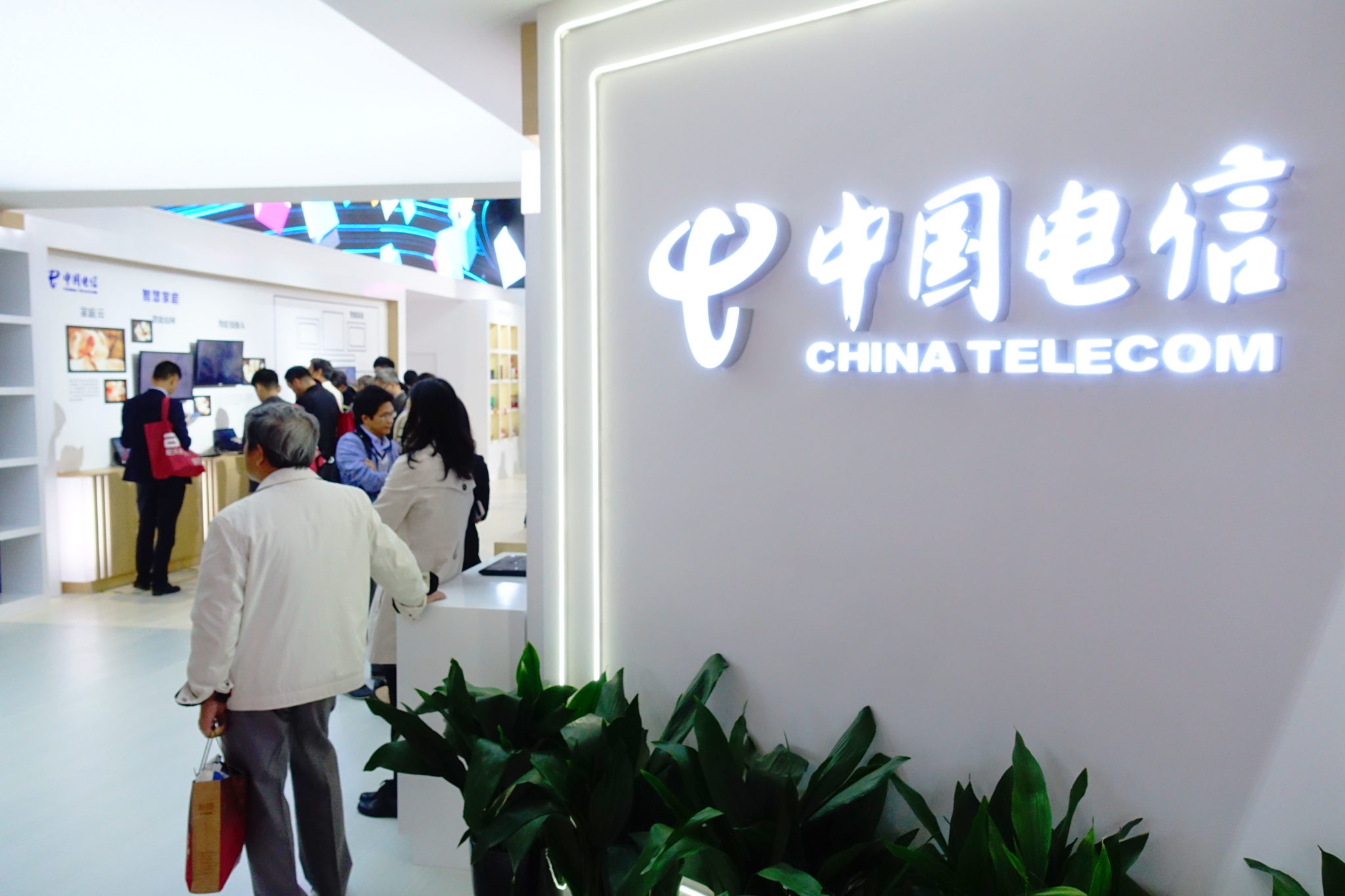
  • China Telecom Launches Asia Direct Cable Capacity Ahead of Schedule

    China Telecom Launches Asia Direct Cable Capacity Ahead of Schedule

    This milestone was achieved two months earlier than planned, following the completion of the ADC wet segment last November. In the past eight years, no new submarine cables have been operationalized in the Asia Pacific. This has led to a shortage of resources and created challenges in the market.

    The launch of the ADC’s capacity has been eagerly anticipated by the industry. China Telecom Global Limited, acting as the Co-chair of the ADC consortium, has worked closely with all consortium members and suppliers to overcome unexpected challenges and bring the ADC’s capacity into service ahead of schedule. This has helped to ease the strain on submarine cable resources.

    The availability of capacity will support the growth of artificial intelligence (AI), cloud computing, and big data, as well as facilitate digital transformation across various industries. Looking forward, China Telecom plans to expand its presence into international markets and enhance its global network resources to further contribute to the advancement of the global digital economy.

  • Australia Restricts DeepSeek AI on Government Devices

    Australia Restricts DeepSeek AI on Government Devices

    Australia has prohibited the use of DeepSeek on all government devices due to concerns about security risks posed by the Chinese artificial intelligence (AI) startup. The Secretary of the Department of Home Affairs has directed all government entities to stop using DeepSeek products, applications, and web services, and to remove any existing instances from Australian government systems and devices.

    Home Affairs Minister Tony Burke stated that DeepSeek presents an unnecessary risk to government technology, and the ban is necessary to safeguard Australia’s national security and interests. This ban does not apply to devices owned by private citizens. After DeepSeek released its latest AI model last month, which is cheaper and requires less sophisticated chips compared to other models, technology stocks worldwide plummeted.

    Australia’s decision to ban DeepSeek follows similar actions taken in Italy, with other countries in Europe and beyond also investigating the AI firm. Similarly, Taiwan recently prohibited government departments from using DeepSeek’s AI service.