Tag: China

  • Jollibee Group’s Remarkable Global Surge: Coffee Leads the Way and Chinese Cuisine Gains Momentum

    Jollibee Group’s Remarkable Global Surge: Coffee Leads the Way and Chinese Cuisine Gains Momentum

    The Jollibee Group has recorded impressive progress in its coffee, tea, and Chinese cuisine sectors, bolstered by an aggressive international expansion strategy, enhanced store operations, and unwavering commitment to the performance of its flagship brands.

    The Boom in Coffee and Tea

    The group’s coffee and tea division is at the forefront of this growth trajectory, with Compose Coffee and Highlands Coffee stepping up their store establishment rates and solidifying their market dominance.

    Compose Coffee, in South Korea, has grown beyond the 3000-store mark, setting up an additional 1000 outlets in less than a year and a half. The platform’s mobile application has garnered a cumulative user base of nearly 18 million, following a widely successful celebrity-led promotional campaign.

    Richard CW Shin, CEO of Jollibee Group International and Global Chief Financial and Risk Officer of Jollibee Group, lauded Compose Coffee’s exponential growth. He affirmed the brand’s ability to scale while retaining quality, value, and consumer affinity.

    Shin shared the group’s intent to extend the brand’s momentum to other global markets. He expressed optimism in Compose Coffee’s potential to generate long-term shareholder value, emphasizing the brand’s strategic role in driving Jollibee Group’s international growth.

    Highlands Coffee, based in Vietnam, has secured its position as the nation’s leading coffee brand by market share. With a burgeoning network of nearly 1000 outlets, Highlands Coffee serves in excess of 100 million customers each year.

    Chinese Cuisine on the Rise

    The group’s Chinese cuisine department also noted significant strides. Yonghe King, in particular, augmented its presence in China with the introduction of 35 new franchised stores recently. This move is part of a more efficient operational blueprint that supports the group’s drive for stable and sustainable market operations.

    Tim Ho Wan, post its acquisition, has shown promising indicators, with all its stores in Hong Kong reportedly regaining profitability within six months. The brand’s early performance in the US is also promising. The inauguration of Tim Ho Wan Irvine marked the brand’s debut as a company-operated store in the US under the Jollibee Group, with plans to reach 20 locations across North America by 2028.

    Questions & Answers

    What is behind the success of Compose Coffee in South Korea?
    Compose Coffee has successfully established over 3000 stores in South Korea, with an additional 1000 outlets set up in under 18 months. This growth is attributed to a strategic expansion plan and a celebrity-led promotional campaign that increased the user base of its app.

    How is Highlands Coffee performing in Vietnam?
    Highlands Coffee retains the top spot in Vietnam’s coffee market by share, with a network of nearly 1000 outlets and over 100 million customers served annually.

    What is the performance of the Chinese cuisine segment of the Jollibee Group?
    Significant progress has been recorded in the Chinese cuisine segment, with Yonghe King expanding its footprint in China through the addition of 35 new franchised stores. Tim Ho Wan has also seen positive traction post-acquisition, with all Hong Kong stores returning to profitability within six months.
  • Burberry Sees Remarkable Christmas Sales Boost, Thanks to Chinese Market Surge

    Burberry Sees Remarkable Christmas Sales Boost, Thanks to Chinese Market Surge

    Burberry, the iconic British luxury brand, surpassed its holiday season sales forecasts, with the most significant surge being noted in its Chinese market.

    4th Quarter Financial Overview

    According to the latest fiscal report of the quarter ending December 27, Burberry witnessed a 3% annual increase in comparable store sales, leading to a revenue of £665 million. Of particular note was the growth in Greater China, which saw a 6% rise in store sales. The Asia Pacific (APAC) region also reported a sales increment of 5%. Unfortunately, no sales growth was observed in Europe and the Middle East during this period.

    Joshua Schulman, the CEO of Burberry, attributed these promising figures to the brand’s successful implementation of their Burberry Forward strategy. He cited an improved sales growth rate and enhanced revenue quality across different retail channels and geographical locations.

    Key to Success

    Burberry’s win in Greater China and APAC was primarily fuelled by a considerable uptick in Gen Z customers, who contributed to double-digit growth.

    Schulman commented on the positive customer response to Burberry’s immersive Timeless British Luxury campaigns and experiences. The brand’s core outerwear category continued to demonstrate resilience, with rising customer interests now also observed in accessories and ready-to-wear collections.

    “As we step into the 170th year of Burberry, these results substantiate the enduring strength of our iconic brand and instill confidence in the journey ahead,” Schulman added.

    Questions & Answers

    What was Burberry’s sales performance during the recent Christmas quarter?
    Burberry experienced a 3% year-on-year increase in comparable store sales during the Christmas quarter, achieving a revenue of £665 million.

    Which markets showed the strongest growth for Burberry?
    Greater China and the Asia Pacific (APAC) region were the strongest growth markets for Burberry, with sales rising by 6% and 5% respectively.

    What factors attributed to Burberry’s strong sales performance?
    The successful implementation of the Burberry Forward strategy, compelling Timeless British Luxury campaigns and experiences, and the consistent popularity of their core outerwear category are some factors that contributed to Burberry’s strong sales performance.

  • Cathy Sparks Ascends to Nike’s VP and GM Role in Greater China: A New Era of Athletic Partnerships

    Cathy Sparks Ascends to Nike’s VP and GM Role in Greater China: A New Era of Athletic Partnerships

    Nike has recently made several key changes to its top-tier executives across various geographical territories. Cathy Spark has been promoted to the position of Vice President (VP) and General Manager (GM) of Greater China.

    Replacing Angela Dong, a seasoned Nike executive since 2005 who served in a variety of senior-level positions throughout the region, Spark plans to solidify collaborations and reaffirm Nike’s long-standing dominance in the Chinese market.

    Spark’s journey with Nike spans a quarter-century, initially starting as a store athlete at Niketown in Portland. Over the years, she assumed leadership roles across all geographical areas. Prior to her current position, she served as VP and GM of APLA, where she spearheaded the company’s strategy for marketplace transformation and consumer growth.

    Elliot Hill, Nike’s President and CEO, praised Spark for her ability to connect athletics, consumers, and Nike’s role at the crossroads between sports and culture. He highlighted her ability to build high-performing teams, act decisively, and effectively harness the unique appeal of the Nike brand.

    Cristin “Crissy” Campbell, a Nike employee with 15 years of experience, is slated to fill Spark’s former position as VP and GM of APLA.

    In the EMEA region, Carl Grebert will relinquish his duties as VP and GM. César Garcia will take over the role, with his tenure starting on February 2nd.

    Questions & Answers

    Who is the new VP and GM of Greater China for Nike?
    Cathy Spark has been appointed as the new Vice President and General Manager of Greater China for Nike.

    What role did Cathy Spark previously hold at Nike?
    Before her promotion, Cathy Spark was the Vice President and General Manager of APLA, leading the company’s strategy in marketplace transformation and consumer growth.

    Who will succeed Cathy Spark as VP and GM of APLA?
    Cristin “Crissy” Campbell, a 15-year veteran at Nike, will take over as the Vice President and General Manager of APLA.

  • CTG Duty Free Acquires DFS: LVMH’s Strategic Luxury Retail Sale Boosts China’s Travel Market

    CTG Duty Free Acquires DFS: LVMH’s Strategic Luxury Retail Sale Boosts China’s Travel Market

    Global luxury travel retailer DFS, which is owned by LVMH and Robert Miller, DFS’ co-founder and shareholder, has revealed they are set to sell their retail business across Greater China to the China Tourism Group (CTG) Duty Free. According to the agreement, CTG Duty Free is set to acquire businesses in Hong Kong, Macau, and Greater China.

    Acquisition of DFS Brands

    Aside from acquiring businesses, CTG Duty Free will also obtain a variety of DFS brands and intellectual properties exclusively for usage across Greater China. The proceeds from this transaction will be received in cash. Post-transaction, DFS will maintain operations of its other luxury travel retail businesses worldwide.

    Luke Chang, executive director and president of CTG Duty Free, shared that this move is expected to broaden the service network of CTG Duty Free across the Greater Bay Area. The goal is to establish a platform for promoting China-influenced brands globally while setting up an international business mid-platform.

    Chang also emphasized CTG Duty Free’s commitment to provide superior travel retail experiences to both domestic and international tourists. This aligns with their responsibility as a central state-owned enterprise-controlled listed company to facilitate the high-quality development of the retail economy in Hong Kong and Macau.

    A Significant Step for DFS

    DFS has described the sale as a significant step for the company. Ed Brennan, chairman and CEO of DFS, stated that the company is proud of its well-established presence and operational excellence in Hong Kong and Macau. The DFS shopping experience is expected to improve and progress with the fresh skills and perspectives that CTG Duty Free will introduce.

    Michael Schriver, president of LVMH for North Asia, expressed that the move highlights LVMH’s confidence in the long-term potential of the Chinese market. The transaction is anticipated to be finalized in approximately two months.

    Questions & Answers

    What is the agreement between DFS and CTG Duty Free about?
    The agreement is about the sale of DFS’ retail business across Greater China to CTG Duty Free.

    What will CTG Duty Free acquire from DFS?
    CTG Duty Free will acquire businesses in Hong Kong, Macau, and Greater China as well as a series of DFS brands and intellectual properties for exclusive use in Greater China.

    What will be the impact of this transaction on DFS?
    After the transaction, DFS will continue to operate its other luxury travel retail operations worldwide. The sale is seen as an important step for DFS and is expected to enhance the shopping experience they offer with new skills and perspectives from CTG Duty Free.

  • A2 Milk Shares Suffer as China’s Plummeting Birth Rate Impacts Infant Formula Sales

    A2 Milk Shares Suffer as China’s Plummeting Birth Rate Impacts Infant Formula Sales

    New Zealand-based A2 Milk Company has reported a drop in its share price due to the decline in Chinese birth rates, which has reached a record low.

    On the Australian Securities Exchange (ASX), A2 shares plunged by 11.2 percent upon closing on Monday, January 19, shortly after the distressing news was announced in China. In response to a price query on the ASX, the company stated that it wasn’t privy to any information related to its current situation that hasn’t been disclosed to the market. This information, if known by certain market participants, might potentially explain the recent trading dynamics of its securities.

    A2’s Trading Performance Explanation

    When asked to provide an additional reason for its recent trading performance, A2 pointed to an announcement made by the China National Bureau of Statistics on January 19. The announcement revealed that the number of newborns in China last year had decreased by 17 percent to 7.92 million.

    The infant milk formula, one of A2’s greatest sources of income, is exported to China. In the fiscal year 2025, it recorded a revenue of NZ$1.2 billion (A$1.04 billion) from infant formula sales in China and Asia.

    Questions & Answers

    What caused the drop in A2 Milk Company’s share price?
    The decline in Chinese birth rates, which have reached a record low, was reported as the cause for the fall in A2’s share price.

    What was the percentage decrease in A2’s share price?
    A2’s share price dropped by 11.2 percent on the Australian Securities Exchange.

    What is one of A2’s largest sources of income?
    One of A2’s largest revenue streams is its infant milk formula, which is exported to China.

  • Singapore Clinches Second Place as World’s Richest Nation in 2025, Drops in Work-Life Balance Rankings

    Singapore Clinches Second Place as World’s Richest Nation in 2025, Drops in Work-Life Balance Rankings

    In 2025, Singapore achieved the status of the second-wealthiest nation globally according to per capita gross domestic product (GDP), with a figure standing at US$90,700. This impressive economic performance placed the Asian island state just behind Switzerland, the front-runner with a GDP per capita of $100,000. The third position was held by Norway, with a per capita GDP of $86,800.

    Work Hours Influence Wealth Rankings

    However, the economic landscape changed significantly when factoring in working hours. By considering the average hours worked, Norway ascended to the top of the national wealth rankings. Singapore fell to the eighth place behind countries like Qatar, Denmark, and the Netherlands.

    According to data released by Singapore’s Ministry of Manpower, the average employee in the city-state worked 43.3 hours per week in 2024. This figure starkly contrasts with the average workweek in Norway, where employees logged an average of 33.2 hours per week in the same year, as per statistics from the International Labour Organisation.

    Singapore’s Position in Global Work-Life Balance

    Further highlighting the impact of work hours on quality of life, Singapore was ranked 25th out of 60 nations in a 2025 Global Life-Work Balance Index. Singapore’s score in this index was 57.85 out of a total 100 points. Despite the middling position, it’s worth noting that Singapore was the highest-scoring Asian nation in terms of balancing work and personal life.

    The Index was topped by New Zealand, Ireland, and Belgium, with respective scores of 86.87, 81.17, and 75.91. These figures reiterated the importance of a healthy balance between work and personal life in assessing a nation’s overall prosperity and well-being.

    Questions & Answers

    What was Singapore’s ranking in terms of GDP per capita in 2025?
    Singapore was ranked as the second-richest country in the world in 2025 based on GDP per capita.

    How did the ranking change when work hours were taken into account?
    When average work hours were factored in, Singapore dropped to the eighth place in the global wealth ranking.

    Where did Singapore stand in the 2025 Global Life-Work Balance Index?
    In the 2025 Global Life-Work Balance Index, Singapore secured the 25th place out of 60 countries, making it the highest-ranked Asian country in terms of work-life balance.

  • HSBC Private Bank Revamps Asian Leadership: Key Appointments in India, China, and Thailand

    HSBC Private Bank Revamps Asian Leadership: Key Appointments in India, China, and Thailand

    HSBC Private Bank, the private banking division of HSBC, has recently announced several significant leadership appointments across its Asian operations, with a particular focus on the India and China markets.

    Focus on India

    The global India team has welcomed Phaneendar Bhavaraju and Rangan Krishnan as senior relationship managers. Both report to Manoj Ramarao, who is the Senior Desk Head for global India, Singapore, and Hong Kong.

    Bhavaraju brings to the table more than 28 years of experience across several financial sectors, including foreign exchange, rates, derivatives, precious metals, private banking, and structured finance. He previously held the role of Chief Investment Officer at various asset management companies in the Dubai International Financial Centre. Bhavaraju’s past experience also includes nine years of serving in private banking roles at both RBS and Credit Suisse.

    Krishnan, on the other hand, has over 31 years of wealth management experience. He was previously at the Bank of Singapore where he spent nine years leading a team that managed ultra-high net worth clients, family offices, and institutional portfolios. His resume also includes roles at ANZ, Credit Suisse, ABN AMRO Bank, and DSP BlackRock Mutual Fund.

    China & Other Markets

    In China, Alex Liu has been appointed as the Market Head of Offshore China. His coverage now extends from Hong Kong to Singapore. Liu reports to Kanas Chan, the head of North Asia and Hong Kong.

    In addition to the appointments in India and China, Dawn Fung has assumed the role of Head of Wealth Planning for Southeast Asia. With over 25 years of experience in banking and trust, Fung reports to Ann Ling, the Regional Head of Wealth Planning and Advisory for Asia Pacific, and Tommy Leung, the Head of Private Bank for South Asia.

    Onshore Thailand

    In Thailand, William Fok has been named the Country Head of Private Bank. Fok, who is based in Bangkok, reports to Benjamin Wang, the Desk Head for Thailand and Vietnam. Fok has more than 20 years of experience in structured products and investment advisory. Before taking on this role, he was a Senior Investment Counsellor at LGT. Fok is returning to HSBC Private Bank after having worked there for almost five years earlier in his career. His past employers also include Julius Baer and Morgan Stanley.

    Questions & Answers

    Who are the new senior relationship managers for HSBC Private Bank’s global India team?
    Phaneendar Bhavaraju and Rangan Krishnan have been appointed as the senior relationship managers for the global India team at HSBC Private Bank.

    Who has been appointed as the Market Head of Offshore China for HSBC Private Bank?
    Alex Liu has been appointed as the Market Head of Offshore China, expanding his coverage from Hong Kong to Singapore.

    Who is the new Country Head of Private Bank for HSBC in Thailand?
    William Fok has been named the Country Head of Private Bank for HSBC in Thailand.

  • Amazon Re-negotiates Supplier Costs Amid Eased Chinese Tariffs: The Repercussions on E-Commerce

    Amazon Re-negotiates Supplier Costs Amid Eased Chinese Tariffs: The Repercussions on E-Commerce

    Amazon, the technology behemoth, has announced that it has been in discussions with various vendors regarding modulation of costs to mirror the decreased tariff rates on Chinese imports.

    Previously, the company aimed to reduce the amount it compensates suppliers for products sold via its e-commerce platform. This adjustment is a step towards reversing concessions that were originally designed to alleviate the effects of tariffs imposed by former US President Donald Trump.

    In a statement, an Amazon spokesperson stated, “We are perpetually collaborating with our diverse and valued selling partners in our store to assist them in adapting to the evolving environment while preserving a wide selection and maintaining low prices for customers.”

    In late October of the previous year, an agreement was struck between Trump and Chinese President Xi Jinping to reduce tariffs on imports from China. This was in return for Beijing’s commitment to address the illegal fentanyl trade, resume purchases of US soybeans, and ensure the continued export of rare earths.

    As a result, the average US tariffs on Chinese imports were reduced from 57% to approximately 47%.

    Recently, the US Supreme Court announced that it would release its subsequent rulings on January 14, with several significant cases still under consideration. These include the legality of Trump’s extensive global tariffs.

    If the court determines that the extensive duties imposed by Trump under the International Emergency Economic Powers Act are illegal, the administration could potentially be required to refund nearly US$150 billion in tariffs to importers.

    Questions & Answers

    What is Amazon’s current strategy towards its suppliers?
    Amazon has been in talks with its vendors to adjust costs in accordance with the decreased tariff rates on Chinese imports. The intent is to reduce what it pays suppliers for goods sold on its e-commerce platform.

    How did the average US tariffs on Chinese imports change recently?
    In late October of the previous year, an agreement was reached between former US President Donald Trump and Chinese President Xi Jinping to reduce tariffs on imports from China. As a result, the average US tariffs on Chinese imports were reduced from 57% to approximately 47%.

    What could potentially happen if the court determines that the extensive duties imposed by Trump are illegal?
    If the court declares that the sweeping duties imposed by Trump under the International Emergency Economic Powers Act are illegal, the administration might be required to refund nearly US$150 billion in tariffs to importers.

  • Fashion Giant Lemaire Marks Retail Expansion in Greater China with Majestic Shanghai Flagship Store Opening

    Fashion Giant Lemaire Marks Retail Expansion in Greater China with Majestic Shanghai Flagship Store Opening

    The renowned French fashion brand, Lemaire, continues to expand its retail footprint in Greater China with the inauguration of its flagship store in Shanghai, located in the historic Wukang Road area. This latest retail venture signifies the brand’s ongoing commitment to expand and solidify its presence in the Chinese market.

    Architectural Brilliance

    The impressive 4000 square feet flagship store spans three levels and is nestled within a residence dating back to the 1930s. The design of the retail space is a fine work of the Chinese architect Dong Dayou. Departing from the norm of traditional retail designs, the interiors of the store have been thoughtfully laid out to emulate a homely ambiance.

    A Spanish influence is evident on the façade of the building, while the interiors are an aesthetic blend of Chinese vernacular architectural elements and European Modernist design. The result is an intriguing fusion of styles that provides an immersive retail experience.

    Lemaire’s Expansion in Asia

    The Shanghai store is the third ‘house project’ by Lemaire, following the successful launch of similar concept stores in Seoul’s Hannam district and Tokyo’s Ebisu area.

    The brand first made its physical presence felt in China in 2024, by opening a store at Chengdu Taikoo Li. Christophe Lemaire founded the brand in 1991 and since then, it has been steadily increasing its visibility in China, via both brick-and-mortar stores and online platforms. Notably, in 2022, Lemaire launched a flagship store on the popular e-commerce platform, Tmall.

    Questions & Answers

    What is unique about Lemaire’s new Shanghai store?
    The store, located in a 1930s residence, is architecturally unique. The design combines Spanish influence, Chinese vernacular architecture, and European Modernist elements to provide a distinctive retail environment.

    Where else has Lemaire launched its ‘house project’ stores?
    Lemaire has previously launched ‘house project’ stores in Seoul’s Hannam district and Tokyo’s Ebisu area.

    When did Lemaire first establish its physical presence in China?
    Lemaire first entered the Chinese market physically in 2024, with a store opening at Chengdu Taikoo Li.

  • Domino’s Pizza China Hits 1,300 Store Milestone Amid Rapid Expansion Across the Mainland

    Domino’s Pizza China Hits 1,300 Store Milestone Amid Rapid Expansion Across the Mainland

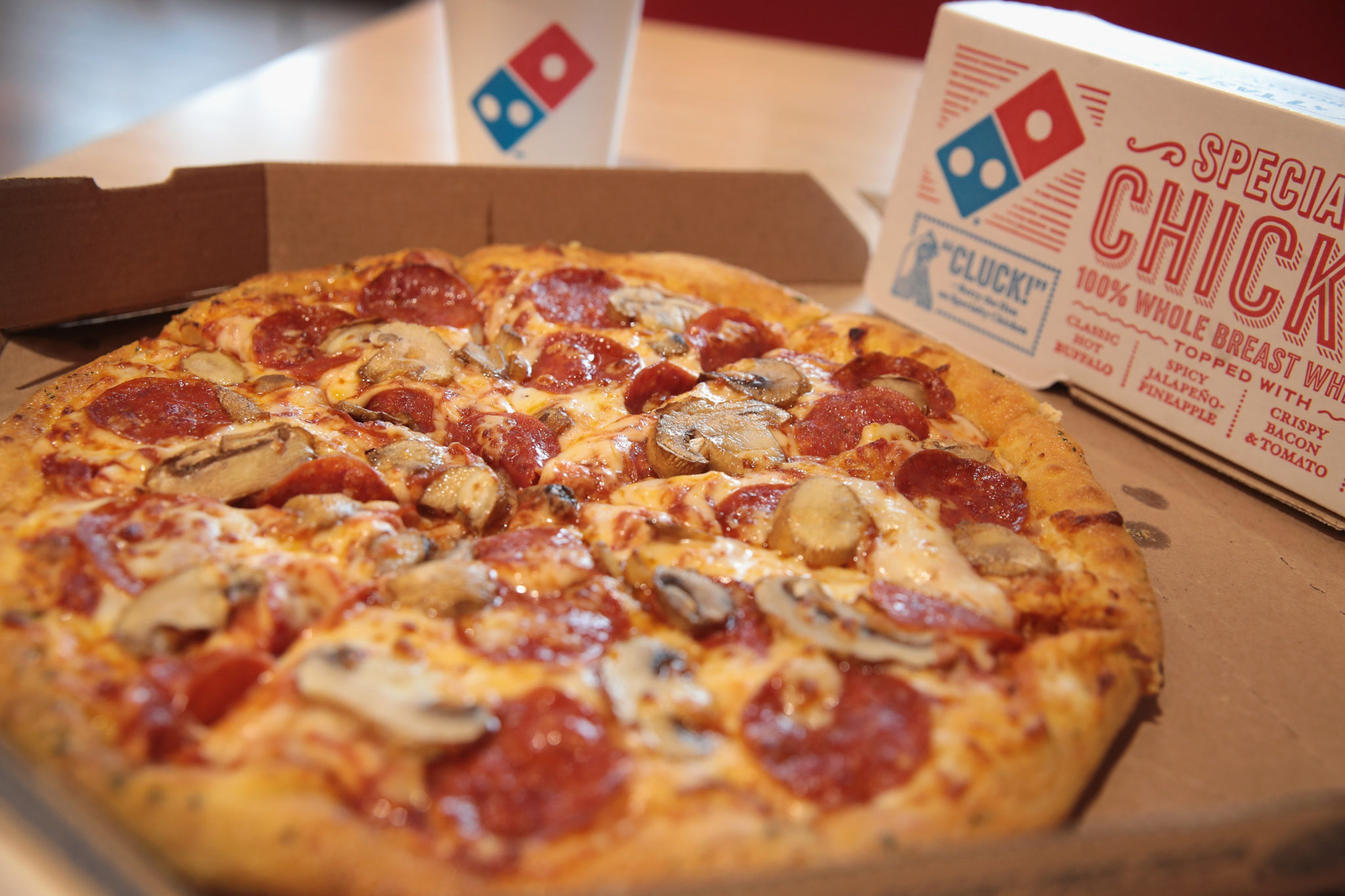
    Dominos Pizza China, also known as DPC Dash, continued to expand its reach in the previous year, opening hundreds of new locations and strengthening its presence across mainland China.

    Franchise Expansion in Greater China

    DPC Dash holds the exclusive rights to operate Domino’s Pizza in the Chinese mainland, Hong Kong, and Macau. The company closed the previous year with 1,315 outlets, marking an increase of 307 new stores. In addition, the company expanded its geographical presence into 21 new cities, bringing its total coverage to 60 cities nationwide.

    The growth momentum has continued into the current year, with 62 new outlets already opened in 46 cities within the first month.

    Strategy for Growth

    According to DPC Dash, the successful results can be attributed to their “go broader, go deeper” strategy. This strategy blends geographical expansion with initiatives to build customer loyalty. The methods employed to increase customer loyalty include enhancing store density, innovating product offerings, and making operational improvements.

    The company expressed its intent to continue exploring local market consumption potential and optimise operational efficiency in the future.

    Questions & Answers

    What is DPC Dash’s strategy for expansion?
    DPC Dash employs a “go broader, go deeper” strategy for expansion. This involves geographical expansion coupled with initiatives to build customer loyalty through increased store density, product innovation, and operational improvements.

    What was DPC Dash’s expansion rate in the previous year?
    In the previous year, DPC Dash opened 307 new stores, increasing its total outlets in the Chinese mainland, Hong Kong, and Macau to 1,315.

    How many new cities did DPC Dash extend its footprint to in the previous year?
    DPC Dash entered 21 new cities in the previous year, bringing its overall presence to 60 cities across the nation.

  • Chinese New Year Sparks Sixfold Airfare Surge Between Singapore and Malaysia

    Chinese New Year Sparks Sixfold Airfare Surge Between Singapore and Malaysia

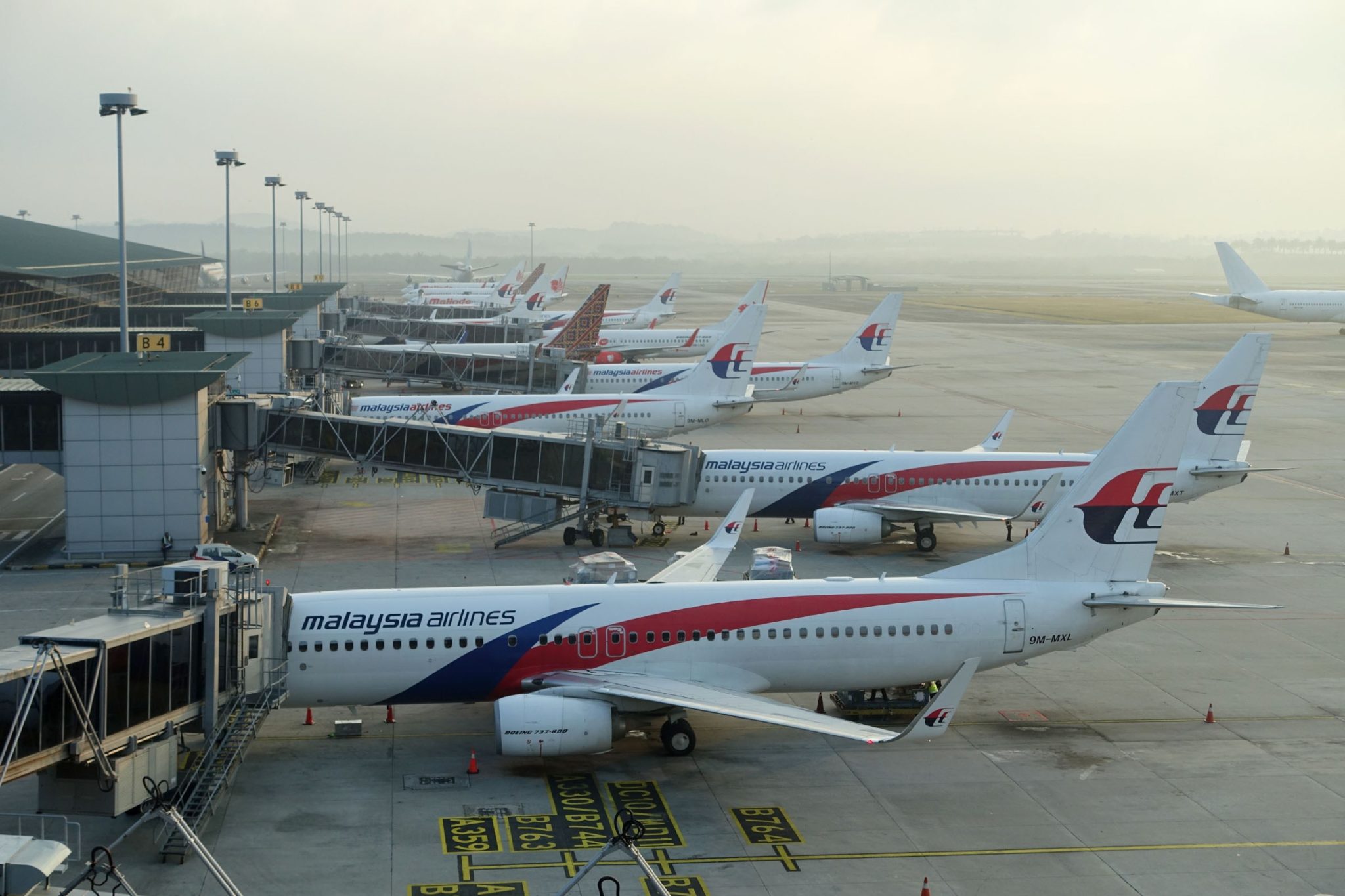
    In anticipation of the 2026 Chinese New Year, there has been a significant increase in air travel between Singapore and Malaysia. Ticket prices for some flights have risen as much as six times the normal rate due to the surge in holiday demand and sold-out train tickets.

    The Impact of High Demand

    Tan Yik Xuan, a 26-year-old logistics worker residing in Singapore, had to plan four months in advance to secure a flight back to his hometown, Ipoh. He purchased return tickets in October 2025 for $630, a cost nearly double the off-peak rate.

    Tan described the fare as notably more costly compared to the usual off-peak rates of below $320. However, he was willing to pay the higher price for the flight rather than take a bus to avoid traffic jams and minimize travel time.

    As of January 5, economy class tickets to Ipoh for the week of February 14 to 19 ranged from $822 to $1,222, a significant increase from the previous week’s prices of $124 to $191.

    Other routes, such as those to Kuala Lumpur and Penang, are also experiencing similar surges in price. To accommodate the increasing demand, AirAsia has announced that it will add 7,500 seats. The airline’s pricing model reflects the supply and demand where fares are typically higher when purchased closer to the travel date during peak seasons.

    Alternatives to Air Travel

    For those traveling from Singapore to Kuala Lumpur, a two-way trip by air could cost anywhere between $420 to $1,245 in the days leading up to Chinese New Year, compared to fares between $99 and $345 from February 7 to 12. Round-trip air tickets from Singapore to Penang could cost between $628 to $1,049 from February 14 to 19, which is higher than the price range of $107 to $469 during the preceding week.

    Singapore Airlines and Scoot have reported a “healthy passenger demand” for the Chinese New Year, though they did not reveal booking figures.

    Bus fares have also increased due to the high demand. Round-trip tickets to Kuala Lumpur are ranging from $89 to $276 for February 14 to 19, while tickets to Penang can go up to $370, a substantial increase from the off-peak price of $83.

    Malaysian bus operator Causeway Link anticipates a large crowd and a high volume of ticket sales during the upcoming peak travel season and plans to have backup buses on standby to support passenger demand.

    Creative Travel Solutions

    To circumvent these escalating costs, some travelers are adopting innovative routes. Insurance agent Lim Cin Min, 27, plans to take a local bus to Johor Bahru Immigration and Customs, then transfer to another bus from Larkin Sentral bus terminal to her hometown Batu Pahat. This creative solution will cost her only $8 and will allow her to avoid being stuck in traffic jams.

    The recently launched electric train service (ETS) from Johor Bahru to Kuala Lumpur offered another alternative to holiday travelers. However, tickets for peak dates are already sold out.

    Data analyst Justin K, 29, was able to secure a return ETS ticket by extending his stay beyond the peak travel period. He paid $230 for a one-way ticket, more than twice the usual price, but found the slight increase in cost “much more palatable” compared to airfares. He plans to use the ETS for future trips due to its punctuality, fixed travel duration, and comfort.

    Questions & Answers

    What has caused the significant increase in air travel between Singapore and Malaysia?
    The increase is primarily due to the surge in holiday demand ahead of the 2026 Chinese New Year, coupled with sold-out train tickets.

    How are airlines dealing with the surge in demand?
    Airlines like AirAsia are adding more seats to accommodate demand. However, due to the supply-and-demand model, fares are typically higher when purchased closer to the travel date during peak seasons.

    Are there any alternative travel options available to those who find the increased airfare too expensive?
    Yes, some travelers are adopting innovative routes using local buses. The recently launched electric train service (ETS) from Johor Bahru to Kuala Lumpur has also offered another alternative, although tickets for peak travel dates are already sold out.

  • Domino’s Pizza China Hits Milestone with Over 1300 Stores, Continues Aggressive Expansion Strategy

    Domino’s Pizza China Hits Milestone with Over 1300 Stores, Continues Aggressive Expansion Strategy

    In 2025, Domino’s Pizza China, also known as DPC Dash, boosted its expansion efforts by opening hundreds of new stores, increasing its presence throughout Mainland China. DPC Dash holds the exclusive master franchise rights for Domino’s Pizza in mainland China, Hong Kong, and Macau.

    By the end of 2020, DPC Dash had a total of 1,315 stores, owing to the successful launch of 307 new locations. The company also ventured into 21 new cities, expanding its reach to 60 cities nationwide.

    This upward trend continues into the new year, with the company inaugurating 62 additional stores in 46 cities in just the first month.

    The impressive results achieved by DPC Dash are a testament to its strategic approach, labeled “go broader, go deeper.” This strategy merges geographic growth with initiatives aimed at enhancing customer loyalty. These initiatives include increasing store density, introducing new products, and improving operational procedures.

    Looking forward, DPC Dash plans to further delve into the local market to analyze consumption potential and enhance operational efficiency.

    Questions & Answers

    What is DPC Dash’s strategy for expansion in China?

    DPC Dash uses a “go broader, go deeper” strategy which emphasises both geographical expansion and building customer loyalty.

    How many new stores did DPC Dash open in 2020?

    DPC Dash opened 307 new stores in 2025.

    How many cities does DPC Dash currently have a presence in?

    As of the beginning of the new year, DPC Dash has expanded to a total of 60 cities across China.

  • Yum China Breaks into Burger Business with V Burger: A Fresh Spin on Fast Food Amidst Rising Market Competition

    Yum China Breaks into Burger Business with V Burger: A Fresh Spin on Fast Food Amidst Rising Market Competition

    Yum China, recognized as the chief operator of Pizza Hut on the Chinese mainland, has recently launched two independent V Burger locations in Futian and Longhua districts in Shenzhen. This move establishes the brand’s inaugural foray into the dedicated burger restaurant sector within the nation.

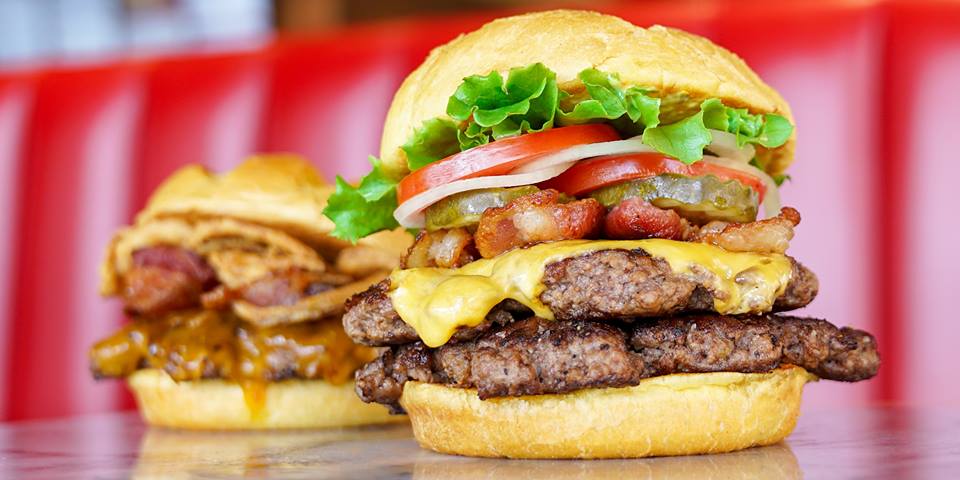
    The V Burger approach leans towards a Western-style concept and mainly caters to individual eaters and small groups of diners. The newly implemented menu features a variety of around ten different freshly made chicken and beef burgers. Prices for these items range from 23 to 42 yuan (equivalent to US$3.29 to US$6.01), resulting in an average expenditure of 32.5 yuan per diner.

    This new venture aligns with Yum China’s wider strategy of multi-brand expansion. This strategy has been evidenced by recent introductions of brands like KCoffee, Kpro, and the KFC Fried Chicken Brothers concept.

    Industry insiders have revealed that the company’s entry into the burger market has been in the planning stages for a considerable duration. Since December 2023, Pizza Hut has initiated a testing phase for a “pizza burger” series in selected cities. This series has comprised of four different types of burgers which were priced between 20 and 30 yuan each.

    The introduction of V Burger is timely as both international and domestic fast-food chains are currently vying intensely for a greater share of the Chinese consumer market. A report by Daxue Consulting suggests that China’s fast-food market was worth RMB1.28 trillion in 2023 and forecasts further growth, powered by increased demand from smaller, lower-tier cities.

    Competition within the sector is becoming increasingly fierce. As an indication of this, Burger King divested its controlling stake in China in November, opting to establish a joint venture instead. The company also announced its strategy to double its outlet numbers within half a decade, with the goal of having more than 4000 outlets by 2035.

    Questions & Answers

    What is Yum China’s latest venture in the Chinese market?
    Yum China has recently opened two standalone V Burger outlets in Shenzhen’s Futian and Longhua districts. This is the brand’s first dedicated foray into the burger restaurant sector within the country.

    Who is the target market for V Burger?
    The V Burger concept primarily caters to solo diners and small groups, offering a variety of freshly prepared chicken and beef burgers.

    What is the significance of the V Burger launch?
    The rollout of V Burger comes at a time when international and domestic fast-food chains are fiercely competing for Chinese consumers. It is a part of Yum China’s broader multi-brand expansion strategy which includes brands like KCoffee, Kpro, and the KFC Fried Chicken Brothers concept.

  • Mixue: China’s Beloved Tea and Ice Cream Chain Brews Up Its First US Store in Hollywood

    Mixue: China’s Beloved Tea and Ice Cream Chain Brews Up Its First US Store in Hollywood

    The popular Chinese ice cream and tea chain, Mixue, has successfully established its first US location in Los Angeles, California, marking the brand’s debut in the American market.

    Offerings and Customisation

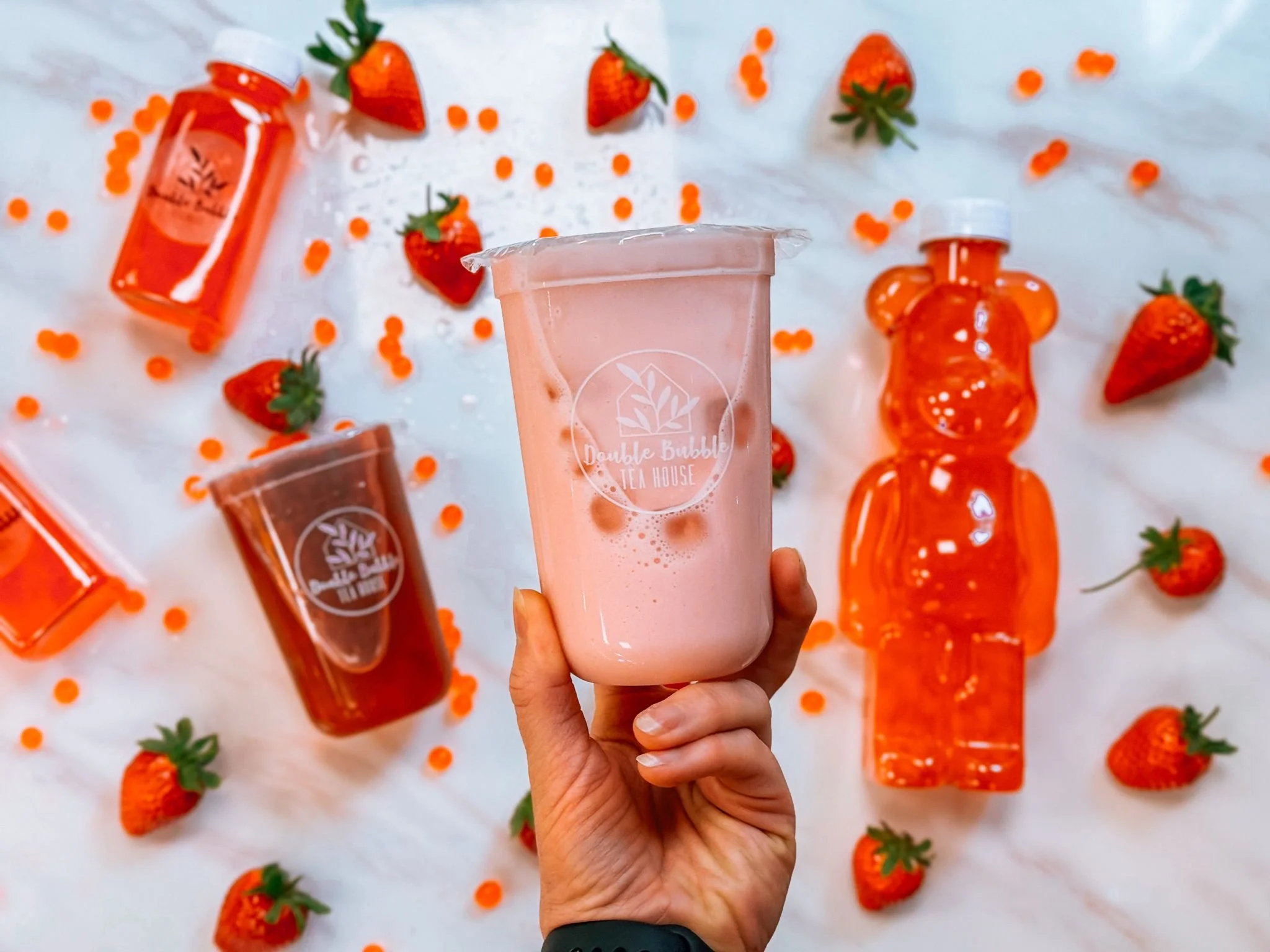
    Situated on the famous Hollywood Boulevard, the new Mixue store provides customers with the chain’s traditional menu. The offered choices encompass a variety of beverages including ice cream, pure tea, fruit drinks, milk tea, and coffee. One of the unique aspects of Mixue’s service is the ability for customers to personalize their drinks. They can adjust the sugar content to their liking and select from a range of toppings for certain beverages.

    Global Expansion

    Since its establishment in 1997, Mixue has been diligently working on its international growth. The brand expanded outside of China for the first time in 2018, with the opening of a store in Vietnam. Following this, Mixue entered several other markets, including Australia, South Korea, Thailand, Malaysia, Singapore, and the Philippines.

    Growth Plans in the US

    The US is the next frontier for Mixue’s ongoing international expansion. The company has expressed its intention to enhance its presence in the American market further. A store in New York is anticipated to open soon as a part of this expansion plan.

    Zhang Hongfu, the Global CEO of Mixue, stated that the company is committed to its worldwide strategic growth. He added, “Our aim is to consistently broaden our store network, thereby enabling more local consumers to savour our high-quality, affordable drinks.”

    Presently, Mixue Group runs over 53,000 stores globally.

    Questions & Answers

    What does the Mixue menu offer in their new US store?
    The menu in the new Mixue US store consists of a range of beverages such as ice cream, pure tea, fruit drinks, milk tea, and coffee.

    Where did Mixue first expand to outside of China?
    The first overseas expansion of Mixue was in Vietnam, which took place in 2018.

    What are the future expansion plans of Mixue in the US?
    Mixue plans to strengthen its presence in the US with the opening of a new store in New York, which is expected to happen in the near future.

  • Ikea to Close Seven Stores in China Amid Retail Struggles, Focuses on Online Growth and Precise Market Cultivation

    Ikea to Close Seven Stores in China Amid Retail Struggles, Focuses on Online Growth and Precise Market Cultivation

    Swedish furniture giant, Ikea, has announced that it will be shutting down seven of its outlets in China, effective from February 2. The decision was revealed in a statement issued by the company on Wednesday.

    The targeted locations for the shutdown include a branch in Shanghai’s suburbs, another in Guangzhou, as well as several others scattered across secondary cities such as Nantong, Xuzhou, and Harbin.

    Retail businesses, in general, have been grappling with sales growth in China, as consumer confidence continues to wane, stemming from a long-standing property crisis, job security worries, and stagnant wages.

    Presently, Ikea has approximately 40 stores operating on the Chinese mainland. The company disclosed in its statement that five new stores of varying sizes have commenced operations recently.

    China, being the world’s second-largest economy, contributes approximately 3.5% to Ikea’s global sales. However, an increasing proportion of these sales originates from online flagship stores. To further nurture this online sales growth, Ikea inaugurated a new store on JD in August of the previous year.

    The company stated that it will be shifting its strategy from large-scale expansion to precise cultivation, focusing on major markets such as Beijing and Shenzhen. This strategy includes the launch of over ten smaller stores within the next two years. The company also stated that it anticipates new store openings in the cities of Dongguan and Beijing during the first half of 2026.

    Questions & Answers

    Which Ikea stores in China are slated for closure?
    Ikea plans to close stores in suburban Shanghai, Guangzhou, and several other locations in secondary cities such as Nantong, Xuzhou, and Harbin.

    What proportion of Ikea’s global sales does China account for?
    China accounts for about 3.5% of Ikea’s global sales.

    What is Ikea’s strategy going forward in China?
    Ikea plans to shift from large-scale expansion to precise cultivation, focusing on major markets like Beijing and Shenzhen, and opening more than ten small stores over the next two years. There are also plans for new store openings in Dongguan and Beijing in the first half of 2026.