Tag: China

  • UBS to Ignite Investment Conversations at 26th Greater China Conference in Shanghai

    UBS to Ignite Investment Conversations at 26th Greater China Conference in Shanghai

    UBS, a leading financial firm based in Zurich, is preparing to host its 26th Greater China Conference in Shanghai. The event, which will occur on the 13th and 14th of January, will delve into a broad spectrum of subjects, such as economics, investments, and technology.

    Attendee Profiles and Conference Topics

    The conference is expected to welcome over 3,600 participants. Among these are more than 2,300 domestic and international institutional investors, sovereign wealth funds, family offices, and private clients. Additionally, over 300 top Chinese firms, boasting a combined market capitalization of about $4.3 trillion, will also be part of the gathering.

    This year’s conference topics are set to span a wide array of areas. These include the economic outlook for China and its implications for investment, breakthroughs in artificial intelligence, and changes in several sectors. Among the sectors in focus will be manufacturing, new energy, mobility ecosystems, and consumer markets.

    UBS and the Chinese Market

    The Greater China Conference is of strategic importance to UBS. The firm recognises the resilience of China’s markets, its expanding innovation capabilities – ranging from advanced manufacturing to advancements in artificial intelligence – and the growing global significance of its capital markets.

    UBS Group CEO Sergio P. Ermotti, who is scheduled to address the attendees, expressed that these factors are paving the way for new investment opportunities worldwide.

    Questions & Answers

    What is the Greater China Conference?
    The Greater China Conference is an annual event hosted by UBS. This is the 26th year it will be held, and the topics covered will include economics, investments, and technology.

    Who is expected to attend the conference?
    The conference will host over 3,600 participants, including more than 2,300 domestic and global institutional investors, sovereign wealth funds, family offices, and private clients. Over 300 leading Chinese companies will also be in attendance.

    What does this conference mean for UBS?
    UBS CEO Sergio P. Ermotti mentioned that China is a strategic market for UBS. The resilience of China’s markets, its expanding innovation capabilities, and the growing global importance of its capital markets provide new investment opportunities for investors worldwide.

  • Chinese Firms Reign Supreme in APAC Investment Banking: Rapid IPO Rise and Offshore Bonds Fuel 2025 Success

    Chinese Firms Reign Supreme in APAC Investment Banking: Rapid IPO Rise and Offshore Bonds Fuel 2025 Success

    In 2025, prominent positions in Asian investment banking fee generation were predominantly filled by Chinese corporations, spearheaded by a surge in offshore bond issues and a remarkable initial public offering (IPO) boom in Hong Kong.

    Leading Positions Dominated By Chinese Companies

    Citic Securities, based in Beijing, took the lead in investment banking fees generated in the Asia Pacific region (excluding Japan) for 2025, raking in $1.45 billion. This figure represented a 5.8 percent share of the total fees generated across the region. Citic Securities was trailed in the ranking by fellow Chinese counterparts, including China Securities, Bank of China, China International Capital, and Guotai Haitong Securities. Notably, Morgan Stanley, headquartered in New York, filled the sixth slot.

    Chinese investment banks asserted their dominance throughout the industry’s regional positions. This success was largely credited to their robust performance in issuing yuan-denominated dim sum bonds and in orchestrating mainland listings in Hong Kong.

    The Global Market Share

    In a broader perspective, investment banking fees across the Asia Pacific region witnessed a 19 percent year-on-year increase in 2025, amassing a total of $24.9 billion. This accounts for 18 percent of the global total fees earned, in contrast to 55 percent from the Americas and 21 percent from Europe.

    The investment banking fees referenced in this report encompass a range of activities including equity capital markets, debt capital markets, mergers and acquisitions (M&A) advisory, and syndicated lending services.

    Questions & Answers

    Who was the leading generator of investment banking fees in the Asia Pacific region in 2025?
    Beijing-based Citic Securities led the pack in 2025, generating $1.45 billion in investment banking fees.

    What factors contributed to the success of Chinese investment banks in 2025?
    Chinese investment banks benefitted significantly from strong performances in the issuance of yuan-denominated dim sum bonds and mainland listings in Hong Kong.

    How much of the global total of investment banking fees did the Asia Pacific region account for in 2025?
    In 2025, the Asia Pacific region accounted for 18 percent of the total global investment banking fees.

  • Former Bank of Singapore Executive Joins Standard Chartered to Helm New Greater China Team

    Former Bank of Singapore Executive Joins Standard Chartered to Helm New Greater China Team

    In the latest series of industry movements, Hu Hong, previously an executive at the Bank of Singapore, has migrated to Standard Chartered. At Standard Chartered, his new role involves the development and expansion of a team dedicated to the Greater China market.

    A New Role at Standard Chartered

    Standard Chartered’s Global Private Bank has welcomed Hu Hong to their team as a group market head. His primary responsibility will be to build and expand a new team dedicated to the Greater China region, based in Singapore. According to an official statement, Hu will report directly to Foo Tian Ong, who is the regional head for Southeast Asia and also the Singapore location head for Standard Chartered’s Global Private Bank.

    A Wealth of Experience

    Hu brings a wealth of experience to his new role at Standard Chartered. He is an established figure in private banking, with a significant track record in covering the Greater China markets. During his stint at the Bank of Singapore, Hu demonstrated impressive leadership skills as he managed three market heads as well as a team of 100 frontline staff members.

    Questions & Answers

    Who has recently joined Standard Chartered’s Global Private Bank?
    Hu Hong, a former executive at the Bank of Singapore, has joined Standard Chartered’s Global Private Bank as a group market head.

    What will be Hu Hong’s primary responsibility at Standard Chartered?
    Hu Hong will be primarily responsible for the development and expansion of a team that focuses on the Greater China region.

    Who will Hu Hong report to in his new role at Standard Chartered?
    In his new role at Standard Chartered, Hu Hong will report directly to Foo Tian Ong, the regional head for Southeast Asia and the Singapore location head for the Global Private Bank.

  • China Strikes Gold: Largest Undersea Gold Deposit in Asia Discovered

    China Strikes Gold: Largest Undersea Gold Deposit in Asia Discovered

    China recently announced the discovery of an undersea gold deposit, touted as the largest in Asia. This remarkable find further augments the existing troves of the precious metal, following other significant discoveries earlier this year.

    New Gold Reserves Discovered

    The newly discovered gold deposit is situated off the coast of Laizhou in Yantai, Shandong Province. This addition has notably increased Laizhou’s confirmed gold reserves to over 3,900 tonnes (137.57 million ounces), making up approximately 26% of China’s total reserves. However, the exact size of this undersea deposit has not been disclosed by officials.

    Recent Discoveries

    In the past month, the nation revealed the discovery of its first super-large, low-grade gold deposit in Liaoning province. The confirmed reserves of this find amount to 1,444.49 tonnes (50.95 million ounces). The Ministry of Natural Resources has stated that this is the largest single gold deposit found since the establishment of the People’s Republic of China in 1949.

    Adding to this, officials also announced the discovery of a gold deposit in the Kunlun Mountains, near the western border of the Xinjiang Uygur autonomous region in November. This deposit is estimated to have reserves of more than 1,000 tonnes (35.27 million ounces).

    In 2023, Shandong Province reported identifying approximately a quarter of the nation’s gold reserves, including over 3,500 tonnes (123.46 million ounces) on the Jiaodong Peninsula, which is recognized as the world’s third-largest gold mining belt.

    China’s Gold Production Status

    Despite being the world’s largest producer of gold ore, producing 377 tonnes (13.3 million ounces) last year according to the China Gold Association, China trails behind South Africa, Australia, and Russia in terms of proven reserves.

    China invested CNY115.99 billion (US$16.47 billion) in geological exploration last year. Since the initiation of its current five-year plan in 2021, the total investment in mineral exploration is nearing CNY450 billion. This has led to the discovery of 150 mineral deposits, as reported by the Ministry of Natural Resources.

    Impact on Gold Prices

    These discoveries are expected to influence global gold prices which continue to rise, driven by currency fluctuations, geopolitical tensions, and hefty purchases by central banks, particularly in emerging markets looking to diversify their reserves.

    Spot gold was trading at US$4,407 per ounce at the time of reporting, marking a 68% increase since the start of the year.

    Questions & Answers

    Where is the newly discovered undersea gold deposit located?
    The undersea gold deposit has been discovered off the coast of Laizhou in Yantai, Shandong Province, China.

    What is the significance of the recent gold discoveries in China?
    These discoveries have considerably increased China’s total gold reserves and position it as one of the leading global producers of the precious metal.

    How are these gold discoveries expected to influence global gold prices?
    The recent discoveries are likely to impact global gold prices, which are already rising due to factors like currency volatility, geopolitical tensions, and heavy purchases by central banks.

  • Chinese Equity Firm HSG Acquires Majority Ownership of Luxury Sneaker Giant Golden Goose

    Chinese Equity Firm HSG Acquires Majority Ownership of Luxury Sneaker Giant Golden Goose

    Golden Goose, an Italian luxury sneaker manufacturer, announced on Friday that HSG, previously known as Sequoia Capital China, has become its main shareholder. The Chinese private equity firm acquired its stake from the current owner, Permira.

    Additional Investments

    Simultaneously, Temasek, Singapore’s investment firm, along with its subsidiary True Light, has purchased a minor stake in the Venice-based sneaker company. Golden Goose’s sneakers begin retailing at 500 euros a pair.

    This agreement values Golden Goose at approximately 2.5 billion euros (US$3 billion), including debt. The announcement did not disclose further financial specifics.

    Previous Ownership

    Permira, which bought Golden Goose in 2020 for 1.28 billion euros, will maintain a minor stake along with other existing shareholders, including Carlyle.

    Silvio Campara will remain the brand’s chief executive, while former Gucci CEO and current board member, Marco Bizzarri, will assume the role of non-executive chairman.

    Finalization of The Sale

    This sale concludes a process initiated by Permira in 2024. The British-owned private equity firm had attempted to publicly list Golden Goose on the Milan stock market but was compelled to withdraw the initial public offering due to market conditions.

    The transaction is anticipated to be finalized in the third quarter of next year. Earlier this year, HSG purchased a majority stake in the Stockholm-based audio equipment group, Marshall.

    In 2024, Golden Goose reported a revenue increase of 13% to 655 million euros, along with adjusted earnings before interest, tax, depreciation, and amortisation of 227 million euros.

    Questions & Answers

    Who is the new majority shareholder of Golden Goose?
    Chinese private equity firm HSG, formerly known as Sequoia Capital China, has become the majority shareholder of Golden Goose.

    Who are the minor stakeholders in Golden Goose?
    Permira, Carlyle, Singapore’s investment firm Temasek, and its subsidiary True Light hold minor stakes in Golden Goose.

    Who will lead Golden Goose after the change in ownership?
    Silvio Campara will continue as the brand’s chief executive, and Marco Bizzarri will become the non-executive chairman.

  • Mannings Bids Farewell to Mainland China: Shuts Down All Retail Stores and Online Operations

    Mannings Bids Farewell to Mainland China: Shuts Down All Retail Stores and Online Operations

    The health and beauty retail giant, Mannings, has declared that it will shutter all its physical stores in Mainland China and cease its online activities. The company frames this move as a strategic repositioning, representing a culmination of nearly 22 years of operation within the market where it previously maintained approximately 200 outlets.

    Future Focus

    Mannings stated that it plans to continue addressing the needs of its consumer base by capitalizing on resources in Hong Kong and Southeast Asia. The strategy aims to bolster its cross-border e-commerce operations and refine both its online and offline customer experience. Mannings holds the position of being the largest health and beauty chain in Hong Kong.

    The brick-and-mortar stores in Mainland China will remain operational until 15 January.

    Adapting to Changing Trends

    The company mentioned its intent to adapt to the evolving consumer trends proactively, with the goal of reshaping the health and beauty retail landscape.

    The company’s operations on the WeChat platform will conclude on 28 December, followed by the closure of its stores on Tmall and JD.com, as well as its Tmall health supplements store, on 26 December.

    Questions & Answers

    What is the reason for Mannings closing its stores in Mainland China and ceasing its online operations?
    The company has described the move as a strategic repositioning to adapt to changing consumer trends and focus on strengthening its cross-border e-commerce capabilities.

    When will the Mannings stores in Mainland China shut down?
    All physical stores of Mannings in Mainland China will remain operational until 15 January.

    Will the company continue operations in other regions?
    Yes, Mannings intends to leverage resources in Hong Kong and Southeast Asia to continue meeting consumer needs and optimize their online and offline experience.

  • Indonesia Breaks Ice with First Direct Durian Shipment to China: A Frosty Triumph for the Tropical Fruit Market

    Indonesia Breaks Ice with First Direct Durian Shipment to China: A Frosty Triumph for the Tropical Fruit Market

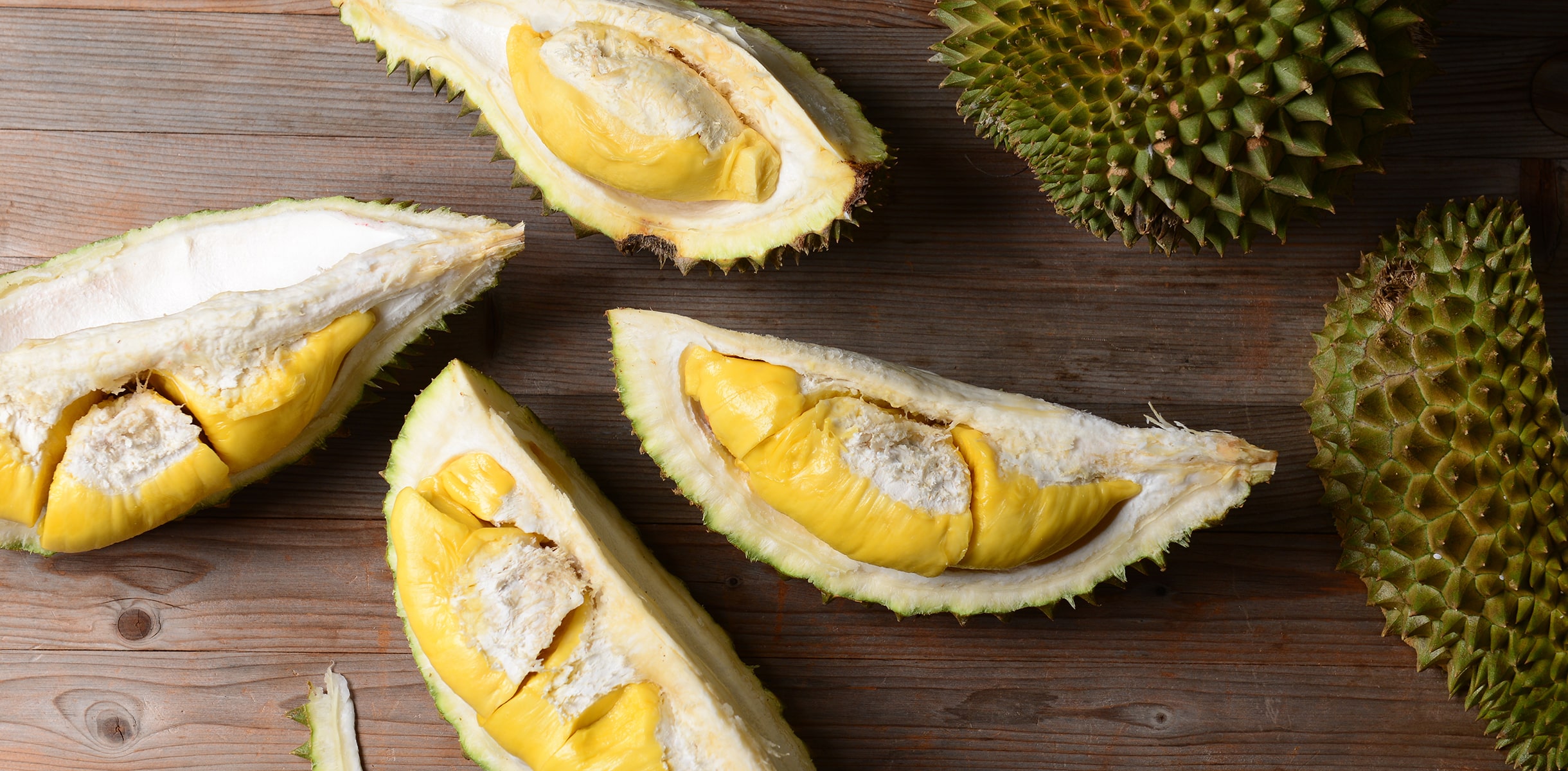
    Indonesia has recently achieved a significant milestone in its agricultural export sector with the first direct shipment of frozen durians to China. This 48-tonne shipment, valued at Rp5.1 billion (US$305,000), was processed in West Java and shipped from Tanjung Priok Port in North Jakarta to Qingdao Port, China.

    Long Road to Export Success

    The successful export marks the conclusion of an extensive process that spanned nearly two years, according to Sahat M. Panggabean, the head of the Agricultural Quarantine Agency. Before this breakthrough, Indonesia’s frozen durians used to reach China via intermediaries like Thailand and Malaysia. The fruit was processed in these countries and then re-exported to China.

    This practice underwent a change after an export protocol, which would allow for direct shipments, was finalized and signed by China and Indonesia in May. As a result, eight frozen durian packing facilities in Indonesia have met the standards required to serve as export hubs for China. Industry experts also highlight how direct shipments have drastically cut logistics costs, from approximately $18,000 down to $10,000-11,000.

    China’s Durian Market

    China is deemed the world’s largest durian market. In the previous year, China imported a staggering 15.6 million tonnes of durian valued at US$6.99 billion. The majority of these imports came from Thailand and Vietnam, which made up 57% and 41.5% of the shipments, respectively. The remaining shipments came from the Philippines and Malaysia.

    Despite a slight decrease in demand in the first half of this year, which saw a 15% drop in imports to 708,190 tonnes, the market remains robust. Aditya Pradewo, the secretary general of the Indonesian Durian Plantation Association, mentions that durian prices in China are still five to seven times higher than those in Indonesia.

    Pradewo believes that, with premium varieties such as Bawor, Super Tembaga, and Namlung, Indonesia could secure 5-10% of the Chinese market. This percentage equates to potential annual foreign exchange earnings of Rp6.4-12.8 trillion.

    Indonesia’s Durian Production

    Quarantine agency data shows that in the first 11 months of this year, Indonesia exported 10,162 tonnes of durians, primarily to Thailand, China, and Malaysia. The country’s durian production reached 2 million tonnes in 2024, marking a four-year high. Java, Sumatra, Kalimantan, and Sulawesi emerged as the top durian-growing regions.

    According to Zulkifli Hasan, Indonesia’s Coordinating Minister for Food Affairs, “Durian Nusantara is Indonesia’s strength in Asia”, boasting 21 of the 27 durian species recognized globally. As of 2024, Indonesia has registered 114 new superior varieties.

    Questions & Answers

    What was the significance of the recent durian shipment from Indonesia to China?
    This marked the first instance of a direct export of frozen durians from Indonesia to China, a process that took nearly two years to accomplish.

    How has the new export protocol impacted the logistics cost of durian exports to China?
    Direct shipments have significantly reduced logistics costs from around $18,000 to $10,000-$11,000.

    What potential does Indonesia have in China’s durian market?
    With premium durian varieties, Indonesia could potentially capture 5-10% of the Chinese market, yielding annual foreign exchange earnings of Rp6.4-12.8 trillion.

  • China Mobile Hong Kong Set to Phase Out 2G Services in 2026 to Drive Advanced Network Growth

    China Mobile Hong Kong Set to Phase Out 2G Services in 2026 to Drive Advanced Network Growth

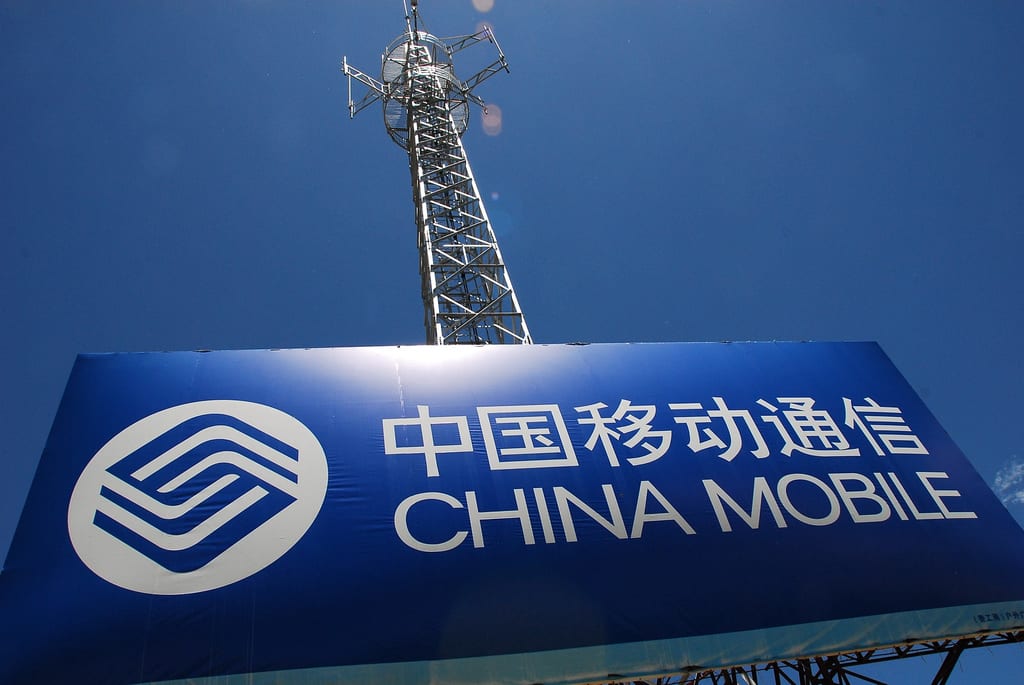
    China Mobile Hong Kong Company Limited (CMHK) has publicized its plans to phase out its 2G services by midnight on June 23, 2026. The aim behind this decision is to sharpen its focus on the development of more sophisticated network technologies.

    Decline in 2G Service Demand

    Following a comprehensive analysis of its services, CMHK has chosen to discontinue its 2G services in response to a slump in demand. By November 2025, less than 2.27% of CMHK’s overall mobile customer base was using 2G. This percentage includes those with service plans, prepaid card products, and mobile virtual network operator (MVNO) products.

    Transitioning to Advanced Mobile Services

    In order to facilitate an effortless transition to next-generation mobile services, CMHK has been proactive in reaching out to impacted customers. Since the fourth quarter of 2023, the company has been advising these customers to upgrade their SIM cards and, where necessary, their mobile phones or devices.

    Commitment to High-Quality Communication Services

    CMHK remains committed to delivering superior quality communication services to both domestic residents and business customers in Hong Kong. The company’s focus is on developing future-ready network technologies.

    Questions & Answers

    Why is CMHK discontinuing its 2G services?
    CMHK is discontinuing its 2G services due to a significant decrease in demand. The company aims to concentrate more on developing advanced network technologies.

    Who will be affected by this discontinuation?
    Less than 2.27% of CMHK’s total mobile customer base, which comprises service plan holders, prepaid card users, and mobile virtual network operator product users, will be impacted.

    What is CMHK doing to ensure a smooth transition for customers?
    CMHK has been in contact with affected customers since the fourth quarter of 2023, advising them to upgrade their SIM cards and, if required, their mobile phones or devices.

  • Chinese Coffee Powerhouse Luckin Bids for Premium Leap with Potential Blue Bottle Acquisition

    Chinese Coffee Powerhouse Luckin Bids for Premium Leap with Potential Blue Bottle Acquisition

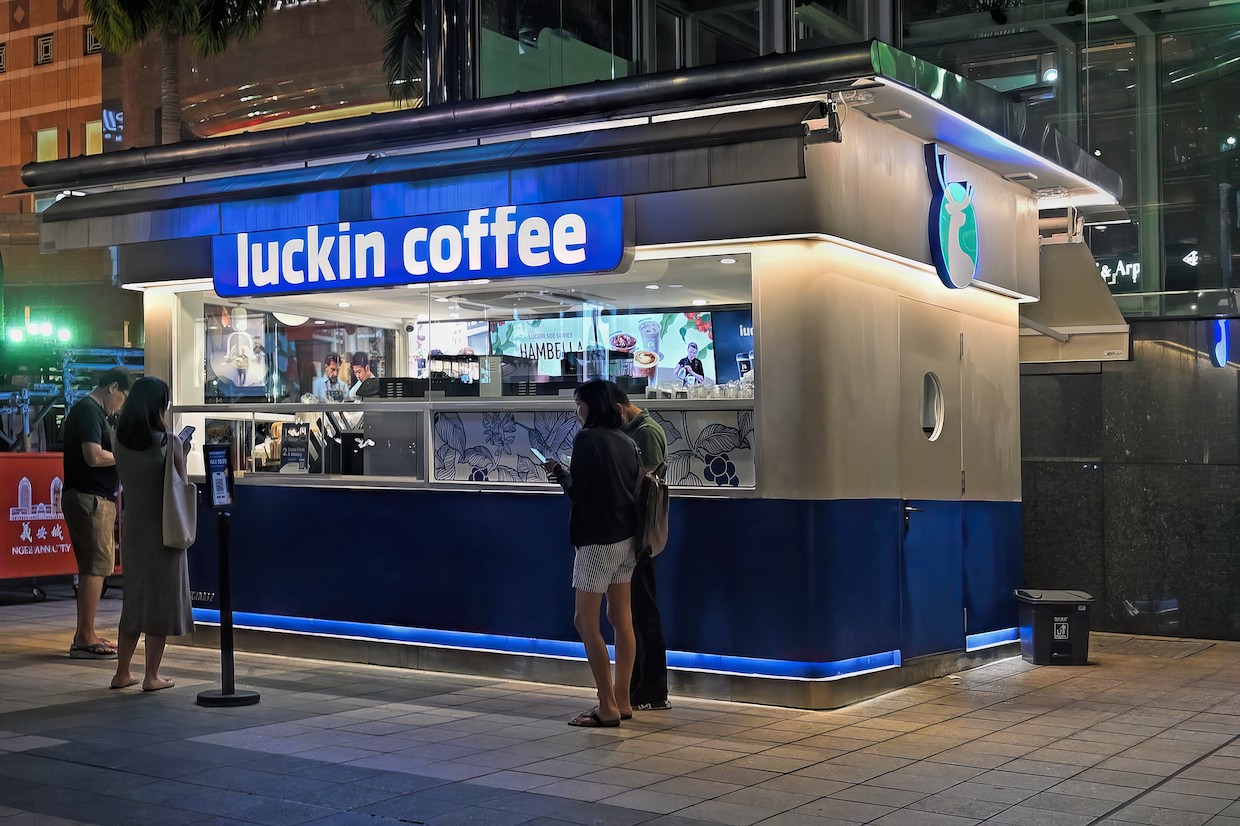
    Luckin Coffee, a major Chinese coffee company, is planning to upscale its operations. The company is currently exploring potential acquisitions to establish a premium coffee business parallel to its mass-market core.

    Acquisition Ambition

    The company is contemplating a bid for Blue Bottle Coffee, a Nestle-owned entity. If successful, such an acquisition would be a considerable leap for Luckin in their pursuit of the specialty coffee market. Additionally, it would provide an opportunity for them to enhance their brand identity beyond their current value-driven model.

    Blue Bottle Coffee, established in 2002, manages over 100 cafes across the United States and East Asia, with 12 in mainland China and four in Hong Kong. It enjoys a reputation as a reputable name in the specialty coffee sector.

    Earlier this month, it was reported that Nestlé, with the assistance of investment bank Morgan Stanley, was considering selling Blue Bottle Coffee. The premium roasting company was acquired by the Swiss food and beverage group in 2017 in a transaction that valued the business at approximately $700 million.

    Luckin Coffee, along with Beijing-based private equity firm Centurium Capital, is also said to be considering a bid for Lucky Ace International. Lucky Ace International possesses the exclusive master franchise rights for the Japanese specialty coffee brand % Arabica, operating in China and Hong Kong.

    Luckin Coffee’s Growth

    Founded in 2017, Luckin Coffee has rapidly become one of China’s largest coffee chains, boasting over 24,000 locations worldwide.

    Questions & Answers

    What is Luckin Coffee’s current initiative?
    Luckin Coffee is planning to upscale its operations and is considering potential acquisitions to establish a premium coffee business.

    Which companies is Luckin Coffee considering for acquisition?
    Luckin Coffee is contemplating a bid for Blue Bottle Coffee, a Nestle-owned entity. It is also reportedly weighing a bid for Lucky Ace International, which holds the exclusive master franchise rights for the Japanese specialty coffee brand % Arabica in China and Hong Kong.

    What is the significance of these potential acquisitions for Luckin Coffee?
    If successful, these acquisitions would represent a significant leap for Luckin’s push into the specialty coffee segment. Additionally, it would provide an opportunity for them to enhance their brand identity beyond their current value-driven model.

  • EU Regulators Stoke Action Against Temu: Chinese Subsidy Probe Targets Dublin HQ

    EU Regulators Stoke Action Against Temu: Chinese Subsidy Probe Targets Dublin HQ

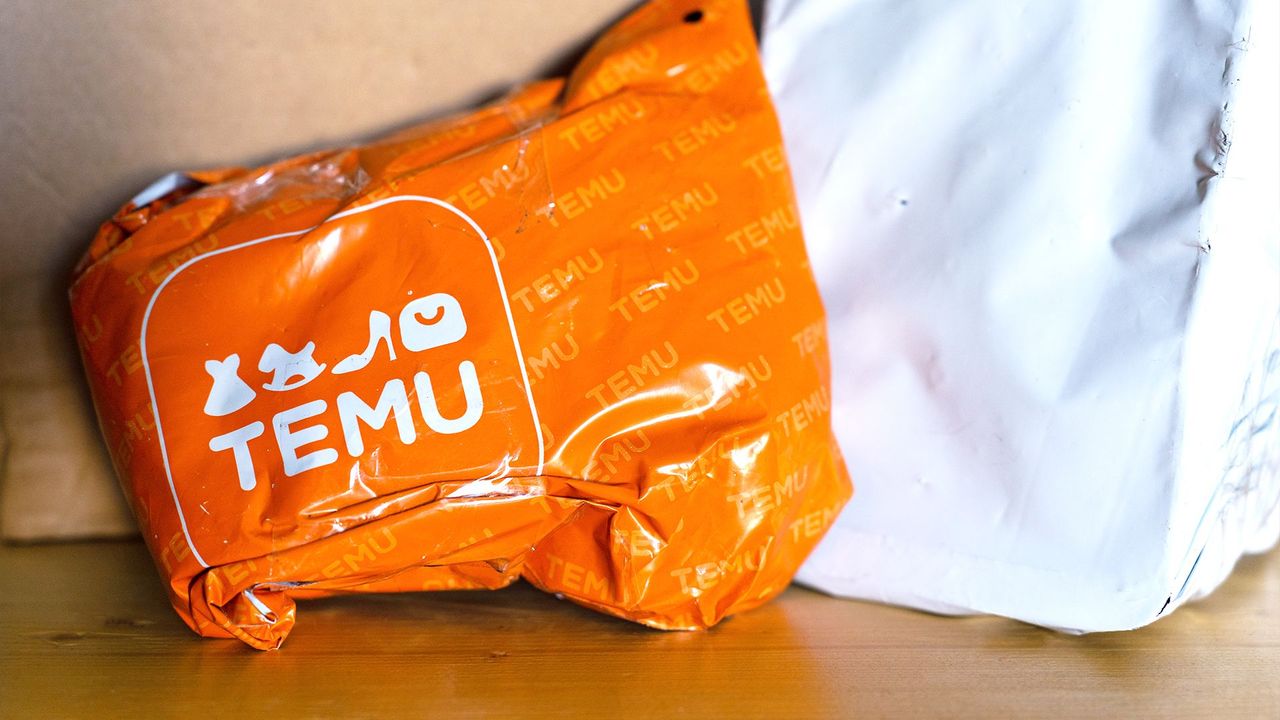
    Last week, EU regulators conducted an unannounced raid on the Dublin-based European headquarters of Temu, an online retailer and subsidiary of China’s e-commerce titan, PDD Holdings. The action arose from concerns regarding potential Chinese state subsidies extended to the company.

    As of yet, Temu has not issued a response to the matter.

    This event coincides with escalating concerns within the EU about an influx of inexpensive Chinese imports. The surge has come via low-value e-commerce shipments, largely due to a customs exemption on packages valued under 150 euros. European retailers argue that this waiver gives e-commerce platforms such as Temu and Shein an undue competitive edge. To address this, the EU executive intends to eliminate this duty exemption by year-end.

    The Foreign Subsidies Regulation (FSR)

    The European Commission’s Foreign Subsidies Regulation (FSR) has been enacted to address this issue. Its purpose is to curb competition from non-EU companies that receive subsidies from their respective governments. The FSR empowers the Commission to levy penalties equating to 10% of a company’s aggregated yearly turnover for any infractions.

    The Commission confirmed it executed an unannounced inspection on an EU-based e-commerce business under the FSR. However, they have not disclosed the identity of the company or the location of the raid.

    Temu’s Global Success and Troubles with EU Authorities

    Temu has amassed a global customer base in the tens of millions via its online store. The e-commerce platform sells a wide range of items from smartphones to duvet covers and leggings at incredibly low prices. This has even prompted Amazon to introduce its rival service, ‘Amazon Haul’.

    Under the tagline “shop like a billionaire”, Temu has attracted approximately 116 million average monthly users in the EU, according to its most recent transparency report. This is an impressive feat considering it only expanded into the European market in April 2023.

    EU regulators typically conduct raids when they have evidence of regulatory violations, which can originate from whistleblowers or their own investigations. These actions often result in companies offering concessions or cooperation in exchange for reduced penalties.

    However, this is not Temu’s first encounter with EU authorities. The Commission initiated an investigation into Temu under the Digital Services Act, a regulation overseeing online platforms, last year. In July, the Commission released preliminary findings claiming that Temu has not done enough to prevent the sale of illegal products on its platform.

    Foreign subsidies may come in various forms such as zero-interest loans, below-cost financing, tax breaks, or preferential tax treatment, among others.

    In November, China’s trade surplus exceeded US$1 trillion for the first time, with manufacturers rerouting more goods to non-US markets due to tariffs, resulting in an export boom to Europe, Australia, and Southeast Asia.

    Questions & Answers

    What spurred the raid on Temu’s headquarters by EU regulators?
    The raid was prompted by concerns regarding potential Chinese state subsidies to the online retailer.

    How does the EU’s Foreign Subsidies Regulation (FSR) aim to address competition from non-EU companies?
    The FSR aims to curb competition from non-EU firms that receive government subsidies. The regulation allows the Commission to impose fines of up to 10% of a company’s annual aggregated turnover for breaches.

    What were the findings of the European Commission’s previous investigation into Temu?
    The Commission’s preliminary findings suggested that Temu was not taking sufficient actions to prevent the sale of illegal products on its platform.

  • KK Group Revives Indonesian Market with Tri-Brand Blast: X11, KKV, and The Colorist

    KK Group Revives Indonesian Market with Tri-Brand Blast: X11, KKV, and The Colorist

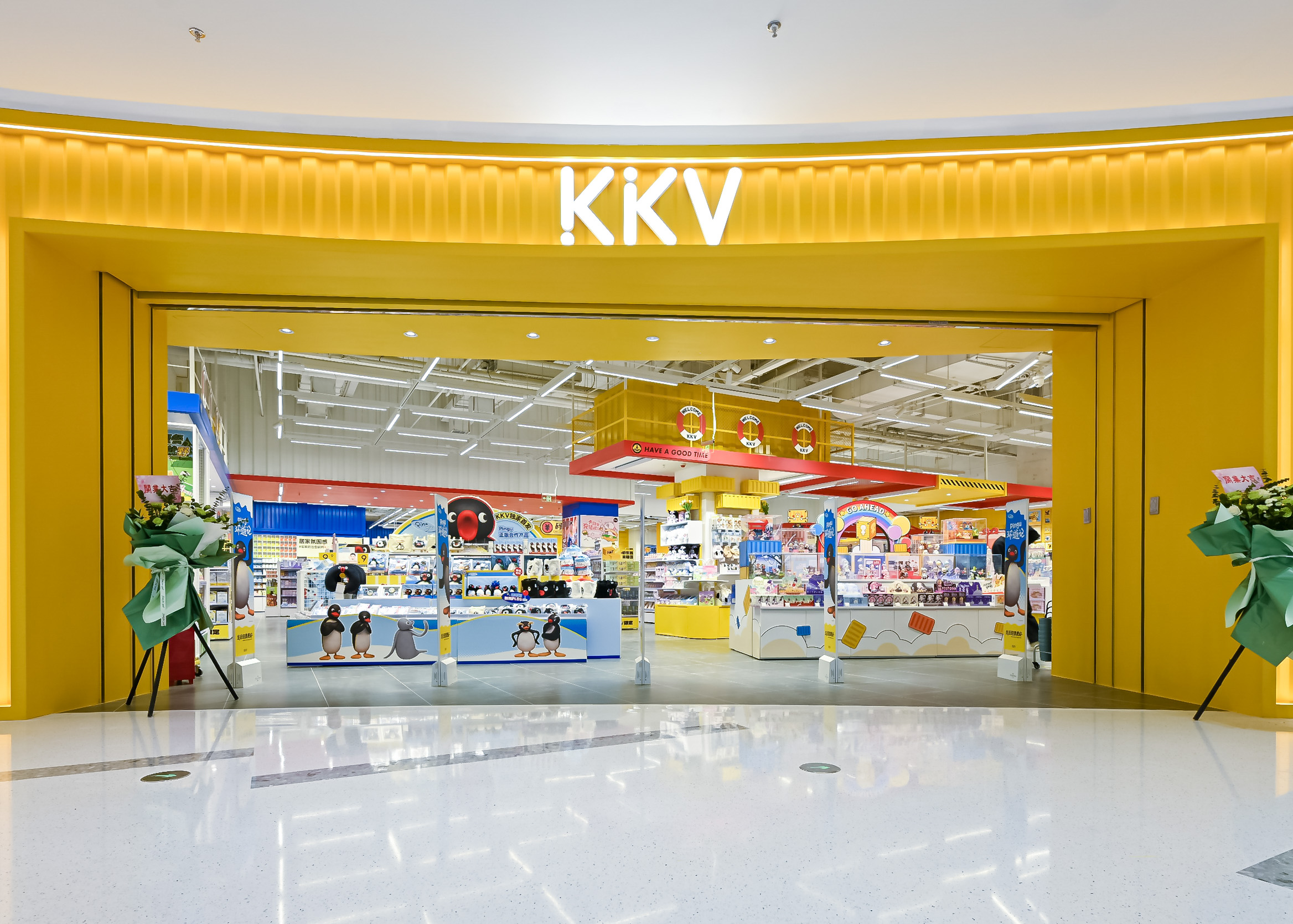
    KK Group, a Chinese lifestyle retailer, is making a strategic return to the Indonesian market. The company plans to reintroduce three of its brands: X11, KKV, and The Colorist.

    The Return of X11, KKV, and The Colorist

    The reintroduction begins with X11, KK Group’s trend and culture emblem, which targets youthful consumers with art toys, anime paraphernalia, and pop culture merchandise. The first stores are set to open in Greater Jakarta and other major cities throughout Java, Bali, and several regional centers.

    Following closely behind is KKV, KK Group’s primary lifestyle brand, scheduled to launch the following year. KKV boasts a remarkable range of over 20,000 Stock Keeping Units (SKUs) that include home goods, stationery, beauty products, snacks, and fashion items. Alongside KKV, The Colorist, a mass-premium beauty brand focused on Generation Z and young millennials, is also set to launch.

    Rojen Wu, COO of KK Group’s international business, expressed the company’s firm commitment to Indonesia. “Indonesia has consistently been a priority for us in Southeast Asia,” Wu said. “With KKV, The Colorist, and X11, we aim to cultivate a comprehensive lifestyle retail ecosystem while offering redefined retail experiences to Indonesian consumers.”

    KK Group’s Ambitious Expansion Plans

    KK Group’s multi-brand strategy includes the development of a network of over 500 stores across these three core brands. The company is also considering introducing Pet Tribes, a pet-centered concept recently launched in China, as part of its broader multi-brand strategy for Indonesia. In the long term, KK Group projects running over 1,000 stores under its enlarged brand portfolio.

    This Indonesian re-entry comes on the heels of KK Group’s aggressive Southeast Asian expansion, which has seen them breaking into new markets in Malaysia, Singapore, Thailand, Vietnam, and the Philippines. At present, KK Group operates over 1,000 stores in China and more than 150 stores across various regions.

    Questions & Answers

    What is KK Group’s re-entry strategy into the Indonesian market?

    KK Group plans to reintroduce three of its brands: X11, KKV, and The Colorist. The company also intends to develop a network of over 500 stores across these core brands.

    What are the three brands that KK Group is reintroducing into Indonesia?

    The three brands are X11, a trend and culture brand aimed at younger consumers; KKV, the company’s flagship lifestyle brand; and The Colorist, a mass-premium beauty brand targeted at Generation Z and young millennials.

    What is KK Group’s long-term vision for its multi-brand strategy in Indonesia?

    In the long term, KK Group plans to operate over 1,000 stores under its expanded brand portfolio. The company is also considering the introduction of Pet Tribes, a pet-focused concept recently launched in China.

  • Polene Infuses Local Heritage into Design of First Flagship Store in China: Sustainable Luxury in Beijing’s Taikoo Li Sanlitun

    Polene Infuses Local Heritage into Design of First Flagship Store in China: Sustainable Luxury in Beijing’s Taikoo Li Sanlitun

    Polene, a luxury brand hailing from Spain, has inaugurated its first-ever flagship store in China. The new establishment is situated in Taikoo Li Sanlitun, located in Beijing.

    Store Design and Features

    Visitors to the store are initially greeted by a large magnolia installation at the entrance, serving as an attraction for anyone entering the location. The store’s interior design showcases a harmony of modern aesthetics with elements of traditional Chinese craftsmanship.

    The store displays a blend of walnut wood, leather, and Xuan paper, which is a traditional Chinese paper made from Blue Sandalwood tree fibres and rice straw. This incorporation of local elements is a nod to the Chinese culture and heritage.

    Polene has also demonstrated its commitment to sustainability through its innovative use of materials. The brand has upcycled 12 tonnes of leather scraps, transforming them into compressed leather bricks that are extensively used in the store’s interior. This usage of recycled leather offers a distinctive, mineral-like texture, while simultaneously promoting sustainable practices.

    A Three-Level Journey

    The flagship store also houses a unique, three-storey experiential area named “Craft at Work – A Theatre of Artisanship”.

    The journey begins with a representation of a Paris workshop, complete with patacabras, small hammers used for leather crafting. The journey continues with a scene that pays homage to Ubrique, the Spanish town known for Polene’s leather production. The final stage of this experiential journey is a unique setting that transforms a leather atelier into a theatrical environment. Here, miniature bags traverse overhead conveyors, providing a fascinating spectacle alongside larger sculptural pieces.

    New Brand Ambassador

    In tandem with the flagship store’s launch, Polene has announced the appointment of actress and singer Zhu Zhu as its new brand ambassador. The brand praises Zhu Zhu for her confidence and effortless poise, which beautifully encapsulate Polene’s refined, minimalist aesthetic.

    Questions & Answers

    What is unique about the design of Polene’s flagship store in Beijing?
    Polene’s flagship store incorporates traditional Chinese elements such as walnut wood and Xuan paper into its contemporary design, alongside recycled leather bricks made from upcycled leather offcuts.

    What is the “Craft at Work – A Theatre of Artisanship” at Polene’s flagship store?
    This is a three-storey experiential area that guides visitors through a journey of craftsmanship, from a depiction of a Paris workshop to a tableau that transforms a leather atelier into a theatrical setting.

    Who is the new brand ambassador for Polene?
    The new brand ambassador for Polene is actress and singer Zhu Zhu, chosen for her confidence and poise that embody Polene’s refined, minimalist aesthetic.

  • Malaysia’s Strategic Moves to Regain Palm Oil Dominance in China Amid Market Challenges

    Malaysia’s Strategic Moves to Regain Palm Oil Dominance in China Amid Market Challenges

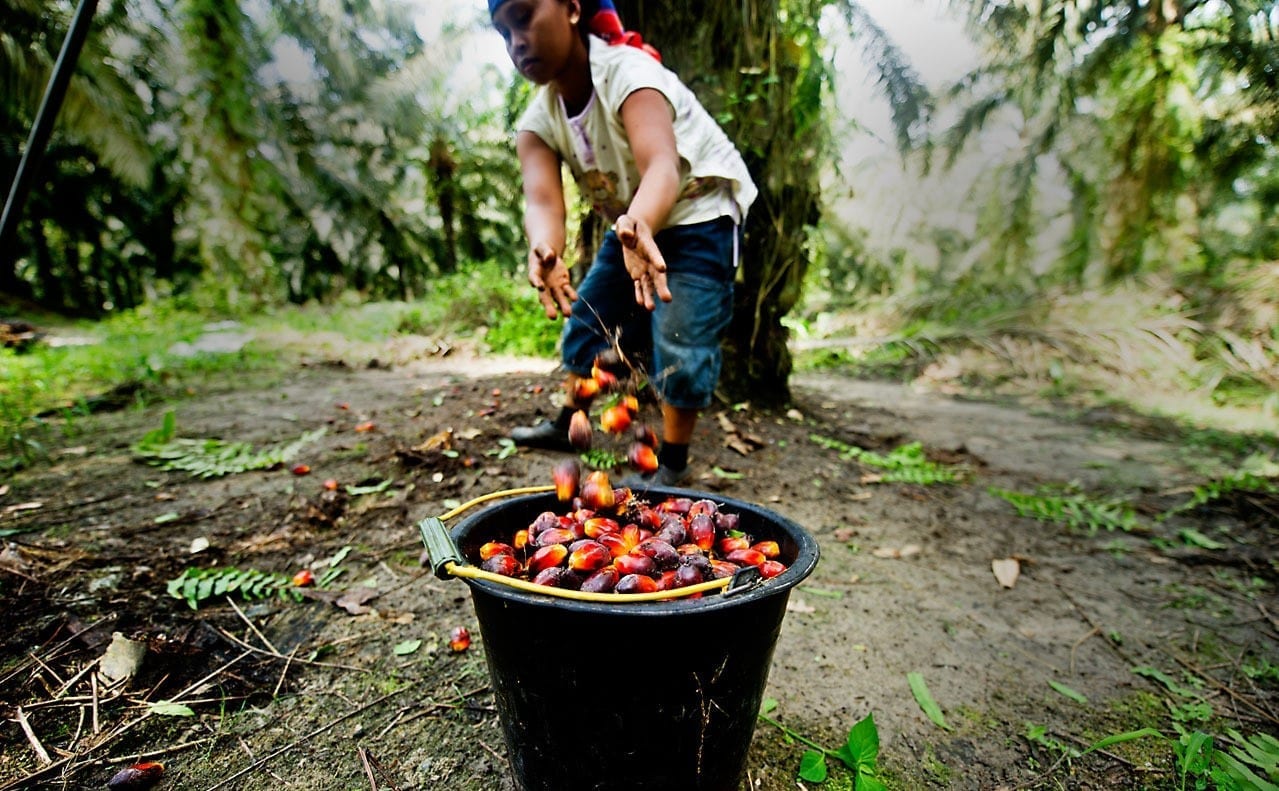
    Malaysia is taking proactive measures to reclaim its portion of China’s palm oil market, following a precipitous drop of almost 39% in export volumes year-on-year in the first ten months of 2025.

    Factors Influencing the Decline

    According to Malaysia’s Plantation and Commodities Minister, Datuk Seri Johari Abdul Ghani, this dramatic decrease can be attributed in part to logistics issues and a surge in palm oil prices. The latter has overtaken the costs of soybean oil, making soybean oil more attractive to Chinese buyers.

    Chinese Market Significance

    China holds a pivotal role as a strategic market for Malaysia, having consistently been one of the leading destinations for Malaysian palm oil exports for over a decade. Ghani remarked that the steep decrease points to deeper problems, extending beyond simply competitiveness and logistics. The issues also involve pricing dynamics and market positioning.

    Transparent Export Policies

    Ghani underscored that Malaysia remains committed to maintaining clear and predictable export policies. This approach is designed to ensure that the nation’s activities do not interfere with the interests of its key trading partners.

    Promoting Continuous Dialogue

    In addition, Malaysia is open to ongoing discussions to better synchronize expectations regarding pricing trends, market developments, and long-term supply planning, the minister added.

    Questions & Answers

    What has caused the drop in Malaysia’s palm oil exports to China?
    The drop in exports has primarily been attributed to two factors: challenges in logistics and a rise in palm oil prices, which have made soybean oil a more attractive choice for Chinese buyers.

    Why is the Chinese market significant to Malaysia?
    China is a key and strategic market for Malaysia, consistently standing as one of the top destinations for Malaysian palm oil exports for over a decade.

    How does Malaysia plan to address the current challenges and regain its market share?
    Malaysia intends to maintain transparent and predictable export policies and is open to continuous dialogue on pricing trends, market developments, and long-term supply planning to better align expectations.

  • China, US, and Malaysia Top Choices for Singapore Workers Seeking Global Experience

    China, US, and Malaysia Top Choices for Singapore Workers Seeking Global Experience

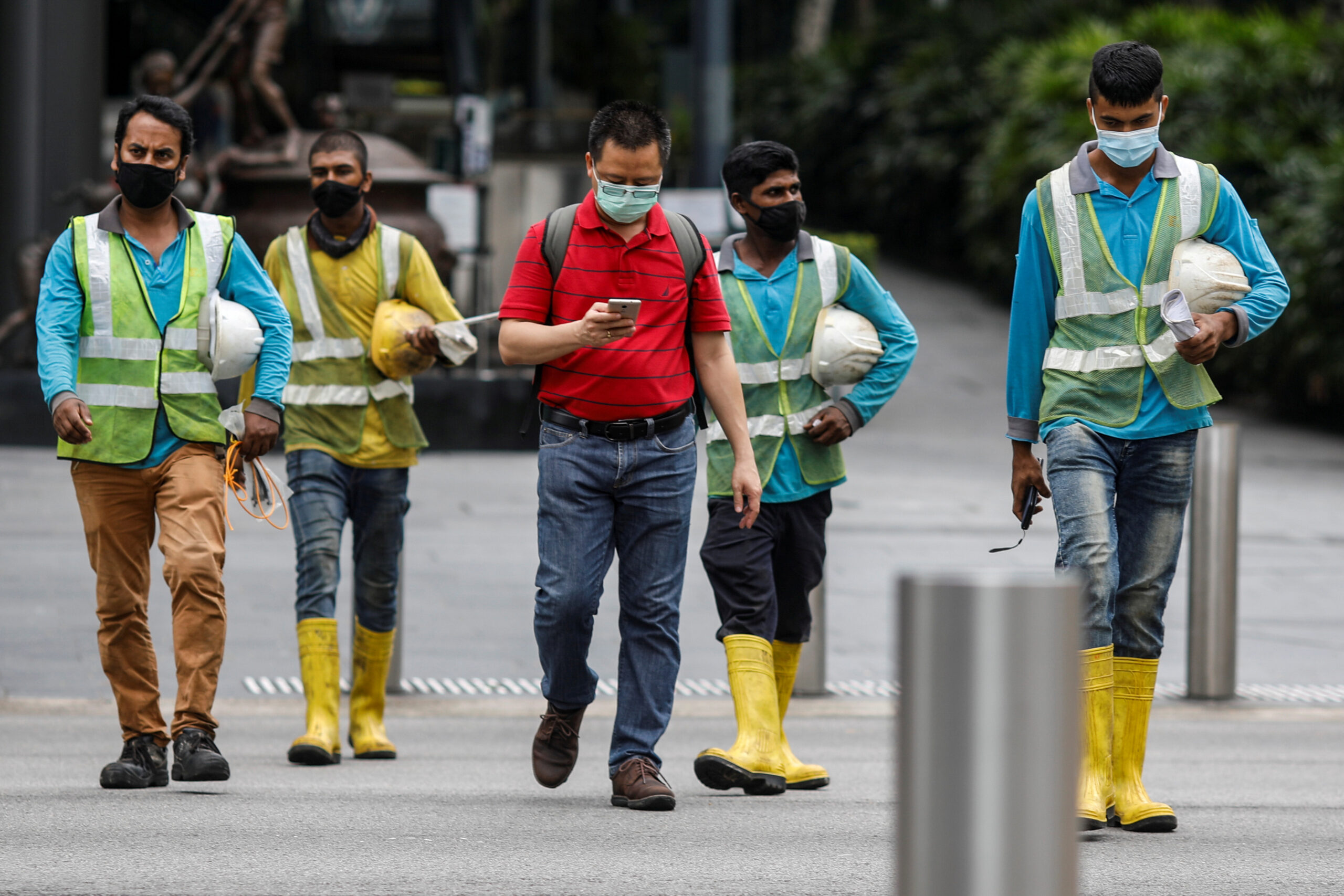
    Approximately 76,000 individuals, making up 3.1% of Singapore’s working populace, have experienced working overseas full-time for a minimum of six months. The primary locations for this international experience were China, the United States, and Malaysia.

    The Most Popular Destinations

    From the portion of the employed population with experience working abroad, 18.3% had most recently been posted in mainland China. The United States followed closely, with 13.6% of the workers having had their most recent overseas experience there, while 10.1% had last worked in Malaysia.

    Insights from the Comprehensive Labour Force Survey

    These statistics were obtained from the 2025 Comprehensive Labour Force Survey. The survey, conducted from March to July, gathered responses from 33,000 households—comprising of employed individuals and job seekers aged 15 and above. In this survey, overseas work experience of residents was noted for the first time, providing insights into its prevalence within the workforce.

    Sectors and Roles

    Those who had worked in China were primarily employed in the manufacturing sector. Meanwhile, most of the workforce in the United States were involved in growth industries such as professional services, information and communications, and financial and insurance services. In contrast, those in Malaysia were largely employed within the manufacturing and construction sectors.

    In terms of job roles, 45.2% of residents held professional positions during their recent work abroad. 30.7% were managers. The most common professional roles were in business and administration (16%), and science and engineering (13.7%). For managers, administrative and commercial roles (11.4%) and production and specialized services roles (9.4%) were the most frequent.

    Demographics and Income

    Overseas work experience was most common among mid-career workers, with 4.6% of individuals in their 40s and 4.5% of those in their 50s having had an overseas posting. However, many of these workers had completed their overseas stints earlier in their careers, primarily between the ages of 25 to 34.

    The report also revealed that international experience was less common among older and younger employees. Only 2.6% of employees in their 60s, 2.5% of those in their 30s and 0.5% of workers aged 25-29 had worked overseas.

    The study found that those in senior roles or with higher incomes were more likely to have had international work experience. Among managers and executives, 7.7% had experience working abroad. Moreover, 16.8% of full-time residents currently earning at least S$30,000 (US$23,100) a month had previously worked overseas. This figure was at 10.6% for those earning S$15,000-19,999 monthly and about 3% for employees in the S$5,000-9,999 range.

    The statistics emphasize the importance of international experience in fostering leadership skills and cross-cultural capabilities, particularly for those aspiring to higher-paying roles. Active planning and seeking overseas work opportunities is crucial to building necessary capabilities for these roles in the future.

    Questions & Answers

    What percentage of Singapore’s workforce has had full-time overseas work experience?
    – About 3.1% of Singapore’s workforce, or 76,000 individuals, have had full-time overseas work experience.

    What are the most popular destinations for overseas work assignments?
    – The top destinations for overseas work assignments are China, the United States, and Malaysia.

    Does international work experience correlate with higher income?
    – Yes, the report suggests that those in senior roles or with higher incomes are more likely to have had international work experience. For instance, 16.8% of full-time residents currently earning at least S$30,000 (US$23,100) a month had previously worked overseas.

  • OCBC Leads the Charge in QR Payments Integration, Dominating China’s Scan-and-Pay Market

    OCBC Leads the Charge in QR Payments Integration, Dominating China’s Scan-and-Pay Market

    OCBC Bank is set to be the first Singaporean financial institution to allow customers to scan and pay every major merchant QR code in Mainland China via its Singapore mobile banking application. This innovation is a significant leap in the integration of cross-border payments.

    Positioning for the Future

    This strategic move places OCBC in a strong position to tap into the increasing travel and expenditure flows into China, where QR code transactions are commonplace. The additional functionality is a result of an extended collaboration with UnionPay International, formalized in Shanghai on November 28, 2025.

    Streamlining Payments for Travellers

    The OCBC application will take advantage of NETS infrastructure to facilitate payments to vendors that accept Weixin Pay, also known as WeChat Pay, augmenting its current support for Alipay+ and UnionPay QR. The Weixin Pay feature will be rolled out in the first quarter of 2026.

    The upgrade offers OCBC Singapore clients a seamless experience within one of the globe’s most cashless economies. Users can effortlessly scan any Weixin Pay, Alipay+, or UnionPay merchant QR code and have the payment directly deducted from their OCBC accounts.

    Surge in Strategic Opportunity

    The update spares customers the inconvenience of downloading separate applications, refilling digital wallets, or standing in line for currency exchange. Instead, they can enjoy competitive real-time exchange rates and no additional charges.

    The Scan & Pay feature of OCBC is experiencing substantial growth. Payment volumes have increased by eleven percent year-on-year, with active users up by 67 percent. Mainland China has become the top destination for these transactions, which are frequently used for dining, sightseeing, and retail shopping, including duty-free products and jewelry.

    Travel Demand on the Rise

    The bank’s expanded QR acceptance aligns with the escalating travel demand. The number of arrivals from Singapore to Mainland China more than doubled in 2024, rising from 260,000 in 2023 to a projected 535,000, according to Oxford Economics.

    Questions & Answers

    What does this move mean for OCBC?
    By enabling customers to scan and pay every major merchant QR code in Mainland China, OCBC positions itself to capture increasing travel and spending flows into China, where QR code transactions dominate.

    How does this change benefit OCBC clients?
    The enhancement removes obstacles from one of the world’s most cashless ecosystems. Users can simply scan any Weixin Pay, Alipay+ or UnionPay merchant QR code and have payments debited directly from their OCBC accounts.

    How does OCBC’s Scan & Pay feature perform?
    OCBC’s Scan & Pay feature has seen robust growth, with payment volumes up eleven percent year-on-year and active users up 67 percent.