Tag: China

  • 5G Power Play: How China, South Korea, and Singapore Race to Champion Smart, Ultra-Fast Networks

    5G Power Play: How China, South Korea, and Singapore Race to Champion Smart, Ultra-Fast Networks

    Asia’s broadband and mobile landscapes are quickly transforming, spurred on by economic goals, digital sovereignty, and leadership in industries powered by artificial intelligence (AI). Significant investments are being poured into denser radio networks, more rapid fixed connections, and smart AI automation, particularly in China, South Korea, and Singapore. But what advantages do these leaders hope to reap from such extensive efforts?

    The Economic Imperative

    In the Asia-Pacific region, mobile technologies have already become a major economic cornerstone. The sector was responsible for approximately $950 billion and 5.6% of the regional GDP in 2024, and these numbers are expected to rise with the expansion of 5G.

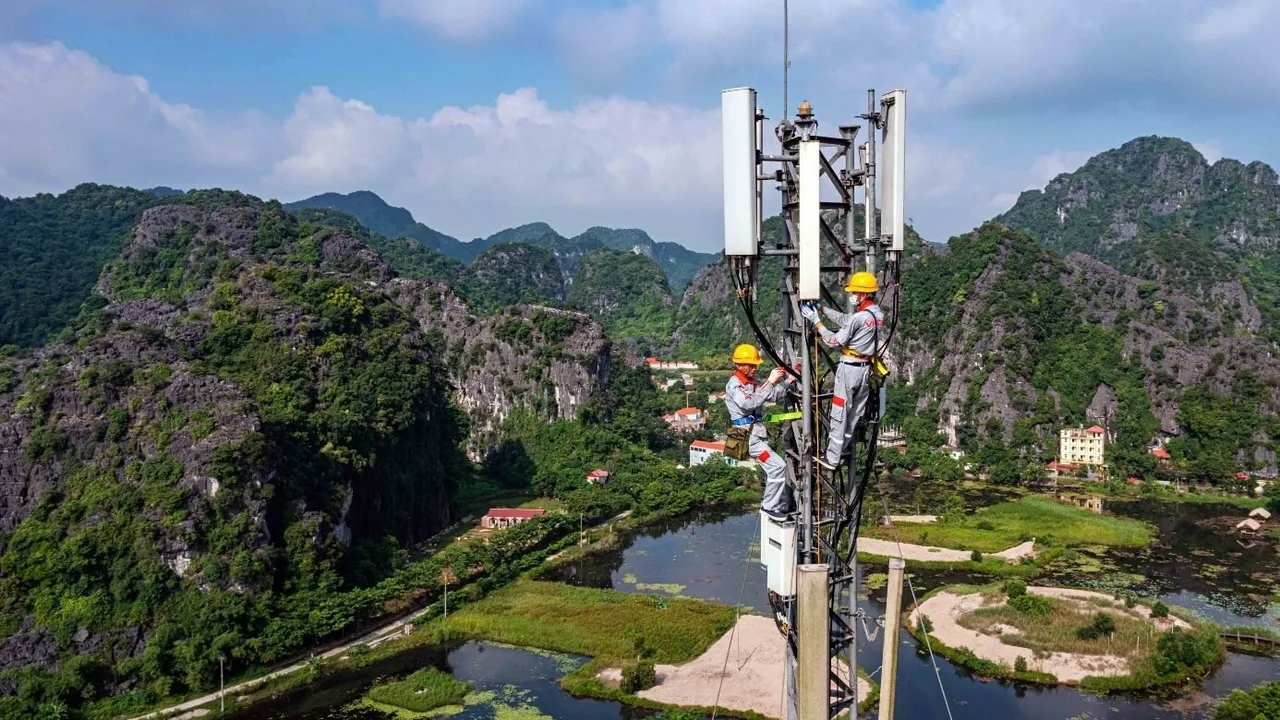
    Rapid strides are being made in China to roll out both 5G and 5G-Advanced (5G-A) networks. The country now hosts over 4.486 million 5G cell sites, accounting for 35.3% of all mobile base stations, as of May 2025. In just the first five months of that year, 235,000 new 5G base stations were installed, highlighting the government’s ongoing dedication to expanding connectivity. Furthermore, China’s move toward 5G-A signifies a shift from basic connectivity to intelligent networking.

    South Korea’s 5G rollout is similarly comprehensive and widespread. By the third quarter of 2024, the country had approximately 36.1 million 5G connections, and operators had achieved nationwide 5G coverage that same year. Additionally, South Korea ranks highest in terms of 5G infrastructure density.

    Singapore, too, is making substantial strides in the 5G domain. By early 2024, key operators such as StarHub reported over 99% outdoor 5G coverage. The city-state has also dedicated SGD 25 billion (~USD 18 billion) in R&D funding to back enterprise testbeds for 5G in sectors like smart estates, Industry 4.0, and urban mobility.

    The Consumer Imperative

    Both consumers and businesses in Asia are pressing for lower latency, higher capacity, and full coverage. Emerging technologies such as cloud gaming, immersive video, and factory automation depend on low-latency, robust connections and are transitioning to actual deployment.

    In the race for speed, South Korea and Singapore often rank among the fastest worldwide. High speeds are essential to support business workloads, AR/VR services, and AI tasks.

    In China, where average 5G download speeds exceed 400 Mbps, operators like China Mobile and China Unicom report an increase in customer satisfaction and a reduction in churn rates as users upgrade to premium 5G plans.

    Networks are not only becoming faster but also more adaptive. Vendors and carriers are incorporating AI into the radio access network, core, and operations stacks, supporting functions like energy optimization, traffic prediction, and self-healing.

    The Geopolitical Imperative

    Networks play a critical role as key geopolitical assets. As such, governments are diversifying their suppliers and promoting investments in backup cables, localized cloud and edge computing, and corporate cloud services. Security and economic objectives further propel the demand for faster, more reliable networks.

    The advent of software as the primary differentiator in a market where hardware has become largely standardized, along with subsidies and targeted policies, is accelerating deployment. The large-scale rollouts in China underscore how favorable policy can rapidly reduce costs and expand coverage.

    A Pragmatic Race with High Stakes

    Rapid progress, however, comes with its own set of challenges. Densely packed networks are expensive, and some countries still grapple with spectrum and backhaul limitations. AI networks are complex to manage, and privacy, localization, and cybersecurity rules introduce additional regulatory hurdles.

    Yet, the pursuit by China, South Korea, and Singapore of the fastest, smartest networks revolves around maintaining economic competitiveness, enabling AI and cloud services, achieving digital resilience and independence, and unlocking future business verticals.

    Network investment has now become a central pillar for economic growth and national strategy. AI and smart infrastructure drive continuous upgrades; resilience and digital sovereignty guide policy-making; and vendor competition hastens rollout. The real victors in this race won’t simply have the highest speeds, but the ability to balance speed, intelligence, regulatory clarity, and expenditure effectively.

    By pushing forward with 5G and 5.5G leadership, China, South Korea, and Singapore are poised to benefit economically through new digital industries and productivity growth, satisfy consumer demands for faster, smarter connectivity, and solidify their geopolitical influence as global frontrunners in next-generation technology.

    Questions & Answers

    What is driving the rapid evolution of Asia’s broadband and mobile landscape?
    Economic ambitions, digital sovereignty, and leadership in AI-powered industries are the key drivers behind the swift transformation of Asia’s broadband and mobile landscape.

    How is 5G contributing to the economies of China, South Korea, and Singapore?
    5G is expected to boost the economies of these countries through the creation of new digital industries, productivity growth, and by meeting consumer and business demands for faster, smarter connectivity.

    What challenges are being faced in the deployment of 5G and AI networks?
    The key challenges include the high costs of dense network deployments, limitations related to spectrum and backhaul, complexity of managing AI networks, and regulatory hurdles related to privacy, localization, and cybersecurity.
  • Burger King China’s Explosive Expansion: $350M Investment Fuels Rise to 4000 Outlets by 2035

    Burger King China’s Explosive Expansion: $350M Investment Fuels Rise to 4000 Outlets by 2035

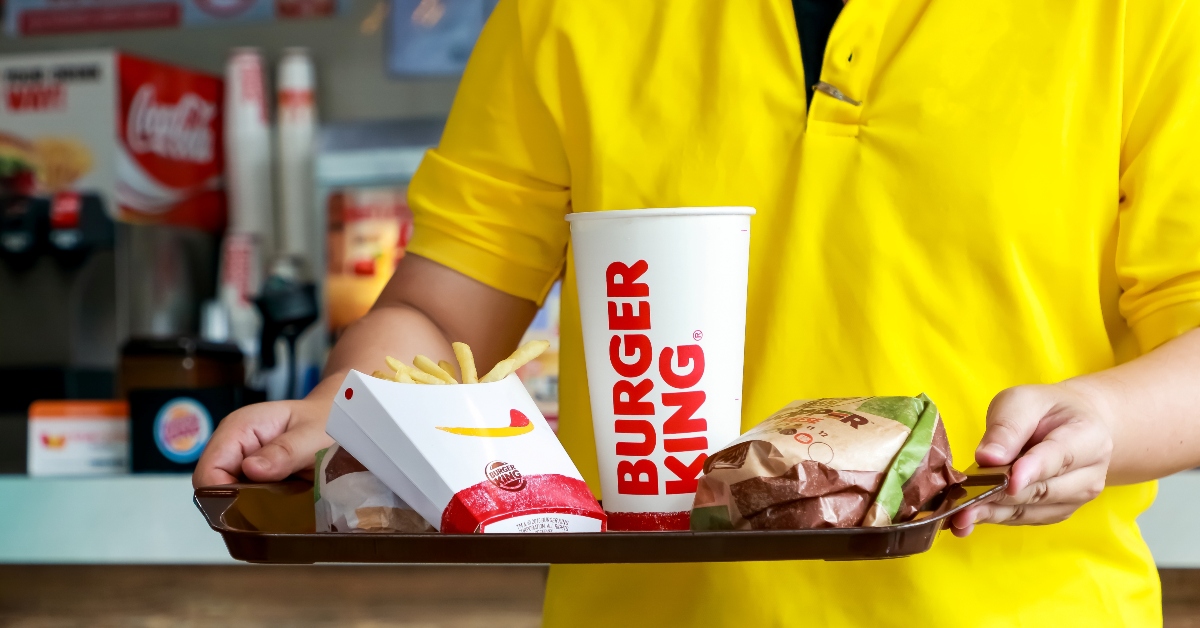
    Restaurant Brands International (RBI) has recently confirmed a $350 million investment deal toward their Burger King China operation via a newly formed partnership with Chinese alternative asset manager, CPE. With a well-established reputation for scaling consumer brands within the Chinese markets, CPE’s primary investment will facilitate expansion, marketing, menu innovation, and operations for Burger King’s restaurants across China.

    Joint Venture Objectives

    This joint venture is targeting to more than triple the current Burger King presence in China, from approximately 1250 restaurants to a projected 4000 by the year 2035. Joshua Kobza, CEO of RBI, highlighted the significance of this partnership, recognizing China as “one of the most exciting long-term opportunities for Burger King globally.” The recent investments and newly formed joint venture underscore their confidence in the Chinese market.

    Additionally, Kobza emphasized the potential benefits of this partnership, noting how combining the iconic Burger King brand and RBI’s global scaling abilities with CPE’s local market knowledge and operational expertise can unlock the business’s full potential in China.

    Ownership and Development Agreement

    The completion of this transaction, which is anticipated for the first quarter of next year, will result in CPE owning approximately 83% of Burger King China, leaving RBI with an ownership stake of approximately 17%.

    Further to the partnership, a wholly-owned affiliate of Burger King China will sign a 20-year master development agreement. This will grant the affiliate exclusive rights to develop the Burger King brand within the Chinese market.

    Strategic Alignment and Previous Investments

    This joint venture aligns with RBI’s broader strategy of pairing with experienced local operators and investors to drive profitable growth. This approach, while maintaining a primarily franchised business model globally, is aiming for a net restaurant growth of 5% or more by the end of the 2024-2028 outlook period.

    This recent partnership follows an earlier transaction in February, where RBI purchased stakes in Burger King China from its local franchisee for an estimated $158 million.

    Questions & Answers

    What is the purpose of the joint venture between RBI and CPE?
    The joint venture aims at expanding Burger King’s presence in China from about 1250 to over 4000 restaurants by 2035.

    What will be the ownership split of Burger King China after the transaction?
    Once the transaction is completed, CPE will own approximately 83% of Burger King China, while RBI will hold an estimated 17%.

    What are the terms of the development agreement?
    A wholly-owned affiliate of Burger King China will sign a 20-year master development agreement, which grants the affiliate exclusive rights to develop the Burger King brand in China.

  • Vietnam’s Fruit Exports Skyrocket to $4.06B in China: Durian and Banana Leading the Charge

    Vietnam’s Fruit Exports Skyrocket to $4.06B in China: Durian and Banana Leading the Charge

    In the first three quarters of 2025, Vietnam set a new export record, shipping out fruits and vegetables worth US$4.06 billion to China, marking a 19% increase in comparison to the previous year. This growth was largely driven by the export of durian and banana.

    Vietnam’s Market Share in China

    According to the data from Chinese customs, these exports accounted for 20% of China’s total fruit and vegetable imports, marking an increase from 17.9% a year earlier. Durian was the leading export product, with shipments valued at $2.3 billion. The average export price per ton was $3,696, which is 14-15% less than that of Thai durian. This fact has positioned Vietnam as the second-largest exporter of this fruit to China, preceded only by Thailand.

    The Popularity of Vietnamese Bananas

    Bananas were another significant export product, with shipments totaling $232 million, a 16% annual increase. With an average price of $409 per ton, Vietnamese bananas were considerably less expensive than those from the Philippines and Ecuador, which cost $589 and $757 respectively. This has made Vietnamese bananas a favorite among Chinese importers, particularly in border provinces such as Guangxi and Guangdong, where consumers value fresh, affordable, and high-quality products.

    China’s Fruit and Vegetable Imports

    Chinese imports of fruits and vegetables amounted to nearly $20.3 billion in the first nine months of 2025. Thailand was the leading supplier, with its exports to China accounting for $6.7 billion, representing a yearly increase of 10% and a 33% share of the market.

    Vietnam’s Export Strategy

    Dang Phuc Nguyen, the general secretary of the Vietnam Fruits & Vegetables Association, noted that Vietnamese exporters benefit from the close geographical proximity to China, resulting in lower transportation durations and costs. A representative from an exporter in Can Tho, a major durian producer, confirmed this, stating that this advantage enables them to maintain the freshness and quality of the fruit while cutting shipping costs by half compared to their Thai competitors.

    Free trade agreements, like ASEAN-China and RCEP, as well as bilateral quarantine protocols, have also facilitated exports. In response to China’s stricter import requirements, many Vietnamese businesses have improved their orchards and packaging lines and invested in cold storage facilities this year.

    Despite durians accounting for over half of Vietnam’s fruit and vegetable exports to China, export specialists have advised against over-reliance on a single product. To enhance its market share in China, they recommend that Vietnam diversify its products, improve storage technology, and adhere to quality standards.

    Questions & Answers

    What is the main fruit exported from Vietnam to China?
    Durian is the main fruit that Vietnam exports to China.

    How have Vietnamese businesses upgraded in response to China’s stricter import requirements?
    Vietnamese businesses have upgraded their orchards and packaging lines and invested in cold storage to meet China’s stricter import requirements.

    What are the recommendations for Vietnam to increase its market share in China?
    To increase its market share in China, Vietnam should diversify its products, improve its storage technology, and adhere to quality standards.

  • Burger King Gears Up for Expansion in China with $350M Investment, Targeting 4,000 Outlets by 2035

    Burger King Gears Up for Expansion in China with $350M Investment, Targeting 4,000 Outlets by 2035

    Restaurant Brands International (RBI) recently secured a $350 million investment for its Burger King China division, as part of a new joint venture with China-based alternative asset manager, CPE. This significant investment will support Burger King’s restaurant expansion, marketing initiatives, menu innovation, and operational processes within China.

    Unleashing Business Potential in China

    The main objective of this joint venture is to extend Burger King’s presence in China from its current standing of 1,250 restaurants to a staggering figure of more than 4,000 by 2035. Joshua Kobza, the CEO of RBI, expressed his excitement about the opportunity, stating that China remains one of the most exhilarating long-term prospects for Burger King on a global scale. He further added that the new joint venture and recent investments highlight their confidence in the Chinese market.

    Kobza also mentioned that this partnership with CPE would help unlock the full potential of the business. This is achievable by amalgamating Burger King’s globally recognized brand and large scale with CPE’s local market insights and operational expertise.

    Transaction Details and Future Growth Plan

    Upon the completion of this transaction, which is anticipated to occur in the first quarter of the upcoming year, CPE will hold an estimated 83% of Burger King China, while RBI will retain about 17%. An essential part of this deal entails that a wholly owned affiliate of Burger King China will sign a 20-year master development agreement. This agreement will provide the affiliate exclusive rights to develop the Burger King brand within the Chinese market.

    This strategic move aligns perfectly with RBI’s approach of teaming up with seasoned local operators and investors. Their shared goal is to drive profitable growth while maintaining a predominantly franchised business model globally. In line with this, the company aims to hit a target of 5% or more net restaurant growth by the end of its 2024–2028 outlook period.

    RBI’s transaction follows another recent investment, where it acquired stakes in Burger King China from its local franchisee for approximately $158 million in February.

    Questions & Answers

    What is the main objective of the joint venture between RBI and CPE?
    The goal is to extend Burger King’s presence in China from its current standing of 1,250 restaurants to more than 4,000 by 2035.

    Who will hold the majority stake in Burger King China after the transaction is completed?
    CPE will own approximately 83% of Burger King China, with RBI holding the remaining approximately 17%.

    What is the net restaurant growth target that RBI aims to achieve by the end of its 2024–2028 outlook period?
    RBI targets a 5% or more net restaurant growth by the end of this period.

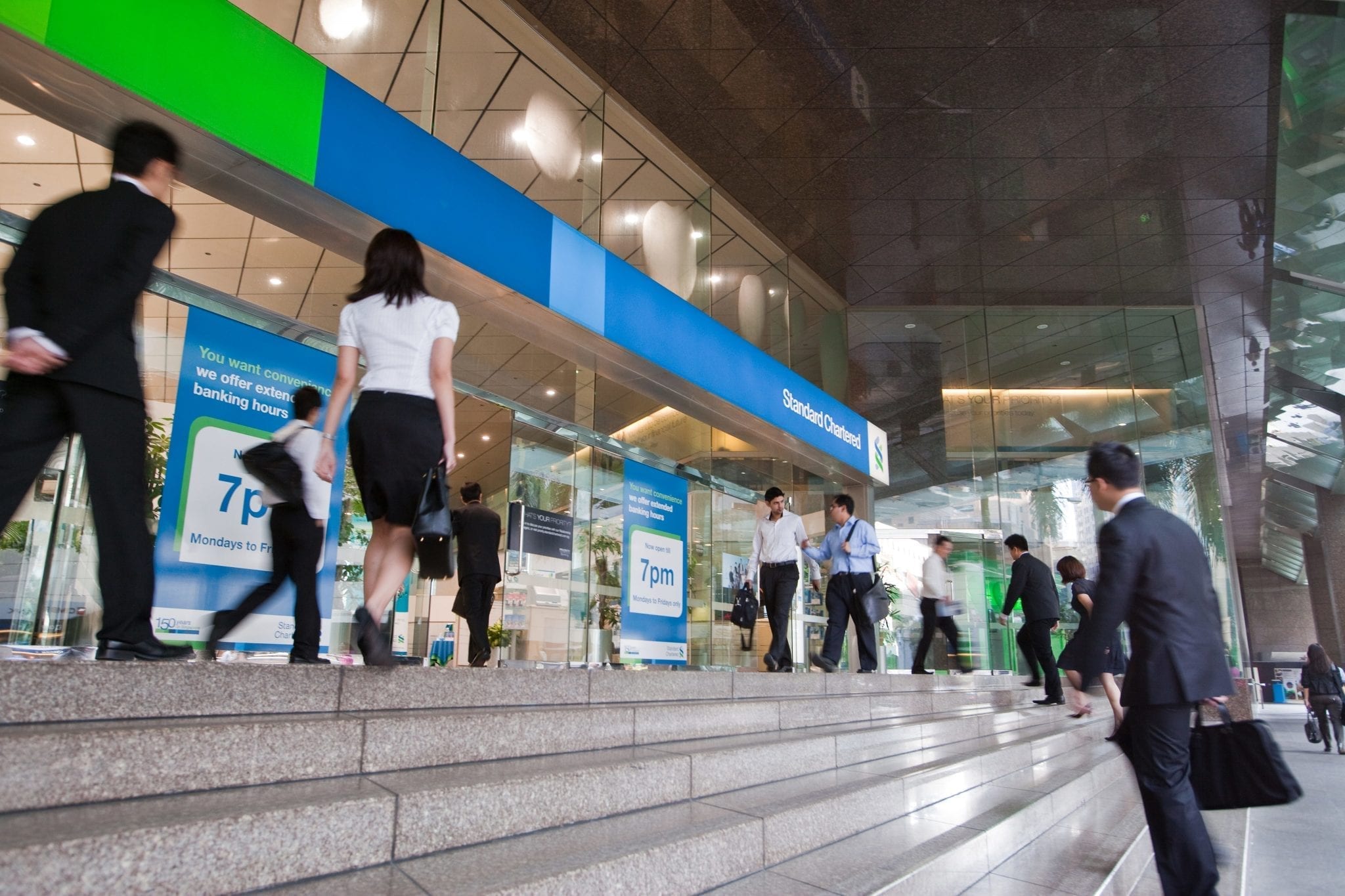
  • Jim Wang Takes Helm as CEO of Standard Chartered’s China Securities Unit: A Leap Forward in Asia’s Financial Landscape

    Jim Wang Takes Helm as CEO of Standard Chartered’s China Securities Unit: A Leap Forward in Asia’s Financial Landscape

    Standard Chartered recently revealed that it has chosen a new leader for its securities division in mainland China.

    Appointment of New CEO for Standard Chartered Securities (China) Limited

    Standard Chartered Securities (China) Limited (SCSCL), the Chinese securities branch of Standard Chartered’s Hong Kong banking unit, has welcomed Jim Wang into the role of CEO. Wang will be responsible for supervising the company’s comprehensive operations and will report directly to its board of directors.

    About Jim Wang

    Wang boasts an impressive career that spans two decades, during which he accumulated experience in various fields including securities, asset management, and banking. He has held high-ranking positions at multiple leading financial institutions, both domestically and internationally.

    Comments on Wang’s Appointment

    John Thang, Head of Markets and Strategic Client Management & Solutions for Hong Kong, Greater China & North Asia, made laudatory comments about Wang’s appointment. He noted, “Jim’s extensive international and domestic experience makes him an invaluable addition to our team. His deep understanding of China’s fixed income capital markets coupled with his proven leadership and management skills, underscored by a consistent record of delivering excellent business performance, makes him the perfect fit for this role.”

    Questions & Answers

    Who is the newly appointed CEO of Standard Chartered Securities (China) Limited (SCSCL)?
    Jim Wang was recently selected as the CEO of Standard Chartered Securities (China) Limited (SCSCL).

    What is Jim Wang’s primary responsibility in his new role?
    Wang will be in charge of overseeing the company’s overall operations and will be directly reporting to its board of directors.

    What can be said about Jim Wang’s professional experience?
    Jim Wang’s professional journey spans over 20 years, and includes experience in securities, asset management, and banking. He has served in senior managerial roles at several leading financial institutions both domestically and internationally.

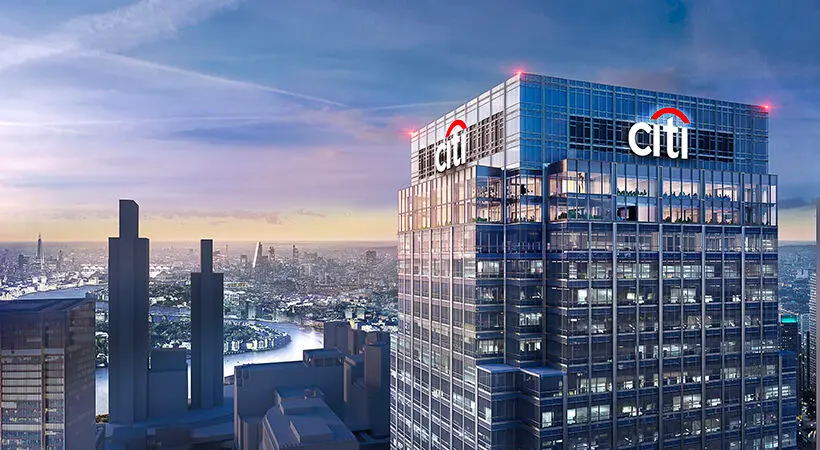
  • Citi’s 20th Annual China Conference: Connect, Engage, and Explore Strategic Opportunities in Shanghai and Shenzhen

    Citi’s 20th Annual China Conference: Connect, Engage, and Explore Strategic Opportunities in Shanghai and Shenzhen

    Citi, the global banking giant, is all set to host its 20th China Conference in the cities of Shanghai and Shenzhen. The event promises engaging discussions from esteemed guest speakers such as Jane Fraser, Citi’s CEO, and Janet Yellen, the former US Secretary of the Treasury and former Federal Reserve Chair.

    The 20th Citi China Conference

    The conference, scheduled to be held in Shenzhen from November 11-12 and in Shanghai from November 13-14, has sparked interest from around the globe. Over 2,300 business leaders, investors, and thought leaders are expected to participate, making the event a significant international gathering.

    The four-day conference will include more than 40 sessions, with a speaker list featuring many notable figures. Among the key speakers are Jane Fraser, CEO of Citi, Janet Yellen, former US Secretary of the Treasury and ex-Federal Reserve Chair, and Nicholas Burns, former US Ambassador to China.

    Citi’s Commitment to China

    This conference marks Citi’s continuing commitment to promoting business opportunities in China. “The Citi China Conference underscores our vision of bridging global investors with strategic opportunities in China,” stated Marc Luet, Citi’s head of Japan, Asia North, and Australia Banking. “With a history of over 120 years in fostering growth for companies in China, we look forward to continuing this role by aligning our clients’ aspirations with possibilities within and beyond China.”

    In a first, the conference will be presented in a comprehensive format in China, symbolizing the significance of the Chinese market. Wenjie Zhang, Citi’s Country Officer and Head of Banking in China, added, “This represents our dedication to our clients in this region.”

    Questions & Answers

    When and where will the 20th Citi China Conference be held?
    The conference will take place in Shenzhen from November 11-12, and in Shanghai from November 13-14.

    Who are some of the key speakers at the conference?
    The key speakers include Citi CEO Jane Fraser, former US Secretary of the Treasury and ex-Federal Reserve chair Janet Yellen, and former US Ambassador to China Nicholas Burns.

    What is the significance of this conference for Citi?
    This conference marks Citi’s commitment to connecting global investors to strategic opportunities in China. It also represents the importance of the Chinese market to Citi.

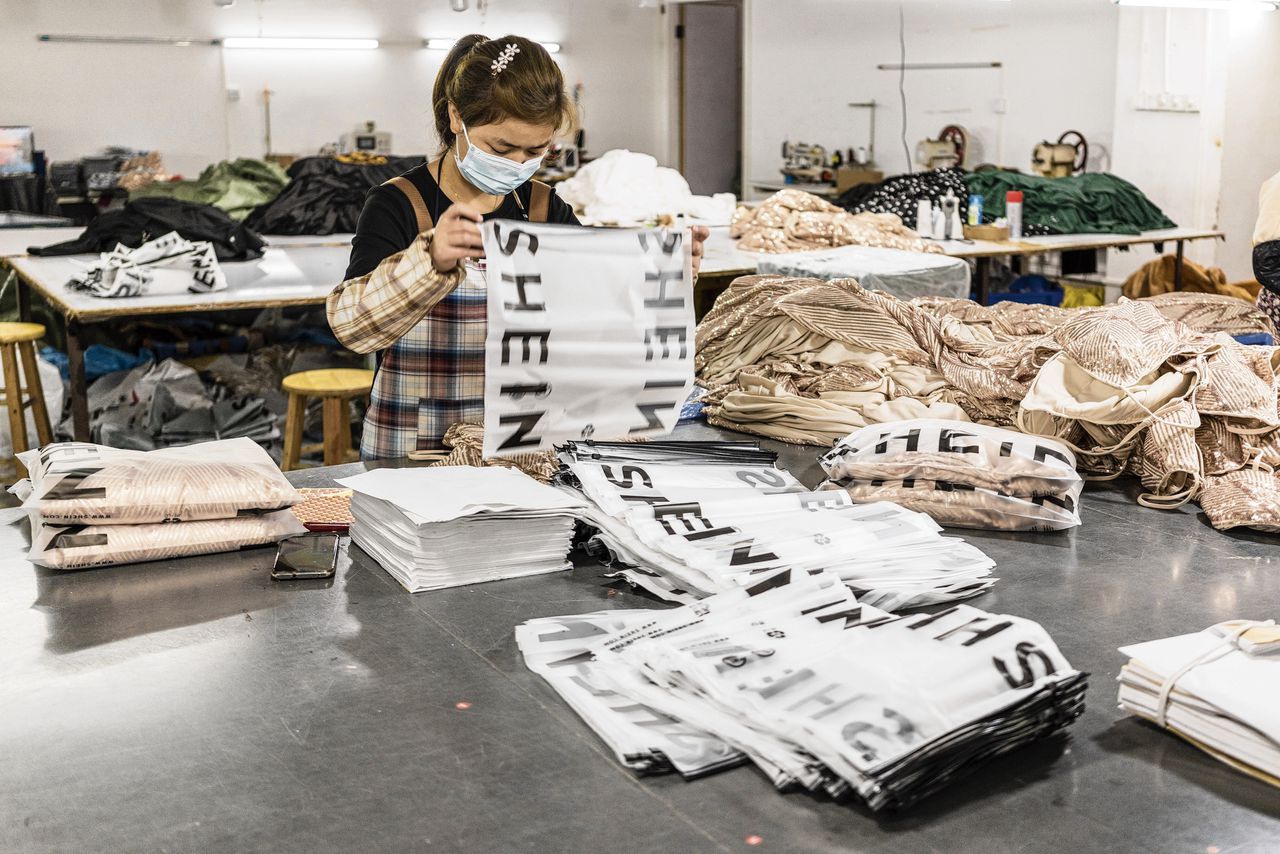
  • Shein Yanks Controversial Child-like Dolls Off Shelves Following French Regulatory Intervention

    Shein Yanks Controversial Child-like Dolls Off Shelves Following French Regulatory Intervention

    Chinese e-commerce giant Shein recently removed a questionable product line, featuring childlike sex dolls, from its online platform. This action was prompted by the discovery and notification from France’s Directorate-General for Competition, Consumer Affairs, and Fraud Control (DGCCRF). The French authority voiced concerns over the products, which were suggestive of child pornography.

    Initiative from French Consumer Watchdog

    The DGCCRF found, apart from the childlike sex dolls, several other inappropriate items, including adult-looking sex dolls. They promptly reported their findings to the legal authorities. The DGCCRF stated that the product descriptions and the doll’s categorization on the website clearly indicated the pornographic nature of the content.

    The agency further noted that the website did not have any effective filtering measures in place to restrict minors and sensitive audiences from accessing such adult content.

    Shein’s Response

    In response, Shein immediately took action to remove the implicated products from its platform. A spokesperson for the company communicated via email that they had acted promptly upon becoming aware of these significant issues.

    The company stressed its strict policy against content or products violating its internal standards or legal requirements, emphasizing its commitment to a zero-tolerance policy in such matters.

    Physical Expansion in France

    Shein, a fast-fashion enterprise based in China, is planning to establish its first physical store in France. The store is scheduled to open on Wednesday at the Bazar de l’Hôtel de Ville (BVH) in Paris. The company’s aggressive pricing strategy has caused some disquiet among traditional French apparel retailers, who feel that Shein is undermining their business model.

    Additionally, Shein has announced plans to open five more stores within France.

    Questions & Answers

    What was the response of Shein to the discovery of inappropriate products on their platform?
    Shein immediately removed the products upon being notified by the DGCCRF.

    What is Shein’s policy regarding content or products that breach its principles or laws?
    Shein has a strict no-tolerance policy towards any content or products that infringe upon its internal policies or applicable laws.

    What are Shein’s expansion plans in France?
    Shein is planning to open its first physical store in Paris and has plans to open five more stores within France.

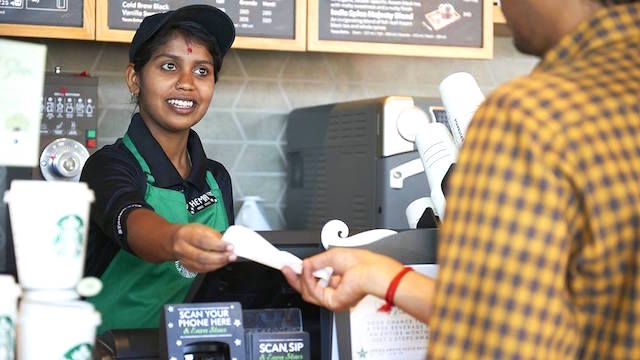
  • Boyu Capital Poised to Secure $4 Billion Stake in Starbucks China, Boosting Brand’s Asian Market Footprint

    Boyu Capital Poised to Secure $4 Billion Stake in Starbucks China, Boosting Brand’s Asian Market Footprint

    Boyu Capital, a private equity firm from China, is leading the race to acquire a majority stake in Starbucks’ China operations, a deal that could potentially value the unit at over US$4 billion.

    Boyu Capital remains in the bid after the final contender, Carlyle Group, chose to withdraw. Key partners from both companies travelled to the U.S. to engage in final discussions with the Seattle-based coffee chain.

    Starbucks’ Stake in China

    After the sale is finalized, it’s expected that Starbucks will retain a substantial minority stake in its China operations. The company expressed that it has received strong interest from numerous high-quality partners, all of whom have faith in the long-term growth potential for Starbucks in China.

    The company is currently assessing bids from five contenders, though it declined to comment further. Starbucks China was valued at roughly $4 billion by the bidders who submitted binding offers, which is approximately ten times its core earnings.

    Starbucks’ Future Plans

    Starbucks CEO, Brian Niccol, previously indicated that the anticipated valuation of the China business would exceed $10 billion, factoring in the upfront investment from a potential partner, Starbucks’ retained stake in the China business, and future royalty payments.

    There is also the possibility of other parties, such as internet companies, joining the discussions as limited partners to assist in funding the deal.

    Competition and Sales

    Starbucks’ decision to divest in China comes amidst fierce competition from local coffee chains that have gained market share by offering less expensive products during an economic slowdown that has altered consumer behavior.

    In response to these challenges, Starbucks has implemented strategies such as lowering prices for selected non-coffee beverages in China and increasing the introduction of new, localized products.

    Sales in comparable stores in China increased by 2% in the quarter that ended on June 29, following a quarter with no growth. Starbucks’ earnings for the fourth quarter and the 2025 fiscal year will be reported on October 29.

    Questions & Answers

    Who is the frontrunner to buy a controlling stake in Starbucks’ China business?
    Boyu Capital, a private equity firm from China, is leading the race to acquire a controlling stake in Starbucks’ China operations.

    What is the potential value of Starbucks’ China unit?
    The deal to acquire the majority stake in Starbucks’ China operations could potentially value the unit at over US$4 billion.

    What strategies has Starbucks implemented in response to increasing competition in China?
    Starbucks has lowered prices for selected non-coffee beverages in China and increased the introduction of new, localized products to counter the competition.

  • Hermès Hopes For China Demand Revival Despite Slight Slip In Quarterly Sales

    Hermès Hopes For China Demand Revival Despite Slight Slip In Quarterly Sales

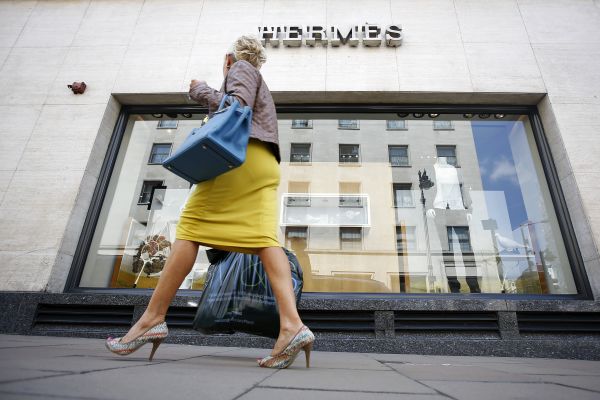
    Renowned for its Birkin bags, Hermès reported a potential upturn in demand from China, despite quarterly sales falling slightly short of estimates, resulting in a 4% decline in its shares on Wednesday.

    The mild optimism regarding Chinese demand, which contributes to approximately a third of worldwide luxury sales, is also reflected by competitors LVMH and L’Oreal.

    “There was a very mild improvement in the third quarter,” commented Eric de Halgouet, the Finance Chief of Hermès, attributing this to stable real estate prices in major cities and positive trends in the stock market.

    Last week, LVMH’s sales report initiated an $80 billion surge in luxury shares, fostering hopes of a revival of the industry in China. However, analysts have expressed caution, stating it might be premature to declare an end to the industry’s two-year decline.

    Meanwhile, in the United States, foot traffic in Hermès stores has increased evenly across all regions, de Halgouet reported, adding that the company plans to continue investing in the US, having recently inaugurated a new store in Nashville.

    The brand has refrained from raising prices domestically this year, following a 5% increase in May intended to pass the burden of tariffs onto its customers, as per de Halgouet.

    Growth Falls Short of Expectations

    The sales for the quarter ending in September totaled 3.88 billion euros ($4.52 billion), a 9.6% increase, bolstered by growth in the US. However, this was marginally below the predicted 10% growth, as per the Visible Alpha consensus cited by UBS.

    Hermès shares decreased by 4.2% at 0832 GMT, following the trading update. The company’s control over its production, which has served as a buffer against a broader downturn, is anticipated to restrict its growth rate as consumer demand recovers more generally.

    Sales of leather goods, including the signature Birkin, Constance, and Kelly handbags, grew by 13.3%, slightly below expectations. De Halgouet attributed this to limited inventory, which he assured would be replenished before the Christmas season and Chinese New Year.

    While Hermès’ consistent performance may be viewed as uninteresting compared to the ongoing transformations at other brands, its shares briefly surpassed LVMH’s earlier this year, making it the largest luxury group in terms of market capitalisation. Nevertheless, the company’s shares have trailed competitors in the past three months, as investors shifted their focus to the improving performance of LVMH and Kering, which have increased by 31% and 65% respectively.

    Unlike competitors such as Chanel and Dior, Hermès, which raised its prices less aggressively during the post-pandemic surge, increased its prices globally by 7% this year.

    Sales of clothing, jewellery and silk scarves, products that appeal to a broader customer base than the exclusive handbags, experienced a slight increase in the third quarter.

    Questions & Answers

    What is the cause of the slight increase in Hermès’ sales?
    The sales growth is attributed to the steady foot traffic in Hermès stores across all regions in the United States and a potential increase in demand from China.

    What is the company’s response to the slight shortfall in sales growth?
    Hermès plans to continue its investments in the United States and replenish its inventory of leather goods before the Christmas season and Chinese New Year to boost sales.

    How did Hermès’ shares compare with its competitors?
    While Hermès’ shares have trailed its competitors in the past three months, they briefly surpassed LVMH’s earlier this year, making it the largest luxury group in terms of market capitalisation.

  • Alibaba Unveils Ai Chatbot Assistant And Announces Quark Ai Glasses Pre-sales

    Alibaba Unveils Ai Chatbot Assistant And Announces Quark Ai Glasses Pre-sales

    On Thursday, Alibaba, the Chinese e-commerce giant, unveiled a novel AI chatbot assistant service, amplifying its efforts to solidify its presence in a consumer-centric domain presently dominated by ByteDance and Tencent.

    Integration of AI Chatbot Into Quark App

    Alibaba has integrated this innovative chat assistant into its Quark app, which was originally a browser but was repurposed this year as Alibaba’s principal consumer application. This transformation has led to the integration of enhanced artificial intelligence capabilities, such as advanced search functions.

    The newly introduced service, available free of charge, empowers users to interact with a chatbot interface through text or voice, offering real-time information and services, Alibaba explained in an official statement.

    AI Efforts by Alibaba

    Historically, Alibaba’s AI ventures have been predominantly aimed at corporate clients via its cloud services division. This new endeavour represents yet another attempt by the company to captivate consumers in a market where it has found it challenging to gain a foothold with its Tongyi AI assistant app.

    Despite being one of the pioneering Chinese corporations to introduce a consumer-oriented AI assistant app to the public in late 2023, Tongyi has not achieved widespread acceptance so far. In September, the app had 6.96 million monthly active users, in contrast to the market leader ByteDance’s Doubao, which boasted 150 million active users.

    Global AI Assistants Trend

    On the global front, AI assistants have been increasing in popularity for companies like Google, Microsoft, and OpenAI, which have incorporated them into their respective Gemini, Copilot, and ChatGPT platforms.

    The Quark’s AI chat assistant, driven by Alibaba’s most recent Qwen3 models, provides improved reasoning, comprehension, and task execution capabilities, Alibaba stated.

    Announcement of Quark AI Glasses Pre-sales

    On the same day of the AI chatbot assistant service launch, Alibaba also announced that pre-sales for its Quark AI Glasses would commence at midnight on Friday on its Tmall e-commerce platform. The company also added that it would start delivering orders progressively from December, pricing the glasses at 4699 yuan (US$659.69).

    Alibaba revealed its intelligent glasses in July, thereby joining the ranks of companies like Meta Platforms in the wearable AI devices market.

    Questions & Answers

    What is the latest innovation from Alibaba?
    Alibaba recently launched an AI chatbot assistant service, which has been integrated into its Quark app.

    What is the purpose of Alibaba’s AI chatbot assistant service?
    The service allows users to interact with a chatbot interface via text or voice, providing real-time information and services.

    What product is Alibaba releasing for pre-sales on its Tmall platform?
    Alibaba announced pre-sales for its Quark AI Glasses on its Tmall e-commerce platform.

  • Apple Faces Accusations Of Monopoly And Restrictive Practices From Chinese Users

    Apple Faces Accusations Of Monopoly And Restrictive Practices From Chinese Users

    A collective of 55 Chinese iPhone and iPad users submitted a grievance to China’s market regulation body on Monday, as per a lawyer representing the group. They assert that Apple is leveraging its market dominance to impose restrictive app distribution and payment systems, while also levying significant commissions.

    Allegations Against Apple

    The claimants, under the leadership of lawyer Wang Qiongfei, accuse Apple of monopolizing iOS app distribution in China. They contend that the company allows alternative payment methods and app stores in other regions due to regulatory pressures from the European Union and the United States. However, they believe this flexibility is not extended to the Chinese market.

    The complaint points out three key infringing practices by Apple that are believed to contravene China’s Anti-Monopoly Law. The first is the alleged compulsion for consumers to buy digital goods exclusively through Apple’s In-App Purchase system. The second is the purported restriction of iOS app downloads to the App Store. Lastly, the plaintiffs accuse Apple of imposing commissions of up to 30 percent on in-app purchases.

    Apple has yet to provide a comment in response to these accusations.

    Previous Legal Endeavors

    This represents the second time Wang has spearheaded a complaint against Apple. A similar lawsuit was filed in 2021, but it was ultimately dismissed by a Shanghai court the following year.

    Wang anticipates that this administrative complaint will progress more rapidly through the regulatory system compared to the preceding civil lawsuit. He is currently appealing the verdict of the previous lawsuit to China’s Supreme People’s Court. The court heard the arguments for the appeal in December, and a decision is still forthcoming.

    Recent tensions between China and Washington have prompted China to initiate a series of antitrust investigations aimed at US tech companies. This includes chipmaker Qualcomm, which is currently under scrutiny for its acquisition of Israeli firm Autotalks.

    Questions & Answers

    What are the main allegations against Apple?
    The main allegations against Apple are that it is forcing consumers to buy digital goods exclusively through its In-App Purchase system, restricting iOS app downloads to the App Store, and imposing up to 30 percent commissions on in-app purchases.

    Who is leading the complaint against Apple?
    The complaint against Apple is being led by lawyer Wang Qiongfei on behalf of 55 Chinese iPhone and iPad users.

    What precedent exists for this type of complaint against Apple in China?
    A similar case was filed by Wang Qiongfei against Apple in 2021, but it was dismissed by a Shanghai court. Wang is currently appealing this decision to China’s Supreme People’s Court.

  • Despite Market Downturn, Diesel And Otb Group Increase Investment In China

    Despite Market Downturn, Diesel And Otb Group Increase Investment In China

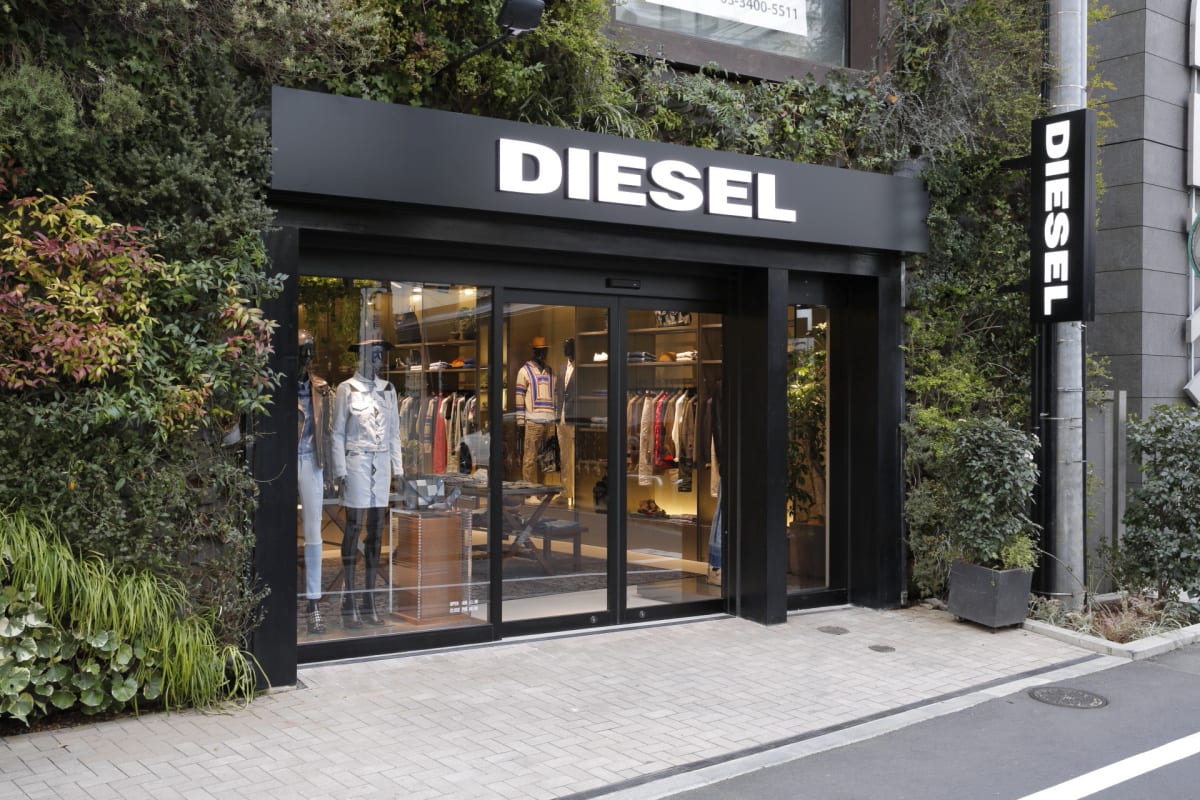
    Italian denim icon Diesel and its parent company, OTB Group, are optimistic about the Chinese market and planning to increase their investments, according to founder and chairman Renzo Rosso.

    Investing in a Down Market

    Rosso, who was visiting China to mark Diesel’s 20th anniversary in the market, revealed that he continues to invest in the country despite a downward trend. As part of the strategic move, the company is reevaluating its retail footprint by closing some stores and opening new ones at better locations.

    “I am positive. I think if the market is going like this, it can be an opportunity because we can have a better space available for a better price that wasn’t available before,” Rosso stated. “My vision right now is to invest in the country. I believe in the country; it is so big, so important.”

    Faith in the Chinese Market

    While enjoying dinner with a panoramic view of Shanghai’s famous skyline, Rosso expressed his satisfaction with the company’s performance. “This year, we are doing well compared to the market. Everybody is minus, we are a little plus, so we are quite happy,” he said.

    Despite concerns about a long-term property market crisis and fears over job security and wage growth, China’s consumer demand remains a focal point for global brands. Luxury and high-end sectors particularly rely on Chinese nationals, who account for approximately one-third of global purchases.

    Market Impact

    Rosso’s optimism reflects the importance of China to the luxury market. Recent signs of improving Chinese demand have led to a significant market rally for the sector.

    OTB Group, also known as Only the Brave, houses luxury brand Jil Sander among others. In 2024, the group reported a total turnover of 1.8 billion euros ($2.11 billion), marking a dip of 4.4%.

    Despite postponing plans for a public listing that was originally scheduled for this year until 2026, Rosso doesn’t seem to be in a hurry. “First of all, I don’t need the money, I am cash positive,” he said. “There’s no rush, it can be one year, two years, I don’t care. If I feel good, then yes.”

    Questions & Answers

    Why is OTB Group optimistic about the Chinese market?
    OTB Group sees the current state of the Chinese market as an opportunity to secure better retail spaces at a more affordable price, given the downward market trend.

    What is the significance of the Chinese consumer market to global brands?
    Chinese nationals account for approximately one-third of global purchases, making China’s consumer demand highly crucial for global brands, especially those in the luxury and high-end sectors.

    What are OTB Group’s future plans regarding a public listing?
    Rosso, the founder and chairman of OTB Group, has postponed plans for a public listing and stated that there is no rush. It could happen in one year or two years, depending on when he feels the time is right.

  • NBA Unveils Immersive Flagship Store In Macao: Fusing Retail And Entertainment

    NBA Unveils Immersive Flagship Store In Macao: Fusing Retail And Entertainment

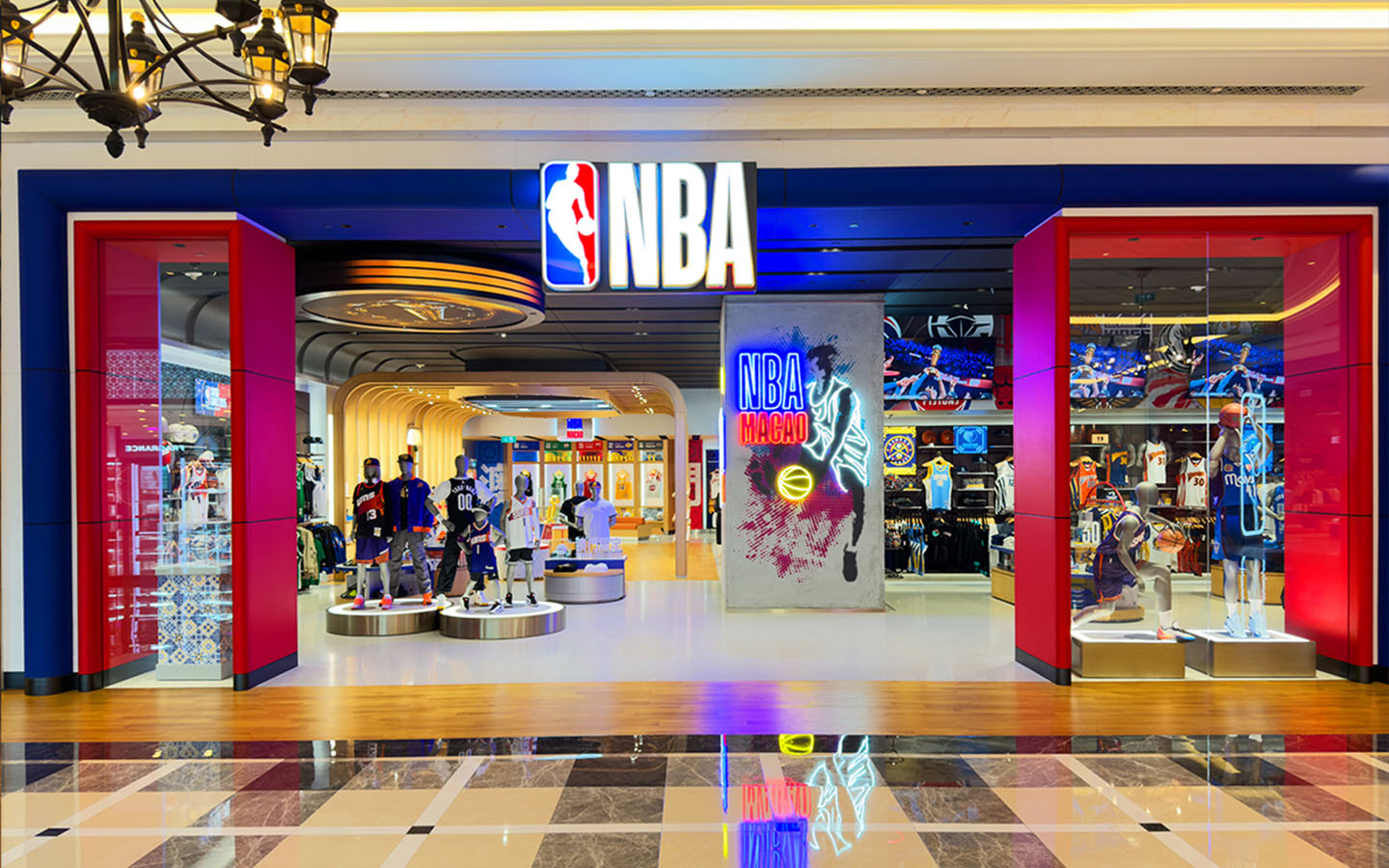
    The National Basketball Association (NBA) and Sands China have inaugurated the first NBA flagship store in Macao, creating an immersive retail experience for visitors.

    The Store’s Location and Design

    The store is situated on the second floor of The Londoner Macao. It spans 900 square meters and ingeniously amalgamates retail and entertainment to offer an authentic NBA experience. The space allows consumers access to official NBA merchandise and interactive experiences.

    The store’s merchandise caters to the diversified needs of fans, boasting a wide range of apparel, footwear, headwear, player jerseys, trading cards, and collectibles. In addition, it offers exclusive items inspired by the Macao city’s skyline and cultural motifs, making it a unique shopping destination.

    A New Retail Experience

    The NBA flagship store offers more than just traditional retail. It encourages fans to interact with the brand in a new way, permitting them to personalise jerseys and sneakers, and discover genuine memorabilia. The store also provides basketball-themed activities at an LED half-court that streams live games, further enriching the customer experience.

    Jonathan Li, senior VP of NBA China, expressed his excitement about the store, expressing that it is a “dynamic space where fans can gather and celebrate their love of the game.”

    Expansion of NBA’s Retail Footprint

    The launch of the flagship store in Macao signifies an expansion of the NBA’s retail footprint across Asia. It also contributes to the NBA’s global network of more than 200 NBA-branded stores and attractions worldwide.

    Questions & Answers

    Where is the new NBA flagship store located?
    The NBA flagship store is located on the second floor of The Londoner Macao.

    What does the NBA flagship store offer to its customers?
    The store offers a range of official merchandise including apparel, footwear, headwear, player jerseys, and trading cards. Additionally, it offers personalized jersey and sneaker services and basketball-themed activities.

    What is the objective behind the opening of the NBA flagship store in Macao?
    The objective is to provide an immersive NBA experience to the fans, expand the NBA’s retail footprint across Asia, and contribute to a global network of NBA-branded stores and attractions worldwide.

  • Singapore: The Springboard For Chinese F&b Brands Eyeing Global Expansion Amid Domestic Challenges

    Singapore: The Springboard For Chinese F&b Brands Eyeing Global Expansion Amid Domestic Challenges

    In the last year, an unprecedented influx of Chinese restaurants and cafes has made their mark in Singapore. These establishments view the island as an ideal launchpad for their global expansion plans, largely spurred by lackluster consumer demand, fierce price competition, and extremely tight profit margins in their domestic market.

    Popular Chinese companies like Luckin Coffee and Mixue, a major bubble tea player, have joined a wave of hotpot and mala restaurants setting up shop overseas following the pandemic. They aim to leverage the international allure of the city-state, a trend that industry experts and executives predict will only gain momentum.

    Challenges in the Domestic Market

    According to Josie Zhou, the overseas general manager of Hunan cuisine restaurant Nong Geng Ji, the challenging business environment in China has prompted many brands to consider international expansion. Nong Geng Ji chose Singapore as the first stop in its global growth strategy.

    Persistent price wars have compelled Chinese food and beverage companies to seek new growth models abroad, says Joanna Jia, Singapore manager of bubble tea chain ChaPanda. The chain opened two franchisee tearooms in the city in July and is planning for more.

    Stagnant demand, exacerbated by a prolonged property market slump and US tariffs on Chinese goods, has hampered growth in China since the end of the Covid-19 lockdown nearly three years ago. This has intensified price wars across various sectors, leading to increasing deflationary pressure.

    Singapore: A Stepping Stone for Global Expansion

    Culturally similar Singapore has often served as a gateway for Chinese companies aiming to expand globally. As of August, about 85 Chinese food and beverage brands were operating approximately 405 outlets in Singapore, a considerable increase from the 32 brands that had 184 outlets in June of the previous year, according to data from consultancy firm Momentum Works.

    This rapid growth unfolds as local operators, including low-cost hawker stalls and Michelin-star restaurants, grapple with rising costs and lower consumer spending. However, Chinese brands remain optimistic about their prospects in Singapore, confident in their lean business models and supply chain management practices that allowed them to weather the storm in their home market.

    For example, tearoom chain Chagee can prepare a customized iced milk tea in just eight seconds using machines developed in-house, according to Jonathan Ng, Chagee’s director of government and public affairs for the Asia-Pacific region. This kind of agility has helped companies like Luckin and Mixue withstand the growth of Western competitors such as Starbucks in China.

    Backlash from Local Businesses

    These ready-made models have not been well received by all, however. Singapore Tenants United for Fairness, which represents 700 local business owners, stated in June that domestic companies struggle to compete with these larger Chinese entrants.

    “They are not even in the same stadium,” said the cooperative, implying the vast disparity between the resources of local SMEs and those of their Chinese counterparts.

    Gateway Singapore

    Singapore is often seen as a bridge between Eastern and Western cultures and is viewed as an attractive platform for expansion, especially given its 6.1 million predominantly Chinese population. Furthermore, Singapore’s reputation as a wealthy, fashionable location can significantly enhance a brand’s image.

    “If we can build up our brand in Singapore, the brand awareness can go to Malaysia and Vietnam, even Indonesia,” said ChaPanda’s Jia.

    Some smaller Chinese firms are often backed by deep-pocketed investors, giving them a competitive edge when it comes to securing prime locations. However, an influx of investment from large Chinese conglomerates has resulted in increased rents, especially in high-traffic areas, according to Ethan Hsu, head of retail for real estate firm Knight Frank.

    Questions & Answers

    Why are Chinese restaurants and cafes expanding to Singapore?
    A challenging business environment in China, characterized by fierce price competition and weak consumer demand, has prompted these businesses to explore new growth opportunities abroad. Singapore, with its cultural similarities to China and globally-oriented market, presents an attractive option for expansion.

    How are Chinese companies faring in the competitive Singaporean market?
    Despite the challenges faced by local operators, Chinese brands are optimistic about their prospects in Singapore. Their lean business models and robust supply chain management practices, which have been tested in their home market, provide them with a competitive edge.

    Is there any backlash against the influx of Chinese companies in Singapore?
    Yes, there has been some backlash, particularly from local businesses. Singapore Tenants United for Fairness, representing 700 business owners, has voiced concerns about the ability of local companies to compete effectively against their larger Chinese counterparts.

  • Hang Seng Bank Coo Vivien Chiu Breaks Record With $5.14 Million Hong Kong Luxury Apartment Purchase

    Hang Seng Bank Coo Vivien Chiu Breaks Record With $5.14 Million Hong Kong Luxury Apartment Purchase

    Vivien Chiu, the Chief Operating Officer of Hang Seng Bank, has recently acquired a deluxe apartment in Hong Kong for HK$40 million, equivalent to around US$5.14 million. The cost per square foot of the 1,651 square-foot property amounted to HK$24,228, or US$33,517 per square meter, making it a record-setting purchase for the property in the current year.

    Property Details

    The luxury apartment is situated in the Beverly Hill project located in the Happy Valley area of Hong Kong. The property last changed owners in 2014 for a sum of HK$16 million. The recent handover took place on Monday, as per the Land Registry records.

    Chiu previously held positions in various departments at HSBC prior to her tenure at Hang Seng, which began in 2022.

    In a similar vein, Diana Cesar, the CEO of Hang Seng at the time, bought a flat in the upscale Flora Garden complex located in the Tai Hang Mid-Levels area in August, for a sum of HK$26.63 million.

    HSBC to Acquire Hang Seng

    Recently, HSBC announced its plans to acquire Hang Seng Bank for a staggering sum of HK$106.1 billion. Despite the bank’s recent struggles, Hang Seng will retain its own license, governance, and brand after the acquisition.

    This move comes as Hong Kong’s banking sector battles the most significant real estate slump since the late 1990s. Home prices in the city have dropped by approximately 30% from their peak in 2021.

    Housing Sector Recovery

    Despite the downturn, the housing sector has shown promising signs of recovery. According to data from the Rating and Valuation Department (RVD), the official index for second-hand home prices has increased by 1.26% since April. The index saw its fifth consecutive month of growth in August, reducing the overall decline in the year to just 0.24%.

    In August, some 5,291 homes changed ownership, representing an 8.2% decrease from July, but a 44.8% increase compared to the same period in the previous year. The total transaction value reached HK$42.2 billion, a decrease of 8.9% from the previous month but an increase of 48.2% year-over-year.

    Between January and August, the combined sales of new and existing homes increased by 10% from the previous year to 42,379 units. This is the highest level for this period in the past four years, as reported by property agency Midland Realty.

    Questions & Answers

    What is the total cost of the luxury flat purchased by Vivien Chiu?
    The total cost of the flat purchased by Vivien Chiu is HK$40 million, equivalent to around US$5.14 million.

    Who is the former owner of Hang Seng Bank, and what are the terms of the bank’s acquisition by HSBC?
    HSBC is the new owner of Hang Seng Bank. Despite the acquisition, Hang Seng will retain its own license, governance, and brand.

    What are the recent trends in Hong Kong’s housing sector?
    Home prices in Hong Kong have seen significant declines, but recent data shows signs of recovery with the index for second-hand home prices increasing by 1.26% since April.