Tag: China

  • Xiaohongshu: Revolutionizing Retail With Social Commerce Amidst Challenges

    Xiaohongshu: Revolutionizing Retail With Social Commerce Amidst Challenges

    Since its launch, the social commerce platform Xiaohongshu, popularly known as Little Red Book, has been making waves in the retail landscape across China and beyond. Positioned at the intersection of e-commerce and social interaction, Xiaohongshu has created a vibrant community where users share product reviews, lifestyle tips, and shopping experiences, all while influencing purchasing decisions.

    Combining Trends with User Engagement

    What sets Xiaohongshu apart from other platforms is its unique blend of user-generated content and curated shopping experiences. The app allows influencers and regular users alike to post authentic content, ranging from makeup tutorials to travel blogs, seamlessly integrating direct shopping links. This allows brands to tap into a highly engaged audience that is already enthusiastic about lifestyle and fashion trends. It’s a bit like stumbling into a friend’s closet and finding that perfect outfit that you didn’t know you needed.

    The Rise of Influencer Marketing

    As influencer marketing continues to dominate the retail sector, Xiaohongshu stands at the forefront by allowing brands to partner with content creators who resonate with their target market. This strategy not only enhances product visibility but also fosters a sense of trust among potential buyers. With over 300 million registered users, the platform makes it easy for brands to connect with niche communities, further underscoring the importance of localized marketing strategies in a diverse region like Asia.

    Challenges Ahead

    Despite its success, Xiaohongshu faces several challenges, particularly in oversight and content moderation. Reports of misinformation and counterfeit products have drawn the scrutiny of regulatory bodies, urging improved standards for user-generated content. As the platform navigates these challenges, how it bolsters trust while maintaining rapid growth will be crucial in retaining its user base and attracting new brands.

    In a landscape as dynamic as retail in Asia, staying ahead of the curve is essential. With platforms like Xiaohongshu redefining shopping habits, it’s evident that the future of retail intertwines closely with social interaction — a digital bazaar where every swipe may lead to the next best find.

    Questions & Answers

    What makes Xiaohongshu unique in the realm of social commerce?
    Xiaohongshu combines user-generated content with e-commerce, allowing users to share their experiences and reviews while seamlessly integrating shopping links, creating a community-centric shopping environment.

    How has influencer marketing evolved on Xiaohongshu?
    The platform has become a hub for brands to collaborate with influencers who connect with their audience, significantly enhancing product visibility and fostering trust among potential customers.

    What challenges does Xiaohongshu currently face?
    The platform is grappling with issues of misinformation and counterfeit products, prompting calls for better content moderation standards to maintain user trust and safety.


  • Anta Group’s Bold Expansion: 1000 New Outlets In Southeast Asia Within Three Years

    Anta Group’s Bold Expansion: 1000 New Outlets In Southeast Asia Within Three Years

    Chinese athletic apparel corporation, Anta Group, recently announced its ambitious strategy to establish 1000 retail outlets in Southeast Asia within a span of three years.

    Anta Group currently manages a portfolio of nearly 13,000 stores, more than 200 of which are situated across Southeast Asia, spanning countries such as the Philippines, Singapore, Malaysia, and Vietnam. The new objective indicates a significant boost in the company’s retail presence in the region.

    Shaping the Future of Retail in Asia

    Unveiling the ambitious plan at the 2025 Asia New Vision Forum in Singapore was Will Wang, Vice President of Anta Group and Chairman and President of Anta SEA. The forum, themed “Shaping the Pulse: How Asia’s Brands Drive Experience, Identity, and Connection,” brought together executives from diverse sectors across Southeast Asia. The primary focus of the discussion was creating effective brand-consumer relationships, both within the region and on a global scale.

    During the forum, Wang highlighted the critical role of Southeast Asia in the group’s international expansion strategy. He revealed that the brand’s retail sales figures in the region nearly doubled in the first half of the current year compared to the same period last year.

    Wang attributed this impressive growth to the high-quality offerings of Anta, the successful localisation and digitalisation strategies, and the effective implementation of the brand’s unique “Brand+Retail” business model.

    “True globalisation involves achieving localisation in every market while maintaining the brand’s inherent qualities,” Wang emphasised during the discussion.

    He further said, “Our objective is not only to sell products in Southeast Asia, but also to deliver exceptional brand value and superior service to local consumers. We are confident in our team’s ability to realise our goal of 1000 Anta outlets in the region in the next three years.”

    Setting Global Growth in Motion

    Anta Group views Southeast Asia as both a blueprint and a springboard for its international growth initiatives. As the corporation’s presence in Southeast Asia extends to surrounding markets, and as both physical and online businesses stimulate growth, the brand’s overseas revenue rose above 150 per cent in the first half of this year.

    Apart from Southeast Asia, the Anta Group’s international retail network extends to pivotal markets such as the United Arab Emirates, Saudi Arabia, Egypt, Kenya, and North America, facilitated by strategic alliances. The group recently inaugurated its premier flagship store in the United States, located in Beverly Hills, California.

    Questions & Answers

    What is the Anta Group’s growth plan for Southeast Asia?
    The Anta Group plans to establish 1000 retail outlets in Southeast Asia over the next three years, significantly expanding its presence in the region.

    What factors have contributed to the Anta Group’s recent success in Southeast Asia?
    The group’s impressive growth in the region is attributed to high-quality product offerings, successful localisation and digitalisation strategies, and an effective “Brand+Retail” business model.

    How does the Anta Group view Southeast Asia in terms of its global growth strategy?
    The Anta Group sees Southeast Asia as a blueprint and launchpad for its international growth initiatives, leveraging the expanding market and both physical and online businesses to stimulate growth.

  • Global Wind Capacity Set to Soar with 170 GW Additions Expected by 2025

    Global Wind Capacity Set to Soar with 170 GW Additions Expected by 2025

    China is poised to lead an unprecedented boom in the wind energy sector, as projections indicate that the industry will install a remarkable 170 gigawatts (GW) of new capacity by the end of 2025, according to the latest report from Wood Mackenzie. This surge is not just a ripple in the energy market; it suggests a tidal wave of change, with the global wind sector expected to connect more than 70 GW in a single quarter—setting a new benchmark for quarterly additions that surpass the annual totals of any year before 2020.

    A Record-Breaking Forecast

    This fresh market outlook reveals a robust 13% quarter-on-quarter increase largely driven by significant onshore growth in China. With such momentum, global wind capacity is projected to double from 2024 levels by as early as 2032, showcasing the country’s pivotal role in this renewable energy revolution.

    Resilience Amidst Uncertain Policies

    Despite facing obstacles in key markets like the United States, the wind industry is on track to achieve historic scale in the coming decade. By 2031, without considering China’s contributions, global cumulative wind capacity is set to hit a terawatt, eventually doubling from 2024 levels by 2034. However, the journey isn’t without its challenges. Policy frameworks that historically supported wind sector growth are now injecting uncertainty into major markets—an ominous cloud that threatens to dampen the industry’s rapid ascent.

    The Dynamics of Growth in China

    Sasha Bond-Smith, a research analyst at Wood Mackenzie, highlighted the “unparalleled concentration of growth in China,” which is fundamentally reshaping the wind energy landscape. Yet, not everything is smooth sailing: the offshore wind sector in China is grappling with significant hurdles, including sea-use conflicts that profoundly disrupt project timelines and even halt construction on ongoing projects.

    Global Progress and Emerging Challenges

    On the flip side, onshore projects are advancing across Europe, the Asia-Pacific region, and emerging markets, bolstered by favorable tender outcomes and strong project pipelines. Nevertheless, the sluggish pace of the green hydrogen market still casts a long shadow, limiting the potential spillover benefits into wind development.

    “Achieving this historic scale will require the industry to adeptly navigate this new geography of growth and adapt to changing policy landscapes,” cautioned Kárys Prado, a senior research analyst at Wood Mackenzie. In the world of wind energy, flexibility may just become the most valuable currency.

    Questions & Answers

    What role is China playing in the global wind energy market?
    China is set to account for a significant portion of the wind energy expansion, with projections indicating it will install 170 GW of new capacity by the end of 2025, reshaping the industry’s dynamics.

    Are there challenges that the offshore wind sector in China is facing?
    Yes, the offshore wind sector is experiencing considerable challenges due to sea-use conflicts, which are disrupting project timelines and stopping construction on some ongoing projects.

    What factors could influence the future growth of the wind industry?
    Future growth will depend on how effectively the industry adapts to evolving policy landscapes and navigates the challenges presented by international markets, particularly as policy uncertainties become more pronounced.

  • Small Chinese Noodle Shop Sparks Debate with Eye-Popping $300 Bowl Price Tag

    Small Chinese Noodle Shop Sparks Debate with Eye-Popping $300 Bowl Price Tag

    In an unexpected culinary twist, a small eatery in Hangzhou is causing quite a stir with its lavish noodle dish priced at an eye-popping $300. This dish isn’t just a meal; it’s a spectacle that seems to rival the likes of Michelin-starred restaurants. Customers are eagerly taking to social media to share their experiences, with nearly a dozen of these extravagant bowls reportedly sold since their debut.

    What makes this luxurious bowl of noodles so special? Packed with a blend of premium ingredients, it features a generous assortment: 120g of onion, 130g of egg or 10g of fresh caviar, 270g of swamp eel, 400g of red prawn, and 210g of small abalone. For those wanting to indulge a bit more, guests can add 20g of tomatoes for an additional 20 yuan, just to keep it fresh.

    The eatery’s owner, known only by his surname Wu, defends the extravagant prices, arguing that they reflect a level of culinary skill that leaves typical noodle dishes in the dust. He assures patrons that his creations are neither oily nor limp, tapping into the fresh seafood sourced from a nearby market. With each bowl taking about 15 minutes to prepare, it’s clear there’s artistry at work.

    While Wu has captured the interest of curious diners, it’s the social media buzz created by food influencers that has really fueled this phenomenon. Some customers have even taken their bowls of luxury on the road, with one avid fan transporting the pricey dish back to Shanghai via high-speed rail. However, the public is divided; some express doubt regarding the dish’s worth. Observers have quipped that “the noodles will become mushy after traveling,” and others have likened it to dining experiences at luxury hotels. One witty commenter even speculated that the price must have been mistakenly listed in Japanese yen.

    Wu’s culinary journey is just as intriguing. Once a sales professional, he made a sharp career pivot to open his eatery in 2021. After parting ways with his initial chef, he took charge of the kitchen, showcasing his newfound passion for gastronomy. Interestingly, this isn’t the first time the establishment has turned heads; earlier in the year, the most expensive dish on the menu retailed for 558 yuan ($78), and just last year, diners could find a top dish costing as little as 68 yuan ($9.50).

    Legal expert He Shengting from Guangdong Guoding Law Firm weighed in on the controversy, stating that the restaurant is in the clear legally, as pricing and ingredients are transparently disclosed. He noted that any issues would only arise if the diner misrepresented its offerings, which is not the case here.

    Questions & Answers

    What unique ingredients contribute to the $300 noodle dish?
    The dish boasts a mix of luxurious ingredients, including swamp eel, red prawn, small abalone, and even fresh caviar, making it a feast for both the eyes and palate.

    How has social media influenced the popularity of this eatery?
    Food influencers sharing their experiences and reactions have significantly heightened the restaurant’s visibility, drawing both curious diners and skeptics alike.

    What sparked the dramatic price increase for the noodle dish from last year?
    The eatery’s owner, Wu, attributes the price increases to his culinary expertise and the high-quality, fresh ingredients sourced locally, as well as a broader strategy to position the restaurant in the upscale dining market.

  • JD.com Eyes UK Retail Expansion with Potential Acquisition of Argos from Sainsbury’s

    JD.com Eyes UK Retail Expansion with Potential Acquisition of Argos from Sainsbury’s

    British supermarket titan Sainsbury’s is currently exploring a potential sale of Argos, the general merchandise retailer it acquired for £1.1 billion (about $1.5 billion) back in 2016. The discussions involve Chinese e-commerce behemoth JD.com, hinting at a transformation for Argos in the increasingly competitive retail landscape.

    Shifting Focus and Future Prospects

    Under the leadership of CEO Simon Roberts since 2020, Sainsbury’s has sharpened its focus on food, signaling a strategic shift away from non-food segments. The supermarket chain stated that a partnership with JD.com could bolster Argos by infusing the brand with world-class retail technology and logistics expertise. This, according to Sainsbury’s, would catalyze growth for Argos and elevate the customer experience to new heights.

    Commitments on the Table

    While the discussions are underway, Sainsbury’s clarified that no agreements have been finalized, and there remains uncertainty regarding the outcome of any potential transaction. The retailer emphasized that any sale would come with commitments aimed at benefiting customers, employees, and partners alike.

    Argos: A Retail Game-Changer

    Argos holds its ground as the U.K.’s second-largest general merchandise retailer, claiming the title of the third most visited retail website in the country. In addition, the brand boasts over 1,100 collection points, making it a familiar name for consumers across the region.

    Sainsbury’s Commitment amid Evaluations

    Despite contemplating a potential sale, Sainsbury’s remains dedicated to steering Argos toward a successful future, reporting that its existing strategy is yielding “solid progress.” With a market capitalization of £7 billion ($9.5 billion), Sainsbury’s stands as Britain’s second-largest supermarket group, just behind Tesco. In juxtaposition, JD.com, a Nasdaq-listed giant valued at $48 billion, is looking to broaden its horizons beyond its established market in China.

    Global Aspirations for JD.com

    As part of its international ambitions, JD.com is also navigating a €2.2 billion takeover of German consumer electronics retailer Ceconomy, which is currently awaiting regulatory review. The company had previously eyed British electronics retailer Currys, only to withdraw from negotiations last year.

    Questions & Answers

    What prompted Sainsbury’s to consider selling Argos?
    Sainsbury’s is shifting its focus more toward food under CEO Simon Roberts, leading to a strategic reassessment of its non-food assets like Argos.

    What advantages does JD.com bring to the table regarding Argos?
    JD.com could provide extensive retail, technology, and logistics expertise, which would help enhance Argos’ growth and improve the overall customer experience.

    What are the current market standings of Sainsbury’s and JD.com?
    Sainsbury’s holds a market capitalization of £7 billion ($9.5 billion) while JD.com is valued at $48 billion, showcasing the vast difference in their market positions.

  • NY Streetwear Brand Fried Rice Launches Pop-up Store In China, Signifying Asian Market Expansion

    NY Streetwear Brand Fried Rice Launches Pop-up Store In China, Signifying Asian Market Expansion

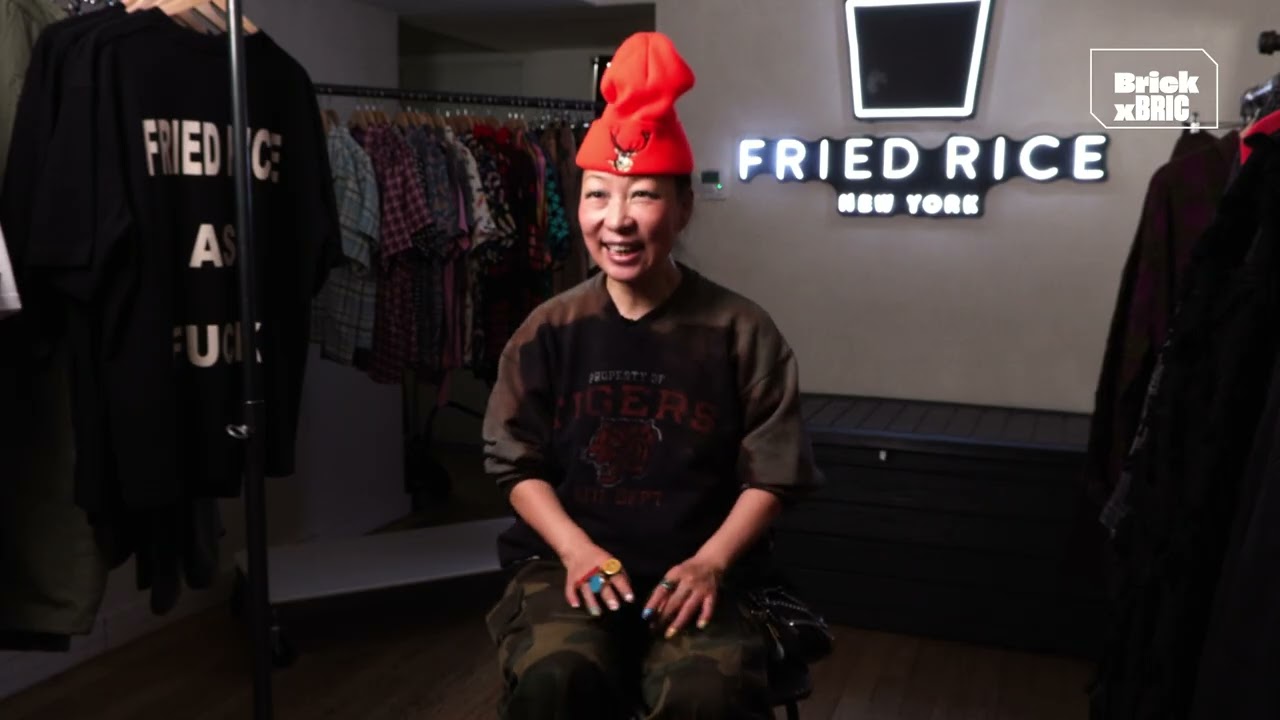
    Fried Rice, a renowned streetwear brand headquartered in New York, has made its debut in China with a pop-up store. This marks the brand’s initial steps towards expanding its presence in the Asian market.

    A New Venture in Shenzhen

    Strategically located in Shenzhen’s K11 Ecoast, the pop-up store opened its doors on August 30. It will continue its operations for approximately a year until next August, providing customers with the opportunity to experience Fried Rice’s unique offerings firsthand.

    The brand, created by the acclaimed designer Maya Wang, is celebrated globally for its cutting-edge, gender-neutral streetwear line that creatively blends innovative design details with superior fabric quality.

    On discussing the new venture, Wang, who also serves as the brand’s creative director, noted that the collaboration with K11 was a natural progression in Fried Rice’s pursuit of establishing itself in Asia. She added, “Our purpose here is to learn, to collaborate, and to celebrate creative aspirations with the individuals we interact with during this journey. This pop-up is as much about forging personal relationships as it is a shopping destination.”

    Expansion Plans in Asia

    The brand views the store’s launch as a strategic move, providing a firm base for their projected expansion across the Asian market. The central focus of this expansion is to build strong ties with regional creative communities that share the brand’s vision and values.

    Currently, Fried Rice is exploring numerous growth avenues within the region, including distribution, live retail broadcasting, and retail licensing partnership opportunities. For its initial endeavors, the brand is primarily targeting markets in Japan, China, and South Korea.

    Fried Rice has also announced plans for a pop-up store in Tokyo next year. Additionally, the brand aims to mark its presence at the third consecutive Asia ComplexCon in Hong Kong in the early part of the coming year.

    Questions & Answers

    What is the brand Fried Rice known for?
    Fried Rice is a New York-based streetwear brand recognized for its innovative, gender-neutral clothing collections that feature creative design elements and high-quality materials.

    What is the focus of Fried Rice’s expansion in Asia?
    Fried Rice intends to connect with local creative communities that align with its brand values as part of its expansion in Asia. The brand is also exploring opportunities in distribution, live retail broadcasting, and retail licensing partnerships.

    What are some of Fried Rice’s upcoming plans in Asia?
    In addition to the recently launched pop-up store in Shenzhen, Fried Rice has plans for a Tokyo pop-up store the following year. The brand will also participate in its third consecutive Asia ComplexCon in Hong Kong early next year.

  • Chinese Sportswear Giant, Anta Group, Targets 1000 Stores In Southeast Asia By 2025

    Chinese Sportswear Giant, Anta Group, Targets 1000 Stores In Southeast Asia By 2025

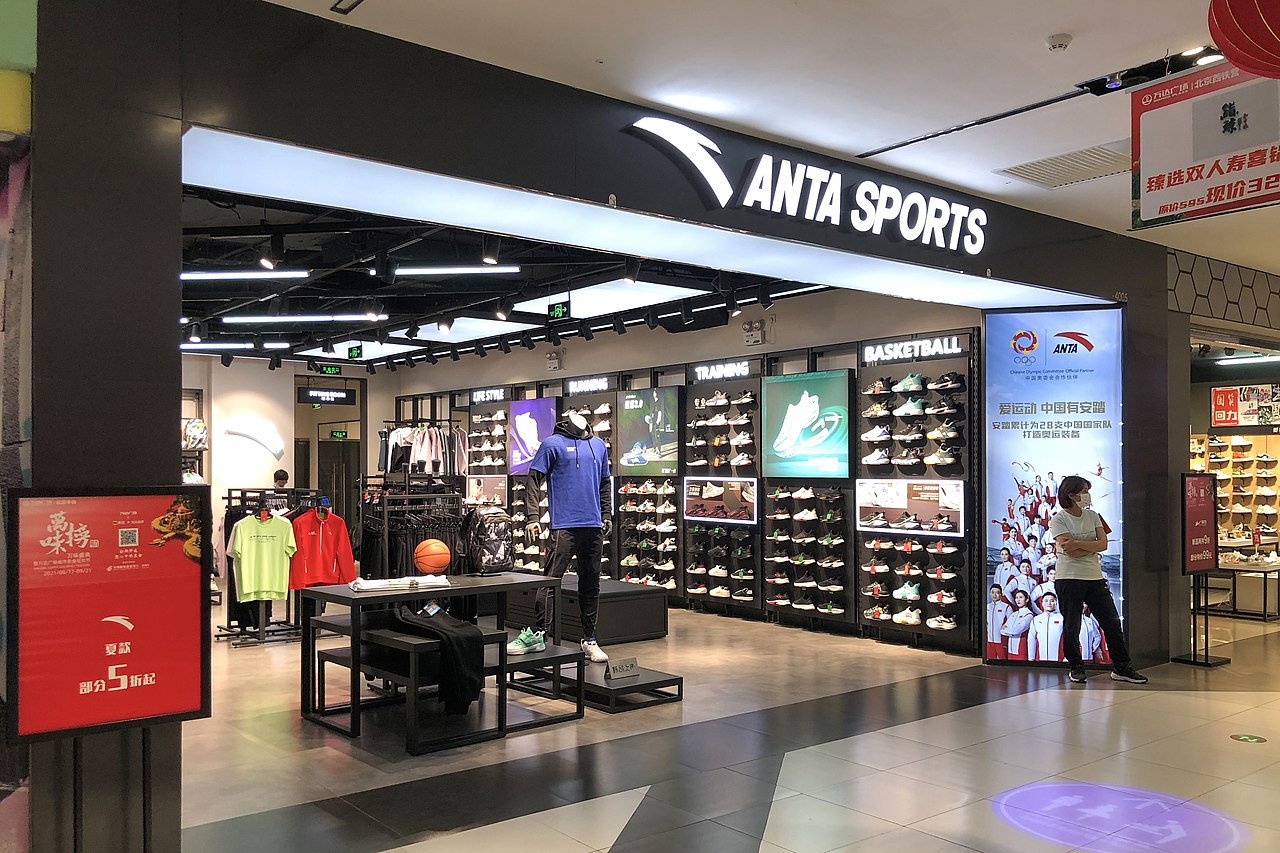
    Anta Group, a Chinese sportswear company, has announced its goal to reach a total of 1,000 stores in Southeast Asia within the next three years. Currently, the group operates almost 13,000 stores globally, including more than 200 in Southeast Asia. These stores are spread out over various countries including the Philippines, Singapore, Malaysia, and Vietnam. The ambitious expansion plan will see the group quadruple its retail presence in Southeast Asia.

    Speaking at the 2025 Asia New Vision Forum

    The announcement was made by Will Wang, Vice President of Anta Group and Chairman and President of Anta SEA, during the 2025 Asia New Vision Forum held in Singapore. The forum assembled a panel of executives from various Southeast Asian industries to discuss strategies for creating strong connections between brands and consumers at a regional and global level.

    Wang stressed the critical role of Southeast Asia in Anta’s global expansion strategy, revealing that the brand’s retail sales in the region have nearly doubled in the first half of this year compared to the same period last year. Wang attributed this success to Anta’s high-value products, localization and digitalization strategies, and the effective implementation of its “Brand+Retail” business model.

    In his speech, Wang underscored the importance of staying true to the brand’s DNA while achieving localization in each market. He stated, “It’s not just about selling products in Southeast Asia; it’s about delivering brand value and high-quality service to local consumers with standardized excellence. Our team is confident we will achieve our 1,000-store target for the Anta brand in the next three years.”

    Anta’s Global Growth Strategy

    For Anta, Southeast Asia is not only a significant market but also a strategic starting point for its global growth. The region’s expansion into neighboring markets, combined with the growth of both its offline and online businesses, has fueled a significant increase in the brand’s overseas revenue. In the first half of this year alone, Anta’s overseas revenue grew by more than 150% year-over-year.

    Anta Group’s international retail network extends to crucial markets such as the UAE, Saudi Arabia, Egypt, Kenya, and North America, all achieved through strategic partnerships. Most recently, the group opened its first flagship store in the United States, located in Beverly Hills, California.

    Questions & Answers

    What is Anta Group’s expansion target in Southeast Asia?
    Anta Group aims to open 1,000 stores in Southeast Asia within the next three years.

    What factors have contributed to Anta Group’s success in Southeast Asia?
    The success of Anta Group in Southeast Asia can be attributed to their high-value products, effective localization and digitalization strategies, and the implementation of their “Brand+Retail” business model.

    Where has Anta Group recently opened its first flagship store in the United States?
    Anta Group recently opened its first flagship store in the United States in Beverly Hills, California.

  • South Korean Retailers Innovate To Welcome Returning Chinese Tour Groups Amid Changing Consumer Trends

    South Korean Retailers Innovate To Welcome Returning Chinese Tour Groups Amid Changing Consumer Trends

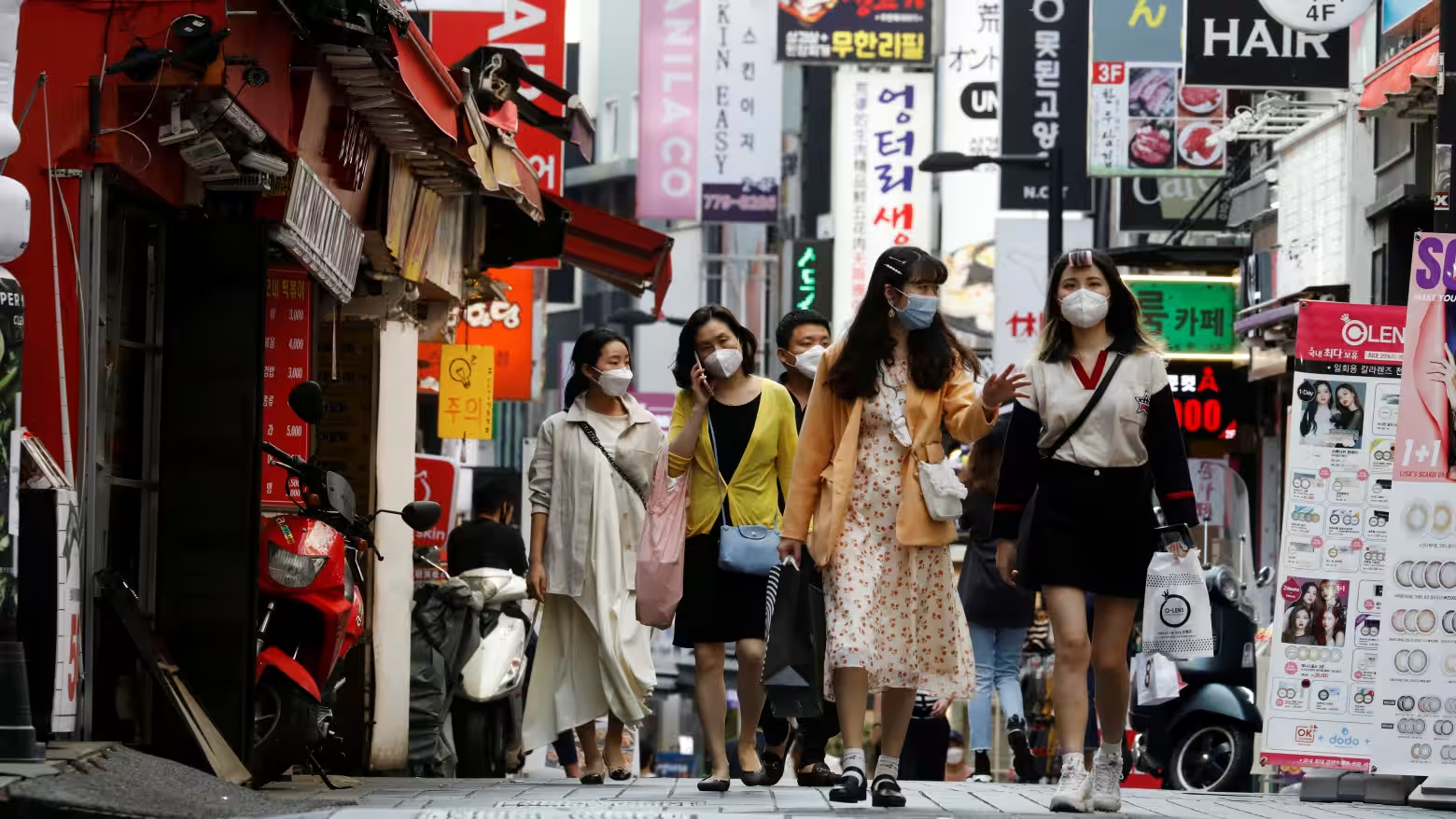
    As South Korea prepares for the much-anticipated return of Chinese tour groups from September 29, retailers are taking proactive measures to welcome them. To cater to these visitors, who will be allowed visa-free entry, a wave of new promotions is on the horizon, and retailers are expanding their product ranges. Instead of focusing solely on luxury cosmetics, retailers are branching out to incorporate fashion, lifestyle, and even convenience store exclusive items.

    Change in Chinese Tourists’ Preferences

    In the mid-2010s, Chinese travelers, often referred to as “Youke,” were known for their bulk purchases of high-end skincare products. However, recent industry data indicates a significant shift in their preferences. Currently, eyewear brands such as Gentle Monster, K-fashion labels, health foods, and lifestyle goods are gaining popularity among these travelers.

    Retailers’ Innovative Strategies

    In response to these changing demands, Lotte Department Store has launched curated boutiques as part of the “Kinetic Ground” platform. These boutiques will feature trendy domestic brands. In addition, the department store’s duty-free branch has plans to inaugurate a new “K-Beauty Hall” in Myeongdong, accompanied by an expansion of local specialty food offerings.

    Shinsegae Department Store is orchestrating a “Global Shopping Festa” around the Chuseok holiday, with a focus on categories popular with foreign shoppers. Convenience chains are also making preparations. GS25 is advertising Greek yogurt, highballs, and K-pop albums as emerging favorites. They have even released a “K-Convenience Store Guidebook,” presenting product rankings and celebrity snack choices. Additionally, 7-Eleven is promoting souvenir items that represent Korean symbols like the national flag and old currency.

    Duty-Free Shops Gear Up

    Duty-free shops, known to benefit most from group tourism, are also gearing up. Lotte Duty Free is bolstering relationships with agents in second- and third-tier Chinese cities such as Chongqing and Qingdao, while Shilla is setting its sights on corporate travel groups. Shinsegae Duty Free is honing in on smaller groups that tend to spend more. Retailers are further enhancing the shopping experience by introducing experiential attractions like revamped “Star Avenues” and Artificial Intelligence (AI)-aided translation services to facilitate shopping for international visitors.

    Challenges Ahead

    Despite these proactive measures, retailers face several challenges. One critical issue is the shift in travel patterns towards individual tourism, making it uncertain whether duty-free operators will regain their past dominance. Another concern is the increase in hotel costs since the pandemic, which could potentially impact package competitiveness.

    A duty-free executive expressed optimism, stating that visa-free entry for Chinese group tourists might signal a turning point for Korea’s tourism recovery. However, the real litmus test lies in whether spending bounces back. The industry is eagerly waiting for the APEC summit in late October, hosted by Seoul, as it could provide more clarity on the situation. The event is also likely to attract China’s President Xi Jinping.

    Questions & Answers

    What changes are South Korean retailers making to accommodate the return of Chinese tour groups?
    Retailers in South Korea are launching new promotions and expanding their product offerings. They are diversifying their product lineups to include not just luxury cosmetics, but also fashion items, lifestyle goods, and exclusive convenience store products.

    How are duty-free shops preparing for the return of Chinese tour groups?
    Duty-free shops are looking to strengthen ties with agents in Chinese cities, targeting corporate travel groups, and focusing on smaller, high-spending groups. They also aim to improve the shopping experience by introducing experiential attractions and AI-powered translation services.

    What challenges do retailers face with the return of Chinese tour groups?
    Retailers are facing challenges such as the shift in travel patterns towards individual tourism, which raises questions about the future dominance of duty-free operators. Additionally, rising hotel costs since the pandemic could impact package competitiveness.

  • China’s Delivery Giants Face Off: What the Market Share Battle Means for the Future

    China’s Delivery Giants Face Off: What the Market Share Battle Means for the Future

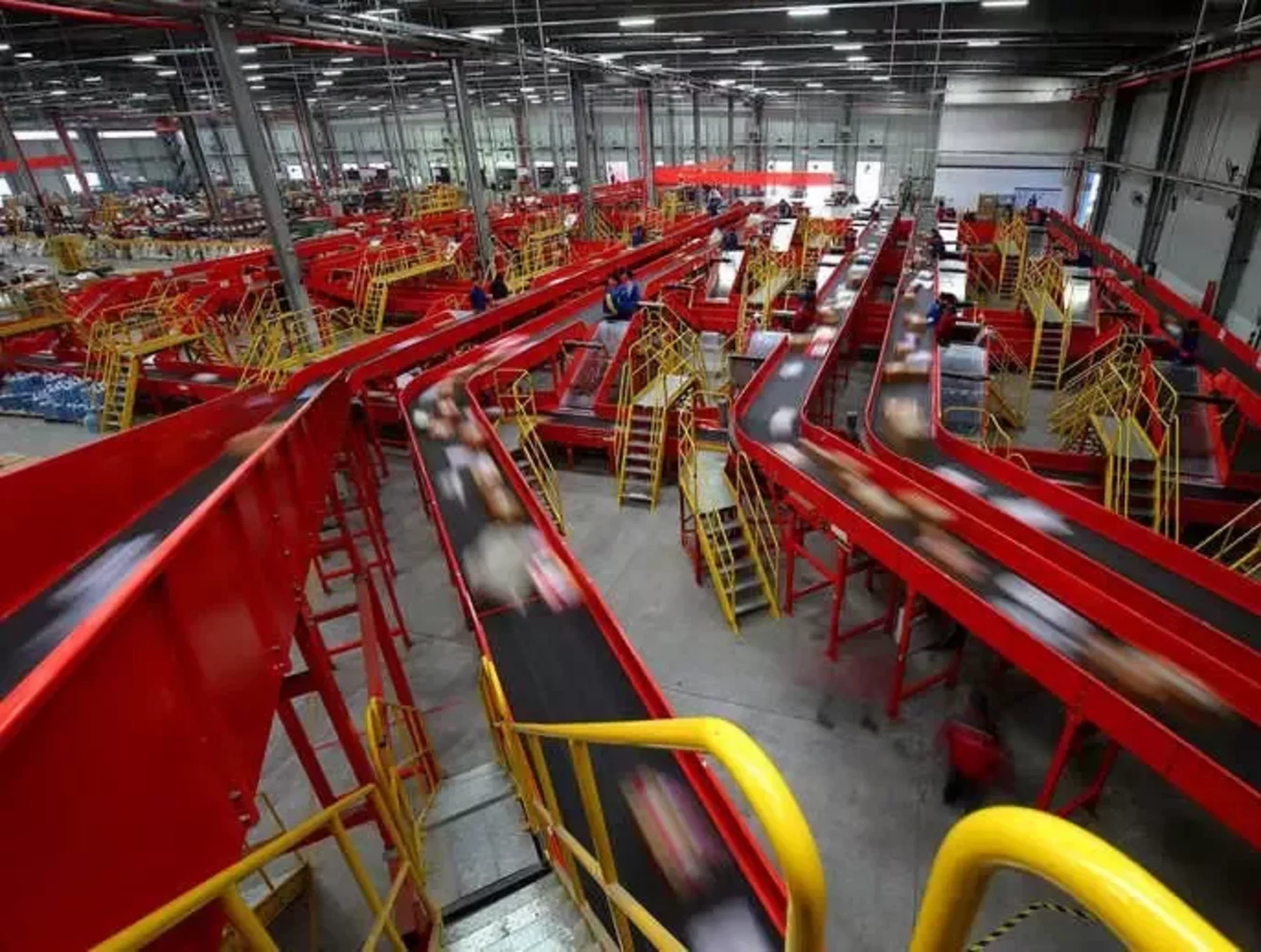
    The on-demand delivery landscape in China is heating up, with three leading platforms bracing for increased costs and tighter margins as competition intensifies. A fresh analysis from S&P Global Ratings reveals that aggressive promotional strategies, including enticing offers like free fresh-made beverages, are prompting platforms to invest heavily—projected at a staggering RMB 160 billion over the next 12 to 18 months—in their fight for market share in the food delivery and instant retail sectors.

    “With such a fierce competitive atmosphere, monitoring for unfair pricing practices has become essential,” remarked Jay Lau, an analyst at S&P Global Ratings. The Chinese government is actively reevaluating its policies regarding pricing fairness, signaling a commitment to protect merchants from potential exploitation amid these fierce market battles.

    Despite the high stakes, S&P Global Ratings anticipates that spending will remain substantial, although they foresee only a modest moderation in expenditures. The on-demand delivery market is poised for strong growth, boasting double-digit growth rates projected for the coming years. Lau pointed out that “cross-selling is a main goal.” The ability to drive frequent on-demand purchases—often happening several times a week—holds the potential to significantly boost traffic and increase sales opportunities.

    Among the key players, JD.com and Alibaba stand to gain the most, given their expansive existing retail platforms that facilitate cross-selling. In contrast, Meituan faces a steeper challenge, as food delivery remains the cornerstone of its revenue model. As the battle for market dominance rages on, analysts are cautious, predicting that margins are unlikely to recover in the next 12 to 24 months as this war for market share continues to unfold.

    Questions & Answers

    What is the expected financial impact on major Chinese delivery platforms?
    The competition is likely to drive these platforms to spend around RMB 160 billion in the next 12 to 18 months as they battle for market share, leading to increased costs and squeezed margins.

    What role does cross-selling play in on-demand delivery growth?
    Cross-selling is crucial, as high-frequency purchases each week can significantly drive traffic and boost overall sales for platforms, particularly for those like JD.com and Alibaba that are well-positioned to leverage their existing retail networks.

    How are regulators responding to the competitive atmosphere?
    The Chinese government is actively revising its standards on unfair pricing practices and will be closely monitoring leading platforms to prevent any potential exploitation of merchants as competition grows fiercer.

  • South Korean Fashion Retailer Musinsa Teams Up With Anta Sports To Expand Into China

    South Korean Fashion Retailer Musinsa Teams Up With Anta Sports To Expand Into China

    Musinsa, a fashion retailer from South Korea, has recently expanded its operations into China, thanks to a collaboration with Anta Sports. By creating a joint venture known as Musinsa China, the two companies aim to stimulate growth in both online and physical store outlets. Majority ownership (60%) of the joint venture will be held by Musinsa, while Anta Sports will possess the remaining 40%.

    Advancing Korean Fashion in China

    Musinsa currently collaborates with over 1500 brands on its platform and intends to use this new venture to assist Korean designer labels in making their debut in China. According to Musinsa’s CEO, Joonmo Park, this alliance merges Musinsa’s knowledge of fashion with Anta’s expertise in retail and brand management.

    Park enthusiastically shared his vision for the partnership, stating that it would utilize diverse retail channels to provide Chinese consumers with unique brand experiences. He expressed eagerness to captivate young consumers in the vibrant Chinese market.

    Roles and Responsibilities

    The implementation of Musinsa Standard, the retailer’s private-label line, and the Musinsa Store will be managed by Musinsa China. Meanwhile, Anta Sports will oversee strategic and financial aspects of the venture through its representatives on the joint venture’s board.

    Co-CEO of Anta Sports, Wu Yonghua, believes that the agreement aligns perfectly with Anta’s ‘Single-Focus, Multi-Brand, and Globalisation’ strategy. He stated their intention to integrate sportswear with fashion-forward design to better cater to the preferences of China’s younger generation.

    Anta Sports aims to use its value chain capabilities and successful ‘Brand + Retail’ operating model to empower Musinsa China. The goal is to deliver standout, style-conscious products to consumers interested in sports and lifestyle.

    The business transaction is set to be finalized by the end of the month, subject to approval from regulatory bodies.

    Questions & Answers

    What is the purpose of the partnership between Musinsa and Anta Sports?
    The partnership aims to advance the growth of both online and offline channels in China by creating a joint venture, Musinsa China.

    How does this partnership fit into Anta Sports’ business strategy?
    The collaboration aligns with Anta’s ‘Single-Focus, Multi-Brand, and Globalisation’ strategy, allowing them to integrate sportswear with fashion-forward design to cater to China’s younger generation.

    Who will oversee the operations of this new venture?
    Musinsa China will manage the implementation of Musinsa Standard and the Musinsa Store, while Anta Sports will handle strategic and financial oversight through its representatives on the board of the joint venture.

  • Yum China Unveils ‘Fried Chicken Brothers’: A New Twist On Fast-food With Chinese And Korean Flavors

    Yum China Unveils ‘Fried Chicken Brothers’: A New Twist On Fast-food With Chinese And Korean Flavors

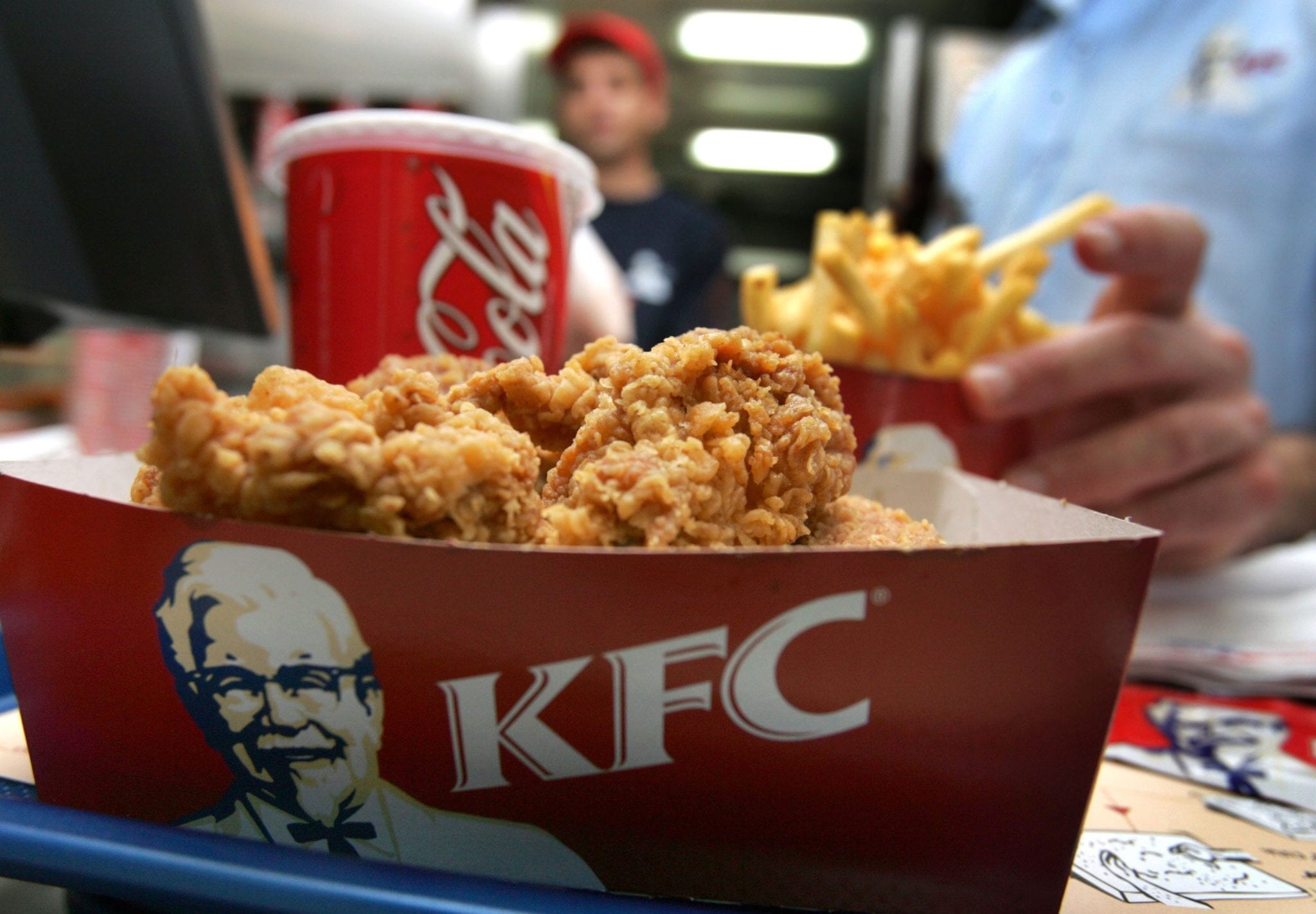
    Yum China, KFC’s operator in the country, has discreetly introduced a fresh pilot concept by the name of Fried Chicken Brothers, further diversifying its localized sub-brands.

    The pilot currently runs two compact stores in Shanghai, each approximately 20sqm in size, with a particular focus on takeaway and delivery services.

    The innovative brand presents two unique culinary adventures. One specializes in Chinese-style fried chicken, while the other embraces the distinct flavors of Korean-style fried chicken.

    The Chinese menu features dishes inspired by regional flavors, such as chicken spiced with Litsea cubeba, crispy chicken skin paired with chili, and chicken racks with a unique taste of Yanbian barbecue kimchi. The Korean-style shop, on the other hand, emphasizes boneless fried chicken, served with an array of bold sauces including creamy cheese, amber sweet and spicy, and honey mustard sauces.

    Based on user reviews, the average spending per person is estimated around 30 RMB (approximately US$4.12), positioning Fried Chicken Brothers as a cost-effective and flavor-rich alternative in the fast-food fried chicken market.

    This new addition expands Yum China’s increasing portfolio of KFC sub-brands in the country, which further includes KCoffee and Kpro. This move aligns with the company’s broader strategy of diversifying its offerings to cater to younger consumers and adapt to the ever-changing local tastes.

    Questions & Answers

    What is Yum China’s new pilot concept?
    Yum China has introduced a new pilot concept called Fried Chicken Brothers, which offers Chinese and Korean-style fried chicken.

    What does the Fried Chicken Brothers menu offer?
    The menu offers two distinct culinary experiences. The Chinese-style menu features dishes like Litsea cubeba-spiced chicken and Yanbian barbecue kimchi-flavoured chicken racks. The Korean-style menu focuses on boneless fried chicken with a variety of sauces.

    What is the positioning of Fried Chicken Brothers in the market?
    As per user reviews, the average spending per person is around 30 RMB (US$4.12), thus positioning Fried Chicken Brothers as an affordable and flavor-rich alternative in the fast-food fried chicken market.

  • Chinese Sweet Potatoes with Durian Flavor Fascinate Vietnamese Shoppers, Despite Higher Price Tag

    Chinese Sweet Potatoes with Durian Flavor Fascinate Vietnamese Shoppers, Despite Higher Price Tag

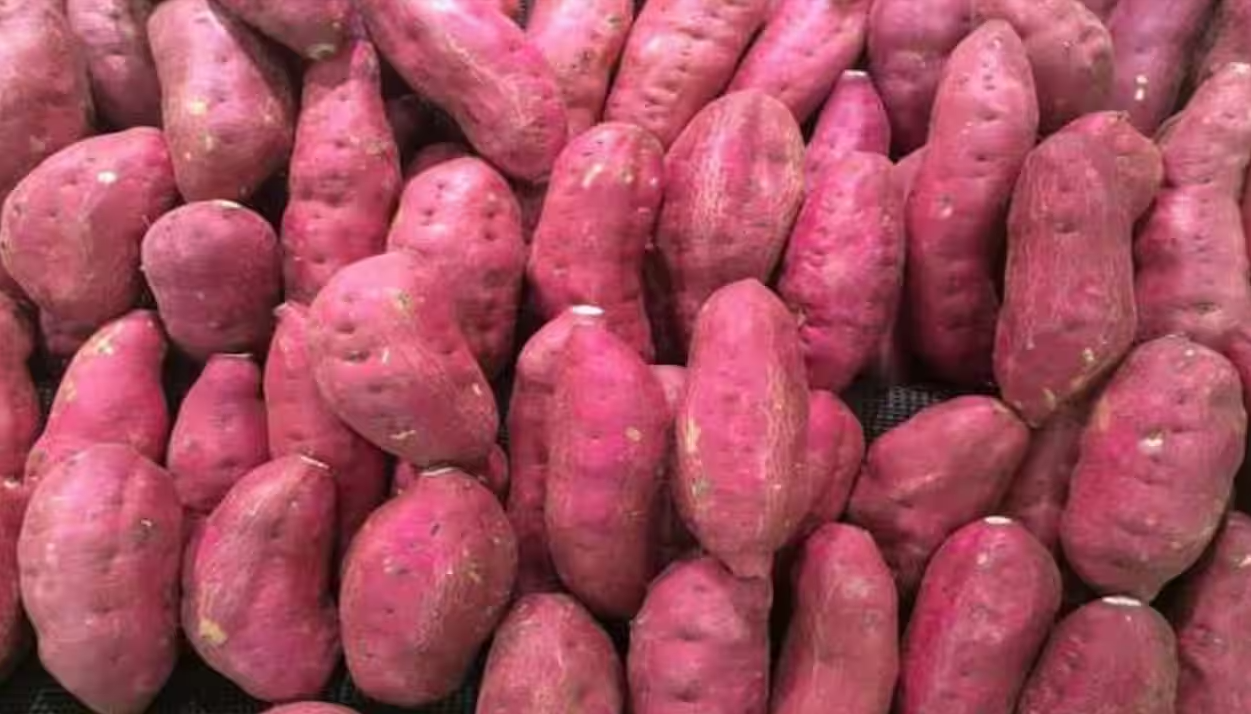
    In a curious culinary twist taking Vietnam by storm, “durian sweet potatoes” have captured the attention of food lovers across social media platforms since July. Vendors tout these unique spuds for their creamy texture and sweet flavor reminiscent of the notoriously pungent durian.

    Hong Anh, a food store owner in Ho Chi Minh City’s District 12, recalls her initial skepticism when suppliers first introduced her to the product, especially given its steep price point. However, after sampling the sweet potatoes herself, she discovered their chewy, delectable nature that “melts” in the mouth, prompting her to add them to her offerings.

    “In just half a month, I sold about 300 kilograms,” she noted, highlighting the appeal of the potatoes’ eye-catching appearance and uniform size. Customers are also drawn to them due to their intriguing name, creating a buzz in the market.

    Currently, Anh retails these sweet potatoes at VND96,000 (US$3.64) per kilogram—double the price of top domestic varieties and three times that of standard sweet potatoes. While these tubers are a staple in Vietnam, cultivated extensively in regions like the Central Highlands and Mekong Delta, they broke the bank when it comes to consumers checking their wallets.

    Last year, sweet potato exports brought in nearly VND900 billion, with farm-gate prices hovering between VND14,000 and VND16,000 per kilogram and retail prices ranging from VND25,000 to VND50,000. The growing demand for the Chinese variety has seen distributors like To Khuyen from Lao Cai Province, near the China border, importing thousands of boxes within just a month. Initially priced over VND100,000 per kilogram due to low supply, she has now lowered prices by 15%. “Since early July, these sweet potatoes have been flying off the shelves. Wholesalers snap them up as soon as the trucks arrive,” she shared.

    Beyond their enticing flavor, the potatoes boast thick, easy-to-peel skin and come packaged in chic cardboard boxes—making them a hit for consumers looking for both taste and aesthetics. Despite this, they remain somewhat of a niche offering. Representatives from the Thu Duc and Hoc Mon wholesale markets in Ho Chi Minh City remarked they haven’t introduced these varieties yet, focusing solely on local options.

    As excitement builds around these sweet potatoes, some market sellers urge caution regarding new products with unclear origins. According to the Guangdong Provincial Information Portal in China, these sweet potatoes belong to a variety called Xinxiang, or mini sweet potatoes, which have been cultivated since 2007 in southern provinces like Zhejiang and Guangdong, with farmers receiving between CNY13-16 ($1.82-2.24) per kilogram.

    Questions & Answers

    How are “durian sweet potatoes” different from regular sweet potatoes?
    These sweet potatoes are known for their chewy texture and sweet flavor, resembling that of durian, which sets them apart from traditional varieties.

    Why are these sweet potatoes priced significantly higher than local varieties?
    Their pricing reflects a combination of factors, including their imported nature, unique culinary qualities, and increasing demand among consumers curious about novel products.

    What challenges do consumers face with these new sweet potatoes?
    Some market sellers express concerns about the origins of these imported sweet potatoes, prompting consumers to be cautious when trying new and unfamiliar products.

  • Louis Vuitton Launches Standalone Beauty Boutique In China Amid Revenue Slump

    Louis Vuitton Launches Standalone Beauty Boutique In China Amid Revenue Slump

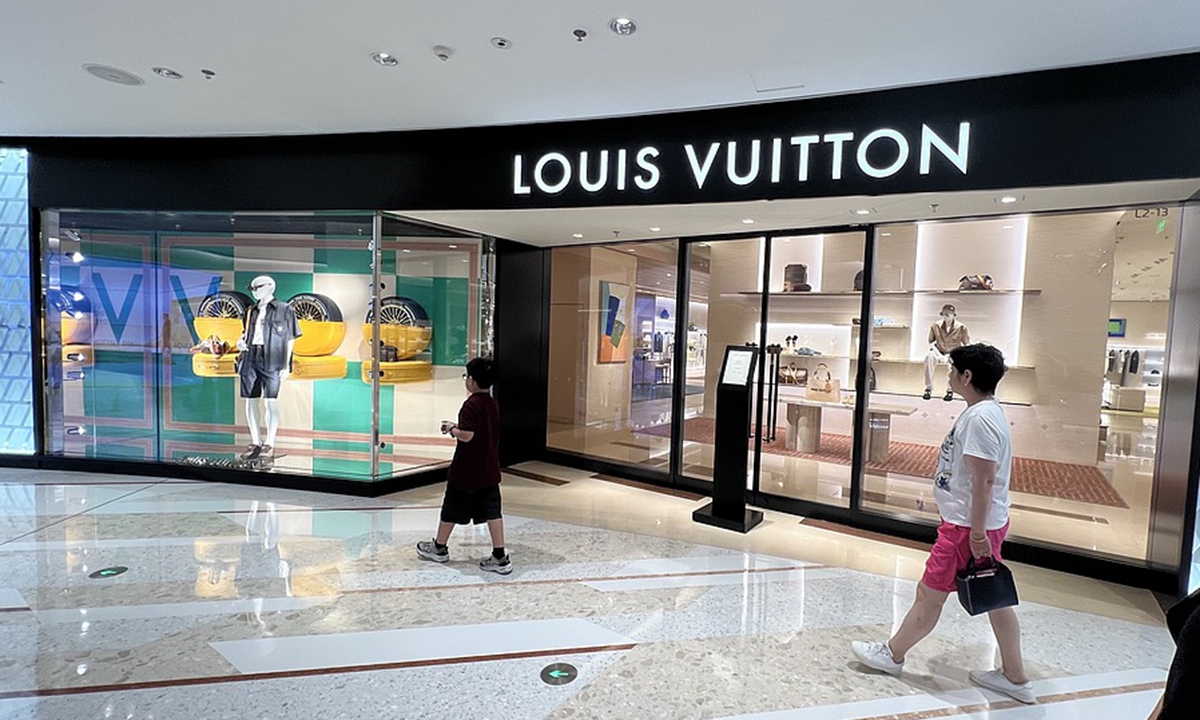
    The French luxury behemoth, Louis Vuitton, has recently inaugurated its inaugural standalone beauty retail outlet in China. This strategic development marks a significant effort by the brand to fortify its presence in the high-end market segment and re-establish its bond with Chinese consumers.

    The Beauty Boutique

    The beauty boutique, nestled in the esteemed Deji Plaza of Nanjing, serves as the platform to exhibit the company’s novel beauty product line, La Beaute. This line is the creative offspring of the distinguished makeup artist, Dame Pat McGrath. The La Beaute collection comprises a meticulously curated assortment of products such as lipsticks, lip balms, eyeshadow palettes, and an array of beauty accessories.

    Product Highlights

    Notable products from the collection include the LV Rouge lipsticks, which are available in a staggering 55 shades, with both satin and matte finishes. These lipsticks are marketed at roughly $160 each. Furthermore, the product line is also home to 10 LV Baume lip balms and 8 LV Ombres eyeshadow palettes.

    Brand Strategy

    The unveiling of this boutique aligns with Louis Vuitton’s large-scale plan to rejuvenate its relations with China’s luxury consumer base. This comes in the wake of a reported 4 per cent slump in its global revenue during the first half of FY25. The brand’s initiative is a response to the weakening demand noticed in China, a situation partly attributed to the prevailing trade friction between Beijing and Washington.

    Questions & Answers

    What is the strategic significance of Louis Vuitton’s first standalone beauty boutique in China?
    The launch of this boutique is a key move by Louis Vuitton to strengthen its foothold in the premium market and foster stronger relations with Chinese consumers.

    What are some notable products from the new La Beaute collection?
    Prominent products from the collection include the LV Rouge lipsticks, available in 55 shades, LV Baume lip balms, and LV Ombres eyeshadow palettes.

    Why is Louis Vuitton focusing on re-engagement with China’s luxury consumers?
    The brand’s focus on re-engagement with China’s luxury consumers comes in response to a 4 per cent decrease in its global revenue during the first half of FY25 and weakening consumer demand within China.

  • Domino’s Pizza China Reports Record Half-year Revenue, Loyalty Program Membership Soars

    Domino’s Pizza China Reports Record Half-year Revenue, Loyalty Program Membership Soars

    Domino’s Pizza in China has announced an impressive 27% surge in its half-yearly revenue, reaching RMB2.59 billion (US$363.2 million). This continued the firm’s trend of double-digit growth year on year.

    Impressive Profit Growth

    The company’s net profit growth was also highly commendable, registering an increase of 504.4% to RMB65.9 million. Additionally, the adjusted net profit saw a significant increase of 79.6% year on year, reaching RMB91.42 million.

    Loyalty Program Boost

    The first half of the year saw 30.1 million people signing up for Domino’s China’s loyalty program, representing a substantial 55.2% increase compared to the previous year. The revenue generated by the loyalty members constituted an increased percentage of the company’s total revenue, moving from 63.6% to 66%. This development indicates a growing scale, and a deepening engagement and loyalty from the customers.

    Expanding Store Network

    Since the third quarter of 2017, Domino’s China has been rapidly expanding its store network through its ‘go-deeper, go-broader’ approach. This has led to the company increasing its store count from merely 100 stores to 1198 stores spread across 48 cities on the Chinese mainland.

    Domino’s attributes its successful expansion to stringent site evaluation standards. The company ensures that each new store meets the requirements for long-term profitability. This has helped the firm maintain its store closure rate below the industry benchmarks.

    Questions & Answers

    What was the increase in Domino’s Pizza China’s half-year revenue?
    The half-year revenue of Domino’s Pizza China increased by 27%, amounting to RMB2.59 billion (US$363.2 million).

    How many people signed up for Domino’s China’s loyalty program in the first half of the year?
    In the first half of the year, 30.1 million people signed up for Domino’s China’s loyalty program.

    How many stores does Domino’s China currently have?
    Domino’s China currently has 1198 stores across 48 cities on the Chinese mainland.

  • Forever 21’s Fourth Attempt: Reinventing Brand Presence In Chinese And North American Markets

    Forever 21’s Fourth Attempt: Reinventing Brand Presence In Chinese And North American Markets

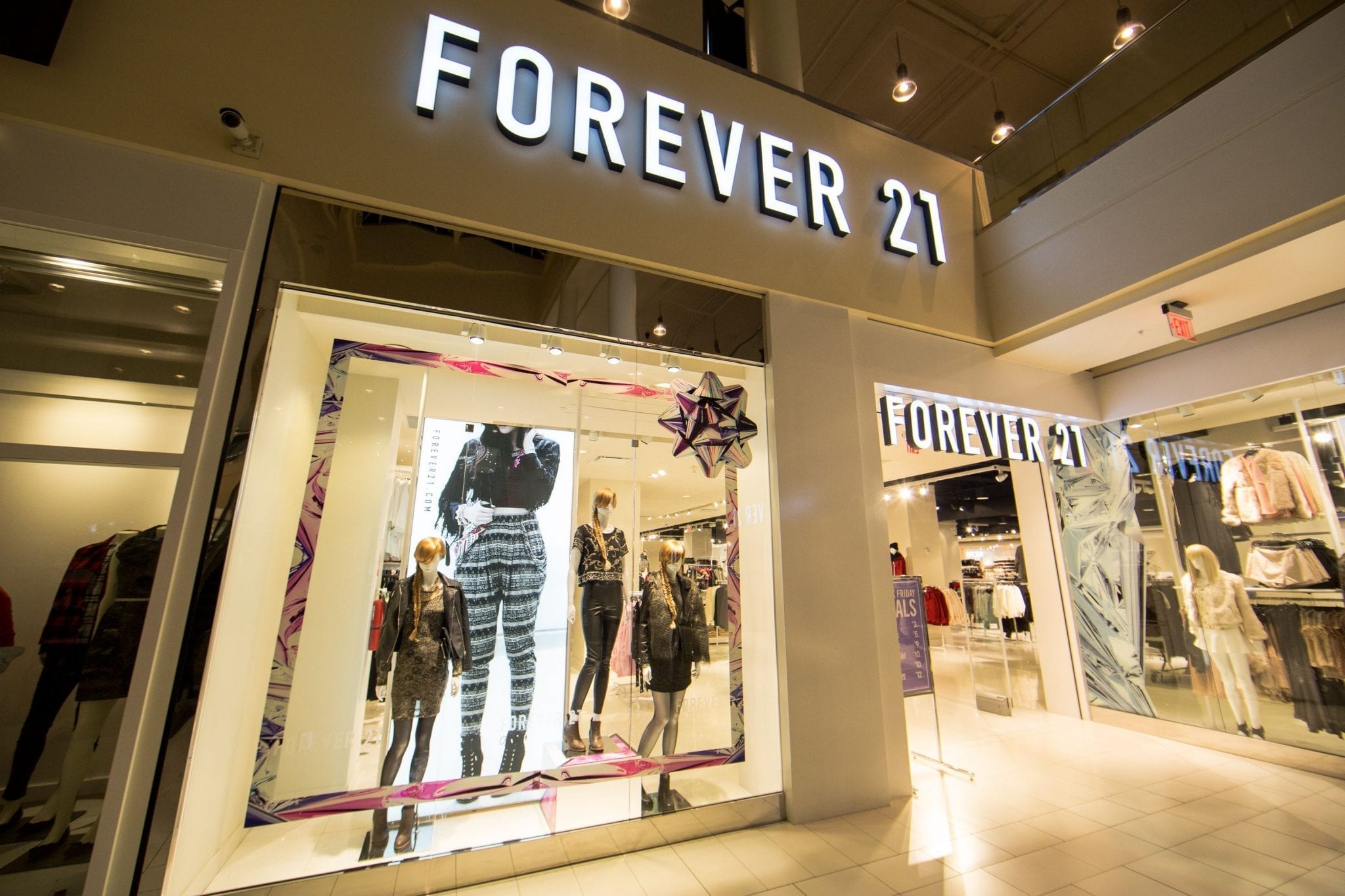
    Renowned fast-fashion retailer, Forever 21, is poised to venture once again into the Chinese market for the fourth time. The brand’s previous three attempts, beginning in 2008, were unsuccessful in maintaining a solid foothold in the second-largest global economy.

    Reviving the Brand: Future Prospects

    Beyond its focus on China, Forever 21 also aims to revitalise its presence in the North American market. To support this endeavour, the brand is currently in search of a strategic partner, with an announcement to follow in the near future, according to Authentic Brands Group (ABG), the holder of Forever 21’s worldwide intellectual property rights.

    The primary emphasis of the brand for the foreseeable future is on strengthening its market position in both China and the United States, as disclosed by ABG in a recent press briefing.

    Bankruptcy and Recovery

    In March, Forever 21 declared bankruptcy in the U.S. for the second time in six years. The brand also revealed plans to phase out domestic operations due to the increasing pressures of online competition in the fast-fashion industry, coupled with dwindling traffic in shopping malls.

    Following its third relaunch in China in 2022 and the opening of several retail outlets beyond the country’s primary fashion hubs, Forever 21’s operations gradually diminished towards the end of 2024.

    Re-emergence and Partnerships

    However, the brand is making a comeback, creating a buzz with its famed bright yellow branding appearing in major Chinese cities. Marketing events at music festivals and Forever 21 advertisements within Shanghai’s metro system have marked the brand’s return.

    For its latest endeavor, ABG is collaborating with brand operator Chengdi, a firm partly owned by e-commerce giant Vipshop Holdings. During a press launch in Shanghai, Chengdi expressed its intention to localize operations and attract a new generation of young consumers, with plans to open more brick-and-mortar stores in 2026.

    CEO’s Remarks on the Acquisition

    Jamie Salter, CEO of ABG, had previously described the acquisition of Forever 21, which was purchased from bankruptcy in 2020, as “probably the biggest mistake I made.” However, when asked about these remarks recently, an ABG spokesperson clarified that Salter “has always believed that having Forever 21 as part of ABG is a good idea and he continues to maintain that belief.”

    Questions & Answers

    What is Forever 21’s future strategy in the global market?
    Forever 21 aims to reestablish its presence in the Chinese and North American markets, with plans to seek a strategic partner for the North American relaunch.

    What led to Forever 21’s bankruptcy and eventual recovery?
    Increasing online competition in the fast-fashion industry and declining mall footfall led to Forever 21’s bankruptcy. It’s recovery has been marked by a strategic relaunch and partnership with Chengdi in the Chinese market.

    What did ABG’s CEO Jamie Salter mean by his comments regarding the acquisition of Forever 21?
    Jamie Salter had previously expressed regrets about acquiring Forever 21. However, an ABG spokesperson clarified that Salter continues to believe in the brand’s potential as part of ABG.