Tag: China

  • JD.com Boosts Ecuadorian Rose Imports to Enhance Supply Chain Resilience and Product Variety

    JD.com Boosts Ecuadorian Rose Imports to Enhance Supply Chain Resilience and Product Variety

    JD Flowers, the floral arm of JD.com, is poised to make a remarkable splash in China’s flower market with ambitious plans to sell over 100 million flowers by 2025. This growth strategy directly taps into the surging demand for high-quality imported flowers, particularly Ecuadorian roses, which are beloved for their striking colors, long stems, and impressive durability.

    Direct Sourcing Drives Expansion

    To meet consumer expectations, JD Flowers is ramping up its direct sourcing from Ecuador, allowing the company to deliver these coveted blooms to Chinese customers in a matter of just 72 hours. Impressively, this nimble logistics system positions JD Flowers to keep retail prices in check, even as they offer an abundance of top-quality options.

    A Favorable Trade Agreement

    The decision to focus on Ecuadorian roses coincides with the recently signed 2024 China-Ecuador Free Trade Agreement, which eliminates import tariffs and has paved the way for JD Flowers to lower prices by approximately 30%. These reductions not only enhance competitiveness but also open the door to even wider consumer access.

    Projecting Growth in a Booming Market

    As China’s floral market is projected to grow at an annual rate of 7%, exceeding RMB250 billion by 2025, JD Flowers is well-positioned to stand out. The company plans to import 50 million blooms from not just Ecuador, but also from renowned floral export countries such as the Netherlands, Japan, and Colombia.

    Streamlined Operations for Quality Assurance

    JD Flowers has partnered with farms like Ceres Farms to streamline export processes, reduce costs, and maintain the quality of its roses. A specialized “Ecuadorian Rose Supply Route” with Emirates Airlines enhances logistics efficiency, slashing transit times down to 40 hours while ensuring freshness through a meticulous three-stage temperature control system and rapid customs clearance. It seems this blooming partnership is designed to keep petals pristine and profits robust.

    Questions & Answers

    What is JD Flowers’ goal for flower sales by 2025?
    JD Flowers aims to sell over 100 million flowers by 2025, significantly tapping into the growing floral market in China.

    How has the China-Ecuador Free Trade Agreement impacted pricing?
    The agreement has removed import tariffs, enabling JD Flowers to lower retail prices of Ecuadorian roses by approximately 30%.

    What unique logistics does JD Flowers employ for importing Ecuadorian roses?
    The company uses a dedicated supply route with Emirates Airlines, ensuring transit times of just 40 hours while implementing a three-stage temperature control process to maintain flower freshness.


  • Tim Hortons China Sees Q2 Recovery, Cites New Strategy And Franchise Growth As Key Drivers

    Tim Hortons China Sees Q2 Recovery, Cites New Strategy And Franchise Growth As Key Drivers

    TH International Limited, the company responsible for operating Tim Hortons coffee shops in China, has reported a slight recovery in the second quarter. This recovery has helped to counterbalance the economic strain resulting from store closures and decreased revenue from company-operated outlets.

    Financial Performance

    The system sales experienced a 1.4 percent increase since last year, reaching a total of $57.2 million. Despite this growth, total revenues decreased by 4.9 percent, amounting to $48.7 million. However, the company recorded a positive adjusted EBITDA of $300,000 and a reduced adjusted net loss of 16.2 percent, which amounts to $5.5 million.

    The company’s CEO, Yongchen Lu, stated the company’s “Coffee + Freshly Prepared Food” strategy as the driving force behind the improved results. New product offerings led to an increase in food revenue by 8.6 percent from last year. Consequently, the contribution of food revenue to system sales rose to a record 35.2 percent.

    Albert Li, the CFO, pointed out the efficiency enhancements in the company’s operations. The costs of food, packaging, and labor dropped as a percentage of store revenues. He attributed the improved financial performance to the refinement of store unit economics and operational efficiencies at both store and corporate levels.

    Growth and Challenges

    During the quarter, the company introduced 40 made-to-order stores while discontinuing 49 non-made-to-order outlets, mainly smaller Tim Hortons Express units. Despite this, the contribution from company-operated stores dropped to $3.8 million, a decrease from the previous year. This decrease can be attributed to store consolidation and declining same-store sales.

    Franchising proved to be a successful venture. Revenues from franchised stores increased by 50.7 percent, reaching $9.4 million. The franchise network expanded from 333 to 449 locations. In addition, other revenues, including sub-franchise and retail businesses, more than doubled compared to last year.

    Despite a net loss of $10.6 million, the management remains optimistic. They believe the operational enhancements and an improved food mix put the company in a position for steady growth.

    Questions & Answers

    What was the company’s strategy that drove its stronger results?
    The company employed a “Coffee + Freshly Prepared Food” strategy that particularly improved results through new product offerings.

    How did the company improve its financial performance?
    The company refined store unit economics and enhanced operational efficiencies at both the store and corporate levels.

    What changes occurred in the company’s franchising operations?
    There was a revenue increase of 50.7 percent from franchised stores. The franchise network also expanded to 449 locations from 333 in the previous year.

  • Immersive Retail Revolution: How Ar And Vr Are Transforming Asia’s Shopping Experience

    Immersive Retail Revolution: How Ar And Vr Are Transforming Asia’s Shopping Experience

    As the retail landscape in Asia continues to evolve, a new wave of technology is redefining how consumers engage with brands. A recent report from tech analysts reveals that immersive shopping experiences, powered by augmented reality (AR) and virtual reality (VR), are steadily gaining traction among retailers throughout the region. These tech innovations are not merely trendy; they are reshaping consumer expectations and offering a fresh perspective on the shopping journey.

    The Rise of Immersive Retail Experiences

    In the bustling marketplace of Asia, where traditional retail meets high-tech innovation, brands are tapping into immersive experiences to capture the attention of digital-savvy consumers. From virtual fitting rooms that allow shoppers to try on clothes without stepping into a store to interactive product displays that engage multiple senses, these technologies are providing a unique blend of convenience and excitement that online shopping has often lacked.

    Take, for instance, a leading fashion retailer that recently launched a VR experience, allowing customers to step into a virtual boutique filled with their latest collections. Shoppers can see how clothing fits in a lifelike manner and even receive personalized style suggestions based on their preferences. “It’s like having a personal stylist,” one enthusiastic shopper remarked after trying it out, capturing the mixture of practicality and novelty that immersive shopping offers.

    Consumer Adoption and Market Potential

    Surveys indicate that a significant portion of consumers in urban areas across Asia are open to using AR and VR technologies in their shopping habits. Nearly 65% of respondents expressed interest in experiencing products in augmented environments before making a decision. This growing interest points to a remarkable shift in consumer behavior, as shoppers increasingly lean towards experiences that blend the physical and digital realms.

    Retailers are paying attention. According to market experts, the global AR and VR market for retail is expected to reach a staggering USD 1.6 billion by 2025. Brands that leverage these technologies not only keep up with the competition but also position themselves as pioneers in customer experience transformation. Talk about a tech-savvy retail revolution ready to unfold!

    Challenges in Implementation

    Despite the promising outlook, integrating AR and VR into retail operations is not without its hurdles. High costs, technical constraints, and the need for consumer education pose significant challenges for brands. Retailers need skilled personnel to manage these technologies and ensure a seamless experience that resonates with users. The question remains: can these retailers effectively bridge the gap between innovative technology and practical execution?

    Nevertheless, the potential rewards are enticing enough to spur investment. Brands that master the art of immersive shopping can foster deeper emotional connections with consumers, bridging the transactional gap that many shoppers now experience.

    Transforming the Retail Landscape

    As Asia embraces the future of retail, the line between innovation and traditional practices continues to blur. With immersive experiences poised to redefine how consumers interact with brands, the retail sector stands on the brink of an exciting transformation. It seems even shopping is evolving, proving that what was once a tedious chore is now becoming an adventure. Now that’s a plot twist worth discussing!

    Questions & Answers

    What drives the interest in AR and VR shopping experiences in Asia?
    Consumer interest is largely driven by the desire for interactive and personalized shopping experiences that blend convenience with excitement, making the retail journey both enjoyable and efficient.

    What challenges do retailers face when adopting AR and VR technologies?
    Challenges include high implementation costs, technical constraints, and the need for consumer education to ensure a smooth and user-friendly experience.

    How significant is the market potential for AR and VR in retail?
    The AR and VR retail market is projected to reach USD 1.6 billion by 2025, indicating substantial growth potential as retailers continue to innovate and adapt to consumer expectations.

  • Hermès Unveils Stunning Expanded Flagship Store in Seoul: A New Era for Luxury Retail!

    Hermès Unveils Stunning Expanded Flagship Store in Seoul: A New Era for Luxury Retail!

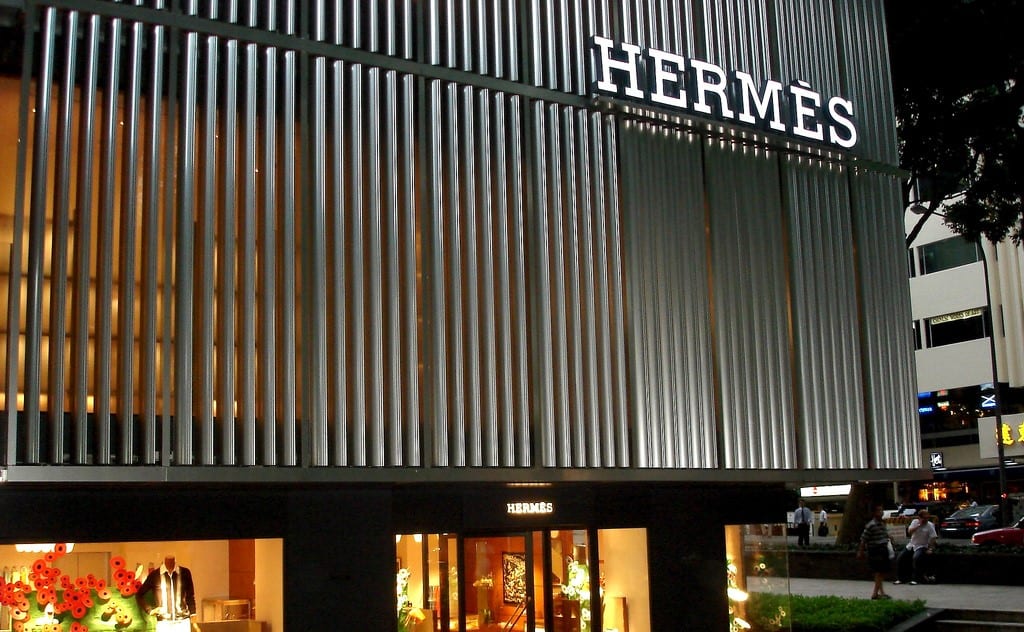
    In a grand unveiling that is sure to turn heads, Hermès has launched its newly relocated and expanded store within the Galleria department store at Apgujeong Rodeo in Gangnam, South Korea. This West Hall location shines as a beacon for luxury, showcasing all sixteen of the brand’s crafts in a lively and contemporary setting.

    The store’s façade is a stunning display itself, featuring anodized metal stripes that draw inspiration from South Korea’s traditional Dancheong decorative art. A fusion of ancient motifs and sleek modernity sets the tone for what lies inside.

    Once inside, guests are greeted by a vibrant environment where the layout is as striking as the products. A central silk section serves as the heart of the store, flanked by meticulously organized sections dedicated to men’s and women’s fashion, leather goods, jewelry, watches, and home and equestrian collections — all enriched by a palette of cheerful pastels that invites exploration.

    The architectural vision comes courtesy of the Parisian design agency RDAI, seamlessly blending heritage with modern aesthetics. Notably, the store includes locally crafted elements like elegant silk walls and pleated paper lighting designed by Jungmo Kwon, adding a distinct Korean touch to the luxurious experience.

    Art enthusiasts will find themselves delighted as well, with a selection of artworks from Hermès collections and contemporary artisans such as Mamadou Cissé and Jan Bajtlik adorning the space. The artistic narrative extends to the store’s window displays as well, where the 2025 theme “Drawn to Craft,” curated by Korean artist Miju Lee, invites passersby to reflect on creation and memory through the lens of everyday moments.

    Questions & Answers

    What is the significance of the store’s design elements?
    The store’s façade features anodized metal stripes inspired by South Korean Dancheong, showcasing a blend of traditional artistry with modern design, which resonates with local culture while enhancing the luxury experience.

    Who was involved in the store’s design?
    The store was designed by the Parisian agency RDAI, incorporating unique local elements crafted by Jungmo Kwon, which enrich the Hermès aesthetic with a distinctly Korean flair.

    What is the theme of the 2025 window displays?
    The theme “Drawn to Craft,” spearheaded by Korean artist Miju Lee, creatively explores the concepts of creation and memory, encouraging viewers to find significance in everyday moments.

  • China’s Gen Z Champions a Transformative Shift Towards Emotional and Sustainable Shopping Habits

    China’s Gen Z Champions a Transformative Shift Towards Emotional and Sustainable Shopping Habits

    Generation Z is revolutionizing China’s consumer landscape, prioritizing personal well-being, emotional fulfillment, and sustainability while leaving behind the materialistic pursuits of earlier generations. This cohort, despite representing only 15% of the population, wields an impressive influence on economic trends.

    Instead of hoarding possessions, Gen Z is favoring experiences and wellness investments. From premium skincare lines to spa memberships and limited-edition collectibles, spending for these consumers is more about enhancing happiness than simply acquiring items. This shift prompts local and international brands to swiftly adapt to their new demands.

    A recent report by People’s Daily highlights the pivotal role Gen Z plays, revealing that 64% of Chinese consumers, led by this demographic, prioritize emotional fulfillment in their purchasing decisions. Products like character plushies, themed souvenirs, and blind-box toys have surged in popularity, offering joy while sidestepping the trappings of overconsumption.

    The significance of health and sustainability cannot be overstated in this context. Take Lululemon, which recently reported a remarkable 21% growth in same-store sales in China, a direct reflection of Gen Z’s enthusiasm for fitness and social interaction. Their commitment to these values reinforces the brand’s relevance in a crowded market.

    Alongside wellness, environmental awareness plays a crucial role in shaping purchasing decisions. A study from Daxue Consulting indicates that 40% of Chinese consumers favor eco-friendly products, with a striking 90% of Gen Z actively searching for recyclable options. It seems being “green” is becoming the new chic.

    Furthermore, Gen Z’s demand for transparency and authenticity is redefining the marketplace. E-commerce platforms like Douyin and Taobao are integral to this transformation, where consumers prioritize trustworthy information and tailor-made products over mass-produced alternatives. This trend is urging companies to adopt more responsible and transparent practices in their operations.

    The convergence of these factors is fostering what’s being termed the “emotional economy.” Here, consumer preferences actively shape production and investment strategies, aligning with ethical and societal aspirations. Fund managers are increasingly directing their attention toward youth-centric, socially responsible products and services, crafting a retail environment that merges personal well-being with broader social and environmental goals.

    Questions & Answers

    How is Generation Z changing consumer priorities in China?
    Generation Z is moving away from materialism and instead values personal wellness, emotional fulfillment, and sustainability, significantly influencing purchasing behavior.

    What role do platforms like Douyin and Taobao play for Gen Z consumers?
    These platforms provide reliable information and personalized product recommendations, which resonate with Gen Z’s preference for authenticity and quality over mass production.

    What does the “emotional economy” signify for retailers?
    The “emotional economy” highlights how consumer preferences, especially from Gen Z, are shaping production and investment strategies to align with ethical and societal goals, pushing brands toward more responsible practices.

  • Alibaba Unveils New Strategy To Revitalize Marketplace, Empower Small Businesses Amid Rising Competition

    Alibaba Unveils New Strategy To Revitalize Marketplace, Empower Small Businesses Amid Rising Competition

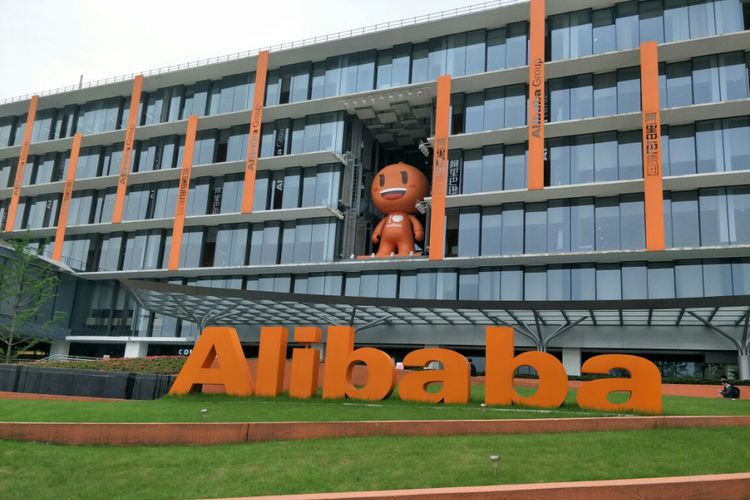
    In a significant turn of events for the retail landscape in Asia, leading e-commerce platform Alibaba has unveiled its new strategy aimed at revitalizing its marketplace. The move comes in response to growing competition and shifting consumer preferences, as numerous retailers across the region scramble to adapt to an era dominated by online shopping. Alibaba’s latest initiative highlights its commitment to support small businesses, which are crucial for the local economy. Through a series of tailored programs and enhanced digital tools, the company aims to empower these enterprises to thrive in a digital-first world.

    Empowering Small Businesses to Compete

    Alibaba’s strategy includes rolling out resources that allow small retailers to leverage advanced analytics and machine learning for more personalized customer engagement. This approach not only improves the shopping experience but also helps these businesses understand their customer base better. “We want to be the ally of small businesses,” said an Alibaba spokesperson. This sentiment reflects a broader trend in retail, where big players recognize the importance of nurturing the ecosystem of smaller vendors that have long been the backbone of the marketplace.

    Innovations on the Horizon

    To further this vision, Alibaba plans to enhance its logistics capabilities and optimize its supply chain management systems. By simplifying the complexities of inventory management and order fulfillment, the platform hopes to create a more efficient environment for retailers. It’s almost as if Alibaba is saying, “Don’t worry about the boxes, just focus on the joy of your customers!” Such innovations are critical as consumer expectations continue to rise, particularly around delivery speed and service quality.

    The Evolving Competitive Landscape

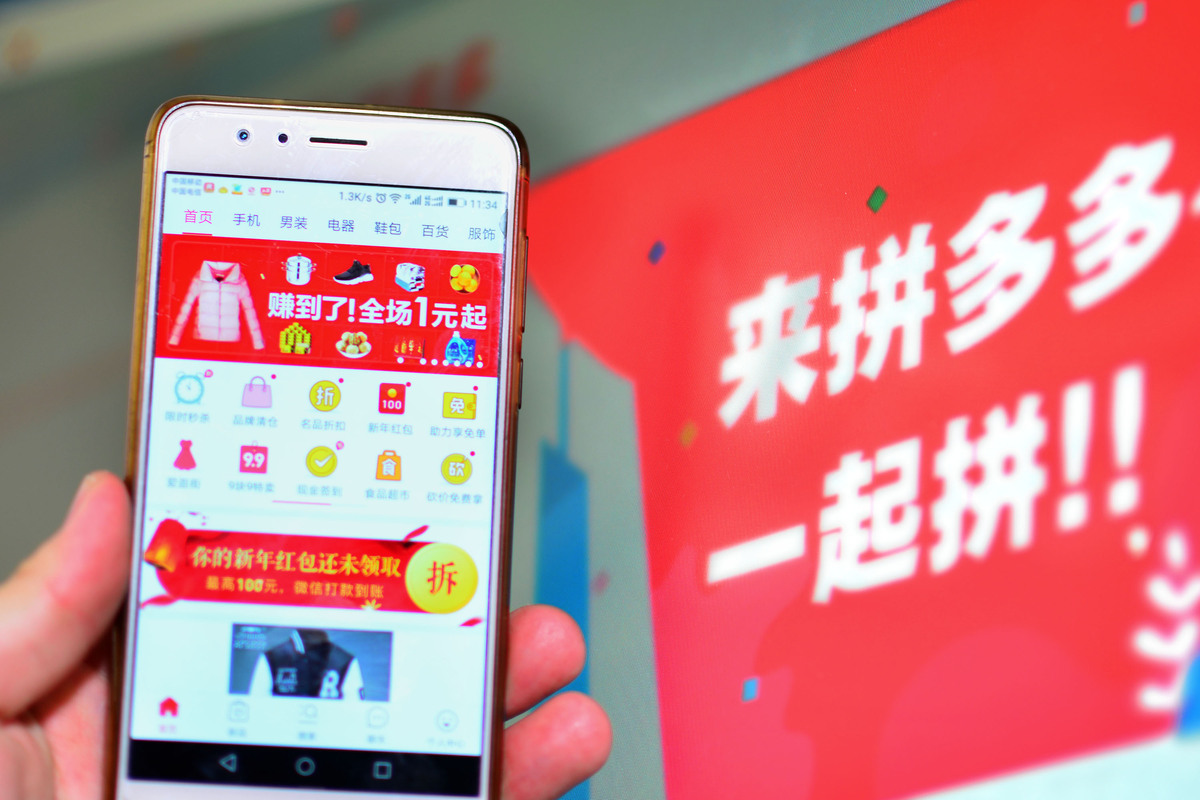
    Despite its ambitious plans, Alibaba faces stiff competition from rivals like JD.com and Pinduoduo, both of which are also ramping up efforts to capture the ever-evolving consumer base in Asia. Pinduoduo, known for its social commerce model, has been rapidly gaining traction, forcing established players to rethink their strategies. The market is no longer defined solely by product offerings; it’s increasingly about community engagement and consumer experience.

    Looking Forward

    As Alibaba embarks on this transformative journey, the stakes couldn’t be higher. Retailers must brace for a future that is both exciting and challenging, driven by rapid technological advancements and changing shopping behaviors. For Alibaba, the focus on small businesses signals not just an operational shift but a deep-rooted acknowledgment of their role in the economy — a move that could redefine the future of retail in Asia.

    Questions & Answers

    What is Alibaba’s new strategic initiative focused on?
    Alibaba’s new strategy is centered around empowering small businesses by providing them with enhanced digital tools and resources to compete in today’s e-commerce environment.

    How does Alibaba plan to improve the logistics for retailers?
    The company aims to enhance its logistics capabilities and streamline inventory management and order fulfillment processes, making it easier for retailers to operate effectively.

    Who are Alibaba’s main competitors in the Asian retail market?
    Alibaba faces competition from major players like JD.com and Pinduoduo, both of which are increasingly focusing on innovative strategies to engage consumers and drive sales.

  • China CITIC Bank and Hang Seng Bank Champion Innovative Reforms in Offshore RMB Repo Market

    China CITIC Bank and Hang Seng Bank Champion Innovative Reforms in Offshore RMB Repo Market

    China CITIC Bank International (CNCBI) and Hang Seng Bank are taking bold steps to enhance the offshore RMB bond market, signaling a significant evolution in financial operations in Asia. The two financial institutions announced their support for the new offshore RMB bond repurchase business, and in an impressive feat, CNCBI reported the successful completion of its first batch of transactions utilizing bonds held under the Northbound Bond Connect program as collateral.

    Boosting Capital Flexibility for Investors

    According to Chao Li, deputy head of treasury & markets group at CNCBI, these enhanced arrangements open new avenues for offshore investors by lowering financing costs and increasing capital flexibility. This not only aims to attract more international investors to mainland China’s bond market but also works toward furthering the internationalization of the RMB and onshore bonds. It’s no small feat, considering the complexities involved in integrating such financial innovations.

    Enhancing Market Access and Liquidity

    Meanwhile, Liz Chow, head of markets and securities service at Hang Seng Bank, emphasized that these enhancements are pivotal for improving market access. They cater to the increasing demand for diversified financial solutions while promoting better liquidity management and efficient collateral utilization. Hang Seng Bank has also broadened its repo business, now extending services to both banks and non-banking financial institutions (NBFIs), and has recorded a transaction volume of RMB500 million, showcasing its commitment to diversifying market offerings.

    This palpable momentum in the offshore RMB market could mean a transformative shift for investment practices in the region—after all, when investments start to feel like a game of chess, every move counts!

    Questions & Answers

    What recent development has occurred in the offshore RMB bond market?
    China CITIC Bank International and Hang Seng Bank have launched enhancements to the offshore RMB bond repurchase business, with CNCBI successfully completing the first transactions using bonds as collateral.

    How do these enhancements benefit offshore investors?
    The new arrangements provide offshore investors with increased capital flexibility and lower financing costs, making it easier for them to engage in the Chinese bond market.

    What are some of the services offered by Hang Seng Bank in relation to this market?
    Hang Seng Bank has expanded its repo business to include banks and non-banking financial institutions, achieving significant transaction volumes that enhance market access and liquidity management.

  • Starbucks Invites Top Firms To Bid For Stake In Chinese Operations Amidst Market Share Decline

    Starbucks Invites Top Firms To Bid For Stake In Chinese Operations Amidst Market Share Decline

    Starbucks has requested a select group of potential bidders to prepare non-binding bids for a share in its China operations within the next fortnight, according to two sources familiar with the situation.

    The American coffeehouse corporation has extended invitations to entities such as private equity firms Carlyle, EQT, Hillhouse Investment, and Primavera Capital to partake in management presentations. During these sessions, financial and operational aspects of its China business will be disclosed. Other potential bidders are said to include Bain Capital, KKR & Co, and technology giant Tencent.

    A new partner in China could help revitalize a business that has seen its market share fall by more than half over the last five years. This decline has occurred as cheaper local competitors expand rapidly amidst a slowing economy and increasingly cost-conscious consumers.

    Preliminary Sale Process

    Starbucks initiated the sale in May, inviting interested parties to provide details about their businesses by late June. The Seattle-based company clarified that it was not contemplating a complete sale of the business. Potential bidders anticipate the business to be valued at up to US$10 billion.

    In July, up to ten interested parties were shortlisted and signed non-disclosure agreements before being granted potential access to financial and operational data. The final structure of the sale and the size of the stake have yet to be determined.

    Informal discussions with a variety of prospective buyers have been ongoing since the latter part of last year, and the company aims to reach an agreement by the end of this year. CEO Brian Niccol stated last month that over 20 parties have expressed interest in the business and options are currently being evaluated.

    Commitment to China Business

    “We remain committed to our China business and want to retain a meaningful stake… We will only enter a transaction if it makes sense for Starbucks,” said Niccol. Primavera, Carlyle, EQT, KKR, and Bain have not provided any comment, while Hillhouse and Tencent have not responded to comment requests.

    The sale is being pursued after Starbucks reported robust overall revenue for the three months ending on June 29, a result of a turnaround plan implemented by Niccol following several quarters of declining profits.

    Stiff Competition

    In China, Starbucks is grappling with a sluggish economy and stiff competition from local brands, including Luckin Coffee, which has been capturing market share with its cheaper offerings and wider reach in smaller cities.

    Last year, Starbucks’ market share in China, which is home to over a fifth of its outlets, was 14 per cent, down from 34 per cent in 2019. In response, the chain has lowered prices for some non-coffee drinks in China and accelerated the development of new, China-centric products.

    Financial Performance

    Sales in comparable stores in China increased by 2 per cent in the quarter ending June 29, up from zero growth in the previous quarter. As of the end of June, Starbucks operated 7,828 stores in China, as stated in its latest quarterly report. The company has not disclosed core earnings for its China operations.

    Questions & Answers

    Why is Starbucks selling a stake in its China business?
    Starbucks is selling a stake in its China business to potentially inject fresh momentum into the operations, which have seen market share decline in the past five years due to local competition and changing consumer behavior.

    Who are the potential bidders for the stake in Starbucks’ China operations?
    Potential bidders include private equity firms Carlyle, EQT, Hillhouse Investment, Primavera Capital, Bain Capital, KKR & Co, and technology giant Tencent.

    What is Starbucks’ current market position in China?
    Starbucks’ market share in China has decreased, from 34% in 2019 to 14% in 2020. The company is facing competition from local brands and a slower economy, but it remains committed to its China business and aims to retain a significant stake.

  • Nike’s Strategic Pivot To Outdoor Recreation: Revitalizing Acg Amid Rising Competition

    Nike’s Strategic Pivot To Outdoor Recreation: Revitalizing Acg Amid Rising Competition

    Nike, the sportswear behemoth, is making a strategic move into the expanding outdoor recreation industry. Starting with the launch of a new trail running shoe, Nike aims to invigorate its lesser-known sub-brand, ACG, and turn it into a vital source of growth.

    Nike’s Outdoor Recreation Strategy

    Beginning with the Ultra-Trail du Mont-Blanc event, an ultramarathon in France, Nike plans to release its Ultrafly trail running shoe, which is a part of the ACG (All Conditions Gear) outdoor sub-brand. This move is an attempt by Nike to reestablish ACG as a credible contender in the realm of performance-focused trail running shoes.

    Commenting on the broader strategy, Nike’s CEO, Elliot Hill, explained that the company is refocusing on core sports such as running in response to the growing competition from smaller brands. Nike is striving to catch up in the outdoor recreation industry, which has seen substantial growth during the pandemic, and in China, where outdoor activities have gained considerable popularity. The company’s struggle in these two markets has been a factor in its diminished share of the global sportswear industry.

    ACG Ultrafly and Future Plans

    Nike-sponsored athletes, including Anthony Costales, will wear the ACG Ultrafly during races. The shoe is scheduled to be available to consumers in spring 2026. In addition, a rejuvenated version of the Zegama trail runner, also under the ACG brand, will be released later in 2026.

    However, revitalizing the ACG brand, initially launched in 1989 with an emphasis on hiking and biking, will not be without its challenges. The brand is currently associated with “gorpcore”, a fashion trend that blends functional gear with style. Despite these challenges, Nike is looking towards the long-term benefits of this strategy, especially in the Chinese market.

    The Chinese Market

    Nike established its ACG team as a sub-brand in October and appointed Angela Dong, VP for all of Greater China, to lead the unit. Sales of outdoor apparel in China nearly doubled between 2019 and 2025, and outdoor footwear sales increased by 65% in the same period. Despite this, Nike has reported double-digit sales declines in China over the past three quarters.

    The Chinese market has posed significant challenges for Nike as it faces stiff competition from other retailers. Economic instability and high youth unemployment have also impacted spending.

    Nike’s global sportswear market share fell to 26% from 29% in 2021. Other brands such as Hoka have used trail running to bolster growth, underscoring the potential that Nike sees in this segment.

    Launching at a Hoka-sponsored event could be viewed as Nike’s attempt to overshadow its rival, demonstrating Nike’s ability to leverage its financial strength against smaller brands.

    Questions & Answers

    What is Nike’s new strategy in the sportswear market?
    Nike is focusing on outdoor recreation, reviving its ACG sub-brand with the launch of a trail running shoe.

    What challenges does Nike face in revitalizing the ACG brand?
    ACG, launched with a focus on hiking and biking, has become associated with the “gorpcore” fashion trend, which may make it difficult for the brand to reposition itself as a serious contender in the outdoor recreation space.

    What is the current state of Nike in the Chinese market?
    Despite the growth in outdoor apparel and footwear sales in China, Nike has experienced double-digit sales declines in this market over the past three quarters due to tough competition and economic factors.

  • Pinduoduo Surpasses Revenue Expectations But Faces Profit Decline Amid Aggressive Market Competition

    Pinduoduo Surpasses Revenue Expectations But Faces Profit Decline Amid Aggressive Market Competition

    Pinduoduo (PDD Holdings), a prominent e-commerce firm operating economical platforms in China and internationally, surpassed quarterly revenue expectations. However, its net income plummeted as a result of investments made to compete in an increasingly aggressive market.

    Share Performance and Economic Climate

    Shares of PDD Holdings, listed in the US, rose by 1%, with an 11% surge in premarket trading. This was spurred by the company executives’ remarks about escalated investments leading to fluctuations in its short-term financial performance. Concurrently, the Chinese government is implementing strategies to stimulate domestic consumer spending, aiming to rejuvenate a sluggish economy grappling with multiple challenges. These include a languid property sector and ongoing international trade issues resulting from US policies.

    In an effort to invigorate demand, e-commerce giants such as Pinduoduo, JD.com, and Alibaba have turned to deep discounts and promotional offers, inadvertently triggering a price war. Alongside the obligation to maintain low prices in China, PDD’s profit margins have recently suffered due to a multibillion-dollar investment in merchant support programs and elevated costs related to international shipping driven by US tariffs.

    Increased Spending and Intensified Competition

    PDD’s second-quarter earnings revealed an upsurge in spending on various fronts, from server costs to sales and marketing expenditures. This is part of the firm’s strategy to enhance its ecosystem for both merchants and consumers. Jiazhen Zhao, co-CEO of PDD, noted that the recent spike in industry competition has decelerated their revenue growth and substantially reduced operating profit.

    The company expects profit levels from this quarter to be unsustainable, anticipating irregularities in future quarters’ profits. To ameliorate these pressures, PDD’s international platform, Temu, has been promoting products situated in US warehouses and is striving to engage more local sellers. However, it continues to face stiff competition from Amazon, which leverages its extensive scale to secure advantageous pricing from suppliers.

    Changing Business Model and Consumer Perception

    In response to these challenges, Temu is transitioning to a “fully-managed” model, allowing it to exercise greater control over product selection, pricing, and logistics. The platform aims to utilize its substantial supply-chain network to maintain competitive prices. However, a recent survey by an online marketing firm revealed that 30% of American shoppers have noticed price increases on Temu.

    Despite these obstacles, PDD’s revenue experienced a 7% increase, reaching 103.98 billion yuan ($14.53 billion) for the quarter ending in June, surpassing analysts’ predictions. Meanwhile, its operating profit dropped by 21%. Adjusted earnings per American depository share stood at 22.07 yuan, exceeding the projected 15.74 yuan.

    Questions & Answers

    How did PDD’s shares perform recently?
    PDD’s US-listed shares witnessed a 1% increase, driven by an 11% surge in premarket trading triggered by company executives’ comments on future investments.

    What impacts did increased spending have on PDD’s second-quarter earnings?
    PDD’s second-quarter earnings showcased a rise in expenditures across various areas, leading to a slowdown in revenue growth and a significant reduction in operating profit.

    How is PDD’s international platform, Temu, responding to market pressures?
    Temu is transitioning to a “fully-managed” model to exert more control over product selection, pricing, and logistics. The platform aims to use its large supply-chain network to keep prices low, despite facing competition from global e-commerce giant Amazon.

  • Louis Vuitton Enters Cosmetics Industry With Sustainable, Luxury Makeup Line, La Beaute

    Louis Vuitton Enters Cosmetics Industry With Sustainable, Luxury Makeup Line, La Beaute

    Luxury fashion brand Louis Vuitton is venturing into the cosmetic industry with the introduction of La Beaute, a premium makeup line. The initial launch is set to take place in China this month, with a worldwide expansion planned shortly after.

    The Creative Force Behind La Beaute

    The creative process for developing this collection was steered by renowned British makeup artist, Dame Pat McGrath. The French luxury establishment communicated that the products come in artistically designed containers that are intended to be lifelong keepsakes.

    The makeup assortment features 55 lipsticks, 10 lip balms, and a variety of eyeshadow palettes.

    Sustainable and Luxurious

    All items in the collection are designed with sustainability in mind, as they are refillable. Customers can purchase replacement lipstick bullets and individual eyeshadow shades as needed.

    Adding an extra touch of luxury, the lip products, a collaboration with Louis Vuitton’s master perfumer Jacques Cavallier Belletrud, are also fragranced. The Rouge lipsticks boast a blend of mimosa, jasmine, and rose scents, while the Baumes lip balms carry hints of mint and raspberry.

    “Makeup is culture; it is power; it is presence; and it’s personal,” McGrath, the creative director of cosmetics for La Beaute, said of the new line.

    Pricing and Availability

    The lipsticks and balms from the range are priced at $160 each, while the eyeshadow palette is available for $250.

    The brand is planning a digital pre-launch scheduled for August 25.

    Questions & Answers

    What is the price range for the La Beaute makeup line?
    The lipsticks and lip balms are valued at $160 each, whereas the eyeshadow palette is priced at $250.

    Are the products in the La Beaute makeup line refillable?
    Yes, all the products in the line, including lipsticks, lip balms, and eyeshadows, are refillable.

    Who is the creative director behind the La Beaute line?
    The La Beaute makeup line was developed under the creative direction of renowned British makeup artist, Dame Pat McGrath.

  • Shein Group Considers China Relocation For Favorable IPO Conditions In Hong Kong

    Shein Group Considers China Relocation For Favorable IPO Conditions In Hong Kong

    Fast-fashion retailer Shein Group is reportedly mulling over the idea of relocating its headquarters to China. This move is supposedly aimed at gaining approval from Beijing authorities for its proposed Initial Public Offering (IPO) in Hong Kong.

    Relocation for IPO Approval

    Shein Group, which currently has its headquarters in Singapore, is said to be in preliminary discussions with legal advisors about the possibility of setting up a parent company in mainland China. This information, however, has not been confirmed, as the discussions are still in the early stages. There is also no certainty as to whether Shein will proceed with this move.

    Previous Attempts at Listing

    Originally founded in China, Shein Group has spent a considerable amount of time trying to list, first in New York, then in London. The company, however, has met with resistance from politicians in both the US and the UK. These difficulties have been compounded by the inability to secure approval from China’s securities regulator for an offshore IPO, amidst rising tensions between China and the US.

    At present, Shein Group is focusing on getting listed on the Hong Kong stock exchange.

    Questions & Answers

    Where is Shein Group’s current headquarters?
    Shein Group’s headquarters is currently located in Singapore.

    Where is Shein Group planning to list its IPO?
    Shein Group is planning to list its IPO in Hong Kong.

    What challenges has Shein Group faced in its previous attempts at listing?
    Shein Group has faced criticism from politicians in the US and UK during its previous attempts at listing in New York and London, respectively. The company has also struggled to get approval from China’s securities regulator for an offshore IPO.

  • China’s Credit and Charge Payments Market Expected to Expand 2.4% by 2025, Says GlobalData

    China’s Credit and Charge Payments Market Expected to Expand 2.4% by 2025, Says GlobalData

    China’s credit and charge card payments market is gearing up for a rebound, with a projected growth of 2.4%, potentially reaching an impressive CNY38.4 trillion (approximately $5.3 trillion) by 2025. This forecast comes from GlobalData, a leading data and analytics firm, and indicates a promising recovery after a challenging couple of years due to various economic pressures.

    Consumer Trends Driving Change

    The anticipated growth is largely attributed to a rise in consumer spending and an accelerating shift towards cashless transactions. As more Chinese consumers embrace the convenience of digital payments, the market is poised for an upward trajectory. Enhanced value-added incentives such as cashback rewards, flexible repayment options, and attractive instalment plans are sweetening the deal for consumers.

    Challenges and Recovery

    While optimism is returning, it’s important to note that the credit and charge card payment market in China faced a setback in 2024, with a 7.7% decline in transaction value. Factors such as high inflation, geopolitical tensions, and the trade dispute with the United States played a significant role in this dip. Yet, the resilience of the market and the growing inclination towards credit cards remain evident.

    Rising Popularity of Credit Cards

    Kartik Challa, Senior Banking and Payments Analyst at GlobalData, noted that despite still lagging behind debit cards in terms of penetration, credit and charge cards are increasingly favored for payments. In 2025, the payment frequency for these cards is expected to reach 55.3 transactions per year—significantly outpacing debit card usage. Challa further predicts this frequency will skyrocket to 79 transactions per card by 2029.

    As China’s middle class expands and incomes rise, awareness of the benefits of credit cards—bolstered by aggressive promotions from banks—is driving adoption and usage. It seems that credit cards may soon rival their debit counterparts, dominating the financial landscape in unforeseen ways.

    Questions & Answers

    What factors are driving the expected growth in China’s credit card market?
    The growth is primarily driven by rising consumer spending and a shift towards cashless transactions, along with attractive incentives such as cashback offers and flexible repayment options.

    How did the credit card market perform in 2024?
    In 2024, the market experienced a decline of 7.7% in transaction value, influenced by high inflation, geopolitical uncertainties, and the ongoing trade dispute with the US.

    What does the future look like for payment frequency on credit cards?
    Payment frequency for credit and charge cards is projected to increase from 55.3 transactions per year in 2025 to 79 by 2029, reflecting a growing preference for credit cards among consumers.

  • Familymart Targets Asia: Ambitious Expansion Plans Aim To Transform Retail Landscape

    Familymart Targets Asia: Ambitious Expansion Plans Aim To Transform Retail Landscape

    In a remarkable twist for the retail landscape, Japan’s convenience store giant FamilyMart is making waves with its ambitious expansion plans across Asia. Aiming to capture the growing consumer market in the region, the company has set its sights on a significant increase in its store count in China and other key markets.

    FamilyMart Expands Its Footprint

    This year, FamilyMart aims to open approximately 1,000 new stores in China alone, underscoring its commitment to penetrating the world’s second-largest economy. The company is not just restocking shelves; it’s reimagining the convenience store experience by integrating local tastes and preferences into its product offerings. With trend-driven items such as ready-to-eat meals and fresh produce, FamilyMart is on a mission to cater to the increasingly diverse palate of Chinese consumers.

    The Race for Convenience

    The competition is steep, with rivals like 7-Eleven and Lawson continuously enhancing their services and product ranges. However, FamilyMart thrives on its ability to innovate swiftly. Their latest strategy? Expanding into niche markets such as specialty beverages and gourmet snacks, which are tailor-made for urban dwellers eager for quality convenience. You could even say they’re attempting to make fast food gourmet—proof that in retail, there’s always room for a delicious twist!

    Feedback-Driven Innovation

    FamilyMart also places a strong emphasis on customer feedback, pivoting quickly in response to what shoppers are asking for. This agility gives them a unique edge in an ever-evolving retail environment. According to company spokespersons, the store designs and product choices are now more reflective of community preferences, making each outlet feel personalized and relevant.

    Future Plans on the Horizon

    Looking ahead, FamilyMart is determined to bolster its existing presence in Southeast Asia, with expansion plans across markets like Vietnam and Thailand. This initiative is fueled by a demographic trend of increasing urbanization and consumer spending power in these regions. By establishing a strong retail presence, FamilyMart aims not only to thrive but to set benchmarks in convenience retail across Asia.

    Questions & Answers

    How many new stores does FamilyMart plan to open in China?
    FamilyMart aims to open approximately 1,000 new stores in China this year.

    What unique strategies is FamilyMart employing to cater to local tastes?
    FamilyMart is integrating local preferences into its product offerings, including ready-to-eat meals and specialty beverages to appeal to diverse consumer palates.

    Which markets is FamilyMart looking to expand into next?
    FamilyMart plans to strengthen its presence in Southeast Asia, particularly in countries like Vietnam and Thailand, where urbanization and consumer spending are on the rise.

  • Vipshop Experiences Q2 Revenue Decline Amid Strategic Adjustments; Foresees Growth Ahead

    Vipshop Experiences Q2 Revenue Decline Amid Strategic Adjustments; Foresees Growth Ahead

    VIPshop Holdings, a prominent Chinese online discount retailer, has reported a decrease in revenue and profit for the second quarter of the 2025 fiscal year. This decline is part of a broader strategic adjustment that the company is currently undertaking.

    Revenue and Profit Decline

    The company’s total net revenues fell by 4.1 per cent, equating to RMB 25.8 billion (US$3.6 billion), a decrease from RMB 26.9 billion recorded in the second quarter of the 2024 fiscal year. The gross profit for the second quarter stood at RMB 6.1 billion (US$845.2 million), a small drop from RMB 6.3 billion during the same period in the previous year.

    Although the company experienced a reduction in earnings, it noted an increase in customer activity and signs of inherent robustness. The Gross Merchandise Value (GMV), a critical indicator of total sales on the platform, rose 1.7 per cent year-on-year to RMB 51.4 billion (US$7.12 billion). This increase suggests enhanced engagement and transaction volume.

    Business Stability and Growth Plans

    Eric Shen, Chairman and CEO of VIPshop, said, “We managed to stabilize our business trajectory by taking quick measures to boost customer activity and sales momentum. Our vision of discount retail for brands has guided us in implementing internal changes to augment the self-reinforcing flywheel across merchandising, operations, and customer engagement.”

    VIPshop has also seen growth in its high-value customer base. This growth is primarily attributed to the double-digit increases in its Super VIP membership program. The company continues to focus on fashion and lifestyle categories to retain value-conscious shoppers, with apparel remaining a key revenue driver.

    Platform Optimization Efforts

    The company’s current platform optimization strategies, which include more stringent inventory control, more focused brand partnerships, and enhanced personalization, are part of a broader effort to distinguish itself within China’s competitive e-commerce sector.

    Despite persistent revenue pressure, the management expressed cautious optimism that its revised strategy is taking hold. The stable GMV and the growing loyalty segment are seen as early signs of a turnaround.

    Mark Wang, CFO of VIPshop, stated, “We delivered another quarter of healthy profitability, demonstrating our consistent financial discipline in prioritizing growth initiatives and optimizing resource allocation. Looking ahead, our consistent strategy and focused execution position us well to return to sustainable growth.”

    Questions & Answers

    What could be the reasons for the decline in VIPshop’s revenue and profit?
    This decline is part of VIPshop’s ongoing strategic adjustment, which involves a more stringent inventory control and more focused brand partnerships.

    How is VIPshop planning to boost customer activity and sales momentum?
    VIPshop is implementing changes across merchandising, operations, and customer engagement to improve its business trajectory.

    What are the early signs of VIPshop’s strategic realignment taking effect?
    The stability of the Gross Merchandise Value (GMV) and the growth of the loyalty segment are early indicators of a positive turnaround.