Tag: China

  • Starbucks Sales Dip Globally, But China Shows Signs Of Recovery

    Starbucks Sales Dip Globally, But China Shows Signs Of Recovery

    Starbucks has recently disclosed a drop in its global comparable store sales for its fiscal third quarter, which underscores the persisting challenges in its primary US market. This comes even as its China operations begin to show some promising signs of recovery.

    Revenue and Sales Performance

    Despite the Seattle-based coffee giant recording a 4% rise in total revenue year-over-year, amounting to US$9.5 billion, it was overshadowed by a 2% decrease in global comparable store sales. This dip can be predominantly attributed to a slump in foot traffic in North America—Starbucks’ biggest market—where there was a 3% reduction in transactions.

    On a brighter note, China, the second largest market for Starbucks, appeared to defy this trend. Comparable store sales in China saw a 2% increase, signifying a comeback following several quarters of decline.

    Expansion and Strategic Growth

    Over the past year, Starbucks has added over 500 new stores in China, thereby increasing its total to 7,828. The company is also said to be considering various proposals from potential local partners to help speed up its expansion into lower-tier cities, while keeping strategic control intact.

    However, Starbucks also faces mounting competition in China from rapidly growing domestic contenders such as Luckin Coffee and Cotti Coffee. These brands have been rapidly expanding by offering lower prices and faster service models.

    North America Initiatives and Future Plans

    In North America, Starbucks is actively undertaking its ‘Back to Starbucks’ initiative, a strategy designed to bolster store operations, improve employee engagement, and refine the overall customer experience.

    Brian Niccol, the Chairman and CEO, expressed an optimistic outlook, citing early signs of progress in the company’s efforts to revamp its operations. He commented, “We’ve made significant progress and tackled challenging issues to build a robust operating foundation. In terms of turnaround efforts, we are ahead of schedule.”

    “By 2026, we plan to launch a series of innovations that will drive growth, enhance customer service, and ensure that everyone has access to the very best of Starbucks. We are committed to rebuilding a superior Starbucks experience and a stronger business.”

    Starbucks has also announced its plans to gradually phase out underperforming mobile order-only stores, and shift towards new café formats that include seating and drive-thrus. This is part of an overall strategy to improve the in-store experience.

    The coffee chain has big plans for fiscal 2026, with the introduction of a range of new beverage and food items, including protein-based cold foams, coconut water-infused drinks, gluten-free snacks, and customizable energy drinks.

    In addition to the product expansion, there are also upgrades planned for the company’s mobile app and loyalty rewards program, with continued investment in digital and operational technology.

    Questions & Answers

    What strategies is Starbucks implementing to recover from the drop in sales?
    Starbucks is taking several steps to recover, including the ‘Back to Starbucks’ initiative in North America, which aims to strengthen store operations and improve the overall customer experience. The company is expanding in China and is planning to introduce new products and upgrade its mobile app and loyalty program.

    What is the ‘Back to Starbucks’ initiative?
    The ‘Back to Starbucks’ initiative is a strategy designed to strengthen store operations, increase employee engagement, and enhance the overall customer experience. The company hopes this will help to boost sales and customer satisfaction.

    What are the company’s plans for growth in China?
    Starbucks plans to partner with local entities to accelerate expansion into lower-tier cities in China. Over the past year, the company has already added more than 500 new stores in the country and continues to consider strategies for further expansion.
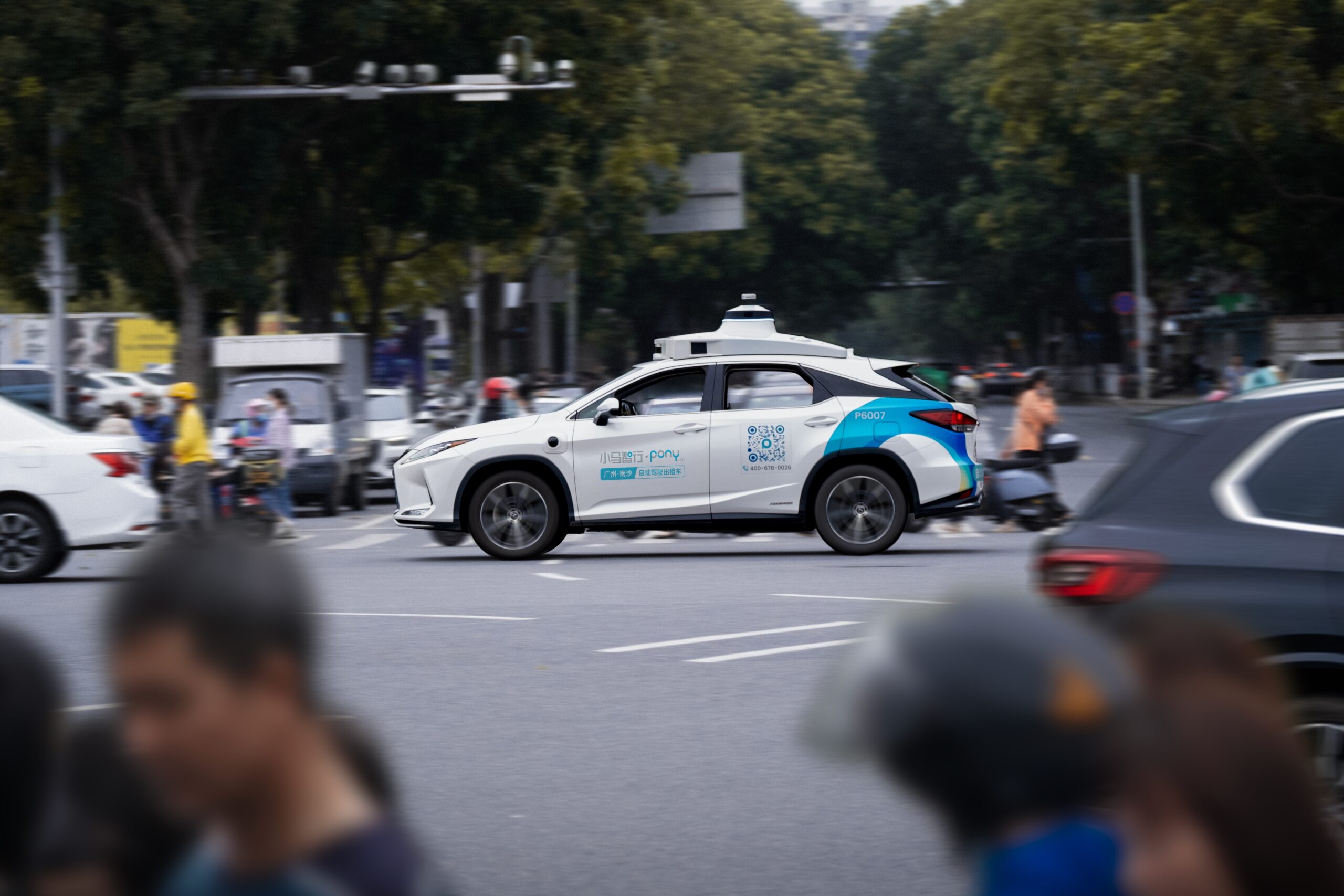

  • Pony, the Chinese Robotaxi Innovator, Gears Up for Exciting Mass Production Launch!

    Pony, the Chinese Robotaxi Innovator, Gears Up for Exciting Mass Production Launch!

    Pony.ai, the Guangzhou-based autonomous driving company, is taking bold steps toward a new era of transportation by collaborating with state-owned giants Guangzhou Automobile Group and Beijing Automotive Group, alongside Japan’s Toyota. The ambitious goal? To roll out a fleet of 1,000 robotaxis by the end of the year, as revealed by Lou Tiancheng, co-founder and chief technology officer.

    “We are anticipating a pickup in production of robotaxis,” Tiancheng stated confidently, adding that the company has reinforced its partnerships with car manufacturers to validate the feasibility of scaling up driverless cab production.

    The Nasdaq-listed startup recently secured a significant milestone by obtaining a permit to operate its robotaxis in Shanghai’s Pudong New Area, enabling it to charge fares—a first for China’s bustling financial hub. This strategic move places Pony.ai at the forefront of the nation’s race toward autonomous urban mobility.

    The company’s fleet will initially cover the Jinqiao and Huamu districts, enveloping a span of 40 square kilometers, with ambitious plans to extend service into broader areas of Pudong. This region stands as a testing ground for modern technological advancements in a socialist framework, making it a critical area for innovation.

    “Advances in technology and favorable regulatory conditions have transformed the landscape for our expansion,” noted Leo Haojun Wang, the company’s chief financial officer. “The vehicle production is becoming more streamlined, and current regulations in both the U.S. and China now permit us to charge fares publicly.”

    Founded in 2016, Pony.ai has rapidly broadened its footprint, offering services in major cities including Beijing, Guangzhou, and Shenzhen. Recently, the company transitioned to a 24/7 service model, increasing accessibility from its previous operational hours of 7 a.m. to 11 p.m.

    Despite boasting a 4.3% rise in revenue to $75 million last year, Pony.ai is also contending with challenges, as its net loss has more than doubled to $275 million. It seems that while robotic dreams might be within reach, navigating the profitability maze remains a tricky endeavor.

    Questions & Answers

    What new partnerships has Pony.ai formed for its robotaxi production?
    Pony.ai is collaborating with state-owned Guangzhou Automobile Group and Beijing Automotive Group, as well as Japan’s Toyota, in a bid to produce 1,000 robotaxis by the end of the year.

    What recent milestone did Pony.ai achieve in Shanghai?
    Pony.ai secured a permit to operate its robotaxis in Shanghai’s Pudong New Area, allowing it to charge fares for the first time in China’s commercial heart.

    How has Pony.ai expanded its service hours recently?
    The company has transitioned to a 24/7 operating model, moving away from its previous hours of 7 a.m. to 11 p.m., thus enhancing accessibility for riders.

  • Chinese Tech Executive Sentenced to 14 Years for $19 Million Embezzlement and Crypto Laundering Scheme

    Chinese Tech Executive Sentenced to 14 Years for $19 Million Embezzlement and Crypto Laundering Scheme

    A former tech executive has been sentenced to 14 years in prison for embezzling CNY140 million (US$19.5 million) from his company and laundering the funds through cryptocurrencies.

    A Bold Heist Uncovered

    The executive, known only by his surname Feng, orchestrated a complex scheme that began with the theft of funds from a Beijing-based corporation. He acquired cryptocurrencies overseas, then maneuvered parts of these assets back into yuan and funneled the money into mainland bank accounts.

    Exposing the Flaws

    Feng exploited loopholes in a newly implemented bonus system, allowing accomplices to submit fraudulent claims that appeared to meet company guidelines. These deceptive maneuvers enabled fake operators to wrongfully receive reward payouts, according to CryptoDNES.

    In a decisive turn of events, Feng has been mandated to surrender 90 ‘hidden’ bitcoins, currently valued at over $11 million. A staggering figure that illustrates the extent of his illicit dealings, one might say Feng hit the digital jackpot before being caught.

    China’s Crackdown on Crypto Misuse

    This case underscores the growing trend of utilizing cryptocurrencies for money laundering in China, a country with stringent regulations prohibiting crypto trading and blocking its banking system from interacting with these virtual currencies. Nevertheless, Chinese officials have acknowledged the potential benefits of cryptocurrencies and actively sell confiscated digital tokens in Hong Kong, where trading is allowed.

    In a recent initiative, Beijing police announced plans to liquidate cryptocurrencies seized from criminal activities by collaborating with licensed exchanges in Hong Kong, specifically through a partnership with the China Beijing Equity Exchange.

    Although this confiscation strategy has opened up a significant market for cryptocurrency, it remains ambiguous how much of these digital assets various layers of Chinese authorities hold. In a notable instance, law enforcement in Yancheng, located in eastern Jiangsu province, confiscated 195,000 bitcoins from a Ponzi scheme back in 2020. At today’s prices, that stash is worth an eye-popping $23.4 billion. Who knew that some of the biggest players in the crypto world might be wearing badges?

    Questions & Answers

    What was the main offense committed by Feng, the tech executive?
    Feng embezzled CNY140 million from his company and laundered the money through cryptocurrencies.

    How did Feng manage to exploit the company’s bonus system?
    He used his knowledge of the system’s vulnerabilities to submit fraudulent claims that appeared compliant, facilitating illegal payouts for accomplices.

    What actions is China taking against cryptocurrency-related crimes?
    China is liquidating seized cryptocurrencies through licensed exchanges in Hong Kong and has emphasized its stringent regulations against crypto trading.

  • Chinese Brands Make Waves in Southeast Asia’s Competitive Retail Landscape

    Chinese Brands Make Waves in Southeast Asia’s Competitive Retail Landscape

    Chinese skincare brands are making waves across Southeast Asia, boasting an impressive 115% compound annual growth rate (CAGR) in the mass skincare market from 2019 to 2024. This explosive growth is attributed to innovative product offerings and competitive pricing, launching them into the spotlight as formidable contenders against established players, according to a recent whitepaper by Euromonitor International.

    Chinese Brands Seize Opportunities in Southeast Asia

    The report, titled “The Rise of Chinese Brands in Southeast Asia,” delves into the dynamics of the ASEAN-6 economies—Indonesia, Malaysia, the Philippines, Singapore, Thailand, and Vietnam—collectively contributing to 95% of Southeast Asia’s impressive $4 trillion GDP. “Chinese companies are making significant strides in this region, particularly in sectors where they enjoy distinct competitive advantages such as electric vehicles, consumer electronics, and home appliances,” explains Tim Chuah, senior global insight manager at Euromonitor.

    Beauty and Beyond: A Market Revolution

    The beauty sector is witnessing an especially thrilling transformation, with Chinese brands challenging the status quo. In addition to skincare, they are quickly carving out niches in food and foodservice industries. “The aggressive expansion of Chinese brands into these sectors is reshaping the competitive landscape across Southeast Asia,” Chuah added, signaling that incumbent firms need to step up their game.

    Impact Across Industries

    Chinese brands are also shaking up the air conditioning market, rapidly increasing their market share from 9% in 2015 to a projected 25% in 2024. Meanwhile, Japanese competitors have faced a 7% decline during this same period, highlighting the ongoing shift in consumer preferences.

    Capitalizing on Culinary Trends

    In the food and beverage sector, Chinese brands are tapping into a rapidly expanding appetite for coffee, milk tea, snacks, and dairy products throughout Southeast Asia. These categories are experiencing robust double-digit growth, with the beverage segment expected to rise at an impressive 9% annually until 2029.

    Furry Friends and Digital Wallets: The New Frontier

    Not stopping there, Chinese pet care companies are venturing into the burgeoning pet care market in Southeast Asia. This segment alone is projected to grow at a 9% CAGR from 2025 to 2030—a promising landscape for brands eager to cater to pet owners. Meanwhile, while Chinese digital wallets continue to attract tourists, their reach among local consumers remains limited due to strong domestic alternatives. Achieving success in this competitive space will largely depend on forming strategic partnerships with local businesses.

    Questions & Answers

    How are Chinese skincare brands influencing the beauty market in Southeast Asia?
    Chinese skincare brands are dramatically reshaping the beauty market by delivering innovative, cost-effective products that appeal to consumers, resulting in a phenomenal 115% CAGR from 2019 to 2024.

    What sectors are Chinese companies focusing on in Southeast Asia?
    Chinese companies are expanding aggressively in electric vehicles, consumer electronics, home appliances, and increasingly in beauty and food services, posing new challenges to established local and international brands.

    What trends are emerging in the Southeast Asian food and beverage sector?
    The demand for coffee, milk tea, snacks, and dairy products is surging, driving double-digit growth with the beverage segment anticipated to grow annually by 9% until 2029.

  • BYD Dominates Singapore’s New Car Market with Thriving Registration Numbers

    BYD Dominates Singapore’s New Car Market with Thriving Registration Numbers

    Singapore has witnessed a significant shift in its automotive landscape, with BYD solidifying its position as the city-state’s top car brand. Recent data from the Land Transport Authority, reveals an impressive 5.6 percentage point increase in BYD’s market share.

    In a competitive market featuring a total of 23,957 new car registrations, BYD stood out with 4,667 vehicles registered—a remarkable year-on-year surge of over 80%. In a world where change is the only constant, who would’ve guessed that the underdog would rise to the top so swiftly?

    Toyota, a longstanding titan in Singapore’s automotive sector, claimed second place with 3,461 new registrations, reflecting a 9.4% annual growth and capturing a 14.4% share of the new passenger car market, which is a slight increase of 0.5 percentage points. German luxury brands BMW and Mercedes-Benz followed closely, landing in third and fourth places with 2,664 and 2,537 vehicles registered, respectively. Rounding out the top five, Honda made notable strides with 2,268 registrations, marking a substantial 50.5% increase from last year.

    BYD’s dominance is no fleeting moment—since early this year, the company has shown strong traction, outselling Toyota with 3,002 vehicles to Toyota’s 2,050 in the first four months. This marks a significant transformation, as Toyota had held the crown with 7,876 units sold in 2024 compared to BYD’s 6,191.

    James Ng, the managing director at BYD Singapore and the Philippines, expressed confidence in the brand’s appeal during the recent launch of the Sealion 6 DM-i plug-in hybrid. He highlighted June as the brand’s stellar month, boasting 840 vehicles sold, according to AsiaOne.

    The Sealion 6 DM-i is now available for enthusiasts at a launch price of S$212,888 (US$165,500), which includes a guaranteed certificate of entitlement, a necessity in Singapore’s unique car-buying ecosystem.

    Questions & Answers

    What makes BYD’s rise in Singapore particularly striking?
    BYD’s extraordinary growth, with an over 80% increase in registrations compared to last year, contrasts sharply with the more modest gains seen from traditional market leaders like Toyota, making it a fascinating case study in the evolving automotive sector.

    How did Toyota perform in the latest new car registrations?
    Toyota maintained its status as a significant player, with 3,461 new vehicles registered, representing a 9.4% increase year-on-year, though falling behind BYD for the first time in recent history.

    What is notable about the Sealion 6 DM-i plug-in hybrid?
    The Sealion 6 DM-i is attracting attention not just for its hybrid efficiency, but also for its launch price of S$212,888, which includes a guaranteed certificate of entitlement—an essential aspect of owning a car in Singapore.

  • JD.com Launches Ambitious ’10 Billion Growth Plan’ to Introduce 1,000 Global Brands to China

    JD.com Launches Ambitious ’10 Billion Growth Plan’ to Introduce 1,000 Global Brands to China

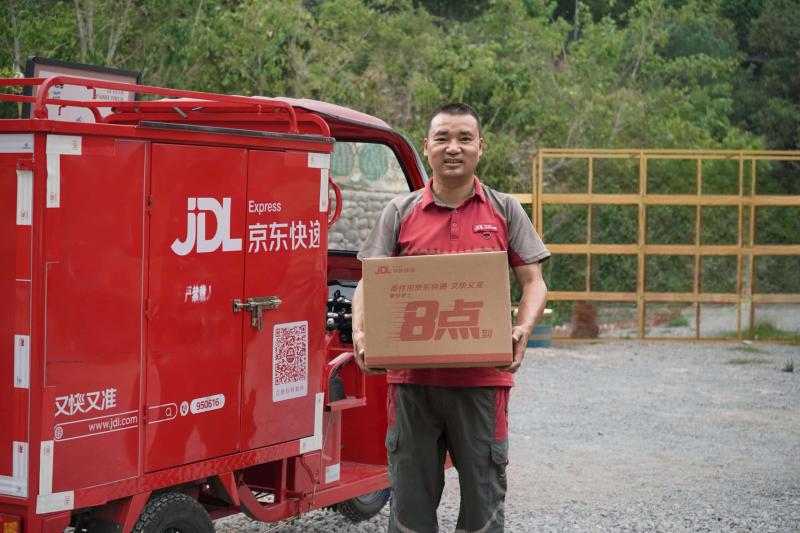
    JD.com, China’s largest retailer by revenue, is embarking on an ambitious journey with its “10 Billion Growth Plan,” which seeks to attract 1,000 new international brands into the Chinese market via cross-border e-commerce over the next three years. This initiative directly responds to the surging demand from Chinese consumers eager for high-quality global products.

    With an emphasis on customer satisfaction and a solid supply chain, JD.com is setting its sights on helping these brands collectively achieve a staggering sales increase of $1.39 billion (¥10 billion).

    Three Strategic Pillars Driving Brand Expansion

    The initiative is anchored by three pivotal strategies. First up is the Centennial Brands initiative, designed to introduce historic international brands with over a century of legacy that have yet to make their debut in China. These brands will be showcased in a dedicated “Global Centennial Pavilion” and promoted through special “Centennial Brand Days,” celebrating their heritage and craftsmanship for the discerning Chinese shopper.

    The second strategic focus is the expansion of JD.com’s National Pavilions, digital storefronts that enjoy official endorsement from embassies and trade organizations. Currently featuring 140 pavilions, JD.com aims to broaden its reach to nearly every European nation, providing consumers with enhanced access to unique products and immersive cultural experiences.

    Rounding out the plan is the Global Goods Recruitment initiative, which invites consumers to recommend the international products they wish to see on the platform. JD.com is prioritizing sources of health-conscious, organic, and locally produced items to align with the evolving preferences of Chinese shoppers—a clever way to keep an ear to the ground on consumer trends.

    European Brands Flourishing on JD.com

    European brands have particularly thrived on JD.com, with sales of European products on the platform racing past 740 million units in 2024, generating over $12.3 billion (¥87 billion) in revenue. The upward momentum shows no signs of slowing; by the first half of 2025, sales had already topped 390 million units and $6.41 billion (¥46 billion). Prestigious names like Danone and Nestlé from France, Adidas from Germany, and Fila from Italy are all reporting impressive double-digit year-on-year growth, proving once again that the appetite for international goods in China is more than just a passing fad—it’s a full-blown shopping phenomenon.

    Questions & Answers

    What is the goal of JD.com’s “10 Billion Growth Plan”?
    The plan aims to introduce 1,000 new international brands to the Chinese market through cross-border e-commerce, targeting a combined sales increase of $1.39 billion.

    How does JD.com plan to showcase international brands?
    Through initiatives like the “Global Centennial Pavilion” and “Centennial Brand Days,” JD.com will highlight historic brands with a legacy of over 100 years, emphasizing their craftsmanship and heritage.

    What kind of products does JD.com aim to recruit through its Global Goods initiative?
    The initiative will focus on sourcing health-conscious, organic, and locally produced items, reflecting the evolving tastes of Chinese consumers.

  • Louis Vuitton Set to Unveil Stunning Megastore in Luxurious Global Retail Hub

    Louis Vuitton Set to Unveil Stunning Megastore in Luxurious Global Retail Hub

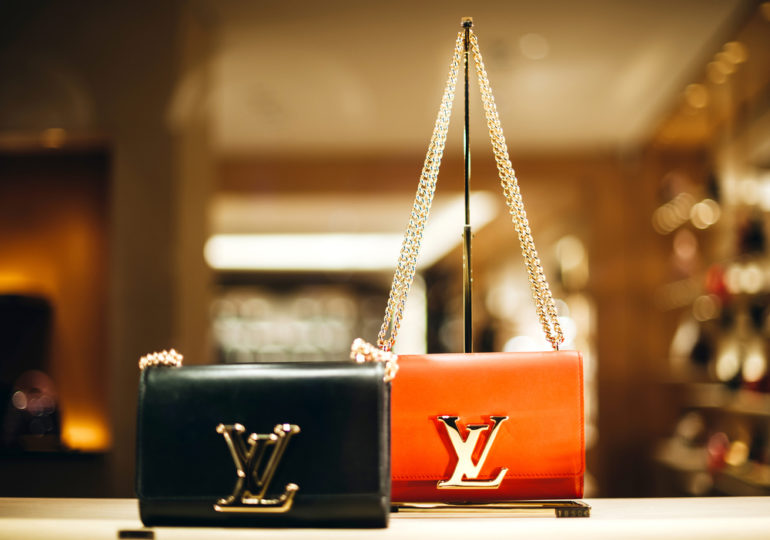
    Scaffolding has emerged around the latest project from Louis Vuitton, poised at K11 Musea and overlooking the Avenue of Stars—a scenic promenade that showcases breathtaking views of Victoria Harbour and the vibrant Hong Kong skyline. As the luxury brand prepares for its next chapter in this prime location, whispers of its plans have started to circulate, although official confirmation remains elusive.

    Reports suggest that the new outlet will encompass approximately 40,000 square feet, mostly dedicated to non-retail features. The anticipated offerings include a museum, a café, and a luxurious lounge reserved for VIP clientele. This flagship store is expected to be one of the largest in Asia, with a projected opening by the end of 2026, as indicated by Bloomberg during the initial agreement announcement.

    A Blueprint for Immersive Shopping

    Industry experts, speaking to the South China Morning Post, hint that the store’s design will mirror that of the recent three-level, ship-shaped retailer unveiled in Shanghai. This indicates a strategic approach aimed at creating a multi-experience hub rather than simply a retail outlet, aligning with a trend toward immersive shopping environments.

    Luxury Amid Record High Rents

    Louis Vuitton’s bold move into this space comes as Tsim Sha Tsui claims the title of the most expensive retail market globally. As of the fourth quarter of 2024, prime rents soared to an astonishing 17,132 euros (roughly US$20,177) per square meter annually, outpacing renowned shopping streets like Madison Avenue in New York and Bond Street in London, according to property consultancy Savills. The developer, New World Development, helmed by the billionaire Cheng family, is reportedly setting rental terms partly based on the store’s turnover—talk about a high-stakes game of luxury leasing!

    Navigating Shifting Consumer Habits

    This new endeavor arrives at a time when global luxury brands are recalibrating their strategies in China, a market grappling with economic uncertainty that has nudged consumers toward a more careful approach to spending. Despite challenges, the appetite for high-end experiences—think five-star hotels, extravagant dining, and fine travel—is undimmed among affluent individuals. In response, brands like Louis Vuitton are capitalizing on the opportunity to create physical spaces that deliver personalized experiences, luring customers who crave more than just products.

    Strategically located near popular tourist destinations, K11 Musea has quickly become a favorite among both locals and visitors alike. Adding to its allure, Louis Vuitton recently hosted a fashion show at the mall in late 2023, showcasing its menswear pre-fall 2024 collection, further solidifying its presence in this bustling cultural hub.

    Questions & Answers

    What unique features will the new Louis Vuitton store at K11 Musea offer?
    The store will include a museum, a café, and an exclusive lounge for VIP customers, aiming to provide an immersive shopping experience rather than just retail space.

    Why has Louis Vuitton chosen Tsim Sha Tsui for its new flagship store?
    Tsim Sha Tsui is recognized as the world’s priciest retail market, making it an appealing location for luxury brands seeking high visibility and foot traffic.

    How are luxury brands adapting their strategies in China amid economic fluctuations?
    Brands are focusing on creating brick-and-mortar experiences that emphasize personalization and unique offerings in response to consumers becoming more selective with their spending.

  • China Overtakes US as Vietnam’s Leading Shrimp Export Market in First Half of the Year

    China Overtakes US as Vietnam’s Leading Shrimp Export Market in First Half of the Year

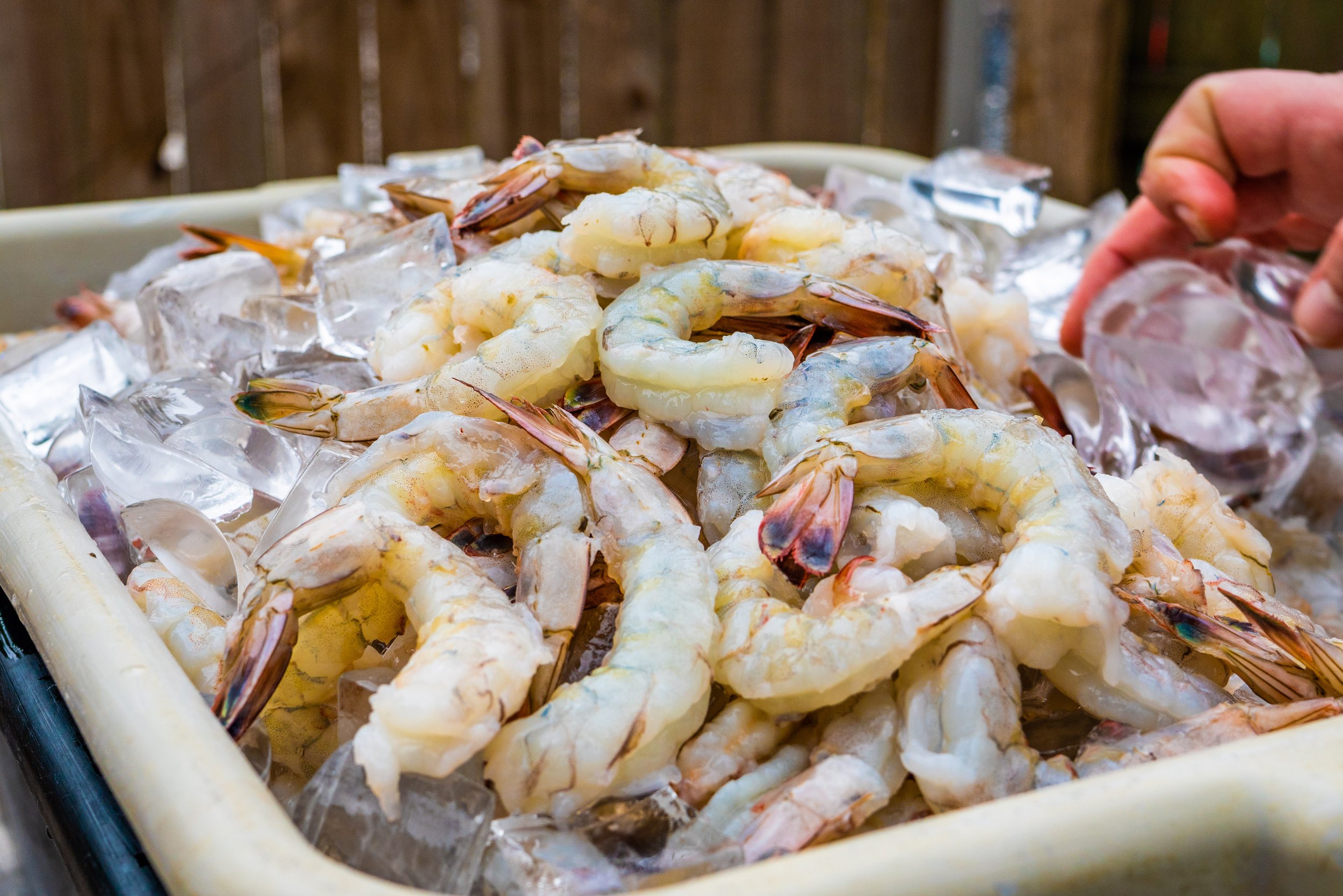
    China has emerged as a vital avenue for Vietnamese shrimp exporters, importing nearly US$595 million worth of shrimp, as reported by the Vietnam Association of Seafood Exporters and Producers (VASEP). A supply shortage in China, coupled with a seasonal spike in demand for premium seafood delights like lobster, has created an auspicious window for Vietnam’s seafood industry.

    Captivating Competitive Edge

    The geographic proximity of Vietnam to China adds to the appeal, allowing exporters to offer competitive prices that capture the attention of Chinese importers. Traditional markets remain steady, with Japan, South Korea, and the European Union contributing to this growth. Of particular note, Japan—the third-largest market for Vietnamese shrimp—has showcased a robust appetite for deeply processed, ready-to-eat shrimp products that cater to busy lifestyles.

    A tantalizing lobster on display in Ho Chi Minh City, showcasing the allure of premium seafood. Photo by VnExpress/Quynh Tran

    Navigating New Trade Waters

    Export dynamics to Europe have also enjoyed a boost thanks to the E.U.-Vietnam Free Trade Agreement. This agreement has positioned Vietnam favorably against other Southeast Asian competitors like Indonesia and Thailand. Conversely, the United States—once the leading market—has shown signs of decline in shrimp imports. Although exports to the U.S. increased by 13% to $341 million in the first half of the year, much of this surge was attributed to a pre-emptive rush in May, as businesses scrambled to fulfill orders ahead of the new tariffs introduced by the Trump administration.

    In June, the situation took a turn, with exports plummeting by 37%. In April, the Trump regime imposed a 10% retaliatory tariff on various imports, which is set to escalate to 20% on shrimp from August 1. In addition to this tariff hike, Vietnamese exporters face the looming threat of preliminary anti-dumping duties that could exceed 35%, alongside countervailing duties expected by year’s end.

    Shifting Strategies for Sustainability

    Amid these turbulent market conditions, VASEP has highlighted that U.S. tax policies are instilling caution among American importers, complicating pricing and order planning for Vietnamese businesses. This upheaval has prompted many seafood companies to explore alternative markets, with China appearing as an increasingly attractive option.

    Global shifts are also pressuring domestic shrimp prices. The cost of large black tiger shrimp has recently soared to a record VND201,000 (US$7.69) per kilogram, primarily driven by limited supply against consistent demand. Overall, Vietnam’s shrimp exports surged by 27% in the first half of the year, totaling $2 billion. However, VASEP forecasts a slowdown in exports as July approaches, following the rush of orders in May and June.

    With the U.S. delaying tariff increases until early August, some firms were able to expedite shipments, but the future remains uncertain, hinging on the final tariff levels and the capacity to diversify markets effectively. Many shrimp producers are now focusing on revising their export strategies to reduce dependency on the U.S. market, leveraging trade agreements like the EVFTA and the Comprehensive and Progressive Agreement for Trans-Pacific Partnership.

    A notable trend is the emphasis on deeply processed products, which attract higher value. Major markets like the U.S. and the EU are implementing stricter traceability and origin requirements, driving firms to enhance productivity throughout their supply chains—from certified farming practices and disease control to optimized processing and logistics.

    As Vietnam’s seafood industry navigates a volatile global market, the implementation of proactive financial and legal strategies will be crucial for sustaining growth and competitiveness.

    Questions & Answers

    How has China become a significant market for Vietnamese shrimp?
    China’s domestic supply shortage, combined with a rising demand for premium seafood products, has opened the door for Vietnamese exporters, leading to substantial imports worth nearly US$595 million.

    What impact have U.S. tariffs had on Vietnamese shrimp exports?
    The new tariffs imposed by the U.S. have caused export volatility, with a significant drop in shipments in June following a May spike as businesses rushed to beat the tariff deadline.

    What strategies are Vietnamese seafood businesses adopting for future growth?
    Producers are shifting focus away from reliance on the U.S. market and are capitalizing on trade agreements like the EVFTA, while also prioritizing the production of deeply processed shrimp products to meet evolving market demands.

  • Chinese Milk Tea Giant Chapanda Breaks Into Singaporean Market With Two Prime Location Outlets

    Chinese Milk Tea Giant Chapanda Breaks Into Singaporean Market With Two Prime Location Outlets

    ChaPanda, a renowned Chinese milk tea brand, is making its daring entry into the Singaporean market by launching two new stores in prime locations.

    The First Two Outlets

    The brand’s inaugural outlet in Singapore has already opened its doors at Scape, a shopping complex located on Orchard Link. The second store is also set to make a grand entrance soon at Northpoint City South Wing, a popular shopping mall in northern Singapore.

    These new outlets continue the brand’s tradition of featuring adorable panda mascots and offering an impressive range of drink options. Customers can look forward to indulging in popular favourites such as Taro Ball Milk Tea and Mango Pomelo Sago.

    ChaPanda’s Rapid Growth

    ChaPanda, also known as ChaBaiDao, was established in 2008 in Chengdu, China. Following its inception, the brand has experienced tremendous domestic and global growth.

    Today, ChaPanda is recognized as the third-largest freshly made milk tea chain in China. The company operates an expansive network of over 8000 stores across the globe, enjoying a significant presence in several key markets including Hong Kong, South Korea, Australia, Malaysia, and Thailand.

    Major Milestone for ChaPanda

    In a significant achievement in 2020, ChaPanda’s founder, Wang Xiaokun, ascended to the prestigious ranks of the world’s billionaires. This significant milestone followed a successful funding round that catapulted the company’s valuation to an impressive US$2.1 billion.

    Questions & Answers

    What is ChaPanda?
    ChaPanda, or ChaBaiDao, is a Chinese milk tea brand established in 2008. It is the third-largest freshly made milk tea chain in China with over 8000 stores globally.

    Where will the ChaPanda stores be located in Singapore?
    The first ChaPanda store in Singapore is located at Scape on Orchard Link, and the second outlet is set to open at Northpoint City South Wing soon.

    Who is the founder of ChaPanda?
    ChaPanda was founded by Wang Xiaokun, who became a billionaire following a funding round that valued the company at US$2.1 billion.

  • China Everbright Bank Faces Rising Threat from New Bad Loan Formation

    China Everbright Bank Faces Rising Threat from New Bad Loan Formation

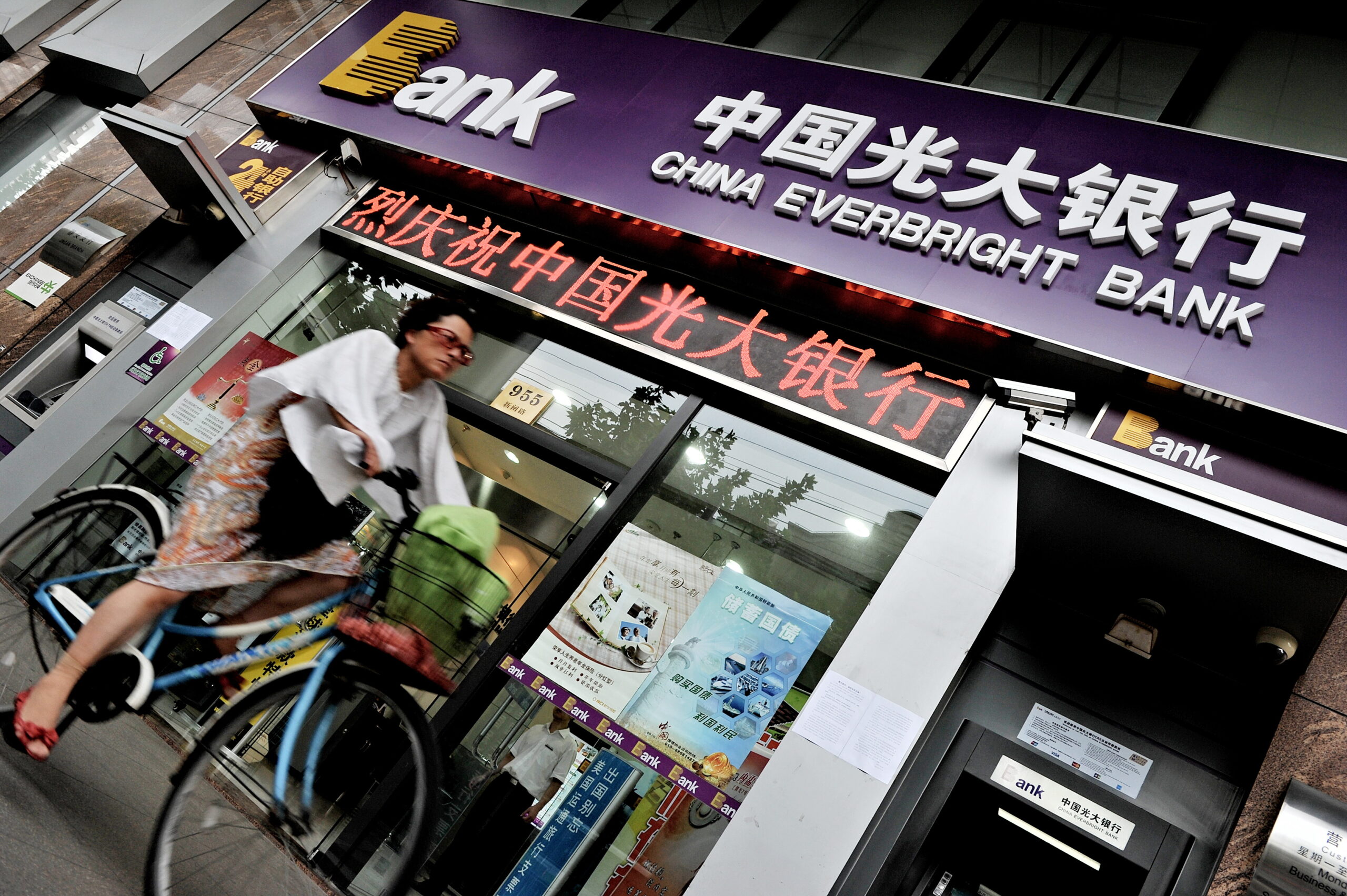
    China Everbright Bank (CEB) is navigating a complex landscape, facing the challenge of potential new nonperforming loans (NPLs), but recent assessments indicate that its financial health remains robust. According to Moody’s Ratings, the bank has built adequate buffers, with reserves covering a formidable 174.4% of its NPLs, ensuring a steady foundation as it maneuvers through changing economic tides.

    As the country transitions economically, CEB grapples with unseasoned risks, particularly in financing that shift along with evolving nonlending credit challenges stemming from its investment portfolio. Despite these hurdles, Moody’s analysis suggests that CEB can maintain its asset quality, capitalisation, profitability, and liquidity in the upcoming 12 to 18 months.

    Shifts in Loan Growth Trends

    In recent months, overall loan growth has experienced a slowdown, dropping to 3.9% in 2024 from 6% the previous year. However, the bank has seen a notable surge in specific areas, with green loans skyrocketing by 41% and inclusive financing loans rising by 15%. This shift highlights a pivot towards sustainable and responsible banking, setting the stage for a future where eco-conscious lending becomes a norm—perhaps enough to make even Mother Nature smile.

    Moody’s forecast remains optimistic regarding the bank’s asset quality over the next year and a half. Their analysis attributes this stability to CEB’s measured growth strategy and the significant buffers it has established in anticipation of market fluctuations. As of March 31, 2025, the NPL ratio has held steady at 1.25%, marking four consecutive years of stability.

    Robust Capitalisation Prospects

    Looking ahead, CEB’s capitalisation is projected to remain sufficient through 2026, bolstered by subdued asset growth. With profitability, gauged by return on average assets (ROAA), anticipated to stabilize around 0.6% over the next 12 to 18 months, the bank appears to be on solid ground. While a narrowing net interest margin (NIM) could pose challenges, the decline in deposit costs is likely to alleviate some pressure, supporting net interest income, which currently constitutes 71.3% of total revenues.

    Questions & Answers

    What is the current status of China Everbright Bank’s nonperforming loans?
    China Everbright Bank has reserves that cover 174.4% of its nonperforming loans, and the NPL ratio has remained stable at 1.25% for the past four years.

    How has loan growth changed at CEB recently?
    Overall loan growth has slowed to 3.9% in 2024 from 6% in 2023, but green loans and inclusive financing loans have seen significant increases of 41% and 15%, respectively.

    What does Moody’s predict for CEB’s financial stability moving forward?
    Moody’s expects that CEB will maintain adequate asset quality, capitalisation, profitability, and liquidity over the next 12 to 18 months, aided by a careful growth strategy and existing financial buffers.

  • Retail Sales Soar in Shanghai as Visa-Free Access Opens New Opportunities

    Retail Sales Soar in Shanghai as Visa-Free Access Opens New Opportunities

    China’s new visa policies and tax refund reforms are having a transformative impact on international travel and retail in Shanghai, according to a recent report by Savills. The city has seen a remarkable increase in international arrivals and shopper engagement, driven by enhanced accessibility and an appealing cultural landscape.

    Since December 2023, China has opened its doors wider, implementing visa-free entry for citizens from 43 countries and extending transit periods to 240 hours for 54 others. These changes have led to an impressive 2.6 million international arrivals in Shanghai during the first trimester of 2025—marking a 37.1% year-on-year increase. Notably, visitor numbers surpassed pre-COVID levels in both December 2024 and April 2025, signaling a vibrant revival of tourism.

    This influx has not only extended tourists’ stays but has also sparked a shopping spree in the city. Leveraging its well-developed infrastructure, affordable flight options, and rich cultural offerings, Shanghai has positioned itself as a prime destination for both leisure and business travelers alike.

    In April, the government took additional steps to encourage spending by lowering the minimum tax refund threshold to $28 (RMB200) and significantly increasing the annual reimbursement cap to $2,785 (RMB20,000). More stores and malls are now included, with visitors able to claim an immediate 11% refund at over 3,300 participating tax refund outlets, including major shopping havens along East and West Nanjing Road, Xujiahui, and Zhuyuan.

    The impact of these reforms has been palpable. During the Labour Day holiday in 2025, inbound tourist spending soared to $63.39 million (RMB455 million), an astonishing 211.6% increase compared to the previous year.

    Retailers are eager to capitalize on this growth, adopting high-quality, immersive experiences to meet the evolving needs of consumers. Visitors are increasingly drawn to Chinese brands, shopping fervently for fashion, designer bags, themed toys, and food—reflecting a diverse and vibrant retail landscape.

    South Korea, Japan, and Thailand emerged as the top three origin countries for tourists in Q1 2025, with notable increases in visitors from Thailand (+242.75%), South Korea (+142.37%), and Indonesia (+118.51%). The profile of these travelers is skewing younger; approximately 40% of incoming tourists are between the ages of 20 and 35, according to Mastercard.

    These “digital natives” are not just wandering the aisles; they’re active on social media throughout their shopping journeys, making seamless online-to-offline engagement crucial for brands seeking to connect with them meaningfully.

    Brands such as SHUSHU/TONG and Songmont report that nearly half of their clientele now consists of international visitors. Meanwhile, brands like Pop Mart and Miniso are capitalizing on trendy IP partnerships and social media buzz to attract attention and drive sales.

    The dining scene is also thriving, with restaurants like Haidilao and Long Time Ago experiencing higher foot traffic from foreign patrons than locals during peak hours. To cater to this diverse clientele, many establishments have introduced multilingual menus and AI translation tools, ensuring that no one is lost in translation, or worse, in flavor.

    Despite this positive momentum, some caution remains as consumer sentiment is tempered by broader economic uncertainties, with value-for-money becoming a deciding factor for many shoppers.

    Nonetheless, the marketplace is energized by emerging brands, particularly in sectors like outdoor apparel, pet services, and global bistros. Additionally, themed malls focusing on ACG (anime, comics, games) culture and immersive experiences are rapidly gaining popularity among niche audiences.

    As major attractions such as Lego and Harry Potter theme parks loom on the horizon, expectations are high for these developments to further enhance Shanghai’s reputation and stimulate cross-sector consumption in retail, hospitality, and tourism.

    Questions & Answers

    How have China’s visa policies impacted tourism in Shanghai?
    China’s recent visa-free entry policies have resulted in a significant rise in international arrivals, with 2.6 million tourists flocking to Shanghai in just the first four months of 2025—a 37.1% increase from the previous year.

    What measures have been taken to encourage foreign spending in Shanghai?
    In April, the government lowered the minimum tax refund threshold to $28 and doubled the annual cap to $2,785. This allows more tourists to enjoy immediate tax refunds at over 3,300 designated stores, driving a substantial increase in visitor spending.

    Which demographics are primarily driving tourism in Shanghai?
    Younger travelers, particularly those aged 20 to 35, make up about 40% of all inbound visitors. This group tends to engage heavily with social media, making their shopping experiences intertwined with digital interactions.

  • Ikea Sparks Green Revolution With Sustainable Retail Space In Shanghai

    Ikea Sparks Green Revolution With Sustainable Retail Space In Shanghai

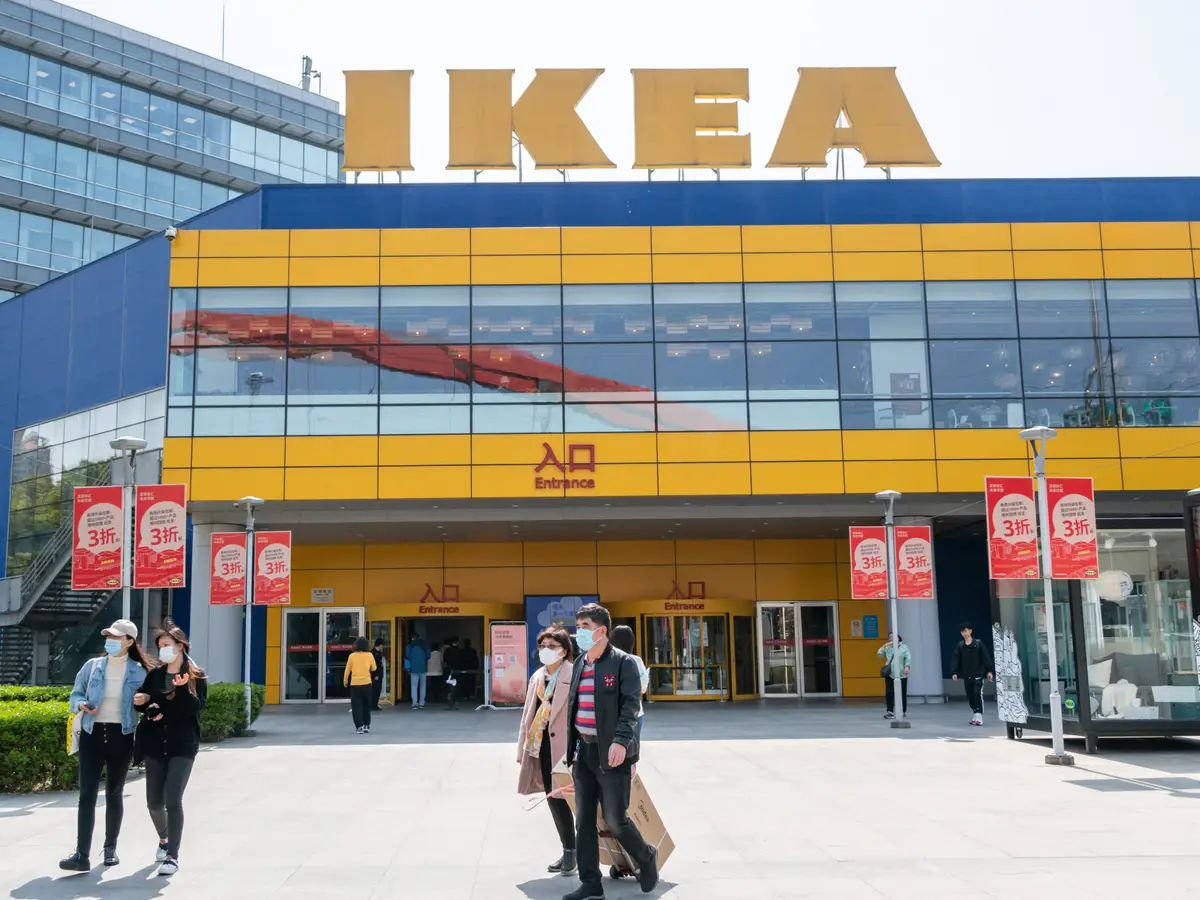
    Retail giant IKEA is intensifying its commitment to sustainability by launching a dedicated retail space in China that prioritizes environmental responsibility. The new venture, a part of their larger strategy to embrace sustainable practices, features a remarkable assortment of eco-friendly home goods designed to appeal to the Chinese consumer who is increasingly conscious of their environmental footprint. This innovative store isn’t just a shopping destination; it’s a step towards reshaping consumer habits in one of the world’s most populous countries.

    A Green Revolution at IKEA

    The heart of this initiative lies in the selection of products that incorporate sustainable materials and offer solutions to reduce energy consumption at home. IKEA aims to inspire its customers by showcasing not only products but also ideas on how to lead a more sustainable lifestyle. “We want to help our customers make conscious choices in their homes, and that begins with the products we offer,” announced IKEA’s regional director in a recent press conference, emphasizing the brand’s environmentally friendly ethos.

    Location and Features

    Situated in the bustling metropolis of Shanghai, the new store will spotlight a range of innovative designs, from energy-efficient appliances to furniture made from recycled materials. This flagship location is designed to encourage sustainable living, featuring interactive exhibits that demonstrate how everyday choices can lead to a smaller carbon footprint. Notably, the showroom will even include a live demonstration of how to create a rooftop garden, which is bound to intrigue urban dwellers looking to bring a piece of nature into their lives.

    Consumer Response and Future Plans

    Early feedback indicates that shoppers are excited about this fresh approach. One enthusiastic customer, who refers to IKEA as their “second home,” expressed delight at the potential for their favorite retailer to lead the charge on sustainability. As digital engagement continues to grow, IKEA’s push towards a greener retail model could set a precedent across Asia, enticing consumers to reconsider their purchasing decisions. Beyond this Shanghai location, the brand is planning additional eco-focused stores throughout China as part of a larger expansion strategy, aiming to make sustainability mainstream.

    The Bottom Line: An Enhanced Brand Experience

    With this bold step, IKEA is not just selling products but weaving a narrative about responsible consumption and eco-conscious living. It’s a delicate balancing act, transforming retail into a platform for change while continuing to engage with customers on a personal level. As consumers increasingly seek brands that reflect their values, IKEA’s new sustainable focus could very well ignite a green revolution in retail, giving shoppers a reason to rethink the way they furnish their homes – and maybe even their lives. Who knew that shopping at IKEA could take on a mission to save the planet?

    Questions & Answers

    What sustainability initiatives is IKEA implementing in their new Shanghai store?
    IKEA’s Shanghai store will feature a selection of eco-friendly home goods, including products made from sustainable materials, and will emphasize energy efficiency through innovative designs.

    How does IKEA plan to engage consumers with sustainability?
    The store will showcase interactive exhibits and demonstrations, such as creating rooftop gardens, encouraging consumers to adopt a more sustainable lifestyle through practical ideas and inspirations.

    What are IKEA’s future plans for sustainable retail in China?
    Following the launch in Shanghai, IKEA aims to expand its sustainable retail model by opening additional eco-focused stores throughout China, making sustainability a core part of their brand experience.

  • China’s Smartphone Market Sees Contraction; Huawei Reclaims Top Spot Amidst Decreased Shipments

    China’s Smartphone Market Sees Contraction; Huawei Reclaims Top Spot Amidst Decreased Shipments

    After six consecutive quarters of growth, China’s smartphone market showed signs of contraction during the second quarter of this year. The International Data Corporation (IDC) reported a decrease in shipments from the top four out of five brands, attributing this to a dip in consumer demand.

    Apple, which holds the fifth position in China’s smartphone market, experienced a 1.3% year-on-year decrease in shipments in the second quarter, equating to a shipment of 9.6 million units. While still marking a decline, this represents a notably smaller decrease than the 9% drop witnessed in the first quarter of the year. This is believed to be due in part to adjustments in the pricing of specific iPhone 16 and 16 Pro models, which are eligible for government subsidies.

    Despite this, Apple’s share of the market increased, growing from 13.7% in the March quarter to 13.9% in the June quarter. However, this still marks the eighth consecutive quarter in which Apple’s market share has declined.

    Huawei, the Shenzhen-based technological powerhouse, regained its position at the top of the market after more than four years, seizing an 18.1% market share. Huawei shipped approximately 12.5 million phones during the second quarter, a 3.4% year-on-year decrease.

    Xiaomi, holding the fourth position in the market, was the only smartphone manufacturer to record an increase in shipments during the last quarter. Vivo, standing at second place, witnessed the most significant decline in the top five brands, with shipments decreasing by 10.1%.

    Overall, China’s smartphone shipments fell by 4.0% year-on-year to 69 million units in the second quarter. This decline came as the momentum spurred by government subsidies began to falter amid more wide-ranging economic weaknesses.

    Senior research analyst at IDC, Arthur Guo, commented on the broader economic challenges faced by the industry, stating that consumer confidence remains low. Guo suggested that a significant boost in smartphone demand is unlikely in the near future and projected a more multifaceted landscape for the market in the second half of the year.

    Questions & Answers

    What was the rate of decline in China’s smartphone market during the second quarter?
    The rate of decline in China’s smartphone market during the second quarter was 4.0%.

    Which brand reclaimed the top spot in China’s smartphone market?
    Huawei regained the top position in China’s smartphone market after over four years.

    What was the only brand among the top five to record growth in shipments during the last quarter?
    Xiaomi was the only brand among the top five to record growth in shipments during the last quarter.

  • Richemont Reports 6% Quarterly Sales Rise Thanks To Cartier, Van Cleef & Arpels Jewelry Brands

    Richemont Reports 6% Quarterly Sales Rise Thanks To Cartier, Van Cleef & Arpels Jewelry Brands

    The Swiss luxury conglomerate, Richemont, reported a six per cent increase in quarterly sales, attributing the growth to the continued popularity of its fine jewelry brands, Cartier and Van Cleef & Arpels, among affluent consumers.

    Quarterly Sales Figures

    For the first quarter, ending June, the firm posted sales of 5.4 billion euros. This figure mirrors the projected six per cent growth in accordance with the forecast set by financial analysts.

    The powerhouse behind the group’s expansion was the jewelry division, which reported an 11 per cent sales increase. However, the company’s watch division, which comprises esteemed brands such as Vacheron Constantin and Jaeger LeCoultre, did not perform as well. Watch sales were seven per cent lower on a year-on-year basis, although this represents a minor recovery from the 11 per cent decline witnessed in the preceding quarter.

    Global Market Performance

    The Swiss watch industry, currently grappling with potential tariff threats in the United States, is predicted to report its lowest wristwatch export volumes since the onset of the pandemic in 2020.

    Regionally, sales performance varied. In the Americas, primarily the U.S market, sales improved mildly – up 17 per cent, surpassing the 12 per cent growth forecast. Conversely, sales in Asia remained stagnant, as a seven per cent sales slump in China, Hong Kong, and Macau was counterbalanced by robust business activities in other parts of the continent.

    Questions & Answers

    Which Richemont division led the group’s growth? The jewelry division led Richemont’s growth, reporting an 11 per cent increase in sales.

    How did the watch division perform? The watch sales were seven per cent lower on a year-on-year basis.

    How did sales vary across regions? Sales improved in the Americas, particularly in the U.S, by 17 per cent. In Asia, sales remained stagnant due to a seven per cent sales decrease in China, Hong Kong, and Macau, offset by stronger business in other Asian regions.

  • The Ordinary Debuts Flagship Store On Alibaba’s Tmall, Leveraging Ai For Personalized Skincare Experience

    The Ordinary Debuts Flagship Store On Alibaba’s Tmall, Leveraging Ai For Personalized Skincare Experience

    Canadian skincare label, The Ordinary, has recently announced the launch of its inaugural flagship store on Tmall, Alibaba’s e-commerce platform. This comes not long after it first ventured into the Chinese market in February of this year.

    Embracing Science-Led, Ingredient-Driven Formulations

    The Ordinary has built its reputation on its commitment to science-based, ingredient-focused products at affordable prices. With this new online store, the company hopes to extend its reach to a wider customer base in China.

    The digital shop also incorporates AI-driven technology, with the aim of helping shoppers identify the skincare products that will suit their specific needs.

    Co-founder of The Ordinary, Nicola Kilner, expressed her excitement about this new venture, highlighting its significance in the brand’s mission to make quality skincare more available to Chinese consumers. Kilner further iterated the brand’s intent to strengthen its ties with the Chinese market by embracing innovative practices and imparting vital skincare knowledge.

    Event Celebrating the Launch

    In celebration of the store’s launch, The Ordinary organized a gathering in Shanghai last month. The event saw the attendance of Kilner, Lulu Chang from Estée Lauder China, and high-level personnel from Tmall. The primary focus of this event was to discuss the pivotal role of technology and transparency in shaping the future of skincare.

    The Ordinary’s Growth and Expansion

    The skincare brand’s expansion comes on the heels of Estée Lauder Companies’ successful acquisition of Deciem, the parent company of The Ordinary, in the previous year. The transaction, worth US$1.7 billion, has given Estée Lauder full ownership of Deciem Beauty Group, a Canadian firm.

    Questions & Answers

    What is The Ordinary’s approach to skincare?
    The Ordinary is known for its science-led, ingredient-driven formulations. Their products are designed to address specific skincare needs at accessible price points.

    What is the purpose of the AI-powered tools on The Ordinary’s online store?
    The AI-powered tools are designed to help consumers identify the right skincare products for their specific needs.

    What was the primary focus of the event held by The Ordinary in Shanghai?
    The event centered around discussions on the role of technology and transparency in shaping the future of the skincare industry.