Tag: China

  • China’s Food Delivery Wars: Alibaba and Rivals Feel the Profit Pinch

    China’s Food Delivery Wars: Alibaba and Rivals Feel the Profit Pinch

    In the midst of a fierce food delivery war, China’s major players—Alibaba Group, Meituan, and JD.com—are locked in a high-stakes competition to capture consumer spending in the world’s largest economy. The stakes have just risen as JD.com recently amplified the battle, reporting an explosive surge in both orders and new users, propelled by substantial subsidies.

    This past weekend, excitement reached new levels. Many consumers reported delightful surprises in their deliveries—free bubble tea and coffee were offered to users over consecutive weekends, contributing to an enthusiastic uptick in orders. This unexpected beverage boon has not only sparked consumer enthusiasm but also sent shares of Hong Kong-listed bubble tea brands soaring to new heights, making investors perk up faster than a barista brewing their morning espresso.

    As these platforms race to dominate the market, the question remains: what will be the next thrilling tactic in a game that seems to be brewing stronger every day?

    Questions & Answers

    What are the three main platforms involved in China’s food delivery war?
    The primary competitors are Alibaba Group, Meituan, and JD.com, each striving to capture consumer spending in China.

    What recent event contributed to a spike in user engagement for these platforms?
    Over two recent weekends, users received free bubble tea and coffee with their deliveries, which significantly boosted both orders and user registrations.

    How have investors reacted to the rise in coffee and bubble tea giveaways?
    Investors took notice, as shares of Hong Kong-listed bubble tea brands experienced a sharp increase, reflecting the excitement generated by these promotions.

  • Pop Mart Anticipates a Whopping 350% Surge in Profits Thanks to Labubu Plush Toy Success!

    Pop Mart Anticipates a Whopping 350% Surge in Profits Thanks to Labubu Plush Toy Success!

    Pop Mart International Group, the acclaimed Chinese toymaker renowned for its whimsical Labubu plush characters, is poised to report an astounding 350% surge in profits during the first half of the year. This dramatic uptick is underscored by a projected revenue increase of at least 200%, as outlined in the company’s latest report.

    The sharp rise in profitability can be credited to several factors, including enhanced brand recognition, strategic cost optimization, and rigorous expense management. Pop Mart’s Labubu toys, characterized by their furry designs and playful sharp-toothed expressions, have captivated fans globally. Customers are often found queuing for hours, eager to snag the latest and most elusive models, which have become prized collectibles.

    Each Labubu toy is packaged in a blind box, adding an air of mystery to the shopping experience and heightening the thrill of collecting rare figures that can later be sold for profit. This intriguing retail strategy has helped Pop Mart stand out in a crowded market, and in turn, has propelled the company’s market valuation to an impressive US$40 billion. Its stock has soared by an astonishing 588% over the past year, according to Bloomberg.

    Pop Mart has achieved a remarkable feat by successfully tapping into Western markets, boasting one of the highest retail profit margins among Chinese companies with significant international footprints. The company’s gross profit margin reached nearly 67% last year, dwarfing that of competitors like Miniso Group Holdings, which reported a 45% margin.

    With the continuing meteoric rise of the Labubu phenomenon, it appears Pop Mart is not just cashing in on a fad but building a lasting legacy within the global toy industry. Who knew a plush toy could inspire such fervent loyalty and profit?

    Questions & Answers

    What fueled Pop Mart’s impressive profit growth?
    The company’s profit growth can be attributed to heightened brand recognition, cost optimization, and effective expense control.

    How do Labubu toys enhance the shopping experience?
    Each Labubu toy is sold in blind boxes, creating a sense of mystery and excitement around the collection of rare figures.

    What sets Pop Mart apart from its competitors in the toy market?
    Pop Mart has achieved one of the highest retail profit margins among Chinese companies with a substantial global presence, showcasing its successful penetration into Western markets.

  • Vietnamese Shoppers Enthralled by Irresistible Chinese Golden Plums at $19/kg

    Vietnamese Shoppers Enthralled by Irresistible Chinese Golden Plums at $19/kg

    The golden-yellow Chinese plum has burst onto the Vietnamese fruit scene, boasting a subtle fragrance, crisp texture, and a hint of delicate sweetness. Its size surpasses that of traditional Vietnamese plums, positioning it as a rival to pricier fruits like seedless lychees and milk grapes, which once ruled the marketplace.

    At a premium fruit shop in downtown Ho Chi Minh City, owner Tuyet shared her enthusiasm after selling over 200 kilograms of this new plum variety within just two weeks of importing it. “Customers often return after their first try,” she remarked, alluding to the fruit’s growing popularity.

    As if on cue, online vendors have ramped up their marketing efforts for this specialty fruit. Le Thoa, an importer of exotic fruits, praised the unique qualities of the Chinese plum, comparing it favorably to her past offerings from Chile and Australia. “It has golden flesh and is as crisp as Vietnamese plums with a mild sweetness that’s easy to enjoy without overwhelming the palate,” she explained, perhaps envisioning a fan base of budding plum enthusiasts.

    Currently, these plums are either hand-carried or imported in small quantities due to the lack of a formal trade agreement between Vietnam and China. Nguyen Lien, a trader in the border province of Lao Cai, revealed that the wholesale prices have skyrocketed, reaching VND300,000 per kilogram.

    Cultivated predominantly in regions like Yunnan, Xinjiang, and Miyun County, this plum variety has a substantial agricultural footprint. In Yunnan and Xinjiang alone, the golden plum occupies thousands of hectares, while in Miyun, approximately 660 hectares are designated for premium plum cultivation.

    The plum’s primary harvest season occurs from late June to August, a window that Vietnamese consumers will likely be eagerly watching. According to customs data, Vietnam imported $402 million worth of fruits and vegetables from China in the first half of this year, capturing 33.5% of total imports in this category. This statistic cements China’s position as Vietnam’s largest supplier of fresh produce, and it looks like the golden plum is ready to take its rightful place on the fruit crown.

    Questions & Answers

    What makes the golden Chinese plum stand out in the Vietnamese market?
    The golden Chinese plum is larger than traditional Vietnamese plums and offers a unique flavor profile with its crisp texture and mild sweetness, appealing to consumers looking for something new.

    How has the reception been for this fruit among consumers?
    Retailers like Tuyet have reported strong sales, with returning customers indicating that the plum is becoming a popular choice among fruit lovers.

    What are the challenges faced in importing these plums to Vietnam?
    Imports are currently limited to hand-carried shipments or small volume imports due to the absence of a formal trade agreement between Vietnam and China, impacting the supply chain for this fruit.

  • Pandora Eyes Strategic Overhaul Amid Falling Sales In China: A Turnaround In Sight?

    Pandora Eyes Strategic Overhaul Amid Falling Sales In China: A Turnaround In Sight?

    Pandora, the Denmark-based jewellery manufacturer known for its charm bracelets, is considering a strategic overhaul of its operations in China due to a sustained downturn in sales, according to insider sources. These measures may include licensing its brand and assets, including its current inventory, to China-based funds and e-commerce partners for a five-year period.

    Pandora, like many other multinational consumer-focused companies operating in the world’s second-largest economy behind the United States, has been negatively impacted by the aftermath of the global pandemic and a property crisis that has sent shockwaves through the economy. The company has struggled to compete with local, tech-savvy brands in the crowded e-commerce sector and has also been affected by a consumer trend towards gold and high-value jewellery.

    Addressing Challenges

    In a statement, Pandora acknowledged its need to reposition its brand in the increasingly challenging Chinese market and confirmed its commitment to implementing a turnaround strategy. “While this process will undoubtedly take time, China represents the world’s largest jewellery market and we remain completely dedicated to our business operations there,” commented Pandora.

    Over the past five years, Pandora’s revenue in China has plummeted nearly 80%, dropping to 416 million Danish crowns (approximately US$65.10 million) in 2024, down from 1.97 billion crowns in 2019. The company’s contribution from its China operations has also significantly reduced, falling from 11% to around 1% during the same period.

    Leadership Changes and Future Plans

    There have been several leadership changes within Pandora’s China operations since 2022, with the current Managing Director, Thomas Knudsen, joining the company at the beginning of this year. Shortly after his appointment, Pandora announced plans to shut down 50 stores in China later this year.

    There may be challenges in finding an investor or a licensing partner given the downward trends in performance and broader consumer challenges, according to Jonathan Yan, a principal at a leading consultancy firm in Shanghai. Yan stated that financial investors may not be interested in the asset, while e-commerce partners interested in owning higher-margin brands may be potential candidates.

    Speculations and Expectations

    Pandora’s e-commerce division has faced a steeper decline in sales than its physical stores, an insider revealed. Therefore, a takeover by an operator with the know-how to compete in the Chinese e-commerce market could be a positive development, although the cost of any turnaround would be significant to whoever assumes responsibility for the company’s operations.

    Yan commented, “Any successful turnaround will necessitate significant investment and the introduction of highly innovative strategies, and even then, success is far from guaranteed.”

    Questions & Answers

    What potential measures is Pandora considering for its Chinese operations?
    Pandora is reportedly contemplating licensing its brand and assets to China-based funds and e-commerce partners for a five-year period.

    How has Pandora’s revenue in China changed over the past five years?
    From 2019 to 2024, Pandora’s revenue in China has fallen nearly 80%, from 1.97 billion Danish crowns to 416 million Danish crowns.

    What challenges does Pandora face in turning around its operations in China?
    Pandora faces competition from local, tech-savvy brands, a shift in consumer preferences toward gold and high-value jewellery, and the broader economic impact of the global pandemic and property crisis.


  • Chagee: Chinese Tea Giant Set To Brew Success In The Philippine Market

    Chagee: Chinese Tea Giant Set To Brew Success In The Philippine Market

    Chagee: The Chinese Tea Brand Poised to Enter Philippine Market

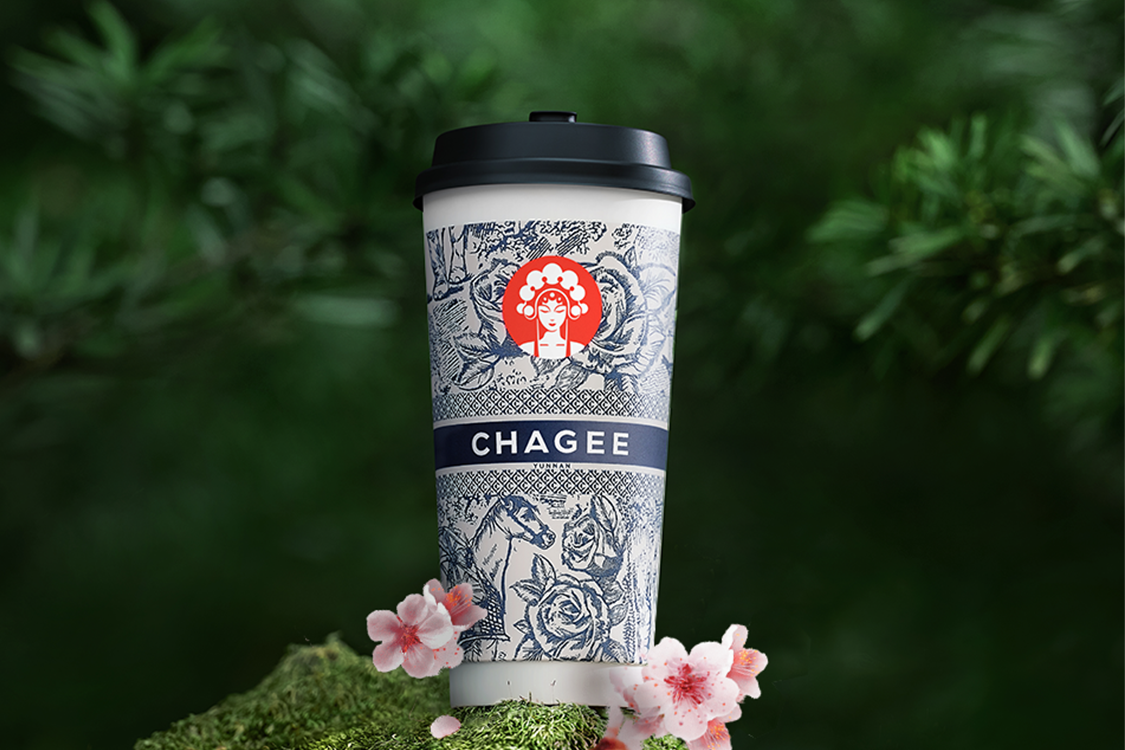
    Chagee, a renowned Chinese tea brand, is poised to infiltrate the Philippine market. This expansion is earmarked for August, with three branches slated for unveiling in Metro Manila.

    The fresh outlets will be strategically located at notable locales such as SM North EDSA, Robinsons Galleria, and Venice Grand Canal Mall.

    A Modern Take on Traditional Tea

    Chagee has carved a niche for itself as a contemporary tea bar that fuses traditional Chinese tea-making techniques with an emphasis on natural ingredients.

    The brand’s signature concoctions are milk-based tea beverages, expertly brewed using whole tea leaves from a variety of plants including green, black, and oolong. These teas are free from artificial sweeteners or flavorings, underscoring the brand’s commitment to all-natural products.

    Chagee’s Global Footprint

    With its roots in Yunnan, China, Chagee has successfully extended its reach across Asia and beyond. The company presently boasts of over 6000 stores worldwide. Its international presence can be felt in a number of markets such as Malaysia, Thailand, Singapore, and the United States among others.

    Questions & Answers

    What is Chagee?
    Chagee is a Chinese tea brand that is recognized for infusing modern flavors with traditional Chinese tea-making methods.

    Where are the new Chagee outlets in the Philippines going to be located?
    The new Chagee outlets in the Philippines are planned to be located at SM North EDSA, Robinsons Galleria, and Venice Grand Canal Mall.

    What distinguishes Chagee’s tea beverages?
    Chagee’s signature tea beverages are milk-based and are brewed using whole tea leaves from a variety of plants such as green, black, and oolong. These teas are free from artificial sweeteners or flavorings.

  • Potential $10b Valuation As Investors Eye Stake In Starbucks’ China Operations

    Potential $10b Valuation As Investors Eye Stake In Starbucks’ China Operations

    Starbucks’ China Operations Draw Interest from Potential Buyers

    Starbucks’ business operations in China may soon undergo changes, as several prominent investors have shown interest in acquiring a stake. This signifies a potential valuation of Starbucks’ China unit at approximately US$10 billion.

    Among the investors vying for a stake in the coffee giant’s China business are Asia-based private equity firms Centurium Capital and Hillhouse Capital, as well as their US counterparts Carlyle Group and KKR & Co.

    Starbucks May Retain 30% Stake

    According to sources, it is a possibility that Starbucks might retain a stake of 30 percent, with the remainder distributed among a group of purchasers, each owning less than 30 percent. However, the company and the potential buyers have not yet provided any comments on the matter.

    No Plans for Full Sale

    Last month, Starbucks confirmed that it does not plan to fully sell off its China operations. This announcement followed the commencement of a formal sales process for its China business in May.

    Offers Under Consideration

    Around 30 domestic and international private equity firms in China have submitted non-binding offers for a stake in Starbucks’ China business. Currently, the company is in the process of evaluating the bids, deal structure suggestions, and value creation proposals from the potential investors.

    This selection process is expected to result in a shortlist within the next two months. However, it is unlikely that the entire arrangement will be finalized before the end of this year.

    Questions & Answers

    Which companies are vying for a stake in Starbucks’ China business?
    Asia-based private equity firms Centurium Capital and Hillhouse Capital, as well as US counterparts Carlyle Group and KKR & Co, have shown interest in acquiring a stake.

    How much of a stake might Starbucks retain in its China operations?
    Starbucks may retain up to 30 percent stake in its China operations, with the remaining stake distributed among the group of buyers.

    Is Starbucks planning a complete sell-off of its China operations?
    Last month, Starbucks confirmed that it has no plans to fully sell off its China operations.

  • Starbucks’ China Venture Sparks Interest: Possible $10 Billion Stake Sale On Horizon

    Starbucks’ China Venture Sparks Interest: Possible $10 Billion Stake Sale On Horizon

    Starbucks’ China Business Draws Significant Interest

    Starbucks’ China venture has recently garnered substantial interest for a potential stake sale. The unit is speculated to be worth up to a staggering $10 billion. According to insider information, a multitude of entities is in the race for the stake, including Asian private equity firms Centurium Capital and Hillhouse Capital, as well as American counterparts Carlyle Group and KKR & Co.

    Possible Ownership Structure

    The multinational coffee company may retain a 30% stake in its China business if a deal goes through. The remaining portion would be divided among several investors, each maintaining a stake of less than 30%.

    No Official Comments Yet

    At this point, there has been no official response from Starbucks, Centurium, Hillhouse, Carlyle, or KKR regarding these claims. Until now, this information has not been independently corroborated.

    No Full Sale for Starbucks China

    Despite the current speculation, Starbucks clarified last month that it is not considering a complete sale of its China operations. This announcement followed the initiation of a formal sale process for Starbucks’ China operations that commenced in May.

    Offers Under Evaluation

    Starbucks has received non-binding offers from approximately 30 domestic and foreign private equity firms. The coffee giant is currently assessing these proposals, the proposed deal structures, and the value creation plans presented by the bidders.

    According to sources, the shortlist of potential investors could be ready within the next two months. However, it is unlikely that the transaction will be finalized by the end of this year.

    Questions & Answers

    Who are some of the potential buyers for Starbucks’ China business?

    Potential buyers include Asia-based private equity firms Centurium Capital and Hillhouse Capital, as well as US firms Carlyle Group and KKR & Co.

    What percentage of the Starbucks China business might the company retain after the sale?

    Starbucks may retain a 30% stake in its China operations post-sale.

    When is the deal likely to be finalized?

    While this is subject to change, the deal is currently unlikely to be completed before the end of this year.

  • Alibaba Unveils Ambitious Expansion Strategy, Transforming Wholesale Business In Southeast Asia

    Alibaba Unveils Ambitious Expansion Strategy, Transforming Wholesale Business In Southeast Asia

    Retail giant Alibaba Group is ramping up its game as it unveils plans to expand its wholesale business, unveiling a transformative strategy that aims to penetrate deeper into Southeast Asia’s burgeoning e-commerce market. With a firm belief in the region’s potential, Alibaba is investing heavily as part of its long-term vision, transforming the traditional wholesale model to meet the evolving demands of today’s consumer landscape.

    Innovations in Wholesale

    Rather than sticking to outdated practices, Alibaba’s latest initiative involves leveraging technology to streamline operations and enhance the customer experience. The company is introducing advanced tools and platforms that promise to simplify the wholesale purchasing process for small and medium-sized businesses (SMBs). Imagine a world where merchants can source products with the swipe of a finger, and you get a glimpse of what Alibaba is bringing to the table.

    This pivot is particularly timely, given the rapid changes in consumer behavior spurred by the pandemic. Retailers are no longer just looking for inventory; they’re seeking innovative solutions that offer flexibility and speed. By marrying traditional wholesale processes with cutting-edge technology, Alibaba aims to provide a seamless shopping experience that empowers SMBs to thrive.

    Regional Growth and Collaboration

    As part of this ambitious expansion, Alibaba is not just going solo. Building partnerships with local players is crucial to its strategy. According to the company, collaborating with regional retailers and distributors will provide invaluable insights into market nuances, enabling Alibaba to tailor its offerings more effectively. It’s a classic case of “together we are stronger,” and a strategy that could well redefine wholesale networks in the area.

    The company’s reach in Southeast Asia has received a notable boost through strategic investments and the establishment of localized platforms, which resonate with the unique cultural patterns of the region. Known for its active engagement with local communities, Alibaba plans to leverage its existing ecosystem to foster deeper relationships with customers and partners alike.

    The Road Ahead

    As Alibaba races ahead with its wholesale ambitions, the company faces competition from other e-commerce platforms that are equally keen to claim their share of the market pie. However, with its robust infrastructure and wealth of experience, Alibaba is poised to set the standard for wholesale in the region. Change is not just inevitable; it’s here, and Alibaba is all set to lead the charge.

    In a region where e-commerce and retail sectors are intertwined yet diverse, Alibaba’s innovative approach has the potential to spark significant change. If this strategy pays off, it could lay the groundwork for a new era in how businesses source products in Asia — and who knows, there might be a bidding war for your favorite new gadgets.

    Questions & Answers

    What is Alibaba’s new wholesale strategy focused on?
    Alibaba’s new wholesale strategy centers on integrating advanced technology into the purchasing process, aiming to streamline operations for small and medium-sized businesses.

    Why is Southeast Asia important to Alibaba’s expansion plans?
    Southeast Asia presents significant growth opportunities in e-commerce, and Alibaba aims to strengthen its presence through partnerships and tailored strategies that resonate with local markets.

    How does Alibaba plan to collaborate with local retailers?
    Alibaba intends to partner with local retailers to gain insights into regional market nuances, fostering deeper relationships that enhance its wholesale offerings.

  • Baidu Unveils Musesteamer: Ai-driven Video Generator And Enhances Search Engine Capabilities

    Baidu Unveils Musesteamer: Ai-driven Video Generator And Enhances Search Engine Capabilities

    Baidu Introduces AI-Driven Video Generator and Revamps Search Engine

    Baidu, the Chinese technology company, unveiled a new artificial intelligence (AI) tool called MuseSteamer and launched a significant upgrade to its search engine on Wednesday.

    The MuseSteamer: A Revolutionary AI Tool

    MuseSteamer, an AI-driven video generator, can produce videos up to ten seconds long. The model is designed especially for businesses and is available in three different versions: Turbo, Pro, and Lite.

    This business-oriented tool marks a departure from the prevalent approach, with most AI video generators targeting individual consumers via subscription-based models. Interestingly, Baidu has yet to reveal a consumer-oriented application for MuseSteamer.

    The recent trend within the AI community has seen significant advancements in the realm of text-to-video or image-to-video generators. Leading AI firms and major technology companies, including ByteDance, Tencent, and Alibaba, have all introduced their models to the market.

    Enhancements to Baidu’s Search Engine

    Aside from the launching of MuseSteamer, Baidu unveiled a significant upgrade to its search engine. The update includes a redesigned search box capable of handling more extended queries. It also supports voice and image-based searches. Employing Baidu’s advanced AI technology, the platform now delivers more targeted content to its users.

    This search engine overhaul comes as Baidu faces stiff competition from AI-based chatbots like ByteDance’s Doubao and Tencent’s Yuanbao, which are gaining popularity among users.

    Questions & Answers

    What is Baidu’s new AI tool called?
    The new AI tool launched by Baidu is called MuseSteamer.

    What is the primary purpose of the MuseSteamer?
    MuseSteamer is an AI-driven video generator designed primarily for business use. It can create videos up to ten seconds long.

    What improvements has Baidu made to its search engine?
    Baidu has redesigned its search box to accept longer queries and support voice and image-based searches. The platform now also displays more targeted content using Baidu’s AI technology.

  • Marithe Francois Girbaud launches first store in Greater China

    Marithe Francois Girbaud launches first store in Greater China

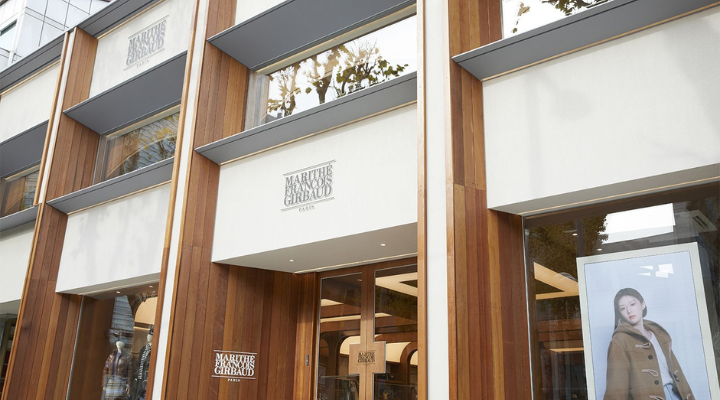
    Misto Holdings has announced its expansion plans in Greater China with the introduction of Marithe Francois Girbaud, a French casualwear brand. The company has opened the first local store for this label in the bustling Xintiandi district of Shanghai. The new flagship outlet has been meticulously designed to appeal to China’s young, style-conscious consumers.

    Store Highlights

    One of the key attractions of this new store is the “DIY Eco-Bag” customization station. This unique feature allows shoppers to personalize their bags, adding a level of individuality and creativity to their shopping experience.

    Expansion Plans

    The Shanghai store is just the beginning of Misto’s expansion in the region. The company has planned the launch of three more outlets in major cities including Hangzhou and Beijing. The upcoming stores are set to be located in well-known retail spaces such as IN77 in Hangzhou, Taikoo Li in Beijing, and the IAPM Mall in Shanghai.

    A spokesperson for Misto Holdings emphasized the significance of the Shanghai flagship store in promoting the brand across Greater China. They stated, “We will continue to offer unique brands that represent authenticity. Our value will be clear through our knowledge of execution and understanding of the market.”

    Introducing Korean Fashion Brands

    In addition to launching Marithe Francois Girbaud in China, Misto is also extending its fashion portfolio in the region with an array of Korean fashion labels. The company plans to introduce brands like Matin Kim, Raive, and Rest & Recreation, further diversifying its fashion offerings.

    Questions & Answers

    What is the significance of Misto Holdings’ new flagship store in Shanghai?
    The new store signifies Misto’s commitment to expanding in the Greater China market. It will serve as a crucial point for increasing brand awareness throughout the region.

    What unique feature does the new Marithe Francois Girbaud store offer its customers?
    The store features a “DIY Eco-Bag” customization station where shoppers can personalize their own bags.

    What are Misto’s future plans in regards to expansion in China?
    Misto plans to open three more stores in major cities including Hangzhou and Beijing. They also aim to introduce a variety of Korean fashion brands to further expand their fashion footprint in the region.

  • Shein files for Hong Kong IPO to pressure London’s listing regulators

    Shein files for Hong Kong IPO to pressure London’s listing regulators

    Fast-fashion retailer, Shein, founded in China, has reportedly submitted an application for an initial public offering (IPO) in Hong Kong. This move has been interpreted as a strategic effort to expedite their listing process and to put pressure on the UK’s regulatory bodies to greenlight their proposed debut on the London Stock Exchange.

    Striving for Regulatory Approval

    Shein allegedly filed a preliminary prospectus privately with the Hong Kong exchange last week. It was also reported that they sought approval from the China Securities Regulatory Commission (CSRC). However, these reports have not been independently confirmed.

    The company’s attempts to list in Hong Kong are seen as a strategy to coax the UK regulator into relaxing its risk disclosure regulations. This is crucial for Shein as it keeps the possibility of what could be London’s most significant IPO in years, alive.

    Previous Attempts for Listing

    In June, it was reported that Shein had plans to file a draft prospectus confidentially for its Hong Kong listing. This followed reports from May suggesting that the retailer was moving towards a Hong Kong listing after failing to secure approval from Chinese regulators for a proposed London IPO.

    According to reports, the UK’s Financial Conduct Authority might still be Shein’s preferred exchange if it is willing to accept a CSRC-approved prospectus. However, the possibility of this happening appears to be slim due to a significant discrepancy in the requirements of the respective regulators.

    Questions & Answers

    Why is Shein filing an IPO in Hong Kong?
    Shein has filed for an IPO in Hong Kong as part of a strategic move to expedite their listing process and to pressure the UK’s regulatory bodies into approving its planned debut on the London Stock Exchange.

    What is the significance of the UK’s Financial Conduct Authority in Shein’s IPO?
    The UK’s Financial Conduct Authority could still be Shein’s preferred exchange if it accepts a CSRC-approved prospectus. However, it has been reported that the likelihood of this happening is low due to differing regulatory requirements.

    What were Shein’s previous attempts for listing?
    Previously, Shein had planned to file a draft prospectus confidentially for its Hong Kong listing. This was after its proposed London IPO failed to secure approval from Chinese regulators.

  • China, Myanmar, Thailand Unite to Combat Rising Telecom Fraud Threats Together

    China, Myanmar, Thailand Unite to Combat Rising Telecom Fraud Threats Together

    In a decisive move against burgeoning criminal enterprises, China, Myanmar, and Thailand have committed to strengthening their collaboration in dismantling elaborate scam networks proliferating across Southeast Asia, with a particular focus on the notorious Myawaddy region. This area has gained infamy as a major hub for fraudulent activities, and the three nations aim to eradicate such operations.

    Strengthening Cross-Border Alliances

    China’s Ministry of Public Security unveiled this agreement following a recent trilateral ministerial meeting dedicated to intensifying efforts against telecom fraud. Attended by law enforcement officials from each country, the high-level gathering was a platform for discussing comprehensive action plans to apprehend suspects and obliterate scam centers in Myawaddy and other known hotbeds of deceit. The endeavors have already seen over 5,400 Chinese nationals repatriated to China for investigation linked to their involvement in fraud schemes.

    Past Success Fuels Future Initiatives

    This isn’t China’s first foray into collaborative law enforcement; the nation has previously allied with its Southeast Asian neighbors to tackle telecom fraud. In 2024 alone, joint operations between Chinese and Myanmar police led to the arrest of more than 53,000 suspects within major scam compunds along the China-Myanmar border. China’s effectiveness in this realm was further demonstrated by the successful repatriation of 268 suspects engaged in cross-border telecommunications fraud, through cooperation with Laos.

    A Call for Broader Alignment

    China’s strategy is not limited to these three nations. The government is actively encouraging additional Southeast Asian countries, such as Cambodia and Vietnam, to partake in its crusade against online gambling and telecom scams, which frequently operate in tandem. Guo Jiakun, spokesperson for the Chinese Foreign Ministry, articulated that engaging in these battles is essential for protecting the common interests of China and its regional partners. It’s a bit like forming a super team against digital villains, where every country’s participation can tilt the scales of justice.

    Supporting Regional Frameworks

    International support for this trilateral initiative has been forthcoming. Benedikt Hofmann, Acting Regional Representative of the United Nations Office on Drugs and Crime (UNODC) for Southeast Asia and the Pacific, deemed the cooperation as “encouraging,” highlighting its potential to pave the way for deeper, sustained regional cooperation in the fight against crime.

    Questions & Answers

    How are China, Myanmar, and Thailand planning to strengthen their cooperation against telecom fraud?
    The three nations recently met to agree on intensified joint crackdowns on telecom fraud, including the commitment to arrest all suspects and eliminate scam operations, particularly in Myawaddy.

    What past successes have contributed to the current efforts against scam networks?
    In 2024, a collaborative effort led to the arrest of over 53,000 suspects in Myanmar, as well as the repatriation of 268 suspects involved in cross-border telecom fraud.

    Which other countries is China encouraging to join this fight against online scams?
    China is inviting Cambodia and Vietnam to participate in the fight against telecom scams and online gambling, emphasizing the need for a united front in safeguarding regional interests.

  • China Implements Ban on Excessive Discounting Practices by Online Retailers to Promote Fair Competition

    China Implements Ban on Excessive Discounting Practices by Online Retailers to Promote Fair Competition

    In a decisive move signaling a shift in China’s retail landscape, authorities are gearing up to impose stricter regulations on online retail platforms that have been compelling third-party merchants into a relentless price-cutting frenzy. This comes as part of an updated unfair competition law, set to take effect on October 15.

    Under the revised legislation, online retailers will face prohibitions against pressuring vendors to sell products and services at prices below their cost. Moreover, any actions that “disrupt market order” will also come under scrutiny. This change aims to protect smaller merchants from the aggressive tactics employed by larger platforms that have historically prioritized profit margins over fair competition.

    This announcement reflects growing concerns about the sustainability of the retail environment in an era where price wars can lead to significant losses for vendors and a decrease in the overall quality of products available to consumers. As the race to the bottom intensifies, many are left wondering: who really wins? Perhaps it’s time for a check-up on the retail pulse, as the law attempts to balance the scales in favor of fair trading practices.

    With the clock ticking down to the law’s implementation, the retail sector is buzzing with anticipation. Will this reform change the game for how business is conducted online? Only time will tell, but one thing is clear: the days of reckless discounting might just be numbered.

    Questions & Answers

    What does the amended unfair competition law entail?
    The law prohibits online retailers from forcing third-party merchants to price their products below cost and engaging in practices that disrupt market order, effective October 15.

    What is the aim of these new regulations?
    These regulations aim to create a fairer retail environment, protecting smaller merchants from aggressive pricing strategies employed by larger platforms.

    How might this law impact consumers?
    While consumers may see some initial price increases as vendors adjust, the law could ultimately lead to a more stable market with improved product quality and service levels.

  • Chinese Discount Retailer Surges as Consumers Seek Affordable Goods in Growing Demand

    Chinese Discount Retailer Surges as Consumers Seek Affordable Goods in Growing Demand

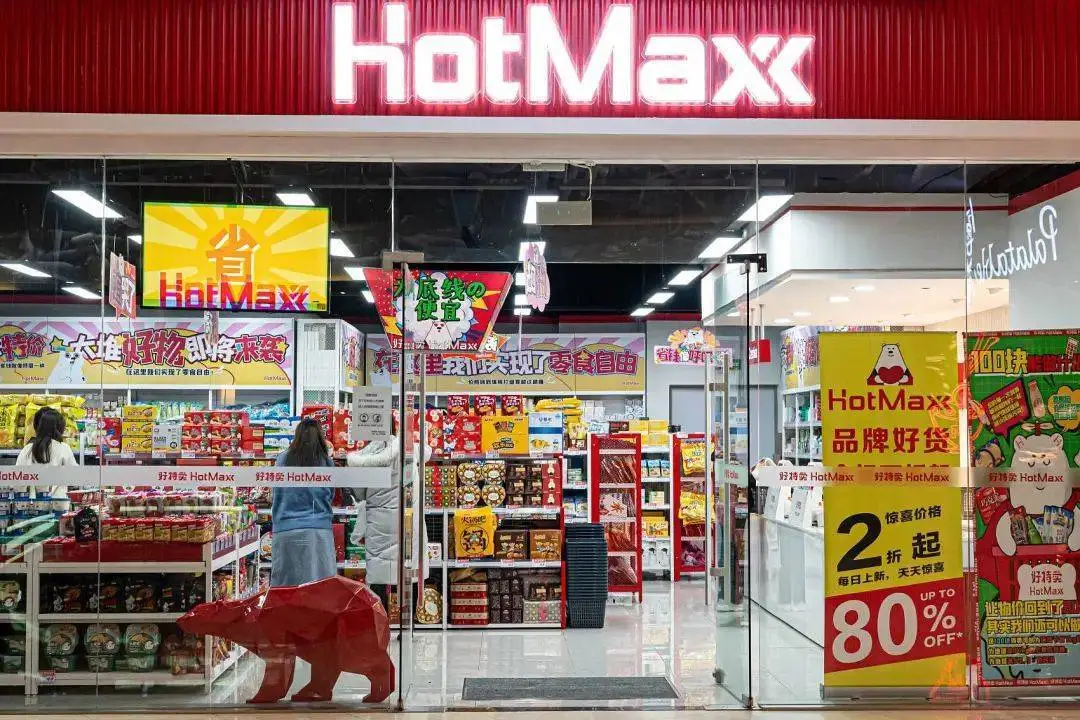
    In a vibrant response to shifting consumer behavior amid an economic slowdown, Chinese discount store sensation HotMaxx is quickly becoming the go-to destination for price-savvy shoppers. The retailer’s strategy of offering branded goods at jaw-droppingly low prices has turned heads and wallets alike, particularly as consumers tighten their belts.

    Managed by Shanghai’s Xinguo Technology, HotMaxx’s “super warehouse” outlet in a Nanjing shopping mall has garnered immense popularity since its debut in December. This retail gem proudly displays an eclectic range of discounted products, from Nike apparel to Doritos chips, and even the occasional Hermes bag—because who doesn’t want to snag a luxury item at a fraction of the cost?

    The festive atmosphere in the store is palpable as shoppers sift through aisles stuffed with savings. Many are drawn to the thrill of finding items typically reserved for high-end retailers, but at prices that could make even the savviest shoppers do a double-take. The allure of spending less and finding great deals is certainly hard to resist!

    HotMaxx’s success illustrates a profound shift in retail dynamics in China, where value-driven shopping is gaining traction. The fusion of convenience, accessibility, and quality has positioned HotMaxx as not only a retail player but a trendsetter in the increasingly competitive landscape of discount retail.

    As the retailer continues to expand its footprint, it’s clear that HotMaxx is not just selling products; it’s tapping into the psyche of a consumer base eager for both savings and satisfaction. If there’s one lesson from this booming warehouse wonder, it’s that in retail, the stakes—and savings—have never been higher.

    Questions & Answers

    What strategy is HotMaxx using to attract customers in a challenging economic environment?
    HotMaxx has embraced a pricing strategy that focuses on offering branded goods at significant discounts, appealing to consumers who are more cautious with their spending amid an economic slowdown.

    What unique products can shoppers expect to find at HotMaxx’s super warehouse outlet?
    Customers can explore a diverse array of discounted items, including popular brands like Nike, snack favorites like Doritos, and even luxury items such as Hermes bags, all at reduced prices.

    How does the atmosphere at HotMaxx contribute to its appeal?
    The vibrant shopping experience at HotMaxx, characterized by enthusiastic bargain hunters and a treasure-hunt vibe, adds an exciting dimension to the retail experience, making it more than just a store but a destination for savvy shoppers.

  • Uniqlo Seeks Advantage from US-Vietnam Tariff Agreement to Boost Market Position

    Uniqlo Seeks Advantage from US-Vietnam Tariff Agreement to Boost Market Position

    In a significant shift for the retail landscape, tariff reductions between the U.S. and Vietnam are set to ease the financial pressure on companies like Uniqlo, the popular casualwear brand that heavily relies on Vietnamese manufacturing. This move comes at a crucial time as global supply chains continue to navigate the challenges posed by rising tariffs.

    Tariffs Take a Tumble

    Speaking on Wednesday, U.S. President Donald Trump announced that the previously proposed 46% tariff on imports from Vietnam would be slashed to a more manageable 20%. This news has been met with optimism from various sectors, particularly in retail, where the costs of sourcing apparel can make or break profit margins. While the Vietnamese government has yet to reveal details on the agreed tariff levels, the reduction is undoubtedly a welcome gift for Uniqlo, which has built a robust supply chain in Vietnam.

    Impact on Supply Chains

    This tariff cut is expected to bolster Uniqlo’s operations as it continues to harness the efficiency and productivity of Vietnamese manufacturers. With Vietnam already being a linchpin in Uniqlo’s supply chain strategy, these new developments may allow the retailer to further reduce costs and potentially pass on savings to consumers. In an age when customers are more price-conscious than ever, this could prove to be a savvy move.

    A Surprising Twist in Trade Relations

    The ongoing trade dynamics between these two nations have undergone numerous twists and turns, making this reduction a somewhat unexpected yet delightful surprise. Retail brands aiming for a competitive edge will likely keep a close eye on these changes, translating these potential savings into strategic business decisions.

    Looking Ahead

    As retailers like Uniqlo brace for a changing tide in tariffs, stakeholders are watching how this newfound flexibility will influence pricing strategies and market competitiveness in Asia. The ramifications of these tariff modifications extend beyond simple numbers, hinting at a broader narrative of increasing collaboration between the U.S. and Vietnam in the retail sector.

    Questions & Answers

    How will the reduced tariff affect Uniqlo’s pricing strategy?
    The tariff reduction is likely to allow Uniqlo to lower costs associated with its supply chain, which could enable the brand to offer more competitive pricing to customers.

    What prompted the U.S. to lower the tariff on Vietnamese imports?
    The decision comes amid ongoing negotiations and assessments of trade relationships, reflecting a need for a more balanced approach in tariffs that supports both nations’ economic interests.

    What broader implications could this tariff reduction have?
    This reduction could foster stronger trade relations between the U.S. and Vietnam, setting a precedent for further cooperation in the retail sector and beyond, potentially encouraging additional U.S. investments in Vietnam.