Tag: China

  • Blue Bottle makes Mainland China debut

    Blue Bottle makes Mainland China debut

    Blue Bottle Coffee opened its first store in the Chinese mainland on Friday in Shanghai, a city boasting the highest number of coffee shops worldwide.

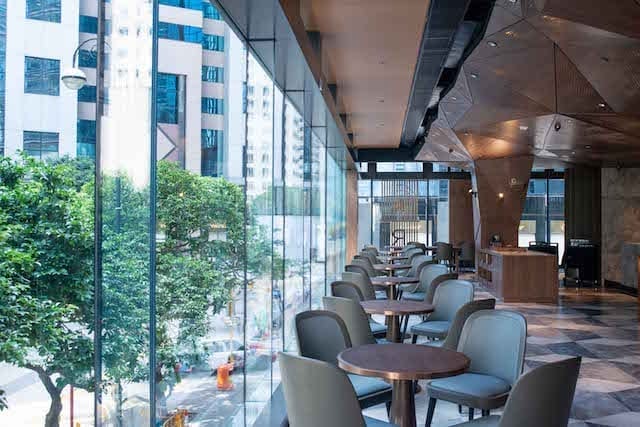
    Naming its Shanghai debut “Yutong Cafe”, the American coffee chain selected a historic venue by Suzhou Creek, a river that passes through the Shanghai city center, symbolizing its resonance with the local market.

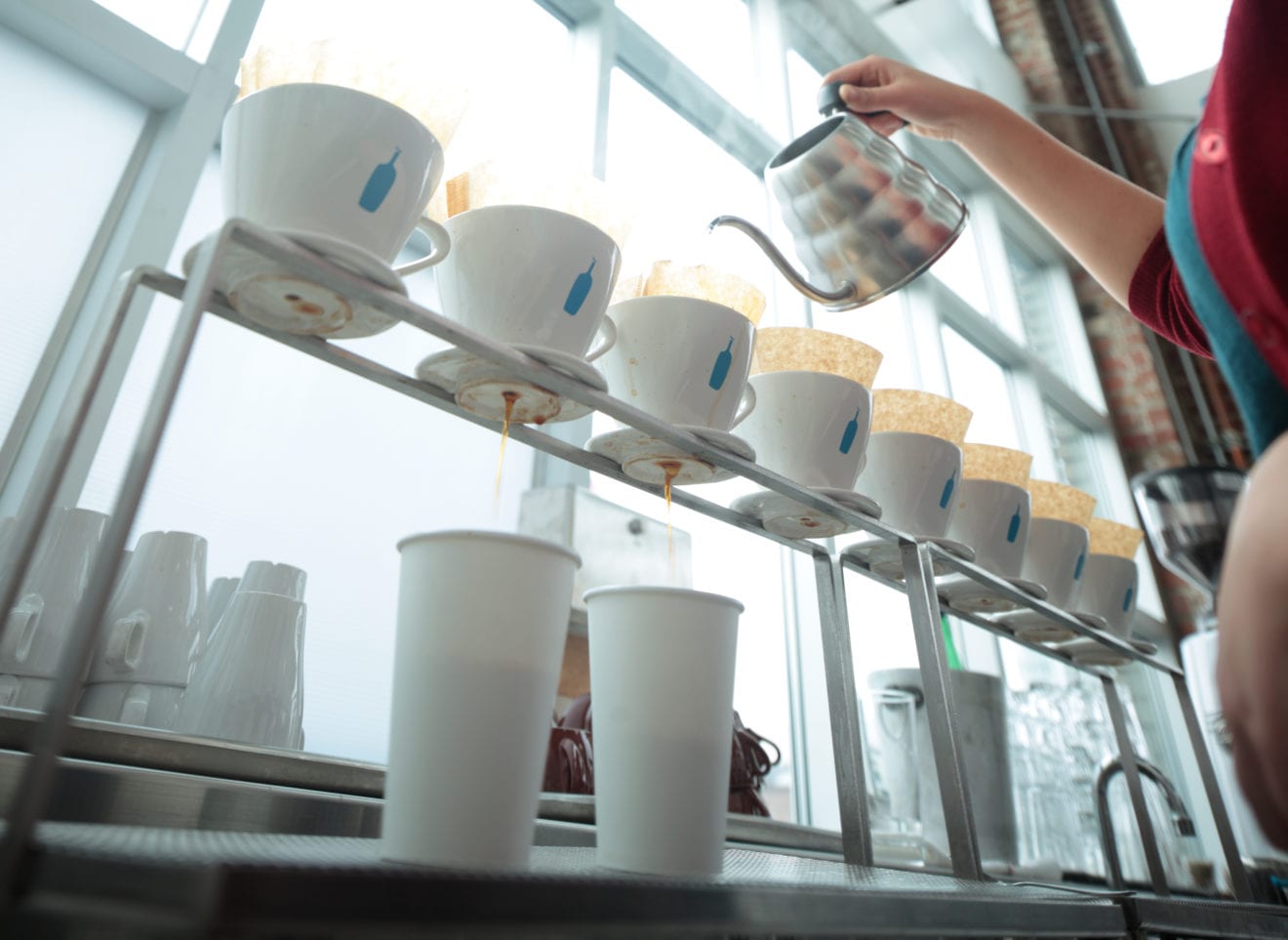
    The two-storey, vintage-looking building houses a selection of classic drip coffee and its signature espresso-based drinks. It also provides snacks inspired by an iconic portfolio from its worldwide operations.

    Unique to the Shanghai store are offerings from merchandise co-created with a local illustrator to a pastry palette featuring local specialties.

    The California-headquartered coffee brand was founded in 2002. Apart from the US, it currently has over 100 branches in markets like Japan, South Korea and Hong Kong.

    A study by Shanghai Jiao Tong University said Shanghai has the most coffee shops of any city globally by January 2021, with more than 6,900 coffee shops in the metropolis.

    Shanghai has vowed to build itself into an international consumption city, promoting the concept of a ‘debut economy’, meaning that businesses from home and abroad are attracted to open their first stores and launch new products in Shanghai.

    Local authorities expect 1,000 such “first stores” in the city to open last year.

  • AliExpress Unveils New Winter Sports Gear Trends

    AliExpress Unveils New Winter Sports Gear Trends

    The global winter sports gear market continues to boom in 2022 thanks to the thrilling Beijing 2022 Winter Olympics and the rising popularity of winter sports around the world. Sales data from AliExpress, a global retail online marketplace under the Alibaba Group, shows a growing demand for winter sports products particularly for the winter sports equipment and gear categories.

    Strong Demand for Fashionable and Tech Infused Winter Sports Products

    According to sales data, 2022 is set to be a milestone for the winter sports gear market. AliExpress recorded a 60% increase in sales of winter sports gear in Q4 2021 year-over-year, with a growing number of customers looking for trendier and more fashionable ski outfits, goggles and helmets.

    Ski products with tech features such as heated ski gloves have been catching AliExpress customer interest since they create a more enjoyable experience for winter sports lovers. The sales of heated ski gloves on AliExpress in Q4 2021 increased by 780 times year-over-year.

    Best-selling winter sports gear on AliExpress include ski helmets, snowboard sets, ski pants, ski gloves and ski goggles. In particular, the sales of ski helmets on AliExpress in Q4 2021 saw a 1500% increase year-over-year.

    Russia, US, South Korea, France, and Spain Markets Lead Winter Sports Gear Sales 

    The top five markets purchasing winter sports gear on AliExpress include Russia, US, South Korea, France and Spain. In addition, with AliExpress operating in over 200 countries and regions around the globe, customers in Iceland, Chile and other remote areas are able to get their winter sports gear on AliExpress thanks to its well-established logistics ecosystem.

    Cost-performance of ski equipment has particularly been advantageous for French and Spanish customers. In particular, the sales volume of ski goggles and ski gloves in Spain increased 100% and 53% year-over-year respectively. In France, customers are opting for a two-layer ski jacket, resulting in a 72% growth year-over-year for this item.

    In Asia, an increasing number of South Korea customers are purchasing ski gloves and two-layer ski jackets on AliExpress for their ski adventures.

    Elevated E-commerce Experience with Upgraded Logistics Infrastructure

    AliExpress is committed to providing a faster and more efficient cross-border delivery experience with its robust cross-border e-commerce ecosystem consisting of seven domestic selection warehouses in China, nine automated sorting centers in China, overseas warehouses and a weekly average of over 80 chartered flights.

    In partnership with Cainiao, AliExpress currently offers delivery in 10 working days for selected cross-border orders made in Spain and France, 12 working days for Brazil and five working days for South Korea.

    Since 2020, AliExpress and Cainiao have also actively developed overseas warehouses to enhance the capacity and efficiency of cross-border logistics networks. Local shipping in Spain and France can be delivered in three days and seven days for the rest of Europe.

    A network of over 20,000 self-pickup service points has been launched in Spain, France, Poland and Russia, combining AliExpress-branded lockers powered and operated by Cainiao, as well as collection points powered by local partners.

  • A2 Milk profit halves on China slowdown but sees sales pick-up

    A2 Milk profit halves on China slowdown but sees sales pick-up

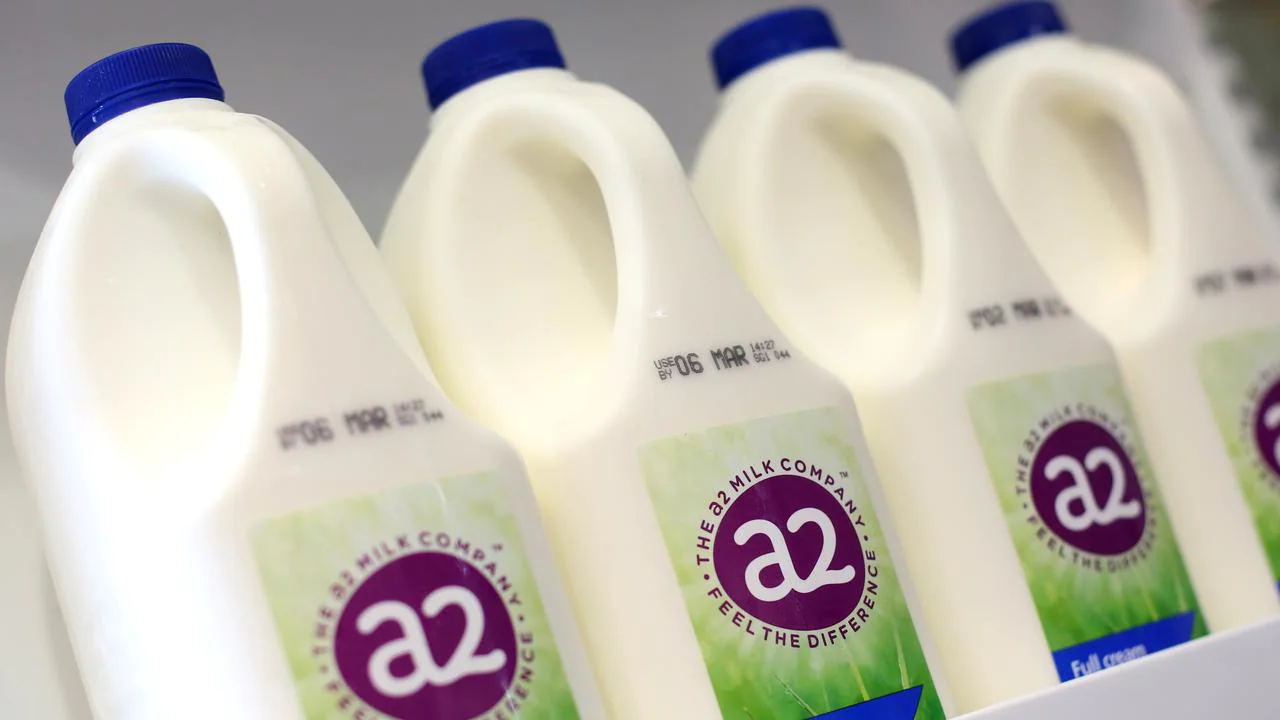
    New Zealand’s A2 Milk said on Monday its first-half profit halved as sales of its infant milk formula product continued to fall in China, but forecast second-half revenue to be significantly higher than a year ago.

    The firm reported a first-half net profit after tax of NZ$56.1 million ($37.54 million), down from NZ$120 million a year ago.

    The hit to its Chinese market stems from coronavirus-induced supply disruptions to its “daigou” channel, a reseller network where people outside China buy A2’s products and ship them to Chinese consumers informally.

    That, along with contracting market share in China owing to declining birth rates, has caused A2 Milk shares to plunge more than 60 percent from pre-Covid-19 levels, reportedly making it a target for Canadian dairy firm Saputo Inc.

    A2 said it expects sales of its Chinese label and English label infant milk formula products to pick up in the second half of the year, with inventory levels expected to improve, driving revenue growth.

    However, it said it does not expect this sales growth to translate into higher profit, as it plans to spend more on its expansion strategy and it is also battling rising costs.

  • Coffee chains Starbucks, Luckin raise prices in China

    Coffee chains Starbucks, Luckin raise prices in China

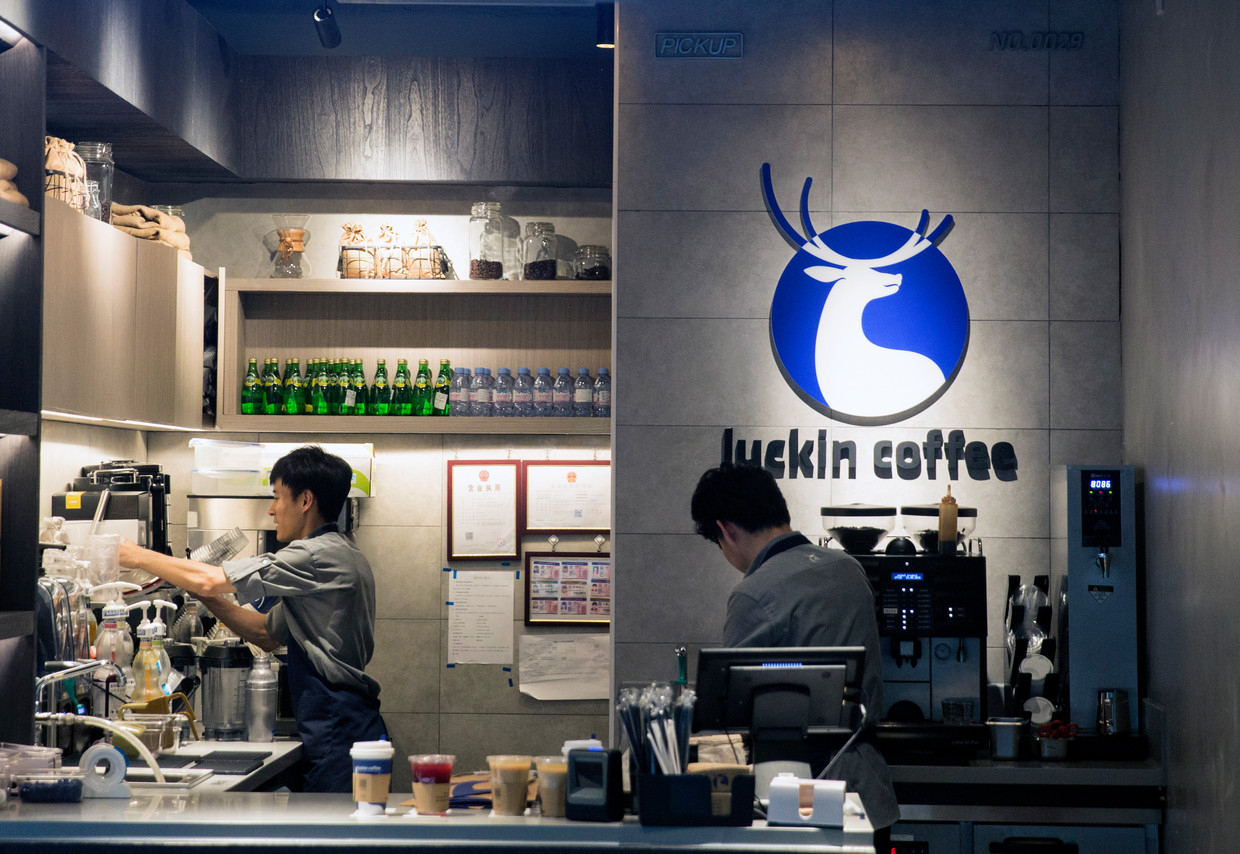
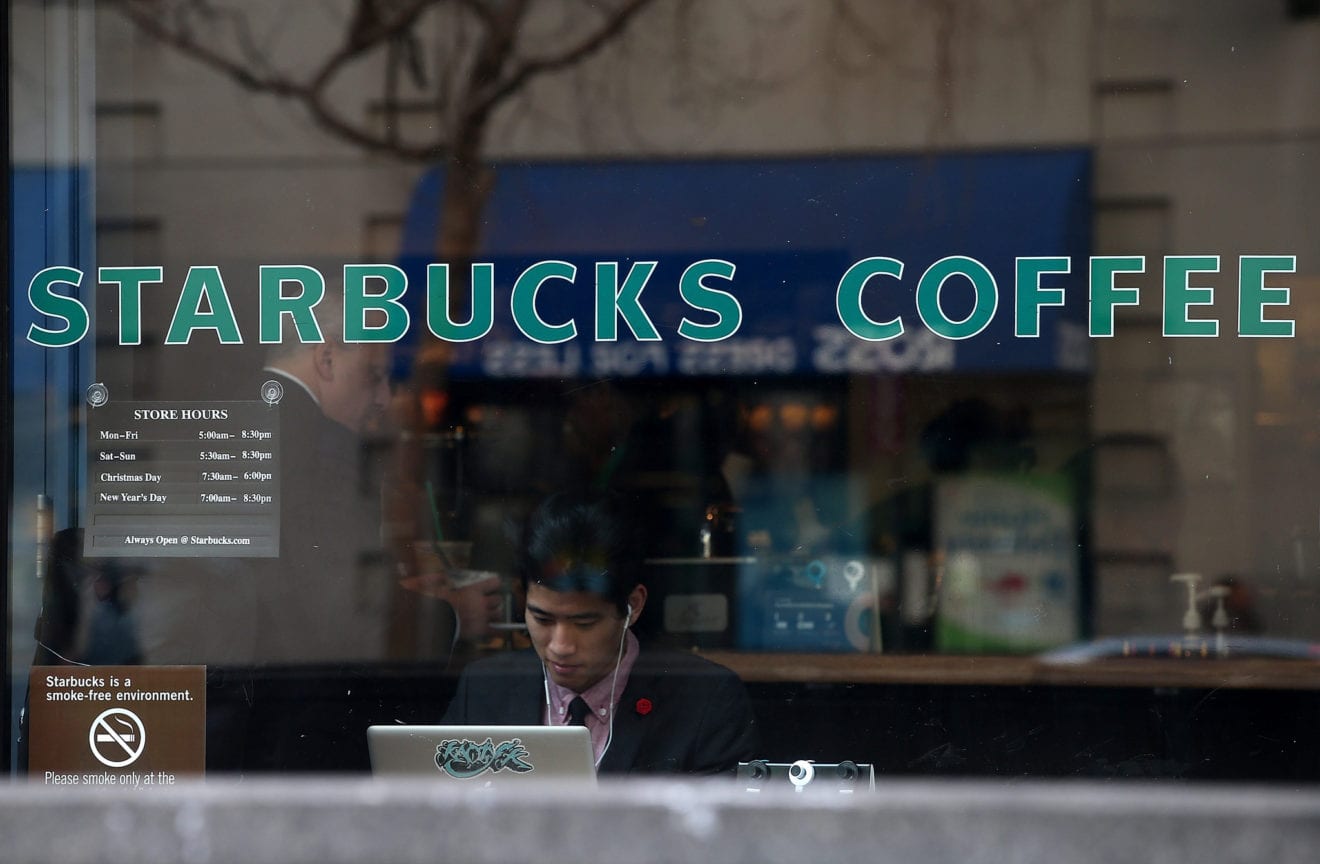
    Coffee chains such as Luckin Coffee and Tim Hortons have increased the prices of their beverages in China, with U.S. giant Starbucks blaming “multiple factors” such as higher operating costs.

    The chains, among China’s largest coffee players, raised prices by between 1 yuan and 3 yuan ($0.16 and $0.47), according to menus on mobile apps and media reports, with the topic going viral on Chinese social media on Thursday.

    Although a nation of tea drinkers, China is one of the world’s fastest-growing coffee markets, with nearly 110,000 shops in larger cities by April, consultants Deloitte have said, as young people drive consumption, which lags the United States and Europe, however.

    Starbucks said it had adjusted on Wednesday the prices of some of the items after “comprehensive evaluation and consideration of multiple factors” such as operating costs, in the first increase since 2018.

    A Starbucks Americano costs 30 yuan after the price increase, up from 28 yuan.

    Packaged coffee beans and merchandise such as mugs were not affected, however, the company said in a statement.

    China’s Luckin Coffee raised the price of some beverages by about 3 yuan, taking into account operational costs such as rent, manpower, and raw material, the state-backed Shanghai Securities Journal said.

    Starbucks hiked menu prices in October and January and plans further raises this year, Chief Executive Kevin Johnson has said, in part to offset soaring labor and goods costs, but he did not specify individual products.

    Official data showed China’s coffee market grew at an annual rate of 15% in 2018, versus a global average of 2%.

  • Adidas expects to grow China sales this year

    Adidas expects to grow China sales this year

    German sportswear company Adidas said on Thursday it would grow in its key market of China in 2022 even after it was hit by renewed pandemic restrictions and the aftermath of a consumer boycott of Western brands.

    The comments come after Manager Magazin reported Adidas expects sales in China to be down 400 million euros ($455 million) in 2022, without citing its sources.

    Asked about the article, an Adidas spokesperson said: “Our business in China grew in 2021 and our business in China will grow in 2022 as well.”

    Adidas’s third-quarter sales fell 15% in Greater China, although they were up 15% in the first nine months of the year. The company reports full-year 2021 results on March 9.

    Western brands have come under fire in China for saying they would not source cotton from Xinjiang after reports of human rights abuses against Uyghur Muslims in the region. Beijing denies any abuses.

    Adidas said last year it had launched an action plan to try to revive its fortunes in China, long its most important growth market. It has set up a dedicated studio for marketing and is increasing its creation of products just for the Chinese market.

    Manager Magazin said the situation was seen as so critical that Adidas sales chief Roland Auschel had traveled to China in January despite quarantine requirements.

    Rival Nike said in December supply issues and fresh COVID-19 lockdowns led to a 20% fall in revenue in Greater China in its fiscal second quarter.

  • Kering bullish on Chinese domestic luxury consumption

    Kering bullish on Chinese domestic luxury consumption

    French luxury goods Kering sounded a positive note on its forecasts for its performance this year in China, even if the country’s consumers are not expected to resume traveling abroad for at least a year.

    Group managing director Jean-Francois Palus told analysts on Thursday the company had deepened its presence in mainland China during the pandemic, notably through e-commerce on Alibaba’s Tmall platform as well as its own websites in the country.

    He also cited internal tourist flows to the duty-free shopping hub of Hainan as well as other parts of the country as fuelling luxury sales growth.

    The executive said he was optimistic about the health of Chinese consumption, noting a lot of new consumers beginning to buy luxury products, with “a good propensity to buy and to buy more.”

  • Treasury Wine shares surge as post-China focus begins to pay off

    Treasury Wine shares surge as post-China focus begins to pay off

    Treasury Wine Estates said on Wednesday its operating earnings outside mainland China jumped 28per cent, underpinned by growth in its luxury and premium brands, sending shares of the world’s largest standalone winemaker nearly 12per cent higher.

    Treasury has had to re-direct supply to the United States, Europe and domestically after a diplomatic row between Canberra and Beijing effectively closed the lucrative Chinese market to Australian wine.

    The company said it recorded strong growth in its Americas and premium brands businesses, both of which reported a 19per cent rise in their earnings before interest, tax, SGARA and material items (EBITS).

    “Penfolds growth was particularly strong in Asian markets outside of Mainland China … increasing distribution in Asia, domestic markets, Europe and the United States was a key execution highlight,” the company said in a statement.

    Reported EBITS, excluding Australian COO wine sold in mainland China, rose to A$262.4 million ($187.7 million), narrowly missing market expectations of A$265 million while its total net profit slid 7.5per cent to A$109.1 million.

    The company said trading conditions for the remainder of fiscal 2022 were expected to remain broadly in line with the first half across its key markets and channels.

    “Despite FY22 potentially shaping up to be slightly softer than expectations, we see Treasury doing a commendable job building demand for its products in new markets,” Citi analysts said in a note.

    Treasury shares jumped as much as 11.8per cent to A$11.78 in early trading, while the broader market rose 0.4per cent.

    The company said it plans to increase prices across select portfolio brands to partly mitigate the impact of elevated supply chain costs and logistics.

    The Melbourne-based firm retained its interim dividend of 15 Australian cents per share.

  • Starbucks faces backlash in China over police incident at store

    Starbucks faces backlash in China over police incident at store

    Starbucks is battling its second bout of public fury in China in less than three months, after an incident described by the US coffee giant as a “misunderstanding” at one of its stores sparked criticism from online users and state media.

    The company came under scrutiny on Monday after a user on Weibo said that a number of police officers had been eating outside a Starbucks store in the southwestern city of Chongqing before they were told by staff to move away.

    The user’s description of the incident quickly went viral on the Twitter-like platform, prompting the ruling Communist party’s mouthpiece People’s Daily newspaper to issue a commentary, in which it called Starbucks “arrogant”.

    Chinese consumers and media have become more aggressive about protecting customer rights and monitoring the behavior of big brands, especially from overseas.

    In December, Starbucks apologised and carried out inspections and staff training across all its roughly 5,400 stores in China after a state-backed newspaper said two of its outlets used expired ingredients.

    Starbucks apologized on its Weibo account late on Monday for “inappropriate communications,” saying the whole thing was a misunderstanding.

    But it said staff had never chased away policemen or tried to file complaints against them.

    It continued to face criticism online on Tuesday, with a few small companies announcing on Douyin, the Chinese equivalent of TikTok, that they would “boycott” Starbucks by forbidding employees from arranging meetings in or buying drinks from the shops of the coffee chain.

    However, Hu Xijin, a prolific commentator in China who is the former editor-in-chief of the Global Times newspaper, urged his Weibo users to see the Starbucks Chongqing incident as an accident and not more, adding that Starbucks’s status as a foreign brand should not subject it to more criticism.

    “China is a country that is open to the world,” he said. “To label a mistake as arrogance is not conducive to the bigger environment of opening-up.”

  • Northern province blocks fruit trucks headed for China border

    Northern province blocks fruit trucks headed for China border

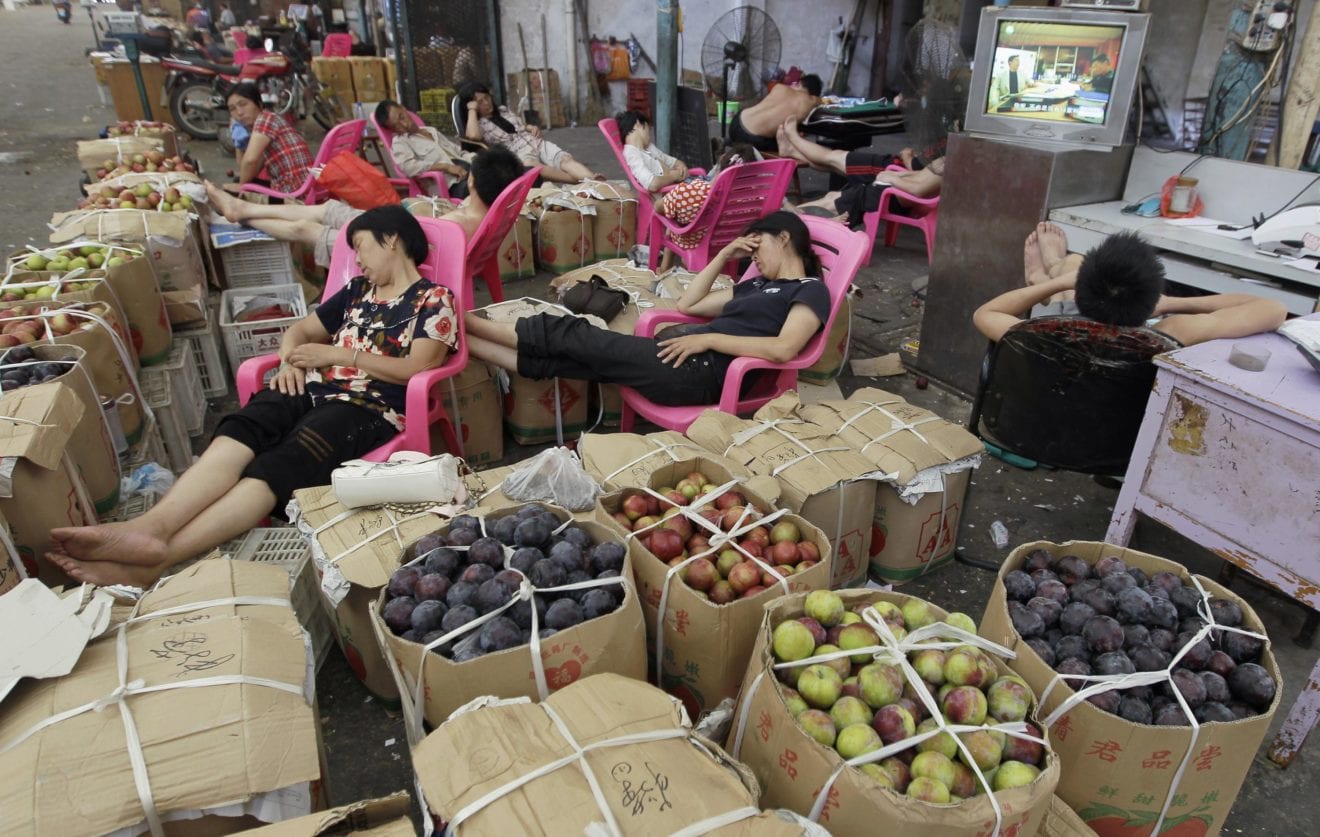
    Lang Son has decided to stop receiving fruit trucks headed for the China border for ten days starting February 16 as over 1,000 trucks are still stuck in the province.

    The provincial Department of Industry and Trade said that as of Friday morning, the total number of trucks waiting at the three border gates of Huu Nghi, Tan Thanh and Chi Ma was 1,640, of which 1,390 were carrying fresh fruit, accounting for nearly 85 percent.

    Due to China’s strict Covid-19 measures, customs clearance efficiency has been very low, with just 70-90 trucks able to cross the borders a day.

    Meanwhile, around 160 to 180 trucks reach the border gate every day, most of them carrying fresh fruits like dragonfruit, watermelon, jackfruit and mango. This will further worsen congestion at the border and damage businesses as well as farmers, officials said.

    The congestion at the northern border gates started in December 2021 after China strengthened its anti-Covid prevention measures. By mid-January 2022, afraid that their fruits would rot, many business owners had returned to the domestic market and sold them at very cheap prices.

    The government, ministries, branches and localities have had held many meetings on the issue but an effective solution to the problem has remained elusive.

    According to the General Department of Vietnam Customs, Vietnam earned $1.75 billion from exporting fruits and vegetables to China in the first 11 months of 2021, up 3.6 percent year-on-year despite Covid-19 impacts.

    China remained Vietnam’s top fruits and vegetables export market with a market share of 54 percent in the 11-month period

  • Record store openings drive Yum China sales growth

    Record store openings drive Yum China sales growth

    “We are pleased to report the third consecutive quarter of delivering positive same-store sales growth. With revenues exceeding $2 billion in the quarter, restaurant margin, operating profit and net income have all improved. We opened 129 new restaurants in the third quarter and we are on track to achieve our development target of 550-600 new stores in the year,” said Micky Pant, CEO of Yum China.

    “In this quarter, our strategic initiatives on digital and delivery continued to show encouraging development, which we believe will enable our long-term growth. The connection with our over 120 million loyalty members is getting stronger. The growth in mobile payments and cashless settlement methods for sales continued to outperform previous quarters. With over 5,100 restaurants across China offering delivery service, delivery contributed over 14% of company sales in the third quarter.

    Given the strength of our business and our confidence in generating strong cash flows long term, our Board of Directors has approved a regular quarterly cash dividend program and authorized additional share repurchases.  These demonstrate our strong commitment to increasing shareholder returns through disciplined capital allocation while simultaneously driving strong operating performance.

    With our strong operating results in this third quarter and our commitment to return capital to shareholders, we believe we are well-positioned to continue to increase shareholder value over the long run.”

  • Japan Urges More Chip Tie-Ups With Taiwan At Trade Talks

    Japan Urges More Chip Tie-Ups With Taiwan At Trade Talks

    Japan called for greater collaboration with Taiwan on semiconductors at a bilateral economic and trade meeting on Tuesday. Japan-Taiwan Exchange Association Chairman Mitsuo Ohashi praised Taiwan Semiconductor Manufacturing Co Ltd (TSMC)’s plans to expand in Japan, saying, “I hope these collaborations can continue to expand, and positively impact the resilience of both Taiwan and Japan’s supply chains.”

    “Currently, even though the pandemic has blocked exchanges between Japan and Taiwan, the economic and trade relationships between Japan and Taiwan have continued to deepen,” Ohashi added via video.

    Although Chinese-claimed Taiwan and Japan do not have formal diplomatic ties, they have close unofficial relations. Both share concerns about China, especially its increased military activities near the two. The Taiwan-Japan Economic and Trade Conference has typically been held in Taiwan or Japan each year, but because of the pandemic, the two sides met virtually this week.

    TSMC, the world’s largest contract chipmaker, announced last year that it would set up a research and development in Japan, as well as a $7 billion chip plant with Sony Group. Tech powerhouse Taiwan is at the forefront of efforts to resolve a shortage of chips that has hampered auto production lines and affected consumer electronics makers around the world.

    Chiou I-jen, chairman of the Taiwan-Japan Relations Association, thanked Japan for supporting Taiwan’s bid in September to join the Comprehensive and Progressive Agreement for Trans-Pacific Partnership (CPTPP). He said Taiwan hoped both sides could start a “constructive dialogue” on Taiwan joining the trade pact as soon as possible. “Taiwan is of crucial importance to the world’s supply chain, economy and trade,” Chiou said, speaking at a Japanese hotel in Taipei. “If (Taiwan) can join the CPTPP, it will greatly increase the importance and visibility of this pact in the global economy.”

    Taiwan’s bid angered China, which views the island as one of its provinces with no right to the trappings of a state. Taiwan says it is an independent country and has vowed to defend its freedom and democracy.

  • iPhone dominates smartphone market in China

    iPhone dominates smartphone market in China

    Someone over at Apple is popping the champagne as an extremely successful holiday season for the iPhone 13 made Apple the top brand in the world’s largest smartphone market — China. We’ve known that the new iPhone models (minus the iPhone 13 mini) have been doing extremely well there, but now that the numbers have been crunched, we have definitive stats.

    Apple outsold giants such as Oppo, Vivo, Xiaomi, and Huawei on their own turf, which probably stings a little bit. The market used to be dominated by Huawei, but the company has sadly been in a freefall in the past couple of years, and we can see it falling all the way down to the sixth spot in Q4 of 2021.

    This isn’t the first time that Apple sells crazy amounts of iPhones in China. Back in 2014, the iPhone 6 Plus made huge impact in Asian markets, since it was a long-awaited big-screened iPhone. Up until then, Apple simply refused to upsize its screens, despite the fact that phablets were the obvious future trend — especially in Asia. When the iPhone 6 Plus and iPhone 6s Plus launched, they became the new craze in China. No joke — some retailers would bundle the iPhone 6 Plus with free tailor services to enlarge pants pockets!

    At the height of the iPhone 6 / iPhone 6s craze (2015), Apple was the top smartphone brand in China. The No1 spot was later taken by Vivo, then Huawei. Now, six years later, Apple is back with a vengeance, taking 23% of the market share — that’s the highest it has ever had.

    As per Counterpoint’s report, Apple rose to the top as soon as the iPhone 13 series launched and held the top spot for most of Q4 2021. The reasons for the wild success are a perfect storm of Huawei customers jumping ship, good pricing strategy by Apple, the 5G implementation in the new iPhones, and the new camera, which is highly praised.

  • China Mobile and ZTE complete first URLLC live network verification

    China Mobile and ZTE complete first URLLC live network verification

    ZTE together with China Mobile Research Institute, the Guangdong branch of China Mobile, and MediaTek, has completed all the test items of URLLC key technologies in Guangzhou, China. This is the first URLLC (ultra-reliable low-latency communication) verification on the live network in the industry.

    The verification, by virtue of ZTE’s end-to-end network equipment and MediaTek’s M80 chip platform, was conducted on the commercial 2.6GHz 5G network, including all items like low bit rate MCS/CQI form, R15 mini-slot, slot repetition and PDCP (packet data convergence protocol) duplication. The test results show that the air interface delay is reduced by about 20%, and the reliability of the locations with medium and good signal strength is up to 99.999%.

    URLLC is one of the three basic applications of 5G. As a key factor for entering the industry verticals, URLLC accelerates the development of 5G network. In the future, with wide 5G industrial applications, URLLC can be applied in various scenarios such as AR/VR, smart grid, remote driving and industrial control, which have special requirements for low-latency and high-reliability connections. The verification has passed laboratory IODT (interoperability development testing), Beijing Information Port laboratory acceptance, and Guangzhou commercial outfield testing and acceptance, proving that ZTE’s base station equipment and technical solutions can meet URLLC requirements for low latency and high reliability in terms of both functionality and performance. In addition, through the flexible combination of standard technologies and implementation solutions, the 5G wireless network capability system for URLLC scenarios is formed to meet the differentiated requirements of industries, laying a solid foundation for the applications of URLLC in industry verticals and boosting the rapid development of digital economy.

    Moving forward, ZTE and China Mobile, together with other industry partners, will strengthen cooperation to explore diversified application scenarios to enhance the ultimate low-latency and high-reliability capability of 5G network. All of them will actively promote the application of URLLC in industries, and facilitate the digital transformation of industry verticals and the development of innovative services in China.

  • Starbucks expands delivery services in China with Meituan tie-up

    Starbucks expands delivery services in China with Meituan tie-up

    Starbucks said on Tuesday it has entered into a partnership with China’s Meituan that will allow its Chinese customers to order coffee delivery via the super app’s platform.

    The move will expand the U.S. coffee chain’s delivery footprint in China, which has since 2018 used Alibaba Group’s Ele.me as its exclusive delivery partner.

    The two companies will also launch a service that will allow Meituan users to make private bookings for a tasting of coffees and learn to make them at Starbucks stores, it said.

    Starbucks has 5,360 stores in more than 200 Chinese cities, making it the second-largest market only after the United States, according to the company’s most recent earnings report.

    The company also said it would utilize Meituan’s “superstore” feature under the partnership which will see each of its stores have its own unique page on Meituan’s platforms by the end of this year, from which customers can book food delivery services or check local events.

  • Papa John’s opening 1,350 stores in China

    Papa John’s opening 1,350 stores in China

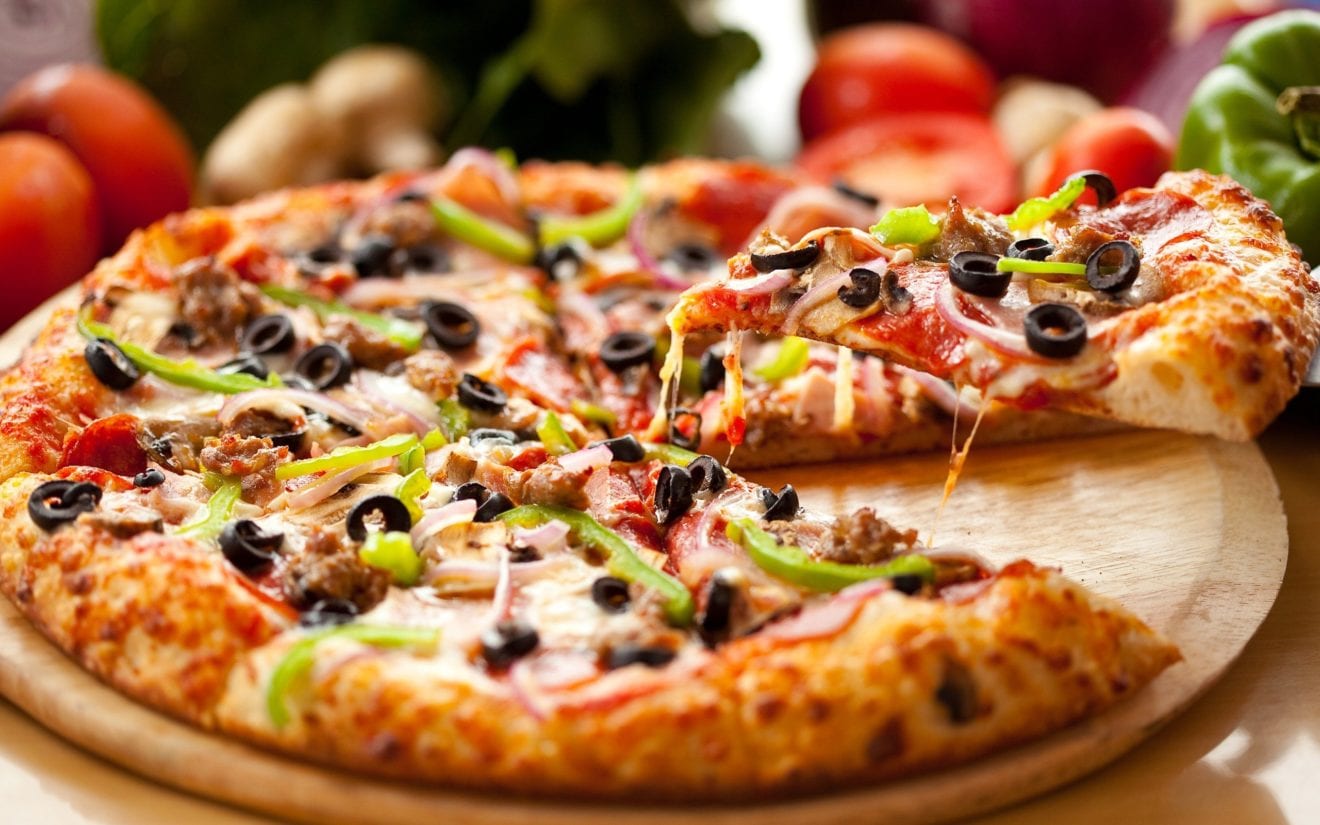
    The pizza chain plans to open over 1,350 stores in South China by 2040 in partnership with the Asian private equity firm FountainVest Partners, it said on Friday. The deal will increase Papa Johns’s current global count by 25%, and marks the largest franchisee development agreement in the pizza company’s history.

    Pizza companies have lately been expanding their footsteps in the region, where they see an opportunity to boost sales.

    Pizza Hut, for example, opened 103 new stores in China in the third quarter. And Domino’s (DPZ) CEO Ritch Allison said in October that “with each passing quarter, we become even more confident about the long-term growth potential for the Domino’s brand in China.” He noted that in the third quarter of 2021, Chinese locations open at least a year grew sales by a percentage in the double-digits — way better than in the United States, where sales fell in the third quarter.

    Late last year, Papa Johns CEO Rob Lynch pointed to China as fertile ground for growth for his company, as well.

    Papa Johns has a “huge development opportunity in markets where we already compete but are much less penetrated,” compared to the competitors, Lynch said at the time. “I would offer China as an example,”

    Papa Johns has also been expanding into other regions. In November, the company announced plans to open 60 restaurants in Kenya in Uganda in the coming years along with franchise partner Kitchen Express. Over the summer, it expanded its partnership with its largest franchise, Drake Food Service International, with plans to open 220 restaurants globally, including in the UK and Latin America, by 2025.

    The “partnership with FountainVest marks another major milestone in achieving Papa Johns’s global growth potential,” Lynch said in a statement on Friday.

    The move follows a rebrand undertaken by Papa Johns last year when the company dropped the apostrophe in “Johns” and updated its log and store designs.