Tag: China

  • France Slaps Shein with $47M Fine Over Deceptive Business Practices: What This Means for Retail

    France Slaps Shein with $47M Fine Over Deceptive Business Practices: What This Means for Retail

    In a notable crackdown on misleading retail practices, France’s antitrust authority has levied a hefty fine of 40 million euros (approximately $47.17 million) against fast-fashion giant Shein. The company, founded in China, has been scrutinized for alleged deceptive business strategies, including misleading discount promotions, as a result of a nearly year-long investigation.

    The French Competition, Consumer Affairs, and Fraud Prevention Agency reported that Infinite Style E-Commerce (ISEL), the entity that oversees Shein’s sales, misled customers by manipulating discount information. The company has accepted the fine and the findings of the agency.

    Discount Dilemmas and Regulatory Repercussions

    As per French law, the reference price for discounts must reflect the lowest price offered by a retailer in the 30 days leading up to a promotion. However, Shein ran afoul of these regulations by neglecting to consider prior pricing or, rather creatively, inflating prices before applying discounts. The agency’s findings suggest that Shein effectively “deceived consumers about the authenticity of discounts they could benefit from,” a revelation that casts a shadow over the retailer’s credibility.

    Results of the Investigation: Numbers That Speak

    The investigation examined a vast array of products on Shein’s French website from October 2022 to August 2023, and what it uncovered was startling: 57% of the advertised deals were found not to be offering any true price reduction, while 19% reflected discounts that were less beneficial than presented, and 11% represented actual price hikes disguised as discounts. It seems that Shein’s pricing tactics were about as transparent as a foggy window.

    Shein Responds: A Commitment to Compliance

    In light of the allegations, Shein has stated that ISEL was made aware of the breaches concerning reference pricing and environmental regulations as early as March last year. Following this notification, corrective measures were implemented within a mere two months. Shein emphasized that all the issues identified had been rectified over a year ago and reaffirmed its commitment to adhering to French regulations.

    Questions & Answers

    What specifically led to Shein’s fine in France?
    The French antitrust agency fined Shein for misleading customers about discount authenticity, particularly by failing to adhere to regulations around discount references.

    How did the investigation assess the validity of Shein’s discounts?
    The investigation revealed that a significant portion of Shein’s advertised deals—57%—did not offer real savings, and many promotions were deceptive, some even involving price increases.

    What steps did Shein take in response to the allegations?
    Shein indicated that upon being informed of the regulatory breaches, it implemented corrective actions swiftly, declaring that all issues had been addressed more than a year ago.

  • Set Sail for Style: Louis Vuitton Unveils Cruise Ship-Inspired Store in Shanghai

    Set Sail for Style: Louis Vuitton Unveils Cruise Ship-Inspired Store in Shanghai

    Louis Vuitton’s latest venture into retail has set sail in the heart of Shanghai with a striking cruise ship-themed concept store that is stirring excitement among both shoppers and social media enthusiasts. With its whimsical design, the three-story venue has quickly established itself as a go-to hotspot for those looking to capture the perfect Instagram moment.

    An Immersive Shopping Experience

    This innovative store offers more than just a place to browse and buy. It incorporates an expansive sales area, a chic café, and curated exhibits that delve into the rich culture and history of Louis Vuitton. It’s a retail experience that invites customers not only to shop but to engage with the brand in a fun and educational way—like taking a cinematic journey without ever leaving the building!

    A Blend of Retail and Art

    As guests wander through the store, they encounter a stunning array of merchandise, art installations, and interactive displays that celebrate the brand’s legacy. This is more than just retail therapy; it’s a celebration of the craftsmanship and artistry that define the Louis Vuitton name. The store cleverly marries the allure of luxury fashion with an engaging narrative experience, captivating the interests of a diverse clientele.

    Strategic Location Fuels Popularity

    Situated in a bustling area of Shanghai, the store is perfectly positioned to attract both tourists and locals, making it a prime destination on the city’s retail map. The balance of luxury and accessibility is evident as chatter fills the café and excited voices exclaim over creatively designed displays. It appears that luxury shopping has found a new rhythm that resonates with the modern consumer’s desire for memorable experiences.

    Questions & Answers

    What makes the Louis Vuitton store unique compared to traditional retail locations?
    The Louis Vuitton store in Shanghai stands out with its cruise ship theme and immersive experience, blending retail with art and education about the brand’s heritage.

    How does the store enhance customer engagement beyond shopping?
    The store features exhibits showcasing Louis Vuitton’s culture, interactive displays, and a café, transforming the shopping experience into a multi-faceted engagement with the brand.

    Why is the location significant for the store’s success?
    Located in a bustling part of Shanghai, the store attracts both tourists and locals, creating a vibrant atmosphere that drives foot traffic and enhances its appeal as a social hotspot.

  • Miniso Unveils Innovative Miniso Space Concept, Making Its Debut in China!

    Miniso Unveils Innovative Miniso Space Concept, Making Its Debut in China!

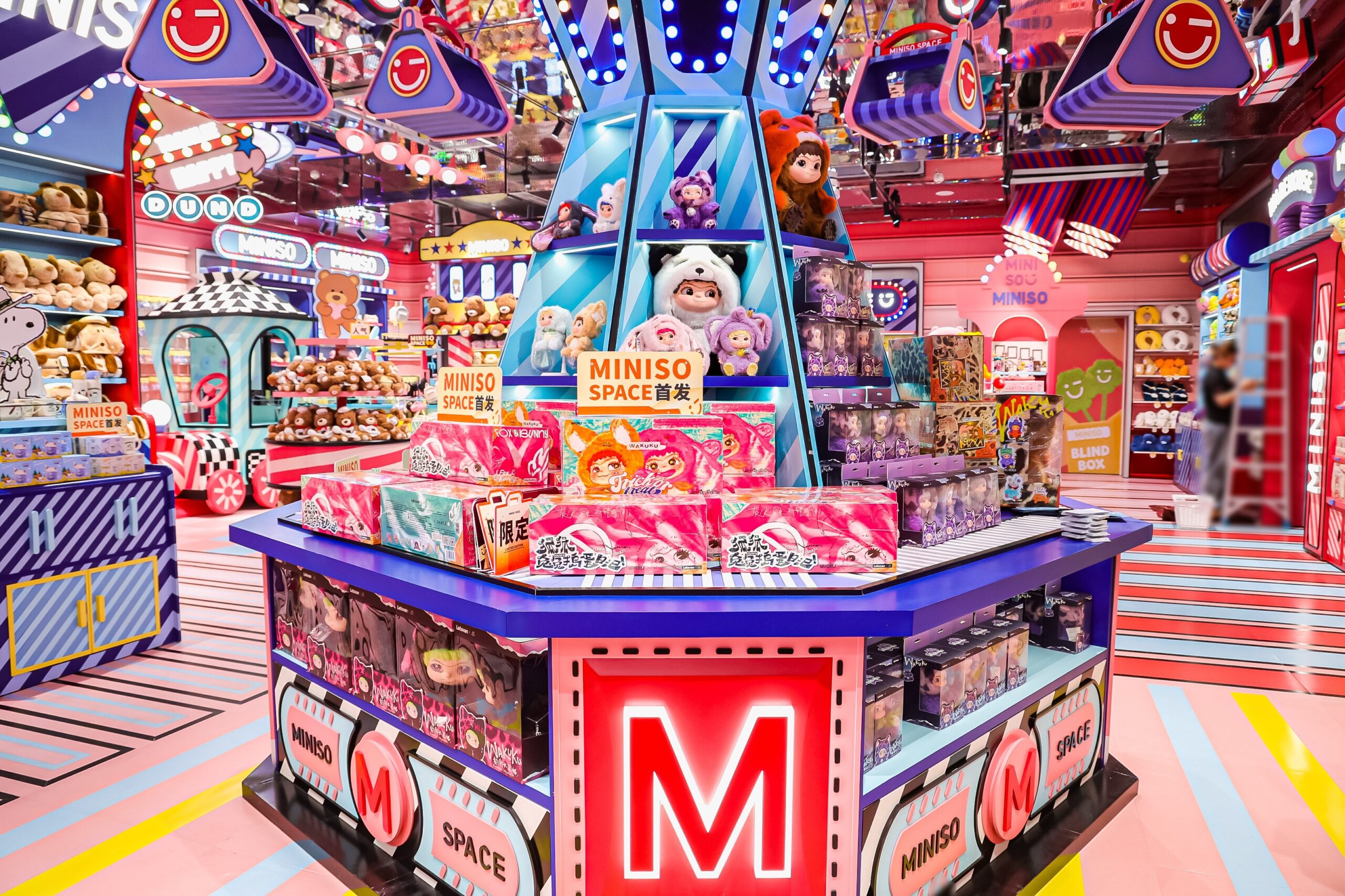
    Global lifestyle brand Miniso has unveiled its inaugural Miniso Space at Deji Plaza in Nanjing, a significant step in its retail evolution that promises an immersive, IP-driven shopping experience. Nestled within one of China’s most prestigious luxury malls, this innovative store format emphasizes a fresh approach to consumer engagement.

    A Creative Fusion of Retail and Entertainment

    Maximizing its footprint, nearly the entire space is dedicated to vibrant collaborations with beloved global intellectual properties such as Disney, Harry Potter, Chiikawa, and Sanrio, among others. Notably, the store also showcases the exclusive debut of the WAKUKU limited-edition collection—definitely the kind of surprise that can make even a seasoned shopper do a double-take.

    With around 30 unique IPs on display, the Miniso Space stands out as one of the brand’s most content-rich offerings to date. Designed to transcend conventional shopping, this venue merges retail with exhibitions and interactive zones, crafting an immersive environment that artfully intertwines entertainment with consumerism.

    Aiming for the Upscale Consumer

    The Miniso Space isn’t merely a store; it’s an experience tailored for luxury mall visitors who crave a premium, trend-focused adventure. This aligns seamlessly with Miniso’s “Joy Philosophy,” aiming to enhance the shopping experience while making it distinctly enjoyable.

    This launch follows the brand’s recent successes with flagship stores in Madrid and Jakarta earlier in 2024, both of which spotlighted IP collaborations and expansive store layouts that cater to evolving consumer tastes. As Miniso continues to push the envelope, it raises the bar for retail innovation in Asia and beyond.

    Questions & Answers

    What makes Miniso Space different from regular stores?
    Miniso Space integrates retail, exhibitions, and interactive zones, creating a unique, immersive shopping experience focused on popular global IP collaborations.

    Which IP collaborations are featured in the Miniso Space?
    The store showcases around 30 collaborations with brands such as Disney, Harry Potter, Chiikawa, and Sanrio, along with an exclusive WAKUKU limited-edition collection.

    How does Miniso’s “Joy Philosophy” shape the shopping experience?
    Miniso’s “Joy Philosophy” emphasizes creating a fun, premium shopping experience that enhances customer satisfaction and engagement, especially suited for luxury mall visitors.

  • Alibaba’s Metaverse Mall: Revolutionizing Online Shopping Experience In 2024

    Alibaba’s Metaverse Mall: Revolutionizing Online Shopping Experience In 2024

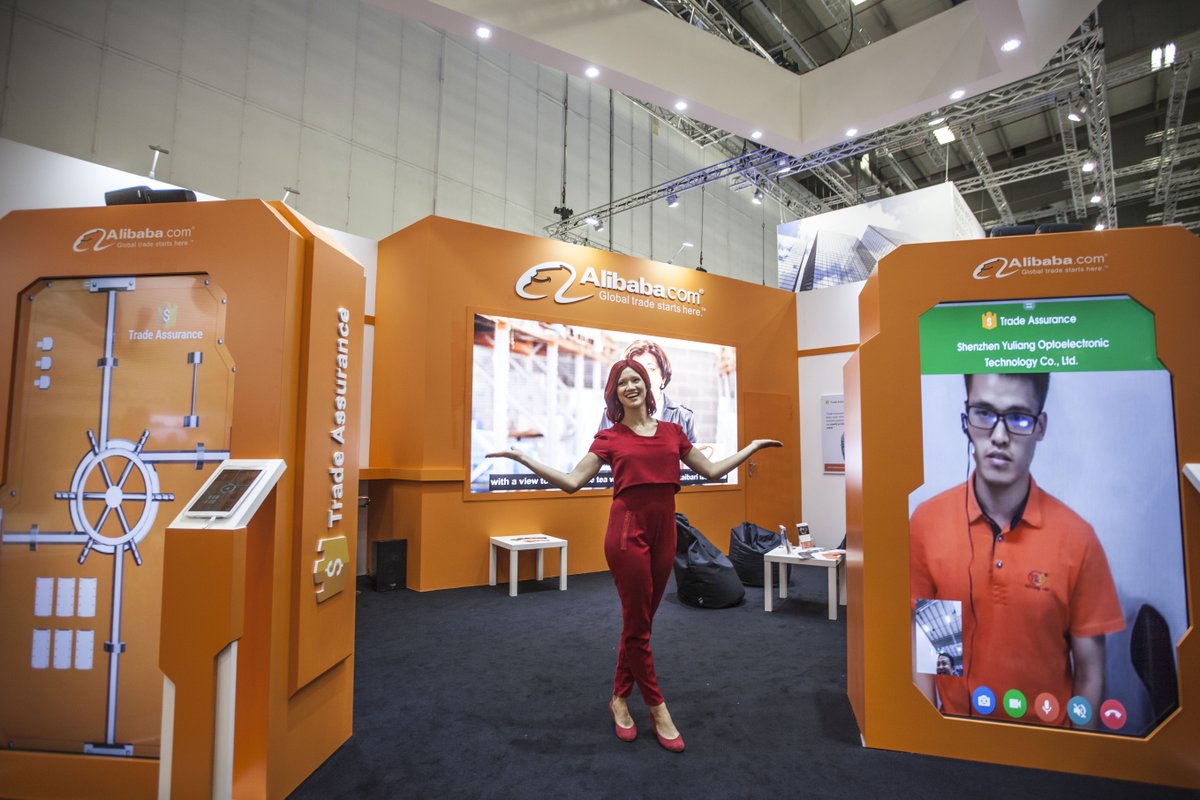
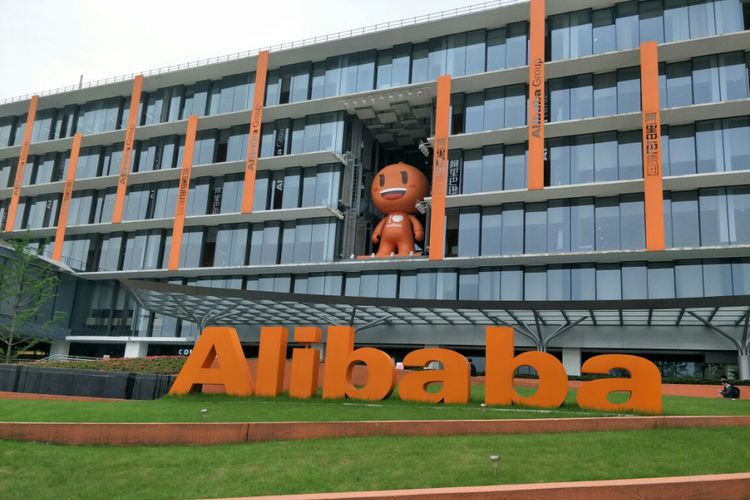
    Chinese e-commerce giant Alibaba is diving headfirst into the metaverse, with plans to unveil a new digital marketplace that promises to change the shopping experience for its users. The ambitious project, called “Metaverse Mall,” aims to create an immersive shopping environment that blends virtual reality with online retail, allowing shoppers to browse and interact with products in a three-dimensional space.

    Metaverse Mall is set to launch in the first quarter of 2024, and initial reports suggest it will offer a myriad of features designed to enhance consumer engagement. Users will not only be able to view products from all angles but will also have the ability to interact with virtual sales assistants and participate in gamified shopping experiences. Imagine picking out a pair of shoes and having a virtual avatar model them for you—an enticing prospect for fashion enthusiasts!

    The move into the metaverse aligns with Alibaba’s ongoing efforts to adapt to changing consumer behaviors and preferences, especially among younger shoppers who are increasingly interested in digital experiences. Analysts suggest that this new venture is not merely a gimmick; it could be a pivotal strategy for capturing a larger share of the online retail market as competition intensifies across the Asia-Pacific region.

    “The metaverse is where the future of shopping is headed,” said industry expert Dr. Mei Chen. “Alibaba’s initiative could set a precedent that others will follow, and it has the potential to redefine how brands interact with their consumers.”

    In a landscape where online shopping has become a staple—especially after the pandemic—Alibaba’s innovative stride into the metaverse may shift the focus from traditional e-commerce to a more immersive experience that keeps customers engaged longer. Offering interactive layouts and themed shopping environments, the Metaverse Mall could turn routine errands into virtual adventures.

    And it doesn’t stop there; early previews hint at seasonal events and product launches that will make shopping feel less like a transaction and more like an experience—who wouldn’t want to attend a virtual concert while completing their holiday shopping?

    While Alibaba is forging ahead, it’s not alone in this frontier. Competing retailers across Asia are closely watching the development, with some already experimenting with augmented reality and digital storefronts. The race to capture the metaverse shopping experience is heating up, and shoppers can expect a plethora of options soon.

    As Alibaba embarks on this significant leap into the virtual space, the retail world will be keenly observing how this transformative approach impacts the consumer landscape and whether it will indeed revolutionize shopping as we know it.

    Questions & Answers

    What is Alibaba’s new initiative in the metaverse?
    Alibaba is set to launch “Metaverse Mall,” a digital marketplace that combines virtual reality with online shopping to create an immersive experience for users.

    When is Metaverse Mall expected to launch?
    The Metaverse Mall is slated to launch in the first quarter of 2024.

    How might this venture impact the retail landscape?
    This initiative could redefine shopping by offering interactive experiences and engaging consumers in ways traditional e-commerce does not, setting a new standard that competitors will likely follow.

  • Huawei Empowers Telcos with Innovative Revenue Solutions at MWC Shanghai 2025

    Huawei Empowers Telcos with Innovative Revenue Solutions at MWC Shanghai 2025

    MWC Shanghai 2025 served as the stage for Huawei’s ambitious vision of transforming the telecommunications landscape. During an exclusive behind-the-scenes tour, the tech giant unveiled its latest strategies, emphasizing a dramatic departure from traditional connection-based revenue models to a new realm focused on experience-driven monetization spread across five detailed demo areas.

    For years, telecommunications companies have primarily peddled gigabytes, minutes, and megabits per second, often leading to a commodified market that competes on price alone. This trend is rapidly shifting, as Huawei’s insights suggest that the 5G-Advanced era demands that premium services not only be tangible but visibly superior, enticing both consumers and businesses alike.

    Rethinking Connectivity: The New Competitive Edge

    In a world where the 4G landscape offered a homogenous experience, marked only by comparable network speeds and plans, the next chapter in connectivity is undeniably more robust. David Wang, Executive Director and Chairman of the EMT Joint Management Board at Huawei, addressed industry leaders at MWC, expressing urgency in accelerating the rollout of 5G-Advanced networks. He emphasized that the real goldmine lies in creating observable performance—where users not only receive faster speeds but also experience enhanced stability, particularly during peak usage times.

    “5G-A is one of the key pillars of the mobile AI era, and we need to unlock its full potential and realize its value,” Wang stated, spotlighting the need for differentiation in service quality that sets premium offerings apart from the pack.

    Crafting Intelligent Assistants: The Rise of Super Agents

    At the core of Huawei’s strategy is the ambition to create intelligent agents that serve as intermediaries between users and services—dubbed “super agents.” These agents aim to personalize user experiences by learning preferences and frequently used applications. They are not just smart; they embody the next evolutionary step in mobile interaction.

    “Mobile AI has been growing at a speed beyond imagination,” Wang remarked, highlighting the shift from traditional telecom services characterized by apps to experiences centered around intelligent agents. Imagine a world where every individual is accompanied by their own AI assistant—pretty mind-bending, isn’t it?

    “We are moving from individual telecommunications services marked by mobile terminals with apps at the center to a new era marked by intelligent agents,” Wang added.

    AI in Action: Revolutionizing Key Industries

    Huawei showcased impressive real-world applications of AI throughout its exhibition, focusing on healthcare, logistics, and education—key areas of its initiative. In healthcare, AI technology enables doctors to upload ultrasound images to the cloud, where AI highlights areas of concern, thus saving time and enhancing diagnostic accuracy, especially in rural settings.

    The logistics sector also witnessed innovation when TongTong, an AI assistant developed by China Unicom, was asked to book a taxi using just a voice command. The AI seamlessly managed the entire process, from launching the DiDi app to booking a ride—which even functioned in the user’s native language, showcasing remarkable usability.

    In the educational sphere, Huawei introduced AI tools that digitize classrooms, facilitating real-time lectures and intelligent exam monitoring. One enlightening interaction revealed that 20% of students were dozing off during lectures, prompting teachers to adapt their styles for better engagement. This is learning in the age of AI: personal, data-driven, and responsive.

    Dramatically, a live demo featured a digital human interacting through a video call, enhancing the realism of interactions and pushing the boundaries of digital communication. Wang projected that by 2030, we could see nearly 10 billion personal AI agents reshaping how we engage with technology.

    Beyond Bandwidth: The Future of Telecom

    The forthcoming wave of telecommunications isn’t just about increasing bandwidth; it’s about cultivating smarter delivery and hyper-personalization that breeds monetizable experiences. The goal is clear: to harness the power of 5G-Advanced for connectivity that meets diverse user needs, from everyday consumers to enterprise clients with urgent, mission-critical demands.

    “Intelligent agents will be part of the new way of life,” Wang underscored, pointing to an era of constant upgrade and versatile application.

    Questions & Answers

    What is Huawei’s new focus for the telecom industry?
    Huawei is shifting from connection-based revenue models toward experience-driven monetization, emphasizing observable performance combined with premium service offerings in the 5G-Advanced era.

    How does Huawei envision AI agents affecting user interactions?
    AI agents will personalize user experiences by learning preferences and facilitating seamless interactions across various apps, creating a more engaging and tailored experience.

    What practical applications of AI were demonstrated at MWC Shanghai?
    The exhibition highlighted AI applications in healthcare, logistics, and education, showcasing how AI can improve diagnostics, streamline transport services, and enhance learning environments.

  • Alibaba And JD Revolutionize E-commerce In Asia: A Leap Towards Digital Shopping And Smart Logistics

    Alibaba And JD Revolutionize E-commerce In Asia: A Leap Towards Digital Shopping And Smart Logistics

    The retail landscape in Asia is witnessing a bustling surge as major players like Alibaba and JD.com continue to innovate the e-commerce experience. Recently, the two giants sparked excitement among consumers and investors alike with their ambitious plans to enhance digital shopping and logistics. As countries across the region increasingly embrace online retail, these companies are determined to capture larger shares of the market.

    Alibaba’s Expanding Footprint

    Alibaba is not simply resting on its laurels; the company is constantly fine-tuning its platform to create a more immersive shopping experience. With initiatives ranging from augmented reality features to AI-driven recommendations, the tech titan is ensuring that it stays relevant in a fast-evolving consumer environment. Moreover, its investment in advanced delivery networks promises faster and more efficient service, which is a boon for the ever-demanding shoppers in Asia.

    JD.com Sets New Standards

    Meanwhile, JD.com is breaking new ground with an impressive rollout of smart logistics. With an eye on technological advancements, the company is leveraging drones and self-driving vehicles to streamline deliveries, setting a new benchmark for efficiency. This commitment to innovation not only enhances customer satisfaction but also positions JD.com as a leader in redefining China’s logistics landscape.

    The Competitive Spirit Fuels Growth

    The intense rivalry between these giants feeds into the broader ecosystem, prompting smaller retailers to adapt as well. The competition is driving improvements across all levels of the retail sector, encouraging businesses to experiment with online strategies, bolster their digital presence, and enhance customer engagement. As competition heats up, consumers are the ultimate winners, enjoying better prices and more options than ever before.

    In this dynamic atmosphere, Asia’s retail sector is transforming at lightning speed, creating a thrilling narrative for both companies and consumers alike. Will you be ready for the retail revolution?

    Questions & Answers

    What are Alibaba’s recent initiatives to enhance the shopping experience?
    Alibaba is leveraging augmented reality features and AI-driven recommendations to create a more immersive shopping platform, while also improving its delivery networks for efficiency.

    How is JD.com innovating in logistics?
    JD.com is pioneering the use of drones and self-driving vehicles to streamline delivery processes, which significantly enhances efficiency and sets industry benchmarks.

    How does competition between these giants impact smaller retailers?
    The fierce rivalry encourages smaller retailers to innovate and improve their digital presence, leading to better options and pricing for consumers, ultimately benefiting the retail landscape as a whole.

  • Yum China Unveils ‘Q-Smart’: The AI Assistant Transforming Restaurant Operations Efficiently

    Yum China Unveils ‘Q-Smart’: The AI Assistant Transforming Restaurant Operations Efficiently

    Yum China Holdings, Inc. has unveiled Q-Smart, a hands-free, AI-powered assistant aimed at streamlining daily operations for restaurant managers. This innovative tool employs voice interaction via wearable devices, such as smartwatches and wireless earphones, enabling managers to effortlessly tackle tasks like scheduling, inventory management, and food safety checks—no screens or hands required.

    Q-Smart responds to natural language commands and offers real-time support, drawing from Yum China’s extensive operational knowledge base. Currently being piloted in selected KFC outlets, the assistant helps monitor inventory against sales forecasts, notifies managers about reordering supplies, and guides them through equipment checks—all through simple voice interactions.

    This launch is a key element of Yum China’s ambitious digital transformation strategy. Since 2015, the company has implemented digital payment systems, developed a customer app, introduced AI decision-making tools, and embraced Generative AI solutions, boasting over 540 million digital members as of March 2025.

    The Q-Smart was officially announced during Yum China’s inaugural AI Day in Shanghai, where CEO Joey Wat also introduced a $13.9 million (100 million yuan) Frontline Innovation Fund to foster tech initiatives driven by employees. Adding to the excitement, an All-Staff Hackathon saw participation from nearly 200 teams spread across 30 markets—who wouldn’t want to pitch their tech ideas in a room buzzing with creativity?

    Questions & Answers

    What is Q-Smart and how does it work?
    Q-Smart is an AI-powered assistant that uses voice interaction through wearable devices to assist restaurant managers in managing day-to-day operations without the need for screens or manual tasks.

    Where is Q-Smart currently being piloted?
    The assistant is currently being tested in select KFC stores, where it aids in inventory monitoring, supply reordering, and issue resolution.

    What are some components of Yum China’s digital transformation?
    Yum China’s digital transformation includes the rollout of digital payments, a customer app, AI decision tools, and Generative AI solutions, which collectively have helped grow its digital membership to over 540 million by March 2025.

  • Chongqing Rural Commercial Bank Poised for Stability and Growth Through 2026

    Chongqing Rural Commercial Bank Poised for Stability and Growth Through 2026

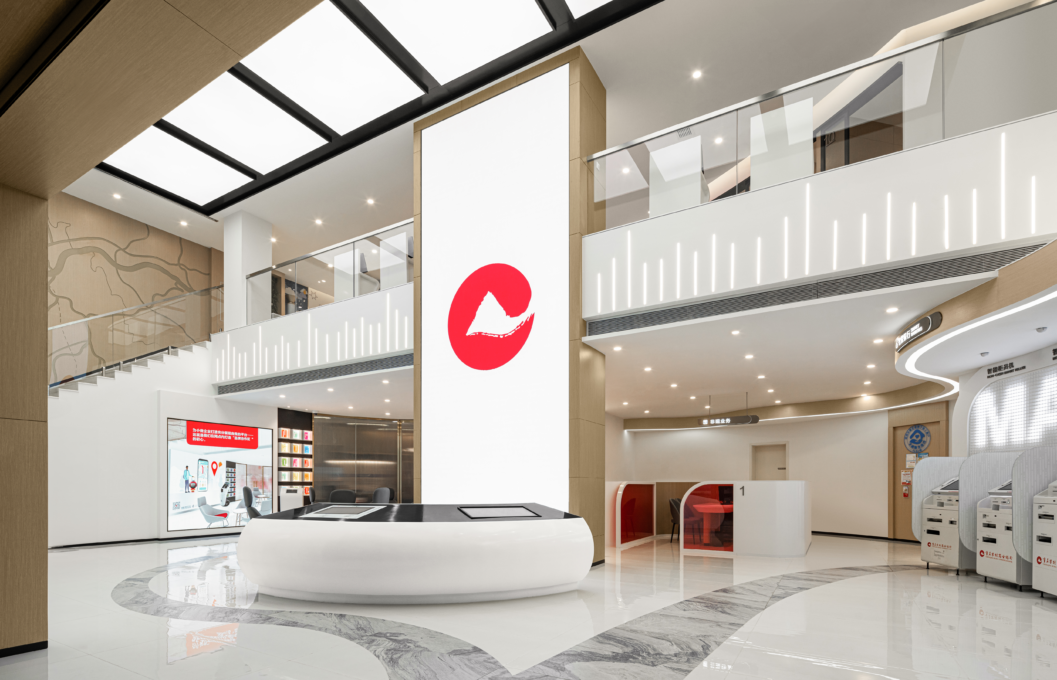
    Chongqing Rural Commercial Bank (CQRCB) is poised to maintain a stable financial profile over the next 12 to 18 months, with solid asset quality, robust capitalisation, healthy profitability, and ample liquidity. According to Moody’s Ratings published in June 2025, the bank is well-equipped to navigate potential challenges, receiving government support if necessary.

    Resilience Amid Risks

    While CQRCB boasts a strong capital position and a solid base of retail deposits, the emergence of new nonperforming loans (NPLs) poses a risk to its asset quality. The bank faces unseasoned risks as it finances the nation’s economic transition. Still, Moody’s predicts that the bank’s asset quality won’t significantly decline in the coming months, bolstered by the substantial buffers CQRCB has cultivated. As of December 31, 2024, the bank’s loan loss reserves covered an impressive 363.4% of its NPLs, providing an additional layer of security.

    Capitalisation and Profitability in the Spotlight

    The institution’s capitalisation will likely remain strong, with its Tangible Common Equity to Risk-Weighted Assets ratio expected to stay above 12%. This performance outshines many of its medium-sized peers in China, according to the ratings agency. Profitability is also on track to stabilise around the 2024 level of 0.8%, a reassuring sign for stakeholders.

    Adequate Liquidity and Funding

    While net interest margin (NIM) contraction is progressing slowly, CQRCB’s liquidity remains robust. With liquid banking assets exceeding 40% of tangible banking assets, the bank comfortably covers its market funds. Customer deposits serve as a crucial funding source, accounting for 68.2% of its total liabilities as of December 31, 2024, with retail deposits making up a whopping 85.8% of total deposits.

    In this sophisticated economic landscape, CQRCB continues to showcase its resilience, much like a seasoned acrobat navigating a tightrope. The bank’s proactive strategies and substantial reserves place it in a promising position, ready to tackle whatever comes next.

    Questions & Answers

    How is CQRCB expected to manage its asset quality in the coming months? CQRCB is anticipated to maintain stable asset quality due to strong buffers, despite risks from new nonperforming loans arising during economic transitions.

    What does Moody’s predict for CQRCB’s capitalisation and profitability? Moody’s forecasts robust capitalisation levels above 12% and stable profitability around 0.8% for the bank over the next 12-18 months.

    How does CQRCB fund its operations? The bank relies heavily on customer deposits, which make up 68.2% of its total liabilities, with retail deposits comprising a substantial 85.8% of total deposits.

  • CITIC Bank International Demonstrates Resilience with Strong Capital and Liquidity, Analysts Confirm

    CITIC Bank International Demonstrates Resilience with Strong Capital and Liquidity, Analysts Confirm

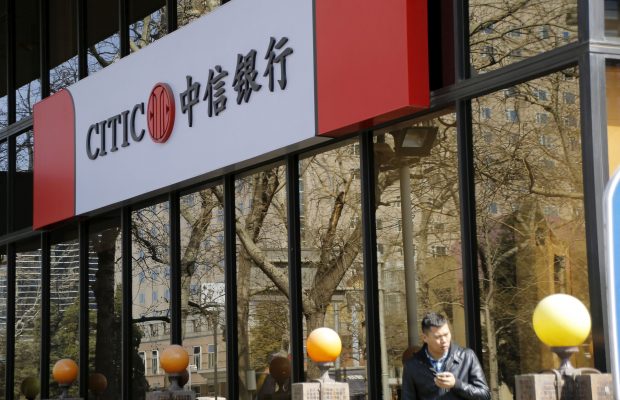
    China CITIC Bank International is showcasing a robust ability to weather the ongoing challenges in Hong Kong’s sluggish property market, as reported by Moody’s. The bank is expected to uphold its solid asset quality, strong capital base, and excellent liquidity throughout the next 12 to 18 months.

    Property Development Exposure

    At the close of 2024, the bank’s exposure to property development and investment in Hong Kong represented 13% of its total gross loans. Fortunately, these loans are considered low-risk due to the strong profiles of the borrowers and conservative loan-to-value ratios. This strategic positioning could provide breathability in unavoidable market fluctuations.

    Improved Loan Metrics

    Moody’s highlights that the bank has actively reduced its exposure to mainland Chinese developers, which has been bolstered by enhanced provisioning. The impaired loan ratio also showed improvement, dropping from 2.3% in 2023 to 2.1% in 2024.

    Solid Capitalization and Liquidity

    Capitalization remains robust, backed by moderate internal capital generation alongside controlled growth in risk-weighted assets. With a liquidity coverage ratio of 200% in Q1 2025—well above the regulatory minimum of 100%—the bank’s liquidity position appears to be nothing short of impressive, like an Olympic gymnast.

    Deposit Growth and Profitability Outlook

    Total deposits for the bank surged by 9% in 2024, with current and savings account deposits climbing to 27% of total deposits, up from 25% the previous year. However, profitability in 2025 may face headwinds as the narrowing net interest margin (NIM)—which slipped slightly to 1.79% in 2024—will likely exert pressure on earnings. Nevertheless, the bank expects some relief from increased fee and commission income.

    Financial Resilience and Future Prospects

    While CITIC Bank International leans moderately on wholesale funding, its overall liquidity framework indicates resiliency. Steady deposit growth complemented by high-quality liquid assets has fortified the bank’s financial health. The bank continues to rely significantly on its parent company, CITIC Bank, and Moody’s foresees continued indirect support from the Chinese government, albeit not universally across all liability classes.

    An analysis of Loss Given Failure reveals a low to moderate risk across most liabilities. However, the recent redemption of US$500 million in Tier 2 subordinated debt has heightened the potential severity of losses for some instruments.

    Questions & Answers

    What percentage of gross loans does the bank have exposed to property development in Hong Kong?
    At the end of 2024, China CITIC Bank International’s exposure to property development and investment in Hong Kong accounted for 13% of its gross loans.

    How did the bank’s impaired loan ratio change in 2024?
    The impaired loan ratio improved to 2.1% in 2024, a decrease from the 2.3% reported in the previous year.

    What is the outlook for the bank’s profitability in 2025?
    Profitability is anticipated to be pressured in 2025 due to a narrowing net interest margin, although increased fee and commission income may provide some relief.

  • FedEx report: Micro-business boom in APAC

    FedEx report: Micro-business boom in APAC

    Micro-multinational businesses in the Asia Pacific are experiencing a business boom, according to new FedEx research.

    Its study shows that 63 per cent of these businesses are achieving annual revenue growth, a success rate achieved by only half of small- to medium-size enterprises (SMEs).

    A previous study last year revealed the greater potential for business growth among SMEs that export goods to overseas markets compared to those that do not. Taken together, the two studies underscore the business benefits of export markets generally, either through simple exports or, like the micro-multinationals in the latest study, by establishing a more direct presence.

    Conducted in September by Harris Interactive for FedEx Express, the study examined trends and characteristics among micro-multinationals, a subset of SMEs that either set up with a presence in multiple markets, or leverage online business platforms and the increased openness of the global economy to expand into overseas markets.

    Another key finding was that APAC micro-multinationals have a marked preference for markets within the region. Other APAC markets make up six of the top eight overseas markets targeted by APAC micro-multinationals, with China topping the list of markets with a micro-multinational presence.

    “We’ve long believed that businesses don’t need to be big to be global, and this study confirms that small businesses that have established a presence in other markets are seeing this strategy pay off substantially,” says FedEx Express Asia Pacific president Karen Reddington.

    “Asia Pacific micro-multinationals have overwhelmingly chosen to set up in other Asia Pacific markets, strengthening regional interconnectivity and driving growth in the intra-Asia trade corridor, the world’s fastest-growing international trade lane. This will translate into job creation, a more efficient pipeline for goods and services and, ultimately, economic growth across the region.”

    As well as accelerated growth opportunities, APAC micro-multinationals believe their presence in multiple markets provides other advantages unavailable to SMEs in a single market. These include access to lower-cost workers (46 per cent), lower overheads (37 per cent) and the availability of different skill sets (36 per cent).

    Also, 63 per cent of micro-multinationals say that running a business in multiple markets is easier than it would have been even five years ago, while 19 per cent do not even believe this would have been possible for them then.

    Harris Interactive used a mix of telephone and online interviews to survey 595 senior decision-makers in micro-multinational companies (companies with 1-249 employees based in more than one country). The research covered 12 global markets across four regions.

  • Yiwugou.com gains the first batch of official online business licenses in China

    Yiwugou.com gains the first batch of official online business licenses in China

    Yiwugou.com, the official website of Yiwu Commodity Market, the largest commodity wholesale market in the world, has announced that ten sellers on Yiwugou.com have gained the first batch of official online business licenses which will add significant integrity to the e-commerce credit system in China.

    According to CCTV, Chinese leaders proposed the “Internet +” idea at two sessions press conference in 2015 and indicated that the integration of online and offline had created greater vitality, and that both online and offline shops should remain faithful to ensure quality and safeguard consumer rights. The nature of the “Internet +” idea is to upgrade traditional industries through internet technology therefore online business licenses are the best practice for the “Internet +” idea in the field of e-commerce.

    In China, the business license is a merchant legal certificate that is supervised by the state administrative department. However, with the development of e-commerce, it’s harder to supervise and approve online merchants in the traditional model of the business license. In addition, the enterprise certification of third platforms like Alibaba usually can’t be recognized by the state administrative department. In January this year, the conflict between Alibaba and the State Administration for Industry and Commerce was a concentrated reflection of this problem and consequently the government, enterprises and people are more concerned about the problem of online integrity.

    The online business license is specific to online business spaces as opposed to the electronization of traditional business licenses and also promotes e-commerce integrity management from enterprise certification up to national regulation. Thus, sellers on Yiwugou.com can be better supervised by national laws and regulations and undoubtedly Yiwugou.com will provide a more reliable procurement platform for buyers all over the world.

    “The unique model of ‘E-commerce + Offline shops + Integrity Protection’ shows that Yiwugou.com is the steadfast practitioner of the “Internet +” idea. The online business license lays a good foundation for various internet financial services afterwards. This also will further develop the ‘Global Partnership Plan’ of Yiwugou.com to accelerate the building of a spider-web market platform covering all of China and the world with the effective integration of online and offline based on powerful industrial support,” said Wang Jianjun, CEO of Yiwugou.com.

  • China remains Vietnam’s top rice importer

    China remains Vietnam’s top rice importer

    According to the Ministry of Agriculture and Rural Development, Vietnam exported 2.8 million tonnes of rice valued USD1.2bn in the first six months of 2017. Both the volume and value increased by 6.3% and 4.9% respectively compared to last year.

    However, average prices in the first five months decreased by 0.9% to USD445.5 per tonne compared to last year.

    China continues to be Vietnam’s top importer. In the first five months, Vietnam exported 1.1 million tonnes of rice to China for USD488m as demands from China is huge. Chinese traders often buy rice directly from the firms’ storage and then imported into China via border gates or commissioned another importer. They also re-export the rice to other countries.

    Pham Thai Binh, director of Trung An Hi-tech Farming JSC, said requirements from Chinese traders were getting tighter, similar to other markets like the US and Japan. Not only the rice must be safe but their origin could also be tracked. Currently, only 22 out of 150 Vietnamese firms were able to export to China.

    Despite exporting huge volumes of rice to China, Vietnam is still unable to build a recognisable brand name there as most of the rice is repackaged by Chinese traders.

    Loc Troi Group is the only firm that have a contract with Hunan Leading Science and Technology Development Co Ltd to officially distribute rice and other agriculture products in an attempt to build a Vietnamese rice brand in China.

  • Hong Kong ‘losing its edge’ as China Mainlanders look elsewhere

    Hong Kong ‘losing its edge’ as China Mainlanders look elsewhere

    Growth in overnight Mainland visitors to Hong Kong has slumped to a fraction of last year’s figures.

    Total visitor numbers from China’s Mainland in May rose by five per cent year on year – but it’s the day trippers making the numbers, not the cashed up Chinese staying in Hong Kong hotels and splurging on luxury goods.

    The latest Visitor Arrivals Statistics for May released by Hong Kong Tourism Board show the number of overnight visitor arrivals grew a mere 1.1 per cent when compared to last year’s 6.7 per cent.

    Combined with the retail sales for May released earlier this week – which saw a 4.6 per cent seasonally adjusted increase in spending but a 15 per cent slump in luxury goods sales – the drag from the slowdown in tourist spending at retail level is notable.

    Hunter Williams, a partner with OC&C Strategy Consultants, Greater China, believes Hong Kong is losing its edge to attract tourist money in the future.

    Furthermore, he argues, more Chinese travellers are expected to flush all over the world yet the growth in “per pax” spending is likely to be slower.

    The number of outbound Chinese travellers topped 100 million for the first time last year – and that figure is predicted to double by 2020 at the current annual growth of 33 per cent.

    Williams says the problem for Hong Kong and Macau is that both SARs have lost their competitiveness.

    “Hong Kong and Macau are relative losers in the fight for the Chinese travel dollar. Both are seeing lower tourist arrival numbers and significantly lower “per pax” spending. Attempting to shift from exclusively targeting “high rollers” to competing for “middle class” tourists is likely to prove a painful transition,” he says.

    Group travel is still popular amongst Mainland Chinese and draws from “a seemingly bottomless reservoir of first-time travellers,” but the world is now welcoming greater numbers of independent Chinese travellers.

    “We believe there is no longer a “Chinese traveller” per se, but rather, four segments with distinct shopping behaviour.  OC&C Strategy Consultants defines these segments as first-time “travel tasters,” deal-savvy “savvy shoppers,” “white collars” and the high-spending “new elite.”

    Growth in “per pax” spending is likely to be slower, driven by several factors.

    “Firstly, overseas travel is increasingly democratised and open to middle class Chinese, rather than being the exclusive preserve of the elites. Secondly, reacting to exchange rate changes and cuts in import duties, many luxury brands have lowered domestic prices in China, lessening the incentive to shop abroad.

    “Thirdly, China’s anti-corruption campaign continues and “tigers and flies” alike are rightly wary of flaunting ill-gotten gains.”

    A “wealth effect,” says Williams, due to soaring stock market performance could offset some of these factors or a crash could exacerbate them – but the volatility of China’s equity markets makes such speculation problematic.

    Williams also warns retailers to make sure they appreciate how Chinese consumers almost live their lives on their smartphones.

    “From ordering a taxi (Didi Kuaidi); socialising with friends (WeChat); making discounted reservations for dinner (Dianping); shopping the latest fashions (Taobao and Tmall), and even paying for daily necessities at the local convenience store (Alipay), Chinese live on their phones.”

    He says retailers in destinations preferred by Mainland Chinese should expect greater numbers of Chinese travellers than ever this summer.

    “However, these travellers will spend less and will be more digitally demanding than ever. This can be a challenge for the overseas businesses targeting them, as the digital tools and platforms they are accustomed to using are generally China-only.

    “More and more international brands are active on Chinese social media sites like WeChat, but few have a full, 360-degree digital presence.”

  • Red Cloud kickstarts Far East raw denim culture

    Red Cloud kickstarts Far East raw denim culture

    Red Cloud is a name few major retailers have yet heard of – but watch this space…

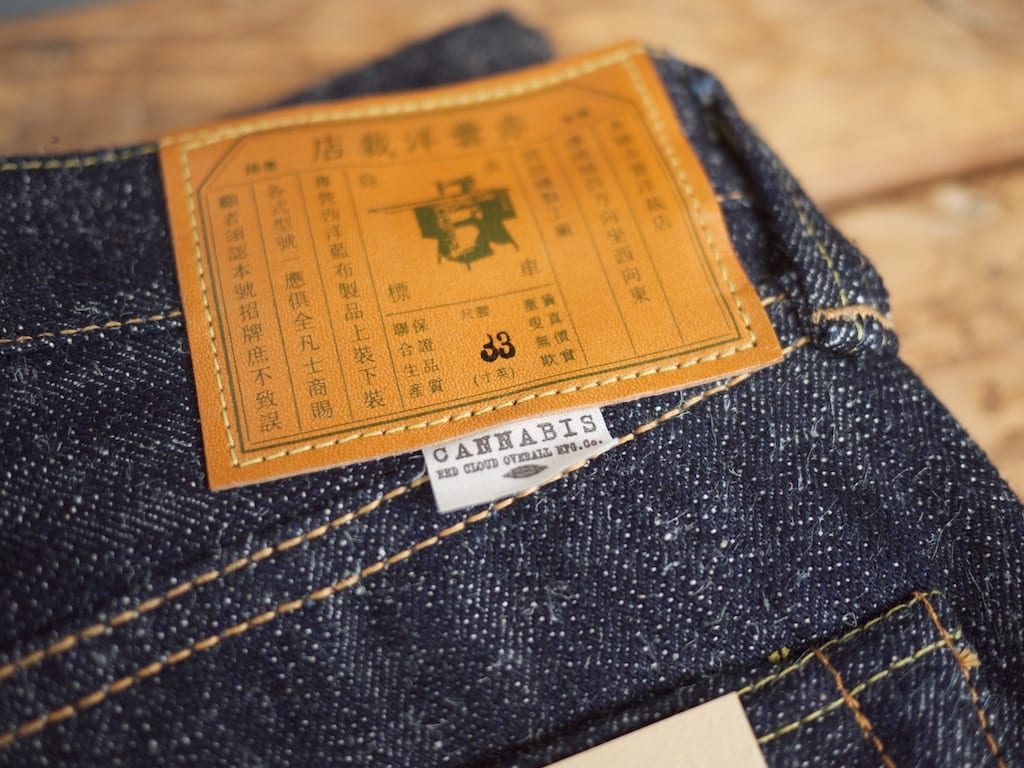
    Dubbed one of China’s first premium selvedge denim brands by influential fashion media monitor WGSN, it’s one of a new wave of independent denim makers carving out a new raw denim culture in Asia.

    Red Cloud’s new store is not exactly located in the heart of Hong Kong’s fashion highway – instead, you’ll find it tucked away in a narrow alley in Kwun Tong in Hong Kong’s industrial district.

    It’s the company’s second retail store, the first in its home city of Shenyang in the Mainland opened soon after the brand was founded in 2007.

    In an extensive interview with WGSN correspondent Anupreet Bhui, published online with photos of the store’s interior design, store manager Wan talks about the positioning of Red Cloud as a high end premium selvedge raw denim brand and how it has overcome the ‘Made in China’ tag.

    “The first thing that strikes you upon entering the shop is its old world charm garnished heavily with refreshing vintage interiors done up in a typical retro Hong Kong flavour that speaks out through its ceiling fan, authentic shop signage and hand picked furniture classics,” explains Bhui.

    “The shop is itself a labor of love by its owner Wan, who has hand built most of its fixtures and curated vintage furniture from all over Hong Kong and China. Wan is a good friend of Red Cloud founder Raymond and has helped him develop the business in Hong Kong as the sole distributer of Red Cloud & Co.”

    Wan says the shop has already built a fast-growing following among local denim connoisseurs.

    “At present there are a number of denim brands that are coming out in the market which may be selvedge and more expensive. However I really feel that for the consumer who truly understands high quality and authenticity, will continue to value Red Cloud & Co. Over these years, we are slowly but steadily building up our loyalist base who truly understand the difference. I am very optimistic about the future,” he told Bhui.

  • Lotteria to debut in Mongolia

    Lotteria to debut in Mongolia

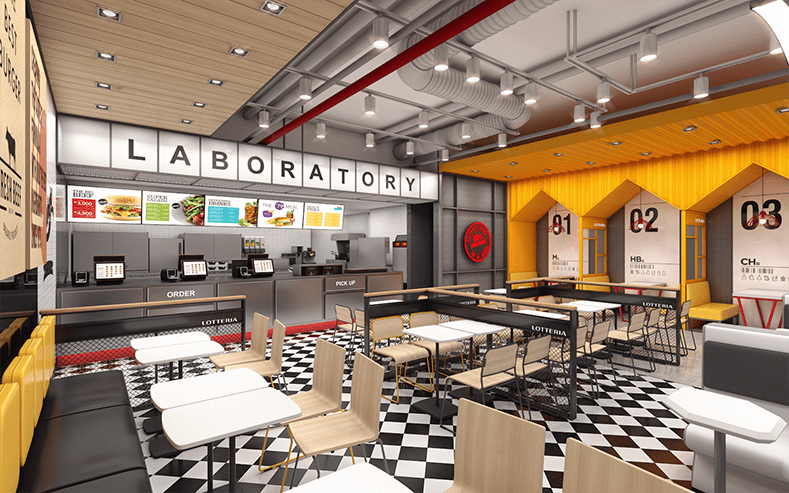
    Korean conglomerate Lotte is launching its fast-food chain Lotteria in Mongolia.

    The brand’s restaurant franchise unit, Lotte GRS, will open its first location in the capital city of Ulaanbaatar and increase outlets to 10 over the next four years. The move follows an agreement with Mongolian restaurant and theatre operator Eugenetek Mongolia, which has signed on as master franchisor.

    A spokesperson for Lotte GRS said the flagship store’s prime location within the city’s commercial district, together with Mongolia’s young population and local enthusiasm for Korean culture, should contribute to the success of the new restaurant.

    Lotte GRS has previously expanded into China, Vietnam, Indonesia, Myanmar and Cambodia with its Lotteria chain as well as its Angel-in-us cafe franchise.