Tag: China

  • Shaping Retail: The Rising Influence Of Social Media And Sustainability In China’s Consumer Market

    Shaping Retail: The Rising Influence Of Social Media And Sustainability In China’s Consumer Market

    China’s retail landscape continues to shift, thanks in part to the rapid rise of influencer marketing and e-commerce innovations. The impact of social media influencers on consumer behavior is shaping how brands connect with the younger demographic, pushing retailers to rethink their strategies. The digital-first approach has turned traditional advertising on its head, creating an engaging marketplace where authenticity and relatability reign supreme.

    The Power of Influencer Collaborations

    In a vibrant social media-driven economy, brands are increasingly leveraging influencers to showcase their products. The rise of live-stream shopping, where personalities present products in real-time, has become a game-changer. For example, platforms like Douyin and Kuaishou have made it easier for brands to reach vast audiences while providing a platform for consumers to shop as they watch. Unlike the conventional shopping experience, which often feels transactional, this format fosters a sense of community and entertainment—who knew shopping could be so much fun?

    Shifting Retail Trends

    Retailers are witnessing significant changes fueled by innovations such as augmented reality (AR) and personalized shopping experiences. AR technology allows customers to virtually try on clothes or visualize furniture in their homes before making a purchase. Additionally, personalized recommendations based on shopping habits are creating unique consumer experiences, enhancing satisfaction and loyalty.

    Sustainability Meets Consumer Demand

    Sustainability is also at the forefront of consumer concerns, influencing purchasing decisions across Asia. Brands that prioritize eco-friendly practices are finding favor with environmentally conscious consumers, leading to a surge in demand for sustainable products. Retailers are being called upon to embrace greener practices, from sourcing materials responsibly to adopting sustainable packaging solutions.

    As the retail sector adapts to these changes, collaboration between brands, influencers, and consumers will be crucial. Innovative strategies paired with a genuine understanding of consumer needs will be the key to navigating this complex yet exciting landscape. In an era where online shopping is the norm, the ability to blend entertainment and shopping may just be the secret sauce for success.

    Questions & Answers

    What role do influencers play in the modern retail landscape?
    Influencers serve as powerful marketing tools, showcasing products to their followers and creating engaging content that translates into sales, particularly through live-stream shopping platforms.

    How is technology shaping shopping habits in Asia?
    Technological advancements like augmented reality are transforming the shopping experience, allowing consumers to try products virtually and receive personalized recommendations, making shopping more interactive and tailored.

    Why is sustainability becoming a key focus for retailers?
    Consumer demand for sustainable practices has increased, with many shoppers preferring brands that adopt eco-friendly methods, thus pushing retailers to integrate sustainability into their business models to retain market competitiveness.

  • China and India Surge Ahead in Global Coal Production Growth, Shaping the Energy Landscape

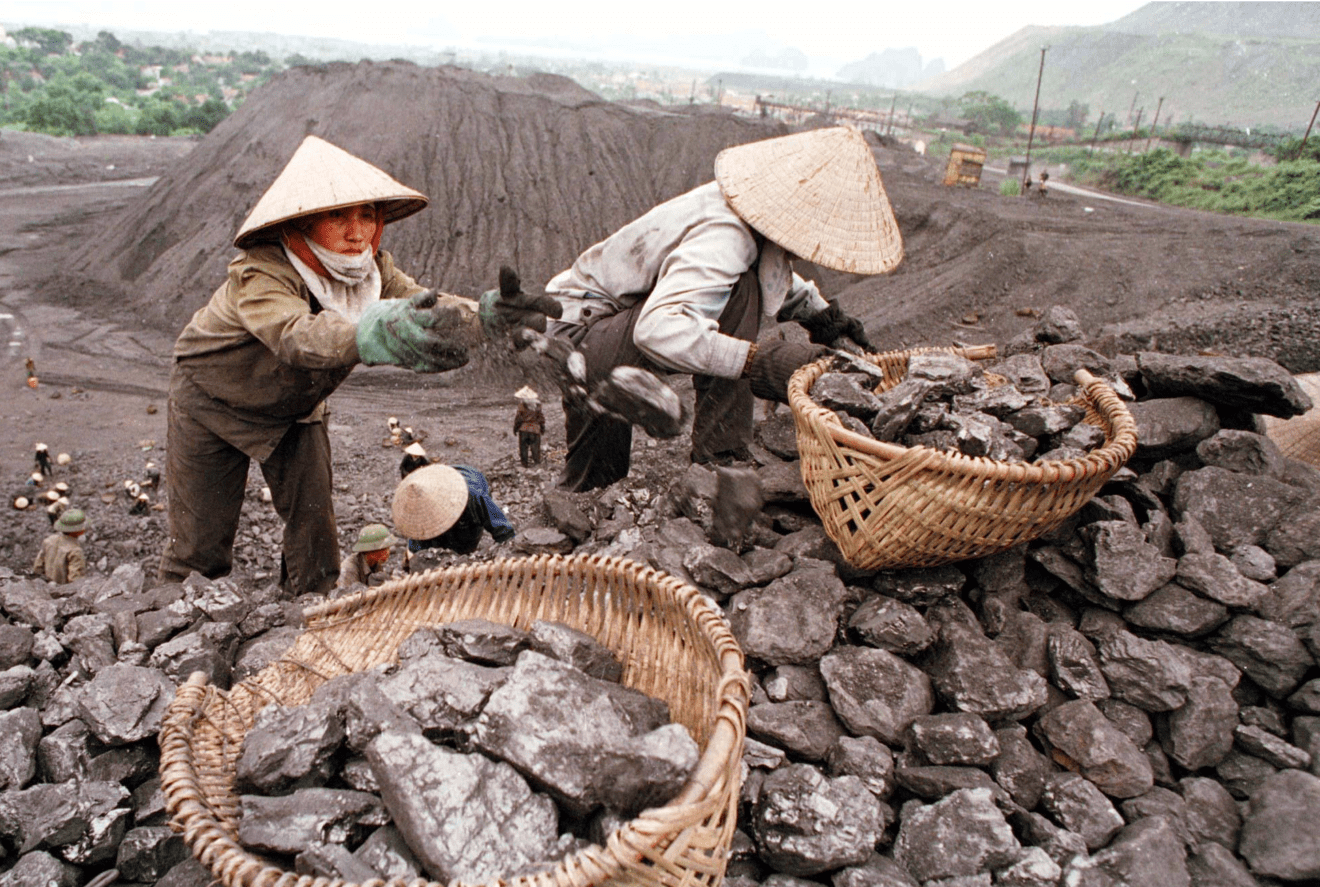
    China and India Surge Ahead in Global Coal Production Growth, Shaping the Energy Landscape

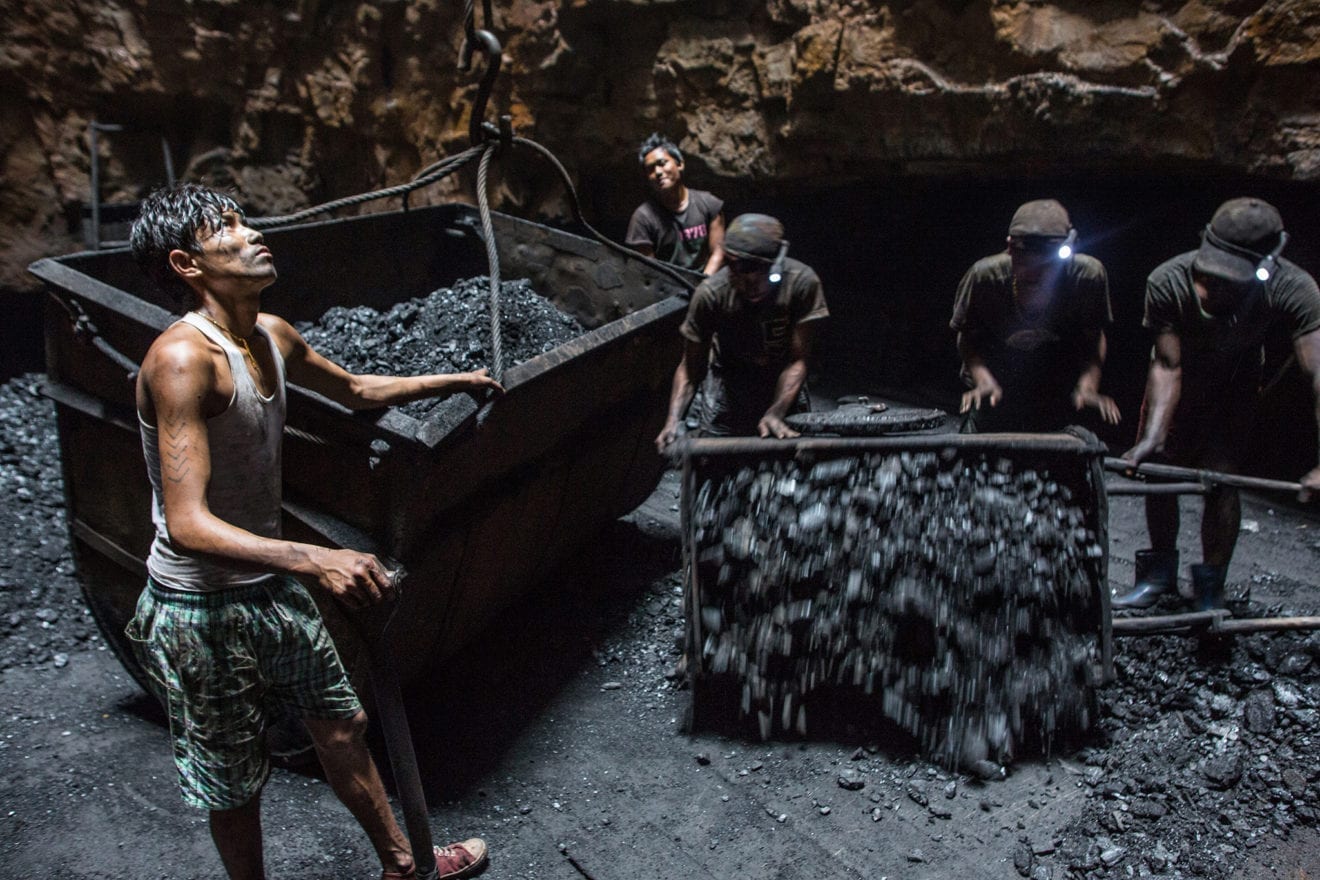
    The coal mining landscape is gearing up for a significant shift as developers in 30 countries, particularly China and India, prepare to expand their production capacity despite an impending decline at newly operating mines in 2024. This ambitious initiative comes at a time when the need for clean energy solutions is at an all-time high, creating a complex tension between economic growth and environmental concern.

    According to a report from Global Energy Monitor (GEM), the global coal industry is bracing for the rollout of more than 850 new mines, expansions, and recommissioned projects. Alongside these developments, there are also 35 mine extension projects being reviewed. A striking statistic reveals that nearly 90% of this proposed capacity is concentrated in only a handful of countries, with China leading the pack at a staggering 1,350 million tonnes per annum (Mtpa), primarily in its northern and northwestern regions. India follows with plans for 329 Mtpa, almost half of which is attributed to state-owned Coal India.

    Environmental Implications

    While the projected capacity could revitalize coal production, it raises significant environmental concerns. GEM warns that a total of 2,270 Mtpa of coal mine capacity is currently in development, which poses serious risks of escalating methane emissions. This issue is particularly pressing as methane is a greenhouse gas with over 80 times the warming potential of carbon dioxide over a span of 20 years. The organization estimates that if all proposed projects come to fruition, approximately 15.7 million tonnes of methane could be released annually, eclipsing Japan’s total annual greenhouse gas emissions, putting further strain on global climate commitments.

    “The canary is literally and figuratively in the coal mine,” states Dorothy Mei, project manager for the Global Coal Mine Tracker at Global Energy Monitor. “Without drastically scaling back plans for new mine capacity, the world could see a massive rise in potent methane emissions that would make it all but impossible to reach the goals of the Paris Agreement.” As the dialogue around climate change intensifies, these developments compel stakeholders to reevaluate the balance between economic ambitions and sustainability. After all, while coal production may be heating up, the planet is on a different kind of warming trend.

    Questions & Answers

    What countries are leading in coal production capacity expansion?
    China and India are at the forefront, with China proposing 1,350 million tonnes per annum and India planning for 329 million tonnes per annum.

    What environmental risks are associated with the expansion of coal mines?
    The expansion poses significant risks of increased methane emissions, which can have a warming potential over 80 times that of carbon dioxide, significantly impacting climate goals.

    How many new coal mining projects are under consideration worldwide?
    More than 850 new mines, expansions, and recommissioned projects are set to be rolled out across 30 countries, alongside 35 additional mine extension projects currently under review.

  • Chinese E-commerce Giants Disrupt South Africa’s Retail Sector, Claiming 3.6% Market Share

    Chinese E-commerce Giants Disrupt South Africa’s Retail Sector, Claiming 3.6% Market Share

    The South African retail market has witnessed significant disruption with the entry of Chinese e-commerce firms, Shein and Temu. Together, they constitute 3.6% of the nation’s retail sector, specifically the clothing, textile, footwear, and leather (CTFL) market. This translated to 7.3 billion rand (US$405 million) in sales in 2024.

    Disrupting the Retail Landscape

    Shein made its debut in the South African market in 2020, with Temu following in 2024. Both companies have effectively shaken up the local retail scene with competitive pricing, strategic marketing, and tax loopholes that initially provided them with an advantage over domestic retailers.

    The allure of these platforms for cost-conscious shoppers has had significant effects on local retailers. In response, these retailers appealed to regulatory bodies last year to address the tax loophole, which was subsequently closed.

    Impact on Market Shares

    The Localisation Support Fund (LSF) report indicates that the market share of domestic CTFL retailers has gradually dwindled from 75.3% in 2011 to 74% in 2024. In comparison, international physical store brands such as H&M, Zara, and Cotton On hold a combined market share of 3.4%.

    Shein and Temu together now hold a 3.6% share of the CTFL market, and a commanding 37.1% of South Africa’s e-commerce CTFL market. In particular, Shein has cornered 28% of the online women’s CTFL sales.

    Sean Mercer, a principal consultant at consulting firm BMA, observed that international retailers had spent 13 years building their market share. In contrast, Shein and Temu have managed to equal and even surpass this in a mere five years.

    Questions & Answers

    What market share do Shein and Temu hold in South Africa’s retail sector?
    Shein and Temu together hold a 3.6% share in South Africa’s retail sector, specifically in the clothing, textile, footwear, and leather market.

    What strategy did Shein and Temu use to disrupt the South African retail market?
    Shein and Temu disrupted the South African retail market with competitive pricing, strategic marketing, and by leveraging tax loopholes that initially provided them with an advantage over domestic retailers.

    How has the entry of Shein and Temu affected local retailers?
    The entry of Shein and Temu has significantly impacted local retailers, leading to a decline in their market share. The cost-effective offerings of these e-commerce platforms have drawn cost-conscious shoppers, affecting the sales of local retailers.

  • Yum China Reports 4% Revenue Rise, Citing Network Expansion And Digital Sales Boost

    Yum China Reports 4% Revenue Rise, Citing Network Expansion And Digital Sales Boost

    Yum China, a stalwart in the food and beverage industry, has reported a rise in revenue by 4 per cent year on year for the second quarter ending June 30, 2021, accumulating a total of US$2.8 billion.

    The company’s growth is attributed to the expansion of its network and an uptick in same-store sales, which saw a 2 per cent increase in transactions. The burgeoning network of nearly 17,000 locations across Yum China’s food and beverage brands played a pivotal role in achieving this positive outcome, according to the company’s CEO, Joey Wat.

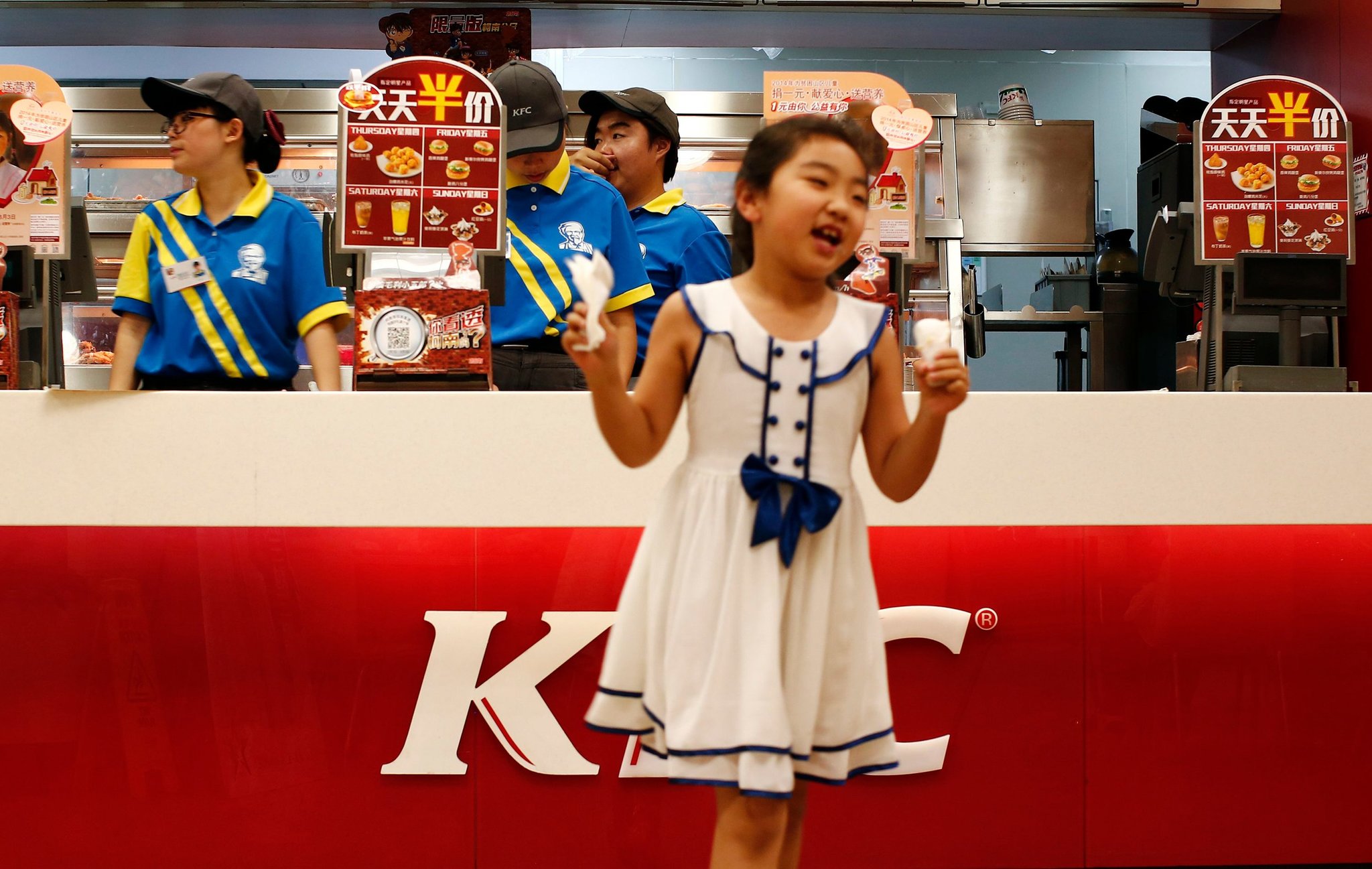
    During this quarter, Yum China added 336 stores to its portfolio, raising the total to 16,978 locations. This figure includes 12,238 KFC outlets and 3,864 Pizza Hut outlets. It’s noteworthy to mention that franchisees opened 26 per cent, or 89, of these new stores.

    Financial Performance

    Joey Wat also expressed satisfaction with the company’s financial performance, highlighting the achievement of double-digit growth in operating profit and substantial margin expansion. The operating profit rose by 14 per cent year on year to $304 million, the highest ever reported by Yum China for a second quarter. The core operating profit also saw a 14 per cent increase compared to the previous year.

    In a display of fiscal health, the company returned $274 million to its shareholders through share repurchases and dividends.

    Digital Sales and Membership

    A significant contributor to the company’s sales, the digital segment accounted for 94 per cent of total company sales, reaching $2.4 billion for the quarter. The delivery sales, growing at a 22 per cent rate year on year, contributed approximately 45 per cent of the total sales.

    A key aspect of consumer engagement, membership across KFC and Pizza Hut, saw an increase of 13 per cent from the previous year, reaching approximately 560 million. These members accounted for 64 per cent of total system sales for both brands.

    Wat stressed on the importance of digitalization, adding, “We are also fortifying our end-to-end digitalisation to streamline operations and elevate our customer experience.” He expressed confidence in the company’s brands and strategies, stating their potential to deliver sustainable, long-term value for shareholders.

    Questions & Answers

    What contributed to Yum China’s growth in the second quarter?
    Yum China’s growth was driven by network expansion and a rise in same-store sales, which saw a 2 per cent increase in transactions.

    What was the percentage of new stores opened by franchisees?
    Franchisees opened 26 per cent of the new stores during the quarter.

    What was the impact of digital sales on the total company sales?
    Digital sales accounted for 94 per cent of total company sales, reaching $2.4 billion for the quarter.

  • Aseer Time Advances Global Expansion With First Store Launch In China’s Growing Market

    Aseer Time Advances Global Expansion With First Store Launch In China’s Growing Market

    The Kuwaiti beverage chain, Aseer Time, has recently launched its inaugural store in China. This development forms part of the company’s broader strategy to expand its reach in the Asia-Pacific region, particularly within the rapidly growing food and beverage industry.

    The new outlet is situated in the city of Quanzhou, marking the company’s 501st location on a global scale. Aseer Time’s decision to establish a presence in China aligns with the robust growth being experienced in mid-sized Chinese cities like Quanzhou. Since 2020, there has been a noticeable surge in food and beverage expenditure in these areas, largely driven by Generation Z consumers and young professionals.

    Outside its native Kuwait, where it is popularly known as Juice Time, Aseer Time operates in a total of 23 countries. The brand is set to continue its international expansion, with additional stores slated to open in Australia, the Netherlands, and Los Angeles.

    Established in 2011, Aseer Time has successfully scaled its operations worldwide, predominantly by leveraging a franchise model. Approximately 70% of its outlets are collaboratively operated in partnership with local entities.

    Questions & Answers

    What is Aseer Time’s business strategy for expanding its operations?
    Aseer Time’s strategy for expansion involves broadening their reach in the Asia-Pacific region and other global markets, largely through a franchise model.

    Where is Aseer Time’s newest outlet located?
    The newest Aseer Time outlet is located in Quanzhou, China.

    What market segments are driving the growth in food and beverage expenditure in mid-sized Chinese cities?
    The growth in food and beverage expenditure in mid-sized Chinese cities is primarily driven by Generation Z consumers and young professionals.

  • Mcdonald’s To Boost Ai Investment By 2027, Eyes India As Data Governance Hub

    Mcdonald’s To Boost Ai Investment By 2027, Eyes India As Data Governance Hub

    McDonald’s, the renowned fast-food chain, has announced its intention to significantly increase its investment in artificial intelligence (AI) by 2027, foreseeing India as a principal center for data governance, engineering, and platform architecture. The news was delivered by Deshant Kaila, McDonald’s Head of Global Business Services Operations, last Friday.

    India as a Key Player

    McDonald’s, which made its foray into India in 1996, has a wide network of restaurants across the nation. The company recently opened a global office in the southern city of Hyderabad, which they plan to expand into their largest international office outside of the United States.

    While the company is still in the early phases of this AI-focused initiative, the exact amount of intended investment remains undisclosed. However, Kaila has given some insights into how McDonald’s is utilizing AI technologies to enhance its operations and services.

    Artificial Intelligence in Operations

    At present, McDonald’s is leveraging AI to corroborate orders at 400 of its restaurants, mitigating errors before orders reach customers. The company has set ambitious plans to extend this AI-driven order verification system to 40,000 of its locations worldwide by 2027, as revealed by Durga Prakash, Head of Technology (Global Offices).

    Moreover, AI tools are being employed by McDonald’s to project sales, determine pricing, and evaluate product performance. The fast-food chain is also developing a personalized app that customers can use globally. As per Kaila, the strategic push in India will be primarily focused on building its AI team, with more investment directed towards technology and tools rather than personnel.

    Expansion of Global Offices

    McDonald’s is also considering establishing another global office in Poland, similar to the ones in India and Mexico. Earlier this year, it was reported that the company would inaugurate a global capability center in Hyderabad, India, which is expected to employ about 2000 individuals.

    India’s global capability centers, formerly cost-effective outsourcing hubs for global businesses, have evolved and now provide support to their parent organizations across diverse areas, including operations, finance, research, and development.

    Questions & Answers

    What is McDonald’s strategy for AI investment by 2027?

    McDonald’s plans to significantly increase its investment in artificial intelligence (AI) by 2027. The company aims to utilize AI to improve operations, predict sales, set pricing, and evaluate product performance.

    How does McDonald’s plan to utilize AI in its operations?

    The fast-food chain is currently using AI to verify orders at certain locations to prevent errors before handing them over to customers. It is also using AI tools for sales forecasting, pricing decisions, and product performance assessments.

    Why is India a focus in McDonald’s AI strategy?

    India is a key focus in McDonald’s AI strategy due to its potential as a hub for data governance, engineering, and platform architecture. In addition, the company has recently opened a global office in Hyderabad, India, with plans to make it the largest outside the U.S.

  • Alibaba Unveils Bold Strategy For E-commerce Evolution: Community Engagement And Personalized Shopping

    Alibaba Unveils Bold Strategy For E-commerce Evolution: Community Engagement And Personalized Shopping

    As the global retail landscape shifts, Asian e-commerce giant Alibaba has unveiled its ambitious plans for expansion, promising a new era of digital shopping that could reshape consumer habits and retail dynamics across the continent. During a recent press conference, Alibaba’s management outlined an innovative strategy that emphasizes not just sales, but also community engagement and personalized shopping experiences.

    At the heart of Alibaba’s strategy is a commitment to transforming its marketplaces into vibrant ecosystems that transcend mere transactions. The company aims to foster a sense of community among its users, encouraging interaction through various platforms. By introducing features that allow customers to share reviews and recommendations in real-time, Alibaba is tapping into the growing desire for social shopping. In fact, as shoppers increasingly turn to digital platforms, the integration of social elements has become crucial — like mixing a family recipe with an unexpected splash of hot sauce, it adds a surprising kick to the shopping experience.

    A Focus on Hyper-Personalization

    Alongside community initiatives, Alibaba is advancing its use of artificial intelligence to elevate personalization in customer interactions. By analyzing purchase history and preferences, the platform can offer tailored recommendations and experiences to shoppers. This move aligns with global trends where consumers expect a shopping experience that speaks directly to their desires and needs. Essentially, it’s not just about finding the right product anymore; it’s about creating a shopping journey that feels exclusively crafted for each individual.

    To expand its reach further, Alibaba is forging strategic partnerships with local brands throughout Asia. This approach not only enriches its product offerings but also allows smaller brands to leverage Alibaba’s robust logistics network and vast consumer base. In a market where collaboration often leads to innovation, these partnerships could unlock new opportunities for both established retailers and emerging players alike.

    Plans for Global Engagement

    While Alibaba’s roots are firmly planted in Asia, the company hasn’t overlooked international markets. By showcasing Asian brands to global consumers, Alibaba aims to position itself as a bridge between local creativity and worldwide audiences. This dual focus on enhancing local presence while reaching out to global consumers reflects a careful balancing act that could define the future of international e-commerce.

    However, as ambitious as these plans may be, Alibaba faces challenges from growing competition within Asia and beyond. Rivals are quickly adapting to the changing landscape, matching innovations with their own strategies. The stakes are high, and success is contingent on Alibaba’s ability to stay ahead of trends while maintaining customer trust.

    Questions & Answers

    What is Alibaba’s primary focus with its new e-commerce strategy?
    Alibaba aims to create vibrant ecosystems on its marketplaces that enhance community engagement and provide personalized shopping experiences.

    How does Alibaba plan to use artificial intelligence in its services?
    The company intends to leverage AI to analyze shopper preferences so it can offer tailored recommendations, transforming how customers interact with the platform.

    What role do partnerships play in Alibaba’s expansion plans?
    Strategic partnerships with local brands are essential for Alibaba, as they enhance product offerings and allow smaller brands to benefit from the company’s logistics network and consumer base.

  • Alibaba’s New Retail Strategy: Transforming Asia’s Retail Landscape With Seamless Online Offline Shopping

    Alibaba’s New Retail Strategy: Transforming Asia’s Retail Landscape With Seamless Online Offline Shopping

    In an ambitious move that could reshape the retail landscape in Asia, Alibaba Group has unveiled its latest venture: a multi-format retail experience designed to blend online and offline shopping seamlessly. This ambitious project embraces the company’s mantra of “retail as a service,” as it looks to transform how consumers interact with brands while navigating an increasingly digital marketplace.

    Redefining Shopping Experiences

    The new initiative, which Alibaba refers to as its “New Retail” strategy, aims to create an omnichannel environment where traditional brick-and-mortar stores and digital platforms operate in perfect harmony. Customers will see a seamless integration of shopping experiences, from smart shelves that provide real-time product availability to interactive displays that offer personalized recommendations based on consumer behavior.

    Alibaba’s President, J. Michael Evans, described the project as a “game changer,” emphasizing the importance of tailored experiences in today’s competitive retail market. By leveraging data analytics and artificial intelligence, Alibaba plans to enable businesses to connect with consumers on a more intimate level, ensuring that every interaction feels customized and relevant.

    Partnerships Fueling Innovation

    Key to this initiative is a series of partnerships with established brands and startups alike. Notably, Alibaba has joined forces with local enterprises to enhance logistics capabilities and improve supply chain transparency. As Evans notes, “Collaboration is at the heart of what we are doing.” With this mindset, Alibaba hopes to attract partners eager to embrace the changing shopping paradigm and innovate alongside one of Asia’s retail giants.

    For tech enthusiasts, the prospect of shopping with augmented reality features is especially enticing. Imagine slipping on AR glasses to browse through a virtual storefront while standing in your living room — it sounds like something out of a science fiction novel but could soon become part of your everyday retail experience.

    Economic Implications

    This innovative push comes at a pivotal moment for retail in Asia, as significant shifts in consumer behavior have emerged during the pandemic. Research indicates that online shopping has skyrocketed, but there’s still a strong desire among consumers for physical interactions. Alibaba’s strategy appears to anticipate this hybrid demand, potentially setting a new standard for how brands engage with their customers in both realms.

    The economic implications of Alibaba’s New Retail approach are profound. By creating an ecosystem that fosters growth for businesses of all sizes, Alibaba not only stands to boost its own bottom line but also invigorate the entire retail sector, leading to renewed job creation and economic activity.

    Final Thoughts

    As Alibaba propels itself further into the retail future, one thing is clear: this isn’t just about selling products — it’s about crafting a consumer-centric environment that enhances the shopping journey. If executed successfully, it could indeed be the start of an exciting new chapter in Asian retail history.

    Questions & Answers

    What is Alibaba’s New Retail strategy?
    Alibaba’s New Retail strategy aims to create an integrated shopping experience that melds online and offline retail, utilizing advanced technologies like AI and data analytics to personalize customer interactions.

    How is Alibaba partnering to enhance its retail initiative?
    Alibaba is forming partnerships with both established brands and innovative startups to strengthen logistics and supply chain transparency, driving collaboration and innovation in the retail space.

    What are the potential economic impacts of this initiative?
    The New Retail initiative could invigorate the retail sector, boost economic activity, and lead to job creation by fostering a growth-oriented ecosystem for businesses of all sizes in Asia.

  • China’s Ambitious Hydropower Project: A Key Step Toward Decarbonisation with Significant Risks Ahead

    China’s Ambitious Hydropower Project: A Key Step Toward Decarbonisation with Significant Risks Ahead

    China’s new hydropower project will be the world’s biggest and crucial for energy decarbonisation, but this will be expensive and challenging, S&P Global Ratings said.

    “The project will also be very risky. The geographic challenges will be unprecedented: it will be built in remote Tibet, with little existing infrastructure to move or shelter workers and equipment,” said S&P Global Ratings credit analyst Miranda Wang.

    The project will be completed in 10-15 years and will boost China’s hydropower capacity by 16% and generation by 22% with its 60 gigawatt capacity. It will have almost three times the capacity of the Three Gorges Dam, which generates 15% of Europe’s hydropower output.

    S&P Global Ratings noted that the central government is designating a new state-owned enterprise, China Yajiang Group Co. Ltd., to undertake all risks from this project.

    “We believe the establishment of the new entity isolates all execution risks from the existing rated power producers, which have limited financial headroom,” it said.

    The project will use novel engineering that will channel a river into a tunnel blasted through a mountain, thus spinning turbines and generating electricity. The government estimates construction costs at about $167b.

  • Reborn Coffee Seals $1.3m Licensing Deal For Expansion Into China’s Burgeoning Specialty Market

    Reborn Coffee Seals $1.3m Licensing Deal For Expansion Into China’s Burgeoning Specialty Market

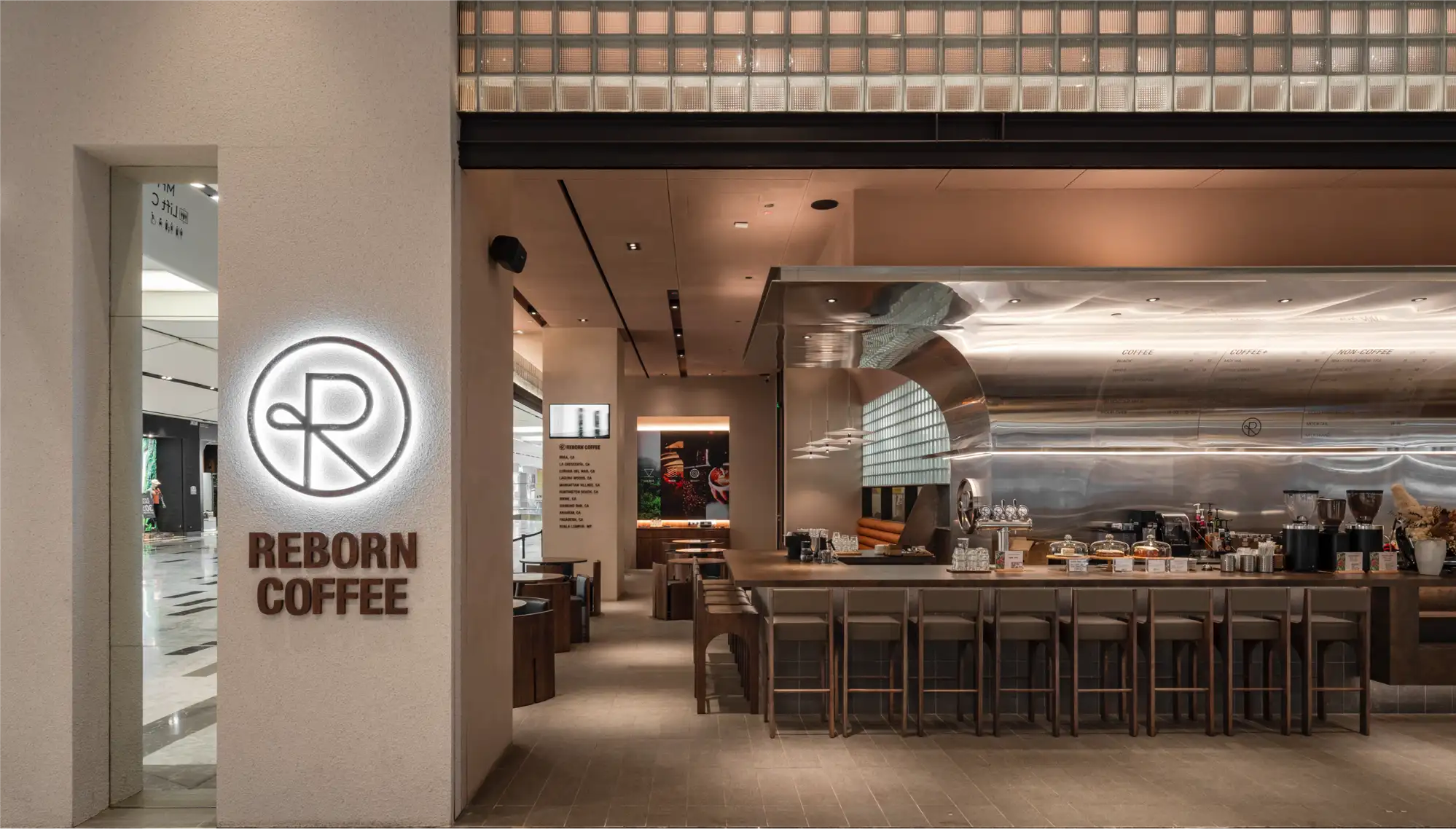
    Reborn Coffee, a specialty coffee retailer based in California, has entered into a licensing agreement valued at $1.3 million with Reborn Health Goods, a corporation situated in China. This alliance will facilitate the specialty coffee retailer’s expansion efforts throughout mainland China.

    Agreement Details

    Under this exclusive master licensing agreement, Reborn Health Goods will be responsible for the national operation and expansion of the Reborn Coffee brand. This includes directing store development activities and coordinating regional sublicensing partnerships, all in tune with the brand’s objectives for growth and maintaining its standards.

    Jay Kim, CEO of Reborn Coffee Inc., believes this agreement lays the groundwork for harmonized growth and consistency in branding across one of the most dynamic consumer markets globally. He said, “Our partner brings the scale, strategy, and operational excellence to lead Reborn’s multi-format rollout across key provinces and cities in China.”

    Reborn Health Goods will also work collaboratively with both existing and future regional licensees—including those in Guangdong and Liaoning provinces—to ensure Reborn Coffee’s branding is executed uniformly throughout the country.

    Strengthening Position in Asia-Pacific

    Asia-Pacific has seen a surge in demand for specialty coffee. By aligning with this trend, Reborn Coffee’s strategic partnership with Reborn Health Goods bolsters its presence in the region, aligning with its wider international vision.

    Questions & Answers

    What is the primary objective of the licensing agreement between Reborn Coffee and Reborn Health Goods?
    The main goal of the agreement is to facilitate the expansion of Reborn Coffee throughout mainland China while ensuring brand consistency.

    Who will be responsible for the national operation and brand expansion of Reborn Coffee in China?
    Reborn Health Goods, under the licensing agreement, will oversee the national operation and expansion of the Reborn Coffee brand in China.

    How does this agreement align with the increase in demand for specialty coffee in the Asia-Pacific region?
    With the rising demand for specialty coffee in the Asia-Pacific region, this agreement helps to solidify Reborn Coffee’s presence and supports its broader international expansion plans.

  • Record Q2 Revenue For Luckin Coffee Amid Global Expansion And Increased Customer Engagement

    Record Q2 Revenue For Luckin Coffee Amid Global Expansion And Increased Customer Engagement

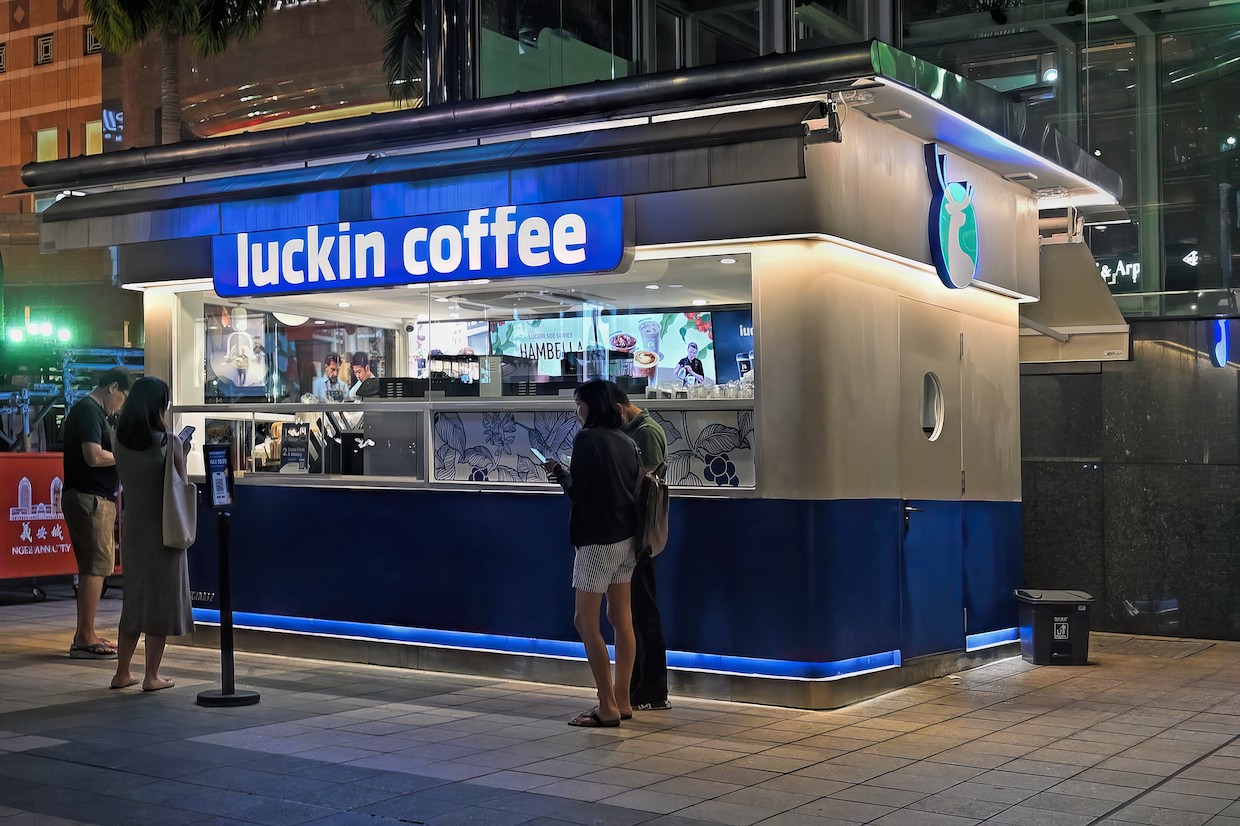
    Luckin Coffee reported an unprecedented revenue of $1.72 billion in the second quarter, representing a 47 percent year-on-year increase. This performance coincides with the expansion of the Chinese coffee chain’s global footprint to 26,206 outlets, including more than 2100 new store openings.

    Global Expansion and Growth in Numbers

    Luckin Coffee expanded its network by adding 2085 stores in mainland China and Hong Kong during the second quarter. Additionally, the company opened six new stores in Singapore, 16 in Malaysia, and two in the United States. Of the total number of stores, 16,968 are directly operated by Luckin Coffee, while 9,238 outlets are run in partnership with other entities.

    The company saw a notable surge in customer engagement, with monthly transaction numbers reaching an all-time high of 91.7 million customers during the quarter, marking a 31.6 percent increase compared to the corresponding period last year.

    Financial Performance and Business Prospects

    Revenue generated from directly operated stores shot up by 45.6 percent to $1.27 billion, propelled by a same-store sales growth of 13.4 percent. This indicates a notable improvement from the 8.1 percent growth recorded in the preceding quarter, and a significant rebound from a 20.9 percent decline experienced a year ago.

    Luckin Coffee’s operating profits at store level surged by 42.3 percent to reach $268 million. Revenue from partnership stores also saw a substantial increase, reaching $399.8 million, which translates to a 55 percent year-on-year increase.

    Jinyi Guo, co-founder and CEO of Luckin Coffee, attributed the robust financial performance to the company’s strategic focus on scalability. He emphasized that by capitalizing on the company’s strengths in areas such as operational efficiency, fulfillment, and supply chain, Luckin Coffee has managed to achieve double-digit same-store sales growth in its directly operated stores.

    As for the future, Guo reaffirms that the company remains resolute in its commitment to expanding its market share.

    Questions & Answers

    What was Luckin Coffee’s recorded revenue for the second quarter?
    The company recorded a revenue of $1.72 billion for the second quarter.

    How many new stores did Luckin Coffee open in the second quarter?
    The coffee chain opened more than 2100 new stores globally in the second quarter.

    What was the growth rate in Luckin Coffee’s same-store sales?
    The company reported a same-store sales growth of 13.4% during the quarter.

  • Danone Shares Skyrocket 7% On Back Of Strong Q2 Sales, Chinese Demand For Infant Formula

    Danone Shares Skyrocket 7% On Back Of Strong Q2 Sales, Chinese Demand For Infant Formula

    Shares in Danone, the renowned French consumer goods manufacturer, escalated approximately 7% following the release of second-quarter sales which outperformed predictions. This surge of success is largely attributed to a soaring demand for infant milk formula and medical nutrition products in China.

    Overcoming Challenges

    The impressive surge in demand offset challenges faced in other markets. There were sluggish sales in the water division in Latin America due to unfavourable weather conditions in Mexico, while a highly competitive market in the US resulted in slow coffee creamer sales. Nevertheless, Danone, known for household brands such as Evian water and Activia yoghurt, reported a 4.1% increase in second-quarter sales on a like-for-like basis, outstripping anticipated growth of 3.8%.

    The financials revealed Danone’s recurring operating income for the first half of 2025 to be 1.811 billion euros (US$2.09 billion). This represents a margin of 13.2% of sales, an increase from 12.7% from the previous year. The company also reassured investors by restating its 2025 full-year forecast, in line with its mid-term goal of achieving like-for-like sales growth between 3% and 5%, and a faster growth rate for recurring operating income.

    Strong Portfolio and Future Growth

    Speaking about the company’s performance, CEO Antoine de Saint-Affrique commented, “The first-half performance reflected the strength and resilience of our health-focused portfolio.” The company’s aim, according to de Saint-Affrique, is to consistently perform while transforming and enhancing areas requiring attention. This includes the plant-based business and coffee creamers in the US.

    Sales in China, North Asia and Oceania also had an exceptional quarter, increasing 12.4% on a like-for-like basis. Specialized Nutrition also experienced double-digit growth, fuelled by strong demand in both the Infant Milk Formula and Medical Nutrition segments.

    North America also saw a 2.3% rise in sales for the quarter, bolstered by a surge in protein product sales such as Oikos brand Greek yoghurt. The coffee creamers sector also showed signs of recovery following supply chain issues in the first quarter.

    Danone has also been leveraging its cash reserves for strategic acquisitions to amplify its focus on health and science, and build resilience against market volatility. The company recently acquired the Akkermansia Company, a Belgian biotics firm and also holds a majority stake in Kate Farms, a US-based organic formula and shake manufacturer.

    Questions & Answers

    What contributed to Danone’s surge in shares?
    The surge in shares was primarily due to the impressive second-quarter sales that exceeded expectations, driven by a high demand for infant milk formula and medical nutrition products in China.

    How is Danone planning to boost its focus on health and science?
    Danone has been utilizing its cash for strategic acquisitions that align with the company’s focus on health and science. It has recently acquired a Belgian biotics firm, Akkermansia Company, and also holds a majority stake in Kate Farms, a US-based organic formula and shake manufacturer.

    What was the significance of the first half performance for Danone?
    The first-half performance demonstrated the resilience and strength of Danone’s health-centric portfolio and its ability to perform consistently while transforming and enhancing areas that require attention. This is evidenced by a 4.1% increase in second-quarter sales on a like-for-like basis, which surpassed the anticipated growth of 3.8%.

  • JD.com To Acquire German Retailer Ceconomy In €2.2 Billion Strategic Expansion Move

    JD.com To Acquire German Retailer Ceconomy In €2.2 Billion Strategic Expansion Move

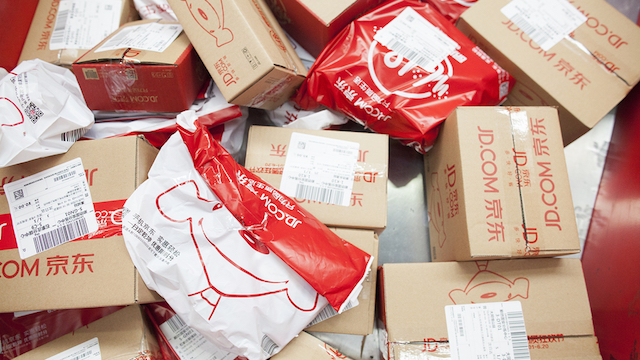
    JD.com, one of China’s leading online retailers, is set to acquire German electronics retailer, Ceconomy. The acquisition deal is worth an estimated 2.2 billion euros (US$2.5 billion). This strategic move signals JD.com’s intentions to expand beyond its domestic market.

    The Details of the Acquisition

    Ceconomy operates under the renowned MediaMarkt and Saturn brands. The acquisition will grant JD.com, a competitor of international giants like Alibaba and Amazon, access to one of Europe’s most extensive online electronic goods platforms, as well as a network of approximately 1000 stores spanning several European nations. The two chains currently employ around 50,000 individuals.

    The deal, announced recently, prices Ceconomy at 4.60 euros per share. CEO Kai-Ulrich Deissner revealed that the deal is expected to be finalized in the first half of the upcoming year.

    According to Deissner, JD.com is the perfect partner at this opportune time. He expressed enthusiasm about the partnership, noting that it would provide them with unrivaled access to cutting-edge technologies, unparalleled retail expertise, and world-leading supply chains.

    Deissner also affirmed that both Ceconomy’s management board and supervisory board would recommend acceptance of the offer to its shareholders. Furthermore, the company’s Duesseldorf headquarters will continue to operate as usual.

    Implications of the Acquisition

    Sandy Xu, CEO of JD.com, has voiced her commitment to working with the team to bolster their capabilities, while also utilizing their advanced technology to expedite Ceconomy’s ongoing transformation.

    Xu added that their objective is to foster Ceconomy’s growth across Europe, thereby creating long-term value for their customers, employees, investors, and local communities.

    The Kellerhals family, Ceconomy’s largest single shareholder, owning just under 30 per cent of the shares, has accepted an offer for 3.81 per cent of its shares. The family intends to retain its investor status, maintaining approximately 25.35 per cent stake.

    Other shareholders, Haniel, Beisheim, BC Equities, and Freenet – who collectively hold about 27.9 per cent of the shares – intend to sell their shares to JD.com.

    Deissner assured that there would be no compulsory redundancies within three years of closing the transaction. He also expressed confidence in avoiding any significant issues from antitrust authorities.

    Impact on Ratings

    Acquiring Ceconomy could potentially fortify JD.com’s presence in Europe significantly. In the wake of the acquisition, JD.com stands to benefit from the more than 1000 stores operating under the MediaMarkt and Saturn brands, not to mention its healthy online presence, which contributes to 24 per cent of sales.

    According to Fitch Ratings, this acquisition could potentially enhance Ceconomy’s credit profile, given JD.com’s strong credit profile. As one of the world’s largest e-commerce platforms, JD.com’s $160 billion revenue from retail, technology, logistics, and healthcare sectors could be a game-changer.

    Questions & Answers

    What is the estimated value of the acquisition deal between JD.com and Ceconomy?
    The acquisition deal is valued at approximately 2.2 billion euros (US$2.5 billion).

    How will the acquisition of Ceconomy benefit JD.com?
    The acquisition will grant JD.com access to one of Europe’s largest online platforms for electronic goods and a network of nearly 1000 stores across several European countries.

    What are the implications of the acquisition deal for Ceconomy’s shareholders?
    The Kellerhals family will sell 3.81 per cent of its shares but intends to remain an investor. Other shareholders, including Haniel, Beisheim, BC Equities, and Freenet, intend to sell their shares to JD.com.

  • Global Coal Demand Expected to Remain Steady Through 2025-2026, Analysis Reveals

    Global Coal Demand Expected to Remain Steady Through 2025-2026, Analysis Reveals

    China’s coal demand is anticipated to experience a modest decline this year, a turn of events that reflects broader trends in the global energy landscape. The International Energy Agency (IEA) projects that overall global coal consumption will remain stable, continuing on a plateau throughout 2024 and 2025, despite some short-term market fluctuations seen in the first half of 2025.

    Global Coal Demand Holds Steady

    “We expect the world’s coal consumption to remain broadly flat this year and next, as previously forecasted,” stated Keisuke Sadamori, the IEA Director of Energy Markets and Security. However, he cautioned that fluctuations related to weather and the unpredictable economic and geopolitical landscape could still arise.

    The IEA’s recent Coal Mid-Year Update revealed that global coal demand surged to an unprecedented high in 2024, climbing by 1.5% to reach 8.8 billion tonnes. This spike was largely fueled by increased usage in major coal-hungry nations like China, India, and Indonesia, effectively outweighing declines in advanced economies throughout Europe, North America, and Northeast Asia.

    Shifts in Energy Consumption Patterns

    Yet, the narrative took a twist in the first half of 2025, as demand in China and India softened, attributed to a slowdown in electricity consumption and a robust surge in power generation from renewable sources. On the other side of the globe, coal consumption in the United States saw an approximately 10% increase, driven by rising electricity demand and escalated natural gas prices prompting greater reliance on coal for power generation. Meanwhile, the European Union’s coal demand remained steady, balancing declines in industrial usage with heightened electricity generation needs.

    What Lies Ahead for Coal Production

    While the report acknowledges these transient shifts in demand, it underscores that the fundamental factors influencing global coal consumption are largely unchanged. The IEA forecasts a slight uptick in coal demand for 2025, followed by a subtle decrease in 2026, nudging demand just below 2024 levels. Specifically for China, coal demand is expected to dip slightly by less than 1% this year, maintaining the power sector as the primary driver for coal use both domestically and internationally.

    Looking forward, global coal production is set to reach a new peak in 2025, propelled by ongoing growth in output from China and India. However, by 2026, production is likely to decline as soaring stock levels and plummeting prices begin to impact supply. It appears that as renewables take the stage, coal may find itself igniting a slow fade.

    Questions & Answers

    What is the projected trend for China’s coal demand this year?
    Coal demand in China is expected to decline slightly by less than 1% this year, influenced by weaker electricity consumption and stronger growth in renewable energy sources.

    How did global coal demand perform in 2024?
    Global coal demand reached an all-time high in 2024, increasing by 1.5% to a total of 8.8 billion tonnes, largely due to rising consumption in major markets like China, India, and Indonesia.

    What are the expectations for coal production globally in the coming years?
    Global coal production is anticipated to hit a new record in 2025, propelled by ongoing increases in China and India, but is expected to decline by 2026 due to high stock levels and decreasing prices impacting supply.

  • Hang Seng Bank Reports 30% Profit Drop to HK$6.88 Billion in First Half of 2025.

    Hang Seng Bank Reports 30% Profit Drop to HK$6.88 Billion in First Half of 2025.

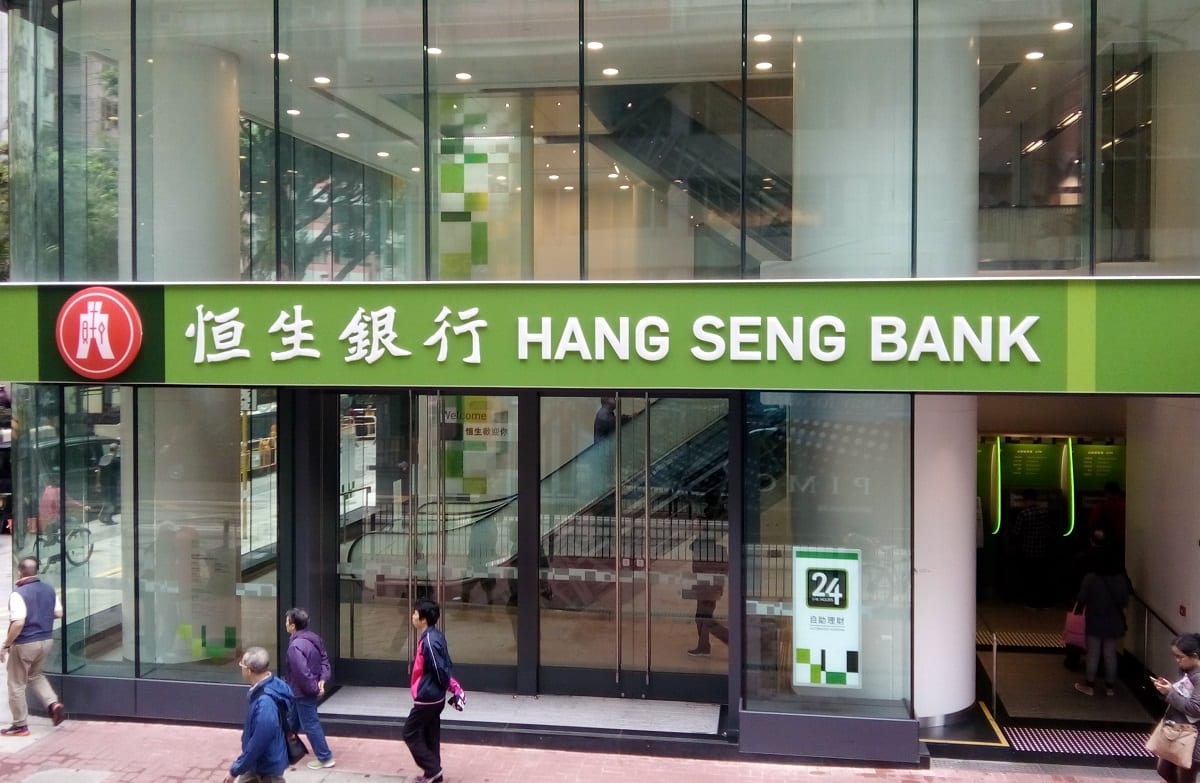
    In a challenging first half of 2025, Hang Seng Bank reported a significant profit drop, with net earnings attributable to shareholders plummeting by 30% to $876.45 million (HK$6.88 billion). The bank’s operating profit also took a hit, declining 25% to $1.09 billion (HK$8.55 billion), while earnings per share fell to HK$3.34, down 34% from the previous year. This financial dip underscores the pressures currently faced by banks as they navigate a turbulent economic landscape.

    Emerging Diversification Strategies

    Despite the declines in traditional profit areas, Hang Seng Bank found a silver lining as fees and other income surged by 34% during the same period. This strategy of diversification appears to be paying off, with these revenues now accounting for 31.6% of the bank’s total income, a marked increase from 25.9% at the end of 2024. This adaptation could be likened to an athlete finding new gear in a marathon — every bit helps in an uphill race.

    Prudent Risk Management Amid Market Uncertainties

    Chief Executive Diana Cesar referred to the first half of the year as “demanding,” attributing the bank’s struggles to multiple external factors. Ongoing trade disputes, persistently high interest rates, and a protracted downturn in the commercial property market have forced the bank to embrace a “prudent and proactive” approach to risk management. Consequently, the institution has boosted its provisions for expected credit losses (ECL) to $624.21 million (HK$4.9 billion), leading to a 28% decline in profit before tax, now sitting at $1.03 billion (HK$8.1 billion).

    Shareholder Returns and Future Outlook

    In a gesture to reassure shareholders, the bank has declared a second interim dividend of HK$1.3 per share, culminating in a total of HK$2.6 per share for the first half of 2025. Additionally, Hang Seng Bank plans to embark on a share buy-back program worth up to $382.16 million (HK$3 billion), marking a proactive step to stabilize its market position over the next six months. As of the end of June 2025, the bank reported a common equity tier 1 (CET1) capital ratio of a robust 21.3%. However, non-performing loans (NPLs) increased to 6.69%, reflecting ongoing credit strains, particularly in the property sector.

    Despite the current challenges, Cesar remains optimistic about potential growth. “We see early signs of recovery in the capital markets and a gradual improvement in the residential property sector. While hurdles remain, we are hopeful about Hong Kong’s long-term growth prospects,” she shared, evoking a sense of cautious optimism amidst uncertainty.

    Questions & Answers

    What factors contributed to Hang Seng Bank’s profit decline in the first half of 2025?
    The bank faced significant challenges including trade tariffs, high-interest rates, and a downturn in the commercial property market, which collectively impacted its earnings and led to increased provisions for credit losses.

    How has Hang Seng Bank adjusted its income strategy in response to financial pressures?
    The bank has diversified its revenue streams, resulting in a notable 34% increase in fees and other income, which now comprises a larger portion of its overall revenue.

    What is the outlook for Hang Seng Bank moving forward?
    Despite current challenges, CEO Diana Cesar expresses optimism, citing early signs of recovery in the capital markets and improvements in the residential property sector, fostering hope for long-term growth in Hong Kong.