Tag: China

  • “Swiss Watchmaking Hits the Global Stage: A Journey from Shanghai to Dubai”

    “Swiss Watchmaking Hits the Global Stage: A Journey from Shanghai to Dubai”

    The highly anticipated 2025 edition of the Grand Prix d’Horlogerie de Genève (GPHG) world tour kicked off yesterday in Shanghai, with the iconic Bund 33 serving as a stunning backdrop for the exhibition’s launch. Running until October 8, the showcase features 84 nominated watches and six mechanical clocks vying for top honors this year.

    In collaboration with Hantang Culture, the event showcases over 50 prestigious brands, presenting a curated display that pays homage to the Chinese cyclical understanding of time. This year’s exhibition is not just a highlight of watchmaking artistry but also commemorates 75 years of diplomatic relations between China and Switzerland.

    “For more than two decades, Hantang Culture has evolved alongside the fine watchmaking industry,” remarked Jessica Yu, Founder and President of Hantang Culture. Hosting the GPHG in Shanghai, she described it as both a “cultural rediscovery” and “a powerful statement of renewed confidence within the industry.”

    Raymond Loretan, President of the GPHG Foundation, emphasized the significance of China as a key player in the global watch market. “Launching our world tour in Shanghai holds special importance,” he stated, expressing gratitude to Hantang Culture for bridging the worlds of Swiss watchmaking and Chinese time concepts.

    From Shanghai to Dubai: A Global Journey

    Following its Shanghai debut, the exhibition will make its way to Istanbul for the first time from October 15 to 20. Afterward, it will transition to Geneva’s Musée d’Art et d’Histoire from October 29 to November 16. The prestigious awards ceremony is set for November 13 in Geneva, marking the 25th iteration of the GPHG and will be broadcast live on gphg.org at 6 p.m. CET. The winning timepieces will then be showcased at Dubai Watch Week from November 19 to 23.

    This year’s GPHG spotlights 90 nominated creations competing for 20 awards, including the coveted “Aiguille d’Or” Grand Prix. The exhibition not only highlights the creativity and craftsmanship of contemporary horology but also serves as a fascinating cultural bridge spanning both East and West—who knew time could be such an art form?

    Questions & Answers

    What is the significance of the GPHG world tour starting in Shanghai?
    The tour’s Shanghai launch highlights China’s dynamic market and its growing influence in the global watch industry, marking a cultural exchange between Swiss craftsmanship and Chinese perspectives.

    How many nominated pieces are featured in this year’s GPHG?
    This year, the GPHG has gathered 90 nominated timepieces competing for 20 prestigious awards.

    When will the awards ceremony take place, and where?
    The awards ceremony will be held in Geneva on November 13, coinciding with the 25th edition of the GPHG, and will be broadcast live for global watch enthusiasts to tune in.


  • Alibaba: Innovations And Investments Fueling Growth Amid Asia’s Retail Revolution

    Alibaba: Innovations And Investments Fueling Growth Amid Asia’s Retail Revolution

    The retail landscape in Asia is undergoing a transformative shift, with e-commerce platforms rapidly evolving to meet the dynamic demands of consumers. Amid this digital revolution, Alibaba Group has emerged as a titan, showcasing impressive financial results that underscore its pivotal role in the region’s retail ecosystem.

    Alibaba’s Surprising Resilience

    In its recent earnings report, Alibaba announced a staggering 14% year-on-year growth in revenue for the third quarter, generating approximately $38.7 billion. Much of this momentum can be attributed to a strategic focus on enhancing customer experience through artificial intelligence and tailored services. As more consumers turn to online shopping, Alibaba’s innovations are making it easier and more enjoyable than ever to browse and buy.

    Cultural Resonance Drives Unique Trends

    What sets Alibaba apart from its competitors isn’t just its technological prowess; it’s also its ability to tap into the cultural zeitgeist. By integrating local festivities and trends into its marketing strategies, Alibaba captivates customers across diverse demographics. The recent Double Eleven shopping festival, celebrated annually, saw sales skyrocket, proving once again that when it comes to combining commerce with culture, Alibaba knows how to throw a digital party that people want to attend.

    Investments Point to a Bright Future

    Looking ahead, Alibaba is doubling down on investment in logistics and digital infrastructure. With plans to channel these resources into improving customer service and expanding product offerings, the retail giant is clearly committed to maintaining its leadership role. Analysts suggest this forward-looking strategy will not only bolster Alibaba’s market position but also attract new partnerships and opportunities.

    In a surprising twist, the company plans to introduce a novel shopping experience that merges augmented reality with traditional retail. Imagine trying on clothes from the comfort of your home—who says innovation can’t be fun?

    Challenges Ahead

    However, Alibaba’s journey is not without obstacles. Intense competition from rivals like JD.com and Pinduoduo continues to heat up, as these companies also strive to innovate and capture a slice of the consumer pie. Balancing growth with regulatory challenges is another hurdle Alibaba must navigate carefully, particularly in light of increasing scrutiny from government bodies across Asia.

    Despite these challenges, Alibaba remains an indomitable force. Its ongoing investments and strategic collaborations suggest that the retail giant is preparing to not just survive but thrive in a fast-evolving market.

    Questions & Answers

    What factors contributed to Alibaba’s recent revenue growth?
    Alibaba’s 14% year-on-year revenue increase can largely be attributed to its focus on enhancing customer experience through innovative technologies, particularly artificial intelligence, which has made shopping more convenient and engaging for consumers.

    How does Alibaba leverage cultural trends in its marketing?
    Alibaba cleverly integrates local cultural events, such as the Double Eleven shopping festival, into its marketing campaigns, engaging consumers by resonating with their lifestyle and traditions, which significantly boosts sales.

    What future strategies is Alibaba implementing to maintain its market position?
    The company plans to invest heavily in logistics and digital infrastructure, while also developing new shopping experiences combining augmented reality and traditional retail, indicating a commitment to innovative customer engagement and expanding its offerings.

  • Australian Beef Exports Surge Amid Us-china Trade Tensions: A Shift In Global Market Dynamics

    Australian Beef Exports Surge Amid Us-china Trade Tensions: A Shift In Global Market Dynamics

    The Australian beef industry has recently experienced a surge in exports to China, taking market share formerly held by the US. This shift has transpired in the wake of US President Donald Trump’s return to the White House and the ensuing trade tensions between the US and China. The shift of trade from the US to Australia has channelled hundreds of millions of dollars that were once funneled into the US cattle industry into Australian coffers.

    A Shift in Beef Trade

    US beef exports to China, which were valued at approximately A$182 million per month, experienced a significant decline when permits at several American meat facilities were allowed to expire by Beijing in March. This situation was further exacerbated by the trade war initiated by Trump. Other agricultural exports from the US to China have also taken a hit since Trump resumed power. The most notable among these is soybeans, with US farmers missing out on billions of dollars’ worth of exports in the current harvest season.

    In addition to these factors, US beef exports have generally been on a downward trend in recent years due to drought conditions shrinking the national cattle herd, leading to reduced production and record high prices. However, the slump in trade with China has been both more sudden and severe.

    According to Chinese trade data, the value of US beef exports to China dropped dramatically to just $12 million in July and $14 million in August, compared to $179 million and $189 million during the same period a year earlier.

    Australia’s Beef Boom

    Simultaneously, Australia has seen a surge in its beef exports to China. These shipments have soared from $212 million a month in the two years leading up to March to $335 million in July and $342 million in August. From April through August, US beef exports to China were valued at $587 million less than if trade had remained at the average levels from the previous two years. During this same period, Australian shipments were worth $474 million more.

    While Brazil, China’s largest beef supplier, has also increased its exports in recent months, Australia has reaped the most benefits due to its grain-fed beef, which most closely resembles US products.

    Matt Dalgleish, a meat and livestock analyst at Australian consultancy firm Episode 3, noted that this shift has been beneficial for Australia, helping to drive up cattle prices.

    The Future of Beef Trade

    Despite these changes, there is potential for US beef exports to rebound. Trade negotiations between Beijing and Washington could potentially end the current impasse, according to Joe Schuele, a spokesperson for the US Meat Export Federation.

    Even in the case of a trade agreement being reached, it could still take several years for the US to regain its former market share, according to Dalgleish. This is due in part to Australia’s beef production reaching an all-time high and its meat being significantly cheaper than that of the US.

    Adding another layer of complexity to the situation is an ongoing investigation by Beijing into beef imports, which could potentially result in trade restrictions to address a surplus of beef in China. The outcome of this investigation is expected to be released by November 26.

    Questions & Answers

    What caused the shift in beef exports from the US to Australia?
    This shift can be attributed to a combination of expired permits for American meat facilities, initiated trade war by President Donald Trump, and drought conditions in the US which led to reduced beef production.

    How has this shift impacted Australia’s economy?
    This shift has resulted in a boom for the Australian beef industry, driving up cattle prices and channeling hundreds of millions of dollars into the Australian economy.

    What could potentially alter the current state of beef trade?
    Potential changes in the beef trade could be prompted by the ongoing Beijing investigation into beef imports and the outcome of ongoing trade negotiations between the US and China.

  • Alibaba And Jd.com: Transforming China’s Retail Landscape Amidst Rising Consumer Expectations

    Alibaba And Jd.com: Transforming China’s Retail Landscape Amidst Rising Consumer Expectations

    China’s retail sector is experiencing a transformative moment, marked by the strategic rise of two formidable players: Alibaba and JD.com. This dynamic shift mirrors broader trends reshaping the region’s e-commerce landscape, where Chinese consumers are becoming increasingly discerning and adept at navigating their shopping choices.

    The Rise of Online Retail Titans

    As the pandemic prompted significant changes in consumer habits, both Alibaba and JD.com have consolidated their positions, further entwining themselves in the daily lives of shoppers across the nation. Alibaba reported a staggering 15% growth in annual revenue, further highlighting the platform’s ability to adapt to the evolving market conditions. Meanwhile, JD.com showed its mettle, achieving a 10% increase in retail sales during the same period, which underscores its commitment to enhancing customer satisfaction through improved delivery services and product offerings.

    Aligning with Consumer Trends

    As Chinese consumers increasingly gravitate towards convenience and quality, these giants are innovating to meet those expectations. Alibaba’s focus on integrating online and offline shopping experiences has proven vital. The company’s ‘New Retail’ strategy, which seamlessly blends digital and traditional retail, is resonating well with tech-savvy consumers. This approach has not only driven sales but has also increased the frequency of consumer spending.

    A Competitive Landscape

    The competition is fierce. Both Alibaba and JD.com are racing to capture the hearts (and wallets) of a rapidly evolving customer base. While Alibaba has successfully leveraged its vast data analytics capabilities to personalize shopping experiences, JD.com is not far behind with its focus on logistics and delivery efficiency; it’s not just about what you buy, but how quickly you can get it. In this digital age, waiting days for a package is as antiquated as using a typewriter.

    Future Prospects: What Lies Ahead

    Looking to the future, these retail titans are aware that innovation is crucial. Both companies are investing heavily in artificial intelligence and other emerging technologies to streamline operations and enhance user experience. Analysts predict that this power struggle will only intensify, as consumer expectations continue to rise, pushing both brands to new heights in the quest for market supremacy. Whether it’s through AR-driven shopping experiences or drone deliveries, one thing is clear: the race is just getting started.

    Questions & Answers

    How are Alibaba and JD.com adapting to changing consumer preferences?
    Both companies are embracing innovation, with Alibaba focusing on a seamless integration of online and offline experiences, while JD.com emphasizes logistical efficiency and fast delivery times to enhance customer satisfaction.

    What impact has the pandemic had on the retail landscape in China?
    The pandemic has accelerated the shift towards e-commerce, leading to significant revenue growth for both Alibaba and JD.com as consumers increasingly prefer online shopping.

    What future developments can we expect from these retail giants?
    Expect continued investment in emerging technologies, such as artificial intelligence and augmented reality, as both companies strive to enhance user experiences and meet rising consumer demands.

  • Uniqlo To Open Largest Flagship Store In Shanghai: A Fusion Of Fashion, Sustainability, And Technology

    Uniqlo To Open Largest Flagship Store In Shanghai: A Fusion Of Fashion, Sustainability, And Technology

    Once again, China’s industrial landscape is buzzing with activity as renowned fast-fashion brand Uniqlo makes its latest move to capture the hearts of local consumers. The company has announced plans to open its largest flagship store in Shanghai this Friday, covering an impressive 4,000 square meters in the bustling heart of Huaihai Road, a district synonymous with style and culture. This flagship store is set to become a mecca for fans of the brand, equipped with an extensive range of offerings that reflect the latest in apparel trends while keeping Uniqlo’s signature simplicity and comfort in mind.

    New Heights in Urban Retail

    Uniqlo is not merely expanding its footprint; it is embracing a new era of urban retail. This forthcoming flagship store promises a shopping experience tailored to both local tastes and global trends. “Shanghai exemplifies the forward-thinking spirit of urban life,” said a Uniqlo spokesperson, adding a poetic twist to the brand’s commitment to innovation. With the new store, Uniqlo aims to provide both aesthetics and functionality that resonate with the fast-paced lifestyle of city dwellers.

    Focus on Sustainability and Local Culture

    True to its mission, Uniqlo is putting sustainability at the forefront of its operations. Many of the items in the new flagship will feature eco-friendly materials, reinforcing the brand’s dedication to reducing its environmental impact. In addition, the store will showcase local artists through engaging displays, blending fashion with cultural creativity. Customers can expect to encounter a vibrant mural that reflects the city’s spirit and diversity, an artful touch that adds flair to the shopping environment.

    A Store Like No Other

    What’s particularly striking about this store, however, is its integration of technology. With interactive kiosks and augmented reality elements enhancing the shopping experience, customers are invited to engage with products in new, imaginative ways. It almost feels as if the store could come alive and recommend outfits based on your mood, adding an element of whimsy to the retail journey.

    As Uniqlo gears up for this grand opening, it’s clear that the brand is not just setting up a new retail outlet but is making a bold statement about the future of shopping in a rapidly evolving market. The store not only serves as a retail location but as a cultural hub, bringing together fashion, technology, and sustainability under one roof.

    Questions & Answers

    What is unique about Uniqlo’s new flagship store in Shanghai?
    The flagship store stands out with its massive 4,000 square meters of space, interactive technology, and a focus on sustainability, offering customers a distinctive shopping experience that integrates fashion with local culture.

    How does Uniqlo plan to incorporate local culture into its flagship store?
    Uniqlo is incorporating local culture by featuring displays from local artists and a vibrant mural that reflects the city’s spirit, blending fashion with the rich cultural tapestry of Shanghai.

    What are some of the eco-friendly initiatives within the new store?
    The flagship will showcase items made from sustainable materials, aligning with Uniqlo’s commitment to reducing its environmental impact and promoting responsible consumption.

  • Alibaba Strategically Pivots Operations Amid Market Fluctuations: Eyes Innovation Beyond E-commerce

    Alibaba Strategically Pivots Operations Amid Market Fluctuations: Eyes Innovation Beyond E-commerce

    In a decisive move emblematic of shifting retail landscapes, Alibaba has unveiled its plan to reallocate resources in order to bolster its business operations. The e-commerce giant, known for its expansive digital ecosystem, is strategically pivoting to enhance profitability and address market fluctuations. This comes in the wake of a recent earnings report that unveiled a 19% decline in net income for the fourth quarter, a development that has sparked discussions among investors and analysts alike.

    Restructuring for Resilience

    Alibaba’s new plan involves a restructuring that will witness the technological infrastructure receiving a significant overhaul. By consolidating various operations, the company aims to streamline processes and improve efficiency, thereby fostering a more agile framework to respond to the rapidly changing market demands. This change may not only rejuvenate Alibaba’s core businesses but also lay the groundwork for innovative retail solutions.

    Challenging the traditional retail model, Alibaba’s response underscores a growing trend within the Asian retail space where companies are increasingly relying on data-driven strategies to navigate uncertainty. The decentralized model, often hailed as the way forward, appears to be facing its own tests as businesses seek to adapt swiftly.

    The Competitive Edge: Going Beyond E-commerce

    Interestingly, Alibaba is looking beyond e-commerce, aiming to utilize its technological resources to penetrate emerging areas such as cloud computing and digital media. With the average consumer spending increasingly moving online, it seems Alibaba is not just content with being a marketplace but aspires to be a comprehensive service provider that fulfills various aspects of everyday life—from shopping to cloud computing.

    Some industry experts are raising eyebrows—could Alibaba’s ambitions turn it into the Swiss Army knife of retail? With strong competition from rival platforms cropping up, innovation within its business model is paramount for sustaining its leading edge.

    Future Prospects: What Lies Ahead

    Looking ahead, Alibaba’s latest strategy opens the door to exciting possibilities. Investors are closely monitoring the company’s next moves, especially as the firm navigates through turbulent waters. There’s an undeniable excitement about how these changes will play out in a digital economy that thrives on connectivity and innovation.

    Questions & Answers

    What prompted Alibaba to restructure its operations?
    The restructuring plan was largely influenced by a 19% decline in net income reported in their fourth quarter earnings, prompting the company to enhance efficiency and profitability in response to market fluctuations.

    Beyond e-commerce, what areas is Alibaba looking to explore?
    Alibaba plans to leverage its technological assets to delve into cloud computing and digital media, aiming to become a comprehensive service provider for consumers.

    How are analysts reacting to Alibaba’s new business strategy?
    Analysts are cautiously optimistic, noting that the restructuring could foster innovative retail solutions and enhance the company’s competitive edge in an increasingly digital marketplace.

  • China’s Power Revolution: Solar Energy Sparks Remarkable Growth in the Retail Sector

    China’s Power Revolution: Solar Energy Sparks Remarkable Growth in the Retail Sector

    As the world of retail continues to evolve, Asia stands at the forefront of innovation, particularly in the realm of fashion. A recent report underscores this rapid transformation, revealing that the region’s online fashion market is projected to reach a staggering $45.8 billion by 2025. This explosive growth highlights not just a change in consumer behavior but the critical role of technology in shaping the shopping experience.

    The Digital Shift: A New Era for Retail

    Across Asia, digital commerce is no longer a novelty; it has become a necessity. In markets like China and India, the penetration of e-commerce has fundamentally altered the landscape, with mobile shopping emerging as a dominant trend. Recent figures show that mobile transactions in these countries are expected to account for nearly 70% of all online retail sales. If you’ve ever tried to decide between shopping in pajamas or squeezing into your best jeans, the choice is clear—comfort reigns supreme.

    Consumer Trends on the Rise

    The report highlights a fascinating shift in consumer preferences. Today’s shoppers are not just searching for the latest styles; they crave authenticity and sustainability. Brands that can effectively convey their commitment to ethical practices are winning consumer loyalty. Moreover, social media is increasingly serving as a critical touchpoint—platforms like Instagram and TikTok are not just influencing purchases but are also becoming essential venues for brands to engage with their audience.

    Challenges Amid Growth

    Despite its promising future, the retail sector in Asia faces significant challenges. Supply chain disruptions and rising operational costs are keeping many executives on their toes. Yet, this environment is also ripe for innovation, with companies investing in technology and logistics to streamline operations. As retailers rethink their strategies, agility and adaptability will likely become the cornerstones of success.

    Looking Ahead: What’s Next for Asia’s Retail Scene?

    As we peer into the future, there’s no doubt that Asia will continue to lead in retail innovation. With a younger, tech-savvy demographic and an ever-growing appetite for online shopping, opportunities are plentiful. Retailers are likely to explore collaborations, enhance their digital platforms, and potentially venture into the metaverse, blurring the lines between virtual and physical shopping experiences, and who knows, maybe even launching a fashion line you can only wear in a digital world.

    Questions & Answers

    What is the expected value of Asia’s online fashion market by 2025?
    The online fashion market in Asia is projected to reach $45.8 billion by 2025.

    How significant are mobile transactions in Asia’s online retail sales?
    Mobile transactions are expected to account for nearly 70% of all online retail sales in major markets like China and India.

    What trends are shaping consumer behavior in the Asian retail market?
    Consumers are increasingly valuing authenticity and sustainability, with social media playing a vital role in influencing their purchasing decisions.

  • Tokyo Streetwear Label 9090 Breaks Into Chinese Market, Championing 90s Nostalgia For Gen Z Shoppers

    Tokyo Streetwear Label 9090 Breaks Into Chinese Market, Championing 90s Nostalgia For Gen Z Shoppers

    Born and bred in Tokyo, the streetwear label 9090 has recently made its debut in the Chinese market. This expansion was facilitated via collaborations with Yutori Group and BranDNA, with the first step being the launch of a pop-up store in Shanghai.

    9090 is recognized for its unique fusion of a nostalgic 90s youth culture and contemporary streetwear design. The label’s distinct style is what sets it apart from the competition.

    BranDNA’s CEO, James Chen, attributes the introduction of this Japanese brand to the demands of China’s Gen Z consumers. He stated that these young shoppers are on the lookout for individuality, cultural depth, and affordable yet trendy fashion.

    Chen explained, “The rebellious spirit embodied by the 1990s deeply resonates with this generation. We believe that 9090 has the potential to set fresh trends in the market.”

    To further establish 9090’s presence in China, Yutori and BranDNA have plans to broaden the brand’s reach. These include opening more pop-up stores, forming retail partnerships, and pursuing collaborations, with the end goal being to make this brand more easily accessible to local consumers.

    BranDNA has previously successfully introduced over 40 international brands into the Chinese market, comprising top labels like 7 For All Mankind, BCBG Maxazria, Ben Sherman, Hydrogen, Body Glove, Dakine, Porsche Design, Bric’s, and Borghese.

    Questions & Answers

    What is the 9090 brand known for?
    The 9090 brand is renowned for its fusion of nostalgic 90s culture and modern streetwear aesthetics.

    Why did BranDNA introduce the 9090 brand to China?
    BranDNA CEO James Chen cited the demands of Gen Z consumers for personalized, culturally rich, and affordable trendy fashion as the reason behind the introduction of 9090 to the Chinese market.

    How do Yutori and BranDNA plan to expand 9090’s presence in China?
    The expansion plans include opening additional pop-up stores, establishing retail partnerships, and initiating collaborations to make the brand more available to local consumers.

  • Revolutionizing Parenthood: Meet the ‘Gestation Robot’ Transforming AI in Reproductive Health

    Revolutionizing Parenthood: Meet the ‘Gestation Robot’ Transforming AI in Reproductive Health

    Kaiwa Technology, a forward-thinking Chinese tech firm, is making headlines with its ambitious plan to develop what may become the world’s first “gestation robot.” Set to hit the market in 2026 and priced at approximately USD 13,900, this humanoid robot boasts a revolutionary artificial womb designed to carry a fetus through the entire ten-month gestation period.

    This groundbreaking innovation aims to provide an alternative pathway for individuals unable or unwilling to experience the trials of human pregnancy. However, the announcement has sparked an intense global debate, raising a host of ethical questions even as it offers a glimmer of hope to couples facing infertility challenges.

    Building on Past Breakthroughs

    The concept is not entirely new; it follows in the footsteps of the groundbreaking 2017 “biobag” experiment, where researchers successfully nurtured a premature lamb. With advances in artificial intelligence and biotech reshaping the landscape of reproductive technology, the gestation robot marks a bold—and to some, entirely controversial—leap into the next chapter of human procreation.

    For those watching this space, it’s hard not to feel a mix of excitement and trepidation. After all, one wonders if the future of childbirth might include a friendly robot as a maternal stand-in—imagine a cuddly android ushering a new generation into the world!

    Questions & Answers

    What is the primary function of Kaiwa Technology’s gestation robot?
    The gestation robot is designed to replicate human pregnancy by providing an artificial womb that can carry a fetus through a ten-month period.

    When is Kaiwa Technology planning to release this robot?
    The company is scheduled to introduce the gestation robot to the market in 2026.

    What kind of ethical concerns are being raised by this innovation?
    The introduction of the gestation robot has sparked a debate regarding the implications of technology on natural reproduction, including concerns over the ethical boundaries of artificial procreation and the potential impact on societal norms surrounding motherhood.

  • Saizeriya Sets Sights On Doubling China Presence With Local Production Strategy By 2035

    Saizeriya Sets Sights On Doubling China Presence With Local Production Strategy By 2035

    Saizeriya, a Japanese-owned Italian restaurant chain, has unveiled an ambitious plan to double its presence in China from its current footprint to approximately 1,000 outlets by the year 2035.

    Expansion Strategies and Local Production

    In order to facilitate its expansion, Saizeriya established a subsidiary in Wuhan in July. Furthermore, they have plans to inaugurate a $30 million plant in Guangzhou next year. This new plant will produce local ingredients, including sauces, pasta, and pizza.

    The restaurant chain aims to attract “cost-conscious” consumers with its pricing strategy. As an illustration, at its Shanghai branches, Milan-style rice is priced at 15 yuan (roughly $2), and squid-ink pasta is available for 16 yuan.

    Noboru Nagaoka, the General Manager for overseas business, provided insight into the company’s performance. According to Nagaoka, the company currently generates an annual operating income of $40 million, a figure that is triple the amount earned from its operations in Japan.

    “We initially wanted to challenge the notion that Western food had to be expensive. Our goal was to demonstrate that genuine Italian meals could also be affordable,” he explained.

    Established Presence and Future Growth

    Saizeriya launched its first branch in Guangzhou in 2007, followed by a branch in Beijing in 2008. Recently, in July, the restaurant chain established a head office in Guangdong Province. This office is responsible for managing its operations in China and standardizing menu development.

    Nagaoka stated, “The Chinese market is of utmost importance to us. Our profits from this market have already surpassed those from Japan. Moreover, the potential for future growth in China is much larger.”

    To continue expanding its presence in the Chinese market, Saizeriya plans to open a minimum of 50 new stores per year. This would align its presence in China with the approximately 1050 restaurants it currently operates in Japan.

    Questions & Answers

    What is Saizeriya’s expansion plan for China?
    Saizeriya aims to double its presence in China to about 1,000 outlets by 2035.

    How does Saizeriya plan to support its expansion in China?
    The company plans to open a $30 million plant in Guangzhou to produce local ingredients. Additionally, a subsidiary has been established in Wuhan, and a head office has been set up in Guangdong Province to manage operations and standardize menu development.

    What is Saizeriya’s pricing strategy?
    Saizeriya targets “cost-conscious” diners by offering affordable prices for its dishes. For instance, at its Shanghai branches, Milan-style rice is priced at 15 yuan, and squid-ink pasta is available for 16 yuan.

  • UOB Joins Forces with Hengfeng Bank and Shangao Holdings to Propel Chinese Firms’ Global Expansion

    UOB Joins Forces with Hengfeng Bank and Shangao Holdings to Propel Chinese Firms’ Global Expansion

    UOB has embarked on an exciting collaboration with Hangfeng Bank Co. Ltd. and Shangao Holdings Group Limited, marking a significant stride toward fostering green development and infrastructure. Announced on September 18, 2025, this tripartite memorandum of understanding aims to enhance financial solutions that empower Chinese businesses seeking to extend their reach overseas, particularly in areas tied to sustainable transformation.

    Empowering Cross-Border Trade and Investment

    The partnership will focus on a myriad of financial services, including cross-border trade financing, investment banking, and tailored advisory services that resonate with the goals of the Belt and Road initiative. As the global focus shifts towards sustainability, UOB’s initiative underscores a pivotal blend of finance and environmental consciousness.

    Profiles in Investment: Shangao and Hangfeng

    Shangao Holdings, a subsidiary of Shandong Hi-Speed Holdings Group, has carved a niche in industrial investments revolving around new energy and infrastructure. The company plays a crucial role in managing vital transportation assets like toll roads, bridges, and rail transit facilities. Meanwhile, Hangfeng Bank, rooted in Shandong province, is celebrated for its transaction banking prowess and cross-border capabilities—ideal complements to UOB’s expansive regional network and Shangao’s investment acumen.

    A Remarkable Signing Event

    The memorandum was officially signed at the opening ceremony of the 2025 Singapore-Shandong week held at Marina Bay Sands, a fitting venue for such an ambitious partnership. UOB’s executive director for corporate wealth management, Janice Leong, represented the bank, joined by Shen Zhenghua, general manager of Hangfeng Bank’s transaction banking department, and Li Tianzhang, chairman of Shangao Holdings Group. The trio’s signatures symbolize a commitment to not only growth but also to a greener future, proving that when money talks, it can also advocate for the planet.

    Questions & Answers

    What are the main objectives of the partnership between UOB, Hangfeng Bank, and Shangao Holdings?
    The primary goals include providing financial solutions that support Chinese enterprises expanding internationally, with a focus on sectors aligned with green transformation, such as sustainable infrastructure.

    How will the collaboration benefit businesses in China?
    This partnership will facilitate cross-border trade financing and investment banking services, thereby easing international expansion for Chinese businesses while promoting sustainable practices.

    Where was the memorandum of understanding signed?
    The MOU was signed during the opening ceremony of the 2025 Singapore-Shandong week at the prestigious Marina Bay Sands in Singapore.

  • China Mobile International Showcases Global Infrastructure Insights at ACC 2025 Masterclass

    China Mobile International Showcases Global Infrastructure Insights at ACC 2025 Masterclass

    At the Asian Carriers Conference (ACC) 2025 held in the picturesque Cebu, Philippines, China Mobile International (CMI) unveiled the potential of its global infrastructure in an engaging masterclass. The session, aimed at equipping operators with tools to leverage CMI’s extensive network and AI+ Smart Solutions, emphasized the transformative potential these technologies offer for various industries.

    Revolutionizing Traditional Models

    The masterclass kicked off with an exploration of recurring challenges within the industry. CMI pointed out that numerous sectors still cling to outdated, manual processes, which stifle efficiency and lack real-time insights. The takeaway was clear: telecom operators can no longer afford to limit themselves to connectivity; they must diversify service offerings and embrace innovative business models that enhance the delivery of high-value digital services. Who knew technology could transform industries faster than you could say “5G”?

    Smart Solutions for a Brighter Energy Future

    In a compelling showcase for the energy sector, CMI introduced its AI+ Smart Energy Integrated Solution. Designed to boost safety, facilitate environmental monitoring, and improve operational efficiency, this solution is a game-changer for smart city energy response systems. By providing real-time operational data, it allows enterprises to make faster, more informed decisions, illuminating the path to a more sustainable future.

    Finance in the Fast Lane

    Addressing the pressing needs of the financial sector, CMI outlined its AI+ Smart Finance solutions. These tools are crafted to enhance reach, ensure operational efficiency, and bolster security while promoting compliance and innovation. The integration of risk control, anomaly detection, AI-driven marketing, asset management, and intelligent customer service builds a robust framework for financial institutions, anchored by CMI’s international cloud-network infrastructure.

    Pioneering the Future of Manufacturing and Automotive

    The session also dove into ‘AI+ Smart Manufacturing and Automotive’, where CMI demonstrated how 5G private networks can revolutionize smart campus management. The technology allows for digital twin visualization on production lines and enhances logistics with real-time monitoring. This segment highlighted the future of manufacturing as not just automated but also interconnected, suggesting that the next production line might just be run by an AI assistant sipping virtual coffee.

    Embracing Change for Competitive Advantage

    Wrapping up the session, CMI urged carriers to broaden their service portfolios and rethink business models. By leveraging CMI’s advanced global infrastructure, operators can introduce innovative, AI-driven solutions that not only enhance their offerings but also amplify the overall value of their networks. In a rapidly evolving market, the message was unmistakable: adapt or be left behind.

    Questions & Answers

    What was the focus of China Mobile International’s masterclass at ACC 2025?
    The masterclass focused on how telecom operators can utilize CMI’s global network and AI+ Smart Solutions to overcome industry challenges, expand portfolios, and create higher-value digital services.

    How does CMI’s AI+ Smart Energy Integrated Solution benefit the energy sector?
    The solution enhances safety, supports environmental monitoring, and improves operational efficiency, providing real-time data that helps enterprises make quicker, informed decisions.

    What innovations did CMI present for the finance sector?
    CMI introduced AI+ Smart Finance solutions that integrate risk control, anomaly detection, AI-driven marketing, asset management, and intelligent customer service, all backed by their global cloud-network infrastructure.

  • Starbucks CEO Brian Niccol Lauds Luckin Coffee for Its Impressive Speed of Innovation

    Starbucks CEO Brian Niccol Lauds Luckin Coffee for Its Impressive Speed of Innovation

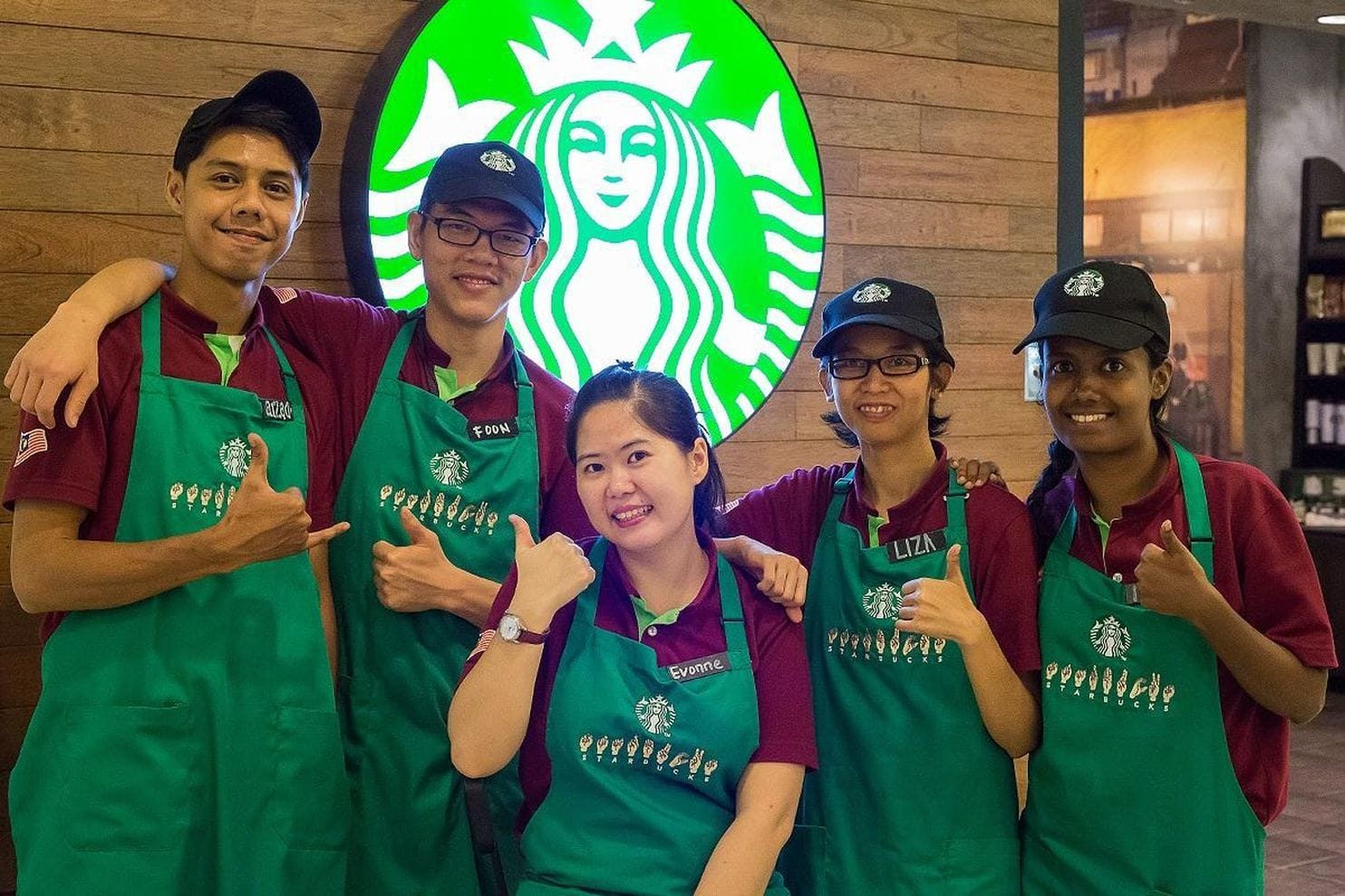
    Starbucks CEO Brian Niccol has recently extolled the virtues of Chinese rival Luckin Coffee, particularly praising the company’s rapid pace of product innovation. Speaking at the Fast Company Innovation Festival in New York, Niccol remarked, “The one thing that they probably have done a nice job of is just an unbelievable pace of product innovation.” His comments reflect a competitive acknowledgment that emphasizes the importance of adapting and evolving within the fast-paced coffee market. “It sets the tone for, ‘Hey, we cannot be complacent on flavors and drink combinations,’” he added.

    Striking a Balance: Innovative Menus and Smart Discounts

    Luckin Coffee has notably caught the attention of the market with its unconventional beverage offerings, like pineapple cold brew and coconut lattes, accompanied by aggressive discounts ranging from 30% to 50%. This strategy has played a crucial role in its meteoric rise, allowing the company to surpass Starbucks as the leading coffee chain in China, boasting an impressive 26,000 locations against Starbucks’ 8,000.

    A New Era of Order: Luckin’s App-Driven Experience

    An interesting distinction between the two coffee giants lies in Luckin’s operational model, which eschews cashiers in favor of an app-based ordering system. “They’ve done an interesting job on how they’ve turned the app into the only way you can interact with that business. It’s a different approach. I don’t think it’s the right approach for us,” Niccol remarked, highlighting Starbucks’ commitment to creating enriching in-store experiences over purely digital interactions.

    Starbucks’ Strategic Shift in China

    Amid this competitive landscape, Niccol emphasized that Starbucks is experiencing a “nice recovery” in China, achieved in part by reducing prices on select beverages. As part of its growth strategy, Starbucks is actively seeking a local partner to streamline its operations in the region and is looking to open “thousands” of new locations throughout the country. Could there be a Starbucks on every corner in China? Only time will tell.

    Questions & Answers

    What did Brian Niccol praise about Luckin Coffee during the Fast Company Innovation Festival?
    Niccol praised Luckin Coffee’s rapid pace of product innovation and emphasized that Starbucks must not become complacent in its flavor offerings.

    How does Luckin Coffee differentiate itself from Starbucks in terms of customer interaction?
    Luckin Coffee has eliminated cashiers and requires customers to order through its mobile app, unlike Starbucks, which focuses on enhancing in-store experiences.

    What is Starbucks’ strategy to recover its standing in the Chinese market?
    Starbucks is reducing prices on some drinks and is seeking a local partner to manage its operations, with plans to open thousands of new locations across China.

  • Muji’s Retail Revolution: Blending Digital Convenience With Enhanced In-store Experience In Asia

    Muji’s Retail Revolution: Blending Digital Convenience With Enhanced In-store Experience In Asia

    As the winds of change sweep across the retail landscape in Asia, an increasing number of chains are mastering the delicate art of balancing online convenience with in-store experience. This transformation, driven by the fast-evolving consumer preferences, has become essential for survival in the competitive market. Recently, major players like Japan’s Muji have unveiled strategies that reflect a deep understanding of this duality.

    Muji’s Emphasis on Omni-Channel Experience

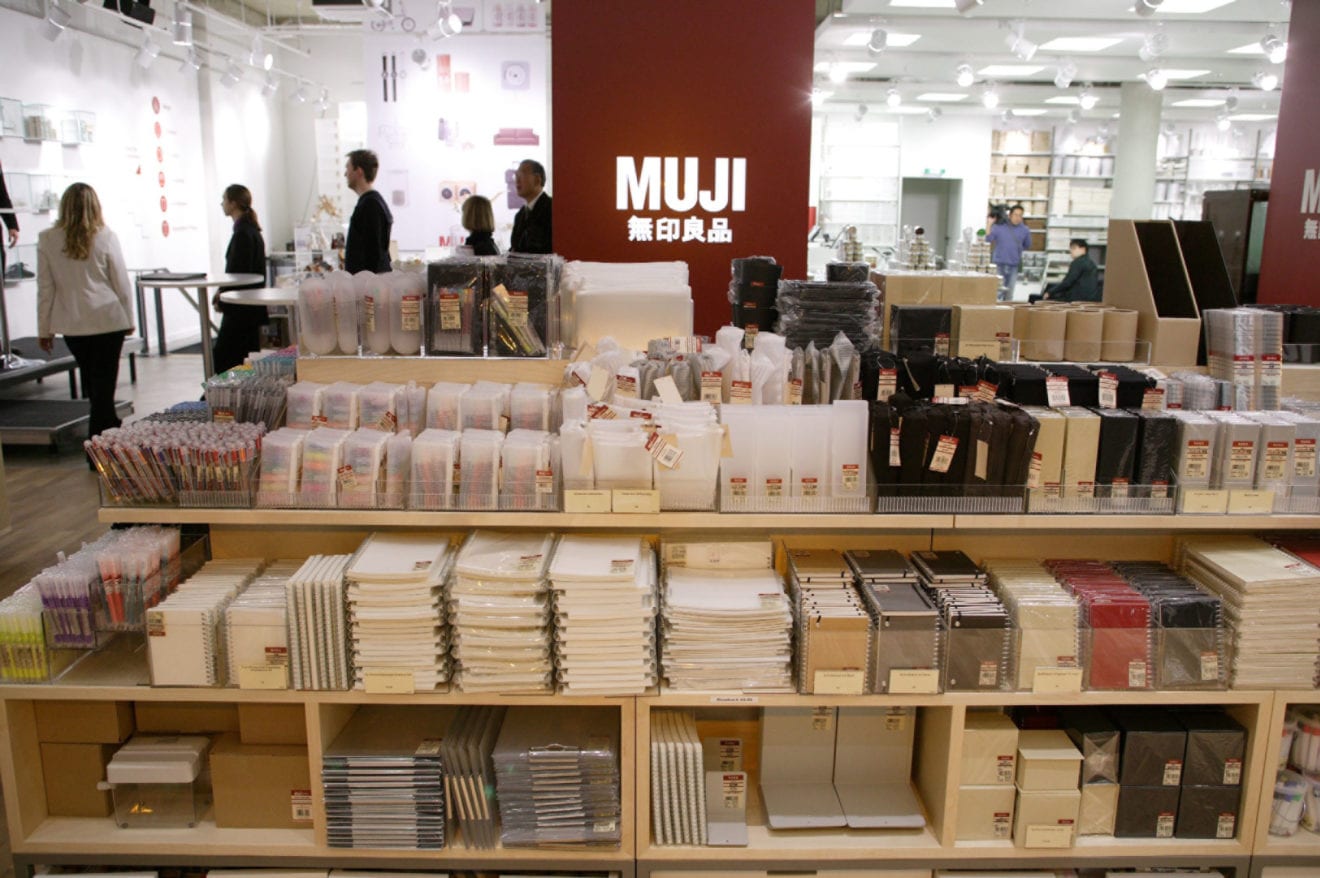
    In an industry increasingly leaning towards online shopping, Muji is steering its focus back to the physical space with a fresh perspective. The brand plans to enhance its in-store experiences by offering a curated selection of items designed to engage customers in an interactive environment. Imagine strolling through a thoughtfully designed space where products inspire creativity and ignite a sense of community. Such initiatives are fundamental to reigniting the in-store shopping passion that has slightly waned in the digital age.

    Digital Innovations to Drive Foot Traffic

    Not one to shy away from leveraging technology, Muji is launching a series of digital tools aimed at improving customer interaction while they browse. From personalized recommendations through a mobile app to seamless integration of online orders for easy pickup in-store, these innovations promise to enhance the shopping experience. This strategy doesn’t just aim to boost sales; it seeks to create a symbiotic relationship between digital and physical platforms, ensuring that customers feel valued at every touchpoint.

    Rethinking Supply Chains and Sustainability

    As consumers become more environmentally conscious, Muji is also addressing sustainability head-on. The brand’s commitment extends beyond its product offerings, with efforts to streamline supply chains by focusing on local sourcing. In a region often beset by logistical challenges, this move not only reduces carbon footprints but also supports regional economies. It’s a win-win that demonstrates the power of mindfulness in retail practices.

    The Role of Collaboration

    The retailer is further enriching its strategy through collaborations with local artisans and designers. This not only enriches the product mix but also embeds cultural relevance into its offerings—a smart move in a region where local ethos can define consumer loyalty. Think of a limited-edition product line that reflects the soul of a city; it’s enough to entice any local shopper to step inside for a unique experience.

    Lessons from Asia’s Retail Giants

    As Muji navigates this new path, it stands to learn from the successes of other Asian retail giants that have already blazed trails in omni-channel strategies. Each endeavor reinforces the notion that the future of retail is not about choosing one channel over another, but about harmonizing them into a cohesive experience that truly resonates with consumers.

    Questions & Answers

    How is Muji enhancing the in-store shopping experience?
    Muji is focusing on creating interactive environments and curated selections that engage customers and foster community, potentially reigniting interest in physical shopping.

    What digital innovations is Muji implementing?
    The retailer is introducing digital tools, such as personalized recommendations via a mobile app and seamless online orders for in-store pickup, to enhance customer interaction and convenience.

    How is Muji addressing sustainability challenges?
    By emphasizing local sourcing and streamlining its supply chains, Muji aims to reduce its carbon footprint while supporting regional economies, showcasing a commitment to sustainability.

  • China and Indonesia Launch Innovative Pilot Program for Cross-Border QR Payments

    China and Indonesia Launch Innovative Pilot Program for Cross-Border QR Payments

    In an exciting development for cross-border commerce, selected users from China can now engage in QR payments while visiting Indonesia, thanks to a collaborative pilot initiative between the two nations. This innovation allows users to make payments using the UnionPay and Alipay apps through Indonesia’s QRIS system, which stands for “Quick Response Code Indonesian Standard.” With more than 40 million QRIS merchants participating, this move promises to enhance the purchasing experience for tourists and business travelers alike.

    As part of this initiative, the pilot program allows not just Chinese users but also selected merchants from China’s UnionPay and Alipay networks to accept QR payments from a variety of Indonesian mobile payment applications. It’s almost like creating a financial handshake between countries, all facilitated by the convenience of QR codes.

    The payment processing will unfold in the local currencies of each country, adding another layer of efficiency to the transaction process, as confirmed in the recent press release. With the pilot phase currently underway, stakeholders anticipate that the QR payment system will be fully operational by 2025, making it a significant stride towards seamless cross-border transactions.

    UnionPay International (UPI) has laid the groundwork for this ambitious project by signing a memorandum of cooperation with the Indonesian Payment System Association, Ant International, as well as the Bank of China (Hong Kong) Jakarta branch. The move solidifies the partnership, which is further cemented through separate agreements with four Indonesian switch networks: Rintis, ALTO, Artajasa, and Jalin. As the program progresses, it could transform how payments are made between these two vibrant economies, potentially sparking interest from other nations to join the QR payment revolution.

    Questions & Answers

    How does the QR payment system work between China and Indonesia?
    Users from China can make QR payments in Indonesia using the UnionPay and Alipay apps, utilizing the QRIS system to facilitate transactions through 40 million participating merchants.

    What currencies will be used in these transactions?
    The QR payment linkages will be settled in the respective local currencies of China and Indonesia, ensuring a smooth transaction process for users.

    When is the QR payment linkage expected to become fully operational?
    The initiative is projected to be fully operational by 2025, following the current sandbox phase of the pilot program.