Retail News CRM

Tag: China

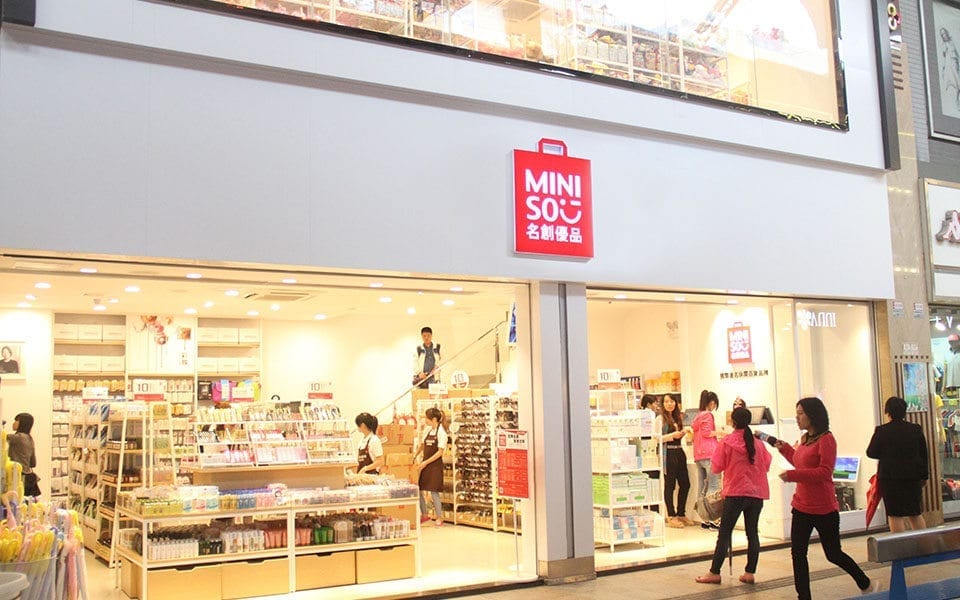
  • Miniso to raise $550M through debt instrument

    Miniso to raise $550M through debt instrument

    Chinese lifestyle goods retailer Miniso Group Holding plans to raise US$550 million through a debt instrument to fund its oversea expansion.

    The seller of anything from household appliances to electronics and cosmetics will issue equity-linked securities which is set to mature in early 2032, according to a filing to the Hong Kong Stock Exchange.

    Securities holders may exchange the shares for cash after a six-year period which is set to begin Jan. 14

    Miniso plans to use 50% of the sale for overseas store network expansion and the remaining half for share buybacks.

    The company believes that these initiatives will further enhance its long-term value for shareholders by supporting growth and expansion.

    The securities carry an exchange rate of 0.5% per year, payable every six months.

    They are offered at $8.28 per share, which is 26% higher than Miniso’ stock closing price on Monday.

    This means that investors expect Miniso shares to surpass $8.28 in the next six years.

    Miniso expanded its global footprint by adding 773 new stores in the first nine months of last year, bringing its total to 7,186. Around 59% of stores are located in China.

    The company’s revenue for the first nine months of 2024 surged by nearly 23% to CNY12.3 billion ($1.75 billion), primarily driven by store expansion and increased consumer spending in overseas markets.

    During the same period, gross profit climbed 34% to CNY5.4 billion.

  • China Cargo Airlines appoints Tam Group as GSSA in the Philippines

    China Cargo Airlines appoints Tam Group as GSSA in the Philippines

    Tam Group has been appointed as the General Sales and Service Agent (GSSA) for China Cargo Airlines in the Philippines, with this appointment being recognized as the third territory in which Tam Group has been assigned this role, following Malaysia and Vietnam. This strategic alliance represents a crucial step in strengthening China Cargo Airlines’ operations across Southeast Asia. The partnership oFicially commenced on January 1, 2025.

    The flights between the Philippines and China play a vital role in facilitating trade and commerce, connecting businesses and consumers across these two dynamic markets. China Cargo Airlines presently operates five weekly flights from Manila to Shanghai and three from Cebu to Shanghai, utilising A320 series aircraft for these crucial routes. This connectivity supports the timely transport of goods, including perishables and electronics, enhancing economic ties and logistics capabilities between the countries. Notably, this agreement facilitates same-day delivery of perishables to major cities in Eastern China via Road Feeder Service (RFS), utilising the region’s earliest flight schedules.

    Alvin Tam, Senior Vice President of Tam Group, stated, “We are excited to deepen our partnership with China Cargo Airlines in the Philippines. This appointment not only enhances our regional footprint but also enables us to deliver improved services and support for their operations. At Tam Group, we have implemented various solutions, including a robust CRM system and 24/7 customer service, to ensure a seamless experience for our clients. We are continuously seeking enhancements to our offerings and look forward to collaborating closely with China Cargo Airlines to unlock their full potential in the Philippine market.”

    This appointment is expected to create significant opportunities for both Tam Group and China Cargo Airlines, enhancing their market presence in the rapidly growing Southeast Asia logistics sector.

  • Japanese restaurant chain Pepper Lunch to launch in Mongolia

    Japanese restaurant chain Pepper Lunch to launch in Mongolia

    Japanese restaurant chain Pepper Lunch plans to open its first store in Mongolia next year, as part of its global expansion strategy.

    The brand has signed a franchise deal with local distributor Bluemon Group, making Mongolia its 17th country.

    “We signed a master franchise agreement with our Mongolian franchise partner yesterday,” Yuto Tago, global CEO of Pepper Lunch wrote on his LinkedIn account.

    “I cannot wait to see the first restaurant opening next year!”

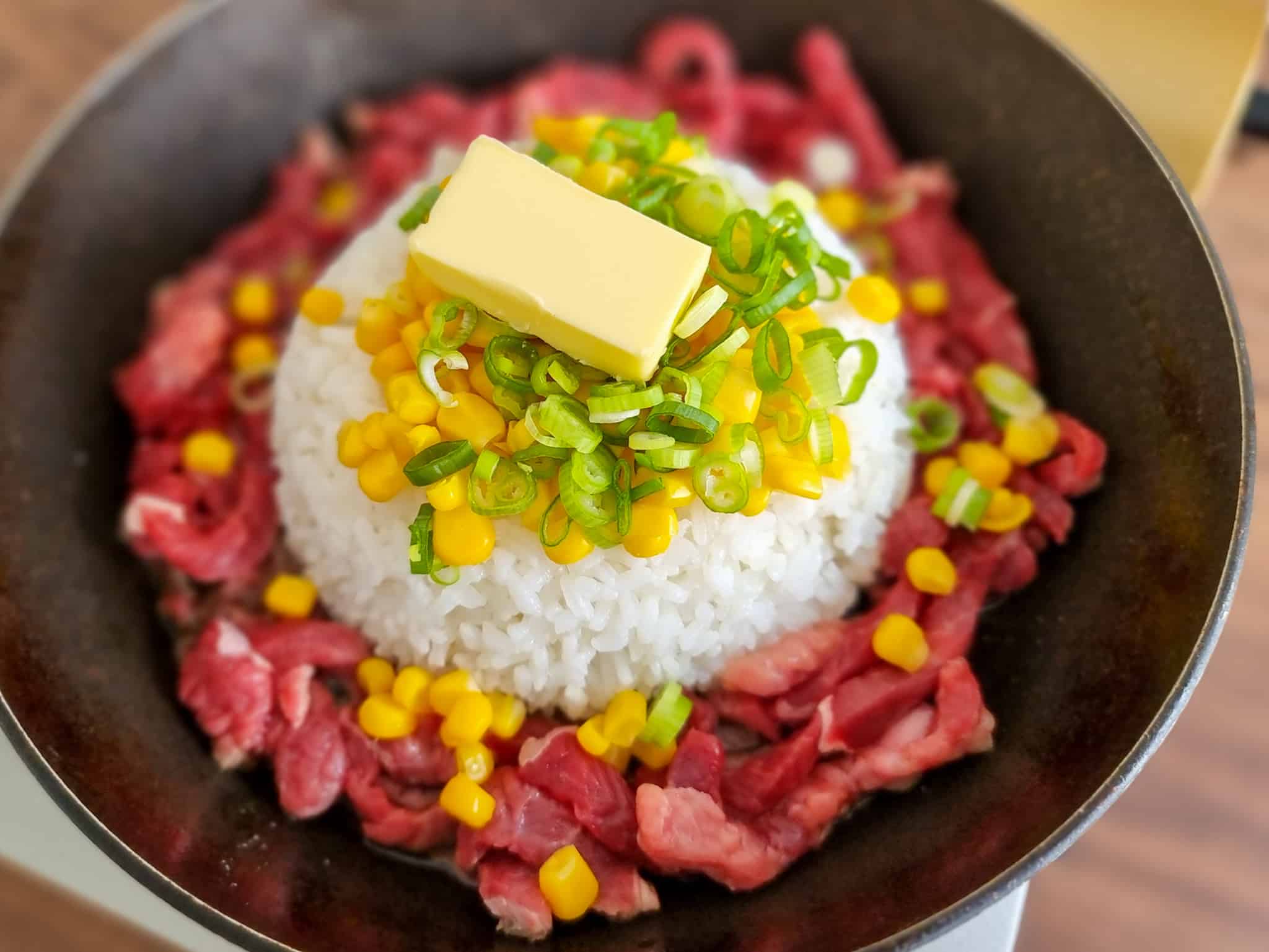
    Pepper Lunch is a DIY casual eating concept with more than 400 locations around Japan, Asia, and Australia. Founded by a trained chef, Kunio Ichinose, the restaurant focuses on premium steaks, pasta, and cheese curry rice.

    Pepper Food Service sold the Pepper Lunch franchise to J-Star Investment Fund for US$79 million in 2020.

  • Chinese kiwi prices in Vietnam start at $0.8/kg

    Chinese kiwi prices in Vietnam start at $0.8/kg

    Chinese green kiwi is being sold at VND20,000 (US$0.79) per kilogram onwards by wholesalers in Vietnam, a third of the prices of imports from Australia and New Zealand.

    Australian and New Zealand wholesale prices start at VND60,000 and go up to VND120,000. But the VND20,000 price is unusually low for a fruit considered an upmarket item in Vietnam.

    Thanh Hoa, a fruit wholesaler in HCMC, said these are the lowest prices in years. “I import thousands of boxes at a time to get the best prices.”

    Retailers are selling the fruit at VND50,000-80,000 per kilogram. In China, green kiwi is primarily grown in provinces with a temperate climate such as Sichuan, Shaanxi and Henan.

    Thanks to advanced breeding technologies and large scale of production, China is able to produce large quantities of the fruit and maintain low prices.

    Vietnamese importers say Chinese kiwi is able to enter Vietnam at current rates because logistic costs have been optimized.

    Dang Phuc Nguyen, general secretary of the Vietnam Fruits & Vegetables Association, said China has acquired kiwi varieties from other countries and breeds them with low labor costs.

    Vietnam’s imports of Chinese agriculture produce in the first 10 months were worth $800 million, a 24% increase year-on-year, according to the customs department. The main fruits it imported were apple, grape, persimmon, and kiwi.

  • Chinese tea chain To Teapresso to expand overseas

    Chinese tea chain To Teapresso to expand overseas

    Chinese tea chain To Teapresso has opened its first store in Tsim Sha Tsui, Hong Kong. This launch is part of the company’s efforts to strengthen its global presence and expand into international markets.

    The brand is known for combining Chinese tea with extraction techniques, creating a “Chinese Tea Latte” by blending the extracted tea with fresh milk. It currently operates 20 stores on the Mainland.

    Teo Lv, founder and CEO of To Teapresso, said overseas expansion has always been part of the company’s plan since its launch.

    “Hong Kong is an international trade hub, offering advantages and more opportunities for our business operations,” said Lv.

    “The city’s unique blend of Eastern and Western cultures aligns well with To Teapresso’s brand essence, making Hong Kong our top choice for launching our overseas business.”

    He added that the company plans to open more stores in Southeast Asia, Japan, Korea, and Australia within the next 18 months.

    “The Hong Kong office currently focuses on international business in the Asia-Pacific region, including our expansion and operation in Hong Kong and Macau,” Lv concluded.

  • China Launches Pilot for Foreign-Owned Data Centers

    China Launches Pilot for Foreign-Owned Data Centers

    The Ministry of Industry and Information Technology’s initiative will establish specific zones where foreign-owned facilities can offer digital infrastructure services to local companies.

    Jin Zhuanglong, the Minister of Industry and Information Technology, noted that the pilot program represents a new phase in China’s efforts to open up the telecommunications sector.

    Previously, foreign investors faced restrictions on owning and operating data centers in China, with local regulations limiting ownership to domestic companies. Foreign firms were only allowed to participate through joint ventures with local partners, with ownership capped at 50% in any consortium.

    The project will permit foreign investors to invest in value-added telecom services within four specified regions: Beijing, Shanghai, Hainan, and Shenzhen. Businesses in these designated areas can operate as wholly-owned ventures, providing data and transaction processing services.

    Wang Zhiqin, Deputy Director of the China Academy of Information and Communications Technology, stated that the pilot program aims to enhance the integration of digital technologies across various sectors nationwide.

    The project is part of China’s broader efforts to open up its services sector, including establishing free trade zones like the 120-square-kilometer Lin-gang Special Area.

    Chinese state media reported that 2,220 foreign-invested firms are licensed to operate telecom services within the country, as new pilot programs seek to boost foreign investment opportunities.

    The Ministry of Industry and Information Technology announced plans to closely monitor the pilot initiatives and may widen their scope when the time is right.

    HSBC’s Chinese fintech subsidiary is already aiming to capitalize on the program, having reportedly applied for an internet content provider license.

  • Imports of Chinese vegetables, fruits soar in 2024

    Imports of Chinese vegetables, fruits soar in 2024

    Vietnam imported US$697 million worth fruits and vegetables from China in the first nine months of 2024, up 24% year-on-year.

    Imported Chinese farm products used to be sold only in traditional markets, but now they can also be found at most major retail chains such as MM Mega and Co.opmart.

    The major imports include apple, grape, garlic, onion, and potato, and are often 10-30% cheaper than products from other countries.

    Vo Thanh Loc, co-founder of retailer Farmer’s Market, said the company used to source its products from Australia, Japan, South Korea, and the U.S., but has recently added Chinese products to the list since they look nice and come in many varieties.

    HCMC’s Thu Duc Agriculture Market has received 88,400 tons of vegetables and fruits imported from China so far this year.

    Dang Phuc Nguyen, general secretary of the Vietnam Fruits & Vegetables Association, said China has been able to improve its fruits quality through farming region control and packaging.

    Thanks to reduced transportation costs and zero import tax agreements between China and ASEAN countries, Chinese produce have an advantage in Vietnam, he added.

  • Chinese luxury EV maker Zeekr enters Vietnam

    Chinese luxury EV maker Zeekr enters Vietnam

    Zeekr, Chinese conglomerate Geely’s premium electric vehicle brand, will be distributed in Vietnam by transport services provider Tasco.

    Following an agreement signed Monday the EV maker joined the list of auto brands distributed by Tasco, which also includes Lynk & Co and Volvo, two other Geely subsidiaries.

    Tasco has not disclosed when or which Zeekr models will be sold in the market, nor has it confirmed whether it will build charging infrastructure for Zeekr vehicles or outsource this to a third party.

    Zeekr was established in 2021 and is positioned as a luxury EV manufacturer that focuses on driving assistance and safety technologies.

    It targets high-end customers and competes in the premium EV segment, but offers competitive prices. It recently expanded to Europe, the Middle East and Southeast Asia.

    The brand offers seven models in China, all based on Geely’s Sustainable Experience Architecture EV platform.

    Zeekr vehicles sold in Vietnam will be imported from China, where the company has its only plant.

    Other Chinese EV brands that have entered Vietnam within the last year include BYD and Lynk & Co.

    Three others, Omoda, Jaecoo and Aion, are expected to launch in the fourth quarter.

    VinFast, the only domestic producer, dominates the EV market in Vietnam with a wide range of products and the largest network of charging stations.

  • JD invests US$141 million in building fashion platform

    JD invests US$141 million in building fashion platform

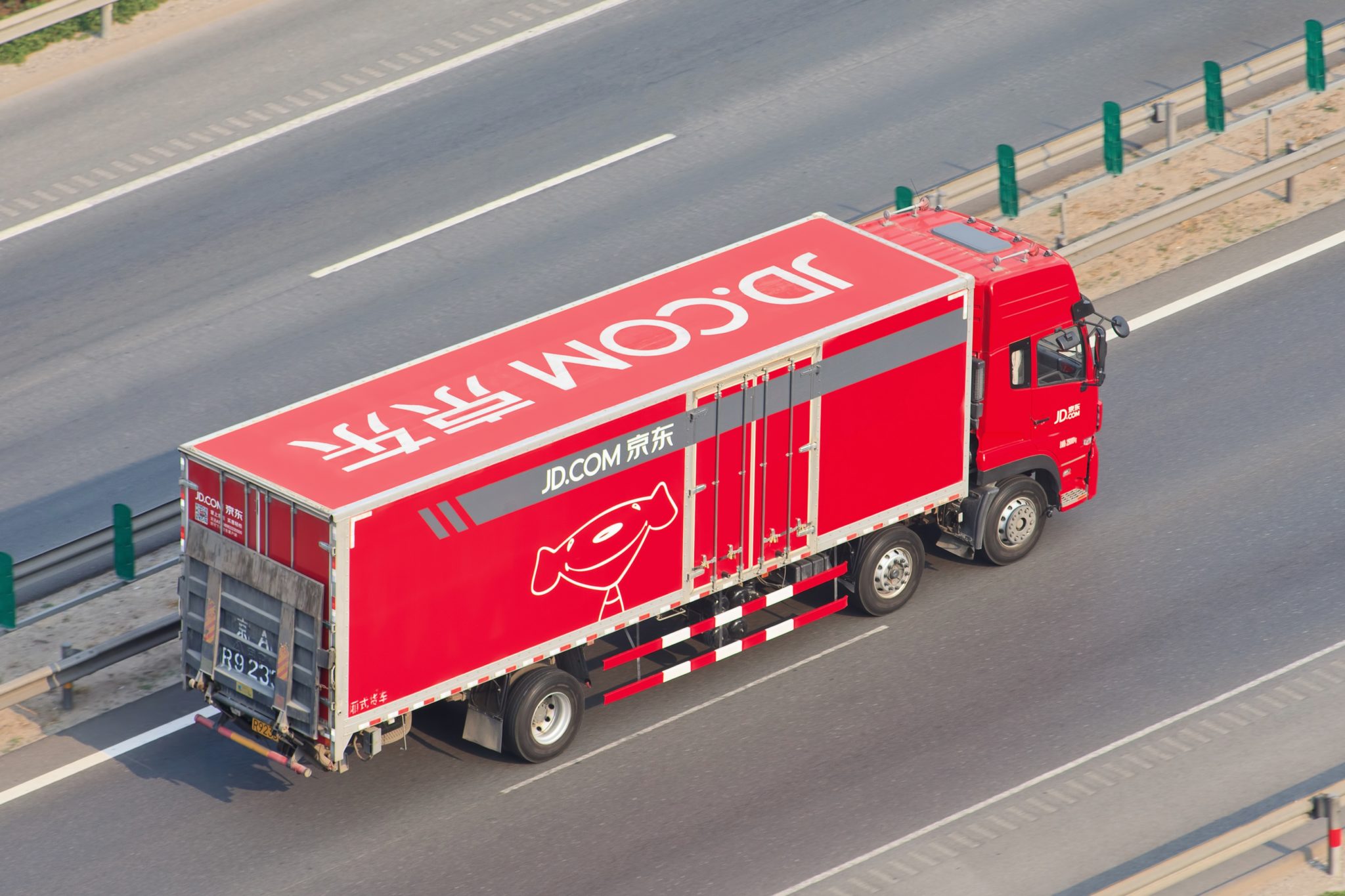
    Chinese e-commerce giant JD has announced a RMB1 billion (US$141 million) investment in the expansion of its apparel business.

    The investment, a combination of financial capital and market resources, aims to broaden and enhance the range of fashion offerings, providing a significant boost for both domestic and international brands.

    The company plans to introduce a variety of new products via simultaneous launches from thousands of brands on JD’s online platform. These launches will be bolstered by enhanced marketing initiatives, partnerships with celebrities and designers, and cross-industry collaborations.

    As part of this investment, the ‘10-billion-yuan Discount’ program will offer customers a RMB30 discount on purchases of RMB300 or more.

    In addition, the company will collaborate with platforms such as Vogue and Xiaohongshu to unveil upcoming fall and winter fashion trends next month.

    Since the beginning of this year, JD has seen a 60 per cent increase in leading apparel and footwear brands and a 200 per cent increase in third-party apparel merchants. The company has signed partnerships with fashion groups, including Inditex, H&M, and Gap, and offers selections from over 90 per cent of global luxury brands.

  • EU slashes tariffs on Chinese-made EVs

    EU slashes tariffs on Chinese-made EVs

    The European Union has slashed its planned extra tariff on Tesla electric vehicles imported from China by more than half, the bloc’s executive said on Tuesday, following further investigations requested by the company.

    The European Commission also revised its proposed punitive duties on imports of Chinese-made EVs in draft findings, in the highest profile EU investigation of alleged Chinese subsidies, which has provoked threats of retaliation from Beijing.

    It set a new reduced extra rate of 9% for Tesla, lower than the 20.8% it had indicated in July, and said some Chinese companies in joint ventures with EU automakers may also receive lower planned punitive duties on Chinese-made EV imports.

    The tariffs are on top of the EU’s standard 10% duty on car imports, a measure the Commission says is aimed at levelling the playing field and countering what it says are unfair subsidies.

    Tesla had requested a recalculation of its rate, to be based on the specific subsidies the company had received. The Commission said on Tuesday it had verified that it received less subsidies from the Chinese government compared with the country’s EV makers which Brussels had investigated.

    The Commission, which sets EU trade policy, said it still believed Chinese EV production has benefited from extensive subsidies and proposed duties on other companies of up to 36.3% – slightly lower than the maximum initial planned duty of 37.6% set in July for companies that did not cooperate with the EU’s anti-subsidy investigation.

    China’s commerce ministry said in response it is “firmly opposed to and highly concerned” about the findings, and vowed to take all necessary measures to protect Chinese firms.

    The draft findings were based on “facts unilaterally determined by the EU side, not on facts mutually agreed upon,” the ministry said in a statement.

    China hopes the EU side will expedite the exploration of proper solutions in a rational and pragmatic manner, and take practical actions to avoid the escalation of trade frictions, it added.

    Beijing launched a challenge at the World Trade Organization earlier this month.

    Lower duties

    Tesla was among the companies classed as cooperating with the EU investigation. It did not respond to a request for comment on Tuesday.

    The Commission said three companies it had sampled would each receive slightly lower provisional duties than indicated in July. China’s BYD would face a rate of 17.0% from 17.4% levied in July, Geely 19.3% versus 19.9% and SAIC 36.3% from 37.6%.

    Chinese firms in joint ventures with EU producers may also be eligible for the lower duties planned for the Chinese companies in which they are integrated, the Commission said.

    Volkswagen’s SEAT subsidiary was now expecting to receive a lower tariff of 21.3% on its Cupra Tavascan, which is produced by a joint venture in China majority-owned by the German automaker, a source close to the matter told Reuters.

    A spokesperson for SEAT said it was working with the VW Group to reduce the impact of the tariffs further.

    BMW said in a statement its joint venture in China which produces the electric Mini was also classed as a “cooperating company”, qualifying it for a lower duty of 21.3%, versus the 37.6% Brussels had indicated last month.

    The planned tariffs could become the EU’s final measure on Chinese-made EVs once its investigation is concluded in about two months.

    Interested parties have until Aug. 30 to submit their comments on the Commission’s findings.

    The proposed final duties will be subject to a vote by the EU’s 27 states. They will be implemented unless a qualified majority of 15 EU members representing 65% of the EU population vote against.

    It is a high hurdle that is rarely reached, although this is a politically charged file.

    In an advisory vote in July, 12 EU members supported the provisional tariffs, four voted against and 11 abstained, sources said.
  • Shiseido cites China slump for mid-year operating loss

    Shiseido cites China slump for mid-year operating loss

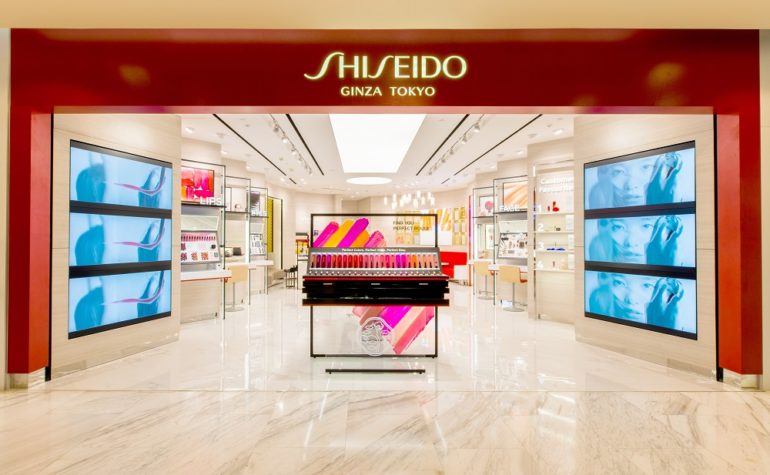
    Japanese cosmetics powerhouse Shiseido fell by its daily limit in Tokyo trading on Thursday following midyear earnings that were hit by restructuring costs and slumping demand in China.

    Shiseido becomes the latest casualty among luxury brands, including Cartier-owner Richemont and Gucci’s Kering, to be stung by slowing growth and consumer confidence in the world’s second-biggest economy.

    The company said on Wednesday it fell to an operating loss of US$18.44 million in the six months through June, from profit of 13.6 billion the previous year.

    The shares plunged by their daily limit of $4.77, down 15.5 per cent from the previous session close.

    In addition to a slump in sales to China due to changes in purchasing behaviour, the recording of $139.155 million in structural reform costs also affected results.

    Domestic sales were a bright spot, however, benefiting from a tourism boom in Japan fuelled by the weak yen. Some tourists, particularly Chinese, appear to be holding off on buying designer goods at home and splurging in Japan where they are cheaper.

  • Chinese mangoes sell for 20-30% cheaper than local varieties

    Chinese mangoes sell for 20-30% cheaper than local varieties

    Mangoes imported from China are selling fast in wet markets in HCMC for VND40,000-50,000 (US$1.58-1.98) per kilogram, 20-30% cheaper than local products.

    This year, traders are importing a new type of mango from China that resembles a crow’s beak, in addition to the usual varieties.

    Thanh, a fruit seller, said she has been selling up to 100 kilograms of the new product per day.

    Hang, who runs a fruit stall on Go Vap District’s Pham Van Chieu Street, noted that she procures about 30 kilograms of various Chinese mangoes daily, often sold out by noon.

    Nguyen Binh Phuong, the company’s sales director that runs the city’s Thu Duc Agricultural Product Market, said the wholesale market has imported 631 tons of Chinese mangoes.

    Thanh, a wholesaler in HCMC’s Thu Duc City, said that imported mangoes are attracting buyers due to their variety and competitive prices.

    “With low prices and good quality, Chinese mangoes are popular due to their eye-catching color and flavor. I wholesale dozens of tons every day,” she said.

    Loan, a mango farmer in Dong Thap Province, explained that Vietnamese varieties are more expensive this year due to lower output.

    Demand in export markets is rising, so businesses are also purchasing more local mangoes, driving up prices, she said. Prices are expected to stabilize in September when the new mango season begins.

    According to the General Department of Customs, Vietnam imported $400 million worth of fruits from China in the first half of 2024, up 28% year-on-year, with mangoes, plums, apples, and pears seeing a huge surge in imports.

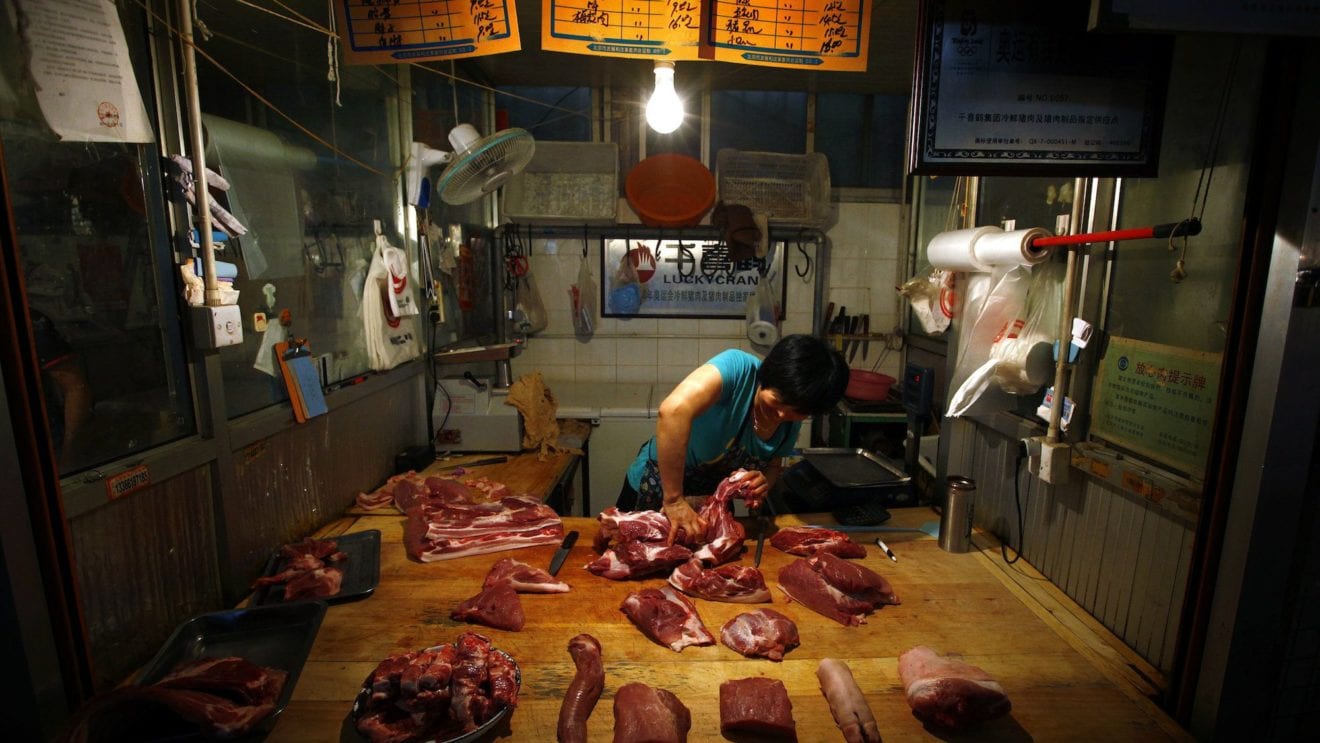
  • Cheap imported meats flood market

    Cheap imported meats flood market

    Some 304,850 tons of meat and meat products were imported in the first five months of 2024, up 29% year-on-year, at an average price of VND46,000 (US$1.8) per kilogram.

    According to data from the Agency of Foreign Trade, they shot up in May to 76,120 tons worth $140 million, up 32.1% from a year ago in volume and 28.6% in value.

    India, the U.S., Russia, Poland, and Brazil are Vietnam’s top suppliers.

    In HCMC, imported frozen pork is 30-40% cheaper than local products.

    Thanh Hoa, owner of a meat import business in the city’s Tan Binh District, said prices of Vietnamese pork are rising.

    The Animal Husbandry Association of Vietnam warned that cheap imports could pose unhealthy competition to domestic products and affect consumers’ health if they are of low quality.

    It called on authorities to tighten control over meat imports to protect both consumers’ health and the local industry.

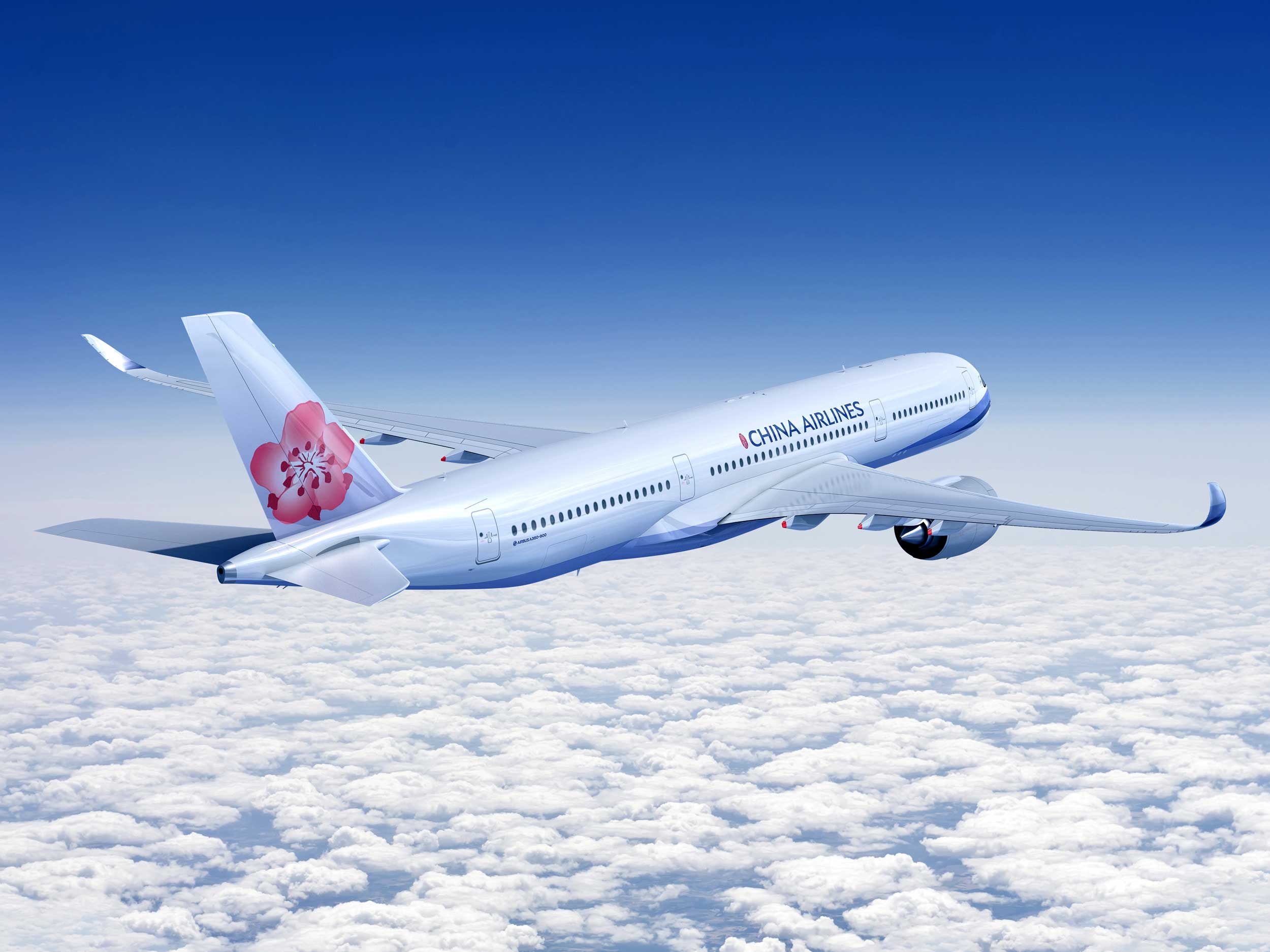
  • Air China extends cargo handling contracts with WFS in France and the UK by 3 more years

    Air China extends cargo handling contracts with WFS in France and the UK by 3 more years

    Air China has extended its longstanding cargo handling contracts with Worldwide Flight Services (WFS), a member of the SATS Group, in France and the United Kingdom, by a further three years.

    The airline has been a major customer of WFS at Paris Charles de Gaulle Airport since the early 1990s. This latest contract extension in Paris sees WFS handling cargo carried onboard 12 to 14 passenger flights per week connecting the French capital with Beijing, Chengdu, and Shanghai as well as 10 weekly freighter services linking Paris with Chengdu and Hangzhou.

    Additionally, the contract in Paris, which also includes ramp handling, enables Air China and its cargo customers to benefit from WFS’ national trucking network in France and offline handling services at more than 10 regional French airports.

    In the United Kingdom, Air China has awarded contract extensions to WFS at London’s Heathrow and Gatwick Airports.

    At Heathrow, Air China operates 24 passenger flights per week carrying cargo to and from Beijing, Chengdu, and Shanghai. WFS is also contracted to provide cargo handling services for the airline’s 14 flights which connect London Gatwick with Beijing and Shanghai each week.

    WFS is also providing countrywide road transport services and offline handling at other major regional airports for Air China in the UK.

    “Air China is a major customer of WFS across our international network. Our strong global partnership continues to grow, based on our ability to meet all the airline’s service and growth expectations,” said John Batten, WFS’ Chief Executive Officer, Europe, Middle East, Africa, and Asia (EMEAA).

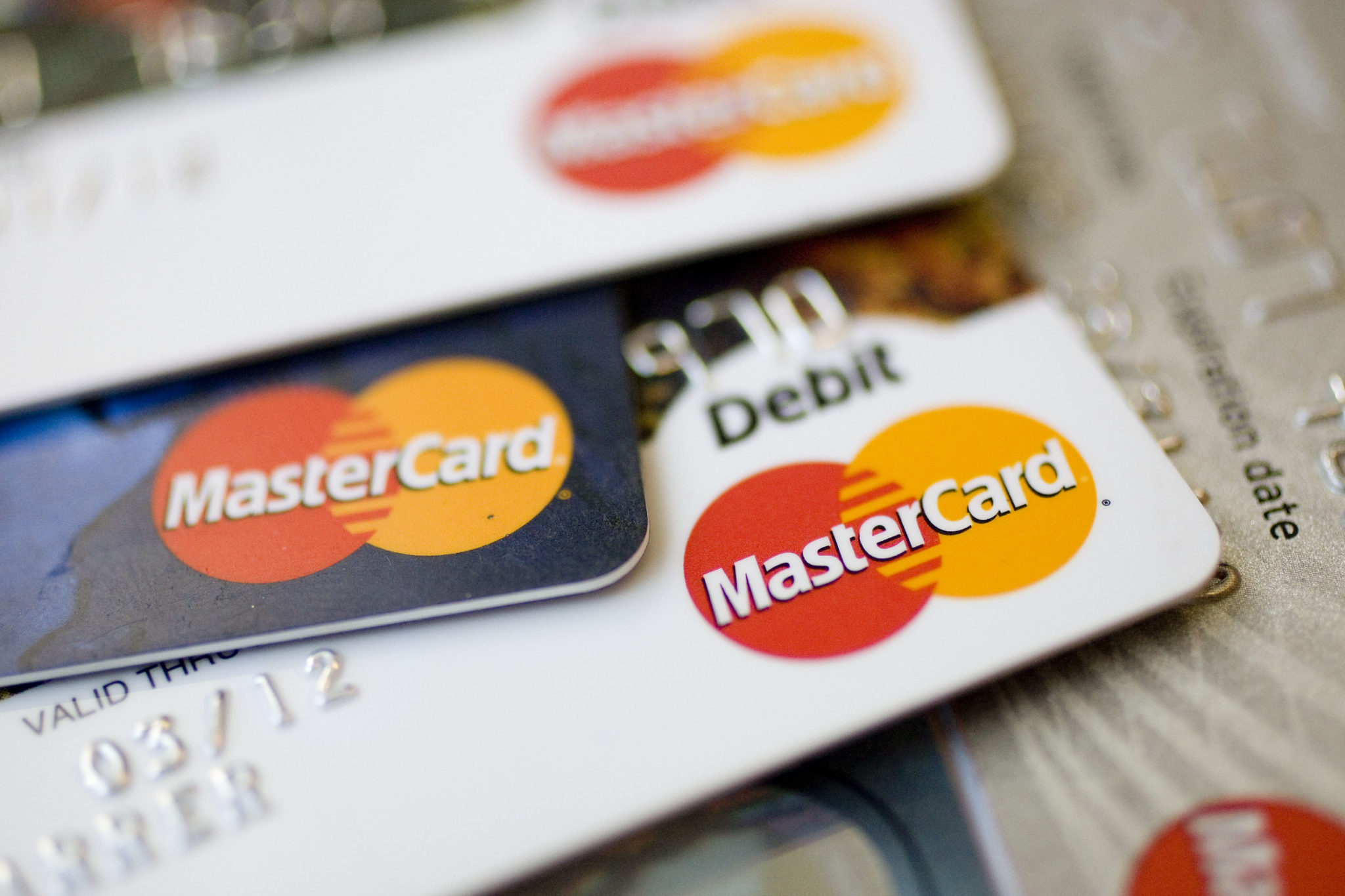
  • China asks Visa, Mastercard to cut transaction fees

    China asks Visa, Mastercard to cut transaction fees

    China is pushing for Visa and Mastercard to lower their bank card transaction fees in the country, as part of an effort to facilitate payments for foreign visitors, Bloomberg News reported, citing a person familiar with the matter.

    According to a report published on Friday, the Payment & Clearing Association of China is negotiating with global card issuers, including Visa and Mastercard, to lower fees charged on foreign card transactions.

    The association proposed trimming the fee to 1.5 percent from 2-3 percent, the report added.

    Mastercard told Bloomberg that it had received the proposal from the industry association and said it would work with partners to lower costs for local merchants accepting foreign bank cards.

    Visa and Mastercard did not immediately reply to Reuters’ requests for comment.

    According to a statement posted on its website on Tuesday, the industry group issued a proposal earlier this week to global card issuers on the fee cut without disclosing details of the price cut.