Tag: China

  • Chinese Coffee Powerhouse Luckin Bids for Premium Leap with Potential Blue Bottle Acquisition

    Chinese Coffee Powerhouse Luckin Bids for Premium Leap with Potential Blue Bottle Acquisition

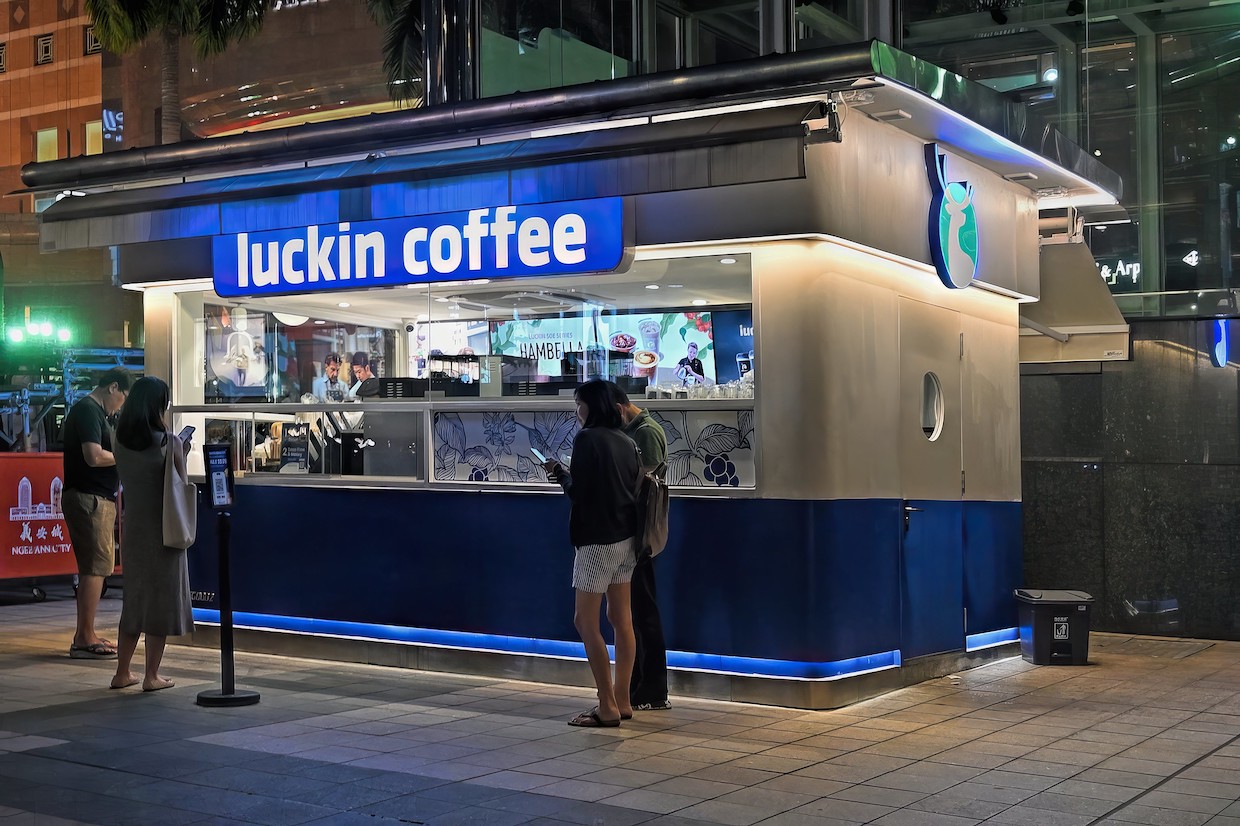
    Luckin Coffee, a major Chinese coffee company, is planning to upscale its operations. The company is currently exploring potential acquisitions to establish a premium coffee business parallel to its mass-market core.

    Acquisition Ambition

    The company is contemplating a bid for Blue Bottle Coffee, a Nestle-owned entity. If successful, such an acquisition would be a considerable leap for Luckin in their pursuit of the specialty coffee market. Additionally, it would provide an opportunity for them to enhance their brand identity beyond their current value-driven model.
    Blue Bottle Coffee, established in 2002, manages over 100 cafes across the United States and East Asia, with 12 in mainland China and four in Hong Kong. It enjoys a reputation as a reputable name in the specialty coffee sector.

    Earlier this month, it was reported that Nestlé, with the assistance of investment bank Morgan Stanley, was considering selling Blue Bottle Coffee. The premium roasting company was acquired by the Swiss food and beverage group in 2017 in a transaction that valued the business at approximately $700 million.

    Luckin Coffee, along with Beijing-based private equity firm Centurium Capital, is also said to be considering a bid for Lucky Ace International. Lucky Ace International possesses the exclusive master franchise rights for the Japanese specialty coffee brand % Arabica, operating in China and Hong Kong.

    Luckin Coffee’s Growth

    Founded in 2017, Luckin Coffee has rapidly become one of China’s largest coffee chains, boasting over 24,000 locations worldwide.

    Questions & Answers

    What is Luckin Coffee’s current initiative?
    Luckin Coffee is planning to upscale its operations and is considering potential acquisitions to establish a premium coffee business.

    Which companies is Luckin Coffee considering for acquisition?
    Luckin Coffee is contemplating a bid for Blue Bottle Coffee, a Nestle-owned entity. It is also reportedly weighing a bid for Lucky Ace International, which holds the exclusive master franchise rights for the Japanese specialty coffee brand % Arabica in China and Hong Kong.

    What is the significance of these potential acquisitions for Luckin Coffee?
    If successful, these acquisitions would represent a significant leap for Luckin’s push into the specialty coffee segment. Additionally, it would provide an opportunity for them to enhance their brand identity beyond their current value-driven model.
  • EU Regulators Stoke Action Against Temu: Chinese Subsidy Probe Targets Dublin HQ

    EU Regulators Stoke Action Against Temu: Chinese Subsidy Probe Targets Dublin HQ

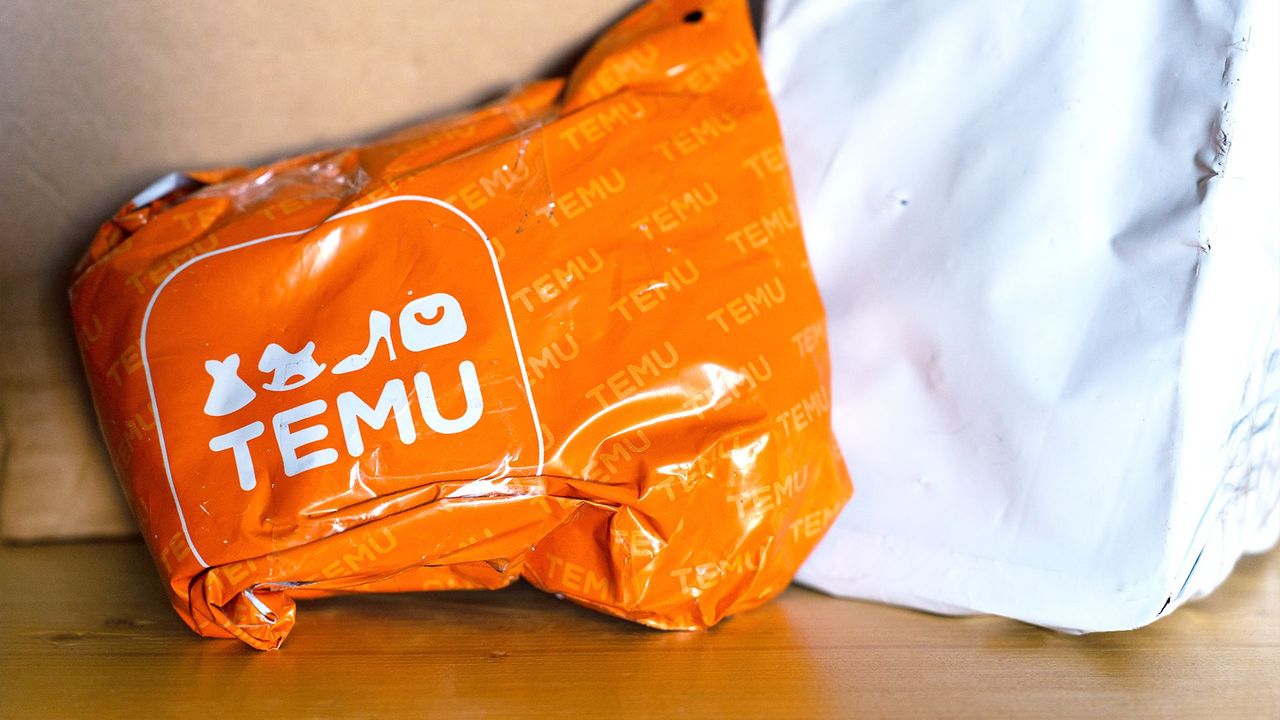
    Last week, EU regulators conducted an unannounced raid on the Dublin-based European headquarters of Temu, an online retailer and subsidiary of China’s e-commerce titan, PDD Holdings. The action arose from concerns regarding potential Chinese state subsidies extended to the company.

    As of yet, Temu has not issued a response to the matter.

    This event coincides with escalating concerns within the EU about an influx of inexpensive Chinese imports. The surge has come via low-value e-commerce shipments, largely due to a customs exemption on packages valued under 150 euros. European retailers argue that this waiver gives e-commerce platforms such as Temu and Shein an undue competitive edge. To address this, the EU executive intends to eliminate this duty exemption by year-end.

    The Foreign Subsidies Regulation (FSR)

    The European Commission’s Foreign Subsidies Regulation (FSR) has been enacted to address this issue. Its purpose is to curb competition from non-EU companies that receive subsidies from their respective governments. The FSR empowers the Commission to levy penalties equating to 10% of a company’s aggregated yearly turnover for any infractions.

    The Commission confirmed it executed an unannounced inspection on an EU-based e-commerce business under the FSR. However, they have not disclosed the identity of the company or the location of the raid.

    Temu’s Global Success and Troubles with EU Authorities

    Temu has amassed a global customer base in the tens of millions via its online store. The e-commerce platform sells a wide range of items from smartphones to duvet covers and leggings at incredibly low prices. This has even prompted Amazon to introduce its rival service, ‘Amazon Haul’.

    Under the tagline “shop like a billionaire”, Temu has attracted approximately 116 million average monthly users in the EU, according to its most recent transparency report. This is an impressive feat considering it only expanded into the European market in April 2023.

    EU regulators typically conduct raids when they have evidence of regulatory violations, which can originate from whistleblowers or their own investigations. These actions often result in companies offering concessions or cooperation in exchange for reduced penalties.

    However, this is not Temu’s first encounter with EU authorities. The Commission initiated an investigation into Temu under the Digital Services Act, a regulation overseeing online platforms, last year. In July, the Commission released preliminary findings claiming that Temu has not done enough to prevent the sale of illegal products on its platform.

    Foreign subsidies may come in various forms such as zero-interest loans, below-cost financing, tax breaks, or preferential tax treatment, among others.

    In November, China’s trade surplus exceeded US$1 trillion for the first time, with manufacturers rerouting more goods to non-US markets due to tariffs, resulting in an export boom to Europe, Australia, and Southeast Asia.

    Questions & Answers

    What spurred the raid on Temu’s headquarters by EU regulators?
    The raid was prompted by concerns regarding potential Chinese state subsidies to the online retailer.

    How does the EU’s Foreign Subsidies Regulation (FSR) aim to address competition from non-EU companies?
    The FSR aims to curb competition from non-EU firms that receive government subsidies. The regulation allows the Commission to impose fines of up to 10% of a company’s annual aggregated turnover for breaches.

    What were the findings of the European Commission’s previous investigation into Temu?
    The Commission’s preliminary findings suggested that Temu was not taking sufficient actions to prevent the sale of illegal products on its platform.

  • KK Group Revives Indonesian Market with Tri-Brand Blast: X11, KKV, and The Colorist

    KK Group Revives Indonesian Market with Tri-Brand Blast: X11, KKV, and The Colorist

    KK Group, a Chinese lifestyle retailer, is making a strategic return to the Indonesian market. The company plans to reintroduce three of its brands: X11, KKV, and The Colorist.

    The Return of X11, KKV, and The Colorist

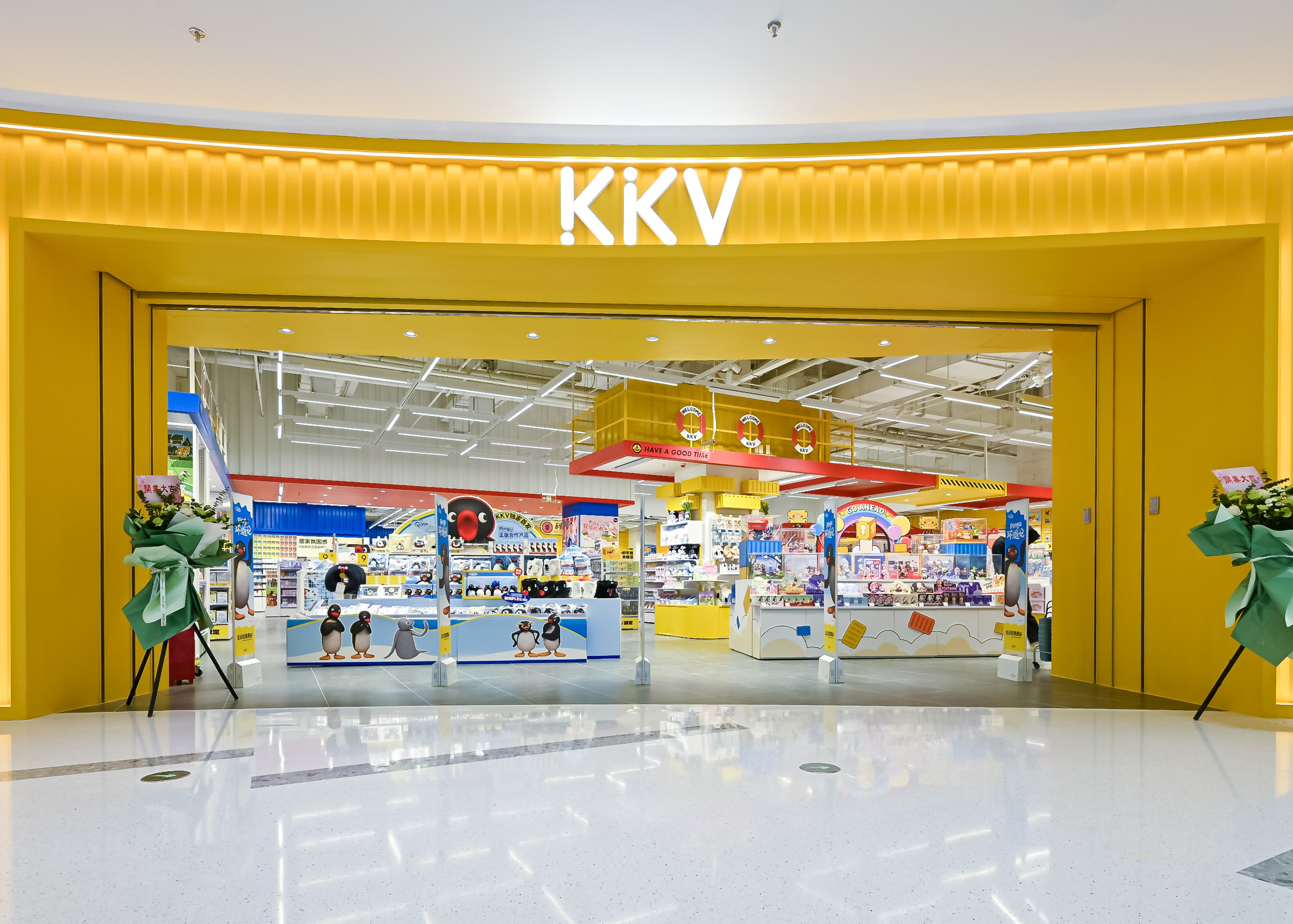
    The reintroduction begins with X11, KK Group’s trend and culture emblem, which targets youthful consumers with art toys, anime paraphernalia, and pop culture merchandise. The first stores are set to open in Greater Jakarta and other major cities throughout Java, Bali, and several regional centers.

    Following closely behind is KKV, KK Group’s primary lifestyle brand, scheduled to launch the following year. KKV boasts a remarkable range of over 20,000 Stock Keeping Units (SKUs) that include home goods, stationery, beauty products, snacks, and fashion items. Alongside KKV, The Colorist, a mass-premium beauty brand focused on Generation Z and young millennials, is also set to launch.

    Rojen Wu, COO of KK Group’s international business, expressed the company’s firm commitment to Indonesia. “Indonesia has consistently been a priority for us in Southeast Asia,” Wu said. “With KKV, The Colorist, and X11, we aim to cultivate a comprehensive lifestyle retail ecosystem while offering redefined retail experiences to Indonesian consumers.”

    KK Group’s Ambitious Expansion Plans

    KK Group’s multi-brand strategy includes the development of a network of over 500 stores across these three core brands. The company is also considering introducing Pet Tribes, a pet-centered concept recently launched in China, as part of its broader multi-brand strategy for Indonesia. In the long term, KK Group projects running over 1,000 stores under its enlarged brand portfolio.

    This Indonesian re-entry comes on the heels of KK Group’s aggressive Southeast Asian expansion, which has seen them breaking into new markets in Malaysia, Singapore, Thailand, Vietnam, and the Philippines. At present, KK Group operates over 1,000 stores in China and more than 150 stores across various regions.

    Questions & Answers

    What is KK Group’s re-entry strategy into the Indonesian market?

    KK Group plans to reintroduce three of its brands: X11, KKV, and The Colorist. The company also intends to develop a network of over 500 stores across these core brands.

    What are the three brands that KK Group is reintroducing into Indonesia?

    The three brands are X11, a trend and culture brand aimed at younger consumers; KKV, the company’s flagship lifestyle brand; and The Colorist, a mass-premium beauty brand targeted at Generation Z and young millennials.

    What is KK Group’s long-term vision for its multi-brand strategy in Indonesia?

    In the long term, KK Group plans to operate over 1,000 stores under its expanded brand portfolio. The company is also considering the introduction of Pet Tribes, a pet-focused concept recently launched in China.

  • Polene Infuses Local Heritage into Design of First Flagship Store in China: Sustainable Luxury in Beijing’s Taikoo Li Sanlitun

    Polene Infuses Local Heritage into Design of First Flagship Store in China: Sustainable Luxury in Beijing’s Taikoo Li Sanlitun

    Polene, a luxury brand hailing from Spain, has inaugurated its first-ever flagship store in China. The new establishment is situated in Taikoo Li Sanlitun, located in Beijing.

    Store Design and Features

    Visitors to the store are initially greeted by a large magnolia installation at the entrance, serving as an attraction for anyone entering the location. The store’s interior design showcases a harmony of modern aesthetics with elements of traditional Chinese craftsmanship.

    The store displays a blend of walnut wood, leather, and Xuan paper, which is a traditional Chinese paper made from Blue Sandalwood tree fibres and rice straw. This incorporation of local elements is a nod to the Chinese culture and heritage.

    Polene has also demonstrated its commitment to sustainability through its innovative use of materials. The brand has upcycled 12 tonnes of leather scraps, transforming them into compressed leather bricks that are extensively used in the store’s interior. This usage of recycled leather offers a distinctive, mineral-like texture, while simultaneously promoting sustainable practices.

    A Three-Level Journey

    The flagship store also houses a unique, three-storey experiential area named “Craft at Work – A Theatre of Artisanship”.

    The journey begins with a representation of a Paris workshop, complete with patacabras, small hammers used for leather crafting. The journey continues with a scene that pays homage to Ubrique, the Spanish town known for Polene’s leather production. The final stage of this experiential journey is a unique setting that transforms a leather atelier into a theatrical environment. Here, miniature bags traverse overhead conveyors, providing a fascinating spectacle alongside larger sculptural pieces.

    New Brand Ambassador

    In tandem with the flagship store’s launch, Polene has announced the appointment of actress and singer Zhu Zhu as its new brand ambassador. The brand praises Zhu Zhu for her confidence and effortless poise, which beautifully encapsulate Polene’s refined, minimalist aesthetic.

    Questions & Answers

    What is unique about the design of Polene’s flagship store in Beijing?
    Polene’s flagship store incorporates traditional Chinese elements such as walnut wood and Xuan paper into its contemporary design, alongside recycled leather bricks made from upcycled leather offcuts.

    What is the “Craft at Work – A Theatre of Artisanship” at Polene’s flagship store?
    This is a three-storey experiential area that guides visitors through a journey of craftsmanship, from a depiction of a Paris workshop to a tableau that transforms a leather atelier into a theatrical setting.

    Who is the new brand ambassador for Polene?
    The new brand ambassador for Polene is actress and singer Zhu Zhu, chosen for her confidence and poise that embody Polene’s refined, minimalist aesthetic.

  • Malaysia’s Strategic Moves to Regain Palm Oil Dominance in China Amid Market Challenges

    Malaysia’s Strategic Moves to Regain Palm Oil Dominance in China Amid Market Challenges

    Malaysia is taking proactive measures to reclaim its portion of China’s palm oil market, following a precipitous drop of almost 39% in export volumes year-on-year in the first ten months of 2025.

    Factors Influencing the Decline

    According to Malaysia’s Plantation and Commodities Minister, Datuk Seri Johari Abdul Ghani, this dramatic decrease can be attributed in part to logistics issues and a surge in palm oil prices. The latter has overtaken the costs of soybean oil, making soybean oil more attractive to Chinese buyers.

    Chinese Market Significance

    China holds a pivotal role as a strategic market for Malaysia, having consistently been one of the leading destinations for Malaysian palm oil exports for over a decade. Ghani remarked that the steep decrease points to deeper problems, extending beyond simply competitiveness and logistics. The issues also involve pricing dynamics and market positioning.

    Transparent Export Policies

    Ghani underscored that Malaysia remains committed to maintaining clear and predictable export policies. This approach is designed to ensure that the nation’s activities do not interfere with the interests of its key trading partners.

    Promoting Continuous Dialogue

    In addition, Malaysia is open to ongoing discussions to better synchronize expectations regarding pricing trends, market developments, and long-term supply planning, the minister added.

    Questions & Answers

    What has caused the drop in Malaysia’s palm oil exports to China?
    The drop in exports has primarily been attributed to two factors: challenges in logistics and a rise in palm oil prices, which have made soybean oil a more attractive choice for Chinese buyers.

    Why is the Chinese market significant to Malaysia?
    China is a key and strategic market for Malaysia, consistently standing as one of the top destinations for Malaysian palm oil exports for over a decade.

    How does Malaysia plan to address the current challenges and regain its market share?
    Malaysia intends to maintain transparent and predictable export policies and is open to continuous dialogue on pricing trends, market developments, and long-term supply planning to better align expectations.

  • China, US, and Malaysia Top Choices for Singapore Workers Seeking Global Experience

    China, US, and Malaysia Top Choices for Singapore Workers Seeking Global Experience

    Approximately 76,000 individuals, making up 3.1% of Singapore’s working populace, have experienced working overseas full-time for a minimum of six months. The primary locations for this international experience were China, the United States, and Malaysia.

    The Most Popular Destinations

    From the portion of the employed population with experience working abroad, 18.3% had most recently been posted in mainland China. The United States followed closely, with 13.6% of the workers having had their most recent overseas experience there, while 10.1% had last worked in Malaysia.

    Insights from the Comprehensive Labour Force Survey

    These statistics were obtained from the 2025 Comprehensive Labour Force Survey. The survey, conducted from March to July, gathered responses from 33,000 households—comprising of employed individuals and job seekers aged 15 and above. In this survey, overseas work experience of residents was noted for the first time, providing insights into its prevalence within the workforce.

    Sectors and Roles

    Those who had worked in China were primarily employed in the manufacturing sector. Meanwhile, most of the workforce in the United States were involved in growth industries such as professional services, information and communications, and financial and insurance services. In contrast, those in Malaysia were largely employed within the manufacturing and construction sectors.

    In terms of job roles, 45.2% of residents held professional positions during their recent work abroad. 30.7% were managers. The most common professional roles were in business and administration (16%), and science and engineering (13.7%). For managers, administrative and commercial roles (11.4%) and production and specialized services roles (9.4%) were the most frequent.

    Demographics and Income

    Overseas work experience was most common among mid-career workers, with 4.6% of individuals in their 40s and 4.5% of those in their 50s having had an overseas posting. However, many of these workers had completed their overseas stints earlier in their careers, primarily between the ages of 25 to 34.

    The report also revealed that international experience was less common among older and younger employees. Only 2.6% of employees in their 60s, 2.5% of those in their 30s and 0.5% of workers aged 25-29 had worked overseas.

    The study found that those in senior roles or with higher incomes were more likely to have had international work experience. Among managers and executives, 7.7% had experience working abroad. Moreover, 16.8% of full-time residents currently earning at least S$30,000 (US$23,100) a month had previously worked overseas. This figure was at 10.6% for those earning S$15,000-19,999 monthly and about 3% for employees in the S$5,000-9,999 range.

    The statistics emphasize the importance of international experience in fostering leadership skills and cross-cultural capabilities, particularly for those aspiring to higher-paying roles. Active planning and seeking overseas work opportunities is crucial to building necessary capabilities for these roles in the future.

    Questions & Answers

    What percentage of Singapore’s workforce has had full-time overseas work experience?
    – About 3.1% of Singapore’s workforce, or 76,000 individuals, have had full-time overseas work experience.

    What are the most popular destinations for overseas work assignments?
    – The top destinations for overseas work assignments are China, the United States, and Malaysia.

    Does international work experience correlate with higher income?
    – Yes, the report suggests that those in senior roles or with higher incomes are more likely to have had international work experience. For instance, 16.8% of full-time residents currently earning at least S$30,000 (US$23,100) a month had previously worked overseas.

  • OCBC Leads the Charge in QR Payments Integration, Dominating China’s Scan-and-Pay Market

    OCBC Leads the Charge in QR Payments Integration, Dominating China’s Scan-and-Pay Market

    OCBC Bank is set to be the first Singaporean financial institution to allow customers to scan and pay every major merchant QR code in Mainland China via its Singapore mobile banking application. This innovation is a significant leap in the integration of cross-border payments.

    Positioning for the Future

    This strategic move places OCBC in a strong position to tap into the increasing travel and expenditure flows into China, where QR code transactions are commonplace. The additional functionality is a result of an extended collaboration with UnionPay International, formalized in Shanghai on November 28, 2025.

    Streamlining Payments for Travellers

    The OCBC application will take advantage of NETS infrastructure to facilitate payments to vendors that accept Weixin Pay, also known as WeChat Pay, augmenting its current support for Alipay+ and UnionPay QR. The Weixin Pay feature will be rolled out in the first quarter of 2026.

    The upgrade offers OCBC Singapore clients a seamless experience within one of the globe’s most cashless economies. Users can effortlessly scan any Weixin Pay, Alipay+, or UnionPay merchant QR code and have the payment directly deducted from their OCBC accounts.

    Surge in Strategic Opportunity

    The update spares customers the inconvenience of downloading separate applications, refilling digital wallets, or standing in line for currency exchange. Instead, they can enjoy competitive real-time exchange rates and no additional charges.

    The Scan & Pay feature of OCBC is experiencing substantial growth. Payment volumes have increased by eleven percent year-on-year, with active users up by 67 percent. Mainland China has become the top destination for these transactions, which are frequently used for dining, sightseeing, and retail shopping, including duty-free products and jewelry.

    Travel Demand on the Rise

    The bank’s expanded QR acceptance aligns with the escalating travel demand. The number of arrivals from Singapore to Mainland China more than doubled in 2024, rising from 260,000 in 2023 to a projected 535,000, according to Oxford Economics.

    Questions & Answers

    What does this move mean for OCBC?
    By enabling customers to scan and pay every major merchant QR code in Mainland China, OCBC positions itself to capture increasing travel and spending flows into China, where QR code transactions dominate.

    How does this change benefit OCBC clients?
    The enhancement removes obstacles from one of the world’s most cashless ecosystems. Users can simply scan any Weixin Pay, Alipay+ or UnionPay merchant QR code and have payments debited directly from their OCBC accounts.

    How does OCBC’s Scan & Pay feature perform?
    OCBC’s Scan & Pay feature has seen robust growth, with payment volumes up eleven percent year-on-year and active users up 67 percent.

  • Unlocking New Trade Horizons: Vietnam’s Fresh Jackfruit Wins Approval for Export to China

    Unlocking New Trade Horizons: Vietnam’s Fresh Jackfruit Wins Approval for Export to China

    Vietnam has received approval to export their fresh jackfruits directly to China, following a protocol agreement between the two nations’ respective agricultural authorities.

    Significant Trade Agreement

    The protocol was established during a business meeting involving Tran Duc Thang, Vietnam’s Minister of Agriculture and Environment, and Zhao Zenglian, the Deputy Director of the General Administration of Customs of China. This accord signifies a noteworthy advancement in the bilateral agricultural commerce, adding to this year’s series of protocols encompassing chili, passion fruit, rice bran, and raw swiftlet nests.

    China’s General Administration of Customs (GACC) has underlined its commitment to opening its markets to premium Vietnamese agricultural products. Simultaneously, Vietnam reiterated its focus on augmenting collaboration in the agriculture and environment sector.

    Fresh Jackfruit Trade

    With this protocol, fresh jackfruit will be standardized, minimizing trade risks and aligning with stringent quality standards. This regulation supports the proliferation of jackfruit cultivation under Good Agricultural Practices (GAP). This progression is anticipated to amplify value-added production and improve farmers’ earnings.

    As per the Vietnamese Ministry of Agriculture, the nation’s fruit and vegetable exports reached an impressive nearly $7.1 billion during the initial 10 months of 2025. This denotes a growth of 15.1% compared to the previous year, with China absorbing 62.9% of these shipments.

    The fresh jackfruit export protocol looks set to bolster this growth further. It is hoped that this new agreement will help the sector achieve its export goal of $8.5 billion for the entire year.

    Questions & Answers

    What is the significance of this fresh jackfruit protocol between Vietnam and China?
    This protocol signifies a noteworthy advancement in the bilateral agricultural commerce between the two nations, potentially leading to an increase in the value-added production and earnings of Vietnamese farmers.

    What does the standardization of fresh jackfruit entail?
    The standardization of fresh jackfruit will minimize trade risks, align with stringent quality standards, and support the proliferation of jackfruit cultivation under Good Agricultural Practices (GAP).

    How much did Vietnam’s fruit and vegetable exports reach in the first 10 months of 2025?
    Vietnam’s fruit and vegetable exports reached nearly $7.1 billion during the initial 10 months of 2025, marking a growth of 15.1% compared to the previous year.

  • Triumph Bids Farewell to China: Decades-Long Journey of Lingerie Giant Ends

    Triumph Bids Farewell to China: Decades-Long Journey of Lingerie Giant Ends

    The international lingerie brand, Triumph, has announced plans to exit Mainland China, one of the world’s largest retail markets, by the end of this year. This decision marks the end of a long-standing presence in the region, spanning over several decades.

    Gratitude for Loyal Customers

    In a recent statement, Triumph expressed its appreciation towards its Chinese consumers, acknowledging their support over the past three decades. The company expressed gratitude to all customers and members who trusted and supported the Triumph brand over the years.

    They further emphasized how fortunate they have been to grow alongside their customers in China. Ever since their initial venture into the Chinese market, Triumph states that it has been a privilege to work closely with their consumers, witnessing the brand’s growth and transformation in the country.

    Phased Withdrawal Strategy

    The brand has decided to employ a phased approach to its withdrawal, initially focusing on its digital ecosystem. Triumph’s WeChat mini-program, which offers after-sales services, will cease operation as of midnight, December 10.

    Other digital platforms that offer after-sales support, including Taobao, Tmall, Tmall Outlet, JD, Pinduoduo, Douyin, and VIPshop, will end their association with Triumph no later than midnight, December 5.

    Following the digital shutdown, Triumph’s physical presence will also be phased out. All offline locations are slated for closure by December 31.

    The decision was issued by Hainan Youmei Underwear and Yancheng International Women’s Fashion, the entities that manage Triumph’s operations in China.

    Questions & Answers

    When will Triumph’s WeChat mini-program cease operation?
    Triumph’s WeChat mini-program will stop offering after-sales services at midnight on December 10.

    What is Triumph’s strategy for exiting the Chinese market?
    Triumph is employing a phased approach to its withdrawal, first focusing on its digital ecosystem and then moving to its physical locations.

    When are all of Triumph’s offline stores set to close?
    All of Triumph’s physical stores in China are set to close by December 31.

  • Alibaba’s Revenue Surges, Thanks to Fast Delivery and AI Investments: Outpaces Quarterly Estimates

    Alibaba’s Revenue Surges, Thanks to Fast Delivery and AI Investments: Outpaces Quarterly Estimates

    In Tuesday’s quarterly report, Alibaba, the Chinese e-commerce behemoth, exceeded analysts’ revenue predictions. This success was primarily attributed to the company’s significant investments in one-hour delivery services, which attracted more users to its shopping applications. Additionally, the company’s cloud division demonstrated remarkable growth.

    Share Performance and Revenue

    Following the announcement, the company’s US-listed shares increased by 2% in initial trading. Alibaba reported a second-quarter revenue of 247.80 billion yuan (approximately US$35 billion). This figure surpassed the anticipated revenue of 242.65 billion yuan. However, the adjusted profit of 4.36 yuan per American Depository Share fell short of an estimated 5.49 yuan.

    Fierce Competition in the Quick Commerce Sector

    Alibaba’s performance comes amidst an expensive competition in China’s ‘instant retail’ or ‘quick commerce’ sector. Here, major corporations are investing billions in expedited delivery services to secure a larger market share. Simultaneously, Alibaba has been making significant investments in artificial intelligence (AI), positioning itself as a frontrunner in the industry within China.

    Investment in AI

    The company announced in February plans to allocate 380 billion yuan over three years to AI and cloud investments. However, CEO Eddie Wu hinted at potential additional investments to address supply chain challenges while meeting customer demand. Indicating the company’s aggressive stance on AI investment, Wu suggested that the planned investment may be insufficient given the scale of customer demand.

    Profit Impacts

    Despite the investments causing a 53% reduction in net profit to 20.61 billion yuan, this figure still surpassed analysts’ predictions. These investments, particularly in AI, are anticipated to establish long-term competitive advantages, notwithstanding the immediate pressure on profit margins.

    Instant Retail Sector

    In the instant retail sector, aggressive discounting and subsidies from Alibaba and its competitors have led to concerns over margins and substantial cash expenditure. However, with its diversified business model and significant resources, Alibaba is less vulnerable than its rivals. The company projects that the instant retail sector could add 1 trillion yuan in yearly gross merchandise value over the next three years. Notably, Alibaba’s instant retail business has significantly improved unit economics recently, with cost per order decreasing by half since summer.

    Singles’ Day Subsidies

    The Singles’ Day sales period, stretching from early October to November 11, witnessed considerable subsidies and discounting by retailers to stimulate demand. Sales across major platforms during this period escalated to 1.70 trillion yuan, an increase from 1.44 trillion yuan the previous year.

    Expansion into Consumer AI

    Alibaba has also recently intensified efforts to penetrate the consumer AI market, a sector where it has been comparably less active due to its greater emphasis on enterprise clients. Despite launching a free app, which gained 10 million downloads within its first week, it remains behind the market leader, ByteDance’s Doubao, which boasts 150 million users. Consequently, an ongoing price war in China’s domestic AI market, triggered by competitors focusing on affordable computing and app development, has forced Alibaba to reduce prices.

    Questions & Answers

    What led to Alibaba exceeding analysts’ revenue expectations?
    Alibaba’s investments in one-hour delivery services attracted more users to its shopping apps, leading to increased revenue.

    What challenges is Alibaba facing in the quick commerce sector?
    The sector is highly competitive, with corporations investing billions in expedited delivery services to secure a larger market share.

    How is Alibaba responding to competition in the consumer AI market?
    Alibaba has intensified efforts to penetrate the consumer AI market and launched a free app that gained 10 million downloads within its first week. It has also reduced its prices to remain competitive.

  • China’s 5G-Boosted M2M & IoT Market Set for 7% CAGR Surge by 2030: The Future of Mobile Connectivity

    China’s 5G-Boosted M2M & IoT Market Set for 7% CAGR Surge by 2030: The Future of Mobile Connectivity

    The cellular machine-to-machine (M2M) and Internet of Things (IoT) connectivity market in China is projected to experience considerable expansion over the next decade. Projected growth rates estimate an increase in subscriptions at a compound annual growth rate (CAGR) of 7% from 2025 to 2030. The driving factors behind this growth include the emergence of new applications across diverse industries, the development of 5G infrastructure by telecommunications firms, and their comprehensive M2M/IoT service offerings.

    Increasing Adoption of M2M/IoT Technology

    The China Mobile Broadband Forecast for the third quarter of 2025 suggests that M2M/IoT subscriptions will constitute approximately 30% of all mobile subscriptions in the nation by 2030. This statistic underscores the escalating adoption of this technology and its growing significance as a revenue stream for telecom firms.

    China’s vast manufacturing base and pervasive digitalization in the sector support the growth of the M2M/IoT market. The advent of digital factories, which require extensive automation and connectivity for real-time monitoring and predictive maintenance, will bolster this growth.

    Expanded Use Cases

    Telecom Analyst Hrushikesh Mahananda points out that the expansion of use cases beyond the manufacturing sector will also benefit the market. Applications in the utilities sector, such as smart grids and smart metering, along with vehicle-to-vehicle and vehicle-to-infrastructure applications in the automotive and transportation sector, are notable examples. Additionally, connected devices and patient monitoring in healthcare and smart city initiatives involving smart buildings, traffic control, and public safety systems show promising potential.

    Government backing for the integration of M2M/IoT technology into manufacturing, smart cities, and public infrastructure projects aligns with national strategies like Made in China 2025 and China 2035. This alignment highlights the technology’s increasing relevance in the country.

    5G Infrastructure and M2M/IoT Expansion

    The creation of a robust 5G infrastructure and advancements in 5G-Advanced technology, which support large-scale IoT deployments, will further boost the M2M/IoT sector in China. For instance, the Chinese telecom regulator MIIT plans to establish over 10,000 5G factories during the 14th Five-Year Plan (2021-2025) to enhance industrial applications of 5G, primarily in manufacturing.

    Mahananda concludes that the growing prominence of M2M/IoT has led China’s leading mobile operators to design comprehensive service offerings that are fueling growth in M2M/IoT connectivity subscriptions. These operators have also developed advanced M2M/IoT platforms that streamline deployment, integration, and management of M2M/IoT ecosystems across industries, further enhancing connectivity, device management, edge, and AI capabilities.

    Questions & Answers

    What factors are driving the growth of M2M/IoT connectivity in China?
    The growth is driven by new use cases across various sectors, advancements in 5G infrastructure by telecom companies, and their comprehensive M2M/IoT service offerings.

    What percentage of mobile subscriptions in China will M2M/IoT subscriptions make up by 2030?
    According to the China Mobile Broadband Forecast (Q3-2025), M2M/IoT subscriptions will account for approximately 30% of all mobile subscriptions by 2030.

    What role does the Chinese government play in the growth of M2M/IoT connectivity?
    The government supports the integration of M2M/IoT technology into the manufacturing sector, smart cities, and public infrastructure projects, which aligns with national initiatives like Made in China 2025 and China 2035.

  • Harrods Ramps up Digital Strategy, Scaling Down Physical Presence in China

    Harrods Ramps up Digital Strategy, Scaling Down Physical Presence in China

    The iconic British department store Harrods has decided to scale back its physical presence in China. Its most significant move in this direction is the impending closure of its upscale hospitality spaces in Shanghai.

    Closure of Premium Spaces

    The Shanghai Tea Rooms and the ultra-exclusive private member club, The Residence, are scheduled to shut their doors in January. This move signifies the end of an era that began in 2020, initiated by an exclusive personal shopping concept that was only available via invitation.

    Both the Shanghai Tea Rooms and The Residence were designed with the intention of offering well-heeled Chinese customers a taste of classic British luxury. They were spaces where social, lifestyle, and retail experiences were effectively blended.

    Maintaining Presence through Other Channels

    Despite the closures, Harrods is not completely pulling out of China. The retailer aims to maintain its presence in the country by hosting exclusive pop-up events and activities. They also plan to continue their engagement with Chinese consumers through digital channels and by exploring local wholesale opportunities.

    Harrods has additionally discontinued its membership program, which was specifically designed for Chinese consumers. However, the retailer’s senior leadership is committed to supporting local partners and plans to conduct a series of visits over the next year.

    Earlier Developments

    In 2021, Harrods unveiled a second version of The Residence in Beijing. The brand then embarked on a partnership with The Opposite House, which is part of Swire Hotels’ Upper House Group, to launch The Harrods Residence Suite. This marked the opening of its first hotel suite in Asia.

    Questions & Answers

    Why is Harrods closing its hospitality spaces in Shanghai?

    Harrods is reducing its physical footprint in China and focusing more on digital channels, local wholesale opportunities, and exclusive pop-up events.

    Will Harrods completely withdraw from the Chinese market?

    No, despite the closure of some physical spaces, Harrods intends to maintain its presence in China through various channels and activities.

    What was the purpose of the Shanghai Tea Rooms and The Residence?

    These venues were designed to offer affluent Chinese customers a taste of traditional British luxury, blending elements of social, lifestyle, and retail experiences.

  • Yum China’s Bold Leap: 30,000 Stores by 2030 and Why the Best is Yet to Come

    Yum China’s Bold Leap: 30,000 Stores by 2030 and Why the Best is Yet to Come

    Yum China, operating KFC and Pizza Hut in China, is strategically planning to double its store count within the next six years. This ambitious plan is built on the company’s consistent growth record and the vast untapped potential of the Chinese consumer market.

    Aggressive Expansion Goals

    Yum China has put forth a bold vision to reach 20,000 stores by next year and more than 30,000 by 2030, a significant increase from its current count of over 12,600. The company’s plan is driven by an understanding of the vast potential that exists within the Chinese consumer market, the largest of its kind in terms of purchasing power. Despite 38 years of operation, Yum China currently serves only about a third of the Chinese population, according to CEO Joey Wat. Their midterm goal is to serve half of the population by 2028.

    The next phase of the company’s growth will be fueled by its expansion into lower-tier cities. These regions are experiencing swift income growth, but the availability of branded food service options remains limited. Wat expressed confidence in the company’s potential to capture a larger share of the market in these cities, backed by their innovative store model, high-quality products, and value for money.

    Broadening KFC and Pizza Hut’s Reach

    Plans are underway to increase KFC’s footprint in lower-tier cities from the current 2,500 to approximately 4,500 by 2030. Similarly, Pizza Hut sees opportunity in over 3,500 cities where it has yet to enter.

    In order to penetrate these markets, Yum China has reimagined its store formats. For instance, KFC’s “small town model,” which requires an investment of RMB 500,000 – 700,000, has already been introduced in 400 cities. Pizza Hut’s Wow stores have also demonstrated promising results with payback periods of just two to three years.

    New Concepts and Resurgence

    In addition to expanding its primary brands, Yum China is also betting on new concepts like KCoffee and KPRO. KCoffee, a coffee chain embedded within KFC locations, already operates over 1,800 stores and is projected to exceed 5,000 by 2029. KPRO, a light-meal concept that emphasizes energy bowls and healthier choices, has gained popularity in Tier 1 markets where consumers are seeking lighter options.

    Pizza Hut’s resurgence in the Chinese market is another notable accomplishment for the company. After years of strategic repositioning, Pizza Hut has reported consistent growth, expanding its reach to previously untapped cities and attracting new customer groups.

    Digital Advancements and Supply Chain Strength

    A key strength of Yum China is its advanced infrastructure, including a supply chain that can serve 5,000 cities. The company is also utilizing cutting-edge technology such as generative and agentic AI applications to enhance its operations and customer service.

    Future Projections

    By 2030, Yum China is aiming to have more than 30,000 stores, with expectations of an operating profit margin of at least 11.5% and more than $1 billion in annual capital returns starting in 2027. The company’s leadership remains confident in their ability to meet these ambitious targets and sees promising signs of improving consumer sentiment.

    Questions & Answers

    What is Yum China’s expansion plan?
    Yum China aims to reach 20,000 stores by next year and more than 30,000 by 2030.

    What strategies will Yum China employ to achieve these goals?
    The company plans to tap into the untapped potential of lower-tier cities, redesign store formats for quicker and affordable entry into new markets, and leverage advanced technology to enhance operations and customer service.

    What new concepts is Yum China introducing?
    Yum China is introducing KCoffee, a coffee chain embedded within KFC locations, and KPRO, a light-meal concept focused on healthier choices.

  • Peter Horng Takes the Helm: StanChart’s New Investment Advisory Head for Greater China and North Asia

    Peter Horng Takes the Helm: StanChart’s New Investment Advisory Head for Greater China and North Asia

    Standard Chartered’s private banking division recently announced the appointment of Peter Horng as the new head of investment advisory and product advisory for their Greater China and North Asia operations.

    Peter Horng’s Wealth Management Background

    Peter Horng, a wealth management professional with over a quarter-century of experience, has assumed his new role with Standard Chartered. Prior to this appointment, Horng served as the Hong Kong head of investment products and advisory at DBS. His extensive career has also included positions at prestigious financial institutions such as Citibank, HSBC, and UBS, with roles based in both New York and Hong Kong.

    Leadership Transition at Standard Chartered

    Horng takes over the reins from predecessor Muska Chiu, who has transitioned into a fresh role within the private bank. Chiu is now heading up a team responsible for advising ultra-wealthy clients.

    Chiu brings over two decades of experience in investment and product advisory to his new role. In his previous position, he led Standard Chartered’s investment advisory team for the Greater China and North Asia regions for a successful period of two years.

    Questions & Answers

    Who has Standard Chartered appointed as the new head of investment advisory for Greater China and North Asia?
    Standard Chartered has appointed Peter Horng to this position.

    What previous roles has Peter Horng held in the financial industry?
    Peter Horng has held numerous roles, most recently serving as the Hong Kong head of investment products and advisory at DBS. He has also held positions at Citibank, HSBC, and UBS in New York and Hong Kong.

    Who did Peter Horng replace in his new role at Standard Chartered?
    Peter Horng replaced Muska Chiu, who has transitioned into a new role within the private bank, guiding ultra-wealthy clients.

  • PDD Holdings Outpaces Forecasts with 14% Earnings Surge Amid E-Commerce Boom in China

    PDD Holdings Outpaces Forecasts with 14% Earnings Surge Amid E-Commerce Boom in China

    China-based e-commerce giant PDD Holdings exceeded expectations on Tuesday, reporting a 14% increase in third-quarter adjusted earnings. This indicates that the company’s aggressive marketing strategies and considerable discounts have successfully fueled demand within its domestic market.

    Surpassing Predictions

    PDD reported an adjusted earnings per share of 21.08 yuan (US$2.97), surpassing the average analyst forecast of 16.84 yuan. Despite these encouraging results, PDD’s US-listed shares, which operate the Pinduoduo platform in China and Temu internationally, experienced a 5% drop in early trading.

    Prominent Chinese retailers like PDD, Alibaba, and JD have been enticing local consumers with significant price reductions and billions of dollars’ worth of subsidized promotions. This strategy is in response to a lengthened period of diminished consumer confidence, caused by employment concerns and a weak property market. While these tactics have resulted in elevated sales, they are not reaching PDD’s usual high double-digit growth rates of past years.

    Moderating Revenue Growth

    PDD stated that its revenue increased by 9% in the quarter, while JD reported consistent sales growth in the previous week, demonstrating a robust demand for general merchandise and staples.

    PDD’s Co-CEO, Zhao Jiazhen, highlighted the competitive nature of the industry, noting, “We have witnessed many industry peers investing considerable capital into developing new business models, leading to increasingly fierce competition.” He further emphasized the company’s intention to continue investing in merchant support programs and platform upgrades, leading to expected financial fluctuations in future quarters.

    International Challenges

    Globally, cross-border platforms like Temu and Shein, known for selling inexpensive goods from China to the rest of the world, are facing increasing pressure. This comes after the US abolished duty-free exemptions on parcels worth less than US$800, and the EU announced plans to impose duties on low-cost packages beginning next year. Furthermore, Temu was recently flagged by a French consumer watchdog for selling illegal products.

    Co-CEO Chen Lei voiced concerns over the evolving trade barriers, stating, “We are witnessing a significant shift in the regulatory environment for the global business. We will inevitably face greater challenges and uncertainties.”

    For the quarter ending September 30, PDD reported revenue of 108.28 billion yuan, slightly lower than the 108.41 billion yuan average of 15 analyst estimates compiled by LSEG. Adjusted net income attributable to PDD’s shareholders was 31.38 billion yuan, an increase from 27.46 billion yuan a year earlier.

    Subdued Singles’ Day Sales

    China’s biggest shopping event, the Singles’ Day sales festival, concluded on a quiet note this year. Many retailers started offering discounts in the first half of October, which made it the longest festival to date. Pinduoduo saw an 11.7% sales growth in this period, while JD and Alibaba reported increases of 8.3% and 9.3% respectively.

    Questions & Answers

    What has led to PDD’s increased earnings in the third quarter?
    The rise in PDD’s earnings can be attributed to heavy marketing spending and steep discounts which bolstered demand in its home market.

    What challenges are PDD and other cross-border platforms facing?
    These platforms are facing regulatory pressure, with the US scrapping duty-free exemptions on low-value parcels and the EU planning to introduce duties on low-cost packages starting next year. There are also concerns over the sale of illicit products.

    How did the major Chinese retailers perform during the Singles’ Day sales festival?
    Despite being the longest festival to date, the event ended on a subdued note. Pinduoduo, JD, and Alibaba saw sales growth of 11.7%, 8.3%, and 9.3% respectively.