Tag: China

  • Vietnam’s Durian Exports Skyrocket, Dominating Chinas Fruit Imports with Room for Growth

    Vietnam’s Durian Exports Skyrocket, Dominating Chinas Fruit Imports with Room for Growth

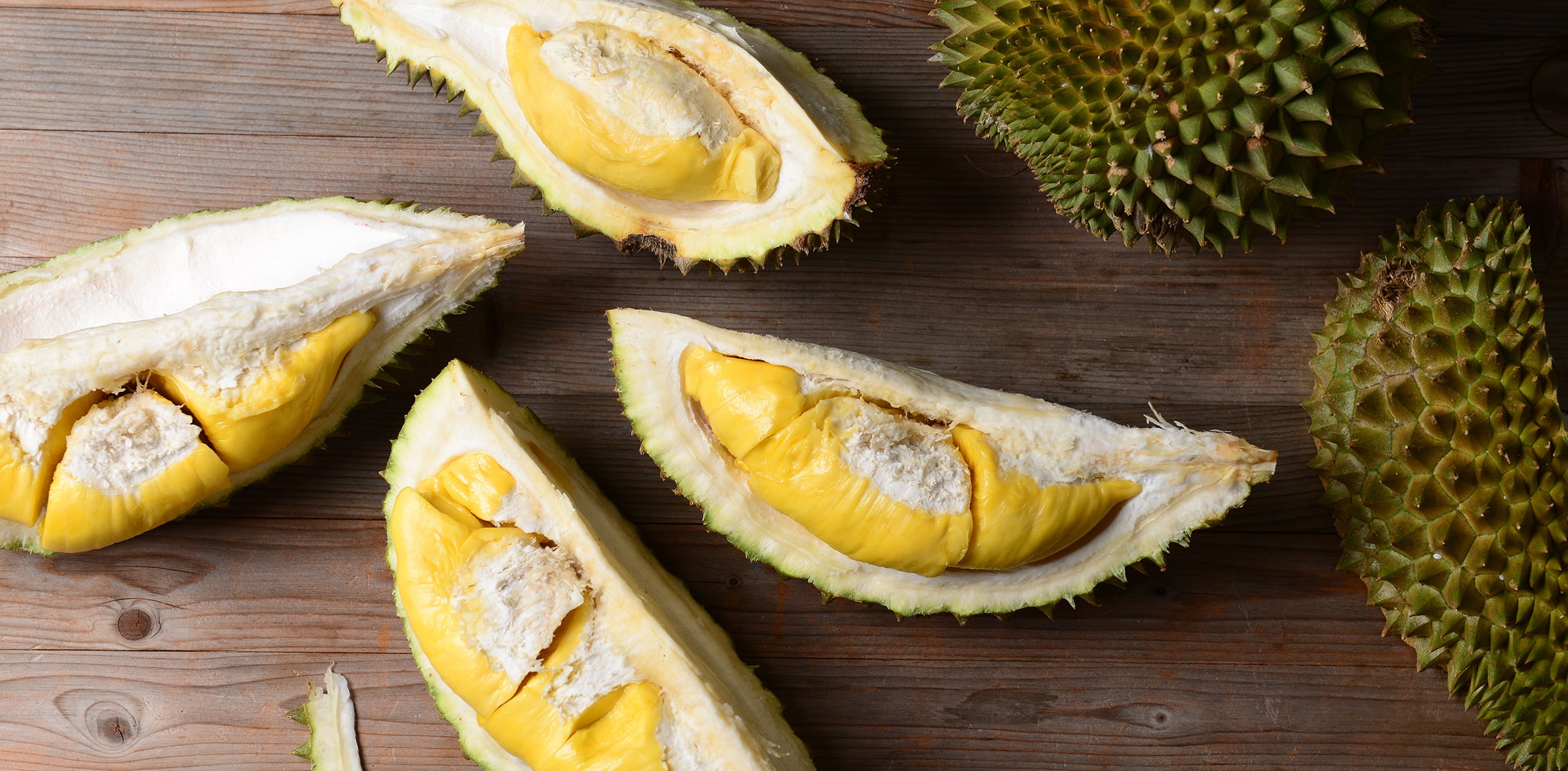
    In the first half of 2026, China increased its durian imports from Vietnam by 43%, reaching a sum of US$988 million. With a promising harvest, this robust growth is anticipated to persist. The General Department of Customs reported that durian represented over 48% of Vietnam’s fruit and vegetable exports to China. While exports of coconuts saw close to a double increase, exports of dragon fruit, bananas, and mangoes experienced a decrease.

    Future Prospects for Durian Exports

    Dang Phuc Nguyen, the Secretary General of the Vietnam Fruit and Vegetable Association, expects the surge of durian export growth to continue into the second half of the year. As the Central Highlands, the largest durian-growing region in the country, recently commenced its peak harvest season, Nguyen predicts that if the current pace of exports persists, durian export growth in 2026 could surpass the 20% rate seen in the previous year.

    The scope of durian exports has begun to broaden beyond China. As of July, fresh Vietnamese durian was granted import approval by India, introducing a new market comprised of a population exceeding 1.4 billion. However, Nguyen cautioned that a sizable population does not necessarily guarantee immediate high sales. As durian is still relatively unknown to the majority of Indian consumers, time would be required for adjustments in dietary preferences and the establishment of distribution systems.

    Nguyen suggested that initial demand for durian could be seen in major cities, imported-fruit stores, luxury retail chains, hotels, restaurants, and e-commerce platforms. He also indicated that exporters from Vietnam might find it useful to test the market using frozen, dried, or processed products. This strategy could alleviate the pressure to sell fresh fruit during the peak harvest season.

    In the first half of the year, China’s total imports of Vietnamese fruits and vegetables were valued at $2.04 billion, marking an increase of nearly 25%.

    Questions & Answers

    What was the growth rate of China’s durian imports from Vietnam in the first half of 2026?
    China’s durian imports from Vietnam increased by 43% in the first half of 2026.

    What is the potential for Vietnamese durian in the Indian market?
    While India has approved the import of Vietnamese durian, widespread success in the market will depend on the adaptation of eating habits and development of distribution systems. Initial demand is expected in major cities, premium retail outlets, hotels, restaurants, and e-commerce platforms.

    How might Vietnamese exporters approach the new Indian market?
    Vietnamese exporters could test the market by introducing frozen, dried, or processed durian products. This move could also relieve the pressure to sell fresh durian during the peak harvest season.

  • Alo Yoga Breaks Ground in China with Exclusive E-commerce Store on Tmall

    Alo Yoga Breaks Ground in China with Exclusive E-commerce Store on Tmall

    Alo, a US-based athleisure brand, is making its debut in the e-commerce sector of Mainland China through a partnership with Tmall. This new online store launch will provide Alo with a direct retail channel to a new consumer base.

    First E-commerce Store in Mainland China

    The new online store will feature over 300 products from the Alo range, cementing its exclusivity as Alo’s sole e-commerce platform in the region. This partnership also provides Alo with the opportunity to tap into Tmall’s extensive customer base, specifically its 62 million 88VIP members.

    Gu Di, GM of sports and outdoors at the Taobao and Tmall Group, expressed optimism that the collaboration would enable Alo to connect with high-value customers in the country. Gu remarked that the partnership underlines Tmall’s reputation as the preferred choice for international brands looking to engage high-value customers and achieve scalable growth in China.

    Expansion and Growth

    Alo originally ventured into mainland China in June, establishing its brand presence on popular platforms WeChat and Xiaohongshu, also known as RedNote. Since its initial entry, Alo has launched an event booking platform via a WeChat Mini Program and enlisted Chinese K-pop star Ningning from Aespa as a brand ambassador.

    Maggie Xie, an associate director at S&P Global Ratings, supported this strategy, stating that it allows Alo to leverage its current social media popularity while keeping initial investments to a minimum. She explained that by prioritizing an online store launch in mainland China, Alo can capitalize on its existing social media following and gauge consumer demand and product preferences with lower upfront capital expenditure compared to physical stores.

    Established in 2007, Alo has garnered a large following of younger consumers, thanks to its California-inspired designs and endorsements from celebrities such as Kendall Jenner and Bella Hadid.

    Questions & Answers

    What is Alo’s strategy for its entry into the Chinese market?
    Alo is leveraging the popularity of e-commerce by launching its first online store in Mainland China through Tmall. This approach allows the brand to test the market with lower upfront costs compared to opening physical stores.

    What is the significance of Alo’s new partnership with Tmall?
    The partnership provides Alo with a direct retail channel to Tmall’s extensive customer base, including over 62 million 88VIP members. It also positions Tmall as the preferred choice for international brands seeking scalable growth in China.

    How has Alo built its following among younger consumers?
    Alo has built a strong following among younger consumers through its unique California-inspired designs and the endorsement from celebrities like Kendall Jenner and Bella Hadid. This celebrity endorsement strategy has played a significant role in enhancing the brand’s appeal.

  • Retail Guru Leo Tsoi to Spearhead Hang Lung Properties as New CEO

    Retail Guru Leo Tsoi to Spearhead Hang Lung Properties as New CEO

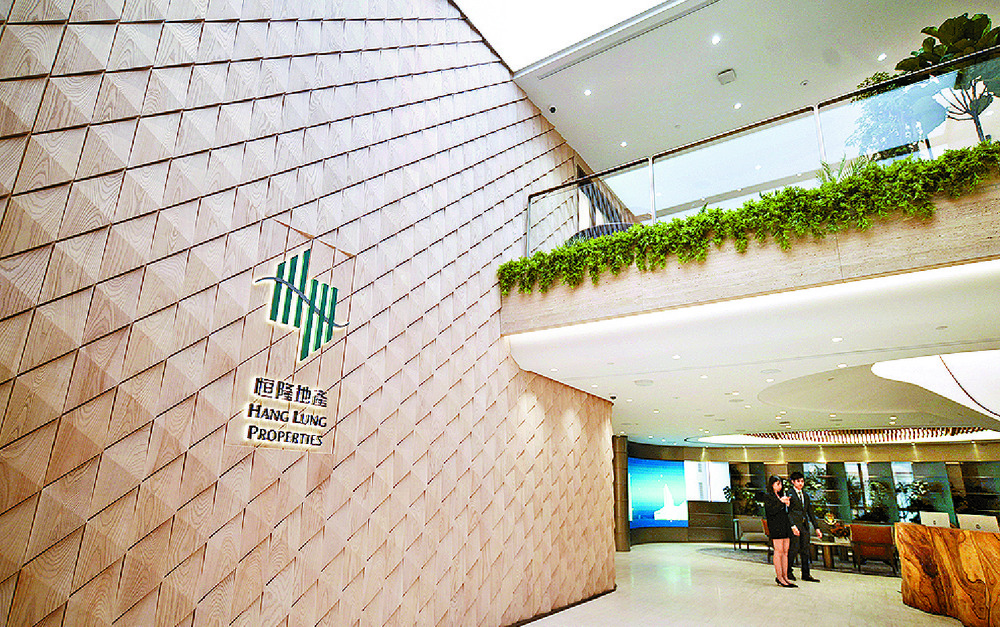
    Hang Lung Properties, a prominent Hong Kong property development firm, recently announced the appointment of retail expert, Leo Tsoi, as their new CEO and Executive Director. His tenure is scheduled to commence effectively as of October 1.

    In an initial phase, Tsoi will join Hang Lung Properties as the CEO-Elect and Executive Director, beginning on September 7. He is set to succeed the current CEO, Weber Lo, who will continue to serve in his role until September 30.

    Strategic Leadership Transition

    Building on a solid foundation of leadership and experience, Adriel Chen, the Chair of Hang Lung Properties, speaks highly of Tsoi as the right choice for the company’s future. Chen’s confidence in Tsoi’s ability to navigate the company towards its next growth phase is unwavering. In his view, Tsoi’s impressive leadership record marks him as the ideal person for the role and guarantees future prosperity for the organization under his guidance.

    In his address, Chen also expressed gratitude to the outgoing CEO, Weber Lo, acknowledging his significant contributions over the past eight years. He noted that Lo had left the company in a strong position, perfectly setting the stage for continued success in the future.

    Decades of Retail Expertise

    Tsoi comes with an impressive portfolio of over thirty years of experience in retail and business management. At present, he holds the position of CEO of Toys R Us Asia, where he has successfully steered the retailer’s venture into the thriving “kidult” market. His leadership has facilitated substantial growth across the regions of Greater China and Southeast Asia.

    Before his stint with Toys R Us Asia, Tsoi had been at the helm of Starbucks China as CEO, following numerous senior leadership roles within the company. Earlier in his career, he had also held managerial positions at well-known companies such as PepsiCo and Procter & Gamble China.

    In his response to the new appointment, Tsoi expressed keenness to work with Hang Lung’s employees, stakeholders, tenants, and customers. He highlighted his enthusiasm to be part of Hang Lung, a company with an expanding imprint and a commitment to operational excellence, making a significant influence on the communities it serves.

    Questions & Answers

    What experience does Leo Tsoi bring to Hang Lung Properties?
    Leo Tsoi brings vast experience, spanning over thirty years in retail and business management. He has served in numerous senior roles, including CEO of Toys R Us Asia and Starbucks China.

    Who will Leo Tsoi succeed as CEO of Hang Lung Properties?
    Leo Tsoi will succeed the current CEO, Weber Lo, who will remain in his role until September 30.

    What does Leo Tsoi’s appointment mean for Hang Lung Properties?
    Leo Tsoi’s appointment is expected to steer Hang Lung Properties into its next growth phase. His extensive leadership experience and track record in retail and business management are viewed as significant assets for the company’s future.

  • Haidilao Dives into Burger Biz Again, Boosts Sushi Venture Amid Cooling Hotpot Demand

    Haidilao Dives into Burger Biz Again, Boosts Sushi Venture Amid Cooling Hotpot Demand

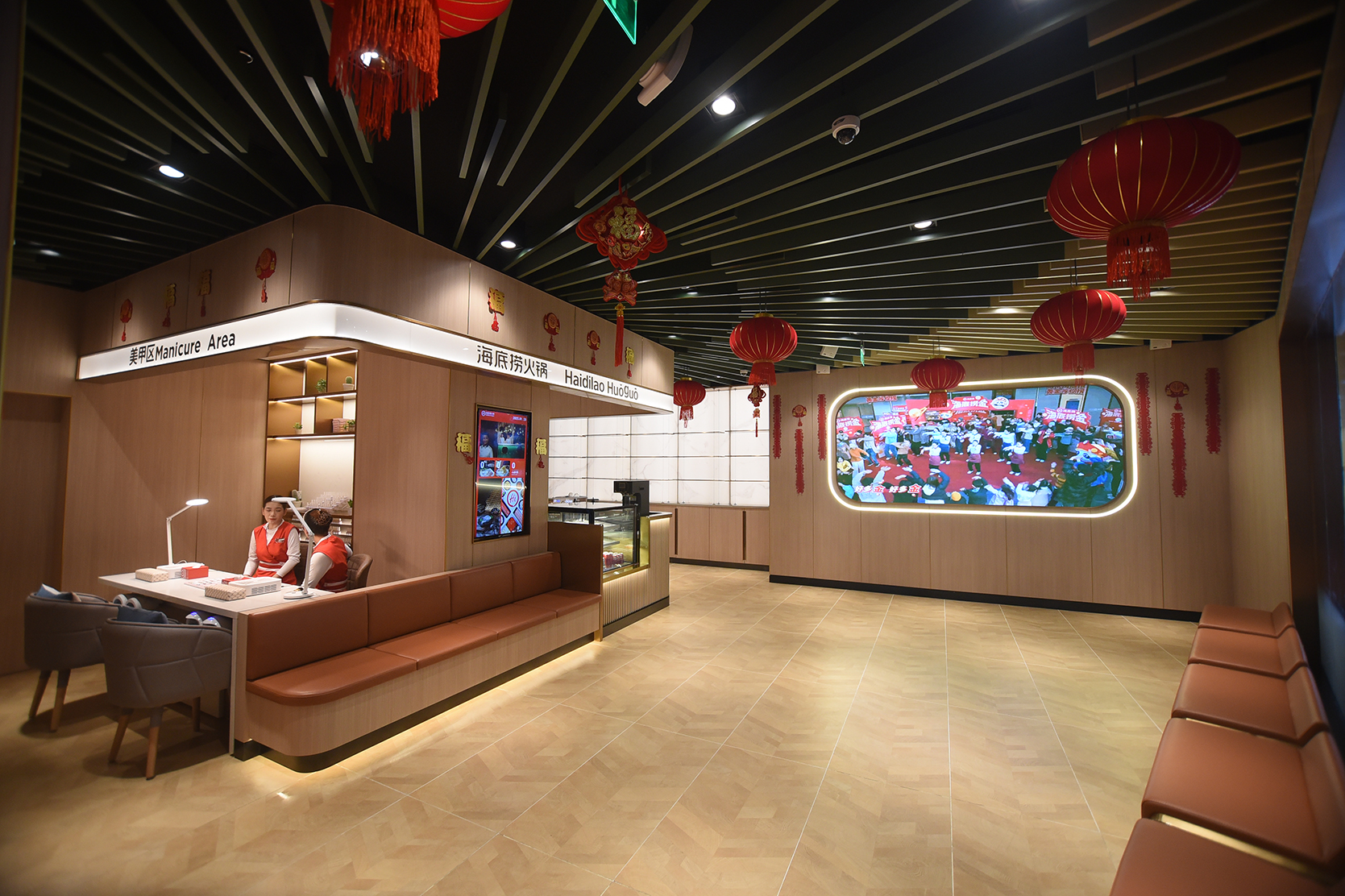
    Chinese hotpot giant Haidilao is making another attempt to break into the burger industry with its new venture, Fresh Burger, while simultaneously growing its budding sushi brand, Nyoisushi. This diversification comes as the company’s main business experiences a slowdown.

    Fresh Burger, Haidilao’s latest venture, was launched in Wuhan last month. The restaurant prides itself on its fresh grilled burgers, a departure from the frozen pre-made patties that many other fast-food chains utilize. Prices at Fresh Burger range from 18.9 yuan (approximately $2.80) to 41.9 yuan, and the menu also includes a variety of other options such as pizza, pasta, coffee, and ice cream.

    Alongside its expansion into the burger market, Haidilao has also been concentrating on growing its sushi brand, Nyoisushi. Following the success of its inaugural store in Hangzhou, the company has opened two additional outlets in Wuhan.

    Financial Situation and Future Plans

    Despite these ambitious expansions, Haidilao recently reported a 14% decrease in net profit for the fiscal year 2025, resulting in a sum of 4.05 billion yuan (about $600 million). Despite the drop, revenues still saw a slight increase of 1.1%, totaling 43.23 billion yuan.

    In light of these financial results, Haidilao announced plans to grow its multi-brand portfolio while focusing on enhancing the customer experience. The company aims to leverage digitalization and strategic acquisitions to achieve this goal. Beyond burgers and sushi, Haidilao also operates several other ventures, including seafood restaurants and Chinese fast-food chains.

    Haidilao’s previous attempt to break into the burger market was with Hiburger, launched in 2024. Despite initial hopes, Hiburger ended operations just a year later in 2025.

    This renewed effort to establish a foothold in the burger market comes as American fast-food chains bolster their presence in China. Notably, Burger chain Five Guys is slated to open its first store in Beijing in August, following its debut in Shanghai in 2021. Other U.S. chains such as Wendy’s and Texas Chicken have also announced their plans to enter the Chinese market, while Popeyes made a comeback in April after a two-decade-long absence since 2003.

    Questions & Answers

    What is the new venture of the Haidilao?
    Haidilao has launched a new burger chain called Fresh Burger and is expanding its sushi brand, Nyoisushi.

    What is the price range of food items at Fresh Burger?
    The prices at Fresh Burger range from 18.9 yuan (approximately $2.80) to 41.9 yuan.

    What are Haidilao’s future plans following its recent financial results?
    Haidilao plans to expand its multi-brand portfolio, improve the customer experience, increase digitalization, and pursue strategic acquisitions.

  • Singapore’s Jumbo Group Launches Joint Venture to Propel Ng Ah Sio Bak Kut Teh Brand in China

    Singapore’s Jumbo Group Launches Joint Venture to Propel Ng Ah Sio Bak Kut Teh Brand in China

    The popular Singapore-based Jumbo Group has recently announced its intention to broaden the reach of its Ng Ah Sio Bak Kut Teh brand in China, commencing with a focus on Shanghai.

    Joint Venture for International Expansion

    Jumbo Group’s wholly-owned subsidiary, Jumbo F&B Services, has partnered with K Grand Resources and investor Yap Kok Kiong to establish this venture. K Grand Resources is the major stakeholder, owning 60% of the project. Jumbo F&B Services and Yap Kok Kiong each have a 20% stake.

    The newly formed Singapore-based company will possess the area franchise rights for the Ng Ah Sio Bak Kut Teh brand in Shanghai and other designated locations throughout China. Its responsibilities encompass sourcing franchisees and facilitating the brand’s growth within the Chinese market.

    As part of the agreement, the joint venture will have permission to utilize the Ng Ah Sio Bak Kut Teh trademark and associated intellectual property, granted by Jumbo Group.

    Strategic Growth and Funding

    Jumbo has clarified that the investment necessary for this initiative will be sourced internally and is unlikely to significantly impact the group’s earnings or net tangible assets for the financial year ending September 30.

    This strategic move aligns with Jumbo’s larger expansion plans. The group is determined to fortify its presence in China and Southeast Asia, with a specific focus on Shanghai, Jakarta, and Ho Chi Minh City. The group also hopes to diversify into institutional catering, thereby broadening its business portfolio.

    Questions & Answers

    Who are the partners in this joint venture?
    The joint venture partners are Jumbo’s subsidiary, Jumbo F&B Services, K Grand Resources, and investor Yap Kok Kiong.

    What are the responsibilities of the new company?
    The Singapore-based company will hold the area franchise rights for the Ng Ah Sio Bak Kut Teh brand in Shanghai and other agreed locations in China. It will be responsible for appointing franchisees and driving the brand’s expansion in the market.

    What is the broader growth strategy of Jumbo Group?
    The Jumbo Group aims to expand its presence in China and Southeast Asia, targeting growth in cities like Shanghai, Jakarta, and Ho Chi Minh City. The company also plans to diversify into institutional catering.

  • False Quality Claims Threaten Kimberly-Clarks Diaper Sales in China: Repercussions and Recovery Strategies

    False Quality Claims Threaten Kimberly-Clarks Diaper Sales in China: Repercussions and Recovery Strategies

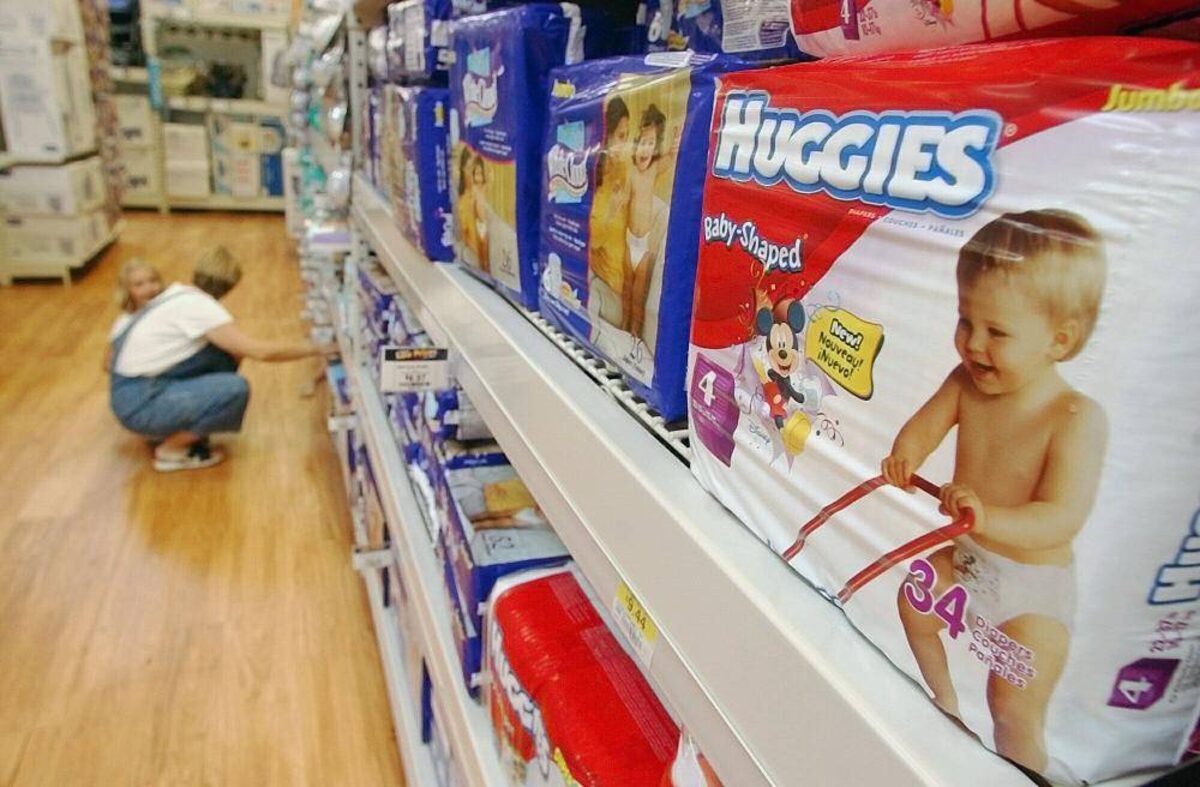
    Kimberly-Clark, the renowned maker of Kleenex tissues and Huggies diapers, lowered their annual profit and sales projections on Tuesday. This forecasting adjustment comes as a result of continuing challenges related to allegations about the quality of Kimberly-Clark’s diapers in the Chinese market, which have negatively affected sales in the second quarter.

    False claims circulating on Chinese social media accused Kimberly-Clark’s Huggies diapers of containing formamide, causing a significant stir just before the all-important ‘618’ shopping festival in June. Formamide is a toxic substance known to cause skin irritation, eye discomfort, and breathing difficulties if inhaled. Two Chinese brands, Babycare and Bibabebe, faced similar accusations.

    Kimberly-Clark defended its product quality by commissioning an independent test from a government-approved third party. The test results refuted the damaging social media allegations. China’s market regulator initiated an investigation into these claims but has yet to update the public on its findings.

    Kimberly-Clark CEO Mike Hsu commented on the ongoing situation, saying that while he is cautiously optimistic, he acknowledges that incidents like these are occurring more frequently. Hsu noted that consumers are becoming increasingly discerning, and the company will need time to navigate through the current challenges.

    Impact on Sales and Profit Forecasts

    Despite being on course to complete the sizable acquisition of Kenvue worth roughly US$40 billion by the end of this year, Kimberly-Clark has revised its 2026 organic sales growth forecast. The company now predicts this figure to fall about 100 basis points below the average growth of its markets and categories, a departure from previous predictions of in-line growth.

    Furthermore, Kimberly-Clark anticipates a high-single-digit growth rate in annual adjusted earnings per share, down from the previously forecasted double-digit growth. This projection factors in a roughly $150 million impact from rising oil prices.

    Kimberly-Clark COO Russ Torres referred to the disruption in China as a “one-time external impact.” He expects it to decrease the International Personal Care segment’s organic growth by three to four percentage points and restrain operating profit growth by 10 to 12 percentage points this year.

    Looking Ahead

    Despite the unexpected setback in China, Kimberly-Clark is making strides in its cost-saving and transformation efforts. The recent controversy, however, has added another layer of complexity to their operations. The company is now focusing on meeting the demands of economically strained consumers.

    Kimberly-Clark recently completed the sale of a 51% stake in its international tissue business to Suzano, forming a US$3.4 billion Arbex joint venture. This strategic move positions the company to compete with industry giants such as Procter & Gamble and Essity.

    In the last quarter, Kimberly-Clark’s net sales experienced a marginal increase of 0.6% to US$4.19 billion, falling slightly short of the estimated US$4.22 billion. Nonetheless, the company reported a 6.2% increase in adjusted operating profit to US$757 million, a boost facilitated by tariff refunds of about US$45 million.

    Questions & Answers

    What were the allegations against Kimberly-Clark’s Huggies diapers in China?
    False claims suggested that Huggies diapers contained formamide, a toxic substance that can cause skin irritation, eye discomfort, and breathing difficulties if inhaled.

    How has Kimberly-Clark responded to these allegations?
    Kimberly-Clark defended its products by commissioning an independent test from a government-approved third party. The test results refuted the damaging social media allegations.

    What impact has the situation in China had on Kimberly-Clark’s sales and profit forecasts?
    The company has lowered its annual profit and sales predictions due to the ongoing controversy. It now expects a high-single-digit growth rate in annual adjusted earnings per share and predicts 2026 organic sales growth to fall about 100 basis points below the average growth of its markets and categories.

  • Bain Capital Acquires Bubble Tea Giant Gong Cha for $635 Million in Surprise Deal

    Bain Capital Acquires Bubble Tea Giant Gong Cha for $635 Million in Surprise Deal

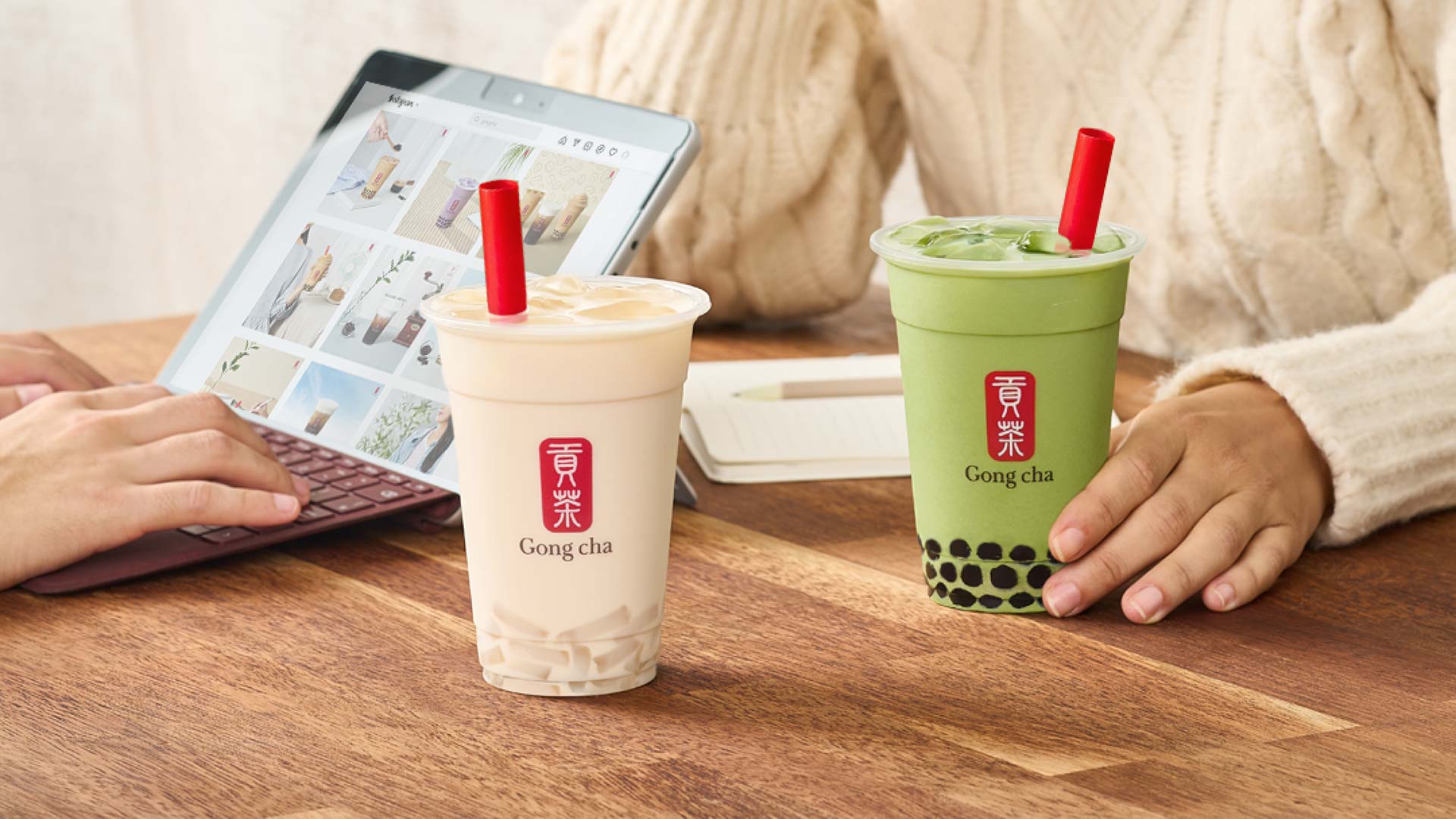
    Private equity firm Bain Capital has successfully completed the acquisition of the global bubble tea franchise, Gong Cha, a deal estimated to be worth around US$635 million. This figure falls significantly short of the $2 billion valuation that was initially sought by Gong Cha’s owner, TA Associates, earlier in the year.

    Exploring Strategic Options

    Speculation about the acquisition began circulating months ago, after it was revealed that TA Associates had engaged the services of JPMorgan Chase & Co. The global financial services firm was to explore strategic options for Gong Cha, which was founded in Taiwan, including the potential for a sale.

    Initial discussions proposed that the business could be valued at approximately $2 billion. However, these talks were still in the preliminary stages and a transaction was far from guaranteed. During the sale process, TA Associates, the bubble tea chain’s owner since 2019, reportedly piqued the interest of several private equity firms, including Bain Capital and General Atlantic.

    Global Bubble Tea Giant

    Since its establishment in 2006, Gong Cha has evolved into one of the largest bubble tea franchises in the world. The brand currently operates more than 2,100 stores across over 30 markets. Its franchise model extends across the Asia-Pacific, North America, Europe, and the Middle East.

    The acquisition is expected to finalize before the close of the current year.

    Questions & Answers

    What is the estimated value of the Gong Cha acquisition by Bain Capital?
    The acquisition is estimated to be worth around US$635 million.

    Who was engaged to explore strategic options for Gong Cha?
    Global financial services firm, JPMorgan Chase & Co, was engaged to explore strategic options for Gong Cha.

    How many markets does Gong Cha operate in worldwide?
    Gong Cha operates in over 30 markets across the globe.

  • Yum China Acquires Pizza Hut: Record Revenue, Store Expansion, and Surging Delivery Sales Drive Q2 Growth

    Yum China Acquires Pizza Hut: Record Revenue, Store Expansion, and Surging Delivery Sales Drive Q2 Growth

    After operating as a licensee for 36 years, Yum China is poised to acquire full ownership of Pizza Hut in Mainland China. This substantial move was guided by the company’s impressive second-quarter earnings report, which revealed a 13% year-on-year increase in revenue, reaching US$3.14 billion. Simultaneously, operating profit soared to US$348 million. These robust figures reflect Yum China’s competitive edge in the market, according to the company’s CEO, Joey Wat.

    KFC: The Powerhouse

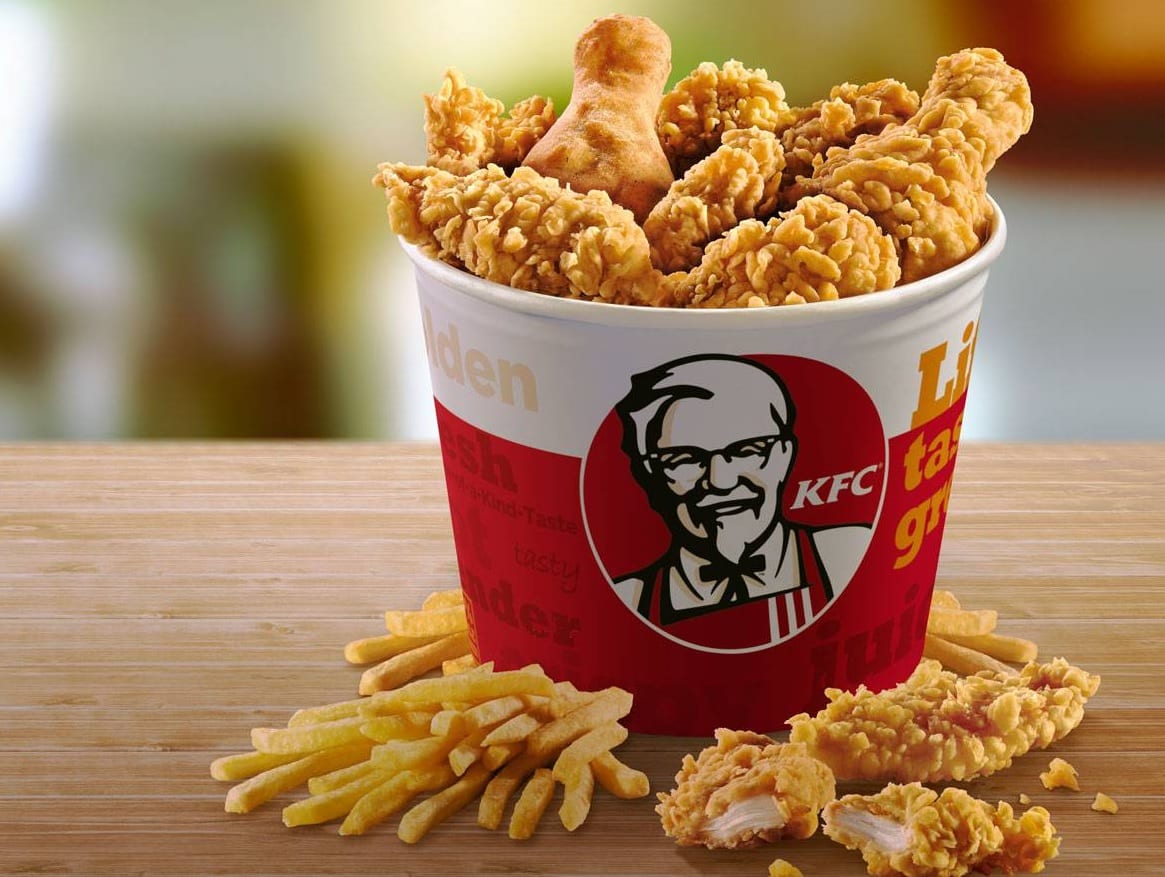
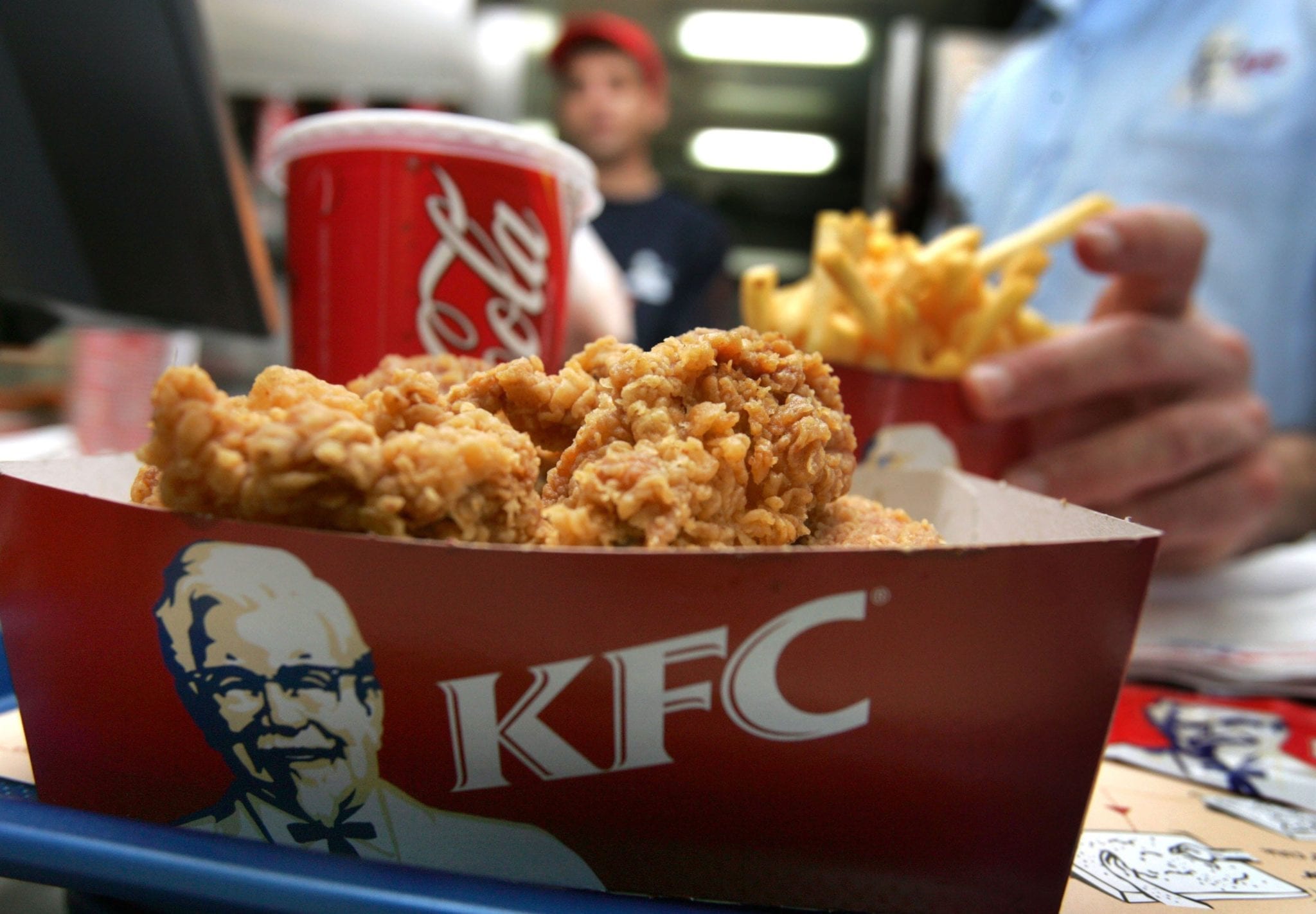
    KFC continues to be the primary growth accelerator for the company, contributing significantly to the overall portfolio. The brand’s operating profit for the quarter stood at US$332 million, surpassing Pizza Hut’s earnings by nearly six and a half times. With a steady 7% system sales growth and a 1% increase in same-store sales, KFC reported its fifth consecutive quarter of expansion.

    Yum China’s innovative approach to its menu strategy has paid off, with the aim of establishing billion-yuan product lines and expanding their reach. For instance, the whole chicken product, introduced in 2021, generated over CNY 2 billion in sales within a year. Meanwhile, projections for the Zinger burger line anticipate sales surpassing CNY 5 billion by the end of 2026.

    Pizza Hut: A Revamp and Acquisition

    Pizza Hut experienced a promising turnaround, with same-store sales registering a 1% growth. The Pizza Hut Burger Bar, a unique, open-kitchen burger counter set within existing restaurants, expanded to over 200 locations in six months. This novel concept significantly boosted sales, particularly among young consumers and solo diners.

    Yum China is on track to expand the Pizza Hut brand’s reach, with an aim to open between 500 to 600 new locations by the end of the year. The company is also set to achieve an important milestone soon – becoming the owner of Pizza Hut in Mainland China, after more than three decades of managing the brand.

    The company has ambitious plans to enhance Pizza Hut’s profitability and align its restaurant margins closer to that of KFC. It also plans to open more than 800 new locations annually by 2027 and 2028, surpassing its original target of 600 new outlets per year.

    The Driving Forces Behind the Brands

    Two key factors played significant roles in boosting the company’s earnings. The first is expansion, with a record 560 new stores opened during the quarter, taking the total count to 19,297. Franchisees were responsible for about 41% of these new openings.

    The second key factor is the growing reliance on delivery services, which now account for 54% of the company’s total sales. Despite facing tougher comparisons in the latter half of the year, Yum China is optimistic about its prospects, buoyed by projected capital returns of US$1.5 billion and the impending full ownership of Pizza Hut.

    Questions & Answers

    What contributed to Yum China’s growth in the second quarter?
    Yum China’s growth can be attributed to its strategic menu innovations, robust franchise expansion, and an increased reliance on delivery services.

    What are some innovative strategies that Yum China has implemented this year?
    One significant strategy is the introduction of the Pizza Hut Burger Bar, an open-kitchen burger counter inside existing Pizza Hut restaurants. This new concept has led to increased sales and customer engagement.

    What are Yum China’s future plans for Pizza Hut?
    Yum China aims to enhance Pizza Hut’s profitability, align its restaurant margins closer to those of KFC, and open more than 800 new outlets annually by 2027 and 2028.

  • Chinese Brand Nice Rice Debuts First Store in Hong Kong’s Fashion Hotspot, Causeway Bay

    Chinese Brand Nice Rice Debuts First Store in Hong Kong’s Fashion Hotspot, Causeway Bay

    Nice Rice, a popular Chinese fashion brand, has debuted its first outlet in Hong Kong, marking a crucial step in the brand’s expansion outside of Mainland China.

    Innovative Flagship Store in a Premium Retail Location

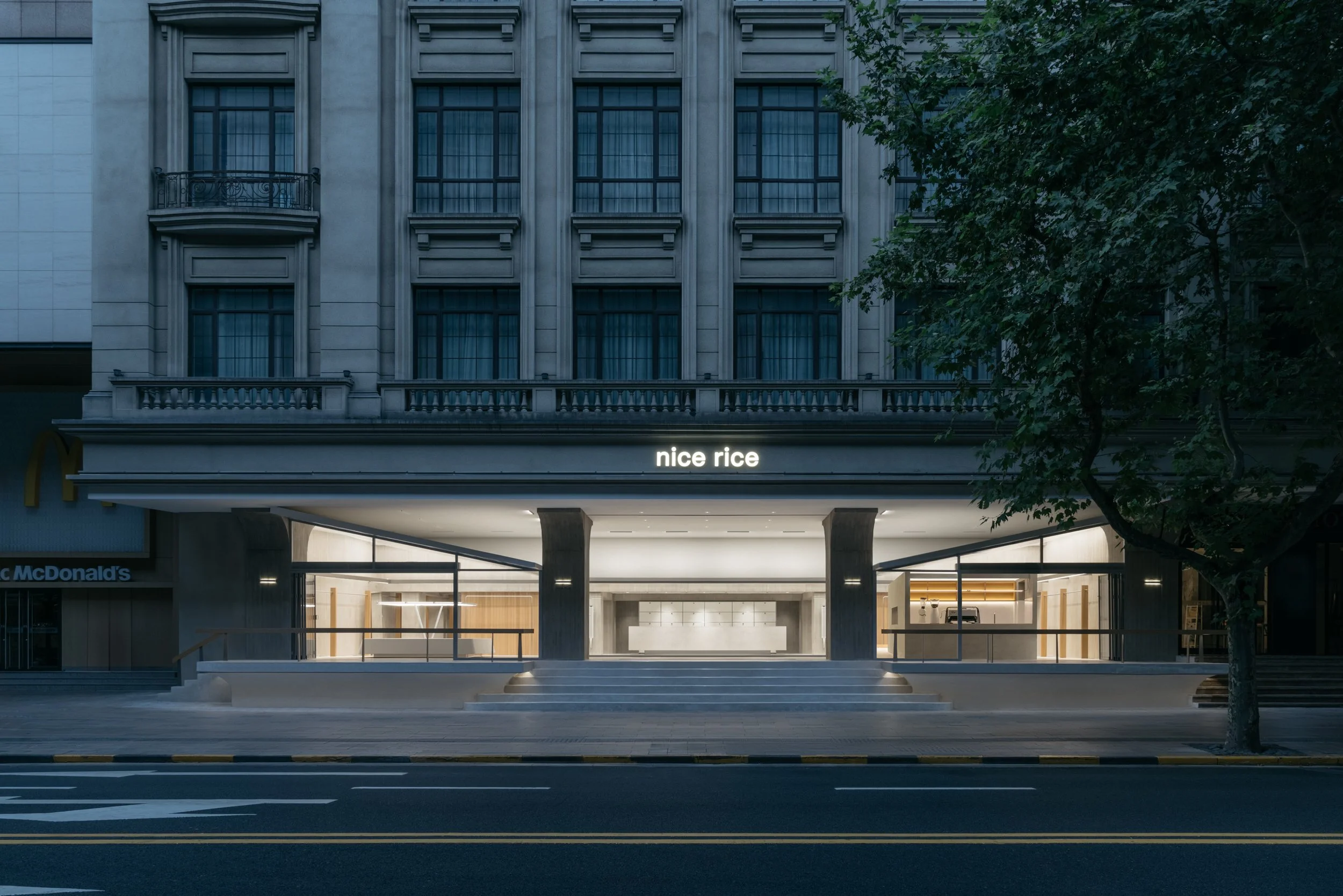
    The brand’s flagship store, which spans an impressive 1500 square feet, is located in Causeway Bay, a highly sought-after retail destination. The new Nice Rice store stands alongside a slew of top-tier streetwear brands such as Stussy, Inc., and Carhartt, thereby reinforcing Pak Sha Road’s reputation as a premier fashion retail hub.

    Nice Rice, the brainchild of One Sun, was founded in 2018. It has approximately 20 stores spread across China. The brand’s Shanghai flagship stands out, operating as a unique fusion of a coffee and fashion store.

    Aligning with Expansion Trends

    The move to expand Nice Rice beyond China’s domestic market aligns with a growing trend among Chinese retailers. Causeway Bay, with its international appeal, robust retail infrastructure, and a diverse consumer base, remains a popular choice for brands seeking to establish a flagship presence. The location offers a unique opportunity for brands to engage with both local shoppers and international tourists.

    Questions & Answers

    What is Nice Rice?
    Nice Rice is a popular fashion brand from China that was established in 2018 by One Sun.

    Where is the Nice Rice flagship store situated in Hong Kong?
    The flagship store of Nice Rice is located in Causeway Bay, a premium retail destination in Hong Kong.

    What is unique about the Shanghai flagship store of Nice Rice?
    The Shanghai flagship store of Nice Rice operates as a dual coffee and fashion store, which sets it apart from other outlets.

  • Digital Bridge Unveiled: China and Cambodia Debut Historic Subsea Cable System

    Digital Bridge Unveiled: China and Cambodia Debut Historic Subsea Cable System

    China Unicom Global, in partnership with Cambodia’s Ministry of Posts and Telecommunications (MPT), has made significant strides in the global telecommunications arena with the successful landing and installation of the Sihanoukville-Hong Kong (SHV-HK) submarine cable system. This monumental achievement establishes a direct digital link from Sihanoukville, Cambodia to the Tseung Kwan O Industrial Estate in Hong Kong SAR.

    First State-Owned International Submarine Fiber-Optic System in Cambodia

    The collaborative venture between the MPT and China Unicom Global has produced the inaugural state-owned international submarine fiber-optic system in Cambodia. Produced and deployed by HMN Tech, this significant investment, costing an estimated USD 165 million, is set to enhance high-capacity optical transport across the South China Sea.

    The SHV-HK subsea system spans an impressive 2,938 kilometers and features a main trunk with two additional stub cables, paving the way for potential expansions in the future. Boasting a design capacity of a whopping 80 Terabits per second across four fiber pairs, this cable has the capacity to support over 3.2 million simultaneous streams of 4K ultra-high-definition video or manage massive enterprise cloud transfers.

    Hong Kong’s Role in the Ambitious Project

    China Unicom Global is managing the Hong Kong segment of this ambitious project. The cable reaches the shore at a Beach Manhole (BMH) specifically located in the Tseung Kwan O Industrial Estate. Supplementing the overall infrastructure are the Power Feeding Equipment (PFE) and Submarine Line Terminal Equipment (SLTE) located at China Unicom Global’s global center and cable landing station in the Tseung Kwan O Industrial Estate. These installations will guide traffic effectively into the major local carrier-neutral data centers.

    Questions & Answers

    What is the length of the SHV-HK submarine cable system?
    The SHV-HK submarine cable system stretches for approximately 2,938 kilometers.

    What capacity does the SHV-HK submarine cable system hold?
    The cable system has a design capacity of up to 80 Terabits per second, which can support over 3.2 million simultaneous streams of 4K ultra-high-definition video or extensive enterprise cloud transfers.

    Who are the key players involved in this project?
    China Unicom Global and Cambodia’s Ministry of Posts and Telecommunications (MPT) have partnered to complete this project, with HMN Tech manufacturing and deploying the cable system.

  • Riding High on KFC, Pizza Hut Success, Yum China Accelerates Expansion to Surpass 20,000 Stores in 2021

    Riding High on KFC, Pizza Hut Success, Yum China Accelerates Expansion to Surpass 20,000 Stores in 2021

    Yum China, the company behind KFC and Pizza Hut, has expressed its plans to further expand its footprint after a profitable second quarter. The robust financial performances from both KFC and Pizza Hut were significant factors in the company’s growth.

    Strong Quarterly Performance Fuels Expansion Plans

    Yum China’s revenue rose 13% YoY to $3.1 billion for the second quarter, which concluded on June 30. A 6% increase in system sales, discounting foreign exchange impacts, exceeded the broader performance of China’s catering industry. The company also marked a second-quarter record, with an operating profit of $348 million.

    Customer demand has shown resilience, with same-store sales witnessing a marginal 1% growth. This growth, driven by a 5% increase in transactions, marks the 14th consecutive quarter of transaction growth. The quarter saw the opening of 560 new stores, a 67% increase from the previous year, elevating the total number of restaurants to 19,297. Yum China has also indicated its plans to surpass the 20,000 store milestone by the end of the year.

    KFC and Pizza Hut Lead the Way

    KFC has spearheaded growth for Yum China, opening 335 new stores to reach a staggering total of 13,789 locations. System sales for KFC have climbed by 7%, while same-store sales have grown by 1% for the fifth consecutive quarter.

    Pizza Hut has also seen increased traction, with the addition of 174 new stores – nearly double the number opened during the same period last year. System sales for Pizza Hut have grown by 6%, while same-store transactions have surged by 13%.

    Joey Wat, CEO of Yum China, spoke about the company’s imminent breakthrough: becoming the owner of the Pizza Hut brand in Mainland China. She mentioned that the company anticipates savings in license fees to facilitate margin expansion.

    Newer concepts are also gaining momentum. Kpro, Yum China’s light-meal business, is projected to reach about 800 locations this year. KCoffee Café has expanded to more than 3,300 locations, and Pizza Hut’s Burger Bar, with plans to reach 500 to 600 locations by year-end, now operates in more than 200 outlets.

    The company has reaffirmed its 2026 outlook, predicting high single-digit operating profit growth and double-digit EPS growth. This excludes the anticipated impact of the acquisition of the Pizza Hut brand in mainland China, expected to finalize next month. Following the acquisition, Yum China aims for more than 800 net new store openings annually from 2027.

    Questions & Answers

    What financial growth did Yum China witness in the second quarter?
    Yum China saw a 13% YoY rise in revenue, reaching $3.1 billion.

    What has been the contribution of KFC and Pizza Hut to Yum China’s growth?
    KFC opened 335 new stores, and Pizza Hut added 174 new ones, contributing significantly to the company’s growth.

    What is Yum China’s outlook for 2026?
    Yum China predicts high single-digit operating profit growth and double-digit EPS growth for 2026, excluding the impact of the anticipated Pizza Hut brand acquisition in mainland China.

  • Public Outcry in China as Louis Vuitton Wins Trademark Case Against Popular Beverage Chain Molly Tea

    Public Outcry in China as Louis Vuitton Wins Trademark Case Against Popular Beverage Chain Molly Tea

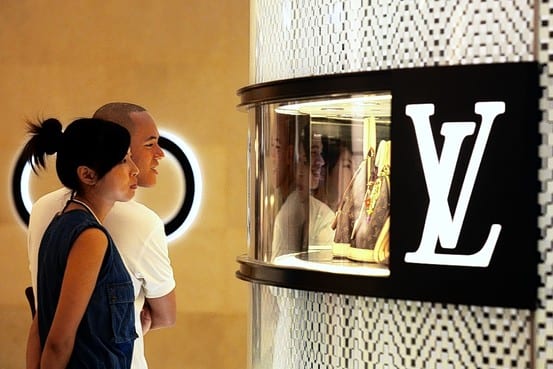
    French luxury fashion giant Louis Vuitton is currently in the midst of public disapproval in China, following its array of trademark lawsuits including a significant victory against the well-liked beverage chain, Molly Tea. In June, a court in Suzhou, Jiangsu province, concluded that Molly Tea, based in Shenzhen, had violated seven of LV’s registered four-petal floral trademarks. The beverage chain was subsequently ordered to pay 10.3 million yuan (approximately US$1.5 million) in damages and legal costs. Despite Molly Tea’s indication of appealing the decision, the verdict has garnered public discontent and stimulated a fervent debate across the country.

    The Dispute Fuels Chinese Public Opinion

    Initially, the argument centered on the resemblance between Molly Tea’s logo and LV’s trademarks, and the reasoning behind the fashion house’s lawsuit against a company operating in a completely different sector. However, the debate soon shifted towards determining the fine line between protecting intellectual property rights and monopolizing elements of shared cultural heritage. As seen from public discourse, a large proportion of Chinese citizens compared the four-petal floral trademarks to various elements of their cultural heritage, including the baoxiang floral designs on Tang dynasty pipa instruments, decorative window patterns in Suzhou’s classical gardens, and even older public toilet ventilation grilles and floor tiles. The critics argue that while the LV monogram has a history of about 130 years, the four-petal flower motif has been a part of Chinese culture for more than a millennia. This case has also rekindled public resentment over perceived cultural appropriation by international luxury brands.

    Public Relations Woes Despite Legal Victories

    Despite its legal defeat, Molly Tea appears to have garnered significant public support. The beverage chain’s official social media account on Weibo witnessed a surge in followers in the days following the lawsuit. Moreover, the brand gained even more backing after donating to the Guangxi Zhuang Autonomous Region, which had been affected by a typhoon.

    Meanwhile, Louis Vuitton continues to actively enforce its trademark rights in China, with numerous cases of opposition filed against designs similar to its four-leaf or four-petal trademarks. Despite some defending the luxury brand’s actions, many have accused it of monopolizing ancient Chinese motifs and exploiting smaller businesses. This controversy has impacted the brand’s foot traffic and resale market prices of popular handbags.

    Spring Chang, founding partner of IP law firm Chang Tsi and Partners, considers these controversies to highlight the gaps in legal application and communication. “If public opinion swings entirely to the view that any enforcement by a big company is bullying, that will weaken the basis for legitimate enforcement and confidence in the system over time,” she noted.

    Questions & Answers

    What is the source of the conflict between Louis Vuitton and Molly Tea?
    The conflict stems from a lawsuit filed by Louis Vuitton, claiming that Molly Tea infringed on seven of its registered four-petal floral trademarks with its logo.

    What has been the public’s reaction to the lawsuit in China?
    The lawsuit has ignited a public debate about cultural appropriation and intellectual property rights. While some defend Louis Vuitton’s actions, many see it as an example of a global luxury brand exploiting smaller businesses and monopolizing shared cultural symbols.

    How has this controversy affected Louis Vuitton’s business in China?
    The controversy has led to a noticeable drop in foot traffic in Louis Vuitton boutiques in several cities, including Shanghai, and a decline in the resale market prices of some of its popular handbags.

  • Authentic Brands Group Boosts Nautica and Spyder Growth in China with New Operating Partner, Shanghai Hui Zhong

    Authentic Brands Group Boosts Nautica and Spyder Growth in China with New Operating Partner, Shanghai Hui Zhong

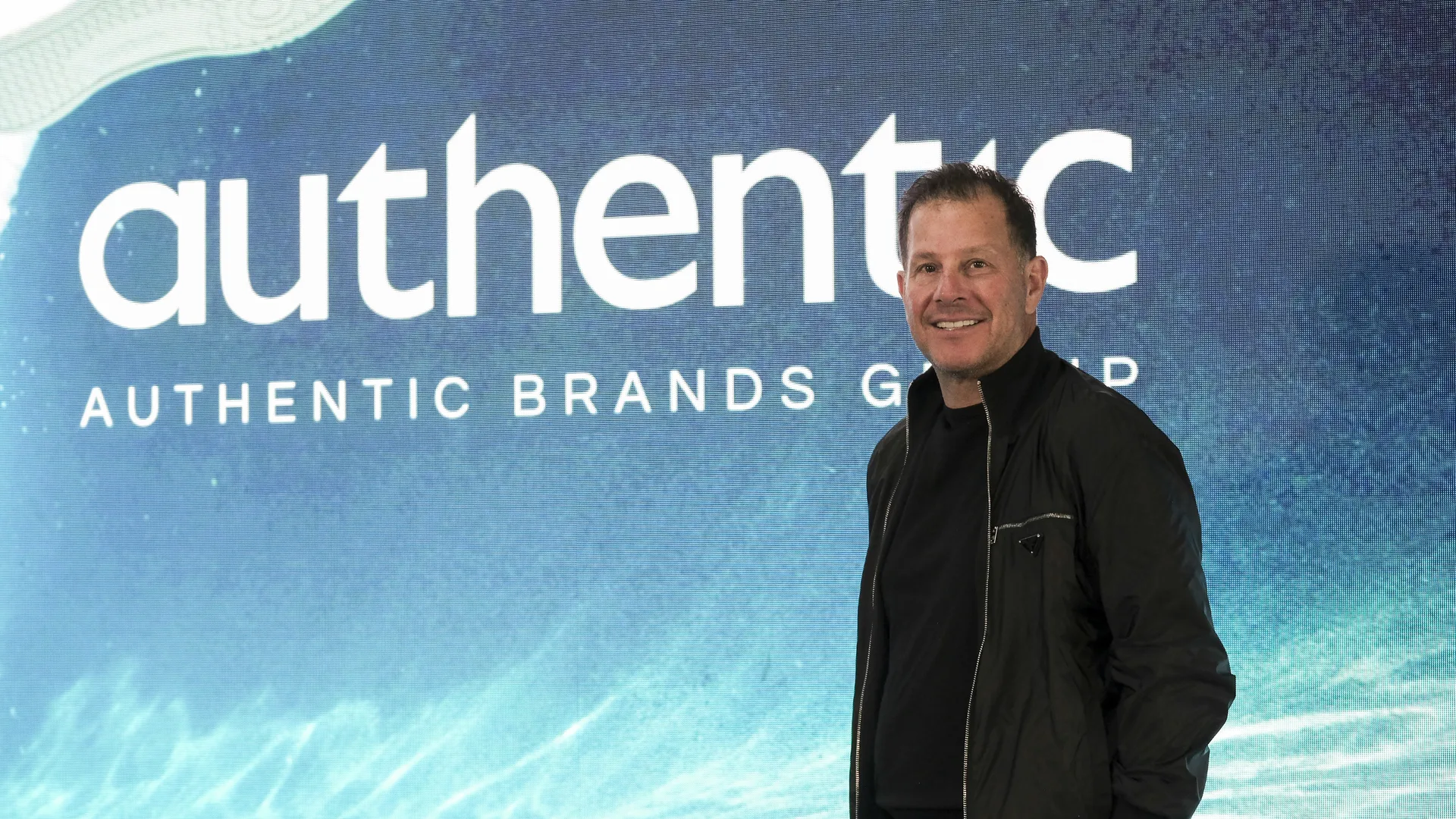
    Authentic Brands Group has announced Shanghai Hui Zhong as its primary operational partner for the Nautica and Spyder brands in mainland China, Hong Kong, and Macau. The new appointment aims to bolster the brands’ growth trajectory in these regions.

    Strengthening Local Operations

    Shanghai Hui Zhong will be responsible for managing local operations, encompassing supply chain management, wholesale distribution, and the operation and expansion of the brands’ physical retail stores. Leveraging its understanding of the local market and its robust distribution channels, the company will support the expansion of Nautica and Spyder in the region.

    The partnership, according to Authentic, is a strategic blend of its global brand development platform with Hui Zhong’s local capabilities. This is expected to reinforce Nautica’s and Spyder’s presence in the Chinese market.

    Authentic stated, “This partnership demonstrates our continued dedication to collaborating with top-tier partners to extend the reach and influence of our global brands in the Chinese market. Through global brand management and localized operations, Authentic and Huizhong will cooperate to unveil new growth avenues for Nautica and Spyder in China.”

    Transition from Tristate Holdings

    Since 2018, Tristate Holdings had maintained the management of Nautica and Spyder in China through licensing agreements with Authentic Brands Group. This agreement was extended through December 2032 for Nautica following amendments to the licensing agreements in 2021.

    According to the 2025 annual report, Nautica’s revenue saw a 12% decrease year over year, and Spyder’s experienced a 24% drop due to weakened consumer spending affecting China’s retail market. This led to the company optimizing its store network, ending 2025 with 70 directly managed Nautica stores, 44 partner stores, and 42 Spyder stores spread across China.

    Tristate recently disclosed in a Hong Kong Stock Exchange filing that Authentic had issued notices to terminate the Nautica and Spyder license agreements, which are still under legal proceedings. Authentic did not comment on the status of its licensing arrangements with Tristate in its announcement of the Shanghai Hui Zhong partnership.

    Earlier in the year, Authentic had also chosen NewRee Sports as Reebok’s main operating partner for mainland China, Hong Kong, and Macau, marking a shift in the brand’s operating structure in the region.

    Questions & Answers

    Who has been chosen as the new operating partner for Nautica and Spyder in mainland China, Hong Kong, and Macau?
    Shanghai Hui Zhong has been selected as the new operating partner for these brands in the specified regions.

    What led to the decline in Nautica’s and Spyder’s revenues in 2025?
    The brands’ revenues were impacted by weakened consumer spending in China’s retail market.

    Who was previously managing Nautica and Spyder in China?
    Prior to the new appointment, Tristate Holdings held the management responsibilities for these brands under a licensing agreement with Authentic Brands Group.

  • Thai Gem and Jewelry Industry Shines in China: New Deal to Skyrocket Exports

    Thai Gem and Jewelry Industry Shines in China: New Deal to Skyrocket Exports

    The Gem and Jewellery Institute of Thailand (GIT) has formalized a strategic partnership with two prominent Shanghai-based firms with the aim of bolstering Thai gem and jewellery enterprises’ market penetration in China. The collaborations have been established with the Shanghai Jing’an Real Estate Group Import and Export Co. and the China Gems & Jade Exchange. Their collective goal is to establish industry standards, streamline market access, fortify trade connections, and heighten the competitiveness of Thai gemstone and jewellery enterprises.

    Looking into the Collaboration

    As part of this alliance, GIT will contribute its technical proficiency, establish product standardization, and offer quality assurance services. It will also aid in bridging the gap between Thai businesses and prospective associates. On the other hand, the Chinese collaborators will provide critical insights into import regulations, guide through customs procedures, offer bonded warehouse services, handle logistics, arrange product exhibitions, and create business opportunities within the Chinese market.

    The importance of China as a primary market for Thailand’s gemstone and jewellery industry has been recognized by GIT. It anticipates that this reinforced collaboration with Chinese partners will allow Thai businesses to penetrate the market more efficiently while fostering bilateral cooperation in the sector.

    Aligning with SMART JEWELER Program

    This move is in line with the objectives of the SMART JEWELER scheme by GIT. The program is designed to enhance the competitiveness of players in the industry. This is achieved through brand development, fostering design innovation, analyzing consumer trends, and creating international business networks.

    Questions & Answers

    What is the primary objective of the collaboration between GIT and the two Shanghai firms?
    The aim is to establish industry standards, streamline market access, fortify trade connections, and heighten the competitiveness of Thai gemstone and jewellery enterprises in the Chinese market.

    How will GIT contribute to this collaboration?
    GIT will offer its technical expertise, establish product standardization, and provide quality assurance services, along with connecting Thai businesses with potential partners.

    What role will the Chinese partners play in this collaboration?
    The Chinese partners will offer insights into import regulations, guide through customs procedures, provide bonded warehouse services, manage logistics, and arrange product exhibitions, creating business opportunities within the Chinese market.

  • Costco’s Online Leap into China: Partnership with JD Expands Nationwide Reach

    Costco’s Online Leap into China: Partnership with JD Expands Nationwide Reach

    Costco, the multinational warehouse retailer, has embarked on an exciting new chapter in its expansion efforts within China. The company recently inaugurated an online flagship store on JD, China’s leading e-commerce platform. This online presence is set to enhance Costco’s reach beyond its existing physical warehouse network.

    The collaboration with JD provides nationwide consumers with access to an impressive array of approximately 700 products. These offerings encompass various categories, such as groceries, household essentials, health supplements, beauty, and Costco’s exclusive Kirkland Signature private-label line. Significantly, this also includes regions where Costco currently lacks a physical presence.

    This strategic partnership with JD serves as a critical step in augmenting Costco’s business operations in China. It goes beyond the restricted physical scope of their membership warehouses. As stated by Costco China, “Our alliance with JD, utilizing its robust online platform and extensive logistics network, allows us to overcome regional boundaries. It facilitates the expansion into wider markets and ensures effective delivery of Costco’s distinctive merchandise and service value to consumers across the country.”

    The online flagship store underwent a trial phase that commenced in late May. According to Costco, during the first month of the trial period, the store attracted over 30 million visits and gained nearly 200,000 followers. These figures underscore the strong consumer interest leading up to the store’s official inauguration.

    This development materializes as Costco continues to cautiously extend its footprint in Mainland China. Since the establishment of its maiden warehouse in Shanghai in 2019, Costco has introduced a few additional stores in the nation’s major cities. Concurrently, the retailer is increasingly incorporating digital channels to augment its market reach.

    Questions & Answers

    What is the significance of Costco’s partnership with JD?
    The collaboration with JD enables Costco to extend its reach across China, beyond the physical boundaries of its warehouse network. It allows consumers from various regions, including those where Costco has no physical presence, access to an array of products.

    How many products will be available through Costco’s online flagship store on JD?
    The online store offers nationwide consumers access to around 700 products spanning various categories.

    What was the consumer response during the trial phase of the online store?
    During the trial phase in its first month, the online store attracted over 30 million visits and gained nearly 200,000 followers, indicating strong consumer interest.