Tag: China

  • Hong Kong Study Links Frequent Fast Food Intake to Depression Risk in Young Adults

    Hong Kong Study Links Frequent Fast Food Intake to Depression Risk in Young Adults

    Hong Kong young adults who consume fast food frequently face higher rates of depression and anxiety symptoms, according to a 142-person university study published in Nutrients.

    Depressive symptoms in the city already stand at 34 per cent and anxiety at 31 per cent, outpacing global averages. The findings arrive as quick-service restaurant chains continue to rely on youth footfall in high-density commercial districts across the territory.

    Burgers, Fries and Bubble Tea

    Researchers at the HKU School of Professional and Continuing Education and Hong Kong University tracked participants aged 18 to 27 using a 22-item food frequency questionnaire. The team split subjects into high- and low-intake brackets to evaluate how specific menu choices correlated with psychological outcomes.

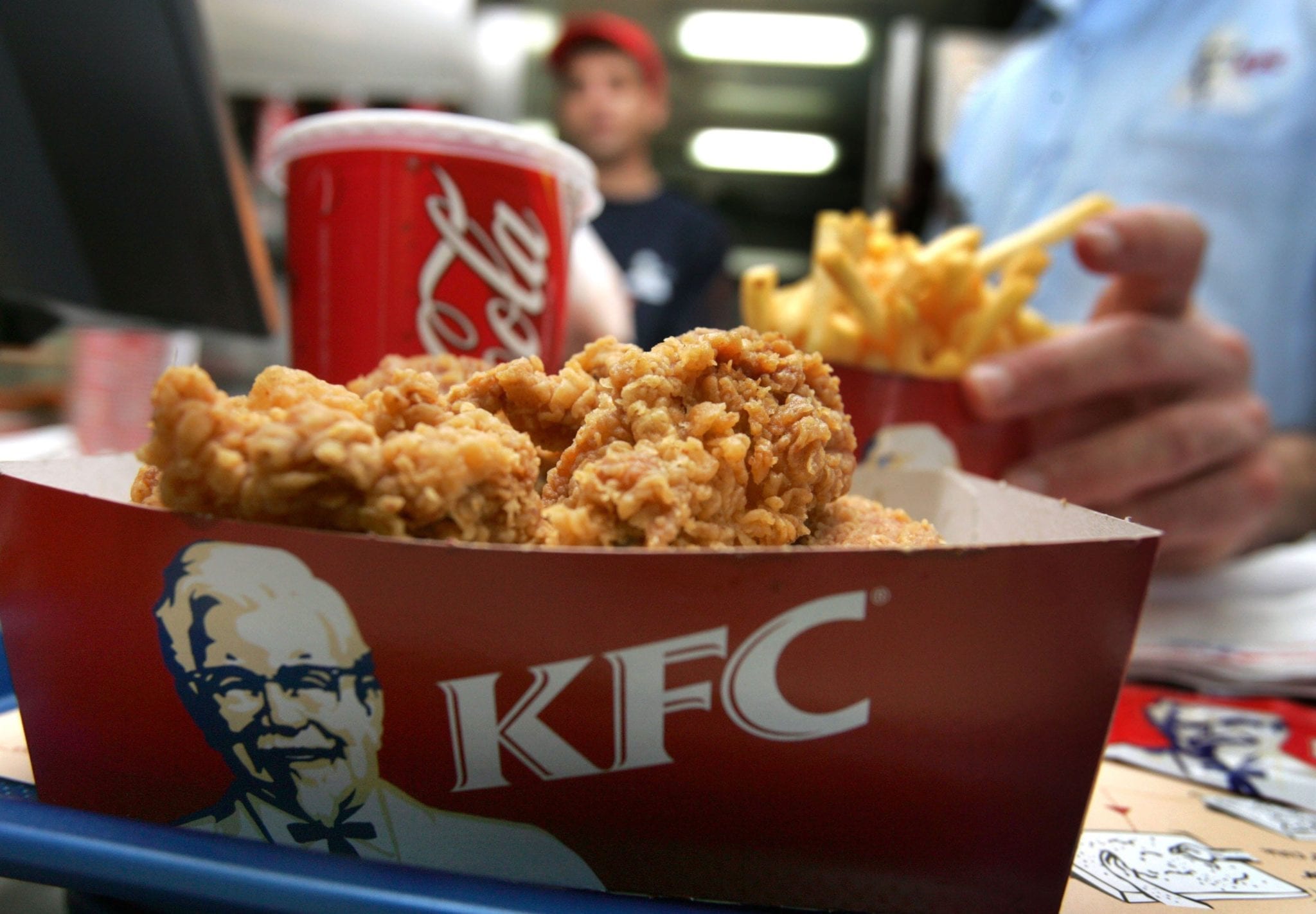
    Four menu staples showed the strongest links to mental distress: beef burgers, French fries, fried chicken, and sweetened bubble tea. Each carries elevated levels of saturated fat, sodium, or added sugar.

    Sugar-free beverages showed the opposite effect. Regular consumption of unsweetened tea correlated with lower reported rates of depressive symptoms, pointing to potential protective dietary properties.

    Nutritional Imbalance and City Pressures

    High property costs and tight living spaces push many young Hong Kong workers toward cheap, calorie-dense convenience meals. Fast-food operators have built substantial market share around these budget constraints, offering rapid service at price points traditional sit-down restaurants struggle to match.

    Nutritional shortfalls compound the problem. Diets heavy in processed fats and refined sugars trigger systemic inflammation and disrupt gut health, which researchers associate with impaired neurotransmitter production.

    For food chains across East Asia, shifting consumer scrutiny toward mental wellness creates new menu hurdles. Brands that expanded aggressively across Hong Kong with high-sugar milk teas and deep-fried combos face growing pressure to formulate lower-sodium and zero-sugar alternatives.

    The research team called for larger longitudinal studies to track dietary impacts over multi-year periods as public health bodies evaluate targeted dietary advisories for young consumers.

  • Alibaba Net Profit Plunges 75 per Cent on Heavy AI Infrastructure Spending

    Alibaba Net Profit Plunges 75 per Cent on Heavy AI Infrastructure Spending

    Alibaba Group reported a 75 per cent plunge in quarterly net profit to June as capital expenditure on artificial intelligence surged. Group revenue rose 9 per cent to 268.95 billion yuan, matching market forecasts while cloud computing gains offset slowing domestic commerce.

    Capital spending climbed 75 per cent year on year to 67.68 billion yuan in the three months to June 30. The Hangzhou-based group has already deployed half of its 380 billion yuan AI investment budget scheduled through 2029, buying server processors and expanding data centres to handle surging enterprise demand.

    Surging Compute Costs and In-House Silicon

    Chief executive Eddie Wu said the company expects to break even on its AI-related capital expenditure within three years at current gross margins. Revenue from AI cloud and compute services jumped 45 per cent to 48.44 billion yuan during the quarter, with annual recurring revenue from AI model-as-a-service exceeding 16 billion yuan.

    To rein in hardware expenses, Alibaba is replacing commercially procured processors with silicon built by its in-house chip division, T-head. The proprietary semiconductors are now running across clustered server racks for both model training and inference workloads, which management expects will widen operating margins as deployment expands.

    The margin squeeze mirrors the heavy infrastructure spending across Asia’s technology sector, where hyperscalers and platform operators are absorbing massive upfront costs before enterprise software monetization matures. Alibaba is defending its cloud dominance against domestic rivals Tencent and Baidu, while simultaneously backing frontier model developers such as Moonshot to anchor future compute traffic to its ecosystem.

    Reorganisation and Core Retail Headwinds

    Adjusted earnings per American Depositary Share fell to 8.52 yuan, trailing the 10.53 yuan consensus tracked by LSEG. Softer consumer demand in mainland China continues to weigh on the core marketplace division, prompting chief financial officer Toby Xu to highlight macroeconomic friction across domestic online shopping.

    Wu now leads the dedicated Alibaba Token Hub following an internal restructuring that split operations into four divisions: e-commerce, AI cloud and compute, model applications, and other businesses. Affiliate Ant Group recorded a 1 per cent rise in quarterly profit as it tests AI shopping assistants and digital health tools.

    Management is targeting overall profitability for the group’s quick-commerce unit by fiscal 2029, while tracking a three-year payback window on its current infrastructure outlays.

  • Pop Mart First-Half Revenue Rises 23.8% to RMB 17.17 Billion

    Pop Mart First-Half Revenue Rises 23.8% to RMB 17.17 Billion

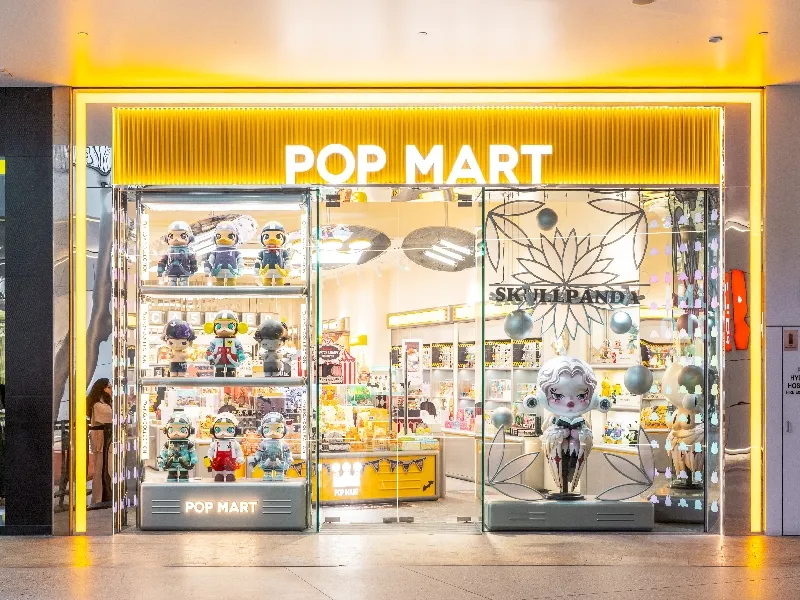
    Pop Mart grew first-half revenue by 23.8 per cent to RMB 17.17 billion (US$2.4 billion) in Beijing as newer character lines diversified earnings beyond Labubu. Gross margin reached 69.7 per cent for the six-month period.

    The Monsters franchise, which includes Labubu, generated RMB 4.45 billion to remain the company’s largest intellectual property. Its share of total corporate revenue dropped to 26 per cent from 34.7 per cent a year earlier, reflecting faster gains in secondary product lines.

    Twinkle Twinkle Gains on The Monsters

    Twinkle Twinkle surged 580.6 per cent year on year to RMB 2.65 billion, making it the fastest-expanding property in the catalogue. Four other lines, Crybaby, Dimoo, SkullPanda and Hirono, each generated more than RMB 1 billion during the half.

    Product formats showed similar diversification away from standard vinyl blind boxes. Revenue from plush items climbed 60 per cent to RMB 9.82 billion as shoppers bought bag charms, soft figures and related lifestyle goods.

    Collectibles makers across Asia face rapid fad cycles once single characters peak on social media. By shifting production capacity toward plush accessories and scaling multiple character rosters simultaneously, Pop Mart is attempting to build a multi-franchise licensing business modeled on Sanrio rather than a single-hit novelty toy brand.

    Global Store Count Reaches 676 Locations

    Physical distribution expanded by 46 net new stores and 190 roboshops in the first six months of the year. That brought the global brick-and-mortar network to 676 physical outlets and 2,827 automated vending units.

    The Americas led store additions with 22 net openings to reach 86 sites. Asia-Pacific locations outside Greater China grew by five to 90, while Europe and other regions added nine stores to stand at 45.

    Food and beverage formats are also rolling out internationally. Following trial pop-ups across mainland China and a permanent venue in Aranya, the group opened its first overseas Pop Bakery site on Sentosa Island in Singapore, setting up the brand’s next wave of lifestyle retail openings.

  • Yum China Opens 300Th Pizza Hut Burger Bar as Fast-Food Demand Grows

    Yum China Opens 300Th Pizza Hut Burger Bar as Fast-Food Demand Grows

    Yum China opened its 300th Pizza Hut Burger Bar in Wuhan, expanding a side-by-side restaurant format that reached the threshold within ten months of its national rollout.

    The concept grew from zero to more than 200 locations in its first six months, relying on shared kitchen space and existing staff inside established Pizza Hut outlets to keep capital expenditures low.

    Shared Kitchens and Dough Buns

    Pizza Hut entered the burger category two years ago by using baked pizza dough as buns. The Burger Bar format formalised that experiment into a dedicated counter model, preparing patties on a hot griddle in an open kitchen beside the main dining room.

    The 300th unit in Wuhan introduced regional menu items, including a crayfish crispy lotus root cheeseburger, tailoring offerings to local tastes. Management expects total burger sales across regular restaurants and dedicated Burger Bars to top RMB1 billion (US$148.6 million) this year. That total represents between 5 per cent and 6 per cent of Pizza Hut China’s overall revenue.

    Chasing Fast-Food Growth

    Fast-food chains across Asia are leaning heavily into lower-cost, single-diner formats to capture shifting customer habits. Smaller household sizes, tight consumer budgets and a preference for fast, individual meals have turned Western fast food into a contested segment in mainland cities.

    Market researcher Emergen Research valued China’s burger sector at US$18.4 billion in 2025, forecasting an annual growth rate of 8.7 per cent through 2035. While western burger chains continue adding standalone stores, Yum China is using its existing Pizza Hut footprint to capture market share without the overhead of building new restaurant shells.

    Yum China raised its expansion targets for the broader Pizza Hut chain, aiming for more than 800 net new store openings annually in 2027 and 2028, up from its earlier guidance of 600.

  • Nissan Streamlines Vehicle Engineering to Match Fast Chinese Product Cycles

    Nissan Streamlines Vehicle Engineering to Match Fast Chinese Product Cycles

    Nissan Motor is overhauling its engineering process in Yokohama to match Chinese rivals that now bring new vehicles to market in around two years.

    The Japanese carmaker plans to standardize powertrains, basic frameworks and software technologies across multiple vehicle models to lift operating profitability.

    Shared architecture and software

    Under the revised development approach, engineers will apply common modular components across different model segments rather than engineering separate platforms from scratch. Shared software architecture and unified powertrain systems are designed to strip out duplicate spending across regional model lines.

    Speed has become the decisive operating metric across Asia’s car industry. Chinese automakers have compressed product development schedules to roughly 24 months, forcing legacy manufacturers in Japan to abandon four-to-five-year vehicle gestation cycles or risk losing showroom share to quicker model refreshes.

    Pressure from two-year cycles

    The strategy shifts Nissan toward a shared development structure similar to emerging electric vehicle manufacturing playbooks. Faster design iteration lets automakers respond directly to price shifts, updating cabin software and battery configurations as supplier costs fall.

    For retailers and dealership networks across the Asia-Pacific region, shorter vehicle development timetables mean quicker inventory turnover and more frequent product updates. Managing standardized software stacks also lowers warranty servicing complexity across multi-market distribution networks.

    Nissan held to its full-year earnings forecast after reporting a first-quarter net profit, leaving investors watching how quickly the unified development platform translates into production-ready showroom models.

  • Hyundai Opens Pre-Sales for China-Built Ioniq V Sedan from $17,680

    Hyundai Opens Pre-Sales for China-Built Ioniq V Sedan from $17,680

    Beijing Hyundai opened pre-sales for its Ioniq V electric sedan at the Chengdu Auto Show on Friday, pricing the entry model at 119,900 yuan ($17,680). The vehicle leads a planned rollout of 20 electrified models designed to rebuild the South Korean carmaker’s presence in China.

    Buyers can choose between three battery-electric variants ahead of the sedan’s formal showroom launch in September. The base 540 Max starts at 119,900 yuan, the 540 Max+ costs 129,900 yuan, and the top-tier 650 Max+ sells for 139,900 yuan. All three run on an 800-volt high-voltage fast-charging architecture and deliver up to 650 kilometres of range under China Light-Duty Vehicle Test Cycle standards.

    Local Hardware and Chinese Software

    Developed entirely by Hyundai’s China design centre, the five-seat fastback sits on the group’s dedicated E-GMP platform. The sedan measures 4,900 mm long with a 2,900 mm wheelbase, featuring frameless doors and single-motor powertrains rated at either 140 kW or 168 kW. Contemporary Amperex Technology Co. Supplies the lithium iron phosphate battery packs in 53.5 kWh and 66.8 kWh capacities.

    Inside the cabin, the joint venture outsourced key digital systems to domestic tech firms. The dashboard holds a 27-inch 4K display powered by Qualcomm’s Snapdragon 8295 chip, while the operating software integrates artificial intelligence models from Baidu and ByteDance. Driver-assistance software comes via Beijing Hyundai’s partnership with autonomous driving startup Momenta, enabling highway-level assisted navigation.

    The Volume Target for 2030

    Foreign legacy carmakers have spent two years cutting prices and reshaping supply chains after losing market share to domestic manufacturers such as BYD. Rather than importing global variants at uncompetitive price points, Hyundai is shifting vehicle development directly into China and sourcing cheaper local components to defend retail volumes.

    Beijing Hyundai plans to add an extended-range electric version to the Ioniq V line later in the cycle. The company has set a target to sell 500,000 vehicles annually in China by 2030, with plans to export the Chinese-developed sedan to overseas markets later in the production run.

  • Geely Recalls 93,000 Vehicles in China over Defective LiDAR Chips

    Geely Recalls 93,000 Vehicles in China over Defective LiDAR Chips

    Geely Auto is recalling 92,915 vehicles in China across its Galaxy and Lynk & Co lines after discovering faulty LiDAR power chips that can disable driver-assistance systems.

    Filings submitted to China’s State Administration for Market Regulation take effect on August 24, requiring free hardware replacements across five vehicle models.

    A manufacturing process variation at a component supplier damaged the power integrated circuits inside the sensors. The fault compromises key automated driving safeguards.

    On 18,878 Geely Galaxy M9 plug-in hybrid SUVs built between July and October 2025, the glitch forces assisted driving features to shut down or fail to activate. Across 74,037 Lynk & Co 900, 10 EM-P, 07 and 08 models assembled throughout 2025, the defect leaves systems unable to detect and warn drivers about road obstacles.

    Faulty sensors and supplier defects

    Service teams will use cloud diagnostics to flag at-risk vehicles remotely before inviting drivers into workshops for replacement parts. Drivers had already reported dashboard alerts warning of front sensor failures and capped cruise speeds in mid-August.

    Pressure is mounting on Lynk & Co, which now operates under the Zeekr Group umbrella. Deliveries plunged 40 per cent year on year in July to 16,382 units, the fourth straight month of double-digit contraction. Across the first seven months of 2026, the brand delivered 160,597 cars, tracking at under 40 per cent of its 400,000-unit annual target.

    Wider scrutiny on driver assistance

    Regulators logged the sensor campaign during a single-day cascade of filings covering more than seven million vehicles across China. Geely also recalled 92,658 Zeekr 007 and Zeekr X units over emergency mechanical door releases on the same date, alongside notices from Tesla, Xiaomi, Leapmotor and Xpeng.

    Dealership workshops begin replacing the damaged sensors on August 24, with Lynk & Co still needing 239,403 deliveries over five months to meet its yearly plan.

  • Chinese Robot Makers Unveil 150 Humanoids for Warehouse and Factory Work

    Chinese Robot Makers Unveil 150 Humanoids for Warehouse and Factory Work

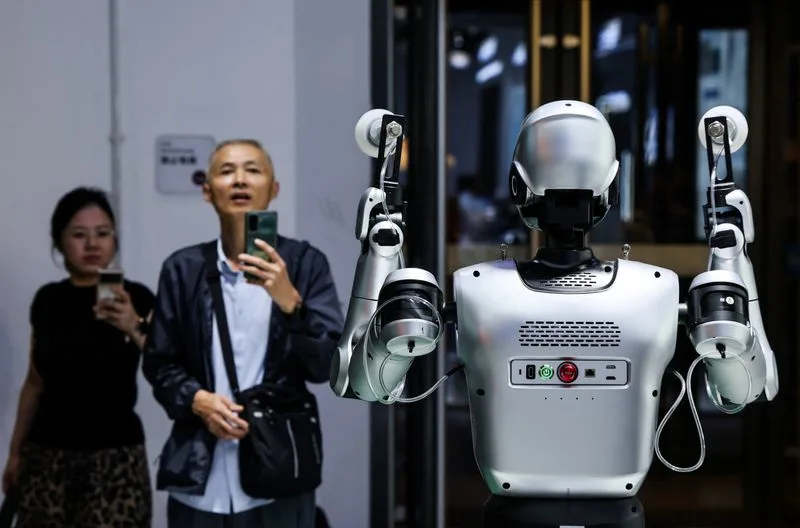
    Chinese robotics developers demonstrated humanoid machines sorting logistics parcels and assembling mobile handsets in Beijing this month, pushing to convert promotional technology into commercial factory installations. More than 300 mostly domestic companies participated in the World Robot Conference, presenting over 2,000 exhibits and launching upwards of 150 products.

    The presentations focused on physical industrial utility rather than scripted stage routines. Machines showed off fine motor tasks that included packing consumer electronics and sorting freight for delivery networks, alongside domestic maintenance functions.

    Deployment targets supply chains

    Warehouse operators and electronics manufacturers across East Asia face tightening labor availability and rising wage floors. Humanoid form factors aim to slot directly into facilities designed for human staff, avoiding the expensive structural retooling required by fixed automation systems.

    Retail supply chains in China handle hundreds of millions of parcels daily. Deploying dexterous bipedal and wheeled units into sorting hubs allows logistics operators to scale throughput during promotional peaks without adding headcount.

    Hardware shifts toward commercial scale

    Investor capital across the region has shifted heavily toward general-purpose robotics ventures. Chinese manufacturers rely on dense domestic component supply chains for actuators, sensors and gearboxes to lower unit production costs below Western competitors.

    Commercial viability now hinges on software reliability and battery runtime during continuous multi-hour warehouse shifts. Factory pilots scheduled across domestic consumer electronics assembly plants through the end of the year will test whether unit economics beat dedicated automated guided vehicles.

  • China’s Proya Cosmetics Enters US Market with Ulta Partnership

    China’s Proya Cosmetics Enters US Market with Ulta Partnership

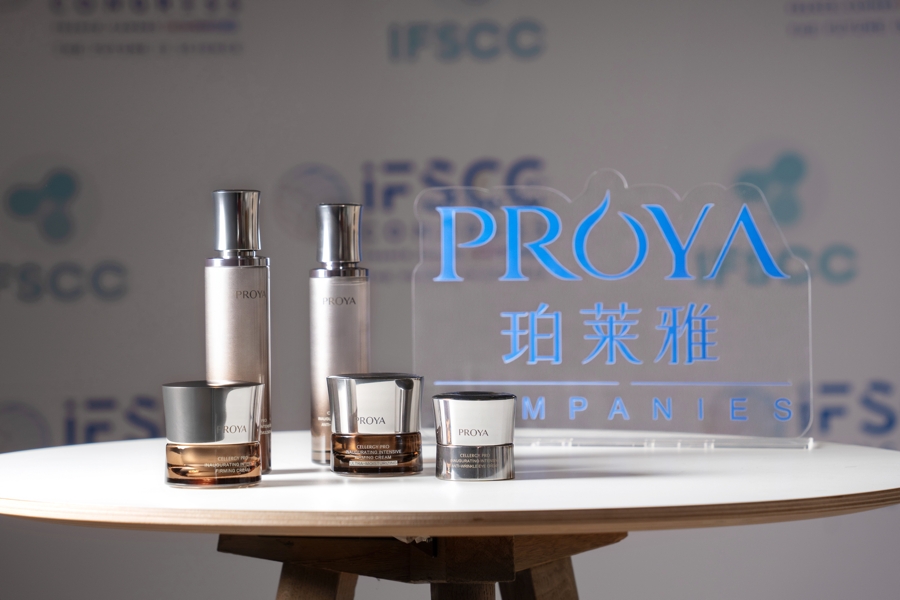
    China’s largest cosmetics firm, Proya Cosmetics, is preparing to enter the United States market through a partnership with Ulta Beauty. The collaboration will see two of Proya’s product lines distributed across 400 Ulta retail locations and its online platform, marking a significant step in the company’s international expansion strategy.

    This initiative comes as Proya faces intense competition within its domestic Chinese market, prompting the company to seek growth opportunities abroad. While Chinese beauty brands rarely achieve mass distribution in Western markets, this partnership with Ulta represents a notable effort to penetrate a major retail channel.

    Strategic International Expansion

    The move into the US follows Proya’s successful test of a similar business model in Southeast Asia. In April, the Hangzhou-based company signed an agreement with Guardian, Malaysia’s leading beauty and personal care chain. This deal has made Proya’s flagship products gradually available in more than 200 Guardian brick-and-mortar stores across Malaysia, demonstrating a phased approach to international market entry.

    Proya’s focus on international and multi-brand expansion is evident in its recent acquisitions, including a 51% majority stake in the popular brand Flower Knows for approximately €45 million. Despite these strategic moves, Proya Cosmetics reported operating revenue of 10,597 million yuan (about $1.5 billion) in fiscal year 2025, a slight year-over-year decline of 1.68%. This dip highlights the pressures within China’s beauty sector and the need for new growth avenues.

    Implications for Asian Beauty Brands

    The partnership between Proya and Ulta is unusual. Historically, Chinese beauty brands like Florasis and Flower Knows have found success in Western e-commerce channels but have struggled to secure significant market share against established players such as L’Oréal or Estée Lauder in physical retail. Proya’s direct entry into mass distribution via Ulta could set a new precedent for how Asian beauty brands approach Western markets.

    For Asian retailers and investors, this development signals the increasing maturity and ambition of Chinese consumer brands. It also underscores a broader trend where companies from the Asia-Pacific region are actively pursuing global expansion to diversify revenue streams and build brand recognition beyond their home territories. Such collaborations demonstrate a growing receptiveness in Western retail to products and brands originating from Asia, potentially paving the way for more partnerships of this nature.

  • Asian Markets Mixed Amid US Economic Worries, Retail Sales Dip

    Asian Markets Mixed Amid US Economic Worries, Retail Sales Dip

    Asian stock markets exhibited mixed performance on Monday following a downturn on Wall Street. Investors are currently weighing new economic data that suggests a potential weakening in the world’s leading economy, thereby tempering expectations for an immediate US interest rate hike.

    Last week, anticipation that the Federal Reserve might not increase policy rates next month had bolstered equities, with the S&P 500 and Nasdaq reaching record highs. This sentiment was driven by reports indicating a softening labor market and easing inflation, despite it remaining above target levels. However, recent figures have raised questions about the economy’s underlying health, prompting market observers to advise caution.

    US Economic Concerns Shift Market Focus

    Retail sales in the US declined by 0.6 percent month-on-month in July, marking the poorest performance in over a year. Concurrently, consumer sentiment plummeted as households, grappling with the economic impact of President Donald Trump’s Iran conflict, curtailed spending and anticipated higher inflation. According to Fawad Razaqzada at Forex.com, payroll data earlier in the month, coupled with inflation figures, softer retail sales, and weaker consumer sentiment, collectively suggest a loss of momentum in the US economy. This reinforces expectations that the Federal Reserve might maintain current rates in September, with traders now assigning a one-in-four probability of a hike, down from 50:50 last week.

    This week, market attention will turn to the release of earnings reports from prominent retail companies such as Walmart, Home Depot, and Target. These results are expected to provide clearer insights into the prevailing consumer sentiment, which is critical for understanding future retail trends. For companies operating across Asia, tracking these shifts in consumer behavior and market confidence is essential for strategic planning and investment. RetailNews Asia has been monitoring how similar pressures on discretionary spending, whether from geopolitical events or inflationary environments, often ripple through regional markets, influencing consumer brand strategies and investment in the retail sector.

    Asian Tech Sector Resilient Amid Regional Swings

    Despite mounting worries about the US economy, investors in Asia are currently maintaining a more optimistic outlook, particularly with technology firms showing signs of recovery after July’s sell-off. Hong Kong saw gains driven by tech giants including Alibaba, Tencent, and JD.com, while Shanghai and Taipei also recorded increases. Tokyo’s market remained largely flat, though chipmaker Kioxia gained over five percent, and SoftBank, Advantest, and Tokyo Electron added between 1.3 and two percent. Japan’s economic growth falling short of forecasts in the second quarter appeared to have minimal immediate market reaction.

    Conversely, markets in Sydney, Singapore, Wellington, and Manila experienced slight declines. The US dollar continued to weaken against other currencies, extending losses from Friday, which were a direct consequence of the latest economic data. Meanwhile, oil prices extended their one-percent gains from Friday, fueled by ongoing tensions between the US and Iran over the Strait of Hormuz. The prolonged standoff suggests that elevated oil prices, potentially contributing to inflationary pressures, could persist.

  • C-Beauty Brands Accelerate Global Expansion with State Support, as K-Beauty Shifts Focus

    C-Beauty Brands Accelerate Global Expansion with State Support, as K-Beauty Shifts Focus

    Chinese cosmetics companies are significantly accelerating their global expansion, backed by a thriving domestic market and increasing institutional support from Beijing. This surge sees major C-beauty players establishing a strong presence in international markets, shifting the competitive market for beauty brands in Asia and beyond. This aggressive push comes as South Korean beauty brands, or K-beauty, are experiencing a decline in their long-standing dominance within the Chinese market, prompting them to explore new growth regions.

    Chinese Beauty’s Global Offensive

    Proya, China’s largest cosmetics firm, is making a significant move into the US brick-and-mortar retail sector. Following its initial online sales success, Proya is partnering with Ulta Beauty to introduce two of its skincare lines across approximately 400 stores and Ulta’s online platform starting in November. This expansion is part of Proya’s ambitious “Double-Ten” plan, aiming to become one of the world’s top ten cosmetics companies within the next decade. The company has also bolstered its offline network in Southeast Asia, including a major campaign with Guardian in Kuala Lumpur, and acquired a 51% stake in color cosmetics brand Flower Knows, which already operates in markets such as the US, Japan, South Korea, and Southeast Asia.

    Other Chinese brands are also aggressively pursuing international growth. Florasis is using traditional Chinese aesthetics to enter premium markets in Japan and Europe, initially through online channels like Amazon, Shopee, and Lazada, before moving into upscale physical retail. Judydoll built its international customer base via Shopee and TikTok Shop, then accelerated its offline presence, including entry into about 12,000 FamilyMart stores in Japan, becoming the first Chinese color cosmetics brand in that country’s convenience-store channel. Perfect Diary, under Yatsen Holding, quickly became a leading online cosmetics brand across Southeast Asia via Shopee and has expanded its global platform through acquisitions of European brands Galénic and Eve Lom, with plans for further supply-chain integration and overseas market expansion.

    Domestic Strength and Government Backing

    The robust performance of the Chinese domestic cosmetics market is a key enabler for this international expansion. Chinese companies have developed economies of scale, brand recognition, and product expertise at home, providing a strong foundation for global ventures. Despite a broader economic slowdown, China’s cosmetics retail market showed significant growth, with sales reaching approximately $4.20 billion in July, a 6.8% year-on-year increase. Cumulative sales from January to July rose 6.3% to about $40.16 billion, significantly outpacing overall retail sales growth. This strong momentum has been highlighted by the Ministry of Commerce and the China National Commercial Information Center, classifying cosmetics as a consumption-upgrade product with strong demand.

    The Chinese government is actively supporting the domestic cosmetics industry. The National Medical Products Administration (NMPA) recently issued new regulations aimed at promoting innovation and high-quality development. These changes simplify licensing and registration processes for new products, including exemptions from certain toxicity tests and reduced requirements for submitting product documentation. Companies can now reuse existing test data when shifting production locations and choose their own efficacy assessment methods for certain claims, reducing regulatory hurdles and fostering a more agile environment for product development and market entry.

    K-Beauty’s Strategic Re-evaluation

    As Chinese beauty brands gain momentum, the long-standing influence of K-beauty in China is diminishing. South Korean cosmetics giants like Amorepacific (Sulwhasoo, Laneige, Innisfree) and LG Household & Health Care (The History of Whoo) once thrived on the Korean Wave and demand from Chinese tourists and daigou resellers, with China accounting for 53% of South Korea’s cosmetics exports in 2021. However, boycotts, reduced exposure to Korean pop culture, and the impact of the COVID-19 pandemic on duty-free sales have significantly weakened K-beauty’s position. Chinese domestic brands, bolstered by social media marketing and patriotic consumption, have effectively filled this void.

    This shift has prompted a strategic recalibration for South Korean firms. Amorepacific’s sales in Greater China fell 27% year-on-year in 2024, with its Americas sales surpassing China for the first time. Similarly, LG Household & Health Care’s North American sales surged 47.3% to approximately $147 million in the second quarter, exceeding its China revenue of about $126 million. Both companies are now focusing on profitability in their Chinese operations while diversifying their growth strategies across markets like the United States, Europe, and Japan. RetailNews Asia has observed similar moves by other regional players, as companies seek to de-risk their reliance on single markets and build more resilient global portfolios.

  • Alibaba and ByteDance Divest from Gaming and Retail to Fuel AI Ambitions

    Alibaba and ByteDance Divest from Gaming and Retail to Fuel AI Ambitions

    Alibaba Group Holding and ByteDance are restructuring their business portfolios, selling off non-core assets in gaming and retail to private equity firms. This strategic shift aims to re-focus substantial resources and investment into the burgeoning field of artificial intelligence, as competition in the AI sector intensifies across Asia.

    Strategic Divestment For AI Focus

    The move sees Alibaba Group Holding in the process of selling Lingxi Games, its video game unit, to a private equity fund. This divestment reflects a broader trend among leading Chinese technology firms to streamline operations and concentrate capital on high-growth, strategic areas like AI. The decision comes as these companies face mounting pressure to innovate and secure a leading position in the global AI race.

    For retailers and consumer brands in Asia, this reorientation by tech giants like Alibaba has significant implications. Alibaba’s strong presence in e-commerce means that resources diverted to AI are likely to enhance capabilities in areas such as personalised recommendations, supply chain optimisation, and customer service automation. Similarly, ByteDance’s TikTok, a major platform for consumer engagement, could see advanced AI integration impacting everything from content delivery to advertising effectiveness.

    Implications For Asia’s Retail And Tech Sectors

    The decision by Alibaba and ByteDance signals a clear prioritisation of AI development over other business segments, including those with direct ties to consumer spending like gaming and certain retail operations. While the full scope of ByteDance’s retail divestments is not detailed, Alibaba’s move with Lingxi Games indicates a willingness to shed assets to fund core strategic initiatives. This aligns with broader market trends where technology companies are doubling down on AI infrastructure and research, viewing it as the next frontier for competitive advantage.

    This redirection of investment could lead to more sophisticated AI tools and platforms becoming available for businesses, potentially driving efficiency and innovation within the retail and consumer sectors. RetailNews Asia has observed similar strategic realignments across the region, where companies are either investing heavily in AI or partnering with AI specialists to stay competitive in an increasingly tech-driven market.

  • Chinese Supermarket Pangdonglai Expands Ex-Convict Recruitment, Sparking Debate

    Chinese Supermarket Pangdonglai Expands Ex-Convict Recruitment, Sparking Debate

    Pangdonglai, a prominent Chinese supermarket chain known for its progressive employee policies, has announced its second consecutive year of recruiting former convicts. This year, the company is seeking 20 individuals who have served at least five years in prison, expanding on its previous program.

    The announcement, made on August 14 by Pangdonglai’s Zhengzhou branch in Henan province, aims to integrate former inmates back into society. The store involved is slated to open in October. This move has reignited discussions across China regarding employment discrimination against former prisoners and the balance with public safety concerns.

    Pangdonglai’s Progressive Employment Model

    Founded by Yu Donglai in 1995 and based in Xuchang City, Henan, Pangdonglai has built a reputation for prioritizing employee welfare over maximizing profits. The company offers higher-than-average pay, reduced working hours, and generous leave entitlements. Employees work a maximum of 36 hours per week, compared to China’s legal limit of 40 hours, and receive 40 days of paid leave annually, including 10 dedicated “mental health” days.

    In the first quarter of 2026, Pangdonglai employees earned an average monthly salary of 9,600 yuan (approximately $1,400 USD). This significantly surpasses the average of around 5,800 yuan seen in China’s private wholesale and retail sectors. Last year, the company initiated its first recruitment drive for former convicts, requiring applicants to have served no more than 10 years, be under 35, and have a middle school education. All 30 former convicts hired under that initial program remain employed, according to a recent statement by Yu on Douyin.

    Balancing Opportunity and Public Concern

    The latest recruitment drive, focusing on individuals with longer sentences, has drawn mixed reactions. Supporters commend Pangdonglai for offering crucial second chances, particularly to those facing significant employment challenges. Lin Minming, founder of Red Apple Public Welfare, noted that this real-world application provides valuable insight into the reintegration of former inmates, countering previous “baseless assumptions.” Fewer than 40% of former inmates in China secure employment due due to their criminal records.

    However, critics have voiced concerns about public safety, especially given that supermarkets are frequented by families, children, and the elderly. Some argue that extended prison sentences often correspond to serious crimes. In response to these concerns, Pangdonglai has clarified that individuals convicted of sexual or violent offenses are ineligible. The company will prioritize applicants with nonviolent offenses, assigning them initially to back-office roles such as warehousing and logistics, with a six-month trial period.

    This initiative aligns with broader efforts in China to support former inmates. A revised Prison Law, taking effect in November, prohibits discrimination against former convicts in employment, education, and social security. It also mandates pre-release education, including legal and psychological counseling, vocational training, and life skills, to encourage employment and entrepreneurship. Pangdonglai’s approach offers a practical example of how retail businesses can contribute to social reintegration while navigating public perception, a strategy that could inform similar social enterprise models across Asia’s diverse retail markets.

  • China Launches Offshore Government Bond Futures to Boost Yuan Usage

    China Launches Offshore Government Bond Futures to Boost Yuan Usage

    China has initiated offshore trading in government bond futures from Hong Kong, a pivotal step in its ongoing efforts to internationalise the yuan. This new financial instrument is expected to enhance the currency’s appeal by offering improved stability and hedging capabilities, particularly to investors outside Western markets.

    Expanding Yuan’s International Reach

    The introduction of offshore government bond futures is part of China’s broader strategy to gradually open its financial system to foreign participation. By providing more avenues for investors to engage with yuan-denominated assets, Beijing aims to bolster the currency’s global standing and reduce reliance on other major currencies for trade and investment.

    This development follows a series of measures designed to integrate China’s markets with the global financial system. Recent years have seen increased foreign investment in Chinese bonds and stocks through various connect schemes with Hong Kong, fostering a more accessible environment for international capital. The new futures contracts offer an additional layer of sophistication for portfolio management, enabling investors to mitigate interest rate risks associated with Chinese government debt.

    Implications for Asian Markets

    For retailers, consumer brands, and technology companies operating across Asia, a more widely used and stable yuan could simplify cross-border transactions and investments. As trade flows within the Asia-Pacific region continue to grow, a stronger international yuan provides an alternative to traditional reserve currencies, potentially reducing foreign exchange volatility for businesses with significant exposure to the Chinese market.

    RetailNews Asia has been tracking China’s deliberate steps to expand its financial influence, including the increasing issuance of yuan-denominated bonds by other nations and the growth of ‘panda bonds’ within its domestic market. This latest move with offshore bond futures reinforces China’s ambition to position the yuan as a major currency for global finance and trade, impacting how businesses structure their financial operations across the region.

  • China Expands Digital Yuan Network to Accelerate Adoption with Eight New Banks

    China Expands Digital Yuan Network to Accelerate Adoption with Eight New Banks

    China has taken a significant step to boost the adoption of its central bank digital currency, the digital yuan or e-CNY, by adding eight new banks to its operational network. This expansion is designed to make the digital currency more accessible and integrated into daily financial transactions for consumers and businesses nationwide.

    Previously, only six state-owned commercial banks were authorised to handle e-CNY services. The inclusion of new institutions, including joint-stock commercial banks and city commercial banks, broadens the reach of the digital currency, allowing more citizens to open digital wallets and conduct transactions through a wider array of banking applications.

    Broadening Access and Integration

    The People’s Bank of China has been systematically rolling out the digital yuan in various pilot programs since 2019. These initiatives have included trials for cross-border payments, subsidies, and a wide range of retail scenarios, showing the currency’s potential utility. By expanding the network of participating banks, the central bank aims to move beyond these pilot stages and achieve more widespread public use.

    This strategic push is expected to streamline payment processes and enhance financial inclusion, particularly in areas where traditional banking services might be less accessible. The increased competition among banks offering e-CNY services could also lead to more innovative features and improved user experiences, benefiting both consumers and retailers.

    Implications for Asia’s Digital Payments

    The drive to scale the digital yuan network highlights China’s commitment to advancing its digital economy and potentially establishing a leading role in global central bank digital currency development. As the e-CNY becomes more entrenched in the domestic market, it presents new considerations for retailers and brands operating within China, particularly regarding payment infrastructure and consumer spending habits.

    For RetailNews Asia, this development signals a continuing trend across the region towards digitisation of financial services. Countries like Singapore and Thailand are also exploring or implementing their own digital currency initiatives, suggesting a future where digital currencies could play a more prominent role in cross-border trade and regional financial ecosystems.