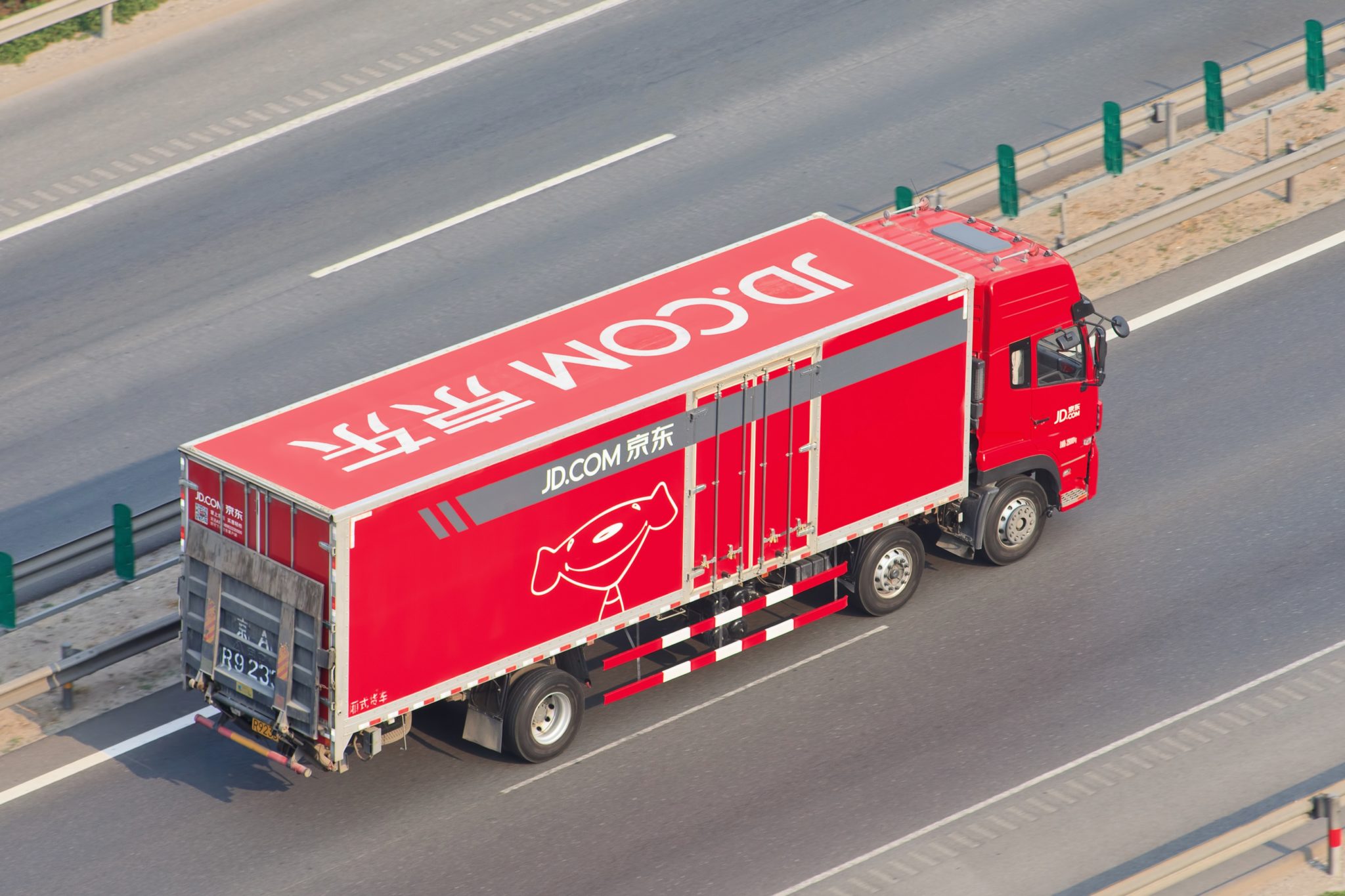
Chinese authorities have halted regulatory cooperation with the European Commission over its antitrust investigation into JD.com’s proposed investment in German electronics retailer Ceconomy. The standoff complicates the Beijing-based e-commerce giant’s biggest push yet into Western Europe’s brick-and-mortar retail sector.
European officials are scrutinising whether JD.com benefits from state-backed subsidies that distort competition under the bloc’s Foreign Subsidies Regulation. Without data from Chinese ministries, Brussels must rely on publicly available market disclosures and submissions from competing European merchants.
Regulatory Standoff over State Subsidies
JD.com targeted Ceconomy, the parent group of MediaMarkt and Saturn, to secure a vast logistics and physical retail footprint across Germany, Austria and southern Europe. The transaction requires regulatory clearance in Brussels before any formal share transfer or operational integration can proceed.
Ministry officials in Beijing refused requests from European investigators seeking internal financial records, citing national data security rules and sovereignty limits. The resistance marks a sharp turn in cross-border corporate oversight, leaving transaction counsel to navigate conflicting legal mandates in both jurisdictions.
European Ambitions Meet Cross-Border Friction
For Chinese e-commerce operators, European expansion has shifted from direct cross-border parcel delivery to acquiring established logistics networks and physical storefronts. Alibaba pursued logistics hubs in Belgium and Spain, while PDD Holdings focused purely on discount marketplace app Temu. JD.com chose physical retail scale through Ceconomy, betting that owning store networks would shield it from rising import scrutiny.
The European Commission will decide in its preliminary review whether to open an in-depth phase-two investigation or demand asset sales before approving the transaction.