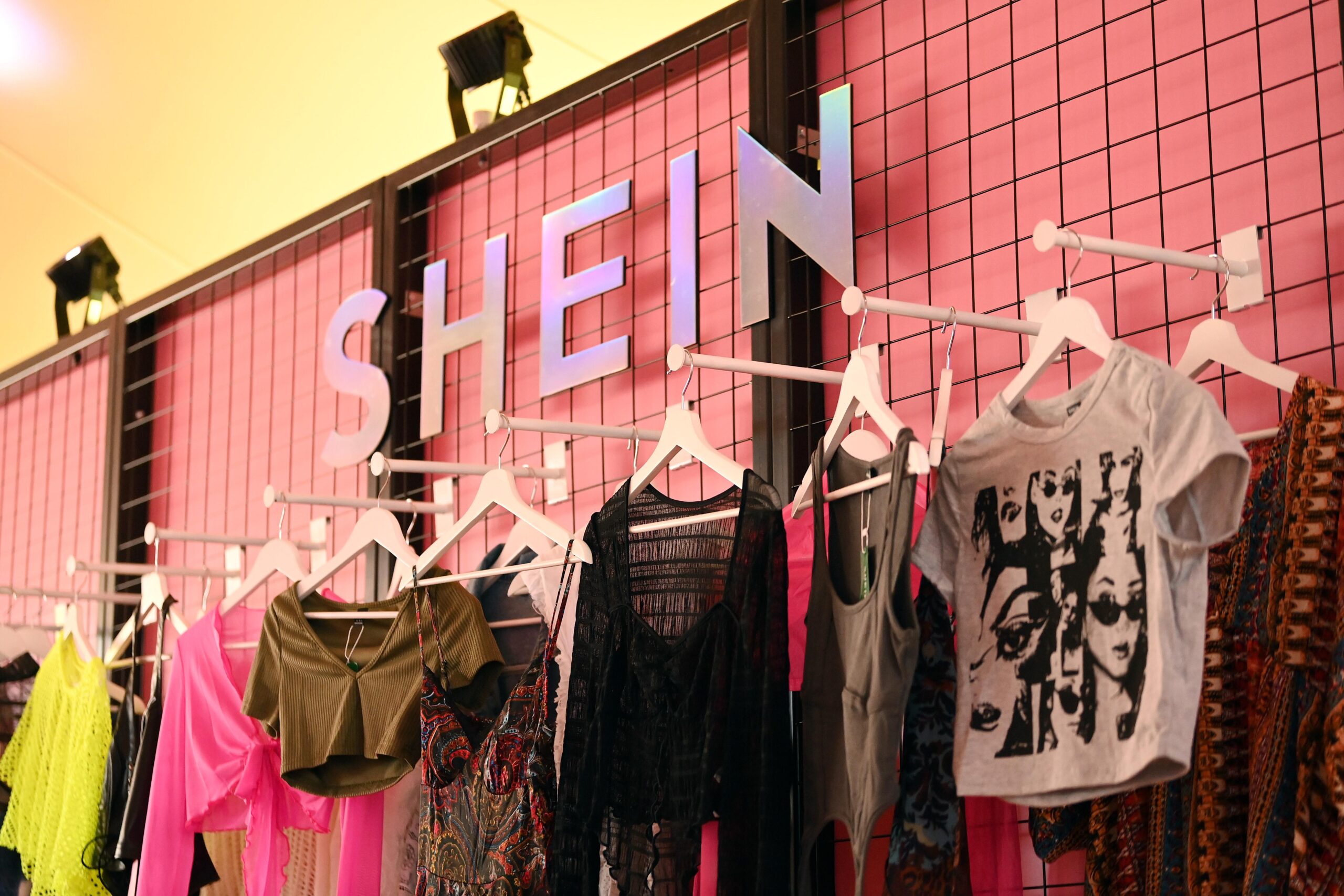
Shein is preparing to list its shares in Hong Kong next month, five years after beginning its initial public offering push across Western exchanges.
The online fast-fashion giant generated $41.8 billion in annual sales last year, but its listing filing shows four co-founders will retain 90 per cent of voting power through a dual-class share structure.
Under that arrangement, class A shares carry 10 votes each compared to a single vote for class B shares. The founders hold 59.6 per cent of total equity without a fixed expiry on their voting control. Shein also combines the positions of chief executive and chairman, with its four founders occupying board seats while only three of seven directors are independent.
Emissions and Supply Chain Audits
Regulators in Europe and the United States continue active investigations into the retailer. The European Commission and the US Federal Trade Commission are examining its operations following prior penalties in France over discount pricing and in Italy over environmental marketing claims.
Shein expanded its annual sustainability report to 118 pages last year, up from 28 pages in 2021, and formed an external advisory board to address oversight concerns. Audits graded 53 per cent of its suppliers in the top tier in 2025, an increase from 47 per cent in 2024.
Environmental data filed by the company showed greenhouse gas emissions roughly double those of Zara parent Inditex in 2025. Inditex posted revenue of €39.9 billion ($46.54 billion) during the same period, while Shein churned out 4,700 new styles per day across a catalogue topping 2 million garments.
Cross-Border Scrutiny Mounts
Cross-border e-commerce platforms operating out of Asia face stiffening enforcement in Western markets. The European Commission recently levied fines of €550 million on Alibaba unit AliExpress and €200 million on PDD Holdings unit Temu over product compliance.
For retailers across the region, Shein’s listing marks a shift away from New York and London toward Asian capital markets after political pushback. Yet the heavy concentration of founder control tests how institutional investors value ultra-fast supply chains against governance standards.
The retailer now heads into investor roadshows ahead of the Hong Kong trading debut scheduled for next month.