Tag: China

  • Huawei revenue grows 32% in 2016

    Huawei revenue grows 32% in 2016

    Huawei has reported a 32% increase in revenue for 2016, but profit grew just 0.4% as the company invested heavily in R&D.

    Group annual revenue for the year was 521.6 billion yuan ($75.7 billion), while net profit reached 37.1 billion yuan.

    Carrier business group revenues grew 24% to 290.6 billion yuan, as the operator focused on digital transformation as well as exploring opportunities in emerging categories including cloud and the IoT.

    Enterprise revenues meanwhile grew 47% to $5.9 billion yuan. Consumer revenues likewise increased 44% to 179.8 billion yuan due to strong smartphone shipments of 139 million.

    But the company’s 76.4 billion yuan in R&D spending muted profit growth for the year. Huawei rotating CEO Eric Xu said the spending marked an investment in future growth.

    “As humanity continues to explore and make new breakthroughs in the digital world, digitization and increasing intelligence present huge business opportunities for all industries, and are also paving the road for new growth for the ICT industry,” he said.

    “We will stay customer-centric and will support digital transformation in all industries, in order to create value for our customers and to grow sustainably.”

  • M1 to deploy vEPC solution from Huawei

    M1 to deploy vEPC solution from Huawei

    Singapore’s M1 Limited has announced plans to launch the nation’s first cloud-based virtual enhanced packet core (vEPC) network solution with Huawei.

    The deployment is aimed at further enhancing M1’s core network resiliency, while also enabling dynamic and more efficient use of network resources to support wide-ranging Smart Nation use cases, and shortening the time to market in the deployment of new IoT services.

    By harnessing the latest cloud-computing and Network Function Virtualization (NFV) technologies, M1’s fully distributed and agile packet core network will be able to dynamically deploy core resources wherever they are needed, and provide flexibility to swiftly scale up and down resources based on customer demands.

    Furthermore, with software functions separated from the underlying hardware platforms, the cloud-based virtualized core network allows faster “in-service” software upgrades, as well as significantly reducing downtime for maintenance and testing of new services. Through this, M1 expects to improve its operational efficiency and strengthen network resiliency.

    “The deployment of our agile cloud-based virtualised core network will strengthen our network resiliency and enable us to deploy our resources more efficiently, M1 CTO Denis Seek said.

    “The highly scalable nature of the network will also enable us to meet the dynamic resources demands of new products, shorten the time-to-market innovative products, and enable us to reduce implementation and maintenance costs.”

  • UPS expands China-Europe rail service

    UPS expands China-Europe rail service

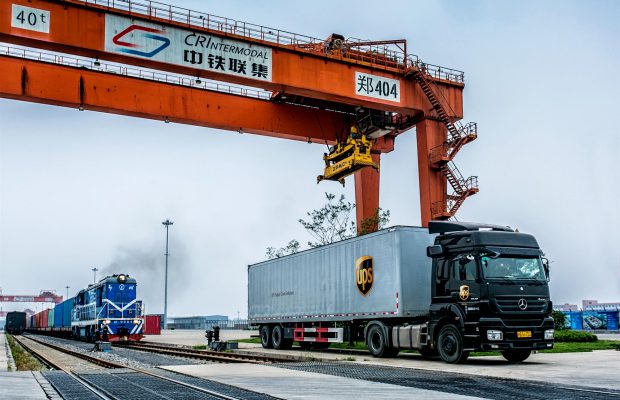
    UPS announced the addition of six stations to its Preferred full and less-than-container load (FCL and LCL) multimodal rail service between Europe and China. The additional stations will give customers moving goods on the world’s largest trade lane more options to reduce supply chain costs and better balance cost/time-in-transit requirements.

    Changsha, Chongqing, Suzhou and Wuhan Stations were added in China to the existing stations of Zhengzhou and Chengdu. In Europe stops in Duisburg, Germany and Warsaw, Poland were added to the existing stops of Lodz, Poland and Hamburg, Germany.

  • Tata Motors announces JV with Jayem Automotives for special performance vehicles

    Tata Motors announces JV with Jayem Automotives for special performance vehicles

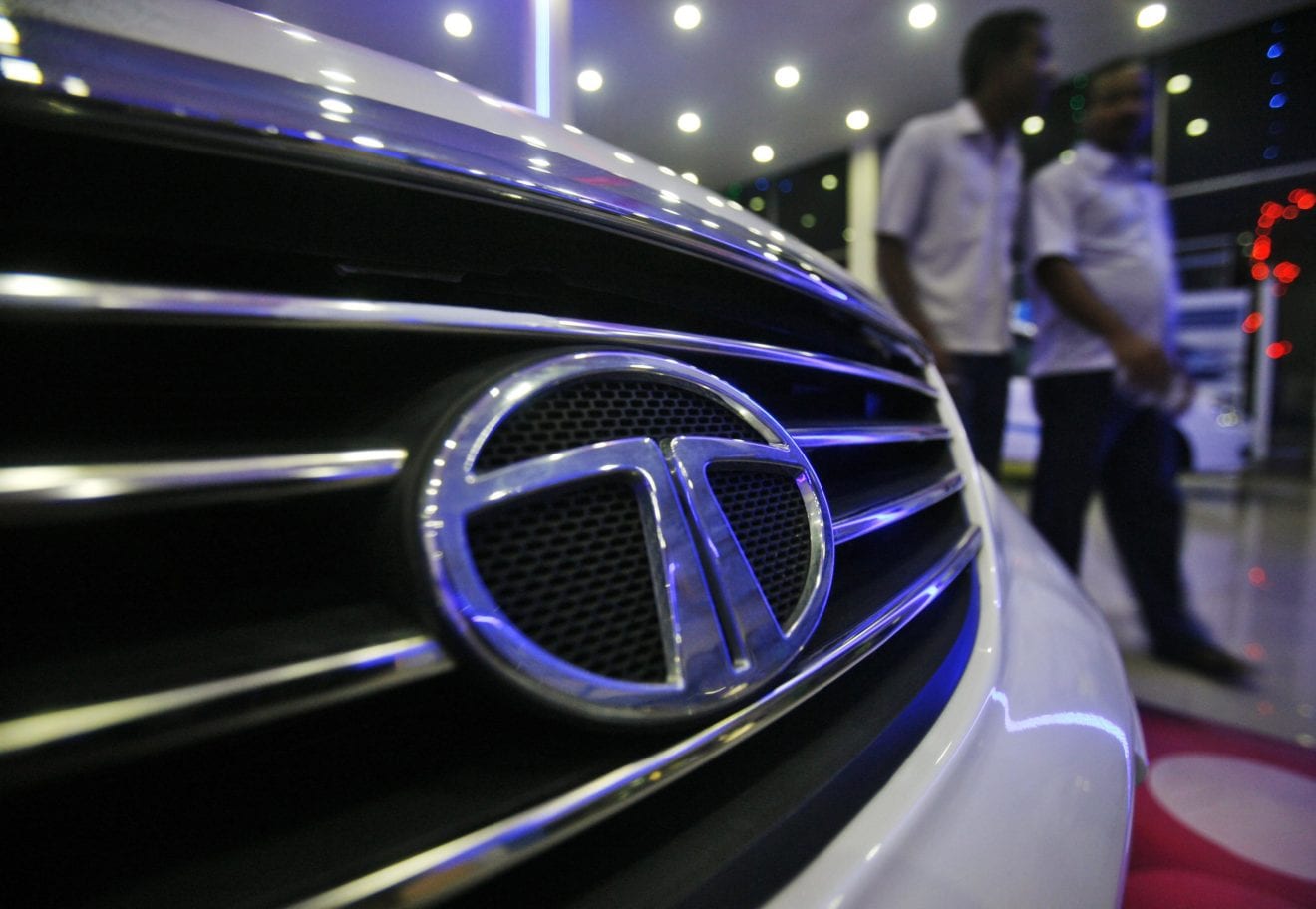
    Tata Motors on Friday has announced the launch of JT Special Vehicles, a 50:50 joint venture with Jayem Automotives, for the development of special performance vehicles based on the latest series products, informed the automaker in an official statement.

    As part of the agreement, both Tata Motors and Jayem Automotives will work towards performance enhancement and appearance of series vehicles to offer an innovative range of niche aspirational products for the passenger car customers.

    Guenter Butschek, CEO and Managing Director, Tata Motors, said, “We are delighted to partner with Jayem, a brand known for its capabilities in concept creation and prototyping of special performance vehicles. This partnership is a step towards creating long-term relationships as a part of our transformation journey and to bring more exciting performance variants to our product range”

    J Anand, Managing Director, Jayem Automotives, said, “We are excited about our joint venture with Tata Motors and to be a part of their transformation journey. We aim to bring World Class Performance Products to market in a short time, and to fulfil expectations of passionate customers in the niche segment of sportier cars.”

    JT Special Vehicles will develop a range of performance vehicles in a phased manner at a dedicated line, currently being explored at Coimbatore. With all processes including design, precision machining, assembly, and testing facilities driven under one roof, this facility will aim to deliver the next level of personalisation and enhanced performance with agility and efficiency.

    As part of Tata Motors’ Passenger Vehicle business strategy, while an architecture approach with two platform strategy will reduce complexity, these special performance vehicles will be targeted to augment the latest product range in our vision to build aspirational cars, added the automaker.

  • Hong Kong offers a loophole to China’s ivory ban

    Hong Kong offers a loophole to China’s ivory ban

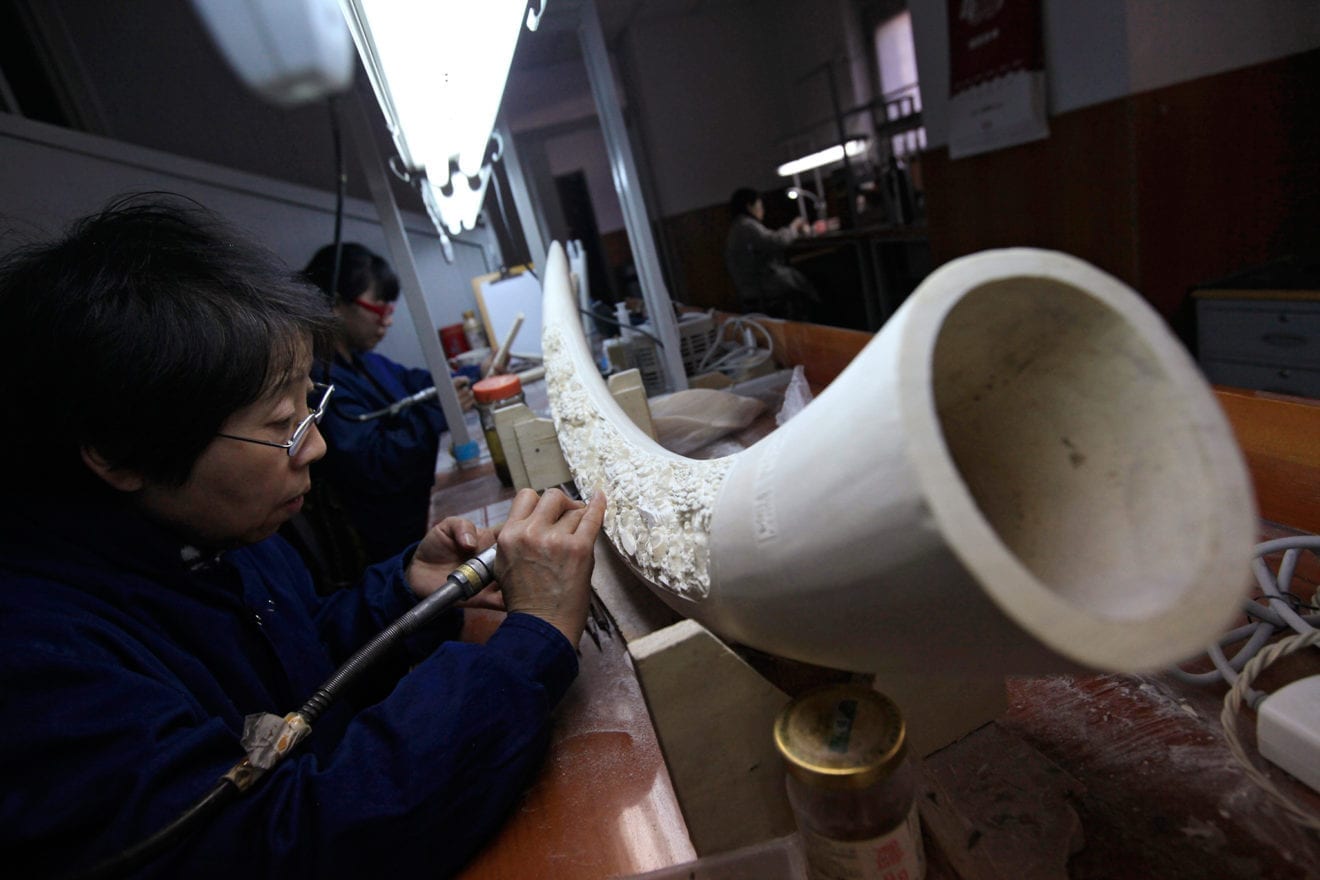
    China, the world’s largest importer and end user of elephant ivory tusks, is shutting a third of its ivory factories and retail stores on Friday (March 31), the first major step ahead of a formal ban on ivory sales by the end of the year.

    China will shut 67 carving factories and stores with the remaining 105 outlets to be shut before the end of the year, according to documents released by China’s Forestry Administration.

    The high-profile move has been hailed by activists, but they caution that Hong Kong, a special administrative region of China, remains a prime obstacle in eradicating the illegal elephant poaching trade.

    The former British colony, which has the largest retail market for ivory and has traded it for more than 150 years, is a prime transit and consumption hub with more than 90 per cent of consumers from mainland China.

    Hong Kong set a time table for a ban on ivory trading last year with a phase-out time of five years. Lawmakers met this week to discuss the ban but have yet to decide on details and whether to shorten the phase-out process.

    Rights groups say a five-year horizon is too long and the problem of laundering ivory will become far more rampant before a total ban is in place.

    WildAid, a wildlife non-government organisation, estimates up to 30,000 elephants are killed illegally every year. It said markets like Hong Kong had provided “laundering mechanisms for poached ivory and perpetuated the demand”.

    While the price of ivory has fallen by almost two thirds in the last three years, according to a report by Save the Elephants, the danger from poaching remains acute.

    China made a big push to eradicate ivory sales and demand has fallen since early 2014 due to a crackdown on corruption and slowing economic growth. Public awareness campaigns starring Chinese celebrities have also helped to highlight the impact of poaching.

    The wholesale price of raw ivory fell to US$730 (S$1,020) per kg in February from US$1,100 per kg in November 2015 and US$2,100 per kg in early 2014, according to Save the Elephants.

    “Hong Kong’s commitment is in stark contrast to China who are leading the way,” Oliver Smith, chief executive of David Shepherd Wildlife Foundation, said in a letter to Hong Kong lawmakers, adding that if the five-year period was unchanged, “an additional 150,000 elephants will have been killed”.

  • Carrefour China joins One Store One School One Farm Project across China

    Carrefour China joins One Store One School One Farm Project across China

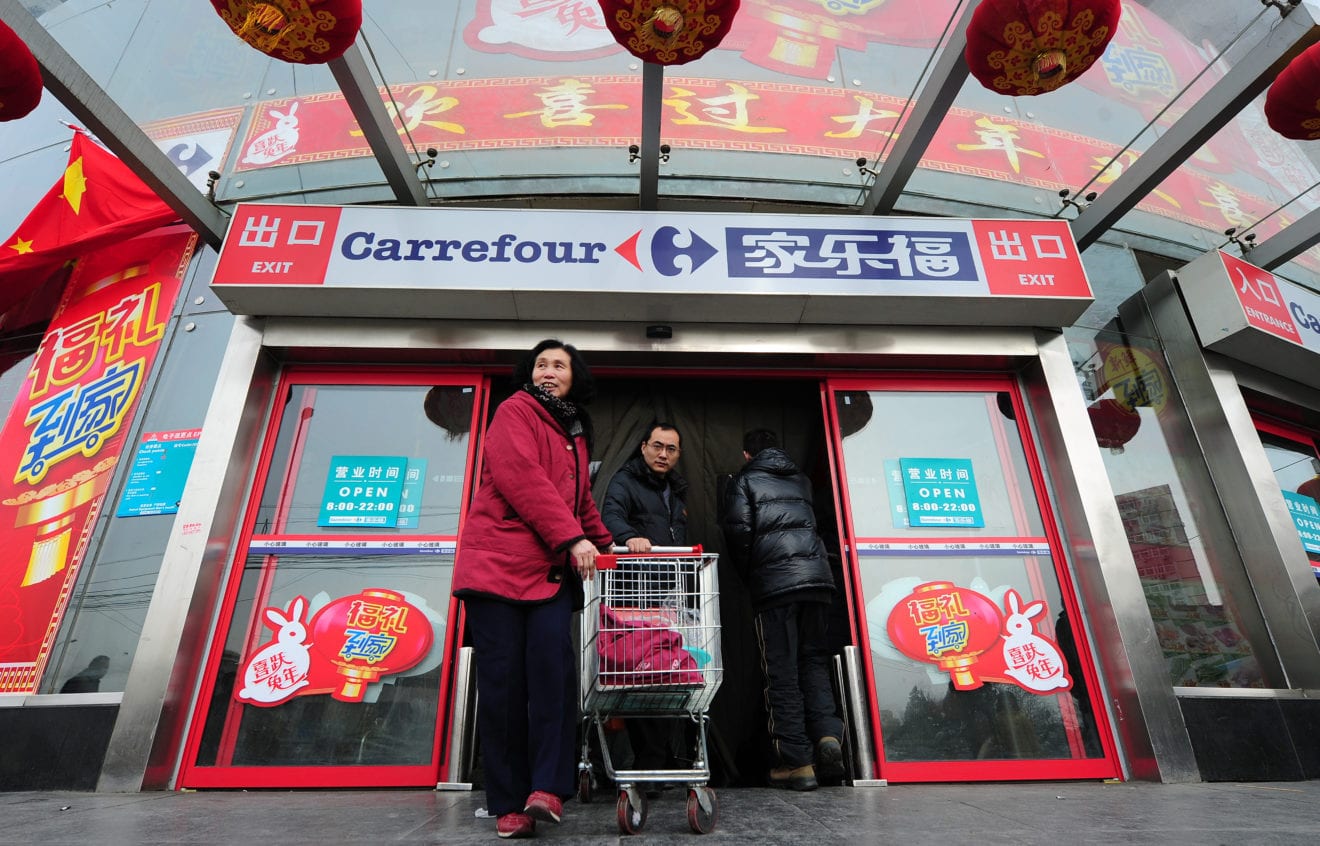
    By end March, 2017, 300+ students from 13 primary schools and 250+ employees from 12 Carrefour China stores have joined One Store One School One Farm Project across China (Shanghaï, Schenzhen, Chendu, Beijing, Shenyang and Wuhan).

    13 activities including bakery class, little experts (lab test) and farm experience were organized, and the education and knowledge of food safety, nutrition and anti food waste have been promoted to all of those students and their families.

    This operation has been rewarded by China Youth Development Foundation with the Contribution Award 2016  for One Store One School One Farm Project launching in China.

  • High potential for greenhouse grown melons in Asian retail

    High potential for greenhouse grown melons in Asian retail

    Strong local economic growth is fueling the activities of Rijk Zwaan in Southeast Asia. According to area manager, Ahmet Tunali, the growing rich middle class and their demand for premium products are opening the doors for complete chain management.

    “As a result of the increase in wealth, big retail chains are gaining a foothold and are looking for direct suppliers of high quality, special products”, said Ahmet Tunali, Area Manager at Rijk Zwaan. They are getting into direct trade relationships with produce companies, as well as new products and varieties.”

    The area manager said that, for these reasons, there is more demand for produce grown in a protected environment. “Greenhouses have become a standard to grow environmentally friendly produce, with less water and less chemicals. The products can be marketed at a premium since they are of a better and more consistent quality than produce from the open field. This creates new markets, such as the one for hydroponic lettuce. This is growing at a rapid pace, especially in Vietnam, where we have a obtained a large market share with our Salanova and other lettuce varieties.”

    Bell peppers are another important product category for Rijk Zwaan in Southeast Asia. “In the north of Thailand, in the regions of Chian Mai and Chiang Rai, a lot of green, red, yellow and sometimes orange peppers are grown in greenhouses at altitudes of 400 to 1100 meters. These growers sell directly to retail and skip the so called ‘wet market’ (the Asian wholesale market).”

    And then there are the greenhouse grown melons. They are a good example of the possibilities with fresh produce chain management in Asia.

    “We gained a lot of experience with the introduction of melons in South America, and since a few years we’ve been looking at what the odds are in Thailand. In close cooperation with both growers and retailers, we successfully introduced a new type of melon in this market, the Golden Emerald melon. This melon is marketed as a premium product by large retailers and is characterized by its extended shelf life, taste and uniform quality and firmness.”

    Tunali expects a lot more to come from the Southeast Asian market in the coming years. “It will become very important to select and introduce varieties and complete concepts according to the demand and possibilities within the local market. It is a very promising market with a lot of opportunities for the development of protected crops.”

  • China Telecom Global teams with HKT on m-payment

    China Telecom Global teams with HKT on m-payment

    China Telecom Global (CTG) has entered an agreement with HKT Payment, the mobile payment subsidiary of Hong Kong operator HKT, to issue a co-branded mobile payment solution.

    The companies will collaborate to issue a co-branded virtual Tap & Go card for subscribers to CTG’s CTExcel multinational mobile brand.

    Tap and Go is the contactless mobile payment technology used by HKT Payment for its stored value facilities (SVF) mobile payment service.

    Through the collaboration CTExcel customers will be able to take advantage of the payment option at a wide range of merchants, China Telecom Global CEO Deng Xiaofeng said.

    “We think mobile payment is an area that will help CTG to differentiate its mobile solution with extra benefits. This partnership is the first step into this space in Hong Kong and aims at empowering CTExcel users to enjoy smart and convenient mobile payment at over 6 million merchant outlets worldwide as well as online,” he said.

    HKT Payment head Monita Leung added that in addition to the extensive global payment network, “the unique Tap & Go peer-to-peer payment services PayBuddy and PayMaster enable our partner to reach and engage wider markets including children and young adults.”

    CTG has separately agreed to provide the network in China and Hong Kong for for global roaming and IoT solutions provider UROS Uni-fi Roaming Solutions.

    Under the agreement, CTG will provide 4G mobile services in both markets, delivered via both traditional SIM cards and eSIM technology.

    ““CTG is excited to support UROS for its connectivity requirements across HK and mainland China. With its CTExcel brand, CTG is committed to providing high quality mobile service across the regions for both consumers and enterprises without compromising quality and reliability,” Deng said.

  • Manager in China motivates staff by making them tear up their money

    Manager in China motivates staff by making them tear up their money

    A manager at a retail store in eastern China motivates her underperforming sales staff by forcing them to tear up their own 100-yuan bills.

    A video showing five young salespeople tearing up the notes at the command of their boss at a Gome electrical appliance store in Jinan, Shandong province drew condemnation over the weekend.

    The incident took place on the evening of March 22. The five employees were forced to tear up the cash because they did not meet their daily sales quotas of 100 deals.

    The local police department gave the manager a warning and fined her 1,000 yuan (US$688). The manager said that she had meant to teach her employees not to waste company resources.

    In the video, the manager shouts at the employees and insists that they tear up the cash if they want to keep their jobs, although it also shows staff members warning her that destroying money is illegal.

    The police department said that any deliberate destruction of yuan would result in a police warning and a fine of up to 10,000 yuan.

    The video caused widespread outrage among mainland social media users.

  • Octogenarian new ambassador for Reebok China

    Octogenarian new ambassador for Reebok China

    Octogenarian Wang Deshun, a silver-haired actor known as “China’s hottest grandpa”, is Reebok China’s newest brand ambassador.

    Wang, who was born in Shenyang in 1936, stars in the sports brand’s latest Chinese video campaign “Be More Human” alongside actress Yuan Shanshan and actor Wu Lei.

    The senior citizen first caught attention in 2015 when he strutted bare-chested down the runway for a local designer in Beijing Fashion Week.

    “Only seriously getting into fitness at the age of 70, Wang’s example has helped reshape China’s views on aging and shown you’re never too old to pursue your goals,” says Reebok, which aims to become “China’s best fitness brand”.

    It is expanding its new lifestyle retail concept FitHubs, which integrate retail, fitness and other activities for customers. There are locations already in Hangzhou, Qingdao and Wuhan, with 50 scheduled to open this year. Reebok, owned by Adidas, plans to have 500 FitHubs by 2020.

    Its focus is on three key categories: running, training and classics. This year it is especially promoting its running line.

    “With running in particular experiencing an unprecedented surge in popularity in China in recent years, the category is a key focus for this year,” says the company.

  • Mulberry Asia launches with Challice as partner

    Mulberry Asia launches with Challice as partner

    English luxury brand Mulberry Group has launched Mulberry Asia in partnership with Challice, which will run its business in China, Hong Kong and Taiwan.

    Mulberry Asia will start trading in Hong Kong from April 3, with a subsidiary in China and a branch office in Taiwan expected to follow this year.

    Mulberry owns 60 per cent of the share capital of Mulberry Asia, with Challice holding the balance.

    There will initially be four stores: two in China, one in Hong Kong and one in Taiwan. The new JV will also manage regional wholesale sales. A Chinese-language Mulberry.com site will be launched along with a regional omni-channel platform, with the partners planning “significant” marketing investment in north Asia.

    Mulberry plans to invest about £3 million (US$3.7 million) in additional support over the next two years to build brand awareness in the region.

    In the near term, a store will be opened in Shanghai, while stores in Beijing and Hong Kong will be relocated.

    Founded in the UK in 1971, Mulberry is best known for its leather goods.

  • We expect to grow over 100% in India this year says Xiaomi CEO

    We expect to grow over 100% in India this year says Xiaomi CEO

    Xiaomi chairman and CEO Jun Lei is a sales man to the core – he even tries to market the $1 pen that his company sells as he winds up an interview. The company, which crossed $1 billion revenue in India last year and managed to grab the second spot behind Samsung, plans to go aggressive in the country, which Lei views as the second most important market after China.

    It is also looking at stronger brickand-mortar retail presence in India and elsewhere as its focus on the online-only model has been blamed for losing momentum in sales. While being upbeat on India, Lei sees many obstacles — from a complicated tax regime to weak infrastructure and poor broadband connectivity. Excerpts:

    Do you agree with the view that India is next China?

    India is the most important market after China. We look forward to continue to grow in India. Similar to China, we believe that India will experience same transformation in 10 to 20 years.

    PM Narendra Modi has focused a lot on Make in India initiative. Do you think India can become a factory to the world?

    Of course, we believe in that. We will first satisfy the needs of the local market… then we could consider the possibility of exporting.

    Do you face problems regarding infrastructure, government policies?

    From an optimistic point of view, we believe that the Make in India initiative has been pushed and adopted widely. We still see a lot of obstacles. For example, a lot of states have different tax rates. This could further complicate manufacturing and sales aspect. We look forward to GST to come in. We think India’s tax currently is much higher than China. Warehouse logistic costs are quite high. We also need a lot of effort in the transportation efficiency. Internet infrastructure is also a challenge. In China, 4G bandwidth is popular where a lot of cities are pushing for free Wi-Fi. We believe all these are worth the attention of the Indian government.

    Will there be higher focus on brick-and-mortar stores now?

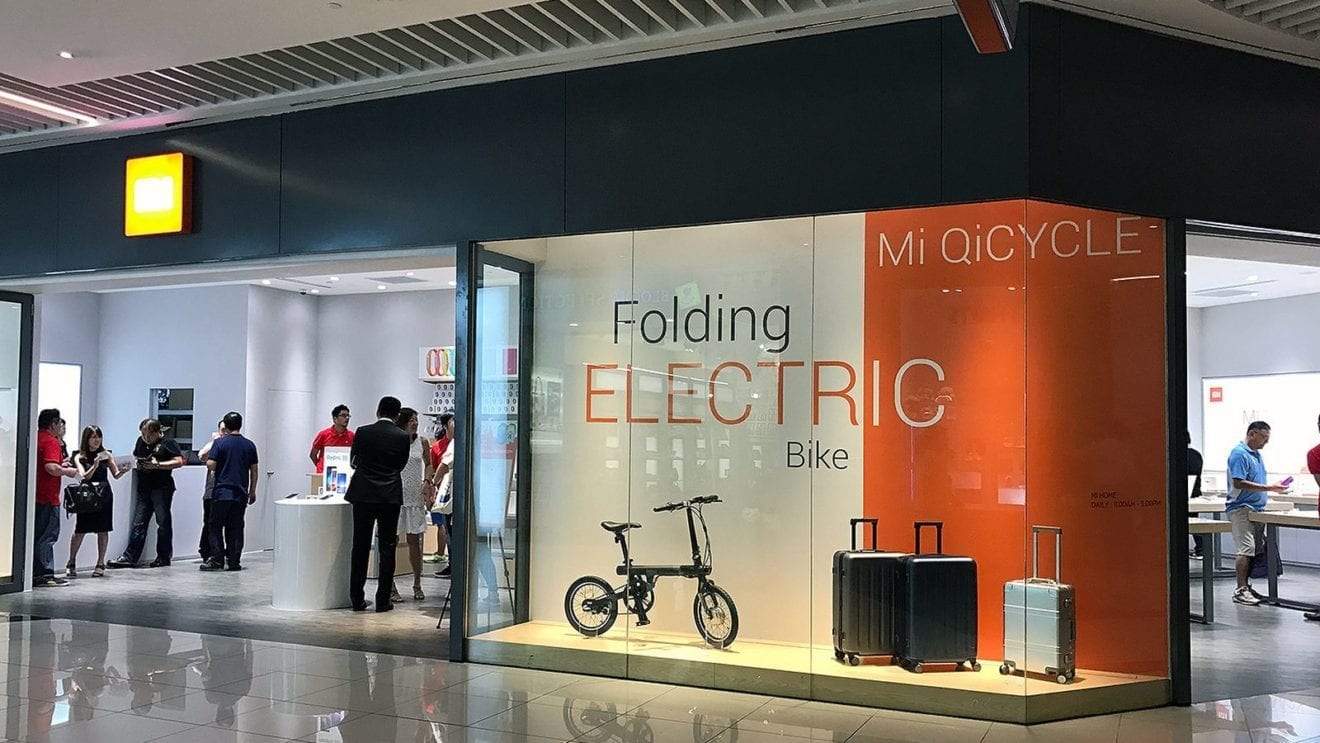
    Online enabled us to reach our dreams of high efficiency. We’re trying to use the same Internet-plus philosophy when it comes to (offline) retail. In China, we initiated the concept of Mi Home. We’re trying to reach the same efficiency level when we do offline retail compared to our online efficiency. We’re trying to price it at the same level for offline as well. We need to ensure that there’s value for money. We need to ensure that our channels and partners are also successful and make profits. Our focus this year will be to continue to extend our market share in online and then experiment with the Internet+retail concept.

    How many stores will you require?

    We have expanded offline retail through 10,000 (multi-brand) shops. Recently, we have partnered with four big retail chains in South India. We are planning to open our own stores.

    Do you intend to make investments in Indian startups?

    We have invested in a few Indian companies. We have announced our investments in Hungama, India’s largest radio platform. We invested in a few more but we have not publicly disclosed them. Xiaomi has invested in 165 companies worldwide by 2016-end. We emphasize on building the ecosystem around us as smartphone is the infrastructure of mobile internet. It really requires a lot more applications and services to further accelerate the industry. So, we really believe in supporting mobile start-ups in India.

    In China sales have been below expectations…

    In the past two years, we have indeed faced some challenges in China. It is mainly due to the fact that we reached 50% market share in the online smartphone market in China. For us to continue our growth, the key challenge is to enter offline. Last year, we made definitive improvements and progress in offline in China. We have made a major breakthrough in understanding how to do retail offline in an e-commerce manner. We are now back on track for rapid growth as our China momentum is picking up. We expect India business to grow over 100% this year.

  • Film festival in Beijing shuns Korean movies

    China blocked the screening of Korean films at the upcoming 7th Beijing International Film Festival, the latest retaliatory measure against Seoul for the deployment of a U.S.-led antimissile system.

    Film industry sources confirmed Tuesday that Korean films were invited to partake in the annual film festival in Beijing, which runs from April 16 to 23, but they are not going to be screened because of Chinese authorities’ orders.

    Since the announcement last July of Seoul and Washington’s decision to deploy the Terminal High Altitude Area Defense, or Thaad, system to Korea, China has taken various retaliatory measures against the Korean entertainment industry, including unofficial bans on Hallyu, or Korean wave, content, as well as restricting tour packages to Korea and a crackdown on Korean retail stores in China.

    “The Beijing International Film Festival has invited Koreans but have suspended this because of Chinese authorities’ orders,” one film industry insider said. “Thus, it appears Korean films will not be screened at the film festival.”

    Last year, top young Hallyu stars including Lee Min-ho and Kim Woo-bin were in the spotlight at the film festival in Beijing, which launched in 2011. Lee, who starred in the 2016 comedic action film “Bounty Hunters,” a co-production project among Korea, China and Hong Kong, took part in the opening ceremony of the festival last April, which was broadcast on state television.

    There were several Korean films that were screened and made shortlists for awards last year. This year, no Korean films are reported to be on the preliminary screenings list.

    The eight-day Beijing International Film Festival is held by the General Administration of Press, Publication, Radio, Film and Television of the People’s Republic of China and the People’s Government of Beijing Municipality.

    China’s Administration of Press, Publication, Radio, Film and Television, which is responsible for broadcast policy, has been reported as being behind the order to production companies to stop making programs with Hallyu content as well as joint projects with Korea.

    Earlier this month, a Korean-Chinese co-production starring Korean actor Ha Jung-woo with Chinese actress Zhang Ziyi fell through after Ha faced trouble with getting a visa from China and other problems.

    News about Hallyu entertainers and Korean films is rare on Chinese television and in newspapers these days, and no Korean movie was released in China last year though about four films are usually released in theaters in China annually.

    The Chinese government became even more aggressive in its retaliation following the finalization of the government swapped land with Lotte Group at the end of last month to find a home for the Thaad battery. Lotte’s businesses in China were particularly targeted.

    When asked by a reporter for Seoul’s response to China’s blocking of Korean films and the continued retaliations for the Thaad deployment, Cho June-hyuck, spokesman for the Ministry of Foreign Affairs, replied that the Korean government is “paying close attention to the series of measures taking place within China.”

    Cho continued in a briefing Tuesday, “Our government holds the consistent position that under no circumstance should civilian exchanges between two countries, which form the foundation of bilateral relations, face artificial handicaps, and will actively respond to China’s unfair measures in order to minimize the damage against Korean companies.”

    The Foreign Ministry also spoke up against the destruction of South Korean flags in China following the Thaad fallout, saying it has lodged a strong protest with Beijing.

    Several Taegeukgi, or Korean national flags, were found torn in pieces in health clubs in Tianjin earlier this month in a sign of anti-Korea sentiment.

    “The national flag symbolizes the dignity of the country and our government takes the destruction of our flag in some regions in China seriously and gravely,” said Cho. He said that the Chinese government responded it recognizes the gravity of the destruction of the flags and will take necessary measures including retrieving destroyed flags.
  • Alibaba exploring blockchain to counter food fraud

    Alibaba exploring blockchain to counter food fraud

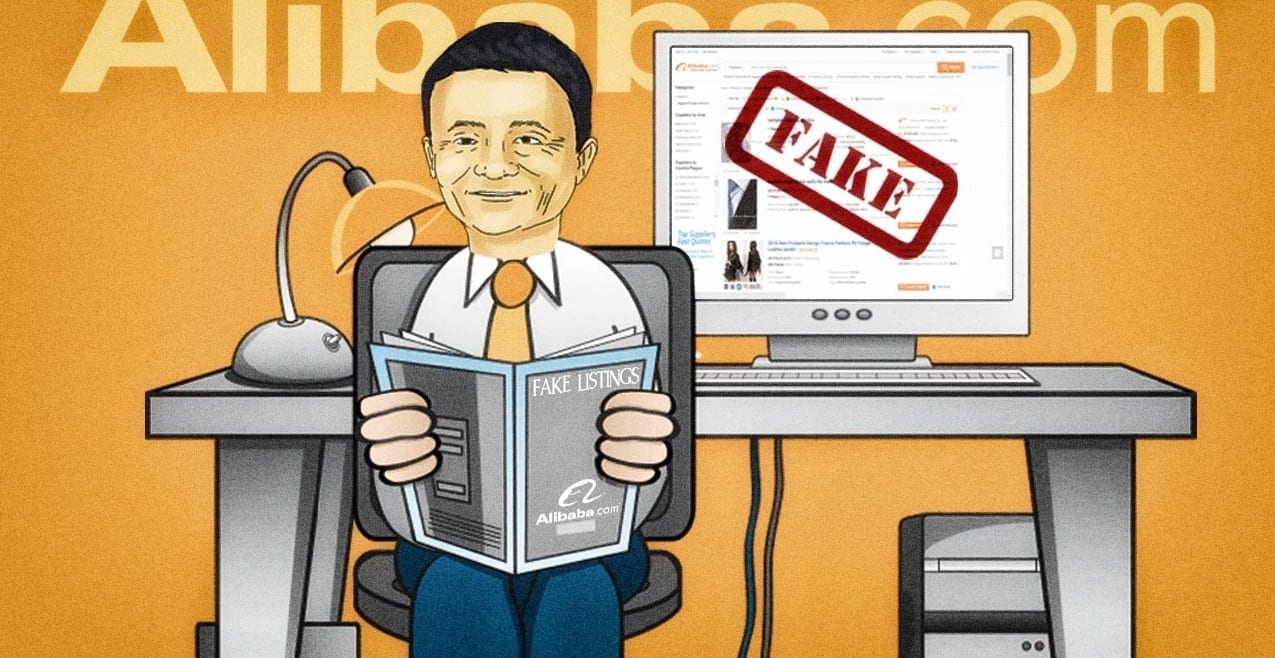
    Chinese e-commerce giant Alibaba will work with Australia Post and natural health firm Blackmores to combat the rise of counterfeit food being sold across China.

    The partners said they will work together to increase the traceability of food products and reduce the risk of fraud, and will explore new technologies for the initiative.

    The technologies to be explored include blockchain technology – a decentralised and highly available database – which could obtain crucial details from suppliers about where and how their food was grown and map its journey across the supply chain.

    The technology has the potential to enable up-to-date audits, increasing transparency between producers and consumers.

    Australia Post executive general manager for parcels and StarTrack CEO Bob Black said the project would help guarantee that only genuine Australian products arrive safely into the hands of Chinese consumers. Australia prides itself as a trusted exporter of high quality food.

    “Our food producers have a global reputation as being a clean, green and safe provider of food and we are pleased to help deliver a solution to enhance the integrity of their produce,” Black said.

    Food fraud is known to be one of the biggest issues facing the global food industry, considering the potential health risks associated with adulteration and loss of trust from consumers and governments. In recent years counterfeiters have targeted popular Australian products such as health supplements, beer and wine, honey and cherries.

    Last month, the two companies also signed an agreement to extend Australia Post’s online storefronts beyond China to Malaysia, Singapore and Indonesia using the e-commerce network Lazada, which Alibaba has a majority stake.

  • Sportswear retailer streamlines trade operations in China

    Sportswear retailer streamlines trade operations in China

    Adidas Group wants to kick off its expansion in China on the right foot. The sportswear brand plans to bolster its retail sales network to 12,000 outlets in China by 2020, with much of the growth slated for smaller cities. However, the company also knows that conducting international trade within China can be difficult and complex due to challenges presented by huge import and export volume, and minimal advance notice of regulatory changes.

    As a result, Adidas began searching for an automated solution to help reduce manual-based operations, minimize clearance delays and compliance risks, and respond to regulatory changes quickly. The company found its solution through the CTM platform from Amber Road.

    Specifically, Amber Road’s CTM InSight function will equip the Adidas China team with self-compliance capabilities, which will help them conduct comprehensive and regular internal audits to proactively identify and resolve non-compliance issues with agencies in a timely fashion. Meanwhile, the CTM Business Intelligence (BI) Dashboard will supply information to centralize management, improve clearance process visibility, and enhance internal controls.

    By implementing Amber Road’s CTM solution, Adidas Group will be well prepared to apply for China Customs Advanced Certified Enterprise (AEO) status, which will enable the company to enjoy international trade facilitation measures, according to Kae-Por Chang, managing director, Amber Road China.