Tag: China

  • Frette China opens Shanghai flagship

    Frette China opens Shanghai flagship

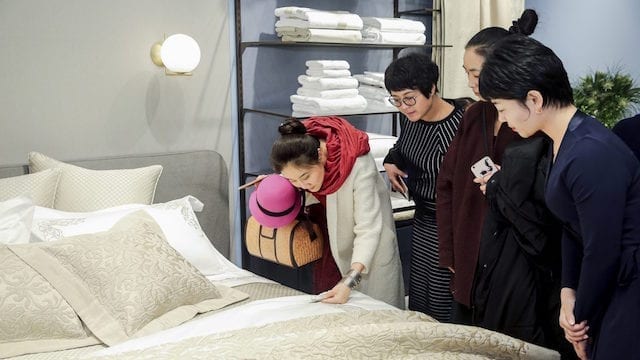
    Frette China has opened its first flagship store, in Shanghai’s Puxi district.

    In the five-level Plaza 66 shopping centre and designed by New York architectural firm Kohn Pedersen Fox, the Frette boutique covers 230 sqm.

    It offers classic and seasonal collections of bed linen and towels, as well as accessories.

    Frette was established in Grenoble, France, in 1860. It relocated to Concorezzo, Italy, in 1865 and now has its headquarters in Monza. It specialises in luxury home furnishings, including bedding and towels, and provides linen to such hotels as Raffles Hotel Singapore, The Four Seasons, The Peninsula Hong Kong and The Ritz London.

    Frette China Shanghai


    While the company has 25 stores across Asia, it regards the market as “significantly underdeveloped”.

    “We’ve opened flagships in Taiwan and Hong Kong, but have really only just started in Southeast Asia,” says CEO Herve Martin. “Until now, we haven’t been present at all in China and Japan.

    “In my eyes, China is the place of the moment and will play a major role in the coming decades — not just in the luxury business industries, but in all industries. China is at the forefront of world evolution. Now is the right time to build up here.”

    After Shanghai he expects there may be a demand to open in Beijing, and the company’s mid-term goals could possibly also include Chengdu, Guangzhou and Shenzhen.

  • Apple opens new stores in China, Germany

    Apple opens new stores in China, Germany

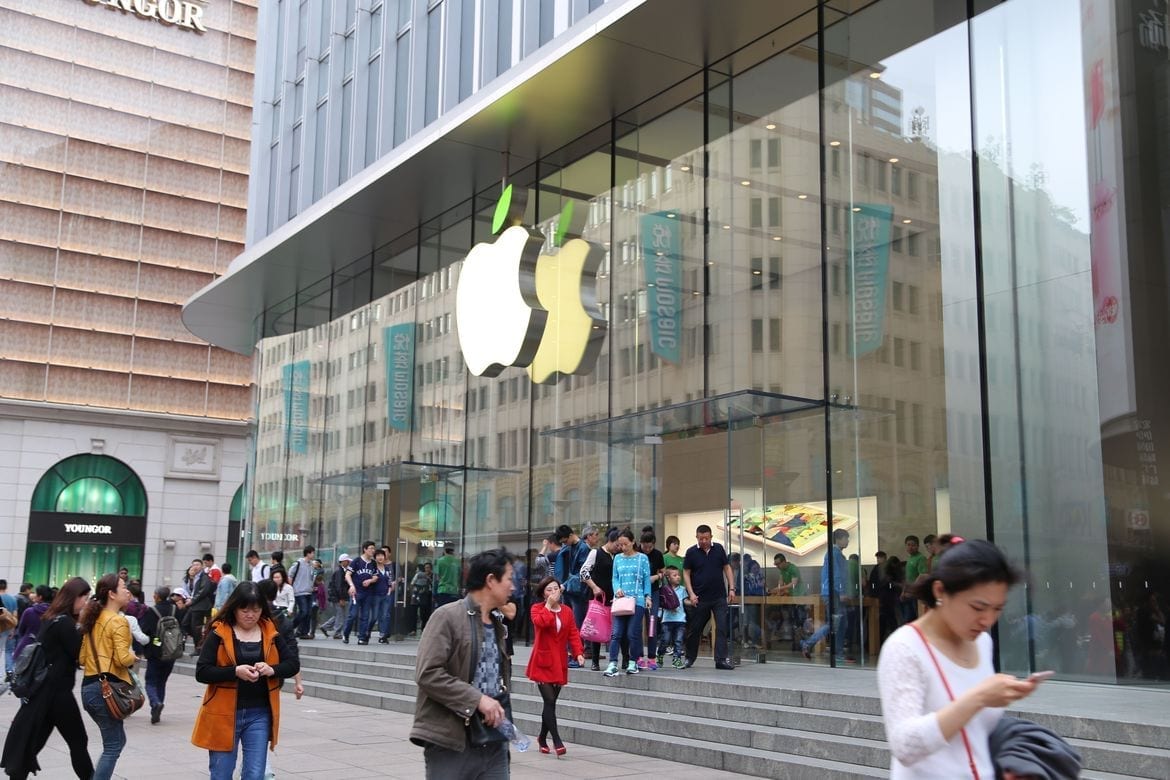
    While Apple’s retail team is currently remodelling all its stores, the company expanded its reach with three new stores in China, Germany and the US. More than 350 store employees at the new stores in Nanjing (China), Cologne (Germany) and Miami (US) welcomed thousands of customers at the grand openings. “Each store complements the local architecture, from the restored facade in Schildergasse to the 90-by-30-foot glass entryway of Apple Nanjing,” the company said in a statement on Saturday. For the first time in each city, customers can explore The Forum — a place where the local community can gather and learn.

    All the three stores also feature The Boardroom — a space for local entrepreneurs, developers and business customers to get hands-on advice and training. On March 12, Apple reopened its store in St. Johns Town Center in Florida — the 35th store company updated to its latest design in the US. Apple opened its first store on May 15, 2001, at the Tysons Corner Center mall, Virginia.


  • How Alibaba’s Jack Ma Is Building a Truly Global Retail Empire

    How Alibaba’s Jack Ma Is Building a Truly Global Retail Empire

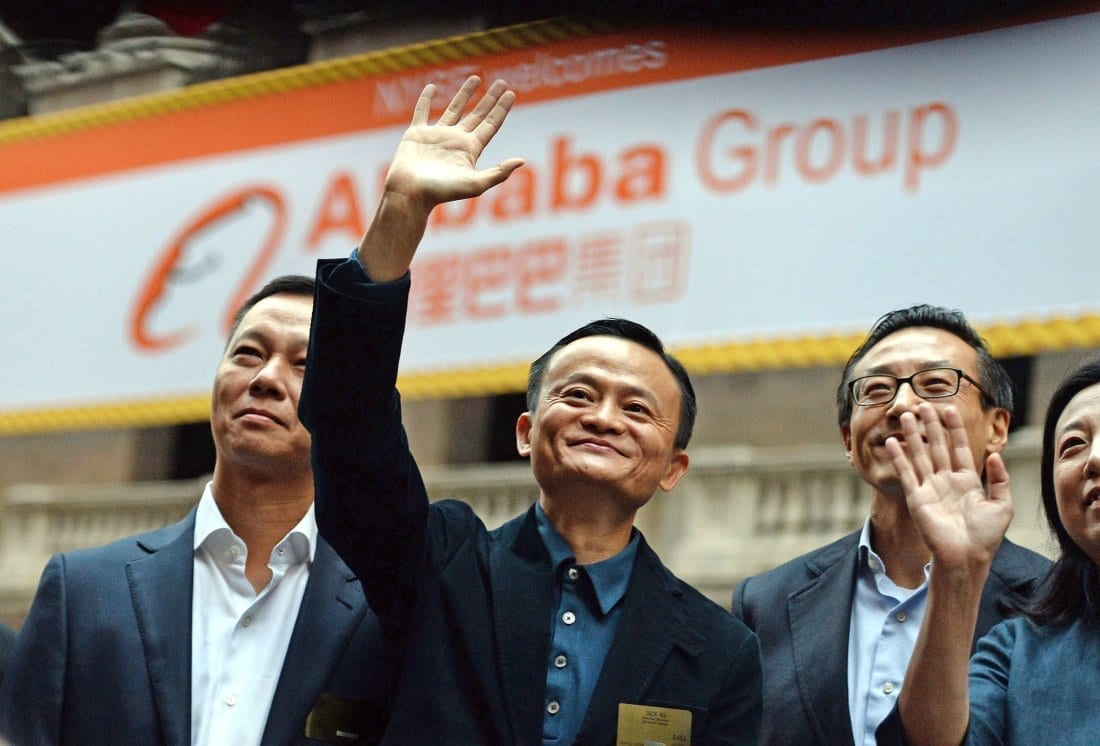
    Jack Ma is one of China’s richest men, with a fortune valued at nearly $30 billion. As executive chairman of Alibaba Group, he leads the dominant force in Chinese e-commerce, a company with a market value of $264 billion and some 450 million customers. A global ambassador for Chinese business, he spent 800 hours aloft last year—­visiting princes, Presidents, and Prime Ministers and lots of mere businesspeople too. “A professional pilot cannot travel that much, or so I’m told,” he boasts.

    Even so, the rich and powerful people who meet with Ma tend to come away from the experience with a fresh nugget of information, either about him or about the still poorly understood digital conglomerate he started with a bunch of friends 18 years ago in the provincial coastal city of Hangzhou. Jim Kim, a physician who is the president of the World Bank, met Ma four years ago over a dinner lasting more than three hours and was startled to find the billionaire wearing sandals, holding Buddhist prayer beads, and sitting cross-legged on his chair. Kim was so taken with Ma’s passion for facilitating global trade by focusing on small-business people that he’s rethinking his international development organization’s approach.

    Others are moved by Ma’s humanity. Jean Liu, president of Chinese ride-hailing startup Didi Chuxing, has known Ma for years and considers him a mentor. (Alibaba is a Didi shareholder.) She recently learned, through family connections rather than from Ma, about how he repeatedly visited a seamstress he had met after learning she was ill. Says Liu: “He genuinely cares about the people around him.”

    Then there’s the President of the United States, who met Ma for the first time a few weeks before his Inauguration. “Trump didn’t know that much about Alibaba,” reports company president ­Michael Evans, a former Goldman Sachs banker and Asia hand who helped set up the powwow. “He was fascinated to hear that Chinese consumers are interested in buying from U.S. small businesses. I don’t think that had occurred to him.” Ma used the sit-down to make a bold promise—that Alibaba would help create 1 million jobs in the U.S. over five years. The pronouncement was music to the President-elect’s ears. “It was a great meeting,” he declared before the cameras in the lobby of Trump Tower, a beaming Ma beside him. “Jack and I are going to do some great things.”

    President Trump isn’t the only one who could stand to learn more about Alibaba. Despite its heft in China and the blockbuster 2014 public offering that raised $25 billion on the New York Stock Exchange and introduced Alibaba to Western investors, Ma’s company remains a mystery to most non-Chinese. There’s a simple reason for that: Few outside the world’s second-largest economy are Alibaba customers. Ma is aware of this knowledge gap. It’s part of what drives him to keep logging frequent-flier miles to educate people about his company and his plans.

    To realize his vision—which relies on technology to buy, sell, finance, and deliver goods on Alibaba’s digital platforms around the world—Ma has been busily recasting himself of late as a global leader. Already he is the first Chinese business executive who can claim to have transcended his homeland for the world stage. In his travels, Ma promotes the lowering of trade barriers, touts his own brand of philanthropy, and supports causes such as primary-school education. His version of globalization is carefully calibrated and expansive enough to be consistent with the goals of his own President, Xi Jinping, as well as with Trump’s America-first positioning.

    As with so many effective leaders, Ma’s motives are complex. China is already a huge consumer market and one that’s still growing fast, but Ma knows that eventually he will need to conquer new territories for Alibaba to continue on its current trajectory. Like other Chinese champions, Alibaba has thrived at home while foreign competitors have thus far been stymied from entering his turf. If that changes, foreign markets will be even more crucial. Ma also needs for ­Alibaba—plagued by criticism over the profusion of counterfeit wares for sale on its sites—to develop a reputation as trusted around the world as Jack Ma is cherished by his fellow bold-faced names.

    Ma’s opportunity is unique. After centuries of stagnation, his country has recently reassumed its position as a world leader—just as Alibaba, one of its marquee corporate names, has joined the ranks of world-beating companies. With characteristic intuition, Ma, 52, seems to realize that this is his moment to go beyond merely being famous and take his place among the globe’s revered business leaders.

    -Fortune

  • Li Ning e-commerce sales leap 90pc

    Li Ning e-commerce sales leap 90pc

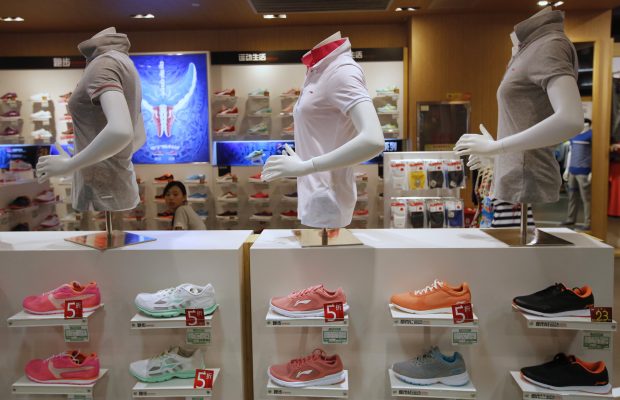
    Li Ning e-commerce sales soared 90 per cent last year, driving an overall 13 per cent gain.

    The Chinese sportswear company closed the year with CNY8.015 billion (US$1.165 billion) in sales, while its gross margin grew 1.2 points to 46.2 per cent. Its net income also increased, reaching US$144.5 million, compared to $116.2 million the previous year.

    Footwear again led sales, up 15.7 per cent to $569.378 million, while apparel sales rose 12.7 per cent to $512.875 million and equipment/accessories followed with 4.9 per cent growth to $67.369 million.

    In contrast, sales for third-party brands such as Aigle, Kason and Lotto, slumped by 23.6 per cent to $11.957 million.
    Internationally, sales for the Li Ning brand itself grew by 36.4 per cent, reaching $29.356 million – just 2.6 per cent of the brand’s overall revenue.

    At December 31, Li Ning had 6440 stores, up 5 per cent on the previous year. These comprise 4829 franchised stores (up 4.6 per cent) and 1611 (up 6.3 per cent) run directly.

    In its annual report, the company says that while its business covers 44 countries, it believes that developing Asian countries will be crucial. “Cross-border e-commerce will remain our international team’s main focus this year.”

  • Chinese supermarkets pull Brazil meat from shelves as food safety fears grow

    Chinese supermarkets pull Brazil meat from shelves as food safety fears grow

    Some of China’s largest food suppliers have pulled Brazilian beef and poultry from their shelves in the first concrete sign that a deepening scandal over Brazil’s meat processing industry is hitting business in its top export market.

    The moves by Sun Art Retail Group, China’s biggest hypermarket chain, and the Chinese arms of global retail giants Wal-Mart Stores and Metro AG come days after China temporarily suspended Brazilian meat imports. Safety fears over Brazilian meat have grown since police accused inspectors in the world’s biggest exporter of beef and poultry of taking bribes to allow sales of rotten and salmonella-tainted meats.

    A spokeswoman for Sun Art Retail, which operates 400 Chinese hypermarkets, said on Wednesday the chain had removed beef supplied by top Brazilian exporters BRF SA and JBS SA from its shelves from Monday. Brazilian beef accounts for less than 10% of Sun Art’s beef supply, she said. Wal-Mart has also removed Brazilian meat products from its stores, a person familiar with the matter said. He declined to be quoted because of the sensitivity of the matter.

    Germany’s Metro has withdrawn Brazilian chicken legs and wings from its Chinese stores, said a manager, who declined to be named as he was not allowed to speak to media. The retailer, with 84 stores in China, does not sell Brazilian beef. JD.com, one of China’s biggest online retailers, said in an emailed statement it had also removed all listings for imported Brazilian meat and is reviewing orders in process.

    While Brazilian officials sought late on Tuesday to reassure consumers that the investigation had revealed only isolated incidents of sanitary problems, the reaction by Chinese retailers suggests that the probe could have far-reaching repercussions for the world’s top meat exporter. Chinese consumers appeared largely unconcerned or unaware of the scandal in Brazil, with few people commenting on the issue on the country’s vibrant social media networks.

    But the country has been hit by its own safety scandals in the past, making retailers sensitive to any potential risks.

    “We removed the product already on March 20,” said Sun Art’s spokeswoman, noting it was ahead of the Chinese government’s first official comment on the issue. Brazil is the top supplier of beef to China, accounting for about 31 percent of its imports in the first half of 2016. Much of it is used in canteens and foodservice and branded Brazilian beef is less prominent in supermarkets than Australian beef.

    Importers are expected to wait a few more days before seeking out alternative supplies, which will likely be more costly than Brazil’s. “It’s a 45-day lead-time to get any product here. What if they lift the ban by the end of the week?” said an industry source who declined to be identified. Hong Kong, the second-biggest buyer of Brazilian meat in 2016, has also issued a ban on imports, following similar steps by Japan, Canada, Mexico and Switzerland.

    Major Hong Kong supermarket chain PARKnSHOP said it had removed Brazilian pork, beef and chicken from shelves. “To cater for the needs of customers, we will increase the supply of meat and poultry products from other countries,” it said in a statement, without elaborating.

  • Bad record for Bonjour Holdings

    Bad record for Bonjour Holdings

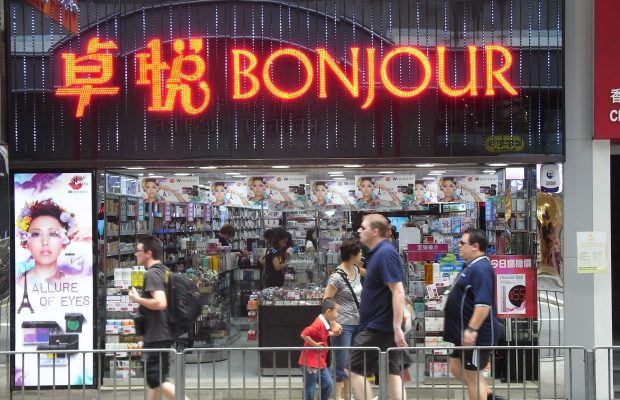
    Tumbling turnover and gross profit margin have flipped an operating profit to a loss for beauty and healthcare retailer Bonjour Holdings.

    Its turnover for last year fell 12.8 per cent to HK$1.995 billion (US$256.8 million), while its gross profit margin dropped from 41.8 to 38.1 per cent. This gave the group a loss of HK$77.9 million compared to a profit of HK$50.7 million in 2015.

    During the year, the group rationalised its retail network from 47 to 42 outlets.

    Hong Kong and Macau retail sales fell for the second straight year, the company’s audited results show.

    Same-store sales fell 10.1 per cent despite the average sales value per transaction for mainland tourists rising by 7 per cent. However, the total number of mainland customers dropped by double digits last year. The company says the drop in its total number of customers contributed about 9 per cent of the overall retail decline during the year.

    Bonjour says an enormous demand continued for Korean beauty and skincare products in Hong Kong’s retail market. Because of this, the group has formed dedicated procurement team to explore this trend.

    During the year, Bonjour continued to introduce a variety of mass Korean beauty products to keep the market competitive and to offset the negative impacts of the falling sales of Western and Japanese premium brands.

    Meanwhile, the group has been increasing awareness of its brand through online platforms. It partnered with Tmall and WeChat during the year to broaden its touch points with target consumers.

    “Additionally, with the rapid rise of live-streaming and photo-sharing apps, video and photo content and key opinion leaders (KOL), partnerships has taken up a significant role in our marketing campaigns,” says Bonjour. “Online image sharing has become a critical element for us to communicate with our target consumers.”

    Delivery service

    The group partnered with Alipay in two one-day events during the year, “2016 Carnival All the Way” and “Double Eleven”. The group also cooperated with China Post Cross-border eCommerce (CPCBE) to launch the cross-border shopping platform www.bonjourO2O.com (BonjourO2O). With its direct delivery service, customers can buy overseas items not available in Bonjour’s mainland stores.

    Online retail sales last year reached HK$40.1 million, up 7.4 per cent from 2015.

    At the end of the year, the group had 42 stores in Hong Kong, Macau and Guangzhou. During the year, sales continued to decline in the face of “sky-high” rents. While rents have been adjusting over the past two years, the reduction has not been fully reflected in the company’s income statements as it is usually locked into leases with a three-year term. The company is able to renew only about a third of its agreements each year.

    “We believe that stabilising sales along with falling rents should help improve our profitability gradually,” says the group.

    Bonjour currently distributes 180 international cosmetic, skincare and healthcare products including Dr Schafter, Suisse Reborn, WowWow and Yumei. During the year the company adjusted the product mix, increasing international parallel-import products and mid-to-lower-priced trendy products while cutting back on higher-priced exclusive products.

  • CIMB-Alipay mobile wallet provides Chinese tourists a more seamless payment experience

    CIMB-Alipay mobile wallet provides Chinese tourists a more seamless payment experience

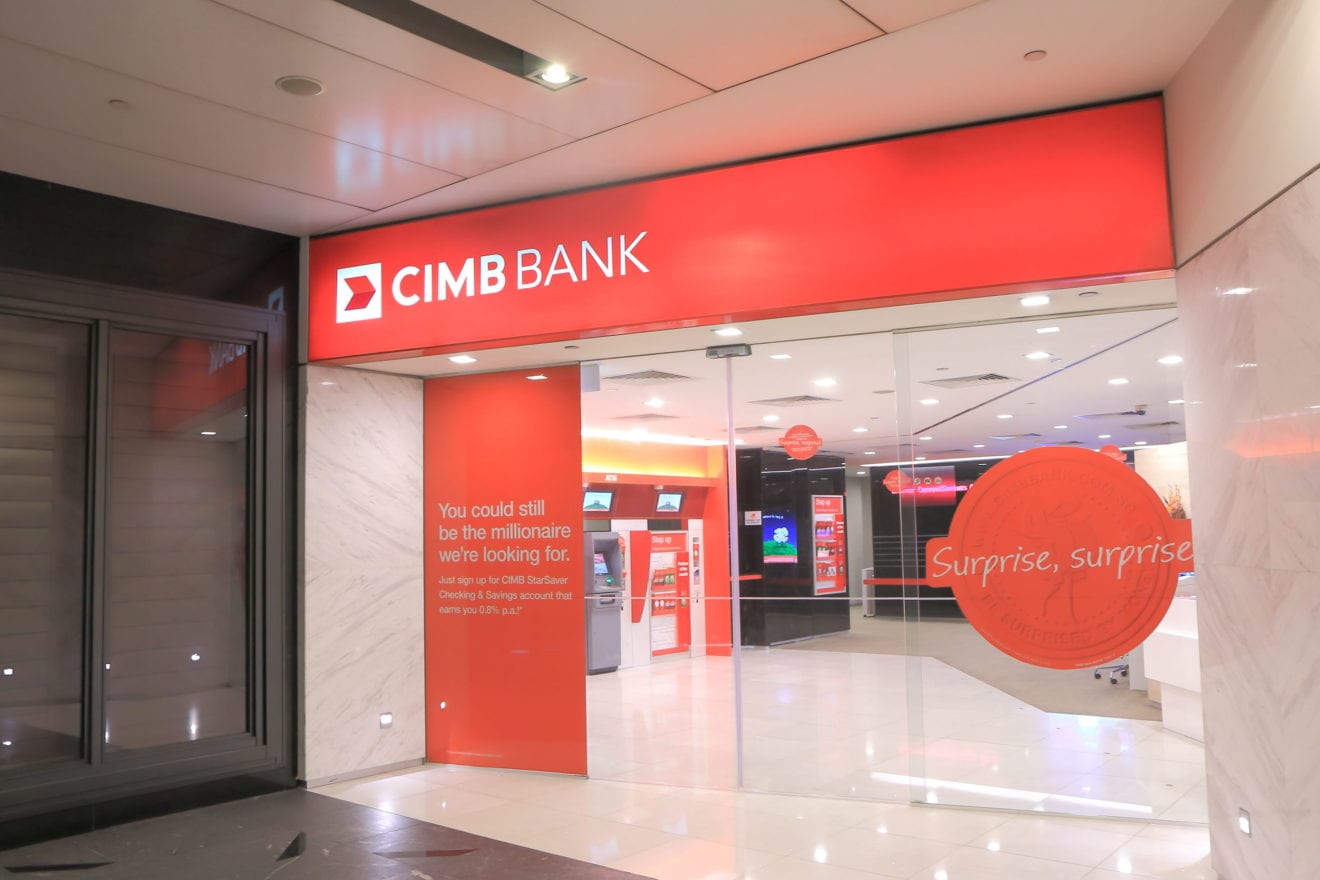
    CIMB Bank Bhd (CIMB Bank) and Ant Financial Services Group (Ant Financial), the parent company of Alipay, the world’s largest online and mobile payment platform, yesterday announced a collaboration to enable the Alipay mobile wallet in Malaysia as an alternative cashless payment for Chinese tourists.

    CIMB Bank will act as the settlement and merchant acquirer bank to facilitate Alipay payments in Malaysia, to enable Chinese visitors to pay for their transactions in renminbi without concern about exchange rates, through a simple barcode-scanning method that they are used to in China.

    Douglas Feagin, Senior vice president of Ant Financial said, “We are pleased to work with a leading financial institution in Malaysia and Asean such as CIMB Bank to bring the convenience of the Alipay service to our users wherever and whenever they need them. We see CIMB Bank, with its extensive merchant network, as the perfect collaboration partner to provide our payment solutions to Chinese travellers in this region.”

    Tengku Dato’ Sri Zafrul Aziz, group chief executive, CIMB Group said, “The entry of Alipay marks a notable milestone in the growth of mobile wallet payment services in Malaysia. We are excited to work with Alipay to provide Chinese tourists a convenient and secure payment experience while in Malaysia and we target to go live with our merchants by May 2017, having received Bank Negara approval just recently.

    “CIMB’s leading edge expertise in transaction banking is not only supporting Malaysia’s drive for a safe and secure cashless society, but also providing our customers with a seamless banking experience within Asean.”

    Earlier on, an exchange of Memorandum of Understanding (MOU) took place between CIMB Bank and Ant Financial to officiate the collaboration. Ant Financial was represented by Douglas Feagin while CIMB Group was represented by Tengku Dato’ Sri Zafrul Aziz.

    Witnessing the MOU exchange were Dato’ Sri Najib Razak, Prime Minister of Malaysia; Jack Ma, executive chairman, Alibaba Group; Dato’ Sri Nazir Razak, chairman, CIMB Group and Lucy Peng, chairman, Ant Financial.

    Thus far, CIMB is collaborating with Genting Malaysia Berhad, Digi Telecommunications Sdn Bhd, YTL Corporation Berhad and Maxincome Resources Sdn Bhd (which operates the FamilyMart convenience store chain) to be the pioneer merchants to accept Alipay mobile wallet payments in Malaysia.

    Alipay merchants in Malaysia will have the opportunity to deepen their wallet share from Chinese travellers, by providing an alternative payment channel to current cash or dual-currency credit card facilities.

    Genting Malaysia Berhad’s leading integrated resort, Resorts World Genting will be the first merchant working with CIMB to incorporate Alipay as an alternative payment channel for its customers. The award winning resort will have the world’s first Twentieth Century Fox Theme Park, the brand new SkyAvenue mall’s food and beverage and retail outlets, and also hotels under its RM10.4 billion Genting Integrated Tourism Plan.

    Digi Telecommunications Sdn Bhd will enable tourists from China to enjoy the convenience of paying for Digi mobile and data plans through the Alipay mobile wallet, enabling them to stay connected while they are in Malaysia. The Alipay mobile wallet provides customers payment convenience in line with Digi’s strategy to bring a seamless digital experience to its customers.

    YTL Corporation Berhad is looking into welcoming acceptance of Alipay mobile wallet with CIMB, especially for YTL Hotels & Properties, the hospitality arm of YTL Corporation Berhad, YTL Hotels & Properties owns and manages a prestigious collection of award-winning resorts, hotels, boutique experiences and spa villages; as well as Hutong @ Lot 10, and Starhill Gallery in Kuala Lumpur, where many Chinese tourists frequent whenever they visit Malaysia.

    FamilyMart will enable Alipay acceptance in three of its current outlets, located in Wisma Lim Foo Yong, Mid Valley, and KLIA 2, in its continuous efforts to bring more convenience to its shoppers. FamilyMart, which originates from Japan, is the first convenience store chain in Malaysia to bring mobile payment and Alipay to Chinese tourists. The chain targets to open 300 stores in five years.

  • Rising exports to China portend greater risks

    Rising exports to China portend greater risks

    Despite China’s retaliatory moves against Seoul’s hosting of a US missile defense system, South Korea has seen its exports to the world’s No. 2 economy increasing in recent months.

    The country’s shipments to China rose by 16.4 percent from a year earlier during the first 20 days of this month, following four consecutive months of on-year increases, according to the latest customs data. In February, the growth rate was 28.7 percent, the highest since late 2010.

    This continuous increase in shipments of South Korean goods to China, which betrays a widening range of retaliatory steps taken by Beijing, reflects the structure of bilateral trade between the two countries.

    More than 70 percent of South Korean products shipped to China are intermediary goods, including semiconductors and flat-panel displays, which Chinese manufacturers need to make their key export items.

    The on-year increase in South Korea-made semiconductors to China accelerated from 5.5 percent in November to 75.9 percent last month, according to data from the Ministry of Trade, Industry and Energy.

    Mentioning the dominant position of the country’s chipmakers, a South Korean proposed in a recent newspaper contribution that Seoul consider banning exports of semiconductors to China in response to Beijing’s moves, though many here dismissed the idea as destructive to both economies.

    China’s retaliatory measures have so far targeted consumer goods such as cosmetics and food, cultural content, package tours and retail stores run by a South Korean business group that agreed to offer land for the installment of a US anti-missile battery.

    But Beijing has shied away from imposing restrictions on imports of key manufactured items from South Korea to avoid doing direct damage to its own economy.

    China also seems to be trying to stop short of violating international trade rules in an outright manner, which would hamper its efforts to be granted the most favored nation status by the US and other major advanced countries.

    The Chinese Commerce Ministry on Thursday said China valued trade with South Korea and was respecting World Trade Organization rules. The statement came in response to an earlier appeal by South Korea to the WTO service council to determine if the Chinese measures are in conflict with WTO regulations.

    “Both economies are mutually dependent, so wisdom is needed to approach political and economic matters separately,” said Yu Byoung-gyu, head of the Korea Institute for Industrial Economics and Trade.

    China’s reliance on manufacturing components and equipment from South Korea has led observers to see Beijing’s efforts to affect Seoul’s security policy by applying economic pressure is just doomed to fail.

    A report released last week by the state-run Korea Development Bank estimated the escalation of China’s retaliation against the deployment of the anti-missile shield officially called Terminal High Altitude Area Defense would result in South Korea suffering about $20 billion in economic losses, mostly in the tourism and duty-free sectors.

    But the amount of loss would be far from painful enough to get Seoul to reconsider THAAD deployment aimed at countering nuclear and missile threats from North Korea.

    In an apparent reflection of growing resentment against Beijing’s retaliatory measures, the proportion of South Koreans opposing the installment of the missile defense shield dropped from 40 percent in January to 34.7 percent in March, according to surveys by local pollsters.

    A recent study by a local research institute also showed South Koreans feeling less favorable toward China than Japan.

    Some observers see China’s moves against the South may be subdued ahead of President Xi Jinping’s planned visit to the US in April for his first meeting with President Donald Trump.

    A group of US House of Representatives legislators last week introduced a bipartisan resolution condemning and calling for an immediate end to China’s retaliatory measures against South Korea.

    The move was viewed as a warning that Beijing’s inappropriate pressure against Seoul would not be left unaddressed by Washington.

    China’s retaliation, even if eased sooner than later, is set to be serving as a decisive occasion to prompt South Korean firms to be more earnest in their efforts to reduce reliance on the Chinese market.

    “Regardless of the fallout from the THAAD dispute, the country’s companies are in the final stages of gaining profits from rising demand from China,” said a Trade Ministry official, asking not to be named.

    China accounted for 26.9 percent of South Korea’s total exports last month, the largest proportion ever. This hefty dependence is simply unsustainable as China is striving to curtail processing trade and expand domestic supply chains by pushing for a plan to transform itself into a global manufacturing power in high-tech sectors by 2025.

    Shin Seung-kwan, a chief researcher at the Korea International Trade Association, said South Korean companies need to focus on maintaining competitive edges over Chinese rivals in certain intermediary goods while diverting shipments to other emerging markets.

    He noted it is also necessary to increase exports of high-end consumer goods to China to offset a possible decrease in demand for intermediary goods. But those items would still remain easy targets for China’s boycotts in the future.

    South Korean companies would likely face broader and more fundamental risks from China unless they diversify export markets and production bases to other regions, including Southeast Asia and India, with a greater sense of urgency, experts say.

  • Hyundai Suspends Production at a China Factory for a Week Amid Political Spat

    Hyundai Suspends Production at a China Factory for a Week Amid Political Spat

    South Korea’s Hyundai Motor on Monday said it had suspended production at one of its Chinese factories for a week, fueling concern that a diplomatic standoff may be hurting sales in the automaker’s top market.

    South Korean companies, from cosmetics firms to retailers, say they are being targeted in China because of Beijing’s objections to a planned deployment of the U.S. Terminal High Altitude Area Defence (THAAD) system in South Korea. China worries the system’s powerful radar can penetrate its territory.

    News of Hyundai’s China plant closure, first reported by online media ChosunBiz on Sunday, drove shares of the company down as much as 3% on Monday. The shares recovered slightly to end down 1.2%.

    Shares in Hyundai’s affiliates, Kia Motors and Hyundai Mobis, also finished lower.

    Hyundai said it had suspended the plant in Hebei Province, from March 24 to April 1, in order to check its production line to modify technology. The automaker has three other passenger car factories in China – a country that accounts for about a quarter of its total sales. No further details were available.

    Industry officials and analysts say the suspension may be aimed at bringing down inventories given slowing sales in China, due to political tension and rising competition.

    Ko Tae-bong, an analyst at Hi Investment & Securities, said Hyundai’s March sales in China may have fallen year-on-year due to the political spat, after gaining in January and February.

    China Competition

    The automaker is already grappling with falling market share in China with a product line-up that features more sedans at a time when sport utility vehicles have become more popular.

    China’s Geely Automobile Holdings recently reported its biggest profit growth in eight years, underlining a threat from Chinese makers armed with cheaper SUVs.

    Hyundai makes Verna subcompact cars at its Hebei plant, which came online less than six months ago.

    The automaker plans to start production at a fifth China factory later this year. Hyundai’s China operations are a 50-50 joint venture with state-owned Beijing Automotive.

    Hyundai officials have previously said the company’s business ties with Chinese firms meant they were less likely to be the main target of any punishment resulting from the diplomatic standoff over the deployment of the THAAD.

    The chill in business ties between the nations is evident from the fact that China’s tourism ministry has instructed tour operators in Beijing to stop selling trips to South Korea, while state media has called for a boycott of South Korean goods.

    Chinese authorities have also closed nearly two dozen retail stores of South Korea’s Lotte Group, with some workers saying the closures were fire-safety related. Earlier this year, Lotte approved a land swap outside Seoul that will allow South Korea to install the THAAD.

  • Takashimaya Duty Free Shop opening soon

    Takashimaya Duty Free Shop opening soon

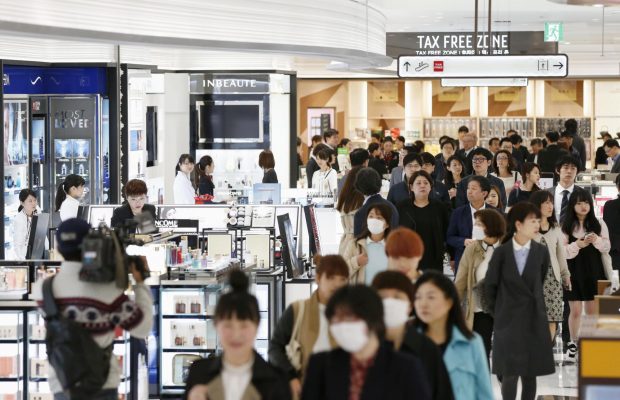
    Takashimaya Duty Free Shop, Tokyo’s latest downtown duty-free store, will open late next month.

    The 2800 sqm retail outlet is a JV between department store company Takashimaya, travel retailer ANA Trading and Hotel Shilla. It will be on the 11th floor of the new Takashimaya Times Square development, in the Shinjuku area.

    Other major downtown duty-free projects scheduled to open in Tokyo include Japan Duty Free Ginza and Lotte Duty Free Tokyo Ginza.

    Takashimaya Duty Free Shop is directly connected to Shinjuku Station and to Shinjuku Expressway Bus Terminal, allowing easy access to Tokyo’s airports.

    A spokesperson for The Shilla Duty Free says Japanese cosmetics will be a key focus of the store. There will also be a tax-free zone for Japanese brands including cosmetics, food/confectionery, souvenirs, fashion and electronics.

    Goods bought at downtown duty-free stores must be collected at Narita or Haneda airport, while tax-free Japanese-made items can be collected in the stores.
    Chinese group tours will be a target audience, with Takashimaya Duty Free establishing infrastructure such as bus parking spaces, and developing offers to appeal to such visitors.

    A&S Takashimaya Duty Free Company was established last June, with Takashimaya holding a 60 per cent stake, with ANA Trading and Shilla each holding 20 per cent.

    Takashimaya Times Square includes a Takashimaya department store, brands like Nitori, Tokyo Hands and Uniqlo, as well as restaurants and a spa avenue.

  • China, South Korea Meet in World Cup Qualifier Amid Tensions

    China, South Korea Meet in World Cup Qualifier Amid Tensions

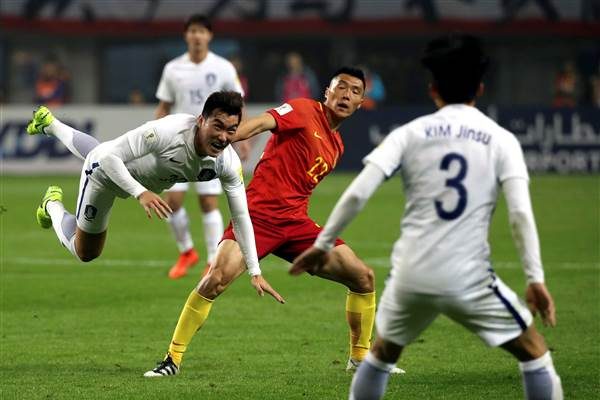
    Thousands of riot police were deployed for a soccer showdown Thursday night that was more than the average grudge match.

    The World Cup qualifying game in Changsha pitted hosts China against South Korea. It also whipped up Chinese nationalist sentiment at a time of high political tension over the rollout of a U.S.-made missile defense system in Asia.

    Officials were so worried about clashes that the Hunan provincial sports administration urged fans to show “rational patriotism” to avoid trouble.

    To ensure that, a 10,000-strong security force was deployed to watch over the capacity crowd of 55,000.

    Dozens of trucks carrying paramilitary and riot police were stationed around the stadium.

    Chinese fans were given free red T-shirts with the slogan “Changsha War” in Chinese characters.

    In the sea of red, only around 150 South Korean supporters were in the 250 seats designated and guarded for them.

    Image: Police and South Korea fans during World Cup qualifier on March 23, 2017
    Police (seen top) sit behind South Korean fans during the World Cup qualifer against China on Thursday. 

    The event illustrated the extent to which China’s relationship with South Korea has deteriorated since the first components of the Terminal High Altitude Area Defence, or THAAD, anti-missile system arrived to the region earlier this month.

    THAAD is designed to protect U.S.-ally South Korea and American bases there from the growing threat of North Korea’s weapons programs.

    Kim Jong Un’s regime has stepped up testing of its missiles as a protest of the U.S. joint military drills with South Korea, and there is concern preparations for a sixth nuclear test are underway.

    China is fiercely opposed to THAAD, arguing a system to intercept short-and-intermediate range ballistic missiles installed so close to North Korea’s launch sites will only serve to undercut China’s strategic defenses.

    The longer term concern for China’s military: If THAAD expands to Japan, it creates a common operating picture for U.S. allies in Asia.

    “Even if North Korea collapses, missile defencs would not go away,” a former U.S. national security adviser said. “The worry [for China] is that THAAD is a basis for a collective security system… that does not include China.”

    THAAD was among the issues on the agenda during Secretary of State Rex Tillerson’s recent visit to Asia.

    Experts stress that THAAD is a major concern for China’s government.

    The issue has stoked nationalist fervor in China, and triggered an anti-South Korean backlash with state media urging a boycott.

    “Some critics in the West have said that China, as a country under the rule of law, has no reason to punish South Korean enterprises that are doing businesses in the Chinese market,” a Global Times op-ed published earlier this month read. “However, all states have the right to sanction those that have posed a threat to their national sovereignty and strategic security interests.”

    Some Chinese travel companies have already stopped booking tours there, causing a drop in crucial tourism business.

    China has also blocked streaming of popular South Korean television shows and soap operas, and K-pop stars have cancelled concerts on the mainland because of problems getting travel visas.

    Across China, there have been protests at outlets of Lotte Group, the South Korean retail giant that gave up its golf course as a THAAD deployment site.

    A few days after it agreed to the deal, a cyberattack took down its online shopping sites. Other Lotte stores have been mysteriously closed by Chinese authorities for various municipal infractions.

    Officially, China hopes it can pressure Seoul to reconsider.

    The snap election in May could bring the country’s opposition Democratic Party to power. Its leader Moon Jae-in has expressed reservations about hosting an anti-missile system that might reinforce South Korea as a North Korean target.

    The regional rivalry came to a head on the soccer field, in the city where Mao Zedong, the late Communist leader and founder of modern China, started his political career.

    The sheer size of the security force showed that authorities had no tolerance for violence, even if nationalist protests had been allowed in the past.

    In the end, China won the game, 1-0. The only commotion: cheering by surprised Chinese fans who became more distracted by the World Cup qualifier than global affairs.

    -NBC

  • Why Apple’s red iPhones are not ‘Red’ in China

    Why Apple’s red iPhones are not ‘Red’ in China

    Apple’s latest iPhone might be red, but it’s not Red in China. The special-edition version of the iPhone 7 and 7plus goes on sale in more than 40 countries, but China has done it slightly differently. The BBC explains why.

    What is Red about?

    Red is a charity looking to combat Aids and was originally founded by U2 musician Bono and activist Bobby Shriver. It gives the money it raises to the Global Fund for HIV/Aids that doles out grants.

    This includes providing testing and treatment for patients with the aim of wiping out transmission of HIV. Apple is the world’s largest corporate donor to the Global Fund.

    The special-edition devices celebrate Apple’s long-running partnership with Red and a portion of the sales will go towards its relief operations in Africa.

    But Apple’s Chinese-language sites don’t mention the product or cause. This left some perplexed.

    Internet users were among the first to spot that there was different branding on Apple’s landing page depending on the Chinese territory.

    When translated from Mandarin, Apple’s China retail website for the Red devices simply read as “now in red” while the Taiwanese site used the words “product” Red which the US and other countries have as well.

    Some analysts read this as yet another example of Chinese politics interfering with Western brands looking to do business in the world’s most populous nation.

    Apple had no comment on the matter.

    So why the different name?

    One possibility is that Apple is looking to navigate sensitivities in a state where messages are controlled: HIV/Aids and homosexuality remain taboo topics in China.

    The first case of HIV in China was recorded in 1989. By 2000 the disease was found in most of China, and as it continued to spread, the government kept denying the problem.

    Today discrimination against Aids patients is common.

    Any other contentious issues?

    Well there’s the Dalai Lama.

    Earlier this year Red’s Instagram page showed a picture of the Tibetan spiritual leader, whom China considers a dangerous separatist.

    This has led some to point to how the post was trolled.

    How will Red do in China?

    Apple has faced numerous challenges in China of late, which may be one of the reasons why it is offering the Red iPhones as a colour option as opposed to a product.

    Last year Apple’s online film and book services were shut down in China. Apple was also made to pull the New York Times from the China App store following a request from the authorities.

    But the red iPhones are poised to sell well because the colour is considered to be the most auspicious in Chinese culture and it is considered a prestige product there.

    The tech behemoth is clearly trying to maintain relations with its fastest-growing sales region.

    Apple chief executive Tim Cook has been making semi-regular trips to China and is opening four research and development centres later this year.

  • HSBC to add up to 1000 in China staff

    HSBC to add up to 1000 in China staff

    HSBC plans to add as many as 1,000 new employees to its Chinese retail banking and wealth management arm this year, the business’s regional head said, most of them in the Pearl River Delta, the heart of the bank’s growth strategy in China.

    If that target is hit, the new additions will mean HSBC will have hired twice as many people as it did last year for this part of the business. They will join an existing team for this unit of 2,400 employees in the world’s second-largest economy.

    HSBC has made the southern Pearl River Delta region – home to 11 industrial cities that are set to fuse into one megalopolis – its focus in China, betting on its growth and its own Hong Kong heritage.

    This region already has an economy larger than Indonesia’s and is shifting from a manufacturing base to a tech powerhouse.

    But since the strategy to reinvigorate profit growth after years of restructuring was announced in 2015, China’s economic growth has slowed, delaying the bank’s plans. HSBC makes more than half of its profit in Asia, the bulk of it in Hong Kong and China.

    “As of this point, we are very pleased with the progress in the Pearl River Delta. We certainly aren’t taking any backward steps,” Kevin Martin, HSBC’s Asia Pacific head of retail banking and wealth management, told Reuters.

    HSBC’s latest numbers for China retail and wealth management business suggest growth remained strong, with its customer base as well as mortgage volume expanding by 51 percent in the Pearl River Delta last year. It issued over 100,000 credit cards since launching it in December across all cities in the Pearl River Delta and 30 other cities in the country, Martin said.

    “We have done a lot of things in the Pearl River Delta … It remains one of the key opportunities for us.”

    Of the total 2,400 staff for retail and wealth management in China, about 800 are in the Pearl River Delta, the bank said, adding 60 percent of the hiring last year was for the southern region that counts Shenzhen and Guangzhou among its biggest cities.

    HSBC Group Finance Director Iain Mackay said last month the bank’s operating profit in China in 2016 was about $200 million lower than the previous year. That was mainly due to investments to grow the Pearl River Delta business and in financial-crime risk-management standards in China, he said.

    CHINA CALLING

    The bank’s outgoing top management campaigned heavily to promote the region and its role in HSBC’s China strategy.

    Chief Executive Stuart Gulliver, took analysts and investors on a tour of its operations there a year ago, promoting the region’s role as a gateway to tech businesses like Alibaba Group Holding and Tencent Holdings as well as new start-ups.

    Although investors have supported the plan, there has been increasing concern over the last few months about risks the lender faces in its Asia “pivot” strategy, due to the sluggish pace of China’s economic recovery and the patchy pace of development in the Pearl River Delta.

    Some sectors have struggled in the face of falling exports and tighter credit conditions.

    Gulliver said in February 2016 that the bank, which is facing downward pressure on its revenue in 2017 due to regulatory costs and lower rates in Britain, planned to hire 4,000 new staff in the region over five years instead of its initial three-year target.

    But Martin brushed aside concerns that HSBC’s investment could be scaled back as China’s economic growth slows, saying the bank remained committed to the region.

    HSBC’s newly appointed chairman, Mark Tucker, has also had an intense focus on Asia, most recently as head of insurer AIA Group.

    “We will see and we have seen it already even at 6.5 percent growth rate, (there is) massive underlying growth for China,” Martin said. “Clearly there’s real upside on that for us.”

  • Ted Baker stronger on America and China

    Ted Baker stronger on America and China

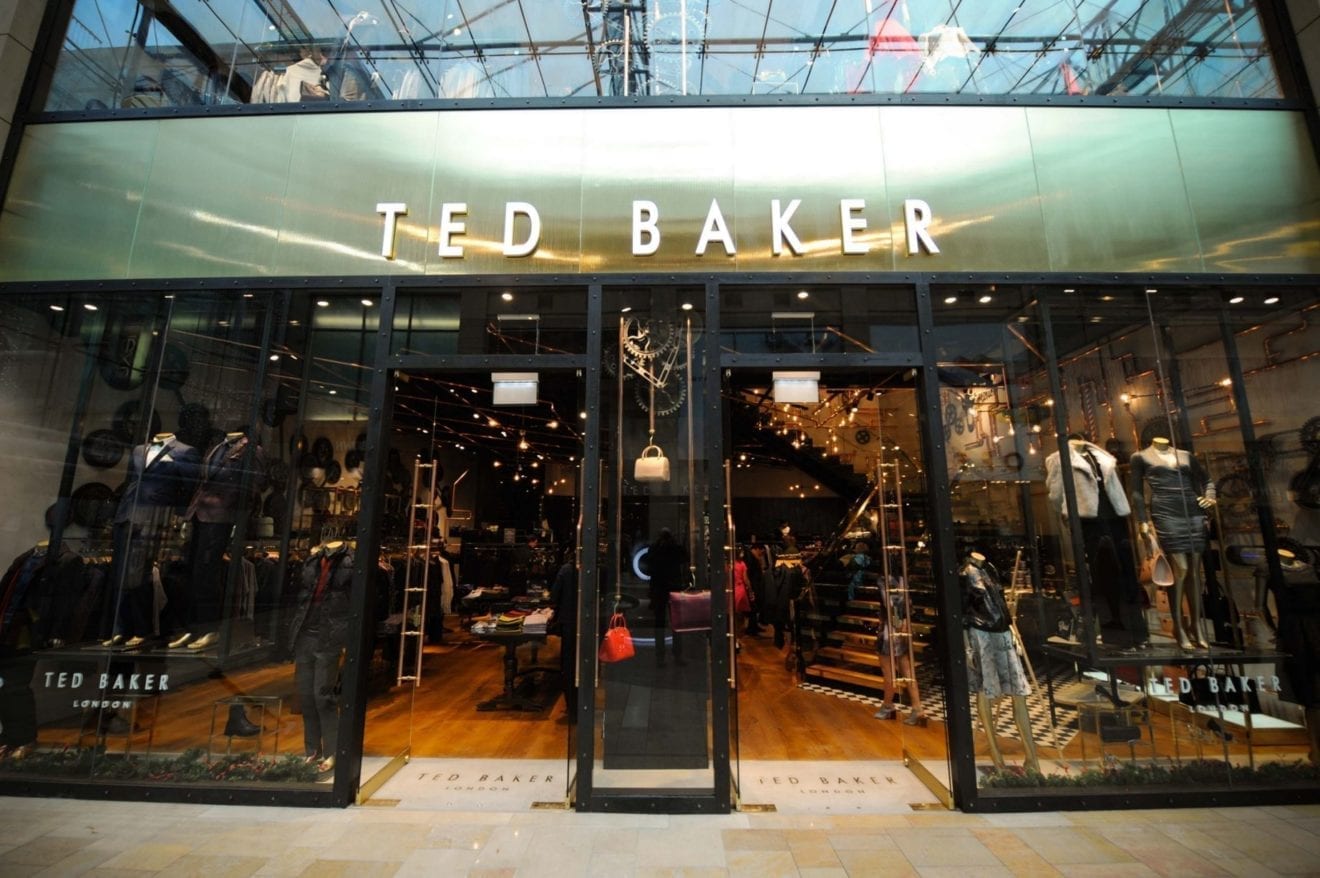
    New stores in North America and China have paid off for British fashion retailer Ted Baker, which has reported a 4.4 per cent increase in pre-tax profit, despite the challenging global retail environment.

    It achieved a profit of £63 million for the year to January 28, as total revenues rose 16.4 per cent to £531 million.

    Online sales rose 35.1 per cent, while 14 new stores in the US and Canada fuelled a 28.3 per cent increase in sales there.

    Ted Baker also commenced a new focus on Greater China, opening a store in Beijing.

    Fiona Paton, an associate retail analyst with GlobalData, says the falling demand for premium goods presents challenges in Asia.

    “However with British heritage brands remaining popular in the region, Ted Baker should lean upon this trait through its marketing and store environment while working hard to gain more exposure.”

    Even in the tough UK and European markets, Ted Baker thrived last year, sales rising 10.7 per cent.

    Observers can expect to see even better results next year, Paton believes.

    “While it has a measured approach to expansion, new stores and concessions are planned throughout Europe, North America and Asia in 2017-18, bolstering growth amid difficult domestic trading conditions.”

    In range terms, womenswear was a highpoint for Ted Baker achieving 19.7 per cent growth for the year, accounting for 57.3 per cent of sales, while menswear grew 12.2 per cent.

    “Menswear will simultaneously be a challenge and an opportunity for Ted Baker. While men are becoming more interested in fashion and buying more regularly, the sector is also becoming increasingly competitive as players such as Superdry extend their menswear ranges,” says Paton.

    “Unlike rivals such as Whistles, Ted Baker benefits from unisex appeal but will need to monitor the competition to ensure that its designs remain distinctive enough to differentiate itself.”

  • Lotte affiliate to raise 360 bln won to cope with THAAD fallout

    Lotte affiliate to raise 360 bln won to cope with THAAD fallout

    A unit of Lotte Group, a South Korean retail giant currently receiving the brunt of China’s apparent economic retaliation in protest over Seoul’s deployment of a U.S. missile defense scheme, said Friday that it plans to raise a total of 360 billion won (US$320 million) via stock sales and loans.

    In a regulatory filing, Lotte Mart, the operator of the group’s hypermarket chain, said its board of directors has decided on the proposal to sell stocks and borrow money.

    The proceeds from the stock offering and loans will be used to cover the costs of buying products and giving wages to its employees in China, according to company officials.

    The China-based retail outlet unit has been teetering on the brink of collapse as protracted business suspension by Chinese authorities is leaving the firm with snowballing losses.

    China has ratcheted up pressure against Lotte, South Korea’s fifth-largest family-controlled firm, since it handed over one of its properties to the Korean military so it can be used as a site for a U.S. Terminal High Altitude Area Defense (THAAD) battery.

    Seoul’s deployment of the THAAD on its soil has angered Beijing, who claims that it will be used to monitor its own military.

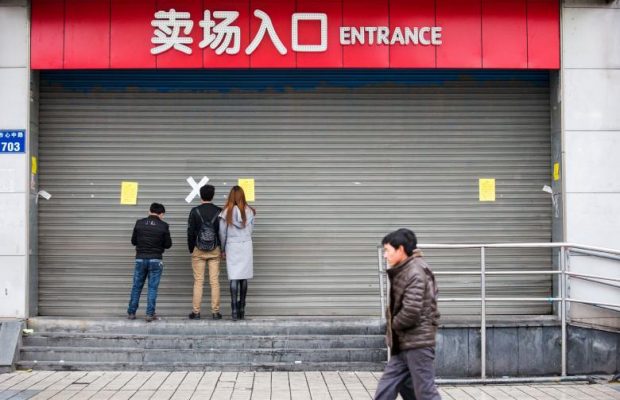
    According to Lotte, 90 Lotte Mart stores operating in China, Lotte’s hypermarket chain, have been placed under suspension or on voluntary suspension as some Chinese consumers continued to stage anti-Korea protests near the stores.

    That represents nearly 90 percent of 99 Lotte Mart outlets in China that have been forced to close down temporarily. Lotte has some 120 retail outlets operating in the neighboring country, including five department stores.

    Lotte is predicted to suffer some 116.1 billion in losses in its Lotte Mart revenue if the shutdown continues for a month. Last year, sales from China-based Lotte Marts reached 1.13 trillion won, or 94 billion won on a monthly basis, according to the firm.

    The profitability of Lotte’s retail outlet business has been expected to further worsen since it is required to pay full wages to local employees for the first month of the suspension.

    The suspension means a serious blow to Lotte, since its China-based business has long been running a deficit even though it has been in the world’s second-largest economy for some 10 years.

    In 2016, Lotte recorded a combined 207 billion won deficit in its department store and outlet divisions, of which about 80-90 percent came from its Chinese units.

    Industry watchers voiced concerns that Lotte may have to consider a pullout given that losses from the shutdowns are growing too fast for the firm to withstand.

    But, in an interview with foreign news media, Shin Dong-bin, chairman of Lotte Group, flatly denied such speculation saying that the company has no intention of pulling out of China.