Tag: China

  • Alipay gains Hong Kong foothold with Standard Chartered tie up

    Alipay gains Hong Kong foothold with Standard Chartered tie up

    Ant Financial Holdings, which operates the Alipay online payments service for the world’s largest e-commerce platforms, has extended its service to Hong Kong through a partnership with Standard Chartered Bank, the two companies said in a statement on Tuesday.

    The bank’s customers will be able to top up their Alipay HK accounts through their online and mobile banking portals, shop and pay online without incurring any transaction fee.

    Alipay has been working with Hong Kong businesses to promote digital payment since 2014, primarily aimed at tourists and visitors from the Chinese mainland, who are already familiar with cashless payments.

    “We are hoping to extend digital payment services to Hong Kong residents soon and the partnership with Standard Chartered is our first step,” said Venetia Lee, general manager of Alipay Hong Kong, Macau and Taiwan.

    Vicky Kong, head of Hong Kong retail banking for Standard Chartered Bank said that the partnership would enhance customer engagement with existing clients, and help reach out to new ones.

    Many foreign banks already have a partnership with Alipay in mainland China, but Standard Chartered is the first bank to offer this particular service to Hong Kong.

    Ant Financial is an affiliate of Alibaba Group Holdings, which operates the Taobao and Tmall online shopping sites. Alibaba is also owner of the South China Morning Post.

  • Matsuya opens its own online store in China

    Matsuya opens its own online store in China

    Luxury Japanese department store Matsuya has opened its own online store in China.

    The company plans to use the store to lure repeat business from Chinese shoppers who have visited its Ginza flagship while on vacation, once they return home.

    Inbound Chinese travellers account for about 20 per cent of Matsuya’s store sales.

    Prior to opening its own site Matsuya had a presence on online malls, but after partnering with a local Chinese firm, the Japanese retailer is confident it can better tailor its offer and marketing to mainland Chinese.

    Stock will be shipped from Japan rather than from a local warehouse and the site will be backed by an investment in advertising and promotional marketing.

  • Apple China investing in research hubs

    Apple China investing in research hubs

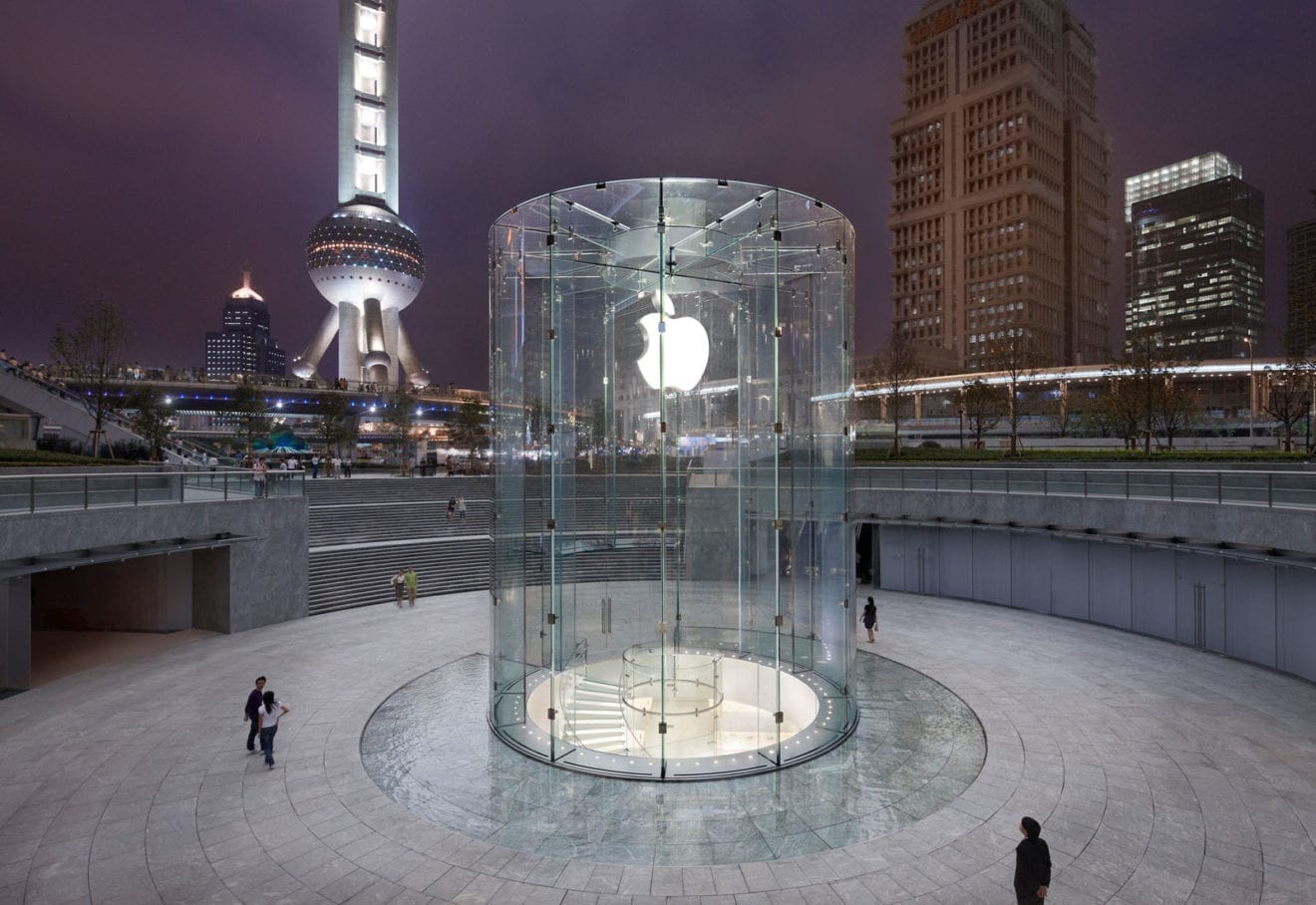
    Apple China plans to set up two more research hubs and boost investment there.

    The announcement comes as CEO Tim Cook takes his latest trip to Apple’s single biggest overseas market. He is expected to be present at the opening of a new Apple store at Jinmao Place in Nanjing this Saturday, March 25.

    Apple HK

    Apple says it plans to build research hubs in the eastern cities of Shanghai and Suzhou, on top of centres already slated for Beijing and the southern city of Shenzhen. It has also pledged to spend at least US$507 million on research institutions.

    All four centres will open thisyear with the aim of enabling co-operation with local partners and attracting talent.

    Meanwhile, Cook has addressed an economic forum in Beijing attended by senior government officials and leaders of corporations such as Royal Dutch Shell and Saudi Arabian Oil.

    For the first time, iPhone shipments to China fell last year. This followed years of China driving Apple’s growth, even as smartphone demand elsewhere faltered. Now, local vendors like Huawei Technologies, Oppo and Vivo are eroding its market share.

  • Uniqlo targets Zara in faster fashion move

    Uniqlo targets Zara in faster fashion move

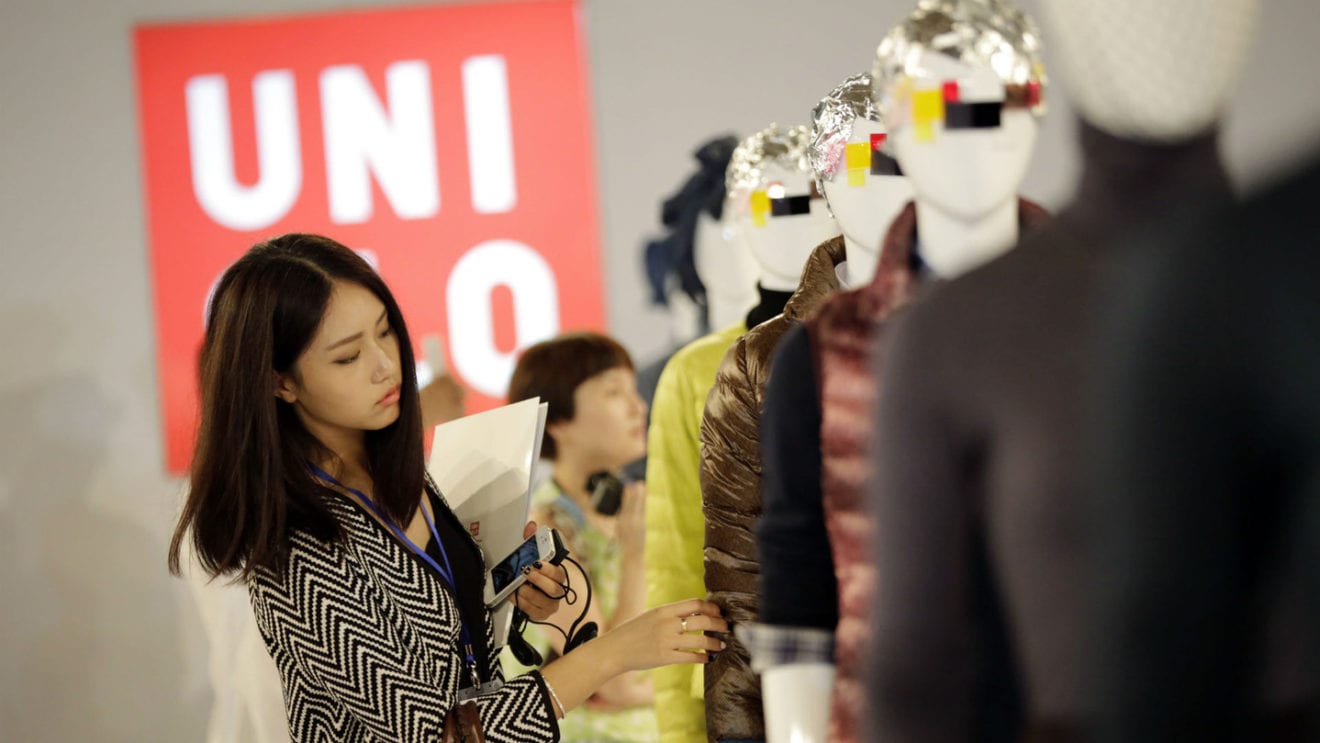
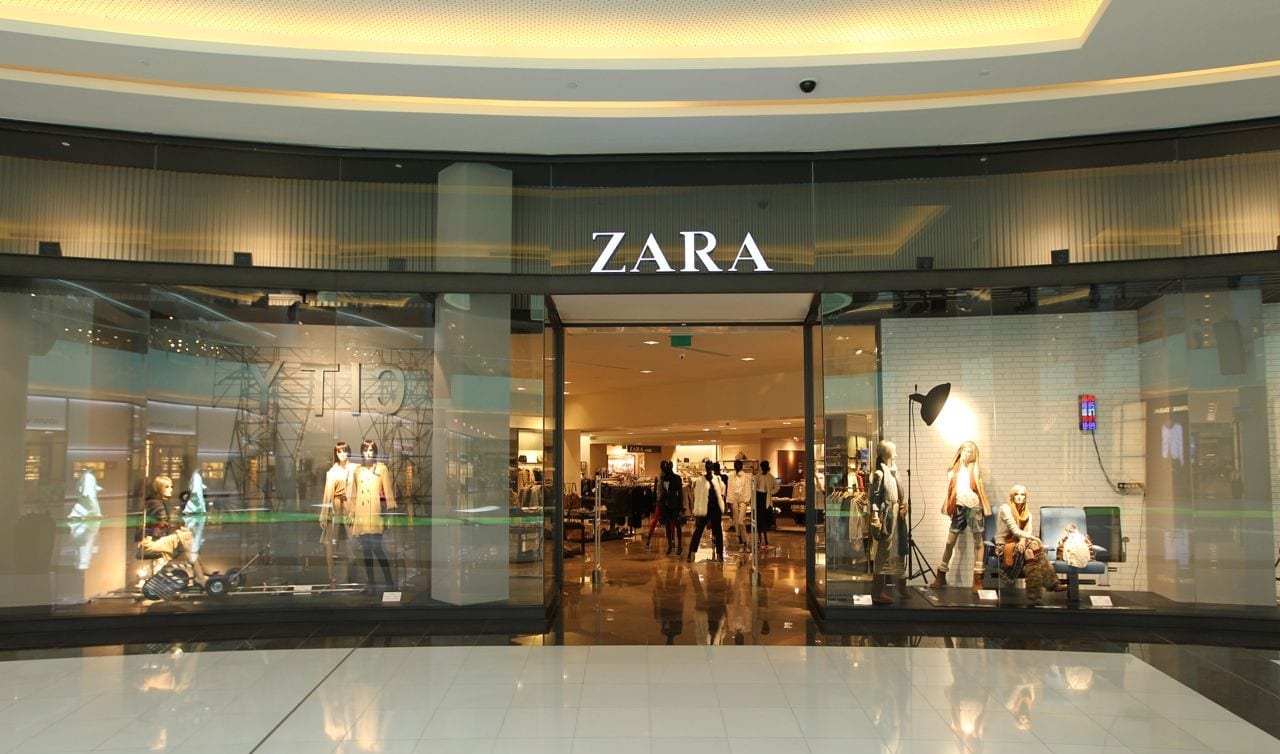
    From fast fashion to faster fashion: speed is seen as the key by Uniqlo owner Fast Retailing in its bid to outrace apparel powerhouse Zara.

    Uniqlo founder Tadashi Yanai says Fast Retailing plans to shorten the time it takes from design to delivery to about 13 days, roughly the same as Zara, owned by clothes retailer Inditex.

    He says the company’s new design and delivery centre in Tokyo will also help Uniqlo expand direct-to-consumer, custom-clothing sales and improve the efficiency of its same-day delivery in the city.
    “We need to be fast,” he says. “We need to deliver products customers want quickly.”

    Japan’s biggest clothing retailer aims to increase total revenue by nearly 70 per cent to ¥3 trillion (US$26 billion) in the fiscal year ending August 2021. While that may still not be enough to overtake Inditex, which reported sales of $25 billion last year, Yanai says Fast Retailing’s focus on clothes that meet consumers’ daily needs will help propel its growth.

    “Zara sells fashion rather than catering to customers’ needs,” he says. “We will sell products that are rooted in people’s day-to-day lives, and we do so based on what we hear from customers.”

    Overseas markets, notably in Asia, will grow to contribute about two-thirds of Fast Retailing’s revenue in the next four years, up from about half currently. Uniqlo will open 100 stores in China and another 100 in Southeast Asia annually, says Yanai.

    Concentration for speed

    The company’s new complex, in the Ariake district along Tokyo’s waterfront, houses more than 1000 employees, including designers and marketing teams, and also has a warehouse and delivery department. Yanai says that concentrating resources into one location will help speed processes.

    “The ability to provide anybody, anywhere, anytime with the ultimate, high-quality day-to-day clothing will set us apart,” he says. “We want to deliver products that customers want quickly. That’s why it’s Fast Retailing.”

    After revenue growth of more than 20 per cent for three straight years, Uniqlo sales took a hit in the latest fiscal year. The growth rate slowed to 6 per cent after the brand raised prices because of higher raw-material costs.

    Following the slowdown, the company did a U-turn on its pricing strategy, saying it was committed to delivering the lowest price possible. However, it had to roll back its 2021 revenue target to ¥3 trillion from ¥5 trillion.

  • Alibaba Group Investments in Delivery Start Ups

    Alibaba Group Investments in Delivery Start Ups

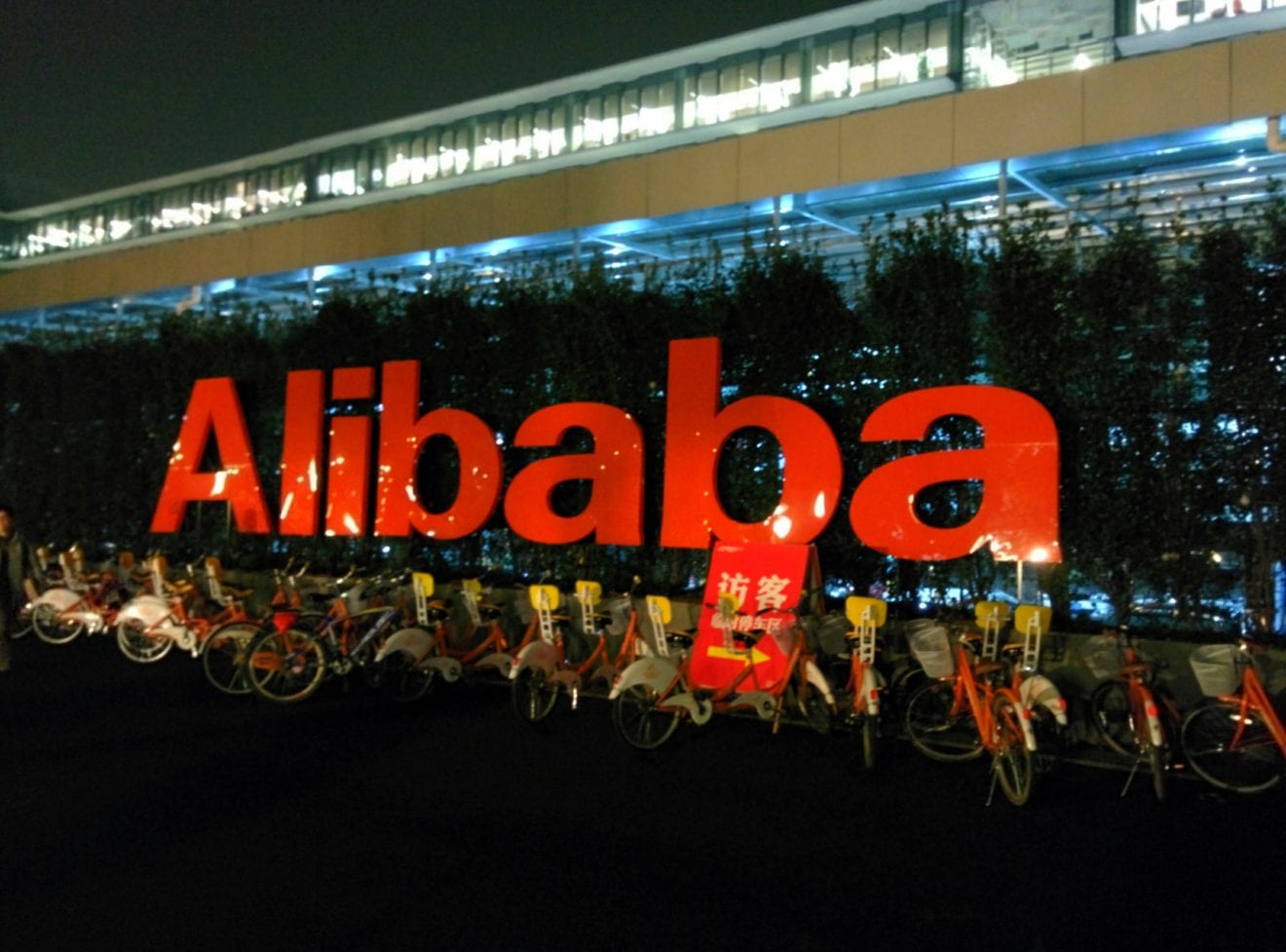
    Alibaba and main rival JD.com will enjoy fast growth in the fast moving consumer goods (FMCG) market, according to research from Goldman Sachs, as more people in China turn to online shopping for daily grocery items like food snacks, body care products and soft drinks.

    The online grocery retail market is currently substantial and will continue to grow and support the two major e-commerce platforms in China, as they take away business from offline Chinese stores in the coming years and invest in a new type of courier service, according to a report published by investment bank Goldman Sachs.

    Alibaba will use start-ups courier businesses, which works much like Uber for delivery, and similar to Instacart. The start-ups run lean, with little infrastructure. When a customer logs onto the Alibaba website or app and purchases groceries, they will send contractor couriers, many of who ride electric bikes, to supermarkets, convenience stores and local groceries as well, where store employees bag the orders for the courier to pick up.

    While delivery start-ups like this have existed for the last couple years, they have gained position since a boost of funding from Alibaba and JD.com.

    In hundreds of cities around China, consumers can order their groceries on the Alibaba or JD.com app and have them delivered to their door within an hour.

    The company is still looking for the better ways to bring perishables like fresh seafood, meat and vegetables to its customers, according to Goldman Sachs analysts led by Ronald Keung. Last year both companies finished building its nationwide fulfilment centres, enabling more than 200 cities in China to enjoy same or next day delivery for groceries ordered online.

    “We expect Tmall and JD’s new supermarket initiatives to drive further online growth in the supermarket segment,” said Keung in the report.

    “These will be enabled by their logistics improvements, wider FMCG brand participation and ongoing new user adoption. We see the FMCG market big enough for two online winners.”

    FMCG currently accounts for 37 percent of all retail spending in China and the market is expected to increase on average by 6 percent annually to reach $2.6 trillion in 2020.

  • Alibaba to open Malaysian distribution hub

    Alibaba to open Malaysian distribution hub

    Chinese e-commerce giant Alibaba is to open a Malaysian distribution hub at KLIA Aeropolis to serve its growing business in Southeast Asia.

    According to unnamed sources quoted by financial press, Alibaba founder Jack Ma and Malaysian prime minister Najib Razak will announce the project at an event in Kuala Lumpur next week.

    The new centre will be a major feature of a 1 million sqm KLIA Aeropolis development adjacent to the city’s international airport, under development by Malaysia Airports Holdings. The plan is to create a regional distribution hub, boosting air freight traffic and attracting US$1.58 billion of domestic and foreign investment.

    “Kuala Lumpur International Airport (KLIA) has existing facility for Alibaba Group to pilot their distribution services here, and if (Alibaba) decide to expand in the future, there is the option to build more on other (undeveloped) sites in KLIA Aeropolis,” one source told Reuters.

    While Alibaba invested $1 billion to buy Singapore-headquartered online retail Lazada and has built a 14.4 per cent stake in Singapore Post, this will mark the company’s first investment in Malaysia.

    The KLIA Aeropolis is part of a planned Digital Free Trade Zone being established in Malaysia, details of which will be released during Ma’s visit to the country next week. Ma has been appointed a digital economy advisor to the Malaysian government.

  • China drives Tiffany Asia sales growth

    China drives Tiffany Asia sales growth

    Tiffany Asia sales rose 9 per cent on the back of new store openings in 2016, with a solid fourth quarter balancing out a difficult year.

    In the Asia-Pacific region, total sales of US$1 billion in the full year were approximately equal to the prior year and total sales of $284 million in the fourth quarter were 9 per cent up on 2015 as the company benefited from store network expansion.

    Tiffany Asia opened four new stores last year and another in Japan, taking its network to 85 in Asia-Pacific and 55 in Japan. Globally, it opened 11 and closed five.

    Same-store sales declined 9 per cent for the full year, but 2 per cent in the final quarter. On a constant-exchange-rate basis, total sales rose 1 per cent in the full year and 10 per cent in the fourth quarter, while comparable store sales declined 7 per cent and 1 per cent, respectively.

    “During the year, management attributed performance in this region to increased purchasing by local customers and declines in spending by foreign tourists. In addition, there was strong retail sales growth in China, increased wholesale sales in Korea, a decelerating rate of retail sales decline in Hong Kong and varying performance in other countries,” Tiffany said in its results announcement.

    In Japan, total sales rose 12 per cent to $604 million in the full year and 15 per cent to $185 million in the fourth quarter; comparable store sales increased 16 per cent and 19 per cent, respectively, while wholesale sales declined in both periods.

    On a constant-exchange-rate basis, total sales in the full year were approximately equal to the prior year while total sales in the fourth quarter were 8 per cent above the prior year with comparable store sales growth of 5 per cent and 12 per cent, respectively, partly offset by a decline in wholesale sales. Management attributed sales growth in both periods to higher spending by local customers, with declines in spending by Chinese tourists.

    Worldwide results

    Worldwide quarterly net sales increased 1 per cent to $1.2 billion and same-store-sales were unchanged from the prior year. Net earnings were $158 million, compared with $163 million in the prior year.

    For the full-year, sales reached $4 billion, down 3 per cent on 2015, reflecting a 5 per cent decline in same-store-sales. Performance was generally soft across all jewellery categories. On a constant-exchange-rate basis net sales and comparable store sales declined 3 per cent and 5 per cent respectively.

    Net earnings were $446 million, compared with the prior year’s $464 million.

    Chairman and interim CEO Michael J Kowalski said the company expects the macroeconomic and geopolitical challenges of the past year to continue in 2017.

    “We strongly believe that Tiffany’s strategies are sound and that we have meaningful growth opportunities. Our management team is focused on accelerating the execution of our strategies to deliver extraordinary products, communications and experiences that will delight our customers around the world. Through strong leadership and this accelerated execution, we believe we are well-positioned to deliver attractive total shareholder return over the long-term,” he said.

    Tiffany “failing to connect”

    Analyst Neil Saunders, MD of GlobalData Retail, said while Tiffany sales in the final quarter were soft, they at least indicate the declines which have plagued the company for a long period are starting to level off.

    But he maintains a lot of work lies ahead to reconnect with customers.

    “Although the business is making some progress, that progress is patchy and does not indicate a company that is back to full health. Indeed, under the detail of the numbers it is clear that Tiffany still has issues in a number of regions, including the Americas and Europe.

    “Part of the decline in the Americas is down to lower tourist spend which is impacting some flagship stores; that said, trend is now starting to dissipate and the effect on results is only slight compared to where it was at the start of the year. However, in the final quarter this was exacerbated by disruption at the Fifth Avenue flagship store which, due to its proximity to Trump Tower, saw customer traffic dip by around 14 per cent over November and December, and sales drop by 7 per cent in the final quarter. Given that this store usually contributes almost a tenth of company sales, it is reasonable to attribute some of the decline to this exceptional factor,” Saunders said.

    “The troubles, however, run wider than flagships and tourists. Tiffany is a brand that is increasingly overlooked by American consumers, especially younger demographics. Just as was the case at the start of the year, Tiffany is still failing to connect with many shoppers segments and continues to lose ground to rivals.”

    Saunders says jewellery has become a less-significant holiday purchase.

    “Jewellery is no longer at the top of the Christmas list. For a brand like Tiffany, where lavish gifting is an important driver of buying, such a trend is distinctly unhelpful.”

    Looking ahead, he says, it is clear Tiffany wants to re-establish its relevance and to project a much more distinctive image.

    “The advertising during the Super Bowl, which highlighted Lady Gaga as the face of the brand, was a good start. However, it is not enough: it needs to be accompanied by a step change in products, store environments, and the general approach to selling. There is a need for a more fundamental and deeper shift in the brand’s direction.

    “Fortunately, recent changes made to the management team, including the appointment of Reed Krakoff as chief artistic officer and the hiring of three new board members, should act as a catalyst for this change.”

  • Chow Tai Fook looks to Japan for growth

    Chow Tai Fook looks to Japan for growth

    Hong Kong jeweller Chow Tai Fook is looking to Japan for growth to compensate for its challenges in greater China.

    The company is about to open a shop inside the Laox duty-free shopping centre in Tokyo’s Shinjuku district, a prime destination for Chinese tourists to the city.

    Currently, Chow Tai Fook operates just 19 of its total 2326 stores outside Hong Kong and Mainland China.

    Chow Tai Fook’s sales fell by 25.7 per cent in Hong Kong and Macau and by 20.9 per cent in Mainland China in the half year to September 30.

    In Japan, the jeweller will targeting tourists from China, rather than Japanese consumers who are unlikely to be lured by the style of its offer. Tourism numbers from China to Japan have been rising in recent years due to more relaxed visa conditions and currency fluctuations. Last year, more than 6 million Chinese visited Japan, spending an average of US$2000, more than twice that of the average tourist.

    “With an emphasis on gold and somewhat ostentatious design, Chow Tai Fook looks unlikely to appeal to the Japanese market,” commented David Blecken of Campaign Japan. “That should not be a major problem considering the continuing growth of inbound tourism to the country and relatively high spending of visitors, although Chow Tai Fook has low awareness among non-Chinese groups.”

  • Inditex Group sales rise on new stores

    Inditex Group sales rise on new stores

    Zara parent Inditex Group sales rose by 12 per cent in its latest trading year, to January 31, reaching €23.3 billion.

    Growth was achieved in every geographic region where the group is present, and includes contributions from debut stores in Vietnam and New Zealand.

    Same-store sales rose by 10 per cent, up from 8.5 per cent the previous year, with positive same-store sales growth in all geographies and across all brands.

    Net profit was €3.2 billion, up 10 per cent year-on-year, while earnings before interest and tax grew 8 per cent to €5.1 billion.

    Chairman and CEO Pablo described the result as positive against a backdrop of strong prior-year performance.

    Inditex opened 279 stores, net of closures, in 56 markets, across all its brands, ending the year with 7292 stores in 93 countries, a large proportion of the new ones in Asia, including its first Zara in Vietnam, in Ho Chi Minh City.  Other Zara stores opened in China, Thailand, Indonesia and Japan and it refurbished it flagship in the Shinjuku district in Tokyo, one of Japan’s most important shopping districts, which reopened to the public in November.

    A flagship Pull&Bear store opened in Windsor House in Hong Kong and new stores were opened by Massimo Dutti in India and by Oysho in Indonesia. Bershka refurbished its flagship on Nanjing Road East in Shanghai and Zara Home opened a global flagship on Garosu de Seoul in South Korea.

    Since the financial year ended, it has opened online stores in Malaysia and Singapore, taking its online platform to 43 markets.

  • Arrow holds IoT innovation showcase in Shenzhen

    Arrow holds IoT innovation showcase in Shenzhen

    Arrow Electronics has held an internet of things (IoT) innovation showcase in Shenzhen aimed at connecting innovative Hong Kong startups with technology companies in China.

    The event attracted 500 attendees from all sections of the IoT ecosystem in Hong Kong and China, providing a platform for IoT businesses in China and Hong Kong to collaborate.

    As well as startups and entrepreneurs, international technology manufacturers, IoT solution providers and system integrators attended.

    Notable attendees included Analog Devices, Cypress, Honeywell, Infineon, Intel, Nexperia, NXP, ON Semiconductor, Qualcomm, and STMicroelectronics.

    Arrow Electronics components president for APAC Simon Yu said that recent research from the Chinese University of Hong Kong and Hong Kong Baptist University found that entrepreneurship in Hong Kong and Shenzhen has grown 206% and 284% respectively between 2009 and 2016. But innovation in some major areas including the IoT is being held back due to limited engineering expertise and production resources.

    “Arrow has long supported technology innovation in Hong Kong and China,” he said.

    “Our engineering expertise and IoT industry reputation, especially in the greater China area, can definitely assist IoT startups in removing key barriers and connecting them with the ecosystem players on their road to innovation entrepreneurship and social impact.”

    Arrow Electronics last year opened the Arrow Open Lab at Science Park to help support entrepreneurship and innovation in Hong Kong. This week’s event built on that initiative.

  • Apple will open two additional R&D centers in China this year

    Apple will open two additional R&D centers in China this year

    Apple announced today that it will set up two additional research and development centers in China, to go with the two locations in the country that it announced last year. The new R&D centers will open in Shanghai and Suzhou, the company said in a statement on its Chinese website on Friday.

    Apple hopes the centers will help it to attract graduates from institutes such as Peking University, Tsinghua University, and Shanghai Jiaotong University, and has partnered with schools in the region to offer internship programs, in the hope of developing experts to work closely with its regional supply chain.

    “We are looking forward to working with more local partners and academic institutions through the expansion of R&D centers in China,” said Dan Riccio, senior vice president of hardware engineering at Apple. “We are honored to have access to excellent talent and a positive entrepreneurial spirit in the region, where our developers and suppliers will be working together.

    Apple’s attempt to boost its presence in the country began last September with the opening of its first R&D center in Beijing’s Zhongguancun Science Park, often referred to as “China’s Silicon Valley”. Another R&D center, this time in Shenzhen, was announced the following month.

    Apple has pledged to invest more than 3.5 billion yuan ($508 million) in research and development in the country, in a bid to address dwindling returns on its Chinese iPhone business as consumers opt for low-cost mobile alternatives. Apple has also experienced pushback in other areas of its China plans, including the closure of iTunes and iBooksStores.

    Apple is expected to have completed construction of all its research and development centers in Beijing, Shenzhen, Shanghai, and Suzhou later this year.

  • Alibaba plans technology boost

    Alibaba plans technology boost

    Alibaba plans to form independent research and development teams to build up core technologies that support its vision of serving 2 billion people in the future.

    The giant e-commerce and technology company unveiled its grand plan at its inaugural tech summit, “New Technology, New Future”, at its Hangzhou headquarters in China. About 5000 engineers attended, plus thousands of other staff members, technical and otherwise, watched via live stream.

    “Alibaba’s success in commerce has outshone its light of technology over the past 18 years,” Alibaba Group chief technology officer Jeff Zhang told the summit, describing it as “a tech-driven company that seamlessly combines business and technology”.

    Over the past several years, Alibaba has rolled out a wide range technologies for an array events and business areas, including Alibaba’s 11.11 Global Shopping Festival, payments, cloud computing and logistics. Zhang said Alibaba had reached “a critical point in technology innovation” and should gear up to develop more core technologies for future success.

    Executive chairman Jack Ma said he expected Alibaba to become the world’s fifth-largest economy in the next 20 years, serving 2 billion customers, creating 100 million job opportunities and enabling 10 million businesses to make profits. To hit that goal, he said the new economy he envisioned should be built on the continuing development of technological infrastructure.

    “An economy that serves 2 billion people must be backed by solid technological capacity. To shoulder the future responsibility, we will build Alibaba’s own ‘NASA”, Ma said, referring to the National Aeronautics and Space Administration, an organisation he admires for what it has contributed to mankind through technological advances.

    “We will establish new teams to develop the core technologies of machine learning, chips, the Internet of Things, operating systems and biometric identification.”

    He said Alibaba once developed figurative “hand grenades”, but the new R&D-focussed team and mechanisms would allow it to develop “missiles”.

    Ma said Alibaba needed to have a discerning, independent eye when judging technology trends. Technology developed by Alibaba should empower people in the virtual economy, making it more inclusive and creating opportunities. Technology needed to ensure the new economy would be sustainable and lead to its participants having happy and healthy lives.

    Speaking about computers and robots, and the possibility they might one day replace or displace humans, Ma said machine learning should help humans do things that otherwise could not be done. Machines should serve as assistants to humans, rather than robbing them of human pleasure or becoming rivals.

    Alibaba has more than 20,000 engineers on staff, including more than 500 with doctoral degrees. Among its 36 partners — the group’s powerful decision-making body — nine come from a technology background.

    Alibaba has been investing in new technologies for many years, and has developed many key technologies of its own. These include…

    Cloud computing

    Apsara: A super computational engine developed by Alibaba Cloud. It offers clients powerful computing capability, robust technology services and software that can affect broader society.

    Database systems

    OceanBase: The first applied large-scale financial database system in China, developed by Alibaba Group and Ant Financial.

    Artificial intelligence

    ET: Artificial intelligence services that can be broadly applied to different areas in society. Cases include the Hangzhou City Brain master plan, which has enhanced the city transportation department’s efforts to ease traffic congestion. It has also helped Guangzhou International Airport with flight management.

    Personal recommendations: Tailored shopping pages on Taobao/Tmall with a most-suitable product recommendation for each buyer. About 6.7 billion personalised shopping pages were created during Alibaba’s 11.11 Global Shopping Festival last year.

    Ali Xiaomi: A smart personal shopping assistant on Alibaba’s e-commerce sites. About 95 per cent of daily inquiries can be handled by Ali Xiaomi.

    Ant Financial’s smart customer service: This can answer about 97 per cent of daily inquiries.

    Quantum computing/communications

    The Chinese Academy of Sciences -­ Alibaba Quantum Computing Laboratory was established in 2015. Quantum cryptographic data-transfer services became available on Alibaba Cloud this year.

    Virtual reality

    Buy+: Offers the world’s first end-to-end VR shopping experience, in which the entire transaction can be completed, from browsing, to order, to payment.

    Biometric recognition

    Facial recognition payment: Alipay enables facial-recognition payment with an accuracy of more than 99 per cent. It is listed among the top 10 technology breakthroughs this year by the MIT Technology Review.

    Alibaba is also using biometrics to recognise eye patterns, irises, palm prints and handwriting.

    Geolocation technology

    QianXun location network technology: Using BeiDou satellite technology, this can achieve a positioning accuracy of 1 millimetre.

    Operating systems

    YunOS: The world’s third-largest mobile operating system works in mobile phones, cars, TVs, tablets and other Internet of Things items.

    Blockchain

    Ant Financial has started deploying this technology for charitable donations. Blockchains are a database — an open ledger that records transactions between two parties in an immediate, secure, verifiable and permanent way.

    Smart logistics

    Alibaba’s smart-logistics technology includes last-mile delivery robot and its intelligent warehousing system.

    -Susan Wang
  • Lowest growth in decade for China retail sales

    Lowest growth in decade for China retail sales

    For the first time in 11 years, China retail sales growth has slipped below 10 per cent.

    With market expectations of a 10.6 per cent rise, official data shows sales for the first two months this year increased by only 9.5 per cent.

    The National Bureau of Statistics (NBS) attributes the slower growth to cooling auto sales, which fell 1 per cent from a year earlier after purchase tax for small cars was increased from 5 to 7.5 per cent this year. With the auto sales factor deducted, China’s retail sales expanded 10.2 per cent during the period, flat compared with the increase in the same two months last year.

    Consumer goods retail sales totalled 5.8 trillion yuan (US$840 billion) during the period, NBS data shows.
    There was strong consumption potential in rural areas, with retail sales expanding 11.8 per cent during the period, outpacing urban regions where sales were 9.2 per cent up.

    However, online sales continued growing strongly, surging 31.9 per cent in the two months to 858 billion yuan.
    As a main driver of economic growth, consumption contributed to 64.6 per cent of China’s GDP growth last year.

  • China upset at high Vietnam tariffs on steel imports

    China upset at high Vietnam tariffs on steel imports

    The Ministry said effective March 22, 2017, it will impose a 21.3% border tax for a period of one year followed by a 19.3% and 17.3% tax for years two and three to take effect on March 22, 2018 and March 22, 2019, respectively.

    The Decision to levy the border tax signed by the Prime Minister comes after a lengthy investigation by the Ministry that started on December 25, 2016, after complaints were lodged by Vietnamese domestic sector steelmakers.

    For years, Chinese steel products, along with other manufactured products in overcapacity segments of the economy have been at the centre of trade disputes between Vietnam and China, said the Ministry.

    It noted that on many occasions Vietnam private sector companies have lodged complaints that Chinese steelmakers were dumping products at prices below fair value, hurting the segment.

    Chinese steelmakers have voiced discontent at the high tariffs and insist their prices are fair and that they have violated no trade laws. The problems, they say, are rooted in sluggish demand, the weak global economy and poor quality product.

    The investigation showed that for ingots and long steel products, the import volume into Vietnam increased from 387,448 tons in 2012 to 665,679 tons in 2013 and 1,282,090 tons in 2015, over half of which originated in China.

    The Decision applies to steel ingots and long steel products imported from all countries with a de minimis exclusion for those from countries for which the import volumes are inconsequential.

  • Chinese online sales reported to grow

    Chinese online sales reported to grow

    Chinese online sales are tipped to reach US$1.17 trillion by 2020, according to new research by  Goldman Sachs.

    That compares with $750 billion in 2016.

    “While there have been concerns of a slowdown following the deceleration in growth to mid-20 per cent in 2016, we expect online retail growth to sail on at 23 per cent CAGR over 2016-2020, continuing to grow at nearly triple the pace of offline retail,” the financier said in a research paper.

    And it says the internet’s share of total retail sales will climb from 16 per cent in 2016 to 25 per cent in 2020 – representing an increase in its protection of just a year ago.

    Augmented reality and virtual reality will help fuel a rise in apparel sales online from 31 per cent of the total market last year to 49 per cent by 2020.

    Goldman Sachs also predicts that the average spend will grow at a combined annual growth rate of 10 per cent from 2016 through 2020 as incomes grow and as consumers buy a wider range of products and more branded goods through the internet.