Tag: China

  • Hugo Boss China focus online

    Hugo Boss China focus online

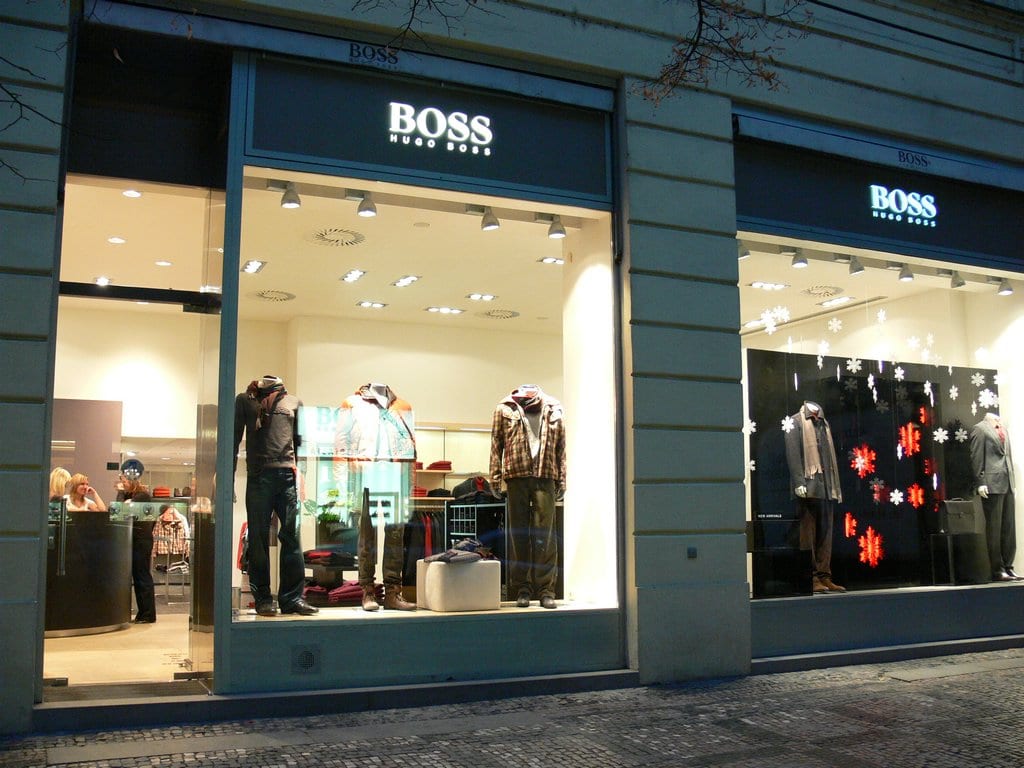
    German fashion house Hugo Boss says that improving its online business will be a priority this year as it shores up its recovery in China after slashing prices there.

    Since taking over as Hugo Boss chief last May, former finance chief Mark Langer has been cutting costs by renegotiating rents, shutting stores, trimming brands and shifting marketing spending back to menswear. This reverses the course of previous CEO Claus-Dietrich Lahrs, who invested heavily in promoting its womenswear. He quit in February last year after sales slumped in China and the US.

    Hugo Boss says it saved more than €100 million (US$106.8 million) in costs and investment last year and will continue to keep a strict control on expenses this year.

    Langer has also slashed prices in China to bring them closer to European and US levels, helping sales there rise by almost 20 per cent on a like-for-like basis in the fourth quarter.

    Hugo Boss says it expects currency-adjusted sales to be stable this year after a 4 per cent fall to €2.69 billion last year, with online sales down 9 per cent to €76 million, less than 3 per cent of the total.

    “Online and retail stores must be more closely linked together,” says Hugo Boss sales chief Bernd Hake.

    The company plans to roll out services like “click and collect” to stores across Europe by the end of this year.

    E-commerce sales at Hugo Boss were disrupted by a move last year to fulfil orders in Europe itself, instead of via a partner, and the relaunch of its website.

    It also plans more digital marketing, forecasting it will spend 70 per cent of its budget online and only 30 per cent on print this year, compared to a 50-50 split two years ago.

    Hugo Boss says digital communication has been an important driver of its recovery in China, with a jump in followers on social-media sites WeChat and Weibo last year.
  • Further ‘exceptional’ growth for Furla Group

    Further ‘exceptional’ growth for Furla Group

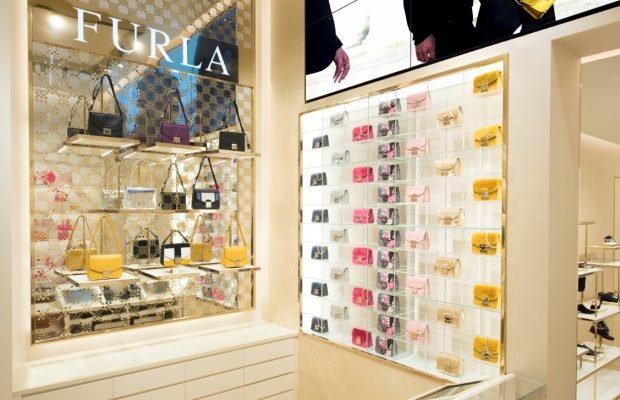
    Italian luxury company Furla Group has had another year of what it describes as “exceptional growth” in turnover and profit.

    Sales soared 31.7 per cent in Japan, its strongest market in Asia, and the company is now setting its focus on boosting sales in China and Australia in the year ahead.

    The fashion house turned over €422 million last year (US$446.7 million), up 24.5 per cent year-on-year at constant exchange rates. Pre-tax earnings rose 48 per cent and worldwide like-for-like sales were up 9 per cent.

    Furla says the key factors behind its outstanding performance across all markets and distribution channels were a growing appreciation by international consumers for the brand and its collections, the company’s significant investments in marketing, and its constantly expanding distribution network.

    Furla has a direct presence in 100 countries. Its monobrand stores total 444, compared to 415 in 2015, and these are split evenly between directly owned boutiques and franchises. The company also has wide distribution in multibrand and department stores in 1200 international locations.

    During the year, Furla opened stores on Nathan Road in Hong Kong, Nanjing Road in Shanghai and other upscale addresses in Australia, China and South Korea.

    During the year the company’s travel retail sector also grew significantly, to a total of 262 stores in 63 countries, with a 40 per cent increase in turnover.

    “We are particularly proud of the 2016 results,” says Furla Group GM Alberto Camerlengo. “The investments of the shareholders, our constant efforts in research and product innovation, all the way to distribution, have allowed us to be a leader in the top international markets.”

  • Adidas sales soar on reformation plan

    Adidas sales soar on reformation plan

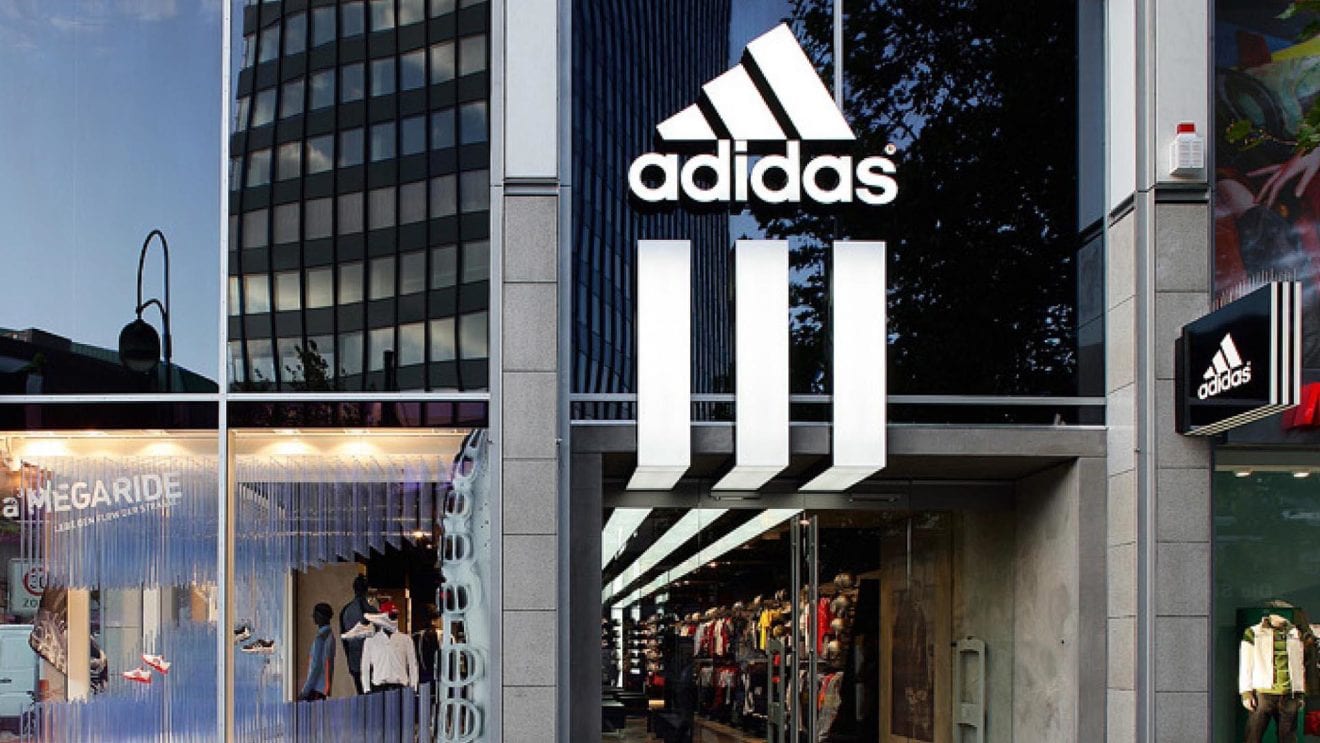
    Adidas sales have soared 18 per cent last year as the German sportswear brand plays catch-up with America’s Nike.

    For the first time in its history, Adidas’ net income topped euro 1 billion.

    In Greater China, sales soared 28 per cent year-on-year.

    “These results are proof positive that our strategy ‘Creating the New’ is paying off,” said Adidas CEO Kasper Rorsted. “2016 was an exceptional year for Adidas. We have improved the desirability of our brands and products around the globe. Building on our 2016 performance, our momentum continues and we will again achieve strong top- and bottom-line improvements in 2017.”

    Total sales reached euro 19.3 billion with operating margins up 1.3 percentage points to 7.7 per cent. Net income soared 41 per cent to euro 1.019 billion, allowing the company to promises shareholders a two euro per share dividend.

    The company is projecting another sales increase during 2017 ranging from 11 to 13 per cent, another increase in operating margin to between 8.3 and 8.5 per cent and net income up between 18 and 20 per cent to euro 1.225 billion.

    Even the troubled Reebok brand gained ground in 2016, currency-neutral sales up 6 per cent year-on-the-year, reflecting double-digit sales increases in its Classics range as well as mid-single-digit growth in the training and running categories.

    The Adidas group achieved double-digit revenue growth in nearly all market segments. In Western Europe, sales increased by 20 per cent, in North America by 24 per cent, in Russia by 3 per cent, in Latin America by 16 per cent and in Japan by 16 per cent. Revenues in Middle East and Africa also grew 16 per cent on a currency-neutral basis, reflecting double-digit growth in almost all of the region’s countries.

  • FedEx transports giant panda from United States to China

    FedEx transports giant panda from United States to China

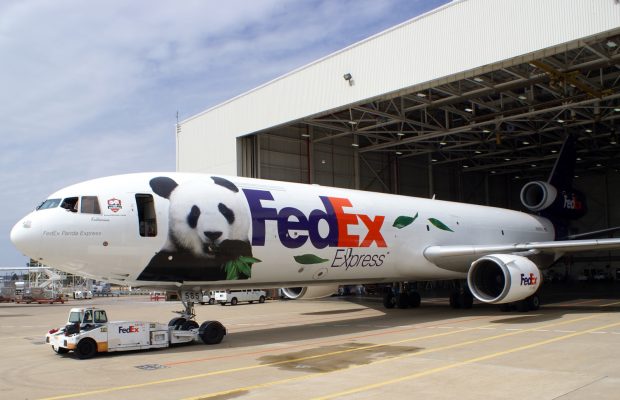
    FedEx Express, a subsidiary of FedEx, will donate its logistical services to transport a giant panda named Bao Bao from the United States to China on 21 February 2017. Working in conjunction with the Smithsonian’s National Zoo, FedEx Express will fly the panda on a direct charter flight non-stop from Washington’s Dulles International Airport to Chengdu, China.

    Bao Bao, a female panda born in August 2013 at the Smithsonian’s National Zoo, is the offspring of Mei Xiang and Tian Tian, both currently living in the U.S.  Bao Bao will be placed in a special crate provided by FedEx and travel onboard a custom-decaled FedEx Express 777 Freighter, known as the “FedEx Panda Express.”

    “The transport of Bao Bao represents the seventh time that FedEx is transporting a giant panda, a national treasure of China,” said Eddy Chan, senior vice president, FedEx China.  “We are honored and proud to serve as the trusted carrier.  Using our extensive global network and strong operations, our professional team will surely deliver Bao Bao to Chengdu, China fast and securely.”

    In addition to donating all the necessary air transportation for Bao Bao, FedEx Express will provide ground and logistical support in Washington, D.C., including a vehicle to deliver the panda from the Smithsonian’s National Zoo to the airport.  FedEx pilots, drivers and operations specialists selected to transport the panda are among the company’s most seasoned team members.

    FedEx Express, the Smithsonian’s National Zoo, and the China organizers will work collaboratively to ensure that all necessary precautions are taken to provide a safe and comfortable flight for Bao Bao.  The Smithsonian’s National Zoo is already preparing the panda for her move to make sure she is comfortable and safe throughout her journey.  Part of the preparations includes acclimating Bao Bao to a travel crate.

    One panda keeper and one veterinarian from the zoo have been granted special flight privileges to accompany Bao Bao onboard the aircraft.  The panda team will continuously monitor Bao Bao during the trip and will travel with a supply of water, bamboo and her favorite treats, including apples, pears and cooked sweet potatoes.

    Upon arrival in Chengdu, Bao Bao will be driven to one of the bases run by the China Conservation and Research Center for the Giant Panda.  A panda keeper from the Smithsonian’s National Zoo will follow and remain with Bao Bao for a short time while she acclimates to her new home.

    Due to security regulations, the departure and arrival events for the panda will be closed to the general public.

  • China may roll back electric vehicle quotas as industry pushes back

    China may roll back electric vehicle quotas as industry pushes back

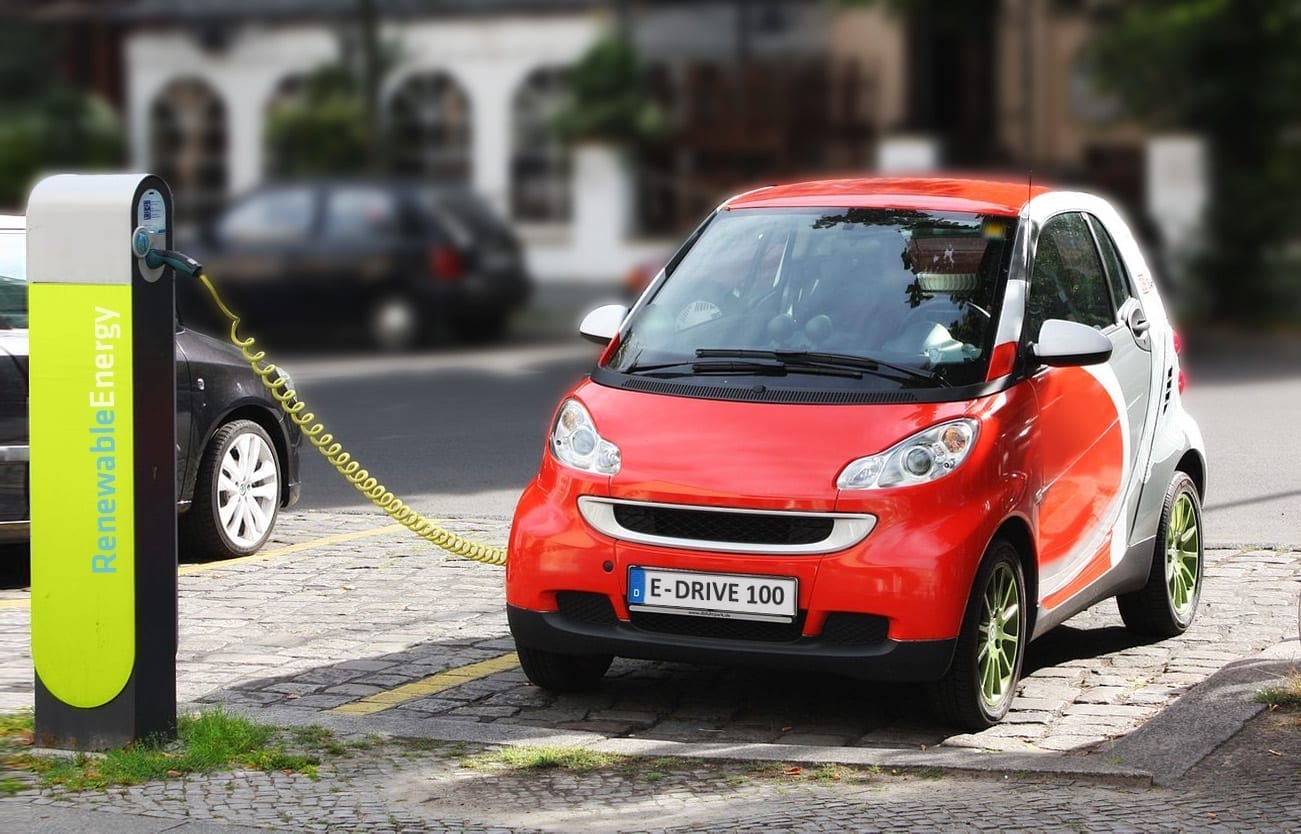
    China is considering easing proposed quotas aimed at producing more electric vehicles, as Beijing gets pushback from the automotive industry over the scale and pace of the plans.

    If adopted, proposed changes under discussion could see a target of new energy vehicles (NEV) making up 8 percent of sales next year pushed to 2019, two auto executives said.

    The changes would lower targets from a draft policy released in September requiring 8 percent of automakers’ sales to be battery electric or plug-in hybrid vehicles by 2018, rising to 10 percent in 2019 and 12 percent in 2020.

    Any loosening of NEV targets would mark a pull back by Beijing, which has faced opposition to the planned targets as it looks to drive its domestic carmakers to overtake global rivals in the ‘green’ vehicle sector.

    Automakers and industry bodies have said the targets are too tough and could hurt manufacturers’ interests. New energy vehicles last year accounted for just 1.8 percent of sales in the world’s biggest autos market, according to Reuters calculations based on official data.

    “It’s normal to make revisions as it’s a draft plan,” An Jin, chairman of Anhui Jianghuai Automobile Group (JAC Motor) , said on the sidelines of the National People’s Congress in Beijing.

    He said he was aware of talks to revise the quota targets, but said nothing was set in stone. “JAC hasn’t been told what revisions might be made to the draft, but I think it is possible the draft will be changed after the discussions,” he said.

    “Whether the whole market can hit this quota by 2018 depends a lot on the strength of government policy. If it’s strong then we should be able to surpass the targets,” An said, “(But) if you consider China’s infrastructure and the transformation of China’s auto sector, then perhaps the pace will have to slow.”

    TWO PERCENT CUT
    Two executives familiar with the plans told Reuters the government was considering options for lowering the requirements.

    One idea was to reduce the quota requirement by 2 percent each year, cutting the 2018 requirement to 6 percent, said a China-based government relations official at a major global automaker. It would then be 8 percent in 2019 and 10 percent in 2020.

    Another option would be to push back each target by a year, with the 8 percent quota starting from 2019, an executive at a Japanese car maker said.

    Both asked not to be named due to the sensitivity of the matter and because the draft was still under consideration.

    The overall policy includes quotas for plug-in cars, targets for average fuel economy requirements, and a credit trading system to promote green energy cars while penalizing petrol cars.

    The two people said the quota stand-off was tied to a disagreement between the Ministry of Industry and Information Technology (MIIT) and China’s top state planner, the National Development and Reform Commission (NDRC).

    MIIT, which regulates manufacturers, supports a more flexible credit trading system favoured by automakers. The NDRC is more aggressive in promoting a transition to electric vehicles, pushing the introduction of the stricter quotas.

    An NDRC spokesman said the body played a “small role” when the draft was open to public for discussion. MIIT did not immediately respond to Reuters’ requests for comment.

    China has strongly supported and subsidized electric vehicles, but is gradually swapping out incentives for hard targets automakers must meet. The central government cut subsidies 20 percent this year, a first reduction towards eliminating them by 2020.

  • Samsonite eyes global traveler in China

    Samsonite eyes global traveler in China

    One of the world’s largest luggage makers Samsonite International SA is banking on e-commerce to fuel its China business, which is set to record 12 to 14 percent growth in the coming years.

    The company hopes to have one-third of its sales generated online by 2022 against 20 percent in 2016, said chief executive officer Ramesh Tainwala.

    With the explosion of online shopping and a wealthier population eager to travel, China may overtake the United States as its largest market in the short run, with sales likely to double in three to five years, Tainwala said at a media briefing in Shanghai.

    He said: “At the beginning of the e-commerce, the Chinese were buying online because it was cheaper. But now consumers are maturing, it’s all about convenience.”

    China is the world’s largest online retail market, with 36 percent of the population shopping online at least once a week, far outstripping peer buyers, according to a study by the International Post Corporation, a Brussels-based group that provides business-critical intelligence to its members who are part of the postal industry.

    To harness that growth, Samsonite has launched a “three-pillar” strategy for digital retail. One is to team up with Chinese business-to-customer sites like Tmall and JD. According to Tainwala, the two platforms combined claim 60 percent of Samsonite’s online sales. Another channel is the digital stores of shopping malls and department stores.

    The third step Samsonite is taking this year is to open its indigenous direct online shopping portal, attracting sophisticated buyers who wish to purchase bigger-ticket items via the brand rather than a third party.

    It has also utilized social media to guide traffic to brick-and-mortar stores. For instance, followers of Samsonite’s official WeChat account can sign up for a promotion event in a shopping center and get a discount coupon. Online marketing has helped woo customers and add another 5 percent of their offline sales, according to Frank Ma, a senior Samsonite executive.

    Seven of Samsonite’s nine brands have been introduced to China, ranging from entry-level American Tourister, namesake and contemporary luxury Samsonite, to the newly acquired Tumi, which targets up-market business travelers.

    The multi-brand approach has made online a critical battlefield to win buyers, especially those in lower-tier cities who have fewer opportunities to access physical stores and are taking outbound trips for the first time.

    Ma said: “Globalization has made travelling a lot easier. With simplified visa procedures, we see more first-time travelers from China going beyond borders. To this end, we have designed products tailored to their needs.”

    For instance, American Tourister and Kamiliant are the two affordable brands for these first-time travelers. A typical 20-inch Kamiliant case sells from 199 yuan ($28.9) on Tmall.

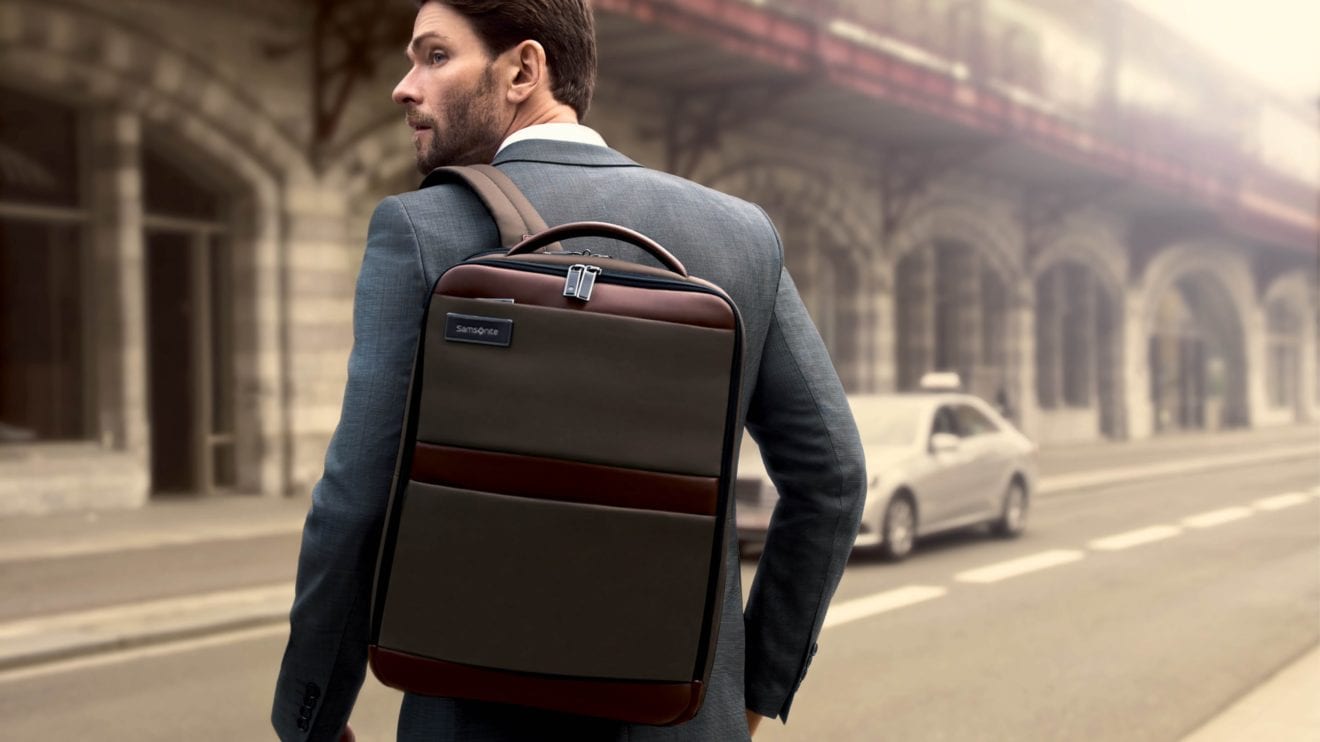
    Meanwhile, it has added new features to its most iconic business assortment, including a new hero backpack with three volumes, two check-in-sized spinners, and a brand-new spinner rolling tote.

  • Newegg to launch in 20 new countries including China

    Newegg to launch in 20 new countries including China

    Newegg have just announced that they will be launching a standalone China Marketplace later this year, which will be the first of a few new Market entries in 2017. They have ambitions to launch in 20 new countries in the course of the next year.

    Newegg are a retailer without physical stores, but alongside their own products they enable third party merchants to list inventory and sell to their customers.

    The 20 new Newegg marketplaces

    The new marketplaces will allow US and European manufacturers and retailers to sell products to consumers in other countries. Existing marketplace sellers will be able to list products on foreign marketplaces through Newegg’s Seller Portal system, which allows sellers to target listings and prices by region.

    Newegg currently allows customers from eight English-speaking countries to shop from Newegg’s US and European marketplace merchants online. The countries Newegg is expanding this year will either have access to purchasing goods from Newegg’s current marketplace or a separate site translated into local languages.

    Newegg in China

    However, Newegg sees its biggest opportunity in China, although this is a tough territory to crack with Alibaba’s marketplaces accounting for about 80% of the Chinese e-retail market. The Newegg Chinese marketplace will incorporate local payment options, including mobile and social payment methods. Newegg also will have a mobile app just for Chinese consumers, as the majority of consumers in the country shop using smartphones.

    Newegg’s competitive advantages for sellers over dominant Chinese marketplaces is their relationship with its existing US and European seller base and the ability to address the challenges of selling into China, such as cross-border fulfillment. Chinese consumers have voracious appetites for genuine US and European branded goods and are sometimes wary of purchasing from Chinese retailers in case the goods are counterfeit.

    Newegg has a Chinese website, Newegg.cn, where Newegg sells merchandise it owns. The new Chinese site will soon list products from marketplace sellers. When it launches it will sell goods from US and European merchants, but it may allow Chinese retailers to sell on the marketplace if the interest is there.

    What’s in it for UK, EU and US retailers?

    China has traditionally been a tough market, not just for familiar marketplaces such as eBay and Amazon, but also for retailers who want to list for example on Alibaba’s TMall. With $100k bonds required, local support, shipping, returns, the language barrier and different customer service and support expectations, the Chinese consumer can be quite demanding in Western terms.

    Newegg will remove many of the traditional obstacles of selling into China – they’re a retailer who already knows the country and partnering with them could become a key entry point to target Chinese consumers. Plus of course this is just one of 20 new territories that Newegg will open up to third party retailers this year.

  • Korea’s exports of consumer goods to China tops $7b in 2016

    South Korea sold more than $7 billion worth of consumer goods to China last year, a report showed Tuesday, amid growing concerns that this sector will suffer the most from a trade spat between the two countries over the deployment of an advanced US anti-missile system.

    The outbound shipments of consumer products reached $7.02 billion as of end-2016, accounting for about 11 percent of all consumer goods sold abroad last year, according to the latest report by the Korea International Trade Association and the Korea Institute of Finance.

    The figure represents only 5.6 percent of total exports to the world’s second-largest economy, which stood at $124.4 billion. More than 90 percent of all goods sold to China were intermediate goods such as machinery and industrial components like memory chips.

    Although the portion is marginal, consumer goods have emerged as a key export for the South Korean economy, Asia’s fourth largest, as the market has posted rapid growth over the past few years, the report said.

    The on-year export of five major consumer goods, including cosmetics and pharmaceuticals, grew by 13.6 percent last year, compared with a 5.9 percent on-year drop in the country’s overall overseas shipments, it showed.

    China’s import of consumer goods also rose at a faster pace of 9.2 percent in 2015 from 4.2 percent in 2000.

    The stellar performance in the consumer goods sector, however, is making local exporters more anxious since rising diplomatic tension with China could affect growth going forward.

    Since last July, Beijing has ratcheted up a hostile stance toward Seoul, in protest of Seoul’s stationing of the Terminal High Altitude Area Defense on its soil. Beijing strongly denounced the deployment, claiming that the installation’s powerful radar system will be used to spy on its own military.

    South Korea’s tourism and retail industries are bearing the brunt of what appears to be retaliatory measures taken by China.

    Beijing has banned the sale of group tours to South Korea and placed retail outlets run by Korean firms under suspension, among other moves.

    Experts here cautiously raised a view that maybe it’s time South Korea focused more on exports of intermediate and capital goods.

    “Consumer goods are to some extent overrated because we people can see them more easily. But intermediate and capital goods are traded between businesses, which means they’re less likely to be affected once a deal has been signed,” Ji Man-soo, a KIF researcher, said.

  • New face of Louis Vuitton Hong Kong Landmark

    New face of Louis Vuitton Hong Kong Landmark

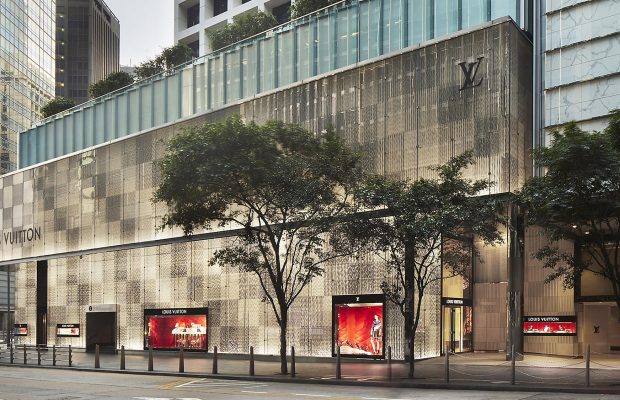
    Following a transformation, the Louis Vuitton Hong Kong Landmark has a new look.

    At one of the busiest junctions in Hong Kong, the flagship maison in Central has a new glass facade designed by Japanese architect Jun Aoki, who also designed the exterior of the brand’s store in Ginza, Tokyo.

    There is a new interior by New York architect/interior designer Peter Marino, who has designed Louis Vuitton stores in London and Los Angeles. It includes an intimate space across two floors where customers can sit on plush sofas and lounge chairs while browsing through the latest collections of ready-to-wear, leather goods, accessories, fragrance, jewellery, watches and shoes. There is also a private space by invitation only for a personalised shopping experience.

    There was a red-carpet opening in The Landmark atrium for the redesigned store, attended by special guests including Hong Kong actress/model Janice Man (Wing-San Man).

    As well as the complete revamp of the Landmark maison, Louis Vuitton is also rebuilding its flagship store in Canton Road, which opened in 2008.

    “The leader in the market believes in Hong Kong,” says LV CEO/chairman Michael Burke, who says the company needs to keep investing in Hong Kong as a “unique, iconic destination in the world that will remain important for Chinese shopping”.

    “There was a moment two years ago in Hong Kong when the day trippers were excessive,” he says. “We had what we call ‘froth’ in the market. If we have a drop in froth, there’s no problem.”

    He says the key is looking long-term, with short-term swings, temporary rises and falls, not really affecting strategy.

    “We’re coming back now to a more healthy situation. The norm is going to be the steady, uphill growth of the upper middle class in China.”

    LVMH chairman/CEO Bernard Arnault also believes Hong Kong’s downturn is just a “cyclical problem”.

    “Hong Kong will remain one of the high points in Asia and one of the drivers of our growth,” he says.

  • Chinese officials close Lotte Group stores amid political issue

    Chinese officials close Lotte Group stores amid political issue

    Following inspections, Chinese authorities have closed nearly two dozen Lotte Group stores.

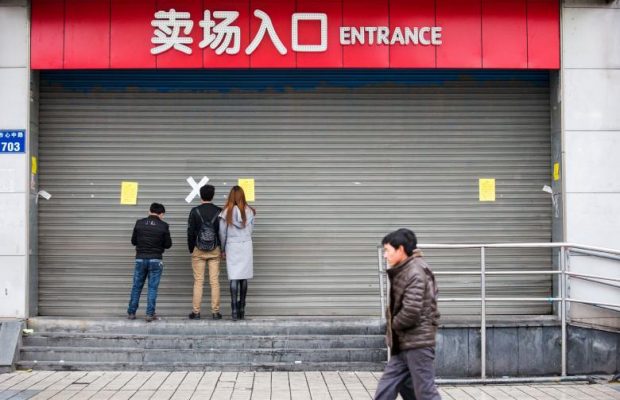
    Lotte says that 23 of its supermarkets in its biggest overseas market have been shuttered, reaching from Dandong on the North Korean border to the east coast and southern Changzhou.

    Workers at three stores say the closures are temporary and fire-safety related. Its its Sina Weibo microblog, the Anhui fire department says it temporarily shut two Lotte Mart stores because of fire risks, part of a broader regional sweep over the past month that had led to the closure of 30 stores belonging to a range of companies including Lotte.

    However, the Lotte closures follow a series of incidents affecting South Korean companies in China, including cyber attacks and a ban on sales of travel tours to South Korea, Reuters reports. Lotte Mart had 115 stores in China as of January, its biggest overseas market, and had group sales there of more than 3 trillion won (US$2.6 billion) in 2015.

    Problems started for Lotte after it approved a land swap outside Seoul last month so South Korea could install a defence system in response to missile threat from North Korea.

    Meanwhile, photos and videos are circulating on Chinese social media of protests outside Lotte stores, while others show Lotte outlets with their steel grates pulled shut. Outside one store, a red banner reads: “South Korea’s Lotte has declared war on China … Get the hell out of China”.

    Lotte Duty Free is back online after a cyber attack last week from Chinese IP addresses crashed its website, and the group is seeking help from the South Korean government regarding the issues it is facing in China, where it employs about 20,000 people – a third of its overseas staff.

  • Ford’s Lincoln plans to produce new luxury SUV in China by late 2019

    Ford’s Lincoln plans to produce new luxury SUV in China by late 2019

    Ford Motor Co’s luxury unit Lincoln on Monday said it plans to produce a new luxury SUV in China by late 2019.

    “The new luxury SUV will be built in partnership with its joint venture partner Changan in Chongqing,” Lincoln China said in a press release.

  • Central Group turns focus to e-commerce

    Central Group turns focus to e-commerce

    hai retail giant Central Group aims to raise the share of its e-commerce sales to 15 per cent over five years, up from the present 1 per cent.

    Presenting the company’s annual business plan, CEO Tos Chirathivat says the group will aggressively pursue expansion in the digital realm this year.

    About 10 per cent of the 45.53 billion baht (US$1.3 billion) capital investment allocation this year will be devoted to online business. The funds will mainly go toward developing a logistics network and an omni-channel platform, with capital spending on that front to double from next year.

    Central Group’s retail portal, Central Online, will be overhauled this year. The conglomerate acquired the Thai business of fashion e-tailer Zalora last year, and will adapt its know-how for Central Online’s makeover.

    The group is also eyeing markets outside of Thailand, including an online re-entry into China, from where it retreated two years ago. Central Group president Yol Phokasub says it aims to collaborate with a partner this time.

    Vietnam is another promising market. The group has two department stores there and is also a stakeholder in electronics retailer Nguyen Kim.

    Meanwhile, Central says its group sales last year increased 17 per cent to 332.7 billion baht. The refurbishment of key assets such as Bangkok’s Central Plaza Pinklao helped boost sales, along with Zalora and the acquisition of Vietnamese supermarket chain Big C.

    Central aims to reap sales of 382.2 billion baht this year, with a heavy reliance on overseas business, which accounts for 30 per cent of sales, as well as developed online business.

  • China main market for Korean online industry

    China main market for Korean online industry

    Sales of South Korea’s online shopping malls rose dramatically in recent months helped by the growing number of Chinese customers.

    Data released this week shows the Korean online industry growth is happening amid China’s retaliation against South Korea over Seoul’s plans to deploy an advanced US missile defense system on its soil.

    WeMakePrice, a major online shopping mall, said its sales on Alibaba Group’s Tmall rose 100 per cent in January compared with the same period last year. The comparable figure was 50 per cent for February.

    “We don’t expect any drastic decline in the sales in Tmall, one of the biggest online shopping sites in China, unless Chinese consumers stage a boycott of South Korean products,” a WeMakePrice official said.

    GMarket, another online shopping mall, said its sales to Chinese consumers surged 18 per cent in 2016 from a year earlier, and the trend is similar for the first two months of this year.

    A possible decline in the number of Chinese tourists visiting South Korea, however, may adversely affect the South Korea online industry as many Chinese tourists place orders at South Korean duty-free shops online before picking up goods in person while touring South Korea, industry sources said.

    China has been retaliating against Seoul’s decision reached in July to have the Terminal High Altitude Area Defense (THAAD) system deployed on South Korean soil later this year. South Korea says the missile system will not target China but only counter threats from North Korea.

    In the latest retaliation, Chinese travel agencies suspended sales of tour packages to South Korea last week.

  • Indonesia, China cooperate to boost tourist arrivals

    Indonesia, China cooperate to boost tourist arrivals

    The Tourism Ministry, in cooperation with Chinese provincial tourism administrations, aims to raise the number of tourist arrivals from China by 50 percent to 2.1 million in 2017 from 1.4 million last year.

    The ministry’s director for Asia-Pacific tourism promotion, Vinsensius Jemadu, said that this year’s increase would be part of Indonesia’s target to attract 10 million Chinese visitors by 2019.

    “China is our strategic partner and main market for tourism. Therefore in the Tourism Ministry, China gets more than 50 percent of its budget for promotion,” he said in a meeting with Hubei tourism administration in Jakarta on Friday.

    Vinsensius further said that aside from cooperation with the Hubei tourism administration, the ministry had also established cooperation with China’s Hainan tourism administration.

    “Next month, Hainan Airlines and Capital Airlines can fly to Jakarta three times a week,” he said.

    Citilink, a subsidiary of national flag carrier Garuda Indonesia, was expected to fly to 17 cities in China from Tanjung Pinang in Riau Islands and Manado in North Sulawesi, based on the memorandum of understanding (MoU) signed by the Indonesian tourism minister in Beijing last year, Vincensius said.

    The ministry offers an incentive of US$15 (Rp200,895) or $20 per passenger to airlines and wholesalers bringing visitors to Indonesian destinations outside of Bali and Jakarta. In addition, the Transportation Ministry will provide licenses of direct flights and offer free parking and landing to aircraft from Chinese airlines.

  • Tencent Offers Integrated Solutions to Help  eCommerce Companies Win in the China Market

    Tencent Offers Integrated Solutions to Help eCommerce Companies Win in the China Market

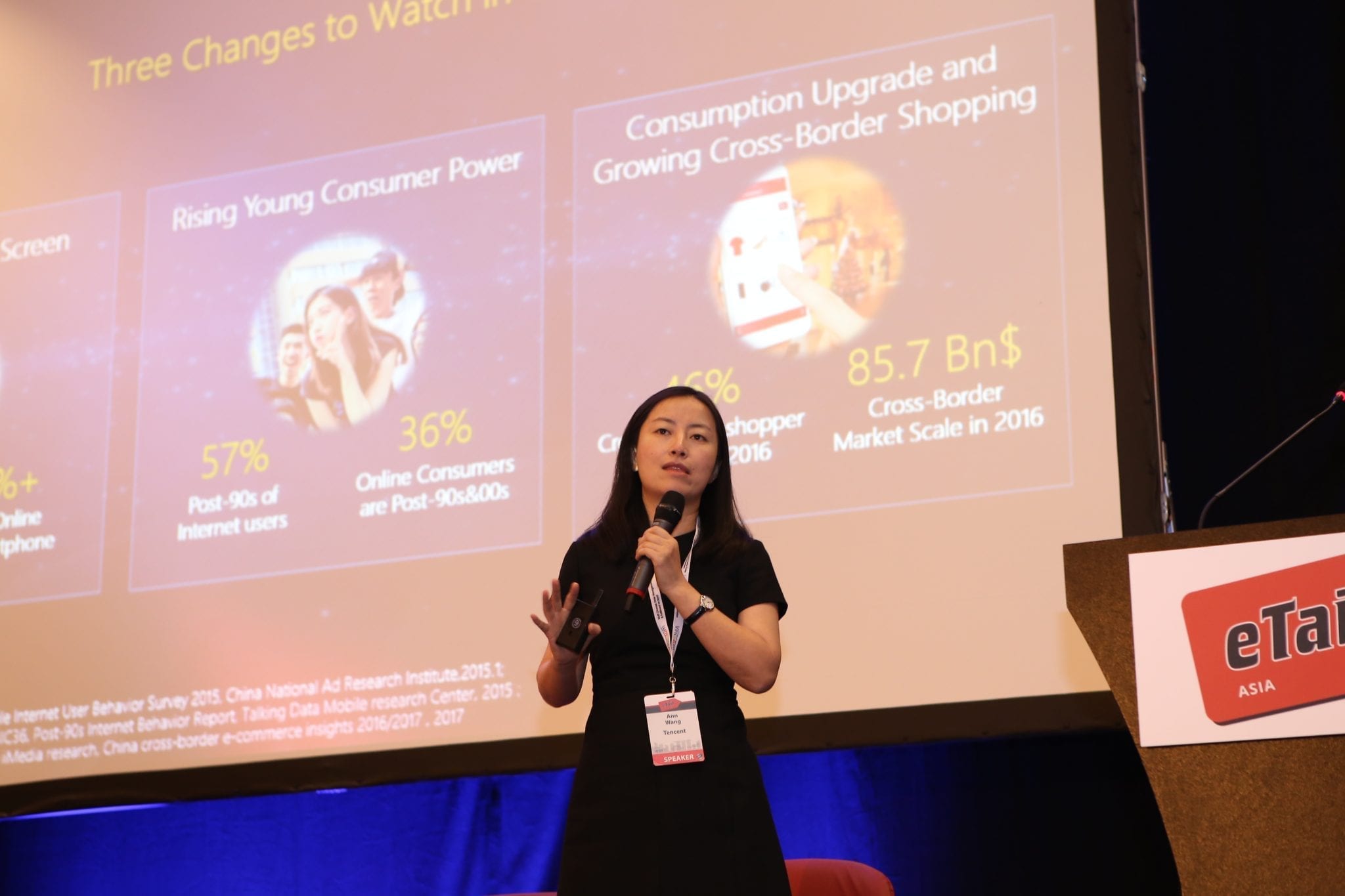
    Speaking today at eTail Asia 2017, a leading platform to help online retailers in Asia build a successful ecommerce business, Ann Wang, General Manager of Performance Advertising Solution, Online Media Group, Tencent, shared insights into China’s unique Internet market environment and consumer behaviors. Wang revealed the Tencent platform’s strength and offered three pieces of advice to help ecommerce companies win in China as the country shifts toward a consumption upgrade.

    In China, 90% of Internet users access the Internet via smartphone, and more than 75% shop online via smartphone. The ongoing consumption upgrade is further stimulating the development of China’s ecommerce market, particularly overseas online shopping. According to statistics, the total volume of cross-border online shopping in China reached US$85.7 billion in 2016, while the number of cross-border online shoppers grew 46% in the same year. The growth of ecommerce in the post-1990s and early 2000s is the main force behind the huge rise in overseas online shopping.

    According to Mary Meeker’s Internet Trends 2016, Chinese mobile users spend more than 55% of their online time on Tencent platforms, including QQ, Qzone, WeChat, v.qq.com and Tencent News. With its focus on social interactions and content, Tencent has built a self-sustained ecosystem, powerful data capabilities and holistic scenarios for quality communications among its users.

    According to Wang, Tencent provides more open, connected data, which links ad exposure to brand attitudes, consumer behavior and sales. Tencent’s algorithms also help marketers engage consumers across scenarios, and elevate pertinence by dynamic and contextual messages, allowing them to reach the broadest coverage of Chinese netizens.

    In her speech, Wang offered three valuable tips for marketers, which she believes can help global brands build a successful business in the increasingly dynamic China market:

    • Build a mobile-first ecosystem: Use all the tools available, including online ecommerce platform solutions, payment services and customer management to set up a mobile-oriented business ecosystem.
    • Go with an integrated marketing approach. Wang suggests marketers partner with a fully integrated platform to get the best of both brand advertising and performance advertising. One good example is Tencent’s co-creation of blockbuster IP with a popular cosmetics brand. The brand’s target audience loves to watch super-realism dramas and movies, worships movie stars, and are willing to consume and spend. Partnering with Penguin Pictures’ self-produced series “Revive,” the cosmetics brand made the leading actress its endorser and incorporated the brand appeal where appropriate. At the same time, it encouraged fans to try out its product used by celebs in the series. What’s more, it hosted offline celebrity meet-up sessions, thus winning the hearts of many fans. After only seven episodes, its Tmall store’s daily sales volume increased 400%.
    • Use the power of online marketing to boost traffic in offline stores. When a luxury automotive brand opened new stores in Hangzhou, it launched geo-targeted ads through WeChat Moment. Both the number of customer information acquisitions and store visits increased significantly as a result of the campaign.

    eTail Asia is the region’s premier event for senior eCommerce and Multichannel Directors of leading retailers. Each year, Asia’s biggest names attend to network and get a 360° perspective on the most pressing challenges and opportunities in digital retail. Also speaking at the event this year were representatives from Google, L’Oreal, Adidas, and Philips, to name just a few.